Archive for ‘ancestors’

07/05/2020

Xinhua Headlines: Archaeological findings provide key proof of Chinese civilization origin

— Chinese archaeologists announced significant achievements at the Shuanghuaishu site in central China’s Henan Province, providing key proof of the origin of the over 5,000-year-long Chinese civilization.

— With an area of 1.17 million square meters, the Shuanghuaishu site, dating back to around 5,300 years, is located on the south bank of the Yellow River in the township of Heluo, Gongyi City, and was proposed to be named “Heluo kingdom.”

— A large number of relics of the Yangshao Culture dating back 5,000 to 7,000 years have been discovered at the site.

by Xinhua writers Xu Ruiqing, Wang Ding, Gui Juan, Shuang Rui

ZHENGZHOU, May 7 (Xinhua) — Chinese archaeologists announced Thursday significant achievements at the Shuanghuaishu site in central China’s Henan Province, providing key proof of the origin of the over 5,000-year-long Chinese civilization.

With an area of 1.17 million square meters, the Shuanghuaishu site is located on the south bank of the Yellow River in the township of Heluo, Gongyi City.

The ancient city relic dating back to around 5,300 years ago was proposed by Chinese archaeologists to be named “Heluo kingdom” after its location in the center of the Heluo area, where the Yellow River (known as He in ancient China) and the Luohe River meet.

“The Shuanghuaishu site is the highest-standard cluster with the nature of a capital city discovered so far in the Yellow River basin in the middle and late stage of Yangshao Culture, the early stage of the formation of Chinese civilization,” said Li Boqian, a professor at Peking University, at a press conference on major archaeological discoveries at Shuanghuaishu site held Thursday in Zhengzhou, the provincial capital.
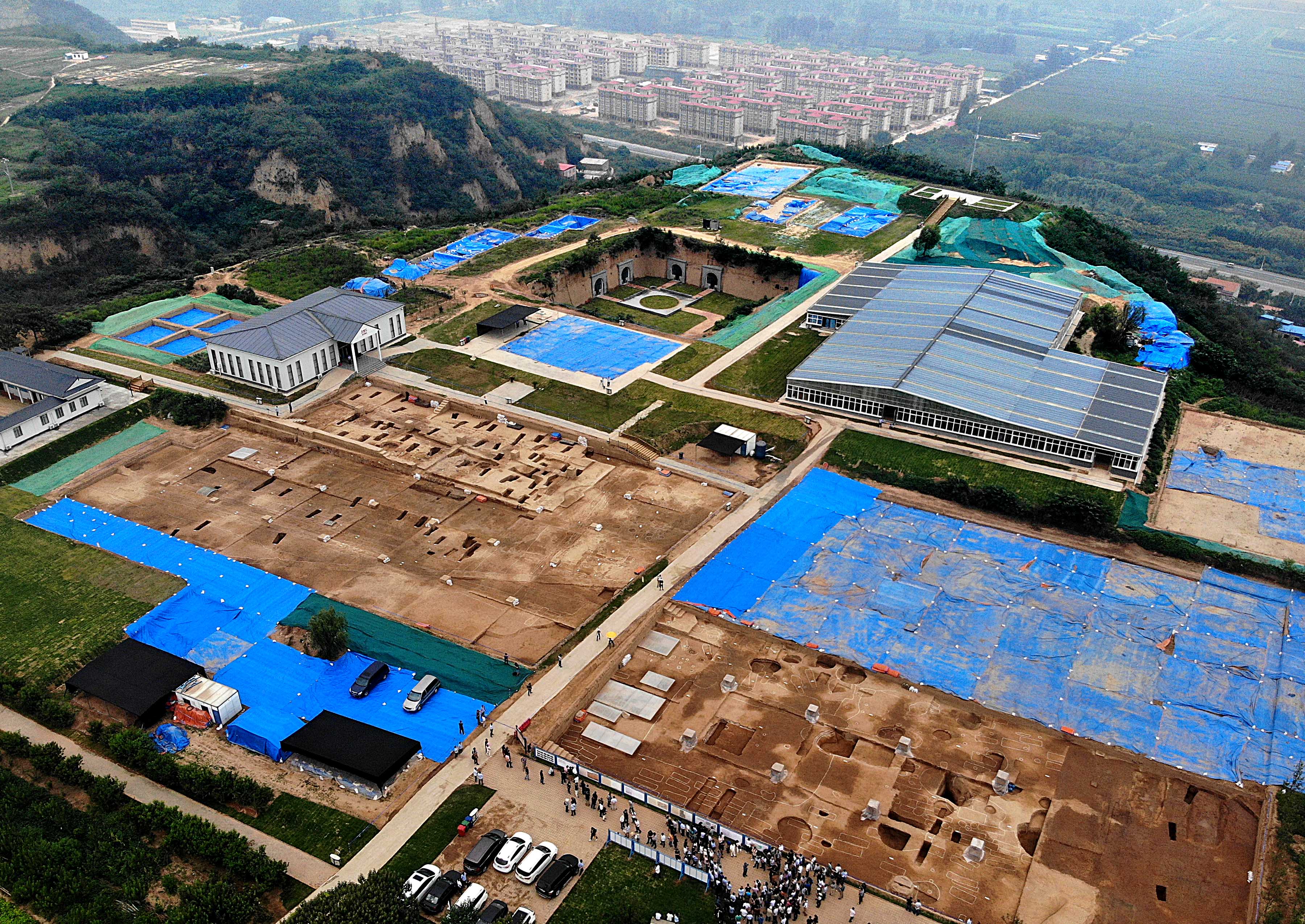
Aerial photo taken on Aug. 27, 2019 shows the Shuanghuaishu site in central China’s Henan Province. (Xinhua/Li An)

A large number of relics of the Yangshao Culture dating back 5,000 to 7,000 years have been discovered at the site, said Gu Wanfa, director of the Zhengzhou Municipal Research Institute of Cultural Relics and Archaeology, at the press conference.

“The important archaeological findings provide key proof of the origin of Chinese civilization, and also prove the representativeness and influence of the Heluo area in the golden stage of the origin of Chinese civilization around 5,300 years ago,” said Wang Wei, a member of the Chinese Academy of Social Sciences.

Since 2013, the Zhengzhou Municipal Research Institute of Cultural Relics and Archaeology and the Institute of Archaeology of the Chinese Academy of Social Sciences have conducted continuous archaeological excavations on the site.

According to archaeologists, the Shuanghuaishu site was about 1,500 meters long from east to west and 780 meters wide from north to south. It was surrounded by three ring trenches with each found to have external access, forming a strict defense system.

Aerial photo taken on Aug. 27, 2019 shows the Shuanghuaishu site in central China’s Henan Province. (Xinhua/Li An)

The central residential area with four rows of houses was found in the northern part of the inner ring moat. Meanwhile, three public cemeteries with more than 1,700 tombs, three sacrificial remains, an astronomical relic, a pottery workshop area, a water storage area, a road system, and other facilities were also discovered at the city ruins.

“The Shuanghuaishu site was a well-selected and scientifically planned settlement site,” said Wang.

“Based on the geographical location and scale, it’s also the only large-scale city settlement discovered so far in the Yellow River basin from the middle and late stage of Yangshao Culture,” Wang added.

Archaeologists believe that the Heluo kingdom was the source of many typical characteristics of Chinese civilization.

Silk originated in China and later became one of the country’s major trade items. “The mulberry-growing and silkworm-raising culture was an important component of Chinese civilization,” said Li.

Among the unearthed relics at Shuanghuaishu, a boar tusk carving of a silkworm, 6.4 cm long, nearly 1 cm wide and 0.1 cm thick, was believed to be China’s earliest carving depicting silkworms.

Undated photo shows a boar tusk carving of a silkworm unearthed at the Shuanghuaishu site in central China’s Henan Province. (Xinhua)

Experts say that the carving depicts a spinning silkworm which is quite similar to modern silkworms in appearance. “The spinning shape of the carving suggests that ancient Chinese people were familiar with the habits of silkworms,” said Gu.

Along with silk fabrics unearthed at the surrounding Wanggou site and Qingtai site, archaeologists said they are solid evidence to prove that the ancient Chinese in the Yellow River basin began raising silkworms and silk production around 5,300 years ago.

“Except Shuanghuaishu and its surrounding settlement sites, there were no definite discoveries from around 5,300 years ago related to the silk textile industry in other parts of the country,” said Li. “In that sense, they are the earliest representatives in the development history of Chinese mulberry cultivation and silkworm-rearing culture.”

Meanwhile, at the astronomical relic at Shuanghuaishu, nine pottery pots were arranged in the pattern of the nine stars of the Big Dipper, which shows that the ancestors of Heluo had relatively mature astronomical knowledge.

Photo taken on April 28, 2020 shows one of nine pottery pots arranged in the pattern of the nine stars of the Big Dipper, at an astronomical relic at the Shuanghuaishu site in central China’s Henan Province. (Xinhua/Li An)

“The relic also indicates the worship of the celestial body may have formed a grand sacrificial ceremony for observing the solar terms and praying for a good harvest,” said Gu.

Experts also believe the astronomical relic and the surrounding sacrificial remains constitute a whole, which is consistent with the records of winter solstice sacrifices in ancient Chinese documents. “It is of great significance to the study of early Chinese astronomy and the origin of Chinese civilization,” added Gu.

Source: Xinhua
04/04/2020

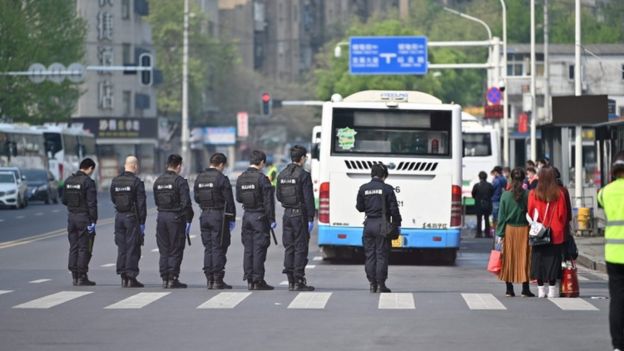
Coronavirus: China mourns Covid-19 victims with three-minute silence

Media caption A day of remembrance is held in China to honour those who have died in the coronavirus outbreak

China has mourned the victims of the coronavirus outbreak by observing a three-minute silence, bringing the nation to a halt.

A day of remembrance was declared in China on Saturday to honour the more than 3,300 people who died of Covid-19.

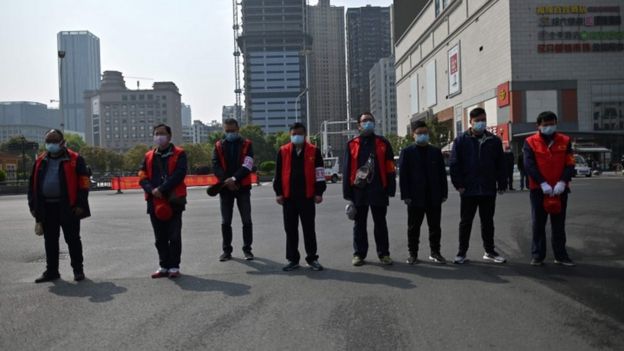
At 10:00 local time (03:00 GMT), people stood still nationwide for three minutes in tribute to the dead.

Cars, trains and ships then sounded their horns, air raid sirens rang as flags were flown at half-mast.

The first cases of coronavirus were detected in the Chinese city of Wuhan in Hubei province late last year.

Since then, the virus has swept the globe, infecting more than one million people and killing nearly 60,000 in 181 countries.

In Wuhan, the epicentre of China’s outbreak, all traffic lights in urban areas were turned red at 10:00, ceasing traffic for three minutes.

China’s government said the event was a chance to pay respects to “martyrs”, a reference to the 14 medical workers who died battling the virus.

People stop and pay their respects in Wuhan, 4 April 2020Image copyright GETTY IMAGES
Image caption China came to a standstill during the three-minute silence at 10:00 local time

They include Li Wenliang, a doctor in Wuhan who died of Covid-19 after being reprimanded by the authorities for attempting to warn others about the disease.

“I feel a lot of sorrow about our colleagues and patients who died,” a Chinese nurse who treated coronavirus patients told AFP news agency. “I hope they can rest well in heaven.”

Wearing white flowers pinned to their chest, Chinese President Xi Jinping and other government officials paid silent tribute in Beijing.

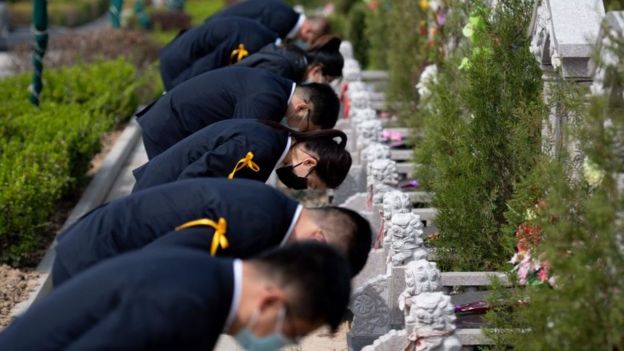
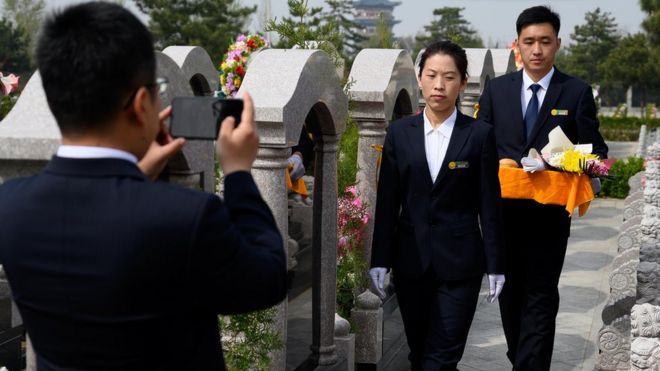
Saturday’s commemorations coincide with the annual Qingming festival, when millions of Chinese families pay respects to their ancestors.

China first informed the World Health Organization (WHO) about cases of pneumonia with unknown causes on 31 December last year.

By 18 January, the confirmed number of cases had risen to around 60 – but experts estimated the real figure was closer to 1,700.

Police officers and officials stop and pay their respects during a three minutes of silence to mourn those who died in the fight against the pandemicImage copyright GETTY IMAGES
Image caption China’s government said the commemoration was held to pay respects to “martyrs”

Just two days later, as millions of people prepared to travel for the lunar new year, the number of cases more than tripled to more than 200 and the virus was detected in Beijing, Shanghai and Shenzhen.

From that point, the virus began to spread rapidly in Asia and then Europe, eventually reaching every corner of the globe.

Media caption The BBC met people in Beijing heading out after the lockdown

In the past few weeks, China has started to ease travel and social-distancing restrictions, believing it has brought the health emergency under control.

Last weekend, Wuhan partially re-opened after more than two months of isolation.

On Saturday, China reported 19 new confirmed cases of coronavirus, down from 31 a day earlier. China’s health commission said 18 of those cases involved travellers arriving from abroad.

As it battles to control cases coming from abroad, China temporarily banned all foreign visitors, even if they have visas or residence permits.

What is the latest worldwide?

As the coronavirus crisis in China abates, the rest of the world remains firmly in the grip of the disease.

In the US, now the global epicentre of the outbreak, the number of deaths from the disease jumped to 7,152 on Friday, according to data collated by Johns Hopkins University.

The deaths increased by 1,480 in 24 hours, the highest daily death toll since the pandemic began, AFP news agency reported, citing Johns Hopkins University’s case tracker.

Banner image reading 'more about coronavirus'
Banner

As of Friday, there were 277,953 confirmed cases of coronavirus in the US, a rise of more than 32,000 in 24 hours.

Meanwhile, deaths continue to climb in Italy and Spain, the second and third worst-affected countries in the world.

Map showing number of cases in Europe
Presentational white space

In Italy, deaths increased by 766 on Friday, bringing the total to 14,681. In Spain, the death toll stood at 10,935, a rise of 932 in the past day.

However, there was a glimmer of hope for both countries, as the downward trend in the rate of new cases continued.

In other global developments:

11/02/2020

The school play that sent a mother to prison

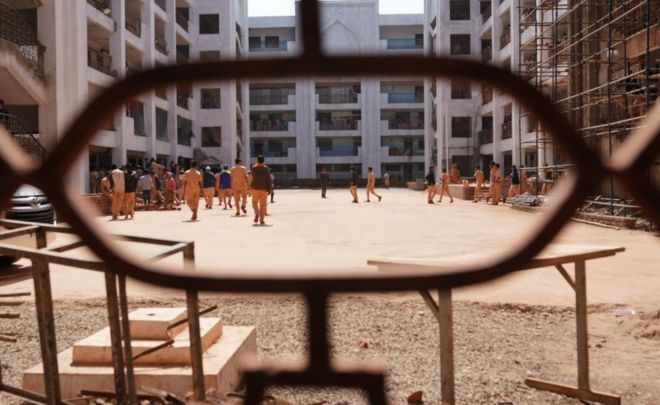
Shaheen School in Bidar
Image caption A play staged at Shaheen School has led to the arrest of a parent and a teacher

An Indian school play involving nine to 12-year-olds became the subject of national attention after it landed a young mother and a teacher in jail. BBC Telugu’s Deepthi Bathini reports.

“I’m not sure how I ended up here,” says 26-year-old Nazbunnisa, a single mother who did not give her last name and who works as a domestic help.

She was arrested on 30 January, along with Farida Begum, a teacher at her daughter’s school. The charge against them: sedition, which the women, both Muslim, deny.

They spoke to the BBC in a prison official’s office at Bidar district jail in the southern state of Karnataka. Both were on the verge of tears – they said they are trying to be “strong”, but their lives have suddenly turned “upside down”.

Their bail hearing is scheduled for Tuesday. Their lawyer says the charge of sedition is being misused.

Indian people protest against the controversial Citizenship Amendment Act (CAA), the National Register of Citizens (NRC) and the National Population Register (NRP) in Shaheen bagh area of New Delhi, India on 02 February 2020.Image copyright GETTY IMAGES
Image caption The citizenship law has sparked huge protests

It stems from a colonial-era law that was used to quash dissent, but is still deployed liberally despite the Supreme Court’s attempt to limit it by making incitement to violence a necessary condition.

The two women are accused of spreading “false information” and of “spreading fear among [the] Muslim community” and of using children to insult India’s Prime Minister, Narendra Modi.

Their ordeal began with a play put on by the students and staff at Shaheen School in Bidar, where Ms Nazbunnisa’s daughter studies and Farida Begum, 52, teaches.

The play was about a controversial new citizenship law, which has polarised India since it was passed in December by the governing Hindu nationalist Bharatiya Janata Party (BJP).

The Citizenship Amendment Act (CAA), offers amnesty to non-Muslim immigrants from Pakistan, Bangladesh and Afghanistan. It sparked fear among India’s 200 million-plus Muslims as it came in the wake of the government’s plans to introduce a National Register of Citizens (or NRC) based on those who can prove their ancestors were Indian citizens.

Authorities are yet to clarify what documents would be needed to prove citizenship, but taken together, the measures have spurred massive protests – critics say the government is marginalising Muslims while offering a path to citizenship for people of other religious communities who fail to make it on to the NRC.

The governing BJP denies these charges, and insists India’s Muslims have nothing to worry about.

So, given the contentious subject, after one of the parents streamed the school play live on Facebook, the recording quickly went viral. Local resident Neelesh Rakshal was among those who watched it.

Mr Rakshal, who describes himself as a social activist, says he became furious over a scene where a man approaches an elderly woman and tells her that Narendra Modi wants Muslims to produce documents proving their Indian citizenship and that of their ancestors, and if they fail to do so, they will be asked to leave the country.

Neelesh Rakshal
Image caption Mr Rakshal says the play “spreads hatred”

The woman responds that she has been in India for generations and would have to dig up the graves of her ancestors to look for documents. She then says a “boy who was selling tea”, a reference to Mr Modi who has said he used to sell tea as a teenager, is now demanding that she show him her documents.

“I will ask him for his documents and if he doesn’t show them to me, I will hit him with slippers,” she adds.

Mr Rakshal says he immediately registered a police complaint against the school for “using children in a school play to abuse the prime minister and also for spreading hatred”.

The complaint named the school management and the parent who streamed the play. While several members of the school management and the president of the school have also been charged with sedition, police told the court they are still looking for them.

“We do not know for what reason sedition charges have been invoked against the school. It is beyond the imagination of any reasonable person. We will fight it in court,” the school’s CEO, Thouseef Madikeri, says.

A Muslim child in IndiaImage copyright GETTY IMAGES
Image caption School officials allege that they are being targeted because most of the students are Muslim

Police also questioned students – videos and screen grabs of CCTV footage showing them speaking to students were shared widely on social media, prompting criticism.

Mr Madikeri alleges that on one occasion, police in uniform questioned students, with no child welfare officials present – an accusation denied by police superintendent DL Nagesh.

“The students were questioned five times. It’s mental harassment to students and this may have an impact on them in [the] long run,” Mr Madikeri says.

The Karnataka State Commission for Protection of Child Rights has asked police to explain why they questioned students so many times. Police say it was because not all the students were available at the same time.

Mr Madikeri told the BBC it was the questioning of students that led to the arrest of Farida Begum and Ms Nazbunnisa.

One parent whose child was questioned says she is now scared of going to school.

“My daughter told me police repeatedly asked her to identify the teachers and others who might have taught them the [play’s] dialogues,” he said.

“I do not understand what was wrong in the play. Children have been seeing what has been happening around the country. They picked up the dialogues from social media.”

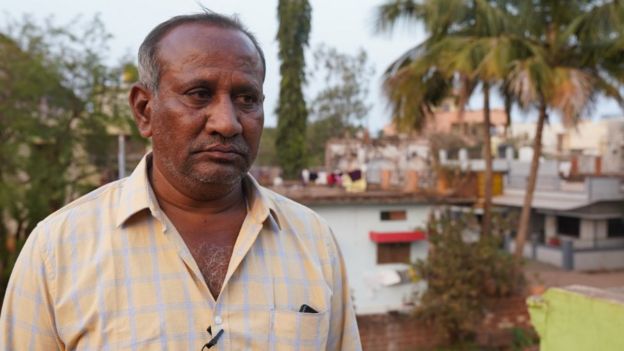
Mirza Baig
Image caption Farida Begum’s husband is worried about what will happen

Ms Nazbunnisa is also perplexed as to why she was arrested.

“My daughter was rehearsing for the play at home,” she says. “But I did not know what it was about, or what this controversy about CAA or NRC is about. I did not even go to see her play.”

Ms Nazbunnisa has met her daughter only once since she was jailed: “It was just for a few minutes, and even then only through a window. I held back my tears. I did not want to scare her further.”

The girl is staying with a friends of the family – they told the BBC she is having nightmares and often wakes up crying for her mother.

“She has been pleading that her mother not be punished for her mistake. She is sorry for what has happened,” one of them says.

Farida Begum, who suffers from high blood pressure, says she is “scared of what the future holds”. Her husband, Mirza Baig, says he fears that his wife being in jail will affect his daughter’s marriage prospects.

“Whatever is happening is not right,” he says.

Source: The BBC

23/11/2019

Peking Man wasn’t that smart – even for the Stone Age, Chinese scientist says

  • Researcher says some might find it hard to accept that early humans they assumed to be their ancestors ‘were stupid’
  • Report suggests that isolation may have made Peking Man less adaptable
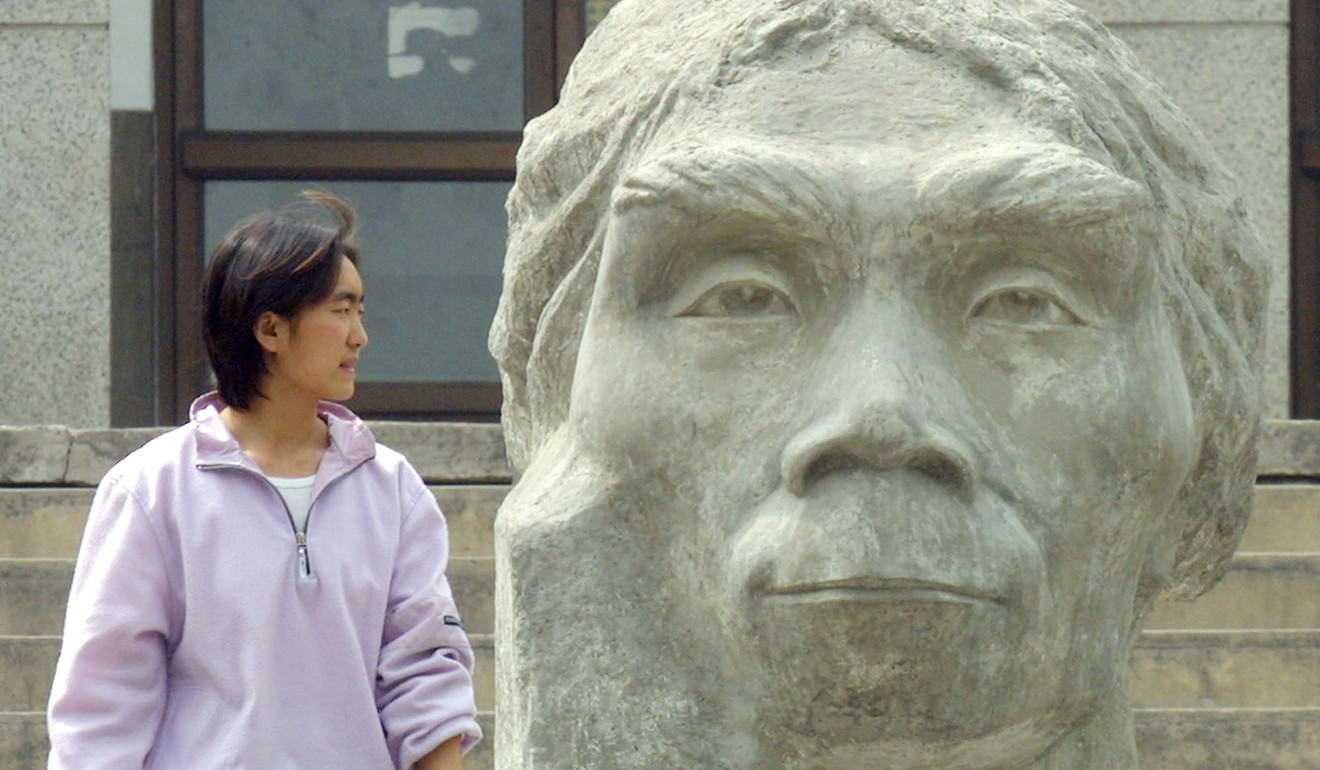
Peking Man is the earliest human sub species discovered in China. Photo: Reuters

“Peking Man”, the Stone Age humans who are believed to be ancestors of the Chinese, left little evidence that they had ever evolved, according to a Chinese scientist.

“It may be hard for some people to accept, but evidence shows they [

Peking Man

] were stupid,” said Professor Wei Qi, a researcher with the Institute of Vertebrate Palaeontology and Palaeoanthropology at the Chinese Academy of Sciences in Beijing.

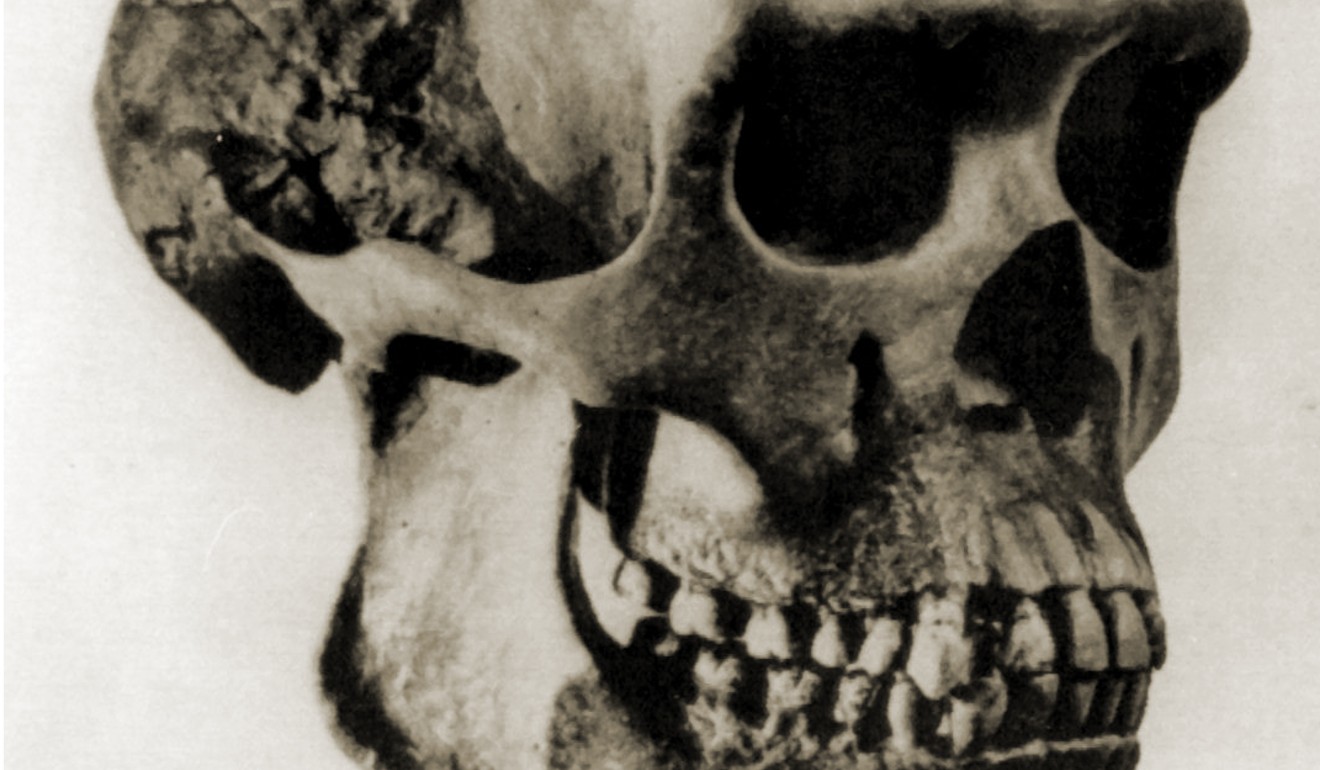
In 1929, a nearly complete skull of Homo erectus pekinensis was discovered in a cave at Zhoukoudian in southwest Peking, as the Chinese capital was then known.

Peking Man became a household name as the earliest human sub species discovered in China, and some scientists maintained that they passed their DNA on to present-day Chinese.

Peking Man is thought to be an ancient ancestor of modern Chinese. Photo: AP

In a paper for the journal Fossils to be published at the end of the month, Wei compared stone tools found at the Peking Man site to those made by the Nihewanians, palaeolithic humans who lived in what is now Yangyuan, northern Hebei province, more than a million years ago.

According to the theory of evolution, the human brain’s complexity should increase over time, expanding creativity and improving the quality of tools.

Wei said his study found very little evidence of evolution in Peking Man. He said they tended to work a piece of stone by repeatedly striking it on one side but rarely turning it.

How Asian fossils could rewrite history of human evolution

Most of the stones worked by the Nihewanians for cutting or other purposes had marks all over them. “It means they would try another side to get a better result,” Wei said. “That is a sign of intelligence.”

He said there was more evidence in Peking Man finds, including many coarse artefacts and few finely processed tools.

ADVERTISING

Other researchers have said the same thing over the years. Pei Wenzhong, a palaeontologist who discovered some of the first Peking Man remains, said the tools appeared primitive compared to other early human artefacts, but there was no investigation at the time.

A Chinese report suggests there is little evidence of evolution to be found in Peking Man remains. Photo: UPI

Wei, who analysed more than 140 finds dated to roughly 700,000 years ago, said the structural changes in Peking Man skulls found in different layers of sediment from various times suggested an unusually slow evolution over half a million years.

Professor Chen Quanjia, a palaeoanthropologist with the college of humanities at Jilin University in northeastern China, said there was an appearance of roughness to Peking Man tools, but that did not mean a lack of intelligence.

“The blame lies in the material,” he said.

Peking Man made tools with quartz, the only material available in the area. Quartz is not easy to handle, often creating a rough surface that makes further processing difficult.

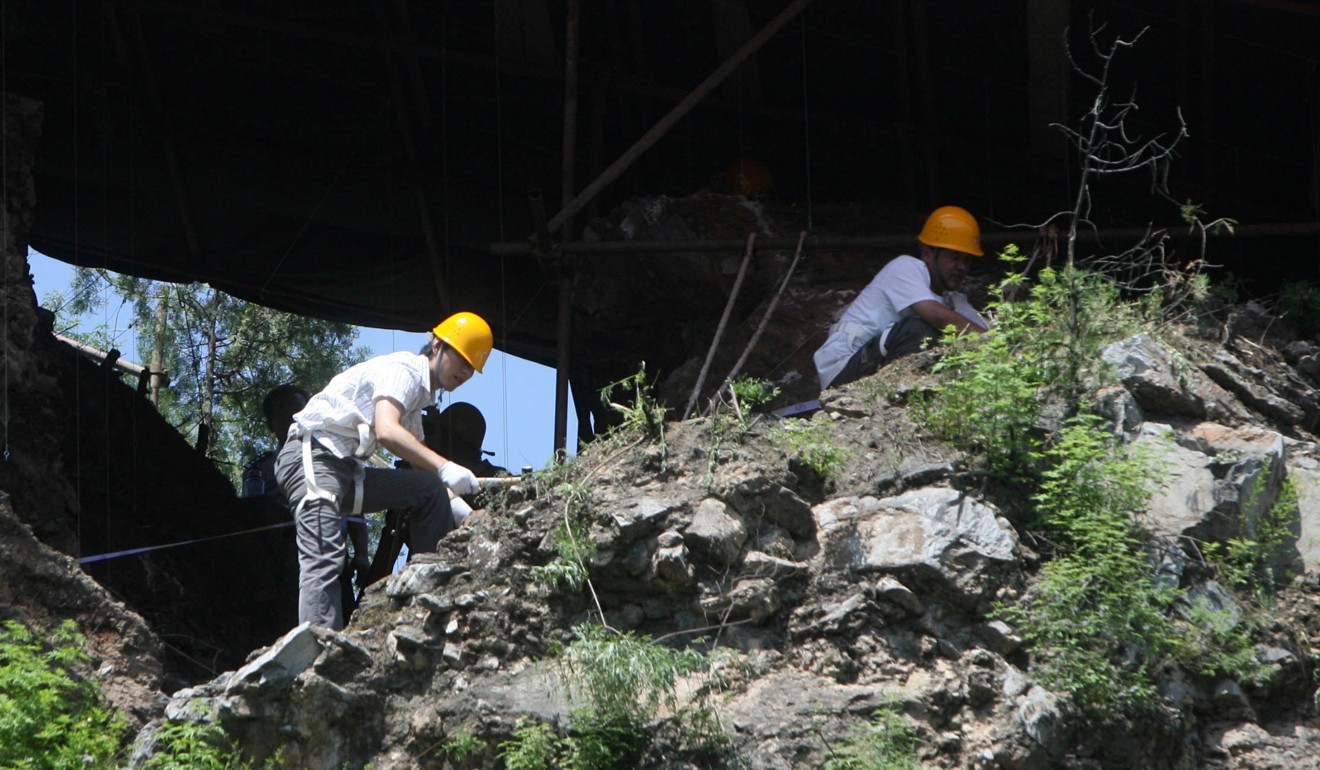
The caves of Zhoukoudian on the outskirts of Beijing are still a treasure trove for archaeologists. Photo: AFP

Wei said material could not explain the difference. A few fine tools made with quartz were found at Zhoukoudian but they were dated to about 300,000 years ago.

“Making high-quality tools with quartz is not a problem, but [that becomes possible] only when the maker becomes smart enough,” he said.

100,000 year old human remains ‘show evidence of cannibalism’

Why Peking Man crafts were so poor remains a big question. Wei said that some patterning on their tools suggested they might be an offshoot of the Nihewanians that was driven out and settled in Zhoukoudian – now a World Heritage Site – about 200km (124 miles) away.

In that isolated environment, Peking Man might have interbred over many generations, Wei said.

This increases the chances of offspring being born with so-called deleterious traits such as inherited conditions and illnesses that affect quality of life and the ability to adapt and survive.

Source: SCMP

08/04/2019

China sees 112 mln domestic tourist trips during tomb-sweeping holiday

BEIJING, April 7 (Xinhua) — China saw 112 million domestic tourist trips during the three-day tomb-sweeping holiday, up 10.9 percent from last year’s holiday, according to the Ministry of Culture and Tourism.

The tourism revenue reached 47.9 billion yuan (about 7.1 billion U.S. dollars) during the holiday which lasts from Friday to Sunday, up 13.7 percent, according to the ministry.

While tourists still favor sites of natural scenes, an increasing number of people chose to visit history museums, martyrs’ memorial halls and memorial sites of revolution during the holiday, the ministry said in a report, adding that the online ticket sales at such spots across the country saw a year-on-year increase of 55.2 percent.

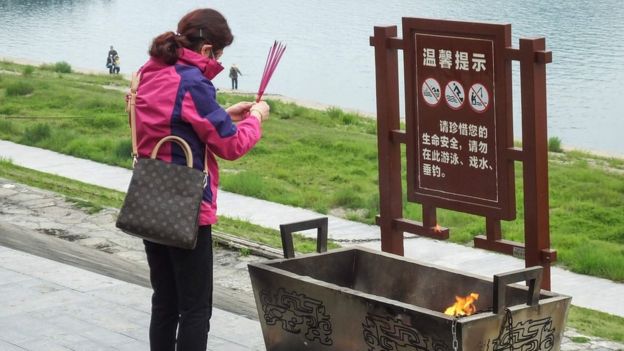
The Tomb-sweeping Day, or Qingming Festival, is an important occasion for Chinese people to honor their ancestors. Many also spent the three-day holiday on leisure travel.

Source: Xinhua

Law of Unintended Consequences

continuously updated blog about China & India

ChiaHou's Book Reviews

continuously updated blog about China & India

What's wrong with the world; and its economy

continuously updated blog about China & India