08/09/2019
- Two people from the circus have been detained after the animal managed to get out of its cage and run towards nearby cornfields on Friday evening
- It was found the next morning and police used a tranquilliser to subdue the tiger but it died on the way to the zoo, which believes it had been hit by a car
Video footage shows circus handlers using sticks to try to coax the tiger back inside the cage after it escaped on Friday night. Photo: Thepaper.cn
A circus tiger that escaped from its cage during a show in central China was captured by police after an overnight search, but died while it was being transported to a nearby zoo, according to media reports.
Two people from the circus where the tiger was raised in the county of Yuanyang, Henan province, have been detained, Beijing Youth Daily reported, without elaborating. It said the tiger escaped during the circus’ first public show, which had not been registered with the local authorities.
The tiger was part of a performance for a local school on Friday evening when it managed to get out of its cage and run towards nearby cornfields.
A video posted by news site Thepaper.cn shows the moment it escaped from the cage, with its handlers using sticks to try to coax the animal back inside. The scene is chaotic, as people scream and run from the venue.
A tranquilliser dart was used to subdue the tiger on Saturday morning and it was transported to a zoo in Xinxiang. Photo: Thepaper.cn
The police were called in, and officers used drones, police dogs and thermal imaging equipment to hunt for the tiger, according to the local government.
The authorities also put out an emergency advisory telling residents to stay indoors and contact police if they had any information on the tiger’s whereabouts.
It was spotted the following morning, and a tranquilliser dart was used to subdue the animal at about 10.30am on Saturday. The tiger was then transported to a zoo in the city of Xinxiang.
According to one of its zookeepers, the animal had already died by the time it was delivered to the zoo, China Youth Daily reported on Sunday.
The \jsq, surnamed Feng, said the tiger was hit by a car after it escaped and may have sustained internal injuries. The zoo is conducting an autopsy.
Chinese circus tiger attacks two children after breaking out of cage in middle of performance
Thousands of social media users expressed their sympathy for the tiger’s plight, saying it must have suffered greatly, with many people calling for animal circuses to be banned in China.
“Tigers don’t belong in cages, they belong in the wilderness,” one person wrote on microblog site Weibo.
Chinese circus defends using rare animals in its acts despite poor crowds at shows and criticism of its methods.
Source: SCMP
Posted in Beijing Youth Daily, cage, captured, car, Central China, chaotic, China alert, circus, Circus tiger, cornfields, died, dies, drones, escapes, handlers, Henan province, local authorities, local school, performance, Police, police dogs, registered, scream and run, sent to zoo, show, Thepaper.cn, thermal imaging equipment, tiger, tranquilliser, tranquilliser dart, Uncategorized, venue, Weibo, Xinxiang, Yuanyang, Zoo |
Leave a Comment »
02/07/2019
- A Shanghai woman who set 20 ‘strict’ rules for her employee has sparked a fairness debate on social media
- By 2025 it is estimated 5 million people will work in China’s home service industry
A list of rules for a new housemaid in Shanghai has sparked a debate on Chinese social media about the demands placed on workers in the home service industry. Photo: Shutterstock
The demands made on Chinese housemaids by their employers have triggered a heated debate after a Shanghai woman gave her new employee a list of 20 rules to memorise before she started work.
The new housemaid was required to sleep on the living room floor, change in to special clothes when caring for her employer’s baby, clean floors by hand with just a towel, and refrain from eating garlic.
Jail for Singapore woman who abused helper for doing chores slowly
According to Shanghai news channel STV, the woman, surnamed Zhou, offered 12,000 yuan (US$1,750) a month – far above the city’s average housemaid’s wage of 5,929 yuan – for someone to care for her baby and do the housework after her maternity leave.
The attractive compensation drew many applicants and a woman, surnamed Tang, was eventually offered the position. But when she was told of the rules she would have to follow, Tang rejected the offer.
“I have worked as a housemaid for 16 years, yet these are the strictest rules I have ever seen,” she said.
The 20 rules were divided into three parts: basic requirements and privacy protection, instructions for taking care of the newborn, and a set of personal hygiene requirements for the housemaid.
The list was leaked and circulated on a number of housemaid groups on WeChat, China’s most popular messaging app, before being posted on Weibo, China’s Twitter-like service, on June 29 where it quickly went viral. The hot trend attracted 140 million people to discuss and comment on the issue.
Saudi Arabia executes Filipino domestic worker for murder
Yet, others agreed with the employer, leaving comments like, “Actually, these rules are very basic, not immoral or unlawful”, and “I think is reasonable to raise the 20 rules with this high salary, if you cannot accept it then back to apply for the job with 4,000 to 5,000”.
The position was finally taken by a woman, surnamed Wang, who said, “Nowadays it is getting harder to earn money, no pain no gain. Housemaids are here for giving a high quality and friendly service, aren’t we?”
On Monday, Beijing Youth Daily reported the Shanghai Home Service Industry Association as saying the 20 rules were “strict and a rare requirement in the current home service industry, but didn’t contain any discrimination to the housemaid so it is a normal employer’s requirement”.
A 2018 report on China’s home service industry said there were more than 2.5 million people employed in home service work in 2016, and estimated that by 2025 the demand for household service would increase to 5 million.
On June 26, China’s State Council issued guidelines to improve standards in the home service industry. Among the recommendations were the establishment of courses to improve the quality of housemaids in China, the provision of health check services to the workers and the establishment of related laws to improve their working conditions
Posted in Beijing Youth Daily, China’s State Council, Chinese housemaid, Chinese social media, Rules of the house, Shanghai, Shanghai Home Service Industry Association, Uncategorized, Weibo |
Leave a Comment »
02/05/2019
- Major highways gridlocked for hours at start of four-day break
- Chaos at railway stations as ticket-holding passengers turned away
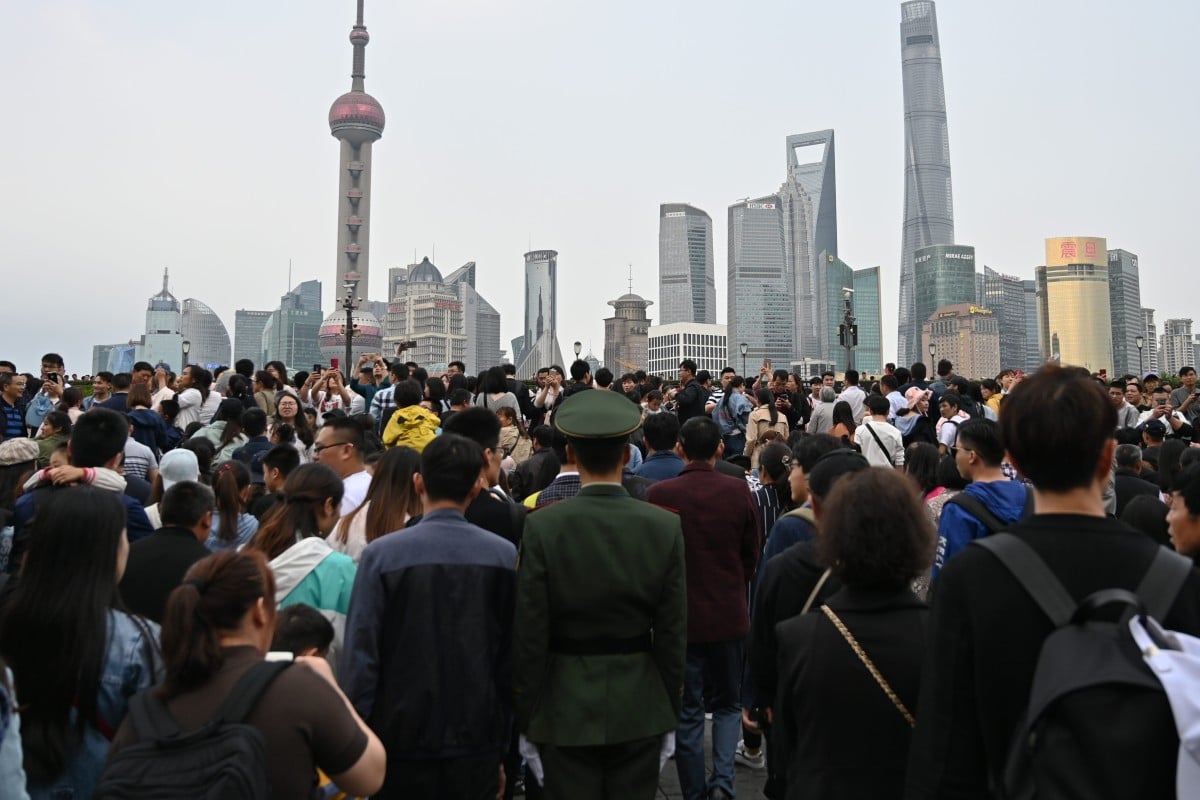
Holiday crowds pack the promenade on the Bund along the Huangpu River in Shanghai on the first day of China’s May break. Photo: AFP
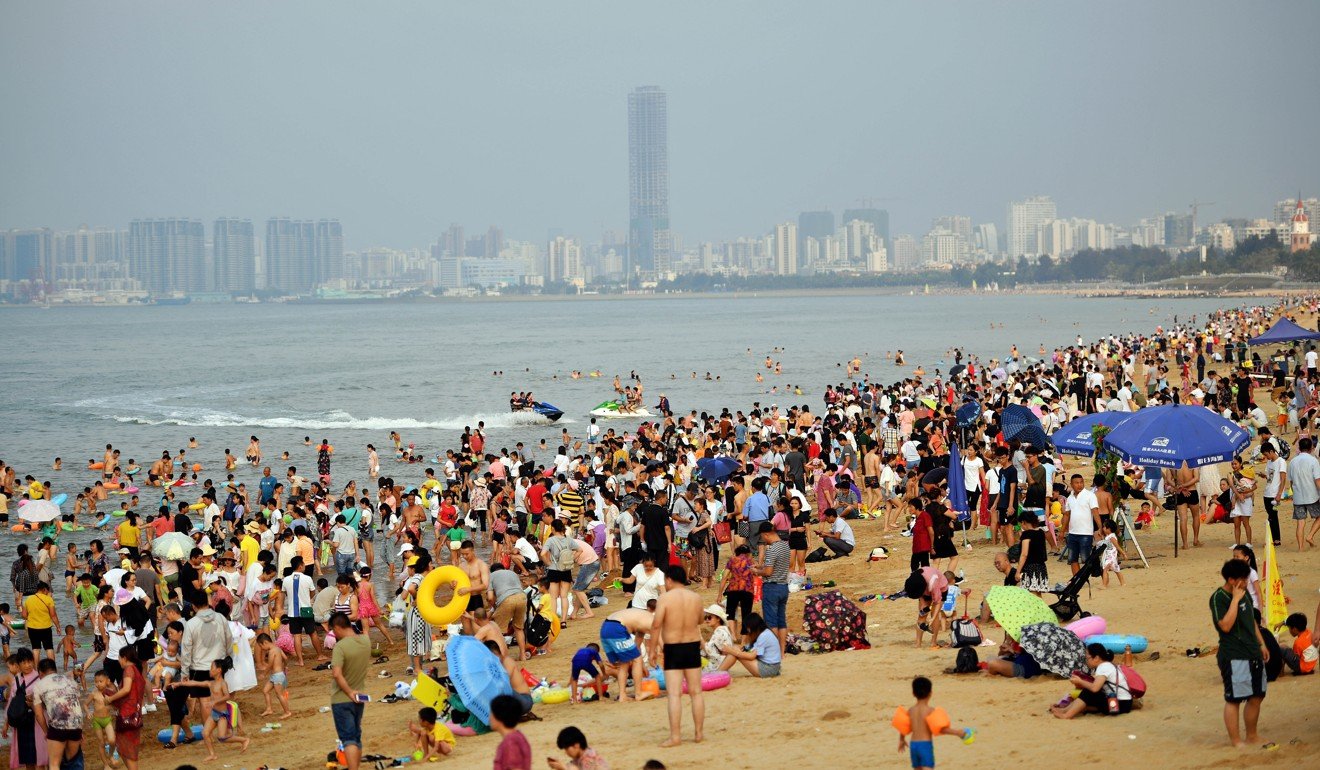
China’s Labour Day holiday started on Wednesday with gridlocked roads and chaos at railway stations as millions of people took advantage of this year’s unusually long break.
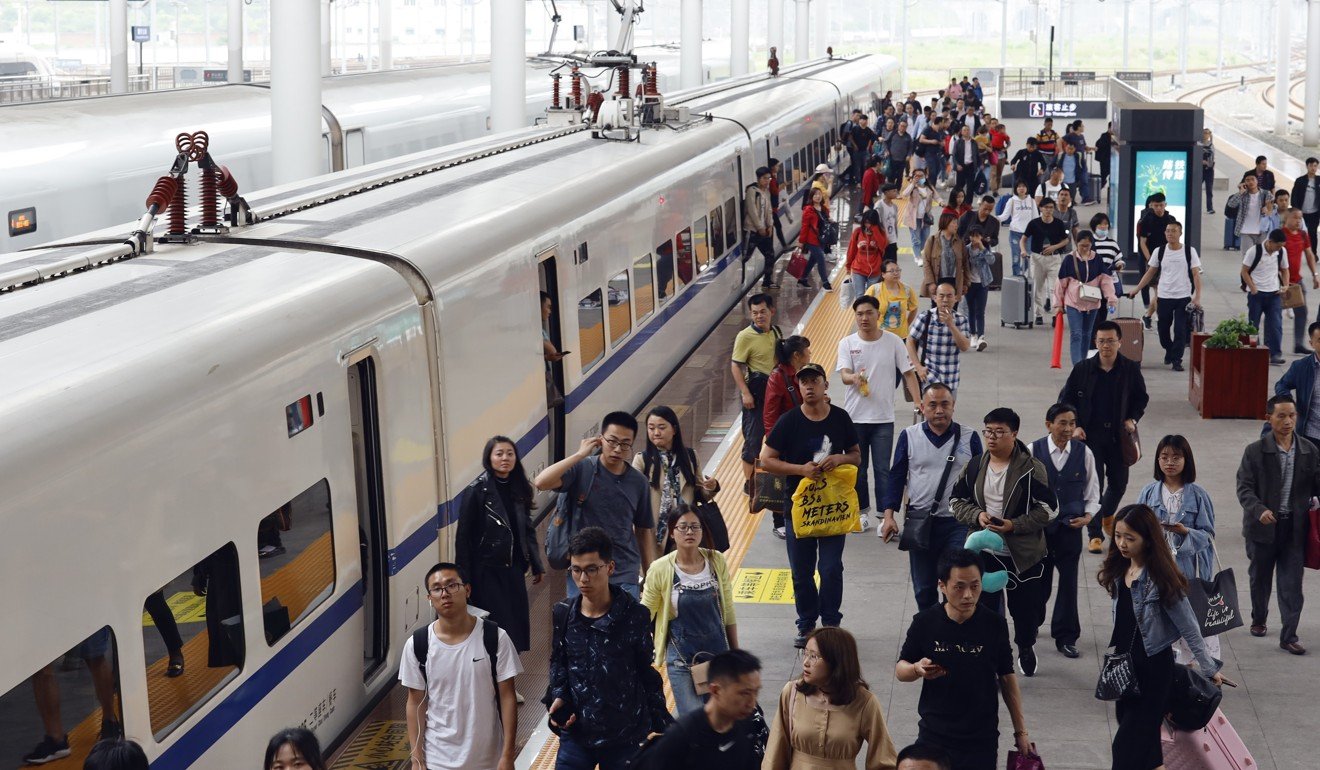
Motorists reported being stuck in traffic jams which did not move for hours, while ticket-holding passengers were turned away from some trains due to severe overcrowding on the first day of the holiday.
Travel agency Ctrip estimated that around 160 million domestic tourists would be travelling over the four-day break, according to data from travel booking platforms.
Forty major highways recorded a 75 per cent spike in traffic on Wednesday, according to Xinhua, as toll fares for cars were suspended for the holiday.
Tourists enjoy the first day of China’s four-day May holiday on a beach in Haikou, Hainan province, southern China. Photo: Xinhua
Monitoring stations on major routes – including the Beijing-Tibet Expressway, the Shanghai-Shaanxi Expressway, Shanghai’s Humin Elevated Road and the Beijing section of the Beijing-Hong Kong-Macau Expressway – recorded a 200 per cent increase in traffic from Tuesday onwards, Xinhua said.
The Ministry of Public Security’s traffic management bureau has warned holiday motorists to drive safely, especially on winding mountainside routes.
Online news portal The Paper reported on Thursday that traffic jams on some major routes were so severe that the drive from Shanghai to Hangzhou, capital of neighbouring Zhejiang province, took some travellers seven hours instead of the usual two.
Passengers board the train at Chongqing North Railway Station in southwest China on Tuesday, hoping to beat the May holiday travel rush. Photo: Xinhua
Meanwhile, more than 54,000 tourists visited the popular Badaling section of the Great Wall on Wednesday, according to Beijing Youth Daily. The attraction’s management team had increased the number of volunteers, parking spaces and shuttle buses to prepare for the influx, the report said.
More than 53,000 tourists had visited the Shanghai International Tourism Resort and Shanghai Disneyland by 4pm on Wednesday, according to data from the Shanghai municipal government’s real-time visitor tracker. The Shanghai Zoo attracted more than 24,000 people, and more than 9,200 visited the Shanghai Science and Technology Museum.
Despite the crowds, no records were broken at the Shanghai attractions, which reached about 70 per cent of their maximum visitor numbers recorded, The Paper reported.
At railway stations, ticket-holding passengers were stopped from boarding trains between Nanjing and the city of Zibo in Shandong province, eastern China, due to severe overcrowding, Beijing Youth Daily reported on Wednesday.
Station staff promised full refunds to customers with pre-booked tickets who were refused entry.
Source: SCMP
Posted in Badaling section, Beijing Youth Daily, Beijing-Hong Kong-Macau Expressway, Beijing-Tibet Expressway, Chaos, China alert, Chongqing North Railway Station, Gao, Great Wall, gridlocked, Haikou, Hainan, Huangpu River, Humin Elevated Road, influx, Labour Day holiday, Major highways, Ministry of Public Security, Nanjing, parking spaces, railway stations, roads jammed, shandong province, Shanghai, Shanghai Disneyland, Shanghai International Tourism Resort, Shanghai Science and Technology Museum, Shanghai to Hangzhou, Shanghai Zoo, Shanghai-Shaanxi Expressway, shuttle buses, The Bund, The Paper, traffic management bureau, Travel agency Ctrip, travel booking platforms, Uncategorized, volunteers, Xinhua, zhejiang province, Zibo |
Leave a Comment »
25/04/2019
- Stiff penalties like those given to drink-drivers needed to make people wake up to the risks, newspaper says
- Commentary comes after woman who died in high-speed crash is found to have used her phone 34 times in 30 minutes
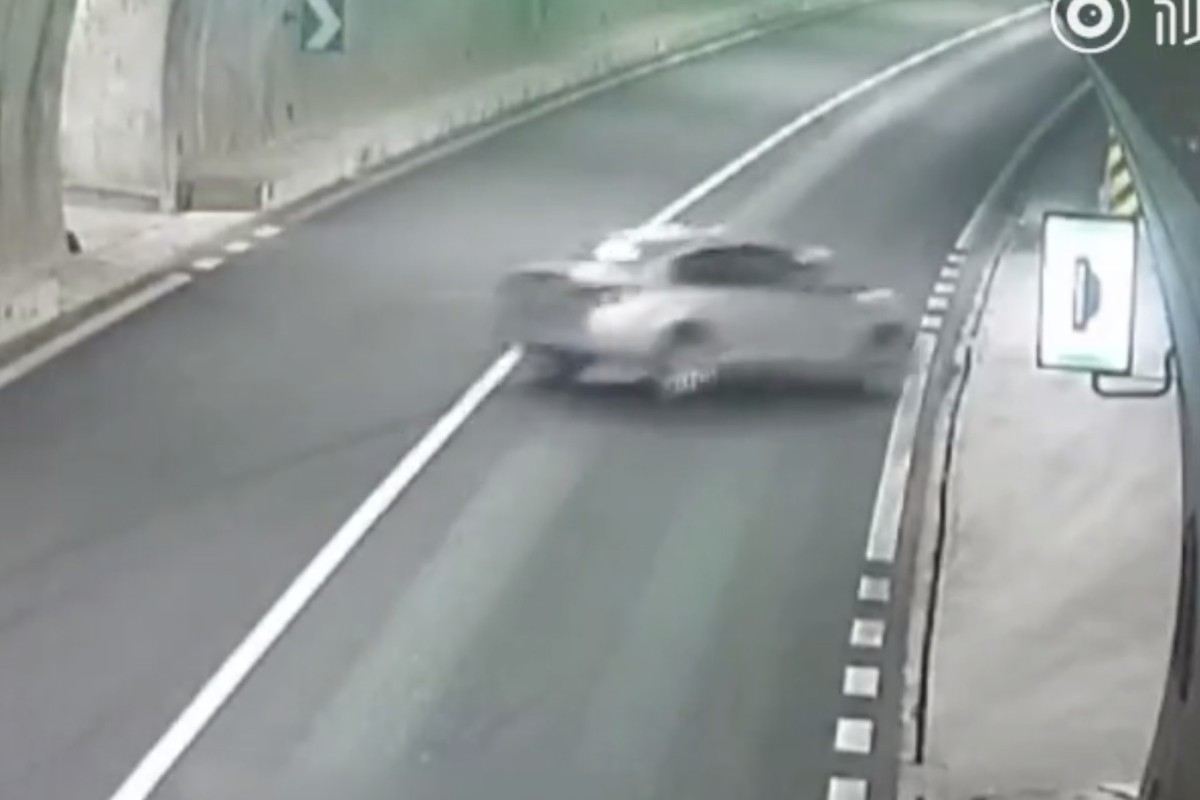
The fatal crash in Fujian province was caught on surveillance camera and the footage was shown by Pearvideo.com. Photo: Weibo
The death of a woman in a high-speed car accident who is believed to have been sending messages on her phone at the time of the crash has sparked calls in the Chinese media for harsher punishments for reckless driving.
“Death or causing death as the result of driving when using a phone is a very serious consequence of people becoming slaves to mobile phones,” Beijing Youth Daily said in a commentary on Thursday.
“To reverse the harm caused by this behaviour, they must be punished in line with the punishments for drink-driving.”
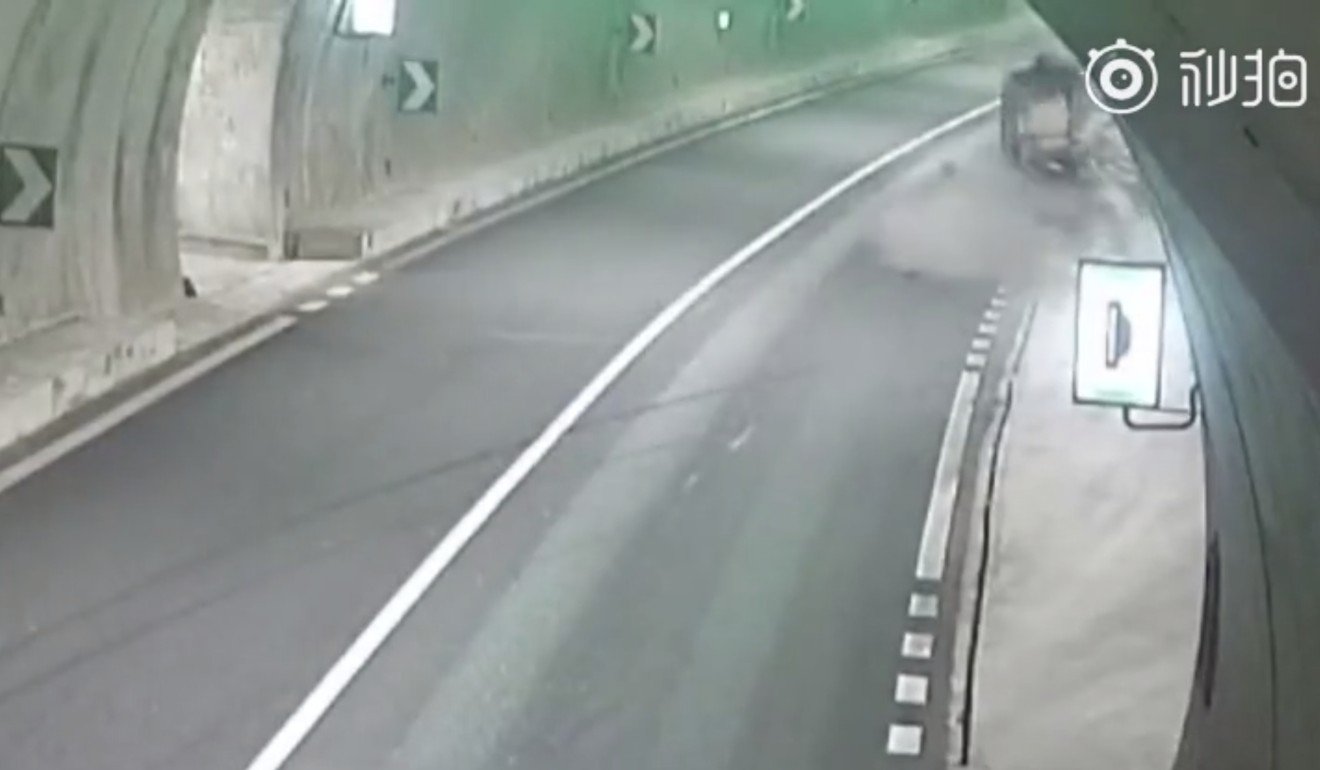
The article came after Pearvideo.com on Sunday published footage from a surveillance camera of the fatal accident in southeast China’s Fujian province. The film shows the woman’s car speeding through a tunnel before veering on to the wrong side of the road and crashing into a wall. It then flips over and bursts into flames.
The victim is believed to have been using her phone at the time of the crash. Photo: Weibo
A police officer interviewed in the video said the driver, who was not identified, had not been wearing a seat belt at the time of the accident and had been observed speeding, cutting in and out of lanes and using her phone 34 times in just 30 minutes.
“I think all four factors contributed to her accident,” he said. “But the fundamental ones were speeding and using a mobile phone when driving.”
Five children killed as driver crashes into group crossing road
The video report said the woman sent a total of 16 text and voice messages from behind the wheel, one of which said that she was driving at 120km/h (75mph).
While drink-driving is a criminal offence in China – with a maximum penalty of six months’ detention, loss of licence and a five-year ban – the top punishment for using a phone while behind the wheel is a 200 yuan (US$30) fine and the loss of two licence points. Drivers start with 12 points and can be suspended from driving if they lose them all.
The film shows the car crashing into a wall before flipping over and bursting into flames. Photo: Weibo
According to a Ministry of Transport survey cited by Beijing Youth Daily, people are 2.8 times more likely to have an accident if they make a phone call while driving and 23 times more likely if they look at their handset.
While the strict enforcement of drink-driving laws has helped to change motorists’ behaviour, using a phone behind the wheel is still widely regarded as acceptable behaviour, the commentary said.
“I don’t know how many disasters like the woman in Sanming [a city in Fujian] are needed to alert people,” it said.
“[But] amending the road traffic safety law to make [the offence of] driving while using a mobile phone equivalent to that of drink-driving and implementing corresponding penalties can … help to reduce the devastating consequences.”
A commentary on Gmw.com, the website of the official Guangming Daily newspaper, also called for the offence to be criminalised.
People know the risks but disregard them because the legal consequences are very small, it said.
Source: SCMP
Posted in Beijing Youth Daily, bursts into flames, China alert, crackdown, crashing into a wall, enforcement of drink-driving laws, fatal crash, flips over, Fujian, Fujian Province, Gmw.com, Guangming Daily, harsher punishments, Ministry of Transport survey, motorists, motorists’ behaviour, newspaper, Pearvideo.com, Police officer, reckless driving, Sanming, speeding, surveillance camera, Tunnel, Uncategorized, using her phone, using mobile phone, veering, wearing a seat belt, wrong side of the road |
Leave a Comment »
18/04/2019
- Health watchdog warns that tobacco products are widely available on both social media and online retailers
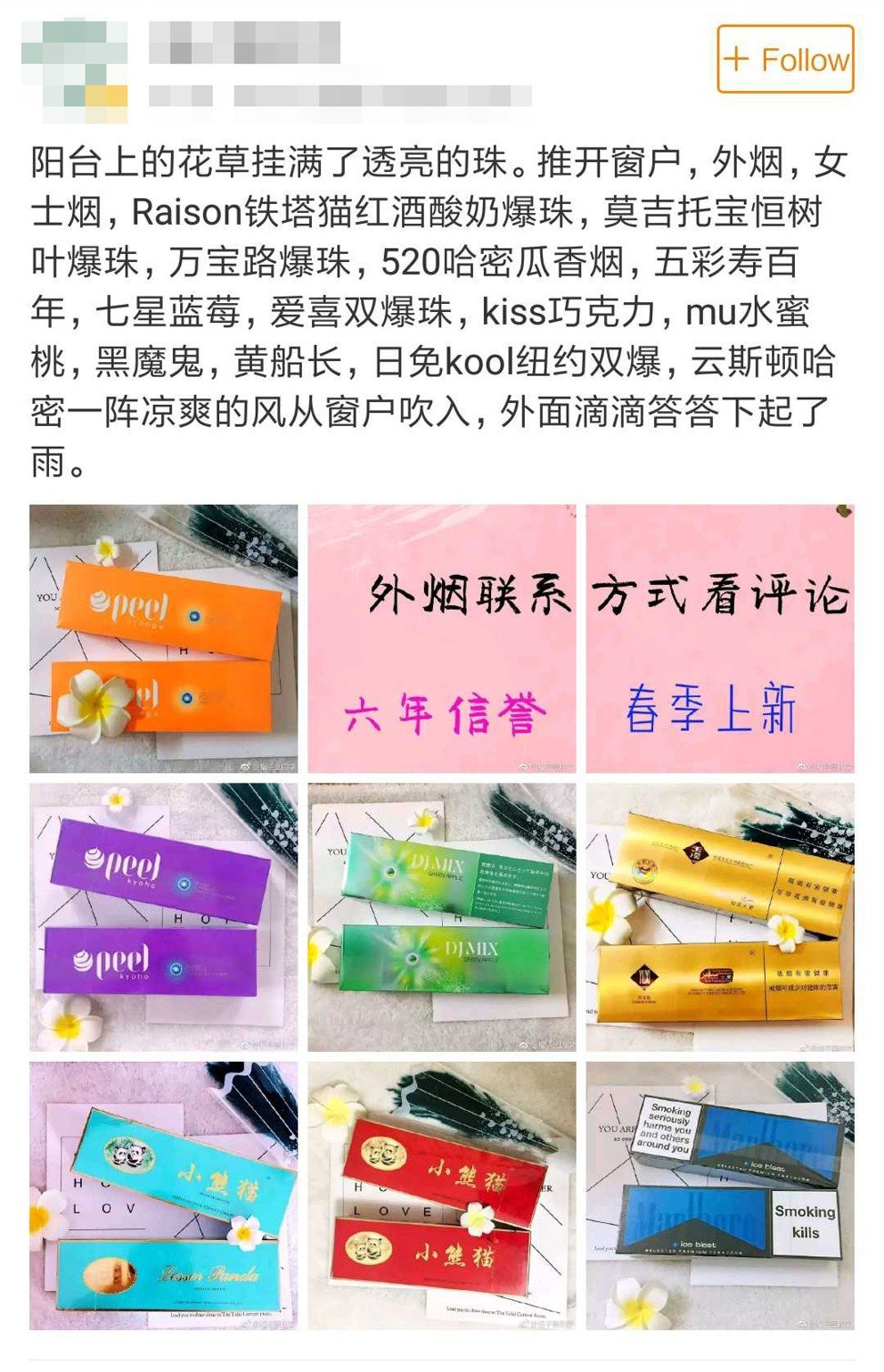
A tobacco seller’s advert posted on WeChat. Photo: Handout
Illegal tobacco trading is rife online in China both via social media and e-commerce platforms, a health watchdog has warned.
The Beijing Centre for Disease Prevention and Control released a report on Monday that said almost 52,000 advertisements and listings for tobacco products had been found on 14 social media and e-commerce platforms in the first half of last year.
“Compared with traditional advertising, tobacco promotion on the internet uses methods such as sponsored content, which is more discreet,” the report said.
China’s internet advertising regulations prohibit the online promotion of tobacco products.
Selling cigarettes online is illegal as the State Tobacco Monopoly Administration bans the sale of tobacco across provinces and strictly controls the production, sale and import of the product.
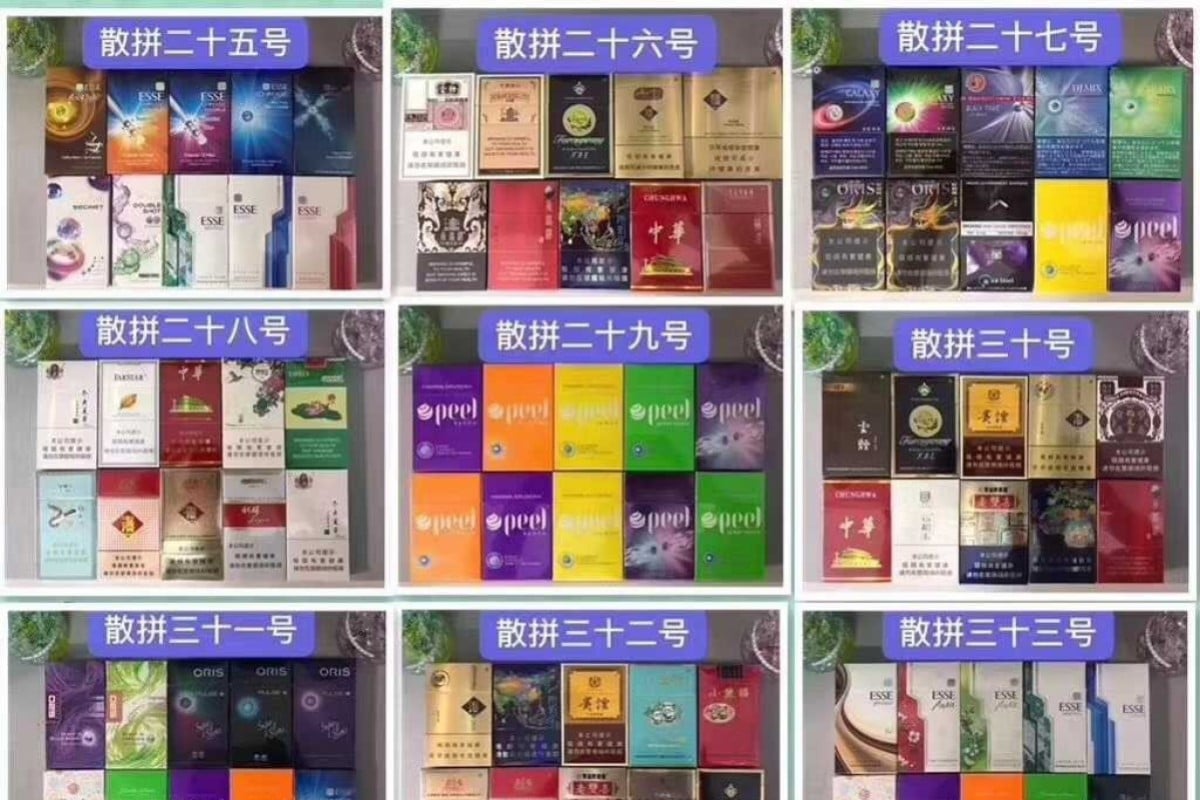
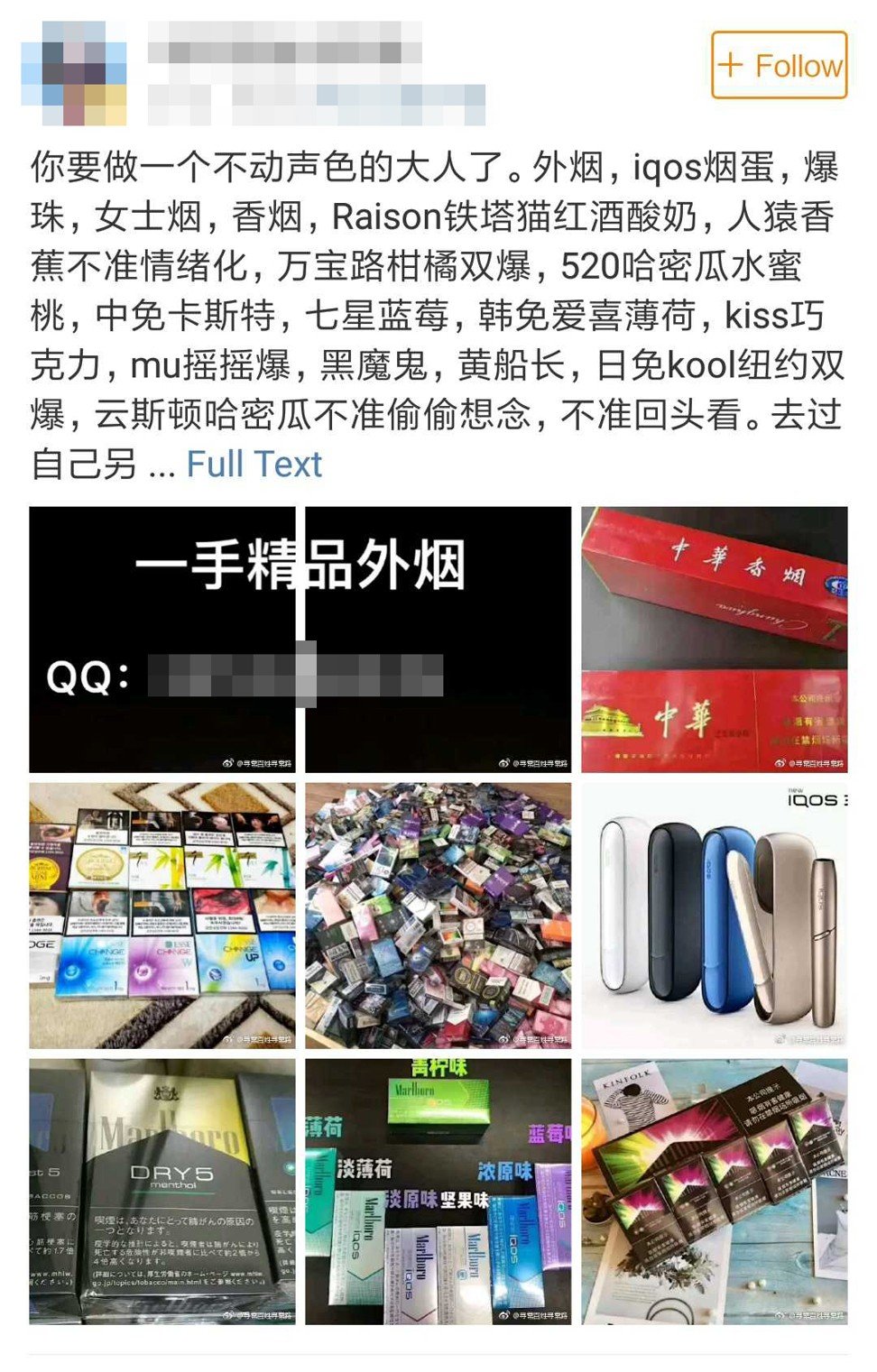
Screenshot from Weibo of an advertisement for imported cigarettes. Photo: Handout
The social network Weibo, China’s equivalent of Twitter, was highlighted as the platform where most of the banned promotion and selling were found, with nearly 43,000 adverts and listings, or 82 per cent of the total.
The South China Morning Post found that tobacco advertising and direct selling proliferates on Weibo, where searching for terms such as “cigarettes” and “women’s cigarettes” yielded almost 1,300 results, many of them offering WeChat and QQ contact information.
Five vendors found through Weibo offered various imported cigarettes such as Marlboro and South Korean brand Esse.
One seller claimed his wares were smuggled into China from places like the US. Another offered refunds for products that were confiscated, but only if they were bought for delivery within the same province.
A 10-packet carton of Kent cigarettes, an American brand, was selling for around 30 per cent less than the retail price in Beijing.
An extraordinary man’: China’s tobacco and orange king, entrepreneur Chu Shijian, dies aged 91
“A few days ago, cigarette sellers on Little Red Book began trending. People in different places have stopped. I’m still going, one step at a time,” a vendor calling herself “24 hours online cigarette hawker” wrote on her WeChat timeline on Wednesday.
She was referring to media coverage of Little Red Book the e-commerce platform popular with influencers selling lifestyle products.
Little Red Book, whose investors include Alibaba, the owner of the South China Morning Post, has pledged to remove as many as 95,000 adverts and listings for tobacco products found on the app on Tuesday in response to a report by newspaper Beijing Youth Daily.
Searches for “cigarettes” or “women’s cigarettes” no longer yielded results on Thursday.
“We are working hard to remove related content. We ask users to promptly report cases and work together to maintain order on the platform,” Weibo’s PR director Mao Taotao said.
Imported cigarettes on sale on Weibo. Photo: Handout
While advertising and online selling of tobacco are prohibited, e-cigarettes fall in a grey area. China’s tobacco agency has banned the sale of IQOS, a type of battery heated cigarette that delivers nicotine. However, regulations for non-nicotine vaporisers are less clear. These continue to be widely available online.
“In China, even toilet paper has standards. There are none for e-cigarettes,” Li Enze, the industrial law committee secretary for the Chinese Association on Tobacco Control, said.
“I think there needs to be a total ban on the sale of e-cigarettes until standards and regulations are set.”
E-cigarettes and vaporisers come in a variety of flavours and shapes to target women and young people, which poses a serious problem according to Li.
Under-18s can easily purchase vaporisers online and can be induced to smoking the real thing, he said.
Two sets of standards for e-cigarettes have been considered by the Standardisation Administration of China since 2017.
However, both were proposed by organisations associated with the state tobacco monopoly, which Li deemed a conflict of interest.
Source: SCMP
Posted in Alibaba, Beijing Centre for Disease Prevention and Control, Beijing Youth Daily, China alert, China’s tobacco and orange king, Chinese Association on Tobacco Control, Chu Shijian, e-cigarettes, illegally advertise, industrial law committee secretary, Kent, Li Enze, Little Red Book, Mao Taotao, Marlboro, non-nicotine vaporisers, sell cigarettes, social media and e-commerce platforms, south china morning post, South Korean brand Esse, Standardisation Administration of China, State Tobacco Monopoly Administration, Tobacco vendors, Twitter, Uncategorized, WeChat, Weibo |
Leave a Comment »






 CHINDIA ALERT: You'll be living in their world, very soon