Archive for ‘BRI’

12/11/2019

Feature: Xi spearheads closer China-LatAm cooperation for common prosperity

MEXICO CITY, Nov. 12 (Xinhua) — China and Latin America sit on the opposite sides of the globe, but the formidably vast Pacific Ocean that separates them did not stop them from sharing a long history of exchanges.

Today, the major developing country in the East is forging an increasingly close partnership with the dynamic region in the Western Hemisphere, especially since Chinese President Xi Jinping took office in 2013, and set into motion what is now known as Xiplomacy.

In the past six years, Xi has visited 11 Latin American and the Caribbean (LAC) countries. On Tuesday, he is setting foot on the region for the fifth time as president, as he arrives in Brazil for the upcoming 11th BRICS summit.

Thanks in no small part to Xi’s push, the time-honored, distance-defying China-Latin America relationship is flourishing with new vitality. China has become the second largest trading partner of Latin America, while the latter is one of the fastest growing sources of exports to China. Two-way trade rose 18.9 percent year on year to 307.4 billion U.S. dollars in 2018.

GRAND VISION

Every time Xi visited Latin America, he reaffirmed China’s commitment to cementing bilateral friendship and expanding win-win cooperation.

His first trip to the region as head of state, in 2013, took him to Trinidad and Tobago, Costa Rica and Mexico. The following year saw him travel to Brazil, Argentina, Venezuela and Cuba.

It was in Brazil that Xi met with leaders from 11 LAC countries, and for the first time laid out his grand vision for building a China-Latin American community with a shared future.

“Let us seize the opportunities presented to us and work together to blaze new trails in building a community of shared destiny for common progress and usher in a bright future for the relations between China and Latin America and the Caribbean,” Xi said in a keynote speech at the first ever China-Latin American and Carribean Countries Leaders’ Meeting in 2014.

He then proposed a “1+3+6” cooperation framework to “promote faster, broader and deeper cooperation between the two sides for real results.”

The “1” refers to “one plan,” the Chinese-Latin American and Caribbean Cooperation Plan (2015-2019), formulated to promote inclusive growth and sustainable development.

The “3” alludes to “three engines” for driving practical cooperation for comprehensive development, namely trade, investment and financial cooperation.

The “6” means the six priority cooperation fields of energy and resources, infrastructure building, agriculture, manufacturing, scientific and technological innovation, and information technologies.

In 2016, Xi visited Ecuador, Peru and Chile. Two years later, he traveled to Argentina for the Group of 20 summit as well as Panama, a Central American country which established diplomatic ties with China in June 2017.

In a landmark speech at the Peruvian Congress in Lima in 2016, Xi expounded the significance of strengthening China-Latin America cooperation.

“With one fifth of the world’s total area and nearly one third of the world’s population, China and Latin America and the Caribbean are crucial forces for world peace and stability,” he said.

China, he added, “will increase sharing of governance experience and improve planning and coordination of macro policies with Latin American and Caribbean states to better synergize our development plans and strategies.”

Besides top-level engagement, Xi also reaches out to local people from all walks of life, in order to keep cementing the China-Latin America friendship and the public support for bilateral cooperation.

While in Costa Rica, Xi visited a family-run coffee plantation and tried some local brew. “I think some more coffee can well be exported to China,” Xi told his hosts with a smile.

Today, Costa Rica exports coffee to the Asian market, along with pork, dairy, pineapples and other high-quality agricultural goods, especially after the inauguration of the China International Import Expo in 2018.

NEW OPPORTUNITIES

With international cooperation within the framework of the Belt and Road Initiative (BRI) gaining steam worldwide, the Xi-proposed vision is creating new opportunities for China-Latin America cooperation.

The BRI, designed to promote common development along and beyond the ancient Silk Road trade routes, comprises the Silk Road Economic Belt and the 21st Century Maritime Silk Road, and the latter is closely connected to Latin America.

For two and a half centuries, from the mid-1500s to the early 1800s, galleons laden with Chinese silk, spices, porcelain and other goods sailed across the ocean to today’s port city of Acapulco on the Mexican Pacific coast.

Latin America is the natural extension of the 21st Century Maritime Silk Road, Xi said in a meeting with visiting Argentine President Mauricio Macri in May 2017.

In a congratulatory message to the second Ministerial Meeting of the China-Community of Latin American and Caribbean States (CELAC) Forum held in Chile on Jan. 22, 2018, Xi stressed that China and LAC countries “need to draw a new blueprint for our joint effort under the Belt and Road Initiative and open a path of cooperation across the Pacific Ocean that will better connect the richly endowed lands of China and Latin America and usher in a new era of China-LAC relations.”

During Xi’s visits, the Chinese president is always dedicated to better aligning the BRI — an open platform for cooperation — with the development plans of LAC countries.

In his meeting with Macri, Xi called for dovetailing the BRI with Argentina’s development strategy, expanding cooperation in such sectors as infrastructure, energy, agriculture, mining and manufacturing, and implementing existing major cooperation projects in hydro-power, railway and other fields.

Similarly, during the state visit to Panama in December 2018, Xi said the National Logistics Strategy of Panama 2030 and the BRI are highly compatible, calling on the two sides to synergize their respective development strategies, boost cooperation and promote connectivity.

So far, 19 LAC countries have signed BRI cooperation agreements with China. China-Latin America cooperation in various areas has effectively promoted local economic and social development, bringing visible and tangible benefits to the Latin American people.

Just as Xi said in his speech at the Peruvian Congress in 2016, “China will share its development experience and opportunities with the rest of the world and welcome other countries to board the express train of its development, so that we can all develop together.”

SOurce: Xinhua
13/10/2019

Xi, Modi agree to trim trade deficit, boost mutual trust amid US-China tensions

  • The leaders agreed to set up a mechanism to boost economic ties and tackle India’s trade deficit with China after their second informal summit
  • As 2020 is the 70th anniversary of diplomatic ties between both countries, India and China will hold 70 events next year to promote relations
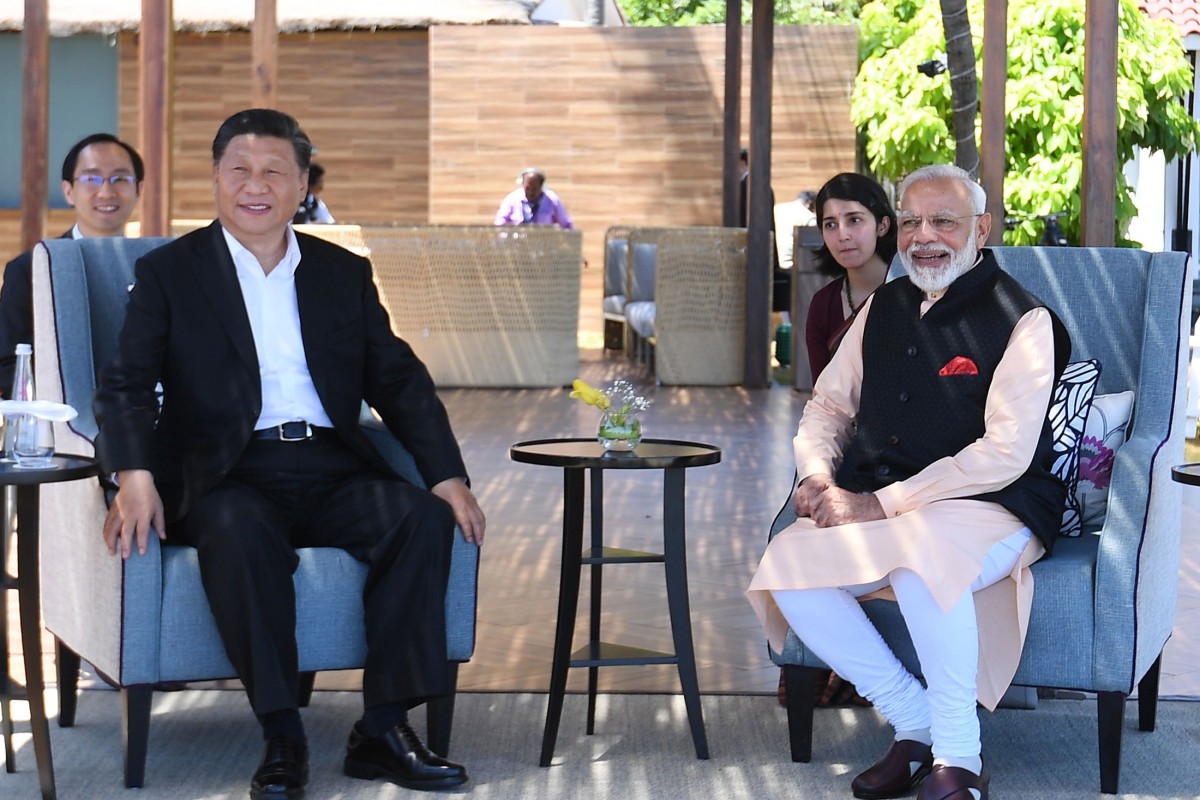
Indian Prime Minister Narendra Modi and Chinese President Xi Jinping during their meeting in Mamallapuram, Chennai. Photo: EPA
Chinese President Xi Jinping and Indian Prime Minster Narendra Modi concluded their second informal summit on Saturday by pledging to overcome trade differences and appreciate “each other’s autonomous foreign policies”, signalling an effort to focus on mutual interests rather than on long-standing contentious issues.
Modi remarked that both sides had agreed to be “sensitive” to each other’s concerns and not let differences escalate into disputes, while Xi called for communication to “alleviate suspicions” and for India and China to enhance strategic mutual trust, according to state news broadcaster CCTV.
Their desire to look beyond irritants in diplomatic ties, including a decades-long border row and China’s close military ties with India’s arch rival, Pakistan, comes as Beijing is embroiled in a tariff war with Washington that has rocked the global economy.
In a sign of China’s willingness to address India’s trade deficit with it, the leaders agreed to launch a “High Level Economic and Trade Dialogue”.
As Xi meets Modi, Chinese in Chennai hope to witness the ‘Wuhan spirit’
Chinese Vice-Premier Hu Chunhua and Indian Finance Minister Nirmala Sitharaman will meet regularly to discuss ways to boost two-way trade and investments, Indian foreign secretary Vijay Gokhale said in a media briefing.
India has a US$53 billion trade deficit with China, which makes up almost a third of its total trade deficit. It is also facing pressure to decide if it will commit to the China-led

Regional Comprehensive Economic Partnership

(RCEP), which aims to create the world’s largest trading bloc involving 16 countries before the end of the year.

Narendra Modi exchanges gifts with Xi Jinping. Photo: AFP

Negotiations are ongoing with talks taking place in Bangkok this week, but India’s domestic producers have opposed the agreement over fears of a flood of Chinese imports. On Friday, the Indian government rejected clauses in the agreement related to e-commerce, according to reports.

Gokhale told the media briefing that both leaders, who met in the coastal town of Mamallapuram about 50km away from Chennai, briefly discussed the RCEP.

“PM Modi said India was looking forward to the RCEP but it is important that RCEP is balanced, that a balance is maintained in trade in goods, trade in services and investments,” he said, adding that Xi agreed to further discussions of India’s concerns on the issue.

Narendra Modi with Xi Jinping in Mamallapuram. Photo: EPA

CCTV said Xi had six suggestions for how China and India could further improve ties, including assessing each other correctly and stepping up cooperation between their militaries. Besides economic and trade dialogue, China welcomed Indian pharmaceutical and IT companies to invest there, he said.

“We should look at disputes with a correct mind, and not let disputes affect cooperation.

“Both sides should properly and fairly get a solution for border disputes that are acceptable to each other … [and] cautiously handle each other’s core interests, and take proper measures to control issues that cannot be resolved immediately,” the president reportedly said.

Gokhale told reporters that both countries had agreed to pursue, through special representatives, an ongoing dialogue on their disputed border. China and India have held more than 20 rounds of talks to resolve their boundary dispute, over which they went to war in 1962. Different mechanisms have been set up to maintain peace along the 4,000-kilometre (2,485-mile) so-called Line of Actual Control.

Xi and Modi bank on chemistry as they talk trade and terrorism

Gokhale confirmed that the leaders – who met for a total of seven hours over Friday and Saturday, with the bulk of their time spent in one-on-one talks – did not discuss 

Kashmir

, a region that is currently divided between India and Pakistan but which both nuclear-armed rivals claim in full.

Since India revoked the autonomy of the area it controls in August and imposed a lockdown,

Pakistan

has lobbied its allies – including its all-weather friend China – to support its opposition to the move. New Delhi had reacted sharply to Beijing’s move to take the matter to the United Nations, insisting that it was a purely bilateral issue. Two days before the summit, Xi had hosted Pakistan Prime Minister Imran Khan and had assured him of China’s support on all core issues, a statement that had irked India.

Gokhale said both leaders “emphasised the importance of having independent and autonomous foreign policies”.
“President Xi said that the two countries needed to have more extensive dialogue in order to understand each other’s perspectives on major global and regional issues,” he added.
Narendra Modi exchanges gifts with Xi Jinping. Photo: AFP

The leaders also discussed terrorism, with a statement issued later by New Delhi saying both sides would make efforts to ensure the international community strengthened its framework “against training, financing and supporting terrorist groups throughout the world and on a non-discriminatory basis”.

The China-led multilateral Financial Action Task Force, which has been investigating Pakistan’s efforts to stamp out the financing of terrorism, is expected to decide soon if it would add Islamabad to its blacklist along with Iran and North Korea, a move that could invite stringent economic sanctions and drive away international financial institutions, both of which could affect Pakistan’s already-indebted economy adversely.

Gokhale added that as 2020 is the 70th anniversary of diplomatic ties between both countries, India and China will hold 70 events next year to promote people-to-people ties, with Modi accepting an invitation by Xi for the next informal summit to be held in China.

Both leaders had struck positive notes on the summit – with Xi describing their discussions as “candid” and between friends and Modi hailing the “Chennai Connect” meeting as marking a new era of cooperation between both countries.

War games, Kashmir and a US$57b question: the issues as Xi meets Modi

But analysts said they would be looking to see how the newly-announced high-level mechanism on trade panned out.

Narayani Basu, a New Delhi-based author, foreign policy analyst and China watcher felt the summit had achieved its purpose of bagging small wins for both sides.

“Discussing contentious issues would have defeated the purpose of the summit. The idea behind such a summit must be that despite the overarching posturing on different divergent issues, the two countries can achieve the easily-achievable wins. That is what the summit seems to have tried doing.”

But in terms of actual outcomes, she said she remained sceptical.

“I don’t think there has been much progress in the ties between the two countries since the last summit in Wuhan. Hence, this time, there is a lot more caution and scepticism towards such a summit,” she said, referring to the first summit last year in the Chinese city of Wuhan.

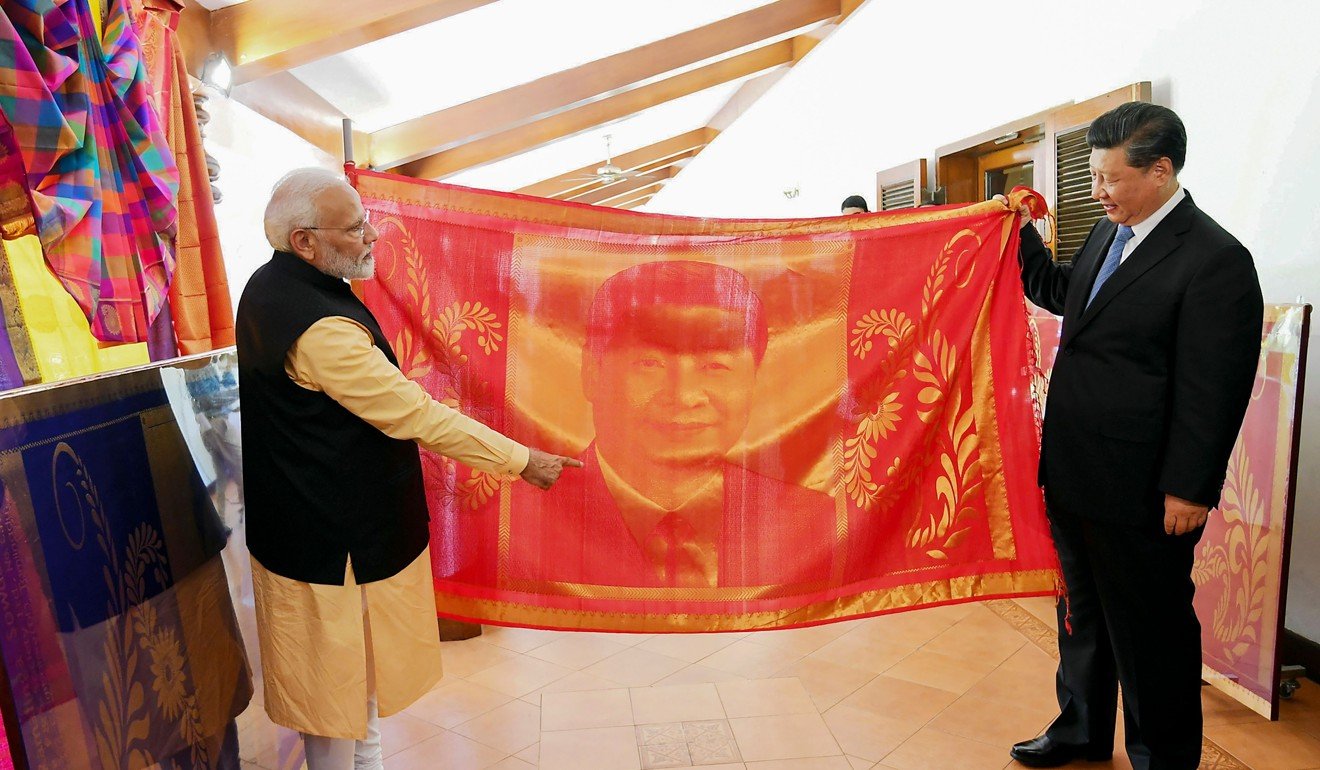
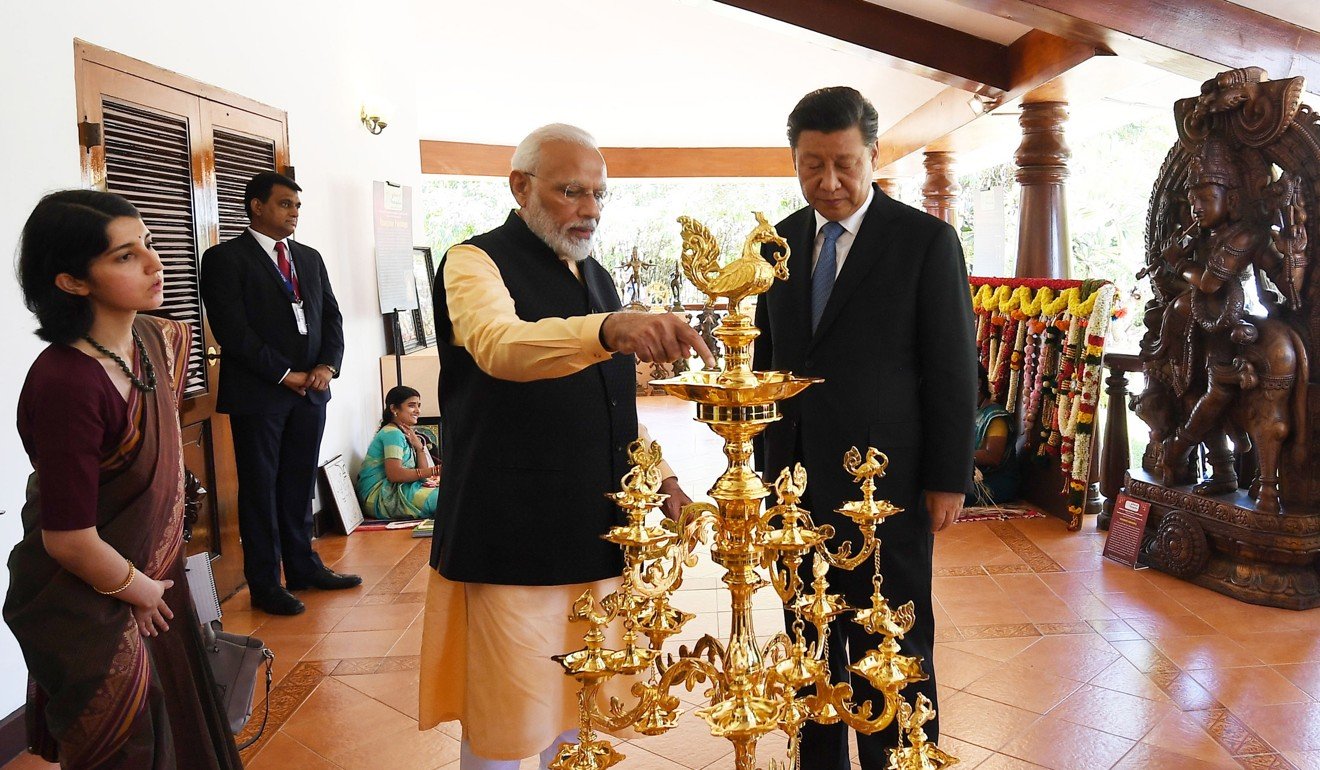
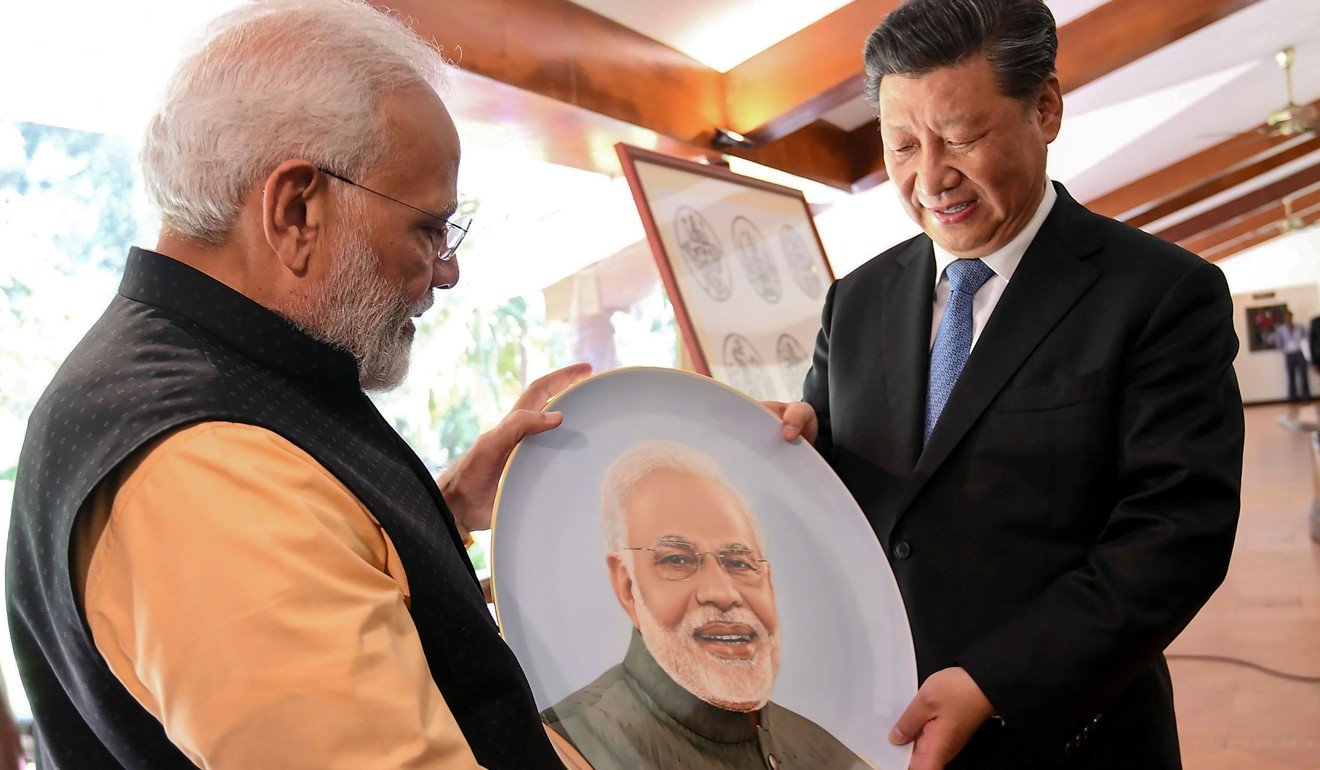
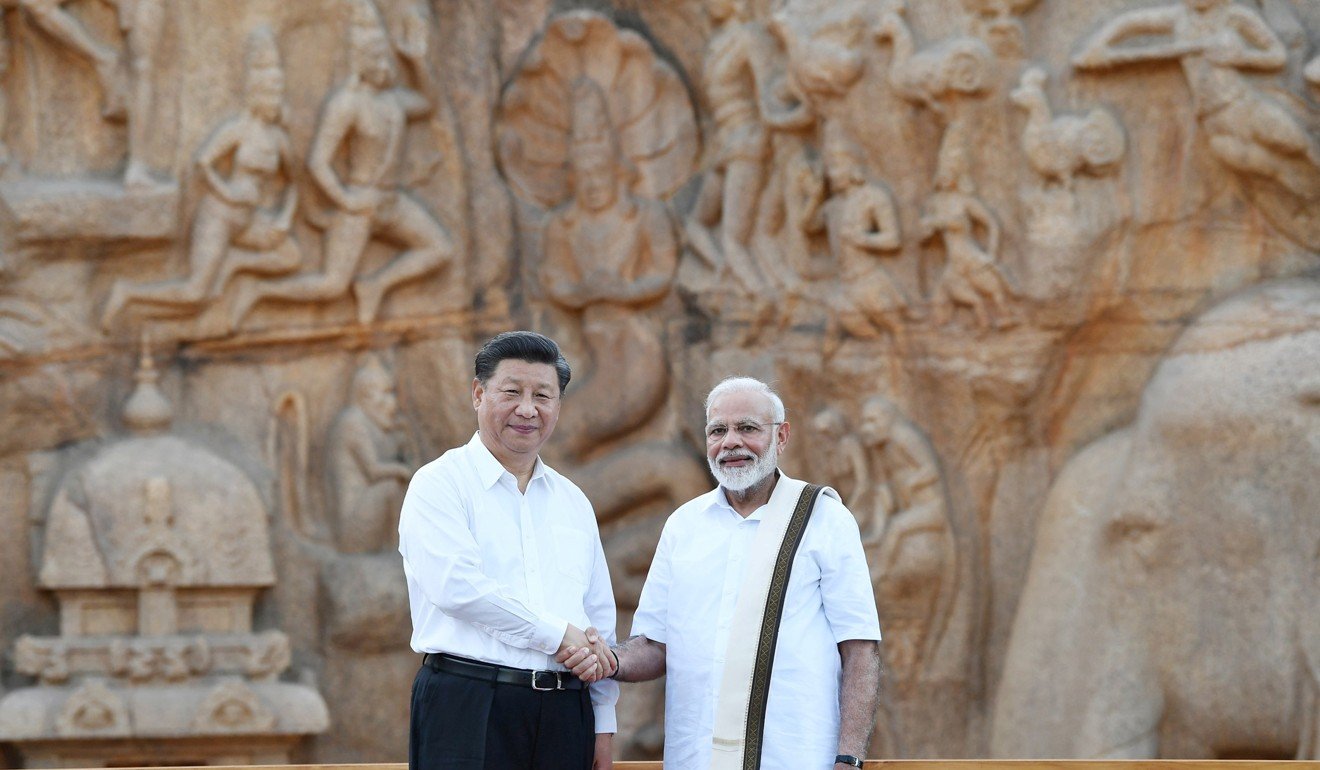
During Xi’s visit to southern India, which lasted 24 hours in all, Modi took him on a personal tour of temple monuments dating back to the seventh and eighth century in Mamallapuram when regional leaders had trade ties with Chinese provinces. He was also shown local artisan handicrafts and art forms, and gifted a handwoven silk portrait, a lamp and a painting.

Xi gave Modi a porcelain plate with the image of the prime minister’s face printed on it.

Xi Jinping with Narendra Modi in Mamallapuram. Photo: Reuters

On Friday, New Delhi announced that visa rules for Chinese nationals visiting India would be relaxed, with multiple-entry visas with a validity period of five years available from this month onwards. At present, most visas are single-entry and usually for between 30 and 60 days. Visa fees would also be reduced, the government said, with the multiple-entry visa costing US$80.

This was aimed at further enhancing “people-to-people exchanges between the two countries and [encouraging] more Chinese tourists to choose India as a destination for tourism purposes,” it said in a statement.

Xi left Chennai on Saturday afternoon and arrived in Nepal, which lies in between India and China. He will be the first Chinese president to visit Nepal in 22 years and is expected to sign a slew of deals with Nepal’s Prime Minister K.P. Sharma Oli, including the planned extension of the rail link from remote, mountainous Tibet to Nepal’s capital, Kathmandu.

The link will be part of Beijing’s ambitious infrastructure project to boost trade, the 

Belt and Road Initiative

(BRI), that Nepal joined two years ago.

More than 120 countries have signed on to the BRI, including Pakistan, where a series of projects worth US$46 billion are being constructed under the China-Pakistan Economic Corridor (CPEC). India has snubbed the BRI and questioned the transparency of funding agreements.
Source: SCMP
14/08/2019

China-proposed BRI designed with economic development, capacity building in mind, benefiting others, say experts

MALAYSIA-KUALA LUMPUR-BRI-NEW INCLUSIVE ASIA DIALOGUE

Participants pose for photos at the New Inclusive Asia Dialogue in Kuala Lumpur, Malaysia, Aug. 14, 2019. The China-proposed Belt and Road Initiative (BRI) was formulated with economic development agenda through increased connectivity, infrastructure and capacity building, according to academics and experts at the New Inclusive Asia Dialogue here on Wednesday. (Photo by Chong Voon Chung/Xinhua)

KUALA LUMPUR, Aug. 14 (Xinhua) — The China-proposed Belt and Road Initiative (BRI) was formulated with economic development agenda through increased connectivity, infrastructure and capacity building, according to academics and experts at a conference here on Wednesday.

Speaking at the New Inclusive Asia Dialogue, multiple experts said BRI, as a flexible economic oriented initiative, stood in contrast with attempts by certain country to piece together its own trade network, which was described as being focused on political agendas.

Dr S Mahmud Ali, an associate fellow with the University of Malaya’s Institute of China Studies, said countries like Malaysia, which aspired to reach developed nation status, had recognized the real gains to be had from participation in BRI.

Mahmud said once several on-going BRI related projects were completed in the country, the country’s economic capacity would be greatly boosted.

Malaysia does play a significant role and substantial amounts of Chinese investments funding projects will boost Malaysia’s productivity, total production capacity, its ability to export and produce good that will rise quite dramatically once these projects are completed, he said.

Proposed by China in 2013, the Belt and Road Initiative refers to the Silk Road Economic Belt and the 21st century Maritime Silk Road, which aims at building trade and infrastructure networks connecting Asia with Europe and Africa along the ancient trade routes of the Silk Road.

Chairman of the Committee of International Information of the Foreign Affairs Ministry of Kazakhstan Timur Shaimergenov said that the flexible, economically focused BRI had gained strong support due to the inclusive approach taken by China.

“The Belt and Road Initiative is a flexible economic oriented project. It does not come with political pressure but instead it is about giving participating countries the opportunity to take advantage of economic opportunities.”

Criticism against BRI has taken on a political dimension and they are completely ignoring that while BRI started as a Chinese initiative, it has really become a Eurasian initiative,” he said.

Olga Kuznetsova, a professor with the Moscow Lomonosov State University said infrastructure development had the potential to benefit countries along BRI route, calling on countries to formulate clear plans to take advantage of the economic spillover.

“Russia is interested in the development of Eurasian transport corridors and invests in the implementation of projects to create them,” she said.

Chinese Ambassador to Malaysia Bai Tian said China had made it clear that it would continue to be a supporter of fair and equitable international trade and globalization, especially in the backdrop of unilateral protectionism.

“We look forward to joining hands with Asian countries to promote trade and investment facilitation, to accelerate the process of regional free trade zone, and to deepen regional and sub-regional cooperation,” he said.

Hosted by the Center for New Inclusive Asia, a Malaysian based think tank, the two-day dialogue aims to foster better understanding of connectivity as a means to promote inclusive growth in Asia, bringing together prominent scholars, senior government officials and corporate leaders from some 10 countries and regions.

Source: Xinhua

21/04/2019

BRI to address global infrastructure imbalance: AECOM

BEIJING, April 20 (Xinhua) — The Belt and Road Initiative (BRI) will be an efficient way to address the imbalance in global infrastructure development, according to U.S. engineering firm AECOM.

Under the BRI, financing platforms including the Asian Infrastructure Investment Bank and the Silk Road Fund have emerged, which will help narrow the development gap, said Ian Chung, chief executive of AECOM for Greater China.

“The BRI is an opportunity for all. It is open, inclusive, and will bring economic development to the next level,” Chung told Xinhua.

According to Chung, countries and regions of different development phases can all benefit from the BRI, especially in infrastructure.

For developing economies, such as some in Africa, the BRI will significantly improve local infrastructure connectivity and boost economic growth, Chung said.

For fast-growing economies such as some in Southeast Asia, Chinese firms could share their experience in high efficiency and green construction via the BRI to meet the rising demand for sustainable infrastructure, he said.

As for many other developed countries, the demand for infrastructure still abounds, as many existing facilities are becoming aged, he added.

The BRI has opened plenty of opportunities for AECOM, as the company has been partnering with Chinese firms on many overseas projects, offering consulting services on design, local regulations, environmental and safety standards.

“Chinese firms excel in construction and financing, while we share a competitive edge in project design, knowledge of local regulations, procedures as well as culture. It’s a win-win for all of us,” Chung said.

Seeing business opportunities from the BRI, the company set up a new department in its Beijing office three years ago to work with Chinese firms on BRI projects.

The firm just opened its new offices in Chengdu and Changsha, following the set-up of its China headquarters in Shanghai last year, another sign that shows the company’s confidence in China’s development, Chung said.

“I am very optimistic that we will have more value-added cooperation with Chinese firms under the BRI,” Chung said.

Source: Xinhua

15/01/2019

China, UAE to cement bilateral cooperation, promote BRI

UAE-ABU DHABI-CHINA-YANG JIECHI-CROWN PRINCE-MEETING

Sheikh Mohamed bin Zayed Al Nahyan (R), Crown Prince of Abu Dhabi, meets with Chinese President Xi Jinping’s special representative Yang Jiechi (L), also a member of the Political Bureau of the Communist Party of China (CPC) Central Committee and director of the Office of the Foreign Affairs Commission of the CPC Central Committee, in Abu Dhabi, capital of the United Arab Emirates (UAE), Jan. 14, 2019. (Xinhua/Wu Huiwo)

ABU DHABI, Jan. 14 (Xinhua) — The Crown Prince of Abu Dhabi, Sheikh Mohamed bin Zayed Al Nahyan, on Monday met with Chinese President Xi Jinping’s special representative Yang Jiechi here, and discussed means to further bilateral cooperation and the Belt and Road Initiative.

The crown prince said that Xi’s visit to the United Arab Emirates (UAE) last year has upgraded the bilateral cooperation to a higher level.

He stressed that under the Belt and Road Initiative, the UAE is willing to implement, together with China, all the consensus between the leaderships of the two countries, enhance cooperation and coordination in international affairs, and boost the comprehensive strategic partnership.

Xi paid a visit to the UAE in July 2018, the first by a Chinese head of state in 29 years to the Arab state. The two sides agreed that both countries will strengthen their in-depth cooperation in various fields, and promote continuous development of bilateral ties.

Yang, also a member of the Political Bureau of the Communist Party of China (CPC) Central Committee and director of the Office of the Foreign Affairs Commission of the CPC Central Committee, said his visit is to help implement the consensus reached during Xi’s historic visit.

“China will join hands with the UAE to maintain the momentum of frequent high-level visits and make China-UAE ties closer,” he said.

Yang highlighted that bilateral cooperation, especially under the Belt and Road Initiative, has been proceeding smoothly, and both sides will guarantee all the related coordination to realize more practical fruits and benefit the two countries’ people.

Meanwhile, the two sides also agreed on more work on anti-terrorism for mutual interests and regional stability.

Yang is now on his official visits to the UAE, Egypt, Equatorial Guinea and Cameroon scheduled from Jan. 13 to 19.

Law of Unintended Consequences

continuously updated blog about China & India

ChiaHou's Book Reviews

continuously updated blog about China & India

What's wrong with the world; and its economy

continuously updated blog about China & India