30/01/2020
- Lufthansa, British Airways, Air Canada among several big name airlines to halt flights, while others reduce services
- Travel agents expecting slump in sales amid rising uncertainty over how epidemic will play out
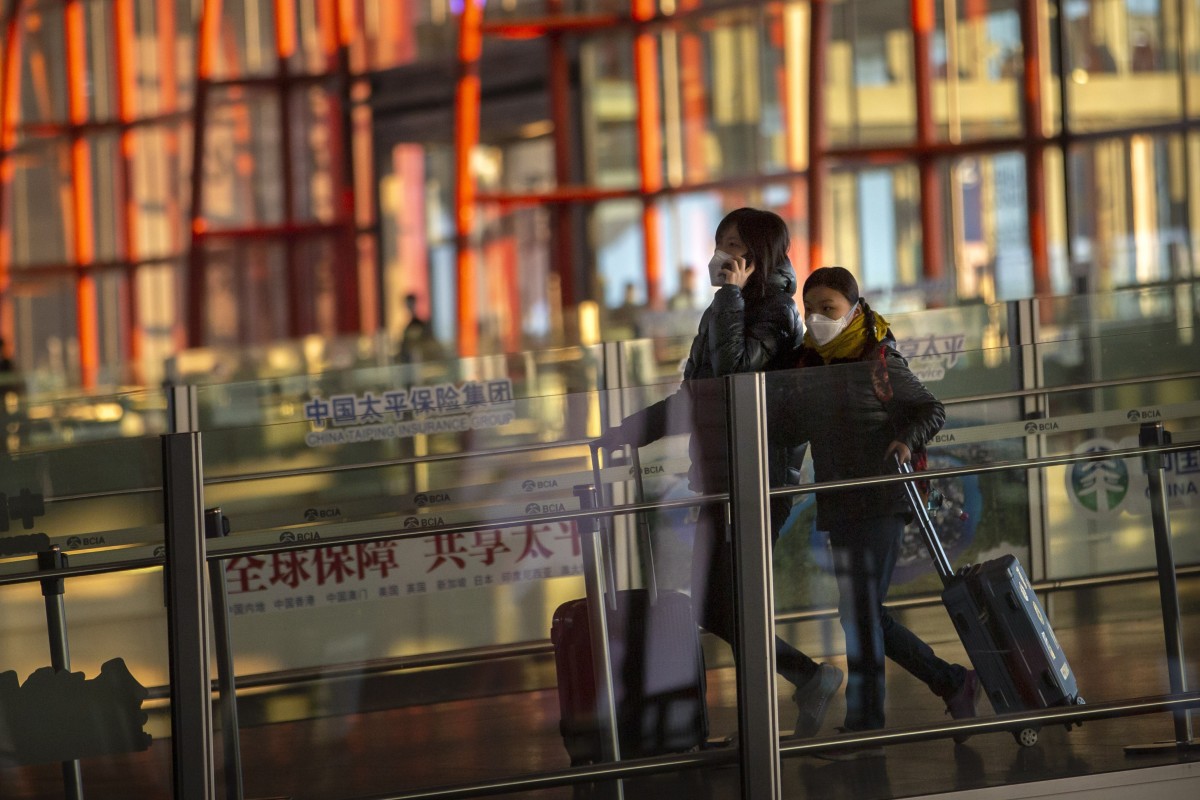
Many airlines have cancelled flights into mainland China because of the coronavirus outbreak. Photo: AP
International air travellers and ticketing agents are in for a turbulent time in the weeks ahead as airlines around the world react to the
coronavirus epidemic by cancelling or limiting flights to and from the Chinese mainland.
Lufthansa, British Airways, Air Canada and Indonesia’s Lion Air have
, while United Airlines, American Airlines, IndiGo, Finnair, Delta Air Lines and Jetstar Asia have significantly reduced their services.
“It’s going to be pretty bad for travel agencies. We’ve had a lot of cancellations. Everyone is afraid of coming to China,” said Annabelle Auger from Travel Stone in Beijing.
“Many of our European clients are very worried because of the media coverage they’ve seen. Still, people are willing to wait and see for a few weeks to see how things go,” she said.
For foreigners looking to leave China, Auger said they should contact their embassy to find out about repatriation flights.
“The situation is very unclear, so it’s difficult to give any general recommendations,” she said.
Already this week, the embassies of the United States, Japan, South Korea and Britain have cleared flights to evacuate their nationals from Hubei, the central China province at the heart of the outbreak.
Auger said she and her colleagues had been busy rearranging flights for China-based foreigners who had gone away for the holidays.
“The schools are closed, so families with children abroad are thinking, ‘OK, let’s extend our stay for another week’,” she said.
Politics may have stalled information in coronavirus crisis, scientist says
The Beijing government said on Monday it would extend the
Lunar New Year
holiday until Sunday to help stop the spread of the disease, while school breaks have also been extended.
Another travel agent in Beijing, who asked not to be named, said the virus outbreak had yet to have a significant impact on business but concerns were growing.
“We are a bit worried that things may get difficult in the coming months,” she said. “But we trust that the government is doing all it can and will take the appropriate measures to solve the problems.”
Zhu Tao, director of the flight standards department at the Civil Aviation Administration of China (CAAC), said at a press conference in Beijing on Thursday that the relevant authorities were working closely with airlines to help Chinese nationals trapped overseas to get home.
The government had already chartered flights from Japan, Myanmar and South Korea to bring Chinese nationals back to Hubei, he said.
While all flights out of Hubei have been suspended since last week, Zhu said air transport was playing its part in fighting the disease.
As of Wednesday, the CAAC had sent 86 flights carrying 5,129 medical workers and 115,000 items of equipment and other supplies into Wuhan, he said.
Wu Zunyou, the chief epidemiologist at the China Centre for Disease Control and Prevention, said that efforts to prevent the coronavirus spreading outside the country had been successful, as only about 1 per cent of the confirmed infections were outside China.
Despite the flight cancellations, Beijing’s Capital International Airport was operating as normal on Thursday.
Andre Muchanga, a student from Abu Dhabi at the Beijing Institute of Technology, said he made a late decision to fly home.
“I decided to buy my ticket last night,” he said. “At school, our dormitory is almost completely empty. I knocked on a friend’s door last night and found there was no one there, so I decided I better just go home and spend some time with my family.”
He said he decided not to buy a return flight as it he did not know when his classes would resume.
Signs at check-in counters reminded passengers who had travelled to Hubei or had a Hubei address to put themselves in isolation for 14 days.
While flights out of Hubei have been stopped, there was still plenty of inbound traffic.
“The number of domestic inbound travellers seems pretty normal for this time of year,” a man working on an information desk at Capital airport said.
“It’s the sixth day of the Lunar New Year. Lots of people have to return to work.”
An Air China employee, surnamed Hu, said that the airport had stepped up its disinfecting and general cleaning work. Body temperature checks had been installed at all access points and employees had been told to wear masks, he said.
“I don’t mind working during the Lunar New Year holiday,” he said. “I’m not afraid of the virus, I’m here to serve the people.”
SOurce: SCMP
Posted in Abu Dhabi, Air Canada, airlines, American Airlines, Beijing, Beijing Capital International Airport, Beijing Institute of Technology, Britain, British Airways, cancel, carriers, China, China Centre for Disease Control and Prevention, Chinese mainland, Civil Aviation Administration of China (CAAC), Delta Air Lines, embassies, epidemic, European clients, evacuate, flight standards department, flights, Government, hubei province, Indonesia’s, Japan, Jetstar Asia, Lufthansa, lunar new year, Myanmar, Nationals, South Korea, travel agents, turbulent times, Uncategorized, United Airlines, United States |
Leave a Comment »
25/01/2020
- Evacuation plan outlined in email as diplomats look for ways to protect foreign nationals
- Paris earlier reports three cases on its soil – the first to be identified in Europe
The French consulate in Wuhan is planning to evacuate French nationals from the city to escape the deadly coronavirus. Photo: AFP
Foreign diplomats in Wuhan are scrambling to assess the situation in the
coronavirus
-plagued city, with French officials planning to evacuate French nationals trapped by the Chinese government’s lockdown.
The plan would allow French people who want to leave Wuhan, the capital of Hubei province, to travel by bus to Changsha in neighbouring Hunan province, according to an email seen by the South China Morning Post.
“The consulate general, in collaboration with local authorities, plans to set up a bus service to allow French nationals … and their Chinese and foreign spouses and children to travel from Wuhan to Changsha,” it said.
The email, sent by the French consulate, also asked anyone who received it to pass the notice on to other French nationals. It was not clear which bodies received the email and the date of the planned evacuation was not specified.
The consulate could not be reached for comment on Saturday.
France, the United States, Britain and South Korea all have consulates in Wuhan, according to China’s foreign ministry.
The South Korean consulate said in a post on its website that it would suspend all visa applications “indefinitely until further notice”.
A diplomatic source said several foreign embassies in China were considering plans to evacuate their nationals from Wuhan.
First coronavirus case ‘had no links to seafood market’
It is not known how many foreigners remain in the city, which has a population of about 11 million and has been under a government-imposed lockdown since Thursday morning.
French Foreign Minister Jean-Yves Le Drian said in a statement on Friday that Paris was monitoring the crisis and “can increase the power [to respond] if necessary”.
There have so far been three confirmed cases of the new coronavirus in France, in Paris and Bordeaux.
French Foreign Minister Jean-Yves Le Drian said on Friday that Paris was monitoring the crisis in China. Photo: AFP
The US said earlier that most of its consulate staff and their families had been pulled out of Wuhan.
An emailed inquiry to the British consulate in the city received only an automated reply, saying: “Wuhan is now in crisis mode. We may not be able to answer your emails for some time.”
The consulate would be closed for the Lunar New Year holiday until January 31, it said.
Meanwhile, British citizen Kharn Lambert told the BBC on Thursday how he had been “trapped” in Wuhan.
The PE teacher said he was afraid to leave his house for fear of catching the deadly virus.
“If you saw the street behind me at night time where I normally live … if I show you out there now, it’s dead,” he said.
More than 1,280 confirmed cases have been reported across China, of which more than 700 were in Hubei, according to local government figures released on Saturday.
The death toll in Hubei stands at 39, with two other fatalities reported in the provinces of Hebei and Heilongjiang.
Tens of millions of people in Hubei are effectively on lockdown since a travel ban was imposed on most of the province.
Flights, trains, buses and ferries connecting Wuhan to other cities in Hubei have been suspended. Rail authorities in Wuhan, which is a hub for several major high-speed lines, said operations at 61 stations and more than 400 train services had been suspended until further notice.
Source: SCMP
Posted in Bordeaux, Britain, British citizen, bused out, buses, Changsha, China’s Foreign Ministry, consulate, coronavirus, diplomats, escape, Europe, Evacuation plan, ferries, flights, foreign nationals, Foreigners, French citizens, French Foreign Minister, Hebei, Hebei province, Heilongjiang province, high-speed lines, hub, Hubei, hubei province, Hunan Province, Jean-Yves Le Drian, Lunar New Year holiday, Paris, Population, Rail authorities, south china morning post, South Korea, The BBC, trains, Uncategorized, United States, Wuhan |
Leave a Comment »
24/01/2020
BEIJING, China (Reuters) – China ramped up measures to contain a virus that has killed 26 people and infected more than 800, suspending public transport in 10 cities, shutting temples over the Lunar New Year and even closing the Forbidden City and part of the Great Wall.
The week-long holiday to welcome the Year of the Rat began on Friday, raising fears the infection rate could accelerate as hundreds of millions of people travel to their homes and abroad in what is usually a festive time of year.
The World Health Organisation (WHO) has declared the new coronavirus an emergency for China but stopped short of declaring the epidemic of international concern.
While most of the cases and all of the deaths have been in China, the virus has been detected in Thailand, Vietnam, Singapore, Japan, South Korea, Taiwan and the United States. It was likely Britain also had cases, a health official said.
The newly identified coronavirus has created alarm because it is too early to know just how dangerous it is and how easily it spreads between people.
Symptoms include fever, difficulty breathing and coughing.
Most of the fatalities have been elderly, many with pre-existing conditions, the WHO said.
Cases are likely to continue to rise in China but it is too soon to evaluate the severity of the virus, a WHO spokesman said on Friday.
As of Thursday, there were 830 confirmed cases and 26 people had died there, China’s National Health Commission said.
In Wuhan, where the outbreak began last month, pharmacies were running out of supplies and hospitals were flooded with nervous resident seeking medical checks.
“There’s so much news, so much data, every 10 minutes there’s an update, it’s frightening, especially for people like us in a severely hit area,” Lily Jin, 30, a resident of the city, told Reuters by phone.
GRAPHIC: The spread of a new coronavirus – here
MORE RESTRICTIONS
While restrictions have already been put in place in cities across the country to curb the outbreak, China will take stricter and more targeted measures, state television reported citing a state council, or cabinet, meeting on Friday, but gave no further details.
“The spread of the virus has not been cut off … Local authorities should take more responsibility and have a stronger sense of urgency,” state broadcaster CCTV said.
Most cases have been in Wuhan, where the virus is believed to have originated in a market that traded illegally in wildlife. Preliminary research suggested it crossed to humans from snakes.
The city of 11 million people, and neighboring Huanggang, a city of about 7 million, were in virtual lockdown.
Nearly all flights at Wuhan’s airport had been canceled, and airports worldwide have stepped up the screening of passengers from China.
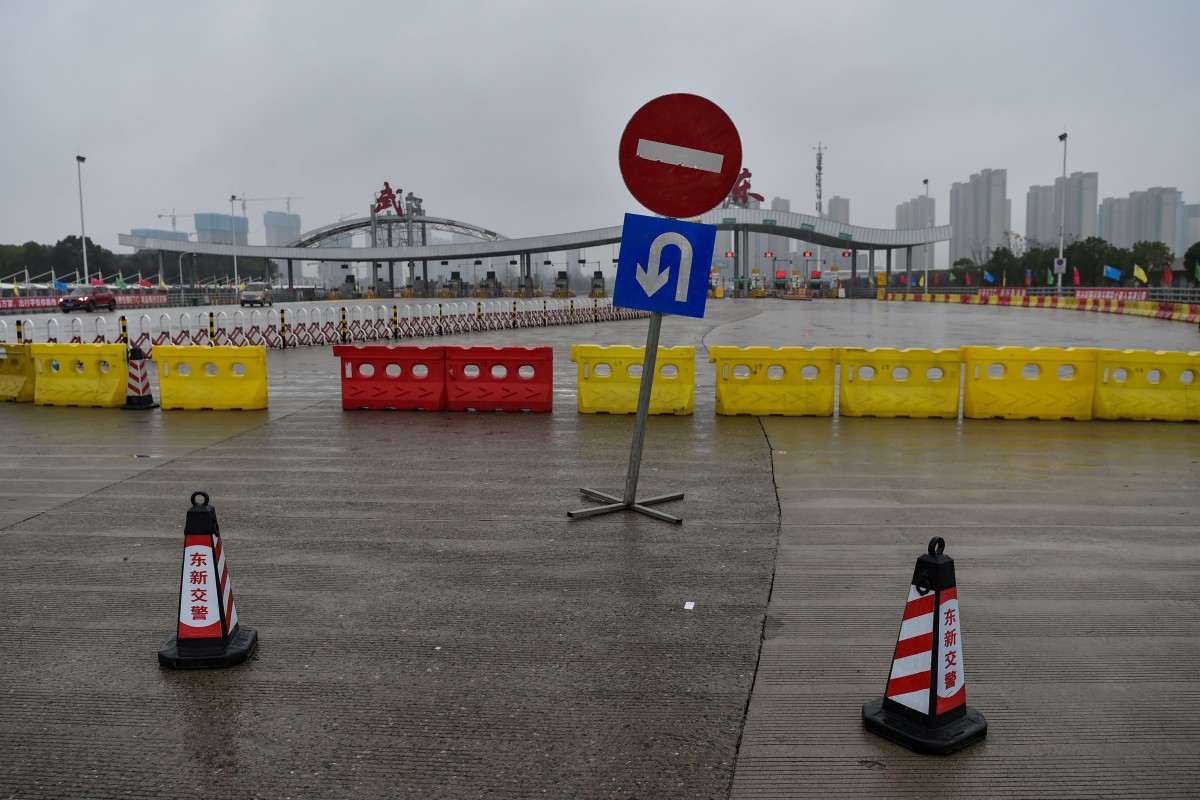
Checkpoints blocked the main roads leading out of town, and police checked incoming vehicles for wild animals.
Wuhan was rushing to build a 1,000-bed hospital for the infected by Monday, the official Changjiang Daily reported.
About 10 people got off a high-speed train that pulled into Wuhan on Friday afternoon but nobody got on before it resumed its journey. Although it stopped there, Wuhan had been removed from the train’s schedule.
“What choice do I have? It’s Chinese New Year. We have to see our family,” said a man getting off the train who gave his family name Hu.
CHINA EMERGENCY
The WHO said on Thursday it was a “bit too early” to designate the outbreak a public health emergency of international concern, which would require countries to step up their response.
Some experts believe the virus is not as dangerous as the one that caused the 2002-03 outbreak of Severe Acute Respiratory Syndrome, which also began in China and killed nearly 800 people, or the one that caused Middle East Respiratory Syndrome, which has killed more than 700 people since 2012.
There is no known vaccine or particular treatment.
“There is some work being done and there are some trials now for MERS (vaccines). And we may look at some point whether those treatments and vaccines would have some effect on this novel coronavirus,” WHO spokesman Tarik Jasarevic said on Friday.
Gilead Sciences Inc said it was assessing whether its experimental Ebola treatment could be used. Meanwhile, three research teams were starting work on vaccines, the Coalition for Epidemic Preparedness Innovations said.
In the meantime, Chinese authorities have imposed restrictions on movement and gatherings to try to stem the spread. It has advised people to avoid crowds and 10 cities in the central province of Hubei, where Wuhan is located, have suspended some transport, the Hubei Daily reported.
Some sections of the Great Wall near Beijing will be closed from Saturday, state media said.
Some temples have also closed, including Beijing’s Lama Temple where people make offerings for the new year, have also been closed as has the Forbidden City, the capital’s most famous tourist attraction.
Shanghai Disneyland will close from Saturday. The theme park has a 100,000 daily capacity and sold out during last year’s Lunar New Year holiday.
The virus is expected to dent China’s growth after months of economic worries over trade tensions with the United States, unnerving foreign companies doing business there.
Shares in luxury goods firms have suffered from the anticipated drop in demand from China, and on Friday French spirits group Remy Cointreau said it was “clearly concerned” about the potential impact.
Source: Reuters
Posted in Beijing, Britain, cabinet, China, chinese authorities, chinese new year, Coalition for Epidemic Preparedness Innovations, elderly, emergency, epidemic, experimental Ebola treatment, fatalities, Forbidden City, Gilead Sciences Inc, Great Wall, hospitals, Huanggang, Hubei Daily, hubei province, humans, Japan, Lama Temple, local authorities, lunar new year, Lunar New Year holiday, luxury goods firms, MERS (vaccines), Middle East Respiratory Syndrome, National Health Commission, new coronavirus, pharmacies, Preliminary research, public transport, Rémy Cointreau, Severe Acute Respiratory Syndrome, Shanghai Disneyland, shuts, Singapore, snakes, South Korea, State Council, Taiwan, temples, Thailand, train’s schedule, Uncategorized, United States, Vietnam, Virus, wildlife, World Health Organisation (WHO), Wuhan, Year of the Rat |
Leave a Comment »
18/01/2020
- President Milos Zeman says Beijing has not fulfilled its promises and he will not attend this year’s 17+1 summit
- He had hoped the country would be an ‘unsinkable aircraft carrier’ for Chinese investment in Europe, but now Zeman has changed his tone
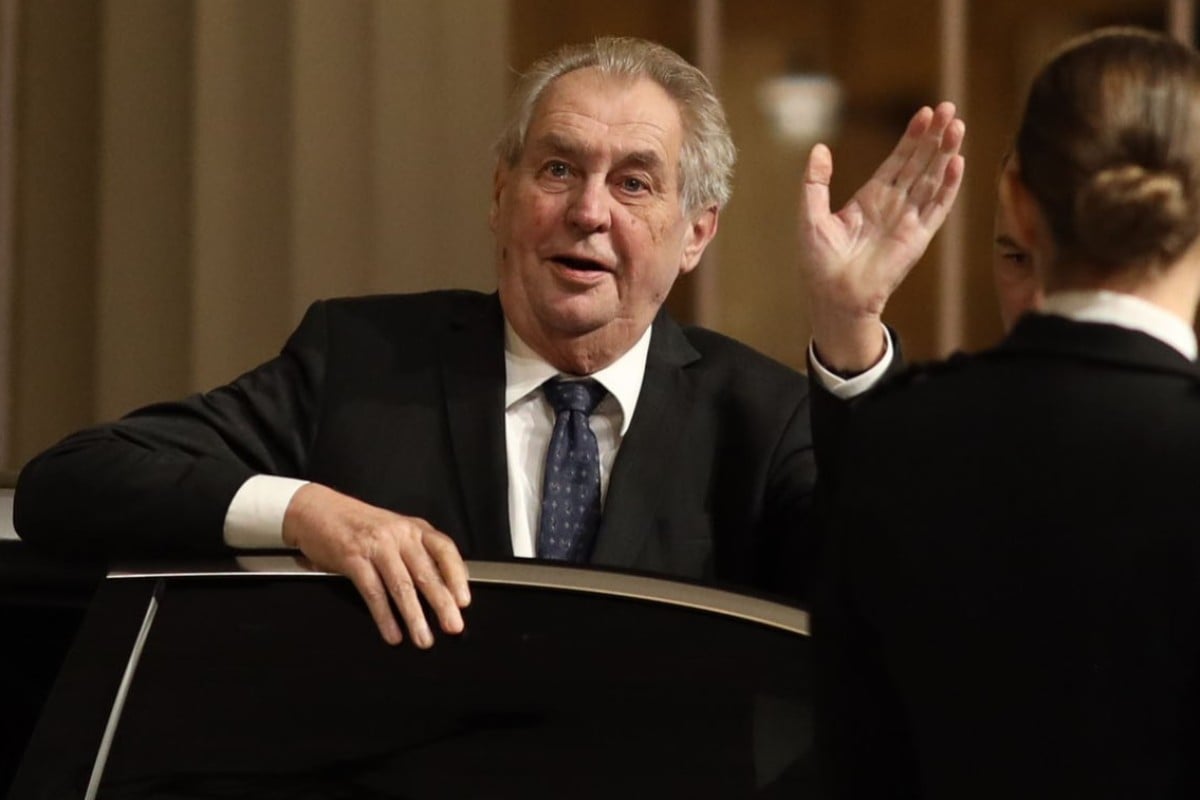
Czech Republic President Milos Zeman has voiced disappointment over China’s lack of investment in the country. Photo: AFP
Czech President Milos Zeman’s decision to skip
China’s summit with European leaders in April shows the “honeymoon is over” between Prague and Beijing, analysts say, as it tries to shake up the relationship to push for more investment.
And China could face similar trouble with other nations looking for more at this year’s “17+1” summit with Central and Eastern European nations in Beijing.
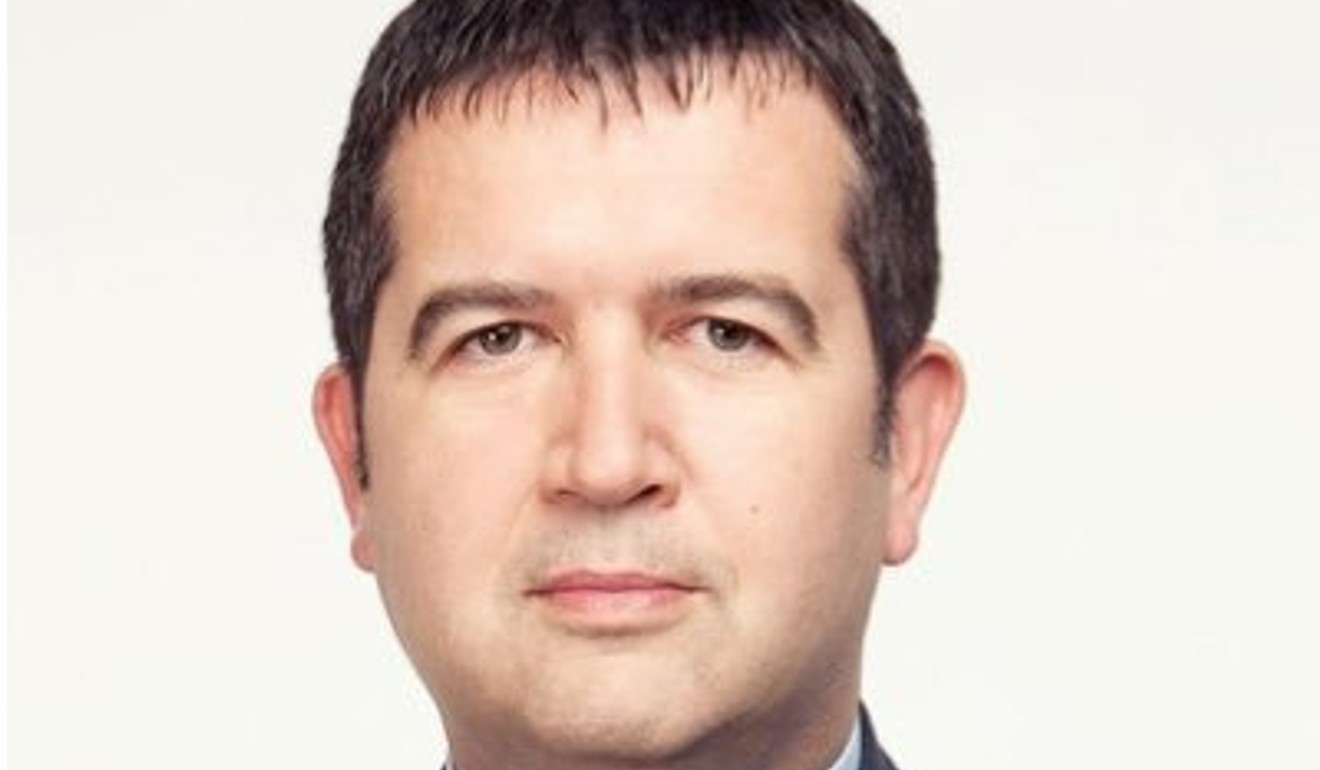
Top leaders usually attend the gathering, but Zeman on Sunday said he would not be going, and that China had not “done what it promised” by failing to invest more in his country. He would instead send Deputy Prime Minister Jan Hamacek, which he said was “adequate to the level of cooperation”.
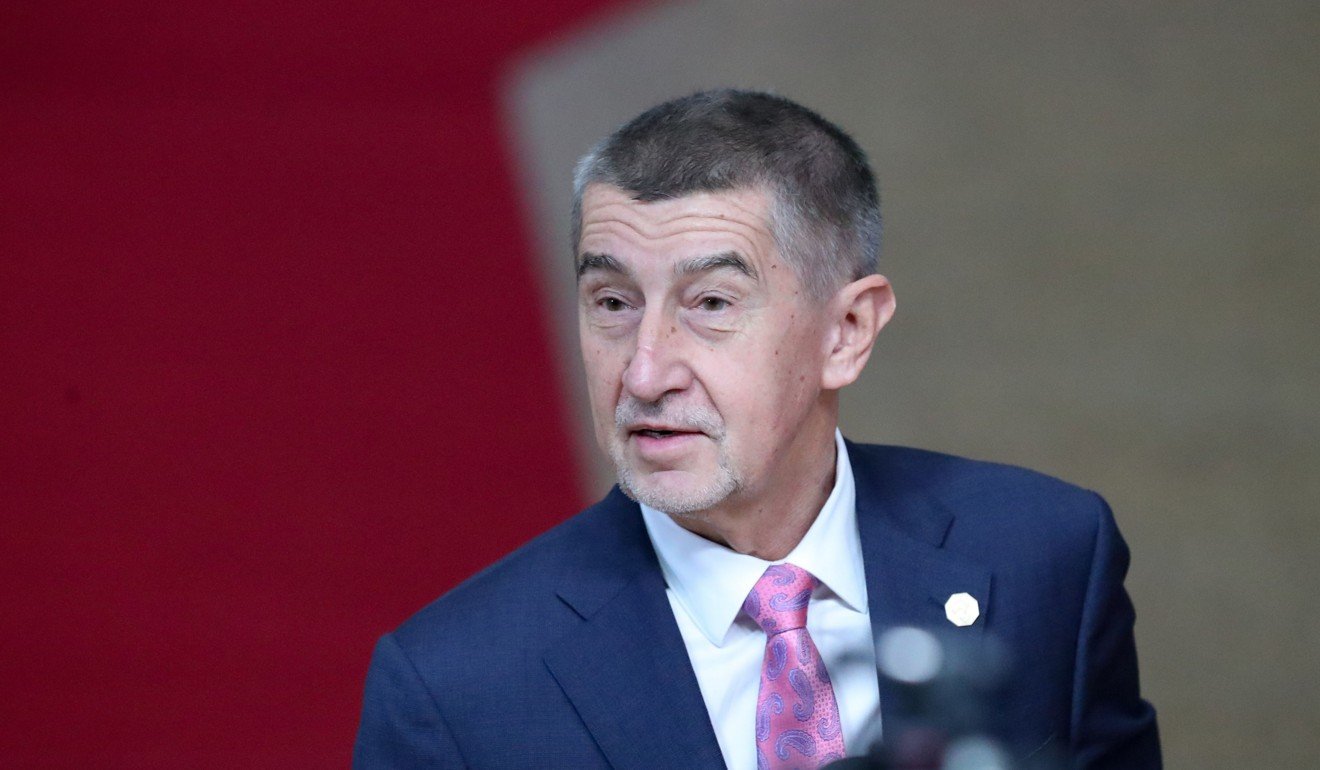
At last year’s summit in Croatia, Prague was represented by Prime Minister Andrej Babis, who was diplomatically on par with the Chinese representative,
But it is China’s turn this year, and President Xi Jinping will be the host – meaning heads of state are expected to attend. The 17+1 grouping was launched by Beijing in 2012.
Deputy Prime Minister Jan Hamacek will represent Prague at the 17+1 summit. Photo: Twitter
Zeman was a strong advocate for deepening economic ties with China and investments were on the rise, for a time. But Zeman and other Czech leaders have increasingly questioned the nature of the relationship, especially as the economic benefits have dwindled.
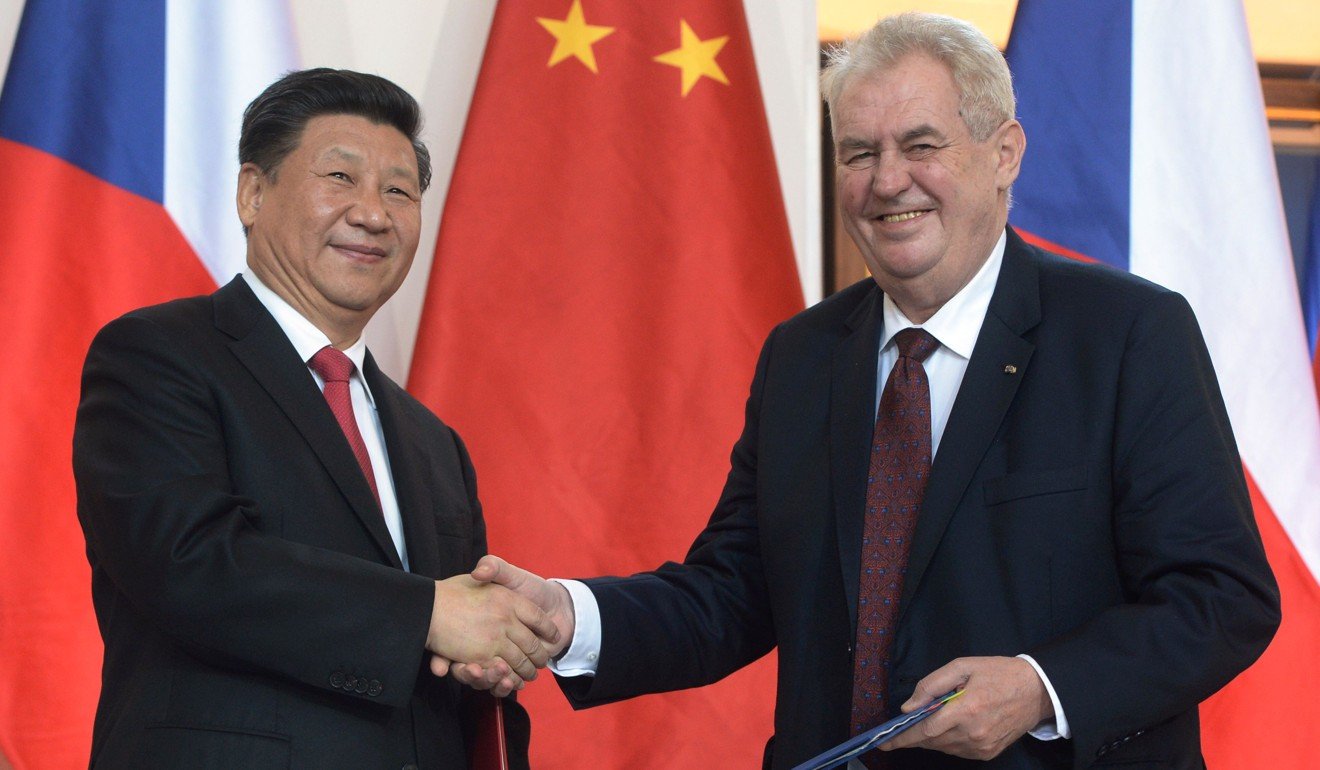
Relations with China grew after Zeman, who is in his second term as president, took office in 2013. The peak came in 2016, when Xi visited the country and promised more Chinese investment. That year, Zeman said he hoped his country would be an “unsinkable aircraft carrier” for Chinese investment in Europe.
But since then, the investments have faltered, not just in the Czech Republic, but across Central and Eastern Europe, and Zeman has changed his tone. In April, he called the lack of investment in his nation a “stain on the Czech-China relationship”, in an interview with Chinese state broadcaster CCTV.
Chinese President Xi Jinping meets his Czech counterpart Milos Zeman during a visit to Prague in 2016, when he promised more investment. Photo: AFP
“I suppose he feels that promises made to him personally were not fulfilled, since he has had personal contact with Xi Jinping on a number of occasions … he surely feels that his commitment to China has not been reciprocated,” said Jeremy Garlick, assistant professor of international relations at the University of Economics, Prague.
Zeman has visited China five times and was the only EU leader to attend a Chinese military parade in 2015 to mark the 70th anniversary of the end of World War II.
I suppose he feels that promises made to him personally were not fulfilled, since he has had personal contact with Xi Jinping on a number of occasions Jeremy Garlick, University of Economics, Prague
Rudolf Furst, a senior researcher at Charles University in Prague, said Zeman had given up his unequivocal support for a pragmatic pro-Chinese agenda.
“Chinese investments flow in Czechia have remained low, and not matching the Czech structural needs for stimulating the GDP growth,” he said.
Most of the 17+1 member states, except for Hungary and Greece, were now “perceiving the Chinese investment promises as merely virtual”, Furst said. “The 2012 new wave of China’s honeymoon is over.”
Rhodium Group has tracked Chinese foreign direct investment data in Europe since 2000. Its data shows that while total Chinese investment in the Czech Republic had grown to about €1 billion (US$1.1 billion) by 2018, growth has been slow, while neighbouring countries like Italy and Germany had some 15 to 20 times more investment in their economies.
Cumulative Chinese foreign direct investment in the Czech Republic between 2000 and 2017 sat at about €600 million, and grew to €1 billion in 2018, while that in neighbour Germany grew from €20.6 billion to €22.2 billion over the same period.
The picture is much the same for Eastern Europe as a whole – Austria, Bulgaria, the Czech Republic, Hungary, Poland, Romania and Slovakia received just 2 per cent of China’s overall investment in Europe in 2018, according to the data.
Countries like France, Germany and Britain meanwhile received 9, 12 and 24 per cent, respectively.
Czech Republic becomes unlikely front line in China’s soft power war
Other Czech politicians have also taken a tougher line on China. Babis warned of a “considerable” trade deficit with China in 2018. The country exported US$1.8 billion of goods to China in the first nine months of last year, down 4.3 per cent from a year earlier. But it imported US$11.7 billion of products from China – by far its largest source of imports.
And after Zeman’s announcement this week, the Green Party, which holds a handful of seats in the Czech Senate, called for Prague to pull out of the 17+1 platform altogether.
Prime Minister Andrej Babis warned of a “considerable” trade deficit with China in 2018. Photo: AFP
Richard Turcsanyi, director of the Central European Institute of Asian Studies at Palacky University in the Czech Republic, said both Prague and Beijing were expecting too much.
“I see the current sharp downturn of Czech-China relations being related to very high and unrealistic expectations which existed perhaps on both sides, driven to a large extent by the ignorance of each other,” he said.
“Due to the impressive economic growth of China and also its international economic expansion, many expected that China could quickly become a significant economic actor in the Czech Republic,” he said.
“In reality, the Czech Republic and China are not natural trading or investment partners. They are more of competitors when it comes to moving up the value chain, rather than complementary economic partners – contrary to what has been claimed for years as part of the diplomatic exchanges.”
Political tensions with China have also increased, including over security allegations about Huawei Technologies, and sensitive issues like Taiwan and Tibet.
This week, Shanghai suspended official contact with the Czech capital Prague after it signed a sister city agreement with Taipei – following Prague cancelling its deal with Beijing in October over a “one China” pledge. Shanghai was also a sister city with Prague.
And although Zeman has been critical of the US-led campaign against Huawei, Babis ordered Czech government institutions to stop using products from the Chinese tech giant last year.
“There has been a breakdown of trust in China, at the level of the public, the media, and now even the president,” Garlick said.
Source: SCMP
Posted in Austria, ‘honeymoon is over’, Beijing, Britain, Bulgaria, Central European Institute of Asian Studies, Charles University, China, Chinese President Xi Jinping, Chinese state broadcaster CCTV, Czech Republic President, Eastern Europe, France, Germany, Greece, huawei technologies, Hungary, Milos Zeman, Palacky University, Poland, Prague, Romania, Slovakia, Taiwan, Tibet, Uncategorized, University of Economics, Prague |
Leave a Comment »
12/12/2019
SHANGHAI, Dec. 11 (Xinhua) — Chinese tourists will travel to more overseas destinations during the Spring Festival holiday in 2020, said a report released by the country’s largest online travel agency Trip.com Group.
Chinese tourists have booked trips to 419 overseas cities in over 100 countries and regions during the seven-day holiday beginning Jan. 24, 2020, said Trip.com, adding that both figures are new highs for the group.
Boasting warm weather, Australia and New Zealand are among the most popular destinations for Chinese during the period. Trips to Italy, Britain, Spain, Russia, France and the United Arab Emirates are also bestsellers, according to the report.
Ninety percent of Trip.com Group’s users have chosen high-quality travel products and services. Private travel groups with tour guides and flexible schedules have also been favored by tourists.
The fact that Chinese are willing to spend more money and time on traveling shows their growing incomes and higher living standards, said Peng Liang, a researcher with the tourist data research center of Trip.com Group.
As more Chinese travel overseas for holidays, the world will also share the benefits of China’s development, said Peng.
Chinese made 6.3 million outbound trips during the Spring Festival holiday in 2019, up 12.48 percent year on year.
Posted in Australia, bestsellers, Britain, Chinese, during, France, Holiday, Italy, New Zealand, overseas destinations, Russia, Spain, Spring Festival, travel, Trip.com Group, Uncategorized, United Arab Emirates, United Arab Emirates (UAE) |
Leave a Comment »
09/12/2019
URUMQI, Dec. 8 (Xinhua) — Rich in resources but remote, Xinjiang in China’s far west has become a magnet for investors for its unique position on the Silk Road.
In a workshop of the Amer International Group in Urumqi, capital of Xinjiang Uygur Autonomous Region, workers are busy adjusting and packing laptops.
Recently, Amer sent the first batch of 2,000 laptops it produced for the German company TrekStor to the European market via China-Europe freight trains.
Headquartered in the southern Chinese city of Shenzhen, Amer invested 20 billion yuan (around 2.8 billion U.S. dollars) to build an industrial park in Xinjiang in 2018. So far, the industrial park has produced and exported around 1.5 million mobile phones, according to Wang Wenyin, the founder and chairman of Amer International Group.
“We saw Xinjiang’s geographical advantages, so we established the industrial park and cooperated with our counterparts in South and Central Asia in the fields of smartphones and IT high-end manufacturing,” Wang said.
Amer International Group is among a growing number of enterprises that have been attracted by Xinjiang in recent years, as trains and planes have made Xinjiang better connected than ever before.
As China’s key trade gateway to Central and West Asia, the remote region’s position as the heart of the Belt and Road Initiative is unmistakable. In 2013, China proposed the BRI, which opened up new space for the world economy, spurring trade and economic growth and stimulating investment and creating jobs worldwide.
Urumqi Customs saw the number of China-Europe freight trains skyrocket to 5,743 in the first 10 months this year, up 53.68 percent year on year, outnumbering the total of 2018.
To attract more investors, the local government has gone to great lengths creating a more friendly business environment, such as cutting the time required for starting a business and lowering the entry threshold for products.
Up to now, Xinjiang has had more than 1.8 million market entities including 359,000 enterprises, up 18 percent year on year.
Foreign and domestic business giants including German chemical giant BASF and China’s real estate conglomerates Wanda Group have also invested in the region.
Lai Naixiang, head of Kashgar Oumeisheng Energy Technology, a home appliance manufacturer, moved his business from Shenzhen to Kashgar in southern Xinjiang in 2017.
“We chose to settle in Kashgar because of the great market potential in adjacent Central Asian countries as well as Xinjiang’s lower electricity prices and preferential tax policy,” he said.
Last year, the company exported electric kettles worth more than 16 million yuan to Kyrgyzstan and Tajikistan.
Foreign trade in Xinjiang has seen booming growth. The region recorded around 131.5 billion yuan in imports and exports in the first 10 months of this year, up 28 percent year on year.
In the first 10 months, Kazakhstan topped the list of Xinjiang’s major trade partners, with trade volume between the two growing by 28.2 percent to 60.2 billion yuan.
Xinjiang’s trade with Kyrgyzstan, Australia, Pakistan, Britain, Argentina and Vietnam also showed fast growth, according to the local customs authorities.
“With further Belt and Road construction, Xinjiang will get more impetus in economic and social development. I see great potential in the region,” Wang said.
Source: Xnhua
Posted in Amer International Group, Argentina, Australia, Ürümqi, BASF, Belt and Road (B&R), Belt and Road construction, Belt and Road Initiative, Belt and Road Initiative (BRI), Britain, chemical giant, China-Europe freight trains, economic and social development, emerging, German, home appliance, hotspot, Investment, Kashgar, Kashgar Oumeisheng Energy Technology, Kyrgyzstan, manufacturer, Pakistan, real estate, Shenzhen, Silk Road, Tajikistan, TrekStor, Uncategorized, Vietnam, Wanda Group, Xinjiang |
Leave a Comment »
31/10/2019
BEIJING, Oct. 30 (Xinhua) — China on Wednesday urged countries including the United States and Britain to stop distorting facts on Xinjiang-related issues and make real and concrete efforts to support the healthy development of the international human rights cause.
Foreign Ministry spokesperson Geng Shuang made the remarks at a press briefing when he was asked to comment on what happened during the dialogue between the Third Committee of the United Nations General Assembly and the Committee on the Elimination of Racial Discrimination.
On Oct. 29, a few Western countries including the United States and Britain delivered a common speech during the dialogue, criticizing China’s Xinjiang policy, while more than 60 others countries also made common speeches supporting China’s position on Xinjiang, praising China’s great progress in human rights protection and opposing interference in China’s domestic affairs under the name of human rights.
“The anti-China show put on by a handful of Western countries was a disgraceful failure,” Geng said.
He said the vocational and educational training institutions in Xinjiang were set up as preventive measures to combat terrorism and radicalization, which have turned the security situation around.
For three years, not a single violent or terrorist incident has taken place in Xinjiang, and the region now enjoys social stability and unity among all ethnic groups, said Geng, adding that people there are now living a happy life with a stronger sense of fulfillment and security, while their rights to life, health and development are also significantly improved.
“We urge countries like the United States and Britain to stop calling white black and standing on the opposite of facts,” Geng said.
Geng noted that in March this year, the 46th session of the Council of Foreign Ministers of the Organization of Islamic Cooperation (OIC) adopted a resolution, which spoke highly of and fully recognized the efforts China has made for Chinese Muslims.
In July, ambassadors from more than 50 countries to the UN office at Geneva co-signed a letter to the president of the UN Human Rights Council and High Commissioner for Human Rights, praising China for its respect and protection of human rights in fighting terrorism and deradicalization.
“These events fully indicated to us what is the overwhelming opinion of the international society. Tarnishing China will not get support and is completely futile,” Geng said.
As countries like the United States and Britain have disgraceful human rights records, they have no right to judge other countries and should seriously reflect on themselves, said Geng, adding that China urges those countries to stop politicizing and using double standards on human rights issues, and stop interfering in other countries’ domestic affairs under the pretext of human rights.
Source: Xinhua
Posted in Britain, China's, chinese muslims, Committee on the Elimination of Racial Discrimination, Council of Foreign Ministers of the Organization of Islamic Cooperation (OIC), distorting facts, ethnic groups, High Commissioner for Human Rights, stop, Tarnishing China, terrorism, UN Human Rights Council (UNHRC), Uncategorized, United Nations General Assembly, United States, violent or terrorist incident, vocational and educational training institutions, Xinjiang, Xinjiang policy, Xinjiang-related issues |
Leave a Comment »
23/10/2019
- International rules on seabed mining set for approval in 2020, with China most likely to lead the race, UN body says
Governments, research institutions and commercial entities have already signed contracts for the exploration phase to extract minerals from the seabed, with China holding the most. Photo: Shutterstock
China is in pole position for the global race to start deep sea mining operations to extract valuable minerals used in smartphones and electric car batteries from the seabed.
The head of the International Seabed Authority (ISA) said China was likely to become the first country in the world to start mining seabed minerals if the international rules for exploitation were approved next year.
The ISA has already signed 30 contracts with governments, research institutions and commercial entities for exploration phase, with China holding the most, five contracts.
The body, which was established to manage the seabed resources by the United Nations Convention on the Law of the Sea (UNCLOS), is aiming to adopt seabed mineral exploitation rules by July 2020.
As China leads the hunt for deep-sea minerals, environmental concerns surface
“I do believe that China could easily be among the first (to start exploitation),” said Michael Lodge, ISA general secretary, who visited China last week.
“The demand for minerals is enormous and increasing, there is no doubt about the market.”
There is also interest from European countries including Belgium, Britain, Germany and Poland, as well as from the Middle East.
The quest to exploit seabed minerals – such as polymetallic nodules containing nickel, copper, cobalt and manganese – is driven by demand for smartphones and electric car batteries, and the need to diversify supply.
However, no one has yet shown that deep sea mining can be cost effective and some non-governmental organisations have questioned whether it would be possible to reach a deal on exploitation rules next year.
“I think, it’s pretty good. I think the current draft is largely complete,” Lodge said, when asked about prospects of adopting the rules by next July.
One of the issues yet to be agreed is proportionate financial payments to the Jamaica-based ISA for subsea mineral exploitation outside national waters.
“We are looking at ad valorem royalty that would be based on the value of the ore at a point of extraction … The middle range is 4 per cent to 6 per cent ad valorem royalty, potentially increasing over time,” Lodge said.
New iPhone models to use recycled rare earths, Apple says
If the rules are approved, it could take about two to three years to obtain permits to start deep sea mining under the current draft, Lodge said.
Canadian Nautilus Minerals had tried to mine underwater mounds for copper and gold in the national waters off Papua New Guinea, but ran out of money and had to file for creditor protection earlier this year.
This has not deterred others, such as Global Sea Mineral Resources (GSR), a unit of Belgian group DEME, and Canada’s DeepGreen, to continue technology tests and research.
In July, Greenpeace called for an immediate moratorium on deep sea mining to learn more about its potential impact on deep sea ecosystems, but the ISA has rejected such a proposal.
Source: SCMP
Posted in Apple, Belgian, Belgium, Britain, canada, Canadian Nautilus Minerals, China alert, cobalt, copper, deep sea, DeepGreen, DEME, electric car batteries, exploit, first country, Germany, Global Sea Mineral Resources (GSR), Gold, Greenpeace, International rules, International Seabed Authority (ISA), IPhone, manganese, Middle East, minerals, national waters, Nickel, Papua New Guinea, Papua New Guinea (PNG), Poland, polymetallic nodules, rare earths, recycled, seabed mining, smartphones, Uncategorized, United Nations Convention on the Law of the Sea (UNCLOS), valuable minerals |
Leave a Comment »
03/08/2019
- Cai Rui and Wu Chen are the proud parents of twins but they had to go abroad for the IVF treatment they needed to bring the children into the world
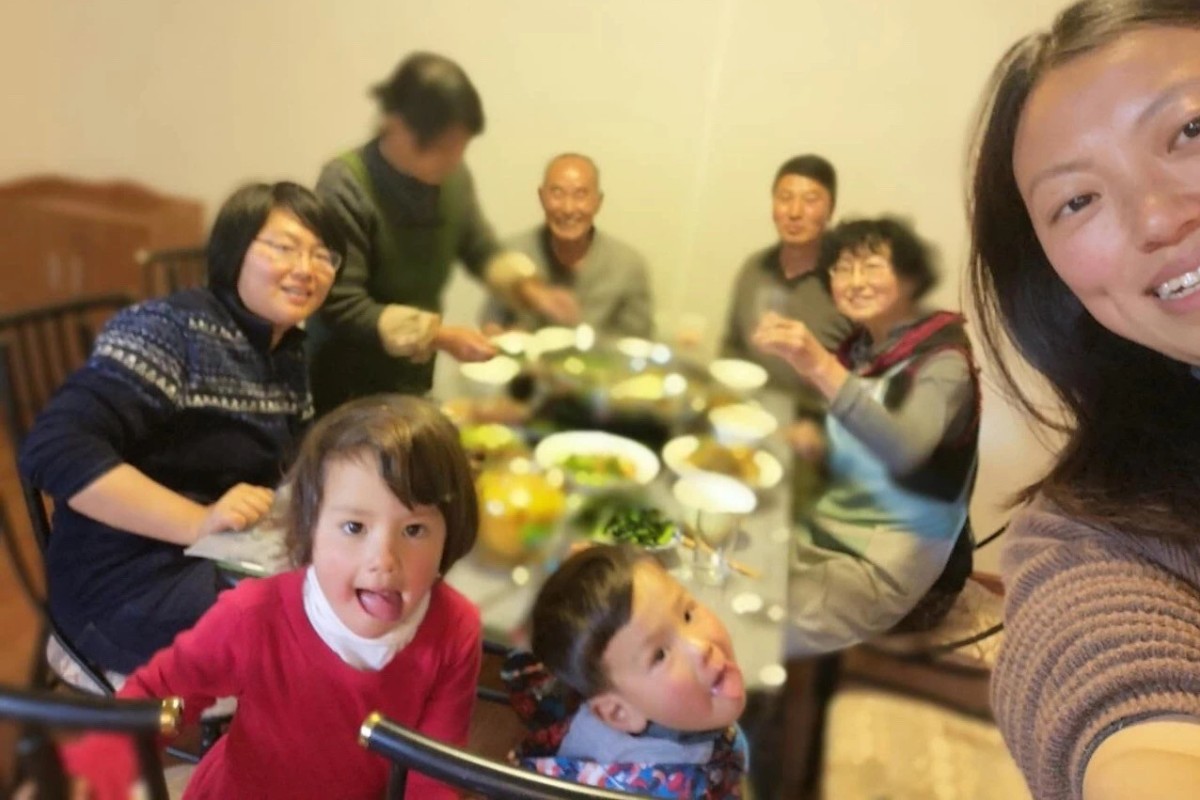
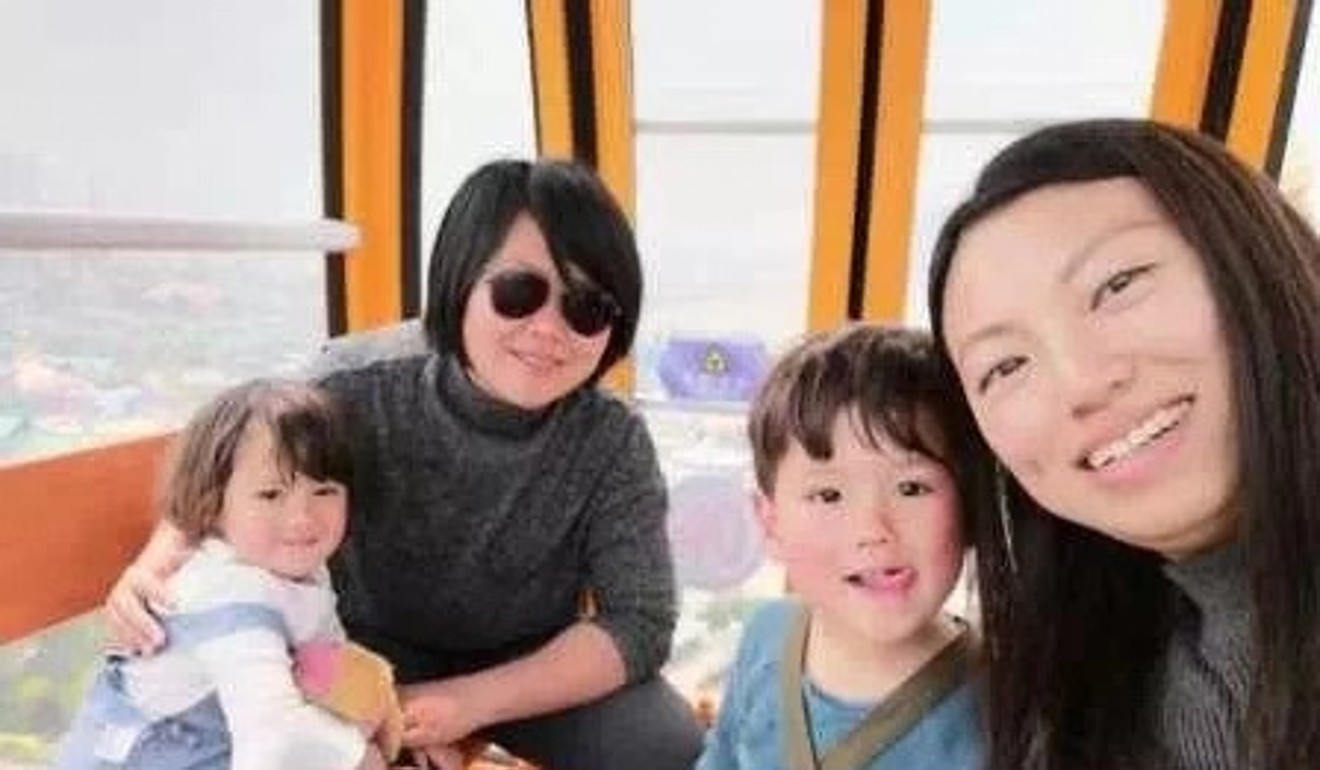
Wu Chen (far left) and Cai Rui (right) are raising their young family together in China. Photo: Cai Rui
When three-year-old twins Harry and Helen are asked about their dad, they have a set answer.
The children tell the curious that they do have a father but he lives in the United States.
Harry and Helen live on the outskirts of Kunming in the southwestern Chinese province of Yunnan with their two mothers, Cai Rui and Wu Chen.
Cai gave birth to the twins after being implanted at a US IVF clinic with ova from Wu and sperm from an American donor.
The couple were forced to seek treatment abroad because Chinese clinics will only perform IVF procedures on couples who can produce a marriage certificate – something limited to heterosexuals.
For Cai and Wu, it was a leap into the unknown – there was little information in China and few others had gone public about their experience.
But their biological clocks were ticking and the couple were used to taking difficult paths.
Gay Chinese find a place to be themselves on ‘Rainbow Cruise’ to Vietnam
Cai and Wu met while studying in Britain and registered their marriage there in 2014. Both women were in their thirties and soon began thinking about having children.
They looked forward to being mothers and felt the experience would strengthen their relationship even more, Cai said.
“I think it’s natural for a woman to aspire to be a mother once she turns 30,” she said. “We were both aware that the older a woman is, the harder it is for her to get pregnant. So it’s an immediate thing for us.”
Their parents were also worried about the couple’s welfare as they grew older.
“Our parents have accepted our relationship, thinking it’s our own choice. However, they worried that when we are old, there will be no children to look after us,” Cai said.
Wu Chen (left) and Cai Rui (right) brought their twin children Helen and Harry into the world with help from IVF treatment in the United States. Photo: Cai Rui
The couple embarked on two rounds of IVF in London, with Cai impregnated with Wu’s fertilised ova, but both rounds failed.
They then returned to China and searched for other options but at the time there were few posts by Chinese lesbians sharing their experience of having babies abroad, Cai said.
So they contacted three clinics in the US and finally decided to go through one in Portland, Oregon, in large part because of the city’s gay-friendly reputation.
Cai said that when it came time to choose a sperm donor, they were less concerned about his outward appearance and more focused on his physical and mental health, his academic record and his experience growing up.
“We wanted to make sure our baby’s father was a healthy and interesting guy,” she said.
The couple chose the sperm of a white man and implanted two fertilised eggs into Cai’s body to raise the chances of success. Twelve weeks later, the couple flew back to Beijing where Harry and Helen were born on April 1, 2016.
Thanks to a more relaxed population policy since 2016, Cai was able to register the children as a single mother while the children were given her partner’s surname.
“So my lover is their biological mother and I am their birth mother,” Cai said.
Small victory for China’s online lesbian community as censored forum is restored, but another remains blocked
The family lived in Beijing for about a year before moving to Yunnan for work commitments. Cai said there had not been any big problems raising the children there apart from some annoying questions from neighbours about why the children are biracial and why the father is not in the home.
“These questions are like flies around us. But they’re not a big deal and won’t affect our life,” she said.
She said she told various villagers in their community about the children’s conception and they responded by saying, “What an advanced lifestyle you have!”
Twins Harry and Helen celebrate Lunar New Year. Photo: Cai Rui
The couple have also tried to explain the situation to the twins.
“We instilled diverse family values in them from a very young age, through everything including cartoon books they read and stories we made up by ourselves,” Cai said.
“So we told [them] that you have a father. But the reason for forming a family is love. We don’t have love with your father, so he doesn’t live with us.”
About four years ago the couple opened a public account on social media app WeChat called Rainbow Babies, to share their experience with other lesbians on the mainland. Cai said the account had more than 17,000 followers, many responding by relating their own stories about IVF.
One woman wrote on the platform that she and her partner had been together for 10 years and after having a daughter they were pregnant with a boy.
“I am not confident of us lesbians raising a boy. Do you have any tips to share with us?” the woman wrote.
Why China’s gays and lesbians are still stuck in the closet
Another woman wrote that since she and her partner decided to have a baby, they had confronted obstacles at every step in the process, but the biggest benefit was that “after so many hardships, our love has been consolidated and we have cherished each other more than before”.
Cai said the most popular destinations for mainland lesbians seeking IVF treatment were the US, Thailand and Cambodia, with at least 1,000 either pregnant or having given birth.
“Some people are hesitant to have babies because of social pressure. [But] as times goes by and women get older, the possibility of them getting pregnant becomes lower,” Cai said.
Cai said she and Wu were often praised for their courage but they were in the habit of choosing a tougher road.
“On many occasions, this habit is the most reliable way to push us to keep our innocent heart and to do things to be ourselves,” she said.
Source: SCMP
Posted in Beijing, boy, Britain, Cambodia, Chinese, creating, Family, Girl, lesbian couple, Oregon, Portland, Rainbow Babies, Rainbow Cruise, Thailand, trailblazing, twins, two mothers, Uncategorized, US, Vietnam, WeChat, Yunnan Province |
Leave a Comment »
01/08/2019
- Fears are growing in the city that the military could be called in to quell unrest
- But the costs and complexities of doing so mean Beijing is highly unlikely to give the orders, observers say
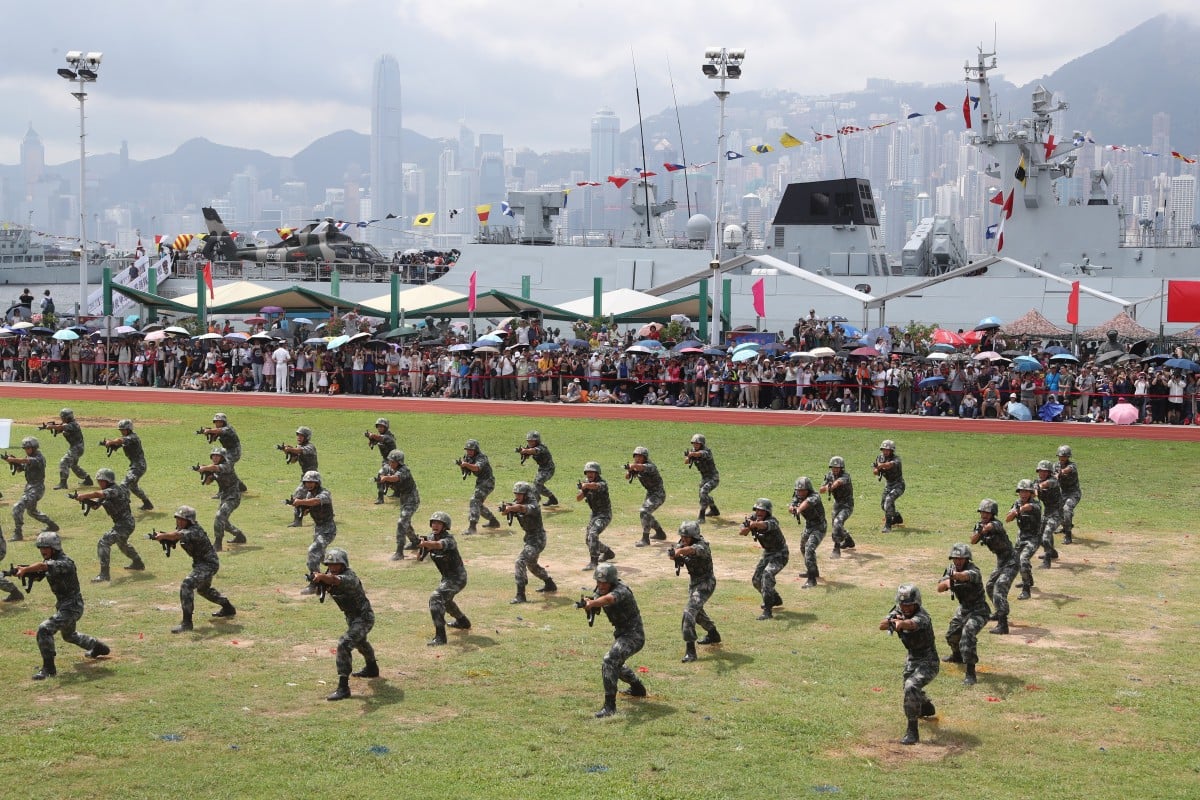
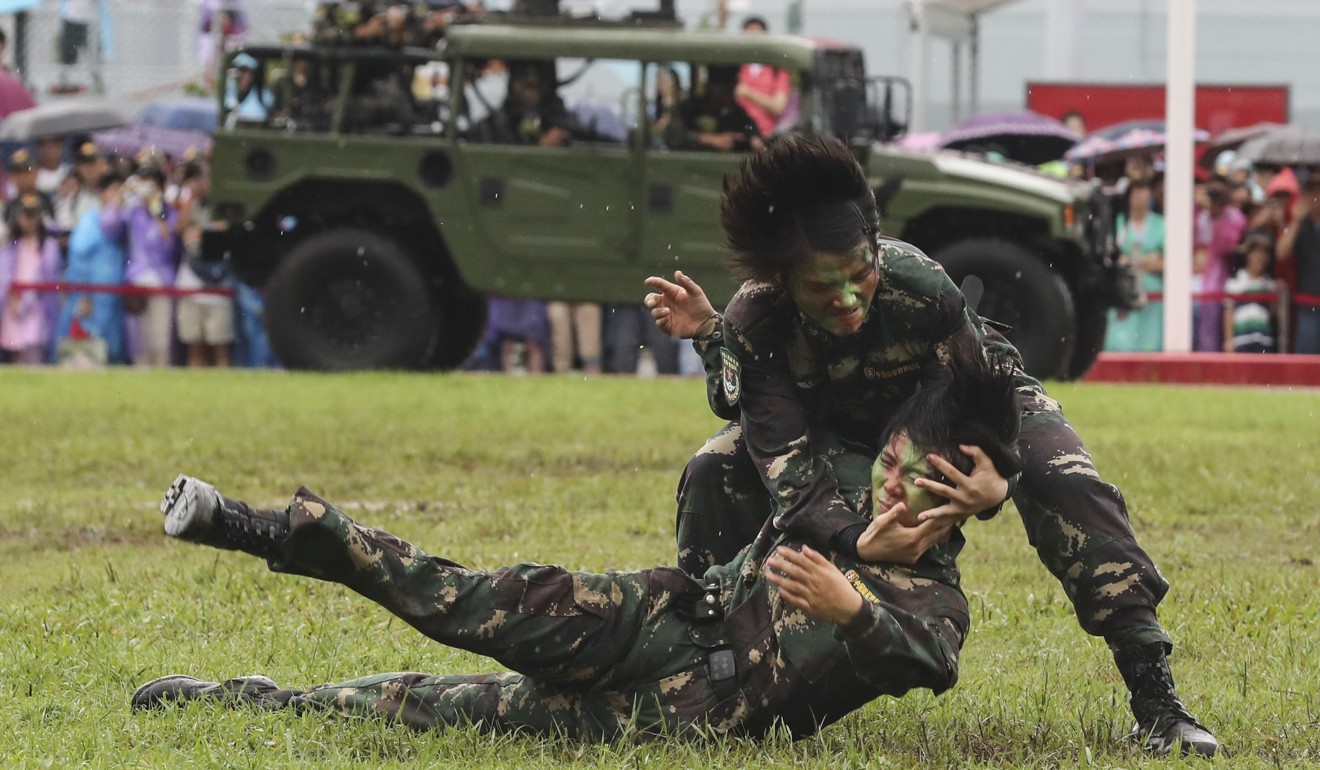
PLA soldiers show their skills during a naval base open day in Hong Kong. The PLA has had a presence in Hong Kong since the city’s return to Chinese sovereignty. Photo: K.Y. Cheng
It is a prospect dreaded by many in Hong Kong, but debate is growing in mainland China about whether the central government should end weeks of upheaval in the city by sending in the People’s Liberation Army (PLA).
The PLA has had a presence in Hong Kong since the city’s return to Chinese sovereignty but – unlike in mainland China – memories of the military’s bloody suppression of pro-democracy students and activists in Beijing in 1989 are still strong in the city three decades on.
Still, images of protesters vandalising Beijing’s liaison office in downtown Hong Kong on Sunday have fanned nationalist anger across the mainland, prompting calls for PLA intervention.
Concerns only deepened on Wednesday when defence ministry spokesman Wu Qian commented on the recent clashes and protests in Hong Kong. Without suggesting any action or plans by the PLA, Wu made clear that the Garrison Law, which governs the operations of PLA troops in Hong Kong, already stipulates that the PLA is legally allowed to help the city maintain law and order at the request of Hong Kong’s government.
“We are closely following the developments in Hong Kong, especially the violent attack against the central government’s liaison office by radicals on July 21,” Wu said.
“Some behaviour of the radical protesters is challenging the authority of the central government and the bottom line of ‘one country, two systems’,” he warned, referring to the formula that grants Hong Kong a high degree of autonomy for 50 years. “This is intolerable.”
Both Article 14 and Article 18 of the Basic Law – the city’s mini-constitution – spell out how and under what circumstances the PLA troops in Hong Kong can be used.
While the legality is clear, analysts still believe that given the exorbitant political cost and complexities involved, using the military would remain an unlikely last resort.
Even Hu Xijin, editor-in-chief of China’s nationalist tabloid Global Times, has spoken out against the idea, citing its “huge political cost” and the “severe uncertainty” it might bring to the situation.
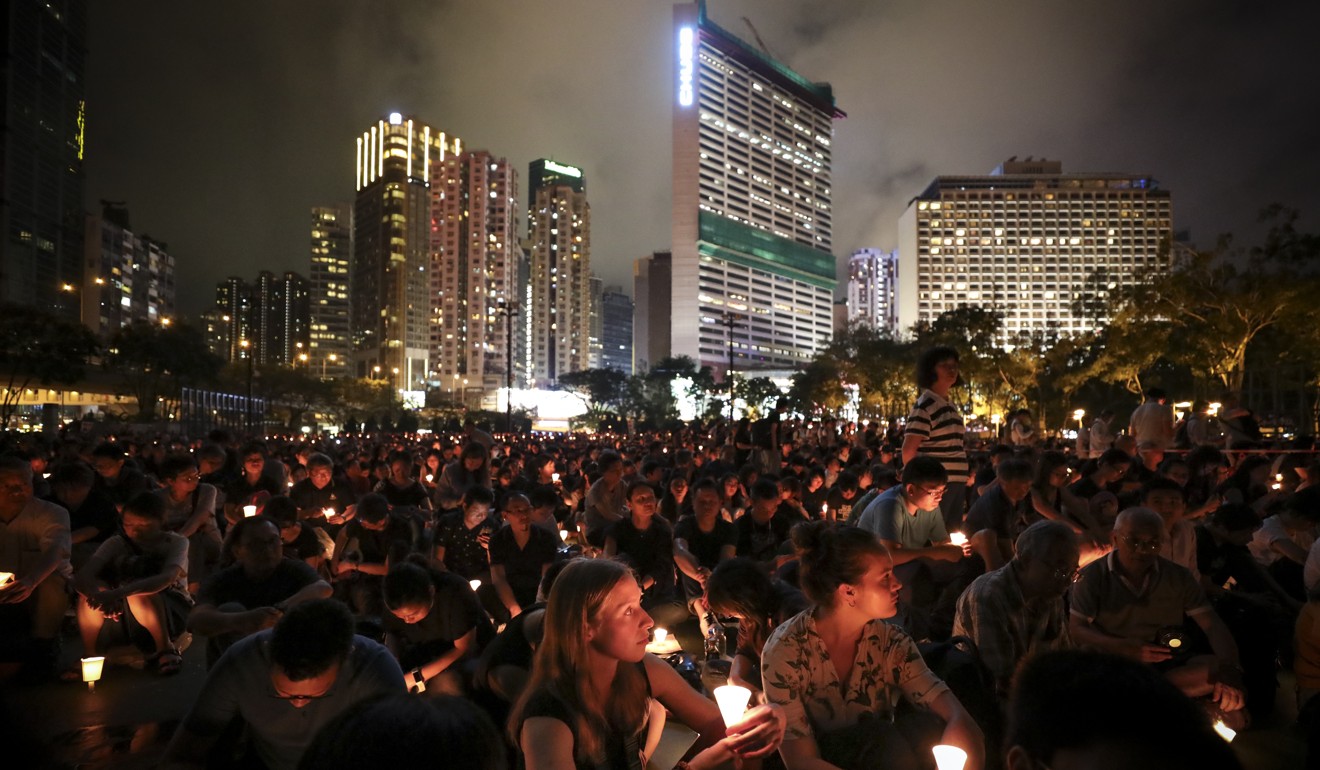
Crowds hold candles at a vigil in Victoria Park in Hong Kong in June to mark the 30th anniversary of the Tiananmen Square crackdown. Photo: James Wendlinger
“Once the PLA has taken charge of the situation in Hong Kong and quelled the riots, what’s next?” Hu said in a social media post on Monday.
Hu said there were no governance procedures in place that would allow the PLA to operate in Hong Kong and return things to normal. He also warned that any such action would be followed by international condemnation and a severe backlash among the Hong Kong public.
“The [PLA’s] Hong Kong garrison is the symbol of national sovereignty. It is not a fire brigade for law and order in Hong Kong,” he said.
Any move to use the Chinese troops will create a furore in the US Congress … They will re-examine the Hong Kong Policy Act very carefully Larry Wortzel, senior fellow at American Foreign Policy Council
The South China Morning Post reported last week that military force was not an option for mainland leaders working on a strategy to resolve the city’s biggest political crisis in decades.
And in June Major General Chen Daoxiang, commander of the Hong Kong garrison, assured David Helvey, US principal deputy assistant secretary of defence for Indo-Pacific security affairs, that Chinese troops would not interfere in the city’s affairs, according to Reuters.
The comments support analysts’ assessments that deploying the PLA is not a viable solution to Hong Kong’s crisis.
“Will the mobilisation of PLA troops further inflame the situation? There might be people who will resist or even revolt against the PLA, and that may lead to bloodshed,” said Lau Siu-kai, vice-chairman of the Chinese Association of Hong Kong and Macau Studies, a semi-official think tank.
The last time Beijing sent in troops to quell pro-democracy protests was during the Tiananmen Square crackdown on June 4, 1989 – bloodshed that has stained the PLA and the Communist Party to this day, despite decades of efforts to wipe it from public memory.
The last time Beijing sent in troops to quell pro-democracy protests was during the Tiananmen Square crackdown in 1989. Photo: Reuters
“Although they don’t like to admit it, they know they made a mistake in the way they used the PLA [in 1989],” said Larry Wortzel, a long-time PLA watcher, who witnessed the crackdown as an assistant military attache at the US embassy in Beijing 30 years ago.
“In subsequent years, when there were major demonstrations, they managed to handle them with either the People’s Armed Police [PAP] or the Public Security Bureau [PSB], or in some cases a combination of both,” said Wortzel, now a senior fellow in Asian security at the American Foreign Policy Council in Washington.
If the military was deployed [in Hong Kong], it would mean China was ready to shut its doors completely Chen Daoyin, a Shanghai-based political analyst
The PAP is a 1.5 million-strong paramilitary police force tasked with maintaining domestic security and order, while the PSB is the country’s police force.
The June 4 crackdown is still widely remembered in Hong Kong, where tens of thousands gather every year on its anniversary for a candlelight vigil in the heart of the city.
“The activities in Hong Kong and the Chinese Communist Party’s conduct there have really had a profound impact on thinking in Taiwan. It has killed any chance with any political party of [supporting] the one country, two systems,” Wortzel said.
Chinese military can be deployed at Hong Kong’s request to contain protests, Beijing says
“The last thing President Xi Jinping and the Politburo Standing Committee would want to do, if they can avoid it, is to use the PLA [in Hong Kong].”
The situation in Hong Kong is also being closely watched in the West, with many international firms basing regional headquarters in the Asian financial hub, thanks to its capitalist system and rule of law.
Deploying the PLA to Hong Kong would certainly spark an international outcry and draw huge pressure from Western countries, said Liang Yunxiang, an international affairs expert at Peking University.
“Britain, of course, would have the harshest criticism since it governed Hong Kong for a long time and signed treaties with China to ensure Beijing would keep its commitment to one country, two systems,” Liang said.
In the United States, the repercussions could go beyond verbal condemnation to a shift in policy that might fundamentally change Hong Kong’s status as an international financial centre and prompt an exodus of businesses, according to Wortzel.
“Any move to use the Chinese troops will create a furore in the US Congress … They will re-examine the Hong Kong Policy Act very carefully,” he said, referring to the bill passed in 1992 that allows Hong Kong to be treated as a non-sovereign entity distinct from mainland China on trade and economic matters.
Hong Kong head blasts violence, amid further extradition bill unrest
“They will simply treat Hong Kong like another Chinese city, which affects export controls and how the financial industry operates.”
Just last month, members of Congress reintroduced the bipartisan Hong Kong Human Rights and Democracy Act. If the legislation is passed, the US could revoke Hong Kong’s special status under American law if Beijing fails to ensure the city has “sufficient autonomy”.
The crisis comes as Beijing’s ties with Washington are already strained by a year-long trade war that has spilled into other areas of bilateral relations.
PLA troops go through their paces for the public at their Hong Kong barracks during an open day. Photo: Edward Wong
There is also mounting international pressure on China over issues such as its mass internment and political indoctrination of an estimated million or more members of Muslim minorities in Xinjiang, despite the Chinese government’s repeated denials of ill-treatment of the inmates and attempts to defend its policies.
Chen Daoyin, a Shanghai-based political analyst, said the increasing scrutiny China faced from Western countries – whether in the form of punitive tariffs or restrictions on technology – made it all the more important for China to keep Hong Kong as an open channel to connect with the world.
“If the military was deployed [in Hong Kong], it would mean China was ready to shut its doors completely,” Chen said.
Lau, from the Chinese Association of Hong Kong and Macau Studies, said the PLA should only be deployed as a last resort.
Two calls per second ‘jammed emergency lines’ during Hong Kong violence
“It would be a huge blow to the principle of ‘letting Hong Kong people govern Hong Kong with a high degree of autonomy’, since it will prove that Hong Kong people are not up to the task of governing themselves,” he said.
Hu, from Global Times, said the PLA troops could be used only if the authorities lost control of the city or an armed rebellion broke out.
Short of that, he said, the central government should let the chaos in Hong Kong run its course and wait for the public mood to flip.
This strategy of sitting it out hinges on the city’s police force holding the line and stopping Hong Kong’s slide into total anarchy.
Wortzel also warned that there were lines protesters should not cross – or risk provoking the use of military force.
“For instance, to this point, demonstrators have not gone up against the PLA garrison or any of its outposts. If they did that, I think it’s possible – actually it is very likely – that there will be a limited mobilised response [to defend the facilities],” he said.
While most analysts said the chance of Beijing resorting to military force was slim, the very idea – ludicrous to even discuss three months ago – has become a popular topic on social media on the mainland, where the discussion is not censored and many commenters support it.
The official media have been careful not to touch the subject but they too have stepped up rhetoric against the protests in Hong Kong.
In a rare move, state-run China Central Television has run commentaries and reports about protests in Hong Kong during its main evening news for five days in a row.
Only the most politically important issues receive such unusual treatment.
Source: SCMP
Posted in Asian financial hub, Beijing, Britain, capitalist system, China Central Television, Chinese Association of Hong Kong and Macau Studies, Chinese sovereignty, Chinese troops, crackdown, garrison, Global Times, Hong Kong, Hong Kong barracks, Hong Kong Human Rights and Democracy Act, Hong Kong Policy Act, Indo-Pacific security affairs, Major General Chen Daoxiang, Muslim minorities, One country, two systems, Peking University, PLA, politburo standing committee, President Xi Jinping, protests, Rule of law, send in the troops, south china morning post, stamp out, Tiananmen Square, Uncategorized, United States, Washington, Western countries, Xinjiang |
Leave a Comment »









 CHINDIA ALERT: You'll be living in their world, very soon