Chindia Alert: You’ll be Living in their World Very Soon
aims to alert you to the threats and opportunities that China and India present. China and India require serious attention; case of ‘hidden dragon and crouching tiger’.
Without this attention, governments, businesses and, indeed, individuals may find themselves at a great disadvantage sooner rather than later.
The POSTs (front webpages) are mainly 'cuttings' from reliable sources, updated continuously.
The PAGEs (see Tabs, above) attempt to make the information more meaningful by putting some structure to the information we have researched and assembled since 2006.
Image copyright PRESS INFORMATION BUREAUImage caption The area has become a hotspot in part because of a road India has built
The armies of the world’s two most populous nations are locked in a tense face-off high in the Himalayas, which has the potential to escalate as they seek to further their strategic goals.
Officials quoted by the Indian media say thousands of Chinese troops have forced their way into the Galwan valley in Ladakh, in the disputed Kashmir region.
Indian leaders and military strategists have clearly been left stunned.
The reports say that in early May, Chinese forces put up tents, dug trenches and moved heavy equipment several kilometres inside what had been regarded by India as its territory. The move came after India built a road several hundred kilometres long connecting to a high-altitude forward air base which it reactivated in 2008.
The message from China appears clear to observers in Delhi – this is not a routine incursion.
“The situation is serious. The Chinese have come into territory which they themselves accepted as part of India. It has completely changed the status quo,” says Ajai Shukla, an Indian military expert who served as a colonel in the army.
China takes a different view, saying it’s India which has changed facts on the ground.
Reports in the Indian media said soldiers from the two sides clashed on at least two occasions in Ladakh. Stand-offs are reported in at least three locations: the Galwan valley; Hot Springs; and Pangong lake to the south.
India and China share a border more than 3,440km (2,100 miles) long and have overlapping territorial claims. Their border patrols often bump into each other, resulting in occasional scuffles but both sides insist no bullet has been fired in four decades.
Their armies – two of the world’s largest – come face to face at many points. The poorly demarcated Line of Actual Control (LAC) separates the two sides. Rivers, lakes and snowcaps mean the line separating soldiers can shift and they often come close to confrontation.
The current military tension is not limited to Ladakh. Soldiers from the two sides are also eyeball-to-eyeball in Naku La, on the border between China and the north-eastern Indian state of Sikkim. Earlier this month they reportedly came to blows.
And there’s a row over a new map put out by Nepal, too, which accuses India of encroaching on its territory by building a road connecting with China.
Why are tensions rising now?
There are several reasons – but competing strategic goals lie at the root, and both sides blame each other.
“The traditionally peaceful Galwan River has now become a hotspot because it is where the LAC is closest to the new road India has built along the Shyok River to Daulet Beg Oldi (DBO) – the most remote and vulnerable area along the LAC in Ladakh,” Mr Shukla says.
India’s decision to ramp up infrastructure seems to have infuriated Beijing.
Image copyright AFPImage caption There have been protests in Nepal against Indi’s new road link
“According to the Chinese military, India is the one which has forced its way into the Galwan valley. So, India is changing the status quo along the LAC – that has angered the Chinese,” says Dr Long Xingchun, president of the Chengdu Institute of World Affairs (CIWA), a think tank.
Michael Kugelman, deputy director of the Asia programme at the Wilson Center, another think tank, says this face-off is not routine. He adds China’s “massive deployment of soldiers is a show of strength”.
The road could boost Delhi’s capability to move men and material rapidly in case of a conflict.
Differences have been growing in the past year over other areas of policy too.
The new federally-administered Ladakh included Aksai Chin, an area India claims but China controls.
Senior leaders of India’s Hindu-nationalist BJP government have also been talking about recapturing Pakistan-administered Kashmir. A strategic road, the Karakoram highway, passes through this area that connects China with its long-term ally Pakistan. Beijing has invested about $60bn (£48bn) in Pakistan’s infrastructure – the so-called China Pakistan Economic corridor (CPEC) – as part of its Belt and Road Initiative and the highway is key to transporting goods to and from the southern Pakistani port of Gwadar. The port gives China a foothold in the Arabian Sea.
In addition, China was unhappy when India initially banned all exports of medical and protective equipment to shore up its stocks soon after the coronavirus pandemic started earlier this year.
How dangerous could this get?
“We routinely see both armies crossing the LAC – it’s fairly common and such incidents are resolved at the local military level. But this time, the build-up is the largest we have ever seen,” says former Indian diplomat P Stobdan, an expert in Ladakh and India-China affairs.
“The stand-off is happening at some strategic areas that are important for India. If Pangong lake is taken, Ladakh can’t be defended. If the Chinese military is allowed to settle in the strategic valley of Shyok, then the Nubra valley and even Siachen can be reached.”
In what seems to be an intelligence failure, India seems to have been caught off guard again. According to Indian media accounts, the country’s soldiers were outnumbered and surrounded when China swiftly diverted men and machines from a military exercise to the border region.
This triggered alarm in Delhi – and India has limited room for manoeuvre. It can either seek to persuade Beijing to withdraw its troops through dialogue or try to remove them by force. Neither is an easy option.
“China is the world’s second-largest military power. Technologically it’s superior to India. Infrastructure on the other side is very advanced. Financially, China can divert its resources to achieve its military goals, whereas the Indian economy has been struggling in recent years, and the coronavirus crisis has worsened the situation,” says Ajai Shukla.
What next?
History holds difficult lessons for India. It suffered a humiliating defeat during the 1962 border conflict with China. India says China occupies 38,000km of its territory. Several rounds of talks in the last three decades have failed to resolve the boundary issues.
China already controls the Aksai Chin area further east of Ladakh and this region, claimed by India, is strategically important for Beijing as it connect its Xinjiang province with western Tibet.
Image copyright GETTY IMAGESImage caption India and China have a long history of border disputes
In 2017 India and China were engaged in a similar stand-off lasting more than two months in Doklam plateau, a tri-junction between India, China and Bhutan.
This time, too, talks are seen as the only way forward – both countries have so much to lose in a military conflict.
“China has no intention to escalate tensions and I think India also doesn’t want a conflict. But the situation depends on both sides. The Indian government should not be guided by the nationalistic media comments,” says Dr Long Xingchun of the CIWA in Chengdu. “Both countries have the ability to solve the dispute through high-level talks.”
Chinese media have given hardly any coverage to the border issue, which is being interpreted as a possible signal that a route to talks will be sought.
Pratyush Rao, associate director for South Asia at Control Risks consultancy, says both sides have “a clear interest in prioritising their economic recovery” and avoiding military escalation.
“It is important to recognise that both sides have a creditable record of maintaining relative peace and stability along their disputed border.”
The leaders agreed to set up a mechanism to boost economic ties and tackle India’s trade deficit with China after their second informal summit
As 2020 is the 70th anniversary of diplomatic ties between both countries, India and China will hold 70 events next year to promote relations
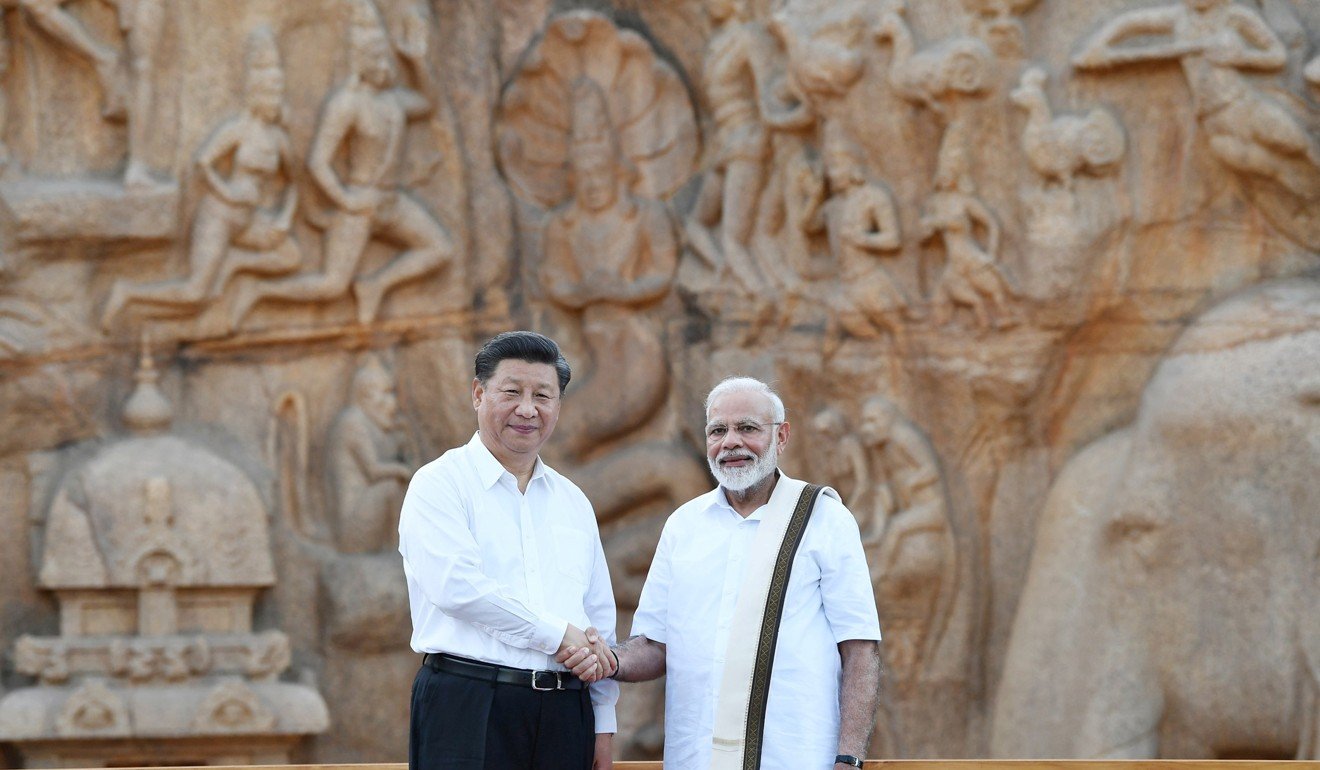
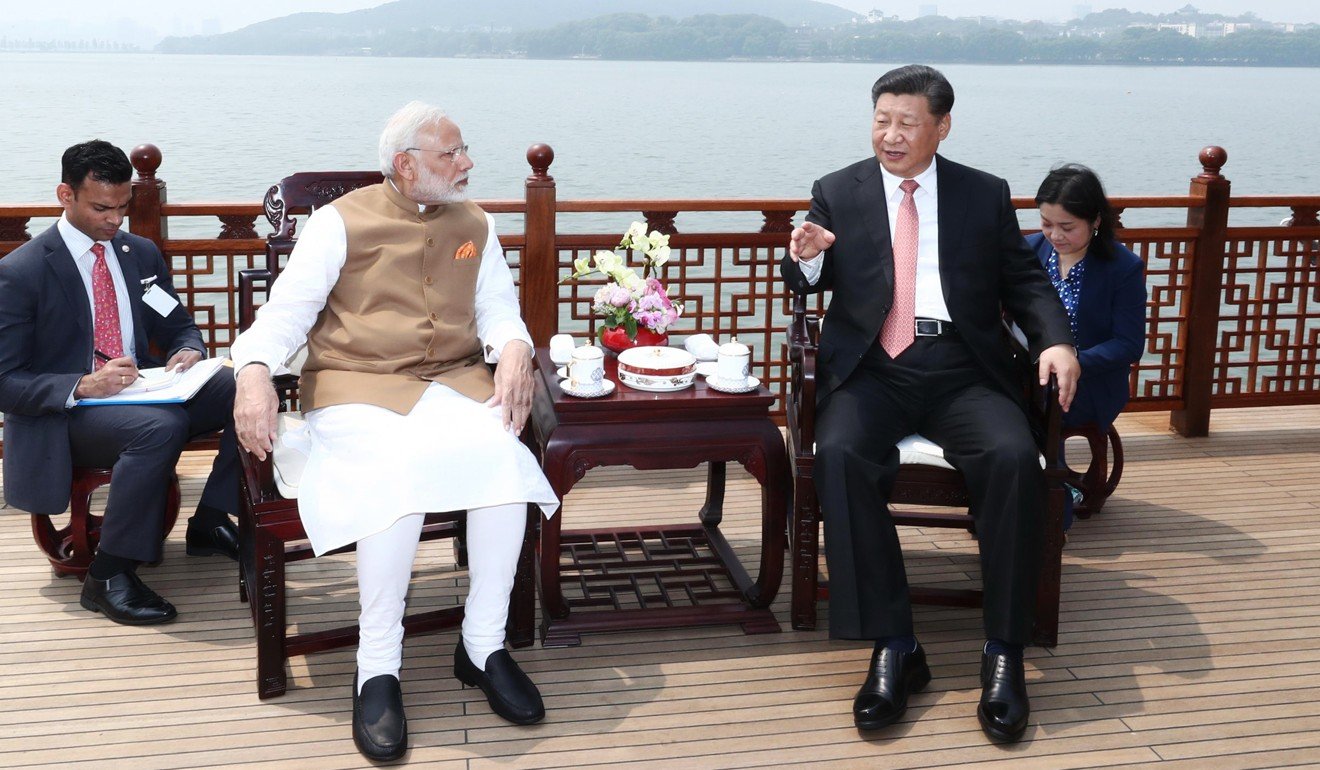
Indian Prime Minister Narendra Modi and Chinese President Xi Jinping during their meeting in Mamallapuram, Chennai. Photo: EPA
Chinese President Xi Jinping and Indian Prime Minster Narendra Modi concluded their second informal summit on Saturday by pledging to overcome trade differences and appreciate “each other’s autonomous foreign policies”, signalling an effort to focus on mutual interests rather than on long-standing contentious issues.
Modi remarked that both sides had agreed to be “sensitive” to each other’s concerns and not let differences escalate into disputes, while Xi called for communication to “alleviate suspicions” and for India and China to enhance strategic mutual trust, according to state news broadcaster CCTV.
Their desire to look beyond irritants in diplomatic ties, including a decades-long border row and China’s close military ties with India’s arch rival, Pakistan, comes as Beijing is embroiled in a tariff war with Washington that has rocked the global economy.
In a sign of China’s willingness to address India’s trade deficit with it, the leaders agreed to launch a “High Level Economic and Trade Dialogue”.
As Xi meets Modi, Chinese in Chennai hope to witness the ‘Wuhan spirit’
Chinese Vice-Premier Hu Chunhua and Indian Finance Minister Nirmala Sitharaman will meet regularly to discuss ways to boost two-way trade and investments, Indian foreign secretary Vijay Gokhale said in a media briefing.
India has a US$53 billion trade deficit with China, which makes up almost a third of its total trade deficit. It is also facing pressure to decide if it will commit to the China-led
(RCEP), which aims to create the world’s largest trading bloc involving 16 countries before the end of the year.
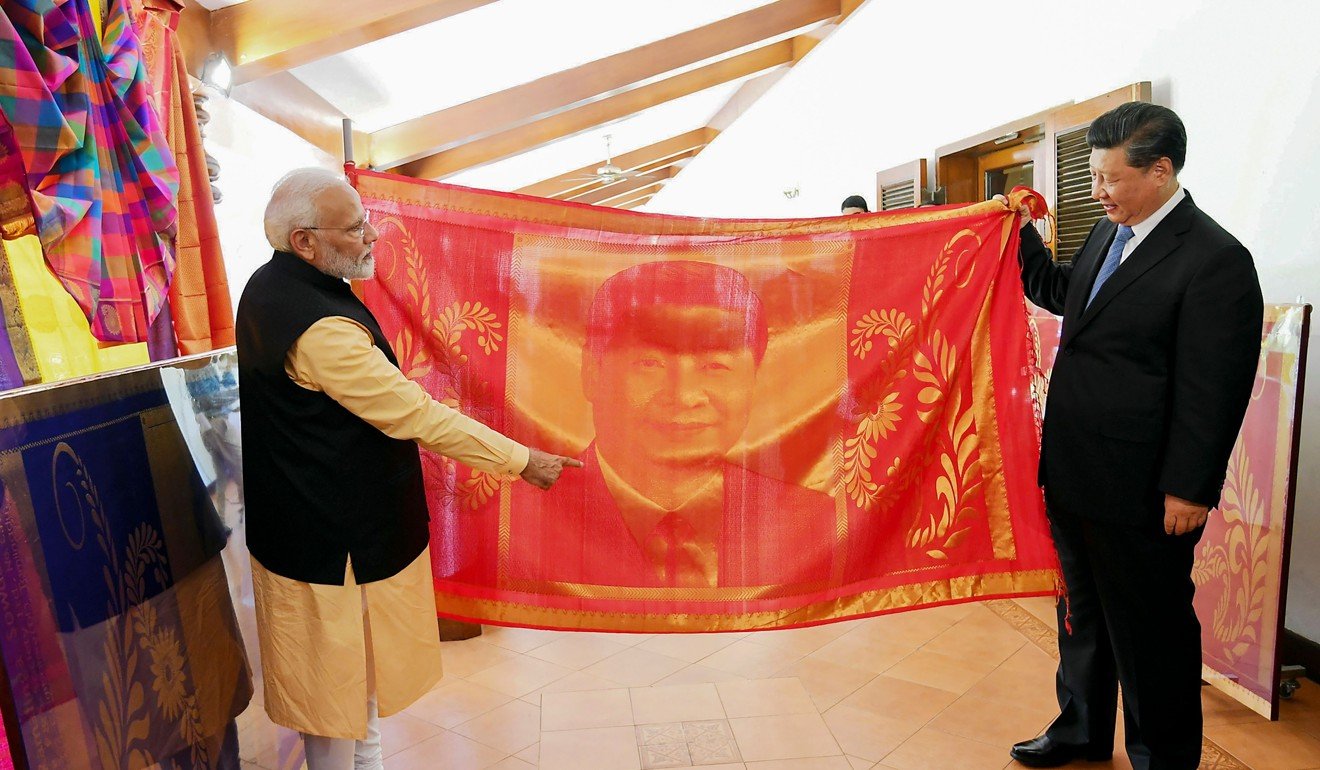
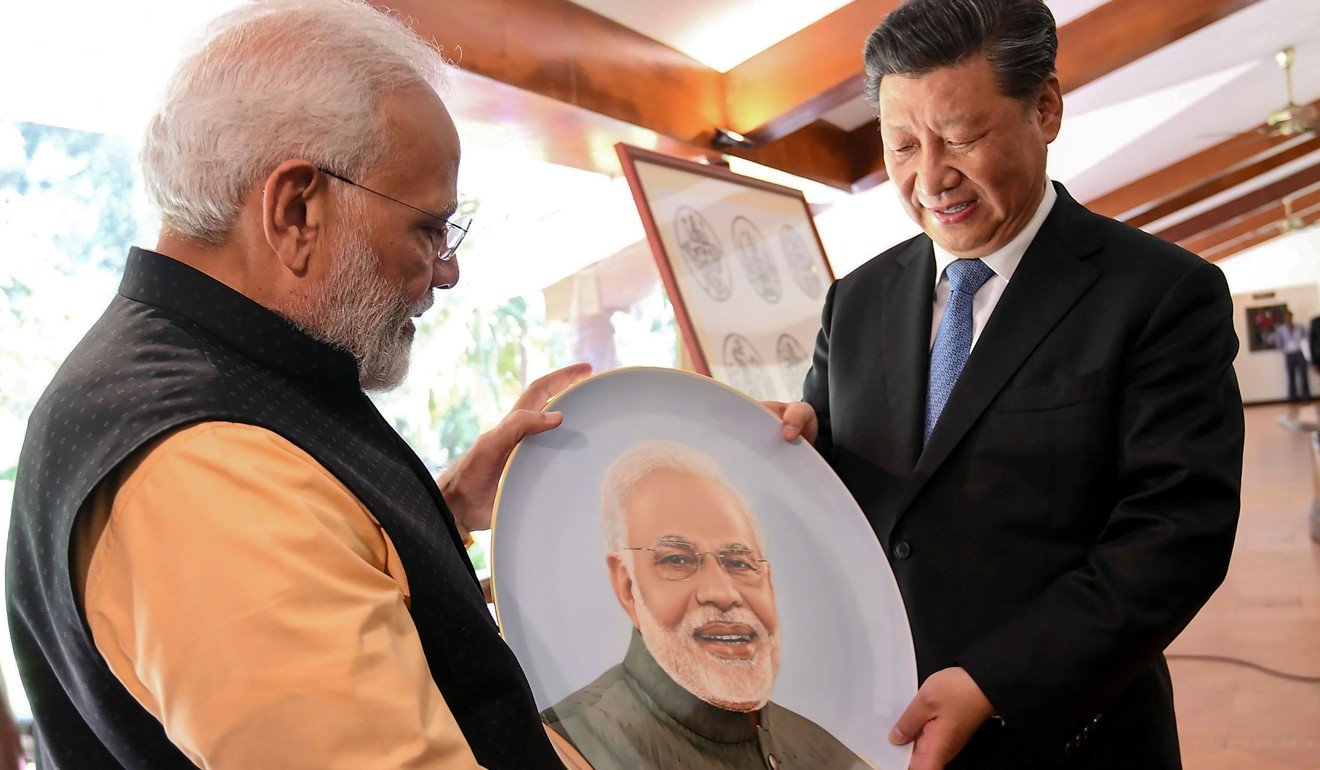
Narendra Modi exchanges gifts with Xi Jinping. Photo: AFP
Negotiations are ongoing with talks taking place in Bangkok this week, but India’s domestic producers have opposed the agreement over fears of a flood of Chinese imports. On Friday, the Indian government rejected clauses in the agreement related to e-commerce, according to reports.
Gokhale told the media briefing that both leaders, who met in the coastal town of Mamallapuram about 50km away from Chennai, briefly discussed the RCEP.
“PM Modi said India was looking forward to the RCEP but it is important that RCEP is balanced, that a balance is maintained in trade in goods, trade in services and investments,” he said, adding that Xi agreed to further discussions of India’s concerns on the issue.
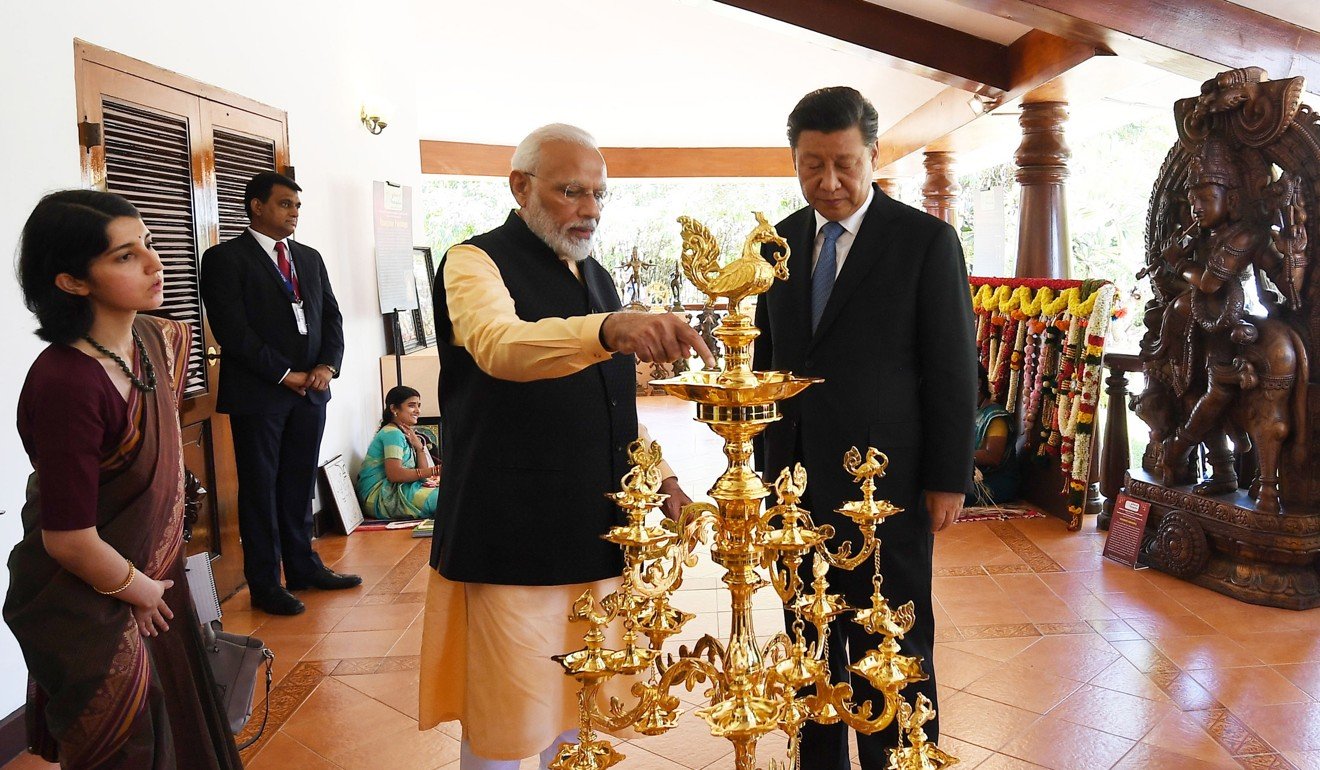
Narendra Modi with Xi Jinping in Mamallapuram. Photo: EPA
CCTV said Xi had six suggestions for how China and India could further improve ties, including assessing each other correctly and stepping up cooperation between their militaries. Besides economic and trade dialogue, China welcomed Indian pharmaceutical and IT companies to invest there, he said.
“We should look at disputes with a correct mind, and not let disputes affect cooperation.
“Both sides should properly and fairly get a solution for border disputes that are acceptable to each other … [and] cautiously handle each other’s core interests, and take proper measures to control issues that cannot be resolved immediately,” the president reportedly said.
Gokhale told reporters that both countries had agreed to pursue, through special representatives, an ongoing dialogue on their disputed border. China and India have held more than 20 rounds of talks to resolve their boundary dispute, over which they went to war in 1962. Different mechanisms have been set up to maintain peace along the 4,000-kilometre (2,485-mile) so-called Line of Actual Control.
Xi and Modi bank on chemistry as they talk trade and terrorism
Gokhale confirmed that the leaders – who met for a total of seven hours over Friday and Saturday, with the bulk of their time spent in one-on-one talks – did not discuss
has lobbied its allies – including its all-weather friend China – to support its opposition to the move. New Delhi had reacted sharply to Beijing’s move to take the matter to the United Nations, insisting that it was a purely bilateral issue. Two days before the summit, Xi had hosted Pakistan Prime Minister Imran Khan and had assured him of China’s support on all core issues, a statement that had irked India.
Gokhale said both leaders “emphasised the importance of having independent and autonomous foreign policies”.
“President Xi said that the two countries needed to have more extensive dialogue in order to understand each other’s perspectives on major global and regional issues,” he added.
Narendra Modi exchanges gifts with Xi Jinping. Photo: AFP
The leaders also discussed terrorism, with a statement issued later by New Delhi saying both sides would make efforts to ensure the international community strengthened its framework “against training, financing and supporting terrorist groups throughout the world and on a non-discriminatory basis”.
The China-led multilateral Financial Action Task Force, which has been investigating Pakistan’s efforts to stamp out the financing of terrorism, is expected to decide soon if it would add Islamabad to its blacklist along with Iran and North Korea, a move that could invite stringent economic sanctions and drive away international financial institutions, both of which could affect Pakistan’s already-indebted economy adversely.
Gokhale added that as 2020 is the 70th anniversary of diplomatic ties between both countries, India and China will hold 70 events next year to promote people-to-people ties, with Modi accepting an invitation by Xi for the next informal summit to be held in China.
Both leaders had struck positive notes on the summit – with Xi describing their discussions as “candid” and between friends and Modi hailing the “Chennai Connect” meeting as marking a new era of cooperation between both countries.
War games, Kashmir and a US$57b question: the issues as Xi meets Modi
But analysts said they would be looking to see how the newly-announced high-level mechanism on trade panned out.
Narayani Basu, a New Delhi-based author, foreign policy analyst and China watcher felt the summit had achieved its purpose of bagging small wins for both sides.
“Discussing contentious issues would have defeated the purpose of the summit. The idea behind such a summit must be that despite the overarching posturing on different divergent issues, the two countries can achieve the easily-achievable wins. That is what the summit seems to have tried doing.”
But in terms of actual outcomes, she said she remained sceptical.
“I don’t think there has been much progress in the ties between the two countries since the last summit in Wuhan. Hence, this time, there is a lot more caution and scepticism towards such a summit,” she said, referring to the first summit last year in the Chinese city of Wuhan.
During Xi’s visit to southern India, which lasted 24 hours in all, Modi took him on a personal tour of temple monuments dating back to the seventh and eighth century in Mamallapuram when regional leaders had trade ties with Chinese provinces. He was also shown local artisan handicrafts and art forms, and gifted a handwoven silk portrait, a lamp and a painting.
Xi gave Modi a porcelain plate with the image of the prime minister’s face printed on it.
Xi Jinping with Narendra Modi in Mamallapuram. Photo: Reuters
On Friday, New Delhi announced that visa rules for Chinese nationals visiting India would be relaxed, with multiple-entry visas with a validity period of five years available from this month onwards. At present, most visas are single-entry and usually for between 30 and 60 days. Visa fees would also be reduced, the government said, with the multiple-entry visa costing US$80.
This was aimed at further enhancing “people-to-people exchanges between the two countries and [encouraging] more Chinese tourists to choose India as a destination for tourism purposes,” it said in a statement.
Xi left Chennai on Saturday afternoon and arrived in Nepal, which lies in between India and China. He will be the first Chinese president to visit Nepal in 22 years and is expected to sign a slew of deals with Nepal’s Prime Minister K.P. Sharma Oli, including the planned extension of the rail link from remote, mountainous Tibet to Nepal’s capital, Kathmandu.
The link will be part of Beijing’s ambitious infrastructure project to boost trade, the
More than 120 countries have signed on to the BRI, including Pakistan, where a series of projects worth US$46 billion are being constructed under the China-Pakistan Economic Corridor (CPEC). India has snubbed the BRI and questioned the transparency of funding agreements.
Chinese President Xi Jinping meets with Pakistani Prime Minister Imran Khan at the Diaoyutai State Guesthouse in Beijing, capital of China, Oct. 9, 2019. (Xinhua/Liu Weibing)
BEIJING, Oct. 9 (Xinhua) — Chinese President Xi Jinping on Wednesday met with Pakistani Prime Minister Imran Khan, vowing to work jointly to strengthen strategic coordination and pragmatic cooperation so as to forge a closer China-Pakistan community of shared future in the new era.
Noting the two countries as all-weather strategic cooperative partners, Xi said no matter how the international and regional situation changes, the friendship between China and Pakistan has always been unbreakable and rock-solid, and China-Pakistan cooperation has always maintained strong vitality with continuous expansion.
China has always viewed relations with Pakistan as a diplomatic priority and will continue to firmly support Pakistan on issues concerning its core interests and of major concern to it, Xi said.
This year marks the 70th anniversary of the founding of the People’s Republic of China.
“We have held a series of celebration activities, which is an opportunity for intensive patriotic education. Chinese people, nearly 1.4 billion in number, have forged a cohesive force with unprecedented patriotism, consolidating our confidence and determination to continue down the path of socialism with Chinese characteristics against all odds, run our own affairs, and stand firm in the community of nations,” Xi said.
In the past, Pakistan selflessly provided help to China in difficult times, and now that China has developed, it sincerely hopes to help Pakistan for better development, Xi said.
He called on the two sides to maintain close high-level exchanges, step up strategic communication and coordinate positions on major issues in a timely fashion.
On the China-Pakistan Economic Corridor (CPEC), Xi said the two sides should adopt a high standard, build and effectively run the existing energy projects, transport infrastructure, industrial parks and projects concerning people’s livelihoods, and make the CPEC a model for jointly building the Belt and Road Initiative.
China highly appreciates and firmly supports Pakistan’s efforts in fighting terrorism, Xi said, calling on the two sides to beef up communication and cooperation within the United Nations, the Shanghai Cooperation Organization and other multilateral mechanisms so as to jointly safeguard regional peace and stability.
Imran Khan offered his congratulations for the 70th anniversary of the founding of the People’s Republic of China.
Pakistan is delighted to see China’s remarkable development achievements and is grateful to China for always adhering to principles and upholding justice and for its firm support and selfless help to Pakistan, Khan said.
“Facts have shown that China is Pakistan’s all-weather strategic cooperative partner and the two countries’ friendship enjoys popular support,” he said, hoping to continue strengthening exchanges, coordination and cooperation with China, and advancing the construction of the CPEC so as to make it a paradigm of the Belt and Road Initiative.
He also pledged to continue to firmly advance counter-terrorism efforts so as to safeguard security and stability.
Khan briefed Xi on Pakistan’s views on the Kashmir situation, hoping to avoid deterioration of the situation, saying that Pakistan values and appreciates China’s objective and unbiased position.
Xi told Khan that China is paying close attention to the Kashmir situation and the facts are clear.
“China supports Pakistan to safeguard its own legitimate rights and hopes that the relevant parties can solve their disputes through peaceful dialogue,” Xi said.
Chinese State Councilor and Foreign Minister Wang Yi (R) meets with Pakistani Prime Minister Imran Khan on the sidelines of the United Nations General Assembly high-level week, at the UN headquarters in New York, on Sept. 23, 2019. (Xinhua/Han Fang)
UNITED NATIONS, Sept. 23 (Xinhua) — Chinese State Councilor and Foreign Minister Wang Yi on Monday said China and Pakistan hold all-weather strategic cooperative partnership and the friendship between the two countries is unbreakable.
Meeting with Pakistani Prime Minister Imran Khan on the sidelines of the UN General Assembly high-level week, Wang said the two countries have always enjoyed mutual trust, mutual understanding and mutual support.
He said China will continue to support Pakistan’s efforts to uphold its territorial sovereignty and national dignity. China-Pakistan cooperation has contributed significantly to Pakistan’s national development and improvement of its people’s livelihood.
Wang added that the two sides should work together to build the China-Pakistan Economic Corridor (CPEC) into a model for high-quality development projects under the Belt and Road Initiative.
Khan, for his part, said Pakistan will firmly push forward the transformation and upgrading of the CPEC and continue to make every effort to ensure the safety of Chinese projects, enterprises and personnel in Pakistan.
He said that Pakistan and China are close friends, and Pakistan thanks the Chinese government and people for standing firmly with the Pakistani people in the most difficult time.
He added that China’s support and assistance are of great significance to Pakistan’s national security and development.
Pakistan will spare no effort in maintaining bilateral friendship and will not allow any external forces to interfere in or sabotage the development of bilateral relations.
Khan introduced Pakistan’s views on the current situation in Kashmir. Wang reiterated China’s principled position on the issue.
The two sides also exchanged views on Afghanistan, Iran and other issues.
The Indian prime minister refused to back the Chinese leader’s ambitious global infrastructure vision at a summit last week, but the apparent snub is not getting in the way of amicable ties between Asia’s two biggest economies
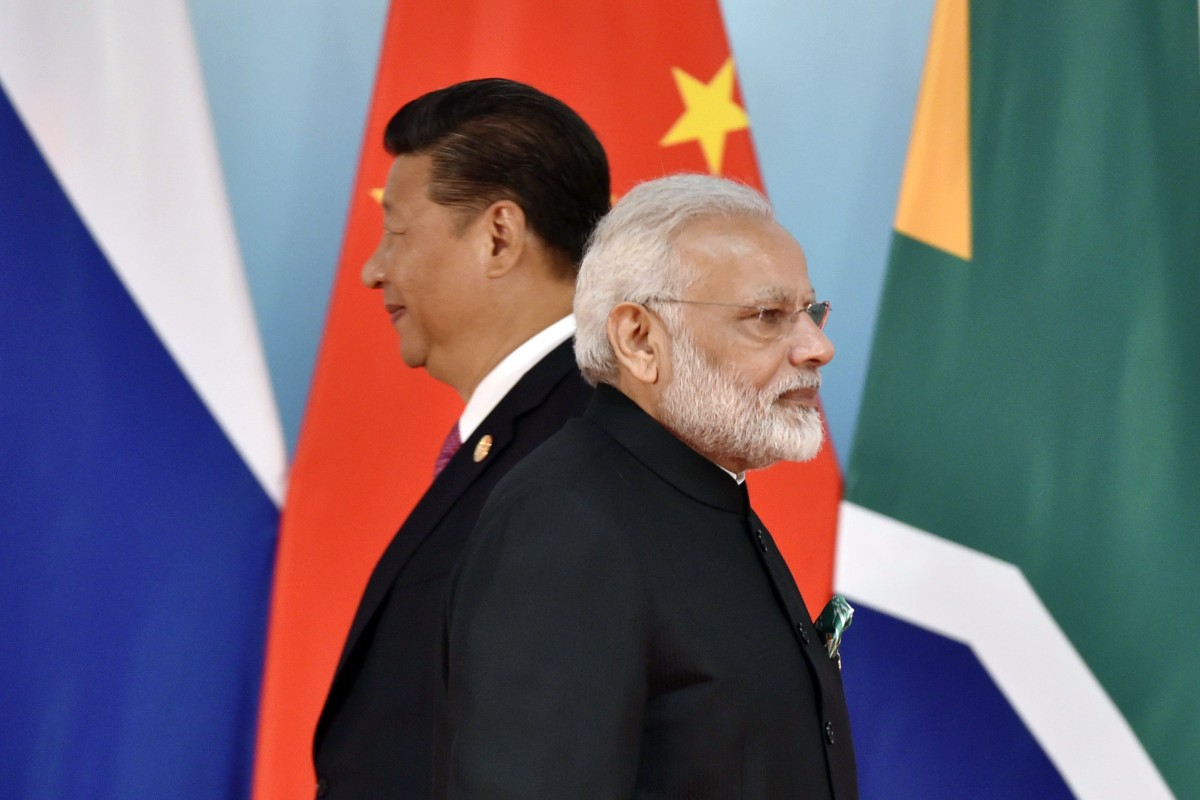
Chinese President Xi Jinping and Indian Prime Minister Narendra Modi at the BRICS Summit at the Xiamen International Conference and Exhibition Center in 2017. Photo: AFP
Their informal summit in Wuhan last year created all the right optics; even their chemistry seemed on point. So, when
met last week on the sidelines of the Shanghai Cooperation Organisation (SCO), the bonhomie seemed like it was there to stay.
But a day later, cracks appeared to emerge. India, holding on to its long-stated position, delivered a public snub to China by refusing to endorse its ambitious, trillion-dollar
in Osaka, there have been increasing signs that both countries may now be trialling a fresh approach to diplomacy – one that neither sidesteps contentious issues nor does it allow differences to derail ties.
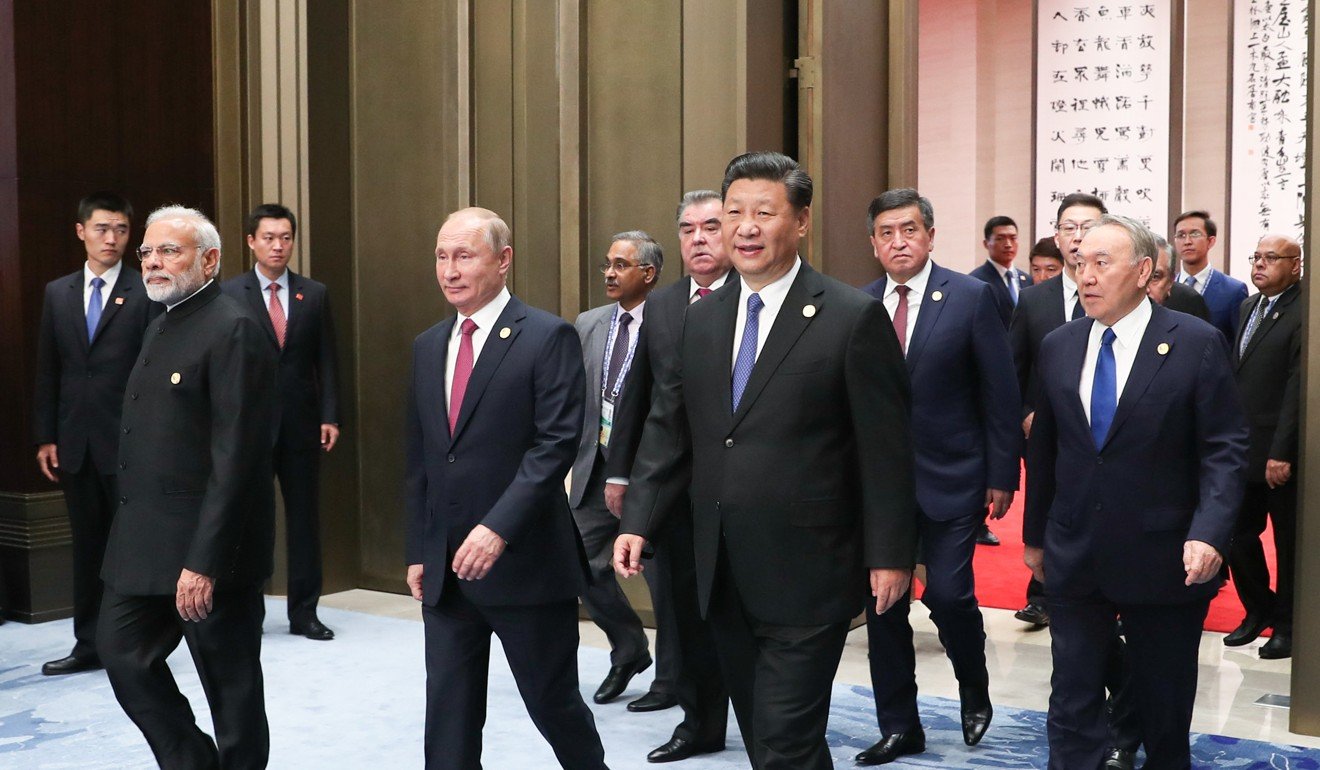
Chinese President Xi Jinping leads other leaders of Shanghai Cooperation Organisation: Russia’s Vladimir Putin and India’s Narendra Modi at the 2018 summit. Photo: Xinhua
Such an approach would delink the thorny issues – like the
was expected to scrap plans to build jointly with China an ocean observatory overlooking the Indian Ocean. The news came a week after Modi had visited the Maldives capital Male in early June.
For Modi 2.0, India’s US-China balancing act just got trickier
The Maldives’ decision to build the observatory was first mulled in December 2017, raising the Indian establishment’s hackles as it would have given China a presence in the region.
Another irritant between India and China has seemed to be the proposed 16-nation
(RCEP). India has been lukewarm on the free-trade bloc, frustrating the Chinese. Indications have been that China is likely to push for a 13-member bloc at the coming RCEP meeting in Thailand on June 20, excluding India.
BRI and border issues have not managed to overshadow the remaining business between the two countries Narayani Basu
Yet, despite all this, there has been no let down in engagement levels between Modi and Xi. Both leaders are expected to meet at the RIC summit on June 29 to 30, and have at least two more meetings planned this year alone – an informal Xi-Modi summit in India
in October and the BRICS summit on November 13 to 14.
For Narayani Basu, a New Delhi-based author and independent foreign policy analyst with a special focus on China, such sustained engagement between the two countries signals a new level of maturity.
“There has been a fairly successful attempt at delinking historical geopolitical and territorial issues from issues which are economic in nature,” Basu said. “As a result, the BRI and border issues have not managed to overshadow the remaining business between the two countries.”
Indian Prime Minister Narendra Modi speaks with Chinese President Xi Jinping in Wuhan. Photo: Xinhua
STRONG LEADERS, STRONGER AGENDAS
The approach might also have to do with where both leaders currently stand.
Modi and his Bharatiya Janata Party (BJP) have freshly emerged from a landslide
. Through the campaign, Modi portrayed a hardline image of himself and his government, especially on issues of national security. Similarly, Xi has emerged as a stronger leader since his reappointment last year – his approach marked by a higher-than-ever emphasis on economic nationalism and connectivity. Modi made a reference to this in his SCO meeting with Xi.
Basu said Sino-India ties were also being guided by the personalities of both leaders – strong, with harder-than-before agendas.
Did Japan and India just launch a counter to belt and road?
“They both came back on agendas based on consolidation of power, protection of sovereignty and nationalism. These are all issues that will not allow either side to blink easily. “So, even as both leaders are looking to move forward, they also do not want to compromise on their core issues – primary among them being territorial sovereignty,” she said.
The message is loud – India’s opposition to the BRI does not mean India will allow adversarial relations to develop between the two Sana Hashmi
In his SCO summit speech, Modi brought up territorial sovereignty as a thinly veiled reference to China’s BRI, saying India only supported connectivity projects that are based on “respect of sovereignty” and “regional integrity”.
Sana Hashmi, an analyst with Perth-based think tank Future Directions International and author of China’s Approach Towards Territorial Disputes: Lessons and Prospects, agreed that India was not letting historical issues get in the way of its relationship with Beijing.
Hashmi noted that India’s main objections to BRI revolved around one component – the China-
Economic Corridor (CPEC), which runs through the disputed region of Kashmir.
“But to make sure this does not affect the relationship, PM Modi and President Xi are meeting numerous times,” Hashmi said. “The message is loud – India’s opposition to the BRI does not mean India will allow adversarial relations to develop between the two.”
A NEED FOR EACH OTHER
Another factor that has likely prompted the new approach between India and China is their need for each other, particularly as both Asian powers navigate bumpy relationships with US under
and is reeling from the tariffs imposed on Chinese imports to America. India, too, has seen a similar but smaller version of this trade battle play out – things have escalated especially since the Trump administration withdrew its preferential trade treatment towards India. Responding to this, India imposed tariffs on 28 US products over the weekend.
Move over, ‘Made in China’. It’s ‘Made in Bangladesh’ era now
In such a context, a stronger relationship between the two Asian giants might be in mutual interest.
Basu said the scope for the relationship to deliver on, especially economically, is vast.
“Despite the chemistry, India and China’s promises to each other on the economic front haven’t materialised on the ground. Major projects as well as investments in each country are stuck.”
Chinese Vice President Wang Qishan meets with Pakistani President Arif Alvi in Islamabad, Pakistan, May 26, 2019. Wang Qishan visited Pakistan from Sunday to Tuesday and held meetings with Pakistani President Arif Alvi and Prime Minister Imran Khan respectively on further strengthening bilateral relations. (Xinhua/Yan Yan)
ISLAMABAD, May 28 (Xinhua) — Chinese Vice President Wang Qishan visited Pakistan from Sunday to Tuesday and held meetings with Pakistani President Arif Alvi and Prime Minister Imran Khan respectively on further strengthening bilateral relations.
When meeting with the Pakistani president, Wang said China and Pakistan are “iron friends.” Throughout the past 68 years since the establishment of diplomatic ties, the two countries have always respected and supported each other on issues concerning each others’ core interests, forging the sincerest friendship.
In recent years, the development of China-Pakistan relations has kept a good momentum, with mutual political trust further enhanced, pragmatic cooperation continuously deepened and people-to-people exchanges growing more vigorous, Wang said.
He said the development of the China-Pakistan Economic Corridor (CPEC) has made concrete achievements and has become an important hallmark for China-Pakistan friendly cooperation in the new era, adding that his visit was meant for sending out a signal once more to peoples of the two countries and the world that China and Pakistan are all-weather strategic cooperative partners.
Wang said China is willing to strengthen the all-around cooperation with Pakistan in various sectors and at various levels, so as to make the friendship better benefit the two sides and forge a closer China-Pakistan community of shared future in the new era.
For his part, President Arif Alvi extended congratulations to the upcoming 70th anniversary of the founding of the People’s Republic of China. He said Pakistan-China cooperation has become more important in current times. Pakistan is firmly committed to the one-China policy, firmly supports China in safeguarding the country’s core and major interests, he said.
Pakistan wishes to deepen cooperation with China in such areas including agriculture, tourism and trade, with a bid to promote the all-weather strategic cooperative partnership further ahead, said the president, who also expressed appreciation for China’s support to Pakistan and wished China to play a bigger role in international and regional affairs.
After their meeting, the Pakistani president conferred on Wang the Nishan-e-Pakistan, the country’s highest award for foreign leaders.
While meeting with Pakistani Prime Minister Imran Khan, Wang said the prime minister has visited China twice since taking office and reached important consensus with Chinese leaders on further pushing forward the development of bilateral relations.
China is ready to join hands with Pakistan to deepen high-level exchanges, boost strategic communication and pragmatic cooperation as well as closely coordinate in international and regional affairs between the two sides, Wang said.
Wang called on the two sides to work for high-quality CPEC development in the next phase, and make concrete progress in industrial park building and agricultural cooperation.
China will speed up the implementation of social and people’s livelihood projects of early harvest, and discuss the third-party cooperation in the CPEC development, he added.
The Chinese vice president called for strengthened people-to-people and cultural exchanges and collaboration so as to expand the public foundation for the China-Pakistan friendship.
Wang hoped that Pakistan will take effective measures to provide security guarantees for the cooperation and exchanges between the two countries.
Imran Khan, for his part, said that Pakistan adheres to the friendly policy towards China, admires the achievements of China’s reform and opening-up and stands ready to consolidate the traditional friendship with China.
Pakistan also hopes to learn from China in terms of state governance, and enhance exchanges and cooperation in the sectors of agricultural technology, special economic zone development, talent training and anti-corruption.
Noting that fruitful results have been reaped in the CPEC development, the Pakistani prime minister said that the CPEC has played an important role in promoting Pakistan’s economic development and improving people’s livelihood.
He said Pakistan has established a special committee to take charge of inter-department and inter-sector coordination and ensure personnel safety of Chinese institutions in Pakistan.
Pakistan will continue to enhance coordination with China in international and regional affairs so as to enrich bilateral all-weather strategic cooperative partnership.
After the meeting, Wang Qishan and Imran Khan jointly witnessed the signing of bilateral cooperation agreements concerning agriculture, customs and disaster relief.
During his stay in Pakistan, the Chinese vice president also met with local leaders of the Punjab province, addressed the Friends of Silk Road Forum and visited Haier-Ruba Economic Zone.
Police investigation finds nearly 40 people received the shots since January last year – before the drug was approved by the Chinese regulator
Hainan hospital had rented out its medical cosmetics department to a beauty parlour, which authorities suspect administered the vaccinations
The Gardasil HPV vaccine has been in short supply in China since it was approved by the regulator last year. Photo: Shutterstock
A private hospital on Hainan Island has been closed down after it gave fake HPV vaccines to dozens of patients, including at least one who was pregnant, the local health authority said.
Police found 38 people had been given the fake shots at Boao Yinfeng Healthcare International Hospital, in the city of Boao, since January last year, the Health Commission of Hainan said in a statement on Sunday.
Some of the vaccines were found to have been smuggled in from overseas before the drug was approved in China, while others were illegally made in Jilin province.
The case is the latest in a series of scandals in recent years – including drug makers
and people including children being given fake, faulty or expired vaccines – that have rocked public confidence in the industry.
The hospital began administering the fake HPV shots three months before Merck’s Gardasil vaccine against human papillomavirus, which causes cervical cancer, was approved by the Chinese regulator in April last year. There has been a constant shortage of the vaccine since it was approved and a ballot system is used at some hospitals due to the huge demand and limited supply.
All of the Boao patients given fake shots had paid 9,000 yuan (US$1,300) to be immunised except for a hospital employee, who was vaccinated for free, the statement said.
The health commission said the hospital did not have approval to administer HPV vaccines and some of the shots were given before it officially opened in March last year.
Are Philippine children’s deaths linked to dengue vaccine?
It was also in breach of the hospital management regulation because it had rented out its medical cosmetics department to a beauty parlour from Qingdao, which authorities suspect administered the fake vaccinations.
Its medical institution business licence was revoked and the hospital was fined 8,000 yuan, while authorities have confiscated the illegal proceeds of the fake vaccinations. It was not known whether any arrests had been made in the case, and the investigation was continuing.
The scandal came to light in March when a man posted on the People’s Daily website his complaint to the health authority about his pregnant wife being told by police she was given a fake HPV shot.
Another patient, who identified herself as Wang Xi, wrote on microblog site Weibo last week that she was told the hospital could receive the vaccine before it was officially approved because it was located in a medical tourism pilot zone, giving it preferential access to treatments.
“As a victim, I’m constantly worried – what have they injected into my body?” Wang wrote.
AMMAN, April 7 (Xinhua) — Li Chengwen, ambassador for China-Arab States Cooperation Forum Affairs of China’s Foreign Ministry, refuted on Sunday the criticism that China’s Belt and Road Initiative (BRI) will create so-called “debt trap” for some participating countries.
“China is trying to find mechanisms to avoid the ‘debt trap,'” Li said during a session on the second day of the World Economic Forum on the Middle East and North Africa 2019 held in the Dead Sea area of Jordan.
The Chinese envoy was responding to the criticism directed at the BRI by some people in the United States and Europe ahead of the second Belt and Road Forum for International Cooperation, due to be hosted by China later this month in Beijing.
The initiative, proposed by China in 2013, aims at building a trade and infrastructure network connecting Asia with Europe and Africa along the ancient trade routes of the Silk Road to seek common development and prosperity.
As of July 2018, more than 100 countries and international organizations had signed Belt and Road cooperation documents with China, extending the initiative’s scope from the Eurasian continent to Africa, Latin America and the Caribbean, and the South Pacific region.
Li pointed out that no participating country has complained of falling into the so-called “trap” of Chinese loans.
“The Belt and Road Initiative aims to increase the economic prosperity of a country. It does not aim at expanding the political and geographical authority of China in the world,” he said.
Many participants at the forum in Jordan agreed with Li’s comments.
“If you keep your interest first, you will not find China an unfair partner,” said Shandana Gulzar Khan, Pakistan’s parliamentary secretary for commerce. “But it depends on how well you do your homework.”
In Pakistan, a major BRI participating country, the China-Pakistan Economic Corridor has created tens of thousands of jobs and revived the economy of an entire region, Khan noted.
Speaking at the session, He Wenping, a research fellow of the Institute of West-Asian and African Studies, Chinese Academy of Social Sciences, echoed Li’s remarks.
“The biggest worry on the ‘debt-trap diplomacy’ should come from China’s side, not from outside. It is tax payers’ money,” the Chinese professor said.
“China is not waving the ‘China First’ flag,” she said.
The upcoming Belt and Road forum to be held in Beijing later this month could be an opportunity to kickstart a “second phase” of the initiative, she added.
The bonhomie witnessed between India and China over the last one year after the informal summit between Prime Minister Narendra Modi and Chinese President Xi Jinping in Wuhan April last year has clearly evaporated following the Chinese action
Even as China asserted on Thursday that the ‘Wuhan Spirit’ was still on, there is a sense of betrayal in New Delhi over Beijing’s decision to stand by its ‘all-weather friend’ Pakistan by blocking the designation of JeM chief Masood Azhar as a global terrorist by the UN Security Council.
The bonhomie witnessed between India and China over the last one year after the informal summit between Prime Minister Narendra Modi and Chinese President Xi Jinping in Wuhan April last year has clearly evaporated following the Chinese action.
Amid the growing clamour in India for boycotting China after it used its veto power to block listing of Masood Azhar as a global terrorist, New Delhi has expressed disappointment over Beijing’s move while reaffirming its determination to pursue all avenues to bring the JeM chief to justice for terror attacks in different parts of India.
A number of reasons, including the significant role Pakistan plays in China’s ties with the Islamic world and Beijing’s anxiety over spill-over effect of a ban on Azhar in China’s own restive Muslim-dominated Xinjiang region, could have played a role in Beijing deciding to yet again stonewall any action by the UNSC against the JeM chief, observers say.
Despite its burgeoning trade relationship with India, China has never hidden the fact that it needed Pakistan more than any other country for achieving its geo-strategic goals in the region. Pakistan’s importance for China has increased manifold in recent years in view of the heavy economic and manpower investments it has made in the China-Pakistan Economic Corridor (CPEC) as part of President Xi’s signature Belt and Road Initiative (BRI).
Sources said it was quite clear to New Delhi over the past few days that China was adopting double standards in the global fight against terrorism only to shield Pakistan. China, they said, could no longer take shelter under ‘lame excuses’ like India had not provided any ‘updated material’ on Azhar’s terrorist activities in India which could compel Beijing to reconsider its position on the JeM chief.
Sources pointed out that India had submitted to China and other key nations ‘clinching and irrefutable’ evidence linking JeM to terror attacks in India, including the Pulwama attack. All other members of the UNSC, including those in the non-permanent category, solidly backed India’s effort to get the JeM chief banned but China put a spanner in their works yet again, they regretted.
The US, meanwhile, said responsible UNSC members might be forced to other actions at the Security Council if Beijing continued to block Masood’s designation.
China’s veto against banning Masood Azhar has once again highlighted the deep-rooted suspicion and mistrust between India and China on strategic issues, particularly the fight against terrorism. Despite pledging to work with India in combating terror, China has done precious little to assuage India’s concerns over terrorism emanating from Pakistan.
China has, in fact, praised Pakistan on many occasions for its role in the global war against terrorism. Beijing’s contention has been that Pakistan itself has been one of the main victims of terrorism and it must be supported in combating the menace.
There is also a feeling in Chinese circles that the situation in Jammu and Kashmir is the prime reason for terrorism in India. The argument being advanced by them is that while Kashmir is a disputed territory, Xinjiang is a province of China and, therefore, a comparison can not be drawn between the two regions.


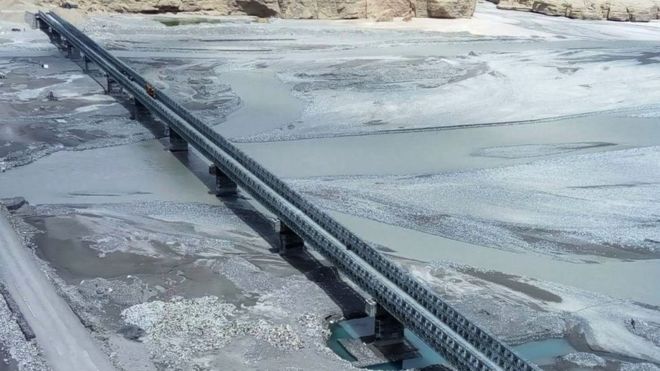 Image copyright PRESS INFORMATION BUREAU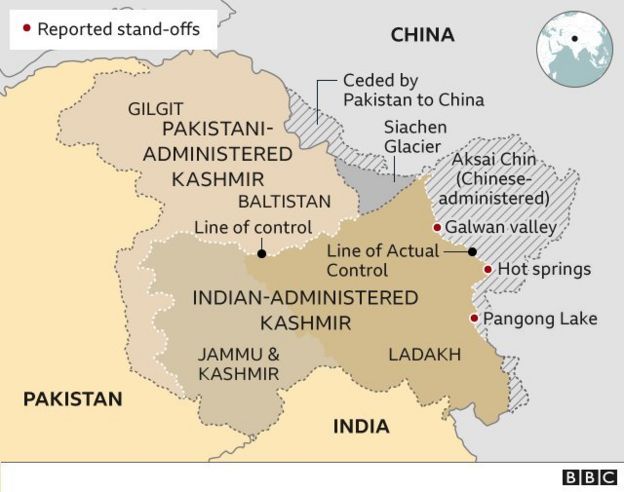
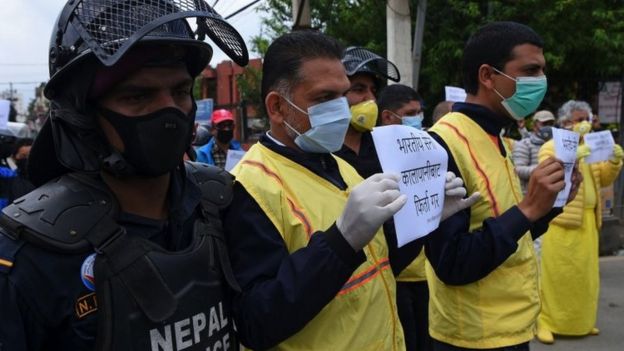 Image copyright AFP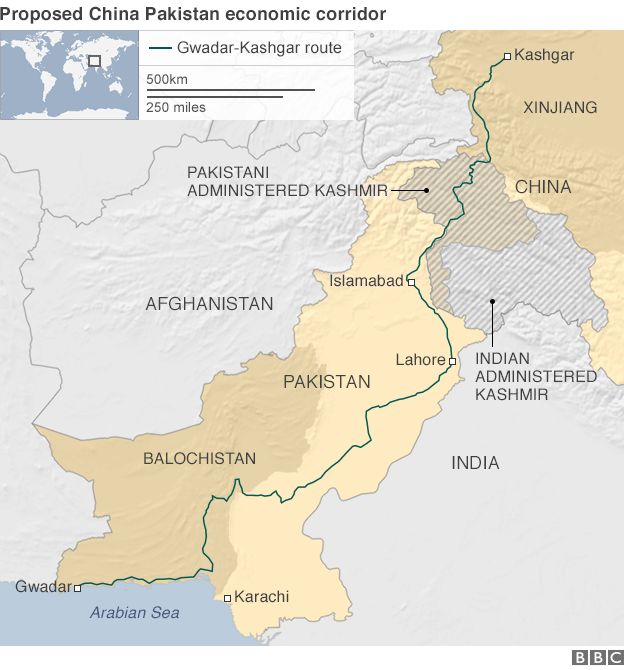
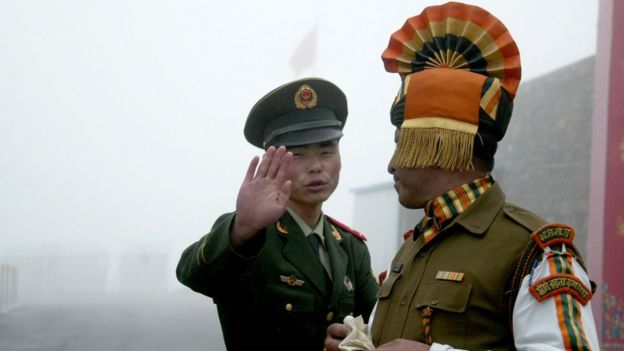 Image copyright GETTY IMAGES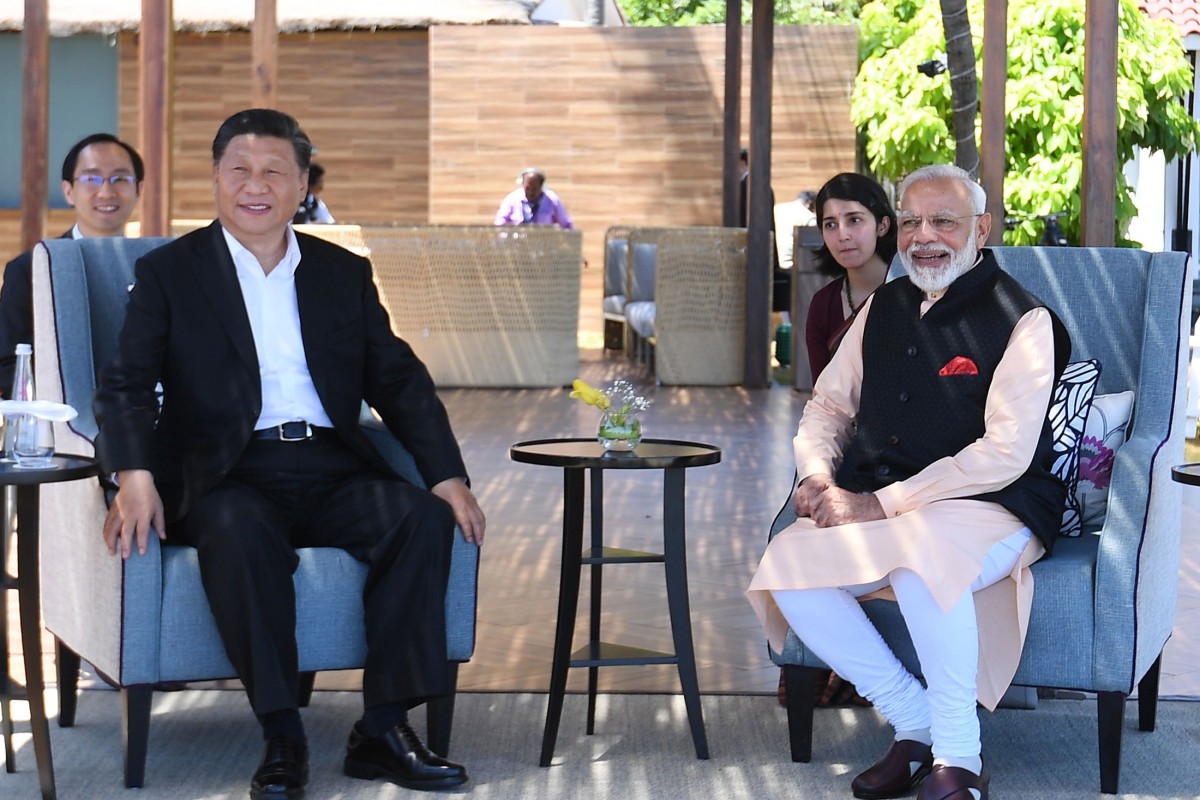





 CHINDIA ALERT: You'll be living in their world, very soon