Archive for ‘City University of Hong Kong’

27/04/2020

Coronavirus: Chinese school gives pupils a hat tip to teach them how to keep their distance

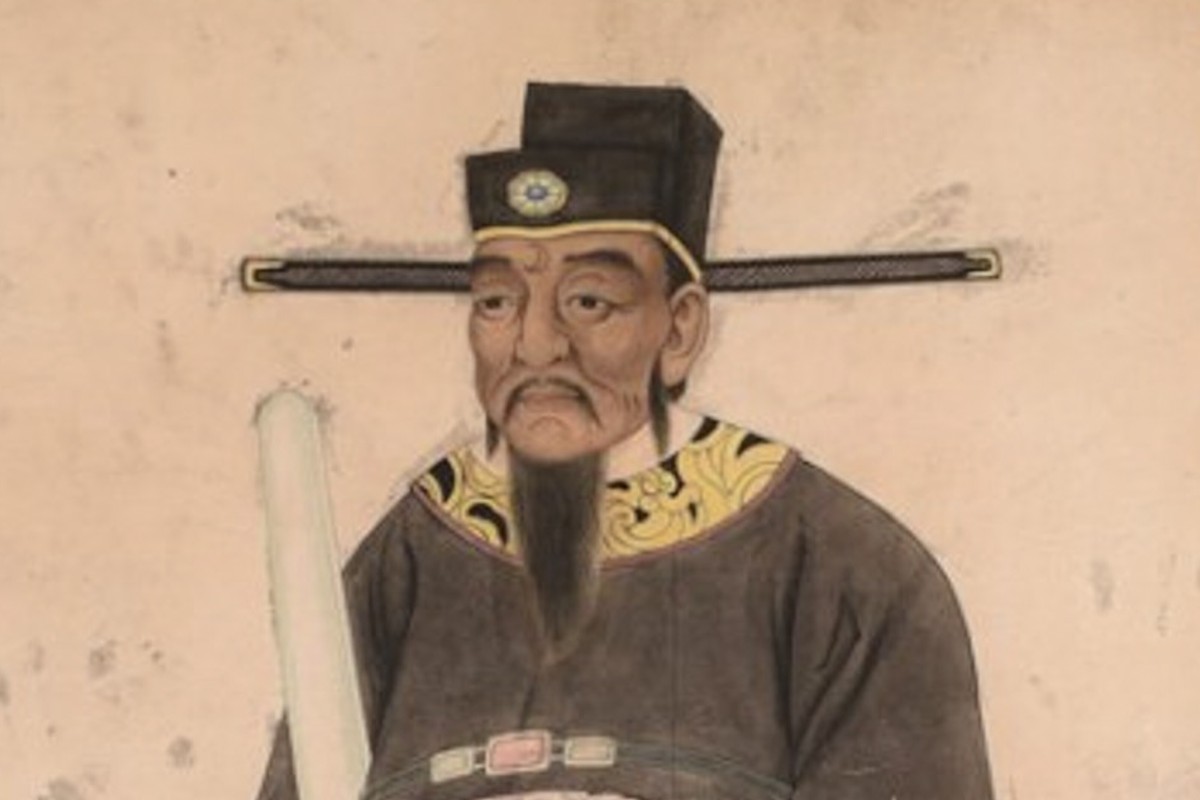
  • Pupils given headwear modelled on a style worn by officials a thousand years ago to reinforce the message that they must stay a metre away from each other
  • One legend says the hats were given long extensions to stop courtiers whispering among themselves when meeting the emperor
Hats with long extensions were worn by officials during the Song dynasty. Photo: Handout
An ancient Chinese hat has joined face masks and hand sanitisers as one of the weapons in the fight against Covid-19.
A primary school in Hangzhou in the east of the country took inspiration from the headgear worn by officials in the Song dynasty, which ruled China between 960 and 1279, to reinforce lessons on social distancing.
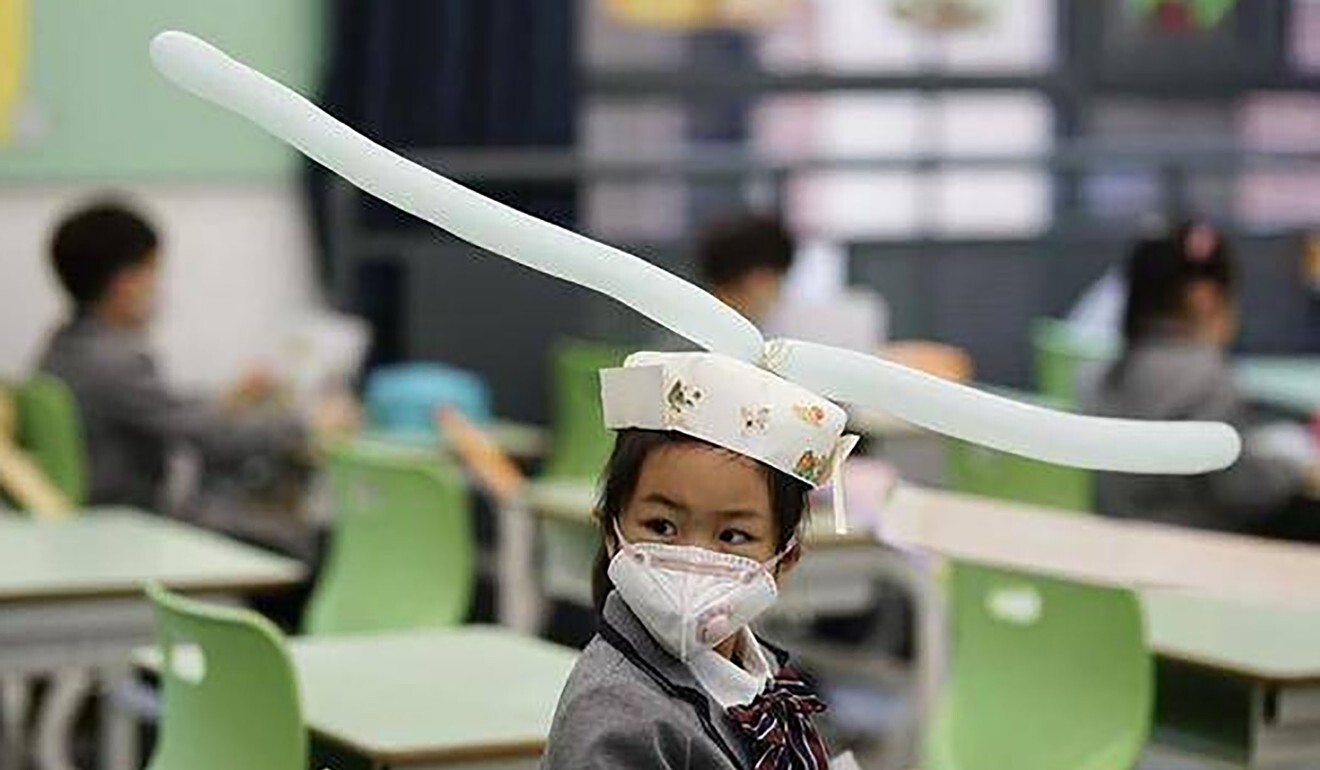
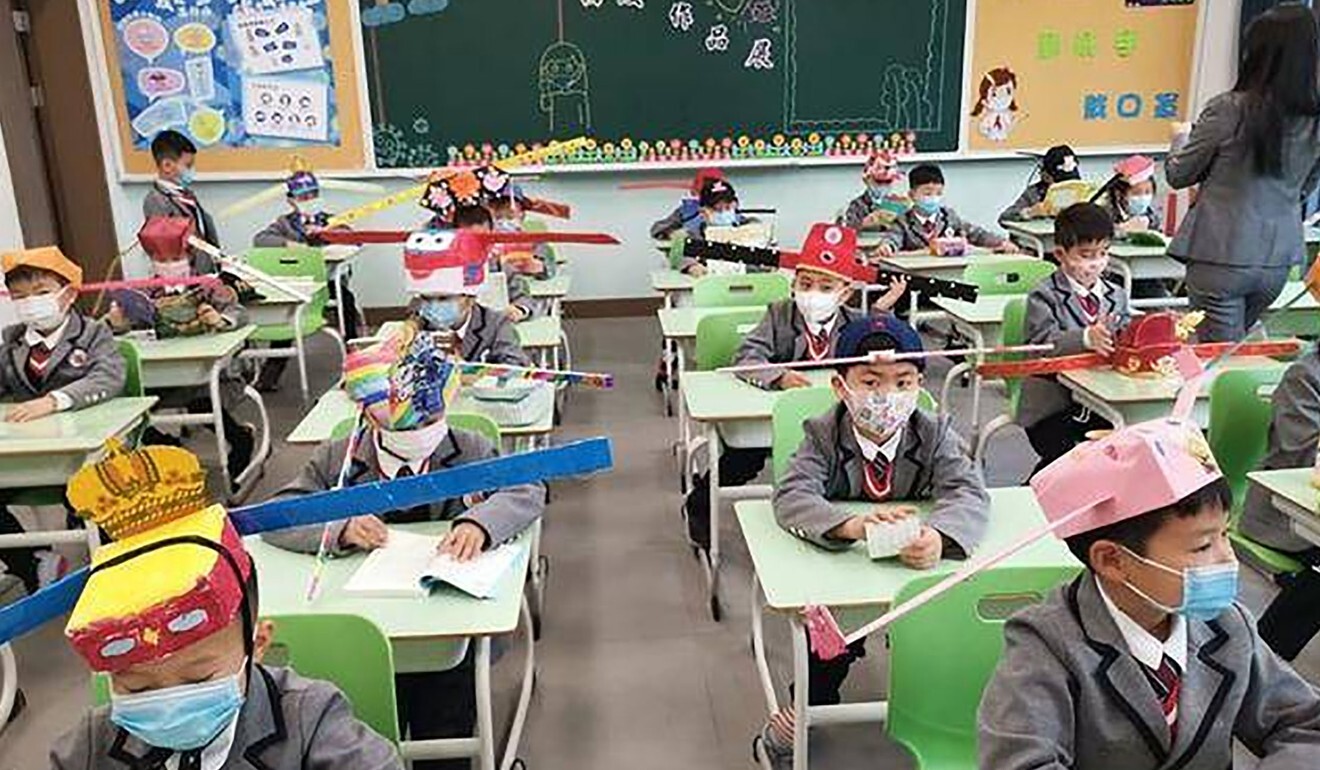
Pupils at the school wore their own handmade versions of the hats, which have long extensions, or wings, to keep them at least a metre (3ft) apart when they returned to school on Monday, state news agency Xinhua reported.
One legend says that the first Song emperor ordered his ministers to wear hats with two long wings on the sides so that they could not chitchat in court assemblies without being overheard, according to Tsui Lik-hang, a historian at City University of Hong Kong.
Pupils at a school in Hangzhou made their own versions of the hats. Photo: Weibo
However, he warned that this story came from a much later source, adding: “The Song emperors, in fact, were also depicted to have worn this kind of headwear with wing-like flaps.”
The World Health Organisation recommends that people stay at least a metre apart to curb the spread of the coronavirus that causes Covid-19.
Coronavirus droplets may travel further than personal distancing guidelines, study finds
16 Apr 2020

“If you are too close, you can breathe in the droplets, including the Covid-19 virus if the person coughing has the disease,” the global health body advises.

An early childhood education specialist said the hats were a good way to explain the concept of social distancing to young children, who find it difficult to understand abstract concepts.

The pupil’s head gear is designed to drive home the social distancing message. Photo: Weibo
“As children can see and feel these hats, and when the ‘wings’ hit one another, they may be more able to understand the expectations and remember to keep their physical distance,” said Ian Lam Chun-bun, associate head of the department of early childhood

Using pictures of footprints to indicate the right distance to keep when queuing, standing, and even talking to schoolmates was also helpful, said Lam, who recommended visual aids and aids that stimulate other senses, such as hearing and touch.

“We can use sharp colours or special textures, like tactile paving,” he added.

Source: SCMP

31/03/2020

Masses of tiny shrimp shut down nuclear power plant in southern China twice in one week

  • Big shoals of acetes, which are just a few centimetres long, crippled the water pumping stations and caused a unit to go into automatic safe shutdown
  • The same thing happened the next day with all units powered down, but the safety regulator says they are now in a ‘safe and controllable condition’
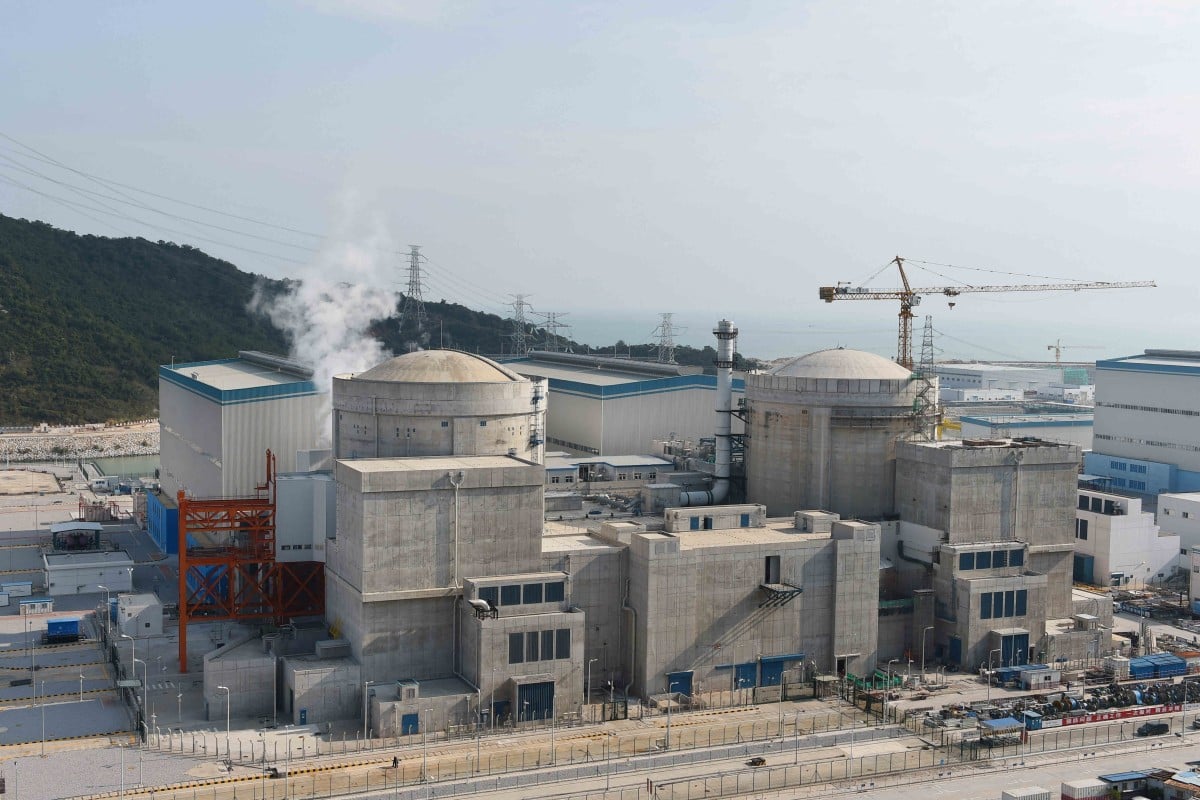
The Yangjiang Nuclear Power Station in Guangdong province is about 235km from Hong Kong. Photo: Handout

The power-generating units of a nuclear plant in southern China were shut down twice last week after its water filters were blocked by masses of small shrimp, the safety regulator said.

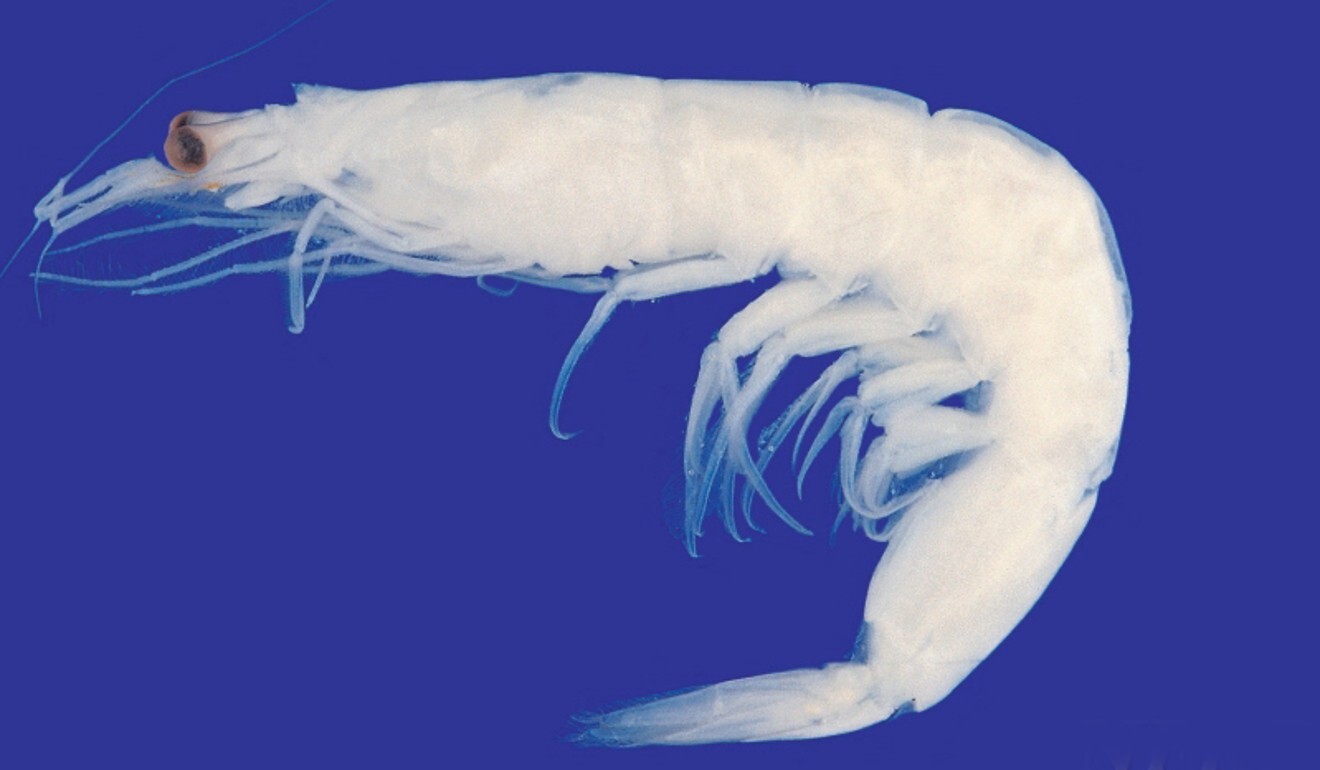
Big shoals of the tiny acetes – krill-like shrimp that are just a few centimetres long – flooded the seawater diversion channel and circulating water pumping stations of the Yangjiang Nuclear Power Station in Guangdong on March 24, the National Nuclear Safety Administration said in a statement.

They crippled the water pumping stations and caused one of the nuclear plant’s six power-generating units to go into automatic safe shutdown, while the other five units ran at 80 per cent of capacity.

The unit that shut down was powered up again the next day after station staff cleared the acetes and cleaned the filters.

But soon after on March 25, the same thing happened, with large shoals of acetes again finding their way into the pumping stations and causing four power-generating units to shut down automatically. The station shut off the other two units for safety reasons.

Big shoals of acetes found their way into the nuclear plant’s pumping stations. Photo: Handout
The incident on March 25 was rated a Level 1 on the International Nuclear and Radiological Event Scale, meaning it was an “anomaly” that had no safety or health consequences. Only two nuclear events have been rated at the top of the scale as Level 7 “major accidents” – the Chernobyl disaster in 1986 and Fukushima in 2011.

China’s nuclear safety regulator said the situation at the Yangjiang plant was under control.

“At present, all six units … are in a safe and controllable condition,” the statement said. “Staff at the scene are taking measures such as fishing out the acetes and cleaning the filters, before reactivating the units and bringing them back to normal operation in accordance with the relevant procedures.”

Nearly a decade after tsunami, clean-up continues at Japan’s Fukushima nuclear plant

Pan Chin, head and chair professor of nuclear engineering at City University of Hong Kong, said the two incidents were “operational events with no radiation leak”.

“The shutdown … is also an indication that the protection system of the power plant is functioning as designed,” he said.

“This incident is not unexpected,” Pan said. “The power plant uses seawater as a coolant for the condenser and occasionally aquatic animals may get close to the intake and cause such incidents.”

The Hong Kong Nuclear Society also noted that similar incidents had happened before.

“Similar events have occurred at nuclear power plants using seawater as a coolant for their power-generating units [including non-nuclear ones] throughout the world, including China,” said Luk Bing-lam, chairman of the society.

New Wufengshan power line across China’s Yangtze River completed
In 2016, a generating unit at the Lingao Nuclear Power Plant in Shenzhen was guided to a safe shutdown by an automatic reactor protection signal after its seawater intake was inundated with tiny marine crustaceans, according to Hong Kong’s Security Bureau. They blocked the filtering screen drum at the intake and tripped two seawater intake pumps.
China tech giants wake up to renewable energy, but fossil fuels still dominate as electricity source
17 Feb 2020

China’s nuclear safety regulator said it had asked all nuclear power station operators to use marine life detection systems in light of incidents such as those at Yangjiang last week.

But Pan from CityU said the acetes could be too small to be detected by a marine life warning system.

“If a system can detect the approach of marine life, large or small, early enough, leaving enough time to take some action to prevent them from approaching further … there will be no such incident,” he said, adding that the systems needed to be improved.

The Yangjiang nuclear plant in Guangdong is about 235km from Hong Kong. It is owned by the China General Nuclear Power Corporation, which operates over 20 nuclear power stations in China. CLP, one of Hong Kong’s two power companies, acquired a 17 per cent stake in the plant in 2017.

Source: SCMP

06/10/2019

Xinhua Headlines: China’s Greater Bay Area busy laying foundation for innovation

As China aims to develop its Greater Bay Area into an international innovation and technology hub, innovation and entrepreneurship resources are shared in the area to provide more opportunities for young Hong Kong and Macao entrepreneurs.

The provincial government of Guangdong has stepped up efforts to improve basic research capability, considered the backbone of an international innovation and technology hub, by building large scientific installations and launching provincial labs.

by Xinhua writers Liu Yiwei, Quan Xiaoshu, Wang Pan, Jing Huaiqiao

GUANGZHOU, Oct. 5 (Xinhua) — Hong Kong man Andy Ng was surprised his shared workspace Timetable was rented out completely only six months after it had started operation in Guangzhou, capital of south China’s Guangdong Province.

While studying economics at City University of Hong Kong, Ng set up his first business, developing an online education platform, but soon realized the Hong Kong market was too small. After earning a master’s degree in the UK in 2017, Ng returned to China and chose Guangzhou as his new base.

Timetable is now accumulating popularity and even fans in Dianping.com, China’s major online consumer guide. Ng feels lucky that his business caught the implementation of the Guangdong-Hong Kong-Macao Greater Bay Area (GBA) development plan.

The bay area, covering 56,000 square km, comprises Hong Kong and Macao, as well as nine cities in Guangdong. It had a combined population of about 70 million at the end of 2017, and is one of the most open and dynamic regions in China.

Aerial photo taken on July 11, 2018 shows the Hong Kong-Zhuhai-Macao Bridge in south China. (Xinhua/Liang Xu)

In July 2017, a framework agreement on the development of the bay area was signed. On February 18 this year, China issued the more specific Outline Development Plan for the Guangdong-Hong Kong-Macao Greater Bay Area. One of its major aims is to develop the area into an international innovation and technology hub.

OPPORTUNITIES FOR YOUTH

The plan proposes that innovation and entrepreneurship resources be shared in the bay area to provide more opportunities for young Hong Kong and Macao entrepreneurs.

An incubator for entrepreneurship, Timetable is home to 52 companies, including 15 from Hong Kong and Macao, such as Redspots, a virtual reality company that won the Hong Kong Information and Communications Technology (ICT) Awards 2019.

“I persuaded them one by one to come here,” Ng said. “I told them of my own experience that the GBA is a great stage for starting a business with ever-upgrading technologies, ever-changing consumer tastes and a population 10 times that of Hong Kong.”

Timetable is a startup base of the Guangzhou Tianhe Hong Kong and Macao Youth Association, which has assisted 65 enterprises founded by Hong Kong and Macao young people since its establishment in October 2017.

The association and its four bases provide a package of services from training and registering to policy and legal consultation, said Chen Jingzhan, one of the association founders.

Tong Yat, a young Macao man who teaches children programming, is grateful the association encouraged him to come to Guangdong, where young people enjoy more preferential policies to start their own businesses.

“The GBA development not only benefits us, but paves the way for the next generation,” Tong said. “If one of my students were to become a tech tycoon in the future and tell others that his first science and technology teacher was me, I would think it all worthwhile.”

In the first quarter of this year, there were more than 980 science and technology business incubators in Guangdong, including more than 50 for young people from Hong Kong and Macao, said Wu Hanrong, an official with the Department of Science and Technology of Guangdong Province.

INNOVATION HIGHLAND

As the young entrepreneurs create a bustling innovative atmosphere, the Guangdong government has stepped up efforts to improve basic research capability, considered the backbone of an international innovation and technology hub, by building large scientific installations and launching provincial labs.

Several large scientific facilities have settled in Guangdong. China Spallation Neutron Source (CSNS) operates in Dongguan City; a neutrino observatory is under construction in Jiangmen City; a high intensity heavy-ion accelerator is being built in Huizhou City.

Aerial photo taken on June 23, 2019 shows the construction site of the Jiangmen Underground Neutrino Observatory (JUNO) in Jiangmen, south China’s Guangdong Province. (Xinhua/Liu Dawei)

Guangdong also plans to build about 10 provincial labs, covering regenerative medicine, materials, advanced manufacturing, next-generation network communications, chemical and fine chemicals, marine research and other areas, said Zhang Yan, of the provincial department of science and technology.

Unlike traditional universities or research institutions, the provincial labs enjoy a high degree of autonomy in policy and spending. A market-oriented salary system allows them to recruit talent from all over the world, and researchers from other domestic organizations can work for the laboratories without giving up their original jobs, Zhang said.

The labs are also open to professionals from Hong Kong and Macao. Research teams from the universities of the two special administrative regions have been involved in many of the key programs, Zhang said.

For example, the provincial lab of regenerative medicine and health has jointly established a regenerative medicine research institute with the Chinese University of Hong Kong, a heart research center with the University of Hong Kong, and a neuroscience research center with the Hong Kong University of Science and Technology (HKUST).

Photo taken on July 24, 2019 shows a rapid cycling synchrotron at the China Spallation Neutron Source (CSNS) in Dongguan, south China’s Guangdong Province. (Xinhua/Liu Dawei)

Guangdong has been trying to break down institutional barriers to help cooperation, encouraging Hong Kong and Macao research institutions to participate in provincial research programs, exploring the cross-border use of provincial government-sponsored research funds, and shielding Hong Kong researchers in Guangdong from higher mainland taxes.

NANSHA FOCUS

Located at the center of the bay area, Guangzhou’s Nansha District is designed as the national economic and technological development zone and national free trade zone, and is an important pivot in building the area into an international innovation and technology hub.

The construction of a science park covering about 200 hectares started on Sept. 26. Gong Shangyun, an official with the Nansha government, said the park will be completed in 2022.

Jointly built by the Guangzhou government and the Chinese Academy of Sciences (CAS), the science park will accommodate CAS research institutes from around Guangzhou, including the South China Sea Institute of Oceanology, the South China Botanical Garden (SCBG) and the Guangzhou Institute of Energy Conversion.

Ren Hai, director of the SCBG, is looking forward to expanding the research platforms in Nansha. “We will build a new economic plant platform serving the green development of the Pearl River Delta, a new botanical garden open to the public, and promote the establishment of the GBA botanical garden union.”

Wang Ying, a researcher with the SCBG, said the union will help deepen the long cooperation among its members and improve scientific research, science popularization and ecological protection. “Predecessors of our botanical garden have helped the Hong Kong and Macao counterparts gradually establish their regional flora since the 1950s and 1960s.”

HKUST also started to build a new campus in Nansha the same day as the science park broke ground. “Located next to the high-speed rail station, the Guangzhou campus is only a 30-minute journey from the Hong Kong campus. A delegation from the HKUST once paid a visit to the site and found it very convenient to work here,” Gong said.

Chief Executive of the Hong Kong Special Administrative Region (HKSAR) Carrie Lam hoped the new campus would help create a new chapter for the exchanges and cooperation on higher education between Guangzhou and Hong Kong, and cultivate more talents with innovative capabilities.

Nansha’s layout is a miniature of the provincial blueprint for an emerging international innovation and technology hub.

“We are seeking partnership with other leading domestic research institutions and encouraging universities from Hong Kong and Macao to set up R&D institutions in Guangdong,” said Zhang Kaisheng, an official with the provincial department of science and technology.

“We are much busier now, because research institutes at home and abroad come to talk about collaboration every week. The GBA is a rising attraction to global scientific researchers,” Zhang said.

Source: Xinhua

04/07/2019

Samsung and other South Korean companies’ exodus from China sets an example to Western firms fleeing trade war tariffs

  • Lotte, Kia and Hyundai are also gradually winding down their China business due to political risks, tariffs and losing market share
  • Western companies fleeing Donald Trump’s tariffs may not have luxury of a managed exit, but should look at the South Korean case studies closely, experts say
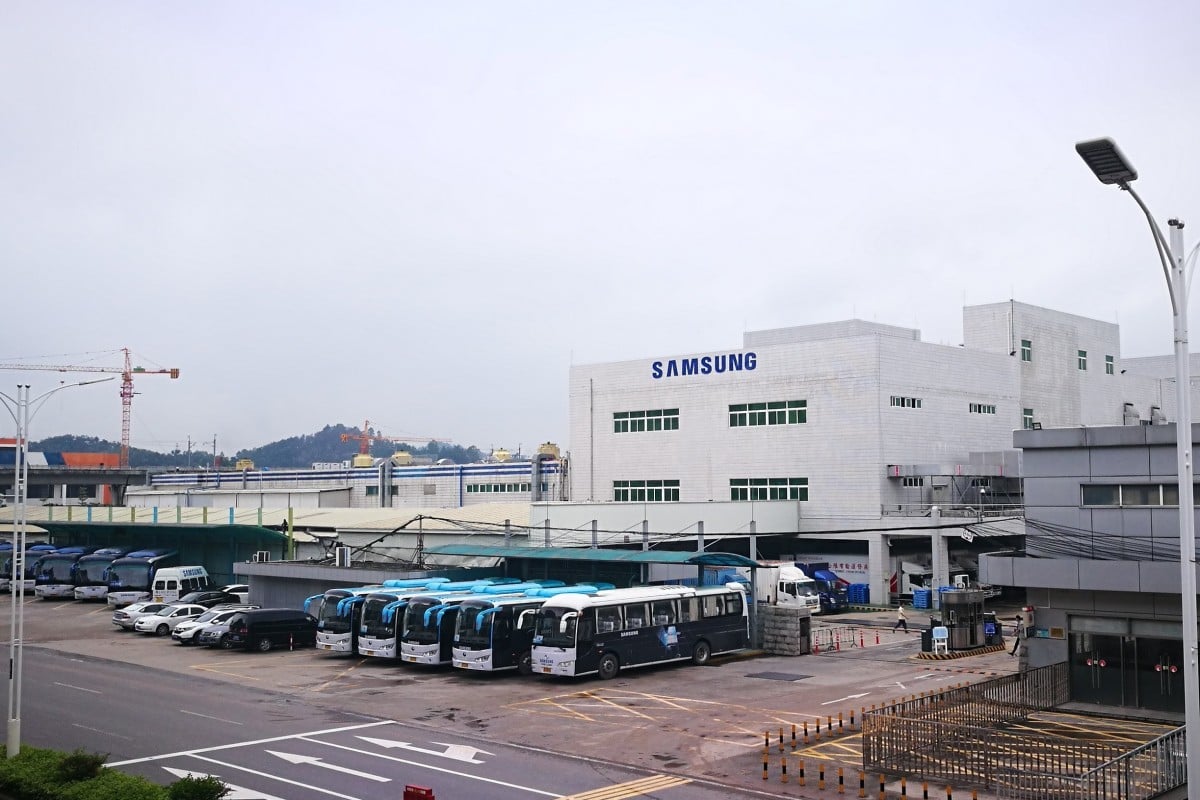
Samsung’s last mobile phone production line remaining in China in Huizhou is winding down, implementing a voluntary retirement programme. Photo: He Huifeng
Upon landing in Australia in 2017 to attend a seminar, a senior politician with South Korea’s parliamentary defence committee was greeted by Julie Bishop, then Australia’s foreign minister, who had a burning question: “How are you dealing with the China threat?”
Bishop was referring to the treatment of South Korean firms in China, which escalated after Seoul agreed in 2016 to a long-standing request from the United States to allow the deployment of the Terminal High Altitude Area Defence system (THAAD) on South Korean soil.
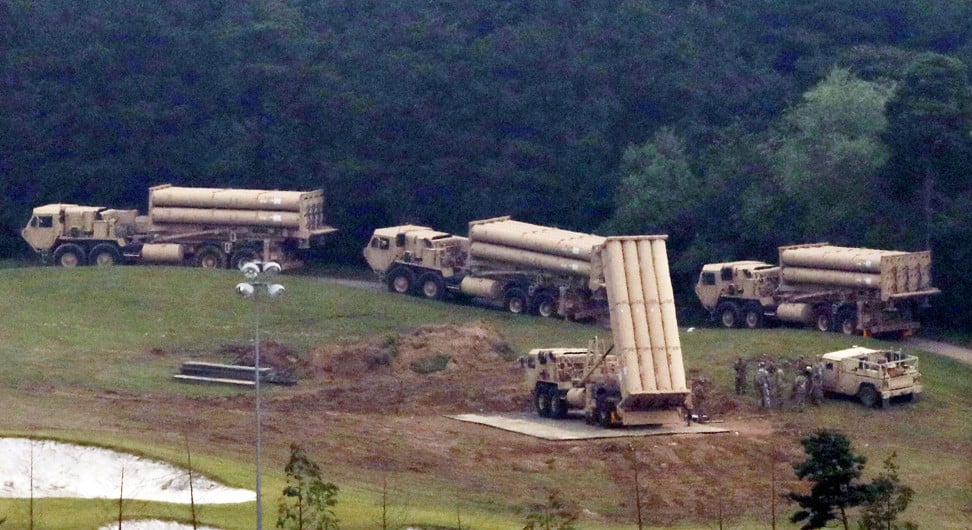
Lotte Corporation, one of Korea’s chaebol conglomerates that dominate its economy, had sold a plot of land in Seongju county to the South Korean government, on which the system’s radar and interceptor missiles were set up. While both Washington and Seoul said it was meant to counter threats from North Korea, Beijing viewed THAAD as a security risk, since its radar had the range to monitor China’s nearby military facilities.
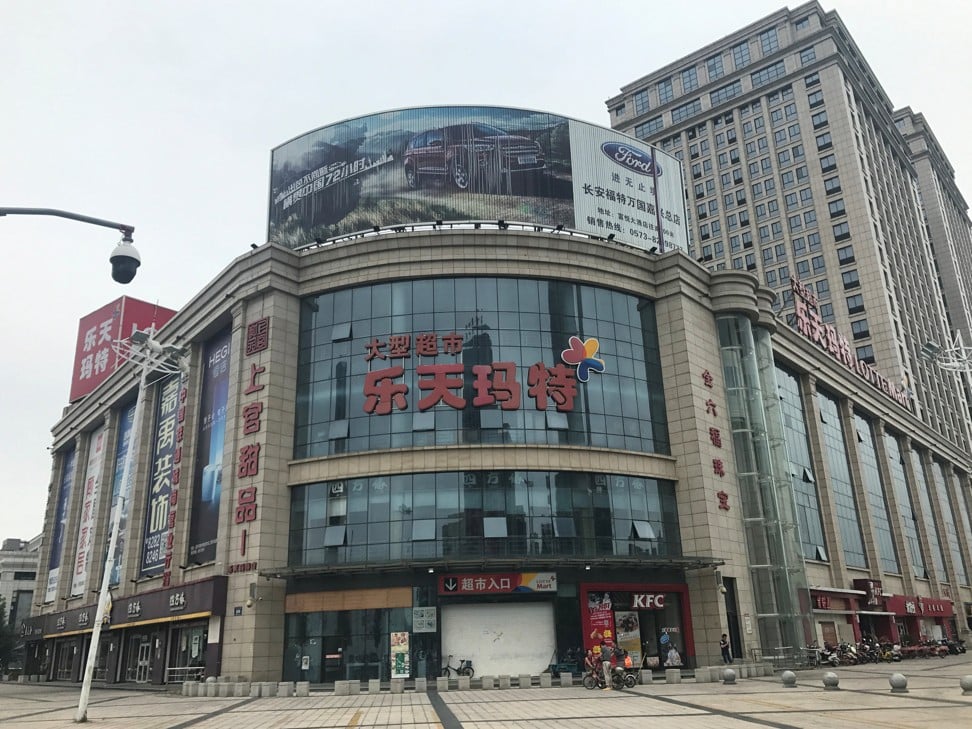
After it was deployed in 2017, THAAD triggered widespread boycotts of Lotte’s retail operations in China, with the state-owned media acting as aggressive cheerleaders. The company was sanctioned by Beijing, with its expansion plans in China grinding to a halt on the orders of the Chinese government.
The Terminal High Altitude Area Defence (THAAD) arrived in Seongju in September 2017. Photo: Reuters

Australia – like South Korea – is heavily dependent on trade with China, but is also closely bound to the US in defence and political terms, and Bishop feared that should Australia fall out of favour with Beijing, Australian companies could face similar risks, and so she sought the counsel of the politician, who asked not to be named.

The case of Canadian canola and meat exports being banned from China, reportedly in retaliation for the arrest of Huawei chief financial officer Meng Wanzhou, also known as Sabrina Meng and Cathy Meng, is an example of how third nations can be drawn into the modern day superpower rivalry.

Many analysts say the efforts of South Korean firms in China should be essential study material for Western governments and businesses about the political risks of doing business in the mainland, which are growing as the US-China trade war threatens to draw in other nations and expand into a broader geopolitical struggle.

But large South Korean firms have been gradually withdrawing from China for a number of years – even before the THAAD crisis – and have been able to leave on a managed basis. They are leaving to avoid a repeat of the political crisis that ruined Lotte’s China business, and to avoid tariffs on exports of their China-made products to the US.

Lotte have been forced to close retail operations in China. Photo: Reuters

But they are also leaving because Chinese firms have become much more competitive in the domestic market that South Korean companies had found so fruitful for more than a decade – a fate that could easily befall Western companies that are eyeing China’s burgeoning middle-class consumer market. Now, while American firms are considering exiting China and setting up in nations that have lower tariff access to the US, South

Korean competitors have had a few years’ head start.

“In a way, all the problems that some South Korean companies had since 2017 might be a blessing in disguise. It meant that they started all of this [supply chain shift] two years before all the other companies,” said Andrew Gilholm, Seoul-based director of analysis for China and Korea at political risk advisory, Control Risks.

Another chaebol, Samsung Electronics, opened its first plant in Vietnam in 2008 and this long-term presence has enabled it to build a supply chain of South Korean companies, which in turn makes it easier for other South Korean firms to establish a base in the Southeast Asian nation.

We have experienced some of the worst situations in China over the past few years and learnt that the political risk there wouldn’t just simply go away overnight Ex-Lotte Shopping manager

As a result, South Korean investment into Vietnam climbed to US$1.97 billion in the first half of 2018, exceeding the country’s investment in China of US$1.6 billion over the same period for the first time, according to the Export-Import Bank of Korea.

Overall in 2018, South Korea’s total investment to the Southeast Asian country totalled US$3.2 billion. Its exports to Vietnam also increased to US$48.6 billion, 121 times that of 1992, when the two countries established diplomatic relations, and the trend is expected to continue.

“We have experienced some of the worst situations in China over the past few years and learnt that the political risk there wouldn’t just simply go away overnight,” said a former manager of Lotte Shopping, the chaebol’s retail arm, who spoke on condition of anonymity.

“China may pass all the legislation ensuring the safety of foreign investments and the rights of multinational companies, but the chance of it swinging away again when there is another political confrontation is just too high … we cannot afford to take any more risk.”

China eventually lifted its economic sanctions on Lotte in April, and the municipal government of Shenyang, the capital of Liaoning province in Northeastern China, gave the company permission in May to resume work on the US$2.6 billion Lotte Town shopping and leisure development.

But according to a person close to the project, Lotte is considering selling the complex after its completion, as it does not wish to continue its retail business in China. A Lotte spokesman declined to comment, saying the situation is “complicated”.

On one hand, its eagerness to leave China reflects the volatility in the market, but on the other, its decision to complete the construction of project before leaving suggests an unwillingness to burn bridges in the process, analysts said.

Samsung is another South Korean giant downsizing its Chinese manufacturing presence after it closed its Shenzhen production line in May 2018, followed by its Tianjin factory in December.

Samsung has been very aware of the potential issues around those closuresJason Wright

Its last remaining mobile phone production line in

China, in Huizhou, is also winding down,

implementing a voluntary retirement programme. Samsung is also considering moving some television manufacturing from China to Vietnam, according to a company insider.

However, it too, is carefully managing its exit strategy, said Jason Wright, founder of Hong Kong-based intelligence firm Argo Associates, who is advising a growing number of South Korean companies seeking to leave China. Samsung is still a large supplier of microchips to Chinese companies like Huawei, and to exit on negative terms could disrupt its ongoing business.
“Samsung has been quite generous in the packages that have been offered [to workers in the factories that it has closed],” Wright said. “Samsung has been very aware of the potential issues around those closures.”
As well as the political risks and tariffs, Samsung has seen its mainland market share in several product queues shrink dramatically due to competition from Chinese rivals. Its share of China’s smartphone market, for example, fell from 20 per cent in 2013 to just 0.8 per cent last year, according to Strategy Analytics, a market research firm.
Over the same period, it has been moving its supply chain out of China in a “subtle and imperceptible” way, according to Julien Chaisse, a professor of trade law at City University of Hong Kong who has advised, among others, Lotte on its plans to relocate to Vietnam.
Samsung Electronics opened its first plant in Vietnam in 2008. Photo: Cissy Zhou
As stories emerged in June that Apple was considering a partial exit of China, it was impossible not to see parallels. iPhone sales in China fell 30 per cent in the first quarter of 2019, according to research firm Canalys, while smartphones will be among those facing a potential tariff of up to 25 per cent, although this has been at least delayed after the trade war truce agreed by

US President Donald Trump

and Chinese President Xi Jinping at the

G20 summit in Osaka.

Meanwhile, South Korean car companies Kia and Hyundai’s combined market share in China fell to 2.7 per cent last year, from about 10 per cent at the beginning of the decade. Both companies, which have shared ownership, are downsizing their Chinese operations.

“In the past, China was just a great market, but for Korea, now China has become a competitor. So that is really a change in the dynamic over the last five years. China was not really able to compete with Korea in most areas,” said Wright from Argo Associates.

City University of Hong Kong professor Chaisse traces the exodus of South Korean firms back to 2014, before THAAD and before the trade war, and highlighted an arcane arbitration case at the United Nations’ dispute settlement courts as a turning point. After that case, South Korean companies in China faced an increasingly hostile environment.

Filed in 2014 and settled in 2017, the case emerged after South Korean company Ansung Housing had been forced to sell a golf resort it was developing in Eastern China after a change in the country’s real estate legislation.

Ansung took the case to an arbitration panel, claiming it breached a Sino-Korean investment treaty. The company won – only the second defeat for China in two decades of participation in the court, but this ushered in a “change in atmosphere” for South Korean firms.

“My take is that while the Korean case is unique for a number of reasons, it highlights what is going to happen to many other foreign companies operating in China,” Chaisse said.

“I think very soon even European companies will be reconsidering their businesses in China. Every time it will be a different story: different countries, different companies, in different economic sectors will have different reaction times and the magnitude of their withdrawal may vary.”

But for those now fleeing trade war tariffs, they may not have the luxury of long-term planning that companies like Samsung and Lotte have had, said Gilholm from Control Risks.

“Long term, I think the Korean firms that are moving out of China have had it easier because they haven’t had to do it under quite such pressured and scrutinised circumstances as a company which starts to move things now,” he said.

Source: SCMP

Law of Unintended Consequences

continuously updated blog about China & India

ChiaHou's Book Reviews

continuously updated blog about China & India

What's wrong with the world; and its economy

continuously updated blog about China & India