Chindia Alert: You’ll be Living in their World Very Soon
aims to alert you to the threats and opportunities that China and India present. China and India require serious attention; case of ‘hidden dragon and crouching tiger’.
Without this attention, governments, businesses and, indeed, individuals may find themselves at a great disadvantage sooner rather than later.
The POSTs (front webpages) are mainly 'cuttings' from reliable sources, updated continuously.
The PAGEs (see Tabs, above) attempt to make the information more meaningful by putting some structure to the information we have researched and assembled since 2006.
BEIJING/WUHAN, China (Reuters) – China on Saturday mourned the thousands of “martyrs” who have died in the new coronavirus outbreak, flying the national flag at half mast throughout the country and suspending all forms of entertainment.
The Chinese national flag flies at half-mast at Tiananmen Square in Beijing, as China holds a national mourning for those who died of the coronavirus disease (COVID-19), on the Qingming tomb sweeping festival, April 4, 2020. REUTERS/Carlos Garcia Rawlins
The day of mourning coincided with the start of the annual Qingming tomb-sweeping festival, when millions of Chinese families pay respects to their ancestors.
At 10 a.m. (0200 GMT) Beijing time, the country observed three minutes of silence to mourn those who died, including frontline medical workers and doctors. Cars, trains and ships sounded their horns and air raid sirens wailed.
In Zhongnanhai, the seat of political power in Beijing, President Xi Jinping and other Chinese leaders paid silent tribute in front of the national flag, with white flowers pinned to their chest as a mark of mourning, state media reported.
More than 3,300 people in mainland China have died in the epidemic, which first surfaced in the central province of Hubei late last year, according to statistics published by the National Health Commission.
In Wuhan, the capital of Hubei province and the epicentre of the outbreak, all traffic lights in urban areas turned red at 10 a.m. and all road traffic ceased for three minutes.
Some 2,567 people have died in Wuhan, a megacity of 11 million people located in the middle reaches of the Yangtze river. The Wuhan deaths account for more than 75% of the country’s fatalities.
Among those who died was Li Wenliang, a young doctor who tried to raise the alarm about the disease. Li was honoured by the Hubei government earlier this week, after initially being reprimanded by police in Wuhan for “spreading rumours”.
Gui Yihong, 27, who was among thousands of Wuhan locals who volunteered to deliver food supplies to hospitals during the city’s months-long lockdown, recalled the fear, frustration and pain at Wuhan Central Hospital, where Li worked.
“If you weren’t at the frontlines you wouldn’t be able to experience this,” said Gui, as he laid some flowers next to Wuhan’s 1954 flood memorial by the Yangtze.
“I had to (come) and bear witness. For the last 80 days we had fought between life and death, and finally gained victory. It was not easy at all to come by.”
While the worst was behind Wuhan, the virus has spread to all corners of the globe since January, sickening more than a million people, killing more than 55,000 and paralysing the world economy.
Wuhan banned all tomb-sweeping activities in its cemeteries until at least April 30, curtailing one of the most important dates in the traditional Chinese lunar new year calendar which usually sees millions of families travel to tend to their ancestral graves, offer flowers and burn incense.
They have also told residents, most stuck at home due to lockdown restrictions, to use online streaming services to watch cemetery staff carry out those tasks live.
ASYMPTOMATIC CASES
Online, celebrities including “X-Men: Days of Future Past” star Fan Bingbing swapped their glamorous social media profile pictures for sombre photos in grey or black, garnering millions of “likes” from fans.
Chinese gaming and social media giant Tencent (0700.HK) suspended all online games on Saturday.
As of Friday, the total number of confirmed cases across the country stood at 81,639, including 19 new infections, the National Health Commission said.
Eighteen of the new cases involved travellers arriving from abroad. The remaining one new infection was a local case in Wuhan, a patient who was previously asymptomatic.
Asymptomatic people exhibit few signs of infection such as fevers or coughs, and are not included in the tally of confirmed cases by Chinese authorities until they do.
However, they are still infectious, and the government has warned of possible local transmissions if such asymptomatic cases are not properly monitored.
China reported 64 new asymptomatic cases as of Friday, including 26 travellers arriving in the country from overseas. That takes the total number of asymptomatic people currently under medical observation to 1,030, including 729 in Hubei.
TAIPEI/BEIJING (Reuters) – Taiwan and the United States this week discussed how to get “closer coordination” between the island and the World Health Organization (WHO) during the coronavirus outbreak, drawing a rebuke from China for “political manipulation” of the epidemic.
Taiwan’s is excluded from the WHO due to diplomatic pressure from China, which considers it merely a wayward province with no right to the trappings of state.
Its omission has become a major source of anger for the Taiwan, which says it has been unable to get first hand information from the WHO, putting lives on the island in danger for the sake of politics. Both the WHO and China say Taiwan has been given the help it needs.
The U.S. State Department said on Thursday senior officials from the United States and Taiwan on Tuesday held a “virtual forum on expanding Taiwan’s participation on the global stage”, with particular focus on the WHO and how to share Taiwan’s successful model of fighting the coronavirus.
“Participants also discussed ongoing efforts to reinstate Taiwan’s observer status at the World Health Assembly, as well as other avenues for closer coordination between Taiwan and the World Health Organization,” it said.
The World Health Assembly is the WHO’s decision-making body.
Taiwan attended it as an observer from 2009-2016 when Taipei-Beijing relations warmed, but China blocked further participation after the election of Taiwan President Tsai Ing-wen, who China views as a separatist, charges she denies.
Taiwan’s Foreign Ministry expressed thanks to the United States on Friday for its “continued taking of concrete actions to support Taiwan’s participation in the WHO and other international organisations”.
In Beijing, Chinese Foreign Ministry spokeswoman Hua Chunying said the United States and Taiwan were both well aware that members of the WHO must be sovereign states, and accused Taiwan of seeking political capital from the outbreak.
“We hope they will not attempt to use this epidemic to engage in political manipulation,” she told a daily news briefing.
U.S. President Donald Trump signed a new law last month requiring increased support for Taiwan’s international role. China threatened unspecified retaliation in response.
Like most countries the United States has only unofficial ties with the island, but is its strongest backer on the world stage.
Taiwan has been far more successful than many of its neighbours keeping the virus in check thanks to early and stringent steps to control its spread. It has reported 348 cases and five deaths to date.
In its latest measure, Health Minister Chen Shih-chung said on Friday people who don’t wear face masks on public transport would face fines of up to T$15,000 (nearly $500).
Image copyright GETTY IMAGESImage caption Most Chinese people don’t actually consume dogs and cats and never plan to
Shenzhen has become the first Chinese city to ban the sale and consumption of dog and cat meat.
It comes after the coronavirus outbreak was linked to wildlife meat, prompting Chinese authorities to ban the trade and consumption of wild animals.
Shenzhen went a step further, extending the ban to dogs and cats. The new law will come into force on 1 May.
Thirty million dogs a year are killed across Asia for meat, says Humane Society International (HSI).
However, the practice of eating dog meat in China is not that common – the majority of Chinese people have never done so and say don’t want to.
“Dogs and cats as pets have established a much closer relationship with humans than all other animals, and banning the consumption of dogs and cats and other pets is a common practice in developed countries and in Hong Kong and Taiwan,” the Shenzhen city government said, according to a Reuters report.
“This ban also responds to the demand and spirit of human civilization.”
Animal advocacy organisation HSI praised the move.
“This really could be a watershed moment in efforts to end this brutal trade that kills an estimated 10 million dogs and 4 million cats in China every year,” said Dr Peter Li, China policy specialist for HSI.
However, at the same time as this ruling, China approved the use of bear bile to treat coronavirus patients.
Bear bile – a digestive fluid drained from living captive bears – has long been used in traditional Chinese medicine.
The active ingredient, ursodeoxycholic acid, is used to dissolve gallstones and treat liver disease. But there is no proof that it is effective against the coronavirus and the process is painful and distressing for the animals
Brian Daly, a spokesman for the Animals Asia Foundation, told AFP: “We shouldn’t be relying on wildlife products like bear bile as the solution to combat a deadly virus that appears to have originated from wildlife.”
In February, Chinese authorities banned the trade and consumption of wild animals.
The move came after it emerged that a market in Wuhan selling wild animals and wildlife meat could have been the starting point for the outbreak of the new coronavirus, providing the means for the virus to travel from animals to humans.
News of this led the Chinese government to crack down strongly on the trade and on the markets that sold such products.
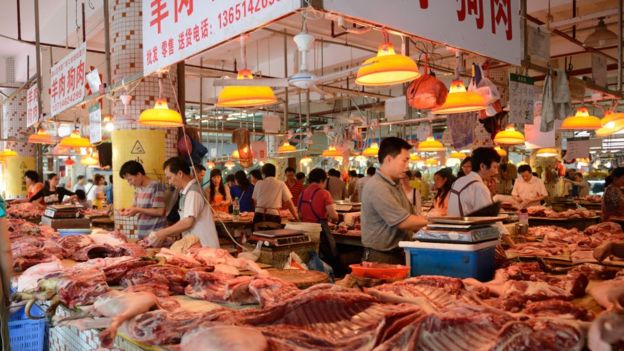
Image copyright GETTY IMAGESImage caption File photo of a wet market in China
There are now close to one million confirmed cases of the virus worldwide, and more than 47,000 deaths, according to a Johns Hopkins University tally.
In China alone, there are 81,589 confirmed cases and 3,318 deaths, said the National Health Commission.
Scientists and researchers are still no closer to finding out what the source of the virus is and how it could have spread to humans.
TAIPEI (Reuters) – Anger at being confused with China amid the coronavirus outbreak and Beijing’s stepped-up efforts to assert sovereignty is stirring heated debate in Taiwan about how to further distance itself from its giant and often threatening neighbour
At its core is a debate about whether to drop “China” from the island’s official name, the Republic of China.
During the virus crisis, the World Health Organization (WHO), which considers the island part of China, has listed Taiwan’s far lower case number under China’s, and China has repeatedly insisted only it has the right to speak for Taiwan on the global stage, including about health issues.
Taipei says this has confused countries and led them to impose the same restrictions on Taiwanese travellers as on Chinese, and has minimised Taiwan’s own successful efforts to control the virus.
Taiwan has been debating for years who it is and what exactly its relationship should be with China – including the island’s name. But the pandemic has shot the issue back into the spotlight.
Lin I-chin, a legislator for the ruling Democratic Progressive Party (DPP), said in parliament last month that Taiwan should change its English name to “Republic of Chunghwa”, an English rendering of the word Taiwan uses for China in its name.
“Taiwan has been brought to grief by China,” she said.
On Sunday, the New Power Party, one of Taiwan’s smaller opposition groups, released the results of a survey in which almost three-quarters of respondents said Taiwan passports should only have the word “Taiwan” on them, removing any reference to China.
“During this epidemic period, our people have been misunderstood by other countries, highlighting the urgency of changing the English name,” it said in a statement.
Taiwan’s Foreign Ministry has given a cautious response to the passport idea, noting that according to the constitution, the official name is Republic of China and that the word Taiwan was already added to passport covers in 2003.
“In the future, if there is consensus between the ruling and opposition parties on this new name, the Foreign Ministry shall cooperate in handling it,” spokeswoman Joanne Ou said.
But the government is wary of a name change for Taiwan, saying there is no consensus for such a radical move.
Although the DPP supports the island’s independence – theoretically meaning the official formation of a Republic of Taiwan – President Tsai Ing-wen says there is no need to do so, as the island is already an independent country called the Republic of China. She often refers to the island as the Republic of China, Taiwan.
‘REPUBLIC OF TAIWAN’
Premier Su Tseng-chang has said changing the island’s name isn’t the most urgent issue facing Taiwan.
“If we want to change then it might as well be to ‘Republic of Taiwan’. Taiwan is more well known,” Su said in parliament. “But if there’s no national consensus, a name change isn’t the most important thing for now.”
Taiwan’s official name is a throwback to when the Kuomintang party fled to the island after losing the Chinese civil war to the Communists in 1949, and continued to claim to be China’s legitimate government.
“The Republic of China is a country, Taiwan is not,” Chen Yu-jen, a Kuomintang legislator from the island of Kinmen, which sits just offshore from the Chinese city of Xiamen, told parliament on Monday.
The statement drew a sharp rebuke from Su, who told reporters it meant Chen had no right to be a member of the legislature. Chen said she was simply stating the facts, and that Taiwan is a geographic name, not a national name.
China’s pressure on Taiwan diplomatically and militarily during the virus crisis has also reduced Beijing’s already low standing in the eyes of many Taiwanese.
A March poll commissioned by Taiwan’s China-policy making Mainland Affairs Council and carried out by Taipei’s National Chengchi University showed more than three-quarters of respondents believed China’s government was unfriendly to Taiwan’s, the highest level in a decade.
Any name change would infuriate China, which has a law mandating the use of force to stop Taiwan independence.
Education ministry says they will be held a month later than planned – on July 7 and 8 – when there is ‘a lower risk’ for students and staff
It will also give them more time to prepare after months of online learning due to school closures
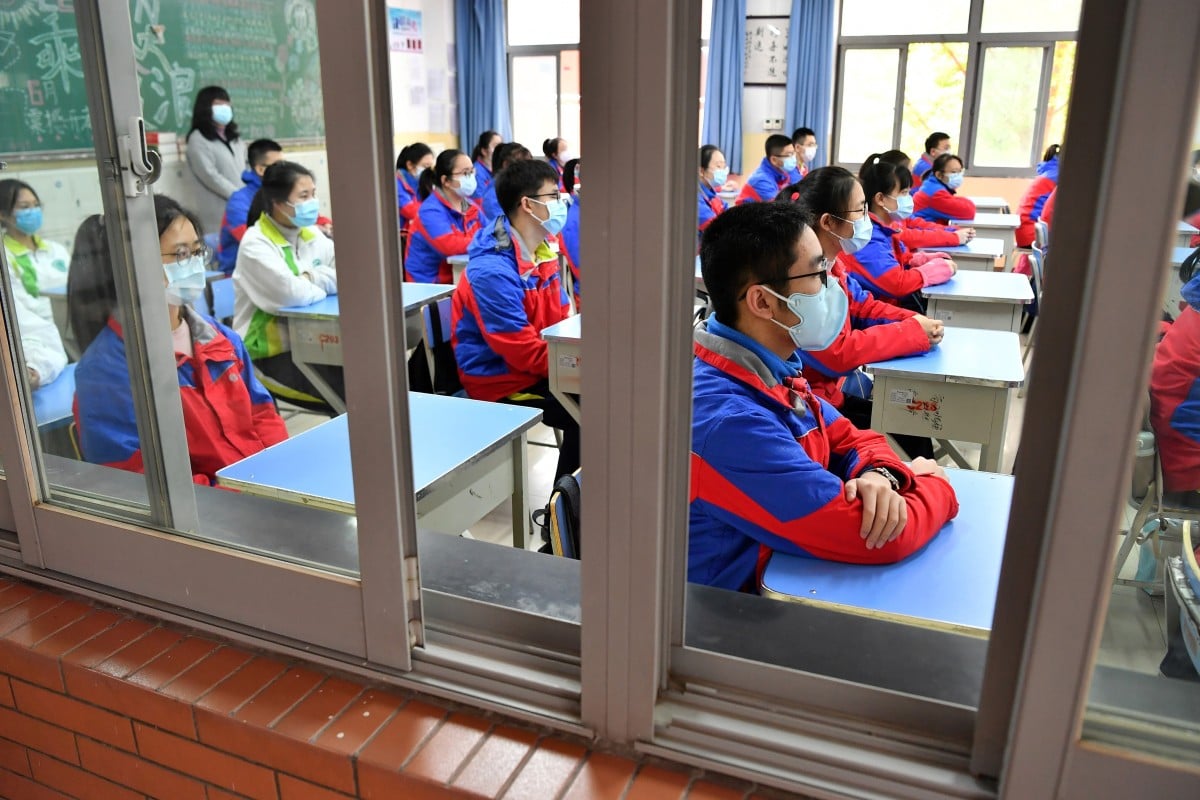
Students were back in class at the Xian Middle School in Shaanxi province on Monday after a nationwide closure because of the coronavirus outbreak. Photo: Xinhua
China’s all-important annual college entrance exams have been postponed by a month because of the coronavirus crisis – the first time they have been disrupted since the Cultural Revolution.
Universities in mainland China base enrolments solely on the results of the gruelling examinations, known as the gaokao, and they are seen as tests that can make or break a student’s future.
This year, they will be held on July 7 and 8 for most of the country – a month later than planned, the Ministry of Education announced on Tuesday.
A date has not yet been set for the capital Beijing or for Hubei, the province worst-hit by the virus. The ministry said authorities in the two places would decide later when they would hold the gaokao, based on their public health situations.
Wang Hui, a ministry official who handles the university sector, said 10.71 million students were expected to sit the exams this summer.
He said the ministry decided to postpone this year’s gaokao to put students’ “health and fairness first”.
Coronavirus: Decoding Covid-19
Wang said although the spread of the coronavirus had slowed to almost a halt in the mainland, there was still a risk of isolated cases and localised outbreaks. China’s focus now is preventing imported cases among people who arrive in the country from overseas.
“[Disease control and] prevention experts suggest that if the gaokao is postponed for a month, there will be a lower risk from … the epidemic,” Wang said.
“We must adopt the most appropriate and the least risky plan in order to protect the safety and health of the students as well as the staff involved in the tests.”
The ministry official said the delay was also about fairness, by giving students more time to study at school and prepare for the exams.
“We hope to reduce the impact of the epidemic on students, especially those from rural and poverty-stricken regions, as much as possible,” Wang said.
“Third-year high school students have had to stay home [because of the coronavirus outbreak] so their preparation for the gaokao has been affected,” he said. “The internet [access] divide between urban and rural areas means some students in rural and poorer regions have been more affected by this epidemic.”
With schools remaining closed during coronavirus outbreak, China launches national remote learning platforms
18 Feb 2020
Beijing imposed a nationwide school closure after the Lunar New Year holiday in late January as the pneumonia-like illness rapidly spread. Schools were told to postpone the new term that was due to start in mid- or late February, meaning millions of students – from primary school to university – had to turn to online learning. Several provinces began reopening schools this month and more are set to follow in early to mid-April, but authorities in Beijing and Guangdong have yet to set a date for classes to resume.
The last time the gaokao was disrupted was during the Cultural Revolution, a decade of political and social turmoil that ended in 1976. It was cancelled during this time and since it resumed in 1979 until 2002 it has been held nearly every year from July 7 to 9. From 2003, the ministry moved the gaokao forward to June 7 and 8 to avoid hot weather and potential natural disasters. The severe acute respiratory syndrome outbreak (Sars) in 2002-03 did not delay the exams.
China’s university entry exam, gaokao: elliptical, obscure and confusing
8 Jun 2018
According to an online survey conducted by microblogging website Sina Weibo on Tuesday, some 537,000 users said they were “shocked” by the ministry’s decision and were “experiencing history”.
About 282,000 people said it was a good thing for students since it gave them more time to prepare for the exams. But it was bad news for another 153,000 users, who said they would have to endure an extra month of exhausting preparation.
Throughout the world, overworked health care professionals are being infected with Covid-19, yet the Lion City has kept numbers low
Preparation, planning, patient ratios and protective equipment have all played a part. Still, even the best gear cannot guard against discrimination
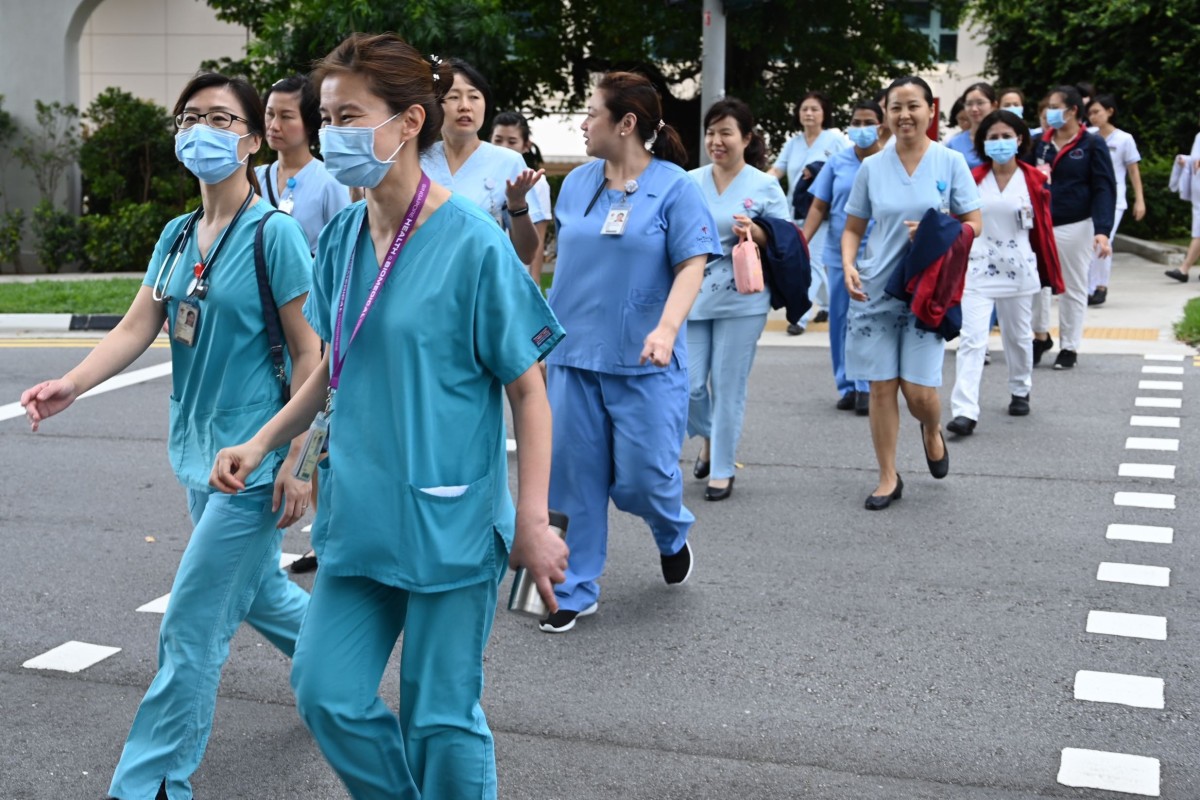
Medical staff walk to the National Centre for Infectious Diseases building at Tan Tock Seng Hospital in Singapore. Photo: AFP
Uncooperative patients, long hours and a lack of protective equipment are hampering health care workers across the world as they take the fight to the coronavirus, leading many to fall sick themselves.
In Malaysia, a pregnant woman who did not disclose that her father was infected tested positive after giving birth, leading to the shutdown of the entire hospital for cleaning. In the Philippines, nine doctors have died, two of whom had dealt with a patient who lied about her travel history.
In Spain, where more than 5,400 health care workers have been infected, accounting for about 14 per cent of the country’s patients, there are no longer enough workers to care for patients.
In Italy, which has more than 69,000 patients, the virus killed a doctor who had no choice but to work without gloves.
In the United States, which has surpassed China to become the world’s most infected nation with more than 83,000 people testing positive for Covid-19, hospitals are being overrun with patients.
Health care staff in the country say patients are packed into emergency wards and intensive care units (ICUs), further raising the risk of infections. They also report shortages of ventilators, face masks, gowns and shields.
The US Centres for Disease Control and Prevention on March 7 released interim guidelines saying health care workers exposed to the coronavirus could be asked to return to work as long as they wore face masks and were not showing symptoms, if their employers had no other manpower available.
Malaysian health workers at Kuala Lumpur International Airport. Photo: AFP
A REASON FOR OPTIMISM
However, amid all the gloom, Singapore’s experienceis being held up as a reason for optimism. The city state has reported more than 630 cases of infection, all of which are being treated in hospital, yet only a handful of its health care professionals have been infected. What’s more, even these cases, according to Vernon Lee, director of communicable diseases at the Ministry of Health, are thought to have been infected outside the health care setting.
Experts suggest this has been more than just luck, pointing to a case in which 41 health workers were exposed to the coronavirus in a Singapore hospital yet evaded infection.
The workers had all come within two metres of a middle-aged man with Covid-19 who was being intubated, a procedure which involves a tube being inserted into the patient’s trachea. The procedure is seen as being particularly hazardous for health workers as it is “aerosol generating” – patients are likely to cough.
The workers had not known at the time that the man had the virus and all were quarantined after he tested positive. However, on their release two weeks later, none of them had the virus.
Coronavirus: as Malaysia braces for third wave, doctors make their own face masks
27 Mar 2020
The case has come to widespread attention partly because the workers were wearing a mix of standard surgical masks and the N95 mask, which doctors see as the gold standard as it filters out 95 per cent of airborne particles.
The conclusion, published in The Annals of Internal Medicine this month, was this: “That none of the health care workers in this situation acquired infection suggests that surgical masks, hand hygiene, and other standard procedures protected them from being infected.”
Surgeon and writer Atul Gawande mentioned the case in an article for The New Yorker on how health care workers could continue seeing patients without becoming patients. He said there were things to learn from Asia and that some of the lessons came out of the “standard public health playbook”. In other words, there is much to be said for social distancing, basic hand hygiene and cleaning regimens.
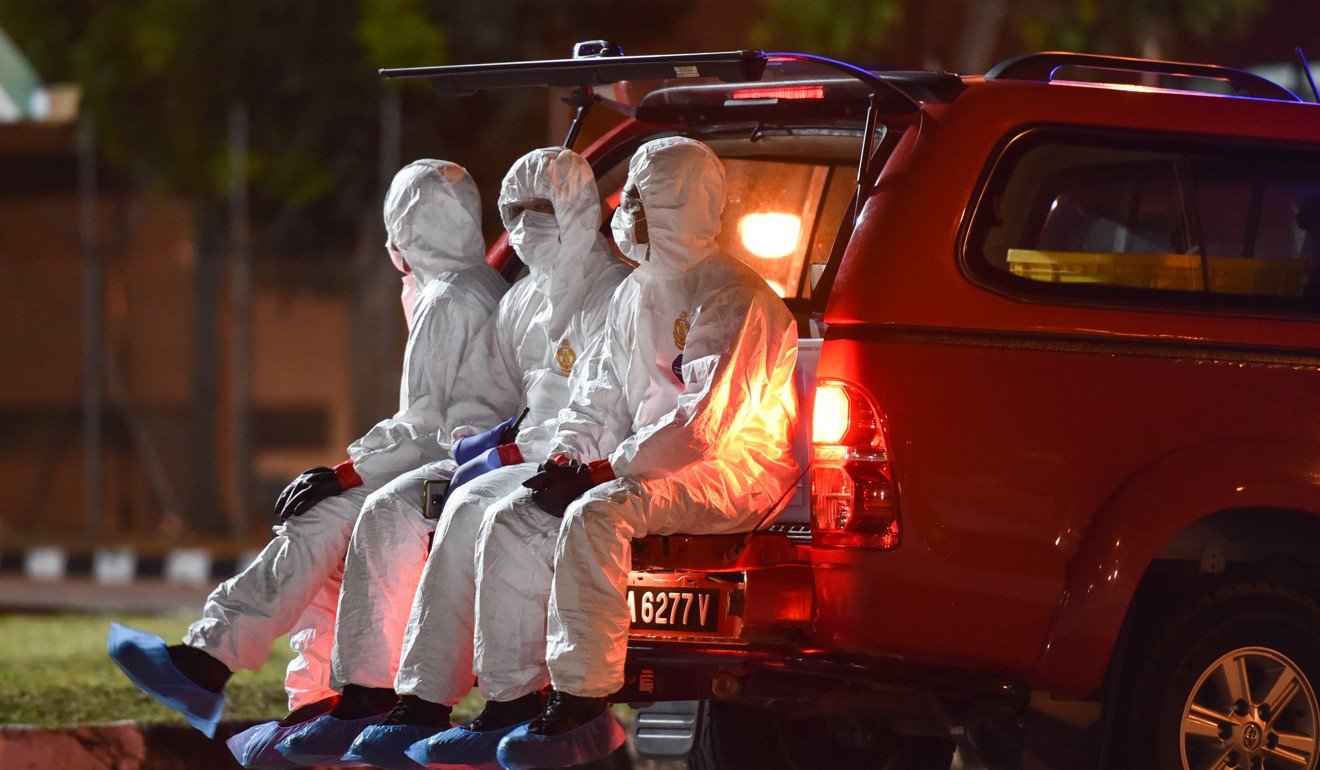
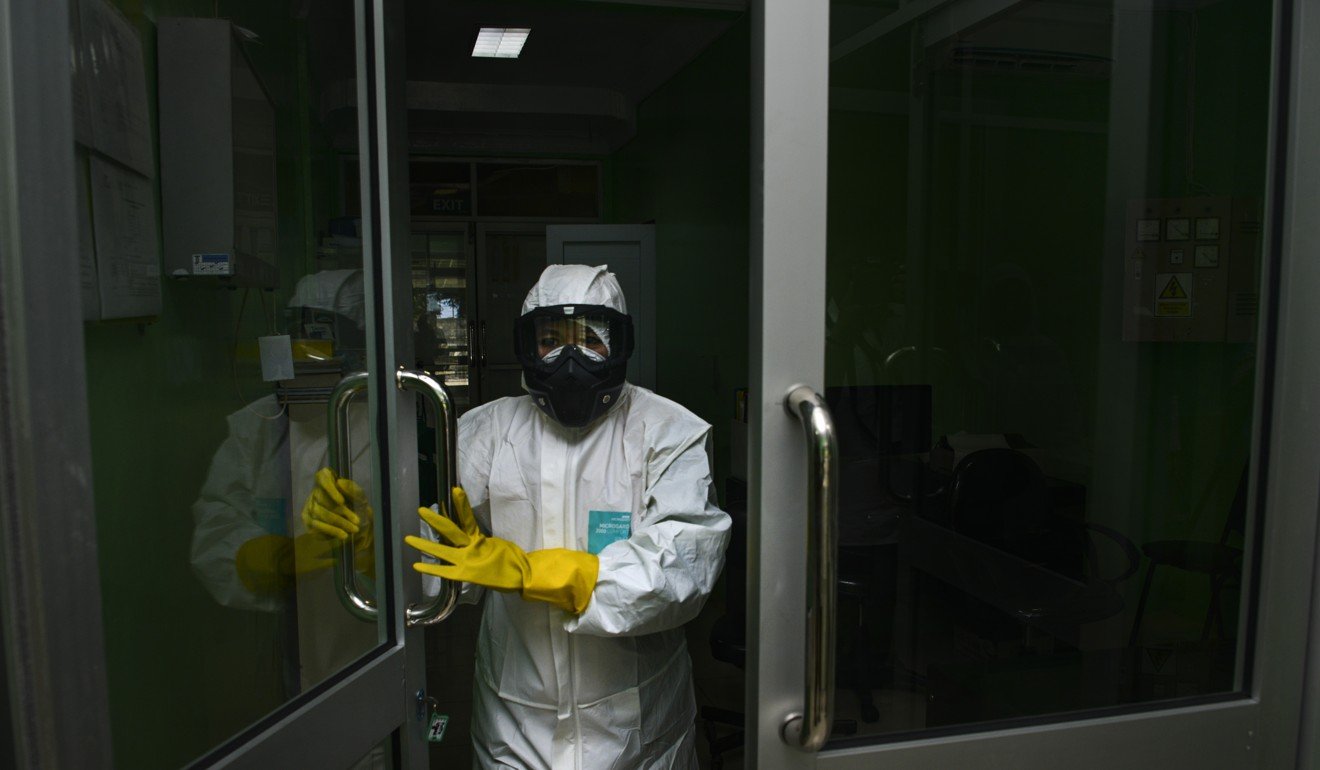
A health worker in protective gear walks into a quarantine room at a hospital in Banda Aceh, Indonesia. Photo: AFP
COMING TOGETHER
With critical supplies running short in many countries, experts say it is increasingly vital that countries share both knowledge and resources.
To this end, China has been donating personal protective equipment to places including the Philippines, Pakistan and Europe. China’s richest man Jack Ma is donating 1.8 million masks, 210,000 Covid-19 test kits and 36,000 pieces of protective clothing to 10 countries in Asia.
At the same time, doctors are encouraging the Western world to learn from Asia.
Infectious diseases expert Leong Hoe Nam said that being “bitten by Sars” (severe acute respiratory syndrome) in 2003 had prepared Asia for Covid-19, while Western countries were not similarly prepared and hence lacked sufficient protective equipment.
He pointed to how about 2,000 health care workers had fallen sick in China early in the outbreak because workers did not initially have protective gear. The trend reversed as equipment became available.
“Once the defences were up, there were very few health care workers who fell sick at work. Rather, they fell sick from contact with sick individuals outside the workplace,” he said.
Malaysia is a case in point. While it has reported 80 health care workers falling ill, most are thought to be community infections.
Coronavirus: Doctor explains the proper way to wash your hands and put on a face mask
In a webinar organised by Caixin Global on Thursday night, Peng Zhiyong, an intensive care specialist at Zhongnan Hospital of Wuhan University, shared how they managed a shortage of personal protective equipment early on in the outbreak by rationing workers to two sets of gear per shift.
Meanwhile, in the Philippines, doctors from Manila’s Chinese General Hospital held a video conference call with doctors in Zhejiang to learn from China’s experience of treating Covid-19 patients.
Crowdsourcing platforms have also been created to share advice. The Brigham and Women’s Hospital in Boston has released guidelines for treating critically ill patients and its website includes information from Chinese doctors.
Why Singapore’s coronavirus response worked – and what we can all learn
27 Mar 2020
The Jack Ma Foundation has also launched an online platform for doctors and nurses around the world to share knowledge on fighting the virus. “One world, one fight,” it said in a tweet.
Associate Professor Jeremy Lim from the global health programme at the Saw Swee Hock School of Public Health said it was crucial for countries to work together.
“Viruses don’t respect borders. Countries have to share information and help each other as we are only as strong as the weakest link. Any country can become a reservoir of disease and the world may then be forced to endure a ping-pong of outbreaks over and over again.”
And the advice of Lee, at Singapore’s Ministry of Health? “Practise good hygiene and wash hands regularly.”
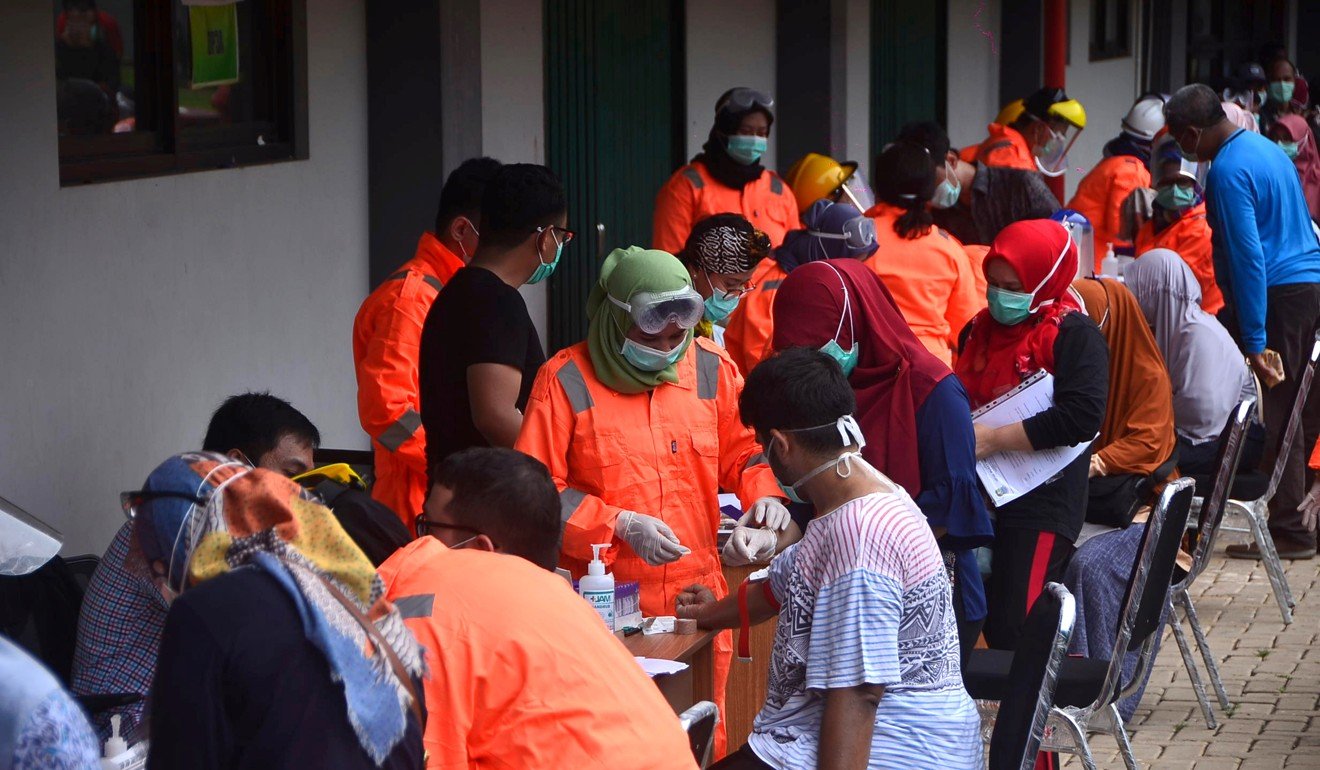
Indonesian medical staff administer mass testing for Covid-19 in Bekasi, West Java. Photo: AFP
SINGAPORE, A CASE STUDY
Amid this sharing of advice, it is often Singapore that is held up as an example to replicate. Despite the country grappling with a rising load of Covid-19 patients, most of whom have recently returned to the city state from abroad, its health care system has continued to run smoothly. Doctors say this is because it has been preparing for a pandemic ever since Sars caught it by surprise. During the Sars outbreak, health care workers accounted for 41 per cent of Singapore’s 238 infections.
Consequently its hospitals swung into contingency planning mode early on in the coronavirus outbreak, telling staff to defer leave and travel plans after its first cases emerged.
Meanwhile, its hospitals swiftly split their workforces into teams to ensure there were enough workers if the outbreak worsened, and to ensure workers got enough rest.
Singapore has 13,766 doctors, or 2.4 doctors for every 1,000 people. That compares to 2.59 in the US, 1.78 in China and 4.2 in Germany. Places like Myanmar and Thailand have fewer than one doctor for every 1,000 people.
Coronavirus: Covid-19 could live on in Indonesia long after world recovers
22 Mar 2020
“The objective is that you can run essential services with the greatest amount of security. Make sure functional units have redundancy built in, and are separate from each other. It depends on what you feel is sufficient to carry on services if one team is affected, factoring in rest periods and some system of rotation,” said Chia Shi-Lu, an orthopaedic surgeon.
The key is to ensure a good doctor-to-patient ratio and ensure there are enough specialists for the critical work, such as doctors and nurses who can provide intensive care, and know how to operate mechanical ventilators or machines to pump and oxygenate a patient’s blood outside the body.
At the emergency department where paediatrics emergency specialist Jade Kua treats Covid-19 cases in addition to regular emergencies, doctors are split into four teams of 21. Each team takes alternate 12-hour shifts and does not interact with other teams.
“We are in modular teams so the teams move together. So you and I would both do morning, off, night, off, morning off. Together. And then the other teams would do the same and we don’t intermingle,” said Kua.
US now has world’s most coronavirus cases, surpassing China
Chia, who works at the Singapore General Hospital, said doctors had been split up according to their functions.
“We try not to meet at all with the other teams as much as possible. We’ll just say hi from across the corridor. Meals are the same. All our cafeterias and everything have got social distancing spaced in already,” said Chia, who is also a member of parliament and chairs a shadow committee on health.
Chia said the health care system could also tap on doctors in the private sector.
Not every country has a plan like this. Last year’s Global Health Security Index by the Economist Intelligence Unit found that 70 per cent of 195 countries scored poorly when it came to having a national plan for dealing with epidemics or pandemics. Almost three in 10 had failed to identify which areas were insufficiently staffed. In India, with a population of 1.3 billion, only about 20,000 doctors are trained in key areas such as critical care, emergency medicine and pulmonology.
Singapore, Hong Kong, Taiwan: the real coronavirus world leaders
19 Mar 2020
In contrast, Singapore published its first Influenza Pandemic Preparedness and Response Plan in June 2005 and has since honed it to a tee. Hospitals regularly war-game scenarios such as pandemics or terrorist attacks and the simulations are sometimes observed by the Ministry of Health, which grades the performance and recommends areas for improvement.
The plan also covers the need to stockpile equipment to avoid the sort of shortages many countries are now facing, another lesson inspired by Sars when masks, gloves and gowns were in short supply.
In a pandemic preparation paper published in 2008, Singapore public health specialist Jeffery Cutter wrote that Singapore’s stockpile was sufficient to cover at least 5 to 6 months’ use by all front-line health care workers.
During the Covid-19 outbreak, it has also told citizens to not wear masks so it can conserve supply for medical staff.
Having enough protective gear has reassured Singapore’s health care workers such as Kua, a mother of six who blogged about her experience fighting Covid-19. Kua said: “I’m safe and my family is safe.”
India’s poor hit hard by 21-day nationwide lockdown amid the coronavirus pandemic
SOMETHING YOU CAN’T GUARD AGAINST
Despite the many positives to emerge from the Lion City, its health care workers are struggling with another problem: discrimination.
While in France, Italy and Britain, residents cheer health care workers from their windows, in Singapore health care workers are seen by some people as disease carriers.
“I try not to wear my uniform home because you never know what kind of incidents you may encounter,” said one Singapore nurse. “The public is scared and wearing our uniforms actually causes quite a bit of inconvenience. One of my staff tried to book a private-hire car to the hospital for an emergency and she was rejected by five drivers.”
There is a similar stigma in India, where the All India Institute of Medical Sciences has appealed to the government for help after health workers were forced out of their homes by panicked landlords and housing societies.
“Many doctors are stranded on the roads with all their luggage, nowhere to go, across the country,” the institute said in a letter.
Lim, from the Saw Swee Hock School of Public Health, said the worst human impulses and “every man for himself” attitudes could emerge in crises and “that is exactly why governments have to step in”.
Discrimination could affect both the performance and motivation of health care workers, Lim warned.
Meanwhile, when health care workers are infected, it creates a “triple whammy” threat.
“It means one fewer professional in an already-strained system, another patient to care for and, potentially, a team of colleagues who need to be quarantined,” said Lim.
“We must do everything possible to keep our health care workforce safe and free from Covid-19.” ■
Mainland China’s coronavirus outbreak exposed a huge digital divide, with some students from poorer regions lacking resources for online learning
Access to the internet is not considered a daily necessity at China’s policy level, unlike in European countries such as Norway and Iceland
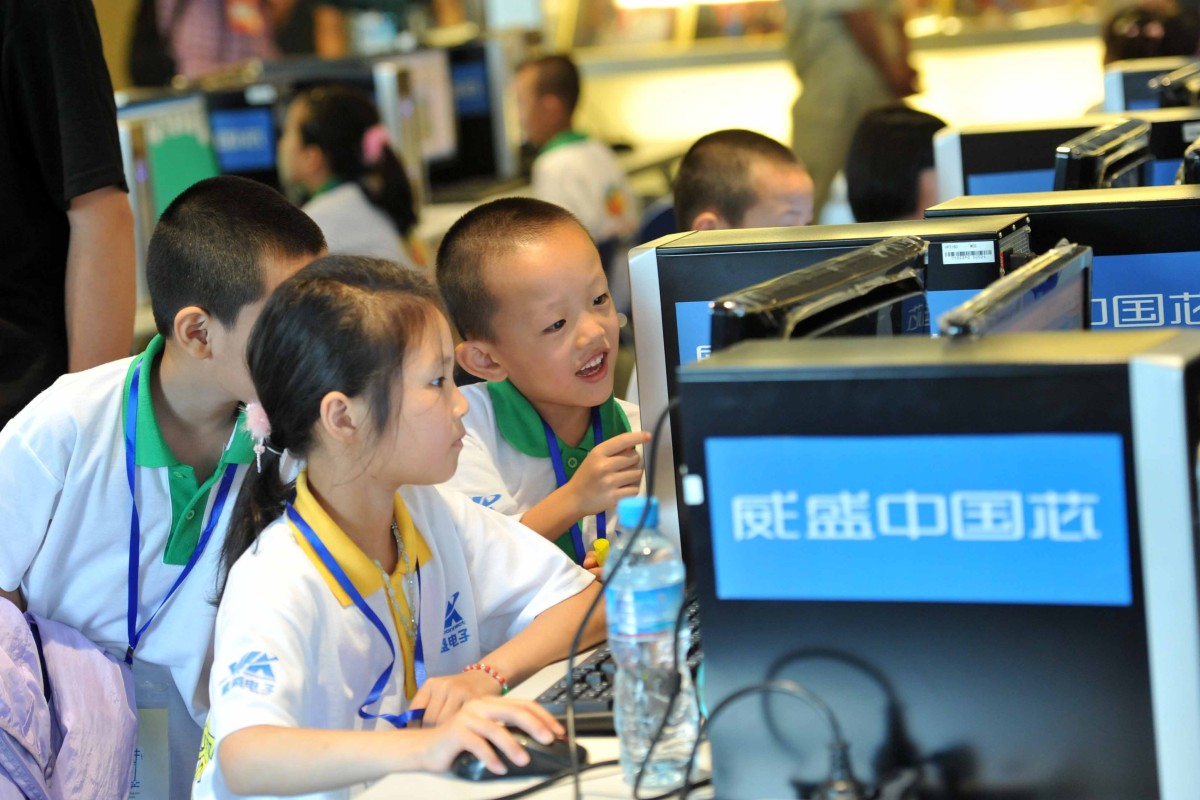
Chinese children attend a computer class in Beijing to learn how to properly use the internet. Those in poorer parts of the country lack sufficient access to the internet, as the switch to online teaching during the coronavirus outbreak in China showed. Photo: AFP
The coronavirus outbreak in mainland China highlighted the huge digital divide that exists between richer and poorer regions.
When schools shut and online learning was made compulsory, many students living in remote areas found they didn’t have sufficient internet access.
There were 1.6 billion mobile phone subscribers in China in 2019, with many people having more than one subscription, and optical fibre and 4G covered 98 per cent of the population, according to official data.
These figures fail to show the large regional disparity between the country’s rich and poor provinces, says Jack Chan Wing-kit, associate professor of the school of government at Sun Yat-sen University in Guangzhou province.
“In poor areas, a family [often] has to share one mobile phone among all members,” says Chan, who has done extensive research on China’s social problems.
It is easier for service providers to offer blanket coverage in densely populated cities where most people live in high-rise buildings, Chan explains.
“In rural areas, people live in bungalows that are widely spread out. It is not economically efficient for phone service providers like China Mobile to install transmission stations there, which explain their spotty coverage,” he says.
While the universal social security net in China covers people including the old and disabled, access to the internet is not considered a daily necessity at the policy level. That’s unlike European countries such as Norway and Iceland, who see the internet as a basic human right and ensure their entire populations have proper access to it.
Though some wealthier coastal cities within the Pearl River Delta recently conducted local surveys to identify less-well-off households and handed out tablet computers, inland provinces in central and western China cannot afford these measures, Chan says.
The Chinese government does not encourage [the setting up of] charities – Erwin Huang, founder of WebOrganic and EdFuture
Philanthropic efforts could help address this problem, as shown by Hong Kong’s experience in tackling the digital divide.
About 900,000 kindergarten, primary and secondary students in the city have been affected by school suspensions that are likely to last until at least April 20.
While families of disadvantaged students have received support from the government through Comprehensive Social Security Assistance and other welfare schemes, many children still lack digital resources as their parents don’t see it as a priority, says Erwin Huang, founder of both WebOrganic, a charity promoting computer access to such youngsters, and education alliance EdFuture.
That has left it up to charities to make sure all students have enough resources at home for online learning, Huang says. For instance, this month EdFuture worked with local mobile service provider SmarTone to give out free phone data SIM cards lasting two months to 10,000 students.
“It’s for those who live in subdivided flats and those who have to go to McDonald’s for Wi-fi access,” says Huang, who is also associate professor of engineering at the Hong Kong University of Science and Technology.
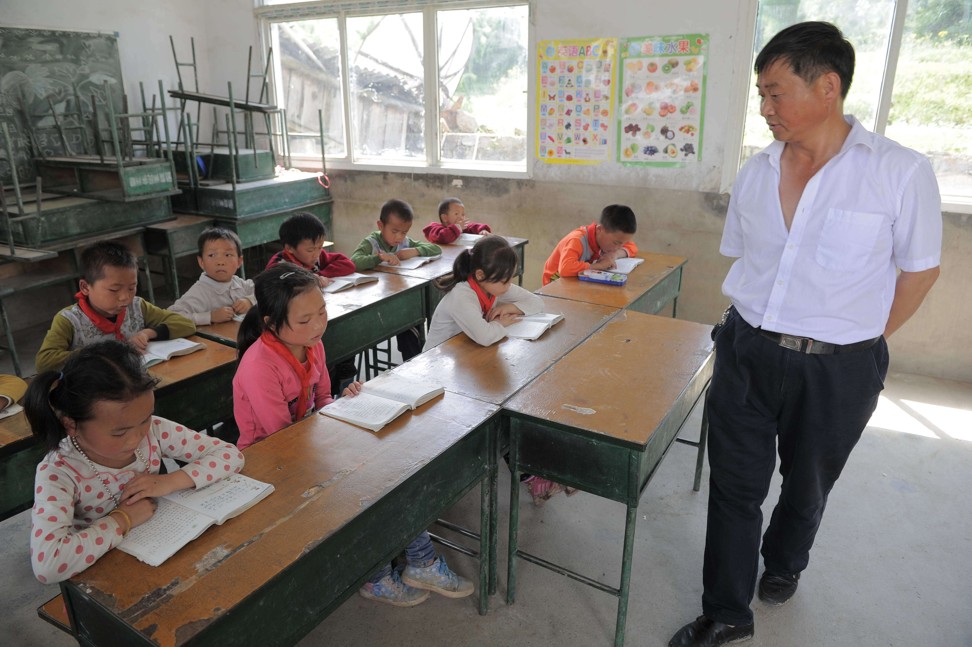
Many students in China’s poorer regions have been left at a disadvantage by the shift to online learning. Photo: Getty Images
The Hong Kong Jockey Club also recently launched a HK$42 million (US$5.4 million) scheme to provide free mobile internet data to 100,000 underprivileged primary- and secondary-school students to help with online learning while schools are closed.
Huang says while such charities help fill gaps in the provision of digital resources in Hong Kong, a similar philanthropic culture is lacking in China.
“The Chinese government does not encourage [the setting up of] charities,” he says.
Huang initiated several digital resources projects in China after the Sichuan earthquake in 2008, but says frequent media reports of scandals involving charities such as China’s Red Cross have made it harder forNGOs to operate in the country, with the government preferring to provide social services through its own departments.
BEIJING/SHANGHAI (Reuters) – Chinese President Xi Jinping told U.S. President Donald Trump during a phone call on Friday that he would have China’s support in fighting the coronavirus, as the United States faces the prospect of becoming the next global epicentre of the pandemic.
The United States now has the most coronavirus cases of any country, with 84,946 infections and 1,259 deaths. Hospitals in cities like New York and New Orleans struggle to cope with the wave of patients.
Xi’s offer of assistance came amid a long-running war of words between Beijing and Washington over various issues including the coronavirus epidemic.
Trump and some U.S. officials have accused China of a lack of transparency on the virus, and Trump has at times called the coronavirus a “China virus” as it originated there, angering Beijing.
RELATED COVERAGE
Foreigners face suspicion in China as coronavirus worsens overseas
In the call, Xi reiterated to Trump that China had been open and transparent about the epidemic, according to an account of the conversation published by the Chinese foreign ministry.
Trump said on Twitter that he discussed the coronavirus outbreak “in great detail” with Xi.
“China has been through much & has developed a strong understanding of the virus,” Trump said. “We are working closely together. Much respect!”.
The World Health Organization has said the United States, which saw 17,099 new coronavirus cases and 281 deaths in the past 24 hours, is expected to become the epicentre of the pandemic.
CHINA CUTS FLIGHTS
Like U.S. hospitals now, China’s medical system struggled to contain the coronavirus just two months ago, but draconian city lockdowns and severe travel restrictions has seen China dramatically ease the epidemic.
Mainland China on Friday reported its first local coronavirus case in three days and 54 new imported cases, as Beijing ordered airlines to sharply cut international flights, for fear travellers could reignite the coronavirus outbreak.
The 55 new cases detected on Thursday were down from 67 a day earlier, the National Health Commission said on Friday, taking the tally of infections to 81,340. China’s death toll stood at 3,292 as of Thursday, up by five from a day earlier.
The central province of Hubei, with a population of about 60 million, reported no new cases on Thursday, a day after lifting a lockdown and reopening its borders as the epidemic eased there.
The commercial capital of Shanghai reported the most new imported cases with 17, followed by 12 in the southern province of Guangdong and four each in the capital Beijing and the nearby city of Tianjin.
Shanghai now has 125 patients who arrived from overseas, including 46 from Britain and 27 from the United States.
In effect from Sunday, China has ordered its airlines to fly only one route to any country, on just one flight each week. Foreign airlines must comply with similar curbs on flights to China, although many had already halted services.
About 90% of current international flights into China will be suspended, cutting arrivals to 5,000 passengers a day, from 25,000, the civil aviation regulator said late on Thursday.
From Saturday, China will temporarily suspend entry for foreigners with valid visas and residence permits, in an interim measure, the foreign ministry added.
Before the new curbs, foreign nationals made up about a tenth of the roughly 20,000 travellers arriving on international flights every day, an official of China’s National Immigration Administration said last week.
As commercial flights dwindle, Chinese students from wealthy families are paying tens of thousands of dollars to fly home on private jets.
International demand for chartered and private flights into China increased 227% in March from a year earlier, said Shanghai-based private jet service provider iFlyPlus.
Notably, requests for flights from the United States to China rose 10-fold in late March, iFlyPlus told Reuters.
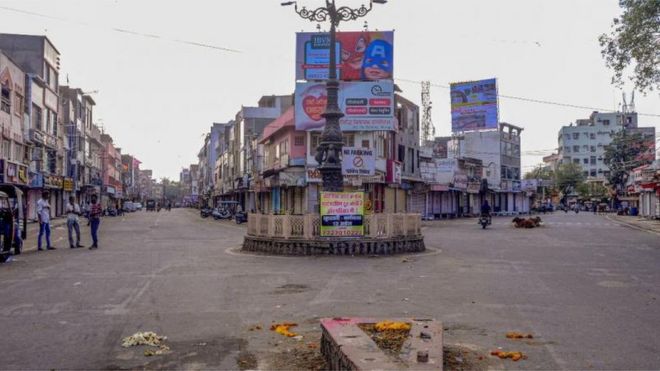
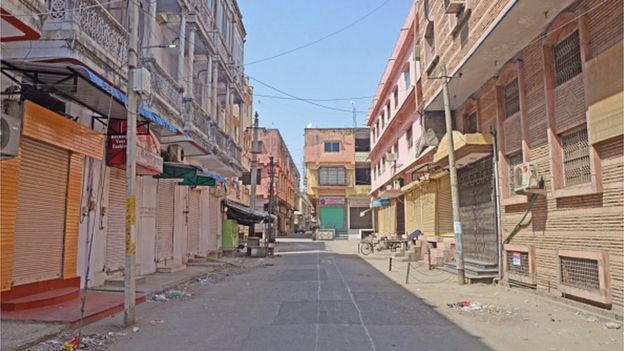
Image copyright PTIImage caption This city of five million people has been under a lockdown since last week
At 05:00 local time (23:30 GMT) of 8 March, the intensive care unit of a private hospital in the northern Indian state of Rajasthan received a 68-year-old man suffering from pneumonia. He was also having problems breathing.
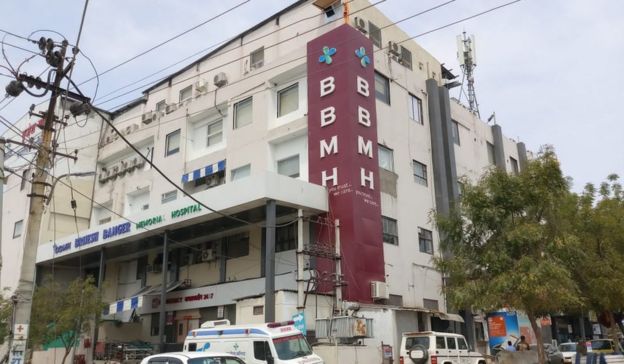
At the Brijesh Bangar Memorial Hospital in Bhilwara, the new patient was examined by 58-year-old Alok Mittal, a doctor of internal medicine, and his team. The patient wasn’t asked about any travel history; nor did he disclose anything. There were six other patients in the ICU.
The man’s condition did not improve much, and two days later, he was sent to a private hospital in Jaipur, some 250km (155 miles) away, for specialised treatment. In Jaipur, he was treated in two hospitals. “We had no idea what was in store,” Shantilal Acharya, an intensive care nurse who received the patient in the Bhilwara hospital, told me.
For reasons that are still unclear, even the hospitals in Jaipur didn’t test a patient with severe pneumonia for coronavirus. His condition deteriorated swiftly and he died a few days later, on 13 March. The news of his death was conveyed to Dr Mittal and his team.
Image copyright SHAUKAT AHMEDImage caption The infection possibly spread from a private hospital in Bhilwara
Strangely enough, the doctors didn’t appear to comprehend the gravity of the situation even though it was clear that India was facing an imminent outbreak of Covid-19. The country has reported more than 460 confirmed cases and nine deaths so far, and testing remains low. On 9 March, according to reports, Dr Mittal and a few others travelled to the city of Udaipur, put up in a resort and played Holi, the Indian spring festival of colours. (Repeated attempts at getting through to Dr Mittal by phone and text yielded no results.)
Days after the death of the pneumonia patient, Dr Mittal and a colleague checked themselves into an isolation ward of a government hospital. Over the next few days, a few more colleagues from the hospital joined them in isolation. Twelve of them, including Dr Mittal, tested positive for Covid-19.
Next day, as news of the infections leaked, all hell broke loose. The private hospital was popular with its residents, and many regularly visited its thriving out-patient department for treatment. As people panicked and began blaming the doctors for spreading the infection, authorities moved swiftly.
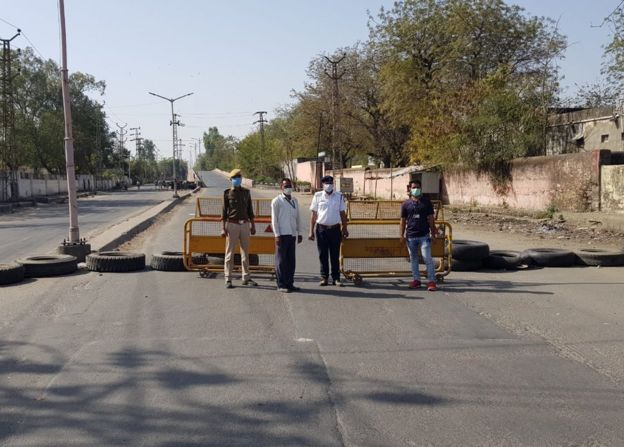
Image copyright SHAUKAT AHMEDImage caption People have been stopped from entering or leaving Bhilwara
They imposed a “civil curfew”, prohibiting people from coming out of their homes and banning public gatherings. They shut schools, colleges, offices, and stopped people from leaving or entering the district. The private hospital was sealed and its 88 patients moved to other healthcare facilities in the area. “Officials were telling us the threat was serious and there was a chance of an outbreak,” local journalist Pramod Tiwari told me.
So Bhilwara, fearing a serious outbreak, did everything that India did a few days later. So could this city of 400,000 people and a major textile making hub, turn out to be India’s first coronavirus “hotspot”?
Of the 69 people tested in the city until Sunday evening, 13 people – including doctors and paramedics – aged between 24 and 58, have tested positive. They include three doctors and nine health workers. Thirty-one people – mostly hospital workers – are in isolation. “Most of them are doing fine,” Dr Arun Gaur, the chief medical officer of the district, told me.
But things could get really bad.
Between 20 February and before going into isolation last week, Dr Mittal and his team of doctors at the hospital saw 6,192 patients who came from 13 districts of Rajasthan and 39 patients belonging to four other states. Drawing from the experience in China and Italy, doctors now know that hospitals might turn out to be the “main source” of Covid-19 transmission. Also, both MERS and SARS had high transmission rates within hospitals. The potential for community transmission of the infection across a large geographical area from the Bhilwara hospital is real, officials fear.
Image copyright SHAUKAT AHMEDImage caption The city’s borders have been sealed
So did the virus reach this city through the patient who was treated at three hospitals and went untested before he died? Or did one of the more than 80 patients admitted in the hospital transmit it? Or was it spread by another patient in the intensive care? Or had one of the doctors picked up the infection separately and spread it unknowingly?
Nobody will know until all the contact tracing and testing is complete, and that’s the scary part.
The lack of early credible information on the transmission meant that rumours had a field day. Local media reported that one of the infected doctors had received guests from Saudi Arabia at home and had contracted the infection. He had then gone to the hospital and spread the infection to co-workers, the reports added.
Dr Niyaz Khan had to record a mobile phone video from his intensive care bed to squelch the rumour. With monitors beeping around him, Dr Khan, masked and breathless, implored: “Just to set the record straight, I have no relative in Saudi Arabia. I have a son and a wife. None of them is positive. Please don’t believe what is coming in the media.” Another doctor said it was unfair to blame the hospital: “The patient fooled us and told us he didn’t travel outside the country for the two days he was in the ICU with us.” And Dr Mittal himself – his wife has also tested positive – recorded videos in isolation saying that he had tested positive, and he was doing well. “Please do not panic,” the well-known doctor said.
Image copyright GETTY IMAGESImage caption Residents in the city have begun panicking
That is easier said than done.
Realising the gravity of the situation, 300 teams of government workers and volunteers have fanned out in Bhilwara city. They are knocking on the doors of some 78,000 houses, and asking residents whether they’ve had a guest from outside the country, been treated in the hospital or know anyone who has tested positive. The survey began on 18 March and will finish on 25 March. “They are asking if we have cold, cough and fever and telling us if we have any of the symptoms we should report for tests at the government hospital,” a resident told me.
Another 1,900 similar teams have travelled out into neighbouring villages where more than 2.5 million people live. People in homes with suspect cases are being put into quarantine. Seven thousand people have been put into home quarantine so far.
Fearing a surge in infections, 20 more beds are being added to the hospital’s 30-bed isolation ward, which is already full. Six private hospitals have promised to provide an additional 35 beds for isolation. Thirteen places with 450 beds – extendable to 2,000 beds – where people can be quarantined have also been identified, Rajendra Bhatt, the senior-most official of the district told me. “It’s like fighting a war, but we have been agile and alert,” he said.
Meanwhile the residents, like elsewhere in India, are enduring an extended lockdown and curfew. Rajkumar Jain, a professor of computer science, is locked down with 14 members of his joint family in a two-storey home. “We are in complete panic,” he told me. “People are saying here that Bhilwara is going to become India’s Italy.”
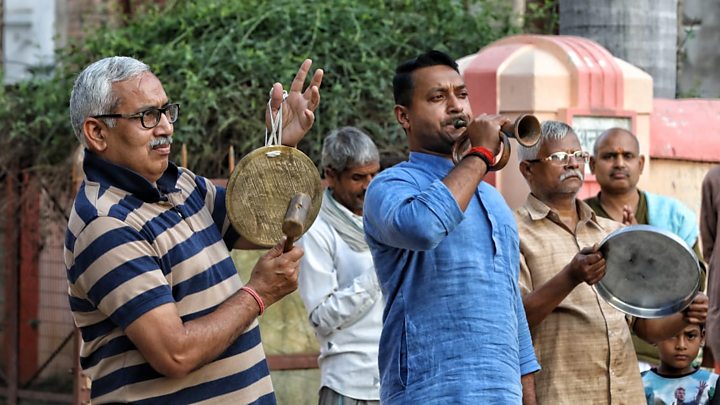
Media captionWATCH: Millions of Indians bang pots and pans in support of health workers
WUHAN, March 20 (Xinhua) — The central Chinese city of Wuhan, hit hard by the coronavirus outbreak, will reopen commercial outlets to residents in an orderly manner, local authorities said late Friday.
Commercial outlets in residential communities and villages without existing confirmed or suspected COVID-19 cases can resume business, according to the Wuhan municipal bureau of commerce.
Those outlets mainly include supermarkets, convenience stores, fresh food shops, fruit and vegetable shops and others that supply daily necessities.
Each household can send one person a day to go shopping with a one-time pass certificate or an electronic health code. Each shopping trip will be limited to within two hours.









 CHINDIA ALERT: You'll be living in their world, very soon