Chindia Alert: You’ll be Living in their World Very Soon
aims to alert you to the threats and opportunities that China and India present. China and India require serious attention; case of ‘hidden dragon and crouching tiger’.
Without this attention, governments, businesses and, indeed, individuals may find themselves at a great disadvantage sooner rather than later.
The POSTs (front webpages) are mainly 'cuttings' from reliable sources, updated continuously.
The PAGEs (see Tabs, above) attempt to make the information more meaningful by putting some structure to the information we have researched and assembled since 2006.
Image copyright EPAImage caption Lee Man-hee is the founder of the Shincheonji Church
The head of the religious sect that has been at the centre of the coronavirus outbreak in South Korea has apologised to the nation for the disease’s spread.
Lee Man-hee, the leader of the Shincheonji Church of Jesus, got on his knees and bowed at a news conference.
About 60% of the country’s more than 4,000 confirmed cases are sect members.
On Monday, South Korea – the biggest hotspot outside China – reported 476 new cases, bringing the total number to 4,212. It has recorded 26 deaths.
Prosecutors have been asked to investigate Mr Lee on possible charges of gross negligence.
“Although it was not intentional, many people have been infected,” said the 88-year-old leader. “We put our utmost efforts, but were unable to prevent it all.”
Media caption Empty shelves as coronavirus ‘panic-buying’ hits Australia
Of the confirmed cases, 3,081 are from the southern city of Daegu and 73% of these cases have been linked to the Shincheonji Church near there.
In the capital Seoul, the mayor urged the city’s 10 million residents to work from home and to avoid crowded places.
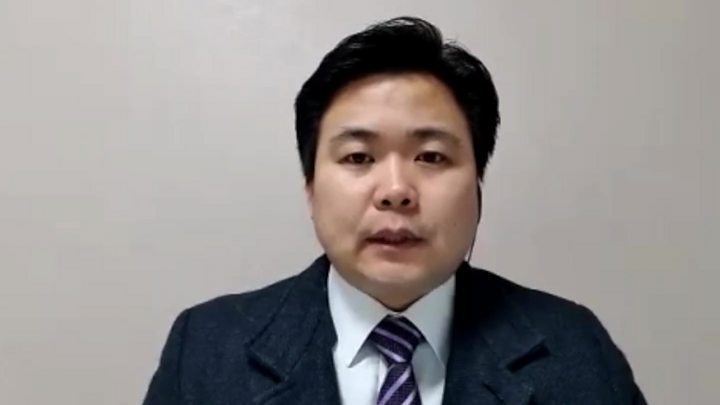
But church spokesman Kim Shin-chang told the BBC they had provided a list of members, students, and buildings to authorities.
“We were worried about releasing this information because of the safety of our members,” Mr Kim said.
Media caption ‘We’re often persecuted’: Spokesman for virus-hit S Korean church defends secrecy
Mr Lee claims he is the second coming of Jesus Christ and identifies as “the promised pastor” mentioned in the Bible who will take 144,000 people to heaven with him.
The Shincheonji Church is labelled as a cult within South Korea and also in the Christian community, which results in the group often being discriminated against, persecuted or criticised, Mr Kim told the BBC.
What’s the global situation?
The number of people killed worldwide by the coronavirus has exceeded 3,000, as China reported 42 more deaths. More than 90% of the total deaths are in Hubei, the Chinese province where the virus emerged late last year.
But there have also been deaths in 10 other countries, including more than 50 in Iran and more than 30 in Italy.
Worldwide, there have been almost 90,000 confirmed cases, with the numbers outside China now growing faster than inside China.
In other developments:
In the UK, where there are 36 confirmed cases, Prime Minister Boris Johnson has called a meeting of the emergency Cobra committee on Monday
Indonesia – one of the world’s most populous countries – has announced its first confirmed cases of coronavirus, a 64-year-old woman and her 31-year-old daughter, currently being treated at a Jakarta hospital
Iceland and Andorra also reported their first confirmed cases on Monday
Share prices in Asia and in Europe rose after central banks pledged to intervene to help protect markets from the impact of the coronavirus. Concerns about the outbreak last week wiped more than $5tn (£3.9tn) from global stocks
US sportswear giant Nike has closed its European headquarters in Hilversum city in the Netherlands after an employee tested positive for the virus
In the European hotspot of Italy, the number of infections doubled in 48 hours, the head of the country’s civil protection body said on Sunday.
There have been at least 34 deaths and 1,694 confirmed cases. Amazon said two of its employees in Italy have the virus and are under quarantine.
Countries including Qatar, Ecuador, Luxembourg and Ireland all confirmed their first cases over the weekend. On Monday, Ecuador reported five new cases of the disease, bringing the total number of infected patients in the country to six.
The US state of New York has also confirmed its first case. The patient is a woman in her 30s who contracted the virus during a recent trip to Iran. Two people have died in the US, both in the state of Washington.
A spokesman from China’s National Health Commission said the next stop would be to “focus on the risks brought by the resumption of work”.
China’s economy has taken a hit – with factory activity falling at a record rate.
On Monday, a man was sentenced to death by a Chinese court for fatally stabbing two officials at a virus checkpoint, news agency AFP reported.
Ma Jianguo, 23, refused to co-operate with officials – though it is not clear what he was told to do – and stabbed two checkpoint officials.
What has the WHO said?
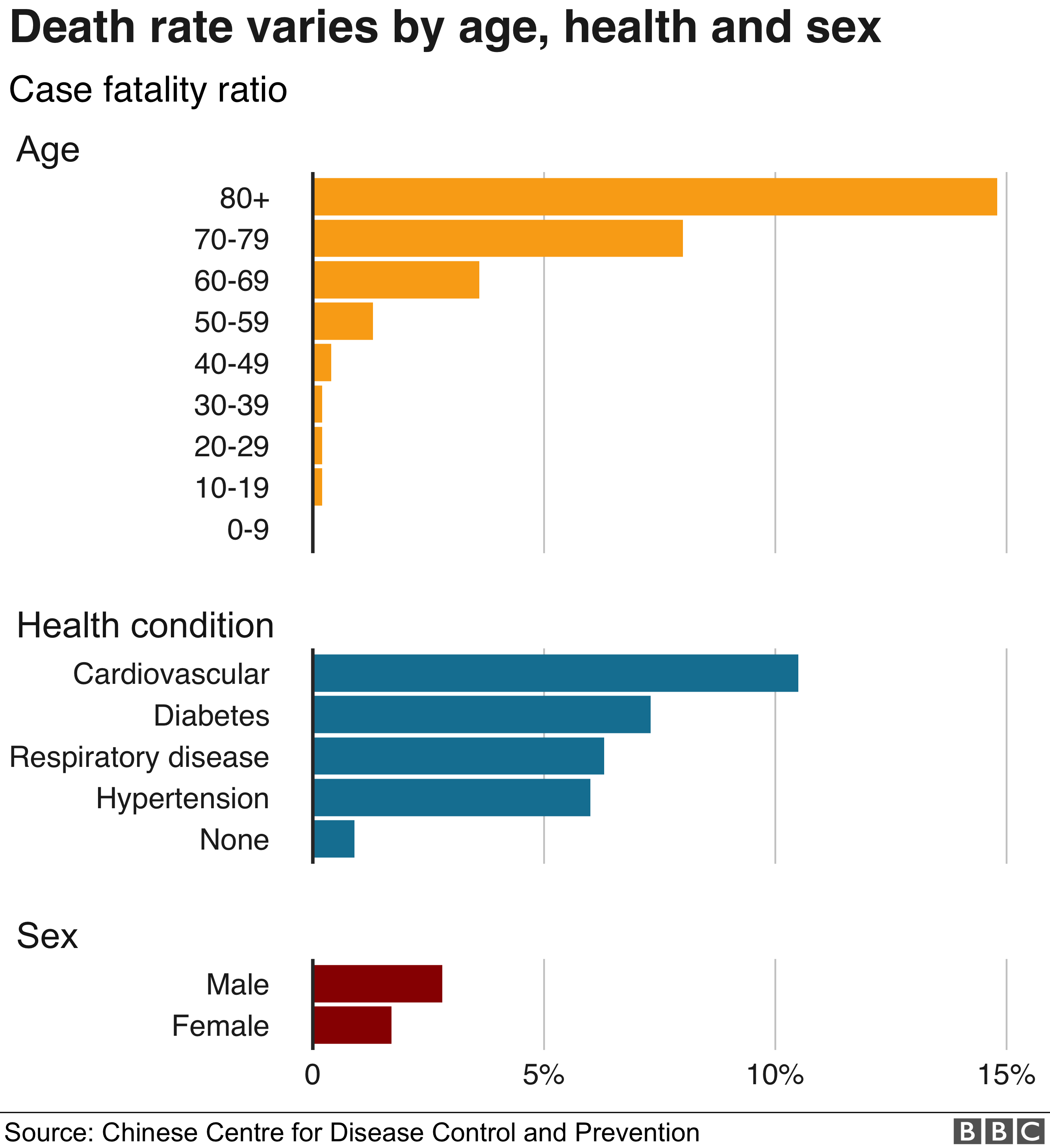
On Sunday, the World Health Organization (WHO) said the virus appears to particularly affect those over 60, and people already ill.
It urged countries to stock up on ventilators, saying “oxygen therapy is a major treatment intervention for patients with severe Covid-19”.
In the first large analysis of more than 44,000 cases from China, the death rate was 10 times higher in the very elderly compared to the middle-aged.
But most patients have only mild symptoms and the death rate appears to be between 2% and 5%, the WHO said.
By comparison, the seasonal flu has an average mortality rate of about 0.1%, but is highly infectious – with up to 400,000 people dying from it each year.
Other strains of coronavirus, such as Severe Acute Respiratory Syndrome (Sars) and Middle East Respiratory Syndrome (Mers), have much higher death rates than Covid-19.
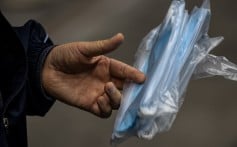
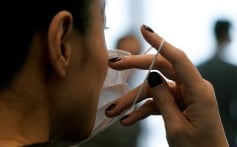
Materials can bought cheaply online and combined to filter out germs, while people exchange tips in online chat groups
Urgent demand has forced individuals and hospitals alike to get to work to meet the shortfall
A worker in northern China makes a face mask as companies strive to match demand – but some people are buying similar materials to assemble at home. Photo: Xinhua
Living in the scenic Puer city in southwestern China’s Yunnan province, 30-year-old Zhang Jianing had thought the coronavirus outbreak in Hubei was far away and irrelevant, until cases were confirmed in her province and then her city at the end of January.
Heeding the warnings to protect herself, Zhang rushed out to buy masks, only to find them all snapped up. When she plucked up the courage to go out to buy groceries, she realised she needed to have a mask on to be allowed to enter shops.
After doing some research online, Zhang made a mask herself: two layers of cotton on the outside, with a sheet of plastic food wrap inside.
“The mask fit my face well and protected me from droplets,” Zhang said. “There was just one thing: it was too difficult to breathe through.”
Experts devise do-it-yourself face masks to help people battle coronavirus
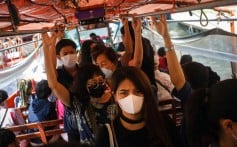
When a nation of 1.4 billion people was suddenly alerted and in many cases ordered to wear masks not only in public indoor places but also in the open air, the huge demand quickly exhausted supply.
Mask production capacity in China was 22 million a day – insufficient for the country’s population. There were hopes that the supply of masks would pick up after a Lunar New Year holiday that was extended to help prevent further spread of infection, but things did not look promising after factories reopened. By Monday, despite mask manufacturers making 10 per cent more than in early February, masks remained a rare commodity.
Making DIY masks became the top trending topic on Chinese online shopping site Taobao for several days. Materials became much sought-after, from nose bars to the non-woven fabric used in disposable surgical masks to filter out viral droplets. An online shop based in Fujian, southeast China, said it had sold more than 5,500 packages of DIY mask materials that can make 50 to 200 surgical masks apiece.
Surgical masks ‘protect more from germs on fingers than viruses in the air’
16 Feb 2020
Zhang spent 200 yuan (US$29) on materials online, from which she made 60 surgical masks when they arrived last week. She is a qipao designer and has a sewing machine at home. The outer layer was a blue waterproof non-woven fabric, over a layer of melt-blown fabric that can filter out most germs and droplets. The inner layer was made with a face flannel.
Hongkongers make reusable fabric masks as Covid-19 epidemic leads to shortages and sky-high prices
“I sent some to my parents and relatives,” Zhang said. “I am not sure how protective they are, but the good thing is our city hasn’t had any new cases for a long time.”
DIY mask production is being taken very seriously, spawning online chat groups to discuss reliability of materials and disinfection methods as people try to make theirs as safe and professional as possible.
Alex Zhang, an office worker in Shanghai, donated her N95 masks to Wuhan, the epicentre of the coronavirus outbreak, when hospitals in the city appealed to the public for protective gear amid an acute shortage – but soon found herself short of masks herself.
Shanghai companies begin production of first reusable face masks
25 Feb 2020
The Shanghai government allowed households to buy a certain number of surgical masks, but it was not enough for her family. Taking apart an N95 mask to see what it was made of, she felt assembling the layers of fabric required no special technique, and decided to do it herself.
Zhang spent 45 yuan on two square metres of melt-blown fabric to stop viruses, and sandwiched it with two layers of nonwoven fabric and an air pad. She sewed the layers together and put them in an electric oven at 70 degrees Celsius (158 Fahrenheit) for a minute, for disinfection. The finished mask is attached using a plastic band.
“Each mask cost about 3 yuan [43 US cents] and was almost like an N95 filter,” Zhang said. “I didn’t find it difficult. I am quite satisfied with my masks and feel very safe to wear them in crowded places.”
How to properly remove and discard face masks to reduce the risk of infection
She later bought nursing pads, which are already disinfected, to replace the layer closest to the face.
DIY masks have also been used where large amounts of protective gear are needed. Garment manufacturer Shenzhou International, in the coastal Zhejiang province, assigned 100 staff to make masks with melt-blown non-woven fabric to meet the needs of its factory workforce of nearly 15,000, who needed two masks each per day, according to a report by Ningbo Daily.
Hospitals short of masks have mobilised nurses to make their own using a non-woven fabric used to wrap disinfected medical products. At least three hospitals, in Xian in central China and in Jinhua, Zhejiang, have tried making masks for medical staff not serving on the front line, according to media reports.
DIY handmade face masks in Hong Kong
The World Health Organisation has said that wearing masks alone is not sufficient protection against the coronavirus, and should be combined with precautions including hand-washing with soap or an alcohol-based hand rub.
However, facing a shortage that will not end any time soon, health authorities have changed from saying people should discard masks every four hours to advising recycling them when possible.
A guideline issued by the National Health Commission said healthy people could wear masks repeatedly and for a longer time.
Chinese driver wears 12 face masks amid coronavirus outbreak
“Masks for repeat use can be hung in clean, dry and airy places or put in a clean paper bag,” its guidelines said. “The masks must be placed separately to avoid contact with other masks.”
Making masks with layers of cotton bandage is acceptable, because they can stay dry when breathed on, but plastic wrap is not recommended, because it blocks the ability to breathe entirely, according to Cai Haodong, an infectious diseases specialist at Beijing’s Ditan Hospital.
Coronavirus: Thais urged to make their own masks, sanitisers due to shortage
7 Feb 2020
Cai said her hospital did not have surgical masks, nor N95s, during the severe acute respiratory syndrome (Sars) outbreak in 2003, and hospital staff made masks for use by front-line medics, disinfecting them with boiling water and drying them in the sun.
“The key is to keep the mask dry,” Cai said. “Self-made masks offer some degree of protection and it is better to wear them than nothing.”
Chinese President Xi Jinping holds talks with Mongolian President Khaltmaa Battulga at the Great Hall of the People in Beijing, capital of China, Feb. 27, 2020. (Xinhua/Liu Bin)
BEIJING, Feb. 27 (Xinhua) — Chinese President Xi Jinping Thursday held talks with Mongolian President Khaltmaa Battulga at the Great Hall of the People in Beijing.
Xi said the Chinese government and people are making all-out efforts to fight the novel coronavirus outbreak (COVID-19), during which the Mongolian government and people have offered precious support.
Hailing Battulga as the first foreign head of state to visit China since the outbreak, Xi said the special visit by Battulga to express consolations and support to China fully embodies the high attention he pays to the China-Mongolia ties and the profound friendship between the two peoples.
This vividly shows that China and Mongolia, as neighboring countries, can rely on each other in difficult times, said Xi.
Xi expressed his welcome as Battulga paid the visit only one day after Mongolia’s traditional Tsagaan Sar holiday, and sent festive greetings to the Mongolian people.
Xi said that since the outbreak of COVID-19, the Communist Party of China (CPC) and the Chinese government have attached great importance to the epidemic, activated a national response mechanism and taken the most comprehensive, thorough and rigorous measures.
A leading group of the CPC Central Committee on the prevention and control of the COVID-19 was established immediately and a central government guiding team was sent to Hubei province, said Xi.
After arduous work, the positive trend in the prevention and control work is now expanding, Xi said, adding that the country has full confidence, capability to win this battle against the epidemic.
China has coordinated the prevention and control work with the economic and social development, and tried its best to minimize the impact of the epidemic, he said.
According to Xi, China has adopted a targeted approach in different regions to advance resumption of work and production based on local health risks, ensure timely agriculture work in spring and guarantee people’s basic livelihood.
Noting that China’s economy is resilient with broad domestic demand and a strong industrial basis, Xi said China will strive to meet this year’s economic and social development targets.
Xi said that guided by the vision of a community with a shared future for humanity, China is making every effort not only to protect the life and health of its own people but also to contribute to global public health security.
With an open, transparent and responsible attitude, the Chinese government has actively stepped up international cooperation on fighting the outbreak, said Xi, adding that China’s efforts have been highly affirmed and recognized by the World Health Organization and the international community.
China will continue to work with countries including Mongolia to fight the epidemic and safeguard regional and global public health security, he said.
Noting that China and Mongolia are friendly neighbors linked by waters and mountains, Xi said China has attached high importance to the bilateral relations and always taken Mongolia as an important direction of China’s neighborhood diplomacy.
China is committed to cementing political mutual trust with Mongolia and enhancing Belt and Road cooperation to benefit both peoples, he said.
Battulga expressed consolations to the Chinese people over the outbreak and spoke highly of China’s rapid establishment of a joint prevention and control mechanism and national people-oriented efforts to fight the epidemic.
Stressing that Mongolia and China are comprehensive strategic partners, Battulga said the Mongolian people completely relate to what the Chinese people are going through and would like to stand closely together with the Chinese people in the difficult times.
Mongolia launched fund-raising activities to support China’s fight against the epidemic, and received active responses from all walks of life, he said, adding that Mongolia will send additional 30,000 sheep apart from the previous donations.
Battulga said he believes that the Chinese people will definitely win the battle against the epidemic at an early date and overcome the difficulties to realize the set goals of social and economic development under the strong leadership of President Xi.
Mongolia commends China’s pursuit of neighborhood diplomacy featuring amity, sincerity, mutual benefit and inclusiveness, and stands ready to work with China to deepen mutual trust and support, enhance cooperation to promote greater development of bilateral relations, said Battulga.
(Reuters) – Airlines have been suspending flights to China or modifying service in response to the coronavirus outbreak.
Below are details (in alphabetical order):
AIRLINES THAT HAVE CANCELLED ALL FLIGHTS TO MAINLAND CHINA
** American Airlines – Extends suspension of China and Hong Kong flights through April 24
** Air France – Said on Feb.6 it would suspend flights to and from mainland China for much of March
** Air India – Suspends flights to Shanghai, Hong Kong until June 30
** Air Seoul – The South Korean budget carrier suspended China flights from Jan. 28 until further notice.
** Air Tanzania – Tanzania’s state-owned carrier, which had planned to begin charter flights to China in February, postponed its maiden flights.
** Air Mauritius – Suspended all flights to China and Hong Kong
** Austrian Airlines – until end-February.
** British Airways – Jan. 29-March 31.
** Delta Airlines – Feb. 2-April 30
** Egyptair suspended flights on Feb, 1, but on Feb. 20 said it would resume some flights to and from China starting next week.
** El Al Israel Airlines – Said on Feb. 12 it would suspend its Hong Kong flights until March 20 and reduce its daily flights to Bangkok. It suspended flights to Beijing from Jan. 30 to March 25 following a health ministry directive.
** Iberia Airlines – The Spanish carrier extended its suspension of flights from Madrid to Shanghai, its only route, from Feb. 29 until the end of April.
** JejuAir Co Ltd – Korean airline to suspend all China routes starting March 1
** Kenya Airways – Jan. 31 until further notice.
** KLM – Will extend its ban up to March 28
** Lion Air – All of February.
** LOT – Extends flight suspension until March 28
** Oman and Saudia, Saudi Arabia’s state airline, both suspended flights on Feb. 2 until further notice.
** Qatar Airways – Feb. 1 until further notice.
** Rwandair – Jan. 31 until further notice.
** Scoot, Singapore Airlines’ low-cost carrier – Feb. 8 until further notice.
** United Airlines – Feb. 5-April 23. Service to Hong Kong suspended Feb. 8-April 23.
** Vietjet and Vietnam Airlines – Suspended flights to the mainland as well as Hong Kong and Macau Feb. 1-April 30, in line with its aviation authority’s directive.
AIRLINES THAT HAVE CANCELLED SOME CHINA FLIGHTS/ROUTES OR MODIFIED SERVICE
** Air Canada – Extended the suspension of its flights to Beijing and Shanghai until March 27. It also suspended its Toronto to Hong Kong flights from March 1 to March 27, but its Vancouver to Hong Kong route remains active. [bit.ly/39zgmI0]
** Air China – Said on Feb. 12 it will cancel flights to Athens, Greece, from Feb. 17 to March 18
** Air China – State carrier said on Feb. 9 it will “adjust” flights between China and the United States.
** Air New Zealand – Suspended Auckland-Shanghai service Feb. 9-March 29. Reduced capacity on Shanghai route throughout April and Hong Kong route throughout April and May.
** ANA Holdings – Suspended routes including Shanghai and Hong Kong from Feb. 10 until further notice.
** Cathay Pacific Airways – Plans to cut a third of its capacity over the next two months, including 90% of flights to mainland China. It has encouraged its 27,000 employees to take three weeks of unpaid leave in a bid to preserve cash.
** Emirates and Etihad – The United Arab Emirates, a major international transit hub, suspended flights to and from China, except for Beijing.
** Finnair – Cancelled all flights to mainland China and decreased the number of flights to Hong Kong until March 28.
** Hainan Airlines – Suspended flights between Budapest, Hungary, and Chongqing Feb. 7-March 27.
** Korean Air Lines Co. – The national flag carrier suspended eight routes to China and reduced services on nine Chinese routes between Feb. 7 and 22.
** Philippine Airlines – Cut the number of flights between Manila and China by over half.
** Qantas Airways – Suspended direct flights to China from Feb. 1. The Australian national carrier halted flights from Sydney to Beijing and Sydney to Shanghai between Feb. 9-March 29.
** Royal Air Maroc – The Moroccan airline suspended direct flights to China Jan. 31-Feb. 29. On Jan. 16, it had launched a direct air route with three flights weekly between its Casablanca hub and Beijing.
** Russia – All Russian airlines, with the exception of national airline Aeroflot, stopped flying to China from Jan. 31. Small airline Ikar will also continue flights between Moscow and China. All planes arriving from China will be sent to a separate terminal in the Moscow Sheremetyevo airport. Aeroflot reduced the frequency of flights to Beijing, Shanghai and Guangzhou until Feb. 29.
** Nordic airline SAS – Extended its suspension of flights to Shanghai and Beijing until March 29.
** Singapore Airlines – Suspended or cut capacity on flights to Beijing, Shanghai, Guangzhou, Shenzhen, Chengdu, Xiamen and Chongqing, some of which are flown by regional arm SilkAir.
** UPS – Cancelled 22 flights to China because of the virus and normal manufacturing closures due to the Lunar New Year holiday.
** Virgin Atlantic – Extended its suspension of daily operations to Shanghai until March 28.
** Virgin Australia – Said it will withdraw from the Sydney-Hong Kong route from March 2 because it was “no longer a viable commercial route” due to growing concerns over the virus and civil unrest in Hong Kong.
manufacturers and distributors of surgical face masks are currently in overdrive to meet a surge in global demand for protective gear amid the coronavirus outbreak.
With an eye on enormous profits, these suppliers have turned their focus to exports,
– causing a chronic local shortage of masks due to the relatively lower margins in the domestic market.
Indian manufacturers produce 240 million disposable masks every year, primarily for domestic use, as per the estimates of the Association of Indian Medical Device Industry.
There are no large-scale manufacturers of surgical masks in the country; the landscape is dominated by more than a dozen medium-sized companies with a production capacity of between 20,000 and 100,000 masks a day.
China, Asean foreign ministers begin emergency meeting on coronavirus in Vientiane
20 Feb 2020
The production cost of a mask is estimated to be 1 rupee (less than 2 US cents), and masks were sold for 2-4 rupees at retail outlets a month ago. As of this week, the price of a surgical mask has skyrocketed to 15 rupees.
In some regions where there is a shortfall, retail stores are reportedly demanding as much as 50 rupees. Some experts, meanwhile, say exporting masks to coronavirus-threatened Asian countries where masks are in high demand could fetch firms up to US$15 per mask.
China has so far imported over 1.2 billion masks to meet soaring demand, according to the Ministry of Commerce.
Manoj Rajawat – director of Orthosut Biomedical and Engineering Company, which distributed about 500,000 masks every month before the surge in demand – estimates that nearly 90 per cent of masks manufactured in India in recent weeks have been exported to countries such as China, Malaysia and Singapore.
“The value of the exported masks could [easily be more than 50] times what it was before the virus outbreak in China,” Rajawat said.
More than 75,000 people have been infected with the coronavirus, the vast majority of them on mainland China, and more than 2,000 patients have died with more than 16,000 staging a full recovery. This includes India’s three cases of infection, which were discovered in Kerala and have since been cured.
To allay fears of a domestic shortage, the Indian government briefly banned exports of masks and protective gear earlier this month, when the country’s first case of coronavirus infection was confirmed. A week later, however, the ban was partially lifted for two- and three-ply masks as the demand for such protective equipment kept rising overseas.
Multiple Indian ministries are closely monitoring the situation, but are reluctant to comment on specific issues beyond releasing official notifications.
Coronavirus: Anxious Asian countries want China flight ban, says new poll
20 Feb 2020
“Indian manufacturers have exponentially increased their production of masks. With the government lifting the restrictions on exports, [these firms] are also catering to international demand, somewhat focusing more on exports as it seems more beneficial,” said Vivek Tiwari, chief executive of Medikabazaar, a business-to-business online platform for medical supplies and equipment.
However, experts and observers such as Prasad Danave, president of the Retail and Dispensing Chemist Association, say Indian manufacturers are not equipped to deal with the sudden demand for such large quantities.
“I talked to one of the manufacturers and his capacity to produce disposable masks is 20,000 pieces per day. Suddenly, two purchasers approached him asking for 2 million masks and 5 million masks respectively. It is impossible to cater to such a need immediately,” Danave said.
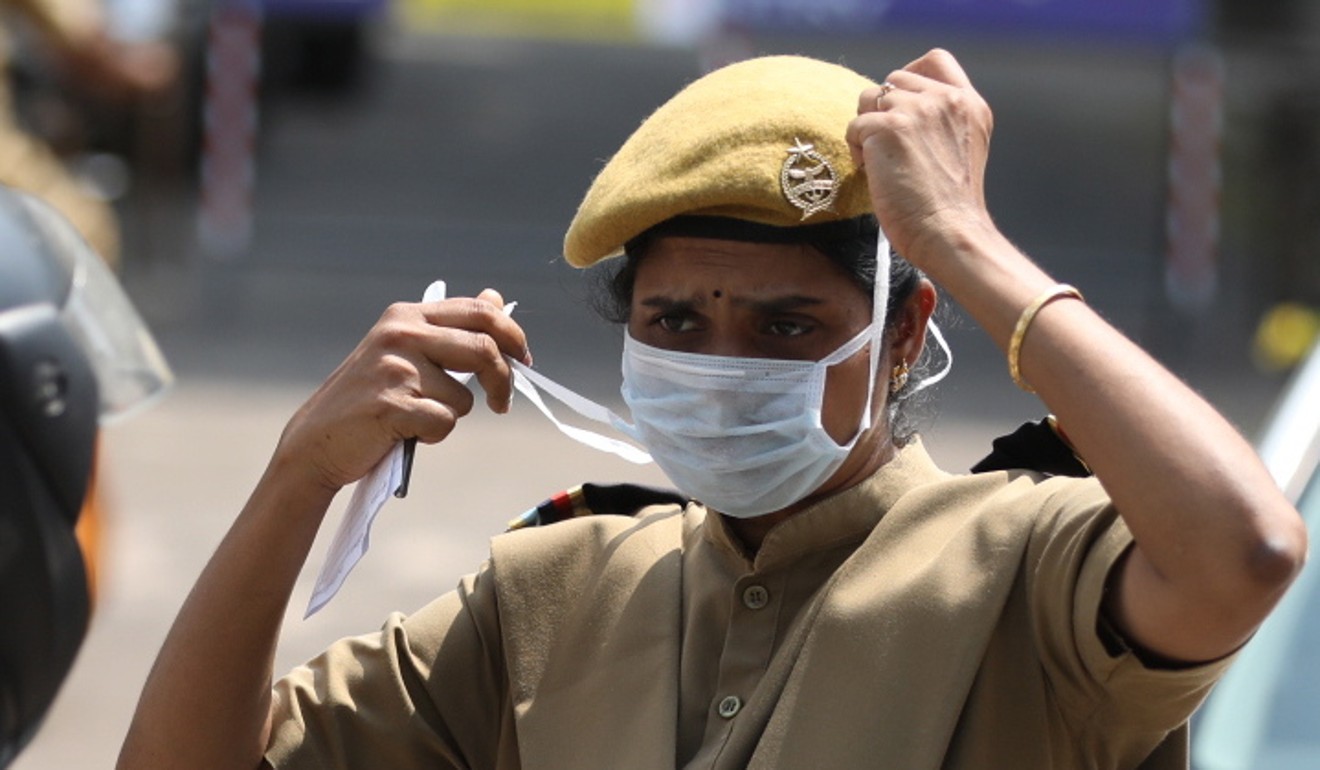
A police officer in Kochi, India wears a face mask amid fears of the coronavirus outbreak. Photo: EPA
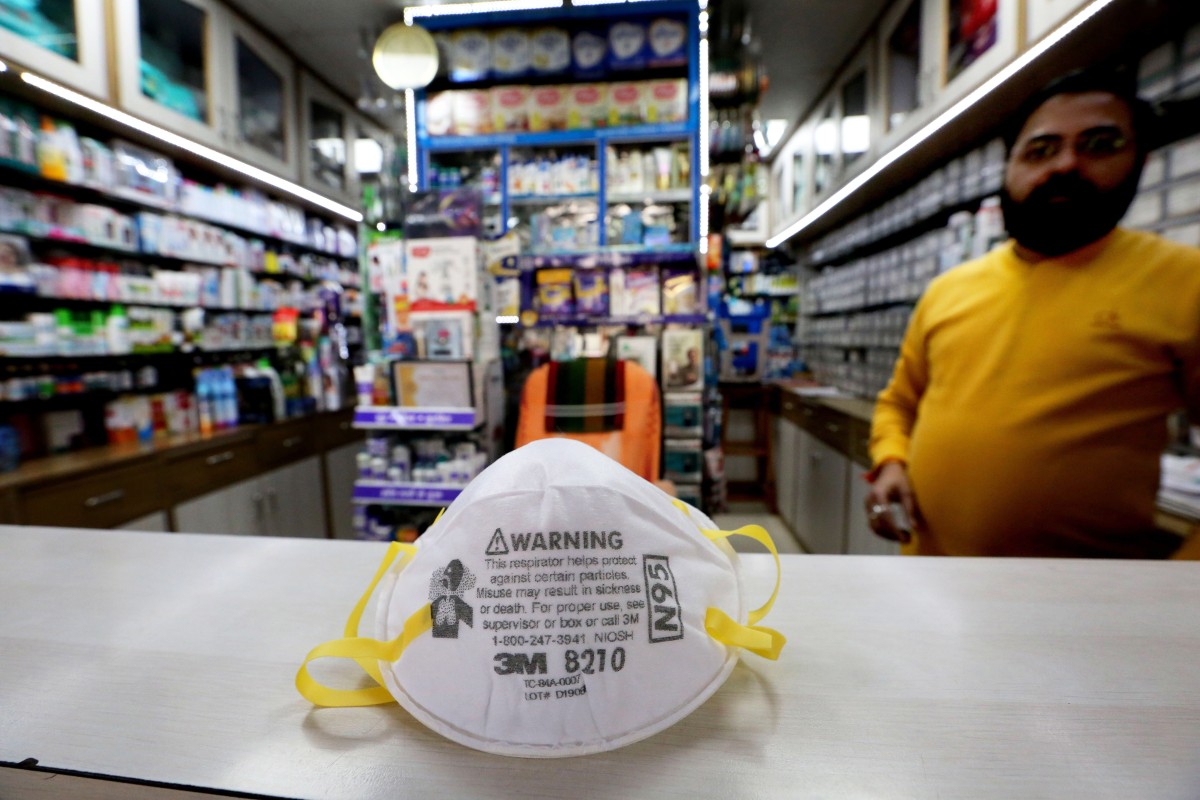
The N95 respirator, an industrial-purpose face mask, is in huge demand as people seek to protect themselves from the coronavirus. Alcohol-based hand sanitisers are also flying off shelves, while there are also concerns of panic buying and shopkeepers hyping up demand for their products to capitalise on the situation.
Abhay Pandey is the national president of the All Food and Drug Licence Holder Foundation, an industry organisation which represents about 7,000 pharmaceutical suppliers across India. He said vendors are distributing substandard face masks to domestic consumers due to a shortage of production time given the increased demand, as well as the lack of a credible mechanism to ensure standards.
Coronavirus: Japan scientist stands by ‘chaotic’ criticism of cruise ship quarantine
20 Feb 2020
“There’s a micro-filter which is usually fitted between two layers in the three-ply face masks used by doctors during surgical procedures. Now, the suppliers are preparing substandard face masks without this filter for the Indian market, and for exports they’re sending the good quality ones,” Pandey said.
Mask makers in China, the world’s largest producer of face masks, are currently operating at 76 per cent capacity, National Development and Reform Commission official Cong Liang said at a press conference in Beijing on Tuesday.
This means they are producing about 15.2 million masks daily but demand is estimated to be between 50 and 60 million units, according to Chinese media reports citing mainland mask manufacturers.
“The Chinese people do not welcome media that publish racist statements and maliciously attacks China,” Mr Geng said, without naming the journalists being expelled.
The Wall Street Journal identified the reporters as two US citizens – Josh Chin, who is the deputy bureau chief, and Chao Deng – as well as Australian citizen Philip Wen. The newspaper has not yet commented.
It is the first time in more than two decades that journalists holding valid credentials have been ordered to leave China, the BBC’s John Sudworth in Beijing reports.
The Foreign Correspondents Club of China called the decision “an extreme and obvious attempt by the Chinese authorities to intimidate foreign news organizations”.
The measure comes a day after the US said it would begin treating five Chinese state-run media outlets that operate in the country in the same way as foreign embassies, requiring them to register their employees and properties with the US government.
The decision affects the Xinhua News Agency, China Global Television Network and China Daily Distribution Corp.
Press freedom in China
China is consistently rated poorly for press freedom and can be a difficult place for foreign journalists to work
Nine journalists have been either expelled or effectively expelled through non-renewal of visas since 2013, according to the Foreign Correspondents Club of China
Last year, the government declined to renew the credentials – necessary for the work of foreign journalists in the country – of another Wall Street Journal reporter.
The journalist, a Singaporean national, had co-written a story that authorities in Australia were looking into activities of one of China’s President Xi Jinping’s cousins suspected of involvement in organised crime and money laundering.
And in 2018, the Beijing bureau chief for BuzzFeed News Megha Rajagopalan was unable to renew her visa after reporting on the detention of Muslim minority Uighurs and others in China’s Xinjiang region.
Meanwhile, two Chinese citizen journalists who disappeared last week after covering the coronavirus in Wuhan, the epicentre of the outbreak in Hubei province, remain missing.
Fang Bin and Chen Qiushi had been sharing videos and pictures online from inside the quarantined city.
Media caption Footage appearing to show people held in quarantine in a makeshift facility in Wuhan, has been shared across social media
Communist Party mouthpiece releases internal speech given to Politburo Standing Committee on February 3 with presidential orders to contain disease
Xi makes ‘rare’ disclosure move as he comes under heavy domestic and international pressure, analyst says
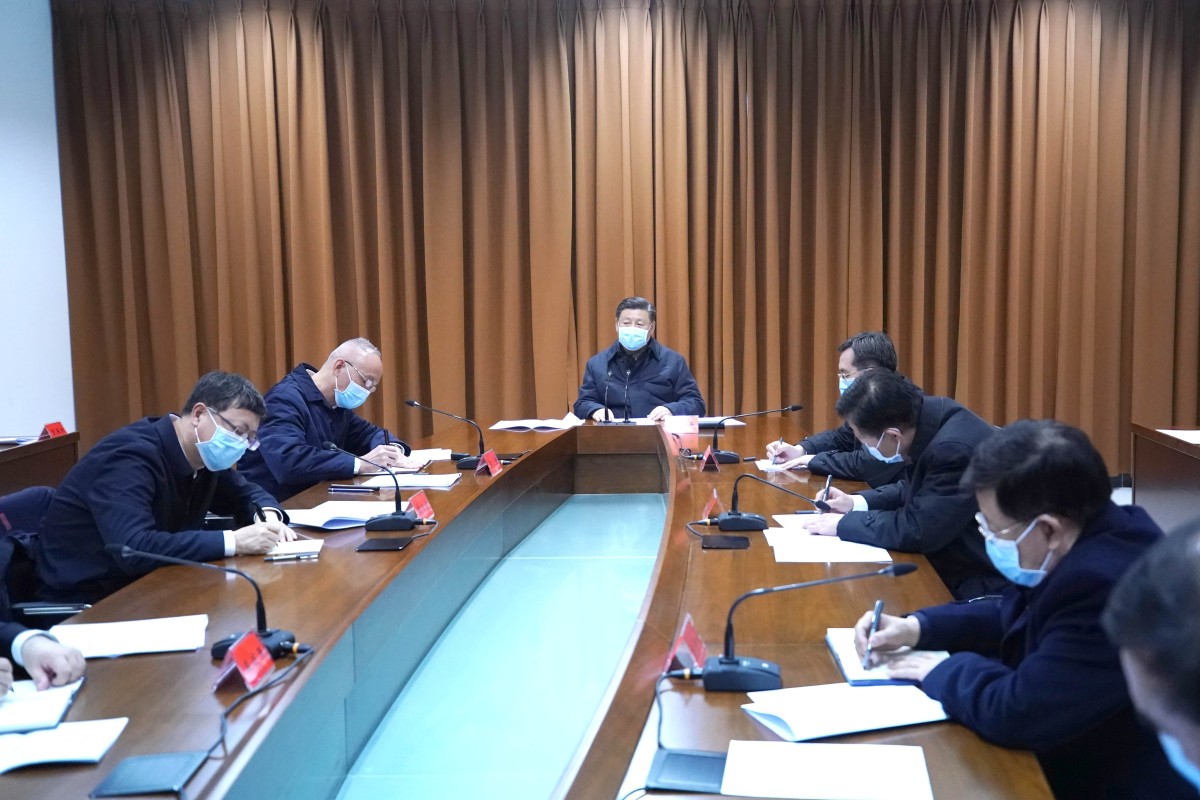
President Xi Jinping presides over a meeting and listens to report on epidemic prevention and control work in Beijing on February 10. Photo: Xinhua
President Xi Jinping told the Communist Party’s top echelon to tackle an outbreak of a previously unknown coronavirus almost two weeks before Chinese authorities announced that there had been human-to-human transmission of the disease, according to an internal speech released on Saturday.
In the speech to the party’s most powerful body, the Politburo Standing Committee, Xi outlined a contingency plan to respond to a crisis that he said could not only hamper the health of people in China, but also jeopardise the country’s economic and social stability – even its open-door policy.
The speech was delivered on February 3 and published in the party’s bimonthly journal Qiushi on Saturday. It was also featured on state television and other official mouthpieces.
The release comes as Xi tries to rally support to counter the biggest crisis in his tenure, including an outpouring of public anger over the death a week ago of ophthalmologist Li Wenliang, who was reprimanded by police for alerting his friends about the virus in its early days.
In his speech, Xi also accused local officials of not carrying out edicts from the central government, vowing to punish incompetent officials.
“I issued demands during a Politburo Standing Committee meeting on January 7 for work to contain the outbreak. On January 20, I gave special instructions about the work to prevent and control the outbreak and I have said we have to pay high attention to it,” he said.
The document did not say whether the Politburo was aware of human-to-human transmission of the disease at the time but research published by Chinese scientists said such infections occurred as early as December.
How China-US mistrust pushed the WHO into a coronavirus corner
15 Feb 2020
The speech by Xi also indicated his desire to win international understanding and support through propaganda and diplomacy.
“We have to liaise and communicate with other countries and regions, to share information about the outbreak and containment strategies to win international understanding and support,” he said.
The disease has spread to multiple continents, including Africa, which reported its first case – in Egypt – on Friday and France, which reported the first death in Europe.
In terms of domestic stability, Xi stressed the need to stabilise food and energy supplies to boost public confidence. He also ordered police to increase their presence on the streets.
“[We must] ensure societal control and security by stepping up law enforcement, mobilising public security and armed police in joint efforts,” Xi said.
1,716 frontline Chinese medics infected with Covid-19 in battle against coronavirus
The authorities should also update the public on their efforts to help boost public confidence, he said.
“[We must] inform the people of what the party and government is doing and what is our next step forward to strengthen the public’s confidence,” he said.
He said the government would encourage companies and scientific institutes to speed up research on drugs and vaccines for the outbreaks and they should share their information with the science sector.
At the same time, Xi stressed that national economic goals set for this year, such as achieving “moderate prosperity”, would remain.
This would be achieved by resuming production, boosting consumption and investment in infrastructure, particularly 5G communications.
“There should not be any thought that we can wait a bit [because of the epidemic],” he said.
Coronavirus: infected Chinese tourist in France dies, in Europe’s first death
16 Feb 2020
Wu Qiang, a Beijing-based political analyst who specialises in analysing Xi’s speeches, said the president’s address was a “rare and interesting” shift from the past.
“The speech was made at a time when Xi is facing heavy domestic and diplomatic pressure,” Wu said.
“This is unprecedented. It sounds like he is defending and explaining how he has done everything in his capacity to lead epidemic prevention.”
Meanwhile, a panel of experts from the World Health Organisation began to arrive in Beijing on a trip that will take in three provinces.
Fang Bin is second Chinese citizen journalist to vanish while reporting from coronavirus epicentre
National Health Commission spokesman Mi Feng said the panel’s mission would include inspecting outbreak prevention work in urban and rural areas, and assessing viral analytics work before making recommendations to China.
Speaking publicly for the first time since being sent to Wuhan, NHC deputy director Wang Hesheng said he would make sure that there “would not be another Wuhan” in Hubei province. Nine medical centres with a combined capacity of nearly 7,000 beds had opened in the city and the province was planning to open more to treat patients with mild symptoms.
Various cities near Wuhan have stepped up quarantine. On Saturday, the small centre of Wuxue announced that with the exception of people working to contain the epidemic, anyone seen walking the streets would be sent to a stadium for “study sessions”.
Beijing has also appointed two senior firefighting commanders to the Ministry of Emergency Management’s leading group – Xu Ping, head of the ministry’s Forest Fire Bureau, and Qiong Se, director of its Fire and Rescue Bureau.
Zhou Xuewen and Liu Wei, two of the ministry’s existing leading party members, have been appointed deputy ministers for emergency management.
BEIJING (Reuters) – China’s parliament and its top political consultative body are both considering delaying annual meetings set for March, state media said on Monday, as the country battles a coronavirus outbreak that has killed more than 1,700 people.
The meetings of the parliament, or National People’s Congress (NPC), and the Chinese People’s Political Consultative Conference (CPPCC) were both due to begin early next month.
The gatherings see more than 5,000 delegates descend on Beijing, the capital, from all over China, for at least 10 days, to pass legislation and unveil the year’s key economic targets.
A postponement would be the first since China adopted the current March schedule in 1995 for the meeting of parliament.
The standing committee of the NPC will meet on Feb. 24 in Beijing, the official Xinhua news agency said.
“The upcoming session is … expected to deliberate a draft decision on postponing the third annual session of the 13th NPC,” it said. The session was due to have begun on March 5.
The proposal was made in the belief it was important to focus on reining in the epidemic, Xinhua said. China has imposed transport curbs to halt the spread of the virus, which has killed 1,770 and infected nearly 71,000 in mainland China.
The CPPCC is also studying whether to postpone its annual meeting, state-run CCTV said, due to have begun two days earlier, on March 3.
Five people familiar with the matter told Reuters this month that China was considering delaying the meetings as Beijing grapples with the epidemic.
The parliamentary committee will also consider a proposed law banning wildlife trade and discuss government changes, Xinhua said, without elaborating.
The measures China has taken to stop the spread of the coronavirus are starting to have an impact, Mi Feng, a spokesman at the National Health Commission, said on Sunday.
In other developments:
The number of people who have tested positive on the Diamond Princess cruise ship, which is being held in quarantine in Japan, has risen to 355. The US and Canada are sending planes to evacuate their citizens
A Chinese tourist has died in France – the first fatality outside Asia
An 83-year-old American woman has tested positive after disembarking another cruise ship that was turned away by a number of countries before being allowed to dock in Cambodia
In the UK, all but one of nine people being treated have been discharged from hospital
On Saturday, World Health Organization (WHO) head Tedros Adhanom Ghebreyesus praised Beijing’s response to the outbreak.
“China has bought the world time. We don’t know how much time,” he said. “We’re encouraged that outside China, we have not yet seen widespread community transmission.”
How is China coping?
Tens of millions of Chinese still face heavy restrictions on their day-to-day life as part of the government’s efforts to halt the spread of the disease, which causes a disease named Covid-19.
Much of the response has focused on the hard-hit province of Hubei and its capital Wuhan, where the outbreak began. The city is all but sealed off from the rest of the country.
Foreign Minister Wang Yi said that along with a drop in infections within Hubei there had also been a rapid increase in the number of people who had recovered.
China’s central bank will also disinfect and store used banknotes before recirculating them in a bid to stop the virus spreading.
Media caption Medics in Wuhan resort to shaving their heads in a bid to prevent cross-infection of the coronavirus
In another development Chinese state media published a speech from earlier this month in which Chinese President Xi Jinping said he said he had given instructions on 7 January on containing the outbreak.
At the time, local officials in the city of Wuhan were downplaying the severity of the epidemic.
This would suggest senior leaders were aware of the potential dangers of the virus before the information was made public.
With the government facing criticism for its handling of the outbreak, analysts suggest the disclosure is an attempt to show the party leadership acted decisively from the start.
Hong Kong and Thailand are likely to suffer most from the novel coronavirus outbreak because of close their economic ties with China
A drop in Chinese tourist arrivals and imports, as well as supply chain disruptions are likely to weigh on regional economy
Thailand’s economy could be one of the most affected by the coronavirus outbreak due to its close ties with China, especially in the tourism sector. Photo: Bloomberg
Hong Kong and Thailand are likely to be the hardest hit Asian economies outside mainland China from the deadly coronavirus outbreak, according to analysts.
The 2019-nCoV, which had claimed the lives of nearly 640 people and infected more than 31,000 in mainland China by Friday, is viewed as even more damaging than the severe acute respiratory syndrome (Sars) epidemic in 2002-2003 because of prolonged factory closures and transport restrictions that have locked down many Chinese cities.
China has become more closely integrated with the rest of Asia since the Sars outbreak, meaning the disruptions to China’s industrial and export sectors, combined with a sharp drop in economic activity in the first quarter, will have significant repercussions across the region, particularly through tourism and trade, analysts said.
“A collapse in tourism arrivals from China will be the first shock wave for the rest of the region,” said Gareth Leather, senior Asia economist at Capital Economics. “Factory closures in China will affect the rest of the region by disrupting regional supply chains.”
A collapse in tourism arrivals from China will be the first shock wave for the rest of the region. Factory closures in China will affect the rest of the region by disrupting regional supply chainsGareth Leather
Hong Kong would likely be the most affected because of its status as a trade hub, its tight linkages to the Chinese economy and the sharp decline in tourism expenditure that is expected, UBS economist William Deng noted.
“Due to the risk of infection, domestic households significantly reduced such activities as dining out, shopping and entertainment,” Deng wrote in a recent note. He cut Hong Kong’s gross domestic product (GDP) growth forecast to minus 1.8 per cent for 2020, against his previous projection of a 0.5 per cent drop.
A community outbreak spread by human-to-human transmission has started in the city, said Professor Yuen Kwok-yung, a top microbiologist at the University of Hong Kong on Wednesday.
Thailand could be the next most affected due to its dependence on Chinese tourism. Outside Hong Kong and Macau, the country has the highest exposure to China as a share of GDP in the region.
China locks down Hangzhou, mega-city far from epicentre of coronavirus outbreak
ANZ Bank’s head of Asia research Khoon Goh said that the novel coronavirus could knock US$760 million from Thailand’s economy in the first quarter. Hong Kong could could see losses of US$1.4 billion. Travel services as a share of GDP were 11.2 per cent in Thailand and 9.4 per cent in Hong Kong.
“The Thai economy would expand at a slower rate in 2020 than previously forecast and much further below its potential due to the outbreak of coronavirus,” Bank of Thailand said in a statement after it slashed interest rates to a record low on Wednesday.
South Korean and Taiwanese businesses will also have negative spillover effects from the coronavirus outbreak because of supply chain disruptions and weaker consumer sentiment inside and outside China, analysts said.
South Korean car and tech companies that rely on parts from Chinese suppliers are exposed to potential production disruptions stemming from factory closures and the evacuation of Korean workers from China-based production lines, said Sean Hwang, corporate finance group analyst at Moody’s Investors Group.
Coronavirus: here are the places and airlines restricting travel to China
For instance, Hyundai Motor Company closed some if its South Korea-based plants on February 4 because of a shortage of wiring harnesses.
Korean customers are also limiting their trips to bricks-and-mortar retail stores such as E Mart and Lotte Shopping to avoid crowds amid the outbreak, potentially leading to a significant decline in revenue and earnings, Hwang said.
Although Singapore is not as closely tied to China as Hong Kong, the city state could still see a knock-on effect from China’s expected near-term downturn, as its economy has become much more integrated with the world’s second largest economy since the Sars outbreak.
The number of Chinese tourists rose six times from 568,000 in 2003 to 3.4 million in 2018, said Irvin Seah, senior economist at DBS Bank.
Coronavirus outbreak: global businesses shut down operations in China
“We expect a decline of about 1 million tourists or about SGD1 billion (US$722 million) of lost tourism receipts for every three months of travel ban,” Seah said. “We have lowered our full-year GDP growth forecast to 0.9 per cent, down from 1.4 per cent previously.”
Taiwan has banned Chinese visitors as well as foreigners who have visited Hong Kong and Macau from entering the island due the coronavirus. International cruise ships are also unable to dock on the island, which will lead to at least 112 liner visits cancelled by the end of March, affecting around 144,000 passengers, said the Taiwan International Ports Corporation.
Capital Economics’ Leather said the economic impact on Taiwan from 2019-nCoV could stand out from the rest of Asia, as it had the most exposure in value-added, intermediate exports to China – 18 per cent of GDP.
20 coronavirus infections confirmed on cruise ship in Japan, as thousands remain under quarantine
Elsewhere, Malaysia’s commodity driven trade growth this year has been threatened by the almost 20 per cent fall in crude oil prices, a decline triggered by fears that the coronavirus outbreak would dampen China’s imports. Malaysia’s purchasing managers’ index, a survey of manufacturers, dropped to 48.8 in January from 50.0 the prior month prior, data released this week showed. The drop was blamed on slowing output, with new orders dropping the most since September amid a decline in exports.
“The Bank Negara Malaysia’s surprising policy rate cut at the last meeting on 22 January, just around the time the coronavirus started to dominate headlines, tells us that the central bank is ahead of the curve in recognising the risk,” said Prakash Sakpal, Asia economist at ING Bank said.
India and Indonesia will be the least affected given the small contribution the tourism sector makes to their economies, and the low share of visitors from China, ANZ’s Goh said.


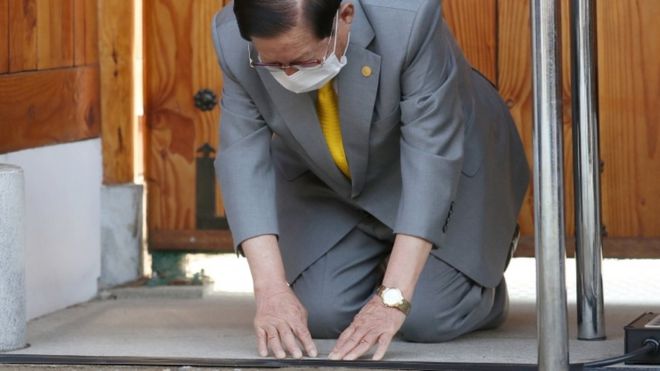 Image copyright EPA

 What has the WHO said?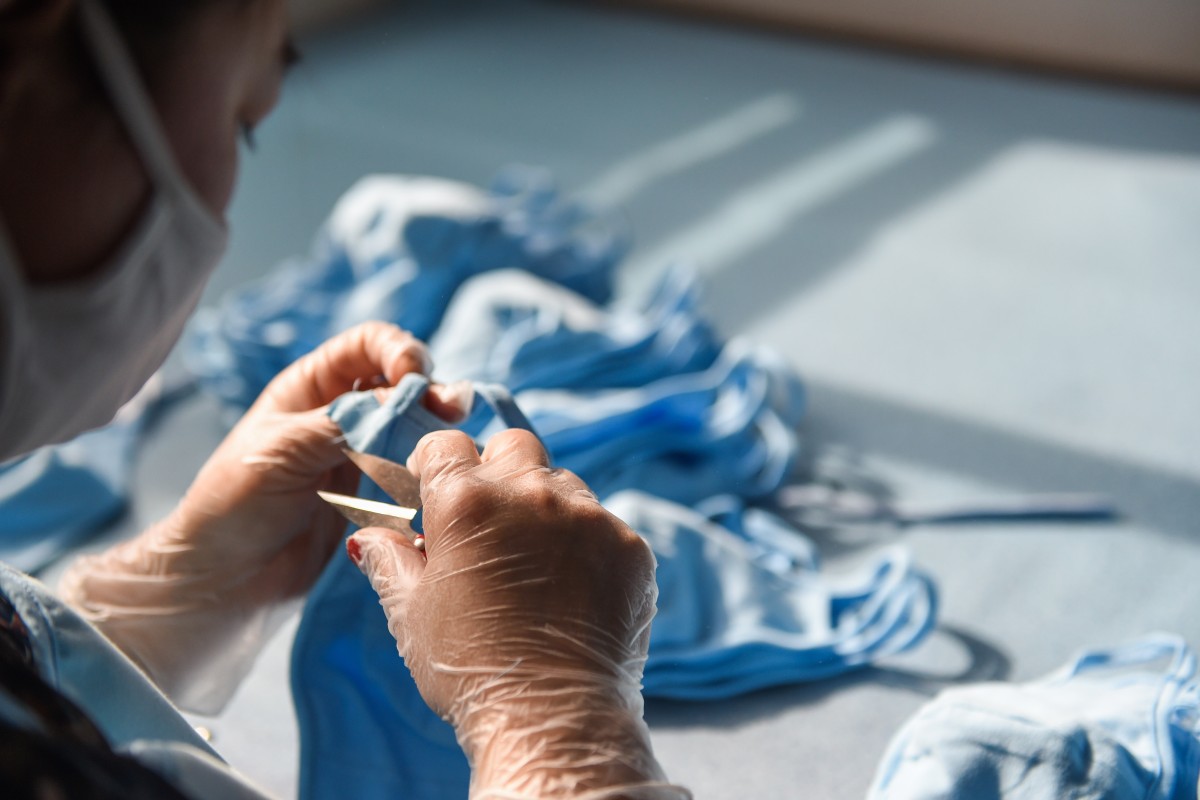






 CHINDIA ALERT: You'll be living in their world, very soon