Chindia Alert: You’ll be Living in their World Very Soon
aims to alert you to the threats and opportunities that China and India present. China and India require serious attention; case of ‘hidden dragon and crouching tiger’.
Without this attention, governments, businesses and, indeed, individuals may find themselves at a great disadvantage sooner rather than later.
The POSTs (front webpages) are mainly 'cuttings' from reliable sources, updated continuously.
The PAGEs (see Tabs, above) attempt to make the information more meaningful by putting some structure to the information we have researched and assembled since 2006.
Pupils given headwear modelled on a style worn by officials a thousand years ago to reinforce the message that they must stay a metre away from each other
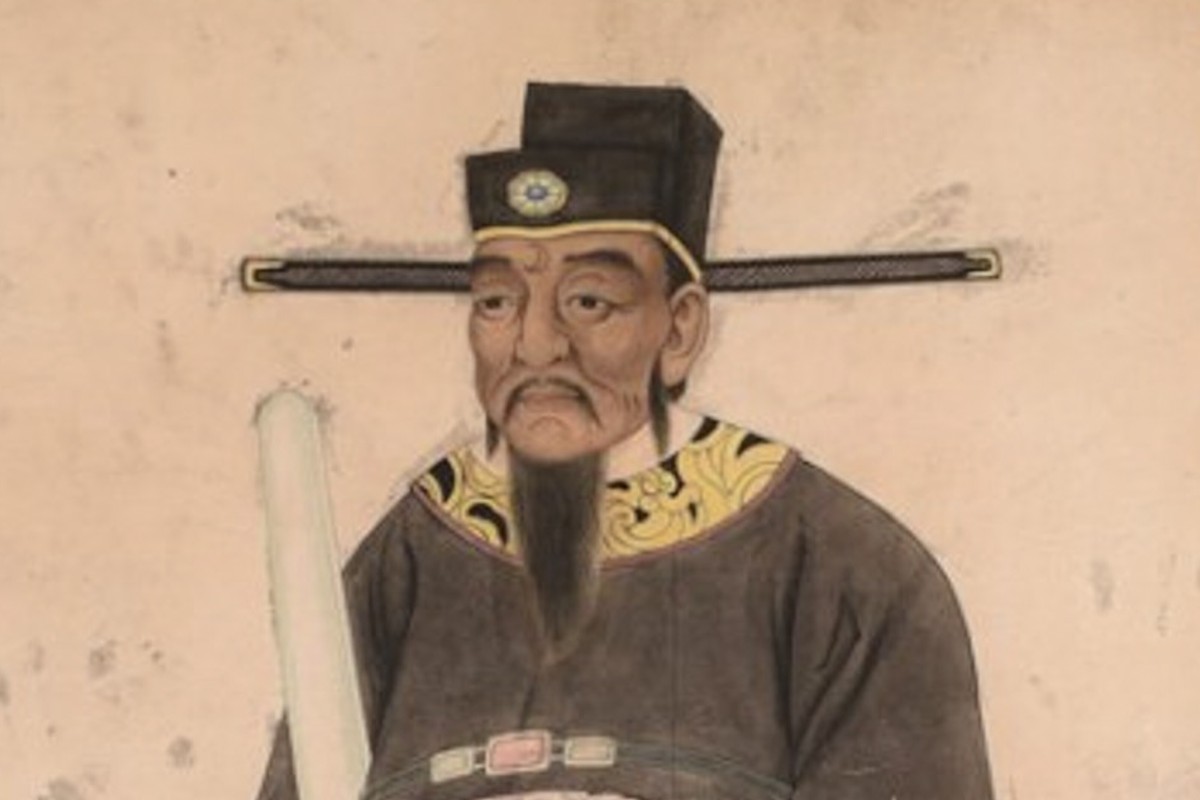
One legend says the hats were given long extensions to stop courtiers whispering among themselves when meeting the emperor
Hats with long extensions were worn by officials during the Song dynasty. Photo: Handout
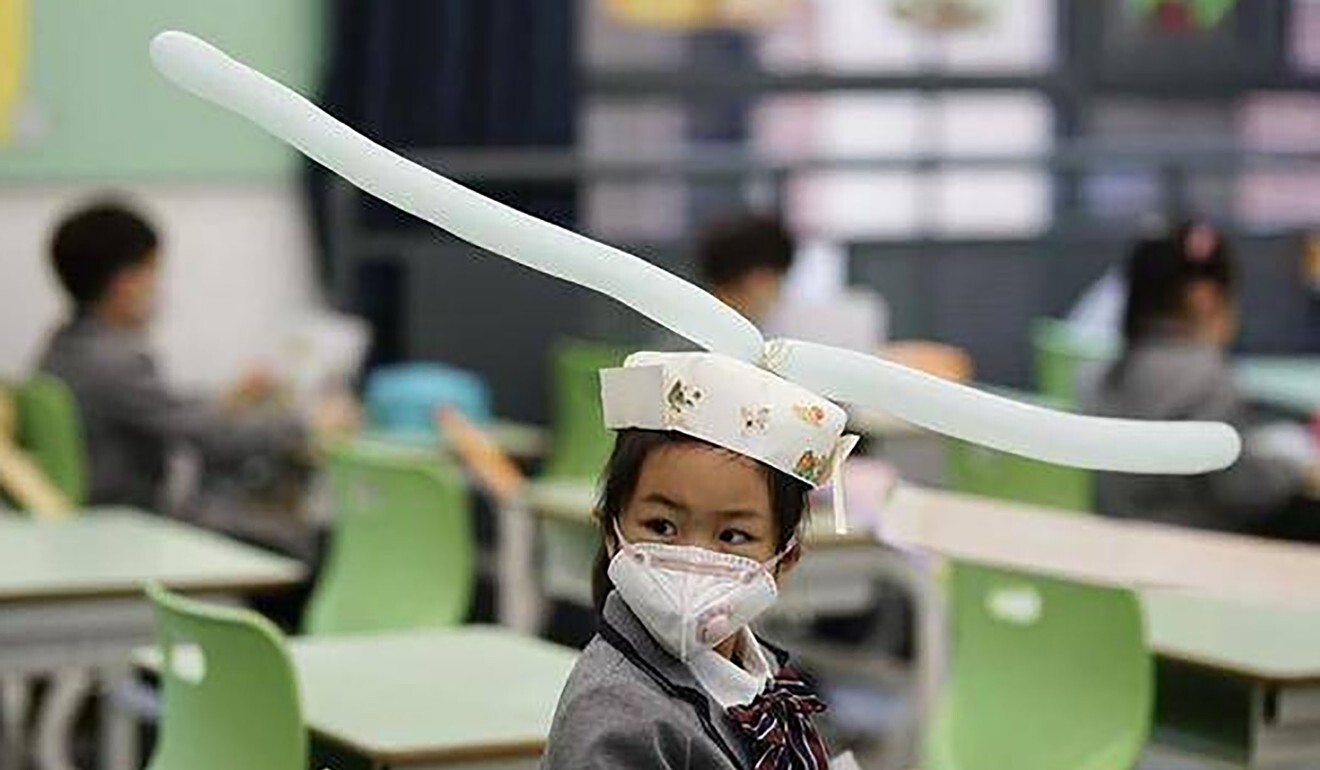
An ancient Chinese hat has joined face masks and hand sanitisers as one of the weapons in the fight against Covid-19.
A primary school in Hangzhou in the east of the country took inspiration from the headgear worn by officials in the Song dynasty, which ruled China between 960 and 1279, to reinforce lessons on social distancing.
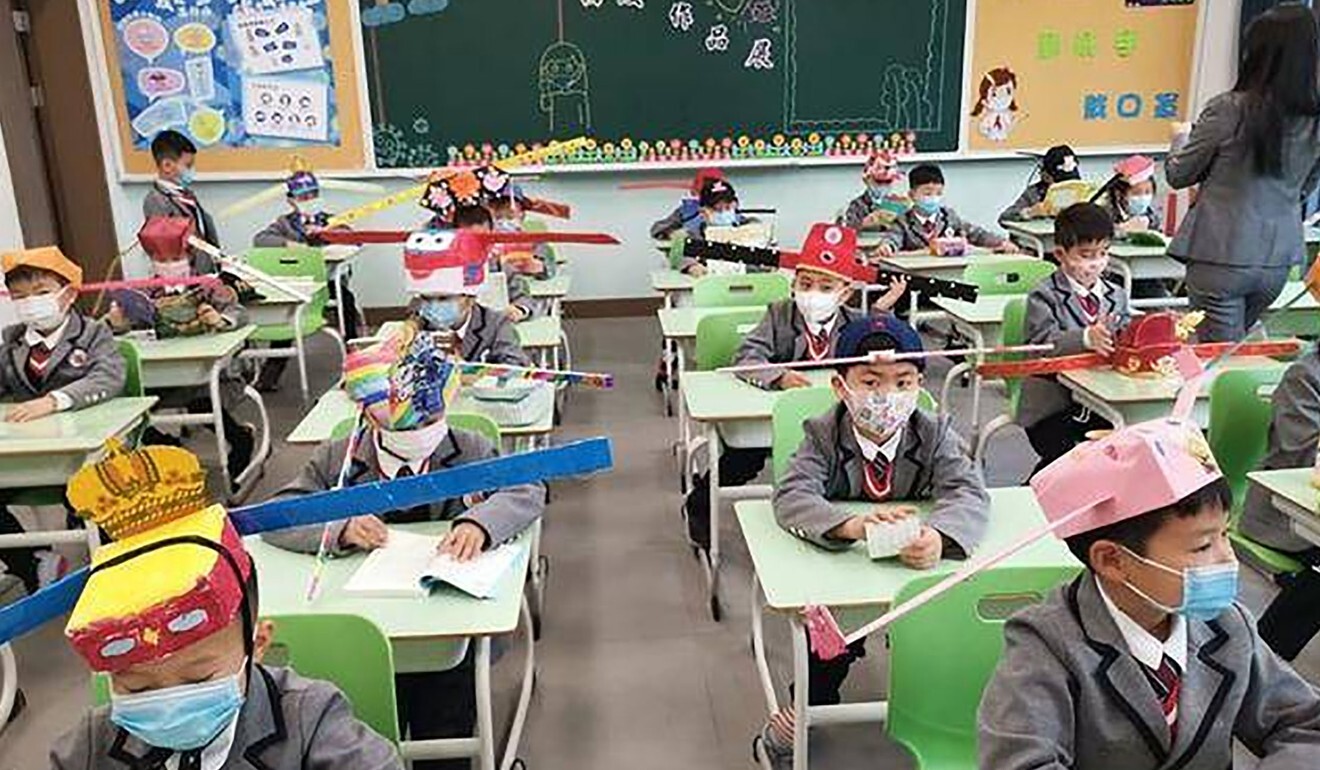
Pupils at the school wore their own handmade versions of the hats, which have long extensions, or wings, to keep them at least a metre (3ft) apart when they returned to school on Monday, state news agency Xinhua reported.
One legend says that the first Song emperor ordered his ministers to wear hats with two long wings on the sides so that they could not chitchat in court assemblies without being overheard, according to Tsui Lik-hang, a historian at City University of Hong Kong.
Pupils at a school in Hangzhou made their own versions of the hats. Photo: Weibo
However, he warned that this story came from a much later source, adding: “The Song emperors, in fact, were also depicted to have worn this kind of headwear with wing-like flaps.”
The World Health Organisation recommends that people stay at least a metre apart to curb the spread of the coronavirus that causes Covid-19.
Coronavirus droplets may travel further than personal distancing guidelines, study finds
16 Apr 2020
“If you are too close, you can breathe in the droplets, including the Covid-19 virus if the person coughing has the disease,” the global health body advises.
An early childhood education specialist said the hats were a good way to explain the concept of social distancing to young children, who find it difficult to understand abstract concepts.
The pupil’s head gear is designed to drive home the social distancing message. Photo: Weibo
“As children can see and feel these hats, and when the ‘wings’ hit one another, they may be more able to understand the expectations and remember to keep their physical distance,” said Ian Lam Chun-bun, associate head of the department of early childhood
Using pictures of footprints to indicate the right distance to keep when queuing, standing, and even talking to schoolmates was also helpful, said Lam, who recommended visual aids and aids that stimulate other senses, such as hearing and touch.
“We can use sharp colours or special textures, like tactile paving,” he added.
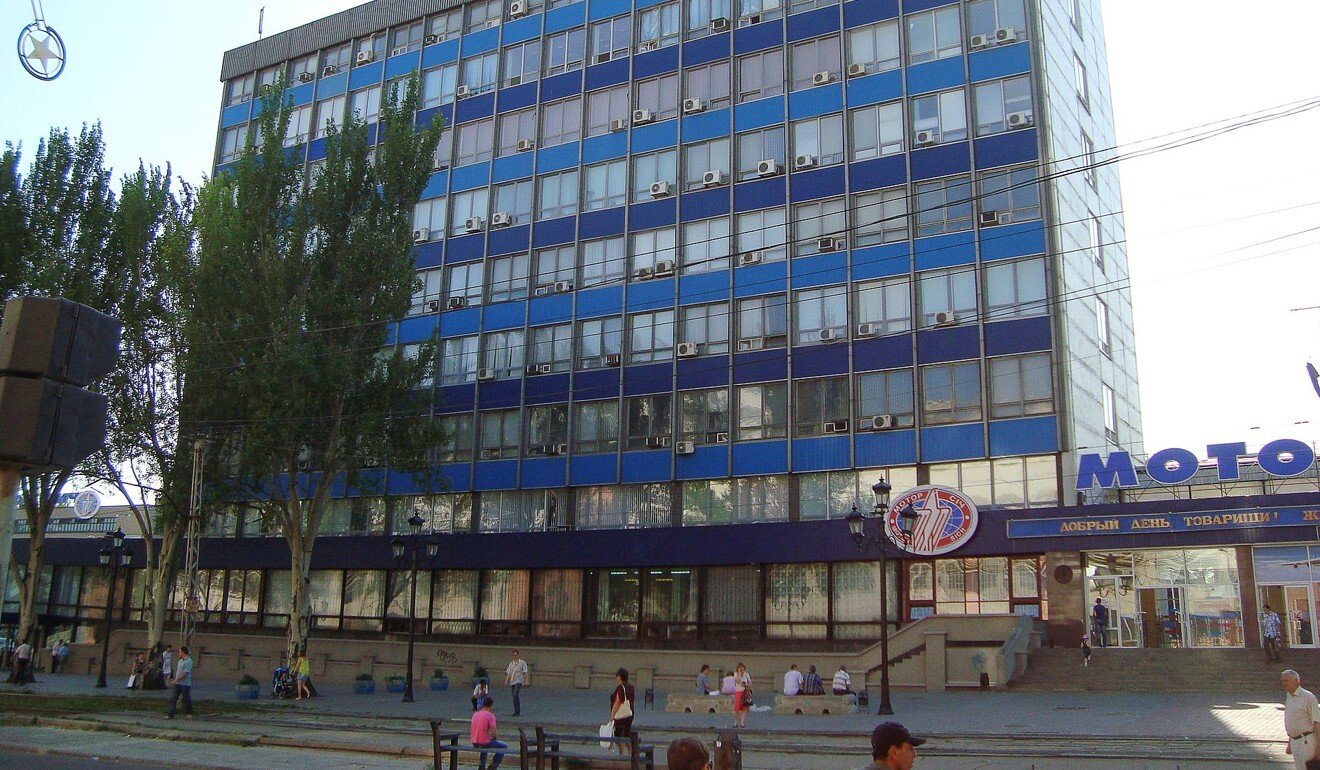
China’s Skyrizon Aircraft Holdings bought a majority stake in Motor Sich, but the shares were frozen in 2017 pending an investigation by Ukraine’s security service
Washington and Beijing have competed for influence in Ukraine since its relations with Moscow soured when Russia annexed the Crimea peninsula in 2014
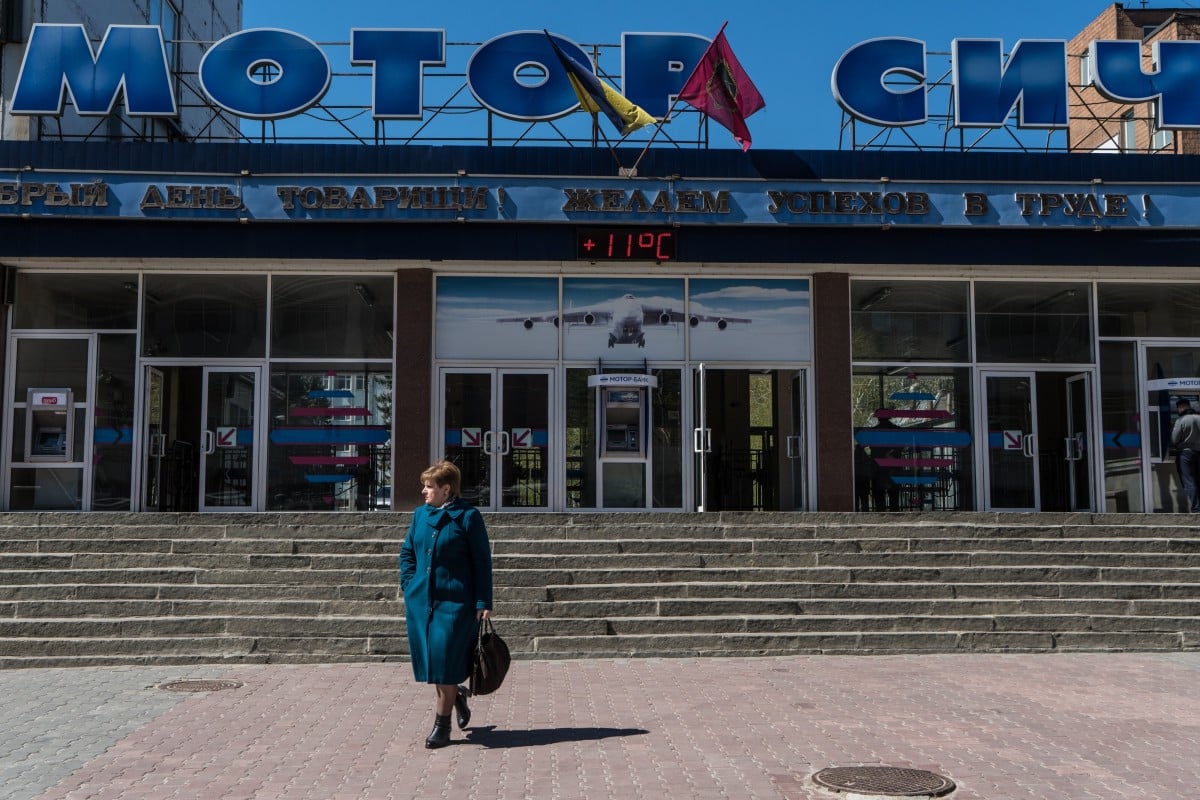
Chnia’s Skyrizon says it will appeal a Kiev court’s decision to block its purchase of Ukrainian aircraft engine maker Motor Sich. Photo: Getty Images
A court in Kiev has rejected an appeal by Chinese investors to unfreeze the shares of a Ukrainian aircraft engine maker, a setback for the Chinese company that sought to buy the Ukrainian firm in a deal opposed by the United States.
China’s Skyrizon Aircraft Holdings bought a majority stake in Motor Sich, but the shares were frozen in 2017 pending an investigation by Ukraine’s security service (SBU). Washington wants the deal scrapped.
The US and China have competed for influence in Ukraine since its relations with Moscow soured when Russia annexed the Crimea peninsula in 2014.
In its ruling, the court kept the shares frozen, citing the SBU investigation into whether selling Motor Sich sabotages national security by allowing sensitive technology into foreign hands. The ruling was dated March 13, shared with the parties this week.
Skyrizon plans further appeals, said a lawyer involved in the case, speaking anonymously due to the political sensitivity of the case. Zelensky’s office, the US embassy and the Chinese embassy did not respond to requests for comment. Motor Sich and the SBU declined to comment.
Motor Sich severed ties with Russia after the annexation of Crimea. Photo: Wikipedia
Motor Sich severed ties with Russia, its biggest client, after the annexation of Crimea. The wrangle over its future has held up efforts to find new markets, and supporters of a quick resolution say it is now operating at less than half capacity.
“Motor Sich has become a hostage to the geopolitical situation,” former prime minister Anatoliy Kinakh, chairman of an industrial union which has called for the government to resolve the dispute quickly, said.
The state’s anti-monopoly committee has launched its own investigation and says it is waiting to receive more documents before deciding whether to sanction the sale.
President Volodymyr Zelensky’s administration has had to balance strengthening ties to Beijing with keeping the United States, its biggest military aid donor, onside. In recent weeks, Beijing and Washington have both offered aid to Ukraine to fight the coronavirus.
At the moment it is a very difficult task when we have the biggest powers in the world and their interests are in conflict in Ukraine,” Oleksandr Danylyuk, a former top security official under Zelensky, said.
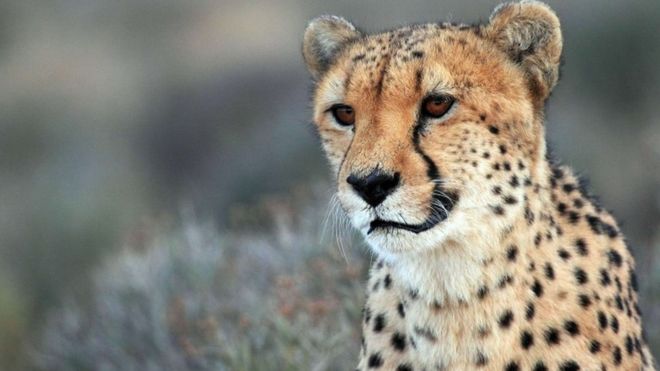
Image copyright AFPImage caption The majority of the 7,100 cheetahs left in the world are in Africa
India’s top court has said cheetahs can be reintroduced in the country, 70 years after they were wiped out.
Responding to a plea by the government, the Supreme Court said African cheetahs could be introduced to the wild in a “carefully chosen location”.
Cheetahs are an endangered species, according to the Convention on International Trade in Endangered Species (Cites).
Only 7,100 cheetahs are left in the wild, almost all of them in Africa.
The Asiatic cheetah, which once roamed parts of India, is now only found in Iran, where there are thought to be about 50 left.
India’s Supreme Court said the animal would have to be introduced on an experimental basis to find out if it could adapt to Indian conditions.
Studies show that at least 200 cheetahs were killed in India, largely by sheep and goat herders, during the colonial period. It is the only large mammal to become extinct after the country gained independence in 1947.
India’s former environment minister Jairam Ramesh welcomed the decision to reintroduce the animal.
Delighted that Supreme Court has just given OK to reintroducing cheetah from Namibia. This was something I had initiated 10 years ago. Cheetah which derives from the Sanskrit ‘chitra’ (speckled) is the only mammal hunted to extinction in modern India.
For more than a decade, wildlife officials, cheetah experts and conservationists from all over the world have discussed the reintroduction of the spotted big cat to India and have agreed that there is a strong case for it.
But leading conservationists have harboured doubts about the plan. They fear that in its haste to bring back the cheetah, India will end up housing the animals in semi-captive conditions in huge, secured open air zoos rather than allowing them to live free.
They add that without restoring habitat and prey base, and given the high chances of a man-animal conflict, viable cheetah populations cannot be established.
They have also pointed to India’s chequered record of reintroducing animals to the wild.
Lions were reintroduced in the Chandraprabha sanctuary in northern Uttar Pradesh state in the 1950s, but were then poached out of existence.
You may also be interested in…
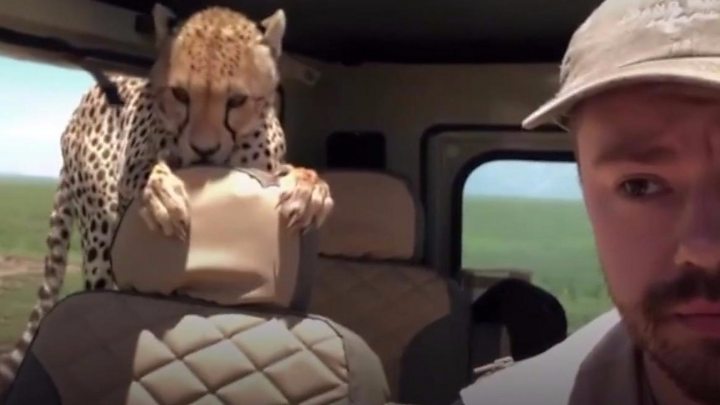
Media caption Curious cheetah joins safari group in Tanzania
However, conservationists who have led the initiative insist that these fears are unfounded. They say a decision will only be taken after shortlisted sites are fully examined for habitat, prey and potential for man-animal conflict.
The first cheetah in the world to be bred in captivity was in India during the rule of Mughal emperor Jahangir. His father, Akbar, recorded that there were 10,000 cheetahs during his time.
Much later, research showed that were at least 230 cheetahs in India between 1799 and 1968 – and the cat was reportedly sighted for the last time in the country in 1967-68.
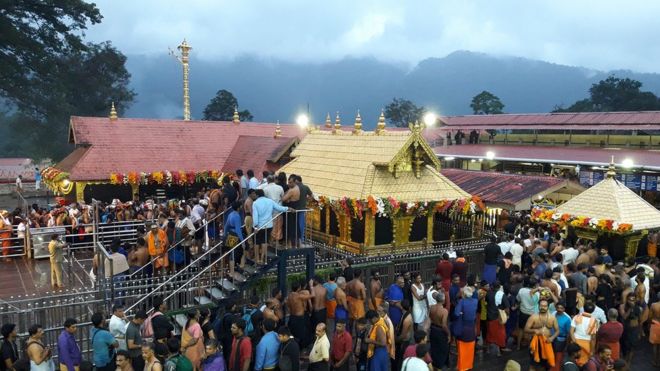
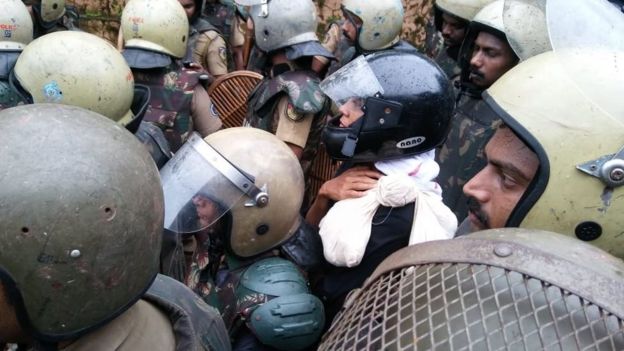
Image copyright KAVIYOOR SANTHOSHImage caption Sabarimala is one of the most prominent Hindu temples in the country
India’s Supreme Court has agreed to review its landmark judgement allowing women of menstruating age to enter a controversial Hindu shrine.
A five-judge bench last year ruled that keeping women out of the Sabarimala shrine in the southern state of Kerala was discriminatory.
The verdict led to massive protests in the state.
Women who tried to enter the shrine were either sent back or, in some cases, even assaulted.
The move is likely to anger women who fought hard to win the right to enter the temple.
Hinduism regards menstruating women as unclean and bars them from participating in religious rituals.
Many temples bar women during their periods and many devout women voluntarily stay away, but Sabarimala had a blanket ban on all women between the ages of 10 and 50.
What did the court say?
On Thursday the five-judge bench, responding to dozens of review petitions challenging the court’s landmark judgement last year, said that the matter would now be heard by a larger bench.
In doing so, however, it did not stay its earlier order. This means women can still legally enter the temple.
But it’s not going to be easy for them.
Image caption Some women tried to enter the temple last year
A temple official welcomed the ruling and appealed to women to stay away.
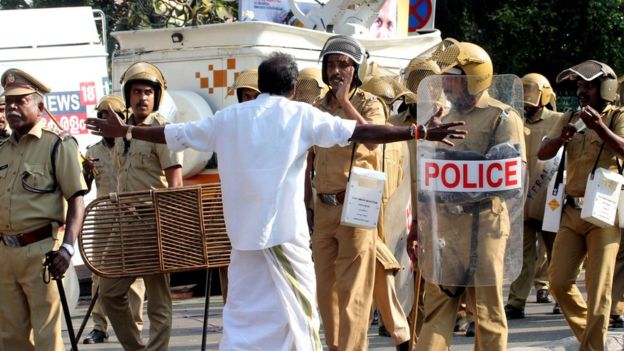
Women trying to enter the temple after the verdict last year were attacked by mobs blocking the way.
Many checked vehicles heading towards the temple to see if any women of a “menstruating age” – deemed to be those aged between 10 and 50 years – were trying to enter.
Following Thursday’s verdict, police in Kerala have appealed for calm, saying that action will be taken “against those who take the law into their own hands”. They added that social media accounts would be under surveillance and those stoking religious tensions online would be arrested.
‘One step forward, two steps back’
Geeta Pandey, BBC News, Delhi
Today’s verdict will come as a massive disappointment to women’s rights campaigners. It’s a case of one step forward, two steps back.
In 2018, while lifting the ban on women’s entry into the shrine, the Supreme Court had said that everyone had the right to practice religion and that the ban was a form of “untouchability”.
It was seen as a hugely progressive ruling and had given hope to women that they were equal before the law and could now claim equality before the gods too. What happened in court today has taken that sense away.
The Supreme Court has not put its earlier order on hold, but with the ambiguity over women’s entry continuing, it’s very likely they could be kept out in the name of keeping peace.
With the case now to be reopened by a larger seven-judge bench, the fight will have to be fought all over again.
Why is the temple so controversial?
Part of the violent opposition to the Supreme Court order to reverse the temple’s historical ban on women was because protesters felt the ruling goes against the wishes of the deity, Lord Ayappa, himself.
While most Hindu temples allow women to enter as long as they are not menstruating, the Sabarimala temple is unusual in that it was one of the few that did not allow women in a broad age group to enter at all.
Hindu devotees say that the ban on women entering Sabarimala is not about menstruation alone – it is also in keeping with the wish of the deity who is believed to have laid down clear rules about the pilgrimage to seek his blessings.
Image copyright GETTY IMAGESImage caption The entry of women into the Sabarimala temple sparked angry scenes
Every year, millions of male devotees trek up a steep hill, often barefoot, to visit the shrine. They also undertake a rigorous 41-day fast, abstaining from smoking, alcohol, meat, sex and contact with menstruating women before they begin the journey.
Women’s rights campaigners who appealed to the Supreme Court to lift the ban said that this custom violated equality guaranteed under India’s constitution. They added that it was prejudiced against women and their right to worship.
Supporters of the ban argued that the practice had been in effect for centuries, and there was no need to change it now.
So, were any women able to enter last year?
In January, two women defied protesters and entered the shrine.
Kanakadurga, 39, and Bindu Ammini, 40, made history when they entered the Sabarimala shrine – but they had to do so under heavy police protection and were also met with massive protests after.
Right-wing groups, supported by India’s ruling Hindu nationalist Bharatiya Janata Party (BJP), demanded a state-wide shutdown after, and businesses and transportation became paralysed.
Across the state hundreds were arrested, and at least one person was killed in clashes.
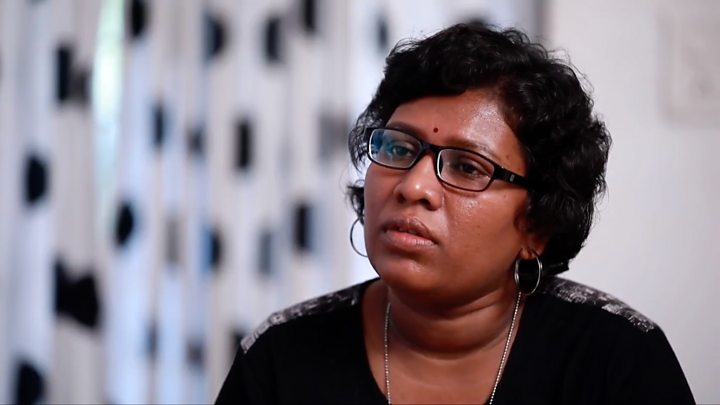
In an interview with the BBC, the women said they felt it necessary to uphold women’s rights and they weren’t afraid of mobs “enraged” by their actions.
Media caption One of the women who defied protesters to enter the Sabarimala temple says she has ‘no fear’
“I am not afraid. But every time women make any progress, society has always made a lot of noise,” Ms Kanakadurga told the BBC in January.
But their decision to enter the temple also came at heavy personal cost.
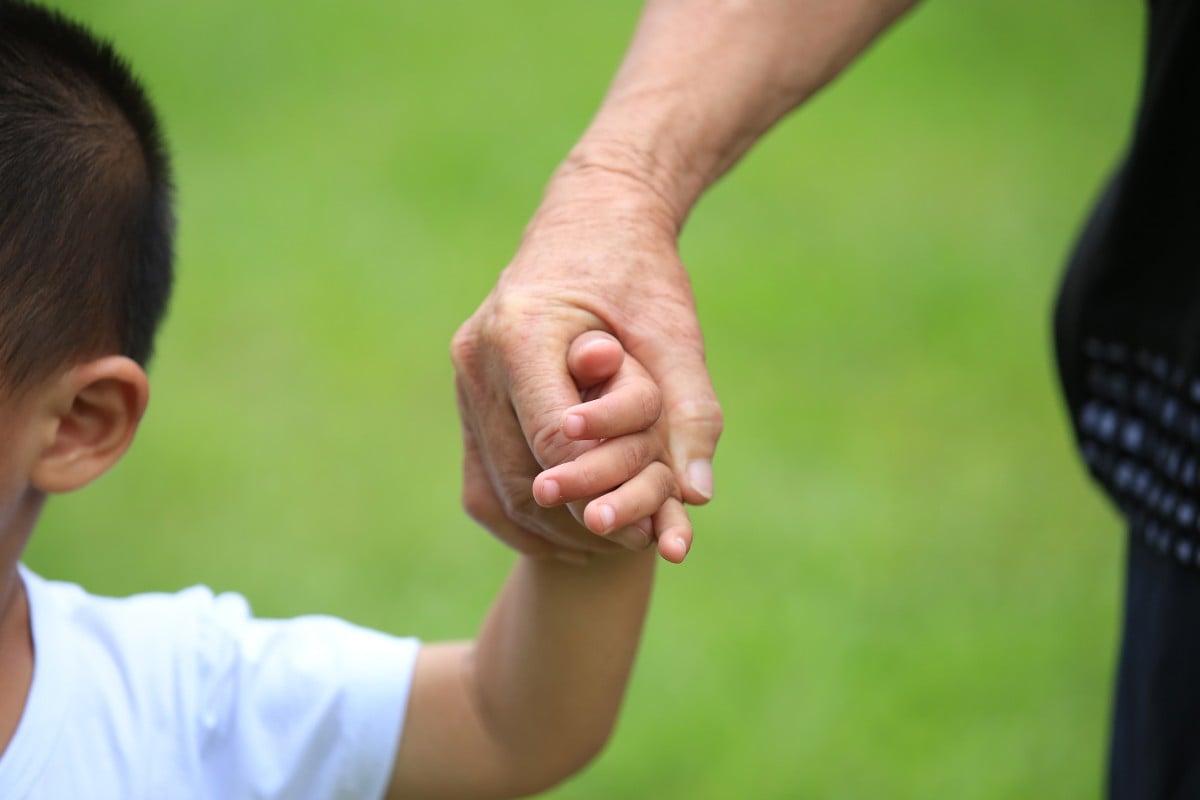
Millions of Chinese children are raised by their grandparents but some seniors are demanding compensation
For generations in China grandparents have provided childcare, but some are no longer willing to do so for free. Photo: Shutterstock
The traditional role of grandparents in caring for China’s children has been called into question with two recent lawsuits sparking debate about whether seniors should be paid for their efforts.
Two grandmothers took their demands for compensation to court in separate cases which have highlighted the reliance of Chinese workers on their parents to provide childcare while they pursue professional advancement.
A woman in Mianyang, in the southwestern province of Sichuan, was awarded more than 68,000 yuan (US$9,500) by a local court after she sued her son and daughter-in-law for the costs of raising her nine-year-old grandchild, according to Red Star News.
The woman, identified only by her surname Wang, had been the child’s full-time carer for eight years after his parents left home to seek better-paid jobs elsewhere. Wang said she had taken care of most of her grandson’s living expenses and had decided to seek compensation when his parents said they were considering a divorce.
They should respect our contribution. Grandmother Wang, Sichuan province
“I only want to let them know through this lawsuit that it’s their obligation to raise their children,” she was reported as saying. “The young ones should not take it for granted that old people ought to look after their grandchildren. They should respect our contribution.”
Despite winning the case, she has not received a penny and the boy still lives with her.
In another case, three months ago, a Beijing court supported a woman’s demand for compensation for helping to raise her granddaughter since her birth in 2002.
The stories of the two women generated a public reflection on the Chinese way of childcare which, for generations, has involved leaving most – if not all – of the burden on grandparents.
One of 60 million: life as a ‘left-behind’ child in China
From a cultural perspective, it has been a matter of course in a country with a long history of several generations living under one roof, for grandparents to participate in child rearing, according to Xu Anqi, a researcher specialising in family studies at the Shanghai Academy of Social Sciences.
“Today, as people face fierce competition and great pressure from work, it’s still common to rely on their old parents to look after their children,” she said.
While rapid urbanisation in recent decades has broken up multi-generational households, Chinese elderly still take an active role in child rearing, with many relocating to their children’s cities to take on the job.
Millions more families do it the other way round – with parents leaving children in their hometown with the grandparents while they seek better paying jobs in the cities. In August last year, according to the Ministry of Civil Affairs, China had nearly 7 million “left behind kids”, as they are known.
My little granddaughter is adorable, and generally I enjoy doing all this.Li Xiujuan, grandmother
“Many grandmothers like me would joke that we are ‘unpaid nannies’, but at the same time we feel it’s our responsibility to help them out – they would be in financial stress if one of them quit or they hired a nanny,” said Li Xiujuan, who relocated from her hometown in the central province of Henan to Shanghai two years ago to help look after her granddaughter.
“I’m a 24-hour nanny for my grandkid. I prepare food for her, wash her clothes, attend early childhood classes with her, take her for a walk in the park twice a day, sleep beside her at noon and night …” she said.
“I never cared for my daughter when she was little like I do her daughter now. You know, it was also her grandmother who mainly took care of her daily life when she was young,” Li said, laughing.
“My little granddaughter is adorable, and generally I enjoy doing all this. The hard part is that I miss my friends and relatives back home. We don’t have friends here. I have plenty of things to do at home, but here, nothing but babysitting. People are polite, but it’s difficult to make new friends,” she said.
‘Left behind’ sisters cry when parents leave home to go to work
In a 2017 study of about 3,600 households in six major cities including Beijing and Guangzhou, the Chinese Society of Education found almost 80 per cent of surveyed households had at least one grandparent as carer before children began primary school.
The study also showed that 60 per cent of parents still relied on help from grandparents after children were old enough for primary school at the age of six.
Whether grandparents should be compensated for their efforts split a poll of 49,000 users conducted by social media platform Weibo in late June, with half believing that the older generation should be paid for raising their grandchildren. Only 2.3 per cent said babysitting grandchildren was “an unalterable principle” for the elderly.
“This arrangement could be well managed and improve blood ties if children reward the elderly in their own ways, such as sending gifts on holidays and taking them on trips,” Shanghai researcher Xu said.
I think what they need more is words of appreciation, which many of us have neglected. David Dai, Beijing parent
Grandmother Li agreed: “I think regular payment is a little awkward, but I do expect some kind of reward, like cash gifts on festivals and daily necessities as presents.”
David Dai, a 30-year-old white collar worker in Beijing, said how to reward grandparents for their contribution depended on the financial situation of each household.
“My parents are farmers – they are in good shape and not so old – in their late 50s, and if they didn’t come all the way from my hometown in Anhui to Beijing to look after my son, they would still be taking some odd jobs,” he said.
“Therefore, besides covering their living costs at my place, I give them cash gifts on their birthdays, the Spring Festival and other important occasions, because babysitting their grandchild means they lose the opportunity to work,” he added.
“In some families, the grandparents might have retired and have a good pension. They don’t lack money and enjoy spending time with their grandkids. I don’t think they need to be paid. I think what they need more is words of appreciation, which many of us have neglected,” Dai said.
China boosts childcare and maternal health services in bid to lift birth rate
But for those who never show any gratitude, their parents have every reason not to offer child rearing help or to demand payment, Xu said.
Zhang Tao, a lawyer at the Hiways Law Firm in Shanghai, noted that as long as at least one parent of a child was living, the grandparents had no obligation to help with childcare.
“The grandparents should be compensated for the money they have paid for the child’s education, medical fees, and accommodation from the beneficiary,” he said.
But whether they should be paid has become the latest controversy as more grandparents find it a burden.
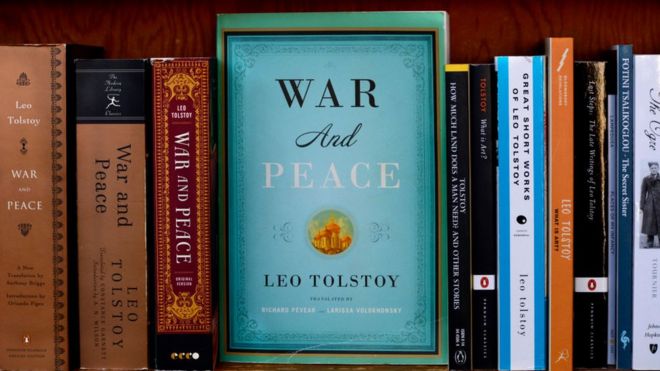
Leo Tolstoy’s War and Peace is in the news in India after a judge asked an activist to explain why he had a book “about war in another country”.
Vernon Gonsalves had appeared in the high court in Mumbai city on Wednesday for a hearing on his bail plea.
The judge’s question sparked a flurry of tweets, with users both outraged and bemused by it.
Five activists, including Mr Gonsalves, were arrested in August 2018 in connection with caste-based violence.
Police raided and searched their homes at the time and submitted a list of books, documents and other belongings to the court. The public prosecutor told the court that police had found “incriminating evidence” in Mr Gonsalves’ home, including “books and CDs with objectionable titles”.
“Why were you having these books and CDs at your home? You will have to explain this to the court,” the judge told Mr Gonsalves.
Police said that all five activists incited Dalits (formerly untouchables) at a large public rally on 31 December 2017, leading to violent clashes that left one person dead. They accused them of “radicalising youth” and taking part in “unlawful activities” which led to violence and showed “intolerance to the present political system”.
The arrests had been criticised by many at the time who saw them as an attack on free speech, and even a “witch hunt” against those who challenged the governing Bharatiya Janata Party (BJP).
So the judge’s question quickly made news and War and Peace was soon trending on Twitter.
The tweets ranged from jokes to shock over the state of India’s judiciary.
Others wondered how they would fare in a courtroom given what’s on their bookshelf, and some have issued a call out asking people to share books from their own “subversive” collection.
Image copyright GETTY IMAGESImage caption This journey is documented in undated Hindu sacred texts known as the Puranas written a few thousand years ago
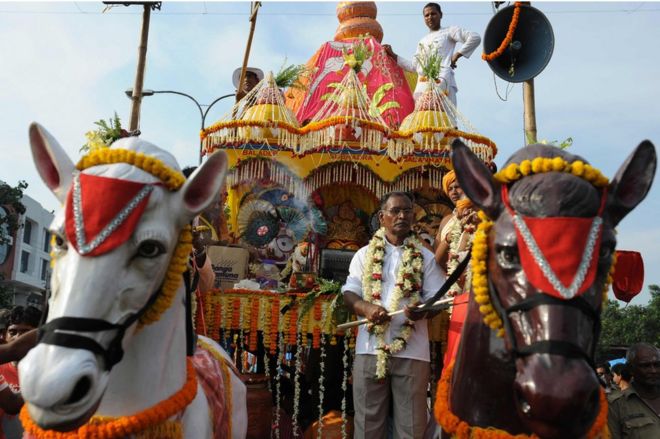
One of India’s biggest religious festivals, the Jagannath Puri Rath Yatra, gets under way on Thursday. The festival is unique in that three Hindu gods are taken out of their temples in a colourful procession to meet their devotees. The BBC’s Priyanka Pathak explains the legend behind the festival and its significance.
The biggest of these processions takes place in Puri in the eastern state of Orissa, while the other takes place in the western state of Gujarat.
Believed to be the oldest Rath Yatra or chariot procession in the world, this festival marks the annual ceremonial procession of Lord Jagannath, his elder brother Balabhadra and younger sister Subhadra, from their home temple to another temple, located in what is believed to be their aunt’s home.
This journey is documented in undated Hindu sacred texts known as the Puranas which are believed to have been written a few thousand years ago.
What makes it so interesting?
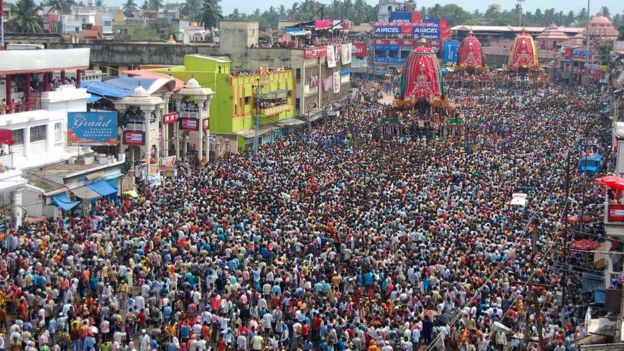
This is the only festival in the world where deities are taken out of temples to travel to devotees, and it is also the largest chariot procession in the world.
Millions of people come to watch as a “king” sweeps the road with a golden mop and three massive 18-wheeled chariots bearing the sibling deities make their way through massive crowds. Their chariots, which are mini architectural marvels, are constructed over 42 days from over 4,000 pieces of wood by the only family that has the hereditary rights to make them.
Image copyright AFP
Legend says it always rains on the day of the procession. For a whole week before, the temple doors are shut and no one is allowed inside, because it is believed that the sibling deities have a fever after bathing in the sun with 108 pitchers of water. The breaking of their fever calls for a change of scene, which is why they go to their aunt’s home for a few days.
The size, pomp and splendour of this procession has even contributed a word to the English dictionary: Juggernaut.
What is the legend of the sibling deities?
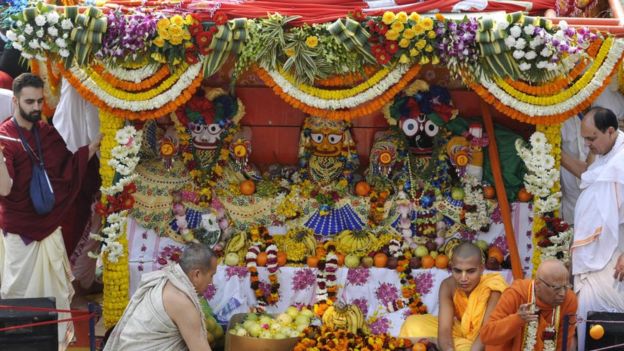
Unlike the ornate, carefully crafted metal idols everywhere else, these three deities are fashioned from wood, cloth and resin. They are malformed with large heads and no arms: reminders of the legend of an impatient King.
The legend begins in different ways.
One speaks of an arrogant Indrayumna, King of Puri in the east, who tried to steal the Hindu god Krishna’s heart. It had been immersed in the legendary Dwarka sea after his cremation and had reappeared to the tribes people of the place as an idol. When Indrayumna tried to claim its possession, the idol disappeared. The repentant king sought absolution from Krishna by sanctifying him in another form.
Image copyright GETTY IMAGESImage caption Unlike the ornate, carefully crafted metal idols everywhere else, these three deities are fashioned from wood, cloth and resin
Another speaks of how Krishna’s grief-stuck siblings – his elder brother Balabhadra and younger sister Subhadra- rushed into the Dwarka sea carrying his half-cremated body. At the same moment, King Indrayumna dreamed that Krishna’s body had floated back up on his shores as a log.
The two legends merge here: Indrayumna decided to build a temple to house the log. His next task was to find someone to craft the idols from it. Legends say that Vishwakarma, God’s own architect, arrived as an old carpenter. He agreed to carve the idols, but on the condition that he was not to be disturbed. However, when he did not emerge from his workshop for weeks, going without food, water or rest, a worried and impatient King threw the door open.
At the time the images were only half-finished, but the carpenter disappeared. Still, believing the idols to be made from the very body of God, the King sanctified them and and placed them in the temple.
When the deities disintegrate, they are remade in the same half-done image with new wood every 12 years. They were last remade in 2015.
Why are there two rath yatras and how are they connected?
Dwarka in Gujarat – where Krishna’s half-cremated body is believed to have been immersed into the ocean – is located on the west coast of India and Puri in Orissa- where it is said to have re-emerged as a log – is located in the east.
About 500 hundred years ago, a travelling Hindu saint and temple priest of a Hanuman temple in Gujarat, Shree Sarangdasji, arrived in Puri to offer prayers at the historic Jagannathan temple.
Image copyright GETTY IMAGES
While sleeping at the temple guest house, it is believed that he received visionary instruction from Lord Jagannathan to go back to Ahmedabad in Gujarat and install three idols of Jagannathan, Balbhadra and Subhadra there. Carrying out the instructions received in his dream, he founded the Ahmedabad Jagannathan Temple.
By doing so, he sanctified the two locations – one where Krishna’s mortal remains began their journey from the west, to their transformation as Puri’s Lord Jagannathan in the east.
About 142 years ago, one of the founder’s disciples, Shree Narsinhdasji Maharaj, began the Ahmedabad Rath Yatra. The deities on chariots, pulled by elephants and humans, replicate their own journey in Puri, completing a set of rituals that sanctify the two places where Krishna’s mortal remains are believed to have come to rest.
What happens to the chariots and elephants after the journey?
At the end of the festival, the chariots are dismantled and their wood is used as fuel in the temple kitchens – believed to be the largest in the world that cook 56 things every day and feed anywhere between 2,000 to nearly 200,000 people.
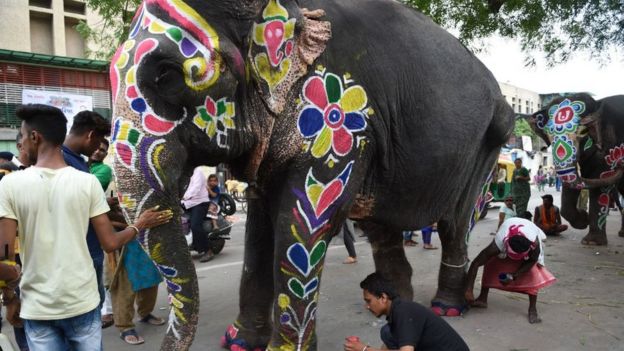
The elephants are returned to the lands managed by the temple trusts to roam free – until the procession the following year.
This year’s festival was, however, marred by controversy over the elephants.
Following the death of some of the temple elephants in Gujarat, there was massive outcry over plans to replace them with elephants from the north-eastern state of Assam.
The four elephants would have had to make a perilous train journey of more than 3,100km (1,926 miles) in heatwave conditions to participate in the festival.
NEW DELHI (Reuters) – An Indian court on Friday sentenced seven Muslim men to life in prison for the murder of two Hindu men in 2013 in the northern state of Uttar Pradesh, an incident that had sparked religious riots killing about 65 people and displacing thousands.
The riots began in the district of Muzaffarnagar, 130 km (81 miles) northeast of New Delhi, and spread to other areas in the country’s most populous state months before the 2014 election won by Prime Minister Narendra Modi’s Hindu nationalist party.
A court in Muzaffarnagar sentenced the men after they were found guilty of killing the two Hindus in the village of Kawal on Aug. 27, 2013, prosecutor Rajeev Sharma told Reuters.
Reuters could not immediately contact the families of the convicted men.
Nearly all the victims here of the riots were Muslims, including about 12,000 people who were made temporarily homeless due to the unrest that polarised western Uttar Pradesh on religious lines.
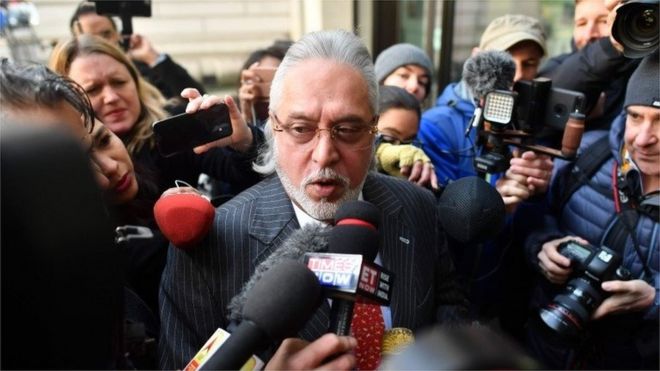
Mr Mallya built his fortune from Kingfisher beer, before branching out into Indian cricket and Formula 1 racing. He set up the now defunct Kingfisher Airlines in 2005.
He faces a raft of charges relating to financial irregularities at Kingfisher Airlines. His monetary affairs are being investigated by India’s Central Bureau of Investigation and the Enforcement Directorate, which handles financial crimes.
Paul Blake, BBC Business Reporter, Westminster Magistrates Court
Vijay Mallya entered the court surrounded by a scrum of reporters shouting questions in English and Hindi.
As we stood in line for our turn at the x-ray machine, Mr Mallya told me that he believed “clearly this is extremely political, it’s really obvious”.
While awaiting his hearing, Mr Mallya paced around the corridors, intermittently sitting among reporters in the public gallery.
When his case was called, Mr Mallya heard a detailed judgement against him, which concluded with the judge saying he should be extradited to stand trial in India.
From the scrum to the judgement, Mallya appeared calm – relaxed even.
The case is now in the hands of Home Secretary, Sajid Javid.
In 2012, he sold a majority stake in his United Spirits group to UK drinks giant Diageo. The deal was supposed to help Mr Mallya reduce United Spirits’ debts and free up funds for Kingfisher Airlines.
But the airline, which was grounded in 2012, lost its flying permit the following year. It made annual losses for five years in a row and finally collapsed after lenders refused to give it fresh loans.
Mr Mallya’s total debts, including unpaid wages and operating costs, are estimated to exceed $1bn.
He is a high-profile figure who has in the past been called “India’s Richard Branson” and the “King of Good Times” for his lavish lifestyle.









 CHINDIA ALERT: You'll be living in their world, very soon