Chindia Alert: You’ll be Living in their World Very Soon
aims to alert you to the threats and opportunities that China and India present. China and India require serious attention; case of ‘hidden dragon and crouching tiger’.
Without this attention, governments, businesses and, indeed, individuals may find themselves at a great disadvantage sooner rather than later.
The POSTs (front webpages) are mainly 'cuttings' from reliable sources, updated continuously.
The PAGEs (see Tabs, above) attempt to make the information more meaningful by putting some structure to the information we have researched and assembled since 2006.
Image copyright FENG VIDEOImage caption Wu Huayan ate only rice and chillies in order to save money to help her ill brother
Well-wishers have donated almost a million yuan to a Chinese student who was hospitalised after living on 2 yuan ($0.30, £0.20) a day for five years.
The case of Wu Huayan shocked Chinese people after it hit the headlines earlier this week.
The 24-year old woman became seriously malnourished while struggling to study and support her sick brother.
Ms Wu’s story also sparked anger at authorities for failing to recognise her plight and help her much earlier.
After the story was reported, donations began pouring in for the college student in the city of Guiyang – reportedly totalling some 800,000 yuan ($114,000, £88,000).
What is Wu Huayan’s story?
Earlier, this month, the young woman went into hospital after having difficulty breathing, according to Chinese media.
She was only 135cm (4ft 5ins) tall, weighing barely more than 20kg (43 pounds; three stones).
The doctors found she was suffering from heart and kidney problems due to five years spent eating minimal amounts of food. She said she needed to save money to support her sick brother.
Wu Huayan lost her mother when she was four and her father died when she was in school.
She and her brother were then supported by their grandmother, and later by an uncle and aunt who could only support them with 300 yuan ($42, £32) each month.
Most of that money went on the medical bills of her younger brother, who had mental health problems.
This meant Ms Wu spent only 2 yuan a day on herself, surviving largely off chillies and rice.
The siblings are from Guizhou, one of the poorest provinces in China.
Media caption China’s uphill struggle fighting extreme poverty
What has the reaction been?
The case sparked an outpouring of concern – and anger at authorities.
Many people on social media said they wanted to help with donations, and many voiced concern about her college not helping her.
One user called her situation “worse than that of refugees in Afghanistan”, while another pointed to the extravagant cost of China’s 70th anniversary celebrations, saying the money could have been better spent.
Others expressed their admiration at her efforts to help her brother, while also persevering with her studies in college.
Aside from the donations on crowd funding platforms, her teachers and classmates donated 40,000 yuan ($5,700; £4,400), while local villagers collected 30,000 yuan to help her.
Officials released a statement saying Ms Wu had been receiving the minimum government subsidy – thought to be between 300 and 700 yuan a month – and was now getting an emergency relief fund of 20,000 yuan.
“We will keep following the case of this strong-minded and kind girl,” the Tongren City Civil Affairs Bureau said.
“We will actively co-operate with other relevant departments to solve the problem according to the minimum living standard and temporary assistance responsibility that the civil affairs department bears.”
Dubbed “Little Wang”, his story also went viral, leading to international donations from people impressed by his resilience, and shocked at his poverty.
Image copyright PEOPLE’S DAILY
While China’s economy has skyrocketed over the past decades, poverty has not disappeared, and inequality has grown.
One major reason cited is the huge divide between rural and urban areas.
As a point of comparison, in rural region of Guizhou where Ms Wu lives, that figure is around 16,703 yuan.
China has moved from being “moderately unequal in 1990 to being one of the world’s most unequal countries,” according to a 2018 report by the International Monetary Fund.
According to the National Bureau of Statistics in 2017, 30.46 million rural people were still living below the national poverty line of $1.90 a day.
China has previously pledged to “eliminate” poverty by 2020.
BEIJING, Oct. 2 (Xinhua) — While turning 70 often signals the beginning of a person’s twilight years, for the People’s Republic of China (PRC) it marks a golden age full of hope and vigor.
The PRC celebrated its 70th birthday on Oct. 1. China’s transformation from an agricultural society isolated from the West into the world’s second-largest economy open wide is nothing short of a miracle.
More importantly, it has charted a new path for developing countries to modernize.
Seven decades ago, the war-ravaged country started from scratch. Observers are astonished at China’s large-scale modernization, its reduction of the number of people living in poverty and the sheer volume of its consumer market. Their heads have been turned not only because of the speed of the transition but also by the unique path taken to realize this great transformation.
Reflecting on its past and present, and through experimentation, China has identified and will continue down the right path — socialism with Chinese characteristics.
Reform is the engine of China’s miracle. There is no ready-made solution for the development issues facing China. From creating special economic zones to building free trade pilot zones, from carrying out family-based production contracts to revitalizing state-owned enterprises, China has been one of the most successful countries in piloting reforms over the past decades. Now the reform is more in-depth and more comprehensive in economic, political, cultural, social and ecological sectors.
The Chinese government stresses being effective and responsive to the public interest. Development outlines are far-sighted. For example, the five-year plans are made to deal with comprehensive aspects that concern human development: food, transportation, communication, environment, health and education. These plans are a priority for the government.
Of course these achievements could never have been realized without the leadership of the CPC.
From the people and for the people, the CPC has always upheld its principle of striving for the happiness of the people and the rejuvenation of the nation.
At a life-or-death moment, the CPC shouldered the mission of saving the nation from existential peril. After 28 years of bloody struggle, it led the Chinese people to overthrow the “three mountains” placed on their heads and put an end to the semi-colonial and semi-feudal society of old China. Gone are the days where any attempt to bully China with “fists” or “intimidation” would succeed.
Despite overseas doubts, misunderstandings and predictions that its survival would be short-lived, the CPC has stunned the world with its leadership, innovative theories and ability to unite and organize the people.
It abolished the agricultural tax that had been in place for more than 2,600 years; it established a political system in which people are masters of their own affairs; it did its utmost to help people shake off poverty and keep nearly 1.4 billion people well-off.
No ruling party in the world can match the CPC’s record of adhering to the truth, versing itself in self-reform and self-purification, and turning impossibility into certainty in the face of difficulties and challenges, again and again.
The 70-year journey was never smooth. Trials and hardships abounded. The Chinese people dealt with floods and massive earthquakes and guarded against SARS and financial tsunamis. Yet these twists and turns never blocked China’s way forward but made it more sober, determined and mature.
Today, more than at any other time in history, China is closer to, more confident and more capable of achieving the great rejuvenation of the Chinese nation. However, lofty goals are never easily reached.
The world has been undergoing tremendous changes unseen in a century. Resistant external forces and headwinds still remain. “Zero-sum game” and “superior civilization” mentalities, among others, are prevailing.
The CPC will continue to lead the Chinese people to fight trade bullying, blackmailing and hegemonism. Only the CPC can lead China to emerge as a stronger country.
It all started long ago, and the journey is far from over.
Police investigation reveals animal had escaped from a nearby restaurant
The escaped crocodile was captured by police officers and taken to the local station. Photo: Handout
A security guard at a beauty spot in eastern China was shocked to discover a 2-metre (6ft 6in) crocodile while on his rounds in the early hours of Monday morning.
The animal was lying motionless on a road at Xinlonghu Park in Changzhou, Jiangsu province, with its jaws tied by a strip of cloth, when it was spotted by the security guard, who immediately called the police, according to the Modern Express newspaper.
It took a number of officers to capture the crocodile and take it to the local police station, where an investigation revealed the animal had escaped from a nearby restaurant. The animal was returned and the restaurant owner was “criticised” by police, who urged that a close eye be kept on the animal, the report said.
“They bought it from a farm somewhere as a food material to attract customers. It has been killed for crocodile meat dishes,” an officer told the South China Morning Post on Wednesday.
Crocodiles were once vegetarians – but it was just a phase
Police said it was fortunate that the crocodile had been caught before it had entered the park’s lake or caused any danger to people.
It is unclear what species the crocodile belonged to but China permits the commercial breeding and use of the critically endangered Siamese crocodile, as well as saltwater and Nile crocodiles, which are listed as least concern species.
A staff member of the restaurant, called No. 1 Lakeside, told the Post stewed crocodile meat was on the menu for 168 yuan (US$23.60) a serving, while stewed crocodile claw was also available at 258 yuan.
Crocodile appears in ancient Chinese medicine books as a treatment for respiratory illnesses and the meat has long been regarded as a delicacy, especially in southern China, such as Guangdong province. Crocodile skin also remains a popular material for luxury handbags and other leather goods.
In June, another crocodile, measuring about 1.5 metres, was found in a road puddle during a heavy rain in Wuhan, in the central province of Hubei, where many restaurants have crocodile meat on their menus, the Chutian Metropolis Daily reported.
In that incident it took three officers to capture the animal which was sent to a wildlife centre where a physical check-up showed it had been bred in captivity, most likely for food.
Video of staff washing tableware with laundry detergent goes viral
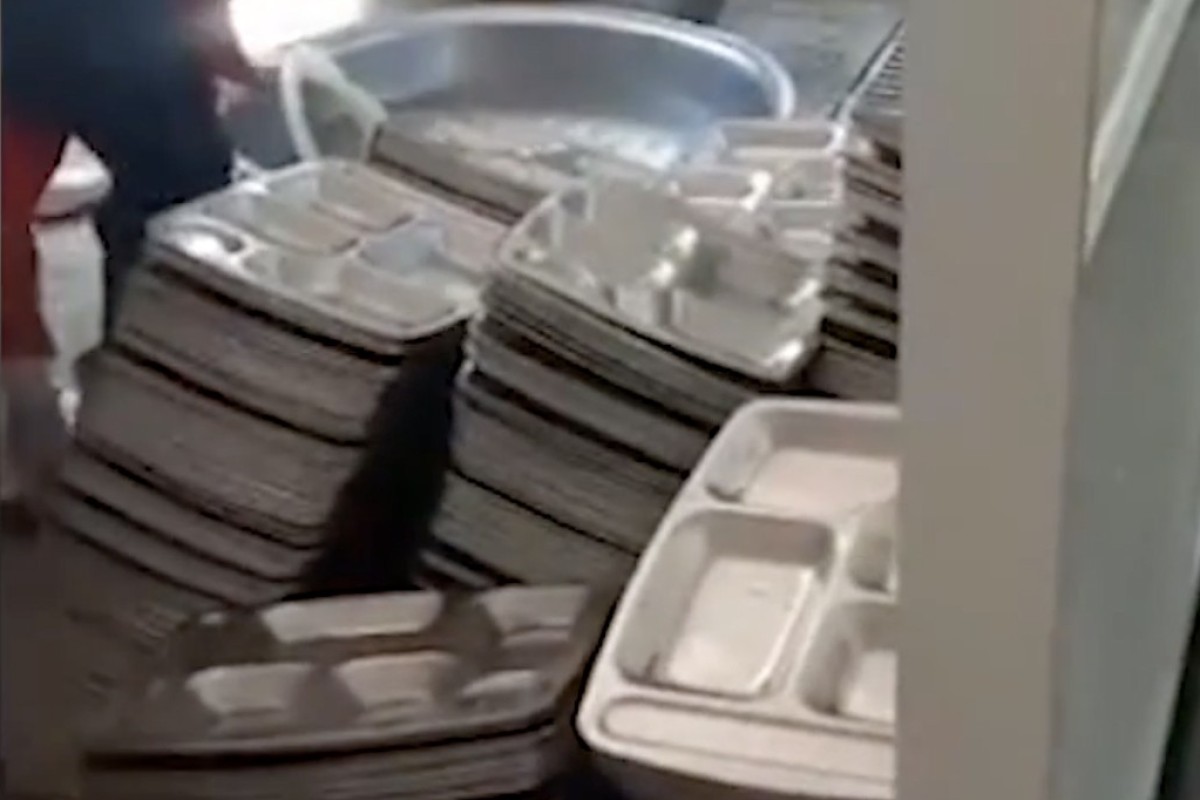
A primary school principal has been sacked after it emerged laundry detergent was used in the canteen to wash tableware. Photo: Thepaper.cn
The head of a primary school in northeastern China has been sacked and a government investigation is underway into the use of laundry washing powder to clean tableware in the school canteen.
The scandal came to light when a video of canteen staff washing up at Dongfeng Primary School in Zuanghe, Liaoning province, went viral on Chinese social media.
The video shows staff, wearing white uniforms and aprons, cleaning plates and bowls in basins containing water tainted with laundry detergent. It is unclear when the incident happened.
In a statement on Weibo, China’s version of Twitter, on Tuesday, the municipal government said the head of the school had been dismissed and representatives had been assigned by the authorities to take charge of the school’s daily operation. Due diligence investigations of the relevant department would begin “immediately”, the statement said.
Chinese school heads told to eat with pupils after string of scandals
The local administration for market regulation had also been ordered to speed up an examination of the food samples, tableware and washing products at the school, and the results would be made public in a timely manner, the authorities said.
Until the investigation is concluded, meals at the school, which has about 400 pupils, will be the responsibility of the municipal education department.
As an added precaution, food safety inspections would be carried out at all elementary and middle schools in the region.
The prompt action by the authorities reflects the wide public attention in China to any food safety scandal which involves children.
The principal of an international school in Shanghai was dismissed in October after parents of students found mouldy tomatoes and onions in a kitchen where food was prepared for pupils. In May, video footage showing mouldy food in the canteen of a middle school in Chengdu, Sichuan province, triggered angry parents to stage protests outside the school and the local government building.
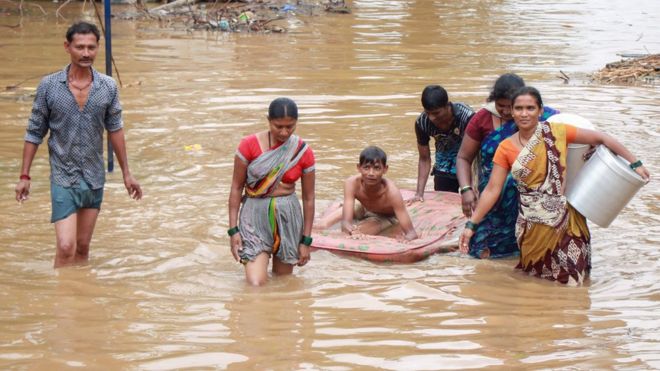
Image copyright AFPImage caption India is affected by seasonal monsoon rains between June and September
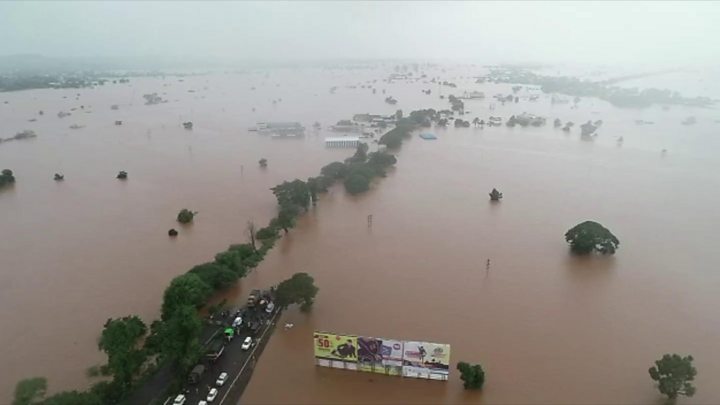
At least 95 people have been killed by monsoon flooding in southern and western India, while hundreds of thousands have been evacuated from their homes, according to reports.
More than 40 of those killed were in the south-western state of Kerala.
The flooding and landslides caused by the heavy seasonal rainfall have left some areas cut off.
Officials have called on those affected to try to seek shelter on higher ground.
India is affected by monsoon rains between June and September. While crucial to replenishing water supplies, the heavy rainfall also results in death and destruction each year.
Disaster management officials said more than 100,000 people in Kerala had been evacuated into emergency relief camps, while more than 40 had been killed.
“There are around 80 places where flood and rains have triggered mudslides, which we cannot reach,” state police spokesman Pramod Kumar told AFP news agency.
With the rains predicted to continue there in the coming days, the military is attempting to airlift food to stranded villages.
Media caption Aerial shots of flood-hit Indian states
The south-western state of Karnataka and western state of Maharashtra – which is home to India’s financial capital Mumbai – are also experiencing heavy rains, with dozens of fatalities reported and hundreds of thousands of people evacuated.
India’s National Disaster Management Authority issued warnings on Saturday for “heavy” to “extremely heavy” rainfall in several parts of the country, as well as strong winds.
Settlements along the route linking Europe and Asia thrived by providing accommodation and services for countless traders
Formally established during the Han dynasty, it was a 19th-century German geographer who coined the term Silk Road
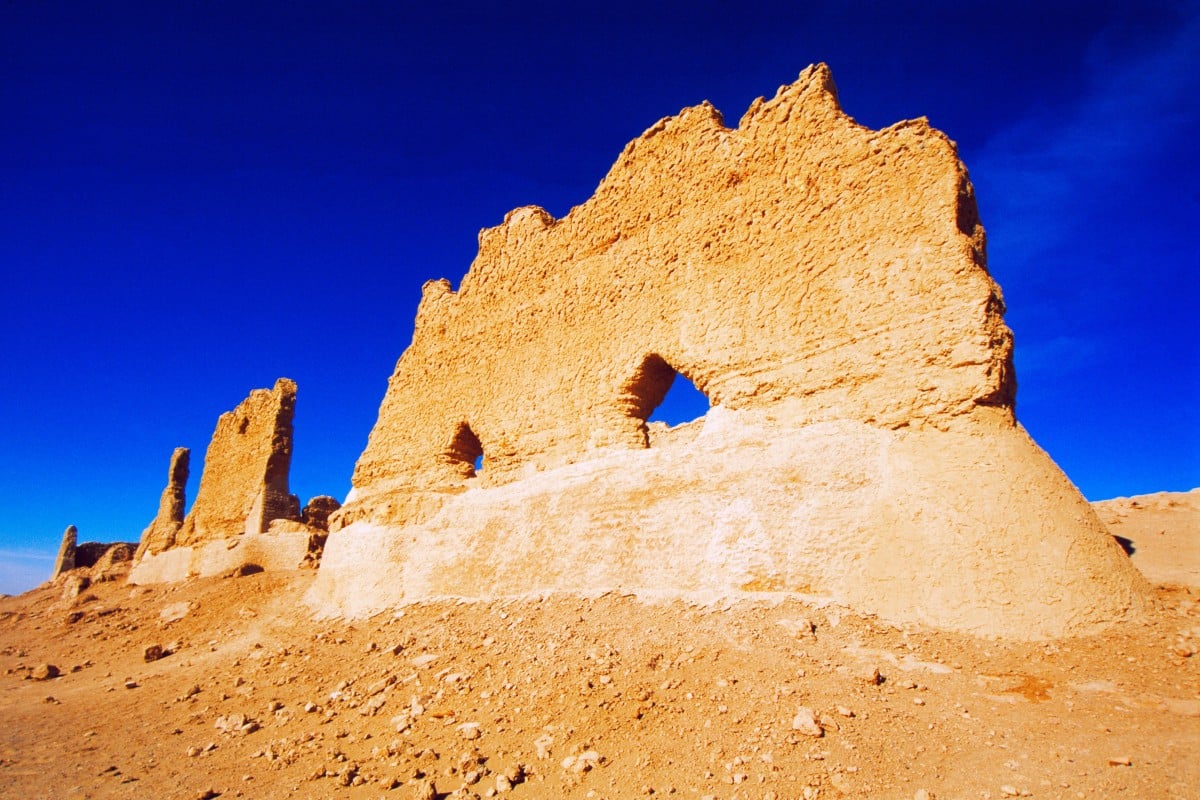
The ruins of a fortified gatehouse and customs post at Yunmenguan Pass, in China’s Gansu province. Photo: Alamy
We have a German geographer, cartographer and explorer to thank for the name of the world’s most famous network of transcontinental trade routes.
Formally established during the Han dynasty, in the first and second centuries BC, it wasn’t until 1877 that Ferdinand von Richthofen coined the term Silk Road (historians increasingly favour the collective term Silk Routes).
The movement of merchandise between China and Europe had been taking place long before the Han arrived on the scene but it was they who employed troops to keep the roads safe from marauding nomads.
Commerce flourished and goods as varied as carpets and camels, glassware and gold, spices and slaves were traded; as were horses, weapons and armour.
Merchants also moved medicines but they were no match for the bubonic plague, which worked its way west along the Silk Road before devastating huge swathes of 14th century Europe.
What follows are some of the countless kingdoms, territories, (modern-day) nations and cities that grew rich on the proceeds of trade, taxes and tolls.
China
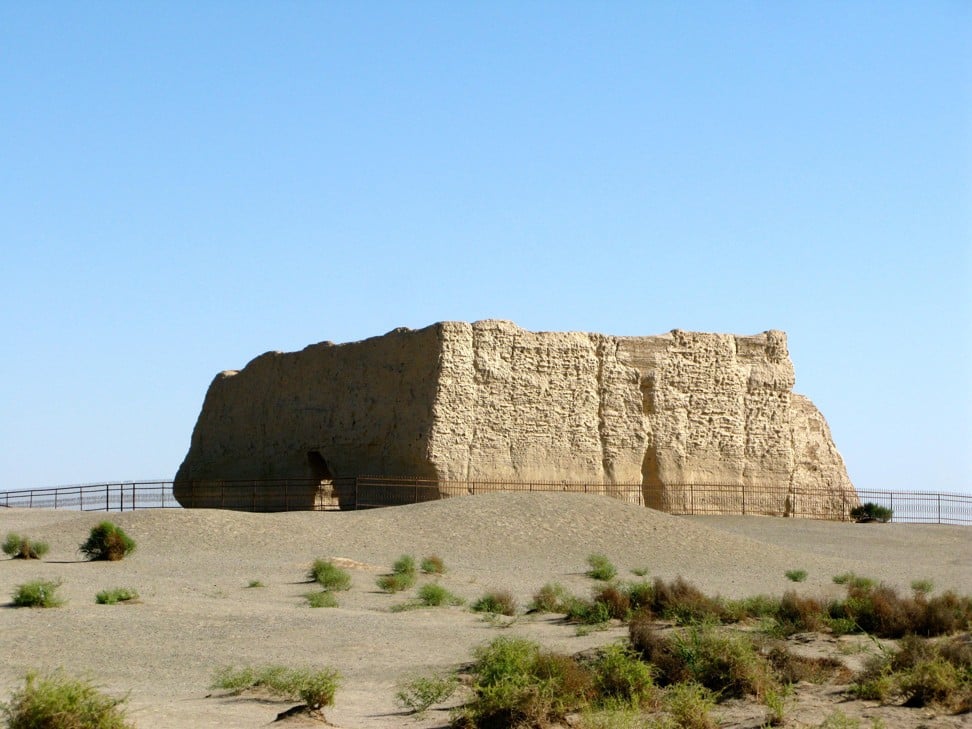
A watchtower made of rammed earth at Dunhuang, a desert outpost at the crossroads of two major Silk Road routes in China’s northwestern Gansu province. Photo: Alamy
Marco Polo worked in the Mongol capital, Khanbaliq (today’s Beijing), and was struck by the level of mercantile activity.
The Venetian gap-year pioneer wrote, “Every day more than a thousand carts loaded with silk enter the city, for a great deal of cloth of gold and silk is woven here.”
Light, easy to transport items such as paper and tea provided Silk Road traders with rich pickings, but it was China’s monopoly on the luxurious shimmering fabric that guaranteed huge profits.
So much so that sneaking silk worms out of the empire was punishable by death.
The desert outpost of Dunhuang found itself at the crossroads of two major Silk Road trade arteries, one leading west through the Pamir Mountains to Central Asia and another south to India.
Built into the Great Wall at nearby Yunmenguan are the ruins of a fortified gatehouse and customs post, which controlled the movement of Silk Road caravans.
Also near Dunhuang, the Mogao Caves contain one of the richest collections of Buddhist art treasures anywhere in the world, a legacy of the route to and from the subcontinent.
Afghanistan
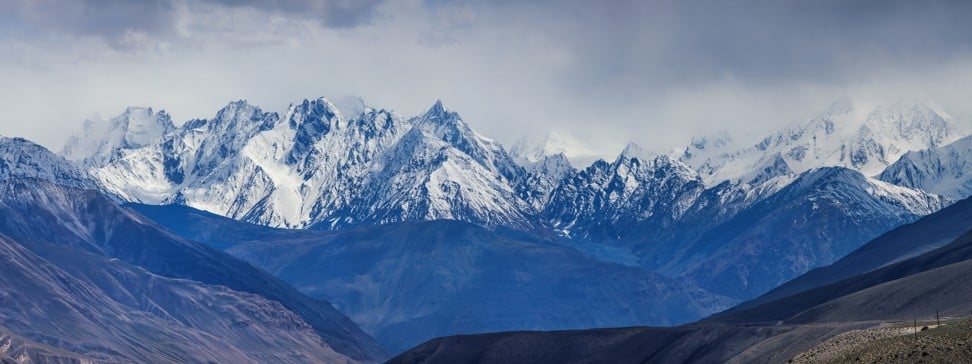
Afghanistan’s mountainous terrain was an inescapable part of the Silk Road, until maritime technologies would become the area’s undoing. Photo: Shutterstock
For merchants and middlemen hauling goods through Central Asia, there was no way of bypassing the mountainous lands we know today as Afghanistan.
Evidence of trade can be traced back to long before the Silk Road – locally mined lapis lazuli stones somehow found their way to ancient Egypt, and into Tutankhamun’s funeral mask, created in 1323BC.
Jagged peaks, rough roads in Tajikistan, roof of the world
Besides mercantile exchange, the caravan routes were responsible for the sharing of ideas and Afghanistan was a major beneficiary. Art, philosophy, language, science, food, architecture and technology were all exchanged, along with commercial goods.
In fact, maritime technology would eventually be the area’s undoing. By the 15th century, it had become cheaper and more convenient to transport cargo by sea – a far from ideal development for a landlocked region.
Iran
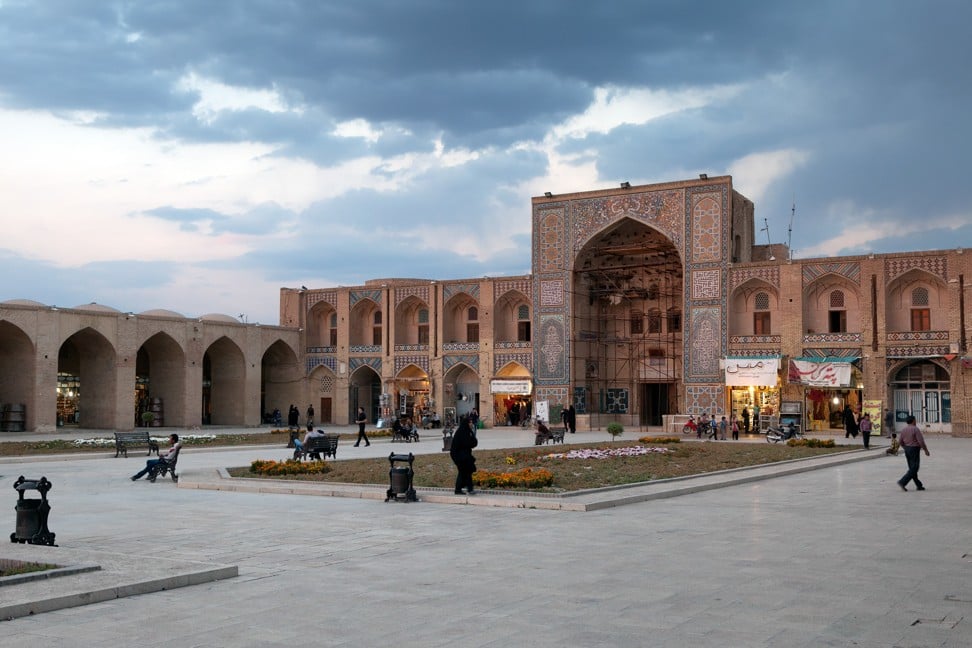
The Ganjali Khan Complex, in Iran. Photo: Shutterstock
Thanks to the Silk Road and the routes that preceded it, the northern Mesopotamian region (present-day Iran) became China’s closest trading partner. Traders rarely journeyed the entire length of the trail, however.
Merchandise was passed along by middlemen who each travelled part of the way and overnighted in caravanserai, fortified inns that provided accommodation, storerooms for goods and space for pack animals.
The good, bad and ugly sides to visiting Chernobyl and Kiev
With so many wheeler-dealers gathering in one place, the hostelries developed into ad hoc marketplaces.
Marco Polo writes of the Persian kingdom of Kerman, where craftsmen made saddles, bridles, spurs and “arms of every kind”.
Today, in the centre of Kerman, the former caravanserai building forms part of the Ganjali Khan Complex, which incorporates a bazaar, bathhouse and mosque.
Uzbekistan
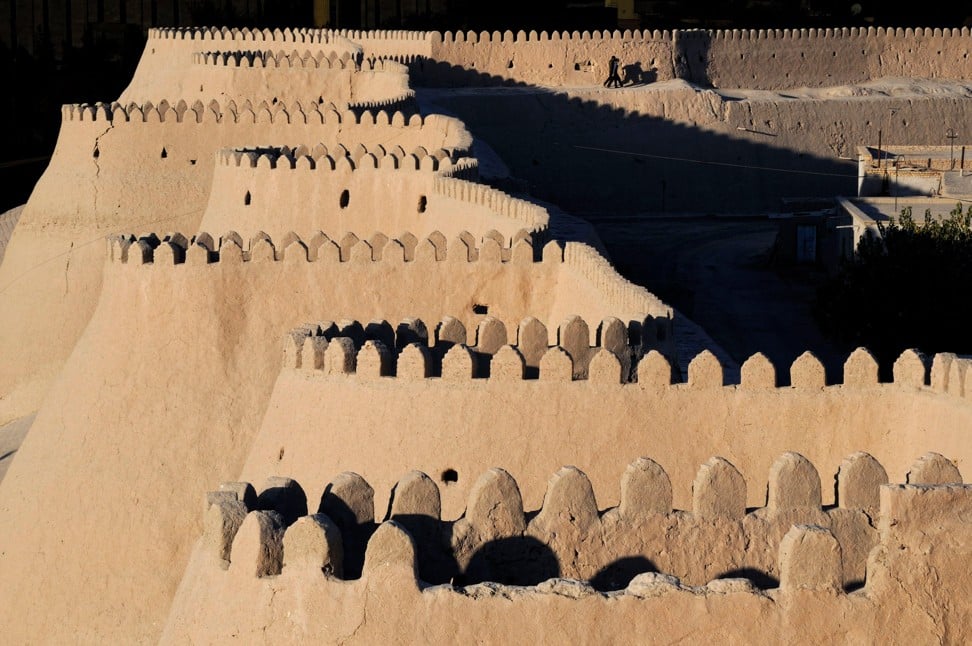
A fort in Khiva, Uzbekistan. Photo: Alamy
The double-landlocked country boasts some of the Silk Road’s most fabled destinations. Forts, such as the one still standing at Khiva, were built to protect traders from bandits; in fact, the city is so well-preserved, it is known as the Museum under the Sky.
The name Samarkand is also deeply entangled with the history of the Silk Road.
The earliest evidence of silk being used outside China can be traced to Bactria, now part of modern Uzbekistan, where four graves from around 1500BC-1200BC contained skeletons wrapped in garments made from the fabric.
Three thousand years later, silk weaving and the production and trade of textiles remain one of Samarkand’s major industries.
Georgia
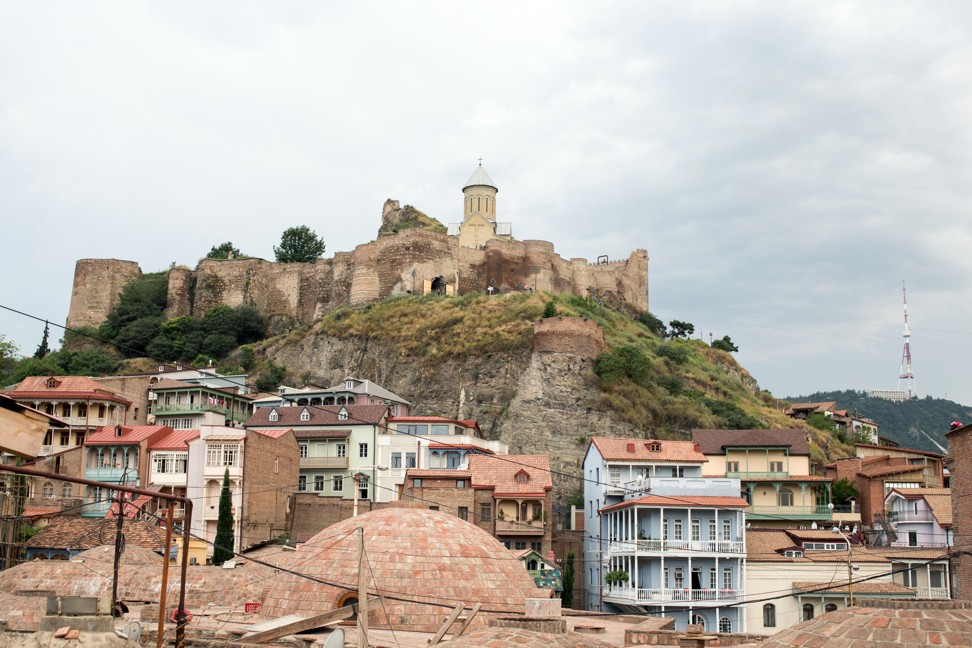
A street in old town of Tbilisi, Georgia. Photo: Alamy
Security issues in Persia led to the opening up of another branch of the legendary trade route and the first caravan loaded with silk made its way across Georgia in AD568.
Marco Polo referred to the weaving of raw silk in “a very large and fine city called Tbilisi”.
Today, the capital has shaken off the Soviet shackles and is on the cusp of going viral.
Travellers lap up the city’s monasteries, walled fortresses and 1,000-year-old churches before heading up the Georgian Military Highway to stay in villages nestling in the soaring Caucasus Mountains.
Public minibuses known as marshrutka labour into the foothills and although the vehicles can get cramped and uncomfortable, they beat travelling by camel.
Jordan
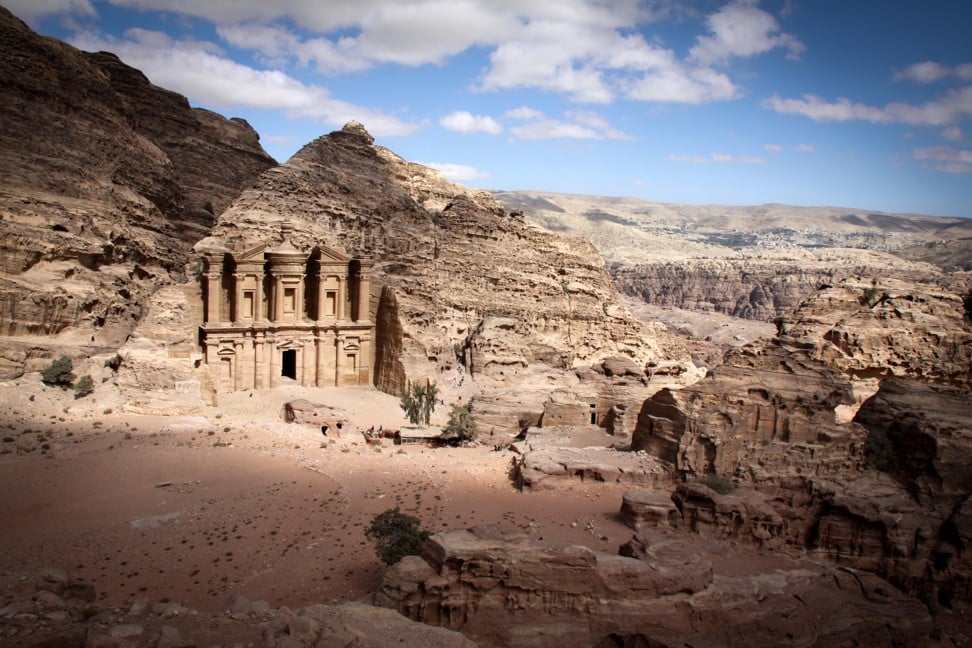
Petra, in Jordan. Photo: Alamy
The location of the Nabataean capital, Petra, wasn’t chosen by chance.
Savvy nomadic herders realised the site would make the perfect pit-stop at the confluence of several caravan trails, including a route to the north through Palmyra (in modern-day Syria), the Arabian peninsula to the south and Mediterranean ports to the west.
Huge payments in the form of taxes and protection money were collected – no wonder the most magnificent of the sandstone city’s hand-carved buildings is called the Treasury.
The Red Rose City is still a gold mine – today’s tourists pay a hefty
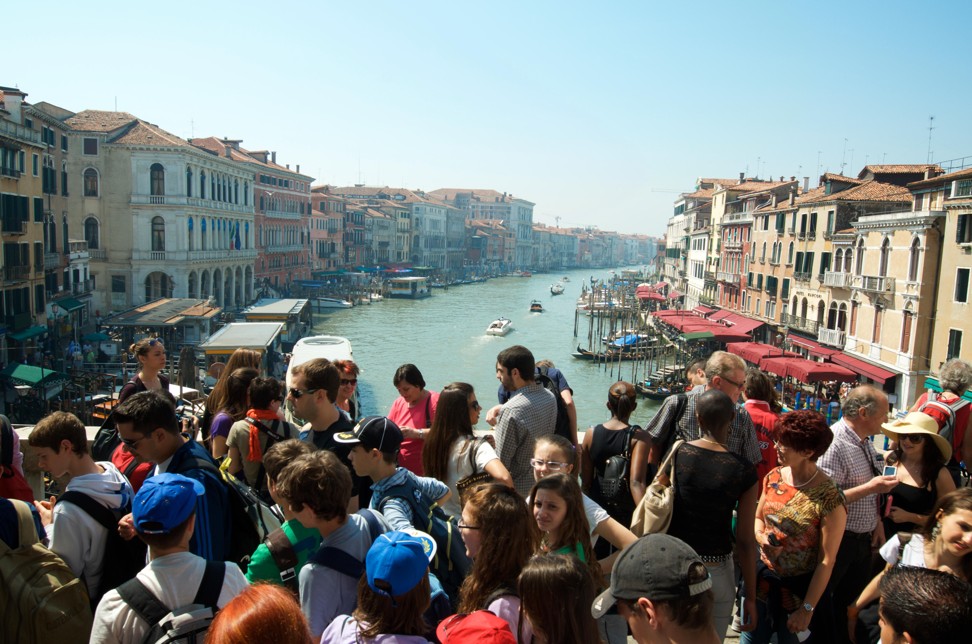
Trade enriched Venice beyond measure, helping shape the Adriatic entrepot into the floating marvel we see today.
Besides the well-documented flow of goods heading west, consignments of cotton, ivory, animal furs, grapevines and other goods passed through the strategically sited port on their way east.
Ironically, for a city built on trade and taxes, the biggest problem Venice faces today is visitors who don’t contribute enough to the local economy.
A lack of spending by millions of day-tripping tourists and cruise passengers who aren’t liable for nightly hotel taxes has prompted authorities to introduce a citywide access fee from January 2020.
Two thousand years ago, tariffs and tolls helped Venice develop and prosper. Now they’re needed to prevent its demise.
Some of China’s largest food suppliers have pulled Brazilian beef and poultry from their shelves in the first concrete sign that a deepening scandal over Brazil’s meat processing industry is hitting business in its top export market.
The moves by Sun Art Retail Group (6808.HK), China’s biggest hypermarket chain, and the Chinese arms of global retail giants Wal-Mart Stores Inc (WMT.N) and Metro AG (MEOG.DE) come days after China temporarily suspended Brazilian meat imports.
Safety fears over Brazilian meat have grown since police accused inspectors in the world’s biggest exporter of beef and poultry of taking bribes to allow sales of rotten and salmonella-tainted meats.
A spokeswoman for Sun Art Retail, which operates 400 Chinese hypermarkets, said on Wednesday the chain had removed beef supplied by top Brazilian exporters BRF SA (BRFS3.SA) and JBS SA (JBSS3.SA) from its shelves from Monday. Brazilian beef accounts for less than 10 percent of Sun Art’s beef supply, she said.
Wal-Mart has also removed Brazilian meat products from its stores, said a person familiar with the matter. He declined to be quoted because of the sensitivity of the matter.
Germany’s Metro has withdrawn Brazilian chicken legs and wings from its Chinese stores, said a manager, who declined to be named as he was not allowed to speak to media. The retailer, with 84 stores in China, does not sell Brazilian beef.
While Brazilian officials sought late on Tuesday to reassure consumers that the investigation had revealed only isolated incidents of sanitary problems, the reaction by Chinese retailers suggests that the probe could have far-reaching repercussions for the world’s top meat exporter.
Hong Kong, the second-biggest buyer of Brazilian meat last year, has also issued a ban on imports, following similar steps by Japan, Canada, Mexico and Switzerland.
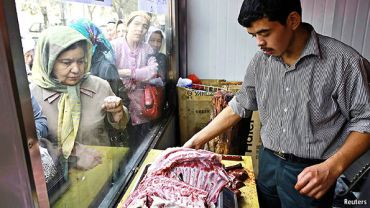
CHINA’S cities abound with restaurants and food stalls catering to Muslims as well as to the many other Chinese who relish the distinctive cuisines for which the country’s Muslims are renowned.
So popular are kebabs cooked by Muslim Uighurs on the streets of Beijing that the city banned outdoor grills in 2014 in order to reduce smoke, which officials said was exacerbating the capital’s notorious smog (the air today is hardly less noxious).
Often such food is claimed to be qing zhen, meaning “pure and true”, or halal, prepared according to traditional Islamic regulations. But who can tell? Last year angry Muslims besieged a halal bakery in Xining, the capital of Qinghai province, after pork sausages were found in the shop’s delivery van. There have been several scandals in recent years involving rat meat or pork being sold as lamb. These have spread Muslim mistrust of domestically produced halal products.
In response, some local governments have introduced regulations requiring food purporting to be halal to be just that (though not going into detail of what halal means, such as the slaughter of animals with a knife by a Muslim). Earlier this year, however, the national legislature suspended its work on a bill that would apply such stipulations countrywide.
There is much demand for one. Local rules are often poorly enforced. Advocates of a national law say a lack of unified standards is hampering exports to Muslim countries. According to Wang Guoliang of the Islamic Association of China, the country’s halal food industry makes up a negligible 0.1% of the global market.
The government began drafting a national halal law in 2002. But Muslim communities in China have varying definitions of the term. Work on the bill was slow. Each year, during the legislature’s annual session in March, Muslim delegates called for faster progress. But there were opponents, too. Some scholars argued that the government should not regulate on matters relating to religious faith. Others said that by giving in to the Muslims’ demands, China would encourage them to press for more concessions and ultimately form their own enclaves run by sharia.
Such views may have given pause to China’s leaders. In April, at a high-level meeting on religious affairs, President Xi Jinping said religion should be prevented from interfering with the law. That month Wang Zhengwei, a Muslim official who had been pushing for halal legislation, was removed from his post as the head of the State Ethnic Affairs Commission.
Also in April, the Communist Party chief of Ningxia urged officials to “sharpen [their] vigilance” against the use of halal labels on products such as toilet paper, toothpaste and cosmetics. And the government of Qinghai province ordered the inspection of Muslim-only toilets and hospital rooms, as well as shops catering to Muslims, to make sure that halal symbols were being used only on food. Xinjiang, the far-western region that is home to the Uighurs, recently introduced an anti-terrorism law threatening punishment of those who “overextend” halal rules. Officials clearly worry that those who do so might be the same sort of people who embrace jihad.
Ismael An, a Muslim writer, says this is overreacting. “Supporters of the halal law are not the so-called extremists, because real extremists don’t make demands through legislation,” he says. On the internet, however, a small but vocal group of Islamophobes has been calling for a boycott of halal-certified products. They say the price of such goods factors in payments to Islamic groups that grant the certificates—they do not want to give the religion even indirect support. Ironically, it is the non-Muslim love of Muslim food that will ensure the campaign will not succeed.


 Image copyright FENG VIDEO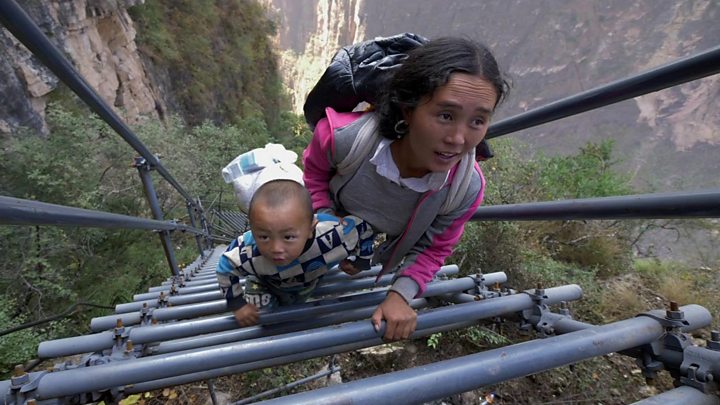
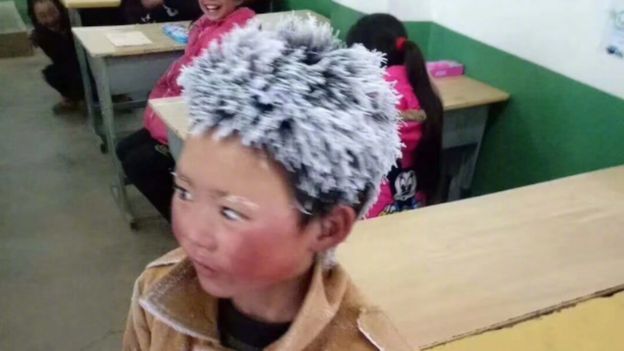 Image copyright PEOPLE’S DAILY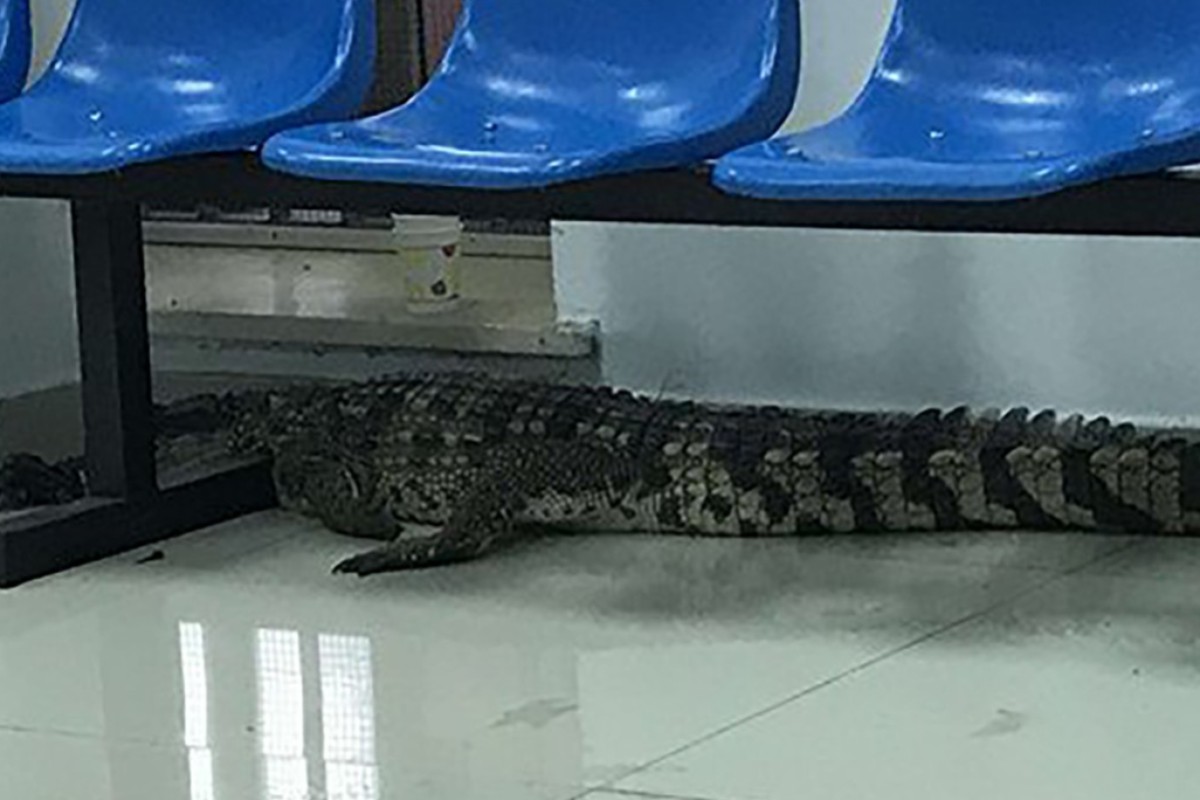

 CHINDIA ALERT: You'll be living in their world, very soon