Chindia Alert: You’ll be Living in their World Very Soon
aims to alert you to the threats and opportunities that China and India present. China and India require serious attention; case of ‘hidden dragon and crouching tiger’.
Without this attention, governments, businesses and, indeed, individuals may find themselves at a great disadvantage sooner rather than later.
The POSTs (front webpages) are mainly 'cuttings' from reliable sources, updated continuously.
The PAGEs (see Tabs, above) attempt to make the information more meaningful by putting some structure to the information we have researched and assembled since 2006.
Image copyright GETTY IMAGESImage caption Within a week of reopening, India has seen a sharp spike in cases
India is roaring – rather than inching – back to life amid a record spike in Covid-19 infections. The BBC’s Aparna Alluri finds out why.
On Saturday, India’s government announced plans to end a national lockdown that began on 25 March.
This was expected – the roads, and even the skies, have been busy for the last 10 days since restrictions started to ease for the first time in two months. Many businesses and workplaces are already open, construction has re-started, markets are crowded and parks are filling up. Soon, hotels, restaurants, malls, places of worship, schools and colleges will also reopen.
But the pandemic continues to rage. When India went into lockdown, it had reported 519 confirmed cases and 10 deaths. Now, its case tally has crossed 173,000, with 4,971 deaths. It added nearly 8,000 new cases on Saturday alone – the latest in a slew of record single-day spikes.
Image copyright GETTY IMAGESImage caption Fast food chains like McDonald’s have begun reopening outlets in parts of India.
So, why the rush to reopen?
The lockdown is simply unaffordable
“It’s certainly time to lift the lockdown,” says Gautam Menon, a professor and researcher on models of infectious diseases.
“Beyond a point, it’s hard to sustain a lockdown that has gone on for so long – economically, socially and psychologically.”
From day one, India’s lockdown came at a huge cost, especially since so many of its people live on a daily wage or close to it. It put food supply chains at risk, cost millions their livelihood, and throttled every kind of business – from car manufacturers to high-end fashion to the corner shop selling tobacco. As the economy sputtered and unemployment rose, India’s growth forecast tumbled to a 30-year-low.
Raghuram Rajan, an economist and former central bank governor, said at the end of April that the country needed to open up quickly, and any further lockdowns would be “devastating”.
The opinion is shared by global consultant Mckinsey, whose report from earlier this month said India’s economy must be “managed alongside persistent infection risks”.
Image copyright GETTY IMAGESImage caption As restrictions ease, Indians are slowly getting used to the new normal
“The original purpose of the lockdowns was to delay the spike so we can put health services and systems in place, so we are able handle the spike [when it comes],” says Dr N Devadasan, a public health expert. “That objective, to a large extent, has been met.”
In the last two months, India has turned stadia, schools and even train coaches into quarantine centres, added and expanded Covid-19 wards in hospitals, and ramped up testing as well as production of protective gear. While grave challenges remain and shortages persist, the consensus seems to be that the government has bought as much time as possible.
“We have used the lockdown period to prepare ourselves… Now is the time to revive the economy,” Delhi Chief Minister Arvind Kejriwal said last week.
The silver lining
For weeks, India’s relatively low Covid-19 numbers baffled experts everywhere. Despite the dense population, disease burden and underfunded public hospitals, there was no deluge of infections or fatalities. Low testing rates explain the former, but not the latter.
In fact, India made global headlines not for its caseload but for its botched handling of the lockdown – millions of informal workers, largely migrants, were left jobless overnight. Scared and unsure, many tried to return home, often desperate enough to walk, cycle or hitchhike across hundreds of kilometres.
Perhaps the choice – between a virus that didn’t appear to be wreaking havoc yet, and a lockdown that certainly was – seemed obvious to the government.
But that is changing quickly as cases shoot up. “I suspect we will keep finding more and more cases, but they will mostly be asymptomatic or will have mild symptoms,” Dr Devadasan says.
The hope – which is also encouraging the government to reopen – is that most of India’s undetected infections are not severe enough to require hospitalisation. And so far, except in Mumbai city, there has been no dearth of hospital beds.
The government, for instance, has been touting India’s mortality rate as a silver lining – at nearly 3%, it’s among the lowest in the world.
But some are unconvinced by that. Dr Jacob John, a prominent virologist, says India has never had, and still doesn’t have, a robust system for recording deaths – in his view, the government is certainly missing Covid-19 deaths because they have no way of knowing of every fatality.
Image copyright GETTY IMAGESImage caption Indians are venturing out again but it’s unclear how many of them are asymptomatic.
And, he says, “what we must aim for is flattening the mortality curve, not necessarily the epidemic curve”.
Dr John, like several other experts, also predicts a peak in July or August, and believes the country is reopening so quickly because the “government realised the futility of such leaky lockdowns”.
A shift in strategy
So is the government gearing up for another lockdown when the peak comes?
While Dr Menon believes the lockdown was well-timed, he says it was too focused on cases coming from abroad.
“There was a hope that by controlling that, we could prevent epidemic spread, but how effective was our screening [at airports]?”
Now, he adds, is the time for “localised lockdowns”.
Media caption Coronavirus: Death and despair for migrants on Indian roads
The federal government has left it to states to decide where, how and to what extent to lift the lockdown as the virus’ progression varies wildly across India.
Maharashtra alone accounts for more than a third of India’s active cases. Add Tamil Nadu, Gujarat and Delhi, and that makes up 67% of the national total.
But other states – such as Bihar – are already seeing a sharp uptick as migrant workers return home.
“Initially, most of your cases were in the cities,” Dr Devadasan says. “But we kept the migrant workers in cities and didn’t allow them to go home. Now, we are sending them back. We have facilitated transporting the virus from urban areas to rural areas.”
While the government has said how many infections have been avoided – up to 300,000 – and lives saved – up to 71,000 – by the lockdown, there is no indication of what lies ahead.
There is only advice: The day the government began to ease restrictions, Mr Kejriwal tweeted, urging people to “follow discipline and control the coronavirus disease” as it was their “responsibility”.
Image copyright GETTY IMAGESImage caption Social distancing will prove to be India’s biggest post-lockdown challenge
Because the alternative – of curfews and constant policing – is unsustainable.
“My worry is more the circumstances of people – it’s not as though they have an option to practise social distancing,” Dr Menon says.
And they don’t – not in joint family homes or one-room hovels packed together in slums, not in crowded markets or busy streets where jostling is second nature, or in temples, mosques, weddings or religious processions where more is always merrier.
The overwhelming message is that the virus is here to stay, and we have to learn to live with it – and the only way to do that, it appears, is to let people live with it.
Image copyright ANIImage caption Millions of people across India have been stranded by the lockdown
The first train carrying migrant workers stranded by a nationwide lockdown in India has left the southern state of Telangana.
The 24-coach train, carrying 1,200 passengers, is travelling non-stop to eastern Jharkhand state.
Earlier this week, India said millions of people stranded by the lockdown can return to their home states.
The country has been in lockdown to curb the spread of coronavirus since 24 March.
However, the movement of people will be only possible through state government facilitation, which means people cannot attempt to cross state borders on their own.
This train is a “one-off special train” to transport the workers on the request of the Telangana state government, Rakesh Ch, the chief public relations officer of South-Central Railways, told the BBC.
The train left Lingampally, a suburb of the southern city of Hyderabad, early on Friday and is expected to reach Hatia in Jharkhand on Saturday.
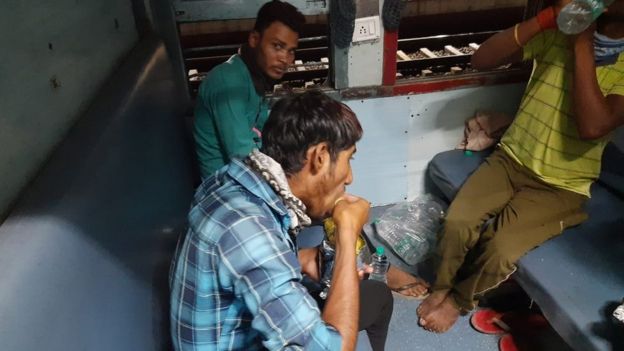
Mr Rakesh said that adequate social distancing precautions had been taken and food was being served to the passengers.
Image copyright ANIImage caption Railways officials said that adequate social distancing precautions had been taken and food was being served to the passengers.
He said each carriage was carrying 54 passengers instead of its 72-seat capacity.
“The middle berth is not being used in the sleeper coaches and only two people are sitting in the general coaches,” Mr Rakesh said.
Before the train pulled out of the station, all the passengers were screened for fever and other symptoms.
They had all been employed at a construction site at the Indian Institute of Technology, a top engineering school, in Hyderabad city.
The workers had earlier protested at the site against the non-payment of wages by their contractor.
Senior official M Hanumantha Rao said the contractor was asked to pay their salaries and arrangement made to send them back home.
The journey was organised at “very short notice”, senior police official S Chandra Shekar Reddy told BBC Telugu.
“We screened them at the labour camp itself and transported them to the railway station in buses,” he said.
India’s migrant workers are the backbone of the big city economy, constructing houses, cooking food, serving in eateries, delivering takeaways, cutting hair in salons, making automobiles, plumbing toilets and delivering newspapers, among other things.
Image copyright ANIImage caption Before the train pulled out of the station, all the passengers were screened for fever and other symptoms.
Most of the country’s estimated 100 million migrant workers live in squalid conditions.
When industries shut down overnight, many of them feared they would starve.
For days, they walked – sometimes hundreds of kilometres – to reach their villages because bus and train services were shut down overnight. Several died trying to make the journey.
Some state governments tried to facilitate buses, but these were quickly overrun. Thousands of others have been placed in quarantine centres and relief camps.
SHANGHAI (Reuters) – Apple Inc’s (AAPL.O) discounts on the iPhone 11 in China and the release of a new low-price SE model have put the company in a better position than rivals to weather a coronavirus-related plunge in global smartphone demand.
While China, which accounts for roughly 15% of Apple’s revenue, appears to be a rare bright spot, investors will be keen to get a picture of global demand when the Cupertino, California-headquartered company reports second-quarter results on Thursday.
The iPhone maker has shut retail stores in the United States and Europe following the COVID-19 outbreak, and China is the only major market where it has been able to reopen all shops.
Consumer spending is expected to be muted as the pandemic has crippled economies and Apple, the world’s second-most valuable tech company, is better armed with the launch of its new price-conscious iPhone model, analysts said.
“Apple is better positioned than most to experience a rapid recovery in a post COVID world,” Evercore analyst Amit Daryanani said in a research note. “We see demand as pushed out, not canceled.”
He added that the launch of the $399 iPhone SE suggested that Apple’s supply chain was getting back on its feet after weeks of shutdown earlier this year.
Analysts expect Apple to report a 6% drop in revenue and an 11% fall in net income in its fiscal second quarter, according to Refinitiv data.
On the other hand, Chinese brands such as Oppo and Vivo who have steadily moved to offer high-end models to challenge iPhones, stand to lose marketshare as bargain hunters choose Apple.
Earlier this month, several online retailers in China slashed prices of the iPhone 11 by as much as 18% – a tactic Apple has used in the past to boost demand. And while initial social media reaction to the new iPhone SE was muted, analysts said they were seeing a pick up in demand.
The cheaper iPhone SE could tempt iPhone owners to opt for a newer device, something they might have otherwise delayed in a weak economy, said Nicole Peng, who tracks the smartphone sector at research firm Canalys.
“People want to avoid uncertainty in a downturn,” she said. “Having a brand like Apple that can showcase quality and make people less worried about breakdowns or after-sales service can bring in buyers.”
CHEAP IS GOOD
Early data suggests that the Chinese smartphone market is recovering rapidly in the aftermath of the virus, and Apple has emerged relatively unscathed.
Sales of iPhones in China jumped 21% last month from a year earlier and more than three fold from February, government data showed, meaning March-quarter sales in the country were likely to have slipped just 1%.
To be sure, a recovery in Chinese demand won’t offset sales lost in the United States and Europe. And the company is yet to launch a smartphone enabled with 5G wireless technology like those offered by Asian rivals, a disadvantage for Apple so far.
But those same expensive 5G models may not sell well in the current climate of frugality, analysts said.
“If there are no massive subsidies (in China), I doubt there will be many smartphone users who will be eager to upgrade to 5G,” said Linda Sui, who tracks the smartphone sector at research firm Strategy Analytics.
Sui expects iPhone shipments in 2020 to be down 2 percentage points at the most, versus double digit declines at Chinese firms.
Apple also has revenue from its services business to fall back on. It has leveraged its large iPhone customer base to boost services revenue from music, apps, gaming and video.
“Apple’s Services segment should remain resilient in today’s work-from-home environment, thereby demonstrating the durability of Apple’s model,” Cowen analyst Krish Sankar said.
QINGDAO, April 27 (Xinhua) — New cargo train services have been launched between east China’s Shandong Province and countries of Shanghai Cooperation Organization (SCO).
A train carrying 45 containers departed Monday from the intermodal transportation center of the demonstration zone for China-SCO local economic and trade cooperation in the city of Qingdao, according to the demonstration zone.
The train, loaded with excavators and land levelers worth a total of 20 million yuan (2.8 million U.S. dollars), is expected to arrive at Almaty, Kazakhstan, in eight days.
With the intermodal transportation center in Qingdao as the cargo distribution center, the monthly train services will deliver cargo to more than 30 cities of SCO countries, including Tashkent, Minsk and Ulan Bator.
BEIJING (Reuters) – China’s factory activity likely rose for a second straight month in April as more businesses re-opened from strict lockdowns implemented to contain the coronavirus outbreak, which has now paralysed the global economy.
The official manufacturing Purchasing Manager’s Index (PMI), due for release on Thursday, is forecast to fall to 51 in April, from 52 in March, according to the median forecast of 32 economists polled by Reuters. A reading above the 50-point mark indicates an expansion in activity.
While the forecast PMI would show a slight moderation in China’s factory activity growth, it would be a stark contrast to recent PMIs in other economies, which plummeted to previously unimaginable lows.
That global slump, caused by heavy government-ordered lockdowns, as well as the cautious resumption of business in China, suggests any recovery in the world’s second-largest economy is likely to be some way off.
“The recovery so far has been led by a bounce-back in production, however, the growth bottleneck has decisively shifted to the demand side, as global growth has weakened and consumption recovery has lagged amid continued social distancing,” Morgan Stanley said in a note.
“The expected slump in external demand has likely capped further recovery in industrial production.”
The latest official data showed 84% of mid-sized and small business had reopened as of April 15, compared with 71.7% on March 24.
Hobbled by the coronavirus, China’s economy shrank 6.8% in the first quarter from a year earlier, the first contraction since current quarterly records began.
That has left Chinese manufacturers with reduced export orders and a logistics logjam, as many exporters grapple with rising inventory, high costs and falling profits. Some have let workers go as part of the cost-cutting efforts.
A China-based brokerage Zhongtai Securities estimated that the country’s real unemployment rate, measured using international standards, could exceed 20%, equal to more than 70 million job losses and much higher than March’s official reading of 5.9%.
Sheng Laiyun, deputy head at the statistics bureau, said on Sunday migrant workers and college graduates are facing increasing pressures to secure jobs, while official jobless surveys show nearly 20% of employed workers not working in March.
Chinese authorities have rolled out more support to revive the economy. The People’s Bank of China earlier in April cut the amount of cash banks must hold as reserves and reduced the interest rate on lenders’ excess reserves.
BEIJING/SHANGHAI (Reuters) – China’s Inceptio Technology, a startup developing self-driving trucks, has raised $100 million in its latest funding round from logistics firm GLP, its key strategic investor G7 and other investors, two sources familiar with the matter told Reuters.
The proceeds from its series A funding round will be used to further develop its technologies and to start commercial trials, said the sources, who declined to be named as they were not authorised to speak to media.
The company, which aims to operate a freight network with autonomous driving trucks in China from 2022, has partnerships with Dongfeng Automobile Co Ltd (600006.SS), Sinotruk Hong Kong Ltd (3808.HK) and Foton (600166.SS).
The two-year-old firm is developing autonomous driving software and an in-car computing system while the truckmakers are responsible for the vehicles’ platforms.
Inceptio declined to comment. G7 and Singapore-based GLP did not immediately respond to requests for comment.
Inceptio focuses on level 3 and 4 technologies. A level 3 vehicle will enable drivers to turn their attention away from driving but they still need to take over if the car encounters a problem, while with level 4 technologies, there is no human intervention in most circumstances.
The trucking industry is expected to an earlier adopter of autonomous driving technology compared to passenger vehicle makers as driving on highways is more predictable than on busy city streets.
German automaker Daimler (DAIGn.DE) and U.S. postal giant United Parcel Service Inc (UPS.N) have invested in self-driving trucks.
SHANGHAI (Reuters) – China’s smog-prone northern province of Hebei met its air quality targets by a big margin over the winter after concerted efforts to tackle emissions, a local official said on Sunday, without mentioning coronavirus-related factory shutdowns.
Average PM2.5 concentrations over the October-March period dropped 15% from a year earlier to 61 micrograms per cubic metre, while sulphur dioxide also fell by a third, said He Litao, vice-head of the provincial environmental bureau.
Most experts have attributed the significant decline in air pollution throughout China in the first quarter to the coronavirus outbreak and tough containment measures, which saw cities and entire provinces locked down and sharply reduced traffic and industrial activity throughout the country.
With millions staying at home, concentrations of lung-damaging PM2.5 particles fell by nearly 15% in more than 300 Chinese cities in the first three months of 2020.
Shanghai saw emissions fall by nearly 20% in the first quarter, while in Wuhan, where the pandemic originated, monthly averages dropped more than a third compared to last year.
However, He of the Hebei environmental bureau attributed the local decline in pollution to the “conscientious implementation” of government decisions even in the face of unfavourable weather conditions.
According to a winter action plan published last year, 10 cities in Hebei were expected to cut lung-damaging small particles known as PM2.5 by 1%-6% compared to the previous year.
Despite the decline, average PM2.5 was still much higher than China’s official standard of 35 micrograms, and the recommended World Health Organization level of 10 micrograms.
BENGALURU (Reuters) – The Indian economy is likely to suffer its worst quarter since the mid-1990s, hit by the ongoing lockdown imposed to stem the spread of coronavirus, according to a Reuters poll, which predicted a mild and gradual recovery.
Over 2.6 million people tmsnrt.rs/3aIRuz7 have been infected by the coronavirus worldwide and more than 180,000 have died. Business and household lockdowns have disrupted supply chains globally, bringing growth to a halt.
The April 17-22 Reuters poll predicted the economy expanded at an annual pace of 3.0% last quarter but will shrink 5.2% in the three months ending in June, far weaker than expectations in a poll published last month for 4.0% and 2.0% growth, respectively.
The predicted contraction would be the first – under any gross domestic product calculation, which has changed a few times – since the mid-1990s, when official reporting for quarterly data began.
“The extended lockdown until early May adds further downside risk to our view of a 5% year-on-year GDP fall in the current quarter, the worst in the last few decades,” said Prakash Sakpal, Asia economist at ING.
“We don’t consider economic stimulus as strong enough to position the economy for a speedy recovery once the pandemic ends,” he said.
(Graphic: Reuters poll graphic on coronavirus impact on the Indian economy IMAGE link: here)
The Indian government announced a spending package of 1.7 trillion rupees in March to cushion the economy from the initial lockdown, which has been extended until May 3.
In an emergency meeting last week, the Reserve Bank of India cut its deposit rate again, after reducing it on March 27 and lowering the main policy rate by 75 basis points. It also announced another round of targeted long-term repo operations to ease liquidity.
But even with those measures, 40% of economists, or 13 of 32 – who provided quarterly figures – predicted an outright recession this year. Only one had expected a recession last month.
In the worst case, a smaller sample of respondents predicted, the economy would contract 9.3% in the current quarter. That compares with 0.5% growth in the previous poll’s worst-case forecast in late March, underscoring how rapidly the outlook has deteriorated.
The latest poll’s consensus view still shows the economy recovering again slowly in the July-September quarter, growing 0.8%, then 4.2% in October-December and 6.0% in the final quarter of the fiscal year, in early 2021.
But that compares with considerably more optimistic near-term forecasts of 3.3%, 5.0% and 5.6%, respectively, in the previous poll.
“A rebound in economic activity following the disruption is expected, but the low starting point of growth implies a gradual recovery,” said Upasana Chachra, chief India economist at Morgan Stanley.
“Indeed, before disruptions related to COVID-19, growth was slowing, with domestic issues of risk aversion in financial sector … (and) those concerns will likely stay after the COVID-19 disruptions have passed unless the policy response is much larger than expected,” she said.
The unemployment rate has tripled to 23.8% since the lockdown started on March 25, according to the Centre for Monitoring Indian Economy, a Mumbai-based research firm.
The Indian economy was now forecast to expand 1.5% in the fiscal year ending on March 31, 2021 – the weakest since 1991 and significantly lower than 3.6% predicted in late March. It probably grew 4.6% in the fiscal year that just ended.
Under a worst-case scenario, the median showed the economy shrinking 1.0% this fiscal year. That would be the first officially reported economic contraction for a 12-month period since GDP was reported to have contracted for calendar year 1979.
“Unless fiscal policy is also loosened aggressively alongside monetary policy, there is a big risk the drastic economic slowdown currently underway morphs into an annual contraction in output and that the recovery is hampered,” said Shilan Shah, senior India economist at Capital Economics.
All 37 economists who answered a separate question unanimously said the RBI would follow up with more easing, including lowering the repo and reverse repo rates and expanding the new long-term loans programme.
The RBI was expected to cut its repo rate by another 40 basis points to 4.00% by the end of this quarter. Already lowered twice over the past month by a cumulative 115 basis points, the reverse repo rate was forecast to be trimmed by another 25 points by end-June to 3.50%.
Israeli medical equipment firm IceCure Medical, with an initial US$4 million sales and marketing effort, will open its first Chinese office in Shanghai
English shopping outlet company Value Retail sees the chance to lure consumers who have been under lockdowns aimed at halting the spread of the coronavirus
Foreign firms, including Israeli medical equipment maker IceCure Medical and English shopping outlet company Value Retail, still see opportunities in China despite the coronavirus. Photo: AFP
Not only has the coronavirus pandemic not watered down one company’s expansion plans for China, it has given it even greater reason to push forward into the Chinese market.
Israeli company IceCure Medical is forging ahead with opening its first Chinese office in Shanghai, with plans to spend up to US$4 million for the initial sales and marketing effort for its non-surgical breast cancer treatments.
Chief executive Eyal Shamir said he has seen an uptick in Chinese interest in the company’s ProSense product, which allows the freezing of tumours outside a hospital environment, because it can free up facilities badly needed for Covid-19 patients.
The government approval of the company’s Chinese subsidiary is now only days away following a successful product console registration, according to Shamir, and it has already sold two units to the Fudan University Shanghai Cancer Centre for a clinical study.
World Health Organisation warns the ‘worst still ahead’ in coronavirus pandemic
“We are planning a full launch of the product in China for both breast cancer and breast benign tumours as well as other organs,” Shamir said.
“Post Covid-19, there will be a backlog of many surgeries and not only for breast cancer patients.”
IceCure Medical, though, is not the only foreign company eyeing expansion into China despite the risk of secondary outbreaks of coronavirus.
West of Shanghai, English shopping outlet company Value Retail is also expanding its retail space, banking on Chinese shoppers re-emerging from lockdowns to begin
After being cooped at home for weeks, people want to be outdoors to enjoy the beautiful spring weather – Value Retail
Value Retail is proceeding with plans to enlarge its Suzhou Village shopping centre from 35,000 square metres (378,000 sq ft) to over 50,000 square metres, while also increasing the number of shops from 120 to 200, which will make it the largest of the 11 venues its controls globally.
It is working closely with the Yang Cheng Lake Peninsula government on a date for construction to start, after seeing a surprising increase in retail sales at its centres in early April. The company’s Chinese subsidiary, Value Retail China, attributed the rise to an increasing number of consumers wanting to “get outside” of their homes after being isolated for several weeks.
Suzhou Village sales have increased 40 per cent each week since the start of April, the company said.
“Thanks to the positive recovery [in spending] over the past several weeks, we are going ahead with the Suzhou Village expansion,” the company said in a statement. “After being cooped at home for weeks, people want to be outdoors to enjoy the beautiful spring weather. We provide a shopping experience for guests in an outdoor environment … the motivation for such an experience after isolation is huge. [Being] outdoors is seen as a luxury now.”
In addition, customers are flocking to both its Suzhou and Shanghai Village centres as a form of domestic tourism because of the curb on overseas travel, Value Retail China said.
Despite the economic destruction that the coronavirus pandemic has caused in China, it also is opening up expansion opportunities for entrepreneurial firms in several industries, such as e-commerce and online delivery, life sciences and infrastructure construction, said EY Asia-Pacific transaction advisory services leader Harsha Basnayake.
However, while businesses within Asia-Pacific expressed a desire for opportunistic expansions, most companies still held a pessimistic view of economic recovery that would drag on into 2021.
American companies already operating in China were even less optimistic with over 70 per cent of businesses surveyed by the American Chamber of Commerce in March saying they were reluctant about expanding in the coming year.
Although it is too early to say if retail property will rise – particularly when we are seeing new habits forming, going from shopfronts to online and how far this new behaviour will stick. China will gives us lots of lessons on this. – Harsha Basnayake
“We are expecting opportunities in real estate, particularly in commercial property and logistics, and we think industries in life sciences, some parts of health care and infrastructure will be interesting,” Basnayake said.
“Although it is too early to say if retail property will rise – particularly when we are seeing new habits forming, going from shopfronts to online and how far this new behaviour will stick. China will gives us lots of lessons on this.”
The Chinese government’s move to increase infrastructure spending to boost the economy will also benefit certain industries, such as cement production.
Despite suffering a 24 per cent drop in sales in the first quarter due to virus-related delays in construction activities, China’s largest cement manufacturer, Anhui Conch Cement, is likely to move forward with plans to expand in part due to its participation in the Belt and Road Initiative, according to analysts at S&P Global.
Though no one would be able to tell exactly what will happen when the Covid-19 uncertainties are not completely gone, signs of recovery in China have brought encouragement to us – Justin Channe
Desires to expand are also not limited to these industries, and even the hard-hit hotel industry is starting to show green shoots.
International hotel chain IHG said that the coronavirus would not derail its new Regent-branded hotel project in Chengdu, which is expected to start construction later this year.
“Though no one would be able to tell exactly what will happen when the Covid-19 uncertainties are not completely gone, signs of recovery in China have brought encouragement to us,” said Regent Hotels & Resorts managing director Justin Channe.
“While we saw business pickup across China over the past Qing Ming Festival holiday, Chengdu and its nearby destinations were among the leading ones. In the long run, we stay confident of the outlook for the China hotel industry, including the luxury segment.”
Analysing how coronavirus broke China’s historic economic growth run
Beyond the crisis, there will be ample opportunities for new merger and acquisitions (M&A) amid business restructures and failures, particularly in China, Basnayake added.
A new EY survey found 52 per cent of Asia-Pacific businesses planned on pursuing M&A in the next year.
“While the crisis is having a severe impact on M&A sentiment, there’s evidence from the survey that M&A activity intentions remain steady in the long term. There are many who recognise this is a time where valuations will be reset, and there will be stressed and distressed acquisition opportunities,” Basnayake said.
“For example, from our interviews with corporations in China, a majority said that Covid-19 has not impacted their M&A strategies, noting that the situation has not led to any cancellations or withdrawals from deals, but only in delays in closing deals.”
BEIJING/SHANGHAI (Reuters) – China expects to import more soybeans and pork this year following the novel coronavirus outbreak and African swine fever, which has decimated its pig herds.
Soybean imports are forecast at 92.48 million tonnes this year, rising to 96.62 million tonnes in 2025 and 99.52 million tonnes in 2029, an official from the agriculture ministry told a video conference on the outlook for agriculture released on Monday.
Pork imports this year are seen rising to 2.8 million tonnes, a 32.7% increase from the previous year.
China is a key buyer and consumer of soybeans and pork globally, and typically imports millions of tonnes of soybeans per year to crush for meal to feed its livestock.
The African swine fever outbreak, however, had slashed China’s pig herd by over 40% last year, reducing supplies in the world’s biggest pork consumer.
Combined with the coronavirus outbreak, which hit the transport of pigs and delayed the restart of slaughtering plants, prices of China’s favourite meat rose to record levels in February.
China has been increasing pork imports in recent months to make up for the drop in domestic supply.
Despite the expected surge in imports, China’s 2020 pork consumption is forecast to fall to 42.06 million tonnes, down 5.6% year-on-year, hit by high prices and a fall in consumer demand due to the coronavirus outbreak, according to the agriculture ministry.
In line with the slowing consumption, China’s slaughtered pig herd this year will fall 7.8% year-on-year to 501.49 million heads. Pork output this year will also decline to 39.34 million tonnes from 2019, but will rebound to around 54 million tonnes in 2022.
In the longer term, however, pork imports are expected to gradually fall, the ministry forecast, while beef and mutton imports are set to increase in the next decade.
Meanwhile, China’s domestic soybean output is seen at 18.81 million tonnes in 2020, a 3.9% gain from the previous year, while crushing volumes were pegged at 85.98 million tonnes.
Soybean consumption will increase steadily and continue to rely mainly on imports in the next 10 years, said a ministry official.
The ministry also said China’s corn acreage and output are both set to increase in 2020, with production forecast to reach over 260 million tonnes this year, while annual rice output is expected to hold steady above 200 million tonnes per year in the next 10 years.


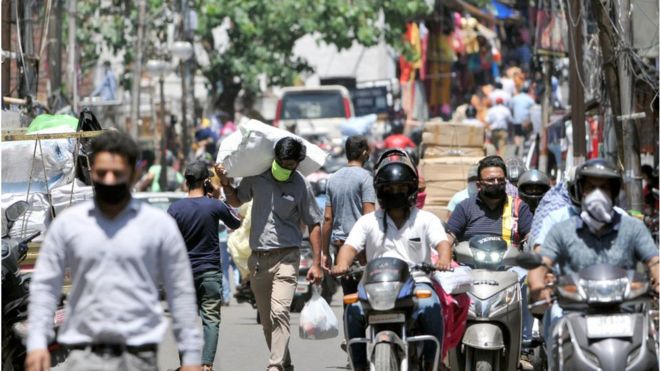 Image copyright GETTY IMAGES
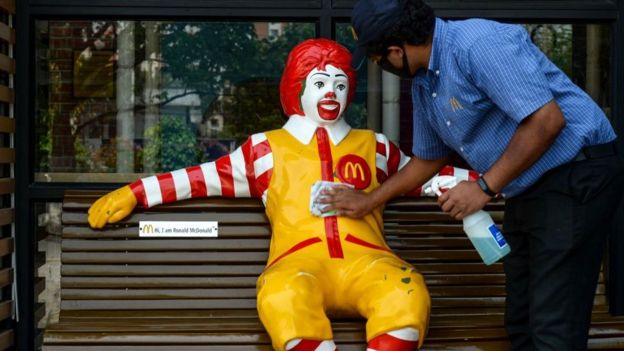 Image copyright GETTY IMAGES
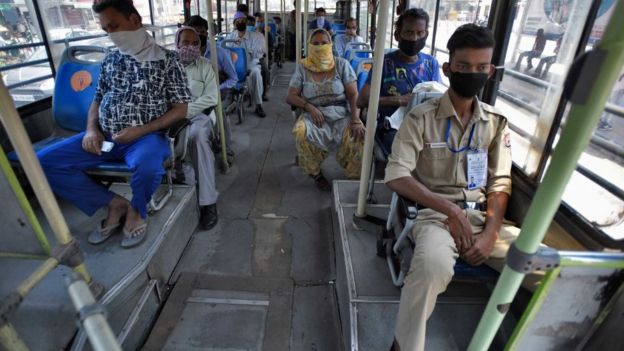 Image copyright GETTY IMAGES
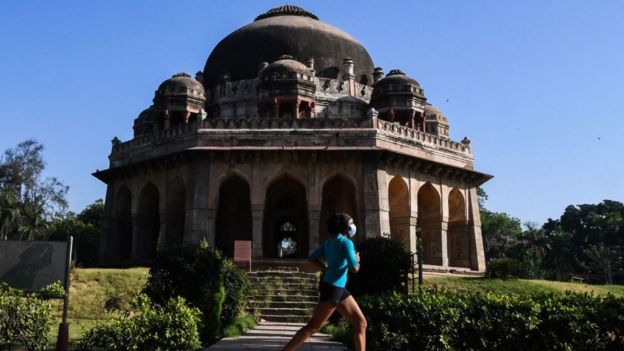 Image copyright GETTY IMAGES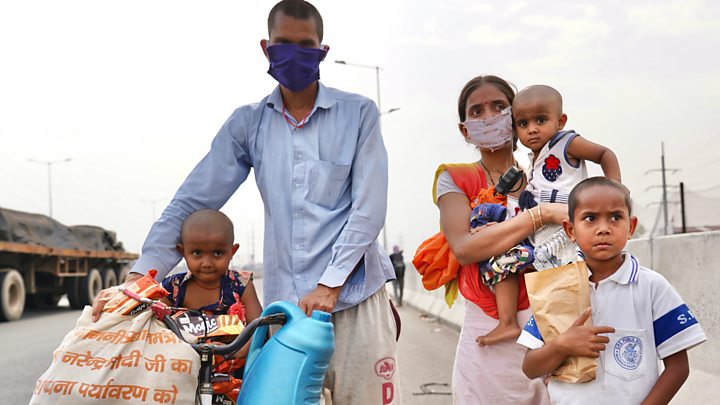
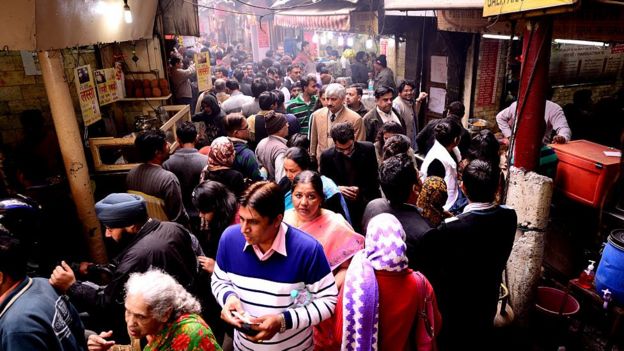 Image copyright GETTY IMAGES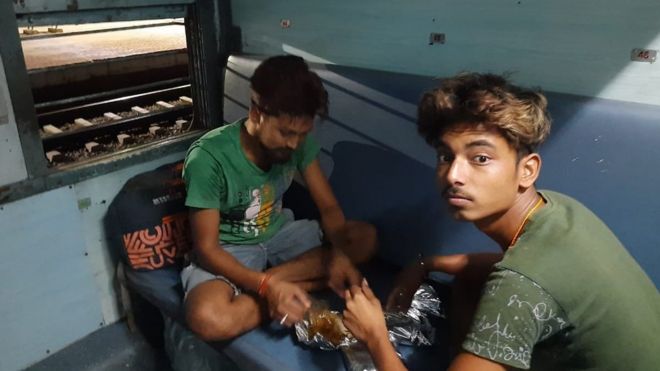
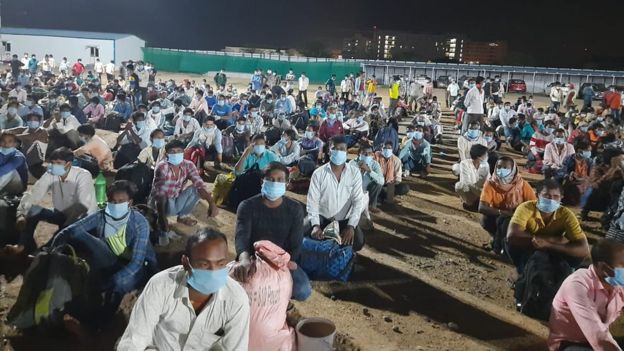
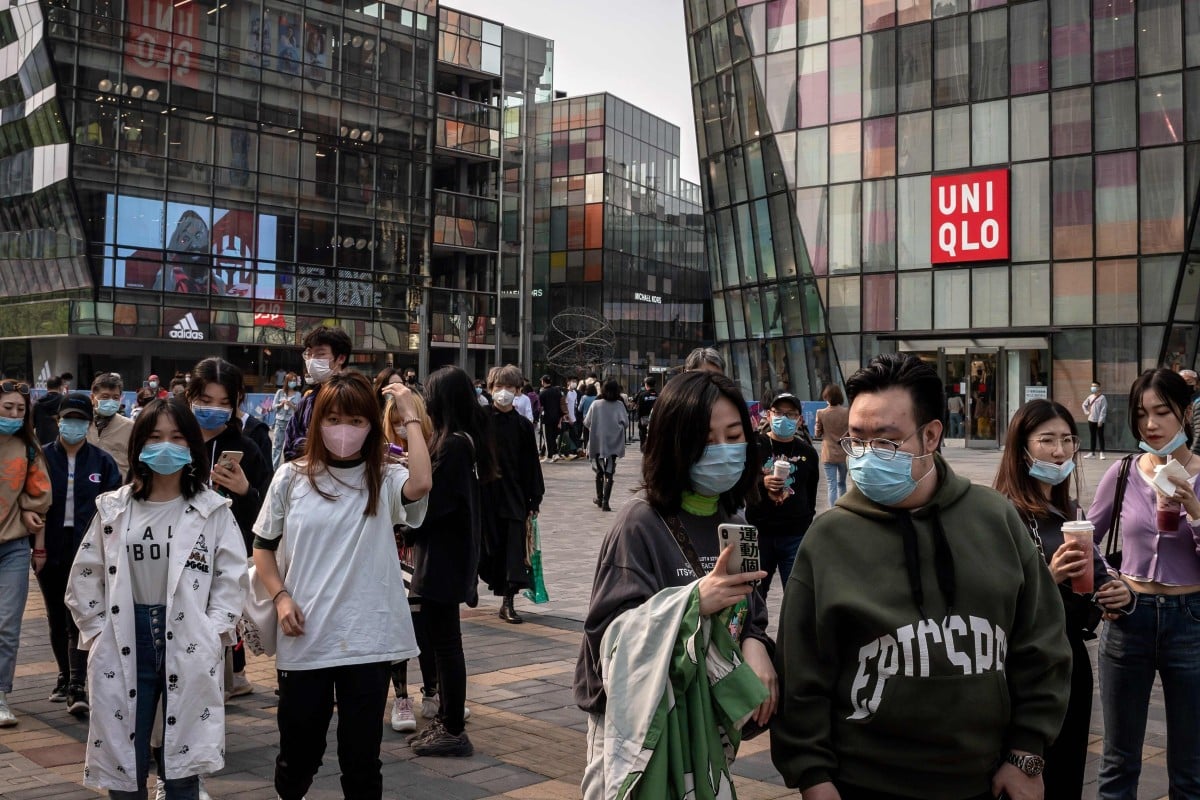

 CHINDIA ALERT: You'll be living in their world, very soon

Chinese self-driving truck startup Inceptio raises $100 million – sources
BEIJING/SHANGHAI (Reuters) – China’s Inceptio Technology, a startup developing self-driving trucks, has raised $100 million in its latest funding round from logistics firm GLP, its key strategic investor G7 and other investors, two sources familiar with the matter told Reuters.
The proceeds from its series A funding round will be used to further develop its technologies and to start commercial trials, said the sources, who declined to be named as they were not authorised to speak to media.
The company, which aims to operate a freight network with autonomous driving trucks in China from 2022, has partnerships with Dongfeng Automobile Co Ltd (600006.SS), Sinotruk Hong Kong Ltd (3808.HK) and Foton (600166.SS).
The two-year-old firm is developing autonomous driving software and an in-car computing system while the truckmakers are responsible for the vehicles’ platforms.
Inceptio declined to comment. G7 and Singapore-based GLP did not immediately respond to requests for comment.
Inceptio focuses on level 3 and 4 technologies. A level 3 vehicle will enable drivers to turn their attention away from driving but they still need to take over if the car encounters a problem, while with level 4 technologies, there is no human intervention in most circumstances.
The trucking industry is expected to an earlier adopter of autonomous driving technology compared to passenger vehicle makers as driving on highways is more predictable than on busy city streets.
German automaker Daimler (DAIGn.DE) and U.S. postal giant United Parcel Service Inc (UPS.N) have invested in self-driving trucks.
Source: Reuters
Posted in $100 million, 2022, aims, attention, authorised, autonomous driving, autonomous driving technology, away from, busy, car, China, Chinese, circumstances, city streets, comment, commercial, Company, compared, computing system, DAIMLER (DAIGn.DE), declined, developing, Dongfeng Automobile Co Ltd, drivers, driving, earlier adopter, encounters, expected, firm, focuses, Foton, freight network, funding, funding round, further develop, G7, German automaker, GLP, Highways, human intervention, immediately, in-car, Inceptio Technology, investors, key strategic investor, latest, level 3 and 4, level 3 vehicle, level 4 technologies, logistics firm, Makers, media, most, named, partnerships, passenger vehicle, predictable, problem, proceeds, raised, respond, responsible, round, self-driving truck, self-driving trucks, series A, Sinotruk Hong Kong Ltd, software, sources, speak, start, startup, take over, technologies, to operate, to requests, trials, trucking industry, truckmakers, trucks, turn, two-year-old, U.S. postal giant, Uncategorized, United Parcel Service Inc (UPS.N), used, vehicles’ platforms, while, will enable | Leave a Comment »