
People visit the Shengjin tower scenic spot in Nanchang, capital of east China’s Jiangxi Province, Oct. 3, 2019. (Xinhua/Peng Zhaozhi)
Source: Xinhua
continuously updated blog about China & India

You will be living in their world, very soon

Beware the Waking Dragon
People visit the Shengjin tower scenic spot in Nanchang, capital of east China’s Jiangxi Province, Oct. 3, 2019. (Xinhua/Peng Zhaozhi)
Source: Xinhua
Professor He Hongping and his colleagues came to the conclusion by testing the interaction between rare earths and different types of clay. Through their research they found that kaolinite – or china clay – was the best at absorbing rare earths from water.
The clay, named after Gaoling village near Jingdezhen, a centuries-old ceramic production centre in east China’s Jiangxi province, is a raw material for porcelain production.
While kaolinite is found in many countries, those places do not have rare earth deposits – probably because of the lack of acid rain, He said.
“You need the right environment.”
He said that rocks that contained tiny amounts of rare earth elements weathered faster in an acid environment, but the acidity could not be too high or the rare earth might run off before it could be captured by the clay.
Why Beijing cut tax rate on rare earths amid trade war
Rainwater with the right natural acidity often occurred in areas around 20 degrees latitude, such as southern China, he said.
The last step was to locate the source rock. Granite formed in volcanic eruptions between 100 million and 200 million years ago is considered to be the main source of rare earths.
He said that part of the Pacific tectonic plate containing rare elements might have been forced under the Eurasian Plate and was pushed to the surface as magma that formed rocks.
Other countries could learn from the Chinese experience, said He, whose team submitted their findings to the research journal Chemical Geology.
Recent discoveries in Vietnam, Australia and North Carolina in the United States conformed to the Guangzhou team’s theory, but there was still more research to do, he said.
“Rare earth deposits are quite unlike minerals such as copper. Sometimes they occur in this mountain but not in another nearby with almost the same geological features.
Sometimes they occur in one half of the mountain but not in the other.”
With China and the US engaged in a trade war, and Beijing cutting taxes on mining companies looking for these elements, the pressure was on to unlock the secrets of China’s abundant rare earth deposits, he said.
Does China’s dominance in rare earths hold leverage in trade war?
Dr Huang Fan, associate researcher with the China Geological Survey, said the Guangzhou discovery would help geologists to find more rare earths.
Most rare earth mines were located along the borders between provinces such as Guangdong and Jiangxi, but recently there were discoveries on a plateau in Yunnan province, where few geologists believed rare earths could be found, he said.
“There are many more rare earth deposits out there waiting for us.”
Source: SCMP


Wang said that during the flight her cousin’s baby had suffered from diarrhoea and that it was customary in her hometown to toss coins in the hope it would bring the child good luck.
“She said she didn’t realise her action could have had a very serious outcome,” a police officer was quoted as saying, adding that Wang appeared shocked when she realised the trouble she had caused.
However, as her actions had not resulted in any delays to flights or created any other problems, she was charged only with a minor offence.
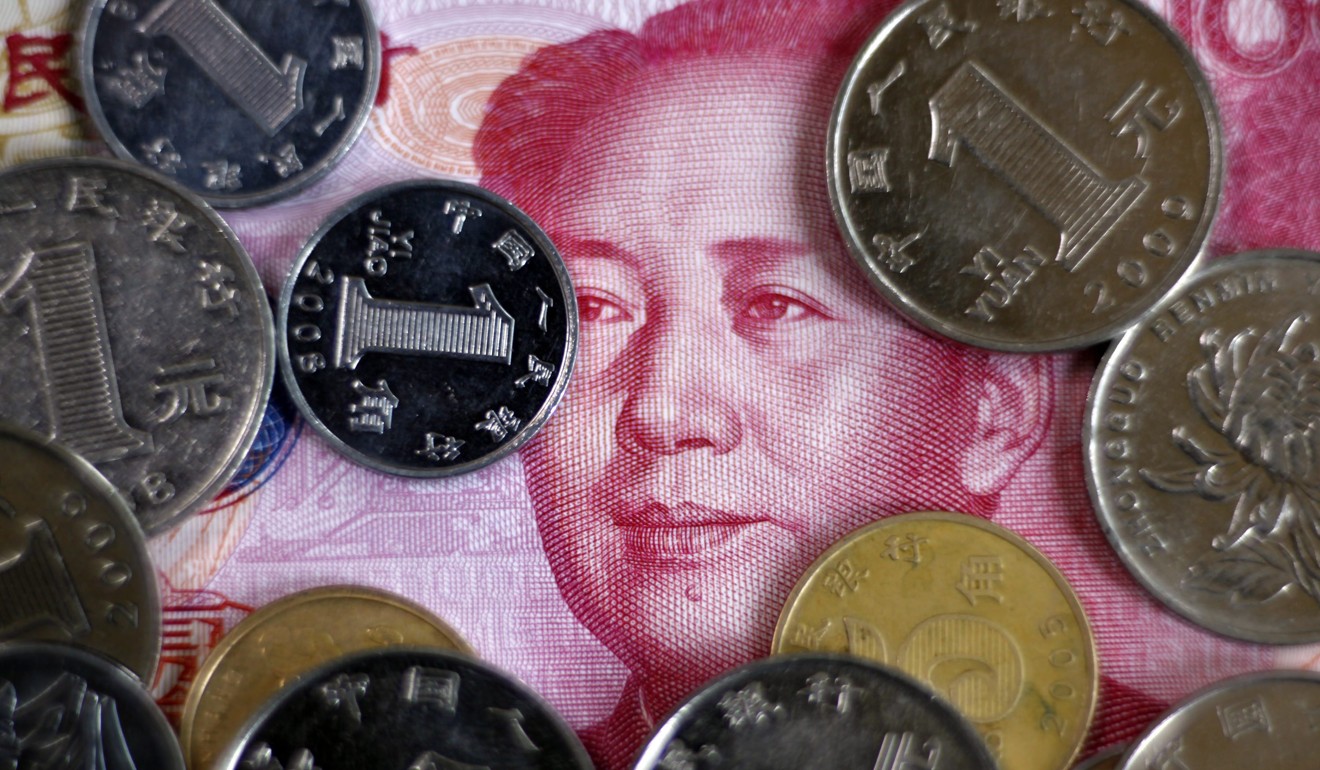
Wang, who recently completed a bachelor’s degree in medicine and was preparing to sit a graduate school entrance examination, was worried the incident might have an impact on her future education and job prospects, the officer said.
More than 5,000 people commented on the story on news portal 163.com, with one asking: “You are so superstitious, how can you treat patients?”
In recent years there have been numerous reports of Chinese travellers causing delays and being punished for tossing coins onto airport runways and even into aircraft engines.
In April, a woman was detained for throwing six coins as she was about to board a plane in southern China in the hope it would guarantee her a safe trip.
Source: SCMP

Villagers clean a house damaged by floods at Jiangbei Village of Banlan Township, Rongan County, south China’s Guangxi Zhuang Autonomous Region,July 14, 2019. A series of reconstructing and rescuing works have been done since Rong’an was hit by heavy rains recently. (Xinhua/Huang Xiaobang)
BEIJING, July 14 (Xinhua) — At least 17 people were killed or missing and thousands evacuated as torrential downpours unleashed floods and toppled houses in central, eastern and southern China.
The National Meteorological Center on Sunday renewed a blue alert for rainstorms, predicting heavy rain in Zhejiang, Fujian, Jiangxi, Hunan, Guangdong, Yunnan, Sichuan provinces, as well as Guangxi Zhuang Autonomous Region and Tibet Autonomous Region.
Some of those regions will see up to 120 mm of torrential rainfall, it said.
China has a color-coded weather warning system, with red representing the most severe, followed by orange, yellow and blue.
As of 8 a.m. Sunday, at least 17 people died or were reported missing following rain-triggered floods in central Hunan Province, which also forced more than 470,000 people to be relocated and 179,000 were in urgent need of aid.
Four hydrometric stations along the Yangtze River in Xianning city, central Hubei Province, have reported the river water reaching or surpassing a level that can activate local anti-flood work.
In eastern Anhui Province, rain-triggered floods have affected more than 51,000 people and damaged over 2,700 hectares of crops.
The floods have forced the evacuation of 926 people, and caused a direct economic loss of more than 59.6 million yuan (8.66 million U.S. dollars) in the province.
As of Saturday noon, 330,000 people in 18 counties of Jiangxi Province have been affected by rainstorm-triggered floods, with over 10,500 residents relocated.
Poyang Lake, China’s largest freshwater lake in the lower reaches of the Yangtze, is swelling above the alarming level, according to the hydrographic department in Jiangxi.
The water level of the lake reached 20.08 meters as of 8 a.m. Saturday, 1.08 m above the warning level, as recorded by Xingzi Hydrometric Station on the lake.
In south China’s Guangxi Zhuang Autonomous Region, rainstorm has affected more than 360,000 people as of 5 p.m. Sunday, damaging over 35,000 hectares of crops, according to the region’s emergency management department.
The disastrous weather in Guangxi has prompted the region to activate a level-II emergency response and send special work teams and relief materials to the ravaged areas.
In some of the disaster-hit towns, flood water from subterranean rivers has inundated roads.
“After torrential downpours, waters on mountains and underground rivers converge into low-lying lands, which may lead to waterlogging. In affected villages, the water depth in some people’s houses can exceed two meters,” said Liao Bin, an official with Jiuwei Town, Hechi City.
Local authorities have dispatched boats and wooden rafts to transfer the stranded people, set up temporary relocation sites, and deliver living supplies to blocked villages.
Since June, the southwestern province of Guizhou has allocated a total of 16.5 million yuan for its hardest-hit 16 counties.
Source: Xinhua
BEIJING, July 7 (Xinhua) — Four work teams have been dispatched to four provincial-level regions in southern China, including Jiangxi, Hunan, Guangxi and Guizhou, to assist with local flood control efforts, according to the Ministry of Water Resources Sunday.
The National Meteorological Center earlier issued a yellow alert for heavy rains in the country’s southern regions. Characterized by wide coverage and long duration, the rainstorm would hit the regions with precipitation up to 180 mm in some areas.
Water levels of major rivers in southern China would be above the warning line, according to the weather forecast.
The ministry stresses that local governments should take targeted measures to prevent mountain torrents, ensure dam safety during floods and strengthen patrols on the levee system.
The ministry also asks local water resources departments to pay close attention to the weather conditions and raining and flood situation, issue alerts timely and move the people out of the dangerous areas in time.
China has a four-tier color-coded weather warning system, with red representing the most severe, followed by orange, yellow and blue.
The China Meteorological Administration on Sunday also issued a grade-IV response for the upcoming rains. The grade-IV response, the lowest in China’s emergency response system, means a 24-hour alert, daily damage reports, and the allocation of money and relief materials within 48 hours.
Source: Xinhua
WUHAN, July 6 (Xinhua) — The middle and lower reaches of the Yangtze River, China’s longest river, is likely to see flooding as a new round of sustained strong rainfall is forecast to lash the region from Sunday to next Wednesday, the Changjiang Water Resources Commission said Saturday.
Hydrometeorological forecasts show heavy rain with a precipitation ranging between 120 mm and 210 mm will hit the Yangtze’s middle and lower reaches in the following four days, causing the water levels of the mighty river’s many tributaries to reach alarming levels.
Some small and medium-sized rivers in Chongqing Municipality and the provinces of Hunan, Hubei, Jiangxi, Anhui, Jiangsu and Guizhou are also likely to see relatively serious flooding, according to the commission.
The commission activated an emergency response for flooding Saturday noon and advised local governments in affected areas to take precautions against possible disasters.
Source: Xinhua
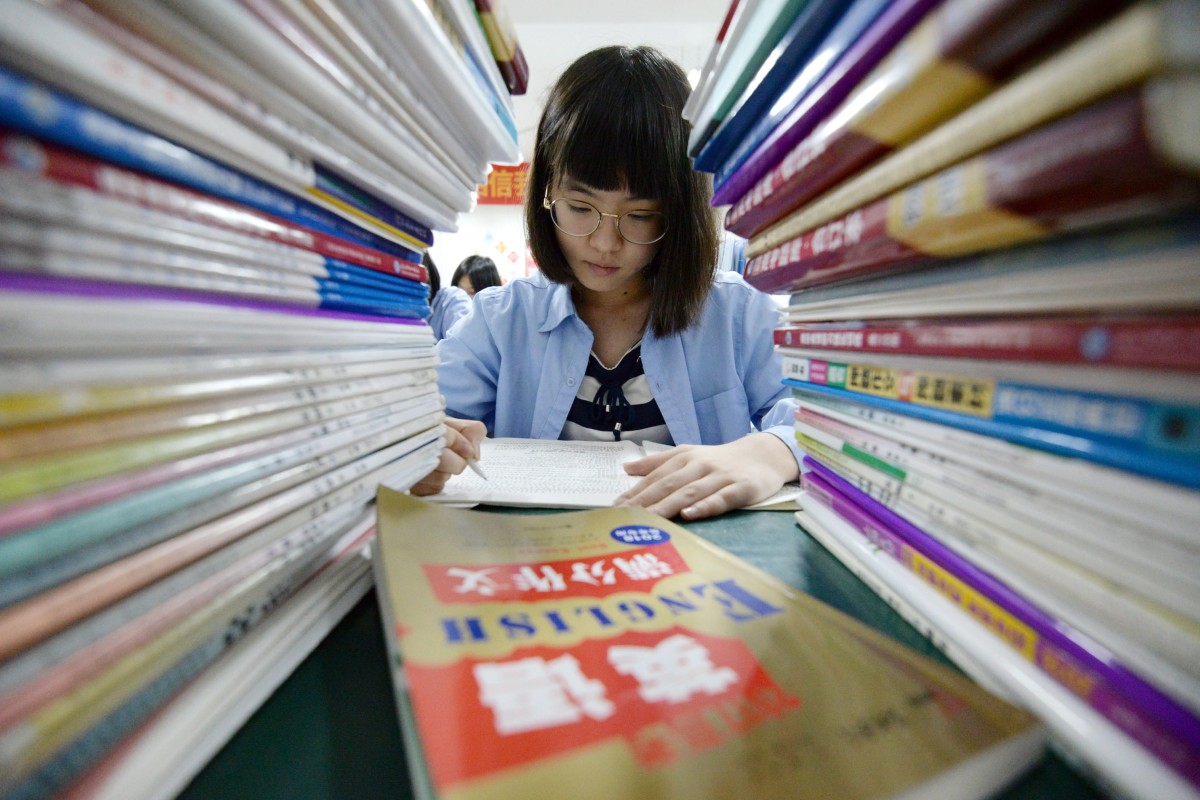
Apart from the compulsory subjects of Chinese, mathematics and English, students are now supposed to be able to choose any three of six other subjects: physics, chemistry, biology, politics, history and geography.
Previously, secondary school students had been split strictly into liberal arts or science majors in a system that was introduced in 1952 and revived in 1977 after being suspended during the Cultural Revolution.
Last go at exam success for China’s ‘gaokao grandpa’
Wen Dongmao, a professor from Peking University’s Graduate School of Education, said the changes expanded the opportunity for students to follow their interests.
“The new gaokao gives students plenty of choices of subjects to learn and to be evaluated on. I think people should choose which subject to learn based on what they are interested in,” Wen said.
“Gaokao reform is designed according to some methods by overseas universities, like American and Hong Kong schools. Its direction is right, but there will be inevitable problems brought by it.”
One of the problems is the uneven implementation of the changes throughout the country, with just 14 of China’s 31 provinces, municipalities and autonomous regions having introduced them.
In the eastern province of Anhui, for example, the reforms were supposed to go in effect from September last year but were postponed without reason, news portal Caixin.com reported.
The report quoted a teacher from Hefei No 1 Middle School in the provincial capital as saying the school was not ready for the changes.
Is the university entrance exam in China the worst anywhere?
“Shanghai and Zhejiang are economically advanced and we are not at that level,” he was quoted as saying. “It’s a big challenge for us to manage so many students’ choices of gaokao subjects.”
In neighbouring Jiangxi province, a high school history teacher said many places opposed the reform mainly “because of the shortage of resources”.
“It’s hard to roll out gaokao reform because we don’t have enough teachers or classrooms to handle the students’ various choices of subjects. Students can choose three out of six courses and that means there are 20 potential combinations,” the teacher was quoted as saying.
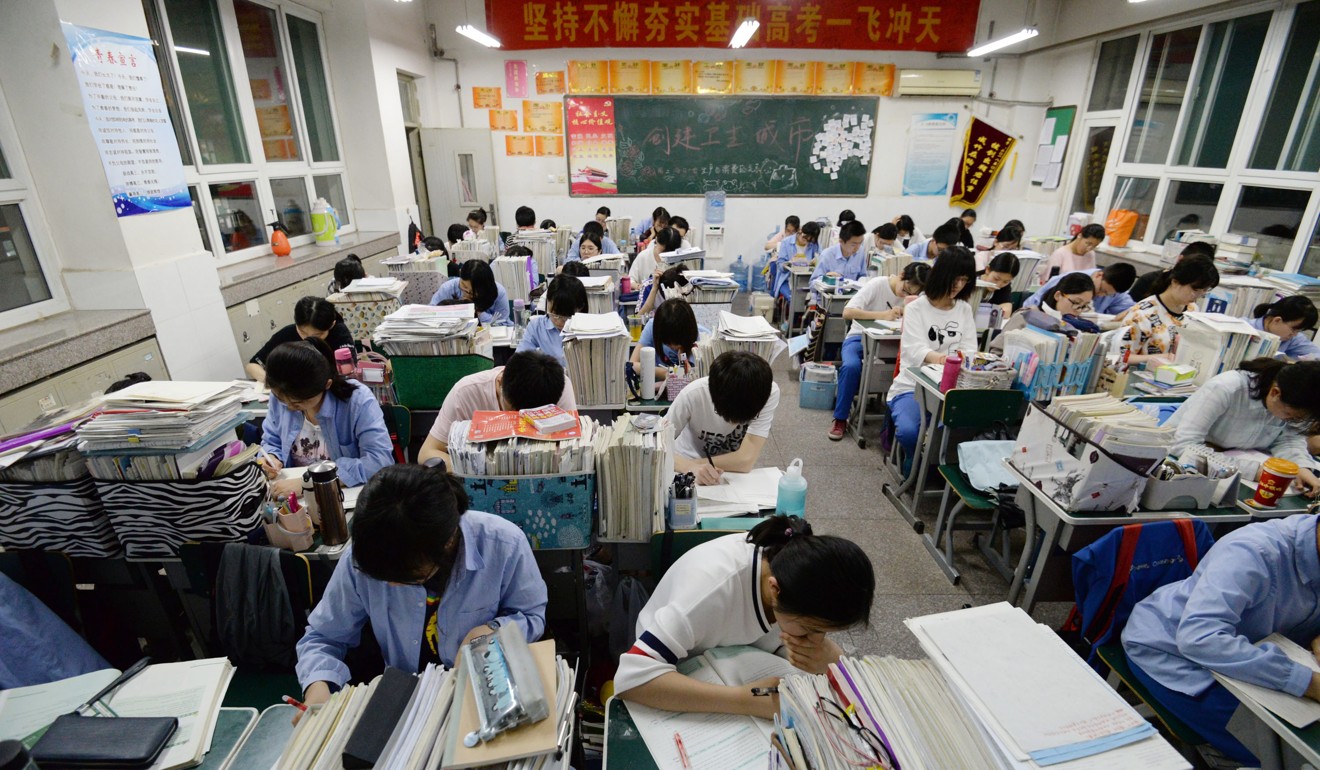
In addition, the system allows students to take the tests in more than one year and submit the highest scores when applying to universities.
“I heard from teachers in other provinces that students will take the tests of the selected subjects again and again for fear that other students will overtake them. That’s exhausting and will just put more burden on the students,” the Jiangxi teacher said.
He also said the gaokao process put extra pressure on teachers who feared the tests would push students to extremes. One of his students contemplated jumping from a bridge after she thought she had done poorly in the Chinese section of the exam.
“She called me, saying she felt it was the end of the world. I was shocked and hurried to the bridge,” he was quoted as saying. He spoke to her for more than an hour about before the girl came down, going on to get a decent score.
Critics also say the system is weighted in favour of students in bigger cities such as Beijing, Tianjin and Shanghai, home to the country’s top universities.
China private education industry is booming despite economic slowdown
Li Tao, an academic from the China Rural Development Institute at Northeast China Normal University in Changchun, Jilin province, said about 20-25 per cent of gaokao candidates from Beijing, Tianjin and Shanghai were admitted to China’s elite universities, compared with just 5 or 6 per cent in places like Sichuan, Henan and Guangdong.
Li said that was because the top universities were funded by local governments and gave preference to applicants from those areas.
“To make it fairer, the Ministry of Education has insisted over the years that elite universities cannot have more than 30 per cent of incoming students from the area in which it is located,” he said.
Despite these challenges, gaokao was still a “fair” way to get admitted to university in China, Li said.
“Gaokao is the fairest channel to screen applicants on such a large scale, to my knowledge,” he said. “It does not check your family background and every student does the same test paper [if they are from the same region]. Its score is the only factor in evaluating a university applicant.”
Fake nursing degree scandal prompts China-wide fraud check
In Shanghai, as the clock ticks closer to the gaokao test day, Xiao Qing said she was feeling the pressure.
She said she would keep up her test prep to ensure she got the score she needed to study art in Beijing.
“I am trying my utmost and don’t want to regret anything in the future,” she said.
At the same time, she is not pinning her entire life on it.
“Life is a long journey and it is not decided solely by gaokao,” she said.
“I don’t agree with my classmates that life will be easy after gaokao. I think we still need to study hard once we get to university.”
Source: SCMP

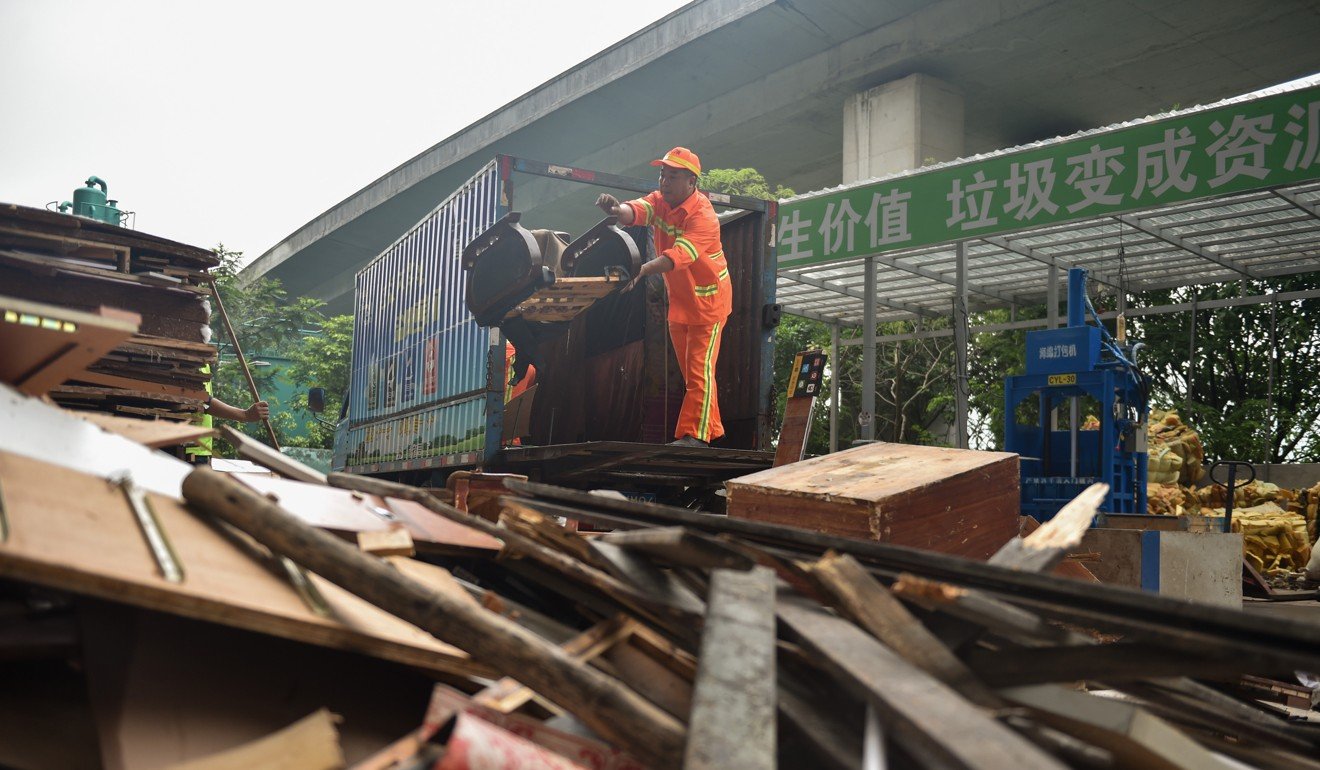
Xu, who has lived in Beijing for 10 years, admitted her family never sorted its household waste, despite two decades of encouragement from the government to do so. Her attitude may be about to change.
As part of the three major tasks Chinese President Xi Jinping has set the nation to achieve by 2020, China has adopted a new plan which aims to build a standard waste sorting system.
In 2000, the government chose eight cities, including Beijing, Shanghai and Guangzhou, as pilots for the waste sorting plan, but the slogans fell on deaf ears and there have been few signs of progress.
But Xi appears to have given the grass-roots environmental policy his attention once more, delivering a long statement on June 3 about how the country needs to do better on sorting its waste.
“[We should have] extensive education and guidance, to let people realise the importance and necessity of waste sorting; through effective supervision and guidance, [we should] let more people take action and form a good habit on waste sorting,” he said.
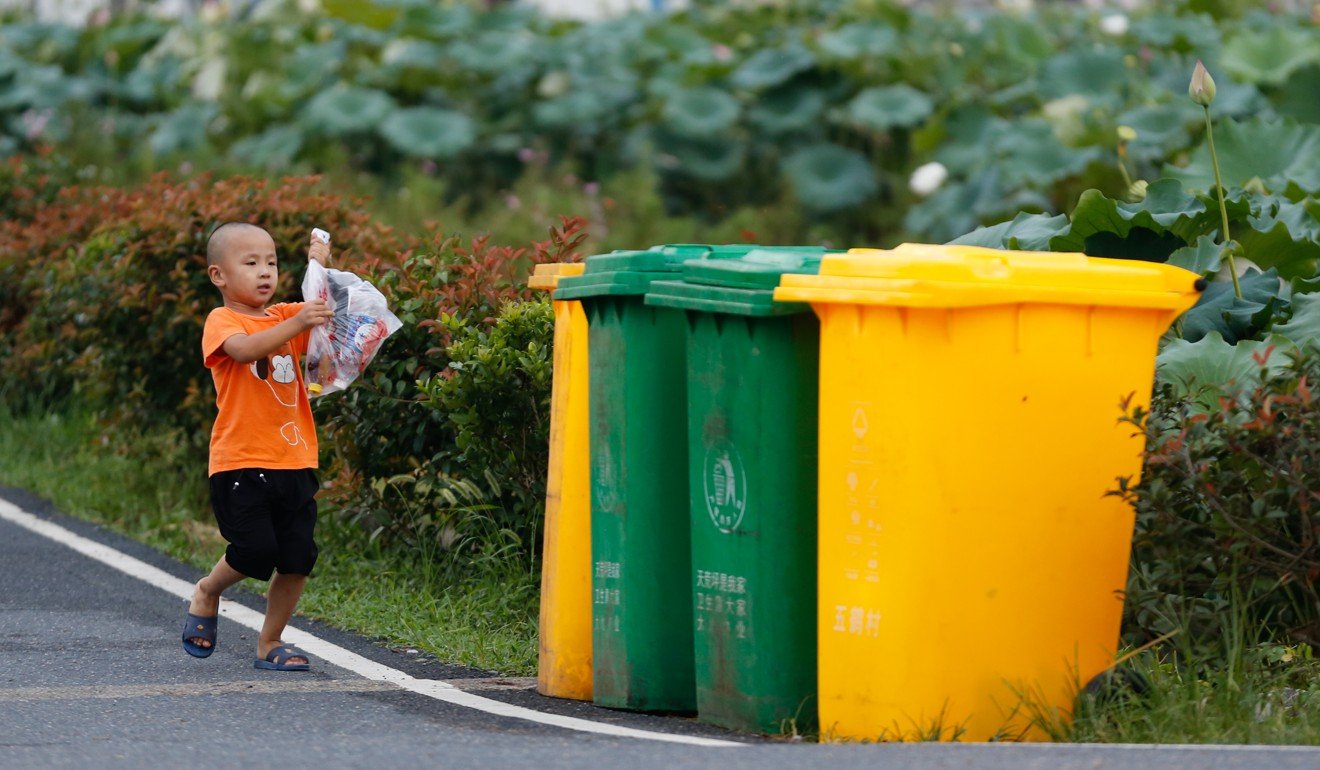
In March 2017, the government set out a plan to formalise a standard system and regulations for rubbish sorting by 2020, with a target for 46 major cities – including Beijing – to recycle 35 per cent of their waste by that year. Three months later, the housing ministry published a notice requiring the cities to classify their waste and build a basic sorting system.
The recent attention from the top leaders has seen a spike in activity among local officials. Shanghai’s Communist Party chief Li Qiang was among the first to release local plans to implement household waste sorting in February, going in front of television cameras to demonstrate how to recycle plastic bottles.
“Waste sorting is a now a political task for local officials, and they might lose their jobs if they can’t do the job well,” said Zhang Yi, an expert with the ministry, which has primary responsibility for waste management.
G20 set to agree on ways to reduce problem of plastics in oceans
But the political will still needs time to translate into actual sorting and recycling, with environmental activists pointing out that little has been done in the two years since the plan was published.
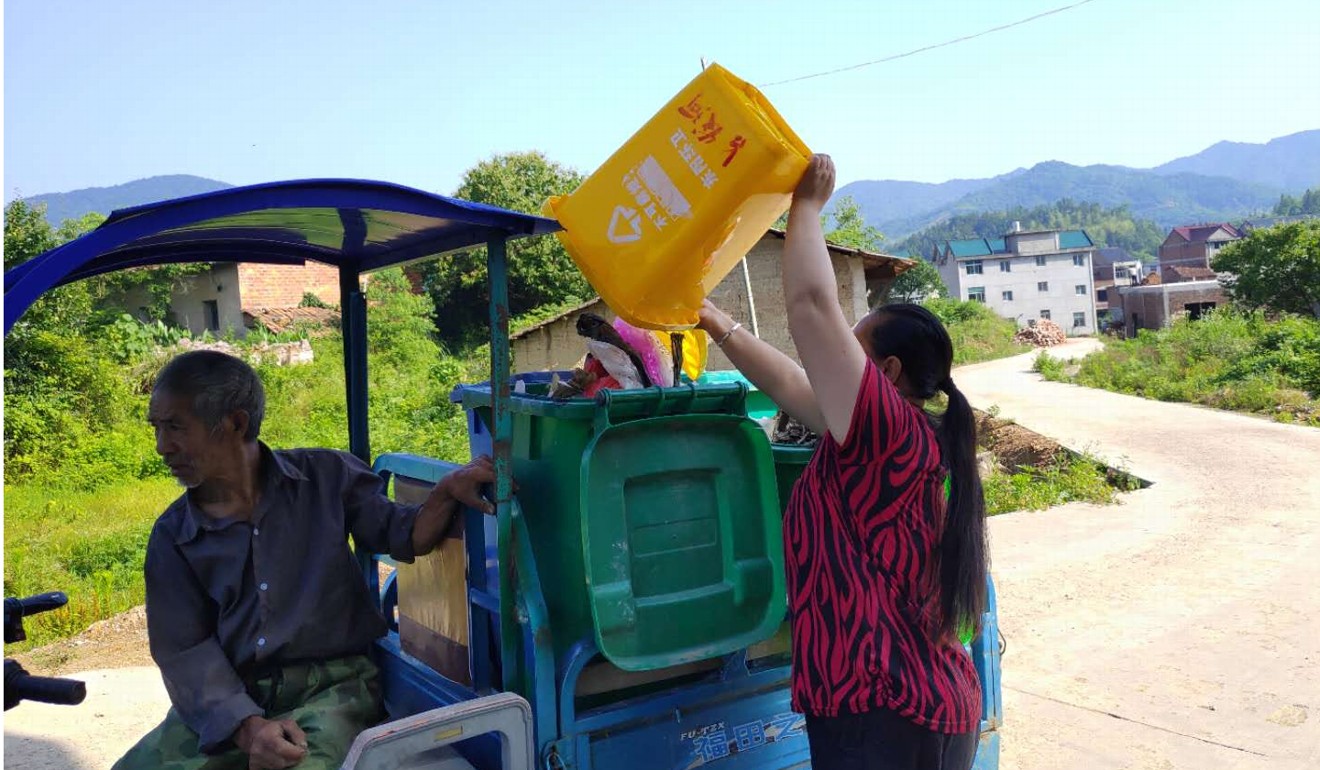
“The vast majority of cities are still at the same level they were two years ago. They just change one bin into two or three bins in the community, but in the end, they are emptied into a single garbage truck,” said Chen Liwen, co-founder of Zero-Waste Villages, a non-government environmental organisation.
Waste classification should be done systematically, she said, with residents, government and sorting companies working together, “but we don’t have that at all”.
“The government should do a vast amount of work on education in the early stages, as well as change the sorting system in the later stage,” she said.
Build the system
There are four main processes in the sorting of waste: dumping, collection, transport and treatment, Chen said. But currently, “not even one city has got the first step, trash sorting, sorted out”.
On May 31, China’s environment ministry published a report into its citizens’ thoughts on green issues and found a large gap between people’s recognition of the problem and their actions.
According to the study, 92 per cent of respondents believe rubbish sorting is important for environmental protection, but only 30 per cent said they were doing it “very well” or “fairly well”.
More than half gave their reasons for not sorting waste as “no classification bins in the community” and “no classification for the garbage truck, so no need to sort in the dumping process”. More than 30 per cent said they did not know how to classify their rubbish.
Wang Xi, a 29-year-old Beijing resident, said she did not know the standards for “recyclables” and “non-recyclables” so had never sorted her household waste. She only began to understand when she spent some time in Japan.
The difference there, she said, was that there was a guide in every home that showed how to sort waste into the different types – kitchen waste, plastic, paper – and designated collection days for each kind.
“If you mix the garbage, like put plastic in with the kitchen waste, the garbage company will send it back to you,” she said.
“But in China, all the bins are emptied into one garbage truck, so I don’t know what the point is for us to sort it in the first place.”
Zhang said waste classification was a social issue but local officials had so far not paid enough attention to it. Most of the targeted 46 cities now had a plan on paper and had established offices with specific targets but, at the moment, waste sorting remained on paper too, he said.
How China’s ban on plastic waste imports threw recycling efforts into turmoil
Pilot projects in rural areas
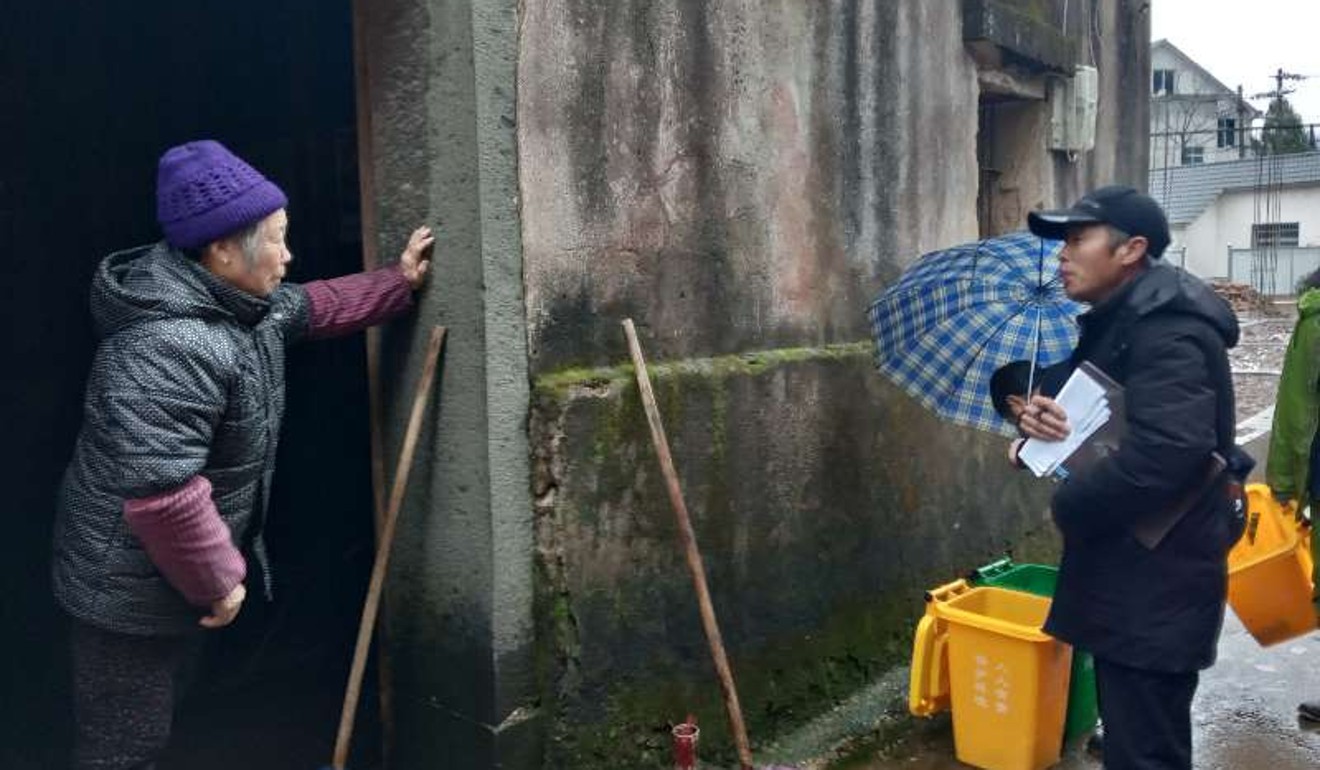
Despite the challenges ahead, some projects have shown promising results. Chen has been classifying waste in rural areas since 2017 and today her pilot projects have been replicated across more than 20 villages.
The greatest success has been in Jiangxi province, where 12 villages have been sorting their rubbish since December.
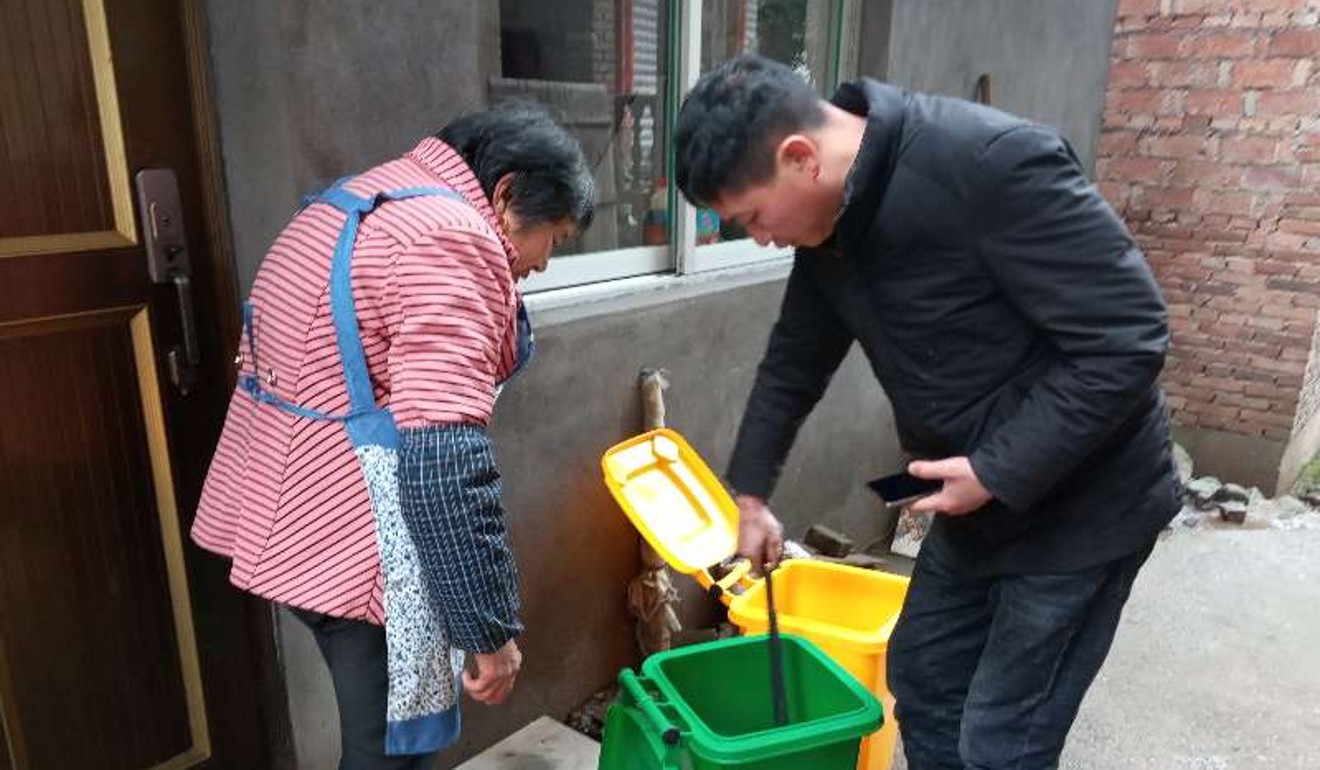
Wang Qinghai, party chief of Dongyang county in the northeastern part of the province, said preparation work began last June.
“We investigated the scale of household residents in our county, and the number of hotels, restaurants and schools, to estimate the garbage production per capita and how much we could reduce after sorting,” he said.
The hardest part was educating the public, he said. “We organised training and meetings and sent materials, we also guided people when they dumped their garbage.”
Wang said the effect had been very good and people’s understanding of environmental protection and their cooperation with the government had been beyond his expectations.
Beijing struggling to contain its growing garbage problem
According to his estimates, after the introduction of classification system the amount of waste had decreased by 50 per cent. Now, the amount of waste being classified correctly in Dongyang county was over 99 per cent.
A successful waste programme needed the government’s lead and the cooperation of the relevant departments, Wang said. In Dongyang, the agricultural, water resources and urban-rural development departments had all taken part.
As for investment, Zhang estimated China needed to double its financing to introduce sorting facilities and build treatment systems but, speaking from his experience, Wang said waste sorting had not required any extra money.
Zhang remains optimistic that the 46 cities named in the latest waste management plan can achieve their goal by 2020.
“Waste sorting was a big problem in China that hadn’t been solved for nearly two decades, but as our ‘big boss’ pays attention to this, it will be solved,” he said.
Source: SCMP
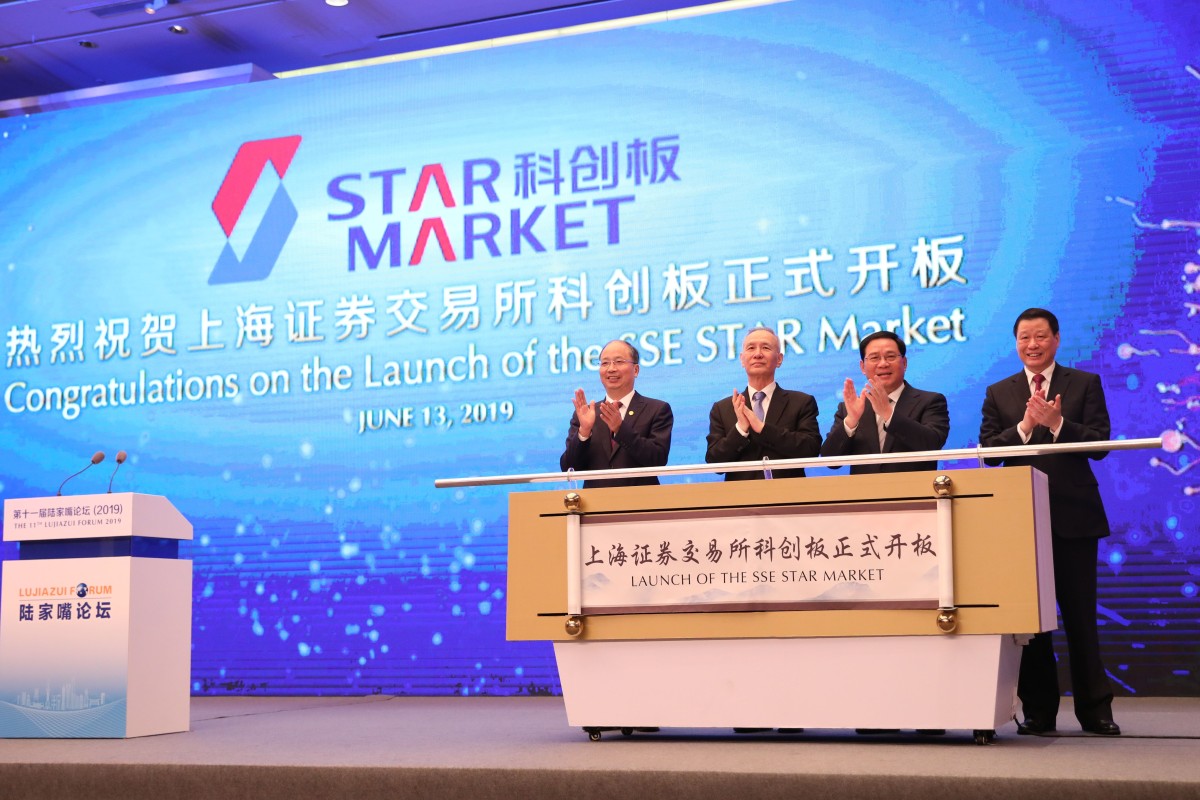
that Beijing has sufficient policy tools to address the risks and challenges to ensure that China’s long-term growth prospects remain sound.
“We do face some external pressure at the moment, but this is the inevitable test that China’s economic upgrade must experience,” Liu told the forum, which is an annual event organised by the Shanghai government and the People’s Bank of China. “The external pressure will help us improve innovation and self-development, speed up reform and opening up and push forward with high quality growth.”
Liu was critical of economists for focusing solely on monthly economic data that has shown signs of weakness in the Chinese economy, while neglecting positive trends that support long-term growth in the world’s second largest economy.
Chinese employment, consumer prices and the balance of payment remained at “reasonable” levels, he said, although
did rise to the highest level in 15 months in May, partly because of the rising price of pork and fresh fruit.
“No matter what happens temporarily, China’s long-term growth remains positive, which won’t change,” Liu said. “After the global financial crisis, our financial system has been stable. The rapid growth of debt in the system has been contained.”
The keynote speech, which was Liu’s first public appearance since accompanying Xi on a tour of Jiangxi province three weeks ago, was only confirmed at the last minute having initially been announced as a speech by “a State Council leader”.
at the G20 summit at the end of June yet to be confirmed after negotiations broke down in early May.
Source: SCMP

continuously updated blog about China & India
continuously updated blog about China & India
continuously updated blog about China & India
 CHINDIA ALERT: You'll be living in their world, very soon