17/05/2020
- There has been strong demand for air freight services since April, when Chinese factories got back to work
- Cargo flights have become critical in moving protective health equipment across the globe
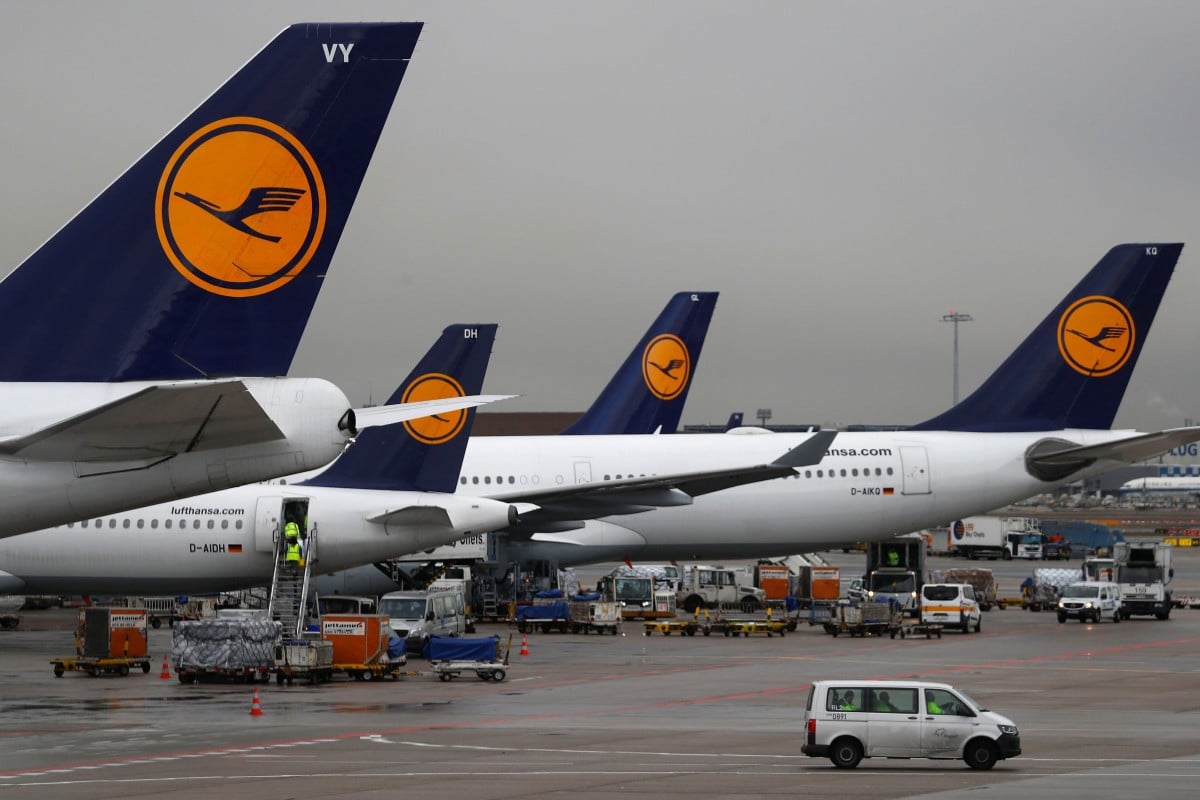
Planes of German air carrier Lufthansa at the country’s largest airport in Frankfurt. Photo: Reuters
German freight carrier Lufthansa Cargo is expanding in China, surpassing 100 weekly flights for the first time, and adding new flights to Shenzhen.
Peter Gerber, CEO of Europe’s largest cargo airline, said there had been heavy demand for its services, though this might cool by the peak of summer.
“At the moment, cargo demand is very, very strong,” he told the Post. “It started to get strong in April, when Chinese industries got back to work, and after that we have seen a constant, heavy demand, a real peak.”
Cathay Pacific and Cathay Dragon report combined HK$4.5 billion loss for start of 2020
Global air freight capacity has been squeezed as two-thirds of the world’s aircraft have been grounded by the
Covid-19 pandemic.
The collapse of air travel has practically put a stop to passenger flights, which typically carry half of all air cargo.
Since the pandemic, cargo flights have been critical in moving protective health equipment across the globe. From sending masks and other supplies to China in February, the German carrier is now taking urgent supplies from the mainland back to Europe.
Peter Gerber says Lufthansa Cargo has a high responsibility in maintaining supply chains, for both global health and world trade. Photo: Handout
“We have a high responsibility in maintaining supply chains in these unprecedented times for both global health and world trade,” Gerber said.
With the addition of Shenzhen, Lufthansa Cargo will fly to five destinations in China. It serves more than 300 destinations in 100 countries.
The cargo carrier is part of the Lufthansa Group and coordinates all the freight that goes into the passenger planes of its sibling brands, including Lufthansa, Swiss and Austrian.
Coronavirus: South Africa asks Hong Kong to remove its citizens from government quarantine list
By next week, Lufthansa Cargo will be running more freight flights to China than the 72 passenger flights the group flew weekly before the pandemic to Beijing, Shanghai, Shenyang, Nanjing and Qingdao.
Lufthansa Cargo has a fleet of seven Boeing 777 Freighters (777Fs), with two new 777Fs arriving this year as part of its strategy to operate a fleet with a single aircraft type.
It also has six McDonnell Douglas-11Fs that Gerber said would still be retired as planned at the end of 2020, despite the extra demand for cargo capacity.
Its additional flights to China will make use of “preighters” – passenger aircraft flying cargo only. Gerber felt the trend of using empty passenger planes as “preighters” had peaked, pointing out that they cost the same to operate as freighters but carry only a fraction of the cargo.
Although he did not rule out future expansion, he said: “Demand will gradually come down in the next two or three months because a lot of equipment would have been shipped by then and some shipments will go on rail or ocean shipping.”
Coronavirus: Cathay Pacific could get cash injection from shareholder Qatar Airways
He said some uncertainty remained over continued demand for airfreighted cargo, given the battered state of the world economy. Airlines would have to consider longer-term demand before deciding to invest more in cargo aircraft. “It depends how it looks beyond the next year,” he said.
Gerber said no decision had been taken yet on whether to convert some of the group’s orders for Boeing’s newest widebody 777X passenger aircraft into cargo planes.
He added that future plane orders would be balanced against the wider needs and spending decisions at Lufthansa Group, which is currently negotiating a government pandemic bailout package in the region of €9 billion (US$9.7 billion).
Source:SCMP
Posted in adds, air carrier, air freigh, Aircraft, Airport, Austrian, Beijing, Boeing 777 Freighters, Cargo flights, Cathay Dragon, Cathay Pacific, China, Chinese factories, Chinese industries, country’s, Covid-19 pandemic, critical, Europe, expanding, ferrying, flights, Frankfurt, German, global, global health, largest, Lufthansa, Lufthansa Cargo, Mainland China, maintaining, masks, McDonnell Douglas-11Fs, more, Nanjing, pandemic, passenger aircraft, planes, Post, protective health equipment, Qatar Airways, Qingdao, responsibility, Shanghai, Shenyang, Shenzhen, single, strategy, supplies, supply chains, surpassing, Swiss, Uncategorized, unprecedented, urgently, world economy., world trade |
Leave a Comment »
19/03/2020
NANJING, March 19 (Xinhua) — Chinese cities are encouraging residents to dine out and shop with measures such as handing out e-vouchers to boost consumption sectors hit hard by the novel coronavirus outbreak.
Like many living in the eastern city of Nanjing, Wang Linlin was waked up by her alarm clock at midnight and with a few clicks on her cellphone, she was ready to meet her luck of the draw: getting a meal voucher worth 100 yuan (about 14.2 U.S. dollars).
“I’ve always been thinking about hanging out and having hotpot with my friends after the epidemic, so getting a voucher would be great,” Wang said.
Nanjing has been giving out vouchers worth 318 million yuan to its residents since Sunday. People are invited to participate in lotteries for e-vouchers which can be used in restaurants, gymnasiums, bookshops as well as tourist spots, helping the service sector bounce back.
The voucher bonus has been well received as more than 1.6 million local citizens have registered for the lotteries as of Monday, according to the Nanjing Big Data Administration Bureau.
Besides Nanjing, many other regions have also been taking similar actions.
Macao gives out vouchers totaling 2.2 billion patacas (about 275 million U.S. dollars) to its residents. The city of Ningbo in east China’s Zhejiang Province is issuing consumption vouchers worth 100 million yuan while the city of Jinan, east China’s Shandong Province, is handing out vouchers worth 20 million yuan to stimulate spending on tourism and culture.
Due to the coronavirus outbreak, Chinese customers have shied away from restaurants and shopping malls. China’s retail sales of consumer goods, a major indicator of consumption growth, declined 20.5 percent year on year in the first two months of this year, according to the National Bureau of Statistics.
“People are more willing to dine out with the vouchers, which can boost confidence in the catering sector and finally get the economy back on track,” said Shen Jiahua, chairman of a chain restaurant company in Nanjing.
After the coronavirus outbreak ends, people are eager to spend generously. According to a survey conducted by the Jiangsu consumers council, nearly 90 percent of the respondents expressed suppressed consumption desire.
Restaurants, shopping malls, movie theaters, gymnasiums and tourist spots are the top five destinations for consumers to unleash their spending spree after normal life resumes, the survey showed.
Local officials across China have been taking the lead in recent days in patronizing restaurants and shopping malls, hoping to use their appearances in public to persuade more residents to go outside.
In provinces such as Jiangsu, Anhui, and Jiangxi, government notices have urged officials to dine out and go shopping to help related businesses through the epidemic period.
“Government officials are using their actions to convey confidence and support work resumption and consumer spending,” commented a Chinese netizen.
Source: Xinhua
Posted in Anhui province, bookshops, cellphone, China, consumers council, consumption, coronavirus outbreak, e-vouchers, gymnasiums, hands out, Jiangsu, jiangsu province, Jiangxi Province, Jinan, Macao, Nanjing, Nanjing Big Data Administration Bureau, national bureau of statistics, Ningbo, novel coronavirus outbreak, restaurants, shandong province, spur, tourist spots, Uncategorized, virus-hit, vouchers, zhejiang province |
Leave a Comment »
29/02/2020
- Cooperation on ‘soft’ issues like public health can provide an ‘opportunity for improvement’ in the nations’ broader relationship, international affairs expert says
- Foreign ministers agree to do all they can to ensure Chinese President Xi Jinping’s planned visits to east Asian neighbours go ahead later this year
South Korea on Thursday reported 505 new coronavirus cases, its largest increase yet. Photo: AP
The rapid spread of the
coronavirus outside China, especially in
South Korea and
has created a fresh challenge to Beijing’s delicate relationship with its northeast Asian neighbours, but experts say the unprecedented public health crisis could draw them closer, at least for now.
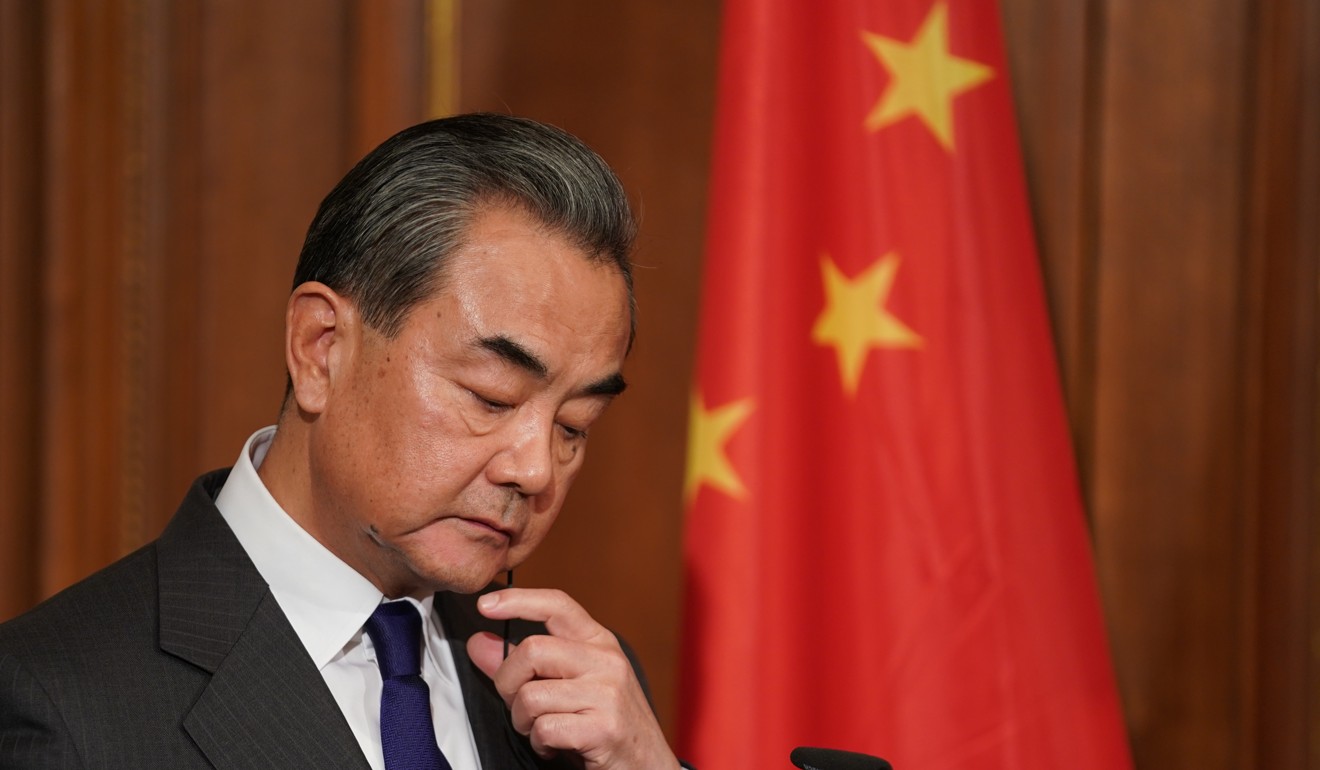
China’s Foreign Minister Wang Yi held separate conversations with his South Korean and Japanese counterparts on Wednesday as Beijing scrambles to deal with the growing risk of imported infections from the two countries.
In a sign of the “strong momentum at the leadership level on both sides”, Wang and Japanese Minister for Foreign Affairs Toshimitsu Motegi agreed to ensure Chinese President Xi Jinping’s state visit to Japan later this year goes ahead as planned, despite mounting fears the virus outbreak will become a pandemic.
China’s foreign ministry said on Thursday that Yang Jiechi, Wang’s predecessor and Xi’s top aide on foreign affairs, would visit Japan on Friday. His trip is expected to pave the way for Xi’s high stakes visit in the spring, observers said.
But Benoit Hardy-Chartrand, an international affairs expert at Temple University in Tokyo, said that if the outbreak did not subside in the next few weeks, Japanese Prime Minister Shinzo Abe’s government would come under intense pressure to delay the visit.
“Despite reassuring official pronouncements, no one would be surprised if the visit was postponed to a later date,” he said. “With an already declining approval rate, the Abe administration would be hard-pressed to go ahead with the summit.”
During her phone call with Wang, South Korean Foreign Minister Kang Kyung-wha urged China to refrain from carrying out what she described as “excessive” restrictions and forcible quarantine measures against visitors from her country, the Yonhap news agency reported.
White House announces coronavirus ‘coordinator’ to lead response under Pence
on Thursday reported 505 new coronavirus cases – its largest increase yet and the first time any country has confirmed more daily cases than China. The outbreak has now spread to more than 30 countries and killed more than 2,800 people.
US-CHINA TRADE WAR
In the cities of Qingdao and Weihai in east China’s Shandong province – both of which are home to large South Korean and Japanese communities – local authorities have begun to quarantine arrivals from the two countries, while similar measures targeting South Koreans in particular have been introduced in Shenyang and Nanjing.
This is the first time China, where the coronavirus originated and which earlier criticised other nations for overreacting to the outbreak, has introduced country-specific measures in the name of disease control.
The move sparked fierce criticism in South Korea, with more than 750,000 people signing an online petition calling for a ban on Chinese visitors.
The foreign ministry in Seoul said that about 40 nations and regions had imposed some sort of restrictions on South Korean visitors.
Both South Korea and Japan – which were among the first to offer support and aid to China when the epidemic took hold – have imposed only partial restrictions on Chinese travellers, mostly those from Hubei, the province at the centre of the contagion.
Wang again thanked South Korea for its support and defended China’s control measures, saying they were necessary to reduce the cross-border movement of people and restrict the spread of the disease, China’s foreign ministry said.
China’s Foreign Minister Wang Yi. Photo: EPA-EFE
Yonhap said both Wang and Kang also agreed that Xi’s proposed trip to South Korea in the first half of the year would proceed as planned.
Chinese experts said the coronavirus had deepened distrust and antagonism towards China in both countries, with many South Koreans and Japanese blaming China for the spread of the disease.
Li Wen, an expert from the China Institute of International Studies, said the coronavirus crisis had seen the rise of the “China threat” in South Korea, with its government under enormous pressure to get tough on its giant neighbour.
According to Yonhap, Kang urged South Korean diplomats in China earlier this month to help minimise any negative impact the epidemic might have had on relations between the two countries.
Hardy-Chartrand said relations between China and South Korea remained tense because of Seoul’s deployment of the American-made THAAD missile defence system, which in turn led to Beijing introducing unofficial sanctions that caused resentment among South Koreans.
Hongkongers stuck in Japan with airlines reluctant to fly them home
But the latest spat over the control measures was unlikely to be a major obstacle to regional relations, he said.
“Overall, cooperation on so-called soft issues like public health, as we are witnessing at the moment, can provide an opportunity for further improvement in the broader relationship, at least in the short term,” he said.
China-Japan relations might also benefit from closer cooperation on disease control given uncertainty in the region over the US-China trade war, the North Korean denuclearisation impasse, the United States’ commitment to its allies, and the coronavirus outbreak, he said.
“I am less sanguine about the mid- to long-term prospects for Sino-Japanese relations, given that the sources of the tensions that we saw from 2010 to 2017, namely the East China Sea territorial dispute and other historical issues, remain wholly unresolved,” he said.
According to a Pew study in December, 85 per cent of Japanese have an unfavourable view of China, the highest among 34 countries surveyed, while 63 per cent of South Koreans see China negatively.
Source: SCMP
Posted in American-made, Arrivals, Asian neighbours, Beijing, China, China Institute of International Studies, China’s Foreign Minister Wang Yi, China’s ties, Chinese President Xi Jinping's, Communities, coronavirus, diplomats, improve, Japan, Japanese, Nanjing, Qingdao, quarantine, Seoul’s, shandong province, Shenyang, South Korea, South Korean, THAAD missile defence system, Uncategorized, Weihai, White House |
Leave a Comment »
25/02/2020
- Female medical student’s body was found in a Nanjing sewer in 1992
- Officers had investigated in vain until a tip-off from police in another city last week
Nanjing police had released a sketch of a male “with a squarish face and big eyes” after the 1992 killing. Photo: Weibo
in the eastern Chinese city of Nanjing say they have cracked a 28-year-old murder case in which a young medical school student was brutally killed.
“For 28 years, a special task force had persistently investigated the case, and it made major developments on February 23. The police caught the killer, surnamed Ma, the same morning,” the police said in a statement published on Weibo on Sunday night.
At a press conference on Monday afternoon, Nanjing police said they had used DNA testing to confirm the suspect’s identity and had detained him. The prosecutor had yet to make a formal arrest.
Last Wednesday, the force received a lead from police in Xuzhou, about 280km (175 miles) north, who said that there was suspicion over a local family, one of whom they said had a possible motive for the crime. Nanjing police sent a team to Xuzhou to investigate.
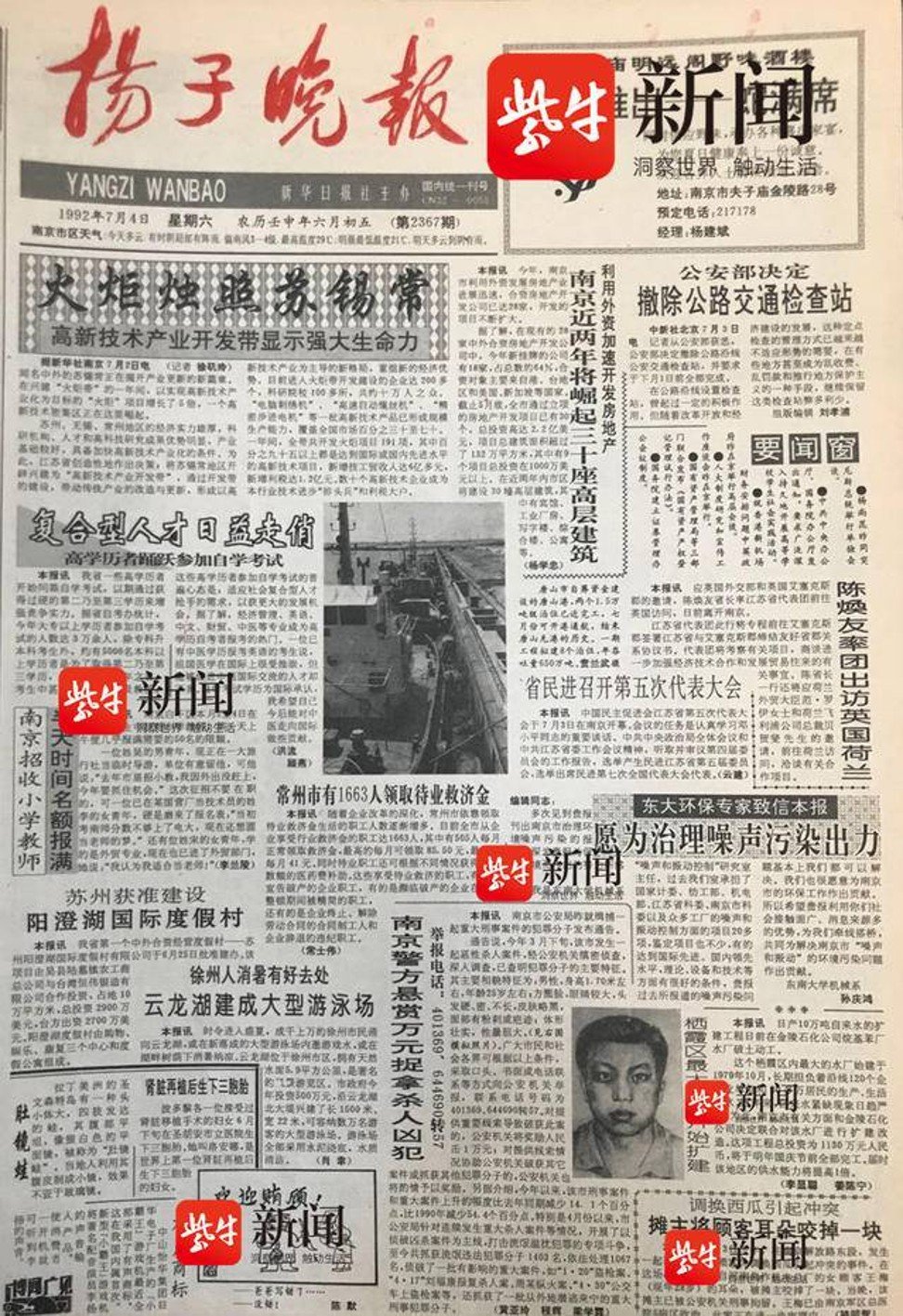
The 1992 newspaper notice by Nanjing police had offered a 10,000 yuan reward for information. Photo: Weibo
On Sunday, they found that the DNA of Ma, who lives in Nanjing, matched preserved DNA evidence that was collected following the death.
The victim, surnamed Lin, was a student at the former Nanjing Medical School. Her bludgeoned body was found in a sewer on March 24, 1992, but – possibly due to limited resources and technologies at the time – there was no clear lead on who the killer was.
Nanjing police had in 1992 offered a 10,000 yuan reward for leads – then worth US$1,818, or equivalent to five years’ salary for the average Chinese citizen – in a notice in the local Yangtze Evening News.
The notice also gave a sketch and description of the possible offender, described as a “male about 1.7 metres [5ft 7in] in height, about 25 years old, with a squarish face, big eyes, short hair, darker skin, scars or acne on his face, and a sturdy, muscular physique”.
Chinese man cleared of schoolgirl’s rape and murder after 13 years in jail
For years, the unsolved case haunted the police force. In a collection of police stories produced by the Nanjing Publishing House in 2012, former officer Ye Ning wrote that every year on March 24, Lin’s parents visited the medical school’s campus in memory of their daughter.
One year, Ye saw Lin’s parents at the police bureau. “They left in calmness, although sadness and disappointment were written over their faces,” he wrote. “The couple held on to each other, and the umbrella could not shelter them from the rain.”
He was reminded that Lin and her parents still needed justice for her to rest in peace, he wrote.
Lin came from Wuxi, a city less than 200km southeast of Nanjing, one of her former classmates told Legal Daily. Another was quoted as recalling that they had reported to their teacher that Lin had not arrived for their class. The teacher found Lin’s umbrella in a faculty building, and then her body in a sewer.
The classmates said they had immediately informed Lin’s mother after learning that the killer may have been identified. “Lin’s father had died of lung cancer, her younger brother works in Shenzhen and her mother lives by herself in Wuxi,” one of the classmates was quoted as saying.
Ma is now 54 years old and had been running a dog trade business, according to a man quoted by Modern Express who said he had met Ma a few times in the early 2000s.
Revealed: the quiet, ‘dutiful’ son named one of China’s most notorious serial killers
29 Aug 2016
The breakthrough in the case raised hopes among the Chinese public that another decades-old Nanjing murder, a notorious dismemberment case, could be solved.
In January 1996, body parts of a student were found boiled, shredded and wrapped in different bags all over the city, nine days after she went missing.
The victim, Diao Aiqing, was a first-year student at Nanjing University. Local police conducted large-scale searches around the city but never found the killer. The case has given rise to urban myths and been analysed in novels and posts on social media.
“I wonder when the Nanjing University case will be cracked, I hope it will be soon,” one person said on Weibo after the news about the Lin case.
The public has compared these Nanjing cases to a high-profile case in Baiyin, central China, in which a serial killer nicknamed “China’s Jack the Ripper” mutilated several of his 11 victims between 1998 and 2002, the youngest of whom was eight years old.
The killer, 54-year-old Gao Chengyong, had created panic during the killing spree. Said to have targeted young women who lived alone, Gao was caught in 2016 after a tip-off and was executed in January.
Source: SCMP
Posted in “China’s Jack the Ripper”, Chinese, dog trade business, Female medical student’s body, leads, murder case, Nanjing, Nanjing Medical School, Nanjing University, Police, sewer, suspect, Uncategorized, Wuxi, Xuzhou, Yangtze Evening News |
Leave a Comment »
26/11/2019
NANJING, Nov. 25 (Xinhua) — China’s rocket-carrying ships Yuanwang-21 and Yuanwang-22 wrapped up their mission of transporting the Long March-5 Y3 rocket and arrived at a port in eastern China’s Jiangsu Province Monday.
The two rocket-carrying ships departed from northern China’s Tianjin Port on Oct. 22 and arrived at Qinglan Port in Wenchang in southern China’s Hainan Province after a five-day journey.
The two rocket-carrying ships are China’s first ships made exclusively to carry rockets. With a length of 130 meters, a width of 19 meters and a height of 37 meters, the ships have a displacement of 9,000 tonnes. Each ship is equipped with two 120-tonne cranes that can hoist large rockets.
Each ship has traveled around 4,900 nautical miles, and new hoisting methods have been adopted to improve efficiency, according to Shi Zhe, head of the ships.
Source: Xinhua
Posted in China's, Hainan, jiangsu province, Long March-5 Y3, mission, Nanjing, Qinglan, Rocket, rocket-carrying, ships, Tianjin, transporting, Uncategorized, Wenchang, wrap up, Yuanwang-21, Yuanwang-22 |
Leave a Comment »
15/09/2019
SHANGHAI, Sept. 14 (Xinhua) — As the 2019 Shanghai Tourism Festival opened Saturday evening, the festival, which began in 1990, has been a witness to China’s development and citizens’ consumption upgrade over the past few decades.
Twenty-five floats, which represent China’s well-known tourist destinations such as Nanjing and Suzhou cities in Jiangsu Province, and 32 performance groups from 19 countries and regions, including Germany, Switzerland and France, participated in the dance and music show in downtown Shanghai, attracting some 300,000 spectators.
The festival, which will last until Oct. 6, will feature 100 activities including some for overseas travelers. A folk culture exhibition on Belt and Road countries will also be held. Dozens of tourist sites, museums and galleries in Shanghai will offer half-price admissions during the event.
The first tourism festival in Shanghai attracted half a million tourists from home and abroad. The 2018 festival attracted 12.7 million visitors. As people’s living standards have improved remarkably, tourism is not a luxury any more, but a necessity for many citizens.
“In 1995, the company rewarded me with a trip to Hainan. I was so proud and cherished it very much,” recalled a Shanghai taxi driver surnamed Guo, 54. “Now, our income has increased a lot, travel becomes a routine for most people who are willing to pay their own money to relax.”
Thirty years ago, ideal tourism resources were lacking, said Lu Guojun, a clerk with Shanghai Huangpu River Cruise Group Co., Ltd, citing the swaths of croplands along the eastern coast of the river which flows through the city center.
In recent years, with improved infrastructure and rapid development of service economy, more companies have joined the development of the river tourism, Lu said.
Dai Bin, president of the China Tourism Academy in Beijing, said people’s aspirations for a better life lead to their high expectations of tourism quality.
In August, China issued a guideline to unleash the cultural and tourism consumption potential, urging efforts to deepen supply-side reform in cultural and tourism industries.
On Friday, Shanghai signed agreements with six cities and regions including Budapest, Phnom Penh and Bangkok to boost culture and tourism exchange.
Culture and tourism promote mutual friendship and understanding, said Yu Xiufen, head of the Shanghai Municipal Administration of Culture and Tourism.
In 2018, domestic tourists made 5.54 billion trips, up 10.8 percent year on year, and the total number of inbound and outbound tourists reached 291 million, up 7.8 percent. The total tourism revenue reached 5.97 trillion yuan (842.7 billion U.S. dollars) last year, up 10.5 percent, data of the Ministry of Culture and Tourism showed.
Source: Xinhua
Posted in Bangkok, Belt and Road countries, Budapest, consumption, croplands, culture and tourism exchange, dance and music show, folk culture exhibition, France, galleries, Germany, Hainan, jiangsu province, Ministry of Culture and Tourism, museums, Nanjing, overseas travelers, Phnom Penh, river tourism, Shanghai, Shanghai Huangpu River Cruise Group Co., Ltd, Shanghai Municipal Administration of Culture and Tourism, Suzhou, Switzerland, tourism festival, tourist destinations, tourist sites, Twenty-five floats, Uncategorized |
Leave a Comment »
07/09/2019
Photo taken on Sept. 7, 2019 shows the view in Qianjiadu scenic spot in Jiangning District, Nanjing, east China’s Jiangsu Province. Qianjiadu scenic spot became a tourist attraction after elaborately designed renovation projects jointly carried out in Qianjiadu Village and Sunjiaqiao Village. (Xinhua/Ji Chunpeng)
Source: Xinhua
Posted in Jiangning District, jiangsu province, Nanjing, Qianjiadu, Qianjiadu Village, scenic spot, Sunjiaqiao Village, Uncategorized |
Leave a Comment »
04/09/2019
- Two classrooms on Nanjing campus were chosen for pilot project
- Camera automatically captures students’ faces without their cooperation
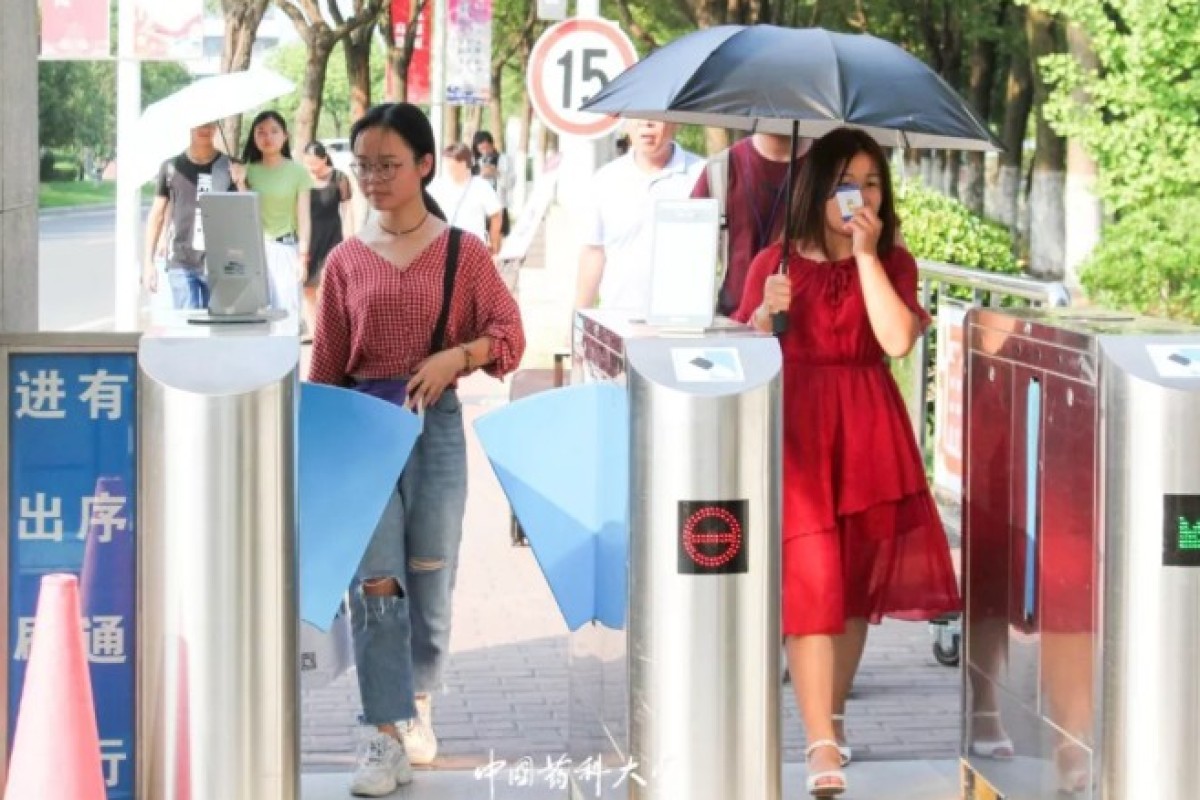
Students pass through a facial recognition turnstile at China Pharmaceutical University in Nanjing. Photo: Weibo
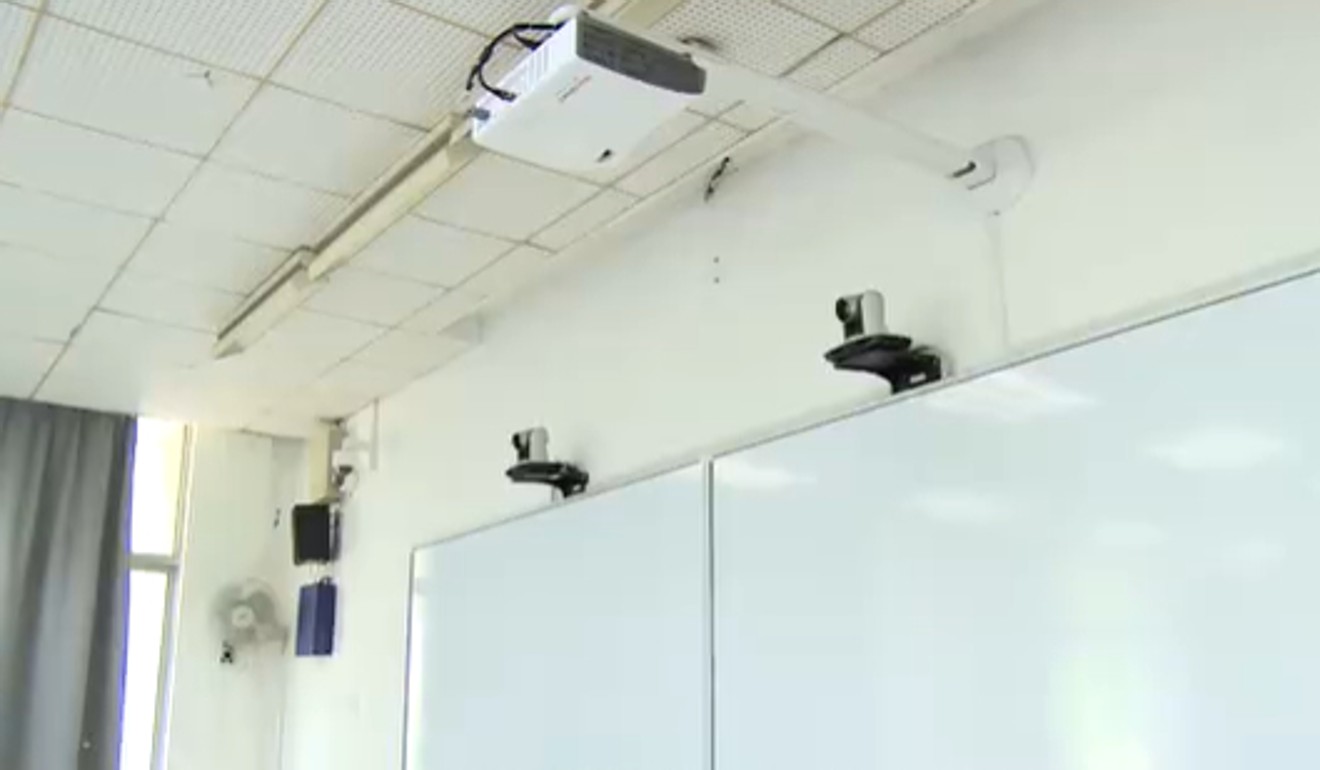
A university in eastern China has installed a facial recognition system at its entrance and in two classrooms to monitor the attendance and behaviour of students.
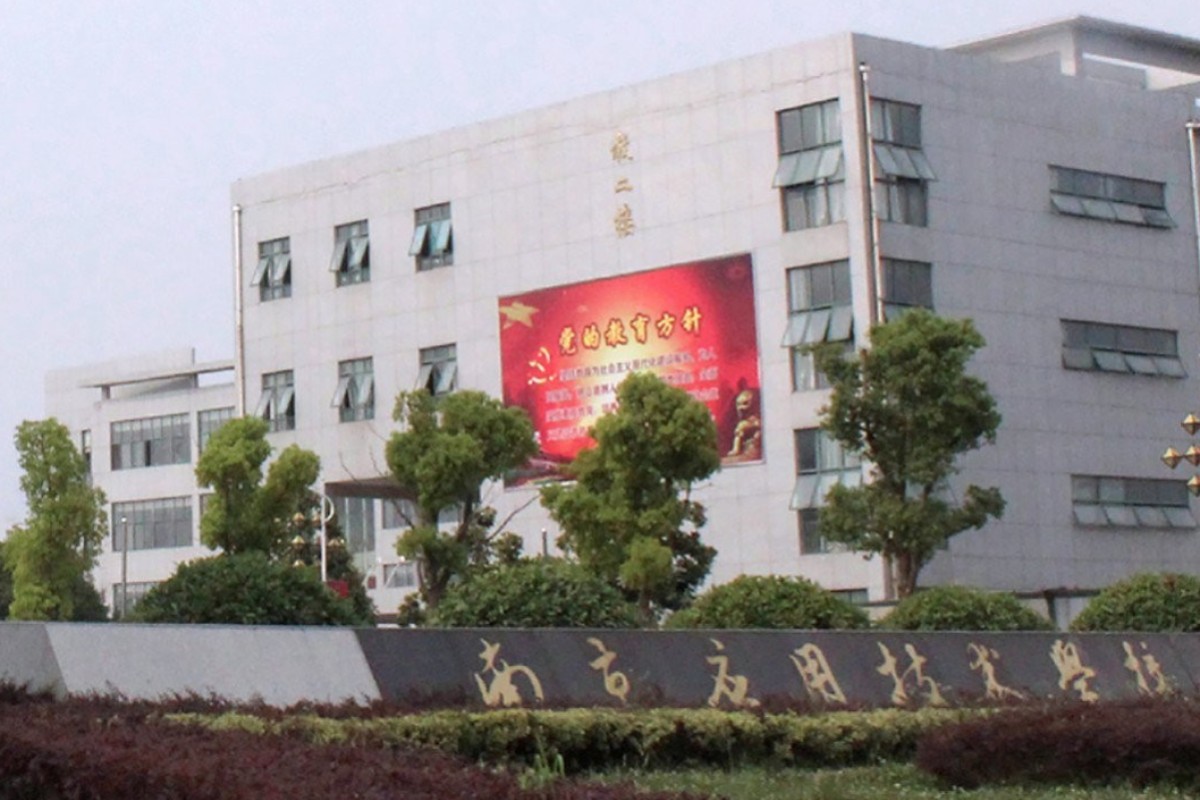
China Pharmaceutical University in Nanjing, Jiangsu province, announced on its website on Thursday that it was one of the first higher education institutions in the country to put such a system in place.
“It can effectively solve the management difficulties and low efficiencies in a traditional attendance system, and make it easier for managers to track their students,” Xu Jianzhen, director of the university’s library and information centre, told news website Thepaper.cn
In a pilot project, two classrooms were equipped with an attendance system using facial recognition software, with a camera that automatically captured the faces of students in class without their cooperation, the university said.
“Besides attendance, the system installed in the classroom can provide surveillance of the students’ learning, such as whether they are listening to the lectures, how many times they raise their heads, and whether they are playing on their phones or falling asleep,” Xu told the news website.
“The school is taking action to cut down on students skipping class, leaving classes early, paying for a substitute to attend classes for them and not listening in class,” he said.
The plan was not well received online, with some critics raising privacy concerns for staff and students.
Why are Hong Kong protesters targeting lamp posts?
“What kind of talent are they trying to cultivate?” a user of the Twitter-style Weibo network asked. “I’ve never seen such a method.”
Another wrote: “If this system was being installed in Europe or America, they’d be sued and the school would have to close down.”
But Xu said the university had consulted the police and sought legal advice, and was told the system would not be considered an invasion of privacy as classrooms were public spaces.
“You are complaining about [a system] that’s meant to urge you to learn? Are you a student?” he told the news website.
A spokesman said China Pharmaceutical University was using a facial recognition system to improve class attendance. Photo: Weibo
The university would seek feedback from teaching staff before deciding whether to install facial recognition systems in all of its classrooms, according to the report.
In May last year, a school in Hangzhou, Zhejiang province, installed cameras to monitor pupils’ facial expressions and attentiveness in class as part of a “smart classroom behaviour management system” to give teachers real-time information on their students.
Elsewhere, facial recognition has been used to catch unlicensed drivers in the southern technology hub of Shenzhen, jaywalkers in Shanghai, and criminal suspects at public events across China.
Source: SCMP
Posted in America, attendance, attentiveness, automatically captures, Camera, China alert, China Pharmaceutical University, Chinese university, consulted, cooperation, criminal suspects, Europe, facial expressions, Facial recognition system, Hangzhou, invasion of privacy, jaywalkers, jiangsu province, legal advice, library and information centre, Nanjing, pilot project, Police, public events, Shanghai, Shenzhen, students’ faces, sued, Thepaper.cn, Uncategorized, university, unlicensed drivers, website, Weibo, without, zhejiang province |
Leave a Comment »
08/05/2019
- Investigation follows violent protest at Nanjing school
- Students discovered nursing qualification was actually a home economics degree
An investigation into enrolment practices at eastern China’s Nanjing Institute of Applied Technology has been widened into a country-wide check for similar frauds. Photo: Handout
A protest by technical school students over fake degrees that led to a
in eastern China last month has prompted the Ministry of Education to order local governments across the country to check for similar frauds in their regions.
Wang Jiping, director of the ministry’s vocational education department, said the authorities had been cracking down on fraudulent promotions in student enrolment – cause of the disturbance at Nanjing School of Applied Technology – for a long time.
“But some schools still irresponsibly cheated parents and students,” Wang said at a press conference on Wednesday.
“For this kind of phenomenon, our attitude is one of firmly stopping and seriously punishing.”
Dozens of students clashed with police and security staff at the Nanjing School of Applied Technology in eastern China last month after the discovery that their nursing course only provided a degree in home economics. Photo: Weibo
In a statement on Weibo, China’s Twitter-like microblogging service, the city government in Nanjing, capital of Jiangsu province, said on Tuesday the rally by students and parents at the school had attracted the attention of city and provincial authorities.
Investigations showed that when the school enrolled new students for its home economics major in 2016, it promised they would receive associate degrees and a nursing certificate upon graduation. The students were also guaranteed jobs.
Students about to graduate this summer were angry when they learned the school could not fulfil any of its promises.
At the end of last month, some parents started petitioning the local government. On the evening of April 26, dozens of students clashed with police and security staff, with two students sustaining leg injuries. Police took several people away for “stirring up trouble among students”, the police said on Weibo.
The city government said that, with the intervention of its education and human resources departments, 405 out of the 409 affected students had been transferred to higher level institutions, and the students and their parents had accepted that arrangement.
The investigation is continuing and school officials will be held accountable, it said.
The Nanjing government said some people had spread rumours online after the incident. The government statement said two people, both surnamed Wang, had falsely claimed a female student was beaten to death by school staff and her parents knocked unconscious by police in the incident.
The pair also claimed in their article, published on Monday, that the school’s security guards were armed during the confrontation with students.
The article went viral and the authors – one from Wuhan, Hubei province, and the other in Changsha, Hunan province, both in central China – were detained for causing trouble.
According to the government statement, they confessed to cooking up the rumour to attract online traffic and solicit rewards from readers.
They made 32,000 yuan (US$4,700) from the article.
Source: SCMP
Posted in China-wide fraud check, Fake degree scandal, home economics degree, jiangsu province, Ministry of Education, Nanjing, Nanjing Institute of Applied Technology, Nanjing school, nursing qualification, Uncategorized, vocational education department, Wang Jiping, Weibo |
Leave a Comment »
02/05/2019
- Major highways gridlocked for hours at start of four-day break
- Chaos at railway stations as ticket-holding passengers turned away
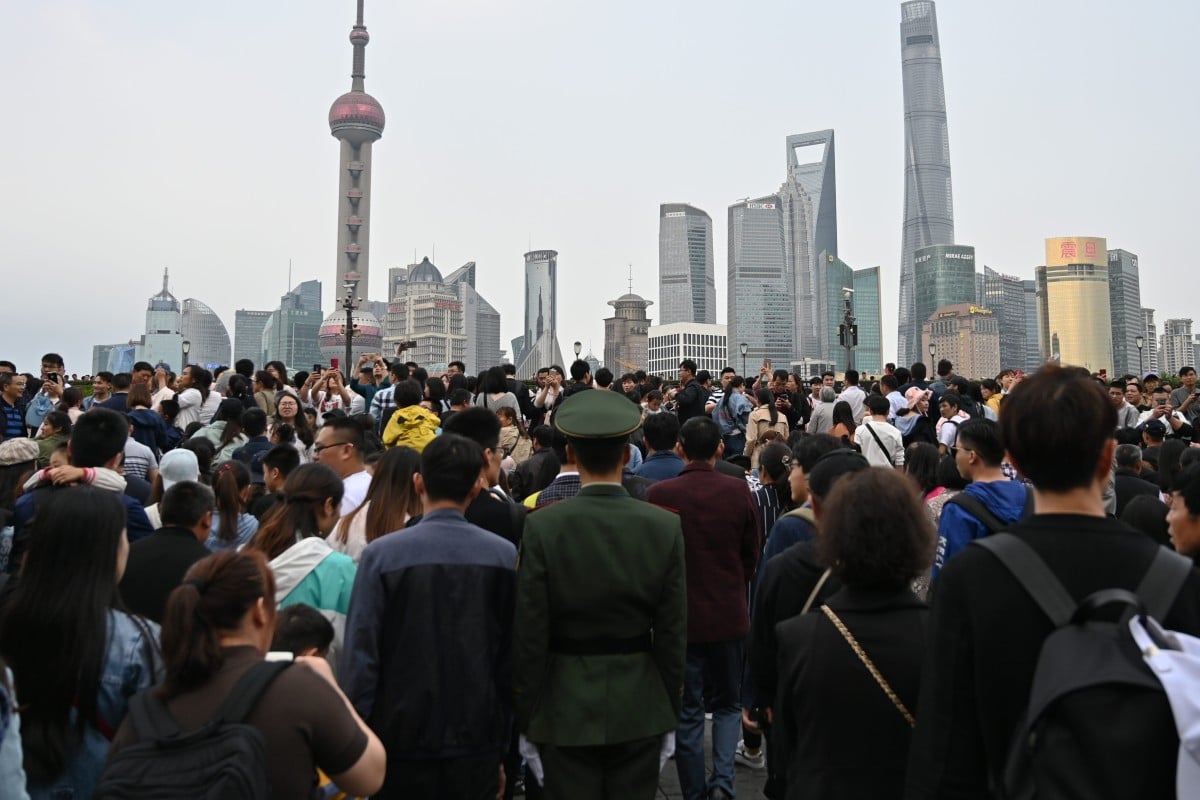
Holiday crowds pack the promenade on the Bund along the Huangpu River in Shanghai on the first day of China’s May break. Photo: AFP
China’s Labour Day holiday started on Wednesday with gridlocked roads and chaos at railway stations as millions of people took advantage of this year’s unusually long break.
Motorists reported being stuck in traffic jams which did not move for hours, while ticket-holding passengers were turned away from some trains due to severe overcrowding on the first day of the holiday.
Travel agency Ctrip estimated that around 160 million domestic tourists would be travelling over the four-day break, according to data from travel booking platforms.
Forty major highways recorded a 75 per cent spike in traffic on Wednesday, according to Xinhua, as toll fares for cars were suspended for the holiday.
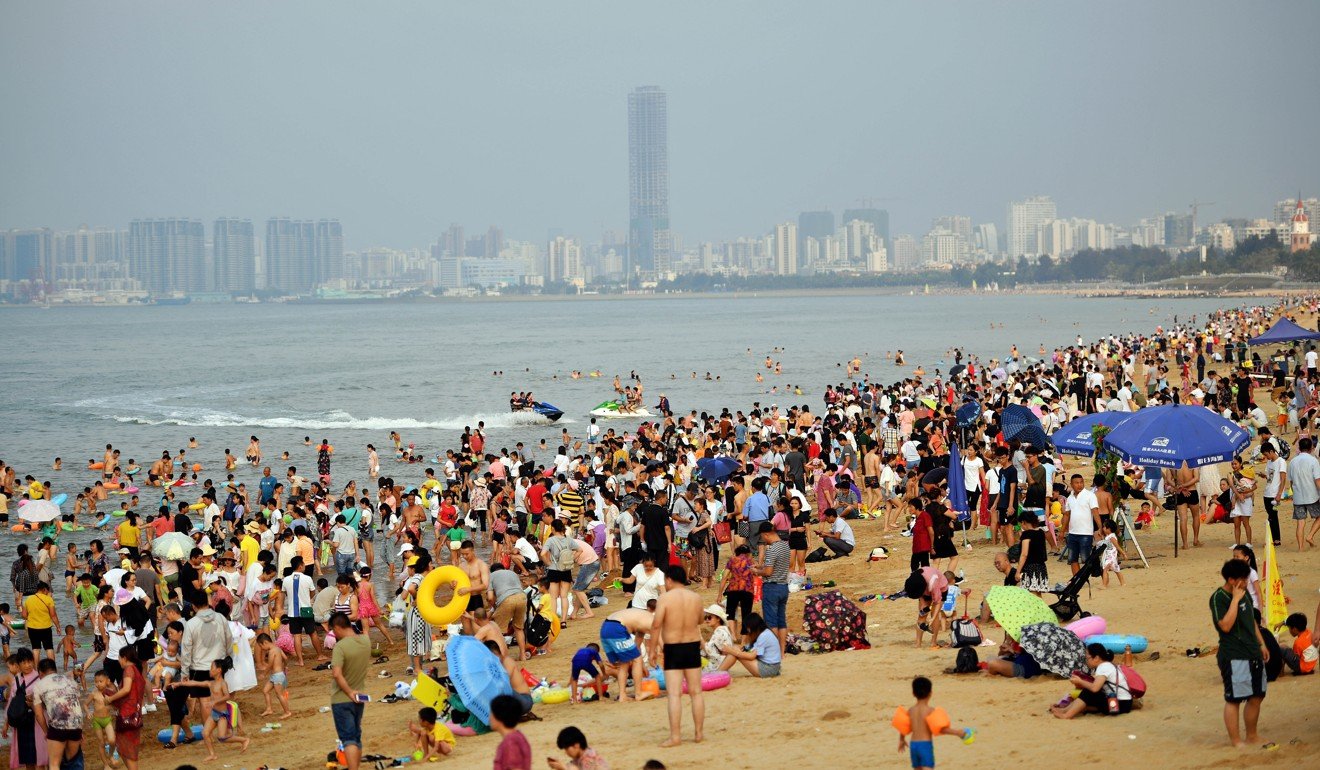
Tourists enjoy the first day of China’s four-day May holiday on a beach in Haikou, Hainan province, southern China. Photo: Xinhua
Monitoring stations on major routes – including the Beijing-Tibet Expressway, the Shanghai-Shaanxi Expressway, Shanghai’s Humin Elevated Road and the Beijing section of the Beijing-Hong Kong-Macau Expressway – recorded a 200 per cent increase in traffic from Tuesday onwards, Xinhua said.
The Ministry of Public Security’s traffic management bureau has warned holiday motorists to drive safely, especially on winding mountainside routes.
Online news portal The Paper reported on Thursday that traffic jams on some major routes were so severe that the drive from Shanghai to Hangzhou, capital of neighbouring Zhejiang province, took some travellers seven hours instead of the usual two.
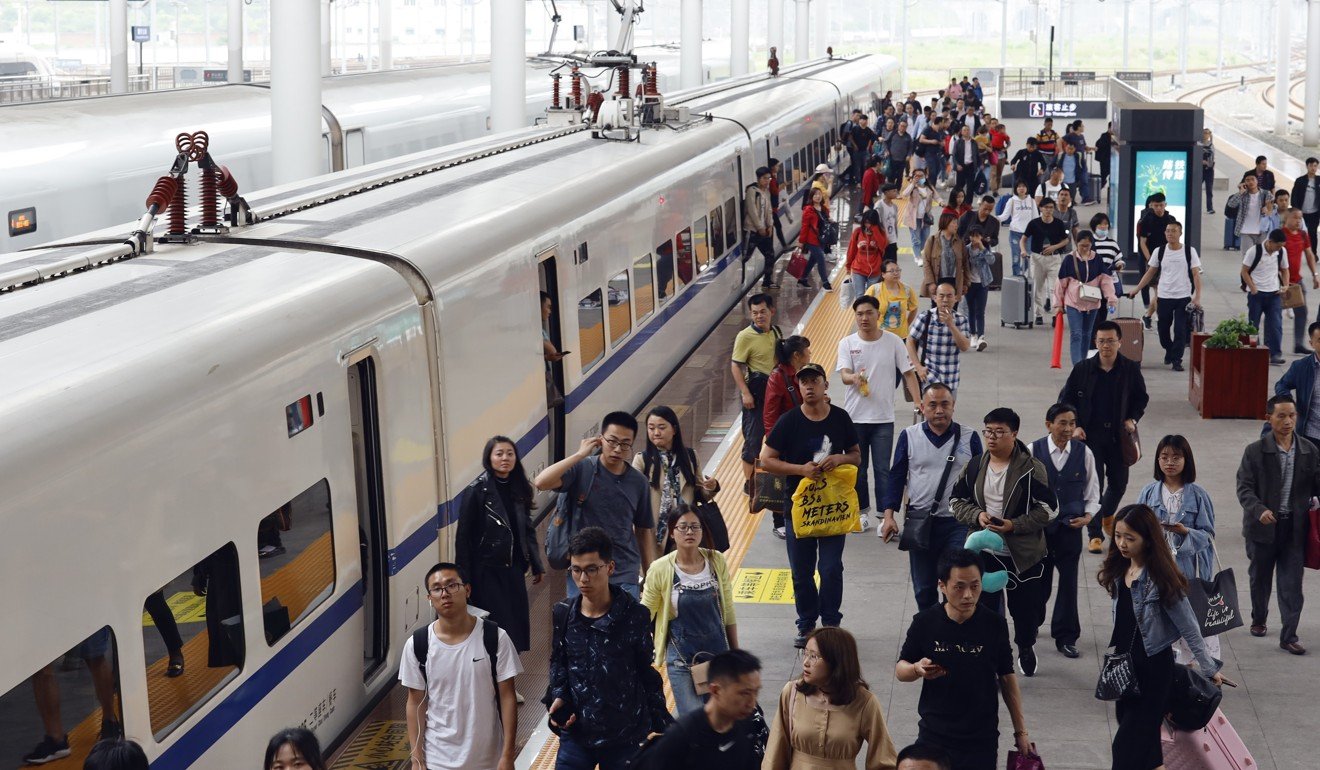
Passengers board the train at Chongqing North Railway Station in southwest China on Tuesday, hoping to beat the May holiday travel rush. Photo: Xinhua
Meanwhile, more than 54,000 tourists visited the popular Badaling section of the Great Wall on Wednesday, according to Beijing Youth Daily. The attraction’s management team had increased the number of volunteers, parking spaces and shuttle buses to prepare for the influx, the report said.
More than 53,000 tourists had visited the Shanghai International Tourism Resort and Shanghai Disneyland by 4pm on Wednesday, according to data from the Shanghai municipal government’s real-time visitor tracker. The Shanghai Zoo attracted more than 24,000 people, and more than 9,200 visited the Shanghai Science and Technology Museum.
Despite the crowds, no records were broken at the Shanghai attractions, which reached about 70 per cent of their maximum visitor numbers recorded, The Paper reported.
At railway stations, ticket-holding passengers were stopped from boarding trains between Nanjing and the city of Zibo in Shandong province, eastern China, due to severe overcrowding, Beijing Youth Daily reported on Wednesday.
Station staff promised full refunds to customers with pre-booked tickets who were refused entry.
Source: SCMP
Posted in Badaling section, Beijing Youth Daily, Beijing-Hong Kong-Macau Expressway, Beijing-Tibet Expressway, Chaos, China alert, Chongqing North Railway Station, Gao, Great Wall, gridlocked, Haikou, Hainan, Huangpu River, Humin Elevated Road, influx, Labour Day holiday, Major highways, Ministry of Public Security, Nanjing, parking spaces, railway stations, roads jammed, shandong province, Shanghai, Shanghai Disneyland, Shanghai International Tourism Resort, Shanghai Science and Technology Museum, Shanghai to Hangzhou, Shanghai Zoo, Shanghai-Shaanxi Expressway, shuttle buses, The Bund, The Paper, traffic management bureau, Travel agency Ctrip, travel booking platforms, Uncategorized, volunteers, Xinhua, zhejiang province, Zibo |
Leave a Comment »














 CHINDIA ALERT: You'll be living in their world, very soon