25/02/2020
- Female medical student’s body was found in a Nanjing sewer in 1992
- Officers had investigated in vain until a tip-off from police in another city last week
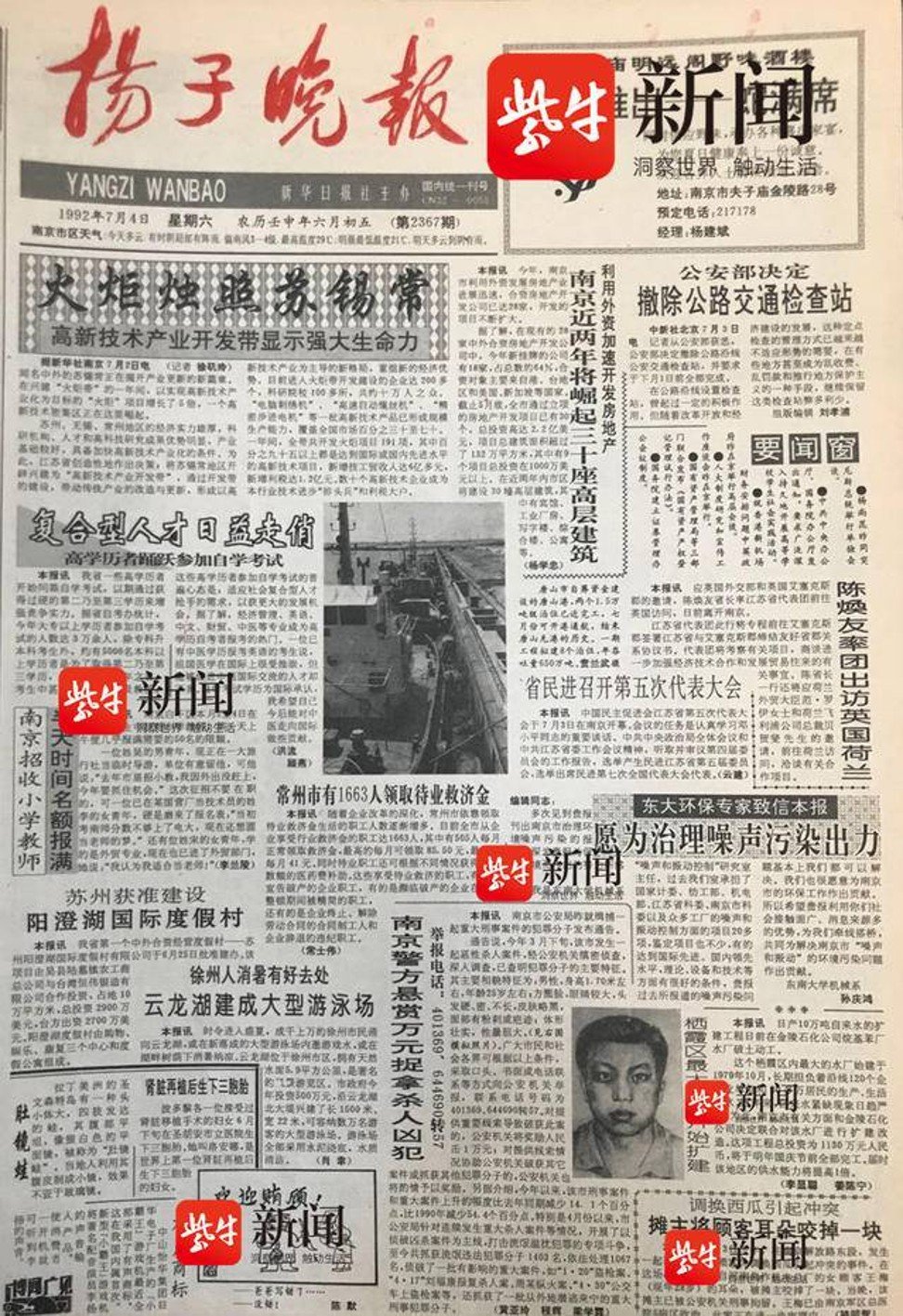
Nanjing police had released a sketch of a male “with a squarish face and big eyes” after the 1992 killing. Photo: Weibo
in the eastern Chinese city of Nanjing say they have cracked a 28-year-old murder case in which a young medical school student was brutally killed.
“For 28 years, a special task force had persistently investigated the case, and it made major developments on February 23. The police caught the killer, surnamed Ma, the same morning,” the police said in a statement published on Weibo on Sunday night.
At a press conference on Monday afternoon, Nanjing police said they had used DNA testing to confirm the suspect’s identity and had detained him. The prosecutor had yet to make a formal arrest.
Last Wednesday, the force received a lead from police in Xuzhou, about 280km (175 miles) north, who said that there was suspicion over a local family, one of whom they said had a possible motive for the crime. Nanjing police sent a team to Xuzhou to investigate.
The 1992 newspaper notice by Nanjing police had offered a 10,000 yuan reward for information. Photo: Weibo
On Sunday, they found that the DNA of Ma, who lives in Nanjing, matched preserved DNA evidence that was collected following the death.
The victim, surnamed Lin, was a student at the former Nanjing Medical School. Her bludgeoned body was found in a sewer on March 24, 1992, but – possibly due to limited resources and technologies at the time – there was no clear lead on who the killer was.
Nanjing police had in 1992 offered a 10,000 yuan reward for leads – then worth US$1,818, or equivalent to five years’ salary for the average Chinese citizen – in a notice in the local Yangtze Evening News.
The notice also gave a sketch and description of the possible offender, described as a “male about 1.7 metres [5ft 7in] in height, about 25 years old, with a squarish face, big eyes, short hair, darker skin, scars or acne on his face, and a sturdy, muscular physique”.
Chinese man cleared of schoolgirl’s rape and murder after 13 years in jail
For years, the unsolved case haunted the police force. In a collection of police stories produced by the Nanjing Publishing House in 2012, former officer Ye Ning wrote that every year on March 24, Lin’s parents visited the medical school’s campus in memory of their daughter.
One year, Ye saw Lin’s parents at the police bureau. “They left in calmness, although sadness and disappointment were written over their faces,” he wrote. “The couple held on to each other, and the umbrella could not shelter them from the rain.”
He was reminded that Lin and her parents still needed justice for her to rest in peace, he wrote.
Lin came from Wuxi, a city less than 200km southeast of Nanjing, one of her former classmates told Legal Daily. Another was quoted as recalling that they had reported to their teacher that Lin had not arrived for their class. The teacher found Lin’s umbrella in a faculty building, and then her body in a sewer.
The classmates said they had immediately informed Lin’s mother after learning that the killer may have been identified. “Lin’s father had died of lung cancer, her younger brother works in Shenzhen and her mother lives by herself in Wuxi,” one of the classmates was quoted as saying.
Ma is now 54 years old and had been running a dog trade business, according to a man quoted by Modern Express who said he had met Ma a few times in the early 2000s.
Revealed: the quiet, ‘dutiful’ son named one of China’s most notorious serial killers
29 Aug 2016
The breakthrough in the case raised hopes among the Chinese public that another decades-old Nanjing murder, a notorious dismemberment case, could be solved.
In January 1996, body parts of a student were found boiled, shredded and wrapped in different bags all over the city, nine days after she went missing.
The victim, Diao Aiqing, was a first-year student at Nanjing University. Local police conducted large-scale searches around the city but never found the killer. The case has given rise to urban myths and been analysed in novels and posts on social media.
“I wonder when the Nanjing University case will be cracked, I hope it will be soon,” one person said on Weibo after the news about the Lin case.
The public has compared these Nanjing cases to a high-profile case in Baiyin, central China, in which a serial killer nicknamed “China’s Jack the Ripper” mutilated several of his 11 victims between 1998 and 2002, the youngest of whom was eight years old.
The killer, 54-year-old Gao Chengyong, had created panic during the killing spree. Said to have targeted young women who lived alone, Gao was caught in 2016 after a tip-off and was executed in January.
Source: SCMP
Posted in “China’s Jack the Ripper”, Chinese, dog trade business, Female medical student’s body, leads, murder case, Nanjing, Nanjing Medical School, Nanjing University, Police, sewer, suspect, Uncategorized, Wuxi, Xuzhou, Yangtze Evening News |
Leave a Comment »
17/10/2019
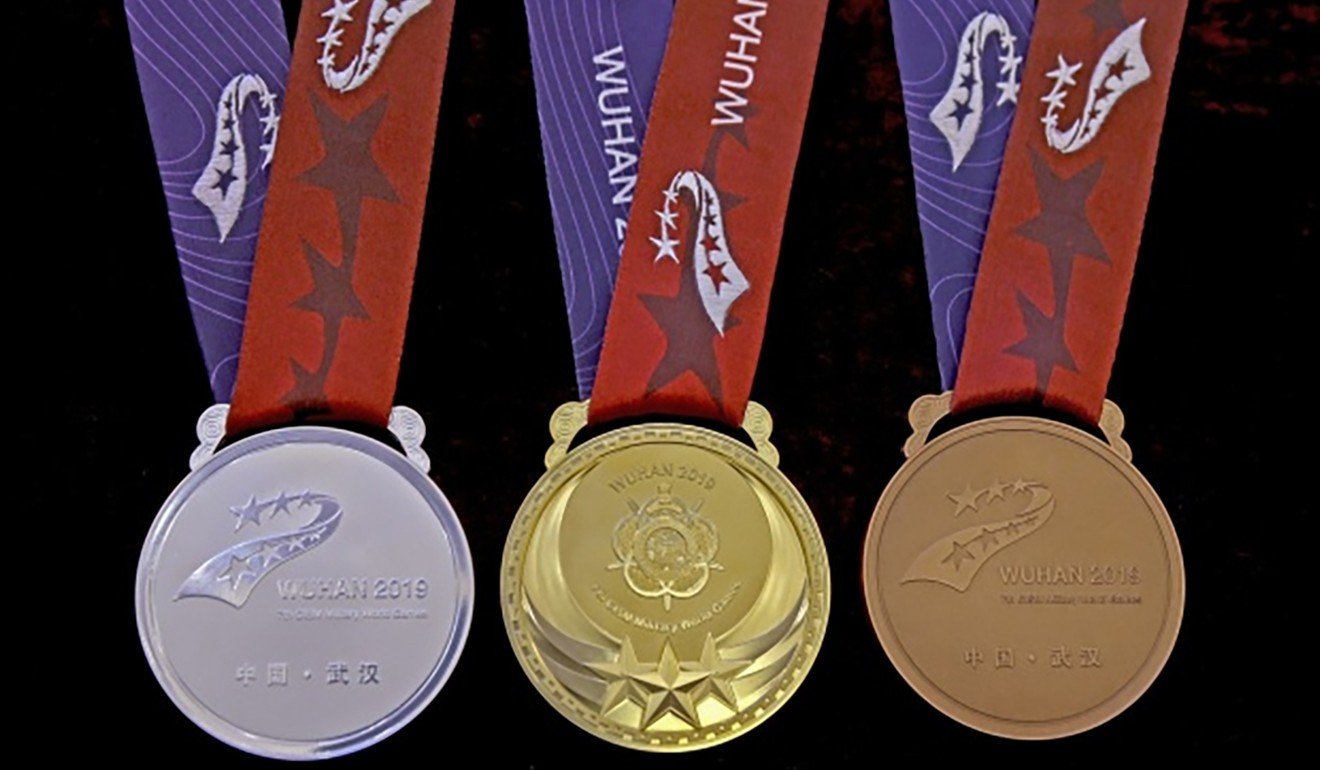
- Soldiers from 140 countries are expected to take part in 10-day sporting event in Wuhan, Hubei province
- It coincides with the Xiangshan Forum, where Beijing may seek to reinforce its position on issues like the South China Sea and US arms sales to Taiwan
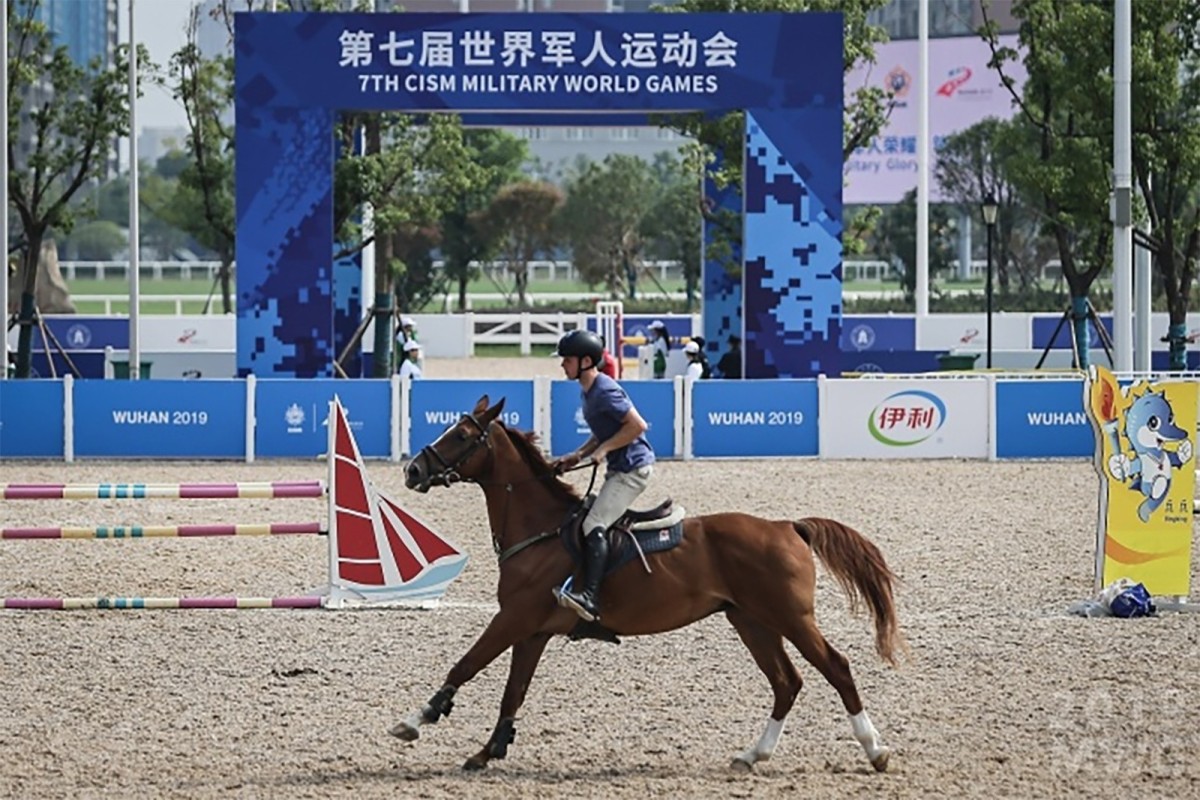
More than 100 horses have arrived in Wuhan for the equestrian and modern pentathlon events of the Military World Games, which begin on Friday. Photo: Handout
President Xi Jinping is expected to open the Military World Games in central China on Friday, setting the stage for a
People’s Liberation Army charm offensive as it seeks to strengthen ties with foreign forces and exert its influence.
China is hosting the 10-day sporting event in Wuhan, Hubei province, and soldiers from 140 countries are expected to take part. It will coincide with the three-day Xiangshan Forum – China’s equivalent of the Shangri-La Dialogue in Singapore – to be held on the outskirts of Beijing from Sunday.
It comes after China staged a lavish military parade in Beijing to celebrate the 70th anniversary of the People’s Republic on October 1, showcasing some of the PLA’s most advanced weapon systems and strategic weaponry.
A Chinese military insider on Tuesday said Xi was expected to kick off the games in Wuhan – a symbolic move by the president as he seeks to boost the PLA’s international profile.
China has built a new athletes’ village in Wuhan that can accommodate 10,000 people. Photo: Handout
“[China sees] the Military World Games as a platform to promote international military diplomacy and an opportunity for the PLA to build its international image through sporting events,” the insider said.
It will be the first time China hosts the Military World Games, which is the second-biggest multi-sport event after the Olympics and is also held every four years.
To host the mega event, China has built a new athletes’ village in Wuhan that can accommodate the 10,000 military athletes who will compete. This year’s games will have the largest number of events ever, with badminton, table tennis, tennis and men’s gymnastics included for the first time.
The US Armed Forces will send about 300 athletes to Wuhan, according to state-run Xinhua. One of them is Mark Juliano, an archer and taekwondo player, who told the news agency: “You developed world-class venues and I can’t wait to experience the games.”
The Chinese president has high hopes for the PLA athletes at this year’s Military World Games, according to an insider. Photo: Handout
The military insider said Xi had high hopes that the PLA would win gold in some of the events.
“The Russians are known to be very good at some sports but the PLA has yet to earn a reputation in any particular sport,” the insider said. “Xi hopes that the home ground advantage will give the PLA the edge this time.”
Another Beijing-based military source said the top brass had put great emphasis on the success of three events this year – the National Day parade, Military World Games and the Xiangshan Dialogue.
The source said it would be the biggest Xiangshan Forum since China began holding the event more than a decade ago, and dozens of senior foreign defence officials and military leaders invited to the games in Wuhan would also take part in the forum.
How robots are revolutionising China’s firework factories
Set up in 2006, China uses the forum to play host to foreign military experts and leaders and discuss security and defence issues in the Asia-Pacific region. It is widely seen as an effort by Beijing to compete with the Asia Security Forum in Singapore, also known as the Shangri-La Dialogue after the hotel where it is staged.
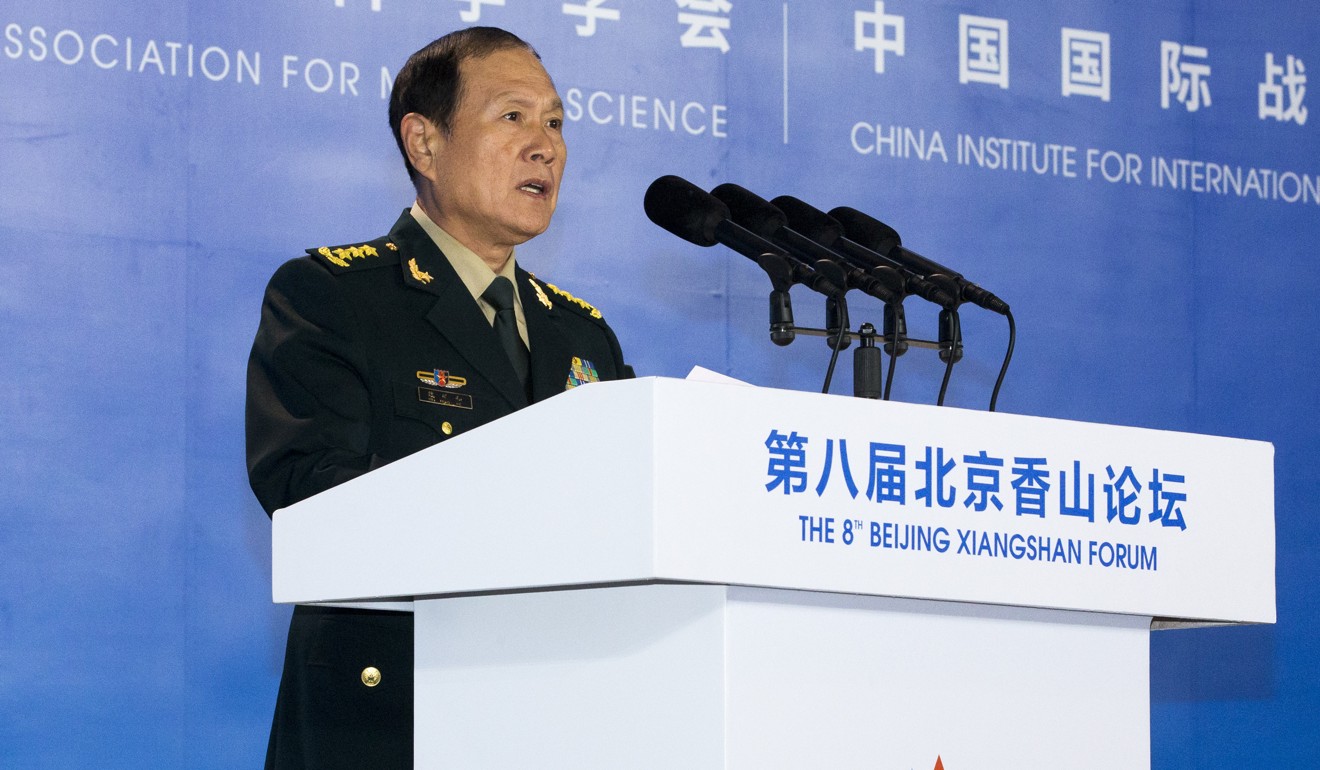
The theme of this year’s Xiangshan Forum is “Maintaining international order and promoting peace in the Asia-Pacific”. Military observers said Beijing was likely to use it as an opportunity to reinforce its position on issues like the South China Sea and US arms sales to Taiwan.
Defence Minister Wei Fenghe criticised the US for damaging ties with China at last year’s Xiangshan Forum. Photo: Xinhua
Yao Yunzhu, a retired PLA major general and a delegate at the forum, said this year’s event would give the PLA an opportunity to explain its strategy to foreign militaries, including the US.
“The relationship between the PLA and its American counterpart has been stable over the past year despite tensions between Beijing and Washington over issues such as trade,” Yao said.
“But that military relationship has been stable thanks to the efforts of the two militaries to keep their communication open, as well as improving their crisis management mechanism,” she added.
Another forum delegate, Zhu Feng, dean of the international relations school at Nanjing University, said smaller countries in the region would use the forum to raise their concerns over the impact of tensions between China and the US on the region’s long-term stability.
Source: SCMP
Posted in 70th anniversary of the founding of the People's Republic of China (PRC), advanced weapon systems, archer, Asia Security Forum, badminton, Beijing, celebrate, charm offensive, China alert, equestrian events, gymnastics, hubei province, Military World Games, Nanjing University, Olympics, open, PLA, President Xi Jinping, Shangri-La Dialogue, Singapore, South China Sea, strategic weaponry., table tennis, taekwondo player, Taiwan, tennis, Uncategorized, US Armed Forces, US arms sales, Wuhan, Xiangshan forum |
Leave a Comment »
14/08/2019
- Researchers at academy of science believe electromagnetic wave model is key that will herald new era in radar detection and avoidance for military ships and aircraft
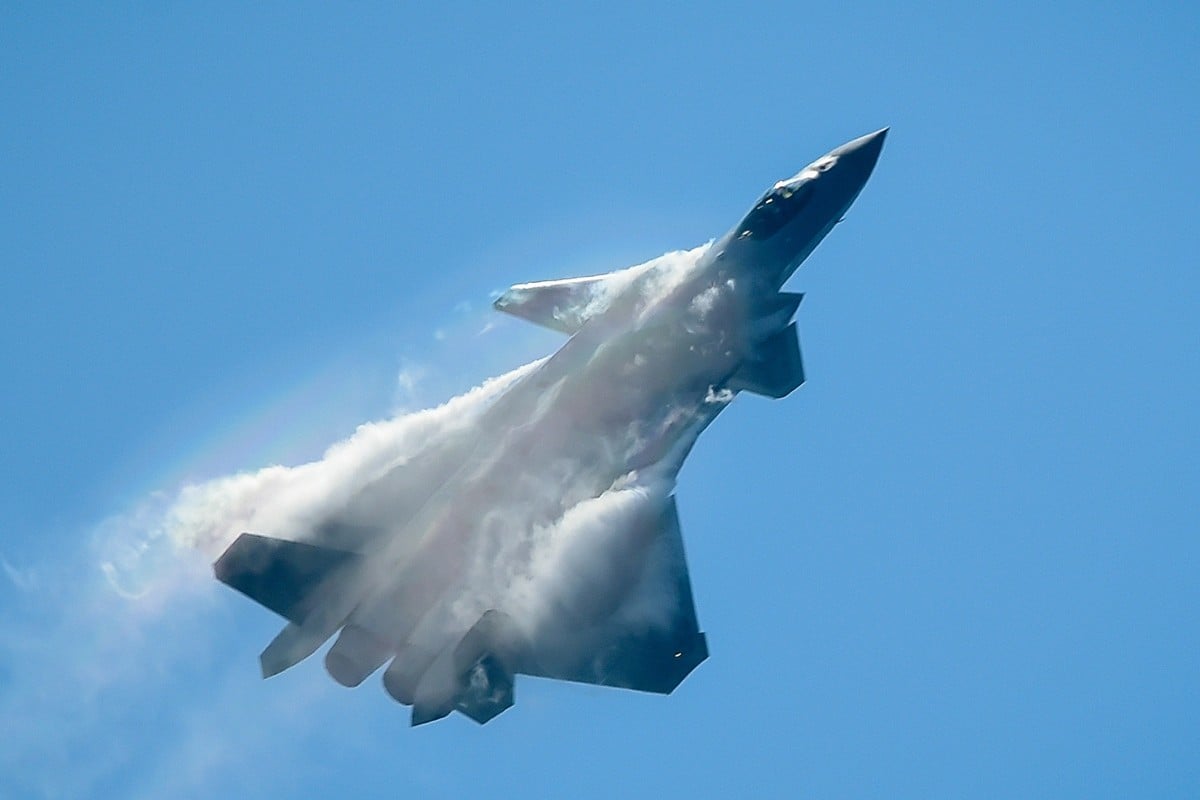
China’s J-20 stealth fighter. Photo: AFP
Chinese scientists have achieved a series of breakthroughs in stealth materials technology that they claim can make fighter jets and other weaponry lighter, cheaper to build and less vulnerable to radar detection.
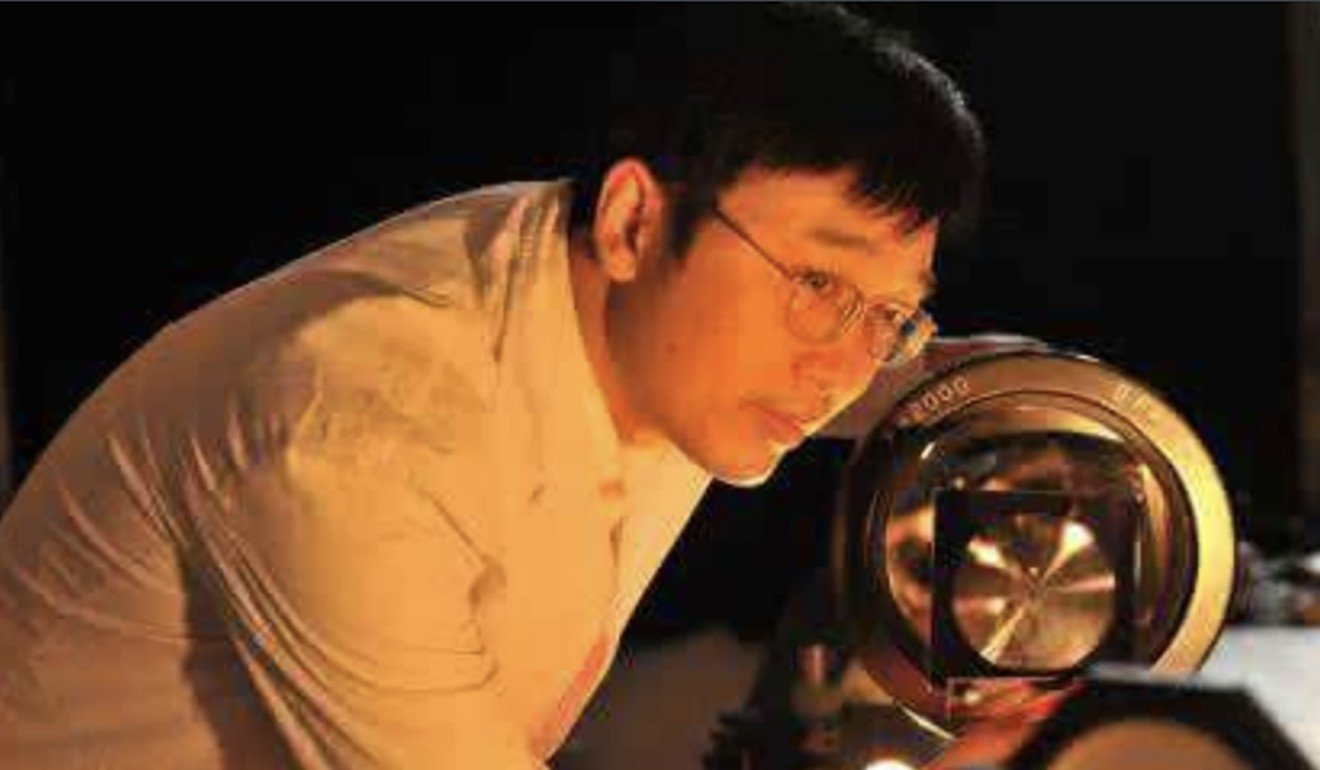
Professor Luo Xiangang and colleagues at the Institute of Optics and Electronics, Chinese Academy of Sciences in Chengdu, Sichuan province, said they had created the world’s first mathematical model to precisely describe the behaviour of electromagnetic waves when they strike a piece of metal engraved with microscopic patterns, according to a statement posted on the academy’s website on Monday.
With their new model and breakthroughs in materials fabrication, they developed a membrane, known as a meta surface, which can absorb radar waves in the widest spectrum yet reported.
At present, stealth aircraft mainly rely on special geometry – their body shape – to deflect radar signals, but those designs can affect aerodynamic performance. They also use radar absorbing paint, which has a high density but only works against a limited frequency spectrum.
In one test, the new technology cut the strength of a reflected radar signal – measured in decibels – by between 10 and nearly 30dB in a frequency range from 0.3 to 40 gigahertz.
A stealth technologist from Fudan University in Shanghai, who was not involved in the work, said a fighter jet or warship using the new technology could feasibly fool all military radar systems in operation today.
“This detection range is incredible,” the researcher said. “I have never heard of anyone even coming close to this performance. At present, absorbing technology with an effective range of between 4 and 18 GHz is considered very, very good.”
China’s new radar system could spot stealth aircraft from at long range
The lower the signal frequency, the longer a radar’s detection range. But detailed information about a moving target can only be obtained with higher frequency radio waves. Militaries typically use a combination of radars working at different frequencies to establish lines of defence.
The Medium Extended Air Defence System, Nato’s early warning radar, operates at a frequency range of 0.3 to 1 GHz. The American Terminal High Altitude Area Defence system, the missile defence radar that caught Beijing’s attention when it was deployed in South Korea in 2017, operates at frequencies around 10 GHz.
Some airports use extremely short-range, high-frequency radars running at 20 GHz or above to monitor vehicle and plane movements on the ground, but even they might not be able to see a jet with the new stealth technology until it is overhead.
“Materials with meta surface technology are already found on military hardware in China, although what they are and where they are used remains largely classified,” the Fudan researcher said.
Professor Luo Xiangang. Photo: Baidu
Luo and his colleagues could not be reached for comment. But according to the academy’s statement and a paper the team published in the journal Advanced Science earlier this year, the stealth breakthroughs were based upon a discovery they made several years ago.
They found that the propagation pattern of radio waves – how they travelled – in extremely narrow metallic spaces was similar to a catenary curve, a shape similar to that assumed by chains suspended by two fixed points under their own weight.
China tests stealth ‘invisibility cloaks’ on regular fighter jets
Inspired by catenary electromagnetics, the team developed a mathematical model and designed meta surfaces suitable for nearly all kinds of wave manipulation.
These included energy-absorbing materials for stealth vehicles and antennas that can be used on satellites or military aircraft.
Zhu Shining, a professor of physics specialising in meta materials at Nanjing University, said the catenary model was a “novel idea”.
“The Institute of Optics and Electronics in Chengdu has conducted long-term research in this area which paved a solid foundation for their discoveries. They have done a good job,” Zhu said.
“Scientists are exploring new features of metal materials, some of them are already in real-life applications.”
Source: SCMP
Posted in Advanced Science, aerodynamic, airports, American, blind, body shape, breakthroughs, catenary electromagnetics, Chengdu, Chinese Academy of Sciences, Chinese scientists, discovery, early warning radar, fabrication, fighter jets, Fudan University, ground, hail, incredible, Institute of Optics and Electronics, invisibility cloaks, J-20 stealth fighter, materials, Medium Extended Air Defence System, membrane, meta surface, Military, Nanjing University, NATO, paint, performance, plane movements, radar absorbing, radar systems, Shanghai, sichuan province, South Korea, stealth breakthrough, Terminal High Altitude Area Defence system, Uncategorized, vehicle movements, warship |
Leave a Comment »
22/06/2019
- Inadequate infrastructure and industry standards are holding the country back in the battle to save the environment, new study finds
In some extreme cases, incomplete pipework meant factories in industrial parks discharged directly into waterways. Photo: Reuters
A shortage of waste water pipelines, lax local government oversight and a lack of industry standards are holding back efforts to cut industrial water pollution in China, according to a new joint study.
The research by Greenpeace and Nanjing University also found that many of the country’s waste water treatment plants were among its biggest polluters singled out by authorities.
Researchers made the assessment by examining data and reports released by the Ministry of Ecology and Environment last year. According to the reports, 243 – or 56 per cent – of the 436 major polluters fined in 2018 for excessive discharges were waste water treatment plants.
That is despite Beijing claiming to be one of the biggest processors of industrial and household waste water by volume in the world.
Fighting water pollution is part of Beijing’s pledge to fix the country’s depleted environment by 2020, one of the priorities President Xi Jinping identified at the start of his second five-year term in late 2017.
Dong Zhanfeng, deputy director of the Environmental Policy Department at the Chinese Academy for Environmental Planning, said waste water treatment was an important part of the fight against pollution.
“It’s called a ‘critical battle’ because the work is really tough,” Dong said.
China says progress made on water pollution, but battle remains
To try to curb contamination from industry, the central government has urged provincial authorities to concentrate factories in industrial parks, where infrastructure must be built to treat waste water.
The Greenpeace-Nanjing University researchers found that by the end of the third quarter last year, 97 per cent of 2,411 industrial waste water treatment plants needed for industrial parks around the country had been constructed. But not all of the completed plants were in full use because of insufficient pipes connecting factories and the treatment plants.
In extreme examples cited by the report, incomplete pipework meant two treatment plants in Hubei laid dormant for two years, forcing factories in the industrial parks to discharge directly into waterways.
In other cases, factories not linked to industrial waste water treatment plants discharged into the general sewage system, with the effluent ending up at household waste water treatment plants that could only filter part of the industrial waste.
This was the case in the southwest province of Guizhou, where a lack of pipework meant 89 of the 128 industrial parks relied on city sewage systems to treat polluted water.
Deng Tingting, a Beijing-based campaigner with Greenpeace East Asia, said conditions were a mess.
“Brand new waste water treatment plants sit unused while waste pumps into streams and rivers.
The current state of affairs is a mess, and it keeps companies from entering the growing market for waste water treatment. The decision not to shepherd this growing industry is a risky one,” Deng said.
China admits patchy progress tackling soil, water pollution, with some rivers worsening
The Ministry of Ecology and Environment estimated last year that in all China needed 400,000km (248,550 miles) of waste water pipework, costing around 1 trillion yuan (US$145 billion). The ministry did not say how much remained to be built.
Another major problem identified by the study was the lack of treatment standards for industrial waste water plants, with many plants relying on quality standards for household waste water treatment.
In addition, the researchers highlighted the problem of local governments and industrial park administrators shirking their responsibility to enforce standards.
The study called for clear demarcation of regulatory and oversight responsibilities among local environmental watchdogs, industry, industrial parks and water treatment plants.
Source: SCMP
Posted in Beijing, China alert, clean up, factories, Greenpeace, Inadequate infrastructure, incomplete pipework, industrial parks, Ministry of Ecology and Environment, Nanjing University, President Xi Jinping, Uncategorized, waste water, waste water pipelines, waste water treatment plants |
Leave a Comment »
04/06/2019
- IEEE’s ban has ignited a backlash from its Chinese members, resulting in calls to boycott the organisation
Staff at Huawei Technologies have been banned by the Institute of Electrical and Electronics Engineers from taking part in the peer review of research papers, including serving as editors for journals, after the Chinese telecommunications equipment maker was added to a US trade blacklist. Photo: AP
The US government’s efforts to reduce the influence of Huawei Technologies, the world’s largest telecommunications equipment supplier, has extended beyond business to cover scientific research.
That development emerged as the New York-based Institute of Electrical and Electronics Engineers (IEEE) moved to ban Huawei employees from the peer review of research papers, including serving as editors for its journals, after the Chinese hi-tech champion was added to a US trade blacklist.
The decision by IEEE, the world’s biggest technical professional organisation, was leaked online across Chinese social media on Wednesday, igniting a backlash from some of the country’s leading scientists who described the move as “anti-science” and “violating academic freedom”.
Zhang Haixia, a professor with the Institute of Microelectronics at Peking University, announced on her WeChat account on Wednesday that she was quitting IEEE because the decision to comply with the trade blacklist went “far beyond the basic line of science and technology” and challenged her professional integrity.
US is waging a tech war against this district in Shenzhen
“As a professor, I do not accept this,” Zhang wrote online in a public letter addressed to IEEE president-elect Toshio Fukuda.
Her resignation letter was viewed more than 40,000 times since it was posted online. The most popular comments on its thread included calls for Chinese scientists to boycott IEEE.
In a statement on May 30, the IEEE said it must comply with its legal obligations under the laws of the US and other jurisdictions and that compliance with regulations “protects the IEEE, our volunteers, and our members”.
It said Huawei employees are only barred from the peer reviewing process and that they can continue to participate in individual membership, corporate membership, enjoy voting rights and take part in a variety of other activities, including the submission of technical papers for publication.
Huawei said it had no comment about the peer review ban.
The issue between Huawei and IEEE has come amid a raging tech war between the world’s two biggest economies, which recently escalated when the US government placed Huawei and its affiliates under the US Entity List on May 16. That bars the Chinese group from buying hardware, software and services from American hi-tech suppliers without US approval.
A succession of major American technology companies, from Google and Microsoft to Intel and Qualcomm, have suspended their dealings with Huawei to comply with the US trade ban.
Growing disquiet in China as US steps up war on tech champions
US President Donald Trump has also signed an executive order barring US companies from using telecoms equipment made by companies that pose a threat to national security.
The trade blacklist, which is maintained by the Bureau of Industry and Security under the US Department of Commerce, identifies organisations and individuals believed to be involved, or pose a significant risk of becoming involved, in activities contrary to America’s national security or foreign policy interests.
A non-profit organisation founded in January 1963, IEEE had more than 422,000 members in more than 160 countries as of December 31 last year. More than 50 per cent of its members, who are rooted in electrical and computer sciences, engineering and related disciplines, are from outside the US.
Technology is true target of US attack on China, says diplomat
It also publishes around 200 transactions, journals and magazines, and sponsors more than 1,900 conferences in 103 countries.
There is no official data on how many IEEE members are based in mainland China. Public information online, however, showed that at least 80 Huawei employees are members of the organisation.
China’s biggest chip maker to delist from NYSE as US targets tech
In a statement released on May 16, IEEE said that as a corporation organised in New York, it must comply with its legal obligation under US laws. It said the US government’s export restriction covers not only physical goods and software but also technical information.
In the leaked IEEE email, the organisation warned its members of “severe legal implications” if they continue to use Huawei staff as reviewers or editors for the peer review process of its journals.
“IEEE is registered in the US, but we should suggest experts at all levels of IEEE to move its headquarters to places such as Switzerland,” said Zhou Zhihua, a leading computer science professor at Nanjing University and an IEEE fellow, in a post on microblogging site Sina Weibo. “More importantly, let’s show more support to China-produced English-language journals.”
Source: SCMP
Posted in backlash, boycott, Bureau of Industry and Security, Chinese members, Google, Huawei, IEEE, IEEE fellow, ignited, Institute of Electrical and Electronics Engineers (IEEE), Institute of Microelectronics, Intel, largest technical professional society, Microsoft, Nanjing University, organisation, peer review, Peking University, Qualcomm Inc, research, Sina Weibo, Switzerland, Toshio Fukuda, trade blacklist, Uncategorized, US Department of Commerce, US President Donald Trump, WeChat |
Leave a Comment »
27/04/2019
- Foreign Minister Wang Yi tells French counterpart Jean-Yves Le Drian the two sides should ensure ties ‘continue to develop in a healthy way’
- Meeting comes after Paris angers Beijing by sending a warship through the sensitive Taiwan Strait
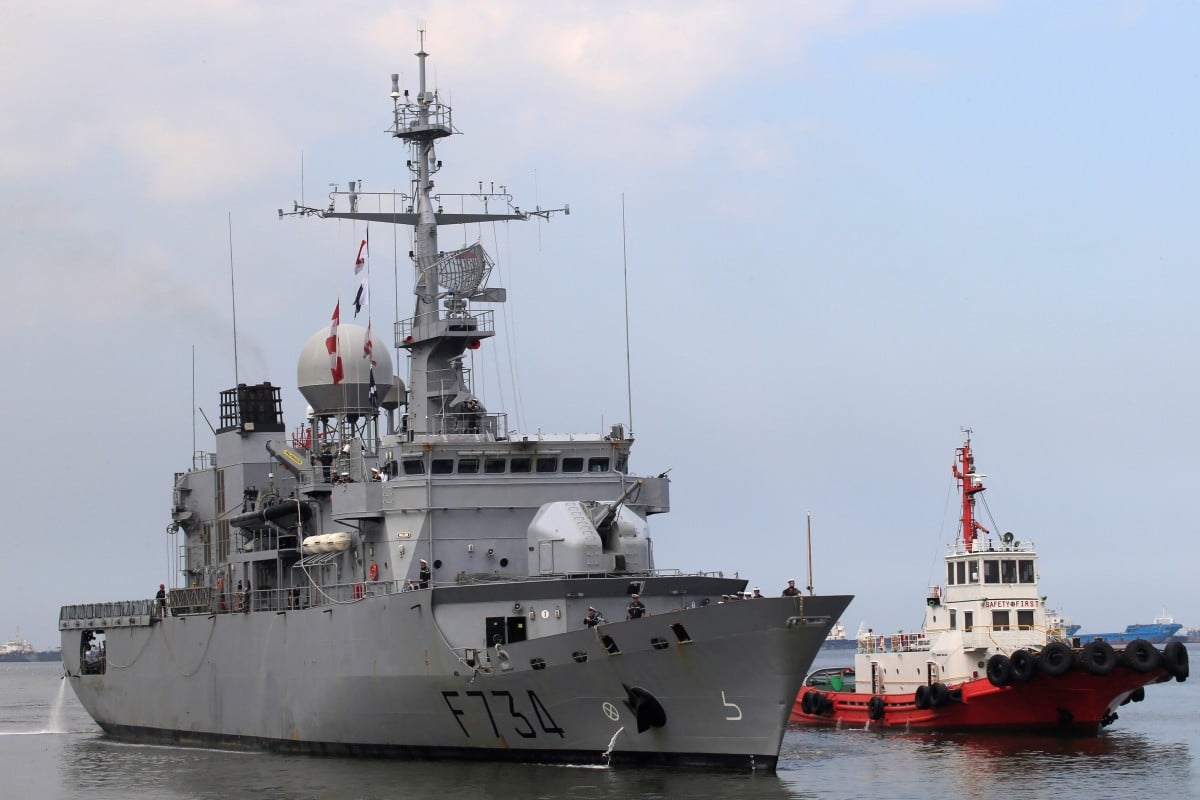
Paris upset Beijing earlier this month by sending its frigate Vendémiaire through the Taiwan Strait. Photo: Reuters
France and China should value their strong relationship and not take actions that disrupt it, China’s foreign minister told his French counterpart on Thursday, just days after
at Paris for sending a warship through the Taiwan Strait earlier this month.
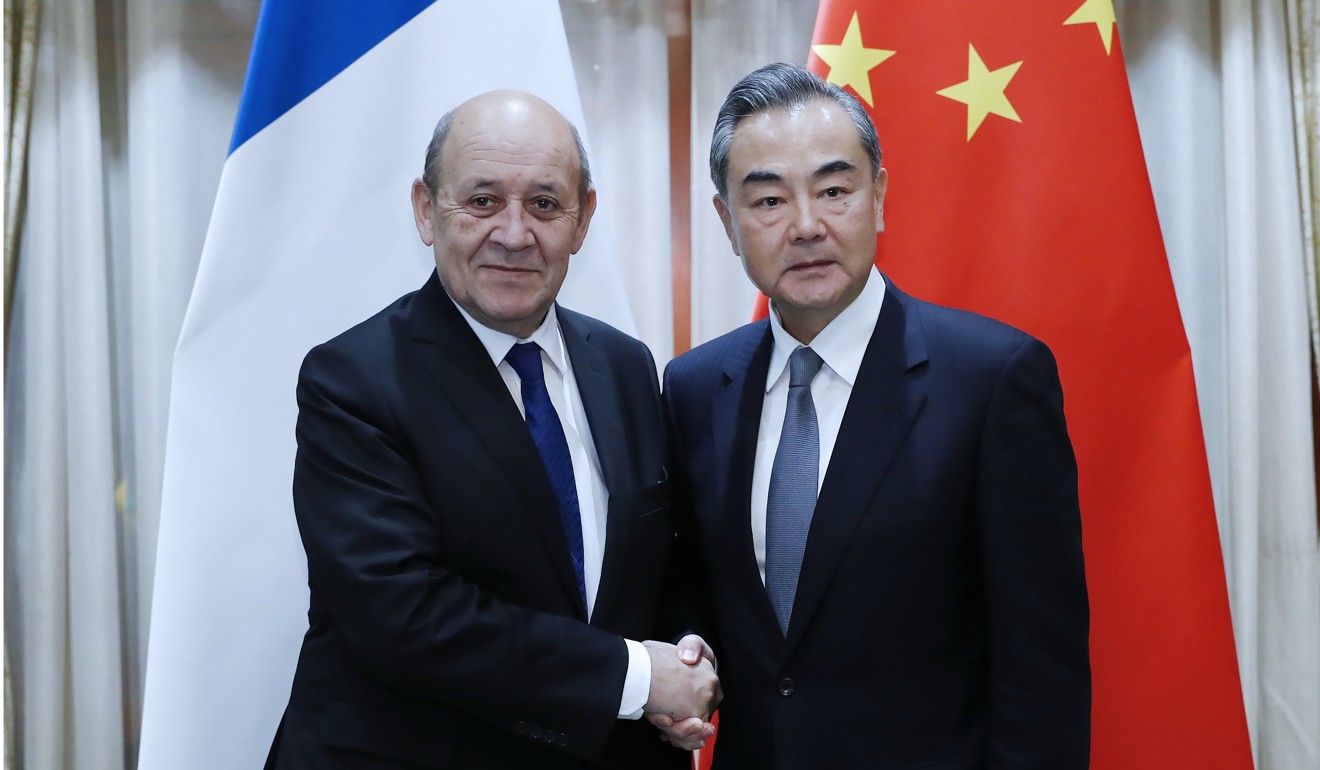
Speaking at a meeting on the sidelines of the Belt and Road Forum in Beijing, Wang Yi told Jean-Yves Le Drian that the two nations “should cherish their hard-won and good relations”.
“[We should] avoid unnecessary disruptions and ensure that bilateral relations continue to develop in a healthy and progressive way,” he was quoted as saying in a statement issued on Friday by the Chinese foreign ministry.
Le Drian responded by saying France was willing to cooperate with China to “maintain the growth momentum of bilateral relations”, according to the statement.
French Foreign Minister Jean-Yves Le Drian told his Chinese counterpart Wang Yi that Paris was willing to cooperate with Beijing. Photo: Xinhua
The
passed through the Taiwan Strait on April 6. It had been expected to take part in a naval parade on Tuesday to celebrate the 70th anniversary of China’s navy, but Beijing withdrew the invitation in response to the action.
The defence ministry in Paris said this week it had been “in close contact with the Chinese authorities” about the incident.
EU’s connectivity plan ‘more sustainable’ than belt and road
A spokesman for the European Union said the trading bloc was committed to a rules-based maritime order based on international law, including freedom of navigation, and that it was in regular contact with the member states.
Chinese academics said that after the transit by the French warship it was likely that more Western countries would make their presence known in the region and that Beijing should remain vigilant.
“France wants to show that as a great power it has a broader concern in Asia-Pacific beyond trade and other ‘soft’ fields,” said Shi Yinhong, an international relations professor at Renmin University of China in Beijing.
“And it will exert its right to free navigation in any international waters regardless of China’s position or sensitivities.”
The Taiwan Strait is about 160km (100 miles) wide and divides mainland China from Taiwan, which Beijing regards as a breakaway province awaiting reunification, by force if necessary. The US, meanwhile, is bound by law to help the self-ruled defend itself and frequently sends warships through the strait in a show of support.
Shi said that US President Donald Trump’s Indo-Pacific strategy, which regards China as a “strategic competitor”, might draw “opportunistic associates” – like France and Britain – into the region.
“Some other states could be encouraged by the French action to do the same,” he said. “But [they] may also be deterred by China’s probable military and diplomatic responses, which would be determined on a case-by-case basis.”
Putin gets behind Xi’s belt and road plan in face of US hostility
Zhu Feng, a professor of international relations at Nanjing University, said France’s conduct was intended to show the “shared concern of Western allies” regarding the security aspect of cross-strait relations.
“China must be vigilant to the new tendency [for nations] to internationalise the Taiwan Strait issue,” he said, though added that the transit of the French warship was “more of a symbolic gesture than actual action”.
Philippe Le Corre, a senior fellow at the Carnegie Endowment for International Peace in Washington and former special assistant for international affairs to the French defence minister, said the Taiwan Strait did not belong to any one nation and, therefore, ships were within their rights to sail through it without prior authorisation.
“From Paris’s point of view, like the rest of the EU, the principles of freedom of navigation are critical to the world economy and trade, therefore there is no reason why European navies or even commercial ships should not be allowed to cross the Taiwan Strait,” he said.
“This is EU policy, not just France or the UK. It has nothing to do with the US, it is international law.”
Source: SCMP
Posted in avoid causing unnecessary upset, Beijing, belt and road plan, China alert, European Union, foreign minister, France, Jean-Yves Le Drian, Nanjing University, Paris, Philippe Le Corre, professor of international relations, Putin, senior fellow at the Carnegie Endowment for International Peace, Taiwan Strait, Uncategorized, US hostility, Wang Yi, warship, Washington, Zhu Feng |
Leave a Comment »





 CHINDIA ALERT: You'll be living in their world, very soon