Chindia Alert: You’ll be Living in their World Very Soon
aims to alert you to the threats and opportunities that China and India present. China and India require serious attention; case of ‘hidden dragon and crouching tiger’.
Without this attention, governments, businesses and, indeed, individuals may find themselves at a great disadvantage sooner rather than later.
The POSTs (front webpages) are mainly 'cuttings' from reliable sources, updated continuously.
The PAGEs (see Tabs, above) attempt to make the information more meaningful by putting some structure to the information we have researched and assembled since 2006.
Photos showing Indian soldiers purportedly brought down by PLA soldiers at a fist and stick fight circulated among Chinese military websites
WeChat and YouTube become new fighting arenas for soldiers but their governments are playing down Himalayan clashes
A photo showing PLA troops after purportedly bringing down several Indian soldiers at a close-quarters fight at Pangong Lake border area with India, was circulated among Chinese military websites on Sunday. Photo: Handout
People’s Liberation Army soldiers and their Indian counterparts have moved
over border disputes in the Himalayas to social media platforms as both their governments try to play down the fights.
A post with photos showing several Indian soldiers purportedly brought down by PLA soldiers in a fist and stick fight at the Pangong Lake border area with India was circulated among Chinese military websites on Sunday.
On the Chinese social media site WeChat, a Chinese soldier posted photos showing a number of Indian soldiers lying on the ground with a group of PLA soldiers standing nearby with sticks in their hands. The photos were accompanied by a Chinese caption saying the Chinese side “had just one injury but dozens of Indian soldiers were wounded”.
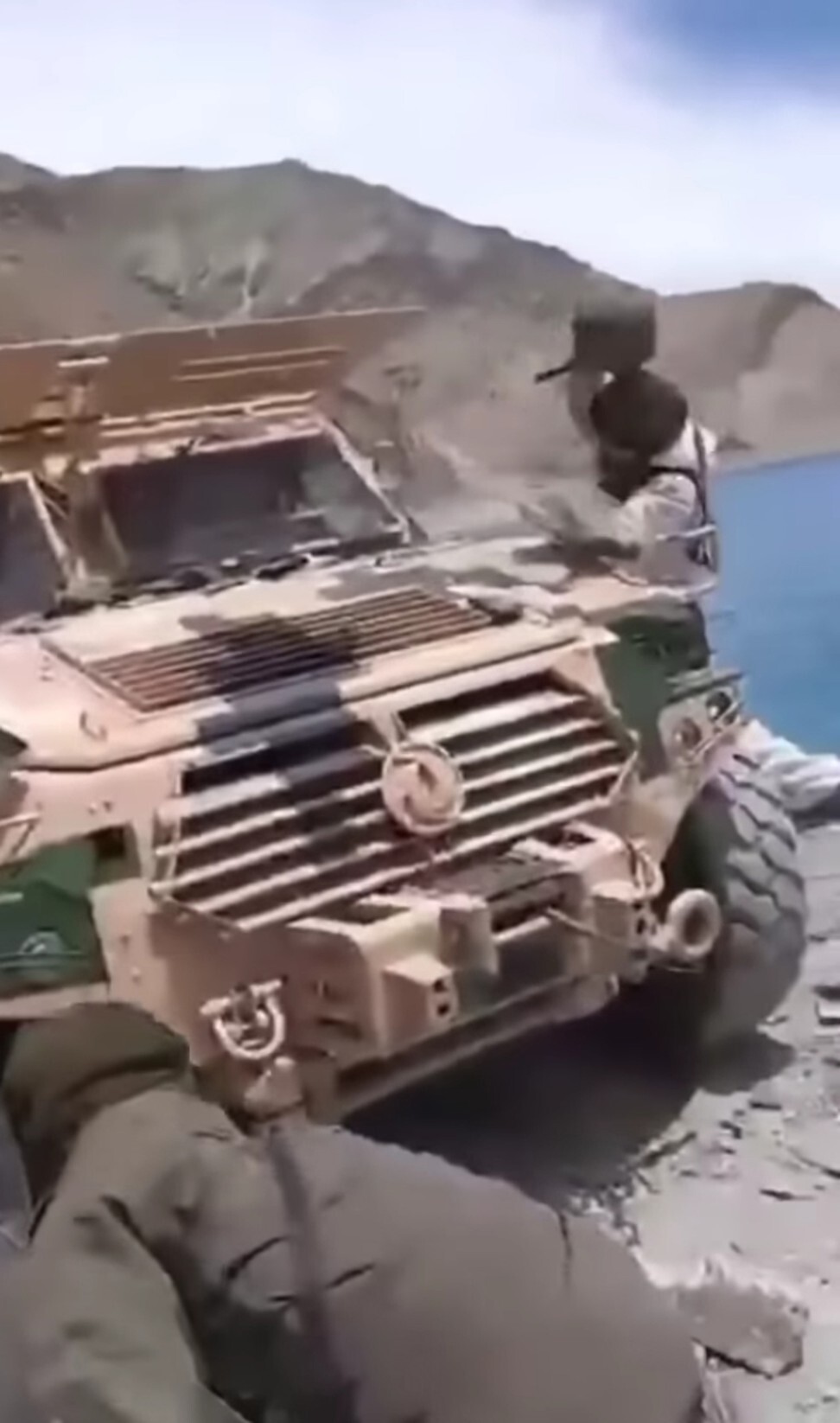
A screen grab of YouTube video in which Indian troops claimed to have captured a Chinese officer, who appeared hurt after a brawl at Pangong Lake in the Himalayas. Photo: Handout
The report was published one day after the Indian side posted a video on YouTube showing that Indian troops had captured a Chinese officer, who appeared badly roughed up during the brawl at Pangong Lake, about 4,350 metres (14,300 feet) above sea level in the Himalayas.
The YouTube video posted by someone on the Indian side did not state the time or date of the incident. Photo: Handout
The crudely made video, which did not include the date of the incident, also showed a damaged PLA military vehicle amid cheering Indian troops.
Two independent sources close to the PLA said “the wounded Chinese officer was an interpreter who was taken in by the Indian troops but was later released with minor injuries after the Chinese side called for reinforcements”.
The sources said soldiers from both sides had turned to social media to give a positive spin to their “acts of bravery” while their commanders wanted to play down the disputes. One source pointed out that the pictures of injured Indian soldiers were posted by a Chinese soldier on his personal social media account and not on official channels.
“Beijing didn’t want its people to think that Chinese soldiers lost in the fight but at the same time it is mindful of not escalating the matter,” said the source, who requested anonymity because of sensitivity of the situation.
India denies that Trump spoke to Modi about border tensions with China
29 May 2020
Beijing-based military expert Zhou Chenming said the Chinese border troops had been told to be “restrained”.
“In border disputes, China always wants to keep the status quo, especially now when both sides should do all they can to avoid fighting,” Zhou said. “China is busy dealing with the Covid-19 pandemic and other issues like Taiwan and Hong Kong, and India also faces a serious Covid-19 situation.”
Rajeev Ranjan Chaturvedy, an international relations expert based in New Delhi, agreed with Zhou’s analysis, saying both China and India understood the seriousness and sensitivity of their border disputes.
“Civilian and military officials of both countries are already in discussion under existing mechanisms,” he said. “The stakes are too high for both countries and the probability of a war [between India and China] is low, in my view.
“Though, the situation is very serious and India is closely monitoring Chinese activities.”
Military and diplomacy analysts believe border skirmishes between China and India will not escalate to war because of a range of factors, including the coronavirus pandemic. Photo: AP
Overseas media reported that both Chinese and Indian militaries had increased deployment to the border, with the PLA moving 5,000 personnel to the area.
Speaking last Wednesday, Chinese foreign ministry spokesman Zhao Lijian did not deny the troop deployment reports but said the overall situation in the China-India border area remained “stable and under control, and the two countries were capable of resolving border issues through dialogue and negotiations”.
Border conflicts between China and India have escalated since 2017, with Indian troops and the PLA staging the most serious confrontation in Doklam near a tri-junction border area – known as Donglang or Donglang Caochang, in Chinese – a territory which is claimed by both China and Bhutan, an ally of India.
PLA commander says new law will help to crack down on separatist and foreign forces in ‘two sessions’ interview
Military has ‘determination, confidence and ability’ to safeguard national security interests and Hong Kong prosperity
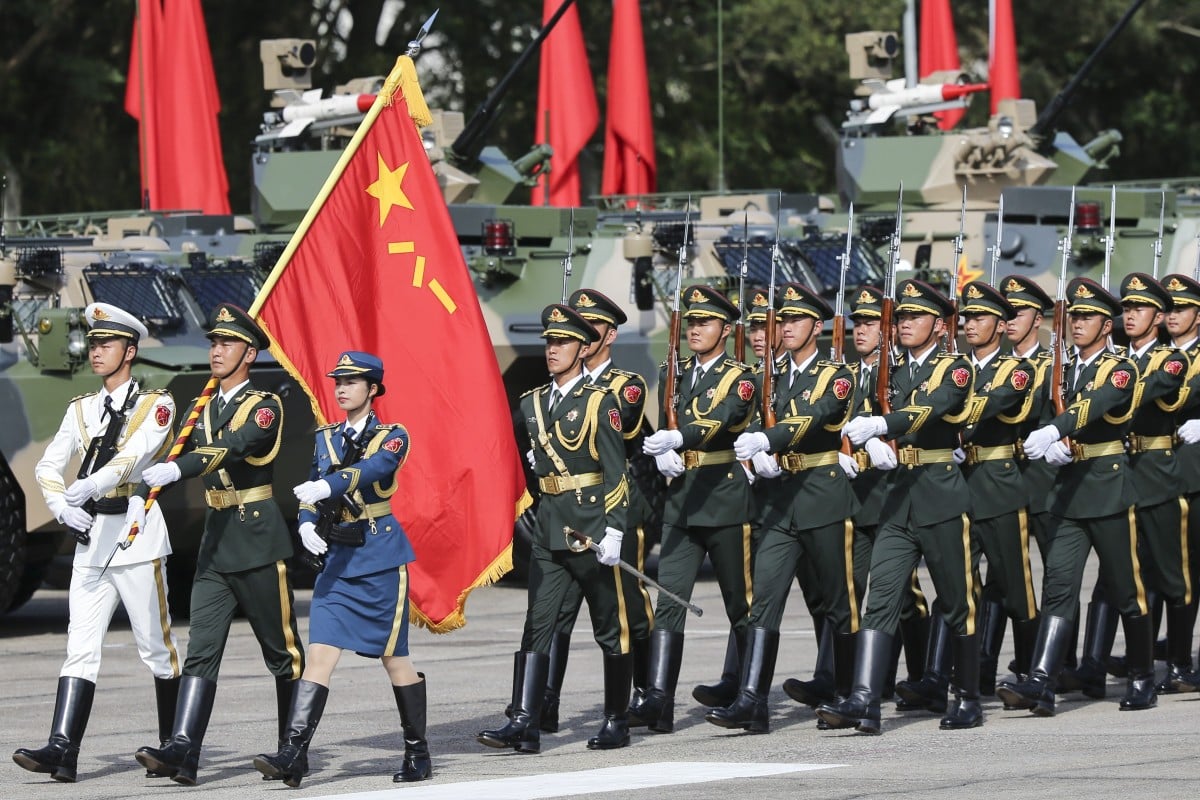
China’s People’s Liberation Army has said its Hong Kong garrison will “resolutely” safeguard national security and sovereignty. Photo: Sam Tsang
The People’s Liberation Army has said the Chinese military will “resolutely” safeguard China’s national security and sovereignty, in its first statement since Beijing announced plans to impose a sweeping national security law in Hong Kong.
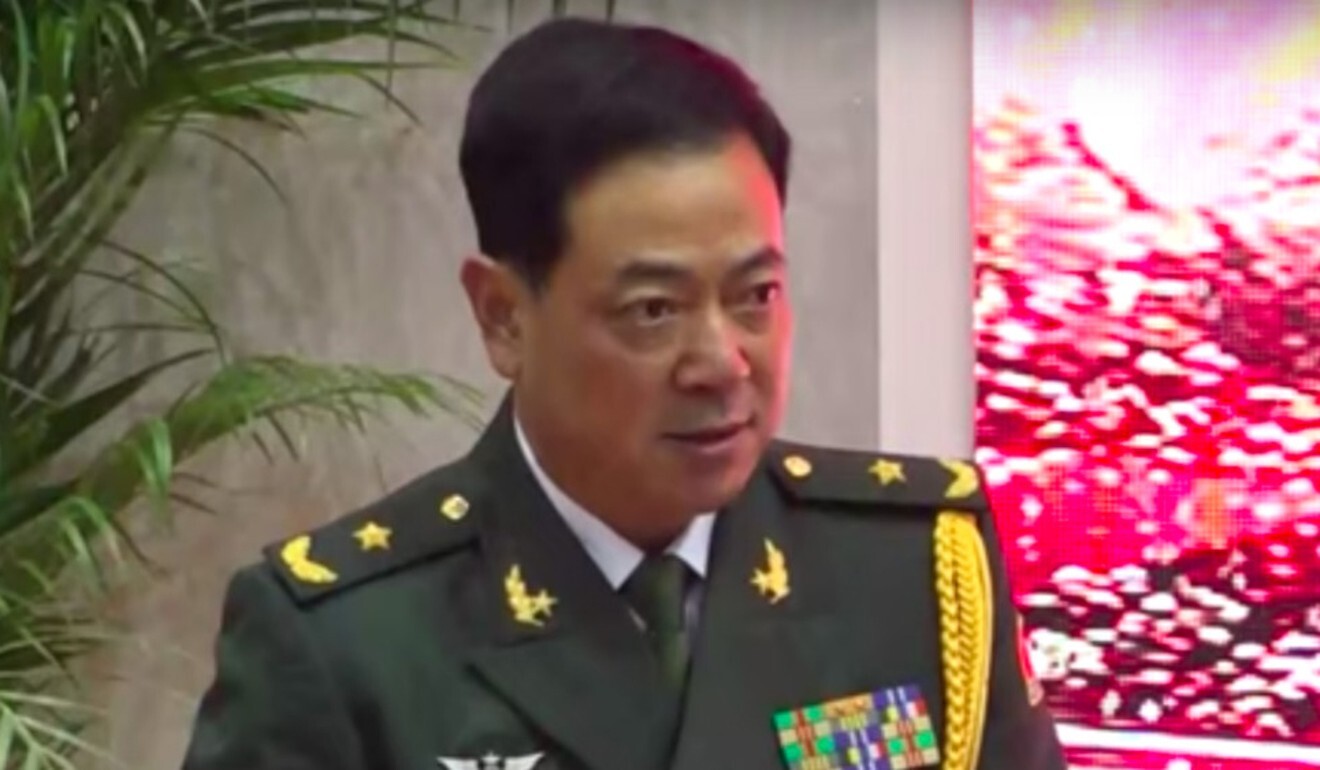
Chen Daoxiang, commander of the PLA’s Hong Kong garrison, said it would “act with firm resolve to implement the central government’s decision and plans” as well as continuing to implement the “one country, two systems” policy in the city.
How China is drafting a new Hong Kong national security law at the National People’s Congress
Speaking on the sidelines of China’s annual parliamentary meetings, also known as the
, Chen told state broadcaster CCTV that the new law would help to crack down on separatist and foreign forces aiming to undermine China’s national unity.
“[The garrison] will implement, according to law, various tasks delegated by the party and the people, and has the determination, confidence and ability to safeguard national security and development interest as well as Hong Kong’s continuing prosperity,” he said.
Commander of the PLA Hong Kong garrison Chen Daoxiang. Photo: Weibo
The proposal to impose a national security law in Hong Kong – which will give Beijing more direct control over the city – was introduced by China’s legislature on Friday. Beijing has blamed foreign forces for inciting last year’s months-long protests in Hong Kong, sparked by opposition to a separate and now-withdrawn extradition bill, and described the unrest as a grave threat to national security.
Separately, CCTV reported that a group of top military officials said in a session on Tuesday that there was a “great urgency” for Beijing to impose the law in a bid to address the “new risks and challenges” in governing the city.
The officials, who included Central Military Commission vice-chairmen Xu Qiliang and Zhang Youxia, said the plan was a “very timely, necessary and important” step to prevent and punish efforts to undermine China’s national sovereignty and security.
They reiterated the PLA’s commitment to opposing intervention from foreign forces in Hong Kong as well as maintaining China’s national unity and territorial integrity.
“Hong Kong affairs are purely China’s internal affairs. We resolutely oppose efforts by any foreign country, organisation and individual in interfering with Hong Kong affairs, and will resolutely guard against and contain any attempts by external forces in … engaging any separatist, subversion and infiltration activities,” they said, according to CCTV.
The planned national security law has drawn strong condemnation from the US government, with Secretary of State Mike Pompeo calling it a “death knell” for the territory’s relative autonomy. White House national security adviser Robert O’Brien said on Sunday that the US government would likely impose sanctions on China if Beijing went ahead with the plan.
People’s Liberation Army has officially recorded no infections but disease fears have delayed recruitment, training and operations
Analysts say Sars experience guided military’s prompt response, but combat effectiveness has been affected
Chinese military medical personnel arriving in Wuhan in February to assist with the coronavirus outbreak response to the February. Photo: Reuters
China’s military may have been spared any coronavirus infections, but the global health crisis has slowed the progress of Chinese President Xi Jinping’s plan to transform the People’s Liberation Army into a modern fighting force capable of long-range power-projecting operations, experts say.
According to China’s defence ministry, the world’s largest armed force – with about 2.3 million personnel – has had zero confirmed cases of Covid-19. In contrast, the US and Russian militaries, ranked second- and third-largest in the world, have reported more than 4,000 and 1,000 respectively.
But the PLA has been affected in other ways by the disease, which was first reported in Wuhan in December before going on to infect 3.9 million people around the world to date.
Safety concerns delayed its annual spring recruitment programme – it has been rescheduled for August – while the PLA Navy was forced to change its training arrangements, switching to classroom study of military theory and tactics, according to Xinhua.
“The PLA is still a conscription army and, given its large turnover of soldiers every year and the late recruitment and training plan this year, the coronavirus pandemic has already affected combat effectiveness,” said Adam Ni, director of the China Policy Centre, an independent, non-profit research organisation based in Canberra, Australia.
China’s military budget will still rise despite coronavirus, experts predict
3 May 2020
The navy’s operations, in particular, would have been affected, according to Charlie Lyons Jones, a researcher from the Australian Strategic Policy Institute’s defence and strategy programme.
“The Chinese navy, short of highly effective disease control measures, is unlikely to avoid similar outbreaks of the novel coronavirus on board its warships,” he said.
“Therefore, even if the PLA Navy currently has zero personnel infected by the novel coronavirus, its position as a navy that can operate effectively in a period of higher-than-normal tension remains precarious at best,” Jones said. He also questioned Beijing’s claims that the military was virus-free.
“The PLA played an important role in China’s response to the coronavirus outbreak in Wuhan … The idea that none of these personnel working on the front lines in Wuhan became infected by the novel coronavirus would be inconsistent with the experiences of countries from around the world,” he said.
More than 4,000 military medical workers were sent to Wuhan as part of China’s effort to contain the outbreak at ground zero – which included the rapid-built emergency field facility, the Huoshenshan hospital – and their efforts were highlighted in a documentary screened recently by state broadcaster CCTV.
China opens coronavirus hospital built in 10 days
At the time, rumours were rampant that the Chinese military had been affected by the coronavirus, fuelled by a report on February 17 by the official PLA Daily that some soldiers had been placed in quarantine and Yu Qiusong, captain of the Changzhou type 054A frigate, was isolating in a guest house. The news report did not mention why the personnel were in quarantine.
But analysts said that whether the official numbers were accurate, the PLA’s closed management, fast response and past experience with severe acute respiratory syndrome (Sars) gave China’s military an advantage in keeping the coronavirus at bay.
Zhou Chenming, a Beijing-based military observer, said a key reason for the less serious hit to the PLA compared to other forces was its speed in recognising the severity of the situation.
“What’s more, the PLA has its own logistic support system that can help minimise its contact with the outside world, thus reducing the possibility of contracting the virus,” he said.
China’s long-range stealth bomber could make its debut this year
4 May 2020
According to Xinhua, the PLA’s Centre for Disease Control and Prevention drew up an emergency response plan and mobilisation arrangements on January 20, the same day Xi issued an instruction to the public that the virus must be “resolutely contained”.
Timothy Heath, a senior international defence research analyst with the Rand Corporation, a US think tank, said China’s military had benefited from its less international role, compared to US forces.
“The US is a globally distributed force while the Chinese military largely operates on the mainland. The US thus faces challenges in containing the disease that the Chinese military does not have to face … and the US military has a large range of missions and tasks it carries out to counter threats to its allies and partners, as well as to US security. This complicates efforts by the US military to carry out disease control measures,” he said.
Beijing ‘carefully considering’ unveiling the plane at the Zhuhai Airshow in November at a time of heightened regional tension
H-20 will give China the nuclear triad of submarines, ballistic missiles and bombers
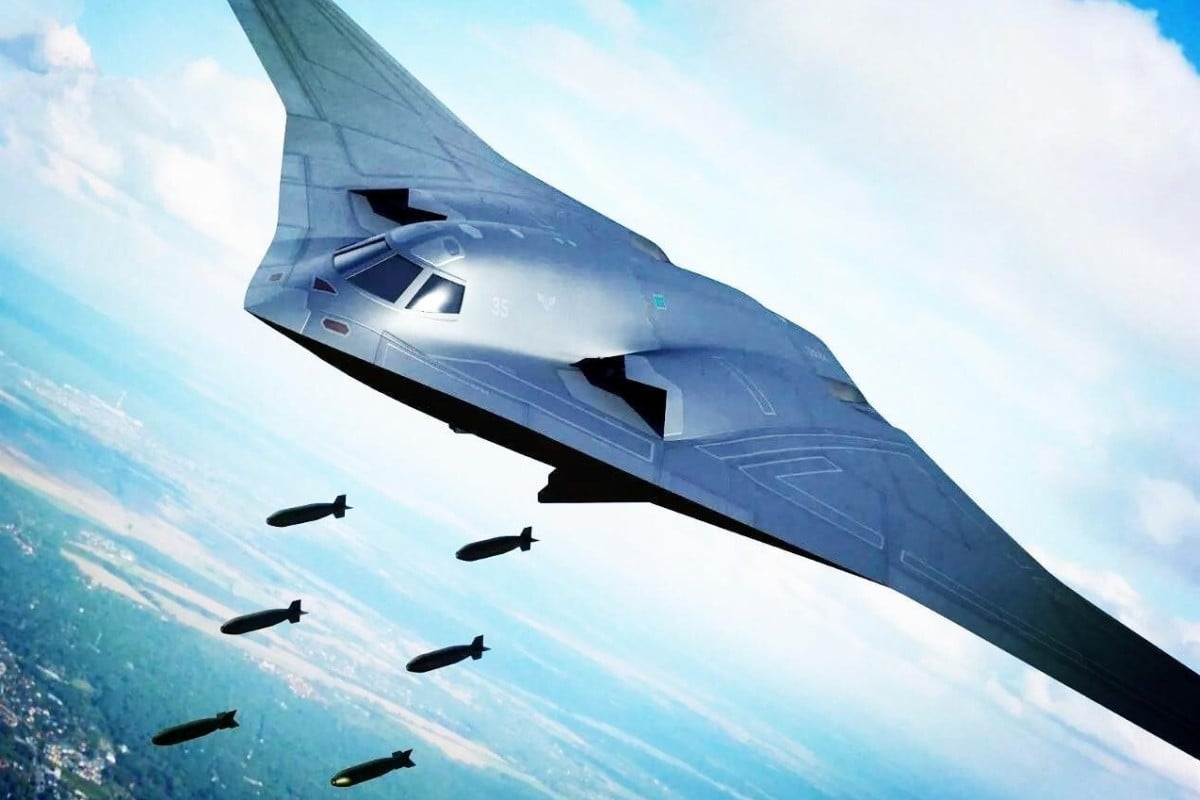
An artist’s impression of what the H-20 may look like. Photo: Weibo
China’s new generation strategic bomber is likely to be ready for delivery this year, but Beijing is said to be weighing the impact of its unveiling at a complex time in regional relations due to the coronavirus pandemic.
Military sources said the Xian H-20 supersonic stealth bomber – expected to double the country’s strike range – could make its first public appearance at this year’s Zhuhai Airshow in November, if the pandemic was sufficiently under control.
“The Zhuhai Airshow is expected to become a platform to promote China’s image and its success in pandemic control – telling the outside world that the contagion did not have any big impacts on Chinese defence industry enterprises,” a source said.
But the appearance of the bomber at this year’s air show could heighten tensions by directly threatening countries within its strike range, especially Australia, Japan and the Korean peninsula.
Thrilling aerobatics fill the skies to open air show in central China
“The Beijing leadership is still carefully considering whether its commission will affect regional balance, especially as regional tensions have been escalating over the Covid-19 pandemic,” another source said.
“Like intercontinental ballistic missiles, all strategic bombers can be used for delivering nuclear weapons … if China claimed it had pursued a national defence policy which is purely defensive in nature, why would it need such an offensive weapon?”
Tensions in the region have worsened in the past month with a war of words between Beijing and Washington over the pandemic, and both sides increasing naval patrols.
The US defence department has estimated a cruising distance of more than 8,500km (5,300 miles) for the H-20, the last in China’s 20 series of new generation warplanes, which includes the J-20 stealth fighter jet, the Y-20 giant transporter and the Z-20 medium-lift utility helicopter.
The arrival of the H-20 would mark the completion of China’s “nuclear triad” of ground-based intercontinental ballistic missiles, submarine-launched missiles and air-launched weapons.
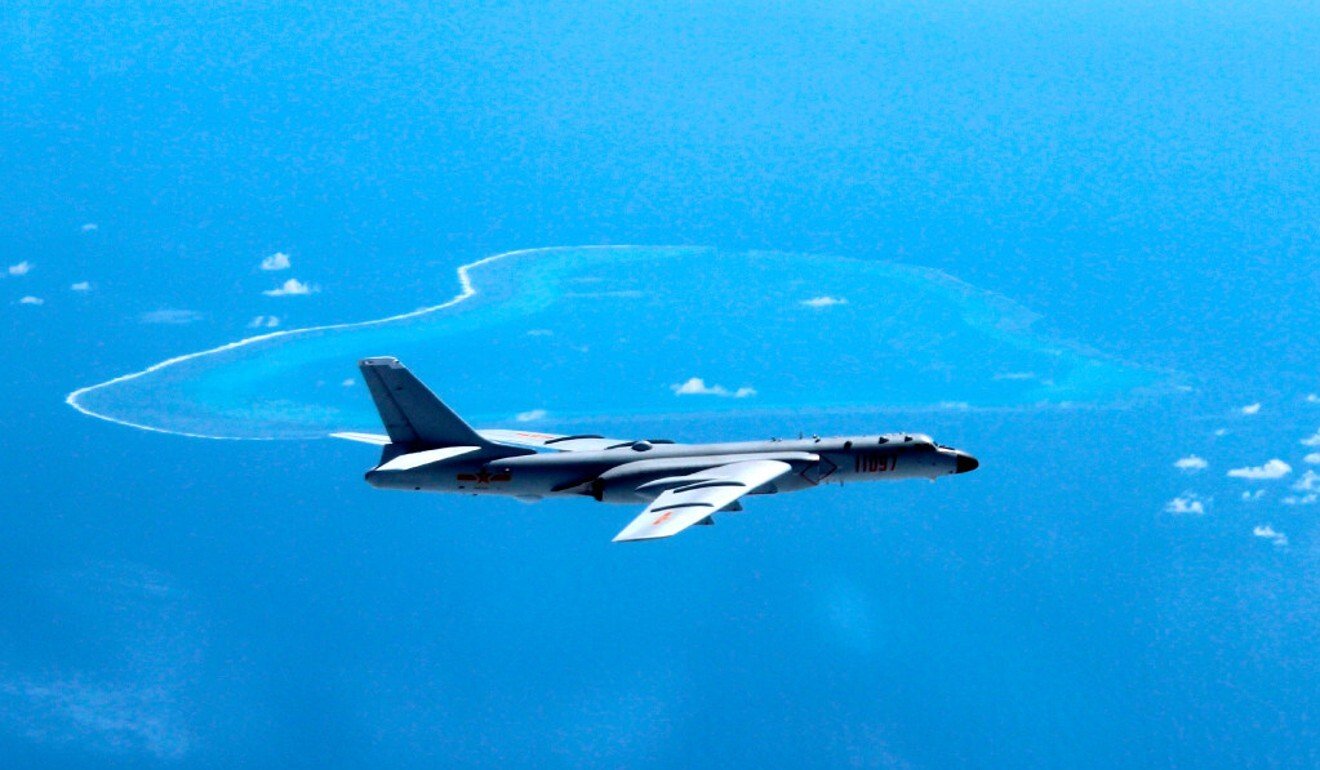
An H-6K bomber, or China’s B-52, flies over the South China Sea. Photo: AP
Chinese state television has said the H-20 could alter the strategic calculus between the US and China by doubling the strike range of its current H-6K, dubbed the country’s B-52.
The H-20 has reportedly been designed to strike targets beyond the second island ring – which includes US bases in Japan, Guam, the Philippines and other countries – from bases in mainland China. The third island chain extends to Hawaii and coastal Australia.
It will be equipped with nuclear and conventional missiles with a maximum take-off weight of at least 200 tonnes and a payload of up to 45 tonnes. The bomber is expected to fly at subsonic speeds and could potentially unleash four powerful hypersonic stealth cruise missiles.
However, like China’s first active stealth fighter jet, the J-20, engine development of the H-20 bomber has fallen behind schedule, according to sources.
For the J-20, engineers were developing high-thrust turbofan WS-15 engines, but the jet is understood to be using either Chinese WS-10B or Russian-built AL-31FM2/3 engines, which compromise its manoeuvrability and stealth capabilities at subsonic speeds.
Military enthusiasts have speculated the H-20 might use the NK-321 Russian engine but two independent military sources said it would be equipped with an upgraded WS-10 engine.
“The WS-10 is still a transitional engine for the H-20 because it is not powerful enough. The eligible replacement may take two to three years for development,” one of the sources said.
China must meet air force demand for J-20 stealth jets, say analysts
17 Feb 2020
The second said the speed of the H-20 would be slower than its original design, with some of its original combat capability being reduced.
“That’s why the American air force doesn’t care about the H-20, because it is not strong and powerful enough to cause any challenge to their B-2 and B-21 bombers.”
If the US decided to deploy more F-35 supersonic fighter jets – it has already sold about 200 to Japan and South Korea – it could push China to bring forward the unveiling of the new bomber, the second source said.
“For example, if some US decision makers decided to deploy up to 500 F-35s to Japan, South Korea, and even Singapore, India and Taiwan – making almost all of China’s neighbours in the Indo-Pacific region use F-35s to contain China – that would pushBeijing to launch the H-20 as soon as possible.”
The H-20 is believed to have been in development since the early 2000s. The project to develop a strategic bomber was first announced by the People’s Liberation Army in 2016.
Warship joined by at least five escort vessels and analysts say the drills were ‘very significant’ to show the strike group wasn’t hit by coronavirus
Latest exercises also seen as putting pressure on Taiwan’s pro-independence forces, with strike group sailing through the strait
The Liaoning is seen as having a big role in the Chinese military’s plan to unify Taiwan by force. Photo: AFP
China’s first aircraft carrier, the Liaoning, returned to its home port of Qingdao on Thursday after nearly a month of training on the high seas, the People’s Liberation Army said.
According to military analysts, the warship was joined by at least five escort vessels, and the drills showed its crew had not been affected by the coronavirus pandemic and that it remained combat-ready.
The annual cross-region drills included intensive and complicated air and sea operations, the official PLA Daily said in a post on social media on Friday.
“The drills have further improved the real combat training level of the Liaoning carrier strike group, putting its systematic combat capability to the test,” the statement on WeChat said, without giving other details.
It was the longest training session by China’s navy since the PLA resumed all large-scale drills in March, after they were suspended because of disruptions to transport and military resources across the country as the deadly new virus rapidly spread.
Beijing-based naval expert Li Jie said it was important for the carrier to get back to training activities.
“The recent training by the Liaoning carrier strike group is very significant because it’s evidence that none of the 2,000 sailors and commanders on the ship have been hit by Covid-19, and neither have any of the other soldiers and personnel on the other warships and support units,” Li said.
The coronavirus situation has eased in China, where the first cases were reported late last year, but it continues to spread across the globe and has infected more than 3.2 million people worldwide and killed over 233,000.
Sailors on warships like USS Theodore Roosevelt vulnerable as coronavirus spreads
29 Mar 2020
The virus has also hit crew members on at least 40 US Navy warships, and Li said that left China with the only operational aircraft carrier in the region.
“Since the four American aircraft carriers in the Indo-Pacific region have all been struck by the pandemic, China is the only country that can operate an aircraft carrier in the area,” he said.
US warship captain seeks to isolate crew members as coronavirus spreads
Taiwan’s defence ministry reported earlier that the Liaoning flotilla had sailed through the Taiwan Strait twice last month as it headed towards the western Pacific, prompting the self-ruled island to scramble aircraft and send warships to monitor its movements.
Japan’s Ministry of Defence said the Liaoning was escorted by two destroyers, two frigates and a supply ship, and they had passed through the Bashi Channel, a waterway to the south of Taiwan, and headed towards waters east of Taiwan.
As tensions continue to simmer between Taipei and Beijing, the PLA has stepped up activities around the island, which the mainland sees as part of its territory awaiting reunification.
Hong Kong-based military commentator Song Zhongping said the latest naval drills were also aimed at heaping more pressure on Taiwan’s pro-independence forces as well as foreign countries seeking to intervene in cross-strait issues.
Coronavirus: US ‘supports Taiwan joining WHO events’ in ministerial phone call
28 Apr 2020
“Taiwan’s pro-independence forces have become more active and are attempting to take advantage amid the pandemic,” said Song, a military commentator with Phoenix Television.
“The Liaoning would play a major role in the PLA’s plan to unify Taiwan by force, so it’s necessary for the aircraft carrier strike group to get back to operations, step up training and send a warning to Taipei,” he added.
Lu Li-Shih, a former instructor at the naval academy in Taiwan, noted that the PLA Navy had regularly held drills in the waters east of Taiwan in recent years to avoid surveillance by US satellites.
People’s Liberation Army resumes drills, including flotilla exercise in Miyako Strait
Military observers say China is demonstrating its ability while virus hampers US aircraft carriers
The Liaoning aircraft carrier strike group has resumed activities after being interrupted by the coronavirus pandemic. Photo: Handout
The People’s Liberation Army has resumed regular military drills at home and overseas, moves that military experts say are a show of strength and control over
The ground forces, navy and air force of the PLA’s five theatre commands started military drills this month, with some exercises involving joint operations, according to several reports published by the PLA Daily in recent days.
As the epidemic surged in China, the PLA was forced to suspend all large-scale joint drills because of disruptions to transport and allocations of military resources around the country.
China’s People Liberation Army conducts drills. Photo: Handout
On Saturday, one of the large-scale drills resumed. A six-ship flotilla, led by the
, sailed through the Miyako Strait – just 330km (205 miles) due east of the northernmost tip of Taiwan – on its way to the western Pacific.
“In the future, the Chinese navy will continue to organise similar training schedules to accelerate and improve the combat capability of its aircraft carrier strike groups,” navy spokesman Gao Xiucheng was quoted as saying in PLA Daily.
It is the first time the Liaoning has reappeared in waters near Taiwan since sailors on four United States aircraft carriers sent to the Indo-Pacific region were infected by the coronavirus, making the Chinese carrier the only vessel of its kind active in the western Pacific.
The reappearance of the Liaoning strike group prompted Taiwan to send warships, while the US sent a P-3C Orion anti-submarine aircraft to follow the Chinese flotilla. Taiwanese media reported that the aircraft was the seventh American warplane sent to the region in a week.
Hong Kong-based military analyst Song Zhongping said the Liaoning’s appearance near Taiwan was not only a demonstration of military deterrence to the independence-leaning ruling party in Taiwan, but also a gesture to show off the PLA’s greater ability to contain the coronavirus pandemic than its American counterpart.
“Compared with the PLA, the United States military is weaker and lacks experience in dealing with non-traditional military operations such as battles against epidemics, because those aspects are mostly carried by the US National Guard in various states,” Song said.
“Since the threat of Covid-19 is decreasing, the PLA needs to return to their regular training to prepare for a war to reunify Taiwan by force when necessary. The possible war is very complicated as it [would] involve dealing with foreign militaries, such as US and Japanese navies.”
Beijing-based military expert Zhou Chenming said that the PLA so far had been able to control the infection sources and channels among soldiers and officers, but that the threat of Covid-19 remained.
In pictures published by the PLA Daily, PLA officers do not wear masks while conducting drills.
Both Zhou and Song said that the Covid-19 pandemic had hit the US Navy and left a power vacuum in the region but that the PLA would not use the chance to attack Taiwan.
“Using force to take Taiwan back is still the last step, not the first priority,” Zhou said. “How to manage and maintain Taiwan’s prosperity is the most important issue of the cross-strait relationship.”
Song said the PLA still believed the US Navy had maintained a degree of combat capability even though hundreds of US sailors were infected by the novel coronavirus.
‘I felt excited and proud of myself,’ says restaurant owner and former volunteer ambulance driver Xiang Yafei
‘I didn’t feel afraid at all. In my mind, it’s already a successful vaccine,’ he says
Wuhan restaurant owner Xiang Yafei says he wasn’t afraid to be a coronavirus vaccine guinea pig. Photo: Handout
With more than 1.5 million confirmed cases around the world and over 88,000 deaths, the race to develop a vaccine for the coronavirus is hotting up.
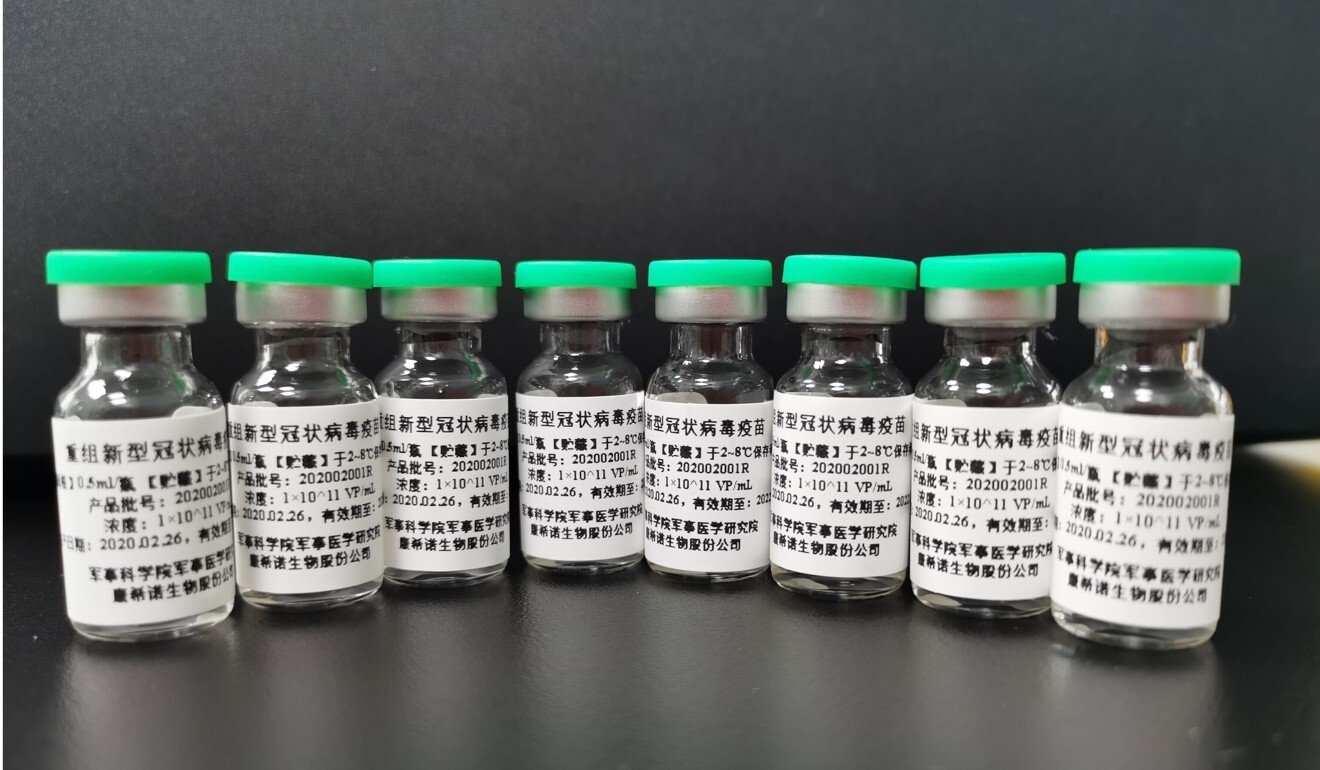
According to the World Health Organisation, about 35 companies and academic institutions are currently working on candidate products. Among the front-runners are China’s CanSino Biologics and Moderna Therapeutics in the United States, both of which have begun phase one clinical trials.
In China, those tests, which started on March 19, involve 108 volunteers from Wuhan, the city in which the virus that causes Covid-19 was first detected.
Among them is 30-year-old restaurant owner Xiang Yafei, who spoke to the South China Morning Post about his experiences so far.
Why did you apply to be a vaccine trial volunteer?
I had been doing various voluntary jobs since the end of January when Wuhan was put under lockdown. In the middle of March, one of my friends who knew about the vaccine study asked if I would be interested in joining.
At first I was afraid because there was uncertainty [about the vaccine]. I asked around and some of my friends said there was some risk to being a candidate as I’d be injected with some kinds of virus, but I felt better after I did some research about it online.
Before joining the clinical trials, Xiang worked as a volunteer ambulance driver. Photo: Handout
Also, because the vaccine was developed by the Academy of Military Medical Sciences [a research unit of the People’s Liberation Army] and CanSino, I thought its safety should be guaranteed, as I have confidence in the PLA because several of my relatives are former soldiers. So I agreed to join the trial but didn’t tell my parents because I didn’t want to worry them.
I went to the research team’s office on March 16 and filed my application – that was before they officially announced they were recruiting volunteers on the internet. While I was at the office, I was lucky to meet Major General Chen Wei, the team leader, who explained about the development of the vaccine and assured me that it wouldn’t damage my body. That boosted my confidence.
China ‘leads world in coronavirus research’, followed by US
8 Apr 2020
When did you receive your injection and how did you feel at that time?
I was given mine on the morning of March 19 and immediately put into quarantine for 14 days at a PLA facility. My number in the volunteer group is 006, meaning I was the sixth person to get the vaccine. Before the injection, I underwent a strict physical check-up. I later learned that more than 5,200 people had applied to be volunteers.
Receiving the vaccine was no different to any other injection I’d had before in my life. I didn’t feel any pain and it only lasted about 10 seconds.
But in my heart, I felt excited and proud of myself. I understand that the vaccine will be an important part in battling this coronavirus and testing it is part of the preparations before it can be put on the market.
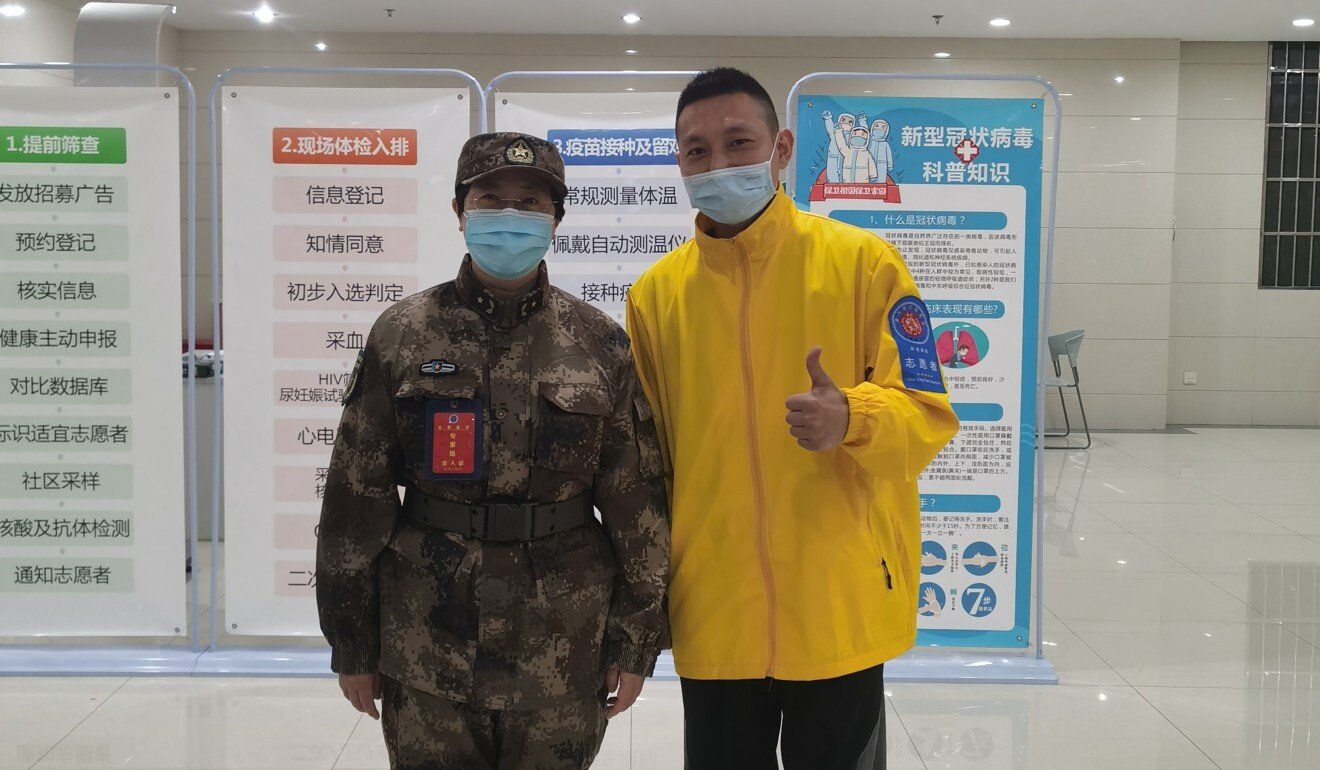
Xiang (right) said team leader Chen Wei (left) told him about the development of the vaccine and assured him he would come to no harm. Photo: Handout
As volunteers, our job is to work together with the scientists. After all, academician Chen [the major general is also a member of the Chinese Academy of Engineering] and six members of her team have also been injected with the vaccine, and she was the first person to receive it.
They didn’t show any bad symptoms, so at that moment, I didn’t feel afraid at all. In my mind, it’s already a successful vaccine.
And how has your health been since receiving the vaccine?
I had a fever, 37.6 degrees, for the first two days. It was like catching a normal cold, with symptoms of fatigue and drowsiness. But from the third day, my condition improved and I was basically in good health.
The 108 volunteers are divided into three streams, with each receiving either a low, medium or high dose of the drug. I was in the low group so only got one dose. Volunteers in the medium group also got one and the high group were given two shots. As far as I know, everyone was fine after receiving their injections.
When will your trial result be available?
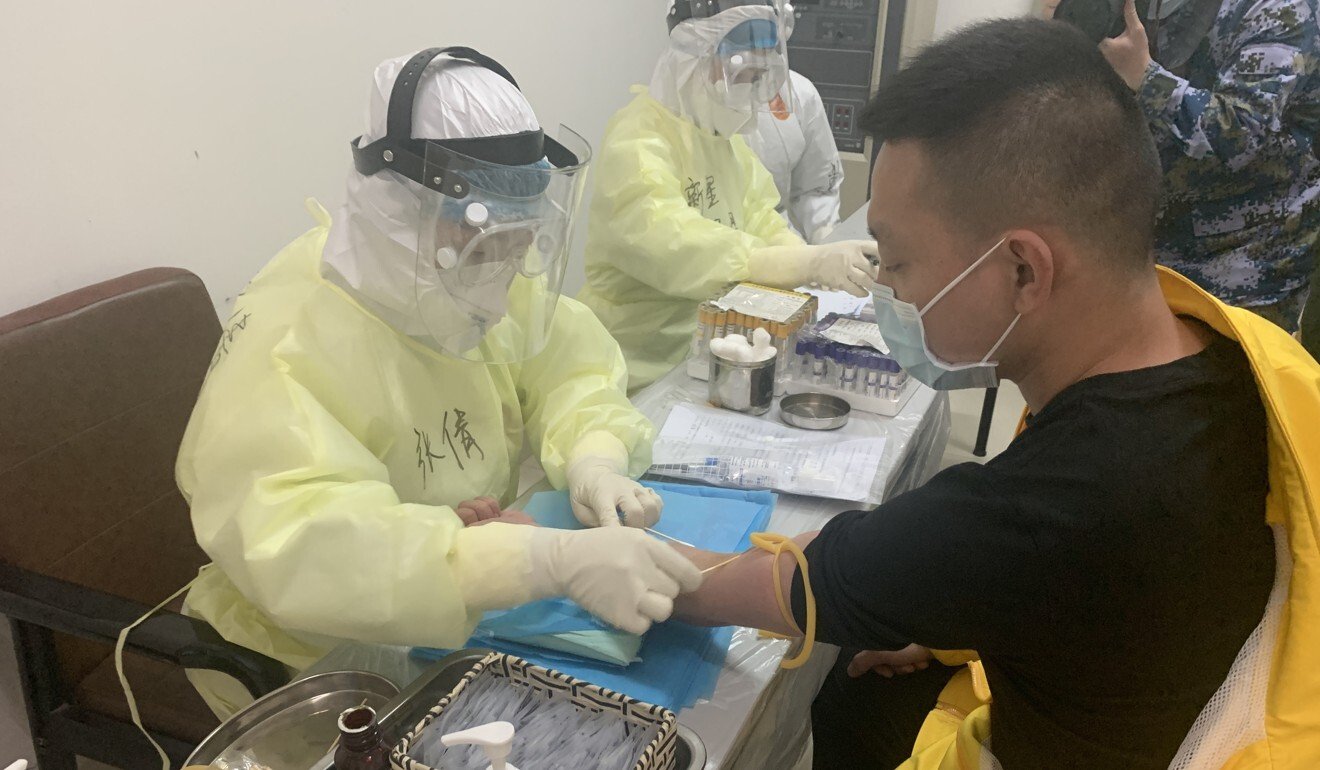
After my quarantine period ended on April 2, I was given a CAT scan and the researchers took a sample of my blood for testing. They said it would be two weeks before they could tell if there were coronavirus antibodies in my bloodstream.
I am not sure if they will tell me the result, but over the next five months I have to do four more blood tests to see if I have antibodies and how long they might remain in my blood.
What did you do to keep yourself entertained during the quarantine period?
It was just rest for me. Before then I’d been a volunteer ambulance driver in Wuhan, working every day taking coronavirus patients to hospital. I’d been really busy for more than a month, so the 14-day quarantine period gave me a chance to relax and catch up on some sleep.
I really enjoyed my time there thanks to the meals I was given, which were nutritious and varied.
The volunteers had to stay in their rooms and we were not allowed to visit each other. We were also told to check our temperature every day and to report any symptoms. I read books and exercised in my room. Some of the volunteers practised calligraphy, some played football with their toilet paper rolls, some jogged, some composed songs, and some made videos about their life in quarantine and uploaded the clips to social media. We did everything just in our own rooms.
Chinese firm CanSino Biologics is one of the front-runners in the race to develop a vaccine for the coronavirus. Photo: Handout
So what was it like working as an ambulance driver?
It was a race against time trying to get people to hospital as quickly as I could. But I felt a real sense of purpose.
At first, I didn’t want to do such work. I was scared because all the patients had been confirmed or were suspected of being infected, and they were contagious.
I was told that no one wanted to be an ambulance driver, but I had a licence to drive a minivan so I decided to do it. I think we young people should make a contribution to society, especially during this difficult time and in our home city and home province, so I applied.
Also, [each day at work] I took a gourd with me. It is called hulu in Mandarin and has auspicious implications in Chinese, as hu sounds similar to fu, which means good luck.
How was your restaurant business affected by the epidemic?
I lost about half a million yuan (US$70,000) because of it. I decided to shut my restaurant down on January 21, two days before the official lockdown, because there had been rumours it was coming and I wanted my workers to be able to leave Wuhan and return to their hometowns.
Right now I’m making preparations to reopen my restaurant, which means a lot of cleaning and disinfecting, and thinking about serving all my customers again.
So how did you feel when the lockdown was lifted on Wednesday?
The situation in Wuhan is getting better. We are proud of what we did for this city. We hope the coronavirus cases can drop to zero soon and our lives can get back to normal.
36-hour exercise simulates countering enemy planes during wartime, report says
People’s Liberation Army placing increasing emphasis on airborne early-warning and control aircraft, observers say
The Eastern Theatre Command’s latest exercise follows joint air and naval drills near Taiwan in February. Photo: Handout
The Chinese military command responsible for patrols around Taiwan stepped up its drills by staging a long-endurance early-warning exercise in March, the official PLA Daily reported on Wednesday.
A warplane conducted tactical acrobatics, which were not specified, immediately after taking off, the report said. The move had not been common during previous drills, and was intended to simulate quickly countering enemy planes during wartime, the report quoted the plane’s captain Liu Yin as saying.
The plane performed reconnaissance, early-warning and surveillance work, tested airborne strikes, and an unspecified number of fighter jets in two groups staged a confrontation in a combat scenario.
The drill lasted for about 36 hours, the report said.
Taiwan shows off its military power after presidential election
Zi Kun, an officer from the division’s training unit, said the drill was a test for both pilots and equipment because it involved planning and coordination to meet actual combat requirements.
The exercise came after the Eastern Theatre Command in early February launched joint drills featuring naval and air forces near Taiwan and a combat-readiness drill in which its warplanes encircled the self-ruled island.
It also came after the United States sent EP-3E Aries electronic warfare and reconnaissance aircraft to fly near Kaohsiung, in southern Taiwan, and Hong Kong in late March.
Beijing may step up drills in South China Sea amid US military tensions
29 Mar 2020
Beijing views the self-governed Taiwan as a renegade province that must be united with mainland China by force if necessary.
Experts said the drill was designed to enhance China’s intelligence-gathering capabilities to better monitor activities at sea and in the air.
Taiwan’s re-elected president Tsai Ing-wen meets US and Japanese envoys to call for closer ties
“The People’s Liberation Army’s Air Force used to rely only on ground-based early-warning radar. Only in the past two decades, it started to acquire airborne early-warning and control aircraft, which could allow the air force to extend their radar coverage beyond the limits of ground-based radars,” said Collin Koh, a research fellow from the S Rajaratnam School of International Studies at Singapore’s Nanyang Technological University.
“The problem with ground-based radars is they are often limited by line of sight and Earth curvature, whereas the airborne early-warning assets can help to address these radar gaps and also have a better ability to pick up low-flying targets and those obscured by terrain,” Koh said.
Taiwan military stages exercise to fight off mock invasion
25 Mar 2020
Zhou Chenming, a Beijing-based military expert, said that China did not have enough early-warning planes to support its expanding military ambitions and needed to maximise its capabilities through various exercises to act as a credible deterrent.
The command’s ongoing drills in recent months would be intended to send signals to the outside world on two fronts, according to Koh.
“The Eastern Theatre Command’s primary area of responsibility would cover Taiwan. And by extension, it also means targeting US forces concentrated not just in the nearby bases in Japan but also further afield beyond the First Island Chain, especially Guam,” he said.
, the People’s Liberation Army said on Friday, amid a growing number of patrols and exercises by US warships in the region.
The drill, which involved two aircraft, was conducted earlier this month, not long before the US naval and marine units took part in expeditionary strike force training in the disputed waters, the PLA Navy said in a report.
While acknowledging the difficulties involved in such an operation, the report said the aircraft successfully identified several suspicious objects.
“Anti-submarine exercises are like trying to find a needle in a haystack. It’s difficult, the underwater hydrological conditions are complex,” Yu Yang, the captain of one of the aircraft, was quoted as saying.
But by having two planes working together, it “increase[d] the probability of finding a submarine”, he said.
The anti-submarine exercise involved two aircraft from the PLA Navy. Photo: Handout
Wang Shelin, one of the commanders of the exercise, said that anti-submarine operations were not only dangerous but a real test of the pilots’ skills.
Successfully completing the mission demanded precise “control of the speed and altitude of the aircraft”, he said.
The publication of the PLA report came after the United States staged a four-day exercise in the South China Sea last week involving the Theodore Roosevelt Carrier Strike Group, the America Expeditionary Strike Group and the 31st Marine Expeditionary Unit.
At the end of last month, the US Navy accused the PLA of “unsafe and unprofessional” behaviour after a Chinese destroyer pointed a laser at an American maritime patrol aircraft flying over international waters west of Guam.
Collin Koh, a research fellow with the S Rajaratnam School of International Studies at Nanyang Technological University in Singapore, said the Chinese military was keen to promote its anti-submarine capabilities.
“This means we can expect to see more such exercises in the future, with no let up because of the coronavirus,” he said.
“You can also see this as a response not only to the [recent] carrier strike group operations, but the intensified US military presence in the South China Sea.
“And it would not be surprising if a nuclear attack submarine was in the vicinity of the carrier strike group,” he said.
Chinese and US defence chiefs discuss coronavirus crisis in phone call
4 Mar 2020
Song Zhongping, a Hong Kong-based commentator on military affairs, said that with the possibility of a military conflict growing in the South China Sea, it was important for the PLA Navy to increase its anti-submarine training.
“The rivalry between the great powers is getting more and more intense, and the PLA must strengthen its preparations,” he said.
Echoing commander Wang’s comments, Song said that the high volume of maritime traffic and sheer size and depth of the South China Sea made searching for submarines difficult.
“So the PLA is trying to enhance its capabilities by constantly installing and testing new anti-submarine equipment,” he said.
Taiwan sends fighters to intercept mainland military aircraft after they cross dividing line in Taiwan Strait
Incursion comes at end of visit to Washington by vice-president-elect William Lai that angered Beijing
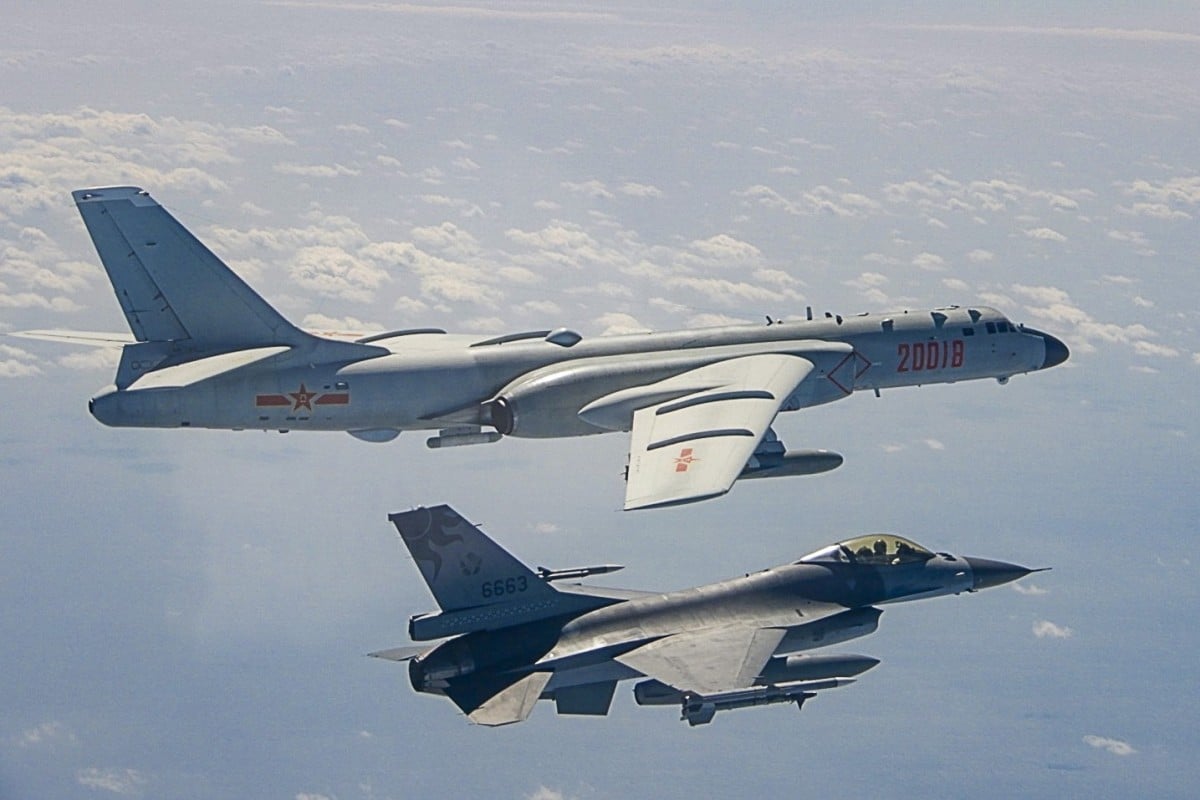
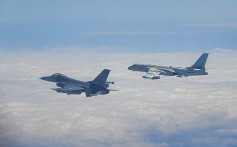
A Taiwanese fighter jet shadows a mainland Chinese bomber over the Taiwan Strait on Monday. Photo: Military News Agency, ROC
Taiwan sent warplanes to intercept a group of mainland Chinese jets that had briefly approached the island on Monday, the second such incident in two days.
The incident came as the island’s vice-president-designate William Lai Ching-te concluded an eight-day visit to the US that had angered Beijing.
The mainland warplanes, including H-6 bombers, briefly crossed the median line in the Taiwan Strait on their way to the western Pacific through the Bashi Channel in the morning for long-haul training exercises, Taiwan’s defence ministry said in a statement on Monday.
“Our air force scrambled fighter jets to shadow, intercept and disperse the communist warplanes through radio broadcasting,” the ministry said, adding the mainland planes later left the area.
The mainland warplanes later returned to their home base after their morning drill, the military said.
It was the second day in a row that the mainland warplanes flew past Taiwan after a group of aircraft, including J-11 fighter jets, KJ-500 early warning aircraft and H-6 bombers, flew over the Bashi Channel on Sunday before returning to their bases via the Miyako Strait northeast of Taiwan, the ministry said.
“The military has full surveillance and control of the communist long-haul training activities and the public can rest assured of our capability to uphold security or our national territory,” it said.
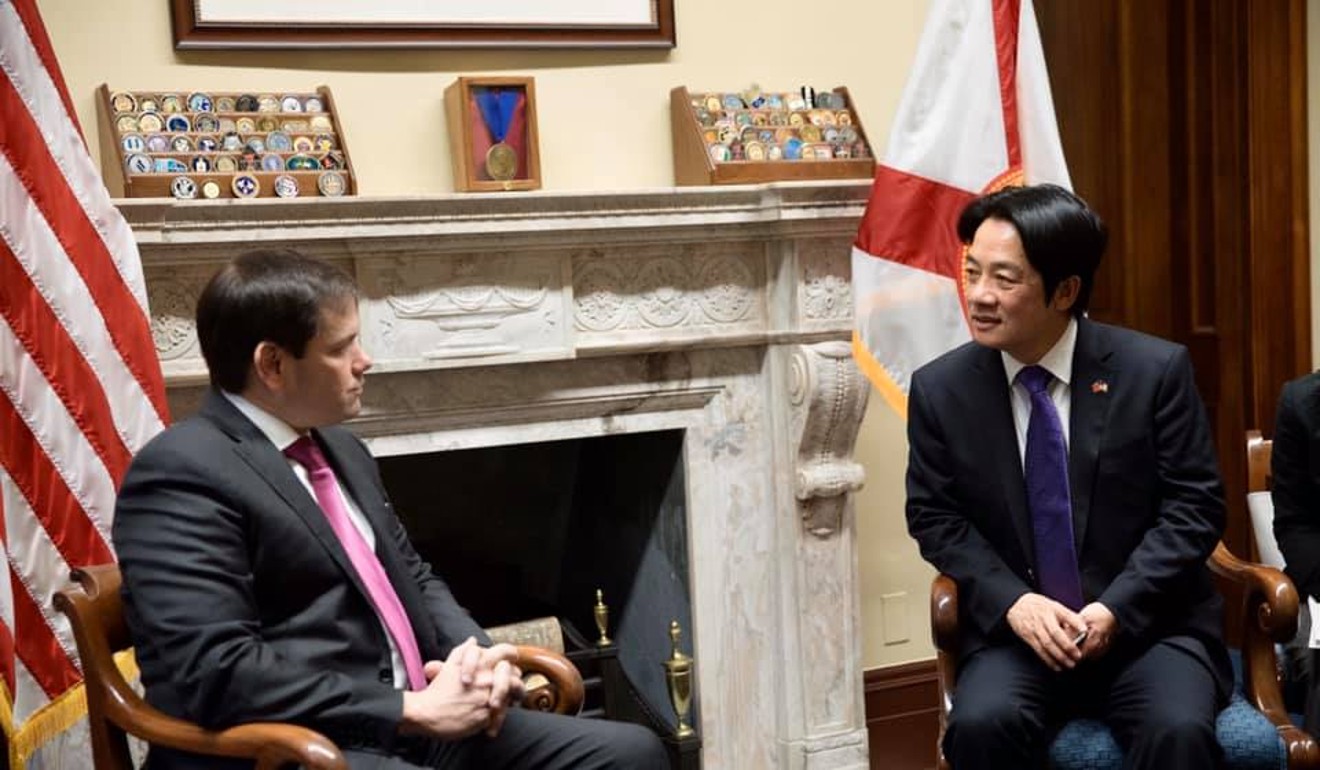
Meanwhile, Lai completed his eight-day “private” visit to Washington, during which he met the National Security Council and other US officials and senators.
Lai, who left for the US last Sunday to attend the National Prayer Breakfast – an annual gathering of political and religious leaders in Washington – was considered the highest-level Taiwanese official to meet with National Security Council officials since the US switched diplomatic recognition to Beijing from Taipei in 1979.
The visit was hailed as a diplomatic breakthrough for the island because until now Washington has been reluctant to allow such exchanges for fear of angering Beijing, which has repeatedly demanded that the US adhere to the “one-China” policy.
Taiwan scrambles jets as mainland Chinese air force flies around island
9 Feb 2020
Beijing views Taiwan as a wayward province that must be brought back to the mainland fold – by force if necessary.
It has suspended official exchanges with Taiwan since Tsai Ing-wen of the independence-leaning Democratic Progressive Party was first elected president in 2016 and refused to accept the one-China principle as the basis for cross-strait exchanges.
Since then, Beijing has staged war games close to the island and poached seven of Taiwan’s allies to heap pressure on the president, who was reelected last month.
A People’s Liberation Army spokesperson said on Sunday the flight was a “necessary action” under “current security situation across the Taiwan Strait”.
Vice-President-elect William Lai Ching-te met National Security Council officials on his visit to the White House. Photo: Facebook
Observers said Lai’s US visit was made possible due to a new US policy to allow high-level official and military exchanges with Taiwan, which has been included in the US security alliance to counter the mainland’s military expansion in the Indo-Pacific region.
They said Lai is still technically a civilian until he takes office in May, and the US can always use this status to defend its move, although the visit has prompted strong protests from the Chinese foreign ministry.
Observers also said Taiwan’s efforts in seeking to join the World Health Organisation amid the deadly coronavirus outbreak have also riled Beijing, which has repeatedly said the island is a mainland province with no right to join international bodies which require statehood for membership.
Taipei complains to World Health Organisation after coronavirus case is classed as ‘Taiwan, China’
23 Jan 2020
On Monday, Ma Xiaoguang, a spokesman for the mainland’s Taiwan Affairs Office, warned the Tsai government against “playing with fire” by “trying to use its strengthening ties with the US to plot independence”.
“This is a sheer provocation,” Ma said, adding what the People’s Liberation Army did was to protect the national sovereignty and territorial integrity of the mainland and to maintain cross-strait peace.
Song Zhongping, a military commentator for Hong Kong Phoenix Television, said the patrol was aimed at the separatist movement on the island.
“Such a patrol is for war-preparedness … and has become a routine practice and a resolution to effectively attack the pro-independence force,” said Song, a former instructor for the PLA’s Second Artillery, the predecessor of the Rocket Force.
A Beijing-based military source close to the PLA, who requested anonymity, said the warplanes were equipped with missiles, which has become a standard procedure for PLA’s air drills.








 CHINDIA ALERT: You'll be living in their world, very soon
China’s Liaoning aircraft carrier returns home from a month of training
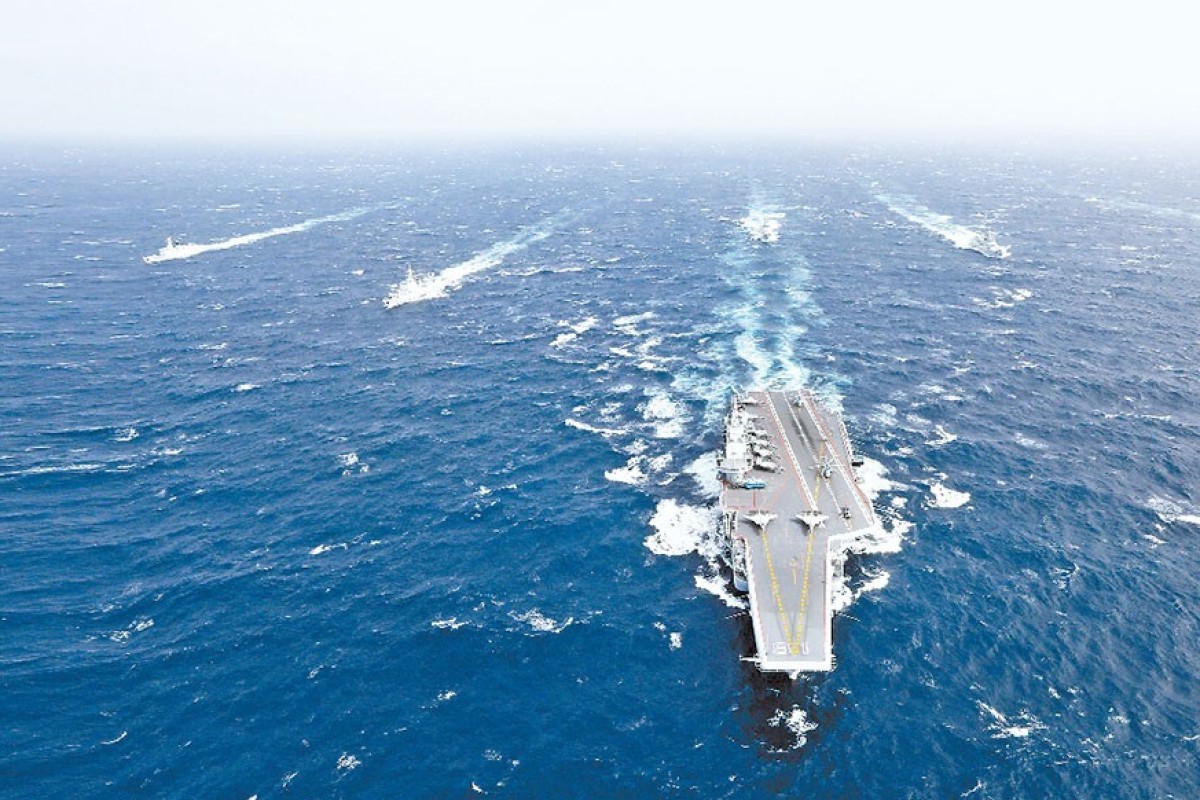
China’s first aircraft carrier, the Liaoning, returned to its home port of Qingdao on Thursday after nearly a month of training on the high seas, the People’s Liberation Army said.
According to military analysts, the warship was joined by at least five escort vessels, and the drills showed its crew had not been affected by the coronavirus pandemic and that it remained combat-ready.
The annual cross-region drills included intensive and complicated air and sea operations, the official PLA Daily said in a post on social media on Friday.
“The drills have further improved the real combat training level of the Liaoning carrier strike group, putting its systematic combat capability to the test,” the statement on WeChat said, without giving other details.
Beijing-based naval expert Li Jie said it was important for the carrier to get back to training activities.
“The recent training by the Liaoning carrier strike group is very significant because it’s evidence that none of the 2,000 sailors and commanders on the ship have been hit by Covid-19, and neither have any of the other soldiers and personnel on the other warships and support units,” Li said.
The coronavirus situation has eased in China, where the first cases were reported late last year, but it continues to spread across the globe and has infected more than 3.2 million people worldwide and killed over 233,000.
Sailors on warships like USS Theodore Roosevelt vulnerable as coronavirus spreads
The virus has also hit crew members on at least 40 US Navy warships, and Li said that left China with the only operational aircraft carrier in the region.
“Since the four American aircraft carriers in the Indo-Pacific region have all been struck by the pandemic, China is the only country that can operate an aircraft carrier in the area,” he said.
Japan’s Ministry of Defence said the Liaoning was escorted by two destroyers, two frigates and a supply ship, and they had passed through the Bashi Channel, a waterway to the south of Taiwan, and headed towards waters east of Taiwan.
As tensions continue to simmer between Taipei and Beijing, the PLA has stepped up activities around the island, which the mainland sees as part of its territory awaiting reunification.
Hong Kong-based military commentator Song Zhongping said the latest naval drills were also aimed at heaping more pressure on Taiwan’s pro-independence forces as well as foreign countries seeking to intervene in cross-strait issues.
Coronavirus: US ‘supports Taiwan joining WHO events’ in ministerial phone call
“Taiwan’s pro-independence forces have become more active and are attempting to take advantage amid the pandemic,” said Song, a military commentator with Phoenix Television.
“The Liaoning would play a major role in the PLA’s plan to unify Taiwan by force, so it’s necessary for the aircraft carrier strike group to get back to operations, step up training and send a warning to Taipei,” he added.
Lu Li-Shih, a former instructor at the naval academy in Taiwan, noted that the PLA Navy had regularly held drills in the waters east of Taiwan in recent years to avoid surveillance by US satellites.
Source: SCMP
Posted in air and sea operations, Aircraft, Aircraft carrier, annual, Beijing, by force, China’s, combat-ready, complicated, coronavirus, Coronavirus pandemic, cross-region drills, destroyers, escort vessels, Friday, frigates, from, high seas, home port, intensive, Japan’s Ministry of Defence, Liaoning, military commentator, military’s plan, month, naval academy, People’s Liberation Army, pla navy, pro-independence forces, Qingdao, returns home, sailing through, sailors, scramble, self-ruled island, social media, strait, strike group, supply ship, Surveillance, Taipei, Taiwan, Taiwan Strait, Taiwan’s, Taiwan’s defence ministry, to unify, training, Uncategorized, US Navy, US satellites, USS Theodore Roosevelt, vulnerable, warship, warships, WeChat, western Pacific, WHO | Leave a Comment »