Chindia Alert: You’ll be Living in their World Very Soon
aims to alert you to the threats and opportunities that China and India present. China and India require serious attention; case of ‘hidden dragon and crouching tiger’.
Without this attention, governments, businesses and, indeed, individuals may find themselves at a great disadvantage sooner rather than later.
The POSTs (front webpages) are mainly 'cuttings' from reliable sources, updated continuously.
The PAGEs (see Tabs, above) attempt to make the information more meaningful by putting some structure to the information we have researched and assembled since 2006.
Faced with a backlash from the West over its handling of the early stages of the pandemic, Beijing has been quietly gaining ground in Asia
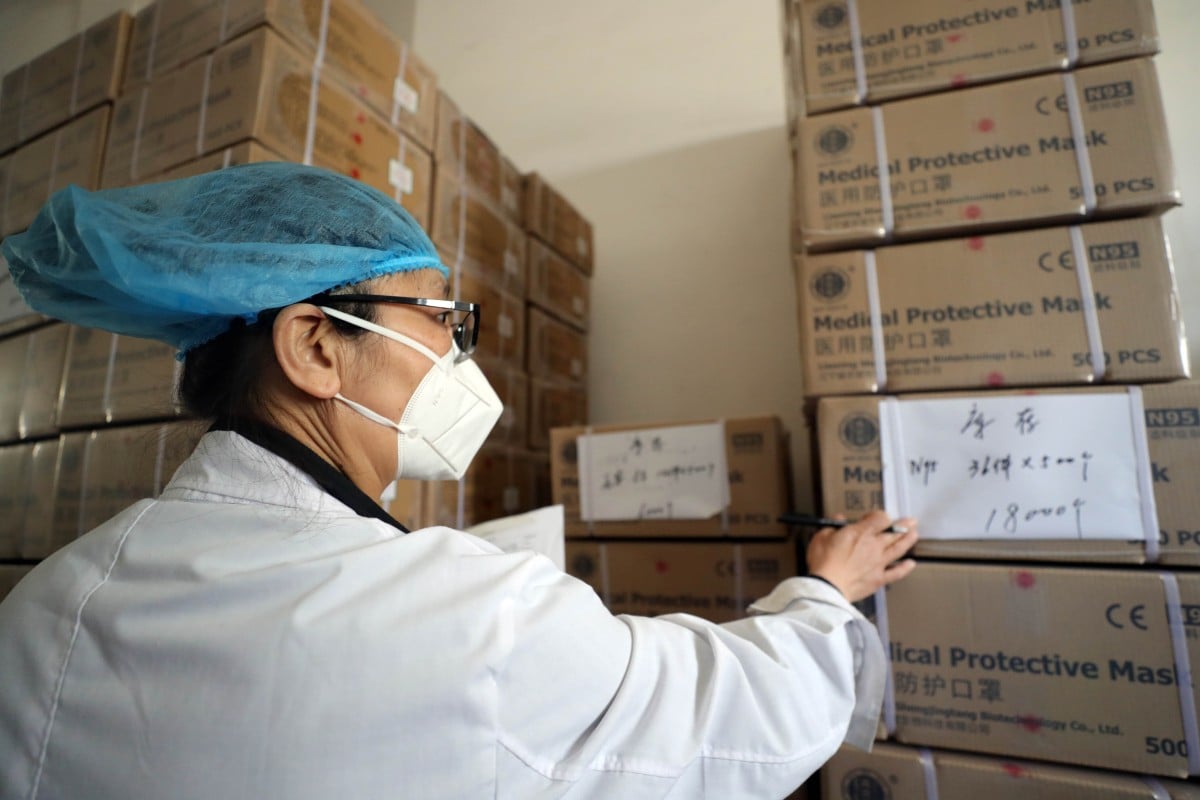
Teams of experts and donations of medical supplies have been largely welcomed by China’s neighbours
Despite facing some criticism from the West, China’s Asian neighbours have welcomed its medical expertise and vital supplies. Photo: Xinhua
While China’s campaign to mend its international image in the wake of its handling of the coronavirus health crisis has been met with scepticism and even a backlash from the US and its Western allies, Beijing has been quietly gaining ground in Asia.
Teams of experts have been sent to Cambodia, the Philippines, Myanmar, Pakistan and soon to Malaysia, to share their knowledge from the pandemic’s ground zero in central China.
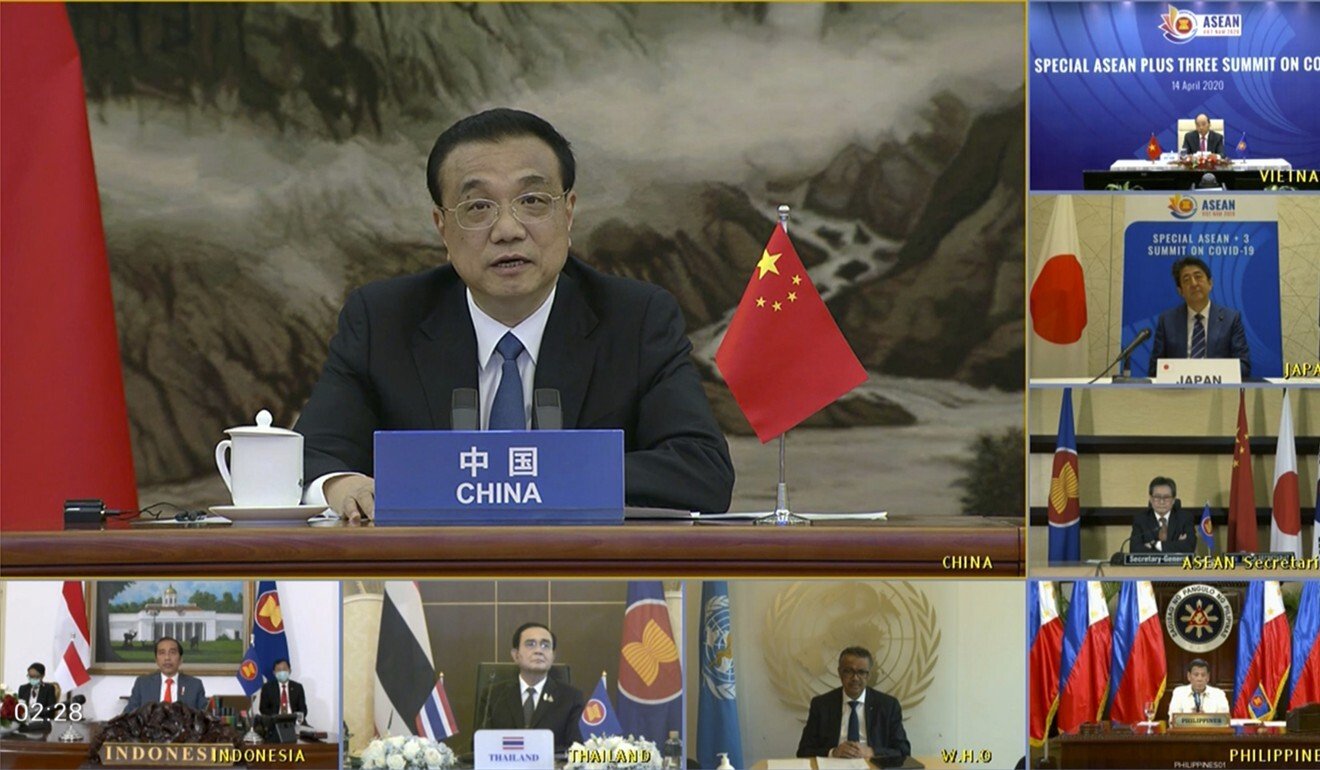
China has also held a series of online “special meetings” with its Asian neighbours, most recently on Tuesday when Premier Li Keqiang discussed his country’s experiences in combating the disease and rebooting a stalled economy with the leaders of the Association of Southeast Asian Nations (Asean), Japan and South Korea.
Chinese Prime Minister Li Keqiang speaks to Asean Plus Three leaders during a virtual summit on Tuesday. Photo: AP
Many Western politicians have publicly questioned Beijing’s role and its subsequent handling of the crisis but Asian leaders – including Philippine President Rodrigo Duterte and Japanese Prime Minister Shinzo Abe – have been reluctant to blame the Chinese government, while also facing criticism at home for not closing their borders with China soon enough to prevent the spread of the virus.
An official from one Asian country said attention had shifted from the early stages of the outbreak – when disgruntled voices among the public were at their loudest – as people watched the virus continue its deadly spread through their homes and across the world.
“Now everybody just wants to get past the quarantine,” he said. “China has been very helpful to us. It’s also closer to us so it’s easier to get shipments from them. The [medical] supplies keep coming, which is what we need right now.”
The official said also that while the teams of experts sent by Beijing were mainly there to observe and offer advice, the gesture was still appreciated.
Another Asian official said the tardy response by Western governments in handling the outbreak had given China an advantage, despite its initial lack of transparency over the outbreak.
“The West is not doing a better job on this,” he said, adding that his government had taken cues from Beijing on the use of propaganda in shaping public opinion and boosting patriotic sentiment in a time of crisis.
“Because it happened in China first, it has given us time to observe what works in China and adopt [these measures] for our country,” the official said.
Experts in the region said that Beijing’s intensifying campaign of “mask diplomacy” to reverse the damage to its reputation had met with less resistance in Asia.
Why China’s ‘mask diplomacy’ is raising concern in the West
29 Mar 2020
“Over the past two months or so, China, after getting the Covid-19 outbreak under control, has been using a very concerted effort to reshape the narrative, to pre-empt the narrative that China is liable for this global pandemic, that China has to compensate other countries,” said Richard Heydarian, a Manila-based academic and former policy adviser to the Philippine government.
“It doesn’t help that the US is in lockdown with its domestic crisis and that we have someone like President Trump who is more interested in playing the blame game rather than acting like a global leader,” he said.
Shahriman Lockman, a senior analyst with the foreign policy and security studies programme at Malaysia’s Institute of Strategic and International Studies, said that as the US had withdrawn into its own affairs as it struggled to contain the pandemic, China had found Southeast Asia a fertile ground for cultivating an image of itself as a provider.
China’s first-quarter GDP shrinks for the first time since 1976 as coronavirus cripples economy
Beijing’s highly publicised delegations tasking medical equipment and supplies had burnished that reputation, he said, adding that the Chinese government had also “quite successfully shaped general Southeast Asian perceptions of its handling of the pandemic, despite growing evidence that it could have acted more swiftly at the early stages of the outbreak in Wuhan”.
“Its capacity and will to build hospitals from scratch and put hundreds of millions of people on lockdown are being compared to the more indecisive and chaotic responses seen in the West, especially in Britain and the United States,” he said.
Coronavirus droplets may travel further than personal distancing guidelines
16 Apr 2020
Lockman said Southeast Asian countries had also been careful to avoid getting caught in the middle of the deteriorating relationship between Beijing and Washington as the two powers pointed fingers at each other over the origins of the new coronavirus.
“The squabble between China and the United States about the pandemic is precisely what Asean governments would go to great lengths to avoid because it is seen as an expression of Sino-US rivalry,” he said.
“Furthermore, the immense Chinese market is seen as providing an irreplaceable route towards Southeast Asia’s post-pandemic economic recovery.”
Aaron Connelly, a research fellow in Southeast Asian political change and foreign policy with the International Institute for Strategic Studies in Singapore, said Asian countries’ dependence on China had made them slow to blame China for the pandemic.
“Anecdotally, it seems to me that most Southeast Asian political and business elites have given Beijing a pass on the initial cover-up of Covid-19, and high marks for the domestic lockdown that followed,” he said.
“This may be motivated reasoning, because these elites are so dependent on Chinese trade and investment, and see little benefit in criticising China.”
China and Vietnam ‘likely to clash again’ as they build maritime militias
12 Apr 2020
The cooperation with its neighbours as they grapple with the coronavirus had not slowed China’s military and research activities in the disputed areas of the South China Sea – a point of contention that would continue to cloud relations in the region, experts said.
Earlier this month an encounter in the South China Sea with a Chinese coastguard vessel led to the sinking of a fishing boat from Vietnam, which this year assumed chairmanship of Asean.
And in a move that could spark fresh regional concerns, shipping data on Thursday showed a controversial Chinese government survey ship, the Haiyang Dizhi 8, had moved closer to Malaysia’s exclusive economic zone.
The survey ship was embroiled in a months-long stand-off last year with Vietnamese vessels within Hanoi’s exclusive economic zone and was spotted again on Tuesday 158km (98 miles) off the Vietnamese coast.
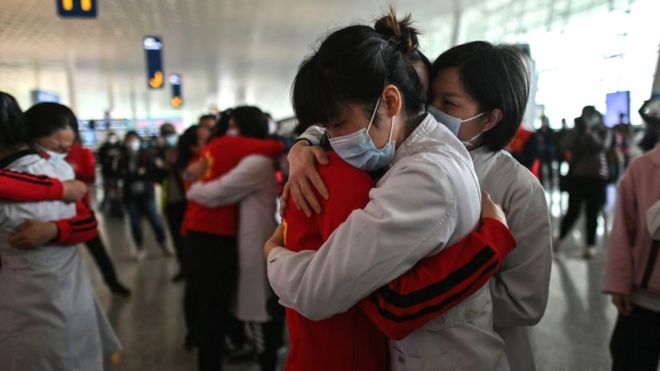
Image copyright GETTY IMAGESImage caption The Chinese city of Wuhan recently lifted its strict quarantine measures
The Chinese city of Wuhan, where the coronavirus originated last year, has raised its official Covid-19 death toll by 50%, adding 1,290 fatalities.
Wuhan officials attributed the new figure to updated reporting and deaths outside hospitals. China has insisted there was no cover-up.
It has been accused of downplaying the severity of its virus outbreak.
Wuhan’s 11 million residents spent months in strict lockdown conditions, which have only recently been eased.
The latest official figures bring the death toll in the city in China’s central Hubei province to 3,869, increasing the national total to more than 4,600.
China has confirmed nearly 84,000 coronavirus infections, the seventh-highest globally, according to Johns Hopkins University data.
What’s China’s explanation for the rise in deaths?
In a statement released on Friday, officials in Wuhan said the revised figures were the result of new data received from multiple sources, including records kept by funeral homes and prisons.
Deaths linked to the virus outside hospitals, such as people who died at home, had not previously been recorded.
Media caption Learn how Wuhan dealt with the lockdown
The “statistical verification” followed efforts by authorities to “ensure that information on the city’s Covid-19 epidemic is open, transparent and the data [is] accurate”, the statement said.
It added that health systems were initially overwhelmed and cases were “mistakenly reported” – in some instances counted more than once and in others missed entirely.
A shortage of testing capacity in the early stages meant that many infected patients were not accounted for, it said.
A spokesman for China’s National Health Commission, Mi Feng, said the new death count came from a “comprehensive review” of epidemic data.
In its daily news conference, the foreign ministry said accusations of a cover-up, which have been made most stridently on the world stage by US President Donald Trump, were unsubstantiated. “We’ll never allow any concealment,” a spokesman said.
Why are there concerns over China’s figures?
Friday’s revised figures come amid growing international concern that deaths in China have been under-reported. Questions have also been raised about Beijing’s handling of the epidemic, particularly in its early stages.
In December 2019, Chinese authorities launched an investigation into a mysterious viral pneumonia after cases began circulating in Wuhan.
China reported the cases to the World Health Organization (WHO), the UN’s global health agency, on 31 December.
But WHO experts were only allowed to visit China and investigate the outbreak on 10 February, by which time the country had more than 40,000 cases.
The mayor of Wuhan has previously admitted there was a lack of action between the start of January – when about 100 cases had been confirmed – and 23 January, when city-wide restrictions were enacted.
Around that time, a doctor who tried to warn his colleagues about an outbreak of a Sars-like virus was silenced by the authorities. Dr Li Wenliang later died from Covid-19.
Wuhan’s death toll increase of almost exactly 50% has left some analysts wondering if this is all a bit too neat.
For months questions have been asked about the veracity of China’s official coronavirus statistics.
The inference has been that some Chinese officials may have deliberately under-reported deaths and infections to give the impression that cities and towns were successfully managing the emergency.
If that was the case, Chinese officials were not to know just how bad this crisis would get in other countries, making its own figures now seem implausibly small.
The authorities in Wuhan, where the first cluster of this disease was reported, said there had been no deliberate misrepresentation of data, rather that a stabilisation in the emergency had allowed them time to revisit the reported cases and to add any previously missed.
That the new death toll was released at the same time as a press conference announcing a total collapse in China’s economic growth figures has led some to wonder whether this was a deliberate attempt to bury one or other of these stories.
Then again, it could also be a complete coincidence.
China has been pushing back against US suggestions that the coronavirus came from a laboratory studying infectious diseases in Wuhan, the BBC’s Barbara Plett Usher in Washington DC reports.
US President Donald Trump and some of his officials have been flirting with the outlier theory in the midst of a propaganda war with China over the origin and handling of the pandemic, our correspondent says.
Mr Trump this week halted funding for the World Health Organization (WHO), accusing it of making deadly mistakes and overly trusting China.
“Do you really believe those numbers in this vast country called China, and that they have a certain number of cases and a certain number of deaths; does anybody really believe that?” Mr Trump said at the White House on Wednesday.
On Thursday, UK Foreign Secretary Dominic Raab said: “We’ll have to ask the hard questions about how [coronavirus] came about and how it couldn’t have been stopped earlier.”
But China has also been praised for its handling of the crisis and the unprecedented restrictions that it instituted to slow the spread of the virus.
Seoul’s handling of the outbreak emphasises transparency and relies heavily on public cooperation in place of hardline measures such as lockdowns
While uncertainties remain, it is increasingly viewed by public health experts as a model to emulate for authorities desperate to keep Covid-19 in check
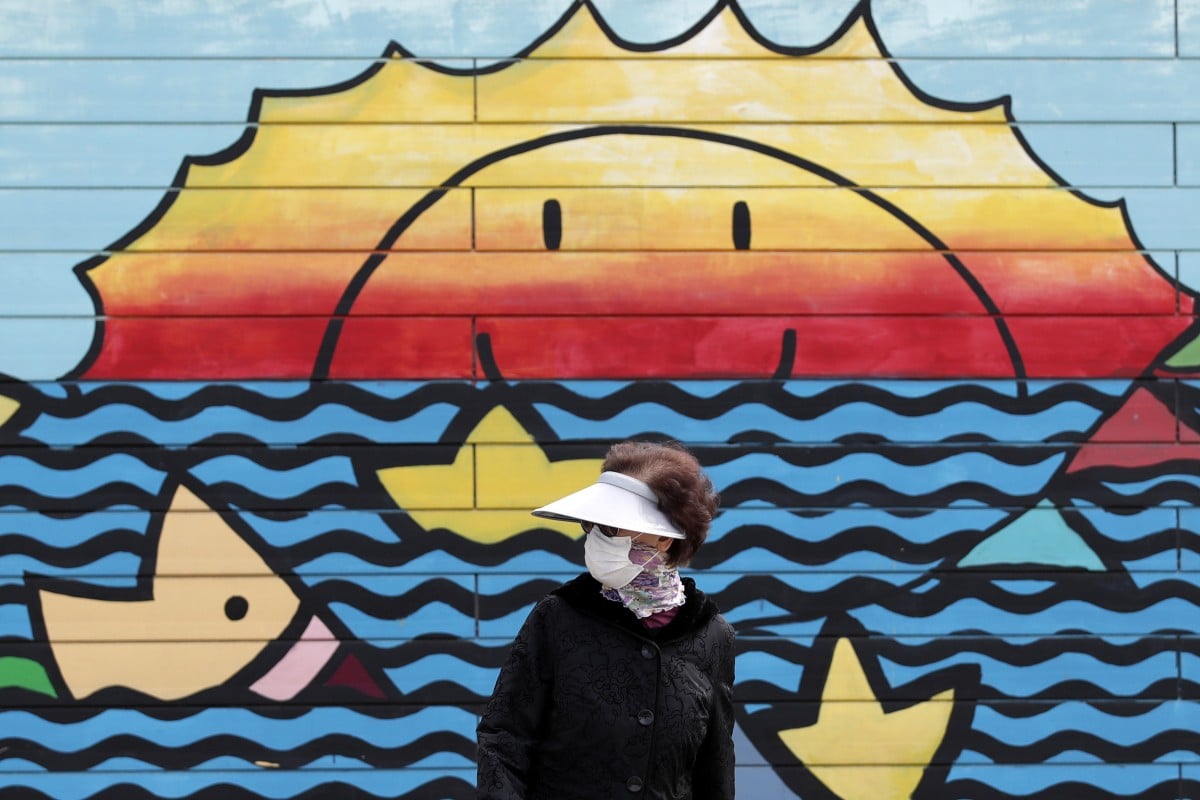
A woman wearing a face mask walks along the Han river at a park in Seoul, South Korea. Photo: AP
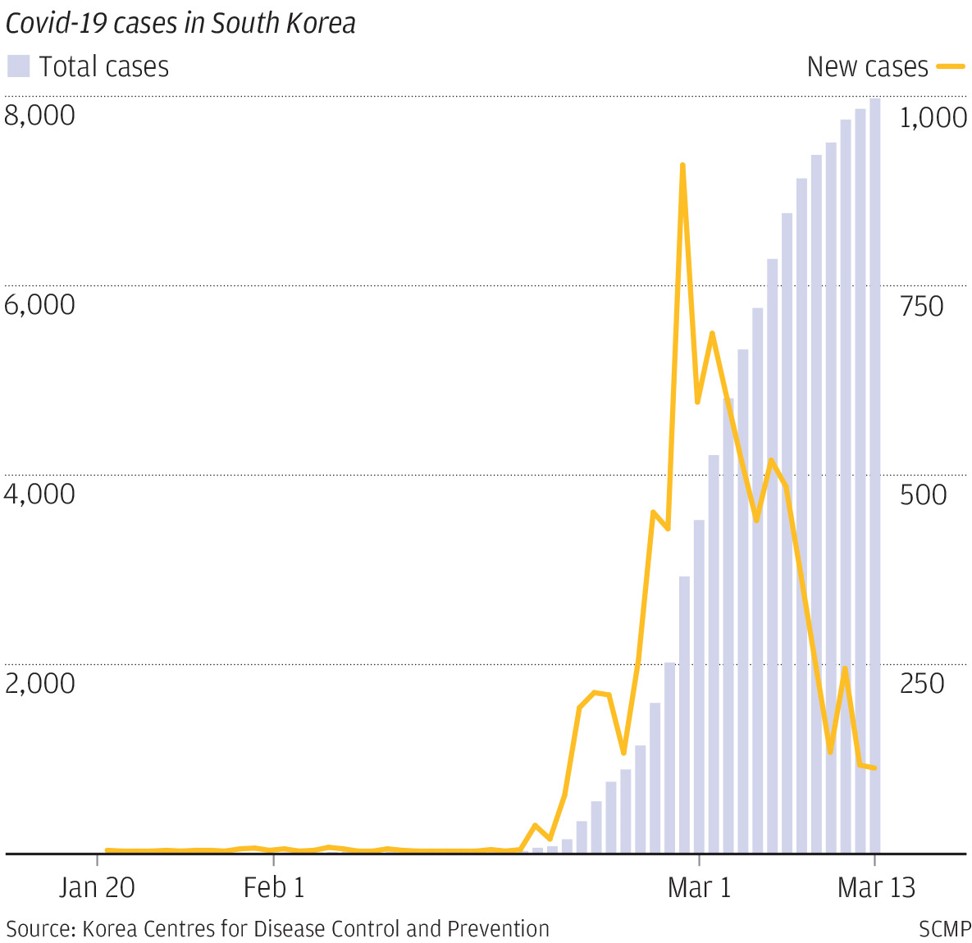
After announcing 600 new cases for March 3, the authorities reported 131 new infections a week later. On Friday, officials reported just 110, the lowest daily toll since February 21. The same day, the number of recovered patients, 177, exceeded new infections for the first time.President Moon Jae-in, while cautioning against premature optimism, has expressed hope that South Korea could soon enter a “phase of stability” if the trend holds firm.
With about 8,000 confirmed cases and more than 65 deaths, it was until recently the country with the most confirmed cases outside China – but South Korea has since emerged as a source of inspiration and hope for authorities around the world as they scramble to fight the pandemic.
South Korea’s infection rate falls without citywide lockdowns like China, Italy
11 Mar 2020
As countries ranging from the United States to Italy and Iran struggle to manage the virus, Seoul’s handling of the outbreak – involving a highly coordinated government response that has emphasised transparency and relied heavily on public cooperation in place of hardline measures such as lockdowns – is increasingly viewed by public health experts as a model to emulate for authorities desperate to keep the virus under control.
Whereas China, where the virus originated, and more recently Italy have placed millions of their citizens on lockdown, South Korea has not restricted people’s movements – not even in Daegu, the southeastern city at the centre of the country’s outbreak.
Instead, authorities have focused mandatory quarantine on infected patients and those with whom they have come into close contact, while advising the public to stay indoors, avoid public events, wear masks and practise good hygiene.
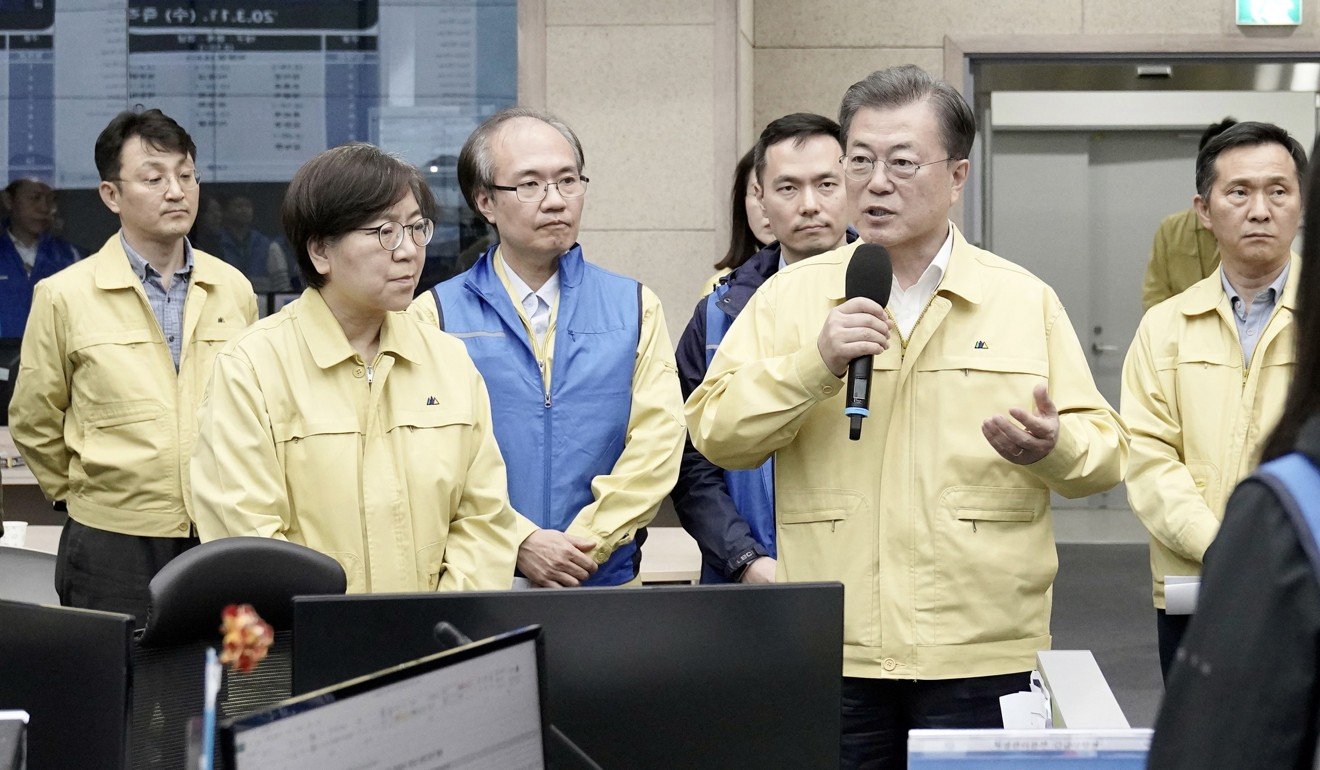
South Korean President Moon Jae-in visits the Korea Centres for Disease Control and Prevention on March 11. Photo: EPA
And while numerous countries have imposed sweeping travel bans – including the US, which has introduced dramatic restrictions on travel from Europe – Seoul has instead introduced “special immigration procedures” for heavily affected countries such as China, requiring travellers to undergo temperature checks, provide verified contact information and fill out health questionnaires.
[South Korea’s] approach seems less dramatic and more usable by other countries, compared with that used in mainland China – Ian MacKay, virologist at the University of Queensland
“More than a week of downward-trending case counts shows that the approach in South Korea has turned around an epidemic,” said Ian Mackay, a virologist at the University of Queensland, Australia. “This approach seems less dramatic and more usable by other countries, compared with that used in mainland China. If these trends continue, they will have managed to stop the growth of their epidemic.”
‘A SPECTACULAR FEAT’
The linchpin of South Korea’s response has been a testing programme that has screened more people per capita for the virus than any other country by far. By carrying out up to 15,000 tests per day, health officials have been able to screen some 250,000 people – about one in every 200 South Koreans – since January.
To encourage participation, testing is free for anyone referred by a doctor or displaying symptoms after recent contact with a confirmed case or travel to China. For anyone simply concerned about the risk of infection, the cost is a relatively affordable 160,000 won (US$135). Testing is available at hundreds of clinics, as well as some 50 drive-through testing stations that took their inspiration from past counterterrorism drills and can screen suspected patients in minutes.
“This country has a universal health-coverage system for the whole population and the economic burden for testing is very low,” said Kim Dong-hyun, president of the Korean Society of Epidemiology. “Tests are conducted for free if you have proper symptoms.”
The massive volume of data collected has enabled the authorities to pinpoint clusters of infection to better target their quarantine and disinfection efforts, and send members of the public text-message alerts to inform them of the past movements of infected patients in their area – even down to the names of shops and restaurants they visited.
This country has a universal health coverage system for the whole population and the economic burden for testing is very low – Kim Dong-hyun, president of the Korean Society of Epidemiology
“South Korea’s capability to test for early detection of viruses has developed greatly as it went through the 2009 new influenza outbreak and 2015 Mers [Middle East respiratory syndrome] outbreak,” said Kim Woo-joo, a professor of medicine at Korea University’s College of Medicine. “It ranks among the world’s top countries in this field.”
South Korea’s ‘drive-through’ coronavirus testing stations
Collecting this amount of data has also allowed the South Korean authorities to glean a clearer indication of the potential lethality of the virus, the fatality rate of which has diverged significantly from about 5 per cent in Italy to about 0.8 per cent in South Korea. Although factors including quality of health care, patient age and public awareness can affect the fatality rate of a virus, the scale of testing is among the most influential.
By comparison, in neighbouring Japan – which has confirmed more than 600 cases, not including the virus-stricken Diamond Princess cruise ship – the authorities had as of Friday tested over 10,000 people.
In the United States, where the authorities are unable to confirm the number of tests since they are being carried out by a patchwork of federal, state and private laboratories, the total was estimated to be fewer than 5,000 in a survey of available data by The Atlantic.
William Schaffner, a professor of preventive medicine and infectious diseases at Vanderbilt University School of Medicine in the US, said South Korea had pulled off a “spectacular” feat that was allowing health officials to track the virus and assess its intensity.
“We are unsure where our infection is and how intensely it is being transmitted in the US and we are only now starting to test,” he said.
Coronavirus is now classified as a pandemic
13 Mar 2020
South Korea is not unique in claiming some success in its fight against the virus. Singapore, Taiwan and Hong Kong, informed by past outbreaks such as severe acute respiratory syndrome (Sars) and Mers, have managed to keep confirmed cases low while eschewing the sort of draconian measures implemented in mainland China.
Early on, Hong Kong took some of the most comprehensive steps to implement “social distancing” – in which events are cancelled and venues closed to minimise contact between people – by shutting schools in late January, while the authorities produced a digital map of confirmed cases to allow people to avoid potentially infected areas.
In Taiwan, officials have pooled information from immigration and health insurance databases to track people’s travel histories and symptoms, and used phone tracking to ensure compliance with quarantine. Singapore has similarly tracked infected patients and traced their contacts, with stiff penalties for those who disobey quarantine or mislead the authorities about where they have travelled.
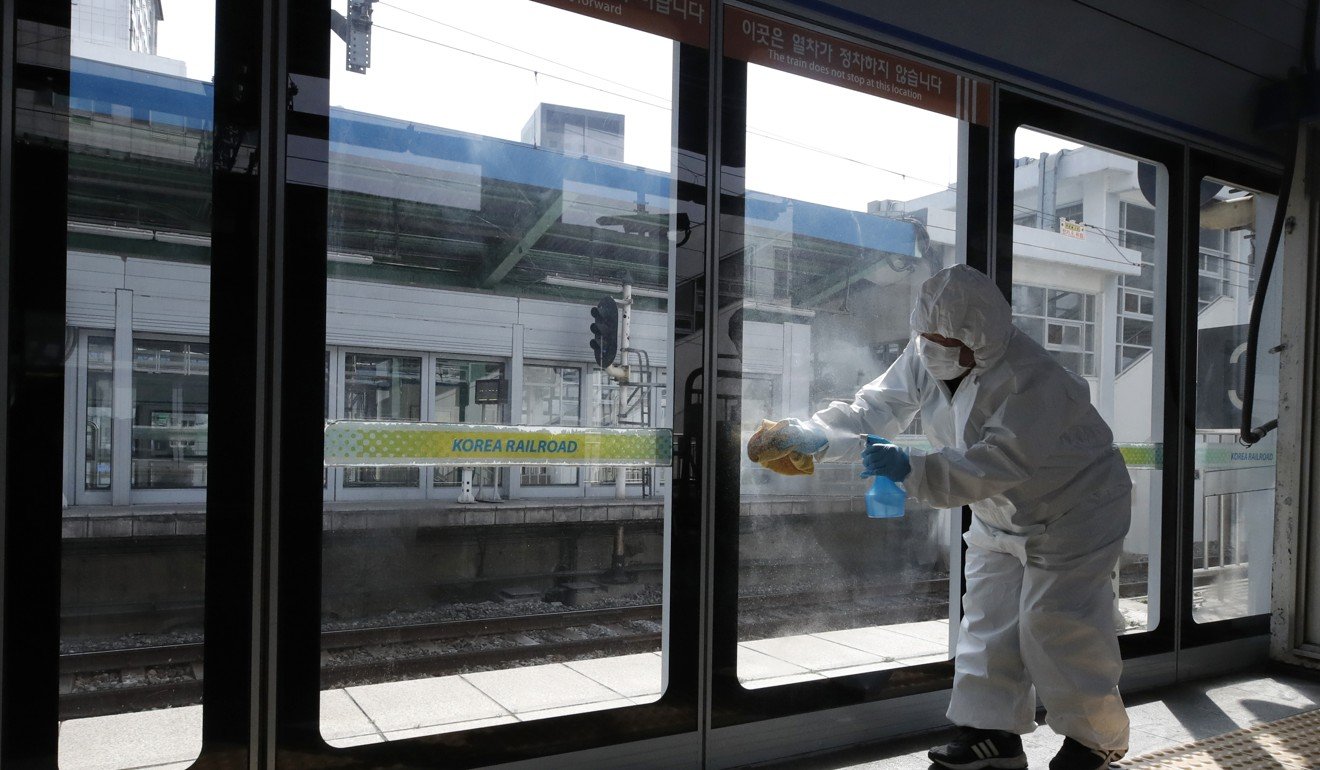
A worker disinfects a Seoul subway station as a precaution against the new coronavirus. Photo: AP
OPENNESS AND TRANSPARENCY
But where South Korea has stood apart is seemingly turning the tide against a major outbreak while maintaining openness and transparency. The largest cluster of cases in the country is linked to a secretive religious sect, Shincheonji, members of which have been accused of negligently spreading the virus as well as evading medical follow-ups and testing.
In addressing the Covid-19 outbreak, sound decision-making should not be about making a choice between maximised protection or minimal disruption – Yanzhong Huang, Council on Foreign Relations
“South Korea’s experience suggests that a country can contain the spread of the virus in a relatively short period of time without relying on draconian, at-all-costs containment measures,” said Yanzhong Huang, a senior fellow for global health at the Council on Foreign Relations in New York.
“For countries like the US, the Korean experience offers an acceptable, likely more viable, alternative to addressing the outbreak. In addressing the Covid-19 outbreak, sound decision-making should not be about making a choice between maximised protection and minimal disruption.”
China effectively barred 60 million people in Wuhan – ground zero of the outbreak – and the rest of the province of Hubei from leaving their homes, while restricting the movements of hundreds of millions of others across the country by shutting down public transport, banning private cars and setting up roadblocks.
‘I was stupidly overconfident’: a Korean coronavirus survivor’s tale
15 Mar 2020
The country claims to have effectively halted the spread of the virus after recording more than 80,000 cases and 3,100 deaths, and its daily updates have in recent weeks fallen from thousands of new cases to dozens. However, scepticism lingers over official figures after local and provincial officials in Hubei initially tried to hide the extent of the outbreak.
In a move widely seen to be aimed at touting the success of Beijing’s hardline measures, Chinese President Xi Jinping on Tuesday made his first visit to Wuhan, during which he called for businesses and factories to return to work as normal and for the country to refocus on economic growth.
“While China has been able to control Covid-19, I don’t think its draconian methods are worth copying in liberal democracies,” said Lawrence Gostin, director of the O’Neill Institute for National and Global Health Law at Georgetown University Law Centre in Washington. “Most democracies value human rights and freedoms … [not] the degree of social control we’ve seen in China. South Korea offers a better model.”
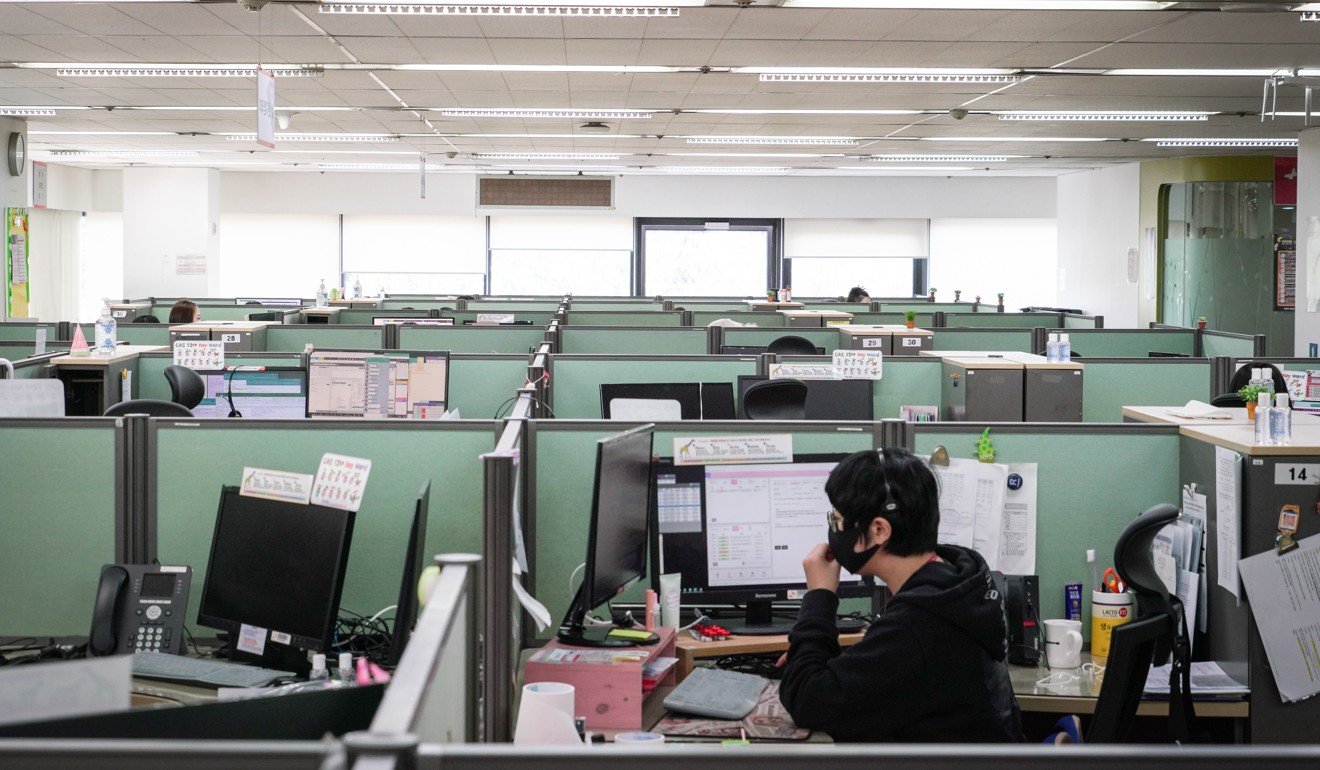
A nearly empty customer call centre in the Gocheok-dong neighbourhood of Seoul as workers isolate or work from home. Photo: EPA
But in a striking indication that Beijing’s harsh tactics could inform even liberal democratic societies, Italy on Monday announced a nationwide quarantine after a massive spike in cases caught the authorities off guard. Shops, restaurants and bars have been closed, while public gatherings and most travel have been banned in the European country, which has confirmed more than 15,000 cases and 1,000 deaths as of Friday – making it the site of the biggest outbreak outside China.
In the Philippines, President Rodrigo Duterte on Thursday announced a lockdown of the entire Metro Manila region and its 12.8 million people.
David Hui Shu-cheong, an expert in respiratory medicine at the Chinese University of Hong Kong, said Italy had responded “very slowly” to the outbreak, in contrast to South Korea.
Southeast Asia at risk of missing coronavirus cases amid dengue outbreak: experts
11 Mar 2020
Even as Beijing touted its success at fighting the virus, with state media recently insisting the “world owes China a ‘thank you’”, South Korea – which democratised in the late 1980s following decades of military dictatorship – has made no secret of its desire to promote a more liberal alternative.
At a press conference with foreign media this week, vice-health minister Kim Gang-lip said that while drastic measures such as locking down affected areas had demonstrated “modest effectiveness”, they suffered from being “coercive and inflexible”.
“Korea, as a democratic country, values globalisation and a pluralistic society,” he said.
“Therefore we believe we must transcend the limitations of the conventional approach to fighting infectious disease.”
Kim stressed that public trust was crucial to the government’s strategy. “The more transparently and quickly accurate information is provided, the more the people will trust the government,” he said. “They will act rationally for the good of the community at large.”
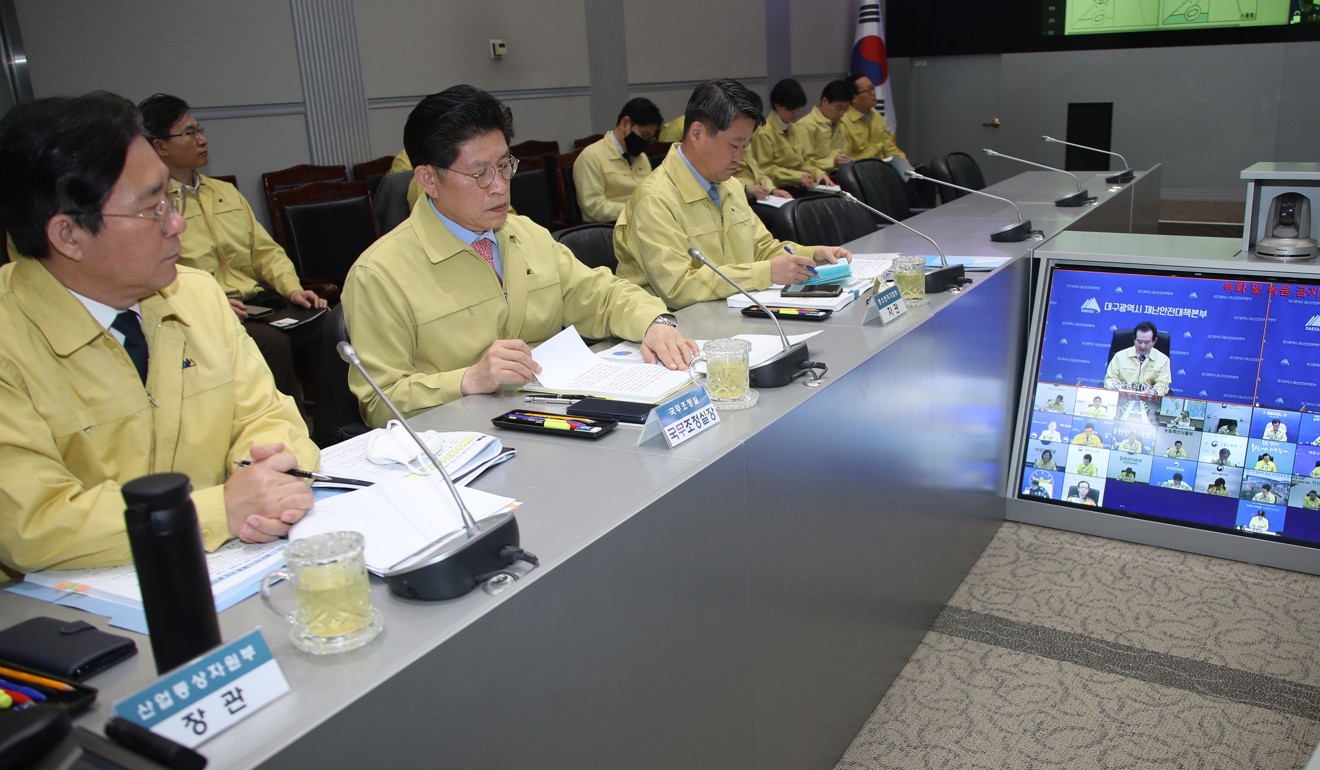
South Korean ministers listen to Prime Minister Chung Sye-kyun (on screen) during a meeting to discuss measures to deal with the spread of the new coronavirus. Photo: EPA
UNKNOWN FACTORS
Although the authorities have shut down schools nationwide, South Koreans have largely embraced self-isolation and social distancing of their own accord.
In the past fortnight, more than 12,000 businesses have applied for subsidies to pay the wages of employees while they temporarily close their doors due to the outbreak, according to the country’s labour ministry. Many shops in Daegu, the site of more than three-quarters of the country’s cases, have shut their doors, while shopping malls and cinemas across the country have become largely deserted as people stay at home. Catholic churches and Buddhist temples nationwide have suspended mass and prayer services.
“To an outsider, South Korea has handled an enormous surge in cases very well and seemed to mitigate further spread through forms of … passive social isolation,” said Howard P. Forman, a professor of public health policy at Yale School of Management.
Indonesian firms doing business with China face tough times with coronavirus outbreak
12 Mar 2020
Some experts suggest South Korean society’s emphasis on discipline and community may have given it room to avoid implementing more draconian measures.
“This measure appears to have been very successful but is reliant on the local population working with the response,” said Jeremy Rossman, an honorary senior lecturer in virology at the University of Kent. “It is not clear how effective this approach would be in other cultures and it does require effective communication with the local population.”
How a secretive church in South Korea became a coronavirus ‘super spreader’
However, South Korea’s response has not been without missteps or critics.
In mid-February, before it emerged that the virus had spread rapidly among Shincheonji followers, Moon made the ill-fated prediction that the outbreak would “disappear before long”.
The Korean Medical Association – the country’s largest association of doctors – and conservative media have criticised the president for not outright banning travel from China.
Nearly 1.5 million South Koreans have signed an online petition calling for Moon’s impeachment over his handling of the outbreak, and his approval rating this week dropped to just under 45 per cent – although, in a sign of reviving fortunes, an opinion poll released on Friday saw the president’s response rated favourably.
Medical workers attend to a woman who was feeling unwell upon her arrival at the Keimyung University hospital in Daegu. Photo: AFP
It is still too early to say whether the response is working – Kim Dong-hyun, president of the Korean Society of Epidemiology
Some experts caution that it is too early to tell if South Korea truly has the virus under control. The discovery of a new cluster of about 100 infections at a call centre in densely populated Seoul prompted a sudden uptick in cases on Wednesday, raising fears the virus could be on the verge of spreading uncontrollably nationwide.
“It is still too early to say whether the response is working,” said Kim, the president of the Korean Society of Epidemiology. “There is an optical illusion involved in the figures. The daily numbers of new cases appear to be decreasing as the screening of Shincheonji followers is coming to an end, but it must be noted that there are new clusters emerging in Seoul and other areas. We can’t lower vigilance.”
Like elsewhere, the country is facing unknown factors such as warming temperatures in the coming weeks and the arrival of travellers from new and emerging infection hotspots overseas. “We are seeing that in South Korea, large epidemics can be slowed,” said Mackay from the University of Queensland. “Can they be prevented? That will be the challenge for countries who have yet to see widespread community transmission.”
In the face of uncertainty, South Korea appears determined to hold firm to its strategy. During a visit to the Korea Centres for Disease Control and Prevention on Wednesday, Moon said the country’s response had received international recognition and allowed it to avoid the “extreme choice” of sweeping travel bans.
The next day, responding to the World Health Organisation’s decision to declare the virus a global pandemic, the president called on South Koreans to maintain hope that the virus would be overcome.
“It might take more time than we thought,” Moon said. “Everyone, please don’t become fatigued.”
Beijing will be watching as leaders of African nations and international organisations gather for development summit in Yokohama later this month
Tokyo is expected to use the conference to articulate how its approach to aid and infrastructure is different from Chinese projects
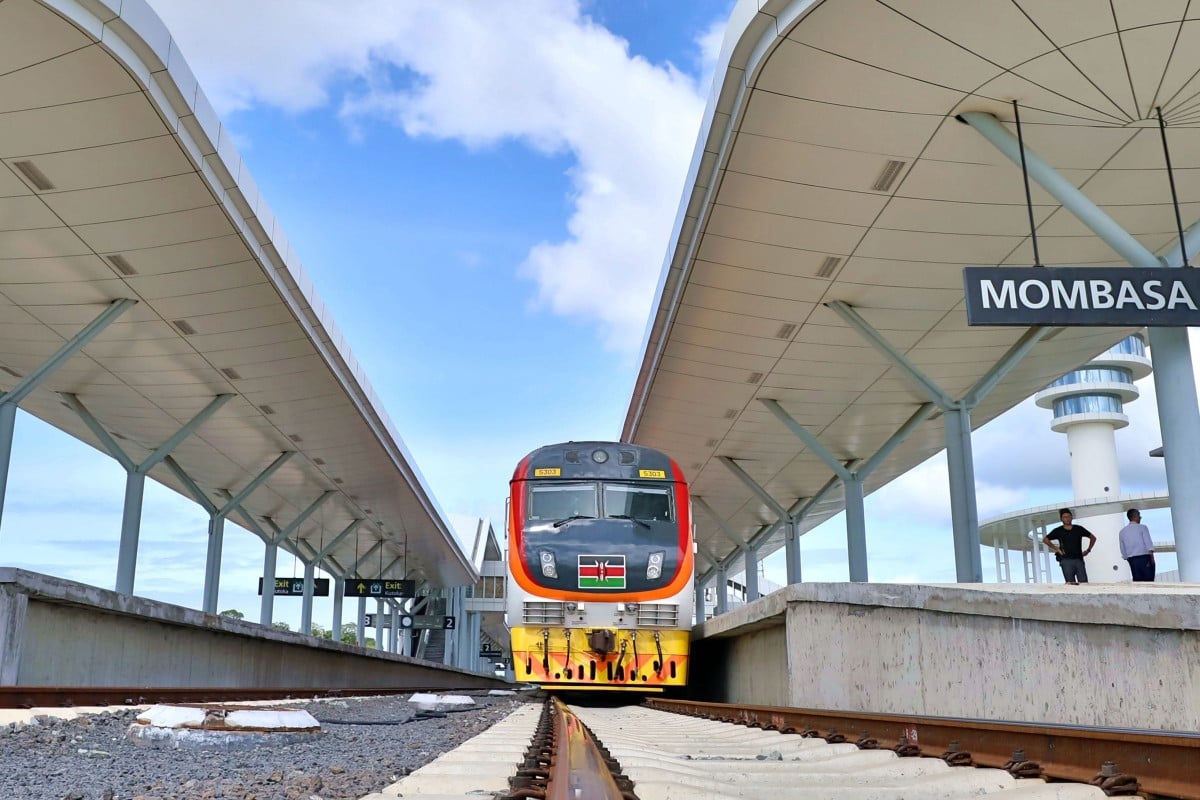
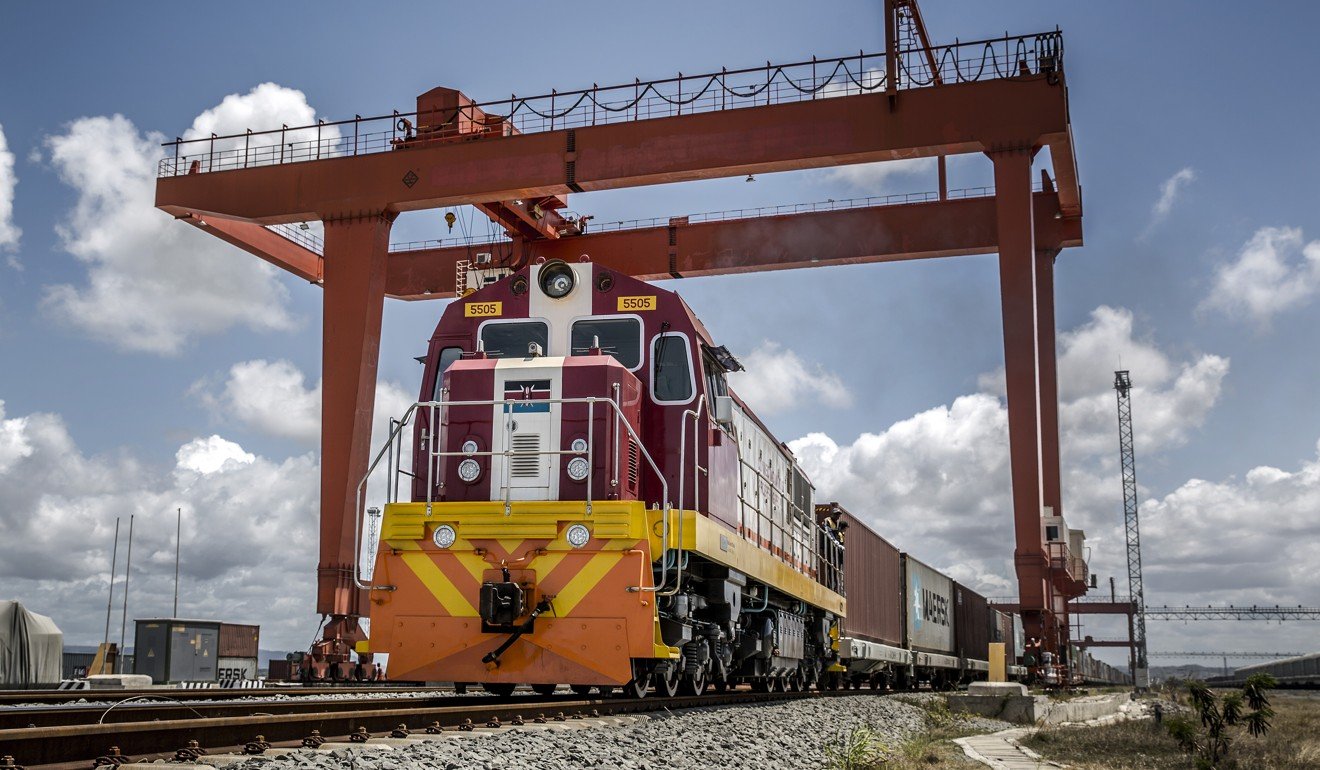
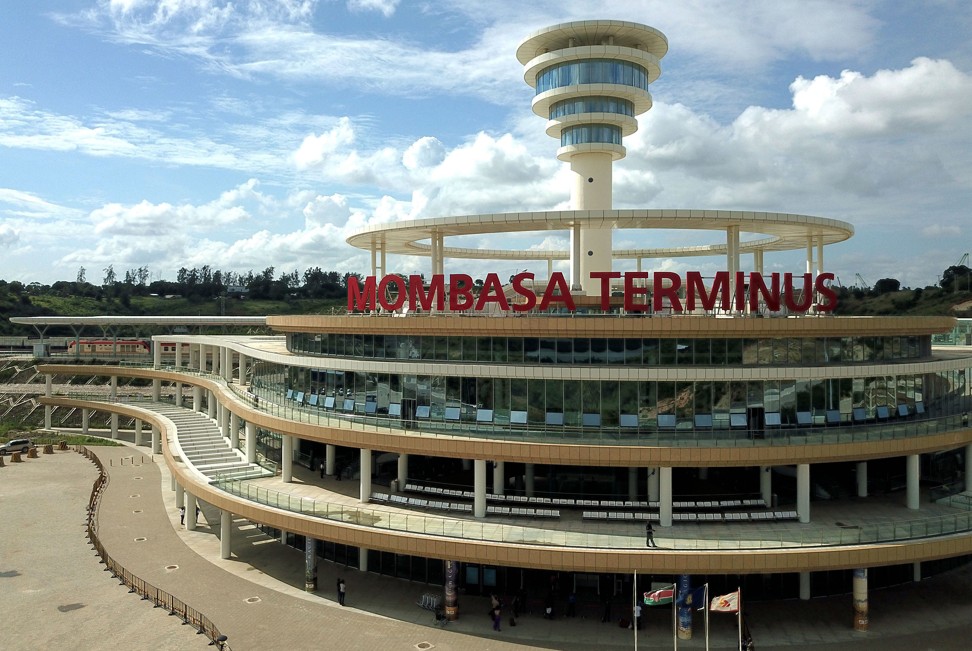
The Mombasa-Nairobi Standard Gauge Railway, funded by China, opened in 2017. Japan has criticised Chinese lending practices in Africa. Photo: Xinhua
The long rivalry between China and Japan is again playing out in Africa, with Tokyo planning to pour more aid into the continent and invest in infrastructure projects there.
Beijing – which has for decades funnelled money into the continent – will be watching as the leaders of 54 African countries and international organisations descend on Yokohama later this month for the seventh Tokyo International Conference on African Development (TICAD).
Japan reportedly plans to pledge more than 300 billion yen (US$2.83 billion) in aid to Africa during the conference. While that might not be enough to alarm China – which in recent years has been on a spending spree in the continent – it will be paying close attention.
Japan has in the past used the meetings to criticise Chinese lending practices in Africa, saying it was worried about the “unrealistic” level of debt incurred by African countries – concerns that China has dismissed.
This year, analysts expect Tokyo will use the conference to articulate how its approach to African development is substantively different from that of the Chinese.
“So, look for the words ‘quality’, ‘transparency’ and ‘sustainability’ to be used a lot throughout the event,” said Eric Olander, managing editor of the non-partisan China Africa Project.
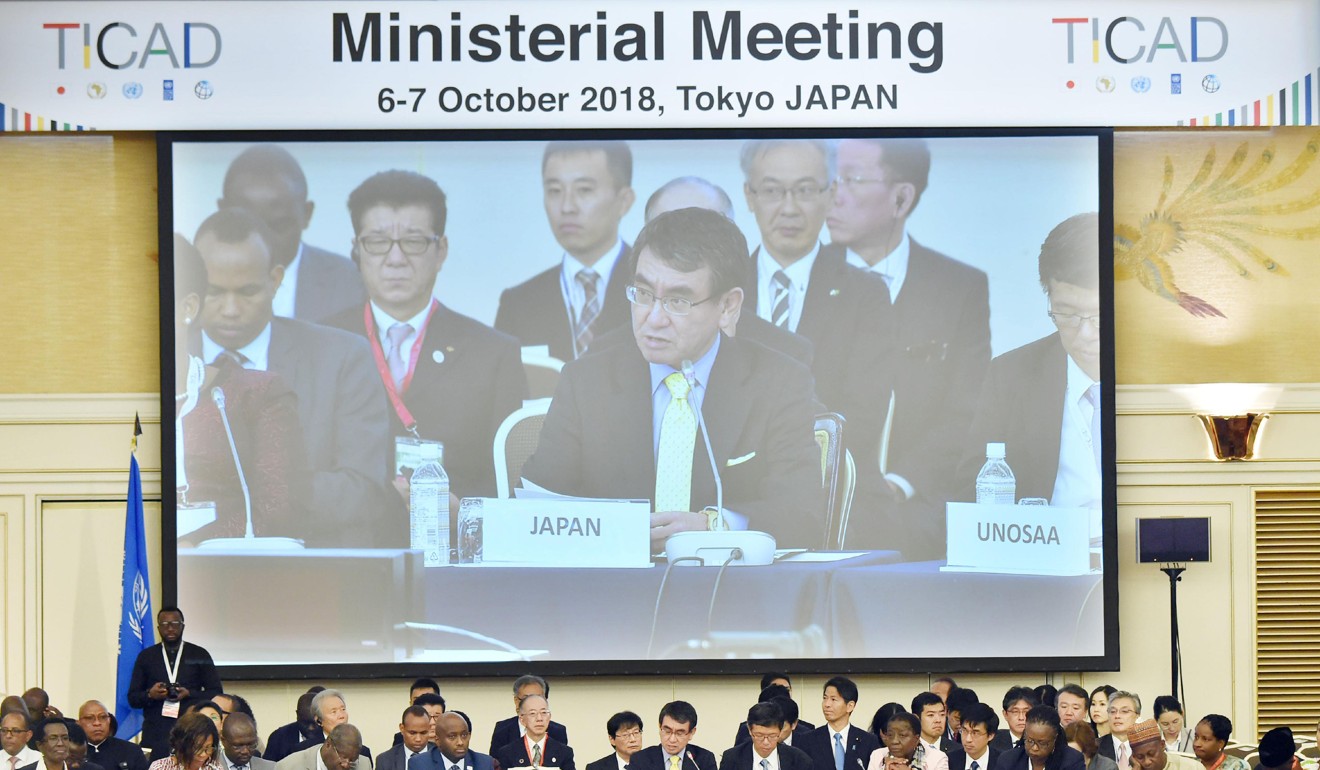
Japanese Foreign Minister Taro Kono gives a speech at the TICAD in Tokyo in October. Japan will reportedly pledge US$2.83 billion in aid to Africa this year. Photo: The Yomiuri Shimbun
Olander said Japan often sought to position its aid and development programmes as an alternative to China’s by emphasising more transparency in loan deals, higher-quality infrastructure projects and avoiding saddling countries with too much debt.
“In some ways, the Japanese position is very similar to that of the US where they express many of the same criticisms of China’s engagement strategy in Africa,” Olander said.
But the rivalry between China and Japan had little to do with Africa, according to Seifudein Adem, a professor at Doshisha University in Kyoto, Japan.
“It is a spillover effect of their contest for supremacy in East Asia,” said Adem, who is from Ethiopia.
“Japan’s trade with Africa, compared to China’s trade with Africa, is not only relatively small but it is even shrinking. It is a result of the acceleration of China’s engagement with Africa.”
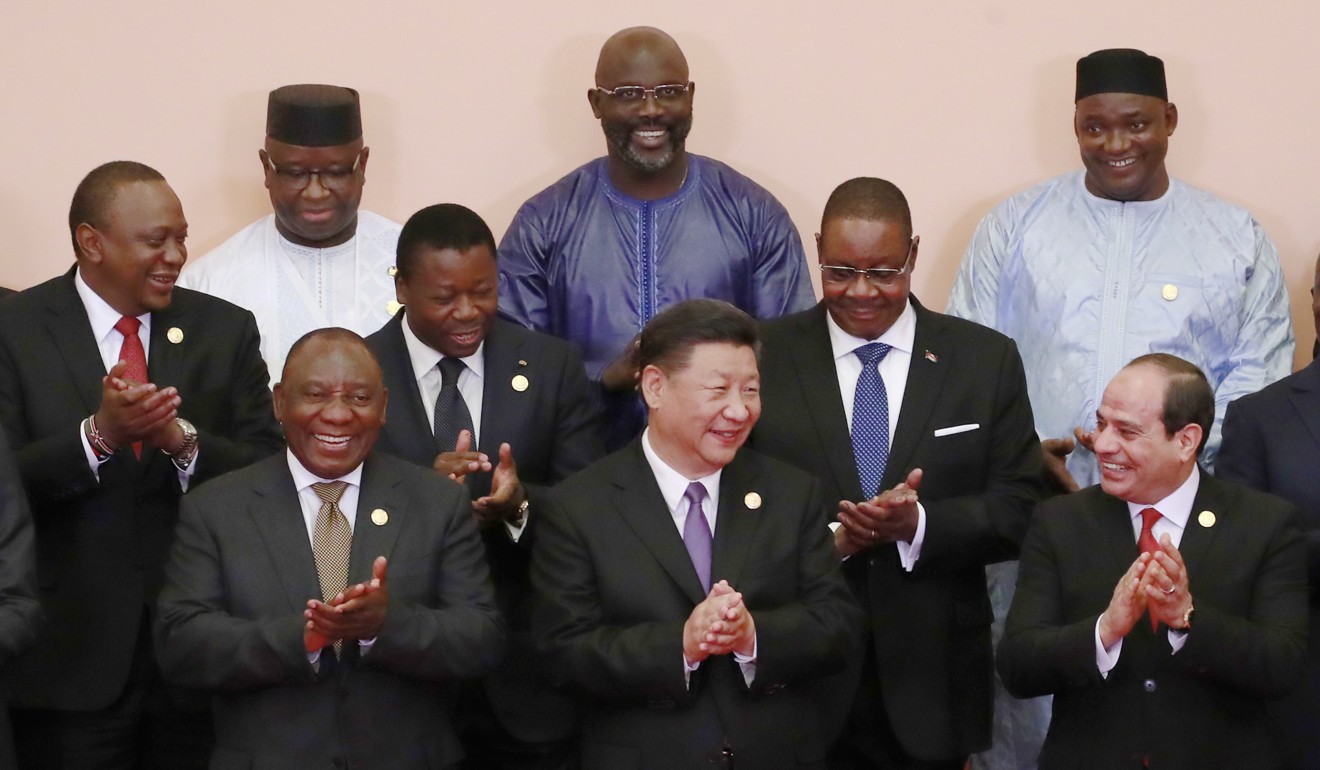
Chinese President Xi Jinping attends a group photo session with African leaders during the Forum on China-Africa Cooperation in Beijing last year. Photo: AP
Japan launched the TICAD in 1993, to revive interest in the continent and find raw materials for its industries and markets for products. About a decade later, China began holding a rival event, the Forum on China-Africa Cooperation.
It is at heart an ideological rivalry unfolding on the continent, according to Martin Rupiya, head of innovation and training at the African Centre for the Constructive Resolution of Disputes in Durban, South Africa.
“China cast Japan as its former colonial interloper – and not necessarily master – until about 1949. Thereafter, China’s Mao [Zedong] developed close relations, mostly liberation linkages with several African nationalist movements,” Rupiya said.
Beijing had continued to invoke those traditional and historical ties, which Japan did not have, he said.
“Furthermore, Japan does not command the type of resources – call it largesse – that China has and occasionally makes available to Africa,” Rupiya said.
Although both Asian giants have made inroads in Africa, the scale is vastly different.
While Japan turned inward as it sought to rebuild its struggling economy amid a slowdown, China was ramping up trade with African countries at a time of rapid growth on the continent.
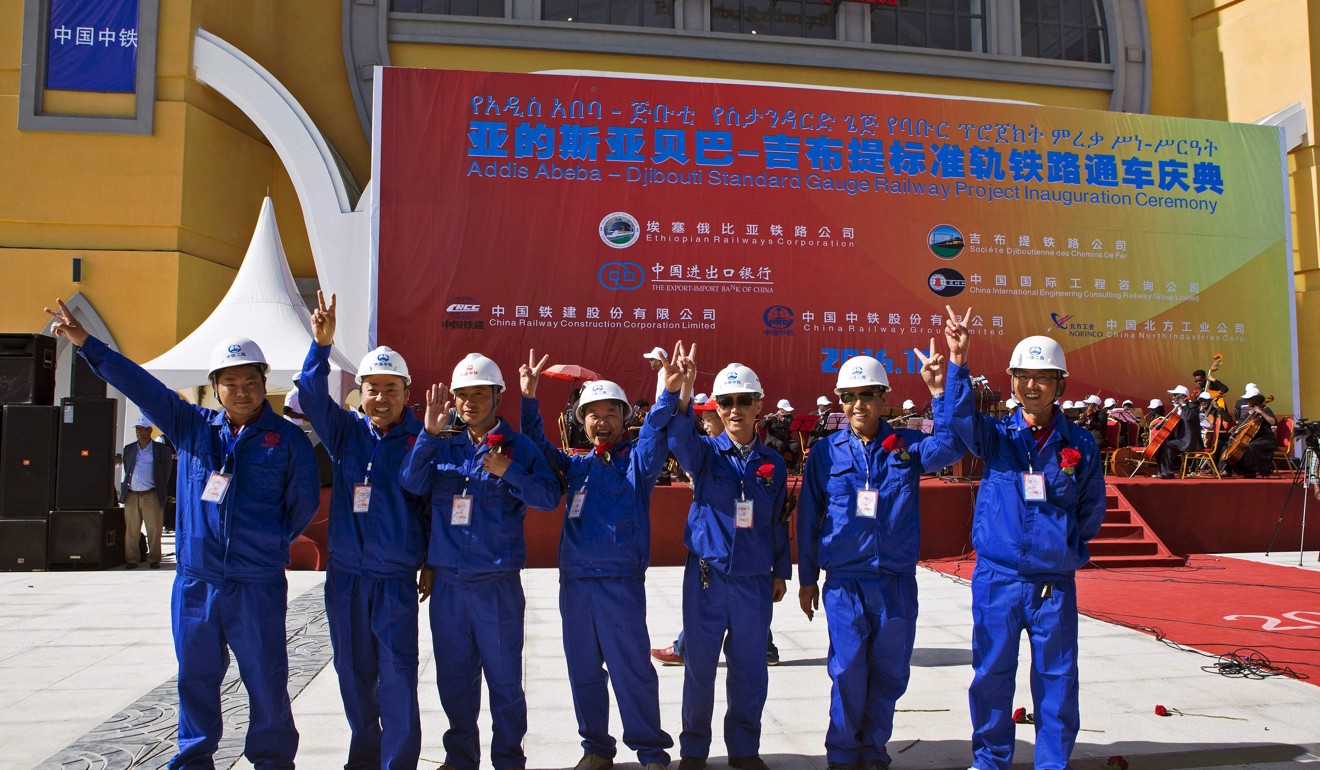
That saw trade between China and Africa growing twentyfold in the last two decades. The value of their trade reached US$204.2 billion last year, up 20 per cent from 2017, according to Chinese customs data. Exports from Africa to China stood at US$99 billion last year, the highest level since the 1990s. Meanwhile, through its Belt and Road Initiative that aims to revive the Silk Road to connect Asia with Europe and Africa, China is funding and building Kenya’s Standard Gauge Railway and the Addis Ababa-Djibouti Railway. Beijing is also building major infrastructure projects in Zambia, Angola and Nigeria.
Japan’s trade with Africa is just a small fraction of Africa’s trade with China. In 2017, Japan’s exports to the continent totalled US$7.8 billion, while imports were US$8.7 billion, according to trade data compiled by the Massachusetts Institute of Technology.
How speaking with one voice could help Africa get a better deal from China
But Japan now appears eager to get back in the game and expand its presence in Africa, and analysts say this year’s TICAD will be critical – both in terms of the amount of money Tokyo commits to African development and how it positions itself as an alternative to the Chinese model.
Ryo Hinata-Yamaguchi, a visiting professor at Pusan National University in South Korea, said the continent was “economically vital to Japan, both in trade and investments”.
“Moreover, Japan has established some strong links with African states through foreign aid,” Hinata-Yamaguchi said.
“Japan’s move is driven by both economic and political interests. Economically, Japan needs to secure and maintain its presence in, and linkages with, the African states while opening new markets and opportunities,” he said.
To counter China’s belt and road strategy, Japan has launched the Asia-Africa Growth Corridor project, an economic cooperation deal, with India and African countries.
Tokyo meanwhile pledged about US$30 billion in public-private development assistance to Africa over three years at the 2016 TICAD, in Nairobi. But China offered to double that amount last year, during its Forum on China-Africa Cooperation in Beijing.
Still, Japan continues to push forward infrastructure projects on the continent. It is building the Mombasa Port on the Kenyan coast, while Ngong Road, a major artery in Nairobi, is being converted into a dual carriageway with a grant from Tokyo.
Japan is also funding the construction of the Kampala Metropolitan transmission line, which draws power from Karuma dam in Uganda. In Tanzania, it provided funding for the Tanzania-Zambia Railway Authority (Tazara) flyover. And through the Japan International Cooperation Agency, Tokyo also helps African countries improve their rice yields using Japanese technology.
There are nearly 1,000 Japanese companies – including carmakers like Nissan and Toyota – operating in Africa, but that is just one-tenth the number of Chinese businesses on the continent.
Are Chinese loans putting Africa on the debt-trap express?
Olander said Japan’s construction companies were among the best in the world, albeit not necessarily the cheapest, and that Tokyo was pushing its message about “high-quality” construction.
XN Iraki, an associate professor at the University of Nairobi School of Business, said Japan wanted to change its approach to Africa on trade, which had long been dominated by cars and electronics.
“[It has] no big deals like China’s Standard Gauge Railway. But after China’s entry with a bang – including teaching Mandarin through Confucius Institutes – Japan has realised its market was under threat and hence the importance of the TICAD, which should remind us that Japan is also there.”
Beijing has lent billions of dollars to countries on the continent to build railways, highways and airports but critics say the borrowings are unsustainable
Chinese officials say the projects will pay off in the long run and host nations are well aware of their limits and needs
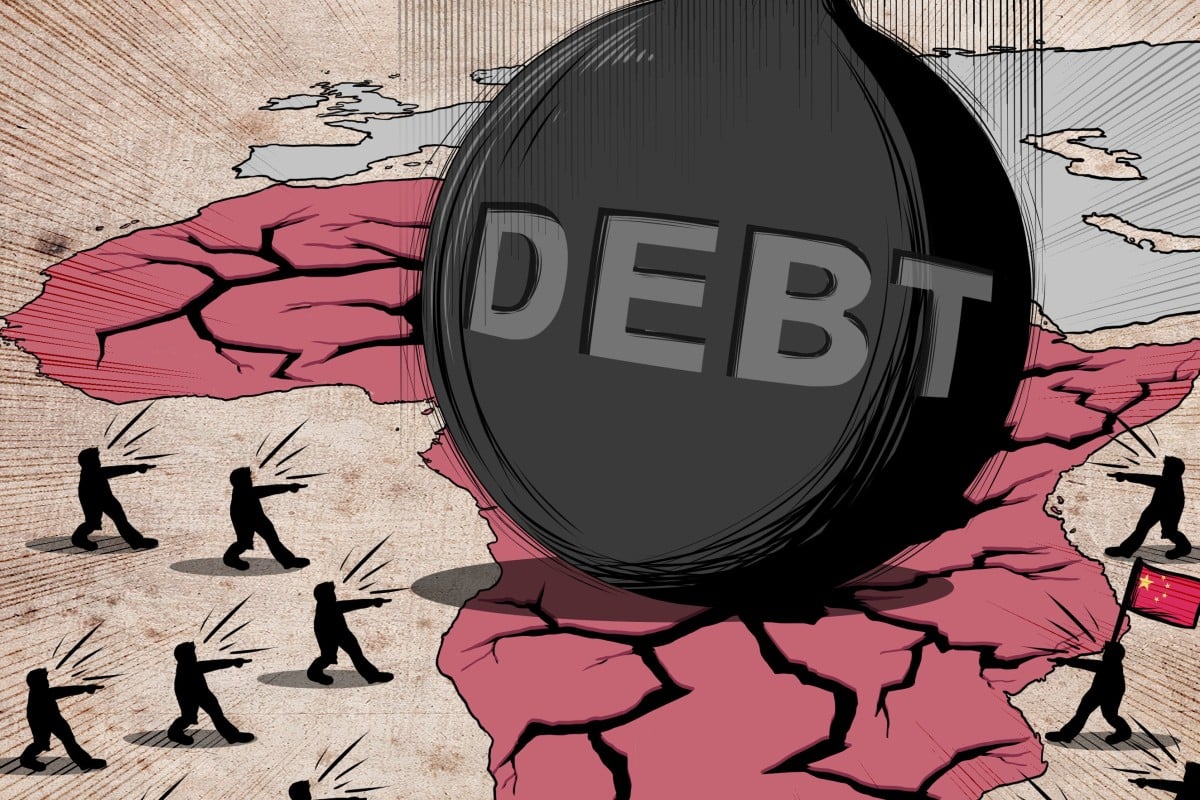
Illustration: Lau Kakuen
When Clement Mouamba went to Beijing last year, he had two main tasks.
The prime minister of the Republic of Congo needed to find out exactly how much his country owed to China, a number the struggling, oil-rich central African nation had until then not been able to provide the International Monetary Fund (IMF) to qualify for a bailout. He also needed to convince Beijing to restructure its debt to ensure sustainability.
The IMF had put talks for further loans on hold until Mouamba’s administration could say exactly how much it had to repay to the country’s external creditors, including China – the republic’s single largest bilateral lender – and oil multinationals such as Glencore and Trafigura.
The country, which heavily depends on oil revenue, turned to China and private oil majors for funding to run the government when in 2014 oil prices fell from a high of US$100 per barrel to as low as US$30.
The Republic of Congo has since restructured its borrowings from China, which holds about a third, or US$2.5 billion, of the Congolese debt, by extending the repayment period by an additional 15 years.
A number of other African countries struggling to service their loans from Beijing have also pursued concessions. Ethiopia has had part of its Chinese debt written off and terms relaxed for the US$3.3 billion loan it took to build its railway, while Zambia is seeking similar adjustments for its borrowings used to build airports and highways.
Critics say countries on the continent are being burdened with unrealistic levels of debt for inviable infrastructure backed and built by China without adequate transparency and scrutiny.
The biggest concern is that several African countries will be left with huge debts and grandiose infrastructure that they cannot maintain and run profitably. I liken it to borrowing money to buy a Tesla when you don’t have adequate access to electricity: Obert Hodzi of the University of Helsinki in Finland
But Chinese observers say the West must take some of the blame for the countries’ debt problems and that the support China offers will benefit the host countries in the long run.
In the early 1990s, when China began to embrace Africa again after years of isolation from the outside world, the aspiring manufacturer was at a serious disadvantage in the race for raw materials and markets for its industrial goods.
The former colonial powers of the West had already sewn up deals for many of the continent’s most lucrative and readily exploitable reserves, from fossil fuels to minerals.
China needed new strategies to convince African governments to allow it access raw materials for its industries and markets for its products to a largely unfamiliar partner.
China also wanted to challenge the dominance of the US in global trade and politics so it courted allies in Africa to help it push for political legitimacy in international institutions.
A Kenya Railways freight train leaves the port station on the Mombasa-Nairobi railway in Mombasa, Kenya, a huge project backed by China. Photo: Bloomberg
At the time, many African leaders were under fire to liberalise their economies. China’s approach was to promise not to meddle in individual country’s internal affairs and assure African countries that they could get billions in exchange for future delivery of minerals through resource-backed deals.
Beijing sold its policies that it had no conditions attached to its development finance. In the drive to drum up business, China promised affordable loans for African countries to build roads, bridges, highways, airports and power dams.
Is Kenya’s Chinese-built railway a massive white elephant?
But Beijing also pursued tied finance, ensuring that countries borrowing from China used Chinese contractors to implement the projects rather than open them up to outside bids.
In addition, many of the deals were built on weak financial, technical and environmental conditions, with Chinese state firms conducting the technical feasibility, environmental impact assessment and financial viability studies for free for projects that they also build.
For example, in Kenya, the China Road and Bridge Corporation conducted a free feasibility study that was used in the construction of the railway.
The same company was handed the contract to implement the project and is operating both the passenger and cargo train service for a fee.
Chinese companies were responsible for the construction of a rail line between Addis Ababa and Djibouti. Photo: AFP
In contrast, the World Bank and its partner institution, the IMF, demand that such studies be done by an independent consultant and not by the company that implements the project.
According to data compiled by the China-Africa Research Initiative, at the Johns Hopkins University School of Advanced International Studies, Beijing has advanced loans worth US$143 billion to African countries since 2000, levels that some critics say are unsustainable for the borrowers.
China meets resistance over Kenya coal plant, in test of its African ambitions
For many of China’s new African partners, these arrangements – from easy lending terms, to non-competitive bidding and opaque contract details – have led to new problems – problems that corrupt or poorly managed governments now share substantial responsibility.
Some critics, both in the West and in host countries, suggest there is a “debt-trap strategy” at the heart of Beijing’s push for international business and influence, but there is no evidence that China deliberately pushes other countries into debt to seize their assets or gain sway.
However, the drive for overseas contracts and big business has led some countries into difficulties with new debts, and there are question marks over the viability of many of the projects the money is funding.
Obert Hodzi, an international relations expert at the University of Helsinki in Finland, said the Addis Ababa-Djibouti railway and the Mombasa-Nairobi railway were good examples of huge projects that were financed by easy borrowing terms from China but were not sustainable and that had in turn forced the African partners to seek further Chinese help.
“The biggest concern is that several African countries will be left with huge debts and grandiose infrastructure that they cannot maintain and run profitably,” Hodzi said. “I liken it to borrowing money to buy a Tesla when you don’t have adequate access to electricity.”
Ken Opalo, a Kenyan scholar at Georgetown University in Washington, said the key issue was the inability of African countries to design projects that were actually needed for the local economies.
A road is not just a means of transport but an economic belt or corridor that will catalyse the development of the whole region: Huang Xueqing, spokeswoman for the Chinese embassy in Nairobi
“Most African countries have been willing to accept projects designed, financed, and implemented by Chinese firms,” Opalo said.
“It would be better to decouple the feasibility studies and design phases of projects from the financing. That way African governments can ensure that they are truly getting value for money.”
But Chinese officials said Beijing had invested in infrastructure largely at the request of the host countries, adding that it could take time to yield returns on the projects.
Huang Xueqing, spokeswoman for the Chinese embassy in Nairobi, said the projects were valid assets with value that would grow in time.
“So, in the long run, it is beneficial to the host countries. Just like when young people buy a house with a mortgage, they may take some debts, but they have a place to live in and have their own assets,” Huang said.
“Underdeveloped infrastructure is the bottleneck that has been holding back Africa’s development. Up to today, many African countries, although in the same continent, are not connected with direct flights, railways or even roads. You have to fly to Paris or Zurich in order to get to some African countries.
“A road is not just a means of transport but an economic belt or corridor that will catalyse the development of the whole region.”
Huang said Beijing had advised the countries to act within their means and not to overstretch themselves when they considered projects that might not be in line with local conditions.
“When making investment decisions, the Chinese side, along with the recipient countries, carry out rigorous feasibility studies and evaluations. We do things according to our ability,” she said.
China’s leadership has also said it is paying close attention to the fiscal and financial difficulties faced by some African countries.
“As a good friend and good brother … the Chinese side is willing to lend a helping hand when needed by the African people to help them overcome temporary difficulties,” State Councillor and Foreign Minister Wang Yi said in January while on a trip to Ethiopia, adding that the debt situation in Africa is also a legacy issue.
China must allay any debt-trap fears in its dealings with Africa
“The African debt issue does not come up today, still less is it caused by the Chinese side. The African people know who are the initiators of African debt.”
The West should take a lot of the blame for worsening debt problems in some African countries, according to Li Anshan, from Peking University’s Centre for African Studies.
He cited the cases of Liberia and the Democratic Republic of Congo, two countries that have had close relations with the West for many years but remain ravaged by war and poverty despite immense natural resources.
“China-Africa relations have been going on for quite some time. Is there any African country which has got poorer because of its deal with China?” Li said.
Gyude Moore, a former Liberian minister of public works whose department oversaw construction and maintenance of various public infrastructure funded and built by China, said it would be difficult to imagine that China would knowingly ensnare its partners in debt.
“China attempts to differentiate itself from Western donors by limiting non loan-related conditionality. China also practices non-interference, so how a country manages its resources, treats its people or deploy its finances were considered ‘internal’,” he said.
“So, Chinese loans are negotiated faster and place less emphasis on public financial management.”
Moore, now a visiting fellow at the Centre for Global Development, said there were trade-offs in such situations.
China focuses on sustainable projects to dismiss fears of African debt trap
“If the loans are going to be fast – the due diligence will not be as rigorous. Chinese project selection mixes political with economic considerations. So, while a project may not make as much economic sense, it may pay political dividends,” he said.
He said non-transparent processes would invite abuse, be they Chinese, Western or African.
Other observers say the question of opacity is more directly related to China’s own economic system.
Howard French, author of China’s Second Continent: How a Million Migrants are Building a New Empire in Africa, said China has very limited transparency and public accountability in its own domestic processes.
The Mombasa railway station is seen in Mombasa, Kenya, in 2018. Photo: Xinhua
“So it would be unusual to expect that China would introduce greater transparency and accountability in its dealings with African countries than it is used to at home – that is, unless African governments insist on it,” French said.
“And this is where African governance comes in. African states should insist on contract transparency but often don’t do so because that offers leaders plentiful opportunities for graft.”
David Shinn, professor of international relations at George Washington University in Washington, agreed that China’s lack of loan transparency was a huge problem and increased the risk of corruption on both the African and Chinese sides. But he also said that in some cases, African governments might have negotiated poorly.
“This is, however, the responsibility of the African government. I don’t think China is purposely trying to encourage African debts in order to gain leverage,” Shinn said.
“In fact, China is becoming more careful about its lending because it is concerned it has made too much credit available to some African countries.”
China ‘ready to talk’ about trade deal with East Africa bloc
Huang Hongxiang, director of China House, a Nairobi-based consultancy that helps Chinese in Africa integrate better, agreed, saying the Chinese government needs to communicate more about projects in Africa but African countries also have a bigger part to play in ensuring better deals.
“On commercial viability, accountability, transparency and governance, I believe the responsibility does not lie with China, the US or the West but in the hands of African countries,” he said.
Wherever the fault lies, one thing is clear when money is wasted on ill-designed projects that have little to no economic return, according to Opalo.
“The lack of planning and transparency creates default risks … [and] African taxpayers will be left holding the bag.”
This article is the third in a series examining the local impact of Chinese investment and infrastructure projects in Africa. Read part one here and part two
Twenty-five years after she was locked up behind bars, a Guangdong woman on Thursday received more than 650,000 yuan (HK$818,000) in compensation for being wrongfully imprisoned – in the latest case of corrective measures for miscarried justice in China.
Bai Chunrong was sentenced to eight years in prison for theft on July 28, 1989, and served time until she was released in 1996, the Guangdong province newspaper New Express reported.
Bai filed an appeal in March 1990 but the Foshan Intermediate People’s Court upheld the conviction. There were no further details about her crime given in the court announcement.
The same court reopened the case in late March and the judge declared her innocent on the grounds of insufficient evidence.
Bai received the compensation from the Foshan court judge, who apologised to Bai for the wrongful conviction.
Bai, crying while kneeling on the floor and kowtowing to the magistrate, said: “I really thank the current court and judge for helping me get vindicated.”
Last month, in a rare acquittal, a court in southeastern Fujian province overturned the death penalty against a food hawker convicted of double murder.
My personal view is that “the genie is out of the bottle” or that you cannot shut “Pandora’s box” with the Internet and social media.
Telegraph: In its latest bid to contain the often riotous jumble of news and rumour on the Chinese internet, the Communist party has decided to bring the most high-profile and influential voices to heel.
Before his account was removed, Mr Hao had 1.85 million followers
On Saturday, Hao Qun, a famous 39-year-old novelist and frequent government critic who goes by the pen name Murong Xuecun, found his account on Sina Weibo, China’s version of Twitter, deleted. He tried to open another account but failed.
Before his account was removed, Mr Hao had 1.85 million followers and his postings on the site often went viral.
The world of Weibo, which had 368 million registered users last year, operates much like Speaker’s Corner. Its most famous inhabitants command huge followings and have the power to steer debate in a way that is often uncomfortable for the Communist party.
The deletion of Mr Hao’s account follows a series of actions against other high-profile users.
He Bing, the vice president of the law school at China’s Political Science and Law university was suspended last week “for deliberately spreading rumours”. Prof He, who had close to 500,000 followers, had posted a snippet of news, which later turned out to be false, claiming that there had been a mass stabbing in a hospital in Hefei.
Since the Chinese media is carefully controlled, Weibo has developed into the country’s most important source of news.
And since newspapers and television stations are not allowed to report on many of the topics that are voiced on the internet, rumours often go unchecked and develop their own momentum.
“Some of the [high profile users] have become rumour relay stations,” noted the Global Times in an editorial last week. “Any frequent Weibo user knows that rumours cannot be widely spread unless there is a [high-profile user] helping to spread it,” it added.
“Theoretically they have the right of speech on the internet, but they should also have an equal responsibility. Currently they have no moral responsibility or legal liability for what they post.”
Kaifu Lee, the former head of Google in China, who has more followers (40 million) than Barack Obama does on Twitter (33 million), said he was careful to verify information before posting it on Weibo.
“I realise with the number of followers I have that I need to make sure the messages I forward are legitimate,” he said. “With great power comes great responsibility,” he added.
However, he noted that Weibo already has inbuilt checks that should prevent false news from gaining traction.
“If you suggest something that is clearly false and do not retract it, your reputation (online) will suffer. I think the social ecosystem should largely be self-reinforcing,” he said, adding that Sina already has a type of tribunal system that can rule over the veracity of certain posts.
Mr Lee said he did not know what the purpose of the new government “internet management” campaign was. There already exists a sophisticated censorship system that filters posts and deletes sensitive topics. “I am not in the government, so I cannot say why the government is doing this,” he said.
Zhang Lifan, a historian with almost 270,000 followers said the attempt to control high-profile users would be fruitless. “Shutting them down will not make much difference. For each account they silence, other people will speak up,” he said.
“Of course people should not spread rumours, but the government is using a double standard,” he said. “CCTV (China’s state television station) also sometimes reports the wrong news.”
The campaign appears to have sent a firm message however. Yao Bo, a commentator and restaurateur with close to 900,000 followers said a number of his friends had seen their accounts shut down. “Some of the accounts are shut down for criticising government policy, others for reporting bits of information. I now feel I need to watch what I say before I post something,” he said.”
China Daily: “China’s central government has pledged to slash 126 million yuan ($20.38 million) from its spending on public-funded vehicles, receptions and overseas trips this year, a move that experts said lives up to the new leadership’s promise to be frugal.
Departments under the central government and organizations that receive public funds are planning to spend 7.97 billion yuan this year to buy and use cars, travel overseas and host meetings — collectively known as “the three public expenses” — the Ministry of Finance said on Thursday.
Spending on public receptions, which decreased 64 million yuan, or 4.3 percent year-on-year, will drop the most among the three.
Although laws require central government departments to release their budgets in 20 working days after authorities approve them, it is the first time that these departments included the three public expenses in the disclosure. Previously, the amount of public spending was usually withheld until July, when departments released their final figures from the previous year.
Experts said the budget cuts have echoed the pledge of the central leadership, which has made cutting red tape and reducing the number of ceremonies one of its priorities since its election.
China’s new premier, Li Keqiang, has promised that public spending in the Cabinet will only go down — one of the three commitments he made in his first news conference as premier in March.
Before that, the new leadership of the Communist Party of China called upon officials in December to adhere to the “eight disciplines”, which asks the governments to cut pomp, ceremonies, and bureaucratic visits and meetings.
Ye Qing, deputy director of the Hunan provincial Statistics Bureau, said the central government has made progress in slashing the three public expenses, although spending is still high and needs further reduction.
Specifically, the authorities have earmarked nearly 4.4 billion yuan — about 55.2 percent of the budget — for buying and maintaining vehicles, while the amount for overseas trips is 2.1 billion yuan, and about 1.4 billion yuan for public receptions.
“It is astonishing that officials spend nearly 4.4 billion yuan on using cars each year. Reform of car use is imminent,” Ye said.”
China Daily: “China on Tuesday issued a white paper on national defense elaborating its new security concept and peacetime employment of armed forces.
The document, the eighth of its kind issued by the Chinese government since 1998, says China advocates a new security concept featuring mutual trust, mutual benefit, equality and coordination, and pursues comprehensive security, common security and cooperative security.
“China will never seek hegemony or behave in a hegemonic manner, nor will it engage in military expansion,” the white paper says.
According to the document, China will build a strong national defense and powerful armed forces which are “commensurate with China’s international standing and meet the needs of its security and development interests.”
The paper warns that China still faces multiple and complicated security threats and challenges.
The issues of subsistence and development security and traditional and non-traditional threats to security are interwoven, the document says.
“Therefore China has an arduous task to safeguard its national unification, territorial integrity and development interests,” it says.
The paper elaborates on the country’s diversified employment of the armed forces in peaceful times, saying that it responds to China’s core security needs and aims to maintain peace, contain crises and win wars.
Chinese armed forces are employed to safeguard borders, coastal and territorial air security and they will strengthen combat-readiness and combat-oriented exercises and drills, it says.
And they will readily respond to and resolutely deter any provocative action which undermines China’s sovereignty, security and territorial integrity.
Transparency move
In this paper, the People’s Liberation Army (PLA) for the first time reveals the actual number of army, navy and air force servicemen, designations of its army combined corps and the main missile lineup.
China now has about 850,000 army servicemen in 18 combined corps and additional independent combined operational divisions (brigades), according to the paper.
The combined corps, composed of divisions and brigades, are respectively under seven military area commands.
Currently, the PLA Navy has a total strength of 235,000 officers and men, and commands three fleets — the Beihai Fleet, the Donghai Fleet and the Nanhai Fleet.
The PLA Air Force now has about 398,000 officers and men and an air command in each of the seven military area commands of Shenyang, Beijing, Lanzhou, Jinan, Nanjing, Guangzhou and Chengdu. In addition, it boasts one airborne corps.
The PLA Second Artillery Force, the country’s core force for strategic deterrence, is composed of nuclear and conventional missile forces and operational support units, according to the paper.
It is equipped with a series of “Dong Feng” ballistic missiles and “Chang Jian” cruise missiles.
It also has under its command missile bases, training bases, specialized support units, academies and research institutions.”
Even if it seems to be somewhat internal, such a move would be the first step towards openness and transparency. And who knows where that might lead.
Reuters: “China’s outgoing leader and his likely successor are pushing the ruling Communist Party to adopt a more democratic process this month for choosing a new leadership, sources said, in an attempt to boost its flagging legitimacy in the eyes of the public.
The extent of the reform would be unprecedented in communist China where elections for the highest tiers of the party, held every five years, have been mainly exercises in rubber-stamping candidates already agreed upon by party power-brokers.
The Communist Party, which has held unbroken power since 1949, is struggling to maintain its popular legitimacy in the face of rising inequality, corruption and environmental degradation, even as the economy continues to bound ahead.
President Hu Jintao and his heir, Xi Jinping, have proposed that the party’s 18th Congress, which opens on Thursday, should hold elections for the elite Politburo where for the first time there would be more candidates than available seats, said three sources with ties to the party leadership.
The Politburo, currently 24 members, is the second-highest level of power in China from which the highest decision-making body, the Politburo Standing Committee, is chosen.
They are chosen by the roughly 200 full members of the Central Committee which is in turn chosen by the more than 2,000 delegates at this week’s Congress.
Under their proposal, there would be up to 20 percent more candidates than seats in the new Politburo in an election to be held next week, the sources said. It was unclear if competitive voting would also be extended to the Standing Committee.
“Hu wants expanding intra-party democracy to be one of his legacies,” one source said, requesting anonymity to avoid repercussions for discussing secretive elite politics.
“It would also be good for Xi’s image,” the source added.
Xi is considered certain to replace Hu as party chief at the congress, with Li Keqiang, currently a vice premier, tipped to become his deputy in the once-in-a-decade transition to a new administration. Xi would then take over as president, and Li as premier, at the annual full session of parliament in March.
China experts said a more competitive election for the Politburo would mark a historic reform that could lead to surprises in the formation of Xi’s administration, with wider implications for further political reform.
“This is a very, very important development,” said Cheng Li, a senior fellow at the Brookings Institution in Washington.
“It would provide a new source of legitimacy. It would not just be dark-box manipulation … The party’s legitimacy is so low that they must do something to uplift the public’s confidence.”
However, Li and other experts remained skeptical that the proposal would be adopted, given that it could still be vetoed by party elders or conservatives.













 CHINDIA ALERT: You'll be living in their world, very soon