30/05/2020
- Chinese groups calling for more ‘fighting spirit’ are getting the upper hand on those who favour calm and cooperation, government adviser says
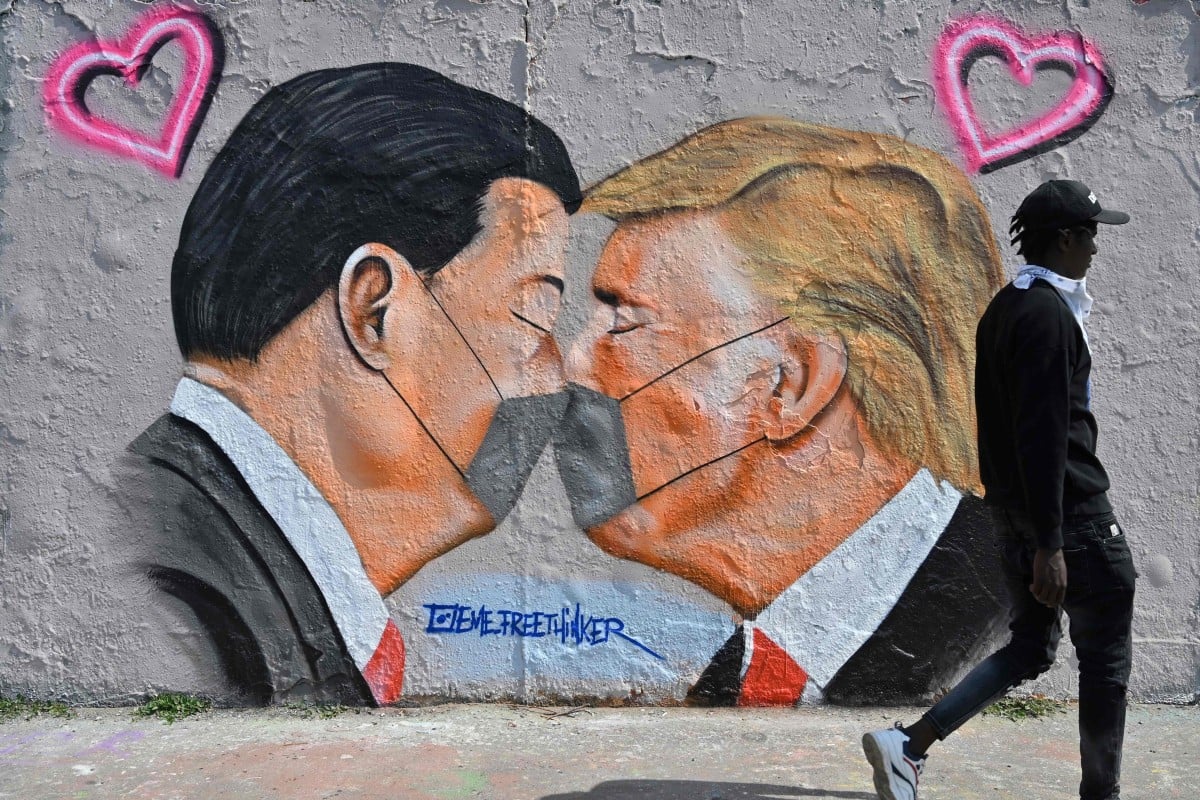
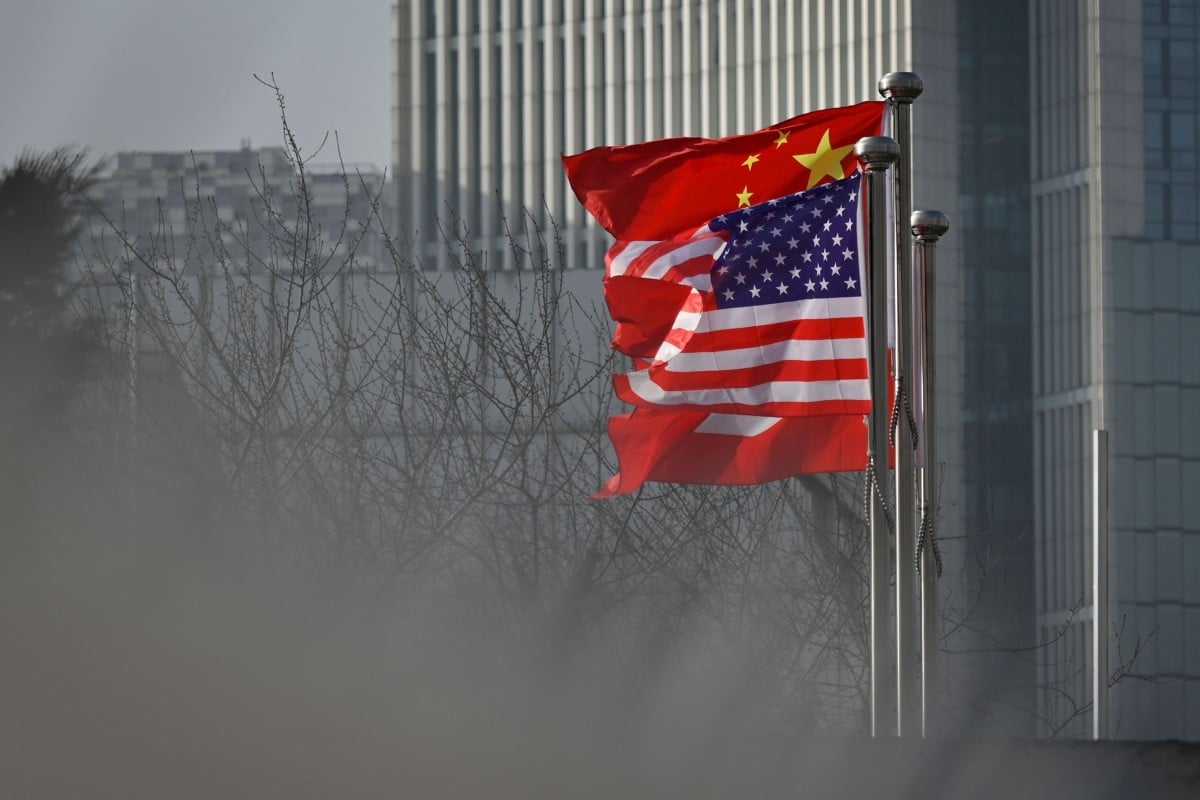
- From Hong Kong to Covid-19, trade to the South China Sea, Beijing and Washington are clashing on a growing number of fronts and in an increasingly aggressive way
Efforts to promote dialogue and cooperation between the US and China are failing, observers say. Photo: AFP
Moderates who favour dialogue and cooperation as a way to resolve China’s disputes with the
United States are losing ground to hardline groups bent on taking the fight to Washington, according to political insiders and observers.
“There are two camps in China,” said a former state official who now serves as a government adviser and asked not to be named.
“One is stressing the combat spirit, the other is trying to relieve tensions. And the former has the upper hand.”
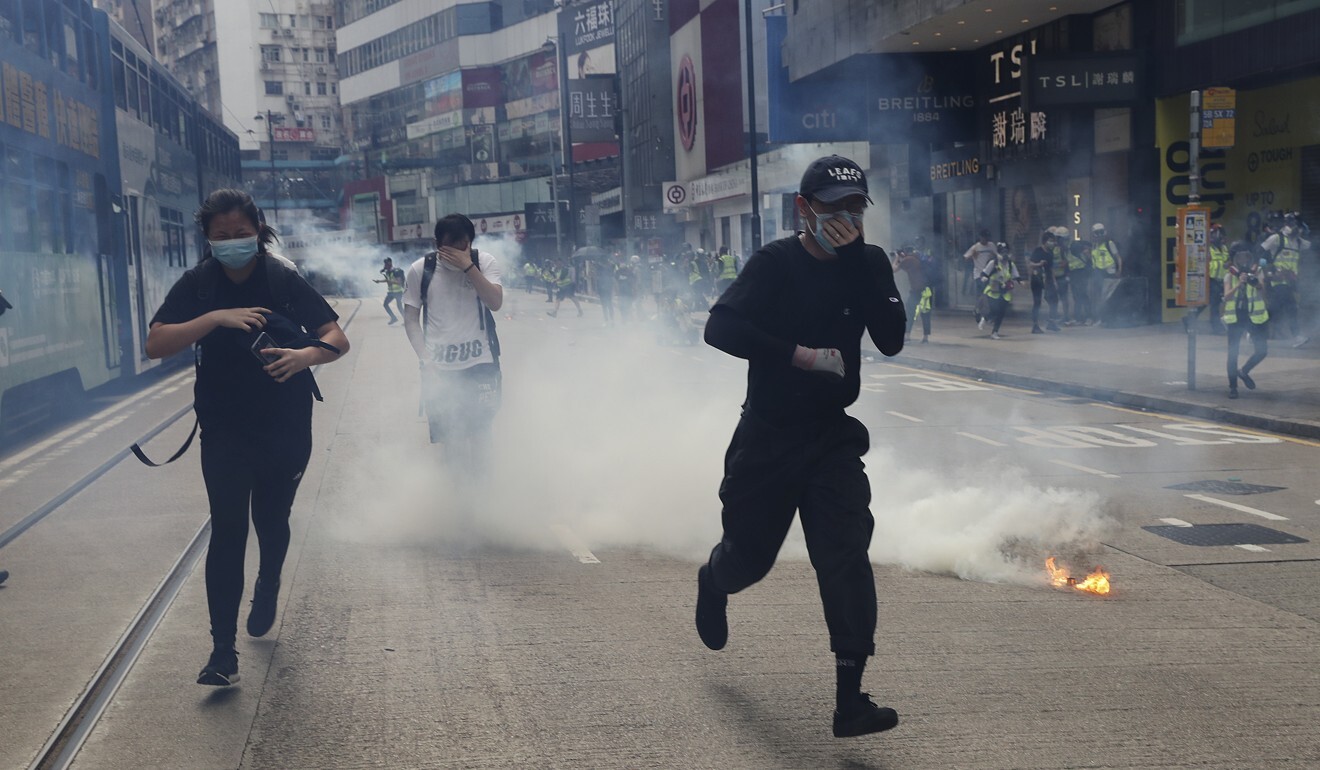
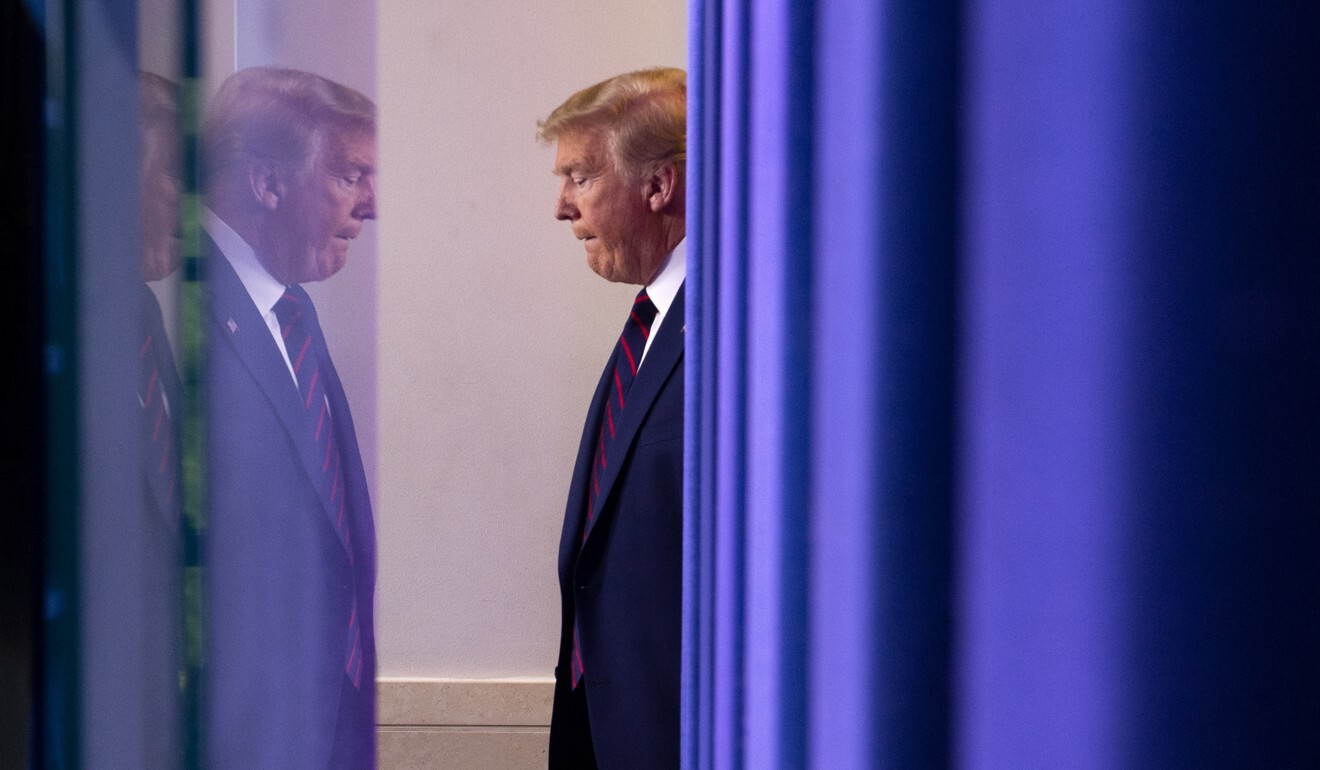
Relations between China and the US are under intense pressure. After Beijing moved to introduce a national security law for Hong Kong, US President Donald Trump said on Friday that Washington would begin eliminating the special policy exemptions it grants the city, as it no longer considers it autonomous from mainland China.
Beijing’s decision to enact a national security law for Hong Kong was met with anger from the US and other Western countries. Photo: Sam Tsang
The two nations have also clashed over trade, Xinjiang, Taiwan and the South China Sea, with the US passing several acts denouncing Beijing and sanctioning Chinese officials.
China has also experienced turbulence in its relations with other countries, including Australia and members of the European Union, mostly related to the Covid-19 pandemic
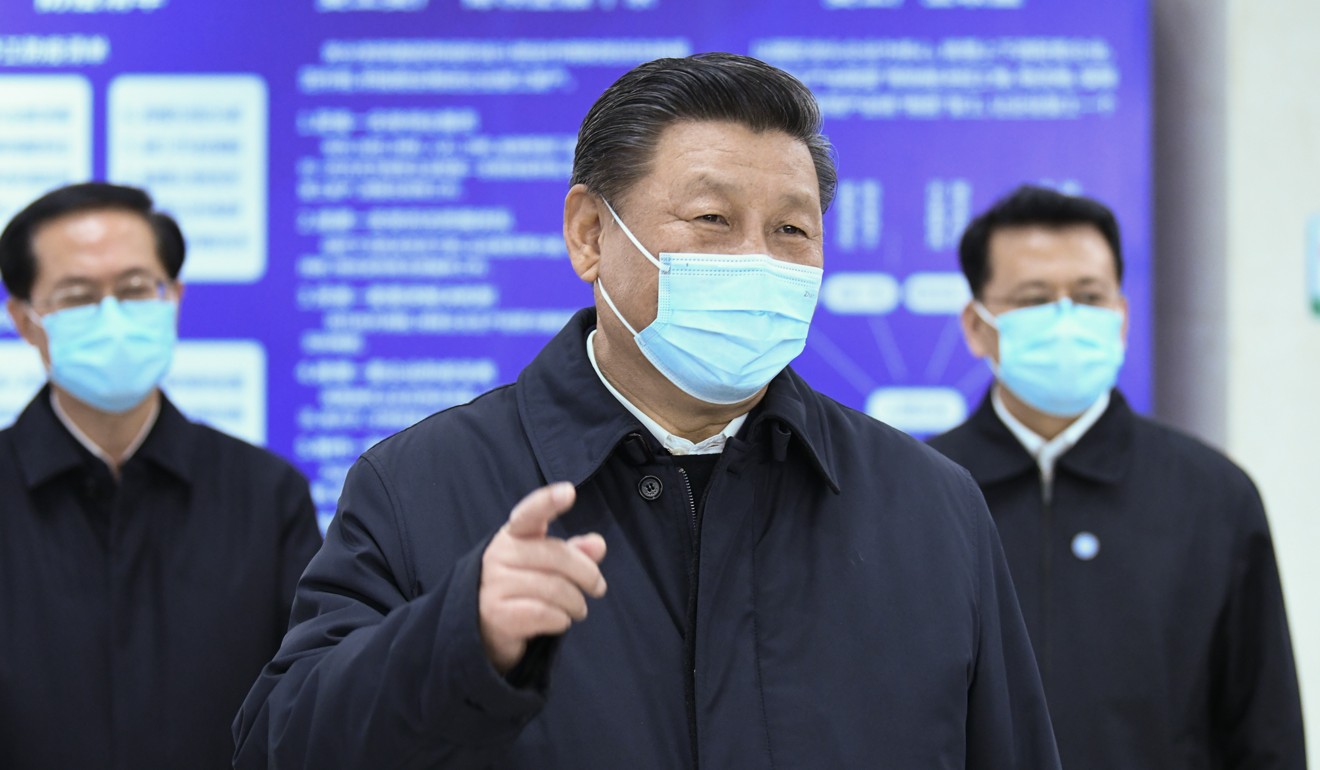
and Beijing’s efforts to position itself as a leader in the fight against the disease with its policy of “mask diplomacy”.
After Canberra appealed for an independent investigation to be carried out to determine the origins of the coronavirus, Beijing responded by imposing tariffs on imports of Australian barley, showing it is prepared to do more than just trade insults and accusations with its adversaries.
Pang Zhongying, a professor of international relations at Ocean University of China in Qingdao, said there was a worrying trend in China’s relations with other nations.
“We need political and diplomatic means to resolve the challenges we are facing, but … diplomatic methods have become undiplomatic,” he said.
“There are some who believe that problems can be solved through tough gestures, but this will never work. Without diplomacy, problems become confrontations.”
said during his annual press conference on the sidelines of the National People’s Congress last weekend that China and the United States must work together to prevent a new Cold War.
His words were echoed by
Chinese Premier Li Keqiang, who said during a press conference after the closure of the legislative session on Thursday that the many challenges facing the China-US relations could only be resolved through cooperation.
However, the government adviser said there was often quite a chasm between what China’s leaders said and what happened in reality.
“Even though we say we do not want a Cold War, what is happening at the working level seems to be different.” he said. “The implementation of policies is not properly coordinated and often chaotic.”
Tensions between China and the US have been in a poor state since the start of a trade war almost two years ago. After multiple rounds of negotiations, the sides in January signed a phase one deal, but the positivity that created was short-lived.
In February, Beijing expelled three reporters from The Wall Street Journal over an article it deemed racist, while Washington has ramped up its military activity in the South China Sea and Taiwan Strait, and threatened to revoke the visas of Chinese students studying science and technology in the US over concerns they might be engaged in espionage.
Beijing has also used its state media and army of “
Wolf Warrior” diplomats to promote its narrative, though many Chinese scholars and foreign policy advisers have said the latter’s nationalistic fervour has done more harm than good and appealed to Beijing to adopt a more conciliatory tone.
However, Hu Xijin, editor-in-chief of Chinese tabloid Global Times, said China had no option but to stare down the US, which regarded the world’s most populous nation as its main rival.
“Being contained by the US is too high a price for China to pay,” he said. “I think the best thing people can do is forget the old days of China-US ties”.
Jin Canrong, a professor of international relations at Renmin University in Beijing, wrote in a recent newspaper article that Beijing’s actions – notably enacting a national security law for Hong Kong – showed it was uncompromising and ready to stand its ground against the US.
Wu Xinbo, dean of international studies at Fudan University in Shanghai, agreed, saying relations between the two countries were likely to worsen in the run-up to the US presidential election in November and that Beijing should be prepared for a fight.
But Adam Ni, director of China Policy Centre, a think tank in Canberra, said the issue was not that the moderate camp had been sidelined, but rather Beijing’s perception of the US had changed.
“Beijing has woken up to the idea that America’s tough policy on China will continue and it is expecting an escalation of the tensions,” he said.
“The centre of gravity in terms of Beijing’s perception of the US has shifted, in the same way the US perception of China has shifted towards a more negative image”.
Beijing was simply responding in kind to the hardline, assertive manner of the US, he said.
Source: SCMP
Posted in aggressive way, annual, appealed, Australia, Australian, autonomous, ‘fighting spirit, “Wolf Warrior”, barley, Beijing, calm and cooperation, Canberra, chaotic, chasm, China-US relations, China-US ties, Chinese foreign minister Wang Yi, Chinese groups, Chinese premier Li Keqiang, Chinese scholars, Chinese students, Chinese tabloid, clashing, Cold War, conciliatory, confrontations, contained, cooperation, coordinated, coronavirus, COVID-19, Covid-19 pandemic, diplomacy, diplomats, editor-in-chief, Espionage, European Union, favour, foreign policy advisers, Fudan University, Global Times, growing, hardliners, Hong Kong, implementation, increasingly, independent investigation, lose out, main rival, Mainland China, moderate camp, moderates, more harm than good, narrative, National People’s Congress, national security law, November, number of fronts, observers, origins, policies, political insiders, presidential election, press conference, problems, promote, Qingdao, Renmin University, resolved, revoke, science and technology, Shanghai, sidelines, South China Sea, special policy exemptions, studying, Taiwan, Taiwan Strait, tariffs, The Wall Street Journal, think tank, threatened, tone, Trade, two camps, Uncategorized, uncompromising, undiplomatic, United States, upper hand, US President Donald Trump, US-China tensions, Visas, Washington, Western countries, world’s most populous nation, worsen, Xinjiang |
Leave a Comment »
28/04/2020
- Beijing’s Chaoyang district remains the last high-risk area in China, with virus preventive measures continuing to impact on travel and shopping plans
- China faces the dilemma of preventing a re-emerge of the pandemic, while also pushing to get its economy back to normal
China’s continued pandemic prevention measures, coupled with still hesitant consumer demand, will inevitably lead to persistent limitations on the nation’s economic recovery, analysts said. Photo: Bloomberg
After nearly three months of being quarantined by herself in Beijing, Mary Zhao was looking forward to the upcoming long weekend at the start of May to be able to finally reunite with her parents.
But Zhao was forced to abandon her plan for the Labour Day holidays as Beijing’s upmarket Chaoyang district, where she lives, remains the only high-risk zone for coronavirus in the entire country.
If she travelled the five hours by car, or two hours via bullet train, to the neighbouring Hebei province, she would first have to undergo a 14-day quarantine before seeing her parents. Her parents would also have the same two week quarantine to look forward to once they returned home if they came to visit their daughter in Beijing.
These strict controls to prevent a re-emergence of the coronavirus outbreak are making a return to normal life impossible for many, and mean the final economic and social cost
from China’s draconian preventive measures could be much larger than expected.
Wuhan declares ‘victory’ as central Chinese city’s last Covid-19 patients leave hospital
It underscores the dilemma facing China’s leaders on how to balance the need to
and to avoid a fresh outbreak. On the surface, China may be able to declare victory as even Wuhan, the city where the virus was first detected, announced that the last Covid-19 patient had left hospital on Sunday. But fears of a renewed outbreak have kept the country’s cinemas and most schools closed, with travel between provinces discouraged.
China’s national borders also remain largely closed, with flights being cut to a minimum, and a mandatory 14-day quarantine for every arrival. In the number of places where new cases have been reported, quarantine requirements have been tightened, including Harbin and a few other cities near the border with Russia.
Chaoyang, the home to one of Beijing’s main business districts and most foreign embassies, changed its risk rating to high from low in the middle of April after three new cases were reported, dealing a fresh blow to the district’s
and forcing many of the 3.5 million residents to cancel their travel plans.
On the outskirts of Beijing, near Beijing Capital International Airport, returning migrant workers to Picun village were ordered to stop at entrance and could only be escorted inside by their landlord, with many villages and residential compounds remaining closed to outsiders.
In the high-end shopping district of Guomao, some shops also remain closed as there are few potential customers, while over in the popular Sanlitun area, metal barriers restrict access and temperature checkpoints are still required.
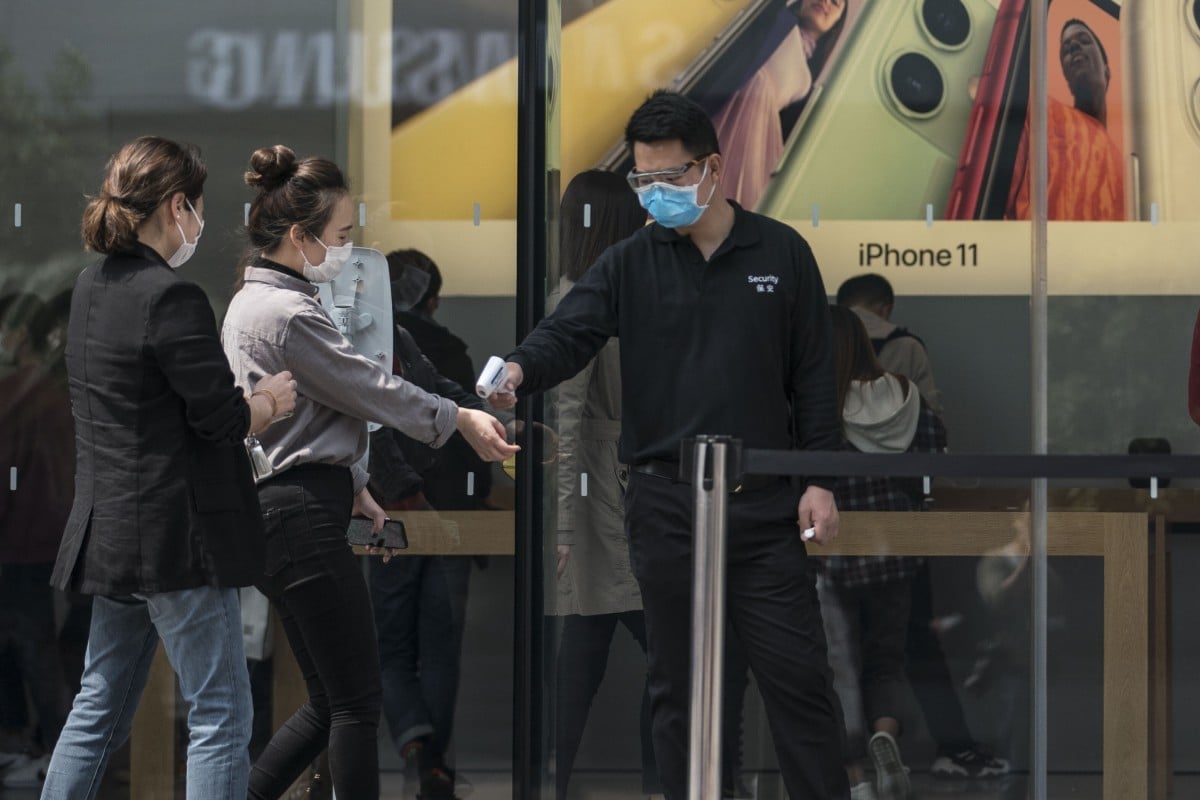
The landmark Apple Store in the popular Taikoo shopping centre is open, but with limited customers allowed inside, there are long queues outside. Customers are required to scan a QR code to check their movements over the last few days before entering.
Coronavirus: More schools reopen in China for students preparing for university entrance exams
“Why do I have to spend 20 minutes just to get into the Apple Store? The sun has almost melted me down,” one visitor complained to the security guards at the front of the shop.
China’s continued pandemic prevention measures, coupled with still hesitant consumer demand, will inevitably lead to persistent limitations on the nation’s economic recovery, analysts said.
Ernai Cui, an economist at research firm Gavekal Dragonomics, said on Monday that China’s cautious approach to lifting restrictions “points to a weak second quarter for consumer services”, adding additional pressure to the economic recovery.Mao Zhenhua, a researcher at the China Institute of Economics at Renmin University, said China’s preventive measures will inevitably be a drag on production, employment and exports.
Source: SCMP
Posted in 14-day quarantine, abandon, amid, Apple Store, area, back to, Beijing Capital International Airport, Beijing’s, Bloomberg, bullet train, Capital city, car, China, China Institute of Economics, China’s, cinemas, closed, continued, continuing, coronavirus, customers, daughter, dilemma, draconian, economic and social cost, economic recovery, economy, Guomao, Hebei province, high-risk, impact, Labour Day, landmark, last, long queues, May, national borders, neighbouring, normal, outbreak, pandemic, parents, Picun village, plans, preventing, preventive measures, pushing, QR code, quarantined, re-emerge, remains, Renmin University, reunite, Russia, Sanlitun area, scan, schools, shopping, struggles, Taikoo shopping centre, to get back, travel, Uncategorized, undergo, victory, Virus, while also, worries, Wuhan |
Leave a Comment »
03/04/2020
- ‘As two of the great countries on Earth, cooperation between China and the US could, and should, be used to bring a more positive outcome for all humankind,’ academics say
- ‘Political bickering does nothing to contribute to the healthy development of Sino-US relations, nor will it help the people of the world to rationally and accurately understand and cope with the pandemic,’ they say
Chinese academics have urged nations to cooperate to find a solution to the global public health crisis. Photo: AFP
A group of 100 Chinese scholars has signed an open letter calling on the
and China to put an end to their political blame game and work together to fight the
.
The signatories, who include former diplomats and academics from various fields, including political science, international relations and sociology, said that while the origins of the coronavirus remained unknown, hurling accusations achieved nothing but hurt.
Nations should stop “complaining, finger-pointing and blaming one another” and instead cooperate to find a solution to the global public health crisis, they said.
“Political bickering does nothing to contribute to the healthy development of Sino-US relations, nor will it help the people of the world to rationally and accurately understand and cope with the pandemic,” the scholars said in the letter published on Thursday in online news magazine The Diplomat.
“As two of the great countries on Earth, cooperation between China and the US could, and should, be used to bring a more positive outcome for all humankind,” it said.
The scholars also urged the two sides to put aside their bickering over where and how the disease originated.
“At this stage of the pandemic, the exact source and origin of Covid-19 remain undetermined, but these questions are unimportant and finger-pointing is demeaning and hurtful to everyone,” they said.
US and Chinese officials have sparred for weeks over the origins of the coronavirus, which was first detected in the central Chinese city of
Wuhan but has since spread around the world, infecting more than 1 million people and killing close to 53,000.
Donald Trump has repeatedly referred to the pathogen as the “Chinese virus”. Photo: Bloomberg
US President Donald Trump has repeatedly referred to the pathogen as the “Chinese virus”, while other US politicians have said it was created in a Chinese laboratory. For China’s part, foreign ministry spokesman Zhao Lijian suggested the coronavirus
might have been carried into the country by US soldiers.
China’s ambassador to the US
Cui Tiankai said in an interview on American television last month that speculating about the origin of the virus was “harmful”, but the finger-pointing on both sides has plunged relations between the two countries to a new low.
The open letter was the idea of Wang Wen, executive dean of the Chongyang Institute for Financial Studies at Renmin University in Beijing, who said its aim was not only to show the willingness of China’s intellectual elite to promote solidarity and reduce tensions, but to make clear that the priority right now was saving lives.
“We did not criticise anyone in the letter, or mention any names. We did not want to fuel the current disputes and confrontations,” he said.
“Most Chinese intellectuals are peaceful, rational and constructive, and thankfully we quickly reached consensus on the content of the letter.”
China to stage day of mourning for thousands killed by Covid-19
The scholars said that after months of battling the coronavirus and seeing the situation at home improve, China now wanted to share its experience and knowledge with other countries as they seek to contain its spread.
“Chinese people have made unimaginable efforts and sacrifices to achieve hard-won results,” Wang said.
“We are grateful for the support of the international community, including donations from American friends, during the most critical stage of the fight … and we are willing to share our experiences with other countries and provide all available assistance to them.”
Wu Sike, a former Chinese special envoy to the Middle East, was among the signatories to the open letter. Photo: Xinhua
Among the other signatories were Wu Sike, a senior fellow at the Chongyang Institute for Financial Studies and former special envoy to the Middle East, and Wang Yiwei, an international relations professor at Renmin University, who described the Covid-19 pandemic as a “global issue that overrides geopolitics concerns”.
Chinese President Xi Jinping and Trump agreed in a telephone call last week to work together to contain the spread of Covid-19, but critics have questioned how long their cordiality can last against a backdrop of rising China-US tensions over trade, the media and regional security.
Source: SCMP
Posted in Academics, “Chinese virus”, Beijing, blaming, China-US tensions, China’s ambassador to the US, Chinese academics, Chinese President Xi Jinping, Chinese special envoy to the Middle East, come together, complaining, cooperation, coronavirus, COVID-19, Covid-19 pandemic, Earth, finger-pointing, former diplomats, global, great countries on Earth, humankind, international relations,, nations, open letter, origins, pandemics, Political bickering, political blame game, political science, positive outcome, public health crisis, regional security, Renmin University, signatories, Sino-US relations, sociology, The Diplomat, Uncategorized, United States, urges, US President Donald Trump, US soldiers, Washington, Wuhan |
Leave a Comment »
29/03/2020
- Chinese president is fighting ‘two tough battles’ to reboot industry and defeat Covid-19, Xinhua says
- Choice of industrial powerhouse for official visit shows the importance Xi gives to reviving the economy, observers say
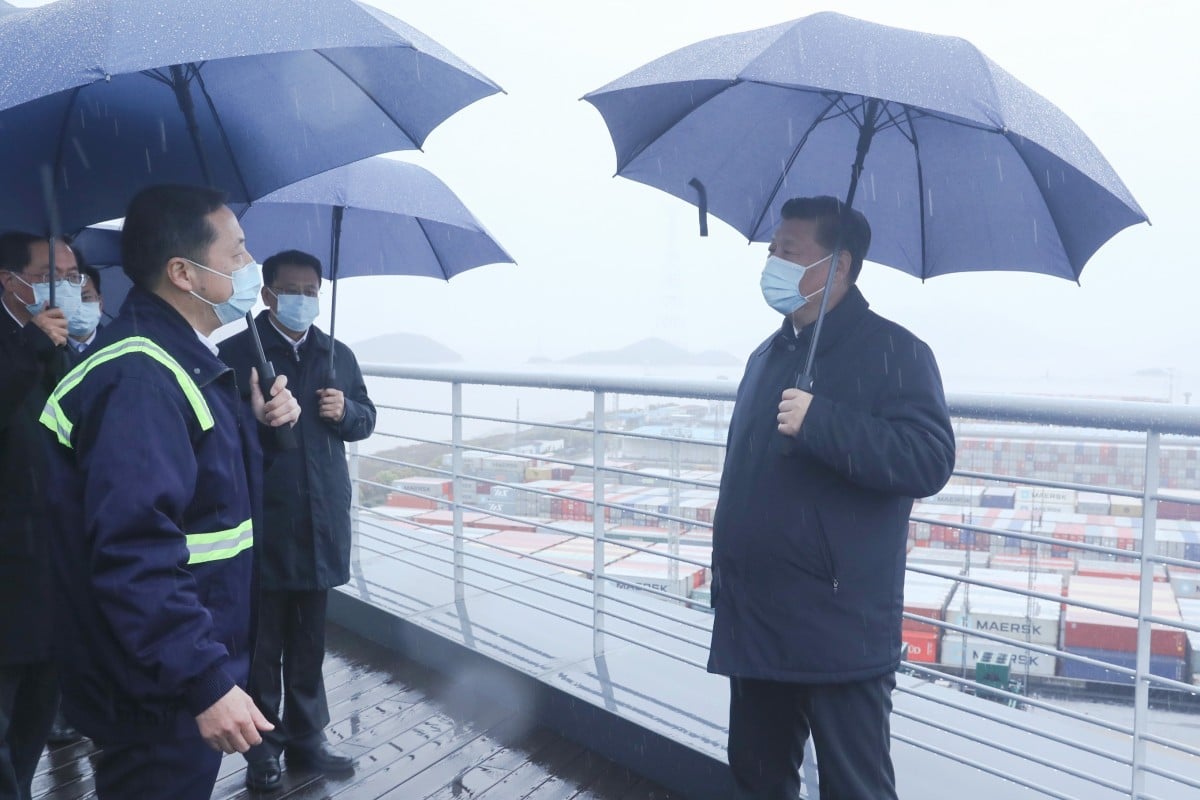
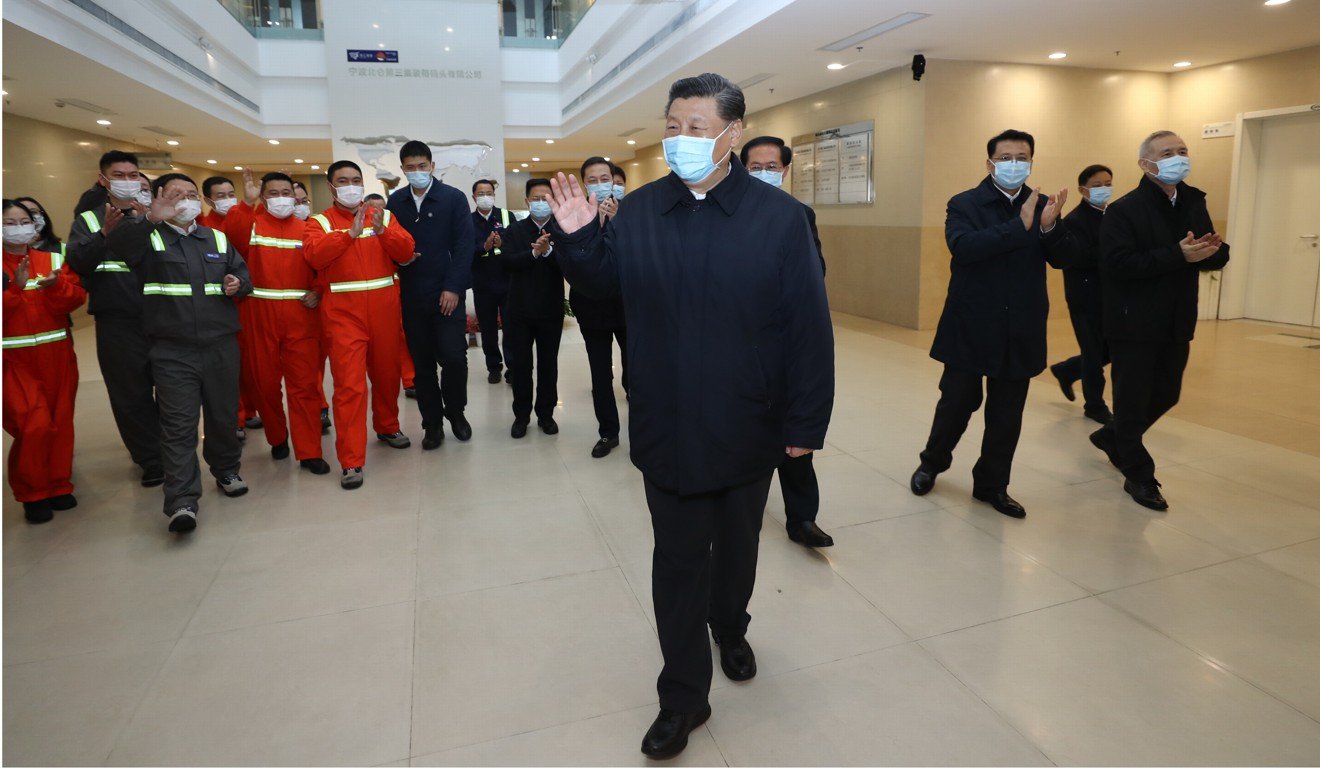
Chinese President Xi Jinping chats to workers and officials at Ningbo port in east China on Sunday. Photo: Xinhua
visited the industrial powerhouse of Zhejiang province on Sunday in a move state media described as a clear message the country was ready to get the economy back on track amid the “new normal” of dealing with the coronavirus.
The trip, to Ningbo – one of the world’s busiest ports and a trade hub for eastern China – was Xi’s first outside Beijing since he visited Wuhan, the initial epicentre of the Covid-19 outbreak, earlier in the month.
As well as a visiting the port, he spoke to workers at an industrial zone for car part manufacturers, where he learned about the latest efforts to restart production, Xinhua said in a brief report.
The visit came after two months of almost total lockdown in many parts of the country that disrupted businesses, transport and people’s daily lives, and ground the economy to a near standstill.
While local transmissions of the coronavirus in China appear to be under control, Beijing has implemented strict measures to prevent imported cases, including slashing international flights and banning most foreigners from entering the country.
In a separate report, Xinhua said Xi’s visit sent “a clear message” that China was resuming its industrial production and social activities, and described the fight against the coronavirus as the “new normal”.
Reviving the economy and battling a deadly disease were Xi’s “two tough battles”, it said.
Xi’s choice of destination was a clear message that restarting the economy is a top priority. Photo: Xinhua
Zhejiang is something of a power base for Xi, who spent nearly five years there during his climb through the ranks of the Communist Party.
One of the country’s biggest trading hubs, the province generated 3 trillion yuan (US$423.2 billion) in foreign trade last year, or more than 13 per cent of the national total, according to official figures.
“It’s a highly export-oriented economy … which has made it crucial not only to China’s development plan but also to safeguarding the stability of the global supply chain,” Xinhua said.
Observers said Xi’s visit was evidence of Beijing’s determination to get the economy back up and running as soon as possible.
Zhao Xijun, an economics professor at Renmin University, said Ningbo was a key part of the export economy and a base for many local and foreign entrepreneurs.
“It is a clear signal that China, after getting domestic infections under control, is now prioritising economic growth,” he said.
“It also shows the country will keep developing its economy and opening up its markets.”
But hopes of a quick recovery for the Chinese economy have been dashed by the spread of the coronavirus across Europe and the United States, causing a sharp decline in demand for Chinese goods.
Xi spent five years in Zhejiang while climbing the ranks of the Communist Party. Photo: Xinhua
In a meeting on Friday, the Communist Party’s Politburo said it would step up macroeconomic policy adjustments and pursue a more proactive fiscal policy while optimising measures to control the coronavirus to speed up the restoration of production, doing whatever it could to “minimise the losses caused by the epidemic”.
“China has successfully reopened much of its economy from the extremes of the coronavirus lockdown, but now faces a new problem: an impending collapse in demand for its exports as its customers go into lockdowns of their own,” Gavekal Dragnomics said in a research report.
“That shock to industry and manufacturing employment means that China will not enjoy the hoped-for V-shaped recovery in growth.”
Source: SCMP
Posted in 'total lockdown', ‘clear message’, ‘two tough battles’, back on its feet, banning, Beijing, Beijing’s, busiest ports, businesses, car part manufacturers, Chinese economy, Chinese goods, Communist Party, Communist Party’s Politburo, coronavirus, Country, COVID-19 outbreak, dashed, decline, defeat Covid-19, demand, determination, disrupted, economics professor, economy, employment, entering, epicentre, Europe, export-oriented, Foreigners, Gavekal Dragnomics, global, global supply chain, growth, industrial powerhouse, industrial zone, industry, international flights, it’s time, local transmissions, macroeconomic policy, Manufacturing, Ningbo, observers, optimising measures, people’s daily lives, power base, proactive fiscal policy, production, reboot industry, Renmin University, restart, Safeguarding, sends, stability, standstill, trade hub, Transport, Uncategorized, United States, V-shaped recovery, visit, workers, Wuhan, Xi, Xi Jinping’s, Xinhua, zhejiang province |
Leave a Comment »
27/11/2019
- But Washington still commands more diplomatic influence, analyst says
- Beijing extends its reach as its interests grow abroad and as Taipei loses allies
China has 276 embassies, consulates and other missions around the world, surpassing the US with 273 missions, according to a global index. Photo: AP
China has overtaken the United States to have the biggest number of diplomatic outposts around the world, as its international ambitions and economic interests expand.
According to the 2019 Global Diplomacy Index, released by the Lowy Institute in Australia on Wednesday, China has 276 embassies, consulates and other missions globally, surpassing the US with 273 missions. France was third on 267.
Bonnie Bley, the index report’s lead researcher, said that while a country’s total did not equate to diplomatic influence, “diplomatic infrastructure is still important”
“China’s newly held lead serves as a telling metric of national ambition and international priorities,” Bley said.
Beijing has 169 embassies or high commissions, while Washington has 168. However, China had 96 consulates while the US had 88, suggesting that Beijing’s diplomatic expansion was closely linked to its economic interests, she said.
Beijing bulks up diplomacy budget as China extends global reach
Renmin University international relations professor Shi Yinhong said China had close and growing trade and investment ties with many developing countries, especially those taking part in the Belt and Road Initiative, increasing the need for consulates.
“One of the consulates’ main goals is to serve the citizens and businesses located in those countries,” Shi said.
Beijing has also expanded its reach at Taipei’s expense. Since 2016, when the index was first published, Taiwan’s total number of embassies fell from 22 to 15, the biggest drop among the 61 places ranked.
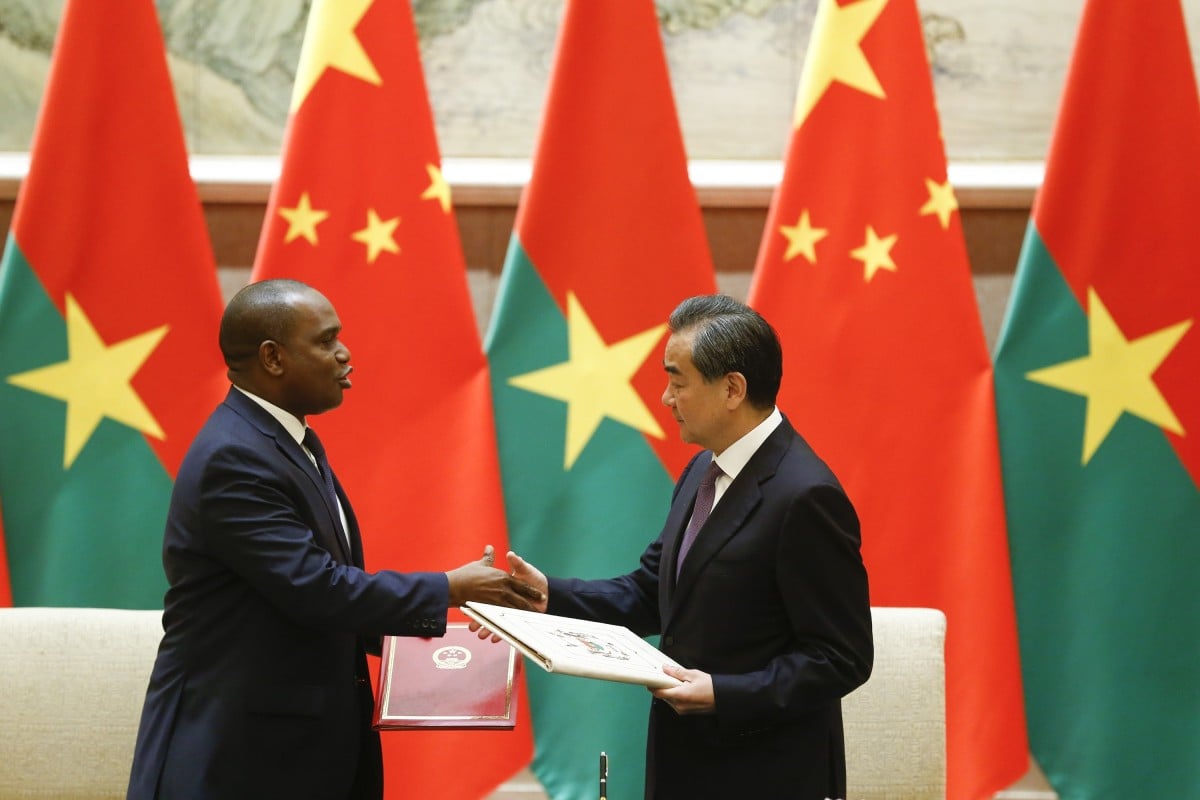
China opened five new embassies – in El Salvador, Burkina Faso, Gambia, São Tomé and Príncipe and the Dominican Republic – countries that severed official diplomatic ties with Taiwan. This directly contributed to China’s lead over the US, the report said.
Beijing’s diplomatic expansion also comes as the US, under the administration of President Donald Trump, is taking an “America first” approach to foreign policy.
Sri Lanka rejects fears of China’s ‘debt-trap diplomacy’ in belt and road projects
Trump has sought to cut funding to the US State Department and the White House has not appointed US ambassadors for at least 17 countries, including Brazil and Egypt, according to the American Foreign Service Association.
“Even though the US has a strong diplomatic base but it is not so proactive any more. It has fewer consulates and fewer foreign service workers,” Shi said.
“For the long term, China is in a more advantageous position.”
But a country’s diplomatic ability and influence did not rest on the number of foreign service postings and the US still held more international diplomatic sway than China, he added.
Some of China’s biggest diplomatic missions include Islamabad in Pakistan, Washington and London.
Source: SCMP
Posted in 2019 Global Diplomacy Index, American Foreign Service Association, “America first”, Beijing, belt and road projects, biggest, boast, Brazil, Burkina Faso, China alert, commands, diplomatic, Dominican Republic, Egypt, Gambia, influence, Islamabad, London, network, Pakistan, President Donald Trump, Renmin University, São Tomé and Príncipe, São Tome, Sri Lanka, Taipei, Uncategorized, United States, US State Department, Washington, White House, world’s |
Leave a Comment »
17/08/2019
- Chinese government advisers say Beijing has not reached direct intervention point but that could change if the violence continues
- Military action would trigger international backlash, observers say, as US expresses concern over reported paramilitary movements and ‘erosion of Hong Kong’s autonomy’
Footage of trucks from the paramilitary People’s Armed Police in Shenzhen has circulated online. Photo: Handout
The unrest in Hong Kong does not yet warrant direct intervention by Beijing despite hardening public sentiment and calls for tougher action in mainland China, according to Chinese government advisers.
Shi Yinhong, an international relations expert at Renmin University and an adviser to the State Council – China’s cabinet – said China would risk damaging its ties with the United States and other major foreign powers, upsetting its own development and losing Hong Kong’s special status if it took the matter directly into its hands.
“I don’t think we need to use troops. Hong Kong police will gradually escalate their action and they haven’t exhausted their means,” Shi said, expressing a view shared by other mainland government advisers and academics.
But he warned that if the violence and chaos continued, it “won’t be too far away from reaching that point”.
A US State Department spokeswoman said the United States was “deeply concerned” about reports of paramilitary movements along the Hong Kong border and reiterated a US call for all sides to refrain from violence.
She said it was important for the Hong Kong government to respect “freedoms of speech and peaceful assembly” and for Beijing to adhere to its commitments to allow a high degree of autonomy for Hong Kong.
She said the protests reflected “broad and legitimate concerns about the erosion of Hong Kong’s autonomy”.
brought the city’s air traffic to a halt and triggered
a huge backlash on the mainland
, where the public feel they have been wrongly targeted by the increasingly violent protesters. Many demanded the central government take action to end the chaos.
The tension deepened after US President Donald Trump, citing intelligence sources,
to the border with Hong Kong. Trump described the situation in the city as “tricky” and called on all sides to remain “calm and safe”.
Footage of trucks from the paramilitary People’s Armed Police rolling into Shenzhen began circulating online on Saturday.
Beijing ‘unlikely to intervene’ in Hong Kong as pressure mounts on police
But Shi and others said direct intervention would be too costly to China and would only be used when all other methods had been exhausted.
“As the trade war with the US goes on, Hong Kong’s importance to our financial system is getting bigger,” Shi said. “If Beijing intervenes with too much assertiveness, the US might revoke the preferential status of Hong Kong.”
He was referring to the US’ 1992 Hong Kong Policy Act which gives the city a special status. In June, American lawmakers introduced a bipartisan bill requiring the US government to examine Hong Kong’s autonomy annually to decide whether to extend the arrangement.
Losing that status could cripple the operations of many businesses based in Hong Kong, said Shen Dingli, a Shanghai-based international affairs expert.
A satellite image appears to show a close-up of Chinese military vehicles at Shenzhen Bay Sports Centre in Shenzhen. Photo: Maxar Technologies
Wang Yong, another specialist on international political economy with Peking University, agreed.
“There would be a lot of opposition from interest groups in the US. Hong Kong is the bridgehead for many multinational corporations and investors from Wall Street to get into the Chinese market,” said Wang, who also teaches at an academy affiliated with China’s Ministry of Foreign Affairs.
“Hong Kong and the Chinese government will need to handle this with extra care, so as not to give any ammunition to hawks in the United States.
“If Hong Kong is not handled properly, it could add tensions to the bilateral ties and ruin any prospect of a trade deal.”
China rejects requests for US warships to visit Hong Kong amid protests Pang Zhongying, an international relations specialist at Ocean University of China in Qingdao, said direct intervention could also damage China’s ties with other countries.
“The whole world is watching. Beijing has exercised restraint for two months and still hasn’t taken any clear action because this is not an easy choice,” said Pang, who is also a member of the Beijing-based Pangoal Institution, a think tank that advises several ministerial offices.
While some observers said Beijing was under political pressure to end the protests in Hong Kong before October 1 – the 70th anniversary of the founding of the People’s Republic, Shi said the central government would not lose patience so easily.
“National Day [on October 1] is an important time, but the Chinese government is not naive to believe there has to be peace under all heaven then,” he said.
“It’s only a bit more than a month from now, we can almost say for sure the trade war will still be on by then and a major turning point in Hong Kong is not likely to happen. But the celebration must go on.”
Source: SCMP
Posted in 70th anniversary, American, autonomy, backlash, Beijing, bipartisan bill, celebration, China alert, China's cabinet, China-US trade war, China’s State Council, concern, direct intervention, financial system, foreign powers, Hong Kong, international, lawmakers, Mainland China, military action, Ministry of Foreign Affairs, Ministry of Foreign Affairs (MFA), National Day, Ocean University of China, Pangoal Institution, paramilitary, peace under all heaven, People's Armed Police, People’s Republic, preferential status, Qingdao, quell, Renmin University, Risks, Risks still too big, send in troops, Shenzhen, Shenzhen Bay Sports Centre, trade war, trigger, Uncategorized, United States, unrest, US, US President Donald Trump, US warships, US’ 1992 Hong Kong Policy Act |
Leave a Comment »
28/07/2019
- Chinese Foreign Minister Wang Yi wraps up tour of Brazil and Chile, as Colombian president heads for Beijing
- Ecuador president tells US Secretary of State Mike Pompeo ‘smaller countries pay when the big ones fight’
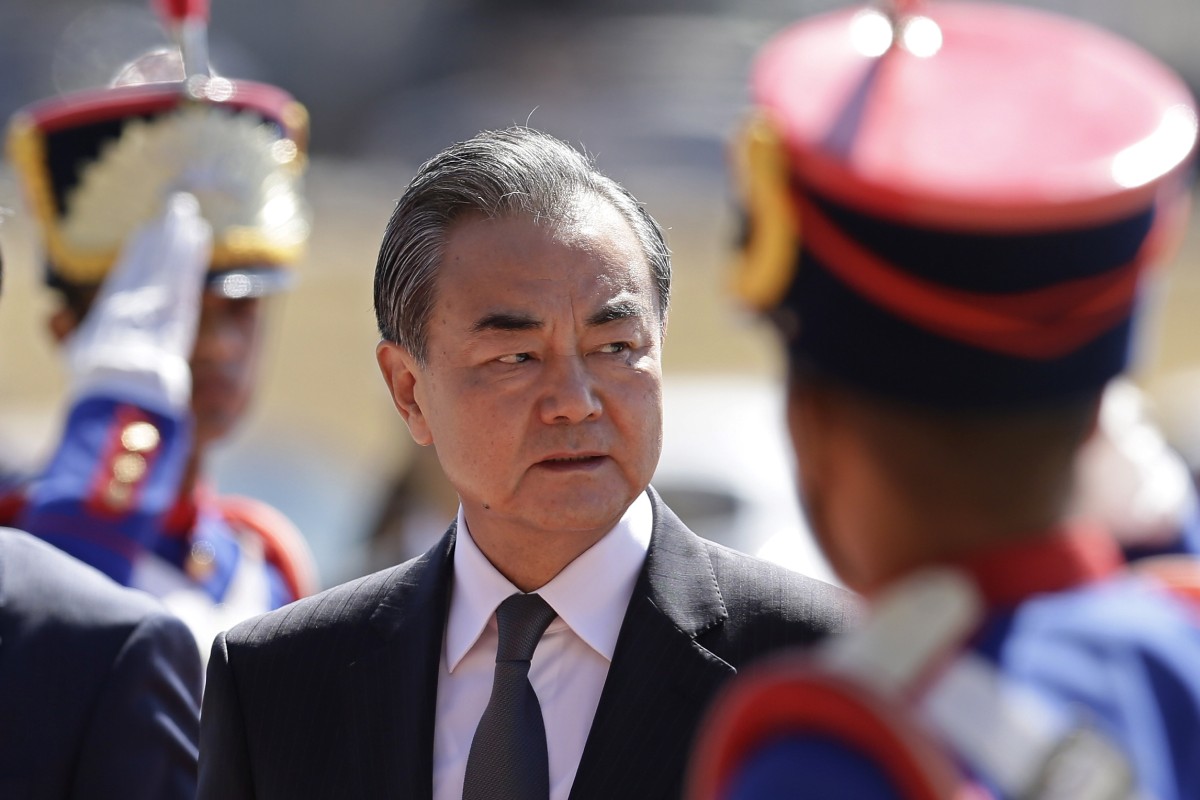
Chinese Foreign Minister Wang Yi is greeted by an honour guard as he arrives at the Itamaraty Palace for a meeting with his Brazilian counterpart Ernesto Araujo on Thursday. Photo: AP
Latin American countries are caught in the middle of a geopolitical tug of war between Beijing and Washington as China boosts its ties in the region in a bid to counterbalance the effects of its trade war with the US.
China’s Foreign Minister Wang Yi wraps up a tour of Latin America on Sunday which began last week in Brazil and ended with an official visit to Chile. He returns to Beijing on the same day Colombia’s President Ivan Duque Marquez arrives for a three-day state visit to China which will include a meeting with Chinese President Xi Jinping.
Wang was in Brazil for the latest summit of foreign ministers from the BRICS countries – an association of emerging countries made up of Brazil, Russia, India, China and South Africa – as well as the third China-Brazil foreign ministers’ comprehensive strategic dialogue with Brazilian Foreign Minister Ernesto Araujo.
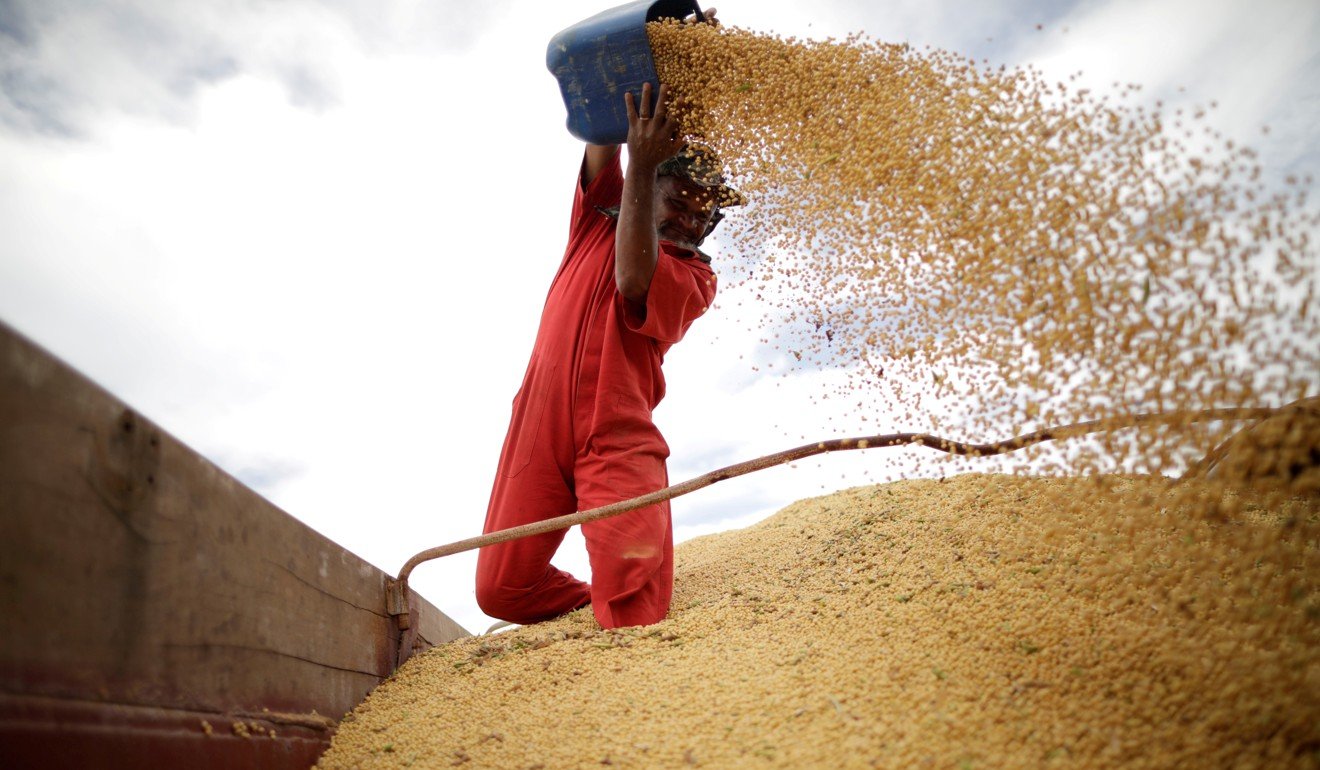
China has overtaken the US as Brazil’s largest trading partner, with Brazilian soybeans – one of the country’s biggest exports – and other agricultural products replacing American imports since the start of the US-China trade war a year ago.
Brazilian soybeans – one of the country’s biggest exports – and other farm products are being sold to China as a result of the trade war. Photo: Reuters
The growing importance of China to Brazil’s economy has created a difficult position for President Jair Bolsonaro, who accused Beijing of trying to buy Brazil during his election campaign, but changed tack on assuming office in January.
In March, Bolsonaro called China his country’s “main partner, politically as well as economically and commercially” and announced plans to travel to Beijing this year, a visit which was confirmed on Tuesday for late October.
China is now Latin America’s second largest trading partner with bilateral trade at US$307.4 billion, growing 18.9 per cent over the previous year, according to China’s ministry of commerce, in a relationship focused on commodity imports, including mining products like copper and energy, as well as soybeans and other agricultural goods.
While the US and China have tentatively agreed to resume talks in Shanghai next week, China and Latin American countries are likely to continue deepening their trade relations as production chains realign as a result of the trade war, according to Gustavo Oliveira, assistant professor of global and international studies at the University of California, Irvine.
“This means Chinese imports of Latin American agricultural and mineral commodities, and Latin American imports of Chinese manufactured products and hi-tech, might contribute to China’s ability to stand its ground against US pressure,” he said.
China in Latin America: partner or predator?
Oliveira said domestic contradictions in most Latin American countries complicated relations with China, as few leaders had the capacity to press or leverage China for much. “Unfortunately, therefore, most in this crop of Latin American leaders are basically placing themselves as junior partners or pawns in the geopolitical tug of war between the US and China.”
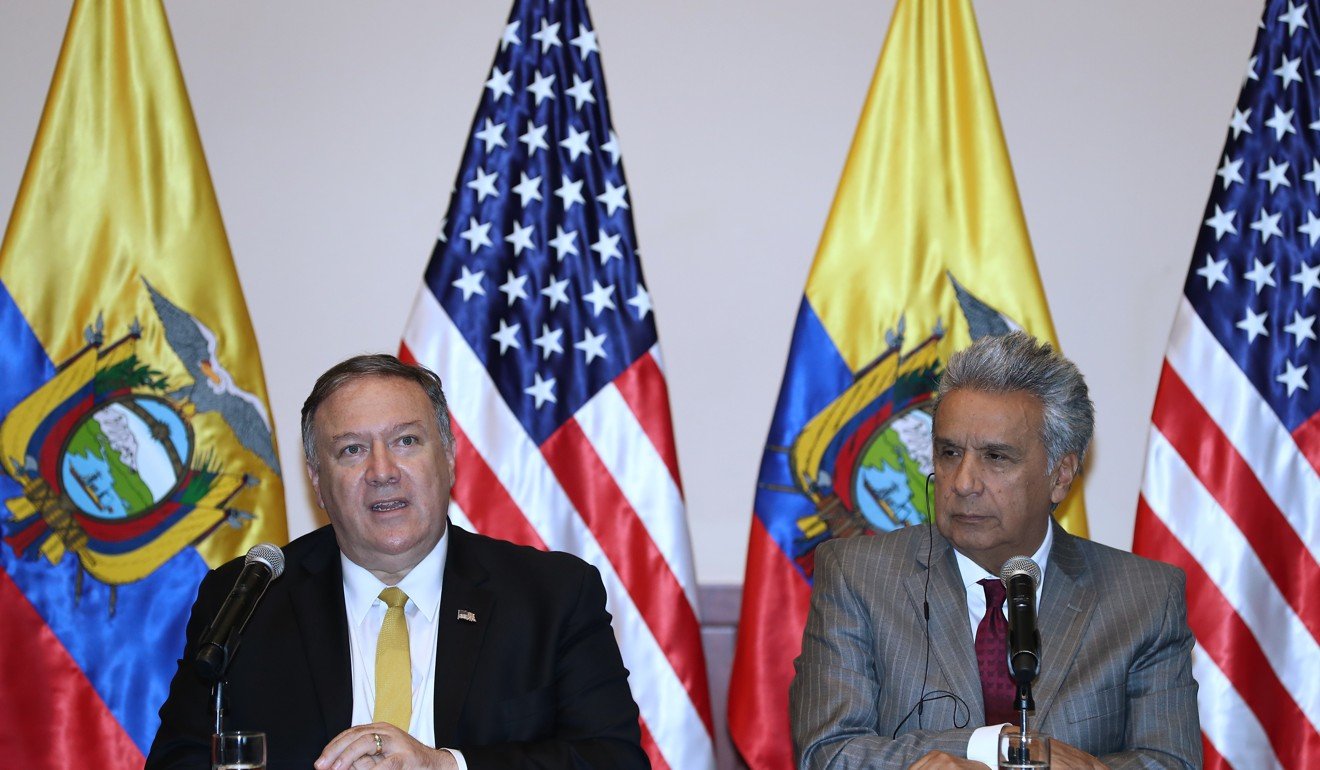
US Secretary of State Mike Pompeo put the pressure on Latin American countries over their relationship with China during his four-day tour of the region last weekend, when he visited Argentina, Ecuador, Mexico, and El Salvador.
In a joint interview with Pompeo during the visit, Ecuador’s new President Lenin Moreno defended the country’s China ties, and urged Washington and Beijing to resolve their conflicts for the benefit of other nations in the region.
“We hope that the US and China, the greatest powers in the world now, will find agreement easily because, unfortunately, when the big ones are discussing or fighting and have conflicts, the ones that are paying for all of that are the smaller countries,” he said.
“Now, when two elephants fight, the ones who lose are the insects who are of course being crushed by the elephants in the attempt to evade them.”
US Secretary of State Mike Pompeo (left) and Ecuadorian President Lenin Moreno hold a joint press conference during Pompeo’s tour of Latin America on July 20. Photo: EPA-EFE
Pompeo blasted China’s role in the region during a previous tour of South America in April, when he singled out Beijing’s support for President Nicolas Maduro of Venezuela. Maduro is backed by Beijing, Russia and other allies, while the US and many European countries have supported opposition leader Juan Guaido as legitimate president since elections in January.
Speaking from Chile on that tour, Pompeo said Beijing’s calls for non-intervention in Venezuela were “hypocritical” and aimed at protecting Beijing’s investments in the country, as well as debts owed to China by Venezuela.
Pompeo also accused Beijing of “sowing discord” in the region through debt traps. “When China does business in places like Latin America, it often injects corrosive capital into the economic bloodstream, giving life to corruption and eroding good governance,” he said.
Professor Cui Shoujun of Renmin University in Beijing said Washington’s concerns about “debt trap diplomacy” in Latin America reflected concerns that China’s growing involvement in financing infrastructure and development projects would make the region more pro-China.
“China’s interests in Latin America go beyond raw materials extraction,” he said. “The biggest point of tension between the US and China in the region is perhaps that China presents an alternative model for development that is very different from the Western model.”
‘Mr Pompeo, you can stop’: China hits back over Latin America criticism
While the US was drumming up tensions about China across the world, Beijing was not openly retaliating but responding with investment and trade for global partners, said Kevin Gallagher, researcher on China-Latin America ties, and professor at Boston University.
“The US points fingers and makes angry speeches in the region as China cuts investment deals and helps address infrastructure needs,” he said.
“Latin American countries’ governments are rightly keeping their heads down on the broader geopolitical winds, and are getting down to business with their largest trading partner.”
Source: SCMP
Posted in Argentina, Beijing, Boston University, Brazil, Brics countries, Chile, China alert, Chinese foreign minister Wang Yi, Chinese President Xi Jinping, Colombian president, copper, Ecuador, Ecuador president, El Salvador, elephants, energy, Ernesto Araujo, European countries, grows, India alert, influence, insects, Itamaraty Palace, Ivan Duque Marquez, Latin America, Mexico, Mike Pompeo, mining products, President Lenin Moreno, President Nicolas Maduro, Renmin University, Russia, Shanghai, South Africa, soybeans, Trade, tussle, Uncategorized, University of California, Irvine, US, US Secretary of State, Venezuela, Washington |
Leave a Comment »
15/06/2019
- In the last half of the 20th century US worries about a rising Japan led to tariffs and technology mistrust
- Differences in the Chinese experience may predict a different outcome
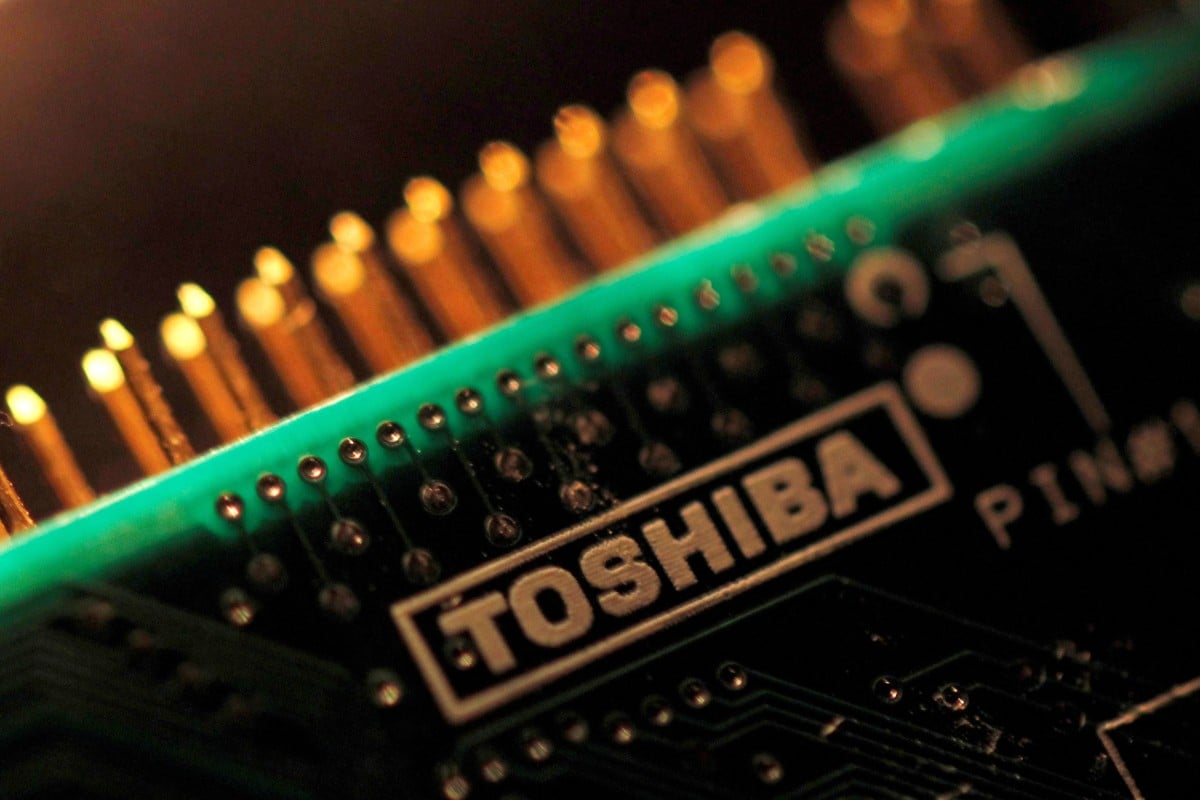
Toshiba was one of the companies affected by US actions to prevent the rise of Japan in a trade war that echoes in today’s tensions between the US and China. Photo: Reuters
If history is a mirror to the future, the similarities between the spiralling technology stand-off between China and the US and the economic wars waged by the US with Japan – which peaked in the 1980s and 1990s – may be instructive. But there are differences between the two which may predict a different outcome.
The US-Japan economic tensions started in the 1950s over textiles, extended to synthetic fibres and steel in the 1960s, and escalated – from the 1970s to 1990s – to colour televisions, cars and semiconductors, as Japan’s adjusted industrial policy and technology development moved it up the industrial chain.
Boosted by government support, Japan’s semiconductor industry surpassed the US as the world’s largest chip supplier in the early 1980s, causing wariness and discontent in the US over national security risks and its loss of competitiveness in core technologies.
The Reagan administration regarded Japan as the biggest economic threat to the US. Washington accused Tokyo of state-sponsored industrial policies, intellectual property theft from US companies, and of dumping products on the American market.
The US punished Japanese companies for allegedly stealing US technology and illegally selling military sensitive products to the Soviet Union. It also forced Japan to sign deals to share its semiconductor technologies and increase its purchases of US semiconductor products.
“The Trump administration is using similar tactics against China that were used against Japan in the 1980s and 1990s,” said an adviser to the Chinese government, on condition of anonymity, adding that the US was continuing its hegemony to curtail China’s tech development and was trying to mobilise its allies to follow suit.
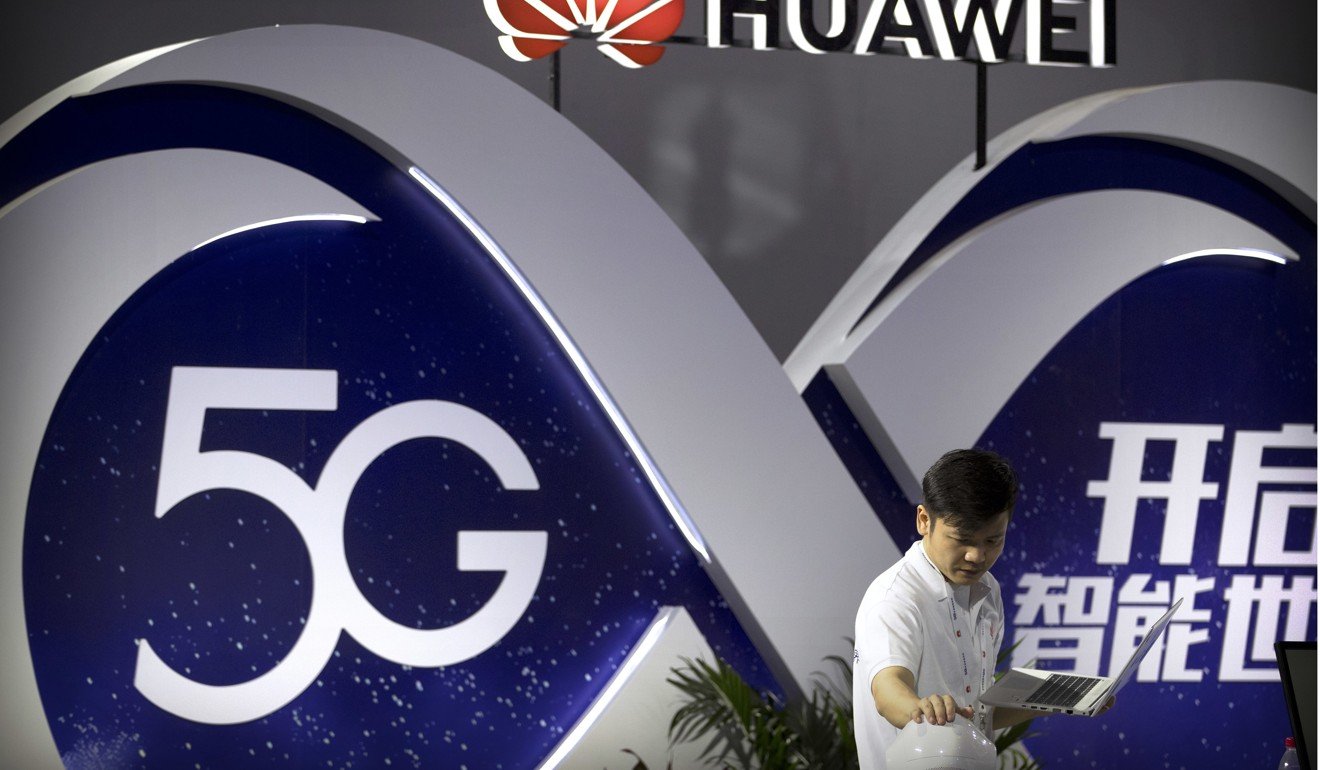
After talks to end the US-China trade faltered last month, Huawei – a global leader in the 5G market – is now standing at centre stage of a protracted technology stand-off between Beijing and Washington, which has grown increasingly wary of the rising competitiveness of Chinese tech companies.
Zhang Monan, a researcher with the Beijing-based China Centre for International Economic Exchanges, does not foresee an easing of the rivalry between the US and China.
“The current US-China conflicts are more complicated than those between the US and Japan,” she said.
“The US will only get more intense in its containment of China and the tech rivalry won’t ease, even if China and the US could reach a deal to de-escalate the trade tensions.”
Huawei is at the centre of a technology stand-off between Beijing and Washington. Photo: AP
Back in 1982, the US justice department charged senior officials at Hitachi with conspiracy to steal confidential computer information from IBM and take it back to Japan. IBM also sued Hitachi. The two companies settled the case out of court and Hitachi paid 10 billion yen (US$92.3 million) to IBM in royalties in 1983, while accepting IBM inspections of its new software products for the next five years.
Toshiba, a major electronics producer in Japan, and Norway’s Kongsberg Vaapenfabrikk secretly sold sophisticated milling machines to the Soviet Union from 1982 to 1984, helping to make its submarines quieter and harder to detect. This transfer of sensitive military technology in the middle of an arms race between the US and the Soviet Union was not revealed until 1986.
The US issued a three-year ban on Toshiba products in 1987 and the company ran full-page advertisements in more than 90 American newspapers apologising for its actions.
In 1985, the US imposed 100 per cent tariffs on Japanese semiconductors. A year later, in its five-year semiconductor deal with the US, Japan agreed to monitor its export prices, increase imports from the US, and submit to inspections by the Office of the United States Trade Representative.
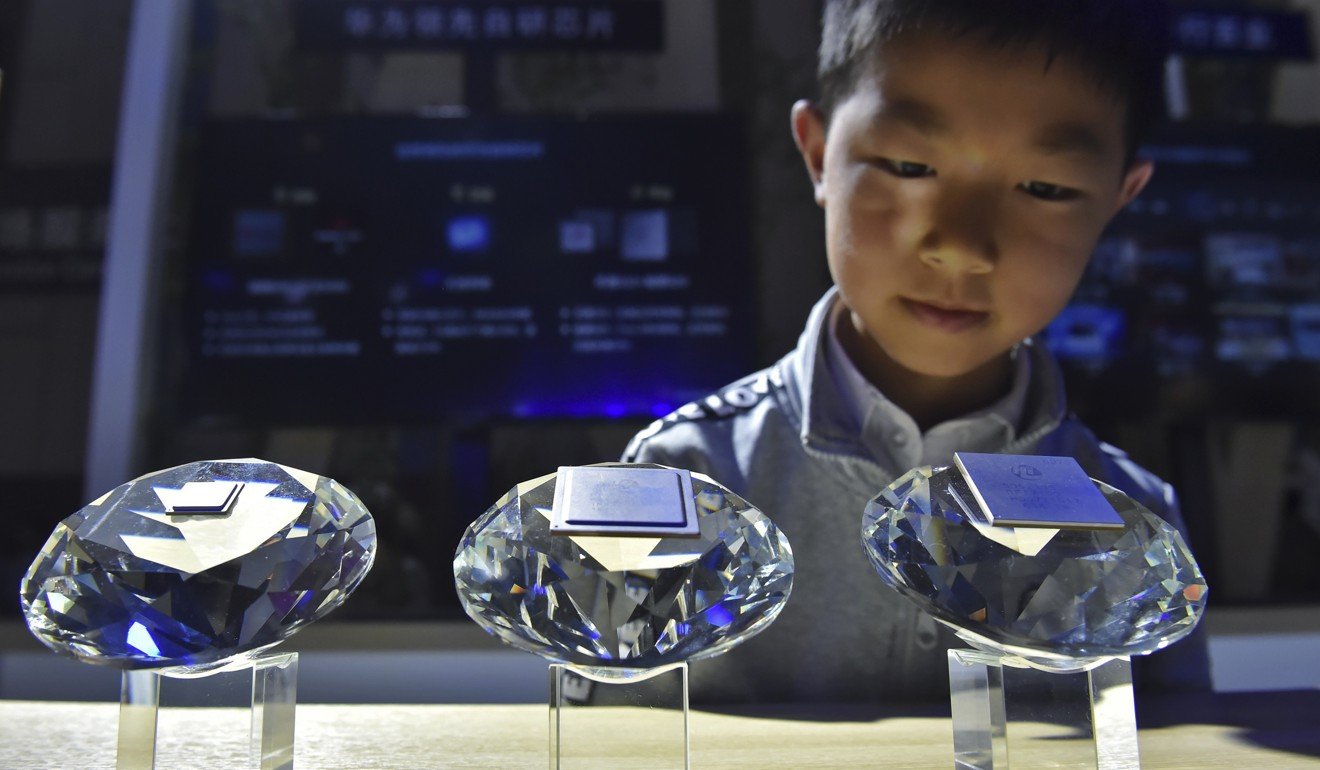
A display of chips designed by Huawei for 5G base stations on show at the China International Big Data Industry Expo. Photo: AP
This was followed by a second five-year semiconductor deal in 1991, in which Japan agreed to double the US market share in Japan to 20 per cent. In yet another bilateral semiconductor deal in 1989 Japan was required to open its semiconductor patents to the US.
Meanwhile, the US government boosted its efforts to help American businesses cement their industrial leverage in the chip sector and unveiled rules to protect its domestic chip industry.
The two countries were irreconcilable in 1996 on how to measure their respective market share. Overall market circumstances had also changed by then, with the US becoming competitive in microprocessing, and South Korea and Taiwan emerging as strong rivals to Japan.
Its dominance in semiconductors lost, Japan reached out to Europe for a range of cooperative technology deals.
Cooperate, don’t confront: academic advises Beijing on trade war tactics
“History can tell that high technology matters greatly to national security strategies. It is not a process of mere market competition. It follows the law of the jungle,” Zhang said.
The US has intensified its investment scrutiny by rolling out the Foreign Investment Risk Review Modernisation Act last year, which extends the regulation to key industrial technology sectors.
Zhang predicted the US would continue to contain China’s technological development in key sectors such as AI, aerospace, robots and nanotechnology – all of which are of great importance to Beijing.
The US has said Chinese tech giants Huawei and ZTE present a national security risk. Last April it cut US supplies to ZTE, citing violations of sanctions against Iran and North Korea. The ban was removed three months later after ZTE paid US$1.4 billion in fines.
It was a wake-up call for China to develop its own core technologies. The subsequent US ban on Huawei added to the urgency to do so, observers said.
Wang Yiwei, a professor in international relations with Renmin University, said China had to develop its own hi-tech know-how while continuing the opening up process.
“China has paid a price to learn whose globalisation it is,” he said.
“We may see some extent of disengagement with the US in technology and dual-use sectors, but China can speed up cooperation with European countries, and other countries such as Israel, to offset the risks from the US.”
In December, the US filed criminal charges against Huawei and its chief financial officer Sabrina Meng Wanzhou, alleging bank fraud, obstruction of justice and technology theft.
The squeeze continued last month with the US blacklisting Huawei, restricting its access to American hi-tech supplies and putting pressure on its allies to freeze the company out of the 5G market. So far, those allies, including Germany and Japan, have remained hesitant about meeting the US request and refrained from siding with either country.
Chinese foreign ministry spokesman Geng Shuang said on Monday that Huawei had obtained 46 commercial contracts in 30 countries as of June 6, “including some US allies and some European countries that the US has been working hard to persuade out of the contracts”.
For Zhang, the differences between Japan’s experience of US concerns of technological advancement and China’s may offer some hope for Chinese ambitions.
“Dependent on US for security protection, Japan was limited in [its ability to] push back and was already a developed country,” she said.
“But China has huge domestic market potential to address the imbalance [between] economic and technology development. This remains a big attraction to multinational companies, which would enable China to integrate into global innovation and technology cooperation, but China has to figure out how to dispel the doubts on its growth model.”
Source: SCMP
Posted in Beijing, China alert, China Centre for International Economic Exchanges, China International Big Data Industry Expo, Foreign Investment Risk Review Modernisation Act, Hitach, Huawei, IB, IBM, iran, Israel, Japan, Japan experience, Kongsberg Vaapenfabrikk, learn, Lessons, North Korea, Norway, Office of the United States Trade Representative, Reagan administration, Renmin University, Toshiba, trade war, Trump administration, Uncategorized, Washington, ZTE |
Leave a Comment »
21/05/2019
- Local officials have devised creative ways to cover up their lack of action on tackling pollution
- Falsified monitoring information risks directing clean-up efforts away from where they are needed most
China’s efforts to cut pollution are being hampered by local officials who use creative methods to hide their lack of action. Photo: Simon Song
China’s notoriously lax local government officials and polluting companies are finding creative ways to fudge their environmental responsibilities and outsmart Beijing’s pollution inspectors, despite stern warnings and tough penalties.
Recent audit reports covering the past two years released by the environment ministry showed its inspectors were frequently presented with fake data and fabricated documents, as local officials – sometimes working in league with companies – have devised multiple ways to cheat and cover up their lack of action.
Local governments have been under pressure to meet environmental protection targets since Chinese President Xi Jinping made it one of his top three policy pledges in late 2017.
The performance of leading local officials is now partly assessed by how good a job they have done in cleaning up China’s much depleted environment.
According to the reports released this month by the Ministry of Ecology and Environment, pollution inspectors have found evidence in a number of city environmental protection bureaus of made-up meeting notes and even instructions to local companies to forge materials.
Cao Liping, director of the ministry’s ecology and environment law enforcement department, said many of the cases uncovered were the result of officials failing to act in a timely manner.
“In some places, local officials didn’t really do the rectification work. When the inspections began, they realised they didn’t have enough time, so they made up material,” he said.
China ‘still facing uphill struggle in fight against pollution’
While some officials are covering up their inaction, others are actively corrupt. According to Guangzhou’s Southern Weekend, since 2012 there have been 63 cases involving 118 people in the environment protection system involved in corruption.
In the southwest province of Sichuan, 32 current and former employees of Suining city’s environmental protection bureau were found to be corrupt, raking in illicit income of 6.32 million yuan (US$900,000).
Fabricated notes
The party committee of Bozhou district in Zunyi, Guizhou province in southern China, was found to have fabricated notes for 10 meetings – part of the work requirement under the new environmental targets – in a bid to cheat the inspectors.
The case was flagged by the environment ministry in a notice issued on May 10, which said party officials in Bozhou lacked “political consciousness … the nature of this case is very severe”.
Watering down results
Environmental officials in Shizuishan, in the northwest region of Ningxia, tried to improve their results in December 2017 by ordering sanitation workers to spray the building of the local environmental protection bureau with an anti-smog water cannon.
The intention was to lower the amount of pollutant particles registered by the building’s monitoring equipment.
The scheme may have gone undetected if the weather had been warmer but the next day a telltale layer of ice covered the building and the chief and deputy chief of the environmental station in the city’s Dawokou district were later penalised for influencing the monitoring results.
1 million dead, US$38 billion lost: the price of China’s air pollution
Similar tactics were deployed in Linfen, in the northern province of Shanxi in March 2017, when former bureau chief Zhang Wenqing and 11 others were found to have altered air quality monitoring data during days of heavy pollution.
The monitoring machine was blocked and sprayed with water to improve the data and Zhang was also found to have paid another person to make sure the sabotage was not captured by surveillance camera.
According to the environment ministry, six national observation stations in Linfen were interfered with more than 100 times between April 2017 and March 2018. In the same period, monitoring data was seriously distorted on 53 occasions.
Zhang was sentenced to two years in prison in May last year for destroying information on a computer.
Bad company
A ministry notice on May 11 flagged collusion by local officials and businesses in Bozhou in southeast China’s Anhui province. Companies were given advance notice of environmental inspections, with instructions to make up contracts and temporarily suspend production in a bid to deceive inspectors.
In Henan province, central China, inspectors found a thermal power company had been using a wireless mouse to interfere with the sealed automatic monitoring system. They were able to remotely delete undesirable data, eliminating evidence of excessive emissions, and only provided selective data to the environment bureau.
Officials in Shandong reprimanded for failing to cut pollution
In another case, from 2017, an environmental inspection group in Hubei province, central China, found a ceramics company had been working with the data monitoring company to alter automatically collected data on sulphur dioxide emissions.
Criminal offence
Cao said that while the cheating by grass-roots officials was serious, the involvement of companies in falsifying data was a major issue that made the work of inspectors even harder.
“Some fraudulent methods are hidden with the help of high technology, so it’s hard for us to obtain evidence. Besides, the environment officials are not totally familiar with these technologies,” he said.
The environment ministry was working on solutions to the problems, he said, adding that falsifying monitoring data was now a criminal offence.
Fake data was particularly serious, he said, because it could directly influence his department’s decisions about where to deploy resources.
Wang Canfa, an environmental law expert at the China University of Political Science and Law, said the problem of fake data could damage the government’s credibility but also prevent it from taking measures in time.
“If the water pollution or air pollution is severe in one place but the local government has said it’s not a big deal, then the investment needed to control the situation might go to other places,” he said.
Zhou Ke, a professor of environment and resources law at Renmin University, said there was an incentive for local officials to cheat because the inspection results were directly related to their career prospects.
Officials ended up cheating or forging materials to protect local interests or their own political achievements, he said.
Source: SCMP
Posted in among, Anhui province, Bozhou, Cao Liping, ceramics company, China University of Political Science and Law, China’s green efforts, Chinese President Xi Jinping, corruption, ecology and environment law enforcement department, environmental law expert, fabricated, fake data, grass roots, Guangzhou, Guizhou Province, Henan province, hit, hubei province, Linfen, local governments, Ministry of Ecology and Environment, Ningxia Hui Autonomous Region, professor of environment and resources law, Renmin University, shandong province, Shizuishan, sichuan province, Southern Weekend, Suining city, Uncategorized, Wang Canfa, Zhang Wenqing, Zhou K, Zhou Ke, Zunyi |
Leave a Comment »
20/05/2019
- China produces 90 per cent of the world’s rare earth minerals, used in hi-tech production such as electric vehicles
- Rare earth minerals one of the few goods not hit by incoming US tariffs on US$300 billion of Chinese goods as trade war escalates
President Xi Jinping paid a visit to the country’s rare earth mining base in Jiangxi province on Monday, according to the official Xinhua news agency, in his first domestic tour after the trade talks between Beijing and Washington ended without a deal. Photo: Xinhua
Chinese President Xi Jinping visited one of the country’s major rare earth mining and processing facilities on Monday, in his first domestic tour since the
of the US-China trade war.
Xi’s visit, reported by the official Xinhua news agency, comes amid growing discussion in China that Beijing could consider banning the export of such minerals as a weapon
Rare earth minerals were among the few items excluded from the latest US government plans to implement tariffs on almost all of China’s remaining exports to the United States, highlighting their strategic importance. These tariffs, which are set to be levied on Chinese goods worth an estimated US$300 billion,
as early as July, according to the Office of the US Trade Representative.
The state media report, which includes one sentence of text and two pictures, made no mention of the trade war, but speculation is mounting that rare earth minerals could form a key part of China’s retaliation.
China is the world’s largest producer and exporter of rare earth minerals, which contain at least one of the 17 rare earth elements, many of which are vital to a number of low-carbon technologies, such as high-performance magnets and electronics. Photo: Xinhua
China is the world’s largest producer and exporter of rare earth minerals, which contain at least one of the 17 rare earth elements, many of which are vital to a number of low-carbon technologies, such as high-performance magnets and electronics.
It accounts for 90 per cent of global production, however the government has been carefully managing mining levels and it was reported last year that amid production quotas, the country became a net importer of rare earth minerals last year.
Jin Canrong, a professor of international relations at Renmin University in Beijing, wrote an article last week suggesting that China could ban rare earth exports to the US as a way to punish the US for
. China does not import enough goods from the US to retaliate in pure tariff terms.
The Chinese government has weaponised the trade of rare earth exports before, slashing the export quota by 40 per cent in 2010. The US, Japan and the European Union filed a compliant against the Chinese quota at the World Trade Organisation in 2012, with the WTO ruling against China. Beijing dropped its export restrictions in 2015.
According to the report, Xi visited JL Mag Rare Earth Co, a major rare earth processing company based in Ganzhou, Jiangxi province and “studied” the local rare earth industry. Ganzhou is the heartland of China’s rare earth mining and processing industry.
Xi was accompanied by vice-premier Liu He, who has been China’s top trade negotiator in the long-running talks with the US and who is Xi’s most trusted economic adviser. Also on the trip was a delegation of company officials and local cadres.
JL Mag is a leading supplier of high-performance rare earth magnets, which are widely used in intelligent manufacturing operations, energy-saving applications, and in the production of robots and new energy vehicles, according to the company’s website.
Images of Xi’s trip show a sign saying that the company is trying to build up “a rare metal industry base of tungsten with strong international competitiveness”.
Banning rate earth exports to the US is one of several ideas percolating in Chinese public discussions of possible trade war
Other analysts have suggested that China could sell its $3 trillion stockpile of US dollar-denominated securities, or allowing the yuan exchange rate to depreciate significantly, which would make Chinese exports cheaper for overseas buyers, helping to mitigate the effect of tariffs.
Source: SCMP
Posted in Chinese President Xi Jinping, Jiangxi Province, rare earth minerals, Renmin University, Uncategorized, US-China trade war, Vice-Premier Liu He, weapons, World Trade Organisation (WTO) |
1 Comment »








 CHINDIA ALERT: You'll be living in their world, very soon