Archive for ‘innovation’

29/05/2020

Xi Focus: Xi replies to letter from scientific, technological workers

BEIJING, May 29 (Xinhua) — President Xi Jinping on Friday encouraged scientific and technological workers across China to make new and greater contributions to building China into a global power in science and technology.

Xi, also general secretary of the Communist Party of China Central Committee and chairman of the Central Military Commission, made the remarks in replying to a letter by 25 representatives of sci-tech workers. He also called for efforts to achieve breakthroughs in key and core technologies.

Xi extended greetings to sci-tech workers across the country ahead of China’s fourth national sci-tech workers’ day, which falls on May 30.

A vast number of sci-tech workers have dedicated themselves to serving the country through their innovative thinking and practices, Xi noted.

He pointed out that innovation is the primary driving force for development, and science and technologies are powerful tools to overcome difficulties.

Facing the sudden COVID-19 outbreak, sci-tech workers have risen up to challenges and worked day and night on the clinical treatment, vaccine research and development, material support as well as big data application, providing sci-tech support against the epidemic, Xi said.

Xi hoped that sci-tech workers across the country strive to resolve problems with key and core technologies, promote the in-depth integration of application, education and scientific research, reach the peak of science and technology and make new and greater contributions to building China into a global power in science and technology.

In November 2016, the State Council, China’s cabinet, set down May 30 as the national sci-tech workers’ day.

Recently, 25 representatives of sci-tech workers, including agronomist Yuan Longping, respiratory specialist Zhong Nanshan and space expert Ye Peijian, wrote to Xi to express their determination to make contributions in the new era of innovation and entrepreneurship.

Source: Xinhua

28/05/2020

China’s Civil Code adopted at national legislature

BEIJING, May 28 (Xinhua) — Chinese lawmakers Thursday voted to adopt the country’s long-expected Civil Code at the third session of the 13th National People’s Congress, the top legislature.

The Civil Code will take effect on Jan. 1, 2021.

In addition to general provisions and supplementary provisions, the Civil Code, the world’s latest modern-day civil law, has six parts on real rights, contracts, personality rights, marriage and family, succession, and tort liabilities.

The personal rights, property rights and other lawful rights and interests of the parties to civil legal relations shall be protected by law and shall not be infringed upon by any organization or individual, reads the Civil Code in its opening chapter.

Lawmakers say the codification is not about formulating a new civil law but rather systematically incorporating existing civil laws and regulations, modifying and improving them to adapt to new situations while maintaining their consistency.

A major innovation of China’s Civil Code, jurists say, is embodied in the personality rights part. While some countries have related law provisions, few have a specific law book in civil code dedicated to protecting personality rights.

The personality rights part covers stipulations on a civil subject’s rights to his or her life, body, health, name, portrait, reputation and privacy, among others.

The personality rights part shows that China has reached a new height in protecting the dignity of people, said Chen Jingying, a national lawmaker and vice president of East China University of Political Science and Law.

The Civil Code is a milestone in developing the socialist legal system with Chinese characteristics, and will greatly boost the modernization of China’s system and capacity for governance, said Wang Yi, dean of the law school at Renmin University of China.

Source: Xinhua

08/05/2020

China urged to focus on domestic economy in next five-year plan to counter more hostile world

  • As China prepares its 14th five-year plan, researchers at one state-affiliated think tank predicted a more hostile global situation
  • Beijing urged to strengthen home-grown innovation and use vast domestic market to power economy post-coronavirus
A think tank linked to China’s State Council has encouraged Beijing to focus on home-grown technology and its vast consumer market over the next five years. Photo: Xinhua

China’s will face an increasingly hostile world over the next five years, meaning its policy plan should be focused on its vast domestic market, home-grown technological innovation and improving its  citizen’s welfare, according to recommendations in a new paper.

The report by the Chinese Academy of Social Sciences (CASS), a think tank affiliated with the State Council, foresees the next five years presenting “major changes unseen in a century” for China, as “the strategic game between superpowers has intensified, while international systems and orders are reshuffled”.

While the report does not mention the coronavirus specifically, its recommendations suggest that China should become more self-reliant in response to the pandemic. This view represents one side of a lively debate among policymakers and scholars in China, ahead of the next five-year plan, which will come into place next year.

Between 2021 and 2025, the globalised economy which helped China grow into an economic power will be radically different, the report said, meaning it must adapt if it is to continue to thrive.

“The disadvantages of economic globalisation have increasingly stood out. Populism has risen as the global economy weakens, while countries are divided as imbalances expand. The old multilateral [trading] system is under pressure,” read the paper, part of a wave of preliminary studies offering advice ahead of China’s 14th five-year plan, a blueprint for economic and social development.
China is the only major economy that publishes a five-year policy plan and has been doing so since 1953, in a tradition borrowed from the Soviet Union. China’s own plans are broad strategic guidelines, rather than Moscow’s previously detailed command economy production worksheets.

China is currently in the final year of its 13th five-year plan, the stage during which the Soviet Union collapsed. The 14th plan is expected to be published in early-2021, but brainstorming about challenges and policy options is well under way among academics and state planning officials.

That debate is expected to feature prominently in the coming meetings of the “Two Sessions,” the Chinese People’s Political Consultative Congress, which is due to meet in Beijing on May 21, and the National People’s Congress, which will begin to meet a day later.

A common point in the debate is that the lessons of the past few years have shown the need to be more self-reliant. Even before the coronavirus outbreak, the US-China trade war and the growing superpower rivalry have made many think that Beijing can no longer rely on the goodwill of trading partners to continue the expansion it has enjoyed since the late-1970s.
Coronavirus pandemic creates ‘new Cold War’ as US-China relations sink to lowest point in decades
In December 2017, US President Donald Trump declared China a “strategic competitor” in anticipation of the Chinese economy reaching two-thirds the size of America’s, which happened in 2018. Since then, the two have engaged in a tit-for-tat tariff battle, while the coronavirus has served to sharpen tensions and fuel arguments for further decoupling.

“Uncertainties and instabilities are clearly increasing,” read the analysis published in the academic journal Economic Perspectives this week.

Without citing coronavirus directly, the CASS researchers suggested that China should “stick to its developmental direction and concentrate on doing its own things well”.

China now has a middle income group of between 500 and 700 million people and that alone can be a source empowering China’s economic growth for the next five years, the report said.

However, China must also attempt to smooth out a major weakness, namely unbalanced growth, including the yawning wealth gap between urban and rural groups.

In terms of innovation, the researchers led by Huang Qunhui said China should rely less on foreign technologies. “China’s innovation capacity is still lagging behind developed countries. Breakthroughs in core technologies are in urgent need,” read the report.

The Made in China 2025 plan, published in 2015, stated Beijing’s ambitions to dominate future technologies such as robotics and artificial intelligence. However, after loud complaints from the US and European Union, China has been forced to play down such bold innovative goals.

Source: SCMP

20/04/2020

China to accelerate research on digital infrastructure: official

BEIJING, April 19 (Xinhua) — China will step up efforts to expedite technological research on the construction and application of digital infrastructure, according to the Ministry of Industry and Information Technology (MIIT).

More support should be provided to the research and development of 5G enhancement technology and 6G technology, while the accurate matching of innovation, industrial, capital and policy chains should be promoted, said Chen Zhaoxiong, vice minister of the MIIT.

Chen also stressed the importance of emphasizing the huge demand for digital transformation and improving new digital infrastructure to facilitate economic and social upgrade of the country.

The MIIT will take a string of measures to optimize industrial development, such as expediting construction of 5G and industrial internet connecting people, machine and things, developing new types of intelligent computing facilities, advancing orderly construction and application of large data centers while upgrading micro and small data centers, enriching application scenarios and building a network security system.

Source: Xinhua

04/04/2020

Mass lockdowns in Europe may have helped save 59,000 lives, says study

  • Researchers from Imperial College in London looked at how 11 countries had responded to the crisis and estimated how many lives had been saved by intervention
  • Some of the worst affected countries such as Italy and Spain would have seen tens of thousands more deaths, according to the model
Empty streets outside the Colosseum in Rome. Photo: AFP

Mass lockdowns and widespread social distancing may have prevented 59,000 Covid-19 deaths, according to a new model from Imperial College in London.

A team of researchers – including Neil Ferguson, whose projections helped inform the British government’s response to the outbreak and Samir Bhatt – estimated that tens of thousands of lives had been saved in 11 countries as a result of measures such as case isolation, school closures, bans on mass gatherings as well as local and national lockdowns.

The measures had a “substantial impact in reducing transmission” for countries with more advanced epidemics, with an estimated 38,000 deaths averted in Italy and 16,000 in Spain, but it is “too early to be sure” about similar reductions for countries in the earlier stages of the outbreak, researchers said.

Most countries in the model – Austria, Belgium, Denmark, France, Germany, Norway, Sweden, Switzerland and the United Kingdom – began their interventions between March 12 and 14.

“While we cannot determine which set of interventions have been most successful, taken together, we can already see changes in the trends of new deaths,” the researchers said.

“We note that substantial innovation is taking place, and new, more effective interventions or refinements of current interventions, alongside behavioural changes will further contribute to reductions in infections.”

The report, published on Monday, also estimated that between 7 and 43 million people had been infected in the 11 countries by late March – somewhere between 1.88 per cent and 11.43 per cent of the population – and said a large number of cases had probably gone unreported.

On average, the proportion of the population infected in the assessed countries was 4.9 per cent, with the highest estimates in Spain and Italy, and the lowest in Germany and Norway.

The coronavirus that causes Covid-19 first began to spread late last year in central China, but has since become a devastating global pandemic, with the most confirmed cases in the United States, Italy, Spain, Germany, France and mainland China.

Life under Italy’s lockdown: the hard lessons other countries must learn

2 Apr 2020

A separate study by Ferguson and other researchers, including Imperial College epidemiologist Azra Ghani, published on Monday in The Lancet found that the overall case fatality ratio for Covid-19 was lower than estimates for the severe acute respiratory syndrome (Sars) and Middle East respiratory syndrome (Mers) coronaviruses, but “substantially higher” than those of recent influenza pandemics such as the H1N1 influenza in 2009.

“With the rapid geographical spread observed to date, Covid-19 therefore represents a major global health threat in the coming weeks and months,” the researchers said.

“Our estimate of the proportion of infected individuals requiring hospitalisation, when combined with likely infection attack rates (around 50–80 per cent), show that even the most advanced health care systems are likely to be overwhelmed.

“These estimates are therefore crucial to enable countries around the world to best prepare as the global pandemic continues to unfold.”

Italy ‘still proud to be part of EU’ amid stronger ties with China and coronavirus pandemic

2 Apr 2020

The study also found that the risk of death increased significantly for individuals in older age groups, although they noted early results indicate children are not at a lower risk of infection compared with adults.

Using data from China, researchers estimated the overall case fatality ratio to be at 1.38 per cent, with a lower ratio of 0.32 per cent for under-60s, compared with 6.4 per cent for over-60s and rising to 13.4 per cent for people who were over 80.

“It is clear from the data that has emerged from China that case fatality ratio increases substantially with age,” they said.

The age gradient was also observed in cases outside China, where the fatality ratio was estimated at 1.4 per cent for people under the age of 60, compared with 4.5 per cent for those 60 and over.

Source: SCMP

23/11/2019

Xi Focus: Xi says Chinese dream by no means hegemonistic

CHINA-BEIJING-XI JINPING-NEW ECONOMY FORUM-MEETING (CN)

Chinese President Xi Jinping poses for a group photo with foreign delegates attending the 2019 New Economy Forum before meeting with them at the Great Hall of the People in Beijing, capital of China, Nov. 22, 2019. (Xinhua/Huang Jingwen)

BEIJING, Nov. 22 (Xinhua) — Chinese President Xi Jinping said on Friday realizing the Chinese dream of national rejuvenation is by no means to seek hegemony.

Saying he has full confidence in China’s prospects for development, Xi noted China does not intend to replace any power, rather, its aim is to “regain the dignity and status it deserves.”

The president made the remarks when meeting with foreign delegates attending the 2019 New Economy Forum held in Beijing.

China, with a 5,000-year-old history of civilization, is home to the four great inventions that had contributed tremendously to the progress of human civilization. The country had become a semi-colonial and semi-feudal society since the Opium Wars, but the Chinese people had never yielded and spared no effort in seeking a path to national rejuvenation, Xi stressed.

Earth-shattering changes have taken place since the founding of the People’s Republic of China 70 years ago, and the humiliating history of China as a semi-colonial and semi-feudal country will never be repeated, he said.

“The fundamental reason is that we have found a correct path that suits China’s national conditions, conforms to the trends of the times and enjoys the support of the people. The path is socialism with Chinese characteristics,” Xi said.

With full confidence, the Chinese people will unswervingly follow this path, he added.

Xi noted that innovation is a major theme of the current times, as the world is undergoing changes rarely seen in a century, featuring a new round of technological revolution and rapid industrial transformation.

The common challenges facing humanity call for concerted efforts of all countries. No country can become an independent innovation center or enjoy fruits of innovation alone, Xi said. “Innovation should benefit the world rather than being encaved.”

He said China is willing to carry out cooperation in innovation with other countries including the United States, so as to better benefit the people of the two countries and the world.

Despite great achievements, China will continue to adhere to the traditional concept of “harmony in diversity,” stick to the path of peaceful development, and strive for mutually beneficial cooperation with other countries, Xi told the foreign delegates.

China will stick to the reform and opening-up through bold innovations and with a manner of “feeling the rocks on the riverbed when crossing the river,” he said.

“The more resistance we are confronted with, the more determined we will be to open up,” Xi said. “I have full confidence in China’s prospects of development.”

During the meeting, former U.S. Secretary of State Henry Kissinger, former U.S. Treasury Secretary Henry Paulson, Egyptian Tourism Minister Dalia al-Mashat, former Japanese Foreign Minister Yoriko Kawaguchi, and Credit Suisse Group AG CEO Tidjane Thiam exchanged views, and expressed their support for innovation cooperation.

The 2019 New Economy Forum, which focused on development trends and social impacts of innovation, gathered more than 500 delegates from more than 60 countries around the world.

Source: Xinhua

06/10/2019

Xinhua Headlines: China’s Greater Bay Area busy laying foundation for innovation

As China aims to develop its Greater Bay Area into an international innovation and technology hub, innovation and entrepreneurship resources are shared in the area to provide more opportunities for young Hong Kong and Macao entrepreneurs.

The provincial government of Guangdong has stepped up efforts to improve basic research capability, considered the backbone of an international innovation and technology hub, by building large scientific installations and launching provincial labs.

by Xinhua writers Liu Yiwei, Quan Xiaoshu, Wang Pan, Jing Huaiqiao

GUANGZHOU, Oct. 5 (Xinhua) — Hong Kong man Andy Ng was surprised his shared workspace Timetable was rented out completely only six months after it had started operation in Guangzhou, capital of south China’s Guangdong Province.

While studying economics at City University of Hong Kong, Ng set up his first business, developing an online education platform, but soon realized the Hong Kong market was too small. After earning a master’s degree in the UK in 2017, Ng returned to China and chose Guangzhou as his new base.

Timetable is now accumulating popularity and even fans in Dianping.com, China’s major online consumer guide. Ng feels lucky that his business caught the implementation of the Guangdong-Hong Kong-Macao Greater Bay Area (GBA) development plan.

The bay area, covering 56,000 square km, comprises Hong Kong and Macao, as well as nine cities in Guangdong. It had a combined population of about 70 million at the end of 2017, and is one of the most open and dynamic regions in China.

Aerial photo taken on July 11, 2018 shows the Hong Kong-Zhuhai-Macao Bridge in south China. (Xinhua/Liang Xu)

In July 2017, a framework agreement on the development of the bay area was signed. On February 18 this year, China issued the more specific Outline Development Plan for the Guangdong-Hong Kong-Macao Greater Bay Area. One of its major aims is to develop the area into an international innovation and technology hub.

OPPORTUNITIES FOR YOUTH

The plan proposes that innovation and entrepreneurship resources be shared in the bay area to provide more opportunities for young Hong Kong and Macao entrepreneurs.

An incubator for entrepreneurship, Timetable is home to 52 companies, including 15 from Hong Kong and Macao, such as Redspots, a virtual reality company that won the Hong Kong Information and Communications Technology (ICT) Awards 2019.

“I persuaded them one by one to come here,” Ng said. “I told them of my own experience that the GBA is a great stage for starting a business with ever-upgrading technologies, ever-changing consumer tastes and a population 10 times that of Hong Kong.”

Timetable is a startup base of the Guangzhou Tianhe Hong Kong and Macao Youth Association, which has assisted 65 enterprises founded by Hong Kong and Macao young people since its establishment in October 2017.

The association and its four bases provide a package of services from training and registering to policy and legal consultation, said Chen Jingzhan, one of the association founders.

Tong Yat, a young Macao man who teaches children programming, is grateful the association encouraged him to come to Guangdong, where young people enjoy more preferential policies to start their own businesses.

“The GBA development not only benefits us, but paves the way for the next generation,” Tong said. “If one of my students were to become a tech tycoon in the future and tell others that his first science and technology teacher was me, I would think it all worthwhile.”

In the first quarter of this year, there were more than 980 science and technology business incubators in Guangdong, including more than 50 for young people from Hong Kong and Macao, said Wu Hanrong, an official with the Department of Science and Technology of Guangdong Province.

INNOVATION HIGHLAND

As the young entrepreneurs create a bustling innovative atmosphere, the Guangdong government has stepped up efforts to improve basic research capability, considered the backbone of an international innovation and technology hub, by building large scientific installations and launching provincial labs.

Several large scientific facilities have settled in Guangdong. China Spallation Neutron Source (CSNS) operates in Dongguan City; a neutrino observatory is under construction in Jiangmen City; a high intensity heavy-ion accelerator is being built in Huizhou City.

Aerial photo taken on June 23, 2019 shows the construction site of the Jiangmen Underground Neutrino Observatory (JUNO) in Jiangmen, south China’s Guangdong Province. (Xinhua/Liu Dawei)

Guangdong also plans to build about 10 provincial labs, covering regenerative medicine, materials, advanced manufacturing, next-generation network communications, chemical and fine chemicals, marine research and other areas, said Zhang Yan, of the provincial department of science and technology.

Unlike traditional universities or research institutions, the provincial labs enjoy a high degree of autonomy in policy and spending. A market-oriented salary system allows them to recruit talent from all over the world, and researchers from other domestic organizations can work for the laboratories without giving up their original jobs, Zhang said.

The labs are also open to professionals from Hong Kong and Macao. Research teams from the universities of the two special administrative regions have been involved in many of the key programs, Zhang said.

For example, the provincial lab of regenerative medicine and health has jointly established a regenerative medicine research institute with the Chinese University of Hong Kong, a heart research center with the University of Hong Kong, and a neuroscience research center with the Hong Kong University of Science and Technology (HKUST).

Photo taken on July 24, 2019 shows a rapid cycling synchrotron at the China Spallation Neutron Source (CSNS) in Dongguan, south China’s Guangdong Province. (Xinhua/Liu Dawei)

Guangdong has been trying to break down institutional barriers to help cooperation, encouraging Hong Kong and Macao research institutions to participate in provincial research programs, exploring the cross-border use of provincial government-sponsored research funds, and shielding Hong Kong researchers in Guangdong from higher mainland taxes.

NANSHA FOCUS

Located at the center of the bay area, Guangzhou’s Nansha District is designed as the national economic and technological development zone and national free trade zone, and is an important pivot in building the area into an international innovation and technology hub.

The construction of a science park covering about 200 hectares started on Sept. 26. Gong Shangyun, an official with the Nansha government, said the park will be completed in 2022.

Jointly built by the Guangzhou government and the Chinese Academy of Sciences (CAS), the science park will accommodate CAS research institutes from around Guangzhou, including the South China Sea Institute of Oceanology, the South China Botanical Garden (SCBG) and the Guangzhou Institute of Energy Conversion.

Ren Hai, director of the SCBG, is looking forward to expanding the research platforms in Nansha. “We will build a new economic plant platform serving the green development of the Pearl River Delta, a new botanical garden open to the public, and promote the establishment of the GBA botanical garden union.”

Wang Ying, a researcher with the SCBG, said the union will help deepen the long cooperation among its members and improve scientific research, science popularization and ecological protection. “Predecessors of our botanical garden have helped the Hong Kong and Macao counterparts gradually establish their regional flora since the 1950s and 1960s.”

HKUST also started to build a new campus in Nansha the same day as the science park broke ground. “Located next to the high-speed rail station, the Guangzhou campus is only a 30-minute journey from the Hong Kong campus. A delegation from the HKUST once paid a visit to the site and found it very convenient to work here,” Gong said.

Chief Executive of the Hong Kong Special Administrative Region (HKSAR) Carrie Lam hoped the new campus would help create a new chapter for the exchanges and cooperation on higher education between Guangzhou and Hong Kong, and cultivate more talents with innovative capabilities.

Nansha’s layout is a miniature of the provincial blueprint for an emerging international innovation and technology hub.

“We are seeking partnership with other leading domestic research institutions and encouraging universities from Hong Kong and Macao to set up R&D institutions in Guangdong,” said Zhang Kaisheng, an official with the provincial department of science and technology.

“We are much busier now, because research institutes at home and abroad come to talk about collaboration every week. The GBA is a rising attraction to global scientific researchers,” Zhang said.

Source: Xinhua

18/09/2019

Xi stresses development of real economy in tour to central China

ZHENGZHOU, Sept. 18 (Xinhua) — Xi Jinping, general secretary of the Communist Party of China Central Committee, urged the development of real economy bolstered by manufacturing, with self-reliance as the basis of all endeavors during his tour to central China’s Henan Province.

Xi also pointed out that although China has the largest manufacturing industry in the world, efforts are still needed in realizing industrial transformation and upgrade through innovation. He called for technical and industrial innovation to move China’s manufacturing up in the industry chain.

Source: Xinhua

28/06/2019

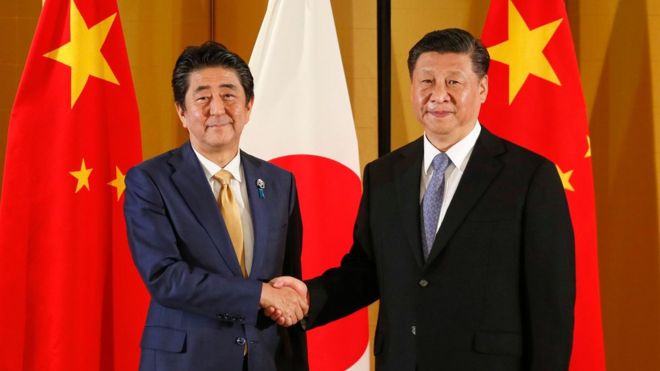
Japan’s Abe and China’s Xi Jinping meet amid trade war fears

Japanese Prime Minister Shinzo Abe (R) shakes hands with Chinese President Xi JinpingImage copyright AFP

Chinese President Xi Jinping has met Japanese Prime Minister Shinzo Abe at a time of warming ties between the two nations.

Relations have historically been strained, but concerns over US trade policy and North Korea’s nuclear programme have shifted them closer.

The two leaders met on the sidelines of the forthcoming G20 summit in Japan.

“I want to open up a new age of Japan-China relations hand in hand with President Xi,” Mr Abe told reporters.

The pair agreed to work together to promote “free and fair trade” following a “very frank exchange”, a Japanese official said.

It is the first official visit Mr Xi has made to Japan since becoming president in 2013. At the outset of their talks on Thursday, Mr Abe invited him to return on a state visit next year.

“Around the time of the cherry blossoms next spring, I would like to welcome President Xi as a state guest to Japan,” he said. “[I] hope to further elevate ties to the next level.”

What did the leaders discuss?

Japan and China are by far Asia’s largest economies and the talks on Thursday focused strongly on business.

Last year, the two sides signed a deal to maintain annual dialogue and to co-operate on innovation. This time around, officials say, they pledged to develop a “free and fair trading system” in a “complicated” global economic landscape.

Media caption North Korea has been called out for evading UN sanctions

Another topic on the schedule would probably have been North Korea. While China is North Korea’s biggest trading partner, both Tokyo and Beijing want it to abandon its nuclear programme.

Mr Abe has only very limited leverage on the matter and will try to sway both the US and China to keep Tokyo’s interests in mind in any negotiations.

The G20 summit will begin on Saturday, but the main meeting is likely to be overshadowed by the many bilateral talks that are set to happen on the sidelines.

For example, Mr Xi will meet President Trump as China and the US try to resolve their trade dispute.

Do Japan and China get along?

In the past, relations have been tense. While the two countries do have close trade ties, politically things have been much more fragile.

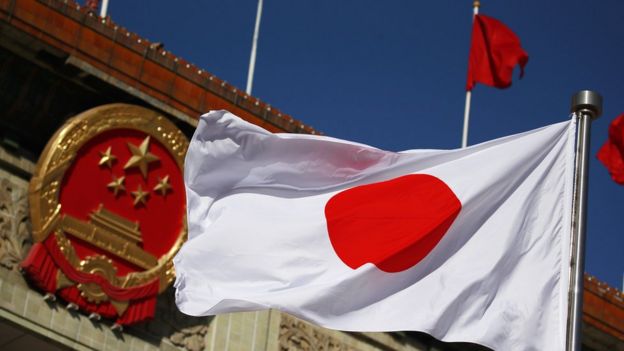
Japanese and Chinese flagsImage copyright EPA
Image caption Japan and China have not always had warm relations

Japan’s World War Two occupation of parts of China remains a very emotional issue. There are also several ongoing territorial disputes between Tokyo and Beijing.

But tensions with Washington over its protectionist trade policy have driven Japan and China into an unlikely friendship.

In 2018, Mr Abe hailed his high-profile visit to Beijing as an historic turning point. Both leaders have since promised to establish positive, constructive, relations.

Source: The BBC

15/06/2019

Does top-down, state-led innovation work? Just ask Silicon Valley

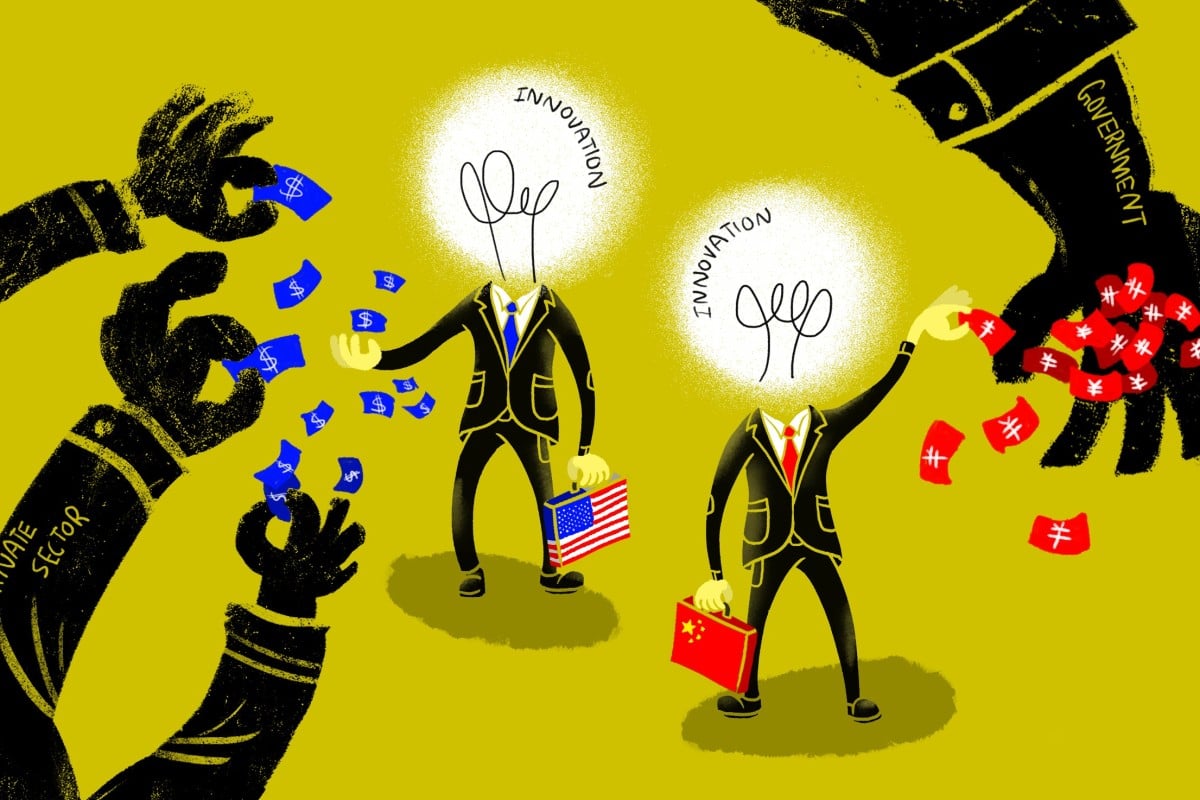
  • In 2017 alone, China’s central and local governments allocated US$7.7 billion in subsidies to both carmakers and buyers
  • But how big should the state’s role be in fostering innovation?
China has fostered development of its own technologies for decades, and the continuing trade war with the US makes it more imperative than ever. Illustration: Yan Jing Tian
It was the 1950s and 60s, a time of high tension among the superpowers.
As one national government was funding elite research institutes and enlisting its country’s top scientific minds to develop military technology, it likely had little inkling the move would form the basis of a broader, civilian technology industry in the coming decades.
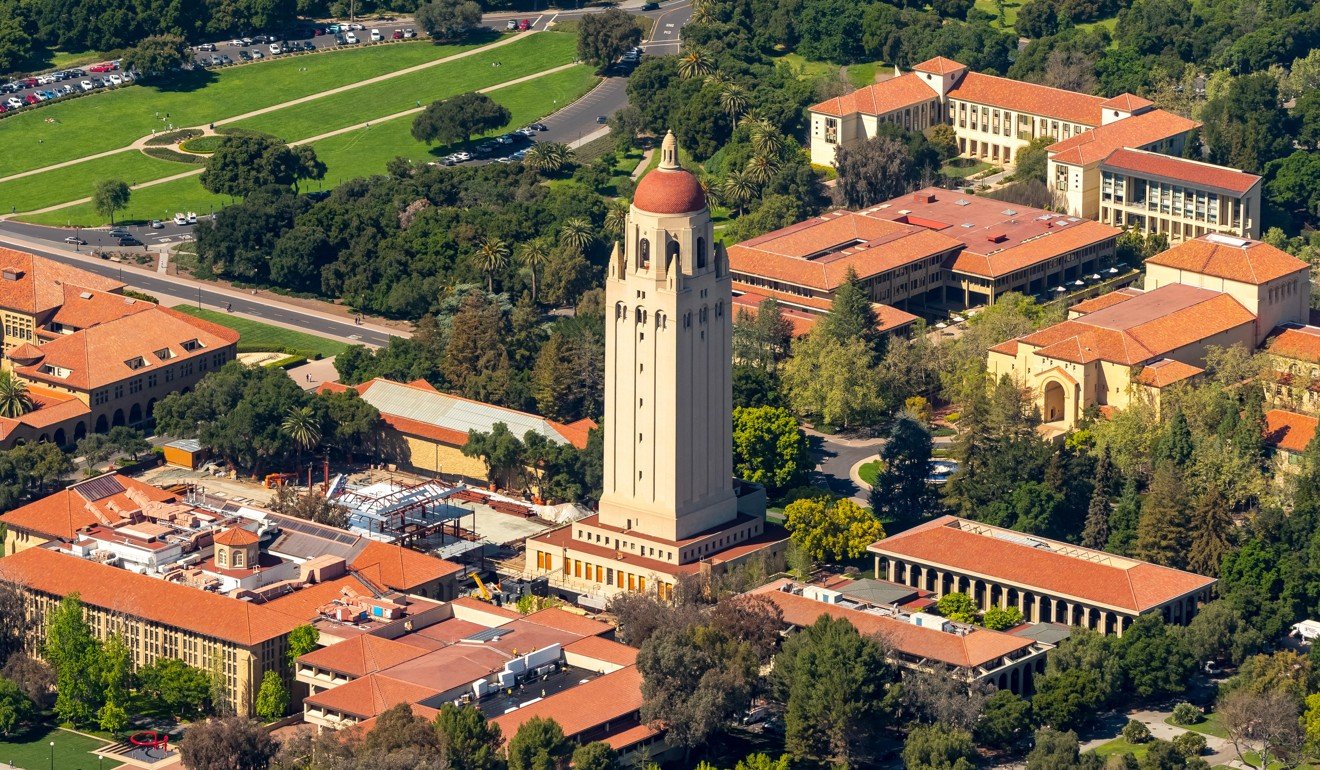
The force behind this state-led initiative – a style of innovation commonly associated with China – was the US government, which seeded California’s Silicon Valley with funding for military research at Stanford University.

It was there that the dean of engineering, Frederick Terman, actively encouraged students to launch companies to exploit these technologies for profit – the most famous of his disciples being Hewlett-Packard founders Bill Hewlett and Dave Packard.

“Most people who came here after the 1980s just assumed it’s all silicon and chips,” said Steve Blank, a Silicon Valley entrepreneur and adjunct professor at Stanford.

“But innovation in Silicon Valley actually started in Stanford University, thanks to a single professor who changed the entire culture.”

After the second world war, Terman, whose background was in electrical engineering, drew upon his wartime experience heading a radio research lab at Harvard to help turn Stanford into a top-tier university specialising in electronic warfare and with government contracts.

“Americans are not smarter than the Chinese. The only thing that holds China back, is that the nature of dissent and creativity are related.”Steve Blank, Silicon Valley entrepreneur

Since then, Silicon Valley has been seen as the mecca of technology innovation, producing some of the world’s largest tech companies, such as Intel, Amazon, Facebook and Google.

The region has been lauded for its culture and openness, with countries globally hoping to learn from its success and emulate it by design.

“There’s something special that happens in a city or a region when people are able to pursue new ideas in a very free way,” said Eric Ries, author of the book The Lean Startup.

“When I first came to Silicon Valley, I had a failed start-up on my resume … nobody saw that as a negative, they saw it as a sign that I showed initiative, tried to do something new.

“It’s not that Silicon Valley embraces failure, but it has a different understanding of the likelihood of success of anything new.”

The fact that Silicon Valley also had its beginnings in federal funding suggests that the state has an important role to play when it comes to fostering innovation.

Countries like China, Singapore and Israel have sought to emulate Silicon Valley’s success by designing strategies at a government level to encourage entrepreneurship and innovation.

The US government seeded California’s Silicon Valley with funding for military research at Stanford University in Palo Alto, California. Photo: Alamy

For China, the need to foster innovation comes at a critical time. The country is caught in an escalating trade and tech war with the US.

As the two nations slap billions in tariffs on each other, the US has also moved to cut off some Chinese technology firms from accessing US technology, with the country’s 5G champion, Huawei Technologies, directly in the firing line.

Why China’s top-down approach can only take tech innovation so far

The Chinese government has now vowed to double down on developing core competencies, including semiconductor manufacturing – a central part of its Made in China 2025 plan which aims to locally produce 70 per cent of the chips the country needs within 10 years.

But Silicon Valley’s history and China’s push in state-led innovation also beg the question: how much of a role does the state play in fostering innovation?

China’s efforts to strengthen its indigenous technology have been ongoing for several decades.

The first big push to boost modern technology capabilities came during the 1980s, putting in place the Torch programme – resulting in Zhongguancun Science Park in Beijing and a variety of other parks across the country.

The period also saw the establishing of the 973 and 863 programmes, which focused on developing basic research and hi-tech R&D, respectively.

The world’s fastest supercomputer, Tianhe-2, and China’s self-developed spacecraft, Shenzhou, were among the fruits of the 863 programme, which was set up in 1988, while 1997’s 973 programme funded research projects in agriculture, energy, material science and other areas.

US and China’s mutual distrust is hampering tech innovation, experts fear

In 2006, China proposed a 15-year road map for the nation to join the ranks of innovation-oriented countries by the end of 2020. Science and research spending would rise above 2.5 per cent of GDP under the guide to future goals, known as the National Medium to Long-Term Plan for Science and Technology Development.

The master plan identified industries, technologies and research areas such as energy, biotech, human health and diseases that were considered of “utmost importance to the technological advancement of China”.

These goals were elaborated on in three separate five-year plans, the blueprint for China’s social and economic policies, and translated to a string of government efforts in building the infrastructure to support the country’s technology ambitions.

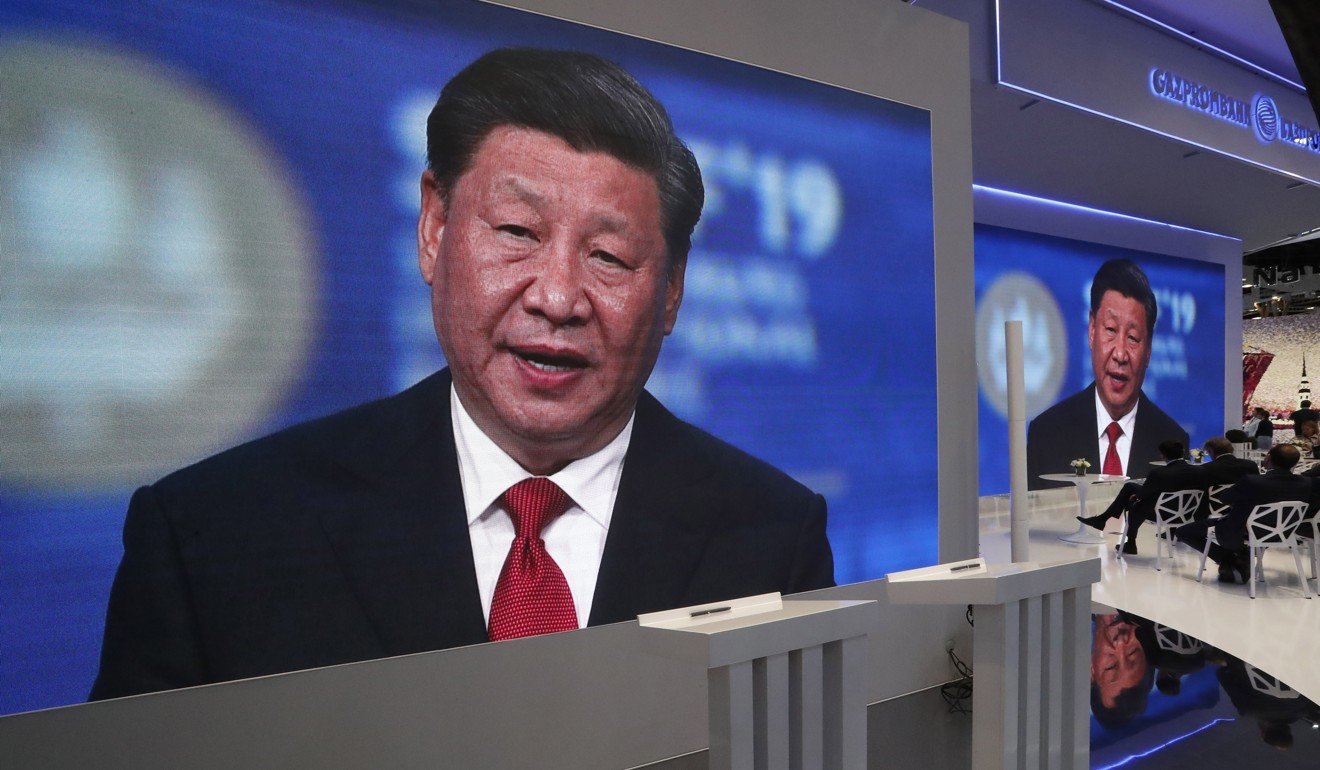
Screens show Chinese President Xi Jinping speaking at an international economic forum in St. Petersburg, Russia on June 7. Xi has called for the construction of an “innovation-driven economy” to make China a global innovation leader by 2035. Photo: EPA-EFE

This came in the form of industrial estates and the Thousand Talents plan to nurture and attract talent back to the country, not to mention a wealth of funding that ranged from research grants and subsidies to tax cuts for the private sector and academia.

China’s tech ambitions strengthened under President Xi Jinping, who, on numerous occasions, has called for the construction of an “innovation-driven economy” to make the country a global innovation leader by 2035.

An important initiative under Xi’s leadership was Made in China 2025. First announced in 2015, the programme called for upgrading China’s manufacturing model to better take on the US in strategic industries such as robotics, aerospace and new-energy vehicles.

Can China’s tech industry innovate its way to leadership?

These efforts have boosted some of Beijing’s favoured industries, turning them into rivals of global peers. In 2001, China identified electric vehicles (EV) as a major technology.

Sixteen years later, Shenzhen company BYD has become the world’s biggest EV maker, and a crop of start-ups including WM Motor, Xpeng Motors and the US-listed NIO have joined the race with funding from some of the country’s biggest tech companies and property developers.

In 2017 alone, China’s central and local governments allocated US$7.7 billion in subsidies to both carmakers and the consumers who bought their vehicles, cementing the country’s position as the world’s largest EV market.

Some 770,000 EVs were made and sold in China in 2017, compared with just 199,000 in the US that year.

The planning for domestic integrated circuit (IC) production, a strategically important sector identified in the 15-year programme, was further developed in the 12th and 13th five-year plans.

Those concepts grew into an industry involving over 20,000 researchers that aimed to reduce reliance on foreign chip technology, according to China’s Ministry of Science and Technology in 2017.

Yet, as self-reliance is more relevant than ever to China amid the tech war, it still lags behind the US and Taiwan in chip making, despite the billions of dollars in state backing the sector has received.

China’s semiconductor industry needs more than 10 years to catch up with global peers, Jay Huang Jie, founding partner of Jadestone Capital and former Intel managing director in China, said in May.

Some have pointed to China’s tech gap with the US as evidence that the Asian giant does not have what it takes to achieve technological competitiveness.

China, however, is still in the early stages when it comes to developing technology, according to Andy Mok, senior research fellow at the Centre for China and Globalisation, a Beijing-based non-government think tank.

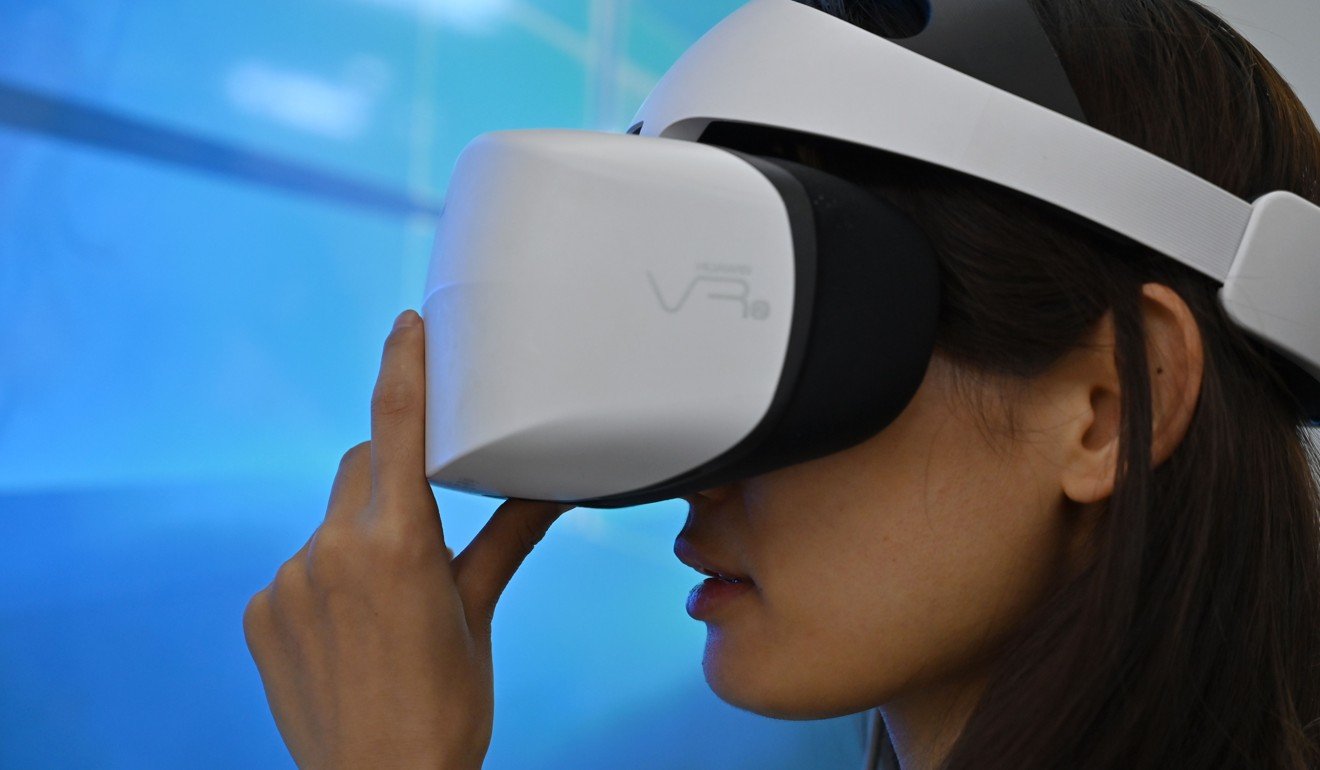
A visitor at the Consumer Electronics Show in Shanghai on June 11 checks a Huawei 3D Virtual Reality headset. Huawei, China’s 56 champion, is feeling the brunt of US efforts to cut Chinese tech firms’ access to US technology amid the trade war. Photo: AFP

“A lot of research universities in the US – like MIT, Caltech – they’ve had decades of operations [since the second world war and the cold war],” said Mok.

“It’d be quite a myth to say that the US system is so successful technologically because of its political or economic system.”

While semiconductors may not have been a top priority for China until recently, threats of a tech cold war which could cut off the country from US technology, including chips, mean China will double down on developing its own proprietary technology.

In the short term, China could fall further behind the US, Mok said.

Uninspiring Apple shows the US’ best tech days are behind it

“Some of these indigenously produced components were a ‘nice to have’ but not a ‘must-have’ before … it was one priority among many,” Mok said. “Will China’s chips be cutting edge? Probably not, but they will be good enough to be used in the short term.”

But while state-led innovation has helped drive industries, broadly labelling China’s technology achievements as state-driven could be an inaccurate generalisation, said Zhang Jun, dean of the School of Economics at Fudan University and director of the China Centre for Economic Studies, a Shanghai-based think tank.

Some of the more notable innovations in China – like mobile payments – took place on the application level and were driven by private companies such as Alibaba and Tencent.

Alibaba owns the South China Morning Post.

“These companies succeeded by banking on the huge consumer market in China in the internet age,” Zhang said.

Zhang pointed out that while the state did not actively drive those innovations, it too contributed by giving the companies leeway to experiment instead of immediately regulating the industries, which could have stifled innovation.

How the US trade war has accelerated China’s rise

China’s state support comes primarily in basic science and core technology, where it needs to play catch-up with countries like the US, and in the form of investment in universities and research labs that is likely to accelerate due to the trade war with the US.

“Basic scientific research will still rely on the state’s continuous investment into the academic field and into nurturing talents, but in terms of the application of the technology, the government will need to work with the market, and control less,” Zhang said.

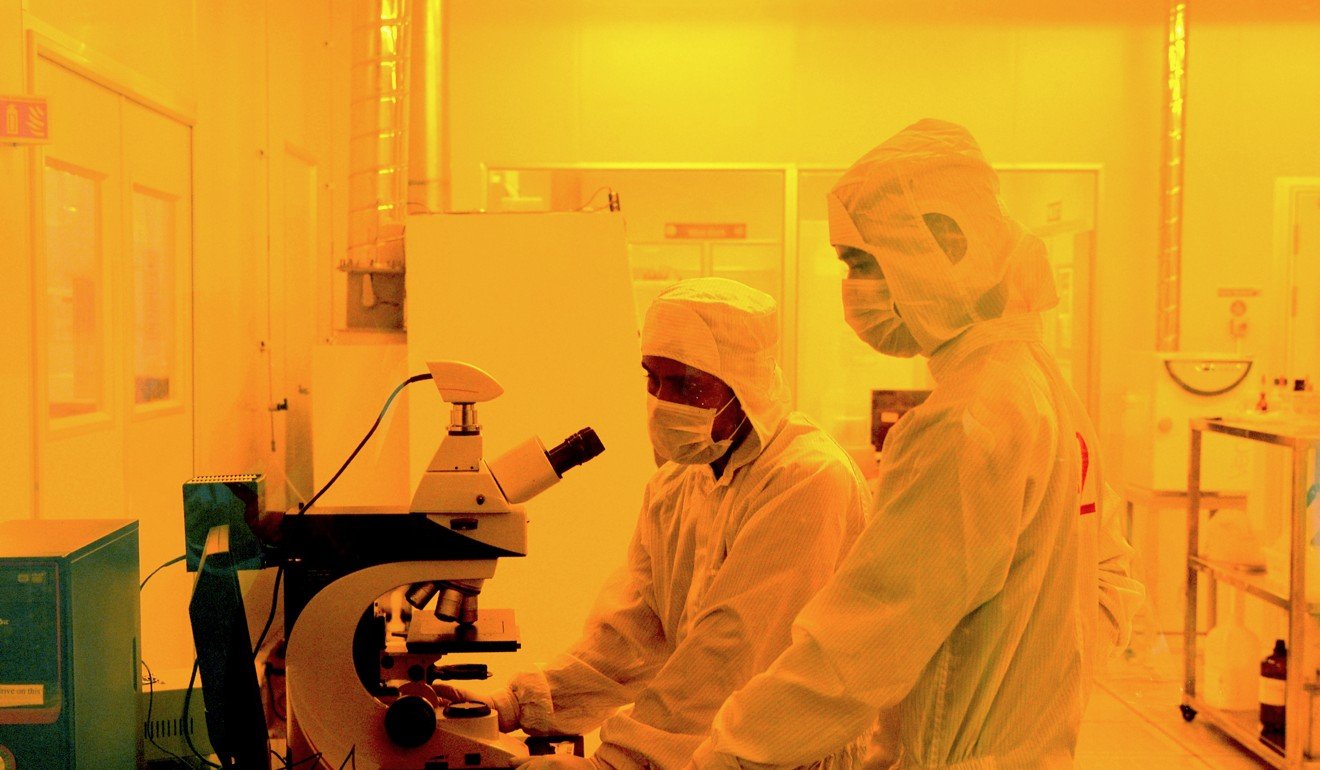
Researchers wearing suits work inside a semiconductor fabrication lab. China is 10 years behind the US in chips, according to one expert. Photo: AFP

Countries that adopt a largely top-down approach to innovation are not uncommon.

In Singapore, a tiny island-nation that lacks natural resources, the Economic Development Board has been instrumental in providing grants and incentives to small business, including low-rent office space for start-ups.

The country also has a nationally-supported artificial intelligence programme called AI Singapore, which is aimed at fostering AI research and talent and bringing private and public sectors closer together when it comes to AI applications.

Israel, which has billed itself as a start-up nation, also has a central agency in charge of planning and executing its innovation policy.

It can also trace its leadership in cybersecurity to the Israel defence forces, whose military intelligence unit 8200 has trained and provided a lot of the manpower for the civilian sector.

Ultimately, despite the role the US and Chinese governments play in driving their respective tech ecosystems, many other factors contribute to the flourishing of an innovation cluster, including private capital and a culture that accepts failure and allows individuals to exercise creativity.

“Getting the state out of the tech ecosystem should be the goal for private capital to take over,” said Stanford’s Blank. “At some point, the government needs to let go.”

Federal funding in the US helped get technology and innovation off the ground in Silicon Valley, but once venture capital started to flow into the region, a culture where innovation was left to the entrepreneurs and tech talent was created.

Blank pointed out that culture also has a big part to play. The US, for example, encourages individualism. Furthermore, in technology hubs like Silicon Valley, Boston and New York, failure is seen as good experience rather than as shameful.

“Americans are not smarter than the Chinese,” said Blank. “The only thing that holds China back, is that the nature of dissent and creativity are related.”

“Great entrepreneurs, great founders are dissidents. Steve Job was a dissident, Elon Musk is a dissident,” he said.

“They tell the status quo, the leadership of whatever industry they’re in that they’re wrong. In the US, that’s in fact part of our culture and we encourage that, but in China you can only do that within the bounds of what the [Communist] Party allows you to do.”

However, Mok disagrees. “Many of the most valuable US companies today are seen as tech leaders because they were able to piggyback on US hegemony,” he said. “If you could win in the US, you could probably win everywhere else.”

Source: SCMP

Law of Unintended Consequences

continuously updated blog about China & India

ChiaHou's Book Reviews

continuously updated blog about China & India

What's wrong with the world; and its economy

continuously updated blog about China & India