Chindia Alert: You’ll be Living in their World Very Soon
aims to alert you to the threats and opportunities that China and India present. China and India require serious attention; case of ‘hidden dragon and crouching tiger’.
Without this attention, governments, businesses and, indeed, individuals may find themselves at a great disadvantage sooner rather than later.
The POSTs (front webpages) are mainly 'cuttings' from reliable sources, updated continuously.
The PAGEs (see Tabs, above) attempt to make the information more meaningful by putting some structure to the information we have researched and assembled since 2006.
Image copyright EPAImage caption China is getting dressed up for its big birthday party
One week from now, the People’s Republic of China will mark its 70th anniversary with celebrations on a scale not seen in China in decades.
Beijing is pulling out all stops and 1 October will be flush with fireworks, fanfare and a huge military parade.
To ensure it goes smoothly, authorities have been ramping up security in the capital – and online – for weeks.
But with yet more protests expected in Hong Kong, the territory might just rain on China’s parade.
What is it all about?
The birth of modern China was declared on 1 October 1949, after the communists under Mao Zedong won the civil war that followed World War Two.
Image copyright EPAImage caption Exhibitions are highlighting the achievements of the Communist Party
The date is marked every year, but celebrations for this 70th anniversary are expected to eclipse previous events.
It’s the first big anniversary since China has emerged as a global power. While 10 years ago China was a superpower in the making, it is now the world’s second largest economy, almost eye-to-eye with the United States.
What to expect?
The main celebrations will take place in the capital, Beijing, where there will be a grand military parade with “advanced weapons” on display, followed by a “mass pageant”.
President Xi Jinping – considered the most powerful Chinese leader since Mao – will address the Chinese people. His speech is expected to celebrate China’s rapid growth and which will be closely watched for any indication of the country’s direction in the coming years.
The president will also hand out honours for contributions to the country and in the evening there will be a grand gala and fireworks show.
All official Chinese celebrations are carefully choreographed and the success of this one is particularly important to the government.
The Dos and Don’ts
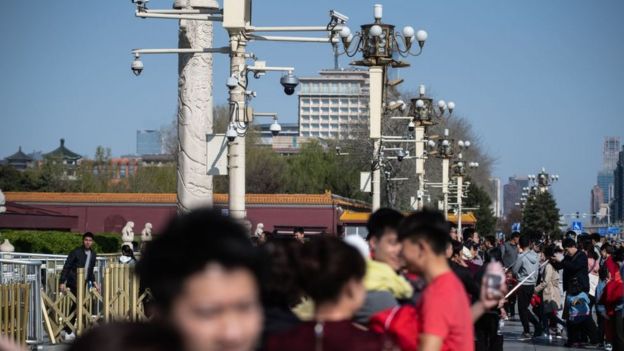
The parade – open to invited guests only – will take place around Tiananmen Square in central Beijing. The surrounding area will be practically under lockdown, and in fact has been so several times already.
During rehearsals leading up to the big day, hotels near Tiananmen Square told guests that for several hours each day, no-one would be able to leave the hotel or return to it should they be out, leading to much travel chaos and rebookings.
Many shops and restaurants in the centre are also closed or have shortened hours and some subway stations are temporarily shut.
Image copyright EPAImage caption Security is tight ensure the party goes to plan
Trains to Beijing are running numerous safety checks on their passengers and vehicles going into the city are also being tightly watched.
On the big day itself, areas around Tiananmen Square will be blocked and guarded. Local residents will need to identify themselves if they want to pass.
To ensure the sun will shine brightly on the celebration in notoriously polluted Beijing, several coal plants and construction sites in and around the city have been ordered to stop work for the duration.
There’s also a ban on any low-flying aerial vehicles in place. That means anything from light aircraft to drones, balloons and even racing pigeons.
Censorship galore
Across much of the city centre, there are national flags set up at every door. Voluntary inspectors are monitoring the streets and locals have told the BBC they’re being questioned after having even brief conversations with foreigners
One person said she was asked by an inspector: “Who were those foreigners? Why were they here?”
The tight control naturally extends online as well. Popular social media platform Weibo said it was deleting content that “distorts” or “insults” the country’s history ahead of the anniversary.
Image copyright GETTY IMAGESImage caption Every house and every shop is sporting a national flag
Chinese journalists are always expected to toe the party line anyway, but starting in October they will have to pass an extra test to prove they are versed particularly in Xi Jinping’s teachings, officially called Xi Jinping Thought on Socialism with Chinese Characteristics, which has been written into the constitution.
Whether or not they pass the exam will then determine whether they’ll be accredited as journalists.
“The fundamental point with this ‘training’ and indoctrination process isn’t so much about the content,” David Bandurski of China Media Watch told the BBC.
“It is about reinforcing the message and understanding among journalists that they work, first and foremost, for the Chinese Communist Party, and serve its agenda.”
So not only will the events be choreographed – the domestic coverage of them will also be tightly guarded.
What about Hong Kong?
Despite Beijing’s determination to let its achievements shine on 1 October, there’s a good chance Hong Kong will pull focus.
Anti-Beijing protests always take place in Hong Kong on China’s National Day, but this time, the activists know that the world is watching.
Anti-government protests have rocked the city for months and the situation shows no sign of dying down.
Clashes between police and activists have been becoming increasingly violent, with police using tear gas and activists storming parliament.
Image copyright AFPImage caption The protests have often escalated into violent clashes
That means two things for 1 October: official celebrations in the territory are being toned down to avoid clashes – the annual fireworks display has been cancelled – while at the same time, activists are planning to step up their protests.
On Sunday 29 September, a “Global Anti Totalitarianism March” is scheduled to take place at various locations around the world in support of Hong Kong.
On 1 October itself, a march in central Hong Kong is planned with everyone asked to wear black.
If the past weeks’ demonstrations are anything to go by, the smiles and celebrations in Beijing will be competing for media space with pictures of tear gas and angry young protesters in Hong Kong.
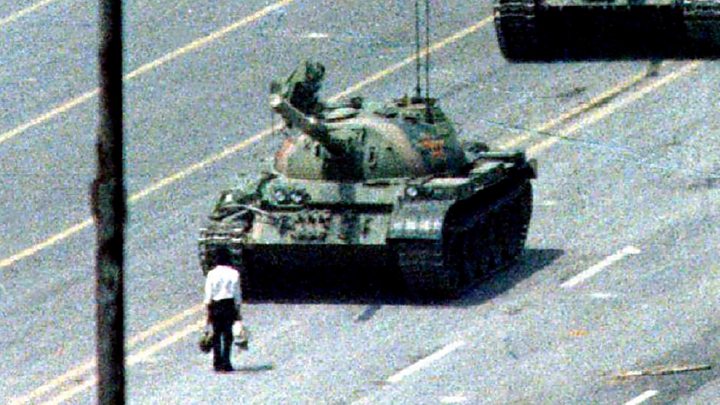
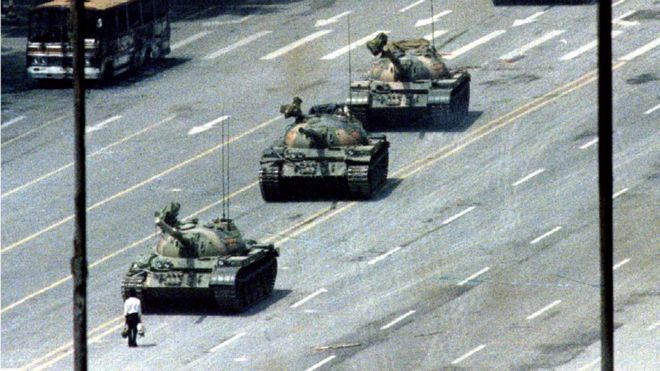
Image copyright SIPA/SHUTTERSTOCKImage caption The photographs of the Tiananmen Tank Man became some of the world’s most famous
Charlie Cole, one of the photographers who captured the famous Tank Man on film during the Tiananmen Square protests, has died.
The image of one man standing in the way of a column of tanks, a day after hundreds possibly thousands of people died, has become a defining image of the 1989 pro-democracy protests.
Cole later described how he had expected the man would be killed, and felt it was his responsibility to record what was happening.
But the unidentified protester was eventually pulled away from the scene by two men. What happened to him remains unknown.
A symbol of peaceful resistance
Cole knew he would be searched later by Chinese security so hid the undeveloped film roll in the bathroom.
Shortly after he took it, officials broke through the door and searched the hotel room, but they did not discover the film.
The scene as shot by him and the other three photographers went on to become an iconic symbol of peaceful resistance across the world.
Media caption Tiananmen’s tank man: The image that China forgot
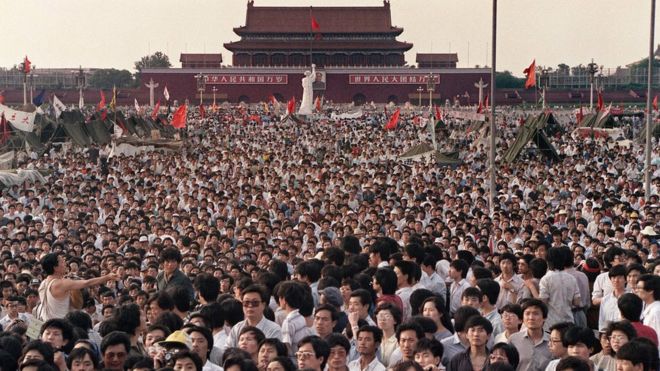
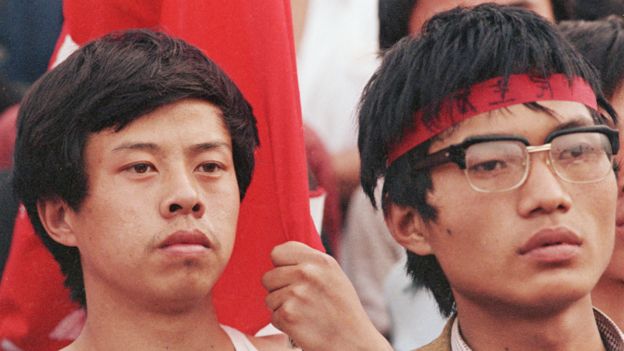
Thirty years ago, Beijing’s Tiananmen Square became the focus for large-scale protests, calling for reform and democracy.
Demonstrators had been camped for weeks in the square, but late on 3 June, the military moved in and troops opened fire.
China has only ever said that 200 civilians and security personnel died, but there has been no publicly released record of deaths. Witnesses and foreign journalists have said the figure could be up to 3,000.
Tiananmen is still a heavily censored topic in modern China, and the Tank Man pictures are banned.
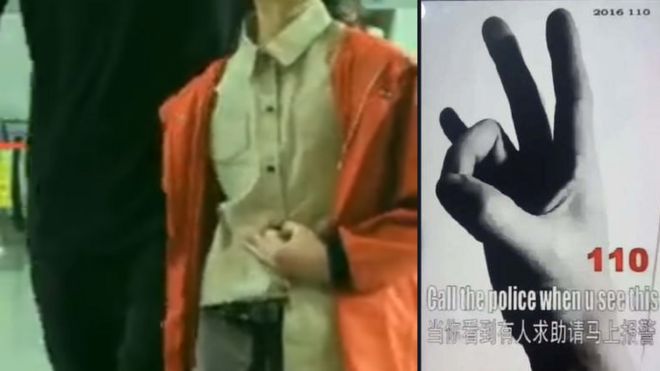
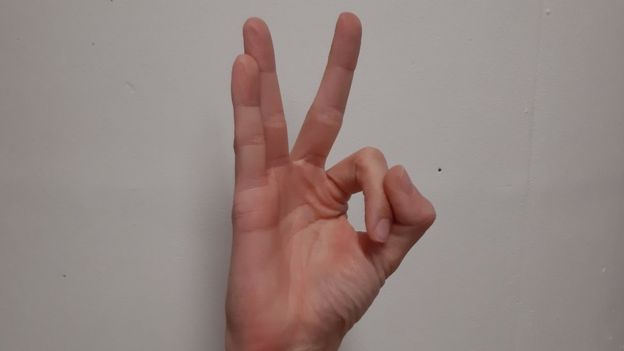
Image copyright TIKTOK/SINA WEIBOImage caption A video and associated posters went viral showing a girl making an OK signal as a subtle way of asking for help
A video showing a Chinese girl using a clever technique to signal she needs help has been widely shared on popular social network TikTok – and is making the authorities nervous.
She is shown being escorted away by a stranger in an airport. Unable to make a cry for help, she makes a subtle hand gesture that looks like the signal for “OK”.
This alerts a passerby, who immediately begins to argue with the man, and helps others recognise that the girl is being held against her will. She is then reunited with her parents.
So why has the video created such a big reaction on Chinese social media, and made the authorities so upset?
The hand gesture
Image caption The “OK” hand gesture reversed looks like the number sequence “110”
While the “OK” gesture is pretty widely understood around the world as a positive gesture, simply turning your hand so that you are facing your palm conveys a subtle message in China.
If two fingers are pressed together, your hand can look like the numbers “110” – which in China is the emergency contact number for the police.
Consequently, the video, which features actors, shows a subtle way that a child can get a message out if they are in trouble.
To push this message home, at the end of the video, a man tells viewers to “spread this gesture” so that people can signal if they are in need of help “in the event of coercion, kidnapping, or fear of your life”.
The authorities don’t like it
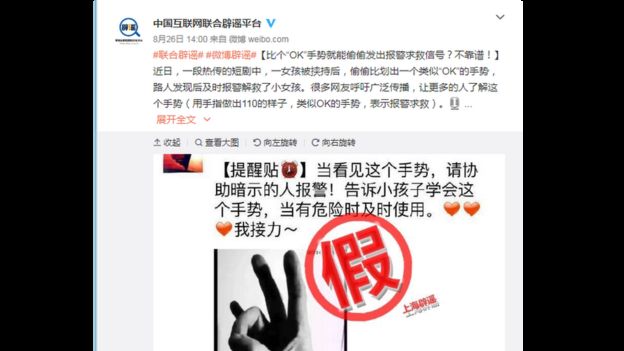
Image copyright PIYAOImage caption China’s top disinformation bureau said the ‘OK’ signal as a sign of distress was absolutely not OK
The video has the appearance of a public service announcement, so many social media users assumed it had the backing of the police.
The Chengdu Economic Daily says that videos being shared on TikTok predominantly attributed the footage to the police. However, the actual origins of the video are unknown.
Today, official media are spreading the message of China’s official disinformation platform Piyao, which criticises the video for being misleading, and says the police had no involvement with it.
“Such a gesture is meaningless as an alarm,” it says, and argues that it might actually be counter-productive in allowing an individual to find help if they need it.
It says that it has “never publicised or promoted such an alarm method in public”, and urges readers to follow the traditional method of calling the police if they need assistance or suspect someone else needs help.
Social media users think it’s a good idea
Despite the authorities distancing themselves from the footage and associated advertising campaigns that have suddenly sprung up on TikTok, a huge debate has broken out online about whether the simple signal might actually be effective in helping Chinese people understand if somebody is under duress.
Some on the popular Sina Weibo microblog say that “shouting for help is more practical than gestures”, and others note that the simple signal might “mislead people” and could lead to accidental interventions where none are necessary.
But in a country where tight authoritarian controls are in place and people are unable to freely speak openly, some are praising this seemingly small action to attract attention if someone’s under duress.
“In fact, this kind of gesture could really be promoted for help in the country”, one user says.
“As long as everyone is in agreement, we can still use it, it is still possible,” another says. “As long as we’re united in our understanding.”
Numbers as a symbol of rebellion
Image copyright TAOBAOImage caption Taylor Swift’s 1989 album caused problems for Chinese censors as the singer is popular, but the number “1989” is sensitive
Number sequences have long proven an effective way for social media users to criticise the authorities, without immediately alerting government censors, who regularly screen platforms for sensitive words.
People have found ways to talk about the Tiananmen Square massacre of 1989 – which the government has heavily censored for three decades – by using number sequences such as “46” (4 June), “64” (June 4) or “1989”.
The authorities have wised up to number sequences being used and are known for censoring many of these. But such strict censorship does mean that sometimes innocuous posts are removed by mistake.
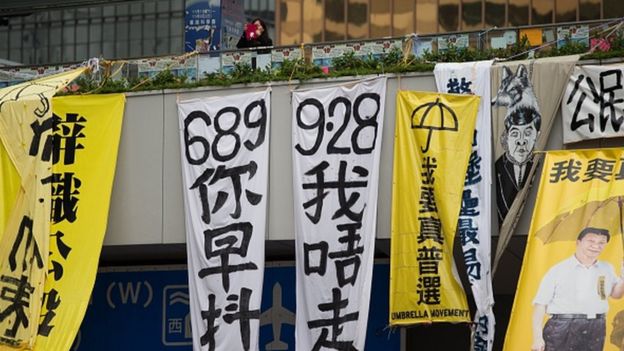
Image copyright AFPImage caption During the 2014 Hong Kong protests, demonstrators showed their anger for then-leader CY Leung by calling him “689”
Cryptic number sequences and hand gestures have proven particularly effective in helping protesters in Hong Kong unite on a shared message.
Online users have been able to voice criticism of their leadership in recent years by referring to them based on the number of votes that elected them into office.
Consequently, “777” has become a nickname for Hong Kong’s chief executive Carrie Lam. Her predecessor, CY Leung, was known as “689”.
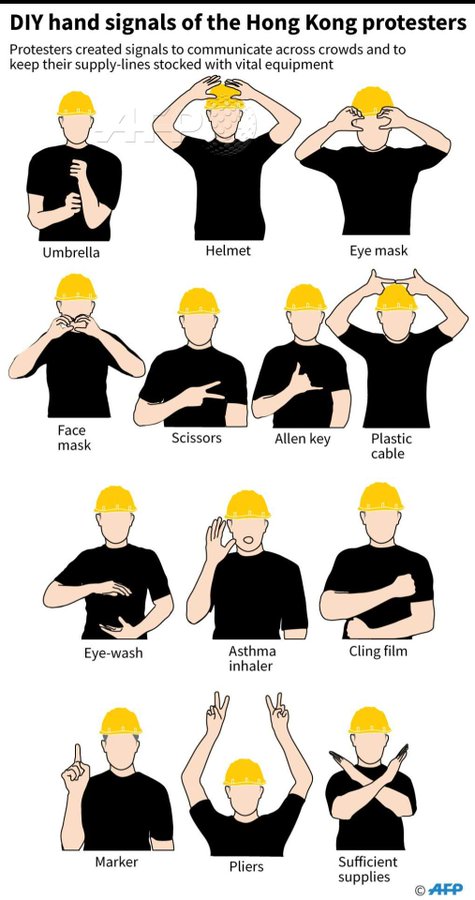
Graphic on hand signals used by protesters in Hong Kong to communicate and to keep their supply-lines stocked with vital equipment http://u.afp.com/Jsjm
As protests have dominated Hong Kong in recent months, it has also become apparent that demonstrators have been able to organise themselves by communicating subtle hand signals across crowds.
Graphics showing DIY hand signals that they can use if they need supplies such as eye masks, helmets or face masks, have circulated widely on platforms like Twitter.
Which is why a small, seemingly innocuous hand gesture, going viral in mainland China and getting huge public support, would undoubtedly unsettle the authorities.
BEIJING, Aug. 29 (Xinhua) — Chinese President Xi Jinping will attend a grand gathering to celebrate the 70th anniversary of the founding of the People’s Republic of China (PRC) on Oct. 1.
Xi, also general secretary of the Communist Party of China (CPC) Central Committee and chairman of the Central Military Commission, will deliver an important speech at the event, said Wang Xiaohui, executive deputy head of the Publicity Department of the CPC Central Committee, at a press conference held Thursday.
A military parade and mass pageantry will be held following the gathering, Wang said.
At a grand evening gala in Tian’anmen Square on National Day, Party and state leaders will join the public to watch performances and a fireworks show.
Xi will also present the Medals of the Republic, Medals of Friendship and national titles of honor to outstanding individuals at an award ceremony to be held at the Great Hall of the People in Beijing.
On Sept. 30, the country’s Martyrs’ Day, people from various sectors, including Party and state leaders, will present flowers to deceased national heroes at the Monument to the People’s Heroes at Tian’anmen Square.
A National Day reception will be held at the Great Hall of the People and President Xi will give an important speech.
BROAD PARTICIPATION
“The 70th anniversary of the PRC is a festival shared by Chinese people of all ethnic groups, which is why the celebrations will highlight the participation of the people,” Wang said.
According to him, more than 100,000 ordinary citizens will take part in the mass pageantry on Oct. 1 and about 60,000 will attend the evening gala on the same day, while about 30,000 members of the public will be invited to observe the gathering and military parade.
Among the guests of the gathering and military parade, there will be people who made outstanding contributions to the republic’s founding and development together with their families as well as about 1,500 role models including outstanding Party members, model civil servants and workers.
MILITARY PARADE
The military parade is an important part of the National Day celebrations and is not aimed at any other countries or specific situations, Cai Zhijun, deputy head of the office of the leading group for the military parade, said at the press conference.
The scale of the parade will be greater than the ones commemorating the 50th and 60th founding anniversary of the PRC, as well as the V-Day military parade in 2015, he said.
The military parade is expected to showcase China’s achievements in building its national defense and armed forces in the past 70 years and reflect the outcomes of the reform of the people’s armed forces, according to Cai.
RICH CELEBRATION
“There will be rich and colorful celebrations spanning various sectors and regions,” Wang said.
An evening gala featuring music and dance will be held in the Great Hall of the People. From September, the Beijing Exhibition Center will host a large-scale exhibition on the achievements of the PRC in the past seven decades.
The CPC Central Committee, the State Council and the Central Military Commission will jointly issue medals in commemoration of the 70th anniversary of the PRC as part of the celebrations.
Commemorative coins and stamps will be issued and a documentary will be made.
The celebrations will also be carefully budgeted and avoid extravagance, Wang said.
Fears are growing in the city that the military could be called in to quell unrest
But the costs and complexities of doing so mean Beijing is highly unlikely to give the orders, observers say
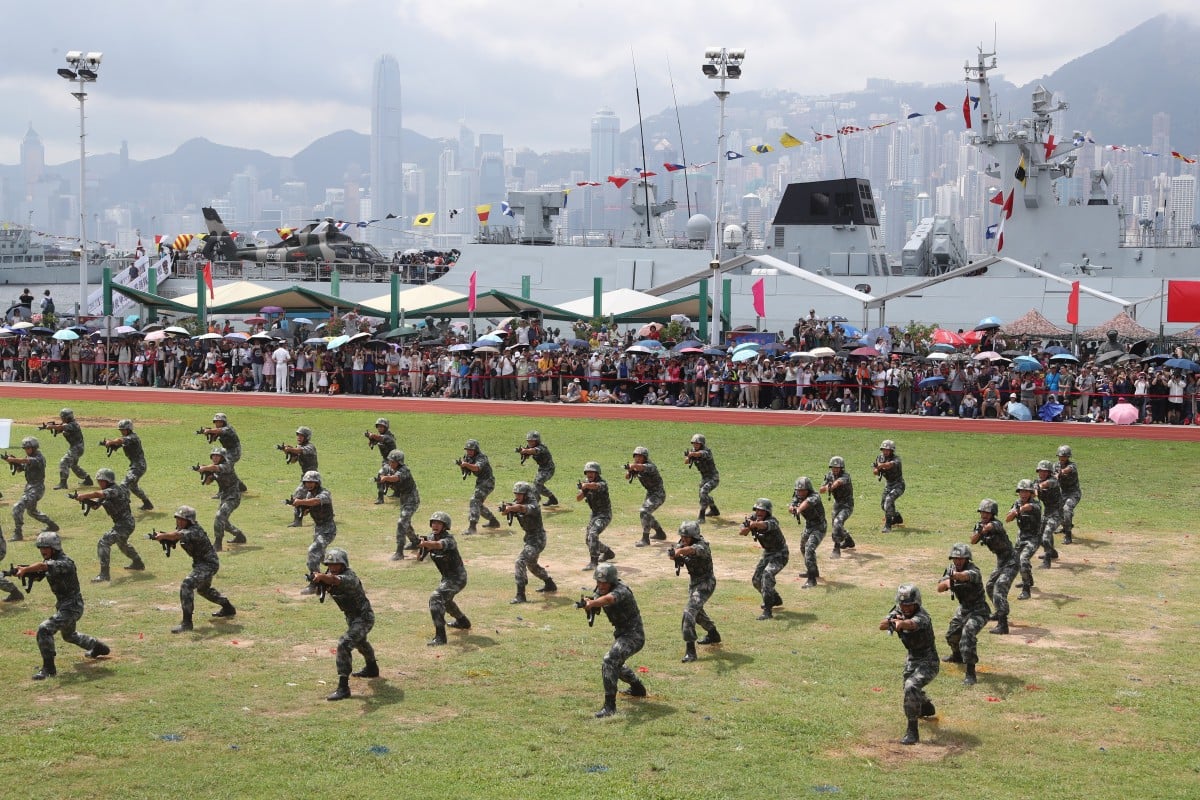
PLA soldiers show their skills during a naval base open day in Hong Kong. The PLA has had a presence in Hong Kong since the city’s return to Chinese sovereignty. Photo: K.Y. Cheng
It is a prospect dreaded by many in Hong Kong, but debate is growing in mainland China about whether the central government should end weeks of upheaval in the city by sending in the People’s Liberation Army (PLA).
The PLA has had a presence in Hong Kong since the city’s return to Chinese sovereignty but – unlike in mainland China – memories of the military’s bloody suppression of pro-democracy students and activists in Beijing in 1989 are still strong in the city three decades on.
Still, images of protesters vandalising Beijing’s liaison office in downtown Hong Kong on Sunday have fanned nationalist anger across the mainland, prompting calls for PLA intervention.
Concerns only deepened on Wednesday when defence ministry spokesman Wu Qian commented on the recent clashes and protests in Hong Kong. Without suggesting any action or plans by the PLA, Wu made clear that the Garrison Law, which governs the operations of PLA troops in Hong Kong, already stipulates that the PLA is legally allowed to help the city maintain law and order at the request of Hong Kong’s government.
“We are closely following the developments in Hong Kong, especially the violent attack against the central government’s liaison office by radicals on July 21,” Wu said.
“Some behaviour of the radical protesters is challenging the authority of the central government and the bottom line of ‘one country, two systems’,” he warned, referring to the formula that grants Hong Kong a high degree of autonomy for 50 years. “This is intolerable.”
Both Article 14 and Article 18 of the Basic Law – the city’s mini-constitution – spell out how and under what circumstances the PLA troops in Hong Kong can be used.
While the legality is clear, analysts still believe that given the exorbitant political cost and complexities involved, using the military would remain an unlikely last resort.
Even Hu Xijin, editor-in-chief of China’s nationalist tabloid Global Times, has spoken out against the idea, citing its “huge political cost” and the “severe uncertainty” it might bring to the situation.
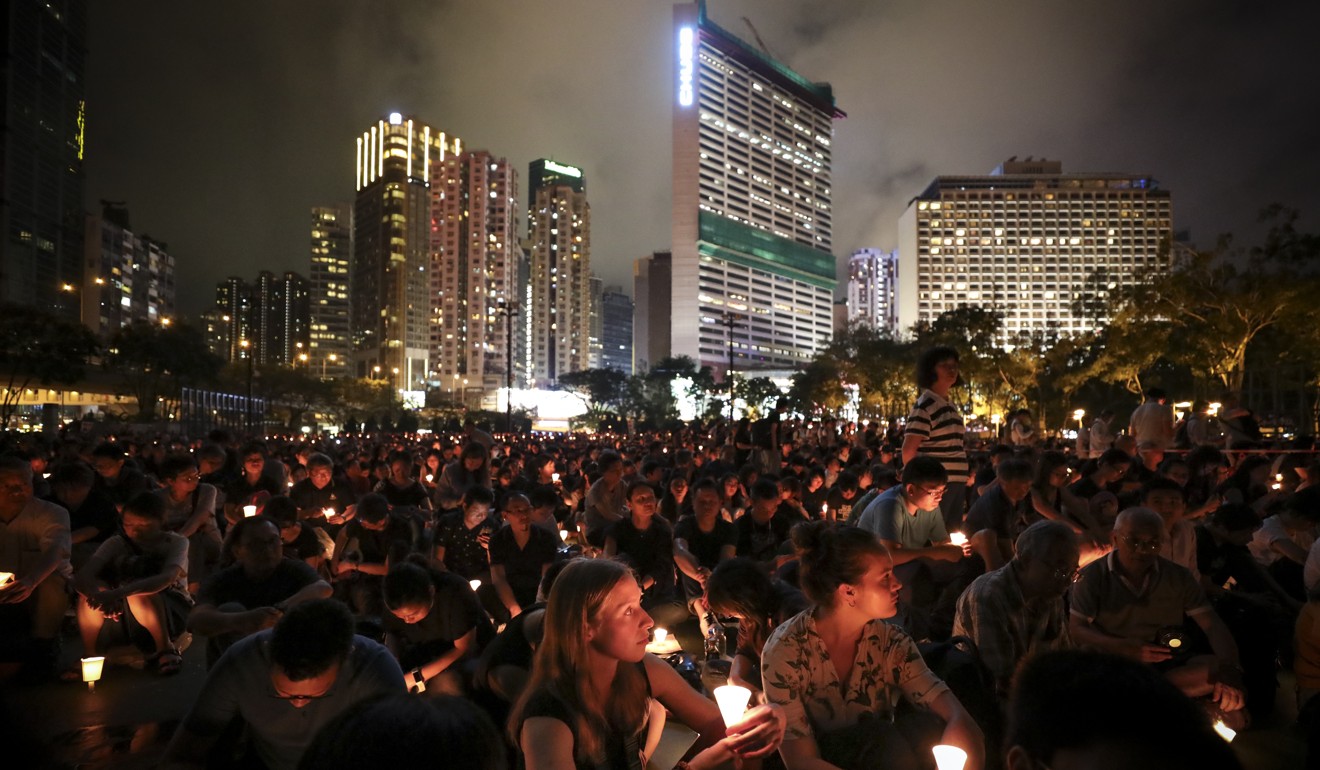
Crowds hold candles at a vigil in Victoria Park in Hong Kong in June to mark the 30th anniversary of the Tiananmen Square crackdown. Photo: James Wendlinger
“Once the PLA has taken charge of the situation in Hong Kong and quelled the riots, what’s next?” Hu said in a social media post on Monday.
Hu said there were no governance procedures in place that would allow the PLA to operate in Hong Kong and return things to normal. He also warned that any such action would be followed by international condemnation and a severe backlash among the Hong Kong public.
“The [PLA’s] Hong Kong garrison is the symbol of national sovereignty. It is not a fire brigade for law and order in Hong Kong,” he said.
Any move to use the Chinese troops will create a furore in the US Congress … They will re-examine the Hong Kong Policy Act very carefully Larry Wortzel, senior fellow at American Foreign Policy Council
The South China Morning Post reported last week that military force was not an option for mainland leaders working on a strategy to resolve the city’s biggest political crisis in decades.
And in June Major General Chen Daoxiang, commander of the Hong Kong garrison, assured David Helvey, US principal deputy assistant secretary of defence for Indo-Pacific security affairs, that Chinese troops would not interfere in the city’s affairs, according to Reuters.
The comments support analysts’ assessments that deploying the PLA is not a viable solution to Hong Kong’s crisis.
“Will the mobilisation of PLA troops further inflame the situation? There might be people who will resist or even revolt against the PLA, and that may lead to bloodshed,” said Lau Siu-kai, vice-chairman of the Chinese Association of Hong Kong and Macau Studies, a semi-official think tank.
The last time Beijing sent in troops to quell pro-democracy protests was during the Tiananmen Square crackdown on June 4, 1989 – bloodshed that has stained the PLA and the Communist Party to this day, despite decades of efforts to wipe it from public memory.
The last time Beijing sent in troops to quell pro-democracy protests was during the Tiananmen Square crackdown in 1989. Photo: Reuters
“Although they don’t like to admit it, they know they made a mistake in the way they used the PLA [in 1989],” said Larry Wortzel, a long-time PLA watcher, who witnessed the crackdown as an assistant military attache at the US embassy in Beijing 30 years ago.
“In subsequent years, when there were major demonstrations, they managed to handle them with either the People’s Armed Police [PAP] or the Public Security Bureau [PSB], or in some cases a combination of both,” said Wortzel, now a senior fellow in Asian security at the American Foreign Policy Council in Washington.
If the military was deployed [in Hong Kong], it would mean China was ready to shut its doors completely Chen Daoyin, a Shanghai-based political analyst
The PAP is a 1.5 million-strong paramilitary police force tasked with maintaining domestic security and order, while the PSB is the country’s police force.
The June 4 crackdown is still widely remembered in Hong Kong, where tens of thousands gather every year on its anniversary for a candlelight vigil in the heart of the city.
“The activities in Hong Kong and the Chinese Communist Party’s conduct there have really had a profound impact on thinking in Taiwan. It has killed any chance with any political party of [supporting] the one country, two systems,” Wortzel said.
Chinese military can be deployed at Hong Kong’s request to contain protests, Beijing says
“The last thing President Xi Jinping and the Politburo Standing Committee would want to do, if they can avoid it, is to use the PLA [in Hong Kong].”
The situation in Hong Kong is also being closely watched in the West, with many international firms basing regional headquarters in the Asian financial hub, thanks to its capitalist system and rule of law.
Deploying the PLA to Hong Kong would certainly spark an international outcry and draw huge pressure from Western countries, said Liang Yunxiang, an international affairs expert at Peking University.
“Britain, of course, would have the harshest criticism since it governed Hong Kong for a long time and signed treaties with China to ensure Beijing would keep its commitment to one country, two systems,” Liang said.
In the United States, the repercussions could go beyond verbal condemnation to a shift in policy that might fundamentally change Hong Kong’s status as an international financial centre and prompt an exodus of businesses, according to Wortzel.
“Any move to use the Chinese troops will create a furore in the US Congress … They will re-examine the Hong Kong Policy Act very carefully,” he said, referring to the bill passed in 1992 that allows Hong Kong to be treated as a non-sovereign entity distinct from mainland China on trade and economic matters.
Hong Kong head blasts violence, amid further extradition bill unrest
“They will simply treat Hong Kong like another Chinese city, which affects export controls and how the financial industry operates.”
Just last month, members of Congress reintroduced the bipartisan Hong Kong Human Rights and Democracy Act. If the legislation is passed, the US could revoke Hong Kong’s special status under American law if Beijing fails to ensure the city has “sufficient autonomy”.
The crisis comes as Beijing’s ties with Washington are already strained by a year-long trade war that has spilled into other areas of bilateral relations.
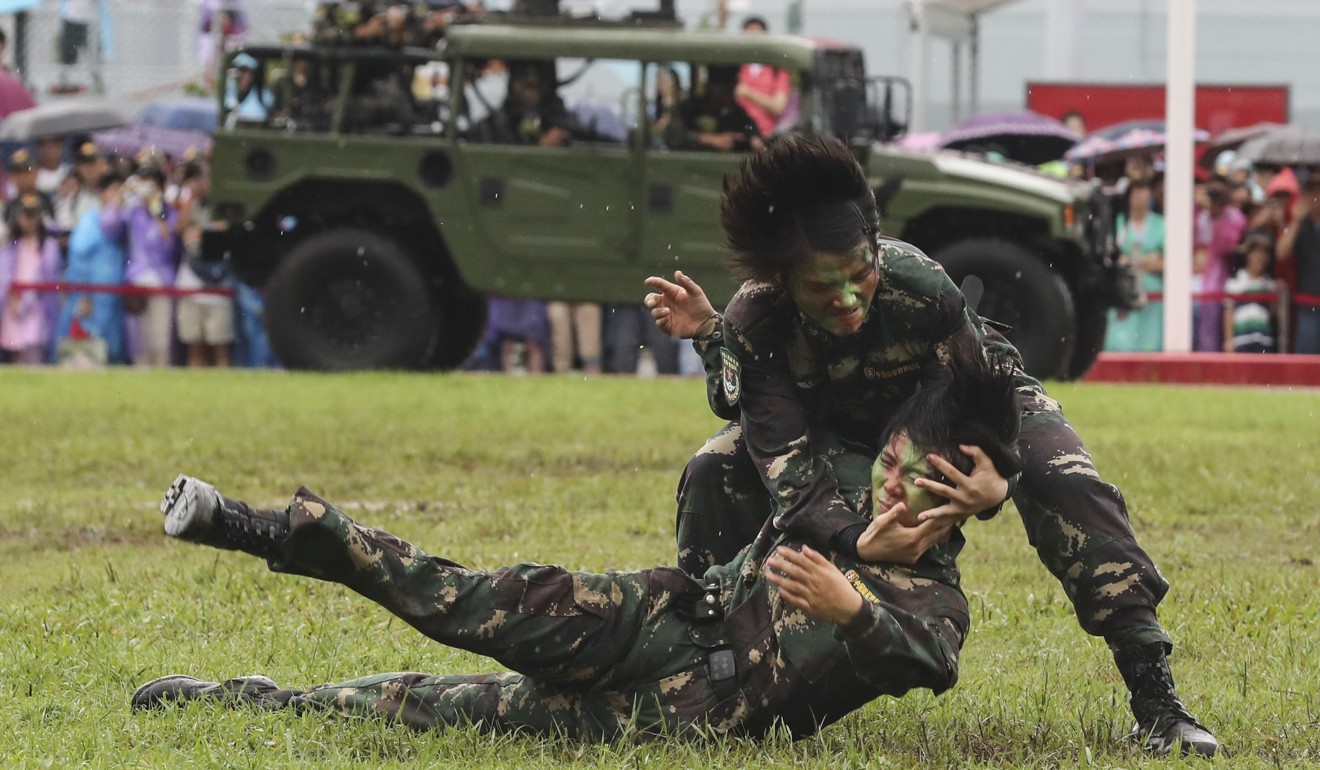
PLA troops go through their paces for the public at their Hong Kong barracks during an open day. Photo: Edward Wong
There is also mounting international pressure on China over issues such as its mass internment and political indoctrination of an estimated million or more members of Muslim minorities in Xinjiang, despite the Chinese government’s repeated denials of ill-treatment of the inmates and attempts to defend its policies.
Chen Daoyin, a Shanghai-based political analyst, said the increasing scrutiny China faced from Western countries – whether in the form of punitive tariffs or restrictions on technology – made it all the more important for China to keep Hong Kong as an open channel to connect with the world.
“If the military was deployed [in Hong Kong], it would mean China was ready to shut its doors completely,” Chen said.
Lau, from the Chinese Association of Hong Kong and Macau Studies, said the PLA should only be deployed as a last resort.
Two calls per second ‘jammed emergency lines’ during Hong Kong violence
“It would be a huge blow to the principle of ‘letting Hong Kong people govern Hong Kong with a high degree of autonomy’, since it will prove that Hong Kong people are not up to the task of governing themselves,” he said.
Hu, from Global Times, said the PLA troops could be used only if the authorities lost control of the city or an armed rebellion broke out.
Short of that, he said, the central government should let the chaos in Hong Kong run its course and wait for the public mood to flip.
This strategy of sitting it out hinges on the city’s police force holding the line and stopping Hong Kong’s slide into total anarchy.
Wortzel also warned that there were lines protesters should not cross – or risk provoking the use of military force.
“For instance, to this point, demonstrators have not gone up against the PLA garrison or any of its outposts. If they did that, I think it’s possible – actually it is very likely – that there will be a limited mobilised response [to defend the facilities],” he said.
While most analysts said the chance of Beijing resorting to military force was slim, the very idea – ludicrous to even discuss three months ago – has become a popular topic on social media on the mainland, where the discussion is not censored and many commenters support it.
The official media have been careful not to touch the subject but they too have stepped up rhetoric against the protests in Hong Kong.
In a rare move, state-run China Central Television has run commentaries and reports about protests in Hong Kong during its main evening news for five days in a row.
Only the most politically important issues receive such unusual treatment.
President Xi Jinping has shown himself capable of surprise, whether he is responding to the Hong Kong protests or the US trade war. But his failure to pardon political prisoners and rally China proves there are limits to his flexibility
President Xi Jinping waves as he reviews troops on Tiananmen Square during a Victory Day military parade in September 2015. He has signed two amnesty orders since taking office, one to mark the 70th anniversary of the end of the second world war in 2015, and the other to celebrate the 70th anniversary of the founding of the People’s Republic China this year. Photo: EPA
To mark the 70th anniversary of the founding of the People’s Republic of China, Beijing has granted special pardons to
amnesty since the Communist Party took control of the country, and the second since Xi Jinping took office. The previous amnesty was announced in 2015, on the occasion of the
(although there are no political crimes under the Chinese penal code, in reality those facing political persecution are often convicted of criminal offences). It would have demonstrated the stated aims of the amnesty, which include continuing the fine traditions of Chinese civilisation, such as cautious punishment and benevolence to prisoners. It would also have shown there is still a sliver of space for political openness in the
Out of the nine categories announced, political prisoners could have fallen under the sixth category – those aged 75 and above and with serious physical disabilities. But the Chinese government also stated it would not pardon those who refused to repent or were deemed dangerous to society, provisions that would exclude political prisoners.
Since Xi came to power, Beijing has strengthened its
. Yet, considering China’s current social situation, it should be difficult, but not impossible, for Xi to pardon political prisoners and send a reassuring signal to society.
Beijing had declared seven amnesties before 1975, but none between 1975 and 2015 – not even during the two relatively relaxed decades, the
. The amnesty of 2015 was unexpected because while the 70th anniversary of China’s victory against Japan was major, it was also just a commemorative celebration. To some extent, it illustrated Xi’s ability to surprise – and he has sprung more surprises since.
Recently, contrary to many observers’ expectations, Xi did not push for tough measures against the
had a crisis of confidence and many believed Xi would ramp up the policy of promoting the state sector over the private sector, he made a 180-degree turn towards
text. It is clear from all this that Xi understands the strategy of advance and retreat. If a situation is unfavourable for his or the party’s rule, he will adjust his policy.
And the current political climate in China would seem to warrant an adjustment. Xi’s leftist practices have alienated many and caused resentment in some sections of the party and society; in particular, he has destroyed the party’s relationship with
of alienating intellectuals, and is calling on top-level cadres to rebuild the relationship with scholars to strengthen the legitimacy of the party’s rule.
Internationally, an amnesty is a humanitarian measure that creates an atmosphere of reconciliation and regulates the political climate. Xi, who has abolished a term limit on the presidency, wants to maintain stable,
, it is reasonable to loosen the tightly wound spring that is Chinese society, and restore some flexibility. Special pardons would alleviate social conflict, reunite intellectuals, ease tension with the party’s critics, and avoid worsening the social divide.
Have the extradition protests sealed Hong Kong’s fate with Beijing?
In announcing the latest amnesty, Beijing emphasised the need to exude institutional confidence,
China as a great nation in a new era of prosperity, and to project an image of an advanced culture that is open, democratic and respects the rule of law.
China has a tradition of holding small celebrations every five years and big celebrations every 10 years. To highlight the great achievements and high morals of Xi, the new helmsman steering his people towards socialism, a wider net was cast for the latest special pardons: nine categories of prisoners, compared to four categories in 2015.
However, in setting stricter conditions to exclude some from the amnesty – in particular, political prisoners – Beijing has revealed the hypocrisy of its special pardons, to say nothing of its failure to enhance institutional confidence.
In short, Xi has squandered what could have been a good move to unite the Chinese people. Whatever his reasons might be, this amnesty should make one thing clear to the world: although Xi can be opportunistic and flexible in his ruling strategy, he is intransigent on the fundamental question of
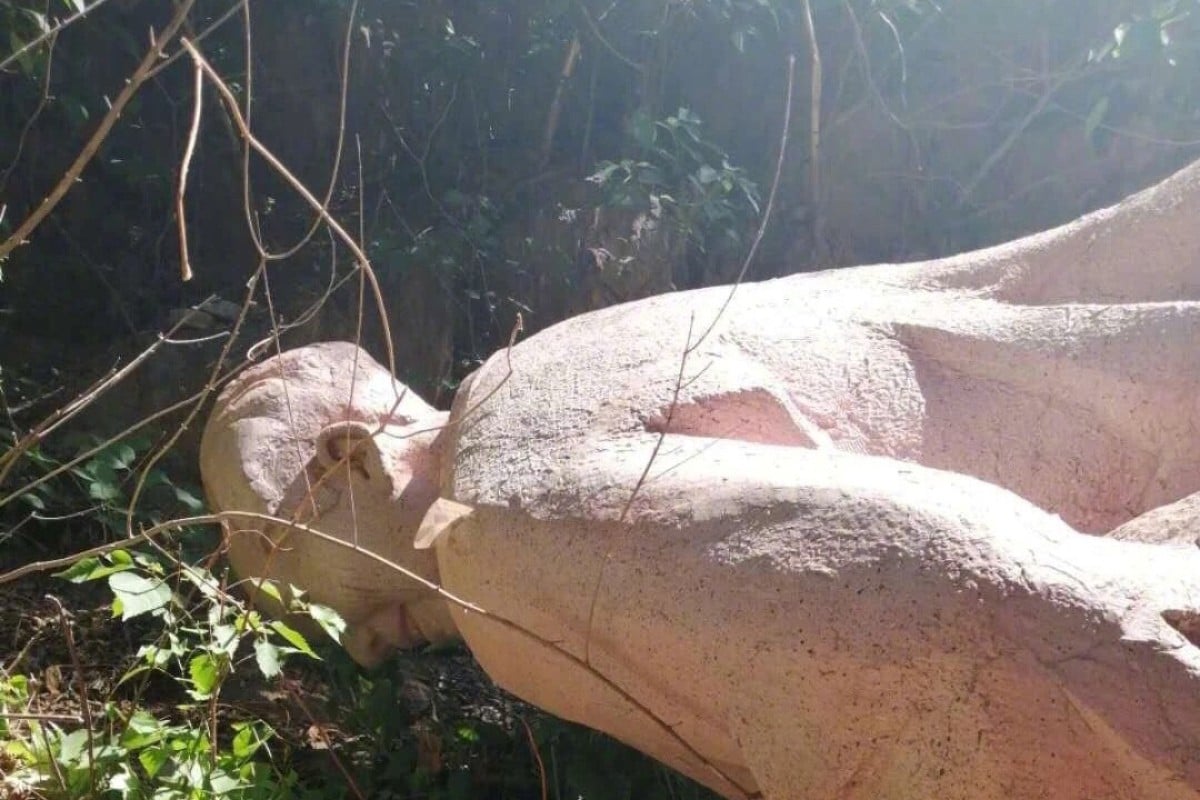
Cadres in Hebei village ordered to undergo self-criticism after photo of statue lying face down in the shrubbery was widely circulated online
Reinforced plastic structure had been leaning against the wall awaiting repair when it was blown into the bushes
The photograph was widely circulated online, prompting a response from the local authorities. Photo: Weibo
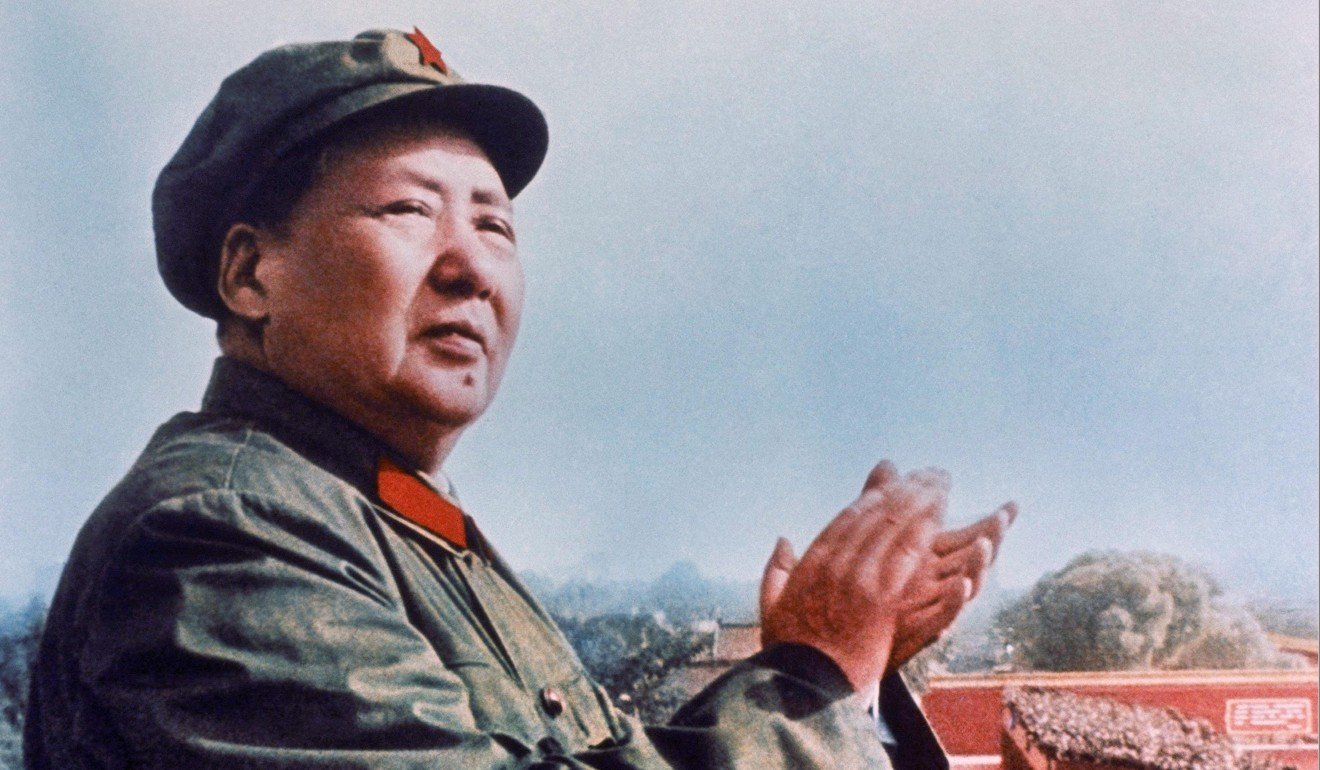
A couple of grass-roots Communist Party members from northern China have been disciplined after a statue of Mao Zedong was photographed lying face down surrounded by overgrown bushes.
The government of Fuping county in Hebei province issued a statement late on Tuesday that the party chief of Huashan village, where the statue used to stand, had been given a “serious warning” for failing to protect the statue.
His immediate superior, the party head of Chengnanzhuang township, also received a warning.
The disciplinary action came after a picture of the statue lying amid the shrubbery was widely circulated online, triggering an angry response from Mao’s admirers.
The village has become a revolutionary tourist destination because the founding father of the People’s Republic spent some time there in 1948.
100 years on from China’s May Fourth Movement, its message is being co-opted by the Communist Party
The local government said on Sunday that the statue, showing Chairman Mao with a clenched right fist, had been erected in 2017.
It was removed from its plinth earlier this month after cracks appeared in the reinforced plastic model and its colour started to fade.
The government said it had been leaning against a wall after its removal on May 3, but was blown over by strong gusts of wind several days later.
It has now been sent to the manufacturer for repair.
Mao’s image still adorns the banknotes and many public spaces in China. Photo: Alamy
The local officials were punished for “lacking ideological understanding” of the removal, failing to give enough protection to the statue and being careless in their daily work, the local government said.
Besides penalties for the individuals, the township party committee was also ordered to undertake self-criticism – a practice that began under Mao.
Statues of Chairman Mao used to be a common scene all across China, many of them built in the late 1960s at the height of the Cultural Revolution.
Shenzhen official kicked out of Chinese Communist Party for ‘trading power for personal gain and sex’.
Although many of them were removed after his death when the government began the process of reform and opening up, they can still be seen in spaces such as town squares and university campuses. Mao’s face also remains on the country’s banknotes and a large portrait of him hangs in Beijing overlooking Tiananmen Square.
BEIJING (Reuters) – It’s the most sensitive day of the year for China’s internet, the anniversary of the bloody June 4 crackdown on pro-democracy protests at Tiananmen Square, and with under two weeks to go, China’s robot censors are working overtime.
Censors at Chinese internet companies say tools to detect and block content related to the 1989 crackdown have reached unprecedented levels of accuracy, aided by machine learning and voice and image recognition.
“We sometimes say that the artificial intelligence is a scalpel, and a human is a machete,” said one content screening employee at Beijing Bytedance Co Ltd, who asked not to be identified because they are not authorised to speak to media.
Two employees at the firm said censorship of the Tiananmen crackdown, along with other highly sensitive issues including Taiwan and Tibet, is now largely automated.
Posts that allude to dates, images and names associated with the protests are automatically rejected.
“When I first began this kind of work four years ago there was opportunity to remove the images of Tiananmen, but now the artificial intelligence is very accurate,” one of the people said.
Four censors, working across Bytedance, Weibo Corp and Baidu Inc apps said they censor between 5,000-10,000 pieces of information a day, or five to seven pieces a minute, most of which they said were pornographic or violent content.
Despite advances in AI censorship, current-day tourist snaps in the square are sometimes unintentionally blocked, one of the censors said.
Bytedance declined to comment, while Weibo and Baidu did not respond to requests for comment.
SENSITIVE PERIOD
The Tiananmen crackdown is a taboo subject in China 30 years after the government sent tanks to quell student-led protests calling for democratic reforms. Beijing has never released a death toll but estimates from human rights groups and witnesses range from several hundred to several thousand.
June 4th itself is marked by a cat-and-mouse game as people use more and more obscure references on social media sites, with obvious allusions blocked immediately. In some years, even the word “today” has been scrubbed.
In 2012, China’s most-watched stock index fell 64.89 points on the anniversary day here, echoing the date of the original event in what analysts said was likely a strange coincidence rather than a deliberate reference.
Still, censors blocked access to the term “Shanghai stock market” and to the index numbers themselves on microblogs, along with other obscure references to sensitive issues.
While companies censorship tools are becoming more refined, analysts, academics and users say heavy-handed policies mean sensitive periods before anniversaries and political events have become catch-alls for a wide range of sensitive content.
In the lead-up to this year’s Tiananmen Square anniversary, censorship on social media has targeted LGBT groups, labour and environment activists and NGOs, they say.
Upgrades to censorship tech have been urged on by new policies introduced by the Cyberspace Administration of China (CAC). The group was set up – and officially led – by President Xi Jinping, whose tenure has been defined by increasingly strict ideological control of the internet.
The CAC did not respond to a request for comment.
Last November, the CAC introduced new rules aimed at quashing dissent online in China, where “falsifying the history of the Communist Party” on the internet is a punishable offence for both platforms and individuals.
The new rules require assessment reports and site visits for any internet platform that could be used to “socially mobilise” or lead to “major changes in public opinion”, including access to real names, network addresses, times of use, chat logs and call logs.
One official who works for CAC told Reuters the recent boost in online censorship is “very likely” linked to the upcoming anniversary.
“There is constant communication with the companies during this time,” said the official, who declined to directly talk about the Tiananmen, instead referring to the “the sensitive period in June”.
Companies, which are largely responsible for their own censorship, receive little in the way of directives from the CAC, but are responsible for creating guidelines in their own “internal ethical and party units”, the official said.
SECRET FACTS
With Xi’s tightening grip on the internet, the flow of information has been centralised under the Communist Party’s Propaganda Department and state media network. Censors and company staff say this reduces the pressure of censoring some events, including major political news, natural disasters and diplomatic visits.
“When it comes to news, the rule is simple… If it is not from state media first, it is not authorised, especially regarding the leaders and political items,” said one Baidu staffer.
“We have a basic list of keywords which include the 1989 details, but (AI) can more easily select those.”
Punishment for failing to properly censor content can be severe.
In the past six weeks, popular services including a Netease Inc news app, Tencent Holdings Ltd’s news app TianTian, and Sina Corp have all been hit with suspensions ranging from days to weeks, according to the CAC, meaning services are made temporarily unavailable on apps stores and online.
For internet users and activists, penalties can range from fines to jail time for spreading information about sensitive events online.
In China, social media accounts are linked to real names and national ID numbers by law, and companies are legally compelled to offer user information to authorities when requested.
“It has become normal to know things and also understand that they can’t be shared,” said one user, Andrew Hu. “They’re secret facts.”
In 2015, Hu spent three days in detention in his home region of Inner Mongolia after posting a comment about air pollution onto an unrelated image that alluded to the Tiananmen crackdown on Twitter-like social media site Weibo.
Hu, who declined to use his full Chinese name to avoid further run-ins with the law, said when police officers came to his parents house while he was on leave from his job in Beijing he was surprised, but not frightened.
“The responsible authorities and the internet users are equally confused,” said Hu. “Even if the enforcement is irregular, they know the simple option is to increase pressure.”
Image copyrightREUTERSImage caption This year marks the 30th anniversary of the pro-democracy protests
A promotional video for camera company Leica has sparked backlash in China for featuring a famous Tiananmen Square image.
The video depicts photographers working in conflicts around the world, including a photographer covering the 1989 protests.
People on Chinese social media site Weibo have called for a boycott of the camera brand.
Leica has distanced itself from the video.
“Tank Man” was a lone protester who brought a column of tanks to a standstill during a crackdown on pro-democracy protesters in Beijing in 1989.
He refused to move out of the way and climbed onto the leading tank to speak to the driver. He was later pulled away from the scene by two men. What happened to him remains unknown.
Users on Chinese social media site Weibo have been forbidden from commenting on recent official posts by Leica. However some people are managing to post carefully worded comments on earlier official Leica posts, BBC Monitoring has found.
A search of the hashtag Leica shows that 42,000 users have left posts on Weibo but only 10 are available to view.
Some comments urge users to “boycott the camera” and joke about the company being linked to “patriotic Huawei”.
Chinese technology giant Huawei has been restricted by the US and other countries over security concerns in telecommunications networks. Consumers in China have rallied around the company, which uses Leica technology in its latest mobile phones.
A spokeswoman for Leica told the South China Morning Post that the film was not an officially sanctioned marketing film commissioned by the company. However it features Leica cameras and the company’s logo at the end of the footage.
They added that the company “must therefore distance itself from the content shown in the video and regrets any misunderstandings of false conclusions that may have been drawn”.
The BBC has contacted Leica for additional comment.
How China keeps Tiananmen off the internet
By Kerry Allen, BBC Monitoring China analyst
China has banned all activists’ commemorations of the 1989 Tiananmen incident for years and has strictly regulated online discussion of it.
If users search for “Tiananmen” on domestic search engines like Baidu or social media platforms like Sina Weibo, they only see sunny pictures of the Forbidden City in Beijing. If any pictures of tanks running along Chang’an Avenue are visible in image searches, they are only from Victory Day parades.
Hundreds of references to 4 June 1989 are banned all-year round by thousands of cyber police, and Weibo steps up censorship of even seemingly innocuous references to the incident on its anniversary.
Simple candle emojis, and number sequences that reference the date, such as “46” and “64” (4 June) and “1989” (the year of the protests), are instantly deleted. Small businesses also struggle to market items on 4 June every year, if their sale price is 46 or 64 yuan. Such advertising posts are swiftly removed by nervous censors.
But creative users always find ways of circumventing the censors. For example in 2014, when Taylor Swift released her 1989 album, the album cover featuring the words “T.S.” and “1989” was seen as an effective metaphor by users to talk about the incident – as T.S. could be taken to mean “Tiananmen Square”.
More than one million Chinese students and workers occupied Tiananmen Square in 1989, beginning the largest political protest in communist China’s history. Six weeks of protests ended with the bloody crackdown on protesters of 3-4 June.
Estimates of the death toll range from several hundred to more than 1,000.
China’s statement at the end of June 1989 said that 200 civilians and several dozen security personnel had died in Beijing following the suppression of “counter-revolutionary riots” on 4 June 1989.


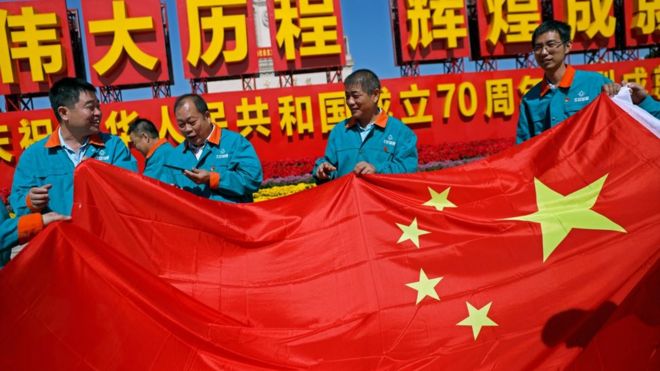 Image copyright EPA
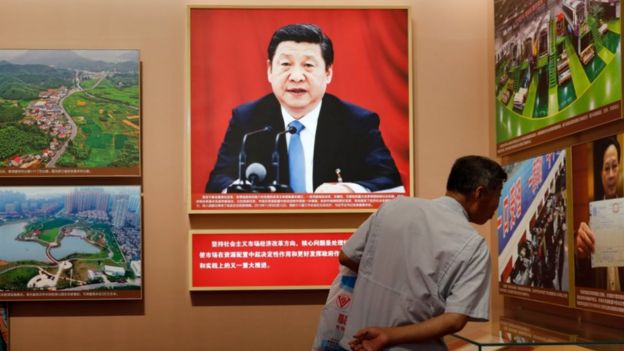 Image copyright EPA
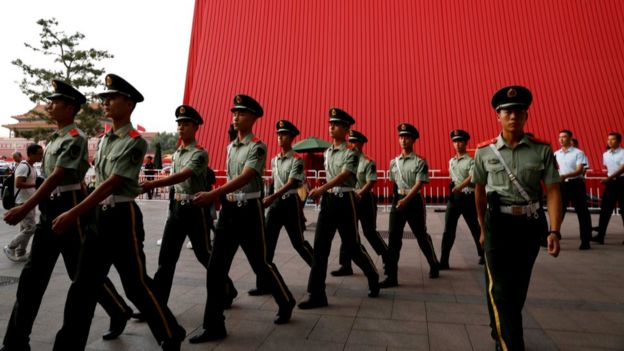 Image copyright EPA
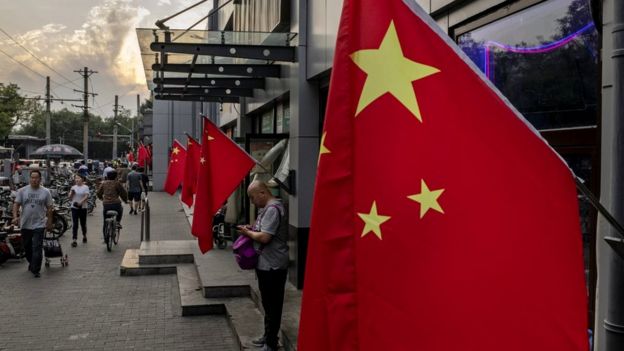 Image copyright GETTY IMAGES
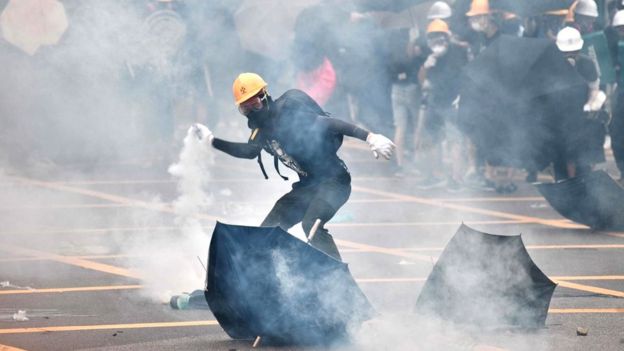 Image copyright AFP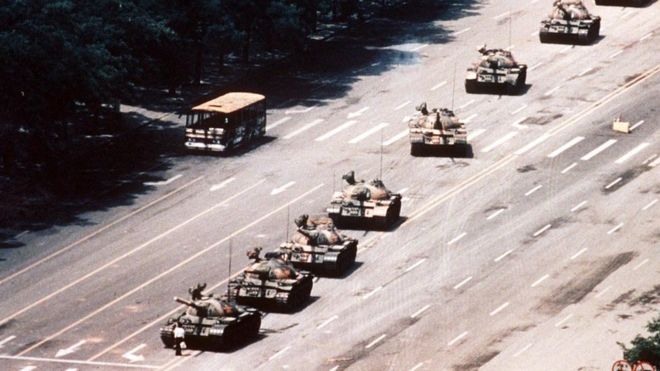






 CHINDIA ALERT: You'll be living in their world, very soon