30/09/2019
- Train trips, Xinjiang and chartered flights among the growing holiday trends, travel agents say
Destinations such as Dubrovnik, Croatia, are becoming more popular among mainland Chinese tourists, according to one of China’ s biggest travel services. Photo: AFP
Chartered flights and niche destinations such as Croatia and Malta are growing in popularity as Hong Kong falls out of favour for mainland Chinese holidaymakers over the National Day “golden week” break.
Japan has overtaken Thailand as the most searched overseas destination on the website of travel agency Ctrip, followed by Malaysia, the United States, Singapore, Australia, Macau, France, Italy and Russia.
Within the mainland places such as Beijing and Shanghai continued to be among the most popular searches but Urumqi, capital of Xinjiang Uygur autonomous region, is a fast-growing term, especially among people in Shanghai and Guangzhou.
“It could be that tourists want to see autumn leaves,” a Ctrip spokesman told the South China Morning Post.
October 1 marks the start of a week-long break on the mainland when millions of Chinese take the chance to travel. This year, an estimated 800 million people are expected to go on trips in China or overseas, about 10 per cent more than last year.
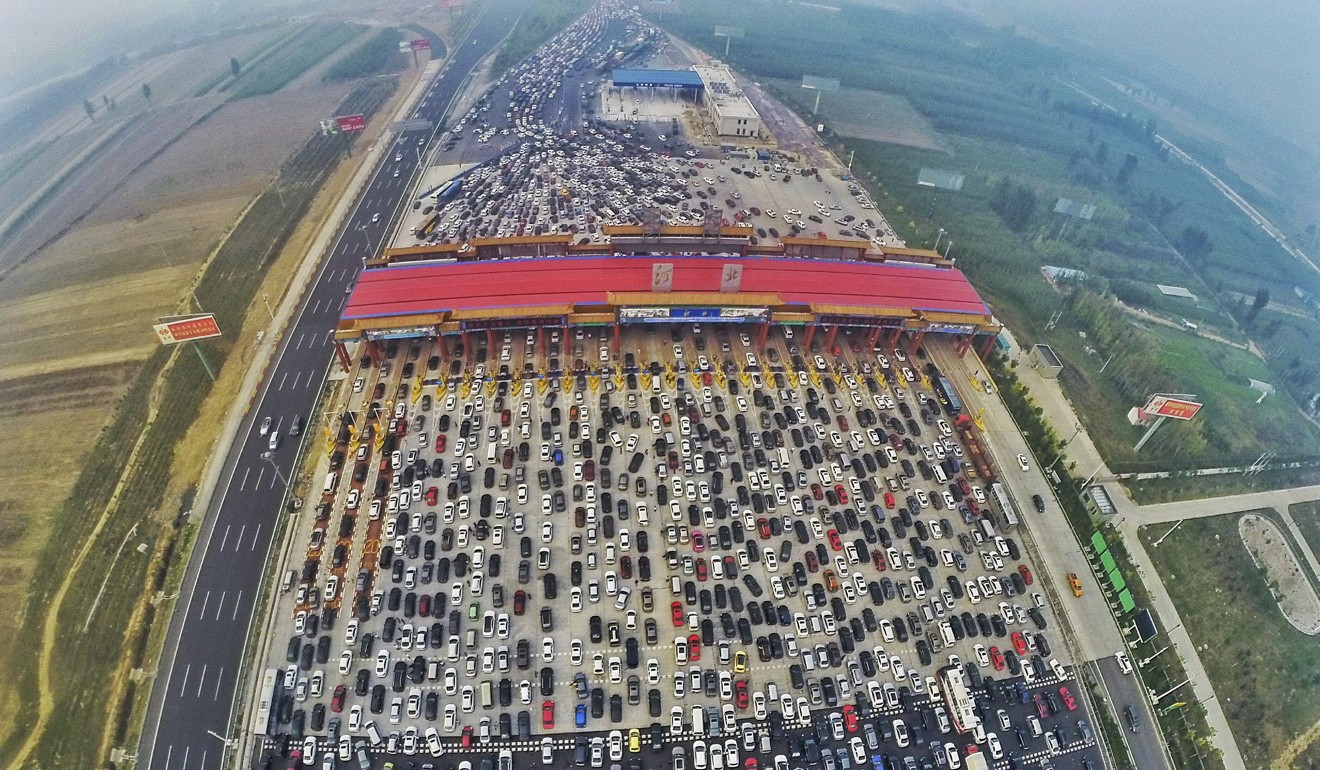
The country’s motorways are expected to be jammed from about 2pm on Monday, reaching a peak at around midnight, and again from 10am Tuesday, according to web mapping service Tencent Map.
China’s highways can expect heavy traffic as travellers head out for the holiday. Photo: Reuters
Ctrip said people heading overseas were increasingly seeking out new destinations, with bookings to places such as the Czech Republic, Austria, Croatia, Malta and Cambodia growing by 45 per cent this year.
“As Chinese people travel outside the country more and their experience of travel grows, many are more willing to go to smaller eastern European countries, such as the Czech Republic,” the spokesman said.
“Popular movies also have a strong influence. Many young people are willing to travel to see where films are shot, such as Croatia, one of the locations for Game of Thrones.”
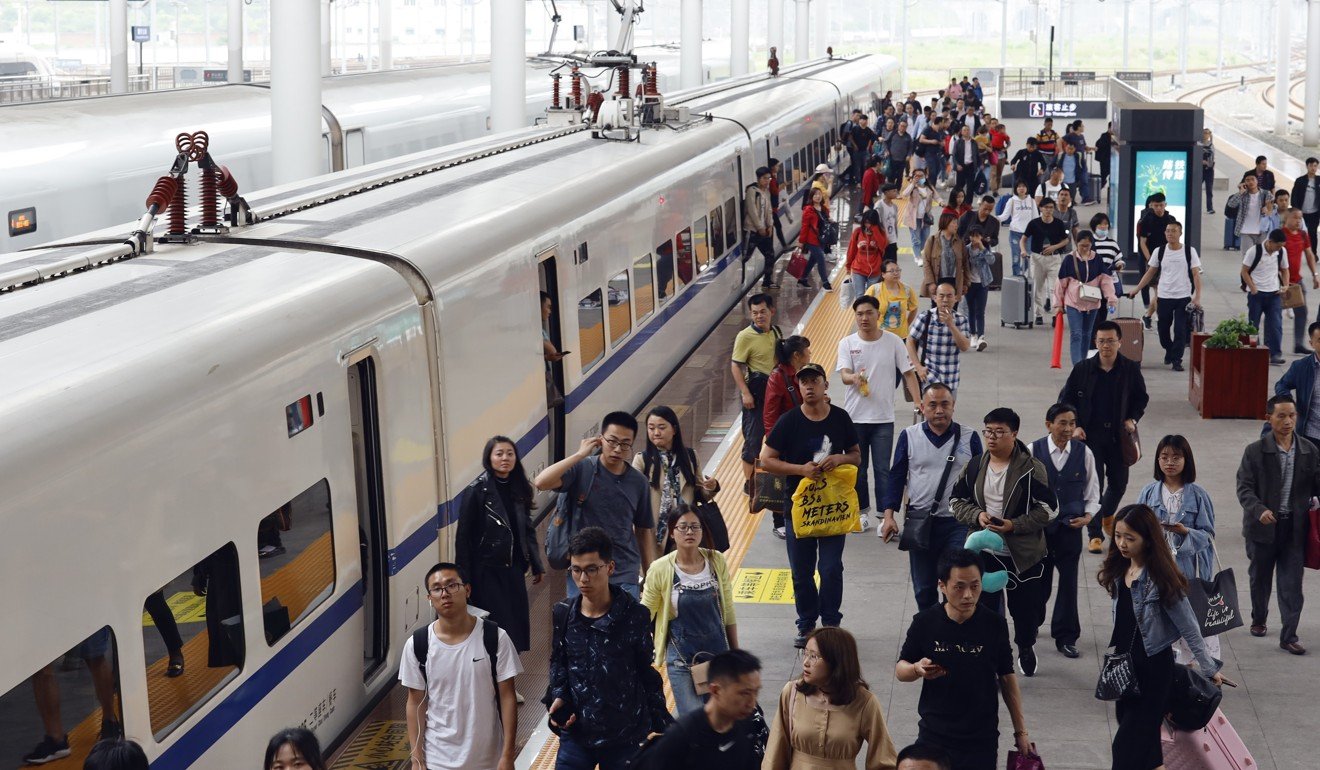
Other noticeable trends this year include more people travelling with pets, by train and on chartered flights. The site said it sold 60 per cent more European train tickets and 10 times the number of train tickets for Japan for this golden week compared to last year.
The most popular routes in Asia were Tokyo to Kyoto in Japan, and Seoul to Busan in South Korea.
Hong Kong protests leave ‘golden week’ tourist boom in tatters as visitor arrivals during Chinese holiday period are set to be slashed by a third
Thousands of users also chose chartered flights, a service Ctrip introduced in September.
Ji Yu, head of chartered flights for Ctrip said most people thought chartered flights or helicopters were something only millionaires could afford, but in the internet age, they had become cheaper and more accessible.
“In the internet era, consumer needs vary from person to person, especially in terms of travel. There are products on the market to satisfy each customer’s personal needs.”
Among the more popular chartered routes were from Beijing or Shanghai to Tokyo, Bangkok, the Maldives and London.
More people are also going away for longer. Digital travel services giant Qunar said that 80 per cent of the travellers booking flights or hotels through its services were heading off for more than five days. And of those 41 per cent were travelling for more than a week.
Meanwhile, trips to Hong Kong have fallen substantially, with just 15 group tours expected to enter the city each day, down from 110 last year, according to the Travel Industry Council of Hong Kong.
Efforts to promote Hong Kong attractions have also increased in Shenzhen in recent weeks, with advertising videos scenic spots, popular restaurants and malls in Hong Kong playing on cross-border buses. Passengers can also get discounts to some stores and services with their tickets.
Source: SCMP
Posted in Australia, Austria, autumn leaves, Ürümqi, Bangkok, Beijing, booking flights, break, Busan, Cambodia, capital, chartered flights, Chinese travellers, consumer needs, cross-border buses, Ctrip, Czech Republic, destinations, European train tickets, France, Game of Thrones, golden week, growing, Guangzhou, helicopters, holiday trends, Hong Kong, internet age, internet era, Italy, jammed, Japan, Kyoto, London, Macau, Malaysia, Maldives, malls, Malta, millionaires, motorways, National Day, niche, October 1, person to person, Qunar, restaurants, Russia, scenic spots, Seoul, Shanghai, Shenzhen, Singapore, skip, south china morning post, South Korea, Tencent Map, Thailand, Tokyo, tourists, Train, Train trips, travel, Travel agency Ctrip, travel agents, travelling with pets, Uncategorized, United States, vary, Xinjiang, Xinjiang Uygur Autonomous Region |
Leave a Comment »
29/07/2019
- China last year poured US$2.5 billion into firms in India, which is a healthy breeding ground for up-and-coming tech outfits
- Active cooperation between these investors and entrepreneurs holds a multitude of benefits for both sides, according to industry pundits
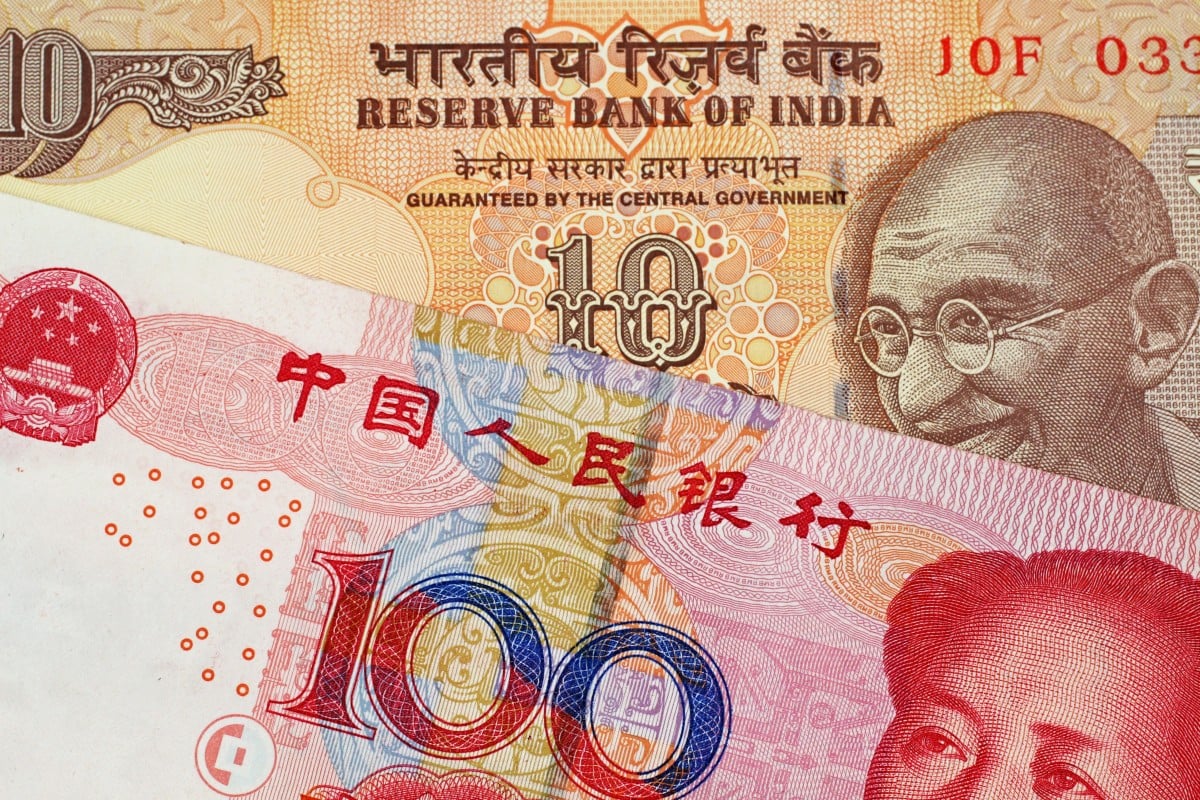
Chinese venture capitalists are injecting funds into a variety of cash-hungry Indian businesses. Photo: Shutterstock
C
hinese President Xi Jinping and
look set for another informal summit in October, and a key item on the agenda will be
.
Indian start-ups have become a major target for
, who have been looking to emulate their United States counterparts such as Tiger Global and Sequoia Capital that dominate the sector.
On top of this, a slowdown in start-up deals in China has nudged the country’s investors to look beyond their borders, and
’s affordable labour market and strong economic growth provide a healthy breeding ground for young tech outfits.
Can Bollywood be the bridge that binds India and China?
Led by heavyweights such as Shunwei Capital, Fosun International, Tencent Holdings, Xiaomi and Alibaba Group Holding – which owns the
South China Morning Post –
have been injecting funds into a variety of cash-hungry Indian businesses.
For many of these start-ups, the knowledge and technology of Chinese investors act as the backbone of their business Ntasha B, Venture Gurukool
Beneficiaries have included advertising firm Media.net, e-commerce operator Snapdeal, digital payment provider Paytm, online travel firm MakeMyTrip, messaging platform Hike, health tech start-up Practo and news aggregator Dailyhunt.
“For many of these
, the knowledge and technology of Chinese investors act as the backbone of their business, along with the operational expertise of Indians in the domestic market,” said Ntasha B, co-founder of Venture Gurukool, a mentoring platform for start-ups which works closely with Indian diplomatic missions in China.
Chinese President Xi Jinping and Indian Prime Minister Narendra Modi are set to meet again in October. Photo: Xinhua
She added that Chinese investors usually had a hands-on approach and were a bit inflexible, unlike their American counterparts, who gave some elbow room in hiring local teams.
A senior executive with an Indian start-up, who did not wish to be identified, said it was sometimes straightforward to convince Chinese investors as they could relate to Indian business models and requirements that were dissimilar to those from the Western world.
The world’s second-largest economy invested nearly US$2.5 billion in Indian start-ups last year, a figure that has touched almost US$1 billion so far this year, according to finance research firm Venture Intelligence. The number of such deals jumped from just one in 2013 to 27 last year.
What does Amazon’s China departure mean for its Indian e-commerce battle?
Indian start-ups are estimated to have raised US$3.9 billion from around the globe in the first six months of this year, and the inflow from Chinese behemoths played a key role in pushing them to turn east to source funding.
“What’s more interesting about [Chinese investors’] strategy is that they’re paying more attention to rural India. If you look at the companies they’ve invested in, a fair amount of their businesses target the rural segment,” said Sandeep Murthy, managing partner at venture capital firm Lightbox Ventures, which keeps a close watch on Chinese investments. He said the brisk economic activities in India’s tier two and tier three towns are more attractive to Chinese investors than India’s urban centres.
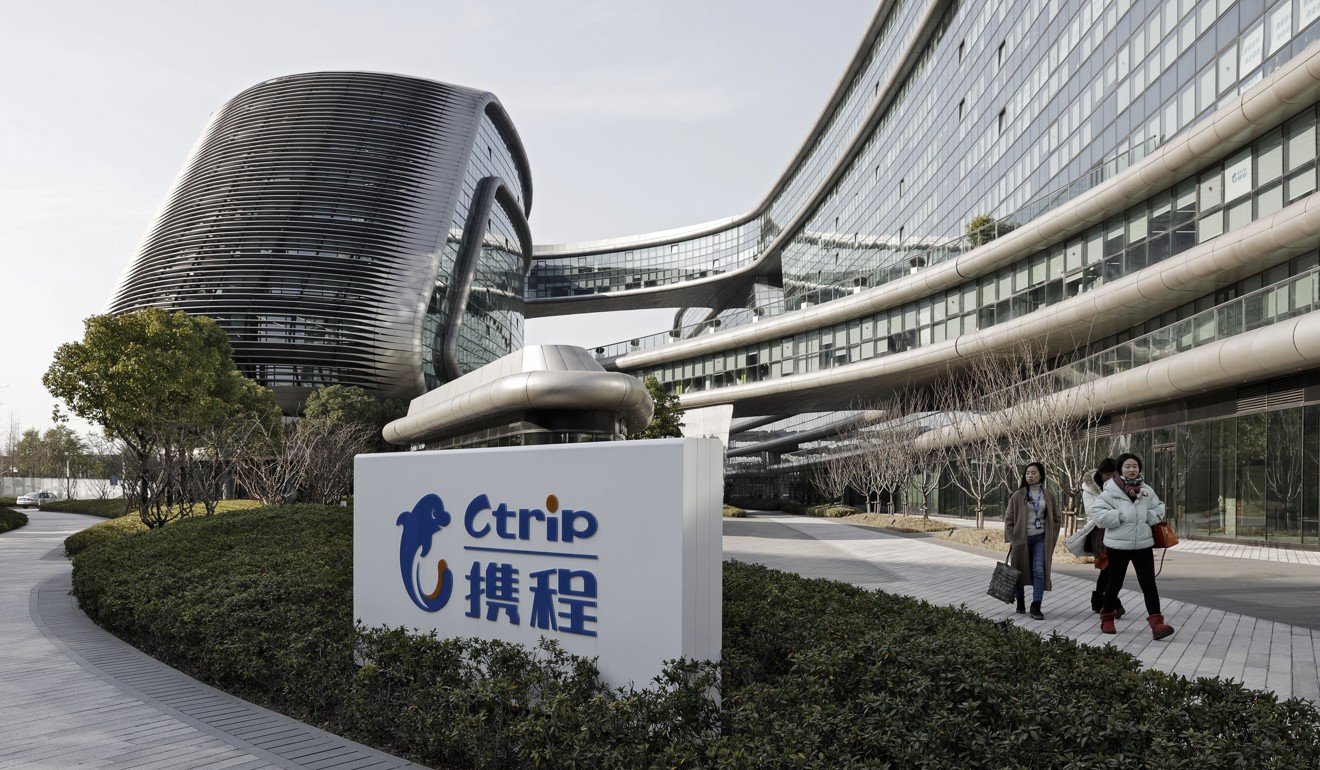
Ctrip, China’s largest online travel agency, is drawn to the size and rapid advancement of the Indian market. Photo: Bloomberg
For Ctrip – China’s largest online travel agency, which in April took a 49 per cent stake in MakeMyTrip – the appeal of India was its whirlwind technological advancement and the disposable income of its massive young population.
“[MakeMyTrip has] achieved fast growth in the online travel market and is becoming well recognised in the Indian market. Their comprehensive products and services, management team and the opportunities in India result in our confidence that they will continue to succeed,” said Wei Yuan Min, a member of Ctrip’s global team. Behind the US and China, India houses the world’s third-largest start-up ecosystem in terms of the number of companies. As for the number of unicorns – start-ups valued at over US$1 billion – India ranks third, offering a vibrant habitat for entrepreneurial ventures. The country is home to 32 such firms, with the addition of nearly half a dozen so far this year and 15 last year.
In India, one man took on Chinese firm ByteDance to shut down TikTok – and he wants to do it again
New Delhi expects there to be 12,000 tech start-ups in the country by next year, up from 7,200 last year. There were 1,200 new tech firms in the sector last year, according to industry body Nasscom.
One of those capitalising on this opportunity is the Beijing-headquartered technology company Xiaomi, which last year promised to pump US$1 billion into 100 Indian start-ups over the next five years. Most of these Indian firms are involved in businesses that are ancillary to Xiaomi’s key operations.
Chinese firm Xiaomi is banking on Indian start-ups to strengthen its own products. Photo: Reuters
“These start-ups help us in building a stronger product offering,” a Xiaomi spokesperson said. “The idea is to invest in start-ups which can further boost the mobile ecosystem in India. They could be into mobile gaming, service providers, value-added services or servicing the mobile industry.”
Xiaomi has been rapidly expanding its businesses in India, selling smartphones, television sets, security cameras, speakers, power banks, and more. India was the first market outside China where Xiaomi introduced its television sets.
Asked which sector would be Xiaomi’s focus for investment in the coming years, the spokesperson said the company was looking to focus on hardware-related start-ups in the ecosystem which could offer “robust solutions” to its Indian requirements.
Amazon, Uber and Google struggled in China, but Indian hotel chain Oyo is succeeding.
Here’s why
While hopes for India’s start-up sector are high, there have been some disappointments. There were reports this month that Alibaba, a major shareholder in Paytm, was unhappy with the Indian firm’s performance, pressuring it to realign its strategies and looking unlikely to provide fresh capital.
Paytm, a digital-payment-system unicorn, launched its own e-commerce Paytm Mall in 2016 when Walmart-backed Flipkart and Amazon were dominating the market.
However, the venture has yet to take off and is burning through cash.
Paytm refused to comment on the matter.
Paytm has attracted investment from Alibaba, but its Paytm Mall venture is struggling. Photo: Bloomberg
Chinese firms’ coordinated effort to enter the Indian start-up scene has made it easy for Indian ventures to access new sources of revenue. For instance, the state-run Industrial and Commercial Bank of China (ICBC), the country’s largest lender, launched an India-specific investment fund for Chinese investors in May last year.
Several Chinese venture capitalists are also providing platforms for entrepreneurs through fellowship schemes. Four Indian ventures – Zefo, Healthy Buddha, NowFloats and Grozip – took part in one such fellowship initiative run by Alibaba last year.
Gold, jewels, ‘Islamic’ finance: how India’s I Monetary Advisory built a US$365 million Ponzi scheme
India has warmly welcomed these initiatives. Amitabh Kant, chief executive of state-backed policy think tank Niti Aayog and a close aide of Modi, has publicly said China should become the topmost investor in its neighbour.
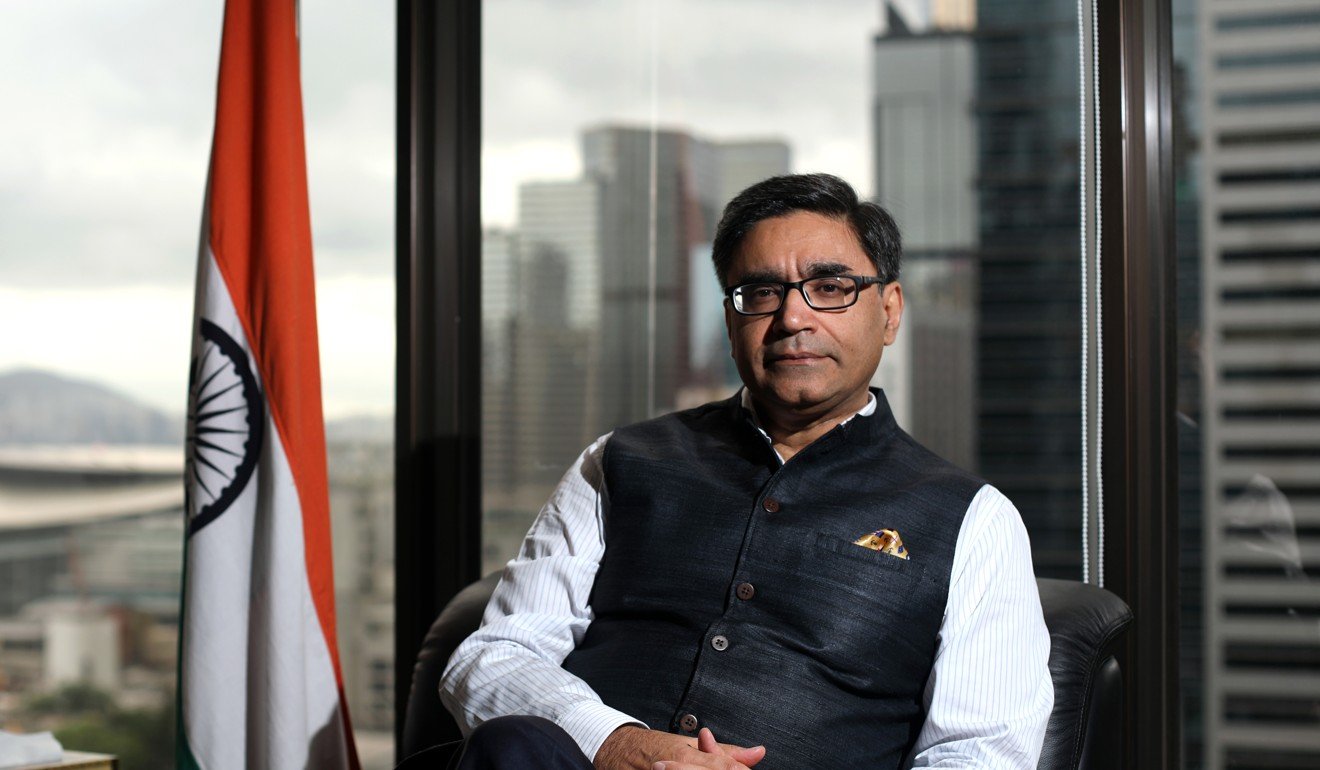
Vikram Misri, India’s ambassador to China, has also been pushing for increased economic cooperation and Chinese investment since he took charge in January, despite expressing concerns over New Delhi’s widening trade deficit with Beijing.
Vikram Misri, India’s ambassador to China, is looking for more economic cooperation between the two countries. Photo: Xiaomei Chen
The increased Chinese investment in Indian ventures has coincided with the Modi administration’s 2015 launch of the Startup India initiative, an umbrella scheme aimed at easing related activities through measures such as tax exemptions and simplified paperwork.
Industry pundits say active cooperation between Chinese investors and Indian entrepreneurs holds a multitude of benefits for both sides.
“The cooperation gives Chinese investors global scale and opportunity to diversify their investments,” said Neil Shah, partner and research director at the technology market research firm Counterpoint.
The cooperation gives Chinese investors global scale and opportunity to diversify their investmentsNeil Shah, Counterpoint
“For Indian start-ups, this gives cross-border learning, guidance from their global investors on dos and don’ts, tactical and long-term strategy, how to create value, run operations efficiently as well as expand beyond India.”
Nilaya Varma, partner and leader of markets enablement at KPMG India, said there was a cultural shift happening in the country where young Indians brimming with ideas wanted to pursue their dreams rather than work for someone else. This brought out the entrepreneurial spirit of this generation, he said.
“The knowledge, concepts, ideas and innovations of the small start-ups in India will have a global appeal. So it makes a lot of sense for Chinese big players to invest here,” he said.
Source: SCMP
Posted in Alibaba Group Holding, Amazon, Beijing, Bollywood, Bytedance, Chinese money, Chinese President Xi Jinping, Counterpoint Research, E-commerce, Flipkart, Fosun International, Google, Grozip, Healthy Buddha, I Monetary Advisory, India’s ambassador to China, Indian Prime Minister Narendra Modi, Indian start-ups, Industrial and Commercial Bank of China (ICBC), KPMG India, MakeMyTrip, Nasscom, New Delhi, NowFloats, online travel agency Ctrip, OYO, Paytm, Paytm Mall, Ponzi, powering, Sequoia Capital, Shunwei Capital, south china morning post, Tencent Holdings Ltd, Tiger Global, TikTok, Travel agency Ctrip, Uber, Uncategorized, unicorn, United States, Vikram Misri, Walmart, Xiaomi, Zefo |
Leave a Comment »
02/05/2019
- Major highways gridlocked for hours at start of four-day break
- Chaos at railway stations as ticket-holding passengers turned away
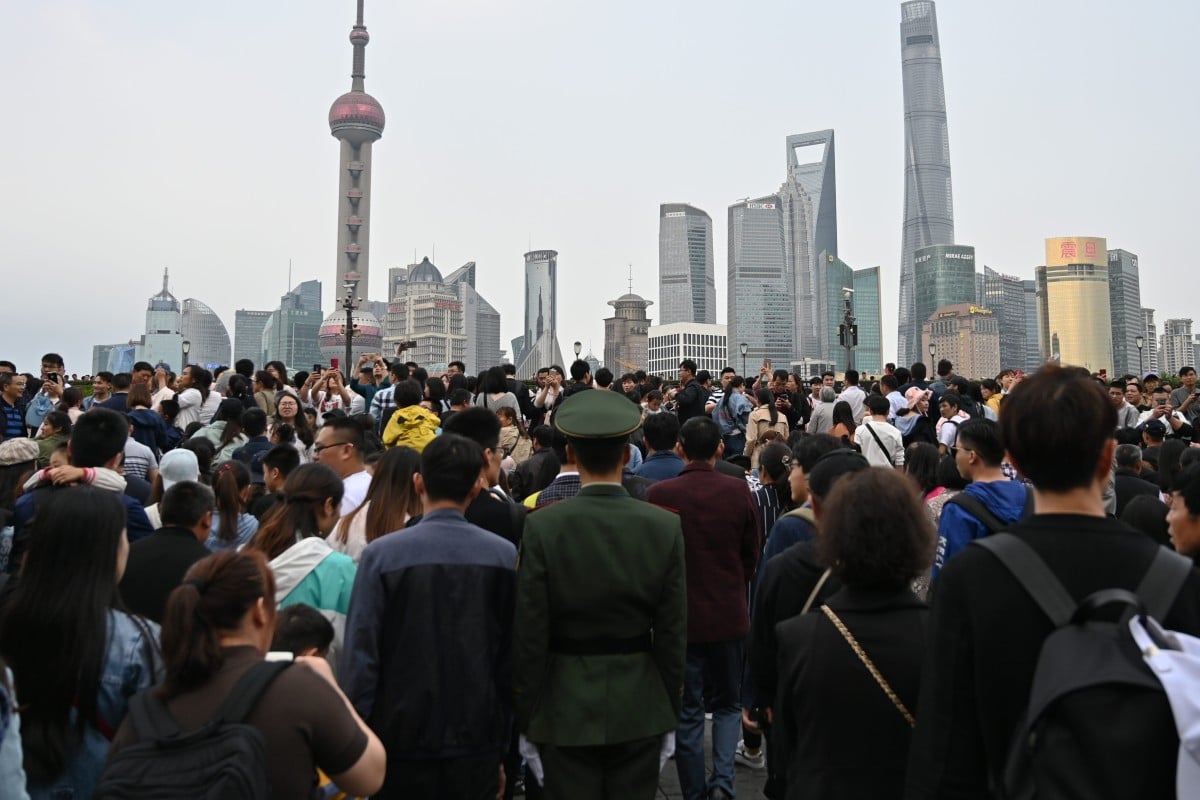
Holiday crowds pack the promenade on the Bund along the Huangpu River in Shanghai on the first day of China’s May break. Photo: AFP
China’s Labour Day holiday started on Wednesday with gridlocked roads and chaos at railway stations as millions of people took advantage of this year’s unusually long break.
Motorists reported being stuck in traffic jams which did not move for hours, while ticket-holding passengers were turned away from some trains due to severe overcrowding on the first day of the holiday.
Travel agency Ctrip estimated that around 160 million domestic tourists would be travelling over the four-day break, according to data from travel booking platforms.
Forty major highways recorded a 75 per cent spike in traffic on Wednesday, according to Xinhua, as toll fares for cars were suspended for the holiday.
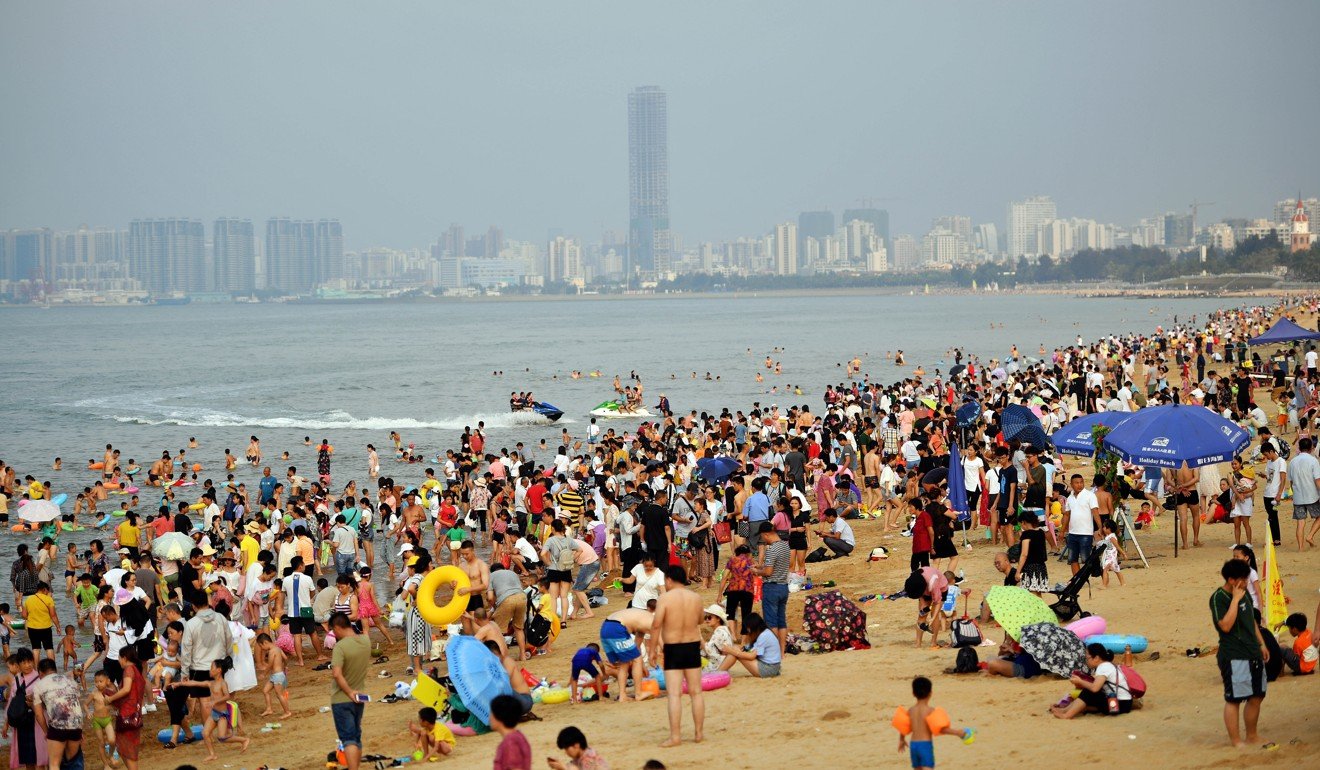
Tourists enjoy the first day of China’s four-day May holiday on a beach in Haikou, Hainan province, southern China. Photo: Xinhua
Monitoring stations on major routes – including the Beijing-Tibet Expressway, the Shanghai-Shaanxi Expressway, Shanghai’s Humin Elevated Road and the Beijing section of the Beijing-Hong Kong-Macau Expressway – recorded a 200 per cent increase in traffic from Tuesday onwards, Xinhua said.
The Ministry of Public Security’s traffic management bureau has warned holiday motorists to drive safely, especially on winding mountainside routes.
Online news portal The Paper reported on Thursday that traffic jams on some major routes were so severe that the drive from Shanghai to Hangzhou, capital of neighbouring Zhejiang province, took some travellers seven hours instead of the usual two.
Passengers board the train at Chongqing North Railway Station in southwest China on Tuesday, hoping to beat the May holiday travel rush. Photo: Xinhua
Meanwhile, more than 54,000 tourists visited the popular Badaling section of the Great Wall on Wednesday, according to Beijing Youth Daily. The attraction’s management team had increased the number of volunteers, parking spaces and shuttle buses to prepare for the influx, the report said.
More than 53,000 tourists had visited the Shanghai International Tourism Resort and Shanghai Disneyland by 4pm on Wednesday, according to data from the Shanghai municipal government’s real-time visitor tracker. The Shanghai Zoo attracted more than 24,000 people, and more than 9,200 visited the Shanghai Science and Technology Museum.
Despite the crowds, no records were broken at the Shanghai attractions, which reached about 70 per cent of their maximum visitor numbers recorded, The Paper reported.
At railway stations, ticket-holding passengers were stopped from boarding trains between Nanjing and the city of Zibo in Shandong province, eastern China, due to severe overcrowding, Beijing Youth Daily reported on Wednesday.
Station staff promised full refunds to customers with pre-booked tickets who were refused entry.
Source: SCMP
Posted in Badaling section, Beijing Youth Daily, Beijing-Hong Kong-Macau Expressway, Beijing-Tibet Expressway, Chaos, China alert, Chongqing North Railway Station, Gao, Great Wall, gridlocked, Haikou, Hainan, Huangpu River, Humin Elevated Road, influx, Labour Day holiday, Major highways, Ministry of Public Security, Nanjing, parking spaces, railway stations, roads jammed, shandong province, Shanghai, Shanghai Disneyland, Shanghai International Tourism Resort, Shanghai Science and Technology Museum, Shanghai to Hangzhou, Shanghai Zoo, Shanghai-Shaanxi Expressway, shuttle buses, The Bund, The Paper, traffic management bureau, Travel agency Ctrip, travel booking platforms, Uncategorized, volunteers, Xinhua, zhejiang province, Zibo |
Leave a Comment »





 CHINDIA ALERT: You'll be living in their world, very soon