Chindia Alert: You’ll be Living in their World Very Soon
aims to alert you to the threats and opportunities that China and India present. China and India require serious attention; case of ‘hidden dragon and crouching tiger’.
Without this attention, governments, businesses and, indeed, individuals may find themselves at a great disadvantage sooner rather than later.
The POSTs (front webpages) are mainly 'cuttings' from reliable sources, updated continuously.
The PAGEs (see Tabs, above) attempt to make the information more meaningful by putting some structure to the information we have researched and assembled since 2006.
BEIJING (Reuters) – China announced on Sunday two new confirmed cases of coronavirus and four new asymptomatic cases, including one person without symptoms of COVID-19 on a chartered flight from Germany.
The two confirmed cases in Shandong province on Saturday compared with four cases the day before, data from the country’s health authority showed.
The National Health Commission (NHC) confirmed three new asymptomatic cases on Saturday.
On Sunday, the Chinese city of Tianjin confirmed one asymptomatic person, a passenger arriving from Frankfurt on a chartered Lufthansa flight, LH342, to Tianjin. This case was discovered between midnight and 6 a.m. local time on Sunday, the city’s daily statements show.
These charter flights are part of an accelerated entry procedure offered by Beijing as China and Germany seek to reignite their economies after months of lockdown. The flight to Tianjin carried about 200 passengers, mostly German business executives.
Lufthansa has another charter flight scheduled for Shanghai on Wednesday.
A 34-year-old German engineer tested positive for the coronavirus after arriving in Tianjin but he does not have any symptoms, the Tianjin government said on its official social media platform Weibo.
The asymptomatic patient has been transferred to a local hospital to be placed under medical observation, the Tianjin government said, adding that the whole process was a “closed loop”, meaning posing no great risk to the Chinese public.
People’s Liberation Army has officially recorded no infections but disease fears have delayed recruitment, training and operations
Analysts say Sars experience guided military’s prompt response, but combat effectiveness has been affected
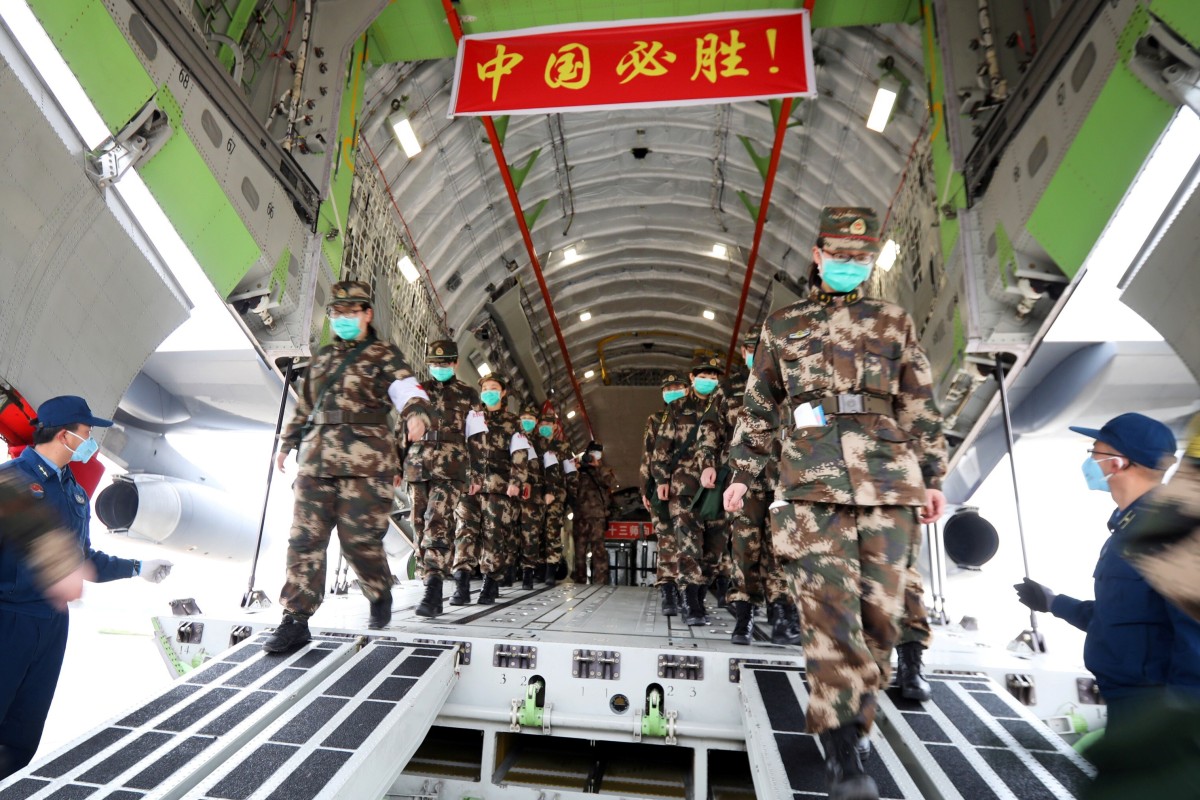
Chinese military medical personnel arriving in Wuhan in February to assist with the coronavirus outbreak response to the February. Photo: Reuters
China’s military may have been spared any coronavirus infections, but the global health crisis has slowed the progress of Chinese President Xi Jinping’s plan to transform the People’s Liberation Army into a modern fighting force capable of long-range power-projecting operations, experts say.
According to China’s defence ministry, the world’s largest armed force – with about 2.3 million personnel – has had zero confirmed cases of Covid-19. In contrast, the US and Russian militaries, ranked second- and third-largest in the world, have reported more than 4,000 and 1,000 respectively.
But the PLA has been affected in other ways by the disease, which was first reported in Wuhan in December before going on to infect 3.9 million people around the world to date.
Safety concerns delayed its annual spring recruitment programme – it has been rescheduled for August – while the PLA Navy was forced to change its training arrangements, switching to classroom study of military theory and tactics, according to Xinhua.
“The PLA is still a conscription army and, given its large turnover of soldiers every year and the late recruitment and training plan this year, the coronavirus pandemic has already affected combat effectiveness,” said Adam Ni, director of the China Policy Centre, an independent, non-profit research organisation based in Canberra, Australia.
China’s military budget will still rise despite coronavirus, experts predict
3 May 2020
The navy’s operations, in particular, would have been affected, according to Charlie Lyons Jones, a researcher from the Australian Strategic Policy Institute’s defence and strategy programme.
“The Chinese navy, short of highly effective disease control measures, is unlikely to avoid similar outbreaks of the novel coronavirus on board its warships,” he said.
“Therefore, even if the PLA Navy currently has zero personnel infected by the novel coronavirus, its position as a navy that can operate effectively in a period of higher-than-normal tension remains precarious at best,” Jones said. He also questioned Beijing’s claims that the military was virus-free.
“The PLA played an important role in China’s response to the coronavirus outbreak in Wuhan … The idea that none of these personnel working on the front lines in Wuhan became infected by the novel coronavirus would be inconsistent with the experiences of countries from around the world,” he said.
More than 4,000 military medical workers were sent to Wuhan as part of China’s effort to contain the outbreak at ground zero – which included the rapid-built emergency field facility, the Huoshenshan hospital – and their efforts were highlighted in a documentary screened recently by state broadcaster CCTV.
China opens coronavirus hospital built in 10 days
At the time, rumours were rampant that the Chinese military had been affected by the coronavirus, fuelled by a report on February 17 by the official PLA Daily that some soldiers had been placed in quarantine and Yu Qiusong, captain of the Changzhou type 054A frigate, was isolating in a guest house. The news report did not mention why the personnel were in quarantine.
But analysts said that whether the official numbers were accurate, the PLA’s closed management, fast response and past experience with severe acute respiratory syndrome (Sars) gave China’s military an advantage in keeping the coronavirus at bay.
Zhou Chenming, a Beijing-based military observer, said a key reason for the less serious hit to the PLA compared to other forces was its speed in recognising the severity of the situation.
“What’s more, the PLA has its own logistic support system that can help minimise its contact with the outside world, thus reducing the possibility of contracting the virus,” he said.
China’s long-range stealth bomber could make its debut this year
4 May 2020
According to Xinhua, the PLA’s Centre for Disease Control and Prevention drew up an emergency response plan and mobilisation arrangements on January 20, the same day Xi issued an instruction to the public that the virus must be “resolutely contained”.
Timothy Heath, a senior international defence research analyst with the Rand Corporation, a US think tank, said China’s military had benefited from its less international role, compared to US forces.
“The US is a globally distributed force while the Chinese military largely operates on the mainland. The US thus faces challenges in containing the disease that the Chinese military does not have to face … and the US military has a large range of missions and tasks it carries out to counter threats to its allies and partners, as well as to US security. This complicates efforts by the US military to carry out disease control measures,” he said.
Joint mission will send two unmanned probes into orbit around the closest planet to the sun
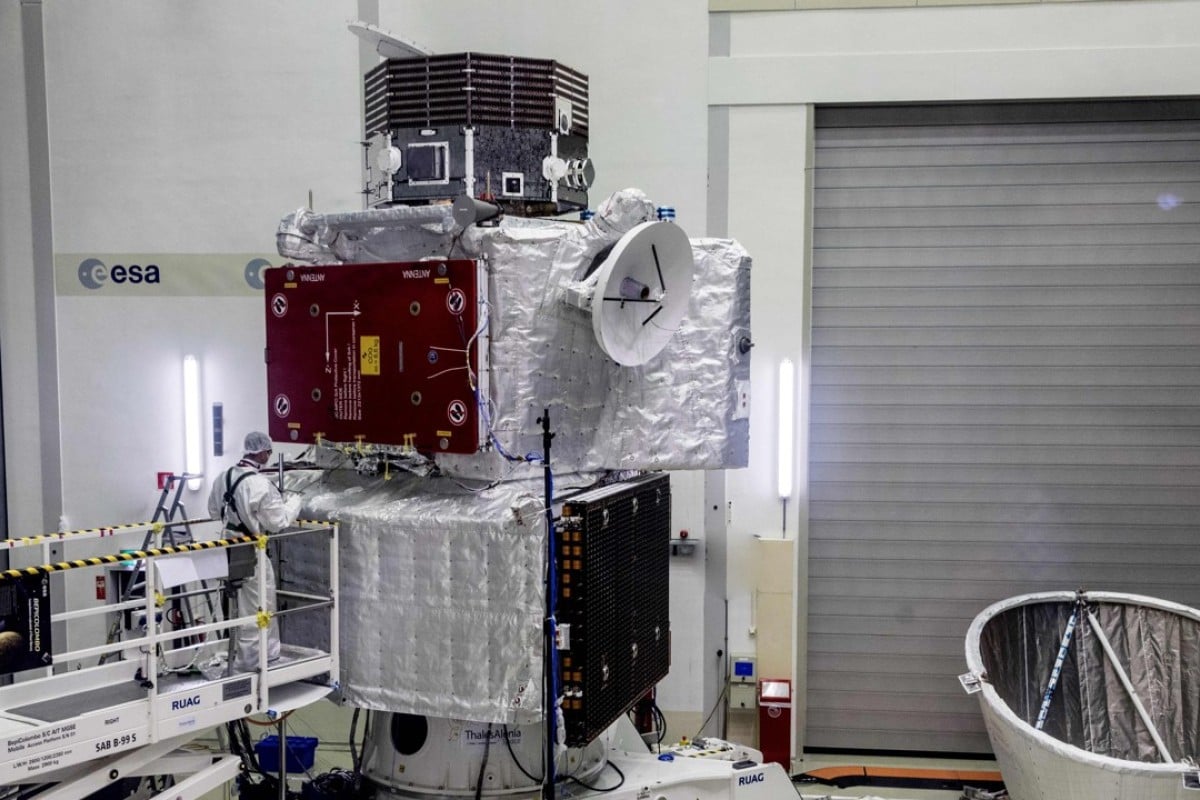
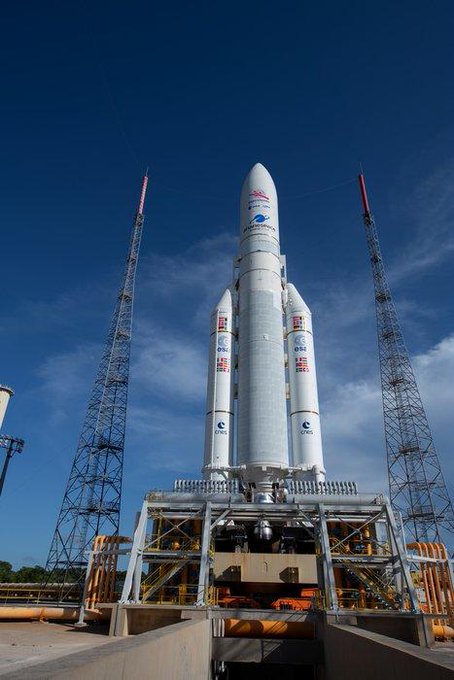
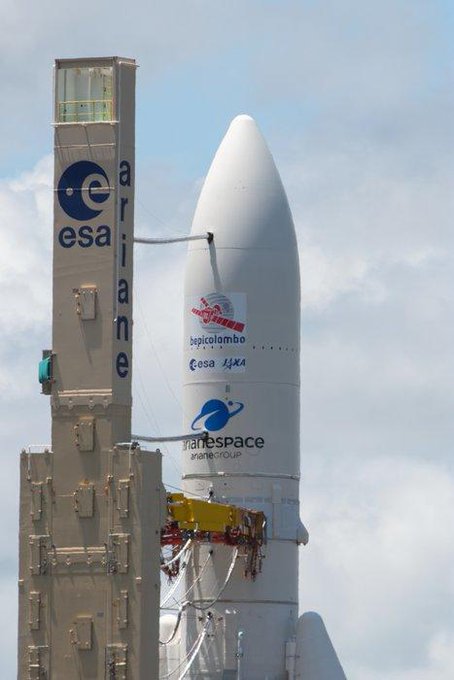
The BepiColombo standing in position at a test facility in Spijkenisse. Its mission to Mercury is scheduled for launch on an Ariane 5 from Europe’s Spaceport in Kourou, French Guiana on October 20. Photo: AFP Photo
Final preparations were underway on Friday for the launch of a joint mission by European and Japanese space agencies to send twin probes to Mercury, the closest planet to the sun.
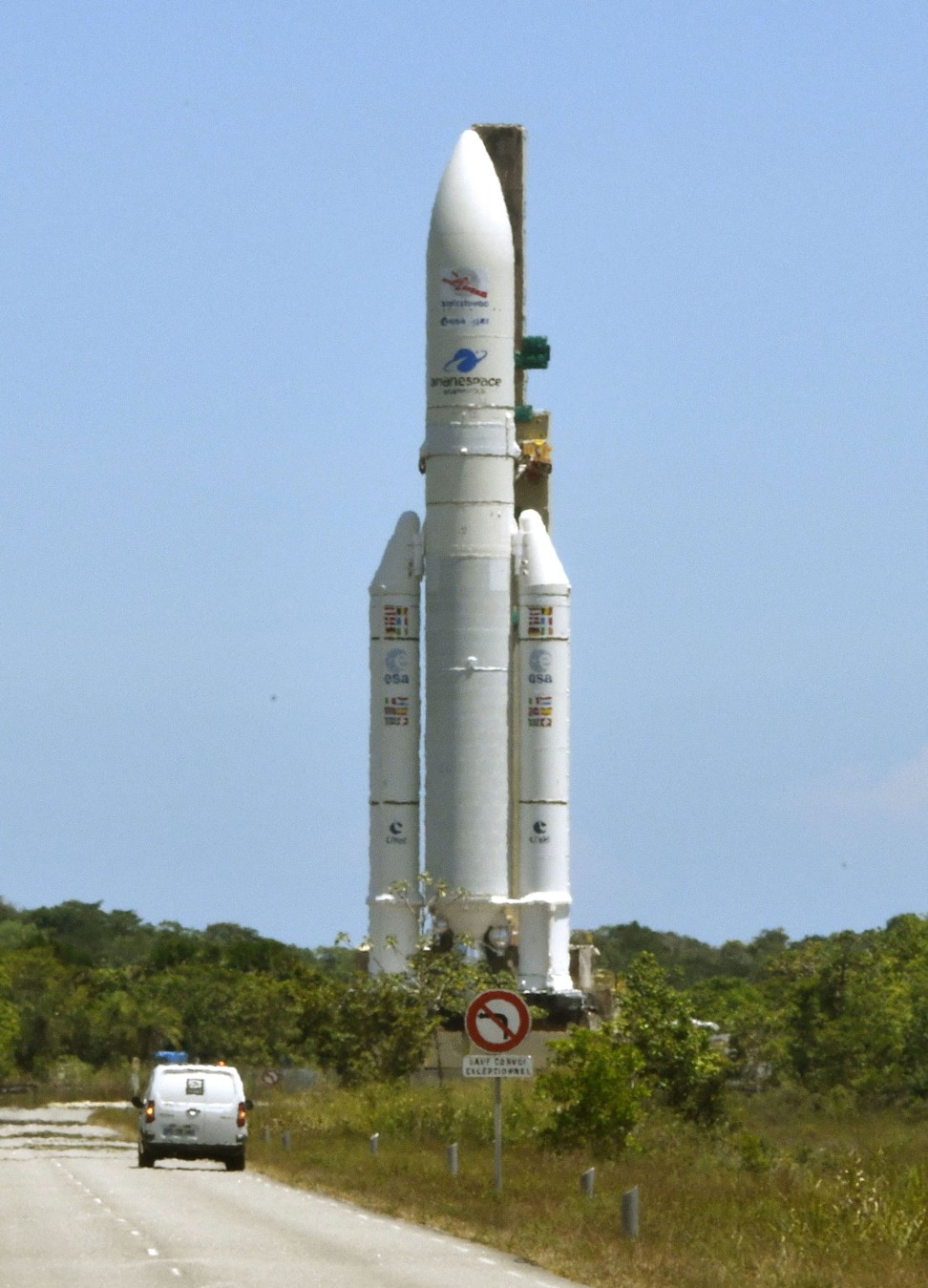
An Ariane 5 rocket is scheduled to lift the unmanned spacecraft into orbit from French Guiana shortly before midnight, the start of a seven-year journey to the solar system’s innermost planet.
Mercury is seen in silhouette, lower third of image, as it transits across the face of the sun. Photo: AFP PHOTO / NASA / BILL INGALLS
The European Space Agency says the €1.3 billion (US$1.5 billion) mission is one of the most challenging in its history. Mercury’s extreme temperatures, the intense gravity pull of the sun and blistering solar radiation make for hellish conditions.
The BepiColombo spacecraft will have to follow an elliptical path that involves a fly-by of Earth, two of Venus and six of Mercury itself so it can slow down sufficiently before arriving at its destination in December 2025.
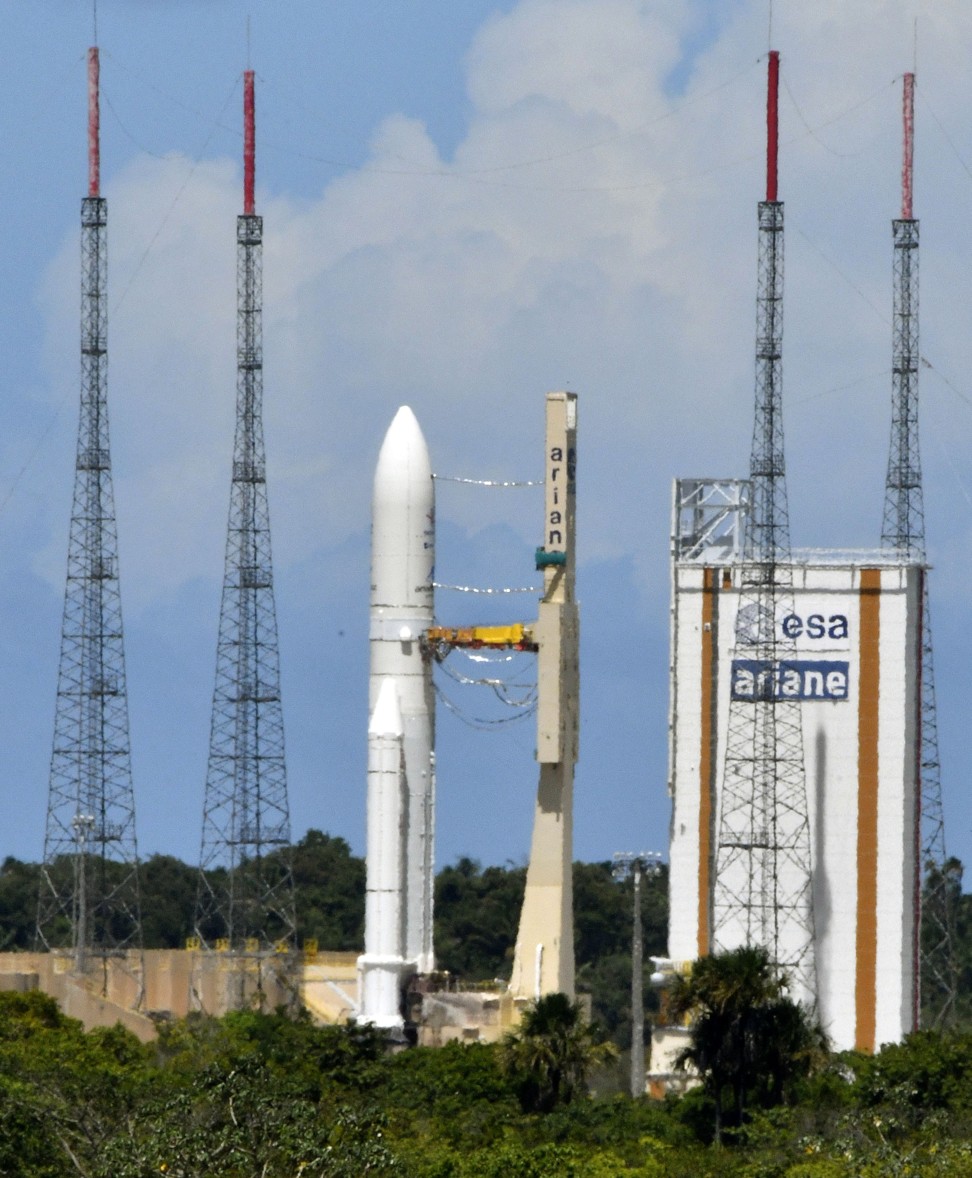
An Ariane-5 rocket is set for launch at the Guiana Space Centre in Kourou in French Guiana. Photo: Kyodo
Newly developed electrical ion thrusters will help nudge the spacecraft, which was named after Italian scientist Giuseppe “Bepi” Colombo, into the right orbit.
Aborted launch astronauts may head to International Space Station this year: Nasa head says
12 Oct 2018
When it arrives, BepiColombo will release two probes – Bepi and Mio – that will independently investigate the surface and magnetic field of Mercury. The probes are designed to cope with temperatures varying from 430 degrees Celsius (806F) on the side facing the sun, and -180 degrees Celsius (-292F) in Mercury’s shadow.
An Ariane-5 rocket is transported to its launch site at the Guiana Space Centre in Kourou. Photo: Kyodo
Scientists hope to build on the insights gained by Nasa’s Messenger probe, which ended its mission in 2015 after a four-year orbit of Mercury. The only other spacecraft to visit Mercury was Nasa’s Mariner 10 that flew past the planet in the mid-1970s.
Japanese space robots have landed on asteroid to carry out world-first survey
22 Sep 2018
Mercury, which is only slightly larger than Earth’s moon, has a massive iron core about which little is known. Researchers are also hoping to learn more about the formation of the solar system from the data gathered by the BepiColombo mission.
BEIJING/SHANGHAI (Reuters) – A northeastern Chinese city of 10 million people struggling with currently the country’s biggest coronavirus cluster shut dine-in services on Saturday, as the rest of China eases restrictions designed to hamper the spread of the disease.
Harbin, the provincial capital of Heilongjiang and its biggest city, said it temporarily suspended dine-in services for all eateries, reported the official CCTV citing an emergency epidemic prevention notice.
Catering services operating in the city, such as barbecue eateries and those selling skewers, shabu shabu, and stew, shall suspend dine-in meals until further notice and in accordance with changes in the epidemic situation, the notice said.
While mainland China reported only one case on Saturday and crowds returned to some of its most famous tourist attractions for the 5-day May holiday, the northern province of Heilongjiang is hunkering down to prevent further clusters from forming.
Of the 140 local transmissions in mainland China, over half have been reported as from Heilongjiang, according to a Reuters tally.
Heilongjiang province borders Russia and has become the frontline in the fight against a resurgence of the coronavirus epidemic, with many new infections from citizens entering from Russia.
The province has already banned entry to residential zones by non-locals and vehicles registered elsewhere. It had also ordered isolation for those arriving from outside China or key epidemic areas.
On the back of the outbreak, deputy secretary of the Provincial Party Committee Wang Wentao said at a Friday meeting “we deeply blame ourselves”, according to local media.
“We had an inadequate understanding of epidemic prevention and control,” said Wang, adding that the failure to carry out testing in a timely manner contributed to the clusters.
Faced with a backlash from the West over its handling of the early stages of the pandemic, Beijing has been quietly gaining ground in Asia
Teams of experts and donations of medical supplies have been largely welcomed by China’s neighbours
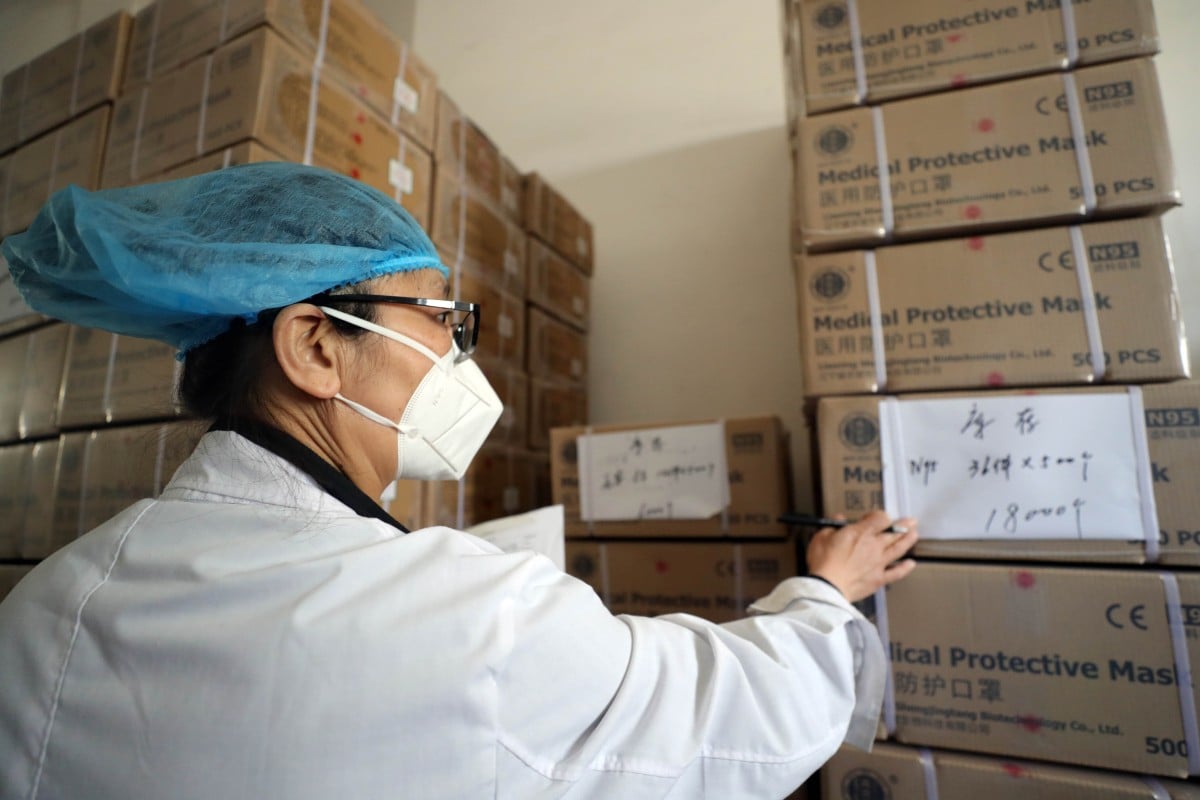
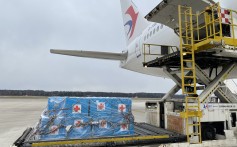
Despite facing some criticism from the West, China’s Asian neighbours have welcomed its medical expertise and vital supplies. Photo: Xinhua
While China’s campaign to mend its international image in the wake of its handling of the coronavirus health crisis has been met with scepticism and even a backlash from the US and its Western allies, Beijing has been quietly gaining ground in Asia.
Teams of experts have been sent to Cambodia, the Philippines, Myanmar, Pakistan and soon to Malaysia, to share their knowledge from the pandemic’s ground zero in central China.
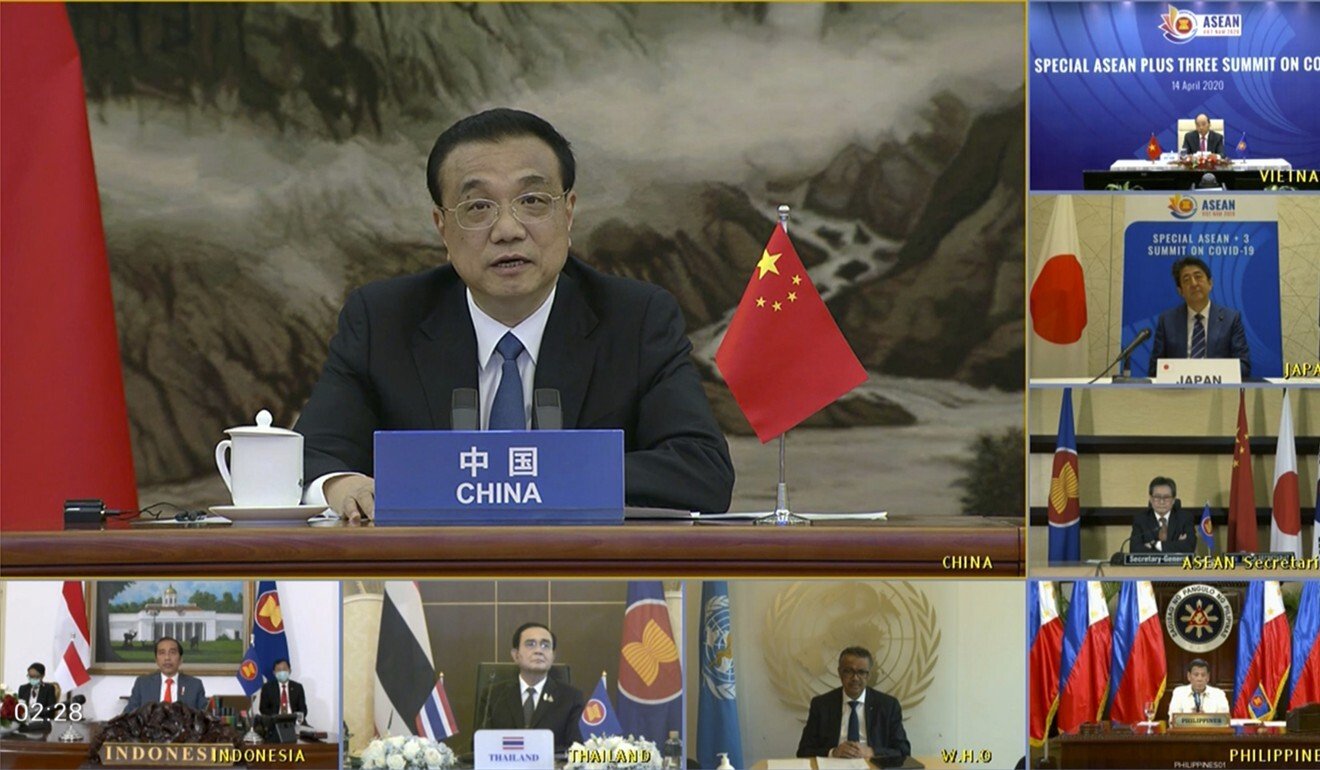
China has also held a series of online “special meetings” with its Asian neighbours, most recently on Tuesday when Premier Li Keqiang discussed his country’s experiences in combating the disease and rebooting a stalled economy with the leaders of the Association of Southeast Asian Nations (Asean), Japan and South Korea.
Chinese Prime Minister Li Keqiang speaks to Asean Plus Three leaders during a virtual summit on Tuesday. Photo: AP
Many Western politicians have publicly questioned Beijing’s role and its subsequent handling of the crisis but Asian leaders – including Philippine President Rodrigo Duterte and Japanese Prime Minister Shinzo Abe – have been reluctant to blame the Chinese government, while also facing criticism at home for not closing their borders with China soon enough to prevent the spread of the virus.
An official from one Asian country said attention had shifted from the early stages of the outbreak – when disgruntled voices among the public were at their loudest – as people watched the virus continue its deadly spread through their homes and across the world.
“Now everybody just wants to get past the quarantine,” he said. “China has been very helpful to us. It’s also closer to us so it’s easier to get shipments from them. The [medical] supplies keep coming, which is what we need right now.”
The official said also that while the teams of experts sent by Beijing were mainly there to observe and offer advice, the gesture was still appreciated.
Another Asian official said the tardy response by Western governments in handling the outbreak had given China an advantage, despite its initial lack of transparency over the outbreak.
“The West is not doing a better job on this,” he said, adding that his government had taken cues from Beijing on the use of propaganda in shaping public opinion and boosting patriotic sentiment in a time of crisis.
“Because it happened in China first, it has given us time to observe what works in China and adopt [these measures] for our country,” the official said.
Experts in the region said that Beijing’s intensifying campaign of “mask diplomacy” to reverse the damage to its reputation had met with less resistance in Asia.
Why China’s ‘mask diplomacy’ is raising concern in the West
29 Mar 2020
“Over the past two months or so, China, after getting the Covid-19 outbreak under control, has been using a very concerted effort to reshape the narrative, to pre-empt the narrative that China is liable for this global pandemic, that China has to compensate other countries,” said Richard Heydarian, a Manila-based academic and former policy adviser to the Philippine government.
“It doesn’t help that the US is in lockdown with its domestic crisis and that we have someone like President Trump who is more interested in playing the blame game rather than acting like a global leader,” he said.
Shahriman Lockman, a senior analyst with the foreign policy and security studies programme at Malaysia’s Institute of Strategic and International Studies, said that as the US had withdrawn into its own affairs as it struggled to contain the pandemic, China had found Southeast Asia a fertile ground for cultivating an image of itself as a provider.
China’s first-quarter GDP shrinks for the first time since 1976 as coronavirus cripples economy
Beijing’s highly publicised delegations tasking medical equipment and supplies had burnished that reputation, he said, adding that the Chinese government had also “quite successfully shaped general Southeast Asian perceptions of its handling of the pandemic, despite growing evidence that it could have acted more swiftly at the early stages of the outbreak in Wuhan”.
“Its capacity and will to build hospitals from scratch and put hundreds of millions of people on lockdown are being compared to the more indecisive and chaotic responses seen in the West, especially in Britain and the United States,” he said.
Coronavirus droplets may travel further than personal distancing guidelines
16 Apr 2020
Lockman said Southeast Asian countries had also been careful to avoid getting caught in the middle of the deteriorating relationship between Beijing and Washington as the two powers pointed fingers at each other over the origins of the new coronavirus.
“The squabble between China and the United States about the pandemic is precisely what Asean governments would go to great lengths to avoid because it is seen as an expression of Sino-US rivalry,” he said.
“Furthermore, the immense Chinese market is seen as providing an irreplaceable route towards Southeast Asia’s post-pandemic economic recovery.”
Aaron Connelly, a research fellow in Southeast Asian political change and foreign policy with the International Institute for Strategic Studies in Singapore, said Asian countries’ dependence on China had made them slow to blame China for the pandemic.
“Anecdotally, it seems to me that most Southeast Asian political and business elites have given Beijing a pass on the initial cover-up of Covid-19, and high marks for the domestic lockdown that followed,” he said.
“This may be motivated reasoning, because these elites are so dependent on Chinese trade and investment, and see little benefit in criticising China.”
China and Vietnam ‘likely to clash again’ as they build maritime militias
12 Apr 2020
The cooperation with its neighbours as they grapple with the coronavirus had not slowed China’s military and research activities in the disputed areas of the South China Sea – a point of contention that would continue to cloud relations in the region, experts said.
Earlier this month an encounter in the South China Sea with a Chinese coastguard vessel led to the sinking of a fishing boat from Vietnam, which this year assumed chairmanship of Asean.
And in a move that could spark fresh regional concerns, shipping data on Thursday showed a controversial Chinese government survey ship, the Haiyang Dizhi 8, had moved closer to Malaysia’s exclusive economic zone.
The survey ship was embroiled in a months-long stand-off last year with Vietnamese vessels within Hanoi’s exclusive economic zone and was spotted again on Tuesday 158km (98 miles) off the Vietnamese coast.
US death toll passes 3,000 as New York’s hospitals are pushed to breaking point
Italy extends lockdown as cases exceed 100,000; UN Security Council votes by email for first time
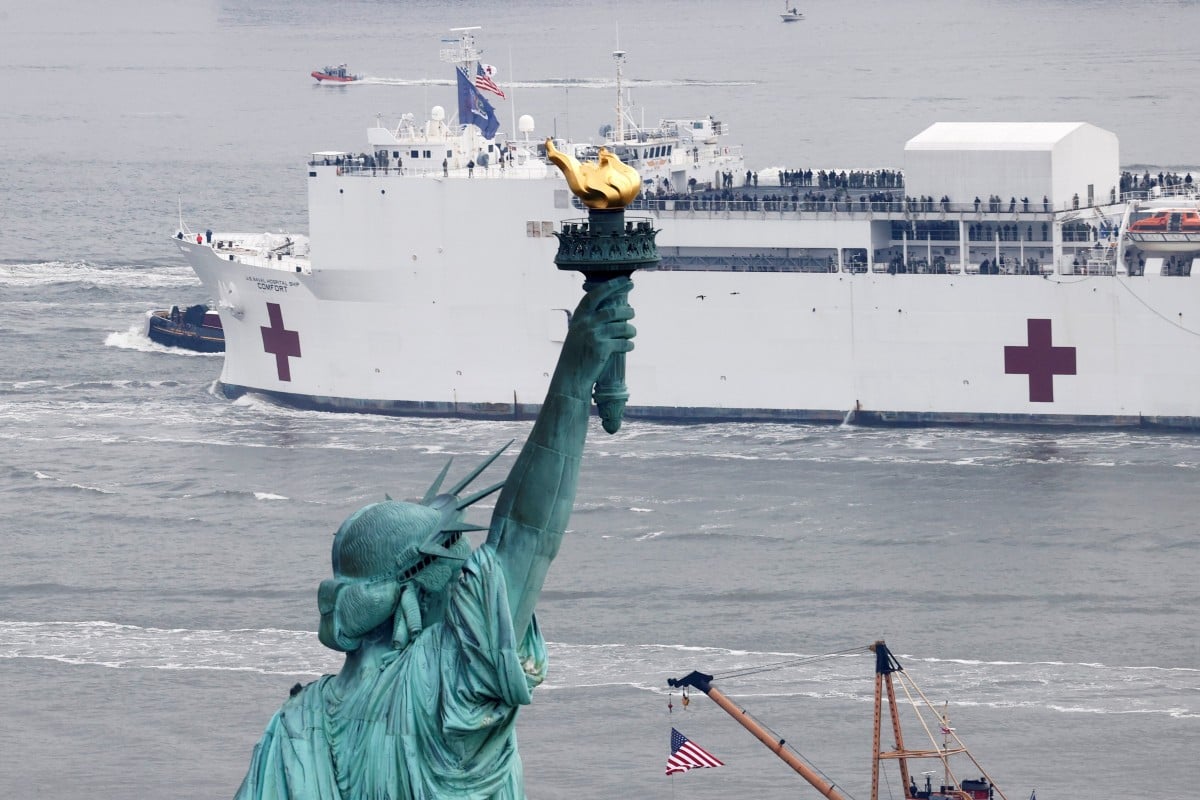
The USNS Comfort passes the Statue of Liberty as it enters New York Harbour on Monday. Photo: Reuters
Harsh lockdowns aimed at halting the march of the coronavirus pandemic extended worldwide Monday as the death toll soared toward 37,000 amid new waves of US outbreaks.
The tough measures that have confined some two-fifths of the globe’s population to their homes were broadened. Moscow and Lagos joined the roll call of cities around the globe with eerily empty streets, while Virginia and Maryland became the latest US states to announce emergency stay-at-home orders, followed quickly by the capital city Washington.
In a symbol of the scale of the challenge facing humanity, a US military medical ship sailed into New York to relieve the pressure on overwhelmed hospitals bracing for the peak of the pandemic.
France reported its highest daily number of deaths since the outbreak began, saying 418 more people had succumbed in hospital.
Spain, which announced another 812 virus deaths in 24 hours, joined the United States and Italy in surpassing the number of cases in China, where the disease was first detected in December.
On Tuesday, mainland China reported a rise in new confirmed coronavirus cases, reversing four days of declines, due to an uptick in infections involving travellers arriving from overseas.
Mainland China had 48 new cases on Monday, the National Health Commission said, up from 31 new infections a day earlier.
All of the 48 cases were imported, bringing the total number of imported cases in China to 771 as of Monday.
There was no reported new case of local infection on Monday, according to the National Health Commission. The total number of infections reported in mainland China stood at 81,518 and the death toll at 3,305. Globally, more than 760,000 have been infected, according to official figures.
Here are the developments:
Hospital ship arrives in New York
New York’s governor issued an urgent appeal for medical volunteers Monday amid a “staggering” number of deaths from the coronavirus, saying: “Please come help us in New York, now.”
The plea from Governor Andrew Cuomo came as the death toll in New York State climbed past 1,200 – with most of the victims in the big city – and authorities warned that the crisis pushing New York’s hospitals to the breaking point is just a preview of what other cities across the US could soon face.
Cuomo said the city needs 1 million additional health care workers.
“We’ve lost over 1,000 New Yorkers,” he said. “To me, we’re beyond staggering already. We’ve reached staggering.”
The governor’s plea came as a 1,000-bed US Navy hospital ship docked in Manhattan on Monday and a field hospital was going up in Central Park for coronavirus patients.
New York City reported 914 deaths from the virus as of 4:30pm local time Monday, a 16 per cent increase from an update six hours earlier. The city, the epicentre of the US outbreak, has 38,087 confirmed cases, up by more than 1,800 from earlier in the day.
Coronavirus field hospital set up in New York’s Central Park as city’s health crisis deepens
Gloom for 24 million people in Asia
The economic fallout from the coronavirus pandemic will prevent almost 24 million people from escaping poverty in East Asia and the Pacific this year, according to the World Bank.
In a report released on Monday, the Washington-based lender also warned of “substantially higher risk” among households that depend on industries particularly vulnerable to the impact of Covid-19. These include tourism in Thailand and the Pacific islands; manufacturing in Vietnam and Cambodia; and among people dependent on “informal labour” in all countries.
The World Bank urged the region to invest in expanding conventional health care and medical equipment factories, as well as taking innovative measures like converting ordinary hospital beds for ICU use and rapidly trining people to work in basic care.
Billionaire blasted for his Instagram-perfect isolation on luxury yacht
31 Mar 2020
Indonesia bans entry of foreigners
Indonesia barred foreign nationals from entering the country as the world’s fourth-most populous country stepped up efforts to contain the spread of the coronavirus pandemic.
The travel ban, to be effective soon, will also cover foreigners transiting through the country, Foreign Minister Retno Marsudi said after a cabinet meeting in Jakarta Tuesday. The curbs will not apply to holders of work permits, diplomats and other official visitors, she said.
The curbs on foreign citizens is the latest in a raft of measures taken by Indonesia to combat the deadly virus that’s sickened more than 1,400 people and killed 122. President Joko Widodo’s administration previously banned flights to and from mainland China and some of the virus-hit regions in Italy, South Korea and Iran. The president on Monday ordered stricter implementation of social distancing and health quarantine amid calls for a lockdown to contain the pandemic.
Indonesia has highest coronavirus mortality rate in Southeast Asia
First US service member dies
The first US military service member has died from the coronavirus, the Pentagon said on Monday, as it reported another sharp hike in the number of infected troops.
The Pentagon said it was a New Jersey Army National Guardsman who had tested positive for Covid-19 and had been hospitalised since March 21. He died on Saturday, it said.
Earlier on Monday, the Pentagon said that 568 troops had tested positive for the coronavirus, up from 280 on Thursday. More than 450 Defence Department civilians, contractors and dependents have also tested positive, it said.
US military has decided to stop providing more granular data about coronavirus infections within its ranks, citing concern that the information might be used by adversaries as the virus spreads.
The new policy, which the Pentagon detailed in a statement on Monday, appears to underscore US military concerns about the potential trajectory of the virus over the coming months – both at home and abroad.
School to resume in South Korea … online
South Korean children will start the new school year on April 9 with only online classes, after repeated delays due to the outbreak of the new coronavirus, the government said Tuesday.
Prime Minister Chung Sye Kyun said that despite the nation’s utmost efforts to contain the virus and lower the risk of infection, there is consensus among teachers and others that it is too early to let children go back to school.
The nation’s elementary schools, and junior and senior high schools were supposed to start the new academic year in early March, but the government has repeatedly postponed it to keep the virus from spreading among children.
The start was last postponed until April 6, but has now been delayed three more days to allow preparations to be made for online classes.
The nation now has 9,786 confirmed cases in total, with 162 deaths.
Italy extends lockdown as cases exceed 100,000
Italy’s government on Monday said it would extend its nationwide lockdown measures
against a coronavirus outbreak, due to end on Friday, at least until the Easter season in April.
The Health Ministry did not give a date for the new end of the lockdown, but said it would be in a law the government would propose. Easter Sunday is April 12 this year. Italy is predominantly Roman Catholic and contains the Vatican, the heart of the church.
Italians have been under lockdown for three weeks, with most shops, bars and restaurants shut and people forbidden from leaving their homes for all but non-essential needs.
Italy, which is the world’s hardest hit country in terms of number of deaths and accounts for more than a third of all global fatalities, saw its total death tally rise to 11,591 since the outbreak emerged in northern regions on February 21.
The death toll has risen by 812 in the last 24 hours, the Civil Protection Agency said, reversing two days of declines, although the number of new cases rose by just 4,050, the lowest increase since March 17, reaching a total of 101,739.
Deadliest day in Italy and Spain shows worst not over yet
28 Mar 2020
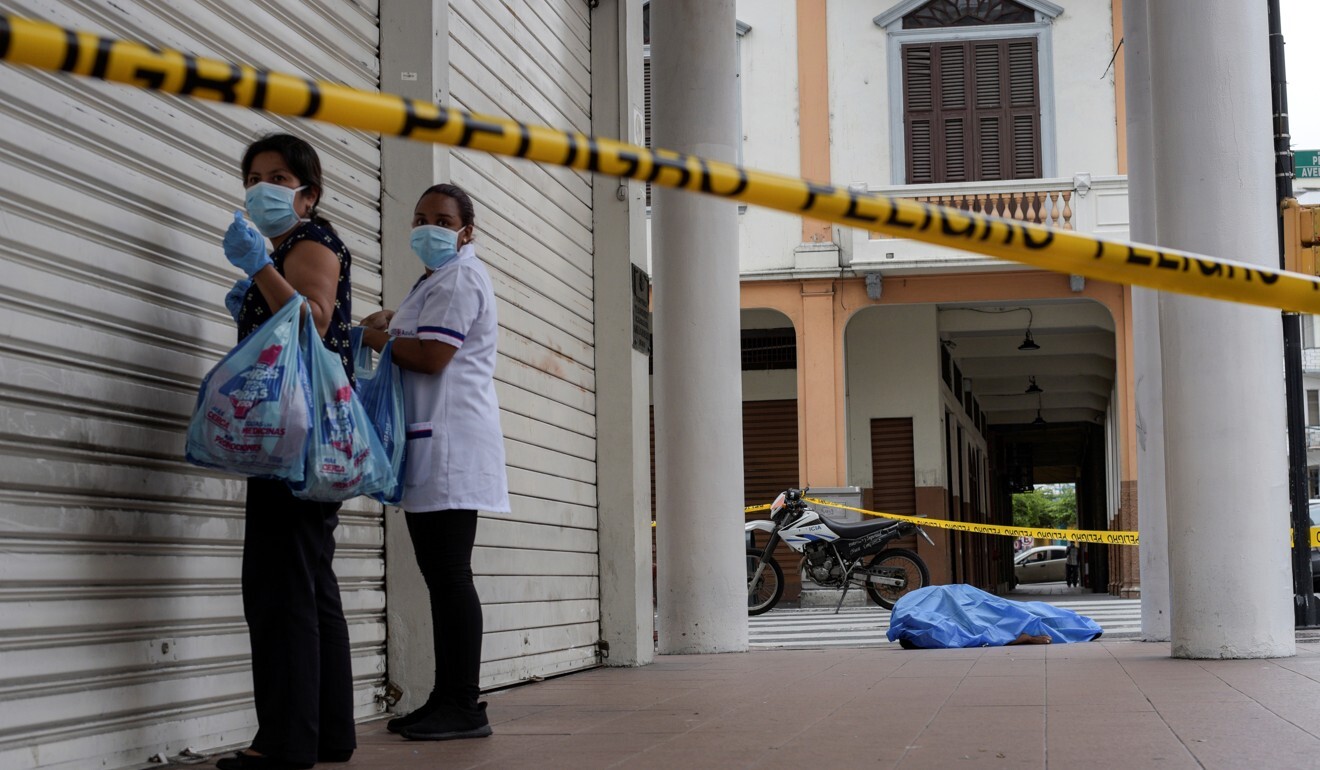
Women stand near the body of a man who died on the sidewalk in Guayaquil, Ecuador. Photo: Reuters
Ecuador struggles to collect the dead
Ecuadorean authorities said they would improve the collection of corpses, as delays related to the rapid spread of the new coronavirus has left families keeping their loved ones’ bodies in their homes for days in some cases.
Residents of Guayaquil, Ecuador’s largest city, have complained they have no way to dispose of relatives’ remains due to strict quarantine and curfew measures designed to prevent spread of the disease. Last week, authorities said they had removed 100 corpses from homes in Guayaquil.
But delays in collecting bodies in the Andean country, which has reported 1,966 cases of the virus and 62 deaths, were evident midday on Monday in downtown Guayaquil, where a man’s dead body lay on a sidewalk under a blue plastic sheet. Police said the man had collapsed while waiting in line to enter a store. Hours later, the body had been removed.
More than 70 per cent of the country’s coronavirus cases, which is among the highest tallies in Latin America, are in the southern province of Guayas, where Guayaquil is located.
Panama to restrict movement by gender
The government of Panama announced strict quarantine measures that separate citizens by gender in an effort to slow the spread of the novel coronavirus.
From Wednesday, men and women will only be able to leave their homes for two hours at a time, and on different days. Until now, quarantine regulations were not based on gender.
Men will be able to go to the supermarket or the pharmacy on Tuesdays, Thursdays and Saturdays, and women will be allowed out on Mondays, Wednesdays and Fridays.
No one will be allowed to go out on Sundays. The new measures will last for 15 days.
Police in Kenya use tear gas to enforce coronavirus curfew
Remote vote first for UN Security Council
The UN Security Council on Monday for the first time approved resolutions remotely after painstaking negotiations among diplomats who are teleworking due to the coronavirus pandemic.
The Security Council unanimously voted by email for four resolutions, including one that extended through April 2021 the expiring mandate of UN experts who are monitoring sanctions on North Korea, diplomats said.
The UN mission in Somalia was also prolonged, until the end of June, and the mission in Darfur until the end of May – two short periods decided due to uncertainty over the spread of the pandemic.
The Council also endorsed a fourth resolution aimed at improving the protection for peacekeepers.
The resolutions are the first approved by the Security Council since it began teleworking on March 12 and comes as Covid-19 rapidly spreads in New York, which has become the epicenter of the disease in the United States.
Congo ex-president dies in France
Former Republic of Congo president Jacques Joaquim Yhombi Opango died in France on Monday of the new coronavirus, his family said. He was 81.
Yhombi Opango, who led Congo-Brazzaville from 1977 until he was toppled in 1979, died at a Paris hospital of Covid-19, his son Jean-Jacques said. He had been ill before he contracted the virus.
Yhombi Opango was an army officer who rose to power after the assassination of president Marien Ngouabi.
Yhombi Opango was ousted by long-time ruler Denis Sassou Nguesso. Accused of taking part in a coup plot against Sassou Nguesso, Yhombi Opango was jailed from 1987 to 1990. He was released a few months before a 1991 national conference that introduced multiparty politics in the central African country.
When civil war broke out in Congo in 1997, Yhombi Opango fled into exile in France. He was finally able to return home in 2007, but then divided his time between France and Congo because of his health problems.
‘When I wake I cry’: France’s nurses face hell on coronavirus front line
31 Mar 2020
EU asks Britain to extend Brexit talks
The European Union expects Britain to seek an extension of its post-Brexit transition period beyond the end of the year, diplomats and officials said on Monday, as negotiations on trade have ground to a halt due to the coronavirus pandemic.
Europe has gone into a deep lockdown in a bid to curb the spread of the disease, with more than 330,000 infections reported on the continent and nearly 21,000 deaths.
In Britain, Prime Minister Boris Johnson and his health minister have both tested positive for the virus and the prime minister’s senior adviser Dominic Cummings – one of the masterminds behind Britain’s departure from the EU earlier this year – was self-isolating with symptoms.
London and the EU have been seeking to agree a new trade pact by the end of the year to kick in from 2021, even though the bloc has long said that such a time frame was extremely short to agree rules on everything from trade to security to fisheries.
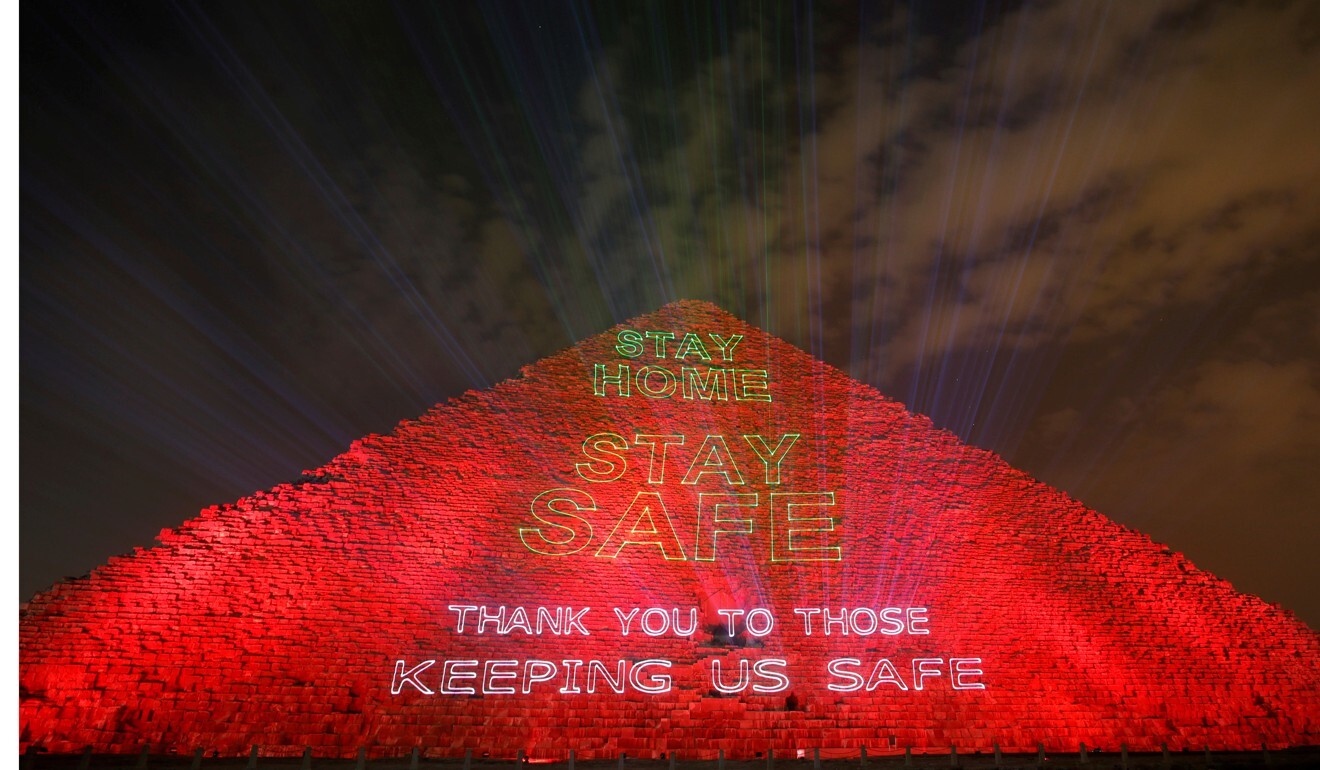
The pyramid of Khufu, the largest of the Giza pyramid complex. Photo: Reuters
Great Pyramid in Egypt lights up in solidarity
Egypt’s famed Great Pyramid was emblazoned Monday evening with messages of unity and solidarity with those battling the novel coronavirus the world over.
“Stay safe”, “Stay at home” and “Thank you to those keeping us safe,” flashed in blue and green lights across the towering structure at the Giza plateau, southwest of the capital Cairo.
Egypt has so far registered 656 Covid-19 cases, including 41 deaths. Of the total infected, 150 reportedly recovered.
Egypt has carried out sweeping disinfection operations at archaeological sites, museums and other sites across the country.
In tandem, strict social distancing measures were imposed to reduce the risk of contagion among the country’s 100 million inhabitants.
Tourist and religious sites are shuttered, schools are closed and air traffic halted.
Myanmar braces for ‘big outbreak’ after migrant worker exodus from Thailand
30 Mar 2020
Saudi king to pay for all patients’ treatment
Saudi Arabia will finance treatment for anyone infected with the coronavirus in the country, the health minister said on Monday.
The kingdom has registered eight deaths among 1,453 infections, the highest among the six Gulf Arab states.
Health Minister Tawfiq Al Rabiah said King Salman would cover treatment for citizens and residents diagnosed with the virus, urging people with symptoms to get tested.
“We are all in the same boat,” he told a news conference, adding that Crown Prince Mohammed bin Salman was overseeing containment efforts “night and day”.
Denmark eyes gradual reopening after Easter
Denmark may gradually lift a lockdown after Easter if the numbers of coronavirus cases and deaths remain stable, Prime Minister Mette Frederiksen said on Monday.
The Nordic country, which has reported 77 coronavirus-related deaths, last week extended until after Easter a two-week lockdown to limit physical contact between its citizens that began on March 11.
The number of daily deaths slowed to five on Sunday from eight and 11 on Saturday and Friday respectively. Denmark has reported a total of 2,577 coronavirus infections.
“If we over the next two weeks across Easter keep standing together by staying apart, and if the numbers remain stable for the next two weeks, then the government will begin a gradual, quiet and controlled opening of our society again, at the other side of Easter,” Frederiksen said.









 CHINDIA ALERT: You'll be living in their world, very soon