Chindia Alert: You’ll be Living in their World Very Soon
aims to alert you to the threats and opportunities that China and India present. China and India require serious attention; case of ‘hidden dragon and crouching tiger’.
Without this attention, governments, businesses and, indeed, individuals may find themselves at a great disadvantage sooner rather than later.
The POSTs (front webpages) are mainly 'cuttings' from reliable sources, updated continuously.
The PAGEs (see Tabs, above) attempt to make the information more meaningful by putting some structure to the information we have researched and assembled since 2006.
Image copyright GETTY IMAGESImage caption India’s armed forces began inducting women officers in 1992
Last month, India’s Supreme Court appeared to nudge the government to consider lifting the military’s official ban on women in combat roles – and to give them commanding roles.
“Test them on [the] same footing as men. Do not exclude them [women officers] as a class. [A] change of mindset is required,” the court said.
Earlier this week, the government responded. Its lawyers told the top court that women were not fit to serve in ground combat roles. For one, male soldiers are not “yet mentally schooled to accept women officers in command”. Then there were the “challenges of confinement, motherhood and childcare”.
This, according to military historian Srinath Raghavan, is an “extraordinary and regressive” claim, reminiscent of the claims of colonial rulers that Indian soldiers would never accept Indian commanders. “Military training is about fundamentally reshaping norms and attitudes that soldiers bring from their social backgrounds,” he says.
India’s armed forces began inducting women officers in 1992. Over the decades, they have been given combat roles in the air force. Women have been inducted as fighter pilots and have flown sorties into combat zones; they will be inducted as sailors as soon as ships that can accommodate them are ready. Last year, a 24-year-old became the navy’s first woman maritime reconnaissance pilot.
The army is a striking exception. Women have worked here as doctors, nurses, engineers, signallers, administrators and lawyers. They have treated soldiers on battlefields, handled explosives, detected and removed mines, and laid communication lines. Women officers have also been given permanent commission – a 20-year service, depending on eligibility and rank. Last year, women were cleared to join the military police.
Image copyright GETTY IMAGESImage caption Namrita Chandi Naidu is a senior woman pilot in India’s air force
So they have ended up doing almost everything except combat roles: women are still not allowed to serve in infantry and the armoured corps. According to 2019 figures, women comprise only 3.8% of the world’s second-largest army – compared to 13% of the air force and 6% of the navy. There are some 1,500 female officers compared to more than 40,000 male officers.
All this, says Akanksha Khullar, a researcher at Delhi’s Institute of Peace and Conflict Studies, cannot really be considered a “milestone for women empowerment, as the doors have opened up with an extremely limited capacity”. India’s national security narrative, she told me, is “shaped, limited, and permeated by ideas about gender – with an overt masculine predominance and the structural exclusion of women”.
Media caption The all-women crew from the Indian navy that is sailing around the world
She says the gender disparities are “well reflected in institutional attitudes right at the top” and that “patriarchal notions are probably more ingrained in the army” than the other forces.
She’s correct. In 2018, former army chief and the current Chief of Defence Staff Gen Bipin Rawat told a news network that there weren’t any women soldiers serving in front line combat positions because “a woman would feel uncomfortable at the front line”.
He said maternity leave was an issue, women need more privacy and protection, and that India was not yet ready to accept “body bags of women” killed in combat. He also said that women need to be “cocooned” from the eyes of subordinate soldiers. Mr Rawat’s comments had sparked considerable outrage.
Image copyright AFPImage caption A contingent of women belonging to the Indian navy march during a parade in Delhi
Around the world, getting women into combat roles has been a hard won battle. More than a dozen nations allow women in combat roles.
“While some can argue that women, in general, may not be able to cope with the rigour of combat due to the sheer physical strength required, why deny the opportunity to those who can? In my view, the right of a woman to serve in any role in the armed forces must be equal to a man’s as long as the physical and qualitative standards are not compromised,” says HS Panag, a retired Indian general.
In other words, patriarchy should not come in the way of equality and common sense.
NEW DELHI (Reuters) – Violent clashes erupted in Delhi between police and hundreds of university students on Friday over the enactment of a new citizenship law that critics say undermines India’s secular foundations.
The unrest has already led Japanese Prime Minister Shinzo Abe to cancel a planned visit to India from Sunday.
The new law offers a way to Indian citizenship for six minority religious groups from neighbouring Bangladesh, Pakistan and Afghanistan including Hindus and Christians, but not Muslims.
RELATED COVERAGE
Explainer: What does India’s new citizenship law mean?
Clashes erupt in New Delhi between students, police over citizenship law
See more stories
Police fired tear gas and used baton charges to disperse scores of students demonstrating at Jamia Millia Islamia university in the heart of Delhi over the law.
Protesters attacked cars in the capital, and several people were injured and taken to hospital.
Zakir Riyaz, a PhD student in social work, said the new law made a mockery of India’s religious openness.
“It goes against the whole idea of a secular India,” he said, speaking by phone from the Holy Family Hospital in New Delhi where 15 of his fellow students were admitted after being injured in a police baton charge.
Police barricades were knocked down and streets were strewn with shoes and broken bricks. An official at the university dispensary said that more than 100 students had been brought in with injuries but all had been discharged.
Parvez Hashmi, a local politician who went to the protest site to speak to police, said about 50 students had been detained.
Students said it was meant to be a peaceful protest, with them trying to go from Jamia University to Parliament Street to show their opposition to the legislation. But police pushed them back, leading to clashes.
Critics of Prime Minister Narendra Modi’s government say it is promoting a Hindu-first agenda for India and that the citizenship law excluding Muslims showed a deep-seated bias against India’s 170 million Muslims.
Imran Chowdhury, a researcher, said “either give citizenship to refugees of all religions or none at all. The constitution is being tampered with in the name of religion.”
Modi’s ruling Bharatiya Janata Party denies any religious bias but says it is opposed to the appeasement of one community. It says the new law is meant to help minority groups facing persecution in the three nearby Muslim countries.
ABE CANCELS
The United Nations human rights office voiced concern that the new law is “fundamentally discriminatory in nature”, and called for it to be reviewed.
Two people were killed in India’s Assam state on Thursday when police opened fire on mobs torching buildings and attacking railway stations in protest at the new citizenship rules signed into law on Thursday.
Japan’s Prime Minister Shinzo Abe cancelled a trip to Assam for a summit with his Indian counterpart Narendra Modi that had been due to begin on Sunday.
Japan has stepped up infrastructure development work in Assam in recent years, which the two sides were expected to highlight during the summit. Abe had also planned to visit a memorial in the nearby state of Manipur where Japanese soldiers were killed in World War Two.
“With reference to the proposed visit of Japanese PM Abe Shinzo to India, both sides have decided to defer the visit to a mutually convenient date in the near future,” Indian foreign ministry spokesman Raveesh Kumar said in a tweet.
Japan’s Chief Cabinet Secretary Yoshihide Suga said both countries would decide on the appropriate timing for the visit although nothing has been decided yet.
A movement against immigrants from Bangladesh has raged in Assam for decades. Protesters there say granting Indian nationality to more people will further strain the state’s resources and lead to the marginalisation of indigenous communities.
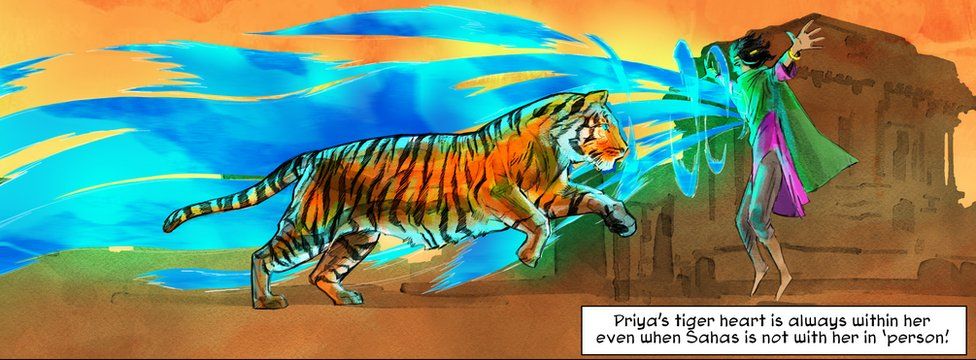
Comic crusader Priya, a gang-rape survivor who earlier campaigned against rape and acid attack, is back in a new avatar. This time she is fighting the trafficking of girls and women for sex.
The “modern-day female superhero” was first launched in December 2014, exactly two years after the horrific gang rape of a young woman on a bus in Delhi, to focus attention on the problems of gender and sexual violence in India.
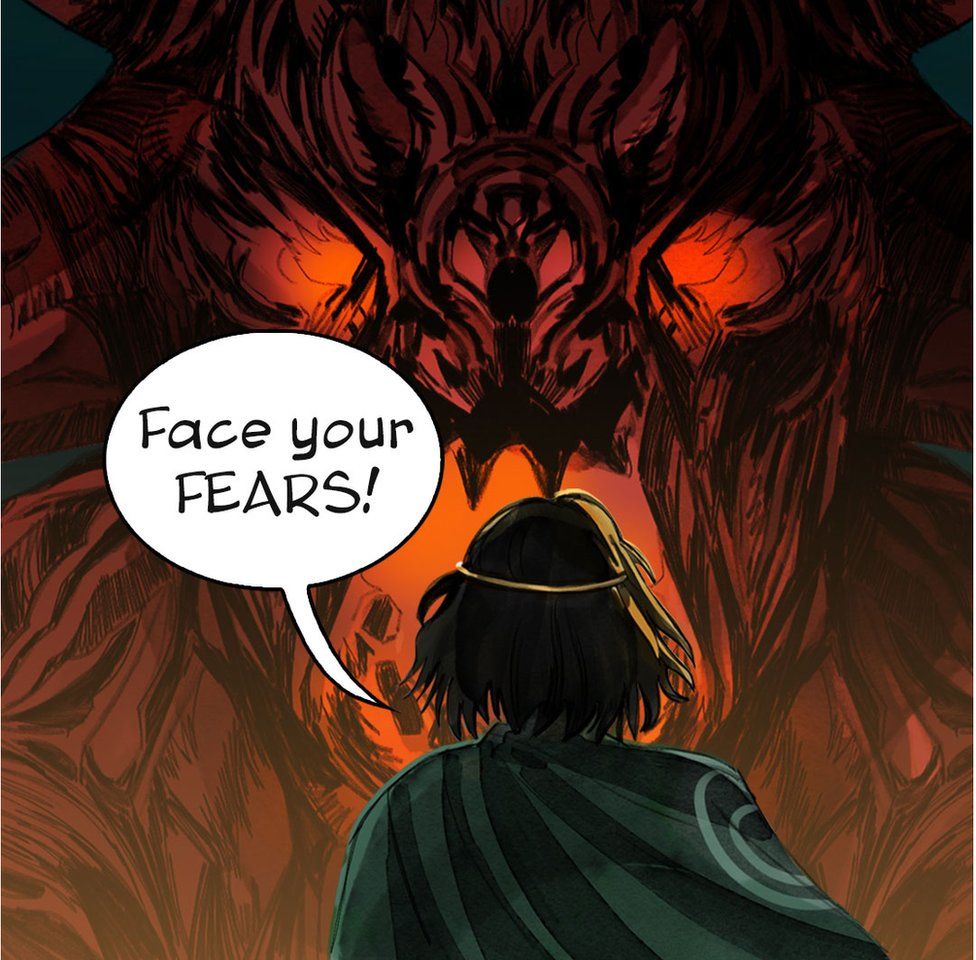
In the latest edition – Priya and the Lost Girls – she takes on the powerful sex-trafficker Rahu, the evil demon who runs an underworld brothel city where he has entrapped many women, including Priya’s sister Lakshmi.
Indian-American actor and writer Dipti Mehta, who wrote the script of the comic, draws on ancient Indian mythology to create larger-than-life fantastical characters and delivers a powerful feminist statement.
The story of Lost Girls begins when the protagonist returns home to find that there are no girls in her village.
She then mounts her flying tiger Sahas (Hindi for courage) and arrives in Rahu’s den. It’s a city ruled by greed, jealousy and lust, where women exist only to serve and please men – and those who resist are turned into stone.
Image copyright PRIYASHAKTI
Priya is threatened and attacked, a woman who works for Rahu tries to lure her into the sex trade saying: “If you work for us, you’d serve only five to six men and not 20”, but in the end, good wins over evil and she manages to vanquish Rahu and liberate her sister and all the other trafficked girls.
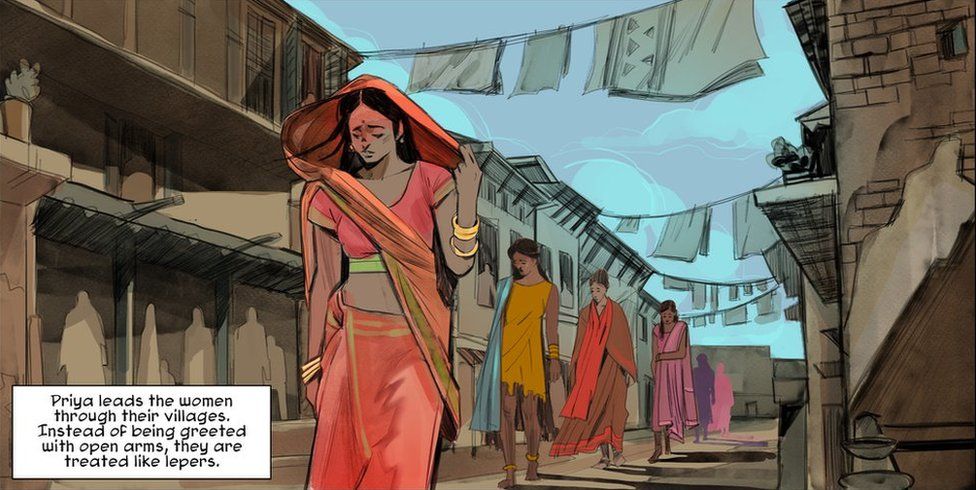
But victory still eludes her. The families of rescued girls refuse to take them back. The survivors are treated like “lepers”, facing stigma, scorn and ridicule.
But Priya and the other girls stand up to confront patriarchy, says Ms Mehta, “just as women have broken their silence to talk about MeToo”, the campaign against sexual harassment and abuse that started in Hollywood in October 2107 and later spread to many other parts of the world.
“I was very clear from the start that Lost Girls can’t be just another comic book where good guy wins and evil dies, it had to be much more than that,” Ms Mehta says.
Image copyright PRIYASHAKTI
Ram Devineni, the Indian-American creator of the comic series, told the BBC that he had decided to focus on sex trafficking in this edition after visiting Sonagachi, India’s largest red-light area in the eastern city of Kolkata, where he met several women engaged in sex work.
“Half of them told me they had been tricked into coming there and, once there, they were forced into the sex trade. The other half said they’d agreed to do this for a living because they were dirt poor and they had no alternative.
“Often there were two to three women sharing a small dingy room, many of them had young children who lived with them, and some of them said their children slept in the same bed where they serviced clients.
Mr Devineni says that from his conversations with them, he realised that many of the women there could leave, but chose not to.
“Most believed in the idea of sacrifice, for the sake of their families, their children. The shackles that hold them back are mostly emotional and psychological coercion.”
Some of their stories, he says, have found their way into the Lost Girls, which will be launched digitally on Monday to coincide with the start of United Nation’s 16 Days of Activism Against Gender-based Violence.
Image copyright PRIYASHAKTIAccording to the United Nations Office on Drugs and Crime, human trafficking is the second largest organised criminal business in the world after the arms trade. It is even ahead of the drugs trade.
“It’s a multi-billion-dollar industry,” anti-trafficking activist Ruchira Gupta told the BBC on the phone from New York.
Ms Gupta, who supports trafficked girls and women in India through her charity Apne Aap Women Worldwide, says there are 100 million people trapped in human trafficking globally, of which 27 million are in India alone, and most of the trafficking is in girls and young women.
India, Bangladesh and Nepal, she says, make up “the epicentre” of global sex trafficking.
Ms Gupta, who collaborated on Priya and the Lost Girls, says she plans to take the comic to schools and colleges in India and the US to use it as a talking tool, “as a conversation starter on what is a very difficult topic”.
The only way to fight trafficking, she believes, is to “de-normalise” sex trade – and cinema, art and pop culture are tools that can help do that.
The comic is made to appeal to young people. After its launch, it can be downloaded for free anywhere in the world; it also has “augmented reality features”, which means people can see special animation and movies by scanning the artwork with their smartphones.
Image copyright PRIYASHAKTI
“People often make flippant comments to say that prostitution is the oldest occupation in the world, but they don’t realise that trafficking is not some poor woman getting money in exchange for having sex with a man. It is the extreme exploitation of most vulnerable girls,” Ms Gupta says.
To stop this “commodification” of girls, she adds, we need to create revulsion in men’s minds about sex trade – and it’s best to catch them young.
“We must work with young boys and teenagers, 13 to 14 year olds, through storytelling and pop culture. They learn about sex from porn sites which portray sex workers as happy hookers, and no-one sees the girl behind her.
“I want to demolish that myth of the happy hooker. I want to ensure that people see the girl behind her.”
Artwork by Syd Fini and Neda Kazemifar
You may also be interested in…
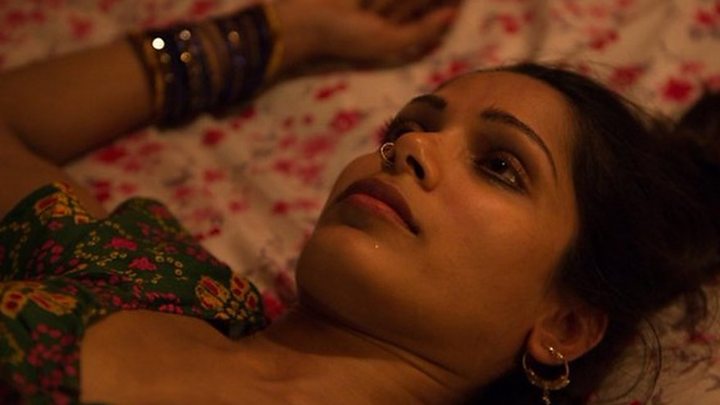
Media caption Freida Pinto: Why I made a film about sex slaves
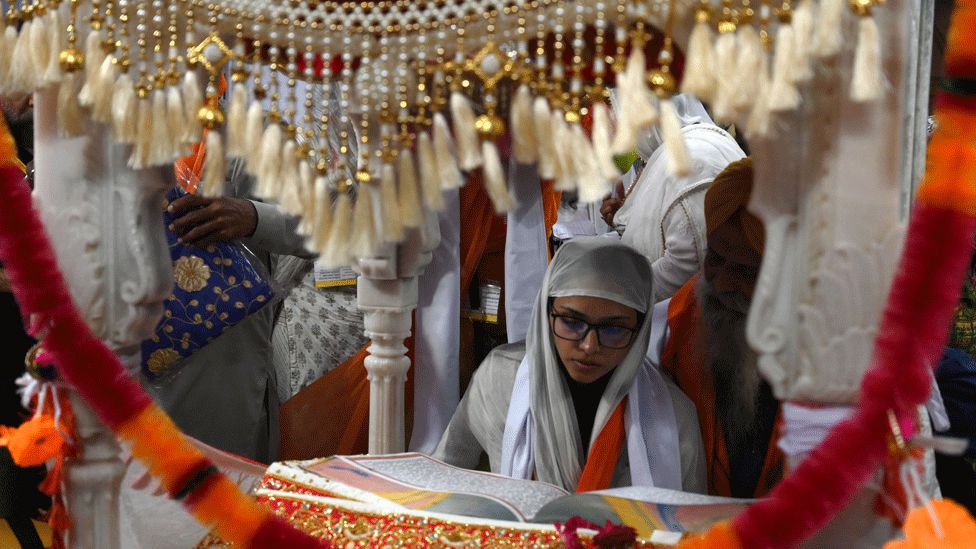
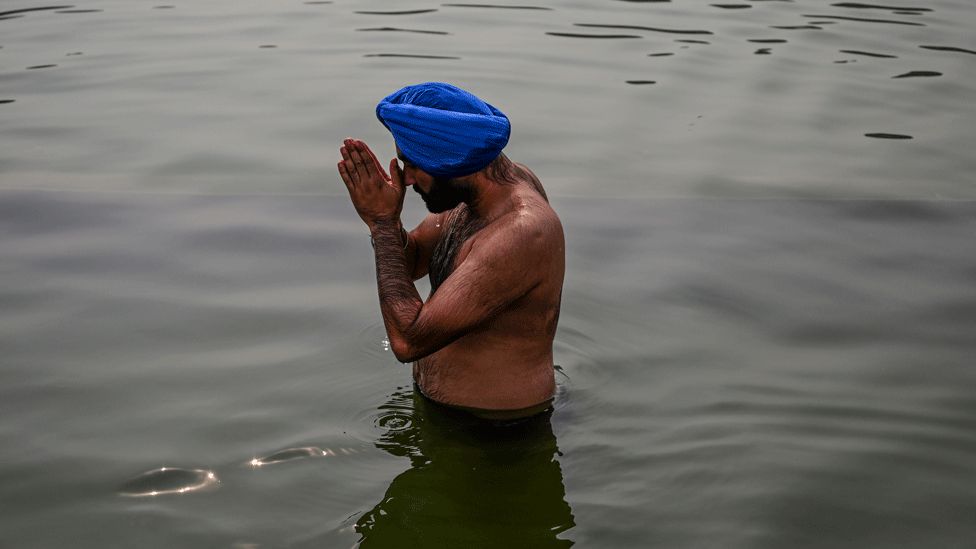
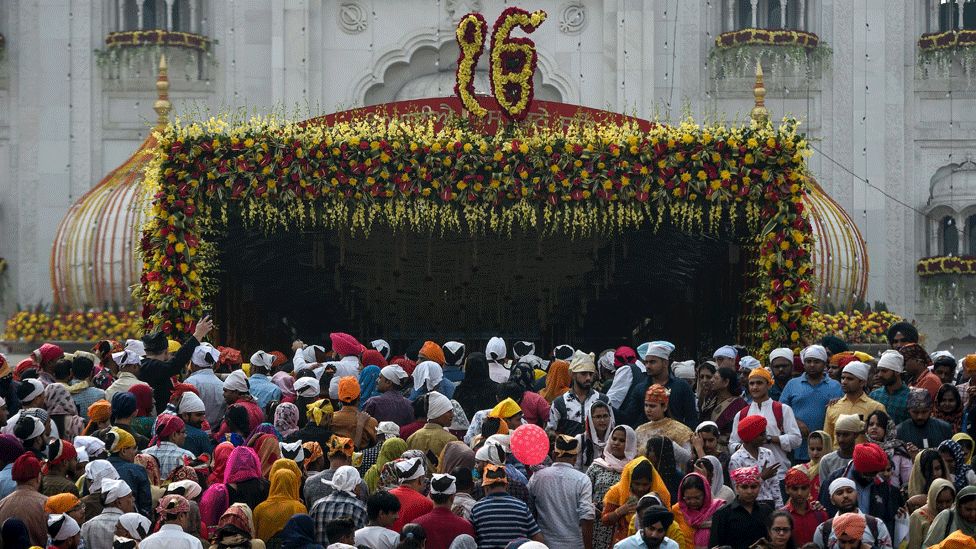
Image copyright AFPCelebrations have taken place in India and Pakistan to mark the 550th anniversary of the birth of Guru Nanak – the founder of Sikhism.
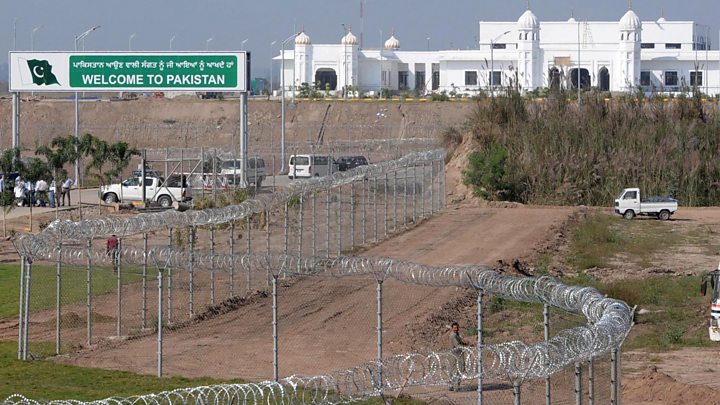
The anniversary comes just a few days after the historic opening of the Kartarpur corridor, which allows Indians access to one of Sikhism’s holiest shrines in Pakistan without having to apply for a visa.
Tensions between the neighbours have made it difficult for Indian pilgrims to visit the site in Pakistan in recent years. But an agreement reached last month allows Indians to make the 4km (2.5-mile) crossing to the Gurdwara Darbar Sahib Kartarpur – where Guru Nanak spent the last 18 years of his life.
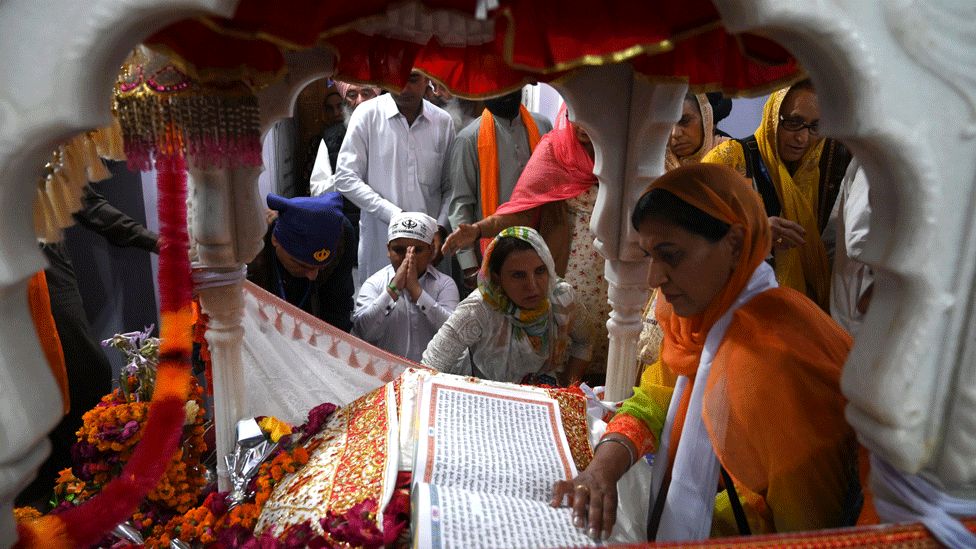
On Tuesday, Sikh pilgrims in Pakistan gathered at Nankana Sahib, the birth place of Guru Nanak, which is about 80km (50 miles) from the city of Lahore.
Image copyright AFP
Large numbers of devotees, including women, took part in the religious rituals.
Image copyright AFP
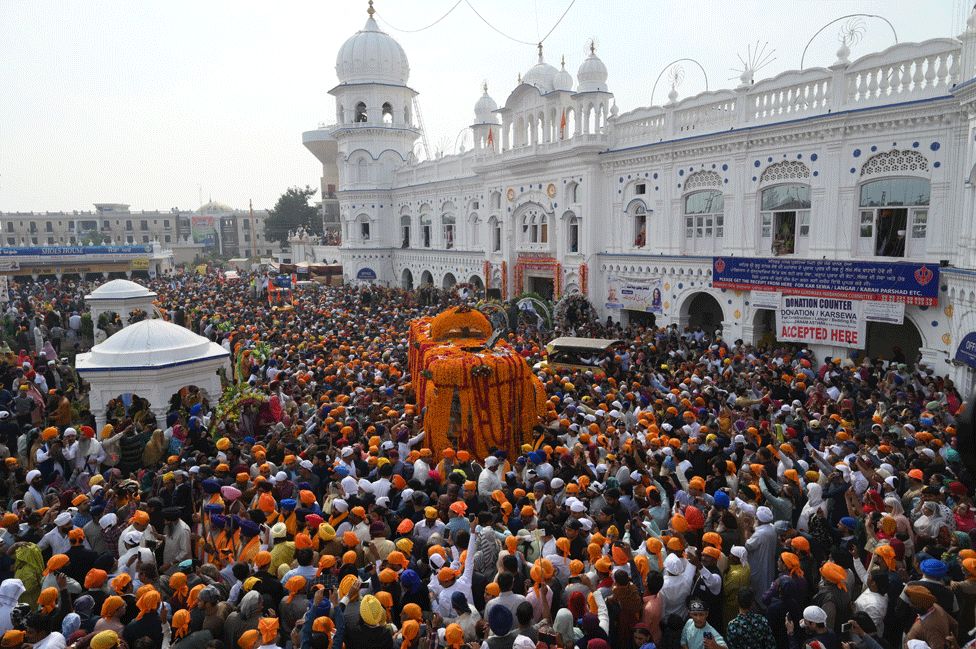
The auspicious day for Sikhs was also marked in India, where Guru Nanak’s birth anniversary is an annual public holiday.
Image copyright AFPSikh devotees gathered in huge numbers at the Bangla Sahib Gurdwara in the capital Delhi.Image copyright AFP
Indian Prime Minister Narendra Modi greeted the nation on the occasion, saying it was “a day to rededicate ourselves” to Guru Nanak’s “dream of a just, inclusive and harmonious society”.
Though Guru Nanak’s anniversary is an important event for Sikhs annually, this time the celebrations were more special due to the opening of the Kartarpur corridor.
Devotees from across the world visit the Kartarpur shrine every year to commemorate his birth. Indian Sikhs will now be able to visit with just their passports, but they will not be allowed to leave the site or stay overnight.
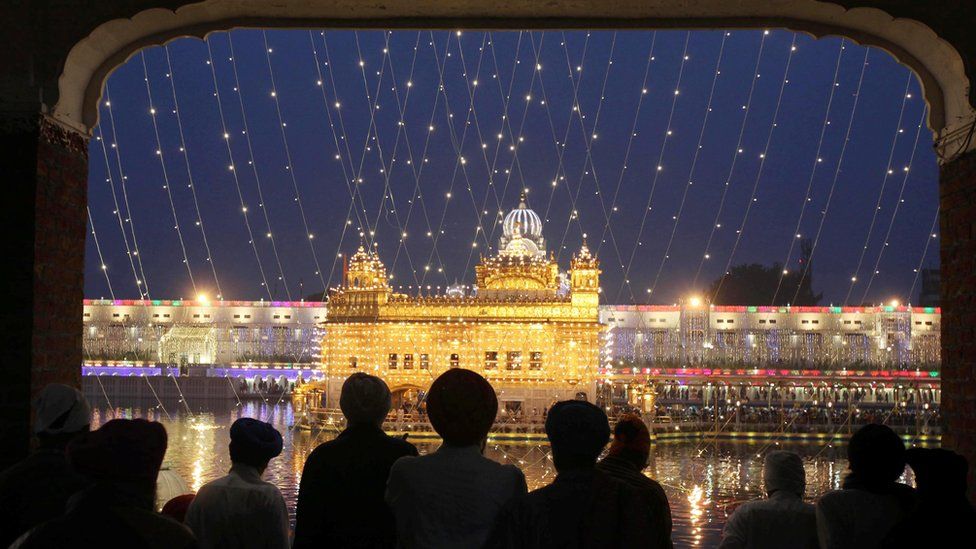
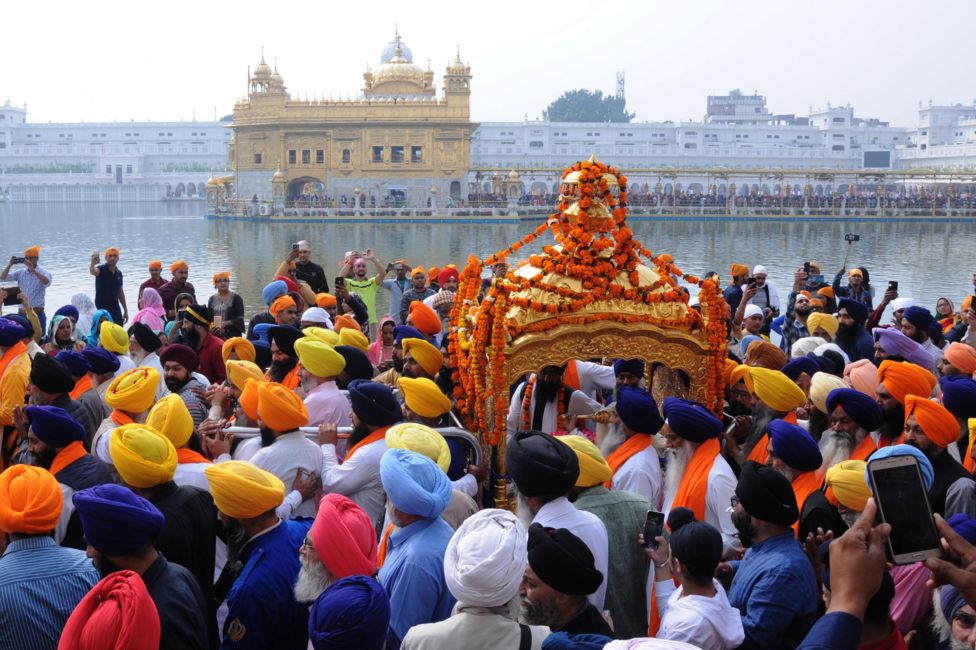
The Golden Temple in Amritsar, in north-western India, is the holiest Gurdwara (where Sikhs worship). On the eve of the anniversary, it was lit up to host processions as Sikh worshippers took part in the three-day celebration of Guru Nanak’s birth.
Image copyright REUTERSOn the first day of the celebrations, Sikhs read the Sikh holy book – the Guru Granth Sahib – from beginning to end.
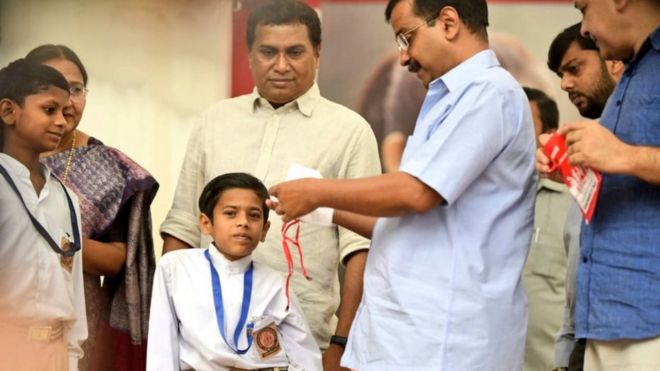
Image copyright TWITTER/@ARVINDKEJRIWALImage caption Delhi Chief MinisterArvind Kejriwal has been handing out masks to school students
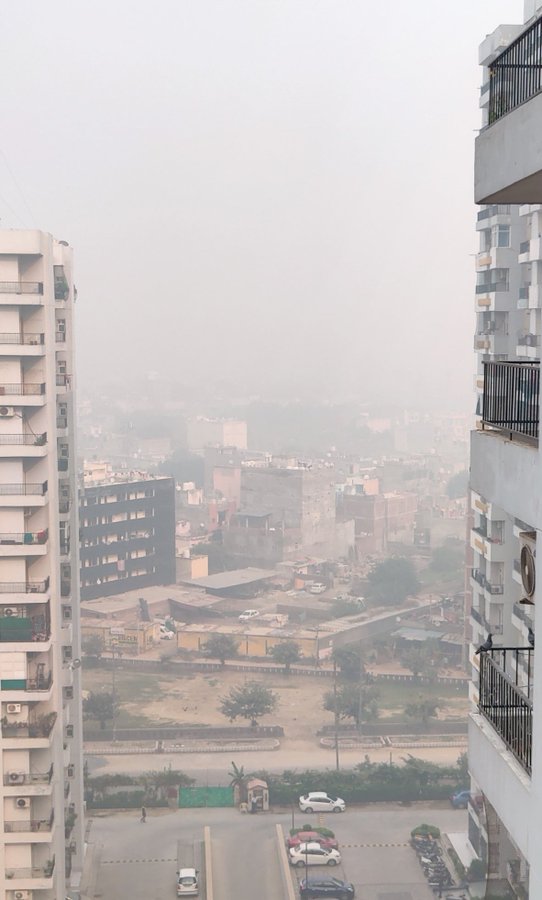
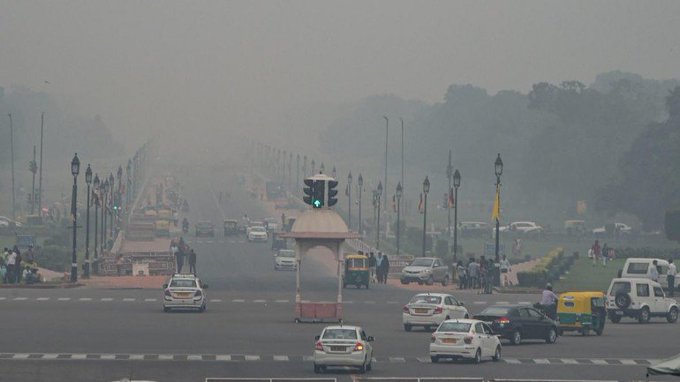
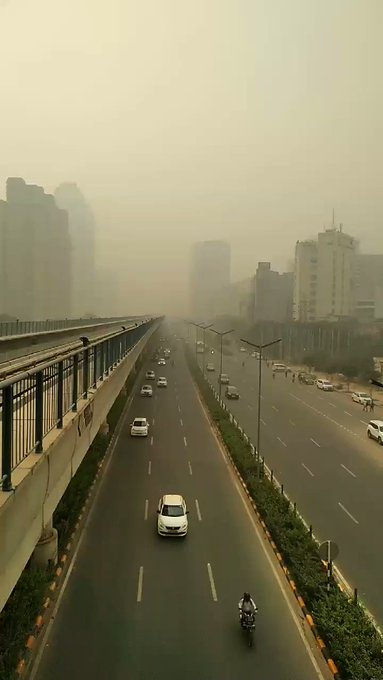
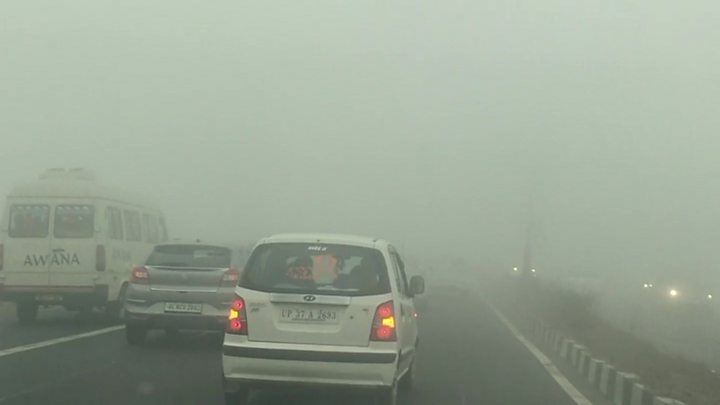
Five million masks are being distributed at schools in India’s capital, Delhi, after pollution made the air so toxic officials were forced to declare a public health emergency.
A Supreme Court mandated panel imposed several restrictions in the city and two neighbouring states, as air quality deteriorated to “severe” levels.
All construction has been halted for a week and fireworks have been banned.
The city’s schools have also been closed until at least next Tuesday.
Delhi’s Chief Minister Arvind Kejriwal said Delhi had been turned into a “gas chamber”.
The masks are being handed out to students and their parents, and Mr Kejriwal has asked people to use them as much as possible.
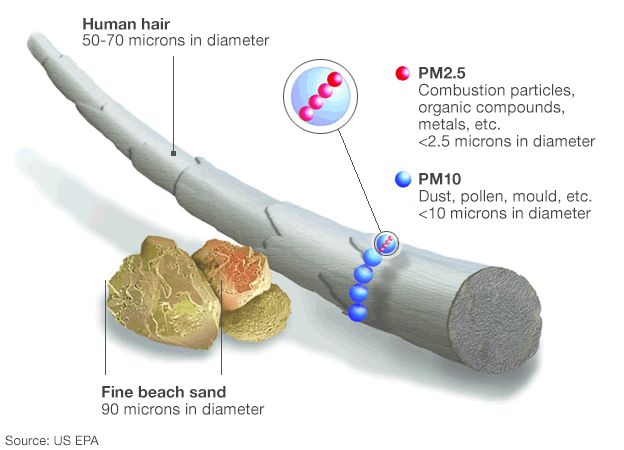
The levels of tiny particulate matter (known as PM2.5) that enter deep into the lungs are 533 micrograms per cubic metre in the city. The WHO recommends that the PM2.5 levels should not be more than 25 micrograms per cubic metre on average in 24 hours.
As thick white smog blanketed the city, residents started tweeting pictures of their surroundings. Many are furious that the situation remains the same year after year.
The hashtags #DelhiAirQuality and #FightAgainstDelhiPollition are trending on Twitter.
One of the main reasons for air quality in the city worsening every year in November and December is that farmers in the neighbouring states of Punjab and Haryana burn crop stubble to clear their fields. It’s made worse by the fireworks during the Hindu festival of Diwali.
There are other reasons too, including construction dust, factory and vehicular emissions, but farm fires remain the biggest culprit.
Media caption A hair-raising drive through the Delhi smog
More than two million farmers burn 23 million tonnes of crop residue on some 80,000 sq km of farmland in northern India every winter.
The stubble smoke is a lethal cocktail of particulate matter, carbon dioxide, nitrogen dioxide and sulphur dioxide.
Using satellite data, Harvard University researchers estimated that nearly half of Delhi’s air pollution between 2012 and 2016 was due to stubble burning.
The burning is so widespread that it even shows up in satellite photos from Nasa.
What are PM 2.5 particles?
Particulate matter, or PM, 2.5 is a type of pollution involving fine particles less than 2.5 microns (0.0025mm) in diameter
A second type, PM 10, is of coarser particles with a diameter of up to 10 microns
Some occur naturally – e.g. from dust storms and forest fires, others from human industrial processes
They often consist of fragments that are small enough to reach the lungs or, in the smallest cases, to cross into the bloodstream as well
India has formally divided the state of Jammu and Kashmir into two new federally-administered territories.
In the new arrangement, Jammu and Kashmir is one territory, and Ladakh, which borders China, is separate.
The two new union territories are now ruled directly from the capital Delhi.
It’s part of a controversial move announced in August to tighten the Indian government’s control over the part of Kashmir it administers.
R K Mathur and Girish Chandra Murmu were sworn in as lieutenant governors of Ladakh and Jammu and Kashmir respectively on Thursday.
“Now the real participation of co-operative federalism will be seen. New highways, new railway lines, new schools, new hospitals will take the development of the people of Jammu and Kashmir to new heights,” Prime Minister Narendra Modi said at a public rally in the western state of Gujarat.
Union territories have far less autonomy from the federal government than states do.
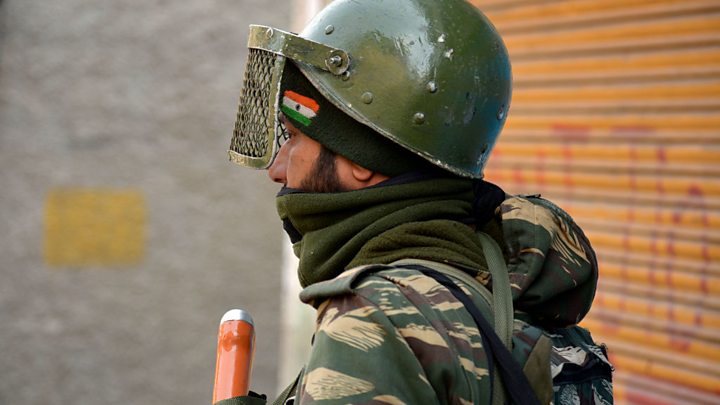
The former state has long been one of the world’s most dangerous flashpoints and is a highly militarised area.
India and Pakistan both claim Kashmir in full, but control only parts of it.
How does this affect the people there?
Almost 98% of the state’s population will be in the union territory of Jammu and Kashmir, comprising two regions – the Muslim-majority Kashmir valley, which has about eight million people, and the Hindu-majority Jammu, which has about six million.
The third region, the newly created union territory of Ladakh, is a high-altitude desert inhabited by 300,000 people, with almost equal numbers of Muslims and Buddhists.
Workers from the previous state government will continue to retain their jobs in the new territories, the government said.
What’s the background?
On 5 August, the government revoked Kashmir’s special status, sparking protests in the Muslim-majority valley.
Article 370, as the constitutional provision guaranteeing special status was known, allowed the region a certain amount of autonomy, including special privileges in property ownership, education and jobs. This provision had underpinned India’s often fraught relationship with Kashmir.
Before the Bharatiya Janata Party-led government announced its decision to scrap the special status, it put the region under lockdown – mobile phone networks, landlines and the internet were cut off; and regional political leaders were placed under house arrest.
Media caption The children being ‘tortured’ in Kashmir
The region also witnessed protests where security forces often clashed with civilians. Thousands of activists and others were believed to have been picked up from their homes in the days that followed the surprise move.
Almost three months later, the situation is still far from normal.
On Tuesday, militants killed five migrant labourers in Kulgam district. Just a day before, a truck driver from outside the region was killed in Anantnag district.
Earlier this month, the Indian government restored mobile services 72 days after they were suspended.
But internet services continue to be suspended and most businesses remain closed – some in protest against the government, and others for fear of reprisals from militants opposed to Indian rule.
Image copyright GETTY IMAGESImage caption The US says Huawei equipment has back doors that would enable Chinese surveillance
Chinese tech giant Huawei, which has been banned from selling 5G equipment to US telecom companies, is making an aggressive push to market itself in India.
“It’s been squeezed out of countries by a few governments already, and so a possible contract with India for 5G would be especially important,” Arun Sukumar, a tech analyst at the Observer Research Foundation, told the BBC.
“It’s worth noting that even though Huawei is comfortable at the moment, it will need to continue to invest across the world and into new markets in order to stay afloat – and what’s a bigger market than India?”
Huawei has also been banned in Australia, and several other countries are considering following suit.
The US says Huawei equipment contains back doors that would enable Chinese surveillance.
But the company has repeatedly denied claims that the use of its products poses security risks, and says it is independent from the Chinese government.
The size of India’s wireless market – dwarfed only by China – make it a vital market for any company, but the troubles Huawei is facing at present make could make India critical to its future.
The US has been pressurising India and its other allies to boycott the company and has not ruled out punitive measures against those who fail to do so.
US Commerce Secretary Wilbur Ross said during a visit to Delhi that the US hoped that its “geopolitical partner India does not inadvertently subject itself to untoward security risk”.
Jay Chen, CEO of Huawei India, told the BBC’s Devina Gupta that the company was even willing to sign an undertaking with the Indian government, promising that its equipment would contain no back doors as alleged by the US.
“We have read in the media that the US government is trying to lobby with the Indian government but I still believe that we should focus on what we can do and try our best,” he said.
Image copyright GETTY IMAGESImage caption The company provides technology infrastructure to launch 5G networks
India has not commented on US charges against Huawei and has invited it to participate in its upcoming 5G spectrum trials, although a date for this has not been announced yet.
Mr Sukumar told the BBC that to exclude Huawei from the 5G process could actually prove detrimental to India.
“No more than five companies have the infrastructure to launch 5G, and Huawei’s infrastructure is more affordable than other Western ones like Nokia and Erikson. India’s telecom industry is already struggling, so to ally with Huawei – which could provide the service at the lowest rate – is very attractive,” he said.
India does not have a homegrown alternative to Huawei’s technology – and the company is well aware of this.
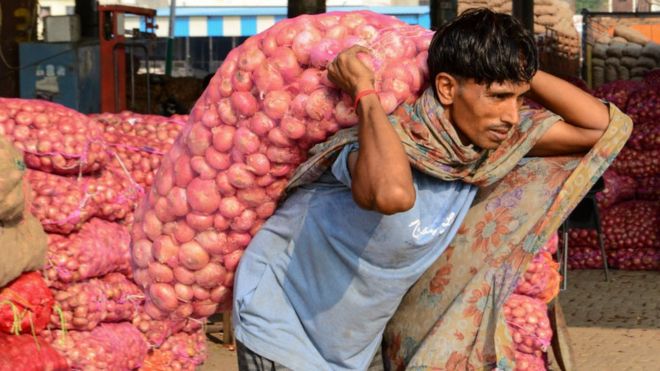
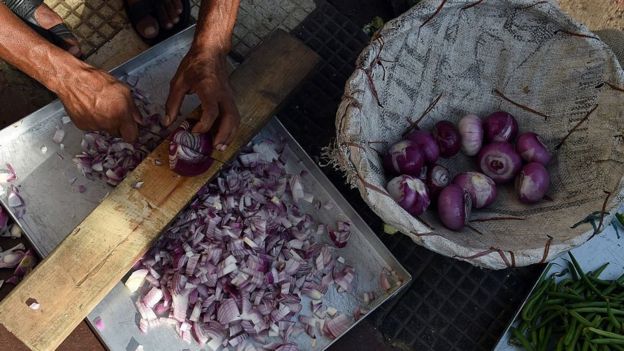
Image copyright GETTY IMAGESImage caption The onion is India’s most “political” vegetable
Onion prices have yet again dominated the headlines in India over the past week. BBC Marathi’s Janhavee Moole explains what makes this sweet and pungent vegetable so political.
The onion – ubiquitous in Indian cooking – is widely seen as the poor man’s vegetable.
But it also has the power to tempt thieves, destroy livelihoods and – with its fluctuating price a measure of inflation – end the careers of some of India’s most powerful politicians.
With that in mind, it’s perhaps unsurprising those politicians might be feeling a little concerned this week.
So, what exactly is happening with India’s onions?
In short: its price has skyrocketed.
Onion prices had been on the rise in India since August, when 25 rupees ($0.35; £0.29) would have got you a kilo. At the start of October, that price was 80 rupees ($1.13; £0.91).
Fearing a backlash, the Bharatiya Janata Party (BJP)-led government banned onion exports, hoping it would bring down the domestic price. And it did.
Image copyright GETTY IMAGESImage caption Onion prices peaked by the end of September
A kilo was selling for less than 30 rupees on Thursday at Lasalgaon, Asia’s largest onion wholesale market, located in the western state of Maharashtra.
However, not everyone is happy.
While high prices had angered consumers in a sluggish Indian economy, the fall in prices sparked protests by exporters and farmers in Maharashtra, where state elections are due in weeks.
And it is not just at home where hackles have been raised: the export ban has also strained trade relations between India and its neighbour, Bangladesh, which is among the top importers of the vegetable.
But why does the onion matter so much?
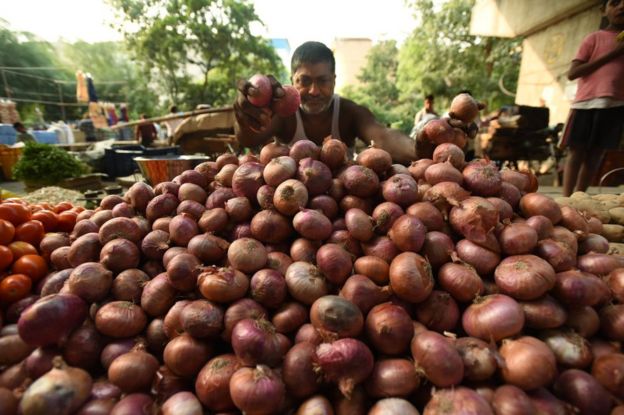
The onion is a staple vegetable for the poor, indispensable to many Indian cuisines and recipes, from spicy curries to tangy relishes.
“In Maharashtra, if there are no vegetables or you can’t afford to buy vegetables, people eat ‘kanda bhakari’ [onion with bread],” explains food historian Dr Mohseena Mukadam.
True, onions are not widely used in certain parts of the country, such as the south and the east – and some religious communities don’t eat them at all.
But they are especially popular in the more populous northern states which – notably – send a higher number of MPs to India’s parliament.
“Consumers in northern India wield more power over the federal government. So although consumers in other parts of India don’t complain as much about higher prices, if those in northern India do, the government feels the pressure,” says Milind Murugkar, a policy researcher.
Image copyright GETTY IMAGESImage caption Onions are so ubiquitous that the government has been selling them at subsided rates
A drop in prices also affects the income of onion farmers, mainly in Maharashtra, Karnataka in the south and Gujarat in the west.
“Farmers see the onion as a cash crop that grows in the short term, and grows well in dry areas with less water,” says Dipti Raut, a journalist, who has been on the “onion beat” for years.
“It’s like an ATM machine that guarantees income to farmers and sometimes, their household budget depends on the onion produce,” she said.
Onions have even attracted robbers: when prices skyrocketed in 2013, thieves tried to steal a truck loaded with onions, but were caught by the police.
Why do politicians care about the onion?
Put simply, because the price moving too far one way or another is likely to anger a large block of voters, be they everyday households, or the country’s farmers.
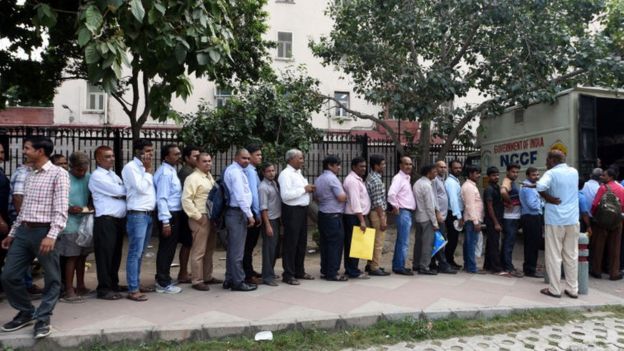
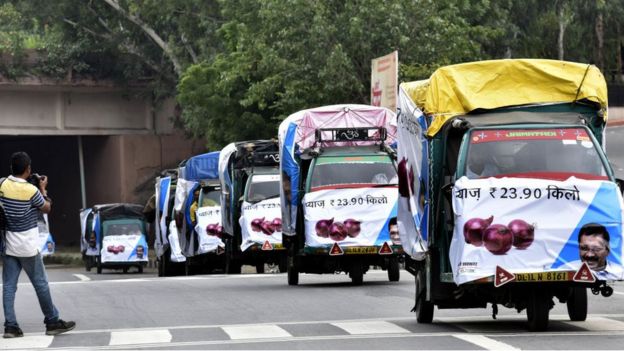
Image copyright GETTY IMAGESImage caption The Delhi government transported 70 vans full of subsidised onions
Onions are so crucial they have even featured in election campaigns. The Delhi state government bought and sold them at subsidised rates in September when prices were at their peak: chief minister Arvind Kejriwal, it should be noted, is up for re-election next year.
Meanwhile, Indira Gandhi swept to power in 1980 on slogans that used soaring onion prices as a metaphor for the economic failures of the previous government.
But why did onion prices rise this year?
A drop in supply, due to heavy rains and flooding destroying the crop in large parts of India, and damaging some 35% of the onions stocks in storage, according to Nanasaheb Patil, director of the National Agricultural Co-operative Marketing Federation.
He said the flooding had also delayed the next round of produce, which was due in September.
Image copyright GETTY IMAGES
“This has become a fairly regular phenomenon in recent decades,” Mr Murugkar said. “Onion prices swing heavily with a small drop or increase in production.”
In fact, the shortage – and subsequent rise in prices – happens almost every year around this time, according to Ms Raut.
“It’s a vicious cycle and the trader lobby and middlemen benefit from even the slightest price fluctuations,” she added.
What’s the solution?
Ms Raut says more grass-root planning and better storage facilities and food processing services will ease the problem – and making a variety of cash crops and vegetables available across the country would also ease the pressure on onions.
“The government is quick to act when onion prices rise. Why don’t they act as swiftly when prices fall?” asked Vikas Darekar, an onion farmer in Maharashtra. He said the government should buy onions from farmers at a “fair price”.
Mr Murugkar, however, feels that the government should never interfere in “onion matters”.
“If you are interested in raising purchasing power of the people, they should not curtail exports. Do we have such a ban on software exports? It’s really absurd. A government which has won such a huge majority should be able to withstand the pressures from a few consumers.”
The highest number of such cases has been registered in the northern state of Uttar Pradesh, which borders Delhi.
“At least 46 cases have been reported until 29 August. In all cases, we found that there was no evidence of child trafficking,” director general of police OP Singh told the BBC.
“We appeal to the people to not believe in such rumours. If you are in doubt, just reach out to the police through phone [dial in number 100] or social media,” he added.
Media captionThe India WhatsApp video driving people to murder
In Ghaziabad district, which is on the outskirts of Delhi, six cases were registered in August.
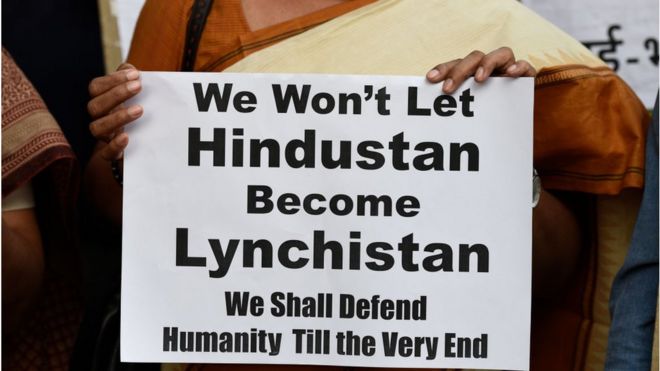
“In one case, a group of people attacked a grandmother while she was out with her grandchild. People attacked her because her skin colour was different to her grandchild,” senior police officer Neeraj Jadaun said, adding that all suspects in the case had been arrested.
While incidents like this are being reported across India, it is not clear if kidnappings are on the rise.
Rumours of child kidnappings often spread over text messages or WhatsApp, according to reports.
Officials have urged people not to believe messages linked to child abductions and are yet to find any incidents of child abduction related to the spate of messages and videos being shared online.
NEW DELHI/MUMBAI (Reuters) – India’s opposition Congress party selected past president Sonia Gandhi as its interim leader on Saturday, while it searches for a successor to her son Rahul Gandhi, who quit following a crushing election defeat by Prime Minister Narendra Modi.
The Congress Working Committee (CWC) unanimously decided to appoint Sonia Gandhi as “interim president pending the election of a regular president,” the party said in a statement late on Saturday night.
The committee wanted Rahul Gandhi to continue as its president but after he refused, they asked his mother to take over the reins instead, and she accepted, the statement said.
Sonia Gandhi is one of the most influential leaders of the Congress party and is credited with having brought the party back from the brink in 2004 with a surprise victory over the incumbent central government.
The widow of assassinated former Prime Minister Rajiv Gandhi, she was also the party’s longest serving president with 19 years at the helm, from 1998 to 2017, before handing over the baton to her son.
Congress, founded in 1885, is India’s oldest political party and dominated the country for decades after independence, led by generations of the Nehru-Gandhi family. The family produced three prime ministers: Jawaharlal Nehru, India’s first and longest-serving leader, his daughter Indira Gandhi and her son Rajiv.
However, Italian-born Sonia Gandhi faces a tall order to pull the party out of its worst crisis in decades and at the same time choose a worthy and dependable successor.
Party leaders and foot soldiers alike have been defecting to the ruling BJP. Remaining members have been dismayed at the party’s leadership vacuum following Modi’s re-election with a majority that surpassed his victory in 2014, and are questioning the party’s survival.
Rahul Gandhi, 49, announced his decision to quit as Congress leader in May, but the party leadership refused to accept it. They pressed him to reconsider, saying the party needed a unifying figure from the family to avoid splintering.
The party thanked Rahul Gandhi for his “exceptional leadership” during the state and general elections.
Last month in the southern state of Karnataka the defection of more than a dozen legislators from the ruling Congress-led coalition paved the way for Modi’s BJP to form a government.
Congress also appeared split in its response to Delhi’s decision to strip the state of Jammu and Kashmir of special constitutional status on Monday after putting the region on lockdown.
Some Congress members, including senior leader Jyotiraditya Scindia came out in support of the decision, and local media reported many in the party were supporting him.
Rahul Gandhi told reporters on Saturday night in New Delhi that considering there were reports of violence in Jammu and Kashmir, the government should provide transparent information about the actual situation on the ground.


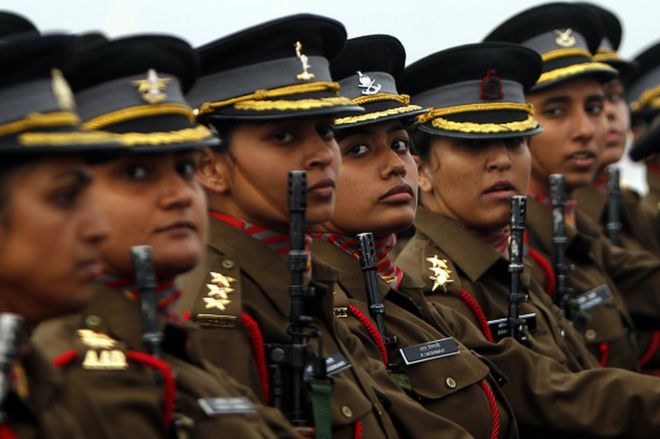 Image copyright GETTY IMAGES
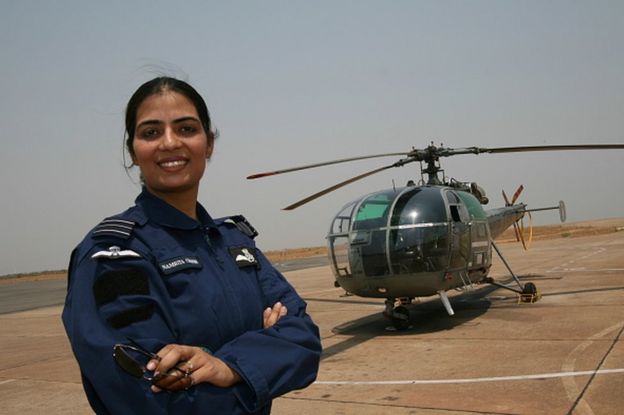 Image copyright GETTY IMAGES
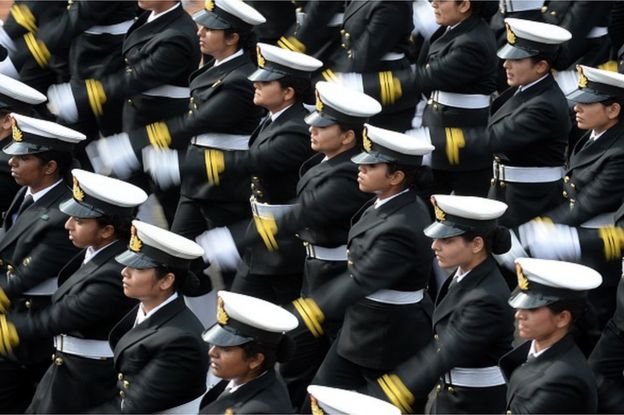 Image copyright AFP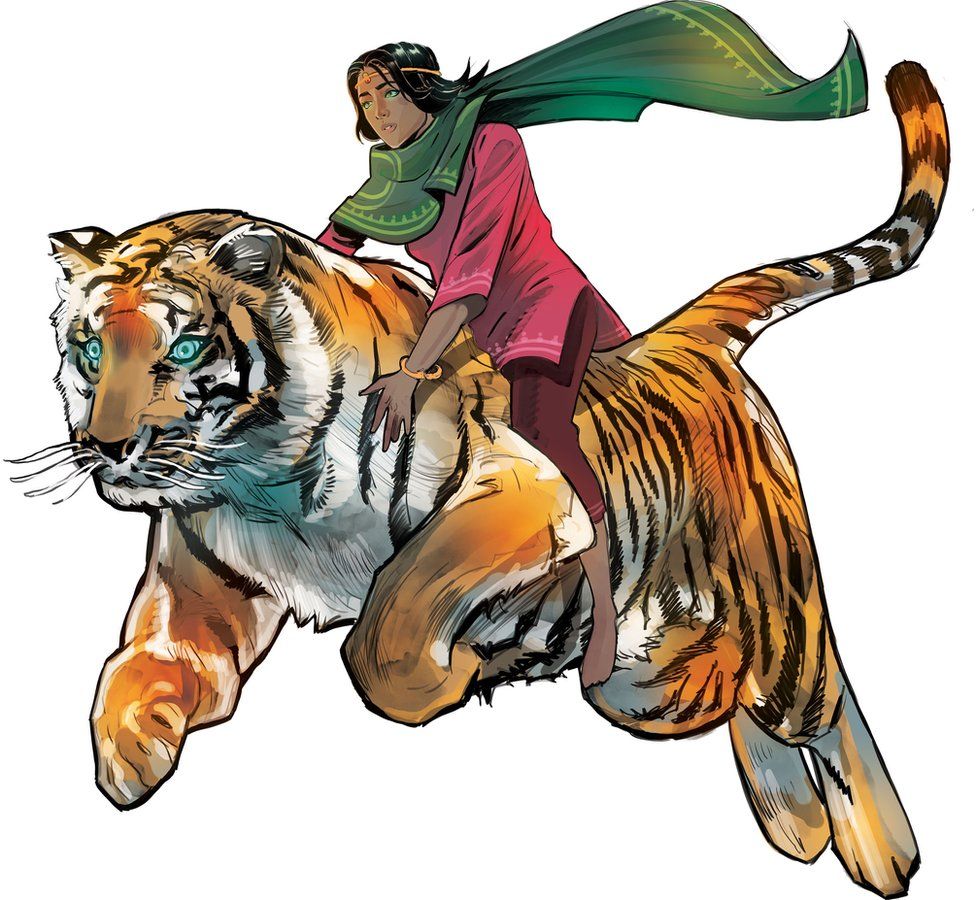













 CHINDIA ALERT: You'll be living in their world, very soon