Chindia Alert: You’ll be Living in their World Very Soon
aims to alert you to the threats and opportunities that China and India present. China and India require serious attention; case of ‘hidden dragon and crouching tiger’.
Without this attention, governments, businesses and, indeed, individuals may find themselves at a great disadvantage sooner rather than later.
The POSTs (front webpages) are mainly 'cuttings' from reliable sources, updated continuously.
The PAGEs (see Tabs, above) attempt to make the information more meaningful by putting some structure to the information we have researched and assembled since 2006.
Image copyright GETTY IMAGESImage caption Within a week of reopening, India has seen a sharp spike in cases
India is roaring – rather than inching – back to life amid a record spike in Covid-19 infections. The BBC’s Aparna Alluri finds out why.
On Saturday, India’s government announced plans to end a national lockdown that began on 25 March.
This was expected – the roads, and even the skies, have been busy for the last 10 days since restrictions started to ease for the first time in two months. Many businesses and workplaces are already open, construction has re-started, markets are crowded and parks are filling up. Soon, hotels, restaurants, malls, places of worship, schools and colleges will also reopen.
But the pandemic continues to rage. When India went into lockdown, it had reported 519 confirmed cases and 10 deaths. Now, its case tally has crossed 173,000, with 4,971 deaths. It added nearly 8,000 new cases on Saturday alone – the latest in a slew of record single-day spikes.
Image copyright GETTY IMAGESImage caption Fast food chains like McDonald’s have begun reopening outlets in parts of India.
So, why the rush to reopen?
The lockdown is simply unaffordable
“It’s certainly time to lift the lockdown,” says Gautam Menon, a professor and researcher on models of infectious diseases.
“Beyond a point, it’s hard to sustain a lockdown that has gone on for so long – economically, socially and psychologically.”
From day one, India’s lockdown came at a huge cost, especially since so many of its people live on a daily wage or close to it. It put food supply chains at risk, cost millions their livelihood, and throttled every kind of business – from car manufacturers to high-end fashion to the corner shop selling tobacco. As the economy sputtered and unemployment rose, India’s growth forecast tumbled to a 30-year-low.
Raghuram Rajan, an economist and former central bank governor, said at the end of April that the country needed to open up quickly, and any further lockdowns would be “devastating”.
The opinion is shared by global consultant Mckinsey, whose report from earlier this month said India’s economy must be “managed alongside persistent infection risks”.
Image copyright GETTY IMAGESImage caption As restrictions ease, Indians are slowly getting used to the new normal
“The original purpose of the lockdowns was to delay the spike so we can put health services and systems in place, so we are able handle the spike [when it comes],” says Dr N Devadasan, a public health expert. “That objective, to a large extent, has been met.”
In the last two months, India has turned stadia, schools and even train coaches into quarantine centres, added and expanded Covid-19 wards in hospitals, and ramped up testing as well as production of protective gear. While grave challenges remain and shortages persist, the consensus seems to be that the government has bought as much time as possible.
“We have used the lockdown period to prepare ourselves… Now is the time to revive the economy,” Delhi Chief Minister Arvind Kejriwal said last week.
The silver lining
For weeks, India’s relatively low Covid-19 numbers baffled experts everywhere. Despite the dense population, disease burden and underfunded public hospitals, there was no deluge of infections or fatalities. Low testing rates explain the former, but not the latter.
In fact, India made global headlines not for its caseload but for its botched handling of the lockdown – millions of informal workers, largely migrants, were left jobless overnight. Scared and unsure, many tried to return home, often desperate enough to walk, cycle or hitchhike across hundreds of kilometres.
Perhaps the choice – between a virus that didn’t appear to be wreaking havoc yet, and a lockdown that certainly was – seemed obvious to the government.
But that is changing quickly as cases shoot up. “I suspect we will keep finding more and more cases, but they will mostly be asymptomatic or will have mild symptoms,” Dr Devadasan says.
The hope – which is also encouraging the government to reopen – is that most of India’s undetected infections are not severe enough to require hospitalisation. And so far, except in Mumbai city, there has been no dearth of hospital beds.
The government, for instance, has been touting India’s mortality rate as a silver lining – at nearly 3%, it’s among the lowest in the world.
But some are unconvinced by that. Dr Jacob John, a prominent virologist, says India has never had, and still doesn’t have, a robust system for recording deaths – in his view, the government is certainly missing Covid-19 deaths because they have no way of knowing of every fatality.
Image copyright GETTY IMAGESImage caption Indians are venturing out again but it’s unclear how many of them are asymptomatic.
And, he says, “what we must aim for is flattening the mortality curve, not necessarily the epidemic curve”.
Dr John, like several other experts, also predicts a peak in July or August, and believes the country is reopening so quickly because the “government realised the futility of such leaky lockdowns”.
A shift in strategy
So is the government gearing up for another lockdown when the peak comes?
While Dr Menon believes the lockdown was well-timed, he says it was too focused on cases coming from abroad.
“There was a hope that by controlling that, we could prevent epidemic spread, but how effective was our screening [at airports]?”
Now, he adds, is the time for “localised lockdowns”.
Media caption Coronavirus: Death and despair for migrants on Indian roads
The federal government has left it to states to decide where, how and to what extent to lift the lockdown as the virus’ progression varies wildly across India.
Maharashtra alone accounts for more than a third of India’s active cases. Add Tamil Nadu, Gujarat and Delhi, and that makes up 67% of the national total.
But other states – such as Bihar – are already seeing a sharp uptick as migrant workers return home.
“Initially, most of your cases were in the cities,” Dr Devadasan says. “But we kept the migrant workers in cities and didn’t allow them to go home. Now, we are sending them back. We have facilitated transporting the virus from urban areas to rural areas.”
While the government has said how many infections have been avoided – up to 300,000 – and lives saved – up to 71,000 – by the lockdown, there is no indication of what lies ahead.
There is only advice: The day the government began to ease restrictions, Mr Kejriwal tweeted, urging people to “follow discipline and control the coronavirus disease” as it was their “responsibility”.
Image copyright GETTY IMAGESImage caption Social distancing will prove to be India’s biggest post-lockdown challenge
Because the alternative – of curfews and constant policing – is unsustainable.
“My worry is more the circumstances of people – it’s not as though they have an option to practise social distancing,” Dr Menon says.
And they don’t – not in joint family homes or one-room hovels packed together in slums, not in crowded markets or busy streets where jostling is second nature, or in temples, mosques, weddings or religious processions where more is always merrier.
The overwhelming message is that the virus is here to stay, and we have to learn to live with it – and the only way to do that, it appears, is to let people live with it.
WASHINGTON/NEW DELHI (Reuters) – U.S. President Donald Trump said on Wednesday he had offered to mediate a standoff between India and China at the Himalayan border, where soldiers camped out in a high-altitude region have accused each other of trespassing over the disputed border.
“We have informed both India and China that the United States is ready, willing and able to mediate or arbitrate their now raging border dispute,” Trump said in a Twitter post.
The standoff was triggered by India’s construction of roads and air strips in the region as it competes with China’s spreading Belt and Road initiative, involving infrastructure development and investment in dozens of countries, Indian observers said on Tuesday.
Both were digging defences and Chinese trucks have been moving equipment into the area, the officials said, raising concerns about an extended standoff.
There was no immediate response from either India or China to Trump’s offer. Both countries have traditionally opposed any outside involvement in their matters and are unlikely to accept any U.S. mediation, experts said.
China’s ambassador to India, Sun Weidong, struck a conciliatory note, saying the two Asian countries should not let their differences overshadow the broader bilateral relationship.
“We should adhere to the basic judgment that China and India are each other’s opportunities and pose no threat to each other. We need to see each other’s development in a correct way and enhance strategic mutual trust,” he said, speaking in a webinar on China’s experience of fighting COVID-19.
“We should correctly view our differences and never let the differences shadow the overall situation of bilateral cooperation.”
The two countries are engaged in talks to defuse the border crisis, an Indian government source said. “These things take time, but efforts are on at various levels, military commanders as well as diplomats,” the source said.
The Chinese side has been insisting that India stop construction near the Line of Actual Control or the de facto border. India says all the work is being done on its side of the border and that China must pull back its troops.
Trump in January offered to “help” in another Himalayan trouble spot, the disputed region of Kashmir that is at the center of a decades-long quarrel between India and Pakistan.
But the U.S. offer triggered a political storm in India, which has long bristled at any suggestion of third-party involvement in tackling Kashmir which it considers an integral part of the country.
NEW DELHI/SRINAGAR (Reuters) – A Himalayan border standoff between old foes India and China was triggered by India’s construction of roads and air strips in the region as it competes with China’s spreading Belt and Road initiative, Indian observers said on Tuesday.
Soldiers from both sides have been camped out in the Galwan Valley in the high-altitude Ladakh region, accusing each other of trespassing over the disputed border, the trigger of a brief but bloody war in 1962.
About 80 to 100 tents have sprung up on the Chinese side and about 60 on the Indian side where soldiers are billeted, Indian officials briefed on the matter in New Delhi and in Ladakh’s capital, Leh, said.
Both were digging defences and Chinese trucks have been moving equipment into the area, the officials said, raising concerns of a long faceoff.
“China is committed to safeguarding the security of its national territorial sovereignty, as well as safeguarding peace and stability in the China-India border areas,” the Chinese Foreign Ministry spokesperson’s office said in a statement.
“At present, the overall situation in the border areas is stable and controllable. There are sound mechanisms and channels of communication for border-related affairs, and the two sides are capable of properly resolving relevant issues through dialogue and consultation.”
There was no immediate Indian foreign ministry comment. It said last week Chinese troops had hindered regular Indian patrols along the Line of Actual Control (LAC).
But interviews with former Indian military officials and diplomats suggest the trigger for the flare-up is India’s construction of roads and air strips.
“Today, with our infrastructure reach slowly extending into areas along the LAC, the Chinese threat perception is raised,” said former Indian foreign secretary Nirupama Rao.
“Xi Jinping’s China is the proponent of a hard line on all matters of territory, sovereignty. India is no less when it comes to these matters either,” she said.
After years of neglect Prime Minister Narendra Modi’s government has pushed for improving connectivity and by 2022, 66 key roads along the Chinese border will have been built.
One of these roads is near the Galwan valley that connects to Daulat Beg Oldi air base, which was inaugurated last October.
“The road is very important because it runs parallel to the LAC and is linked at various points with the major supply bases inland,” said Shyam Saran, another former Indian foreign secretary.
“It remains within our side of the LAC. It is construction along this new alignment which appears to have been challenged by the Chinese.”
China’s Belt and Road is a string of ports, railways, roads and bridges connecting China to Europe via central and southern Asia and involving Pakistan, China’s close ally and India’s long-time foe.
KOLKATA (Reuters) – Indian and Chinese troops on border patrol duties had a brief skirmish in Sikkim, a northeastern Indian state bordering China, the Indian Defence Ministry said on Sunday, blaming both sides for the incident.
“Aggressive behaviour by the two sides resulted in minor injuries to troops. The two sides disengaged after dialogue and interaction at the local level,” the ministry said in a statement.
The Indian daily Hindustan Times, citing a military source, said four Indian soldiers and seven Chinese troops were injured when some of the soldiers exchanged blows during the confrontation, which it said took place on Saturday and involved some 150 soldiers.
The Defence Ministry said the incident took place in the Nakula area but did not give details of how it started, or what caused the injuries.
China’s Ministry of Defense could not be immediately reached for comment on Sunday.
India and China have often accused each other of intrusions into each other’s territories, but clashes are rare.
There is still deep mistrust between the two countries over their festering border dispute, which triggered a brief war in 1962.
Hundreds of troops from both sides were deployed in 2017 on the Doklam plateau, near the borders of India, Bhutan, and China after India objected to Chinese construction of a road in the Himalayan area, in the most serious standoff in years.
Image copyright ANIImage caption Millions of people across India have been stranded by the lockdown
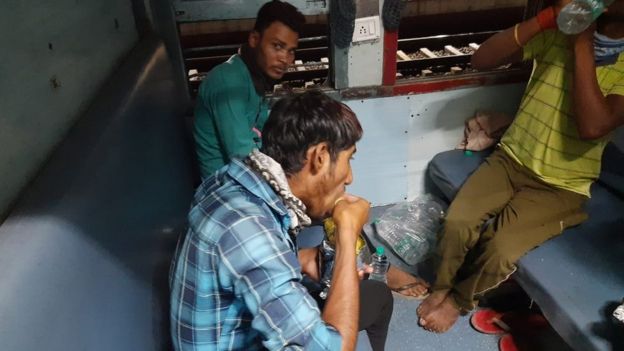
The first train carrying migrant workers stranded by a nationwide lockdown in India has left the southern state of Telangana.
The 24-coach train, carrying 1,200 passengers, is travelling non-stop to eastern Jharkhand state.
Earlier this week, India said millions of people stranded by the lockdown can return to their home states.
The country has been in lockdown to curb the spread of coronavirus since 24 March.
However, the movement of people will be only possible through state government facilitation, which means people cannot attempt to cross state borders on their own.
This train is a “one-off special train” to transport the workers on the request of the Telangana state government, Rakesh Ch, the chief public relations officer of South-Central Railways, told the BBC.
The train left Lingampally, a suburb of the southern city of Hyderabad, early on Friday and is expected to reach Hatia in Jharkhand on Saturday.
Mr Rakesh said that adequate social distancing precautions had been taken and food was being served to the passengers.
Image copyright ANIImage caption Railways officials said that adequate social distancing precautions had been taken and food was being served to the passengers.
He said each carriage was carrying 54 passengers instead of its 72-seat capacity.
“The middle berth is not being used in the sleeper coaches and only two people are sitting in the general coaches,” Mr Rakesh said.
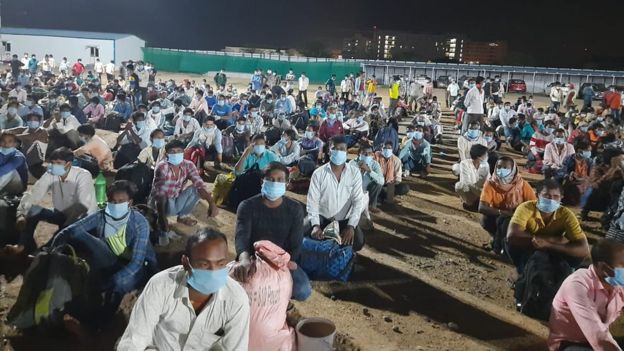
Before the train pulled out of the station, all the passengers were screened for fever and other symptoms.
They had all been employed at a construction site at the Indian Institute of Technology, a top engineering school, in Hyderabad city.
The workers had earlier protested at the site against the non-payment of wages by their contractor.
Senior official M Hanumantha Rao said the contractor was asked to pay their salaries and arrangement made to send them back home.
The journey was organised at “very short notice”, senior police official S Chandra Shekar Reddy told BBC Telugu.
“We screened them at the labour camp itself and transported them to the railway station in buses,” he said.
India’s migrant workers are the backbone of the big city economy, constructing houses, cooking food, serving in eateries, delivering takeaways, cutting hair in salons, making automobiles, plumbing toilets and delivering newspapers, among other things.
Image copyright ANIImage caption Before the train pulled out of the station, all the passengers were screened for fever and other symptoms.
Most of the country’s estimated 100 million migrant workers live in squalid conditions.
When industries shut down overnight, many of them feared they would starve.
For days, they walked – sometimes hundreds of kilometres – to reach their villages because bus and train services were shut down overnight. Several died trying to make the journey.
Some state governments tried to facilitate buses, but these were quickly overrun. Thousands of others have been placed in quarantine centres and relief camps.
Concerns are rising that China is repeating its mistake of a decade ago by pursuing short-term debt-fuelled economic growth at the cost of long-term sustainability
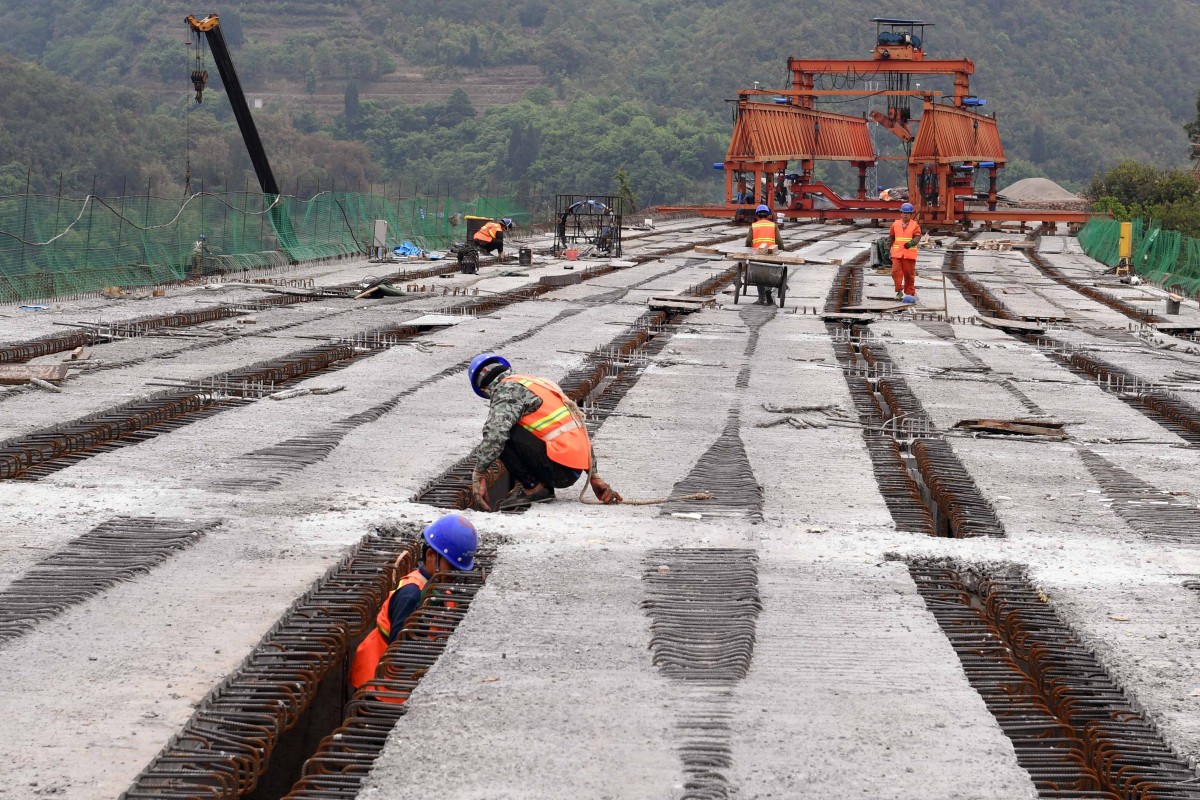
Local governments are stepping up spending on infrastructure projects in a bid to offset the slowdown caused by the coronavirus outbreak and subsequent lockdowns
Construction of high-speed railways, motorways and airports is an old tactic that Beijing dusted off after the pandemic led to a 6.8 per cent economic contraction in the first quarter. Photo: Xinhua
China’s huge stockpile of local government debt, one of the biggest “grey rhino” risks threatening the Chinese economy’s future, is set to rise steeply as local authorities rush to increase capital spending to help offset the damage caused by the coronavirus outbreak.
As Beijing discusses increasing the central government budget deficit and monetary policy easing to spur economic growth, many local governments see the situation as a golden opportunity to realise their investment ambitions, fanning concerns that China is repeating its mistake of a decade ago by pursuing short-term debt-fuelled economic growth at the cost of long-term sustainability.
In one of the latest investment drives, the southeastern province of Fujian announced on Sunday that it had signed contracts for 391 new projects with a combined investment value of 783.6 billion yuan (US$110.6 billion). Projects undertaken by central government-owned companies, which received significant lending support in the first quarter, accounted for more than half of the promised investment in Fujian, some 92 projects worth 424.5 billion yuan.
The landlocked eastern province of Anhui is also planning 2,583 new projects this year at a cost of 450 billion yuan, a third of which have been created in the last two weeks.
Construction begins for major sea crossing to link Shenzhen and Zhongshan in Greater Bay Area
In addition to work on existing construction projects, costing around 850 billion yuan, the province has also prepared a list of 3,300 reserve projects with a total investment value of 5.4 trillion yuan (US$762 billion) which could theoretically be started at any point in the future, pending government approval and funding support.
“The most powerful and effective way to offset the economic slowdown is to increase the size of investments,” Wang Qikang, an official with the Anhui economic planning office said on Friday. “[We] must quicken the pace of construction, working day and night to win back the lost time [from the coronavirus lockdowns].”
Construction of high-speed railways, motorways and airports is an old tactic that Beijing dusted off after the pandemic led to a 6.8 per cent economic contraction in the first quarter.
Infrastructure construction has already been hit hard amid the lockdowns, plunging 19.7 per cent in the first three months of the year compared to a year earlier.
Many [local governments] are still striving to achieve a high growth rate without the guidance of a national [gross domestic product] target – Liu Xuezhi
“The investment stimulus mindset has hardly been eradicated at the local level,” said Liu Xuezhi, a senior researcher with the Bank of Communications in Shanghai. “In particular, many [local governments] are still striving to achieve a high growth rate without the guidance of a national [gross domestic product] target.”
Before the start of the coronavirus outbreak, Beijing was thought to be targeting a
of around 6 per cent this year after achieving 6.1 per cent in 2019, although many local governments appear to be setting their own annual targets still using the original expected goal as a guide.
However, that target was never made public because the meeting of the
scheduled for early March, where the growth target would normally have been released, was postponed due to the virus.
The government announced on Wednesday that the NPC will be held from May 22, when a new, likely lower, growth target could be announced.
China’s first-quarter GDP shrinks for the first time since 1976 as coronavirus cripples economy
International rating agency Moody’s warned that greater infrastructure spending would result in higher debt for regional and local governments, increasing their financial risks amid a sharp slowdown in tax revenues.
“Such investments are less likely to be a main support measure [chosen by Beijing] now given the government’s focus on avoiding a rapid increase in leverage and asset price inflation,” Moody’s analysts Michael Taylor and Lilian Li said on Tuesday.
At the end of March, local government debt stood at 22.8 trillion yuan (US$3.2 trillion), according to the Ministry of Finance. But implicit liabilities, which are hidden in local financing vehicles, state firms and public-private partnership projects, are believed to be much larger, with some estimates pointing towards an additional debt of over 30 trillion yuan.
Chinese central bank governor Yi Gang, along with other officials, have already warned against excessive economic stimulus, saying it would add risks to China’s financial system.
A key risk is that local governments are front-loading China’s long-term investment plan, especially in the railway sector, with more than 357 railway projects proposed by local governments.
Shandong province, for example, is preparing to build four new railway lines, including the Shandong portion of a second high-speed railway between Beijing to Shanghai.
“There is still a chance for infrastructure investment growth to hit 10 per cent if the government releases 2 trillion yuan (US$282 billion) in funding through local special purpose bonds and special treasury bonds,” said Haitong Securities’ chief economist Jiang Chao on Monday.
However, a local government debt monitoring report issued on Tuesday by the National Institution of Finance and Development warned that China’s local government fiscal situation is worsening rapidly as expenses surge and revenues drop.
“All levels of local governments in China will face huge debt repayment pressure in five years,” warned Yin Jianfeng, deputy director of the Beijing-based think-tank.
has opened a new all-weather access point in a disputed part of its border with China to enable faster movement of troops and artillery, another potential irritant in
The new bridge, which can bear 40 tons of weight, was built in Arunachal Pradesh in India’s remote northeast, a region claimed by China that is near the scene of previous clashes. Border intrusions have risen 50 per cent in 2019 compared to the previous year, people with knowledge of the matter said.
“That part of the border has always had a tendency to friction point between India and China. Lack of reliable and all weather connectivity was vulnerability,” said Nitin Gokhale, a New Delhi-based strategic affairs expert. “The new bridge and improved road overcomes that and ensures uninterrupted supply to troops.”
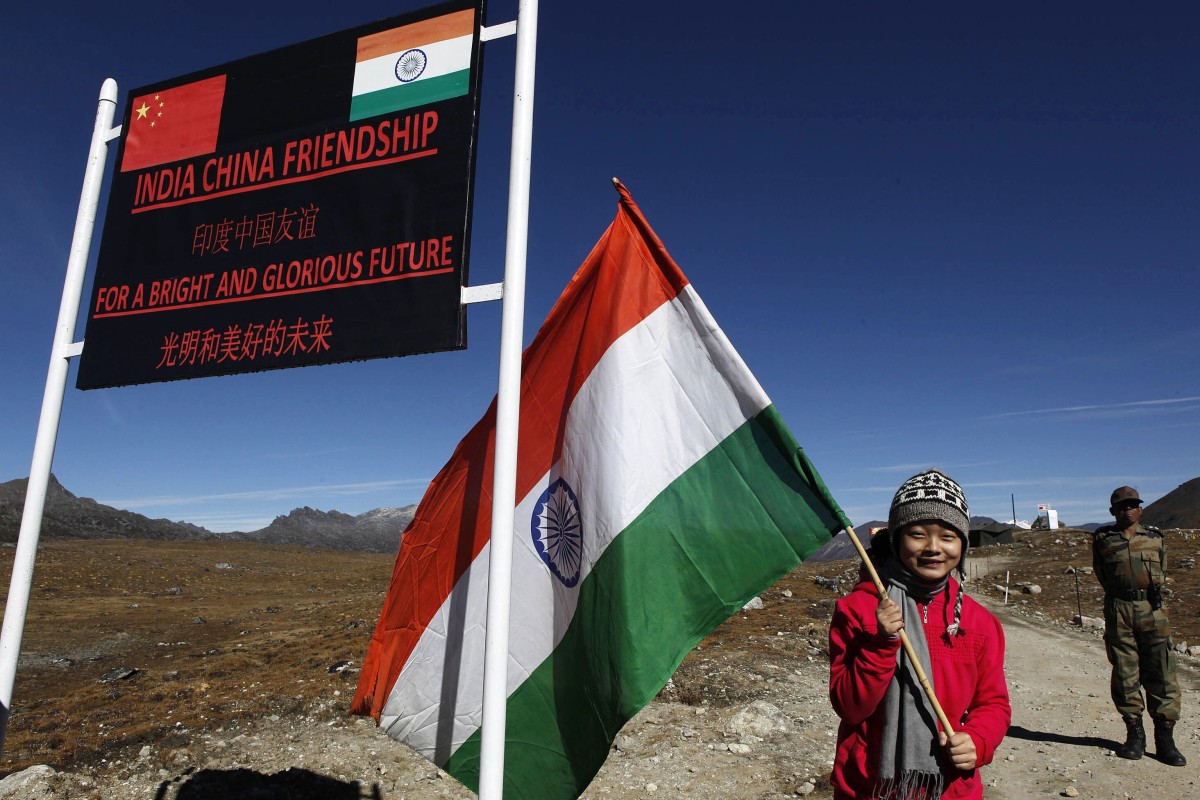
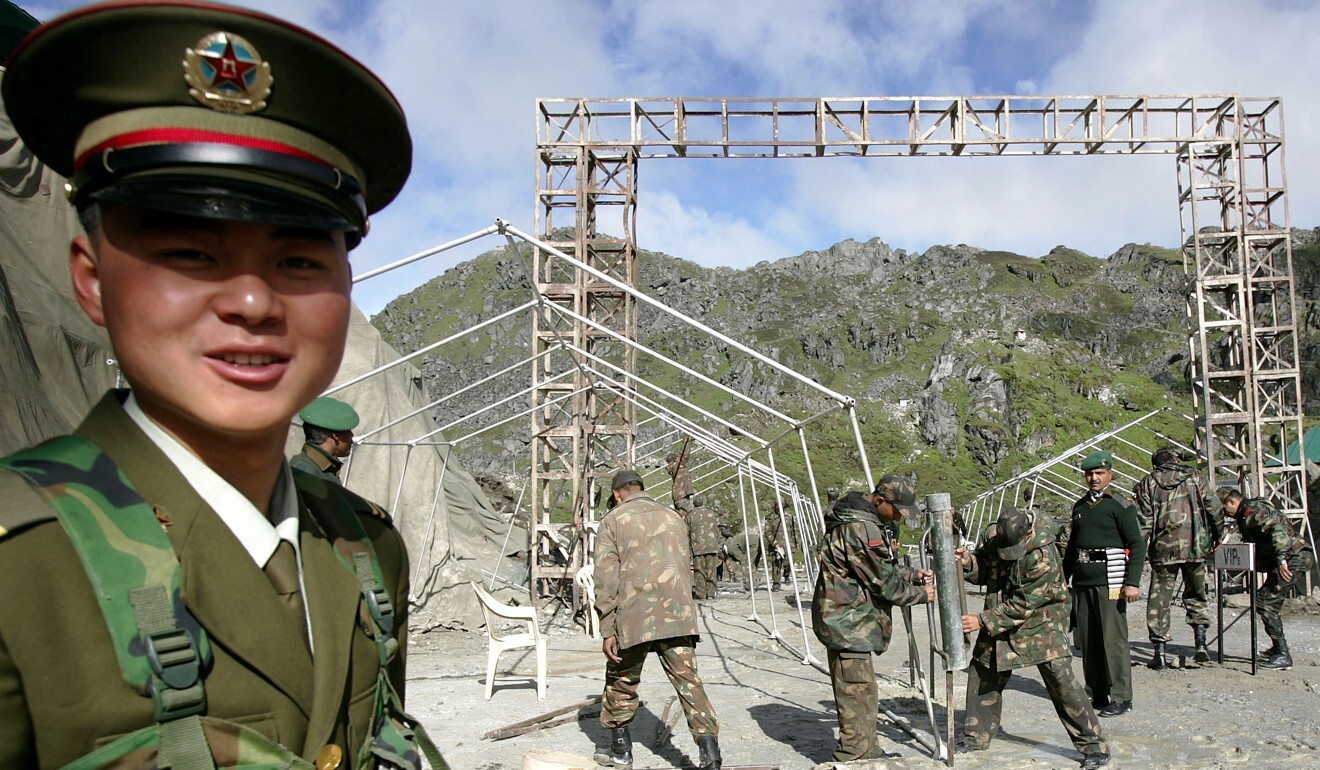
A Chinese soldier stands guard while Indian soldiers work near their shared border. Photo: AP
The new access along the border with China comes amid heightened tensions between the two nations after Beijing accused India of blocking its companies in the South Asian nation after New Delhi tightened laws for foreign investment. The bridge is located in a region that witnessed a months-long military stand-off in 2017 over the Doklam plateau, claimed by China and Bhutan, India’s ally. It was one of the most serious flare-ups since China won a border war with India in 1962.
China’s Ministry of Foreign Affairs did not respond to a message requesting comment.
India claims the Chinese army violated the 3,488km-long undemarcated border, parts of which are disputed, more than 600 times, the people said, asking not to be identified as the matter is not public.
“India and China have different perceptions of the border,” Indian Army spokesman Aman Anand said on Thursday. “Perceived transgressions are result of the perceived boundary.”
Under Prime Minister Narendra Modi, India is ramping up its infrastructure along the border, which it says isn’t aimed at any particular country, but rather the development of remote border areas. It has completed 74 strategic roads along the eastern border, with plans afoot to finish 20 more by next year, the people said. It will reduce time taken to move and material by half and help 431 villages that lie across the region during the Covid-19 outbreak.
by making it mandatory for companies from countries that share a land border to acquire local firms only after seeking an approval from the government. The move, which cuts the risk of opportunistic takeovers as the coronavirus outbreak drives down valuations of Indian companies, had so far applied only to FDI from Bangladesh and Pakistan. India shares its land border with seven countries, including China.
The new bridge opened by the India also strides one of the main access routes of the Chinese Army into India from Tibet.
BEIJING, April 23 (Xinhua) — China decided to donate another 30 million U.S. dollars to the World Health Organization (WHO) in support of global efforts to fight COVID-19 and the construction of public health systems in developing countries, a Foreign Ministry spokesperson said here Thursday.
Spokesperson Geng Shuang told a news briefing that the WHO, led by Director-General Tedros Adhanom Ghebreyesus, had actively fulfilled its duties with objective, science-based and fair position and played an important role in assisting countries in responding to the outbreak and boosting international cooperation on COVID-19.
Geng said to support the WHO is to defend the principles of multilateralism and safeguard the status and authority of the United Nations at a crucial time of the battle against the pandemic, adding that the virus is the common enemy of humankind, and the international community can only defeat it through unity and cooperation.
In March, China donated 20 million dollars to the WHO to support the global fight against COVID-19.
The spokesperson said China’s donations to the WHO reflected the support and trust of the Chinese government and people in the organization, and China also made its own contributions to global public health and the fight against the pandemic.
“China will continue to stand in solidarity and render mutual assistance with other countries to jointly overcome the pandemic, safeguard regional and global public health and build a community with a shared future for mankind,” he said.
SHENYANG, April 23 (Xinhua) — With trucks standing bumper to bumper and large cranes loading containers on the train, work returned to normal at a logistics base in northeast China’s Liaoning Province.
The base, where the China-Europe freight trains are set to depart in Shenyang, the provincial capital, has seen stable departures since early April as the novel coronavirus epidemic ebbs away.
With the global supply chain being affected by restrictions in air, land, and port travel due to the global pandemic, China-Europe railway has been playing a more important role, experts say.
“The train was operated by staff in different sections, which means it does not require cross-border personnel health inspections, giving it advantages during the pandemic,” said Shan Jing, an industry insider who wrote a book on China-Europe freight trains.
In March, a total of 809 China-Europe freight trains carrying 73,000 containers were sent across China. Both numbers hit a monthly record.
At the Shenyang logistics base, trains depart to travel through Russia, Belarus, Poland and finally reach Germany in around 18 days. As of April 13, a total of 130 trains carrying 11,200 standard containers had departed from the base.
“The province sends a stable number of five trains each week,” said He Ruofan, a business manager with the Shenyang branch of China Railway Container Transport Corp., Ltd, operator of the trains.
The stable operation has made the route a top choice for many Chinese enterprises, said Yao Xiang, a manager with logistics group Sinotrans’s northeast company.
“Many shipping routes have been canceled, and the rest are more and more expensive amid the epidemic,” said Yao, noting the price for air cargo surged 5 to 10 times the normal price as flights decreased from China to Europe.
With increasing departing trains, returning trains on the route have also been increasing, Yao said.
Among the 130 trains that have been sent from the Shenyang base so far this year, 33 returned, carrying construction materials, car parts, mechanical equipment, and daily products.
“These goods provide supplies to large companies like BMW and Michelin’s Shenyang factories,” Yao said.
Medical supplies have also been sent to hard-hit Europe to fight against the coronavirus pandemic.
As of April 18, a total of 448,000 pieces of medical supplies weighing 1,440 tonnes had been sent to European countries via the route, according to China State Railway Group Company, Ltd.
“China-Europe freight trains have shown great service capabilities during the epidemic,” said Shan, the industry insider. “It serves as a new choice for European enterprises, and I believe more people will come to realize the importance of the route.”
Israeli medical equipment firm IceCure Medical, with an initial US$4 million sales and marketing effort, will open its first Chinese office in Shanghai
English shopping outlet company Value Retail sees the chance to lure consumers who have been under lockdowns aimed at halting the spread of the coronavirus
Foreign firms, including Israeli medical equipment maker IceCure Medical and English shopping outlet company Value Retail, still see opportunities in China despite the coronavirus. Photo: AFP
Not only has the coronavirus pandemic not watered down one company’s expansion plans for China, it has given it even greater reason to push forward into the Chinese market.
Israeli company IceCure Medical is forging ahead with opening its first Chinese office in Shanghai, with plans to spend up to US$4 million for the initial sales and marketing effort for its non-surgical breast cancer treatments.
Chief executive Eyal Shamir said he has seen an uptick in Chinese interest in the company’s ProSense product, which allows the freezing of tumours outside a hospital environment, because it can free up facilities badly needed for Covid-19 patients.
The government approval of the company’s Chinese subsidiary is now only days away following a successful product console registration, according to Shamir, and it has already sold two units to the Fudan University Shanghai Cancer Centre for a clinical study.
World Health Organisation warns the ‘worst still ahead’ in coronavirus pandemic
“We are planning a full launch of the product in China for both breast cancer and breast benign tumours as well as other organs,” Shamir said.
“Post Covid-19, there will be a backlog of many surgeries and not only for breast cancer patients.”
IceCure Medical, though, is not the only foreign company eyeing expansion into China despite the risk of secondary outbreaks of coronavirus.
West of Shanghai, English shopping outlet company Value Retail is also expanding its retail space, banking on Chinese shoppers re-emerging from lockdowns to begin
After being cooped at home for weeks, people want to be outdoors to enjoy the beautiful spring weather – Value Retail
Value Retail is proceeding with plans to enlarge its Suzhou Village shopping centre from 35,000 square metres (378,000 sq ft) to over 50,000 square metres, while also increasing the number of shops from 120 to 200, which will make it the largest of the 11 venues its controls globally.
It is working closely with the Yang Cheng Lake Peninsula government on a date for construction to start, after seeing a surprising increase in retail sales at its centres in early April. The company’s Chinese subsidiary, Value Retail China, attributed the rise to an increasing number of consumers wanting to “get outside” of their homes after being isolated for several weeks.
Suzhou Village sales have increased 40 per cent each week since the start of April, the company said.
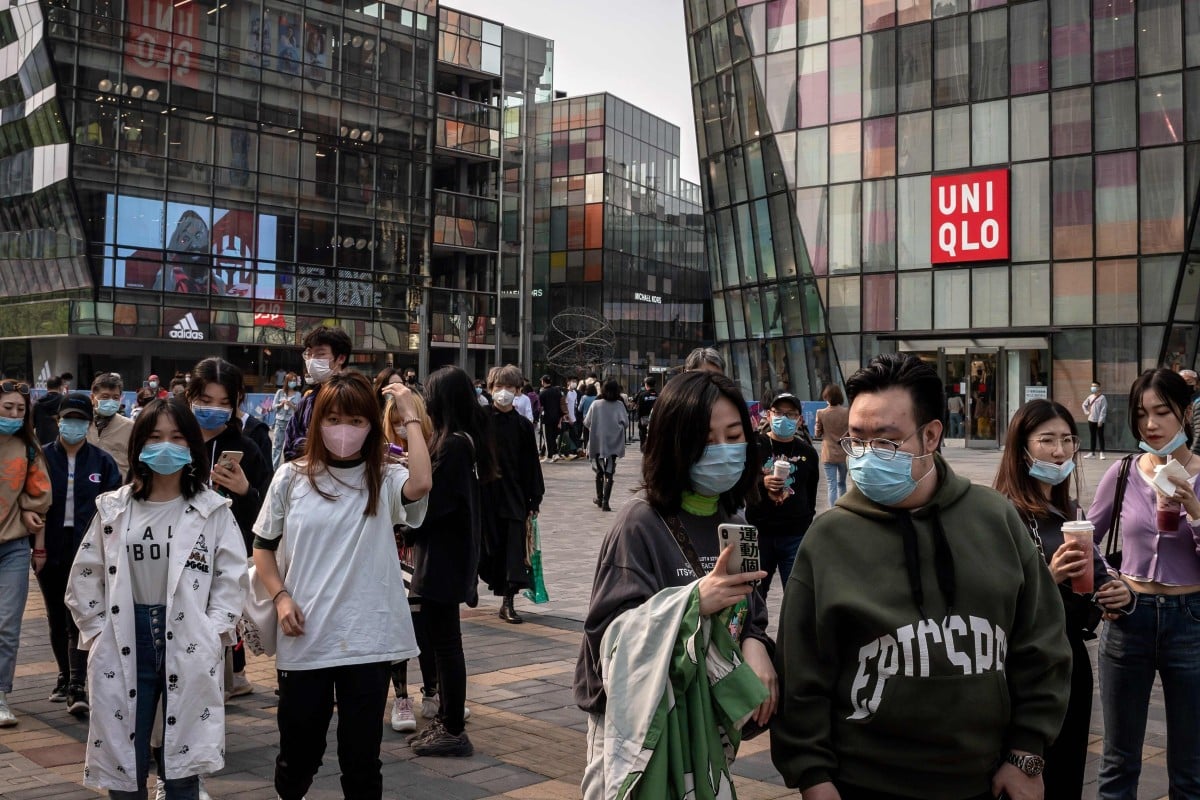
“Thanks to the positive recovery [in spending] over the past several weeks, we are going ahead with the Suzhou Village expansion,” the company said in a statement. “After being cooped at home for weeks, people want to be outdoors to enjoy the beautiful spring weather. We provide a shopping experience for guests in an outdoor environment … the motivation for such an experience after isolation is huge. [Being] outdoors is seen as a luxury now.”
In addition, customers are flocking to both its Suzhou and Shanghai Village centres as a form of domestic tourism because of the curb on overseas travel, Value Retail China said.
Despite the economic destruction that the coronavirus pandemic has caused in China, it also is opening up expansion opportunities for entrepreneurial firms in several industries, such as e-commerce and online delivery, life sciences and infrastructure construction, said EY Asia-Pacific transaction advisory services leader Harsha Basnayake.
However, while businesses within Asia-Pacific expressed a desire for opportunistic expansions, most companies still held a pessimistic view of economic recovery that would drag on into 2021.
American companies already operating in China were even less optimistic with over 70 per cent of businesses surveyed by the American Chamber of Commerce in March saying they were reluctant about expanding in the coming year.
Although it is too early to say if retail property will rise – particularly when we are seeing new habits forming, going from shopfronts to online and how far this new behaviour will stick. China will gives us lots of lessons on this. – Harsha Basnayake
“We are expecting opportunities in real estate, particularly in commercial property and logistics, and we think industries in life sciences, some parts of health care and infrastructure will be interesting,” Basnayake said.
“Although it is too early to say if retail property will rise – particularly when we are seeing new habits forming, going from shopfronts to online and how far this new behaviour will stick. China will gives us lots of lessons on this.”
The Chinese government’s move to increase infrastructure spending to boost the economy will also benefit certain industries, such as cement production.
Despite suffering a 24 per cent drop in sales in the first quarter due to virus-related delays in construction activities, China’s largest cement manufacturer, Anhui Conch Cement, is likely to move forward with plans to expand in part due to its participation in the Belt and Road Initiative, according to analysts at S&P Global.
Though no one would be able to tell exactly what will happen when the Covid-19 uncertainties are not completely gone, signs of recovery in China have brought encouragement to us – Justin Channe
Desires to expand are also not limited to these industries, and even the hard-hit hotel industry is starting to show green shoots.
International hotel chain IHG said that the coronavirus would not derail its new Regent-branded hotel project in Chengdu, which is expected to start construction later this year.
“Though no one would be able to tell exactly what will happen when the Covid-19 uncertainties are not completely gone, signs of recovery in China have brought encouragement to us,” said Regent Hotels & Resorts managing director Justin Channe.
“While we saw business pickup across China over the past Qing Ming Festival holiday, Chengdu and its nearby destinations were among the leading ones. In the long run, we stay confident of the outlook for the China hotel industry, including the luxury segment.”
Analysing how coronavirus broke China’s historic economic growth run
Beyond the crisis, there will be ample opportunities for new merger and acquisitions (M&A) amid business restructures and failures, particularly in China, Basnayake added.
A new EY survey found 52 per cent of Asia-Pacific businesses planned on pursuing M&A in the next year.
“While the crisis is having a severe impact on M&A sentiment, there’s evidence from the survey that M&A activity intentions remain steady in the long term. There are many who recognise this is a time where valuations will be reset, and there will be stressed and distressed acquisition opportunities,” Basnayake said.
“For example, from our interviews with corporations in China, a majority said that Covid-19 has not impacted their M&A strategies, noting that the situation has not led to any cancellations or withdrawals from deals, but only in delays in closing deals.”


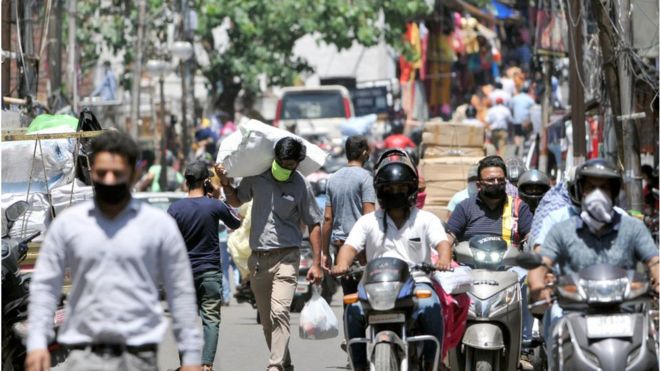 Image copyright GETTY IMAGES
 Image copyright GETTY IMAGES
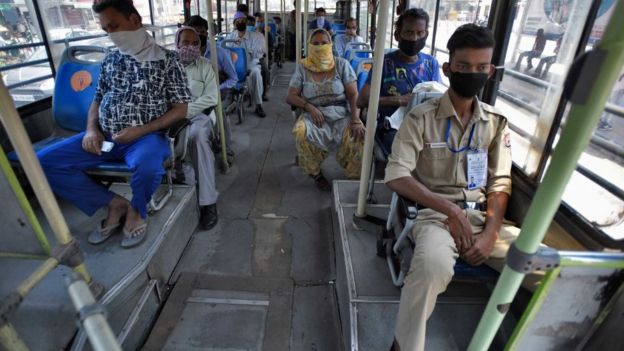 Image copyright GETTY IMAGES
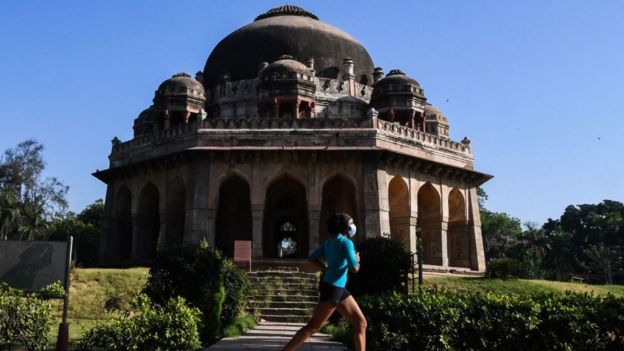 Image copyright GETTY IMAGES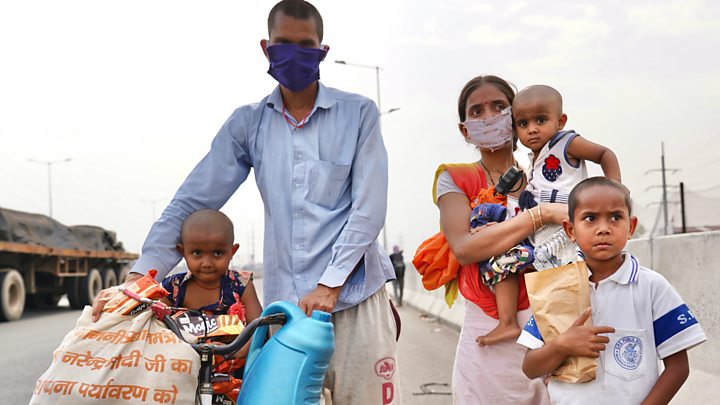
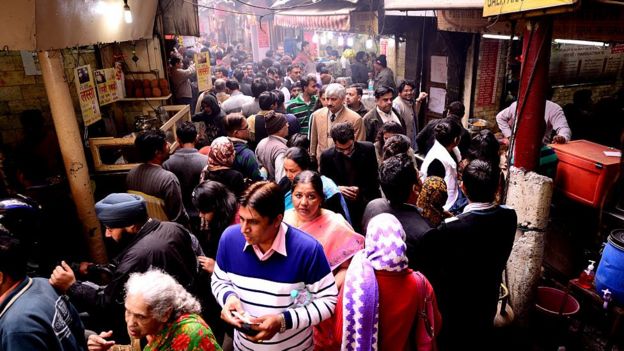 Image copyright GETTY IMAGES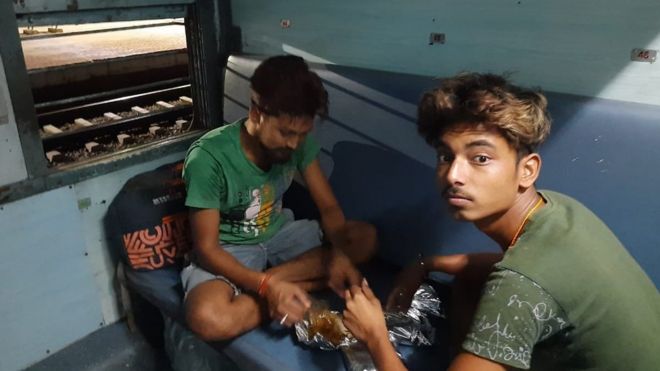

 CHINDIA ALERT: You'll be living in their world, very soon
Indian, Chinese border troops in brief skirmish on northeast Indian border, India says
KOLKATA (Reuters) – Indian and Chinese troops on border patrol duties had a brief skirmish in Sikkim, a northeastern Indian state bordering China, the Indian Defence Ministry said on Sunday, blaming both sides for the incident.
“Aggressive behaviour by the two sides resulted in minor injuries to troops. The two sides disengaged after dialogue and interaction at the local level,” the ministry said in a statement.
The Indian daily Hindustan Times, citing a military source, said four Indian soldiers and seven Chinese troops were injured when some of the soldiers exchanged blows during the confrontation, which it said took place on Saturday and involved some 150 soldiers.
The Defence Ministry said the incident took place in the Nakula area but did not give details of how it started, or what caused the injuries.
China’s Ministry of Defense could not be immediately reached for comment on Sunday.
India and China have often accused each other of intrusions into each other’s territories, but clashes are rare.
There is still deep mistrust between the two countries over their festering border dispute, which triggered a brief war in 1962.
Hundreds of troops from both sides were deployed in 2017 on the Doklam plateau, near the borders of India, Bhutan, and China after India objected to Chinese construction of a road in the Himalayan area, in the most serious standoff in years.
Source: Reuters
Posted in 1962, 2017, accused, aggressive, behaviour, Bhutan, blaming, border, bordering, both, brief, China, China’s, Chinese, citing, clashes, comment, confrontations, Construction, countries, daily, deep, defence ministry, deployed, details, dialogue, disengaged, dispute, duties, festering, four, Himalayan, Hindustan Times, hundreds, immediately, incident, India, Indian, Indian soldiers, injured, injuries, interaction, intrusions, involved, Kolkata, level, local, Military, ministry, Ministry of Defense, minor, mistrust, Nakula, Northeast, Northeastern, patrol, rare, reached, resulted, roads, Saturday, serious, seven, sides, Sikkim, skirmish, source, standoff, state, statement, Sunday, territories, triggered, troops, two, Uncategorized, war, years | Leave a Comment »