Chindia Alert: You’ll be Living in their World Very Soon
aims to alert you to the threats and opportunities that China and India present. China and India require serious attention; case of ‘hidden dragon and crouching tiger’.
Without this attention, governments, businesses and, indeed, individuals may find themselves at a great disadvantage sooner rather than later.
The POSTs (front webpages) are mainly 'cuttings' from reliable sources, updated continuously.
The PAGEs (see Tabs, above) attempt to make the information more meaningful by putting some structure to the information we have researched and assembled since 2006.
Sales in April hit 2.07 million units in the world’s biggest car market, up 4.4 per cent from a year earlier, according to the country’s largest industry association
The number of new energy vehicles (NEVs) sold fell for a tenth straight month to
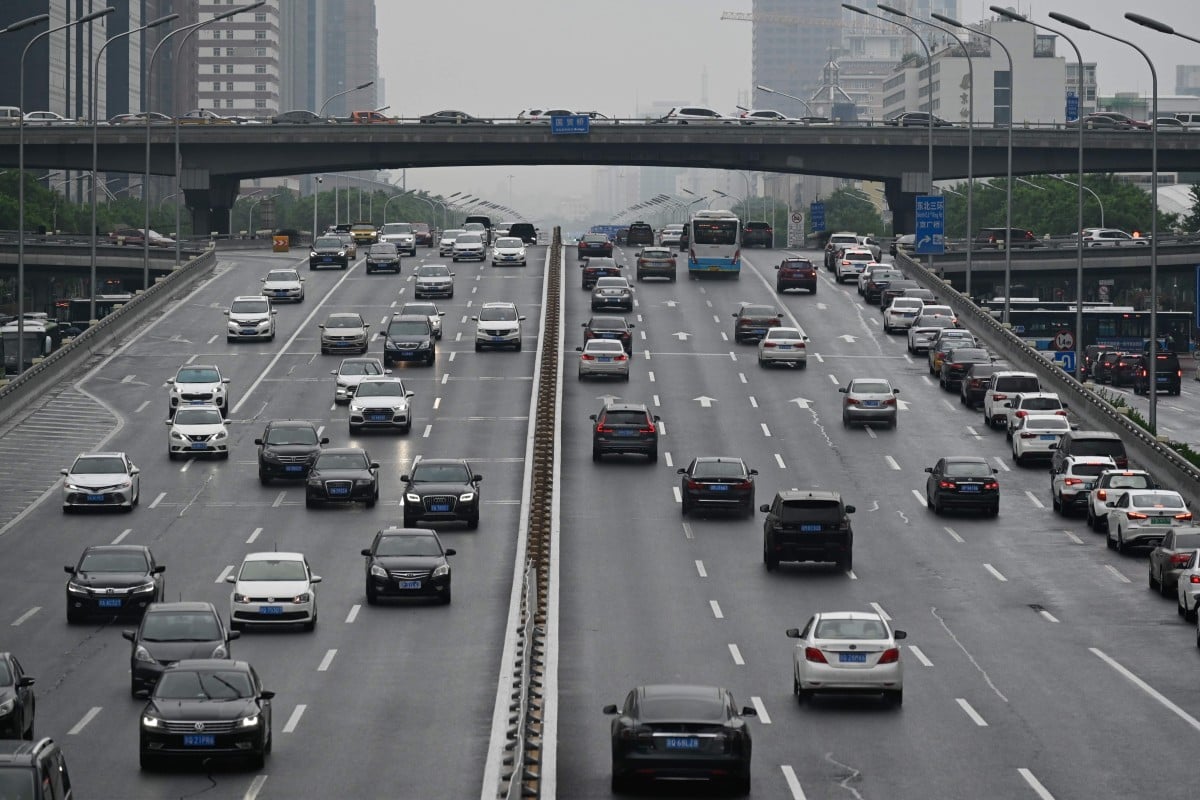
The global industry has been hit hard by the health crisis, but there is growing optimism of improvement in business in China as the country has largely contained the outbreak and started easing lockdown measures. Photo: AFP
China’s monthly car sales rose for the first time in almost two years in April, industry data showed, as more customers visited showrooms after the economy began to open up and authorities loosened coronavirus-related travel restrictions.
Sales in April hit 2.07 million units in the world’s biggest car market, up 4.4 per cent from a year earlier, according to data from the China Association of Automobile Manufacturers, the country’s largest industry association.
as the pandemic pummelled demand. Monthly sales in China last rose in June 2018.
The number of new energy vehicles (NEVs) sold fell for a tenth straight month to 72,000 units, the data showed. NEVs include battery-powered electric, plug-in hybrid and hydrogen fuel-cell vehicles.
The global industry has been hit hard by the health crisis, but there is growing optimism of improvement in business in China as the country has largely contained the outbreak and started easing lockdown measures.
Volkswagen reported positive China sales in April, while General Motors’ China ventures saw double-digit year-on-year growth last month.
A COVID-19 patient is wheeled out from an EHPAD (Housing Establishment for Dependant Elderly People) in Epinay sur Seine near Paris, France, on April 22, 2020. (Photo by Aurelien Morissard/Xinhua)
The first suspected cases of COVID-19 infection in France could date back to Nov. 16 last year, a hospital in eastern France said. Before this announcement, the first COVID-19 infection cases officially recorded in France were on Jan. 24, 2020.
PARIS, May 8 (Xinhua) — The first suspected cases of COVID-19 infection in France could date back to Nov. 16 last year, some nine weeks earlier than the official record of the country’s first confirmed cases, a hospital in eastern France said Thursday.
“Doctor Michel Schmitt, head of the medical imaging department at the Albert Schweitzer hospital in Colmar, has reviewed 2,456 chest scans performed between Nov. 1 and April 30, for all reasons (cardiac, pulmonary, traumatic, tumor pathologies),” said the hospital in a press release.
A suspected patient of COVID-19 is transferred to an EHPAD in Epinay sur Seine near Paris, France, April 22, 2020. (Photo by Aurelien Morissard/Xinhua)
The typical scans compatible with COVID-19 infection have been also reviewed in a second then a third reading by two other experienced radiologists. According to this retrospective study, the first cases of contamination with COVID-19 were thus identified from Nov. 16 in this hospital, it said.
Albert Schweitzer hospital added that it has launched a collaboration with France’s National Center for Scientific Research to start an epidemiological exploitation of these results.
Before this announcement, the first case of COVID-19 infection in east France was officially identified in late February. It involved a 36-year-old man who returned from a trip to Lombardy, then hotspot of the epidemic in Italy.
A giant mask is seen on a residential building in Saint-Mande, near Paris, France, on May 2, 2020. (Photo by Aurelien Morissard/Xinhua)
The first COVID-19 infection cases officially recorded in France were on Jan. 24, 2020 relating to individuals who had recently arrived or returned from China.
France on Thursday registered 178 new deaths caused by the novel coronavirus, taking the tally to 25,987. As hospitalization data continued to slow, the government said on Thursday that the country would start to unwind the nearly-two-month anti-coronavirus lockdown from Monday.
SHANGHAI, May 2 (Xinhua) — Shanghai’s 130 main tourist attractions have received over 1 million visitors in the first two days of the five-day May Day holiday.
The scenic sites received 456,000 visitors on Friday and 633,000 more on Saturday, marking a growing travel and leisure demand, according to the Shanghai Municipal Administration of Culture and Tourism.
The city requires reservations for tours of all tourist attractions to prevent crowding while tourist sites should not exceed 30 percent of their daily or real-time visitor capacity.
Tourists are also required to wear face masks, show their health QR codes and have their body temperatures taken for their safety.
“I feel safe and confident with the new reservation measures,” said Li Zhi, who has booked tours to the Zhujiajiao ancient town and Shanghai Oriental Land.
Under the reservation system, tourist sites are also better prepared to prevent crowding and provide better tour experiences to customers, according to Huang Ying with Shanghai Oriental Land.
People work at a construction site of a utility tunnel in Wuhan, central China’s Hubei Province, April 30, 2020. (Xinhua/Xiao Yijiu)
BEIJING, May 1 (Xinhua) — China is getting the world’s largest workforce back to work as the nationwide battle against COVID-19 has secured major strategic achievements.
The unprecedented fight has nurtured new trends in the workplace. For example, more attention is being paid to public health and e-commerce to boost consumption and emerging sectors brought by new applications based on the country’s rapid new infrastructure development of 5G networks and data centers.
In this aerial photo taken on April 29, 2020, representatives of frontline health workers fighting COVID-19 attend a bell-ringing ceremony at the Yellow Crane Tower, or Huanghelou, a landmark in Wuhan, central China’s Hubei Province. (Xinhua/Xiao Yijiu)
ANGELS OF PUBLIC HEALTH
Ye Man, head nurse of gastrointestinal department of Hubei General Hospital East District, one of the five remaining COVID-19 designated hospitals in Wuhan, is taking her first weeklong vacation since January.
The 34-year-old mother of two started to take a week off on Monday, one day after her hospital cleared all remaining confirmed COVID-19 patients. The nine ICU wards in her hospital had been kept occupied over the past several months.
Friday marked International Workers’ Day, and the start of China’s five-day public holiday. Ye said she planned to visit urban parks with her family during the holiday.
At her busiest point, she and her colleagues took care of a ward filled with 40 COVID-19 patients.
“It was a really tough time,” she recalled. She had to wear a protective gown and a mask for nine hours a day and be separated from her family to avoid possible cross-infections.
Wuhan, capital of central China’s Hubei Province and once hard hit by COVID-19, cleared all confirmed cases in hospitals on April 26. Over 42,000 medical workers mobilized nationwide to aid Hubei have contributed to achieving a decisive outcome in the fight to defend Hubei and Wuhan.
In an inspection tour to Wuhan on March 10, President Xi Jinping, also general secretary of the Communist Party of China Central Committee and chairman of the Central Military Commission, lauded medical workers as “the most beautiful angels” and “messengers of light and hope.”
To reward brave and dedicated medics, major tourist sites in Hubei are offering free entry to medical staff over the following two years.
Chinese President Xi Jinping, also general secretary of the Communist Party of China Central Committee and chairman of the Central Military Commission, learns about development of the black fungus industry in Jinmi Village of Xiaoling Township in Zhashui County, Shangluo City, northwest China’s Shaanxi Province, April 20, 2020. (Xinhua/Xie Huanchi)
LIVESTREAMING ANCHORS
“We have a new batch of supplies today. Those who did not get the goods should hurry to buy now,” said Li Xuying, a livestreaming anchorwoman selling agaric mushrooms in Zhashui, a small county deep in the Qinling Mountains in northwest China’s Shaanxi Province.
Li has been prepared for a boom of online shopping in the holiday, because online buyers rushed to her livestreaming website to place orders, after Xi inspected the county and chatted with her in the village of Jinmi during a recent tour to Shaanxi.
“I used to sell goods worth about 50,000 yuan (7,070 U.S. dollars) on average after a six-hour livestreaming session. Now the sales are 10 times that,” she said.
Li was one of the 10 sales staff sent by the local agricultural e-commerce firm to Chinese e-commerce platform Taobao’s headquarters for livestreaming training. She said livestreaming is effective in bridging buyers and farmers, through which viewers can watch planting and harvesting online.
With the number of netizens in China reaching 904 million in March, e-commerce has been one of the popular means of promoting the sale of farm produce and helping farmers shake off poverty. Despite the impact of COVID-19, the country is determined to eradicate absolute poverty by the end of this year.
Workers work at the construction site of a 5G base station at Chongqing Hi-tech Zone in Chongqing, southwest China, April 15, 2020. (Xinhua/Wang Quanchao)
HI-TECH WORKERS IN “NEW INFRASTRUCTURE” BUILDING
As an elasticity calculation engineer of Alibaba Cloud, Zhao Kun and his colleagues always stay on alert for high data flow, for example, brought by the anticipated online shopping spike during the holiday.
“The profession, which may sound obscure, is actually closely connected to everyone’s life, as cloud computing is the infrastructure supporting high-tech applications of artificial intelligence and blockchain,” said Zhao.
The Chinese leadership has underscored expediting “new infrastructure” development to boost industrial and consumption upgrading and catalyze new growth drivers.
Seizing the opportunities of industrial digitization and digital industrialization, China needs to expedite the construction of “new infrastructure” projects such as 5G networks and data centers, and deploy strategic emerging sectors and industries of the future including the digital economy, life health services and new materials, President Xi has said.
During the epidemic, Zhao and his colleagues expanded more than 100,000 cloud servers to ensure the stable operation of “cloud classrooms” and “cloud offices” for millions of people working and studying from home.
In the “new infrastructure” building, people like Zhao contribute to constructing the virtual infrastructure of an ecosystem, which enables e-commerce, e-payment, online teaching and the digital transformation of manufacturing and supply chain management.
In early April, China released a plan on promoting the transformation of enterprises toward digitalization and intelligence by further expanding the application of cloud and data technologies, to nurture new business models of the digital economy.
BEIJING/SHANGHAI (Reuters) – China’s biggest listed banks posted higher profits in the first quarter despite the wider impact of the coronavirus pandemic on the economy, though margins shrank.
The world’s largest commercial lender Industrial and Commercial Bank of China Ltd (ICBC) (601398.SS)(1398.HK) on Tuesday reported a 3.04% rise in first quarter net profit compared to a year earlier, while Bank of Communications Co Ltd (BoCom) (601328.SS)(3328.HK) reported a 1.8% rise.
Meanwhile at Agricultural Bank of China Ltd (AgBank) (1288.HK)(601288.SS) and China Construction Bank Ltd (CCB) (601939.SS)(0939.HK), first quarter net profit rose 4.79% and 5% respectively from the same period last year.
Following suit, Bank of China Ltd (BOC) (601988.SS) (3988.HK) posted on Wednesday a 3.17% rise in first-quarter net profit.
The growth came despite China’s economy posting the first quarterly contraction since at least 1992 due to the coronavirus pandemic. The government restricted people from travelling and going back to work to contain the spread of the virus, reducing revenue for companies and income for residents.
China’s largest banks are historically more resilient than their smaller kin, as they lend more to state-backed enterprises and have larger capital reserves.
However, despite this firmer base, net interest margins shrank at four of the five lenders, as loan prime rate reform and looser monetary policy weighed, said analysts.
AgBank did not report its net interest margin, the difference between what banks pay on deposits and earn on loans.
SOURED DEBT
ICBC, AgBank and CCB bucked the trend of the wider banking sector by posting steady non-performing loan (NPL) ratios.
The banking sector’s NPL ratio climbed in the first quarter to 2.04%, the banking and insurance regulator said, the highest level since the global financial crisis.
The rise came despite Chinese regulators moving to give banks leeway, allowing them to postpone some loan repayments until the end of June, as credit card and mortgage defaults surged.
About one-third of Chinese bank loans are to sectors including transport and retail that are significantly stressed by the pandemic, according to S&P Global.
“You can see generally from banks’ results that some lenders have reported falling asset quality, the NPL ratios have risen quite a lot,” said Richard Cao, an analyst at Guotai Junan International on Monday.
The largest banks are best placed to absorb such losses with a better ability to get financing and withstand a substantial volume of bad loans, S&P said in a research note in April.
Six animals inoculated with vaccine candidate then exposed to virus did not catch Covid-19 after 28 days
Up to 60 million doses could be produced by Serum Institute of India this year
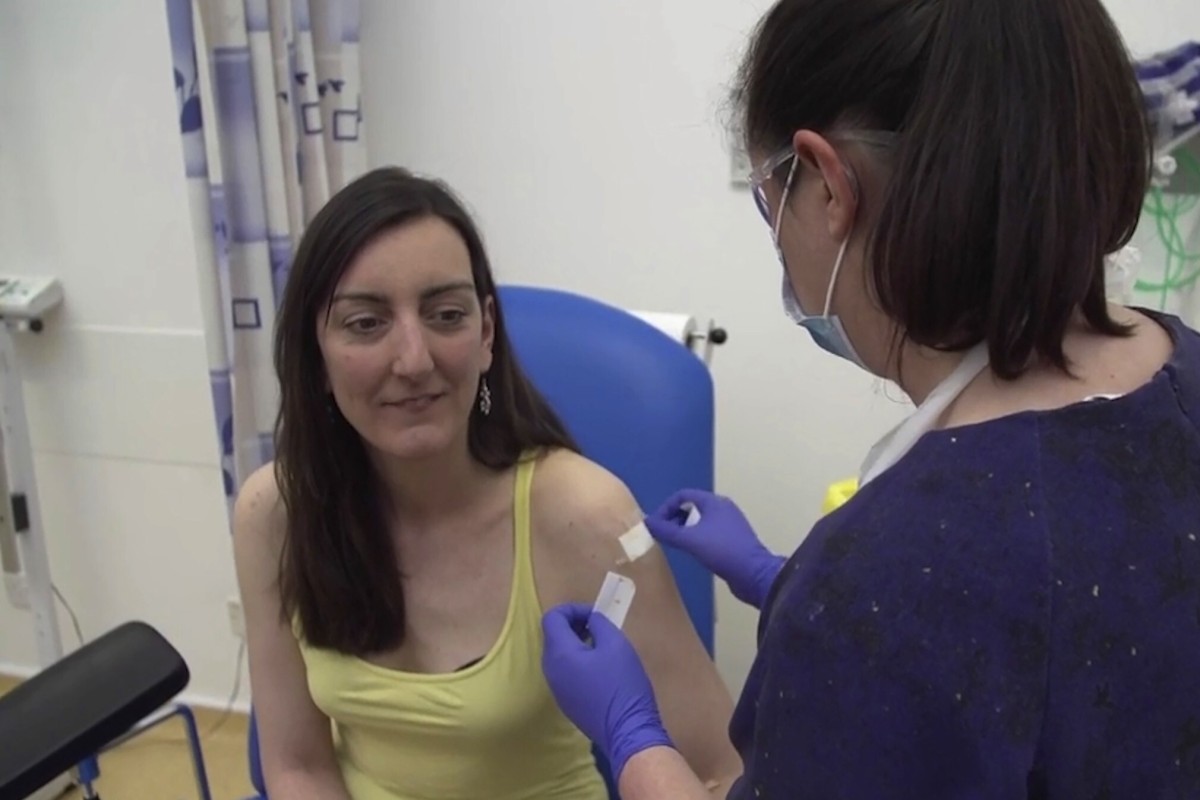
Microbiologist Elisa Granato gets an injection on Thursday as part of the first human trials in Britain for a potential coronavirus vaccine. Photo: University of Oxford via AP
A leading candidate for a Covid-19 vaccine has shown promising results in animal trials, and is expected to see mass production in India within months.
The Serum Institute of India, the world’s largest maker of vaccines by volume, said on Tuesday that it plans this year to produce up to 60 million doses of a potential vaccine developed by the University of Oxford, which is under clinical trial in Britain.
While the vaccine candidate, called “ChAdOx1 nCoV-19”, is yet to be proven to work against Covid-19, Serum decided to start manufacturing it as it had shown success in animal trials and had progressed to tests on humans, Serum Chief Executive Adar Poonawalla said.
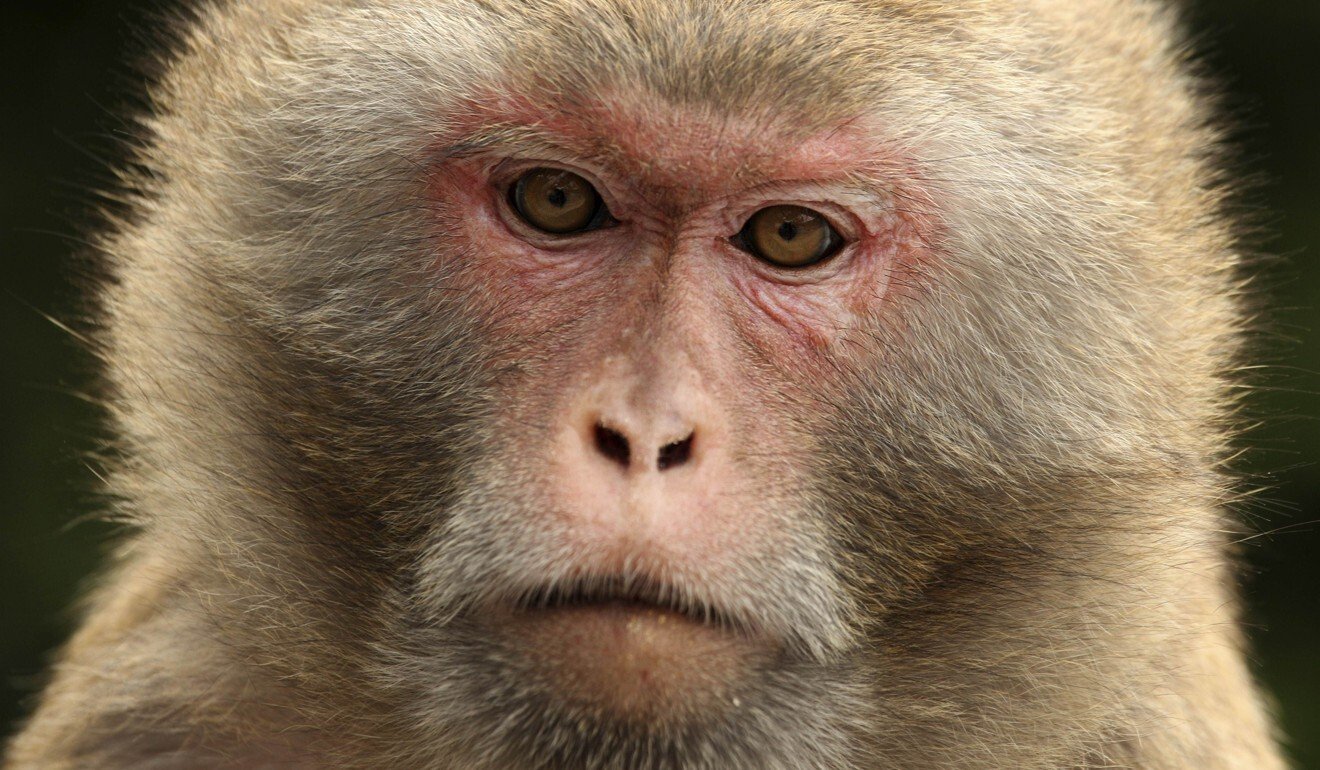
Six rhesus macaque monkeys were inoculated with the vaccine candidate at the National Institutes of Health’s Rocky Mountain Laboratory in Montana last month, according to The New York Times.
Covid-19 vaccine trial starts in Oxford, but remdesivir treatment reportedly flops in China tests
The subjects were exposed afterwards to large quantities of the novel coronavirus, but all six remained healthy after more than 28 days, the newspaper reported, citing researcher Vincent Munster, who conducted the test.
More than 3 million people have been reported to be infected globally and over 210,000 have died from Covid-19, the respiratory disease caused by the coronavirus.
“They are a bunch of very qualified, great scientists [at Oxford] … That’s why we said we will go with this and that’s why we are confident,” Poonawalla told Reuters in a phone interview.
“Being a private limited company, not accountable to public investors or bankers, I can take a little risk and sideline some of the other commercial products and projects that I had planned in my existing facility,” Poonawalla said.
Bill Gates hopes his virus vaccine ‘manufacturing within a year’
27 Apr 2020
As many as 100 potential Covid-19 candidate vaccines are now under development by biotech and research teams around the world, and at least five of these are in preliminary testing in people in what are known as phase one clinical trials.
Poonawalla said he hoped trials of the Oxford vaccine, due to finish in about September, would be successful. Oxford scientists said last week the main focus of initial tests was to ascertain not only whether the vaccine worked but that it induced good immune responses and no unacceptable side effects.
Serum, owned by the Indian billionaire Cyrus Poonawalla, plans to make the vaccine at its two manufacturing plants in the western city of Pune, aiming to produce up to 400 million doses next year if all goes well, Poonawalla said.
“A majority of the vaccine, at least initially, would have to go to our countrymen before it goes abroad,” he said, adding that Serum would leave it to the Indian government to decide which countries would get how much of the vaccine and when.
Rhesus macaque monkeys are often used in animal testing because of their similarity to humans. Photo: AFP
Serum envisages a price of 1,000 rupees (US$14.70) per vaccine, but governments would give it to people without charge, he said.
He said Prime Minister Narendra Modi’s office was “very closely” involved in the vaccine production and the company is hoping the government will help foot the cost of making it.
Over roughly the next five months, Serum will spend some 300 million to 400 million rupees (US$4.4 million to US$5.9 million) on making around 3-5 million doses per month, he said. “[The government] are very happy to share some risk and fund something with us, but we haven’t really pencilled anything down yet,” Poonawalla said.
Coronavirus: clinical trial begins on third vaccine candidate in China
22 Apr 2020
Serum has also partnered with the US biotech firm Codagenix and Austria’s Themis on two other Covid-19 vaccine candidates and plans to announce a fourth alliance in a couple of weeks, he said.
Serum’s board last week also agreed to invest roughly 6 billion rupees (US$8.8 billion) on making a new manufacturing unit to solely produce coronavirus vaccines, Poonawalla said.
BEIJING (Reuters) – China’s factory activity likely rose for a second straight month in April as more businesses re-opened from strict lockdowns implemented to contain the coronavirus outbreak, which has now paralysed the global economy.
The official manufacturing Purchasing Manager’s Index (PMI), due for release on Thursday, is forecast to fall to 51 in April, from 52 in March, according to the median forecast of 32 economists polled by Reuters. A reading above the 50-point mark indicates an expansion in activity.
While the forecast PMI would show a slight moderation in China’s factory activity growth, it would be a stark contrast to recent PMIs in other economies, which plummeted to previously unimaginable lows.
That global slump, caused by heavy government-ordered lockdowns, as well as the cautious resumption of business in China, suggests any recovery in the world’s second-largest economy is likely to be some way off.
“The recovery so far has been led by a bounce-back in production, however, the growth bottleneck has decisively shifted to the demand side, as global growth has weakened and consumption recovery has lagged amid continued social distancing,” Morgan Stanley said in a note.
“The expected slump in external demand has likely capped further recovery in industrial production.”
The latest official data showed 84% of mid-sized and small business had reopened as of April 15, compared with 71.7% on March 24.
Hobbled by the coronavirus, China’s economy shrank 6.8% in the first quarter from a year earlier, the first contraction since current quarterly records began.
That has left Chinese manufacturers with reduced export orders and a logistics logjam, as many exporters grapple with rising inventory, high costs and falling profits. Some have let workers go as part of the cost-cutting efforts.
A China-based brokerage Zhongtai Securities estimated that the country’s real unemployment rate, measured using international standards, could exceed 20%, equal to more than 70 million job losses and much higher than March’s official reading of 5.9%.
Sheng Laiyun, deputy head at the statistics bureau, said on Sunday migrant workers and college graduates are facing increasing pressures to secure jobs, while official jobless surveys show nearly 20% of employed workers not working in March.
Chinese authorities have rolled out more support to revive the economy. The People’s Bank of China earlier in April cut the amount of cash banks must hold as reserves and reduced the interest rate on lenders’ excess reserves.
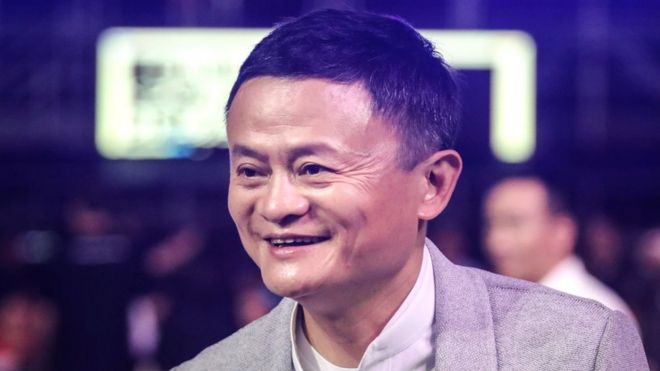
The richest man in China opened his own Twitter account last month, in the middle of the Covid-19 outbreak. So far, every one of his posts has been devoted to his unrivalled campaign to deliver medical supplies to almost every country around the world.
“One world, one fight!” Jack Ma enthused in one of his first messages. “Together, we can do this!” he cheered in another.
The billionaire entrepreneur is the driving force behind a widespread operation to ship medical supplies to more than 150 countries so far, sending face masks and ventilators to many places that have been elbowed out of the global brawl over life-saving equipment.
But Ma’s critics and even some of his supporters aren’t sure what he’s getting himself into. Has this bold venture into global philanthropy unveiled him as the friendly face of China’s Communist Party? Or is he an independent player who is being used by the Party for propaganda purposes? He appears to be following China’s diplomatic rules, particularly when choosing which countries should benefit from his donations, but his growing clout might put him in the crosshairs of the jealous leaders at the top of China’s political pyramid.
Other tech billionaires have pledged more money to fight the effects of the virus – Twitter’s Jack Dorsey is giving $1bn (£0.8bn) to the cause. Candid, a US-based philanthropy watchdog that tracks private charitable donations, puts Alibaba 12th on a list of private Covid-19 donors. But that list doesn’t include shipments of vital supplies, which some countries might consider to be more important than money at this stage in the global outbreak.
The world’s top coronavirus financial donors
How Alibaba compares to the top five. No one else other than the effervescent Ma is capable of dispatching supplies directly to those who need them. Starting in March, the Jack Ma foundation and the related Alibaba foundation began airlifting supplies to Africa, Asia, Europe, Latin America and even to politically sensitive areas including Iran, Israel, Russia and the US.
Ma has also donated millions to coronavirus vaccine research and a handbook of medical expertise from doctors in his native Zhejiang province has been translated from Chinese into 16 languages. But it’s the medical shipments that have been making headlines, setting Ma apart.
“He has the ability and the money and the lifting power to get a Chinese supply plane out of Hangzhou to land in Addis Ababa, or wherever it needs to go,” explains Ma’s biographer, Duncan Clark. “This is logistics; this is what his company, his people and his province are all about.”
A friendly face
Jack Ma is famous for being the charismatic English teacher who went on to create China’s biggest technology company. Alibaba is now known as the “Amazon of the East”. Ma started the company inside his tiny apartment in the Chinese coastal city of Hangzhou, in the centre of China’s factory belt, back in 1999. Alibaba has since grown to become one of the dominant players in the world’s second largest economy, with key stakes in China’s online, banking and entertainment worlds. Ma himself is worth more than $40bn.
Officially, he stepped down as Alibaba’s chairman in 2018. He said he was going to focus on philanthropy. But Ma retained a permanent seat on Alibaba’s board. Coupled with his wealth and fame, he remains one of the most powerful men in China.
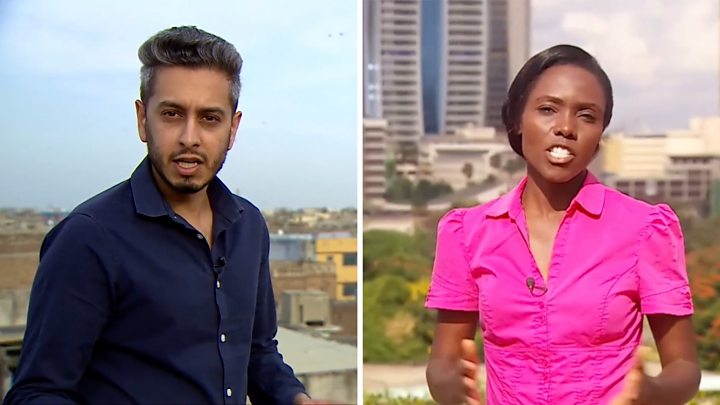
Media caption The BBC’s Secunder Kermani and Anne Soy compare how prepared Asian and African countries are
It appears that Ma’s donations are following Party guidelines: there is no evidence that any of the Jack Ma and Alibaba Foundation donations have gone to countries that have formal ties with Taiwan, China’s neighbour and diplomatic rival. Ma announced on Twitter that he was donating to 22 countries in Latin America. States that side with Taiwan but who have also called for medical supplies – from Honduras to Haiti – are among the few dozen countries that do not appear to be on the list of 150 countries. The foundations repeatedly refused to provide a detailed list of countries that have received donations, explaining that “at this moment in time, we are not sharing this level of detail”.
However, the donations that have been delivered have certainly generated a lot of goodwill. With the exception of problematic deliveries to Cuba and Eritrea, all of the foundations’ shipments dispatched from China appear to have been gratefully received. That success is giving Ma even more positive attention than usual. China’s state media has been mentioning Ma almost as often as the country’s autocratic leader, Xi Jinping.
AFP
So far…
Over 150 countries have received donations from Jack Ma, including about:
120.4mface masks
4,105,000testing kits
3,704ventilators
Source: Alizila
It’s an uncomfortable comparison. As Ma soaks up praise, Xi faces persistent questions about how he handled the early stages of the virus and where, exactly, the outbreak began.
The Chinese government has dispatched medical teams and donations of supplies to a large number of hard-hit countries, particularly in Europe and South-East Asia.
However, those efforts have sometimes fallen flat. China’s been accused of sending faulty supplies to several countries. In some cases, the tests it sent were being misused but in others, low-quality supplies went unused and the donations backfired.
In contrast, Jack Ma’s shipments have only boosted his reputation.
“It’s fair to say that Ma’s donation was universally celebrated across Africa,” says Eric Olander, managing editor of the China Africa Project website and podcast. Ma pledged to visit all countries in Africa and has been a frequent visitor since his retirement.
“What happens to the materials once they land in a country is up to the host government, so any complaints about how Nigeria’s materials were distributed are indeed a domestic Nigerian issue,” Olander adds. “But with respect to the donation itself, the Rwandan leader, Paul Kagame, called it a “shot in the arm” and pretty much everyone saw it for what it was which was: delivering badly-needed materials to a region of the world that nobody else is either willing or capable of helping at that scale.”
Walking the tightrope
But is Ma risking a backlash from Beijing? Xi Jinping isn’t known as someone who likes to share the spotlight and his government has certainly targeted famous faces before. In recent years, the country’s top actress, a celebrated news anchor and several other billionaire entrepreneurs have all “disappeared” for long periods. Some, including the news anchor, end up serving prison sentences. Others re-emerge from detention, chastened and pledging their allegiance to the Party.
“There’s a rumour that [Jack Ma] stepped down in 2018 from being the chairman of the Alibaba Group because he was seen as a homegrown entrepreneur whose popularity would eclipse that of the Communist Party,” explains Ashley Feng, research associate at the Centre for New American Security in Washington DC. Indeed, Ma surprised many when he suddenly announced his retirement in 2018. He has denied persistent rumours that Beijing forced him out of his position.
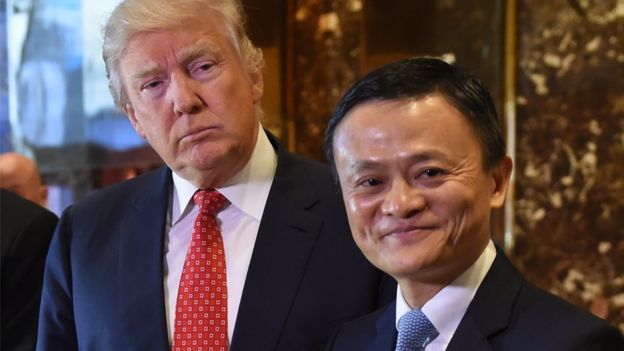
Image copyright GETTY IMAGESImage caption Ma discussed trade with then-President-elect Donald Trump in January 2017
Duncan Clark, Ma’s biographer, is also aware of reports that Ma was nudged away from Alibaba following a key incident in January 2017. The Chinese billionaire met with then-President-elect Donald Trump in Trump Tower, ostensibly to discuss Sino-US trade. The Chinese president didn’t meet with Trump until months later.
“There was a lot of speculation of time that Jack Ma had moved too fast,” Clark says. “So, I think there’s lessons learned from both sides on the need to try to coordinate.”
“Jack Ma represents a sort of entrepreneurial soft power,” Clark adds. “That also creates challenges though, because the government is quite jealous or nervous of non-Party actors taking that kind of role.”
Technically, Ma isn’t a Communist outsider: China’s wealthiest capitalist has actually been a member of the Communist Party since the 1980s, when he was a university student.
But Ma’s always had a tricky relationship with the Party, famously saying that Alibaba’s attitude towards the Party was to “be in love with it but not to marry it”.
Even if Ma and the foundations connected to him are making decisions without Beijing’s advance blessing, the Chinese government has certainly done what it can to capitalise on Ma’s generosity. Chinese ambassadors are frequently on hand at airport ceremonies to receive the medical supplies shipped over by Ma, from Sierra Leone to Cambodia.
China has also used Ma’s largesse in its critiques of the United States. “The State Department said Taiwan is a true friend as it donated 2 million masks,” the Chinese Foreign Ministry tweeted in early April. “Wonder if @StateDept has any comment on Jack Ma’s donation of 1 million masks and 500k testing kits as well as Chinese companies’ and provinces’ assistance?”
Perhaps Ma can rise above what’s happened to so many others who ran afoul of the Party. China might just need a popular global Chinese figure so much that Ma has done what no one else can: make himself indispensable.
“Here’s the one key takeaway from all that happened with Jack Ma and Africa: he said he would do something and it got done,” explains Eric Olander. “That is an incredibly powerful optic in a place where foreigners often come, make big promises and often fail to deliver. So, the huge Covid-19 donation that he did fit within that pattern. He said he would do it and mere weeks later, those masks were in the hands of healthcare workers.”
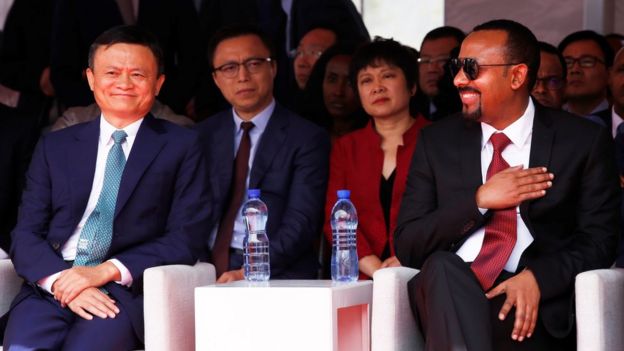
Image copyright GETTY IMAGESImage caption Ma at an Electronic World Trade Platform event with Ethiopian Prime Minister Abiy Ahmed last year
Duncan Clark argues that Ma already had a seat at China’s high table because of Alibaba’s economic heft. However, his first-name familiarity with world leaders makes him even more valuable to Beijing as China tries to repair its battered image.
“He has demonstrated the ability, with multiple IPOs under his belt, and multiple friendships overseas, to win friends and influence people. He’s the Dale Carnegie of China and that certainly, we’ve seen that that’s irritated some in the Chinese government but now it’s almost an all hands on deck situation,” Clark says.
There’s no doubt that China’s wider reputation is benefiting from the charitable work of Ma and other wealthy Chinese entrepreneurs. Andrew Grabois from Candid, the philanthropic watchdog that’s been measuring global donations in relation to Covid-19, says that the private donations coming from China are impossible to ignore.
“They’re taking a leadership role, the kind of thing that used to be done by the United States,” he says. “The most obvious past example is the response to Ebola, the Ebola outbreak in 2014. The US sent in doctors and everything to West Africa to help contain that virus before it left West Africa.”
Chinese donors are taking on that role with this virus.
“They are projecting soft power beyond their borders, going into areas, providing aid, monetary aid and expertise,” Grabois adds.
So, it’s not the right time for Beijing to stand in Jack Ma’s way.
“You know, this is a major crisis for the world right now,” Duncan Clark concludes. “But obviously, it’s also a crisis for China’s relationship with the rest of the world. So they need anybody who can help dampen down some of these those pressures.”
SHANGHAI (Reuters) – China’s smog-prone northern province of Hebei met its air quality targets by a big margin over the winter after concerted efforts to tackle emissions, a local official said on Sunday, without mentioning coronavirus-related factory shutdowns.
Average PM2.5 concentrations over the October-March period dropped 15% from a year earlier to 61 micrograms per cubic metre, while sulphur dioxide also fell by a third, said He Litao, vice-head of the provincial environmental bureau.
Most experts have attributed the significant decline in air pollution throughout China in the first quarter to the coronavirus outbreak and tough containment measures, which saw cities and entire provinces locked down and sharply reduced traffic and industrial activity throughout the country.
With millions staying at home, concentrations of lung-damaging PM2.5 particles fell by nearly 15% in more than 300 Chinese cities in the first three months of 2020.
Shanghai saw emissions fall by nearly 20% in the first quarter, while in Wuhan, where the pandemic originated, monthly averages dropped more than a third compared to last year.
However, He of the Hebei environmental bureau attributed the local decline in pollution to the “conscientious implementation” of government decisions even in the face of unfavourable weather conditions.
According to a winter action plan published last year, 10 cities in Hebei were expected to cut lung-damaging small particles known as PM2.5 by 1%-6% compared to the previous year.
Despite the decline, average PM2.5 was still much higher than China’s official standard of 35 micrograms, and the recommended World Health Organization level of 10 micrograms.
BENGALURU (Reuters) – The Indian economy is likely to suffer its worst quarter since the mid-1990s, hit by the ongoing lockdown imposed to stem the spread of coronavirus, according to a Reuters poll, which predicted a mild and gradual recovery.
Over 2.6 million people tmsnrt.rs/3aIRuz7 have been infected by the coronavirus worldwide and more than 180,000 have died. Business and household lockdowns have disrupted supply chains globally, bringing growth to a halt.
The April 17-22 Reuters poll predicted the economy expanded at an annual pace of 3.0% last quarter but will shrink 5.2% in the three months ending in June, far weaker than expectations in a poll published last month for 4.0% and 2.0% growth, respectively.
The predicted contraction would be the first – under any gross domestic product calculation, which has changed a few times – since the mid-1990s, when official reporting for quarterly data began.
“The extended lockdown until early May adds further downside risk to our view of a 5% year-on-year GDP fall in the current quarter, the worst in the last few decades,” said Prakash Sakpal, Asia economist at ING.
“We don’t consider economic stimulus as strong enough to position the economy for a speedy recovery once the pandemic ends,” he said.
(Graphic: Reuters poll graphic on coronavirus impact on the Indian economy IMAGE link: here)
The Indian government announced a spending package of 1.7 trillion rupees in March to cushion the economy from the initial lockdown, which has been extended until May 3.
In an emergency meeting last week, the Reserve Bank of India cut its deposit rate again, after reducing it on March 27 and lowering the main policy rate by 75 basis points. It also announced another round of targeted long-term repo operations to ease liquidity.
But even with those measures, 40% of economists, or 13 of 32 – who provided quarterly figures – predicted an outright recession this year. Only one had expected a recession last month.
In the worst case, a smaller sample of respondents predicted, the economy would contract 9.3% in the current quarter. That compares with 0.5% growth in the previous poll’s worst-case forecast in late March, underscoring how rapidly the outlook has deteriorated.
The latest poll’s consensus view still shows the economy recovering again slowly in the July-September quarter, growing 0.8%, then 4.2% in October-December and 6.0% in the final quarter of the fiscal year, in early 2021.
But that compares with considerably more optimistic near-term forecasts of 3.3%, 5.0% and 5.6%, respectively, in the previous poll.
“A rebound in economic activity following the disruption is expected, but the low starting point of growth implies a gradual recovery,” said Upasana Chachra, chief India economist at Morgan Stanley.
“Indeed, before disruptions related to COVID-19, growth was slowing, with domestic issues of risk aversion in financial sector … (and) those concerns will likely stay after the COVID-19 disruptions have passed unless the policy response is much larger than expected,” she said.
The unemployment rate has tripled to 23.8% since the lockdown started on March 25, according to the Centre for Monitoring Indian Economy, a Mumbai-based research firm.
The Indian economy was now forecast to expand 1.5% in the fiscal year ending on March 31, 2021 – the weakest since 1991 and significantly lower than 3.6% predicted in late March. It probably grew 4.6% in the fiscal year that just ended.
Under a worst-case scenario, the median showed the economy shrinking 1.0% this fiscal year. That would be the first officially reported economic contraction for a 12-month period since GDP was reported to have contracted for calendar year 1979.
“Unless fiscal policy is also loosened aggressively alongside monetary policy, there is a big risk the drastic economic slowdown currently underway morphs into an annual contraction in output and that the recovery is hampered,” said Shilan Shah, senior India economist at Capital Economics.
All 37 economists who answered a separate question unanimously said the RBI would follow up with more easing, including lowering the repo and reverse repo rates and expanding the new long-term loans programme.
The RBI was expected to cut its repo rate by another 40 basis points to 4.00% by the end of this quarter. Already lowered twice over the past month by a cumulative 115 basis points, the reverse repo rate was forecast to be trimmed by another 25 points by end-June to 3.50%.








 CHINDIA ALERT: You'll be living in their world, very soon
