Chindia Alert: You’ll be Living in their World Very Soon
aims to alert you to the threats and opportunities that China and India present. China and India require serious attention; case of ‘hidden dragon and crouching tiger’.
Without this attention, governments, businesses and, indeed, individuals may find themselves at a great disadvantage sooner rather than later.
The POSTs (front webpages) are mainly 'cuttings' from reliable sources, updated continuously.
The PAGEs (see Tabs, above) attempt to make the information more meaningful by putting some structure to the information we have researched and assembled since 2006.
Inmates who have undergone compulsory re-education programme to be moved to other parts of China under job placement scheme delayed by Covid-19 outbreak
Critics have said the camps are a move to eradicate cultural and religious identity but Beijing has defended them as way of boosting job opportunities and combating Islamic radicalisation
Illustration by Perry Tse
The Chinese government has resumed a job placement scheme for tens of thousands of Uygur Muslims who have completed compulsory programmes at the “re-education” camps in the far-western region of Xinjiang, sources said.
The plan, which includes a quota for the numbers provinces must take, was finalised last year but disrupted by the outbreak of Covid-19.
The delay threatens to undermine the Chinese government’s efforts to justify its use of internment camps in Xinjiang.
Critics have said these camps were part of the measures designed to eradicate the ethnic and cultural identity of Uygurs and other Muslim minorities and that participants had no choice but to undertake the re-education programme.
Beijing has repeatedly dismissed these criticisms and said the camps are to give Uygurs the training they need to find better jobs and stay away from the influence of radical fundamentalism.
First Xinjiang, now Tibet passes rules to promote ‘ethnic unity’
17 Feb 2020
Now with the disease under control, the Chinese government has resumed the job placement deal for other provinces to absorb Xinjiang labourers, sources said.
Despite the devastating impact of the disease on its economy and job markets, the Chinese authorities are determined to go ahead with the plan, which they believe would
“Excellent graduates were to be taken on as labourers by various inland governments, in particular, 19 provinces and municipalities,” said the source. It is unclear what constitutes “excellent graduates”.
Some sources earlier said that the programme may be scaled back in light of the new economic reality and uncertainties.
But a Beijing-based source said the overall targets would remain unchanged.
“The unemployment problem in Xinjiang must be resolved at all costs, despite the outbreak,” the source said.
The South China Morning Post has learned that at least 19 provinces and cities have been given quotas to hire Muslim minorities, mostly Uygurs, who have “graduated” from re-education camps.
As early as February, when the daily number of infections started to come down outside Hubei province, China already begun to send Uygur workers to their new jobs.
A photo taken in February showed thousands of young Uygurs, all wearing face masks and with huge red silk flowers pinned to their chests, being dispatched to work in factories outside their hometowns.
By the end of February, Xinjiang alone has created jobs for more than 60,000 Uygur graduates from the camps. A few thousand were also sent to work in other provinces.
Many have been employed in factories making toys and clothes.
Xinjiang’s new rules against domestic violence expand China’s ‘extremism’ front to the home
7 Apr 2020
Sources told the Post that the southern city of Shenzhen – China’s hi-tech manufacturing centre – was given a target last year to eventually resettle 50,000 Uygurs. The city is allowed to do this in several batches, with 15,000 to 20,000 planned for the first stage.
In Fujian province, a government source also said they had been told to hire “tens of thousands of Xinjiang workers”.
“I heard the first batch of several thousands would arrive soon. We have already received official directives asking us to handle their settlement with care,” said the source.
He said the preparation work includes providing halal food to the workers as well as putting in place stronger security measures to “minimise the risks of mass incidents”. It is not known whether they will be given access to prayer rooms.
There are no official statistics of how many Uygurs will be resettled to other provinces and the matter is rarely reported by the mainland media.
But in March, Anhui Daily, the province’s official newspaper, reported that it had received 1,560 “organised labourers from Xinjiang”.
The Uygur workers on average could earn between 1,200 yuan (US$170) to 4,000 yuan (US$565) a month, with accommodation and meals provided by the local authorities, according to Chinese media reports.
However, they are not allowed to leave their dormitories without permission.
The UN has estimated that up to a million Muslims were being held in the camps. Photo: AP
Xinjiang’s per capita disposable income in 2018 was 1,791 yuan a month, according to state news agency Xinhua. But the salary level outside the region’s biggest cities such as Urumqi may be much lower.
The official unemployment rate for the region is between 3 and 4 per cent, but the statistics do not include those living in remote rural areas.
Mindful of the potential risks of the resettlement, Beijing has taken painstaking efforts to carefully manage everything – from recruitment to setting contract terms to managing the workers’ day-to-day lives.
Local officials will go to each Uygur workers’ home to personally take them to prearranged flights and trains. On arrival, they will be immediately picked up and sent to their assigned factories.
US bill would bar goods from Xinjiang, classifying them the product of forced labour by Uygurs
12 Mar 2020
Such arrangements are not unique to Uygurs and local governments have made similar arrangements for ethnic Han workers in other parts of China.
After screening them for Covid-19, local governments have arranged for workers to be sent to their workplaces in batches. They are checked again on arrival, before being sent to work.
China is accelerating such placement deals on a massive scale to offset the impact of the economic slowdown after the outbreak.
Sources told the South China Morning Post that the job placement deal was first finalised by governments in Xinjiang and other provinces last year.
The aim is to guarantee jobs for Uygur Muslim who have “completed vocational training” at the re-education camps and meet poverty alleviation deals in the region, one of the poorest parts of China.
The training they receive in the camps includes vocational training for various job types such as factory work, mechanical maintenance and hotel room servicing. They also have to study Mandarin, Chinese law, core party values and patriotic education.
Xinjiang’s massive internment camps have drawn widespread international condemnation.
The United Nations has estimated that up to 1 million Uygur and other Muslim minority citizens are being arbitrarily detained in the camps, which Beijing insists are necessary to combat terrorism and Islamic radicalisation.
Late last year, Xinjiang’s officials announced that all the inmates of these so-called vocational training centres had “graduated” and taken up employment.
Before this labour placement scheme was introduced, it was extremely difficult for Uygurs to find jobs or live and work in inland regions.
Muslim ethnic minorities, Uygurs in particular, have been subjected to blatant discrimination in China and the situation worsened after the 2009 clashes.
Earlier this month, the Australian Strategic Policy Institute released a report saying more than 80,000 Uygurs had been moved from Xinjiang to work in factories in nine Chinese regions and provinces.
It identified a total of 27 factories that supplied 83 brands, including household names such as Google, Apple, Microsoft, Mitsubishi, Siemens, Sony, Huawei, Samsung, Nike, Abercrombie and Fitch, Uniqlo, Adidas and Lacoste.
‘Psychological torture’: Uygurs abroad face mental health crisis over plight of relatives who remain in Xinjiang
11 Mar 2020
The security think tank concluded that the Chinese government had transferred Uygur workers “under conditions that strongly suggest forced labour” between 2017 and 2019, sometimes drawing labourers directly from re-education camps.
The report also said the work programme represents a “new phase in China’s social re-engineering campaign targeting minority citizens”.
Workers were typically sent to live in segregated dormitories, underwent organised Mandarin lessons and ideological training outside working hours and were subject to constant surveillance, the researcher found.
They were also forbidden from taking part in religious observances, according to the report that is based on open-source documents, satellite pictures, academic research and on-the-ground reporting.
Chinese foreign ministry spokesman Zhao Lijian criticised the report saying it had “no factual basis”.
Image copyright JEN SMITHImage caption Jen Smith lives in Shenzhen, where it’s compulsory to wear a mask outside at all times
My Money is a series looking at how people spend their money – and the sometimes tough decisions they have to make. Here, Jen Smith, a children’s TV presenter from Shenzhen in southern China, takes us through a week in her life, as the country slowly emerges from the coronavirus pandemic.
Over to Jen…
Since being in lockdown I’ve been bingeing on Keeping Up With the Kardashians. It starts with one episode after dinner, blink, and suddenly it’s 3am. YouTube, Facebook, Google and Instagram are all banned here, so you’d think I’d be a binge-free socialite after a year and a half living in China. Well, those sites are banned unless you have a VPN – I pay $120 (£97) a year for mine, so Sunday was a late night, with a lie-in until 10.30 this morning.
I go for a run – mask and all, as it’s currently illegal to be outside without one. I make my coffee (bought in the UK), fruit smoothie (about 20 yuan, $2.82, £2.27) and cereal (80 yuan a packet) before cycling to work.
Today is a bit of a crazy day in the studio. I work as a children’s TV presenter. My company has profited from the lockdown as more children are watching the shows non-stop – meaning a rapid turnaround for us.
We shoot two shows from 2-6pm then “break” for a meeting. We discuss tomorrow’s shoot while I eat dinner – homemade aubergine curry. It is normal for the Chinese to eat breakfast, lunch and dinner at work. Normally the company gives all staff 25 yuan through a food-ordering app, and the whole company would eat together. However, because of the current social distancing, that social time is in the far distant past!
I make it home for 8pm, order some deep-fried cauliflower as a snack (45 yuan) and start the inevitable Kardashian binge.
Total spend: 65 yuan ($9.10, £7.37)
Image copyright JEN SMITHImage caption Workers often have a midday nap in the office
It’s a much earlier start (7.30am), but the same morning routine. On my cycle to work I notice that the traffic is almost back to normal – Shenzhen is inhabited by well over 12 million people, so as you can imagine rush hour is intense. This doesn’t change the fact that everywhere you go you have to scan a QR code – leaving my apartment, using the walkway by the river, and getting into the building I work in.
After a morning of shooting I eat homemade potato curry and settle down for a nap. Naptime is such a commonality in China that people store camp beds at the office. I order a coffee and banana chips (20 yuan) for a pick-me-up before the afternoon’s shooting.
It’s St Paddy’s Day so I head to the local pubs area, catch dinner at a French restaurant (222 yuan), then a few drinks (25 yuan – mainly bought by men at the bar for us) before a very tipsy cycle home.
Total spend: 242 yuan ($34, £25)
Image copyright JEN SMITHImage caption A disposable cover reduces the risk of transmitting the virus by touching lift buttons
The morning’s shoot (thankfully) was cancelled, so I nursed a hangover in bed until around 11am, at which point I had a phone meeting for a company that I do “plus-size” modelling for (for context I’m a UK size 12). I eat a bowl of cereal and order more cauliflower (45 yuan) while I watch a film.
At 2.30pm an intern picks me up, and we head to the government building to apply for a new work visa. Ironically, the image taken for my visa is Photoshopped to remove wrinkles, freckles and my frizzy hair. When I ask why this is being done for an identification document, the intern replies that the government wants it to be neat, and “the Chinese way” is to have altered photos.
I don’t argue, and have an interview before I hand in my passport. The whole process takes around two hours, so I order food to my house while on the way home (150 yuan for burger, salad and cake!) I take a taxi across town which ends up being 39.05 yuan.
The day starts at 8.30am with coffee and reading, before I get a manicure (280 yuan). My nail lady has been very worried about the state of my hands during the virus, so she spends a whopping two and a half hours treating them while I watch a film (0.99 yuan – bought by her). Because the manicure was so long I don’t have time to eat lunch before our fitness shoot, which runs from 2-5.30pm. I then have an appointment to sign into a building which I’ll shoot in tomorrow.
The building is near a supermarket called Ole (one of the only western supermarkets), and I pick up groceries for 183 yuan before heading home to cook, listen to podcasts and prep for the big day of shooting on Friday.
Total spend: 463 yuan ($64, £52.5)
Image copyright JEN SMITHImage caption Jen filming in front of a green screen – a more colourful digital background will be added later in post-production
Fridays are generally my busiest day. The way the Chinese seem to function, is a boss will say “I want this done now” and then employees rush to finish it. Generally, they will write scripts on Monday and Tuesday, discuss Wednesday, then we shoot later in the week. The poor editors, despite mandatory office hours during the week, then have to work tirelessly through the weekend to achieve a Sunday evening deadline.
I start with mashed avocado and a hard-boiled egg before work. The morning shoot runs from 9.30-11.40am, and I have an early lunch – homemade curry again, before my regular nap time. The afternoon shoot is three hours, so I have time to pop home and shower before a live stream at 6pm. I take a taxi to and from the live stream which ends up being 28 yuan.
Total spend: 28 yuan ($3.92, £3.18)
Image copyright JEN SMITHImage caption A taxi driver has improvised a screen to reduce the risk of picking up Covid-19 from a passenger
Finally the weekend! Although things are slowly getting better in China after the coronavirus outbreak, there’s still not too much to do. So I use this time to write, play my piano and generally chill inside. Around 3pm, I venture outside to the shops to pick up some snacks (159.60 yuan) before settling in to ring my family back in the UK with a homemade cocktail – a friend of mine in Canada is doing a daily live stream, “quarantinis” where he teaches you how to make cocktails!
What’s interesting is that a lot of people have started leaving their houses again, but it is still illegal to go outside without a mask on, and temperature checks are taken everywhere. I was even refused entry to a building due to being foreign. I imagine this is because recently the only new cases are being brought in by non-Chinese travelling back to China.
Total spend: 159.60 yuan ($22, £18)
Image copyright JEN SMITHImage caption Shenzhen’s Metro system is still very quiet
It’s another slow day for me as many foreigners have not yet returned to China, so most of my friends are out of the country. I start the day by reviewing potential scripts.
This takes me to 1.30pm without realising I haven’t eaten. I decide to go for a quick run and I return to eat mashed avocado and a hard-boiled egg.
I home-bleach my hair with products bought in the UK, then head back to editing again. About half way through the afternoon I take a little break to practice Chinese. I use an app which is fantastic and free! Definitely worth everyone downloading this during social distancing so you can learn new skills!
For dinner I order online again, a three-dish meal for 160 yuan.
The new coronavirus has been declared a global emergency by the World Health Organization, as the outbreak continues to spread outside China.
“The main reason for this declaration is not what is happening in China but what is happening in other countries,” said WHO chief Tedros Adhanom Ghebreyesus.
The concern is that it could spread to countries with weaker health systems.
Meanwhile, the US has told its citizens not to travel to China.
The state department issued a level four warning – having previously urged Americans to “reconsider” travel to China – and said any citizens in China “should consider departing using commercial means”.
China has said it will send charter plans to bring back Hubei province residents who are overseas “as soon as possible”.
A foreign ministry spokesman said this was because of the “practical difficulties” Chinese citizens have faced abroad. Hubei is where the virus emerged.
At least 213 people in the China have died from the virus, mostly in Hubei, with almost 10,000 cases nationally.
The WHO said there had been 98 cases in 18 other countries, but no deaths.
Most international cases are in people who had been to Wuhan in Hubei.
However in eight cases – in Germany, Japan, Vietnam and the United States – patients were infected by people who had travelled to China.
Getty Coronavirus outbreak outside China
18 The number of countries with cases
14 Cases in Thailand and Japan
13 Singapore
11 South Korea
8 Australia and Malaysia
5 France and USA
Source: WHO and local authorities
Speaking at a news conference in Geneva, Dr Tedros described the virus as an “unprecedented outbreak” that has been met with an “unprecedented response”.
He praised the “extraordinary measures” Chinese authorities had taken, and said there was no reason to limit trade or travel to China.
The US Commerce Secretary, Wilbur Ross, has said the outbreak could “accelerate the return of jobs to North America”.
Preparing other countries
What happens if this virus finds its way into a country that cannot cope?
Many low- and middle-income countries simply lack the tools to spot or contain it. The fear is it could spread uncontrollably and that it may go unnoticed for some time.
Remember this is a disease which emerged only last month – and yet there are already almost 10,000 confirmed cases in China.
The 2014 Ebola outbreak in West Africa – the largest in human history – showed how easily poorer countries can be overwhelmed by such outbreaks.
And if novel coronavirus gets a significant foothold in such places, then it would be incredibly difficult to contain.
We are not at that stage yet – 99% of cases are in China and the WHO is convinced the country can control the outbreak there.
But declaring a global emergency allows the WHO to support lower- and middle-income countries to strengthen their disease surveillance – and prepare them for cases.
How unusual is this declaration?
The WHO declares a Public Health Emergency of International Concern when there is “an extraordinary event which is determined… to constitute a public health risk to other states through the international spread of disease”.
It has previously declared five global public health emergencies:
Swine flu, 2009 – The H1N1 virus spread across the world in 2009, with death toll estimates ranging from 123,000 to 575,400
Polio, 2014 – Although closer than ever to eradication in 2012, polio numbers rose in 2013
Zika, 2016 – The WHO declared Zika a public health emergency in 2016 after the disease spread rapidly through the Americas
Ebola, 2014 and 2019 – The first emergency over the virus lasted from August 2014 to March 2016 as almost 30,000 people were infected and more than 11,000 died in West Africa. A second emergency was declared last year as an outbreak spread in DR Congo
Media caption Inside the US laboratory developing a coronavirus vaccine
How is China handling the outbreak?
A confirmed case in Tibet means the virus has reached every region in mainland China. According to the country’s National Health Commission, 9,692 cases have tested positive.
The central province of Hubei, where nearly all deaths have occurred, is in a state of lockdown. The province of 60 million people is home to Wuhan, the heart of the outbreak.
The city has effectively been sealed off and China has put numerous transport restrictions in place to curb the spread of the virus.
People who have been in Hubei are also being told to work from home until it is considered safe for them to return.
The virus is affecting China’s economy, the world’s second-largest, with a growing number of countries advising their citizens to avoid all non-essential travel to the country.
How is the world responding?
Voluntary evacuations of hundreds of foreign nationals from Wuhan are under way.
The UK, Australia, South Korea, Singapore and New Zealand are expected to quarantine all evacuees for two weeks to monitor them for symptoms and avoid contagion.
Australia plans to quarantine its evacuees on Christmas Island, 2,000km (1,200 miles) from the mainland in a detention centre that has been used to house asylum seekers.
In other recent developments:
Italy suspended flights to China after two Chinese tourists in Rome were diagnosed with the virus; earlier 6,000 people on board a cruise ship were temporarily barred from disembarking
In the US, Chicago health officials have reported the first US case of human-to-human transmission. Around 200 US citizens have been flown out of Wuhan and are being isolated at a Californian military base for at least 72 hours
Russia has decided to close its 4,300km (2,670-mile) far-eastern border with China
Two flights to Japan have already landed in Tokyo. Japan has now raised its infectious disease advisory level for China
Some 250 French nationals have been evacuated from Wuhan
India has confirmed its first case of the virus – a student in the southern state of Kerala who was studying in Wuhan
Israel has barred all flight connections with China
Papua New Guinea has banned all visitors from “Asian ports”
A push to connect Pacific nations highlights a submarine struggle for dominance over the world’s technology infrastructure
The ambitions of Chinese tech giants like Huawei, which have laid thousands of kilometres of cable, are of increasing concern to Washington
The ambitions of Chinese tech giants like Huawei, which have laid thousands of kilometres of cable, are of increasing concern to Washington. Photo: Reuters
While the US has been upping the pressure on its allies not to include equipment made by Chinese telecom giants like Huawei and ZTE in their 5G systems, Chinese companies have gained a foothold in some of the world’s most essential communications infrastructure – undersea internet cables.
Smart telecom cables: climate change hope or submarine spying tech?
14 Dec 2019
Almost all global data communications flow through cables under the ocean – just one per cent travels by satellite – and Chinese companies have quietly been eroding US, European and Japanese dominance over the backbone of the internet, the undersea cable market. Now, they have trained their sights on connecting one of the most virtually remote parts of the globe, the Pacific Island countries.
Of the 378 cables currently operating worldwide, 23 are under the Pacific. But many of these cables run right by Pacific Island nations on their paths between hubs in Los Angeles, Tokyo and Singapore.
An electric submarine cable and optical fibre. File photo
Despite the volume of data flowing under the Pacific Ocean, just half a million of the 11 million people living in Pacific Island countries and Papua New Guinea – less than five per cent – have access to a wired internet connection and only 1.5 million to a mobile connection, according to the United Nations Economic and Social Commission for the Asia Pacific (UNESCAP), compared with 53 per cent of people in Thailand and 60 per cent in the Philippines.
More than US$4 billion worth of cables are to come into service by 2021, continuing a trend in which US$2 billion worth of cables have come online every year since 2016, and six of these cables will connect Pacific Island countries.
The push to connect Pacific Island nations to the latest generation of internet infrastructure has received extra scrutiny from the US and its allies like Australia
over the involvement of Chinese tech companies.
Choose Beijing over Taipei, Solomon Islands task force recommends
13 Sep 2019
SECURITY CONCERNS
While the US has moved to block Huawei from supplying equipment to its allies’ 5G networks, experts say Chinese tech companies could contest the US, EU and
long-standing dominance over global data traffic through investments in subsea cables.
Chinese tech giants like Huawei have entire divisions devoted to undersea connectivity that have laid thousands of kilometres of cable, and Chinese state telecommunication companies such as China Unicom have access to many of the existing trans-Pacific cables.
But a panel led by the US Department of Justice has held up a nearly complete trans-Pacific cable project over concerns about its Chinese investor, Beijing-based Dr Peng Telecom & Media Group.
The project, the Pacific Light Cable Network, could be the first cable rejected by the panel on the grounds of national security – despite being backed by American tech giants Google and Facebook – setting a precedent for a tougher US stance on Chinese involvement in subsea cables.
Chinese tech giants like Huawei have entire divisions devoted to undersea connectivity that have laid thousands of kilometres of cable. Photo: AP
Craige Sloots, director of sales at Southern Cross Cable Network, which operates the largest existing sets of trans-Pacific cables, said for any new cable, regulators were likely to scrutinise the ownership of the companies involved and the maker of the project’s equipment.
These two factors, said Sloots, “pragmatically limit some of the providers you can use if you want to connect through the US”.
Experts say that Hong Kong, where the stalled Pacific Light Cable would land, was previously considered a more secure shore landing point than mainland China. But people close to the project say the recent unrest in the city has made this distinction less relevant, according to The Wall Street Journal.
If these nations want to be part of the international economy, they need reliable communications: Bruce Howe, University of Hawaii
Similar concerns caused a proposed Huawei-backed cable linking Vanuatu with Papua New Guinea to be called off last year after Australia stepped in to fund its own cable instead.
Just months after the government-owned Solomon Islands Submarine Cable Company agreed to the project with Huawei in mid-2017, Canberra put up US$67 million to connect Sydney with the Solomon Islands and Papua New Guinea with cables laid under the Coral Sea by Nokia’s Alcatel Submarine Networks.
Simon Fletcher, CEO of Vanuatu company Interchange, which had been planning another cable in the neighbourhood connecting Vanuatu with the Solomon Islands, said the Coral Sea project undercut the viability for small private businesses to operate in the fledgling market, where services had historically been provided by international organisations like development banks. His company’s cable has been on pause since the announcement of the Coral Sea project, though Fletcher said it would go forward next year.
US-China battle for dominance extends across Pacific, above and below the sea
22 Jul 2019
VIRTUALLY REMOTE
For years, as Japan, Hong Kong and Singapore became global hubs of high-speed internet data traffic, the cables criss-crossing the ocean floor passed by just off the shores of Pacific Island countries en route between hubs on either side of the ocean.
Tiziana Bonapace, director of UNESCAP’s information technology and disaster risk-reduction division, said the Pacific Islands remain one of the most disconnected areas in the world, where “a vast proportion of the population has no access to the internet”.
Over the past five years, international organisations like UNESCAP, the Asia Development Bank and the World Bank have been pushing for better connectivity in the region. The World Bank’s Pacific Regional Connectivity Programme has invested more than US$90 million into broadband infrastructure for Fiji, the Federated States of Micronesia, Kiribati, the Marshall Islands, Palau, Samoa and Tuvalu.
Internet cables in the Pacific Ocean.
But the business case had never been good, said Bonapace.
“A cable has to travel thousands of kilometres just to connect a population smaller than one of Asia’s megacities,” she said. “As everything we do is somehow connected to the internet, the prospects for the Pacific to become virtually more remote are even higher.”
Even nations which are connected have tenuous infrastructure. In January, Tonga experienced a total internet blackout for two weeks after damage to its single cable. Most parts of the world were linked by multiple cables to prevent this type of outage, said Bruce Howe, professor of ocean and resources engineering at University of Hawaii.
“If these nations want to be part of the international economy, they need reliable communications,” Howe said.
Is Chinese support for Pacific nations shaping their stance on West Papua?
26 Aug 2019
DRAWING NEW LINES
In Papua New Guinea, where mobile internet currently reaches less than a third of the population, a partnership between local telecoms company GoPNG and the Export-Import Bank of China funded the new Huawei-built Kumul Domestic cable system, which came online this year.
The Southern Cross Next system, owned by Spark, Verizon, Singtel Optus and Telstra – the same group of shareholders which operates the massive 30,500km (19,000 mile) set of twin cables connecting the US with Australia and New Zealand known as Southern Cross – is planned to come online in 2022, and will connect directly to Fiji, Samoa, Kiribati and Tokelau.
Chinese telecoms company China Unicom counts the existing Southern Cross cables among its network capabilities – meaning it is likely to have access to the cable through a leasing agreement with one of the other companies that uses the cable, according to Canberra think tank the Australian Strategic Policy Institute (ASPI).
An undersea fibre optic cable. Photo: AFP
China Unicom and China Telecom also list the Asia America Gateway Cable System as one of their network capabilities, according to ASPI. The 20,000km (12,400-mile) cable came online in 2009 and connects the US, Guam, Hong Kong, Brunei, the Philippines, Singapore, Malaysia, Vietnam and Thailand.
It is owned by a consortium of carriers including AT&T, Telekom Malaysia, Telstra and Spark.
A cable backed by Google and the Australian Academic and Research Network connecting Japan and Australia through Guam is to come online early next year.
China: the real reason Australia’s pumping cash into the Pacific?
28 Jul 2018
WHAT’S NEXT
Natasha Beschorner, senior digital development specialist at the World Bank, said that while there were challenges ahead in terms of broadband access and affordability, increased connectivity was starting to bring new opportunities to the Pacific.
“Digital technologies can contribute to economic diversification, income generation and service delivery in the Pacific,” Beschorner said. “E-commerce and financial technologies are emerging and governments are considering how to roll out selected services online.”
Experts say the industry has recently seen a switch from cables being mostly funded by telecommunication carriers to being funded by content providers, like Google and Facebook. Members of the private cable industry say content companies can afford to invest in cable infrastructure to ensure the supply chain for their customers, but that the competition puts the squeeze on the research-and-development budgets of other types of companies.
Sloots at Southern Cross predicted that the nations which connected directly to the massive next-generation cable – Samoa, Kiribati and Tokelau – would be able to function as connecting points for intra-Pacific cables.
“There’s a blossoming effect in capability once certain islands are connected,” Sloots said.
There is also the push to locate an exchange point within the Pacific so that internet data no longer has to travel to a hub in Tokyo or Los Angeles and back to Pacific nations when processing – a move that could ultimately lower the cost of broadband internet service for consumers in the Pacific.
Perhaps the most effective outcome could be for Pacific nations to cut the cord and receive their internet by satellite.
The Asian Development Bank has agreed to give a US$50 million loan to Singapore’s Kacific Broadband Satellites International to provide up to two billion people across the Asia-Pacific region with affordable satellite-based internet.
The project is to be launched into orbit by SpaceX next week and aims to begin providing service by early next year.
This is the third instalment in a four-part series examining the brewing US-China tech war over the development and deployment of artificial intelligence tech
The US is home to five of the world’s top 10 universities in the AI field, which includes computer vision and machine learning, while China has three
For those Chinese with long-term plans to stay in the US, a major obstacle lies in getting work visas, especially in the current trade war environment. Illustration: Perry Tse
After working in the United States for more than a decade, Zheng Yefeng felt he had hit a glass ceiling. He also saw that the gap in artificial intelligence between China and the US was narrowing.
Last year Zheng, who worked as a researcher at Siemens Healthcare in New Jersey, made a decision that addressed both problems. He accepted an offer to head up the medical research and development team at Tencent’s YouTu artificial intelligence lab in Shenzhen, known as China’s Silicon Valley.
“There was almost no room for promotion if I stayed in the US,” he said, expressing a common dilemma faced by experienced Chinese tech workers in America.
With the US-China trade war leading to tighter scrutiny of Chinese nationals working in the US tech industry, people like Zheng are moving back to China to work in the burgeoning AI sector, especially after Beijing designated AI a national priority. The technology’s varied applications have attracted billions of dollars of venture capital investment, created highly valued start-ups like SenseTime and ByteDance, and sparked a talent war among companies.
That has created an odd symbiotic relationship between the two countries vying for AI supremacy. The US, with its superior higher education system, is the training ground for Chinese AI scientists like Zheng, who obtained a PhD from the University of Maryland after earning bachelor’s and master’s degrees at China’s premier Tsinghua University.
“Many professors in China have great academic ability, but in terms of the number [of top professors], the US is ahead,” said Luo Guojie, who himself accepted an offer from Peking University to become an assistant professor after studying computer science in the US.
Among international students majoring in computer science and maths in US universities, Chinese nationals were the third largest group behind Indians and Nepalese in the 2018-2019 academic year, representing 19.9 per cent, according to the Institute of International Education.
[To build] the best universities is not easy. The university is a free speech space, whereas in China, this is not the case Gunther Marten, a senior official with the European Union delegation to China
The South China Morning Post spoke with several Chinese AI engineers who decided to stay and work in the US after their studies. They only agreed to give their surnames because of the sensitivity of the issues being discussed.
A 25-year-old Beijinger surnamed Lin graduated from one of China’s best engineering schools in the capital before heading to a US university for a master’s degree in computer science in 2017. Like some of his peers, he found the teaching methods in China to be outdated.
“It’s hard to imagine that a final exam of a coding course still asked you to hand write code, instead of running and testing it on a computer,” said Lin, who now works as a software engineer for Google in Silicon Valley.
“Although we still had to take writing tests [in the US], we had many practical opportunities in the lab and could do our own projects,” he added.
A Facebook software engineer surnamed Zhuang had a similar experience at his university in Shanghai.
“Many engineering students [in China] still get old-school textbooks and insufficient laboratory training,” he said. “Engineering practices for AI have been through a fast iteration over the past few decades, which means many Chinese students are not exposed to the most updated knowledge in the field, at least not in the classroom.”
Zhuang also noted out that many classes in China are taught in Chinese, meaning engineering graduates are not fluent in English, the preferred language of the global AI research community.
The US is home to five of the world’s top 10 universities in the AI field, which includes computer vision and machine learning, while China has three. Carnegie Mellon University (CMU) in Pennsylvania ranks No 1 while China’s Tsinghua University is No 2, according to CSrankings, which bases the list on papers published since 2009.
US tech chief: China is threatening US’ lead in global AI race
With its top institutions and an open culture that encourages freedom of speech, including unfettered internet access, the US has become a magnet for the brightest AI students the world over.
In 2018, 62.8 per cent of PhD degrees and 65.4 per cent of master’s degrees in computer science, information science and computer engineering programmes in the US were granted to “non-resident aliens”, according to a survey by the Computing Research Association.
“[To build] the best universities is not easy,” Gunther Marten, a senior official with the European Union delegation to China, said on the sidelines of the World Internet Conference in Wuzhen in October. “The university is a free speech space, whereas in China, this is not the case.”
When these US-educated AI scientists finish studying, most take advantage of a rule allowing them to stay in the country for three years to gain work experience.
Of the foreign nationals taking part in last year’s Conference on Neural Information Processing Systems (NIPS), a major machine learning event for AI professionals, 87 per cent of those whose papers made it to the oral presentation stage went to work for American universities or research institutes after earning their PhD, according to MacroPolo, a think tank under the Paulson Institute.
“China has many great universities and companies, especially in certain subfields of AI such as computer vision, but many people remain hesitant to move to China due to the political environment, quality of life concerns and workplace issues,” said Remco Zwetsloot, a research fellow at Georgetown University’s Center for Security and Emerging Technology (CSET).
China’s PhD students miserable, yet hopeful: survey
Some of the US-trained Chinese AI engineers told the Post they were scared off by China’s “996” working culture: 9am to 9pm, six days a week. Tech firms in China typically expect their employees to work long hours to prove their dedication.
Lin, the Beijinger who now works for Google, used to be an intern at one of China’s largest internet giants. “I worked from the time I woke up until going to bed,” he said, “At Google, I’ve been confused because many people here only work till 5pm but Google is still a global leader.” Lin said he would be happy to return to China if the 996 work culture eases.
Graduates throw their caps in the air as they pose for a group photo during the 2019 commencement ceremony of Tsinghua University in Beijing. Tsinghua ranks as China’s top university for AI. Photo: Xinhua
Chen, a female postgraduate student at Carnegie Mellon, who recently accepted a job offer from Google, once interned at Beijing-based AI unicorn SenseTime, where she worked from 10am to between 8pm and 10pm most days.
A SenseTime spokesperson said the company has adopted flexible working hours for its employees.
Besides a better work-life balance, Chinese graduates look for jobs in Silicon Valley because of the higher pay.
“If you include pre-tax income, many of us get offers that pay more than 1 million yuan (US$142,000) a year but in China the salaries offered to the best batch of fresh undergraduates are about 200,000 to 300,000 yuan (US$28,000 to US$43,000),” Chen said.
Still, for those Chinese with long-term plans to stay in the US, a major obstacle lies in getting work visas, especially in the current trade war environment. Most AI-related workers are on H-1B visas that allow US companies to employ non-US nationals with expertise in specialised fields such as IT, finance and engineering.
However, the number of non-immigrant H-1B visas granted has started to fall since 2016, when it peaked at 180,000, according to the US Department of State, and US tech companies have complained that a policy shift by the Trump administration has made the approval process longer and more complicated.
In 2017, President Donald Trump requested an overhaul of the H-1B visa programme, saying he did not want it to enable US tech companies to hire cheaper foreign workers at the expense of American jobs. He also wants to give priority to highly skilled people and restrict those wanting to move to the US because of family connections.
Science graduates from overseas countries can stay in the US with their student visas for up to three years while competing for the hard to get work visas, which are granted based on undisclosed mechanisms. Overseas students already working in the US can apply for so-called green cards, which offer permanent residency.
After working for a major US tech company for almost three years on a student visa, one Chinese software engineer, who spoke to the Post on condition of anonymity, said she was relocated to the US firm’s Beijing office last year after failing to obtain a H-1B work visa.
“While there might be individual cases, it seems like the current tensions have not – at least as of a few months ago – led to noticeable changes in the overall number of Chinese students staying in the US after graduating,” said CSET’s Zwetsloot.
Some Chinese AI scientists use Twitter to announce their decision to stay. Chen Tianqi, who just obtained a PhD at the University of Washington in Seattle, and Jun-Yan Zhu, a CMU and UC Berkeley alumnus currently working at Adobe, each tweeted that they would join Carnegie Mellon as assistant professors next year.
To achieve the goal of turning China into “the world’s primary AI innovation centre” by 2030, according to a 2017 blueprint issued the State Council, the central government has stepped up efforts to attract US-educated talent.
The Thousand Talents Plan has seen more than 6,000 overseas Chinese students and academics return since its was established in 2008, but because of escalating tensions with the US, Beijing has played down the initiative.
Longer term, Beijing’s willingness to invest significant sums into the AI sector could see more Chinese return for the better employment opportunities. Between 2013 and the first quarter of 2018, China attracted 60 per cent of global investment in AI, according to a Tsinghua University report.
China’s spending on AI may be far lower than people think
Chinese authorities are investing heavily in the sector, with the city of Shanghai setting up a 10 billion yuan (US$142 million) AI fund in August and Beijing city government announcing in April it would provide a 340 million yuan (US$48 million) grant to the Beijing Academy of Artificial Intelligence.
“More and more senior people like me have come back, and some start their own businesses,” said Zheng, the Siemens Healthcare researcher who joined Tencent. “It’s easier for Chinese to seek venture capital in China than in other countries.”
Chinese academics and young scientists join global scientific elite to explore frontiers of research
International joint laboratory announced at Shanghai forum
More than three dozen Nobel Prize winners for science were among the gathering in Shanghai for the second annual forum of the World Laureates Association. Photo: Xinhua
Shanghai hosted one of the largest gatherings of Nobel laureates in the world last week, with 44 Nobel Prize-winning scientists in the city for a government-sponsored forum with the lofty goal of discussing science and technology for the “common destiny of mankind”.
The four-day forum, which brought together young Chinese scientists and the cream of the international scientific crop, was a signal of China’s ambitions for its own researchers to take their place at the forefront of development and bring home their own prizes.
Experts agreed the event – the second in an annual “World Laureates Forum” – was hardly a public relations stunt, but a testament to China’s deep-seated, steadfast desire to learn from the world’s top scientists and join them, and their home countries, as leaders on the frontier of science and produce regular home-grown contenders for top prizes.
“The Nobel Prize is the holy grail for China, and it is still quite elusive for Chinese indigenous scientists to be awarded this prestigious recognition,” said Chengxin Pan, an associate professor of international relations at Australia’s Deakin University. “You could say China has a Nobel Prize complex.”
China says US tech ban is a barrier but will not halt scientific advance
Becoming a leader in the sciences was more than just an issue of driving economic expansion through technology and innovation, it was a matter of national preservation with deep roots in Chinese history, Pan said.
“China sees the lack of power, lack of scientific achievements and modern technology as largely responsible for the backwardness and humiliation it suffered during much of the 19th century and early 20th century,” he said.
“They need to make up for lagging behind by engaging with the top leading scientists in the world, wherever they are from.”
To that end, celebrated theoretical physicists, organic chemists, neuroscientists and biologists joined Chinese academics and youth scientists for the conference organised by the Shanghai city government and an association of top global scientists known as the World Laureates Association.
Among them were 2019 Nobel Prize for physics laureates Michel Mayor and Didier Queloz, as well as winners of other top prizes including the Wolf Prize, Lasker Award, and Fields Medal for mathematics. Discussions included the latest breakthroughs in disease prevention and drug development, sustainability and new energy, aerospace and black holes, as well as what drives their scientific curiosity.
Swiss professor Michel Mayor, astrophysicist and director of the Geneva Observatory, was one of the co-winners of the 2019 Nobel Prize in physics and among the attendees at the forum in Shanghai. Photo: EPA-EFE
The event, which culminated with the announcement of an international joint research laboratory for the world’s top scientists, to be established in Shanghai, was lauded by President Xi Jinping in an open letter to the attendees.
“China attaches great importance to the development of the frontier fields of science and technology,” Xi said, stressing China’s willingness to “work with all countries of the world” to “address the challenges of our age”.
The high calibre meeting was a rare opportunity for China to broadcast its message of commitment to scientific advancement, at a time when the reputation of its universities, academics and hi-tech companies have been taking a broad hit as part of a blowback from the US-China trade and tech wars, as well as suspicion among Western countries of China’s geopolitical aims.
In the past year, a number of major global Chinese tech companies, including Huawei and Hikvision, have been blacklisted in the US, while US tech giants like Google and Apple noticeably skipped out on China’s annual state-run World Internet Conference last month. Academic ties between Chinese and Western universities have also been called into question over suspicions of espionage, fraud, and intellectual property theft.
“China is saying we are still open for business and, at this juncture, we more warmly welcome foreign scientists and collaboration between countries in science and technology,” said Zhu Tian, an economics professor at the Chinese Europe International Business School in Shanghai.
60 science groups demand US end crackdown on foreign-born researchers
The past decade has seen China advance rapidly in the sciences. A surge in government funding, along with successive top level strategies to build up science and tech – including the Made in China 2025 innovation blueprint – and a significant uptick in international collaborations, have propelled the nation on to the global scientific stage.
Recent developments, like the first successful landing of a probe on the far side of the moon earlier this year, the dominance of the 5G network technology created by China’s Huawei, and the opening of the world’s largest radio telescope in Guizhou in 2017, have also raised the country’s profile in emerging tech and science.
But, so far, China’s rising visibility as a scientific powerhouse has been largely driven by scale. A June report by the journal Nature found researchers affiliated with the Chinese Academy of Sciences contributed the greatest number of “high-quality natural sciences research” to international journals compared with their peers at other institutions, while last month the journal found the top four “fastest rising” new universities for research output were all from mainland China.
“To some in the outside world, China is already a powerhouse in innovation … but in terms of the quality of innovations or scientific research, China still lags behind developed countries like the US, UK or Switzerland,” Zhu said.
Despite “making the fastest progress among all countries”, and significant leaps as a developing nation, “China is not at the frontier of technology or science yet,” he said, which is why international engagement, like the recent summit, is key to China’s growth.
“In order to catch up you have to know what is the frontier, you have to learn from those who are at the frontier.”
It is a point further underlined by the numerous blog posts and widely circulated articles in Chinese media about China’s meagre Nobel track record. Apart from one celebrated exception – 2015 Nobel laureate for medicine Tu Youyou – Chinese-born scientists who have won the prize did so for their work in overseas laboratories, or after changing citizenship.
Nobel Prize winner may have found solution to malaria drug resistance
Tu was the People’s Republic of China’s first Nobel Prize winner in the sciences and the country’s first woman to win the prize in any category.
Among China’s other Nobel laureates in the sciences are 1957 physics prizewinners Li Zhengdao and Yang Chen-ning, who won their award while in the US, having left China before the Communist Party takeover in 1949. Both later became US citizens. In 2017,
relinquishing his US citizenship to become a Chinese citizen.
China has worked hard to reverse the damage of brain drain, for example with its flagship “Thousand Talents” programme, a high-profile, state-backed recruitment drive set up in 2008 to attract overseas Chinese students and academics back to China with generous funding.
But reaching the frontiers of science, and making Nobel-worthy advancements, will also require China to do some reshuffling of its domestic priorities, which have been heavy on producing innovations in applied sciences and tech, but lighter on the basics – like physics, chemistry, and biology – whose mysteries are probed by the leading labs around the developed world.
Chinese scientists turn black coal by-product into gleaming white paper
“China in the past has been known as a place for incremental innovation, and not the place where really radical innovation and big breakthroughs have come from, but they don’t want to be tinkering at the margins, they want to be a major innovation powerhouse,” said Andrew Kennedy, an associate professor in the policy and governance programme at the Australian National University.
To change this, China has begun to raise investment in basic sciences, Kennedy said, pointing to National Bureau of Statistics figures which indicate an average spending increase of more than 20 per cent each year between 1995 to 2016. Even so, spending at the end of that period – some US$11.9 billion at market rates – still lagged well below the figure cited for the US in 2015, which rang up US$83.5 billion, he said.
Chinese scientists develop laser that could track submarines
The gathering of science laureates itself was further indication of that shift to place more emphasis on basic sciences, the kinds of disciplines the laureates lead, and could be a major boost to that agenda, according to Naubahar Sharif, associate professor of social science and public policy at Hong Kong University of Science and Technology.
“This [event] is a rocket-propelled, massive injection of scientific power into one place, and China has ambitions to gear up their own scientists to this level,” Sharif said, “and I’m sure the local Chinese scientists have been prepped to take advantage of it.”
While China has work to do in pushing back on criticism of questionable practices in intellectual property transfer, or the extent to which they share their own advances with others, collaboration with leading scientists is a crucial part of China’s “long-haul” vision in the sciences, Sharif said.
“If you rub shoulders with the most prestigious scientists of your era, your local scientists will learn something, and there’s going to be knowledge exchange and making linkages and a start to partnerships,” he said.
“This is the way that getting to that frontier can be achieved.”
’s affordable labour market and strong economic growth provide a healthy breeding ground for young tech outfits.
Can Bollywood be the bridge that binds India and China?
Led by heavyweights such as Shunwei Capital, Fosun International, Tencent Holdings, Xiaomi and Alibaba Group Holding – which owns the South China Morning Post –
, the knowledge and technology of Chinese investors act as the backbone of their business, along with the operational expertise of Indians in the domestic market,” said Ntasha B, co-founder of Venture Gurukool, a mentoring platform for start-ups which works closely with Indian diplomatic missions in China.
Chinese President Xi Jinping and Indian Prime Minister Narendra Modi are set to meet again in October. Photo: Xinhua
She added that Chinese investors usually had a hands-on approach and were a bit inflexible, unlike their American counterparts, who gave some elbow room in hiring local teams.
A senior executive with an Indian start-up, who did not wish to be identified, said it was sometimes straightforward to convince Chinese investors as they could relate to Indian business models and requirements that were dissimilar to those from the Western world.
The world’s second-largest economy invested nearly US$2.5 billion in Indian start-ups last year, a figure that has touched almost US$1 billion so far this year, according to finance research firm Venture Intelligence. The number of such deals jumped from just one in 2013 to 27 last year.
What does Amazon’s China departure mean for its Indian e-commerce battle?
Indian start-ups are estimated to have raised US$3.9 billion from around the globe in the first six months of this year, and the inflow from Chinese behemoths played a key role in pushing them to turn east to source funding.
“What’s more interesting about [Chinese investors’] strategy is that they’re paying more attention to rural India. If you look at the companies they’ve invested in, a fair amount of their businesses target the rural segment,” said Sandeep Murthy, managing partner at venture capital firm Lightbox Ventures, which keeps a close watch on Chinese investments. He said the brisk economic activities in India’s tier two and tier three towns are more attractive to Chinese investors than India’s urban centres.
Ctrip, China’s largest online travel agency, is drawn to the size and rapid advancement of the Indian market. Photo: Bloomberg
WHY INDIA?
For Ctrip – China’s largest online travel agency, which in April took a 49 per cent stake in MakeMyTrip – the appeal of India was its whirlwind technological advancement and the disposable income of its massive young population.
“[MakeMyTrip has] achieved fast growth in the online travel market and is becoming well recognised in the Indian market. Their comprehensive products and services, management team and the opportunities in India result in our confidence that they will continue to succeed,” said Wei Yuan Min, a member of Ctrip’s global team. Behind the US and China, India houses the world’s third-largest start-up ecosystem in terms of the number of companies. As for the number of unicorns – start-ups valued at over US$1 billion – India ranks third, offering a vibrant habitat for entrepreneurial ventures. The country is home to 32 such firms, with the addition of nearly half a dozen so far this year and 15 last year.
In India, one man took on Chinese firm ByteDance to shut down TikTok – and he wants to do it again
New Delhi expects there to be 12,000 tech start-ups in the country by next year, up from 7,200 last year. There were 1,200 new tech firms in the sector last year, according to industry body Nasscom.
One of those capitalising on this opportunity is the Beijing-headquartered technology company Xiaomi, which last year promised to pump US$1 billion into 100 Indian start-ups over the next five years. Most of these Indian firms are involved in businesses that are ancillary to Xiaomi’s key operations.
Chinese firm Xiaomi is banking on Indian start-ups to strengthen its own products. Photo: Reuters
“These start-ups help us in building a stronger product offering,” a Xiaomi spokesperson said. “The idea is to invest in start-ups which can further boost the mobile ecosystem in India. They could be into mobile gaming, service providers, value-added services or servicing the mobile industry.”
Xiaomi has been rapidly expanding its businesses in India, selling smartphones, television sets, security cameras, speakers, power banks, and more. India was the first market outside China where Xiaomi introduced its television sets.
Asked which sector would be Xiaomi’s focus for investment in the coming years, the spokesperson said the company was looking to focus on hardware-related start-ups in the ecosystem which could offer “robust solutions” to its Indian requirements.
Amazon, Uber and Google struggled in China, but Indian hotel chain Oyo is succeeding.
Here’s why
While hopes for India’s start-up sector are high, there have been some disappointments. There were reports this month that Alibaba, a major shareholder in Paytm, was unhappy with the Indian firm’s performance, pressuring it to realign its strategies and looking unlikely to provide fresh capital.
Paytm, a digital-payment-system unicorn, launched its own e-commerce Paytm Mall in 2016 when Walmart-backed Flipkart and Amazon were dominating the market.
However, the venture has yet to take off and is burning through cash.
Paytm refused to comment on the matter.
Paytm has attracted investment from Alibaba, but its Paytm Mall venture is struggling. Photo: Bloomberg
NEW REVENUE STREAMS
Chinese firms’ coordinated effort to enter the Indian start-up scene has made it easy for Indian ventures to access new sources of revenue. For instance, the state-run Industrial and Commercial Bank of China (ICBC), the country’s largest lender, launched an India-specific investment fund for Chinese investors in May last year.
Several Chinese venture capitalists are also providing platforms for entrepreneurs through fellowship schemes. Four Indian ventures – Zefo, Healthy Buddha, NowFloats and Grozip – took part in one such fellowship initiative run by Alibaba last year.
Gold, jewels, ‘Islamic’ finance: how India’s I Monetary Advisory built a US$365 million Ponzi scheme
India has warmly welcomed these initiatives. Amitabh Kant, chief executive of state-backed policy think tank Niti Aayog and a close aide of Modi, has publicly said China should become the topmost investor in its neighbour.
Vikram Misri, India’s ambassador to China, has also been pushing for increased economic cooperation and Chinese investment since he took charge in January, despite expressing concerns over New Delhi’s widening trade deficit with Beijing.
Vikram Misri, India’s ambassador to China, is looking for more economic cooperation between the two countries. Photo: Xiaomei Chen
The increased Chinese investment in Indian ventures has coincided with the Modi administration’s 2015 launch of the Startup India initiative, an umbrella scheme aimed at easing related activities through measures such as tax exemptions and simplified paperwork.
Industry pundits say active cooperation between Chinese investors and Indian entrepreneurs holds a multitude of benefits for both sides.
“The cooperation gives Chinese investors global scale and opportunity to diversify their investments,” said Neil Shah, partner and research director at the technology market research firm Counterpoint.
The cooperation gives Chinese investors global scale and opportunity to diversify their investmentsNeil Shah, Counterpoint
“For Indian start-ups, this gives cross-border learning, guidance from their global investors on dos and don’ts, tactical and long-term strategy, how to create value, run operations efficiently as well as expand beyond India.”
Nilaya Varma, partner and leader of markets enablement at KPMG India, said there was a cultural shift happening in the country where young Indians brimming with ideas wanted to pursue their dreams rather than work for someone else. This brought out the entrepreneurial spirit of this generation, he said.
“The knowledge, concepts, ideas and innovations of the small start-ups in India will have a global appeal. So it makes a lot of sense for Chinese big players to invest here,” he said.
Sun Ling became a cyber star in China after she responded to an online question: how can you get an overseas education if you are dirt poor?
‘I just put my story out there to show there is a possibility in your life even if you have a low starting point,’ the 29-year-old says
Sun Ling works as a contract software engineer at Google in New York. Photo: Sun Ling
To get where she is today, Sun Ling has beaten very long odds.
Born in a rural hamlet in central China’s Hunan province, Sun shot to Chinese social media stardom for her rags-to-relative-comfort career trajectory. Her story begins in a household of such modest means that her mother had to sell blood to make ends meet and a primary school education interrupted by the need for her hands in the family’s fields.
She has no fancy college degree, having gone to work on the assembly line at a Shenzhen factory directly from high school.
Yet today, the 29-year-old works as a contract software engineer at Google in New York, coding on workdays and playing frisbee on weekends, with an annual salary of about US$120,000.
Sun Ling with her parents, brother, niece and nephews in China. Photo: Sun Ling
Sun’s journey from factory worker to high-paid software engineer has garnered Chinese social media headlines such as “the most inspiring story of all times”, and internet users have applauded her as a “positive energy girl”.
But others have not been as flattering, with some questioning the credibility of her story and saying what she has accomplished is almost too difficult to be true amid growing concern about the lack of opportunity and social mobility in China.
“I don’t consider myself a success and I have no intention to become a role model,” Sun told the South China Morning Post on Thursday. “I just put my story out there to show there is a possibility in your life even if you have a low starting point.”
A look inside Google’s new campus outside Silicon Valley
Her story became known in China after she posted an answer on Zhihu, the Chinese version of Quora, responding a question: how can you get an overseas education if you are dirt poor?
In the answer she posted earlier last month, Sun detailed her 10-year journey in making the seemingly impossible possible.
“It is not the orthodox way of studying overseas, just for your reference,” Sun wrote in the post, which has received nearly 35,000 likes on Zhihu. The answer was picked up by other social media; one of her most popular stories, which is circulating on WeChat, has been viewed more than 100,000 times.
Sun said her story was not a textbook “American dream” or “Chinese dream comes true” experience, but rather one driven by the simple motivation to forge a better life.
I just put my story out there to show there is a possibility in your life even if you have a low starting point Sun Ling
When Sun was born in 1990, her parents were farmers in a small village about a 2½-hour drive from Hunan province’s capital city, Changsha. Growing up in a place where a middle school education was considered good enough for a girl, Sun was forced to temporarily drop out of school when she was about 13 to ease the financial burden on her parents, who favoured her brother, the only son in the family.
“I begged and begged till my father allowed me to return to school,” she said. “But to be honest, my strong desire to stay at school at the moment was mainly because farming was too hard. The work got calluses on my hands.”
Sun in her home village in Hunan province in 2013. Photo: Sun Ling
Among her 11 village friends, she was the only one who completed high school. But the education she received at the rural school failed to get her into any college in China. So, like her peers in the village, she went to Shenzhen to become a factory worker.
But the routine of shifts spent examining the quality of batteries bored her. “I have no idea what kind of life I want to live, even today. But I am very certain about the life I don’t want to live,” Sun said.
She quit the factory job after eight months and enrolled in a computer training programme to learn what she regarded as the must-have skills to leave the blue-collar life behind.
That is the thing I like about America: they value what you are able to do more than where you come fromSun Ling
To have enough money to complete the training to become an entry-level software engineer, she worked three part-time jobs, including sending out fliers and waitressing at restaurants, and lived on three credit cards.
After more than a year of training and a debt of 10,000 yuan (US$1,450), in September 2011 she was hired as a software engineer by a Shenzhen company responsible for developing an online payroll system. With her own cubicle, a monthly salary of 4,000 yuan and weekends for herself, the job met all of Sun’s expectation as a “white-collar office lady”.
But the excitement of the new life didn’t last. She started to feel small in a big city where “everyone else is so excellent, with fancy degrees”.
To overcome her educational disadvantage, she signed up for an English training programme and a long-distance programme that allowed her to earn a degree from Shenzhen University. All of this took place while she maintained her software engineering job.
To practise her English, in 2014 she picked up ultimate frisbee, a game where in Shenzhen at the time, most of the players were expats. With a different circle of friends, most of whom had overseas experience, Sun started to dream of a life outside China’s borders.
Sun was born in a rural hamlet in central China’s Hunan province. Photo: Sun Ling
In early 2017, she discovered a master’s programme at Maharishi University of Management in Fairfield, Iowa, which features a controversial “consciousness-based education” system that includes the practice of meditation.
Sun applied and was accepted into the university’s computer science programme.
According to her, its design fit her well as it allowed students to have internships or jobs on a work-study visa after months of attending classes on campus. The rest of the programme could be completed remotely.
After nine months studying on campus and 60 job interviews, Sun received a job offer from EPAM Systems, a vendor for Google, late last year.
Google moving some hardware production out of China
Of her work as a contract software engineer at Google’s Manhattan headquarters, Sun said she was very “lucky” since many of her colleagues had a PhD or studied at top-tier American universities.
“But none of them treat me like I don’t deserve all of this,” she said. “That is the thing I like about America: they value what you are able to do more than where you come from.”
However, her story has not been without controversy in China’s cyber world.
Supporters have sent an increasing number of messages from various online channels, thanking her for an inspiring story and seeking her advice on life decisions. Sceptics claim she just got lucky, and some have accused her of being an advertising tool for Maharishi University of Management.
Chinese family paid US$1.2 million for Yale spot. Why weren’t they charged?
“At first, I got really angry,” Sun said. “I don’t think I deserve all the criticism for simply sharing my real life experience. But then I realised that not everyone has the same attitude in life.”
“I had no resources and I had very few options,” she said. “It is natural that people think it is difficult or even impossible to do. But for me it is actually not that difficult. Just keep learning and keep trying new things step by step, day by day.”
Her journey continues. Sun has been practising English and trying to fit better into her life in the US by doing short video interviews on the streets of New York streets. She has also taken courses about artificial intelligence online.
“My next goal is to become an in-house Google software engineer,” she said. “It won’t be easy. But your life begins at the end of your comfort zone.”
IEEE’s ban has ignited a backlash from its Chinese members, resulting in calls to boycott the organisation
Staff at Huawei Technologies have been banned by the Institute of Electrical and Electronics Engineers from taking part in the peer review of research papers, including serving as editors for journals, after the Chinese telecommunications equipment maker was added to a US trade blacklist. Photo: AP
The US government’s efforts to reduce the influence of Huawei Technologies, the world’s largest telecommunications equipment supplier, has extended beyond business to cover scientific research.
That development emerged as the New York-based Institute of Electrical and Electronics Engineers (IEEE) moved to ban Huawei employees from the peer review of research papers, including serving as editors for its journals, after the Chinese hi-tech champion was added to a US trade blacklist.
The decision by IEEE, the world’s biggest technical professional organisation, was leaked online across Chinese social media on Wednesday, igniting a backlash from some of the country’s leading scientists who described the move as “anti-science” and “violating academic freedom”.
Zhang Haixia, a professor with the Institute of Microelectronics at Peking University, announced on her WeChat account on Wednesday that she was quitting IEEE because the decision to comply with the trade blacklist went “far beyond the basic line of science and technology” and challenged her professional integrity.
US is waging a tech war against this district in Shenzhen
“As a professor, I do not accept this,” Zhang wrote online in a public letter addressed to IEEE president-elect Toshio Fukuda.
Her resignation letter was viewed more than 40,000 times since it was posted online. The most popular comments on its thread included calls for Chinese scientists to boycott IEEE.
In a statement on May 30, the IEEE said it must comply with its legal obligations under the laws of the US and other jurisdictions and that compliance with regulations “protects the IEEE, our volunteers, and our members”.
It said Huawei employees are only barred from the peer reviewing process and that they can continue to participate in individual membership, corporate membership, enjoy voting rights and take part in a variety of other activities, including the submission of technical papers for publication.
Huawei said it had no comment about the peer review ban.
The issue between Huawei and IEEE has come amid a raging tech war between the world’s two biggest economies, which recently escalated when the US government placed Huawei and its affiliates under the US Entity List on May 16. That bars the Chinese group from buying hardware, software and services from American hi-tech suppliers without US approval.
A succession of major American technology companies, from Google and Microsoft to Intel and Qualcomm, have suspended their dealings with Huawei to comply with the US trade ban.
Growing disquiet in China as US steps up war on tech champions
US President Donald Trump has also signed an executive order barring US companies from using telecoms equipment made by companies that pose a threat to national security.
The trade blacklist, which is maintained by the Bureau of Industry and Security under the US Department of Commerce, identifies organisations and individuals believed to be involved, or pose a significant risk of becoming involved, in activities contrary to America’s national security or foreign policy interests.
A non-profit organisation founded in January 1963, IEEE had more than 422,000 members in more than 160 countries as of December 31 last year. More than 50 per cent of its members, who are rooted in electrical and computer sciences, engineering and related disciplines, are from outside the US.
Technology is true target of US attack on China, says diplomat
It also publishes around 200 transactions, journals and magazines, and sponsors more than 1,900 conferences in 103 countries.
There is no official data on how many IEEE members are based in mainland China. Public information online, however, showed that at least 80 Huawei employees are members of the organisation.
China’s biggest chip maker to delist from NYSE as US targets tech
In a statement released on May 16, IEEE said that as a corporation organised in New York, it must comply with its legal obligation under US laws. It said the US government’s export restriction covers not only physical goods and software but also technical information.
In the leaked IEEE email, the organisation warned its members of “severe legal implications” if they continue to use Huawei staff as reviewers or editors for the peer review process of its journals.
“IEEE is registered in the US, but we should suggest experts at all levels of IEEE to move its headquarters to places such as Switzerland,” said Zhou Zhihua, a leading computer science professor at Nanjing University and an IEEE fellow, in a post on microblogging site Sina Weibo. “More importantly, let’s show more support to China-produced English-language journals.”
Deliveries will start in the next six to 10 months, carmaker says
Tesla will take on Chinese carmakers such as Geely and SAIC, and electric car start-ups including Nio and Xpeng Motors
Tesla said on Friday that its Model 3 electric car, which will be assembled in China, will be ready for deliveries in six to 10 months. Photo: AFP
Customers can pre-order the Model 3 assembled in China after Tesla announced on Friday that it would be priced 13 per cent lower than the US imports, taking the electric carmaker a step closer in tapping the world’s largest EV market.
The standard range plus Model 3 car that Tesla plans to assemble at the Gigafactory 3 in Lingang, Shanghai, will be priced at 328,000 yuan (US$47,529), 49,000 yuan cheaper than the same model currently imported from the US.
Tesla’s US-built cars are now subject to a 25 per cent import duty in China. The bestselling US electric carmaker plans to start deliveries in the next six to 10 months.
“Today we announced that Model 3 Standard Range Plus vehicles built at Gigafactory Shanghai will begin at 328,000 yuan for our customers in China,” Tesla said in a statement.
Aerial view of the Tesla Shanghai Gigafactory under construction in Lingang, Shanghai, on May 10, 2019. Photo: Imaginechina
The model has a range of 460km and a top speed of 225km/h.
Industry observers said that the price of the locally made car aimed at the mass market is on the higher side, adding that a 300,000 yuan price tag could attract thousands of Chinese buyers.
“If a Chinese customer can buy a Tesla car for less than 300,000 yuan, many of them will make a decision on the spur of the moment since it is viewed as the best EV in the world,” said Tian Maowei, a sales manager at Shanghai-based Yiyou Auto Service.
Tesla rushes Model 3s to China before trade war truce expires
US President Donald Trump has signed an executive order barring US companies from using telecoms equipment made by companies that pose a threat to national security, a move aimed at shutting out Huawei Technologies.
US technology companies including Google and Microsoft have severed business ties with Huawei to comply with the US trade ban.
Tesla’s Gigafactory 3 is expected to make around 3,000 Model 3 vehicles a week in the initial phase. Photo: AP
In January, Tesla started construction on a US$5 billion wholly-owned plant in Shanghai, the city’s single largest foreign direct investment just three months after it secured a land parcel to make electric cars locally.
The factory will produce Model 3 and Model Y electric vehicles that are seen as affordable to drivers in China.
Podcast: Here’s how the US-China tech war is affecting small electronics companies
Gigafactory 3 is expected to make around 3,000 Model 3 vehicles a week in the initial phase, ramping up to 500,000 per year when it becomes fully operational, Tesla said.
Tesla will take on Chinese carmakers such as Geely and SAIC and electric car start-ups including Nio and Xpeng Motors in China where sales of new-energy vehicles including battery-powered and plug-ins are expected to jump 27 per cent this year to 1.6 million units, according to the China Association of Automobile Manufacturers.
In March Beijing announced a cut in cash subsidies offered to NEV buyers by up to 60 per cent, believing it was time to remove the crutches and cull an industry that had spawned hundreds of small manufacturers.
It is unclear whether Tesla vehicles will receive subsidies from the Chinese government.


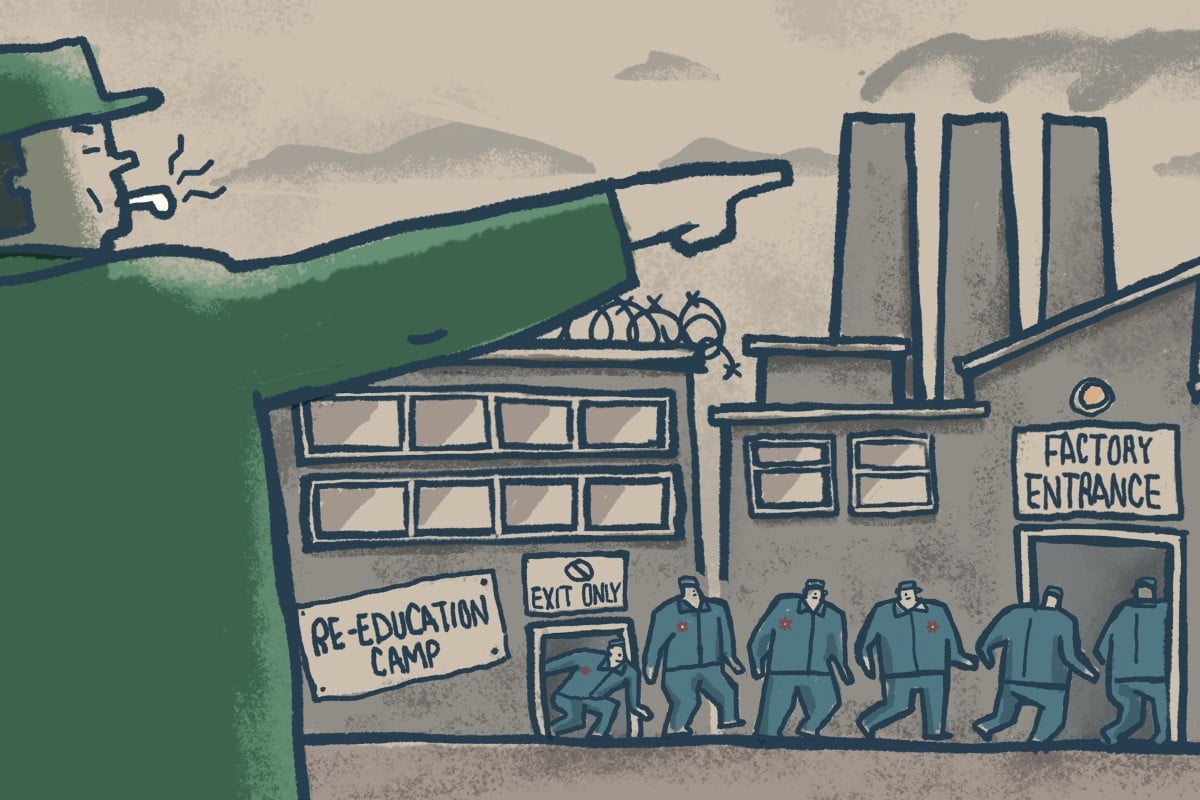

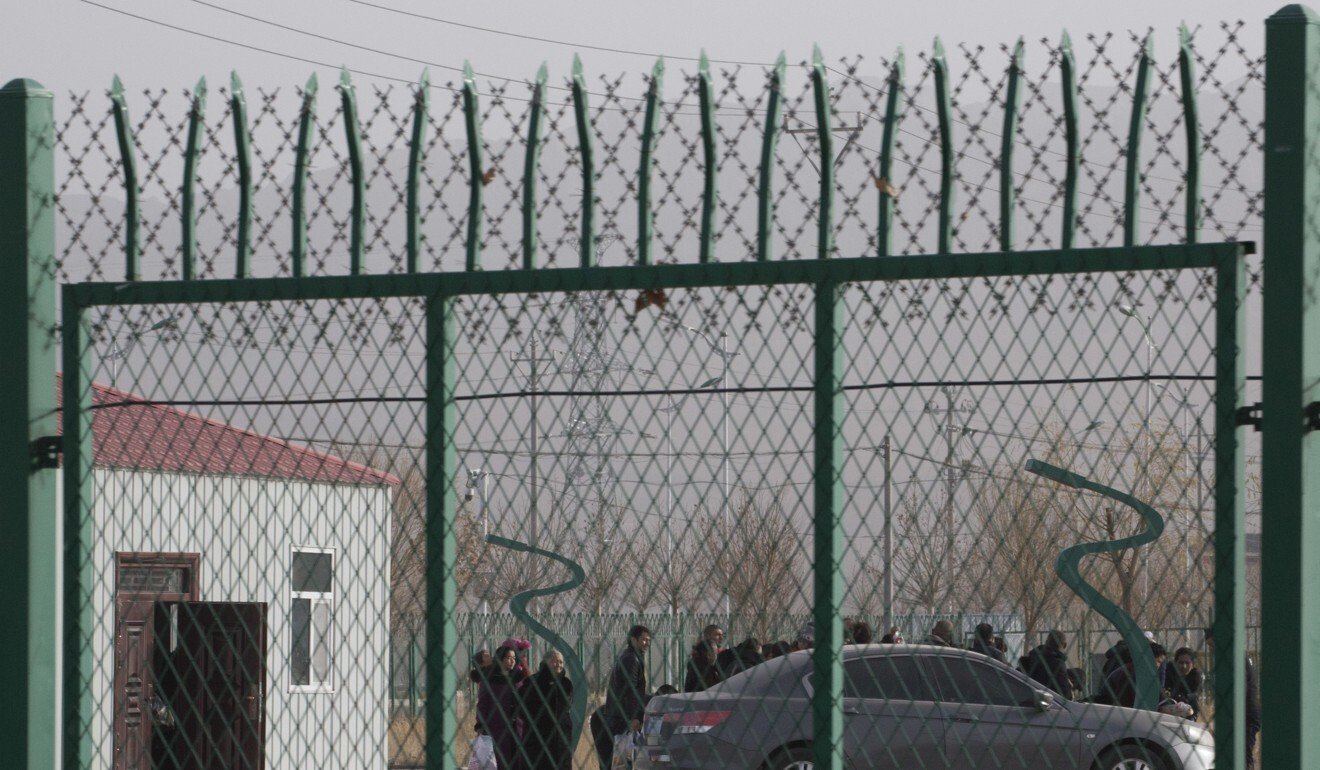
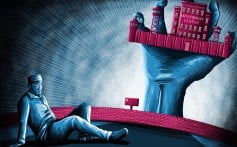
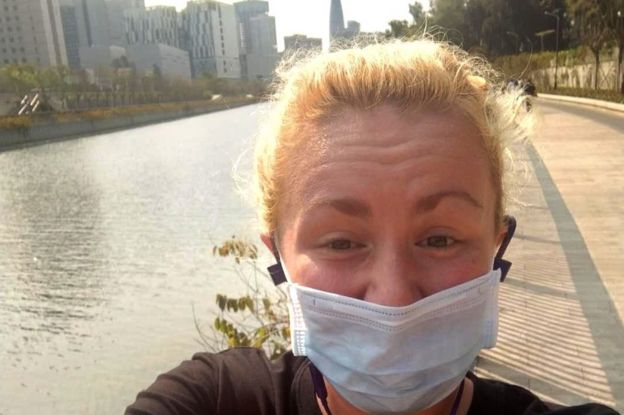


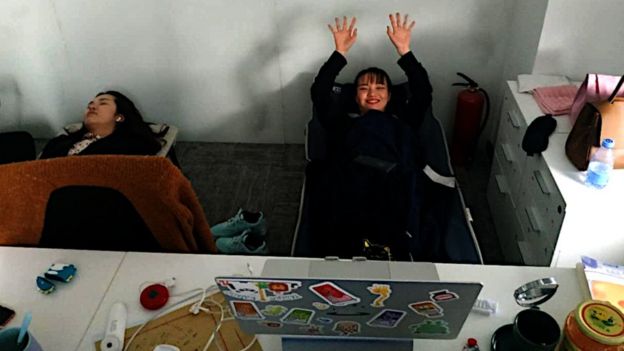
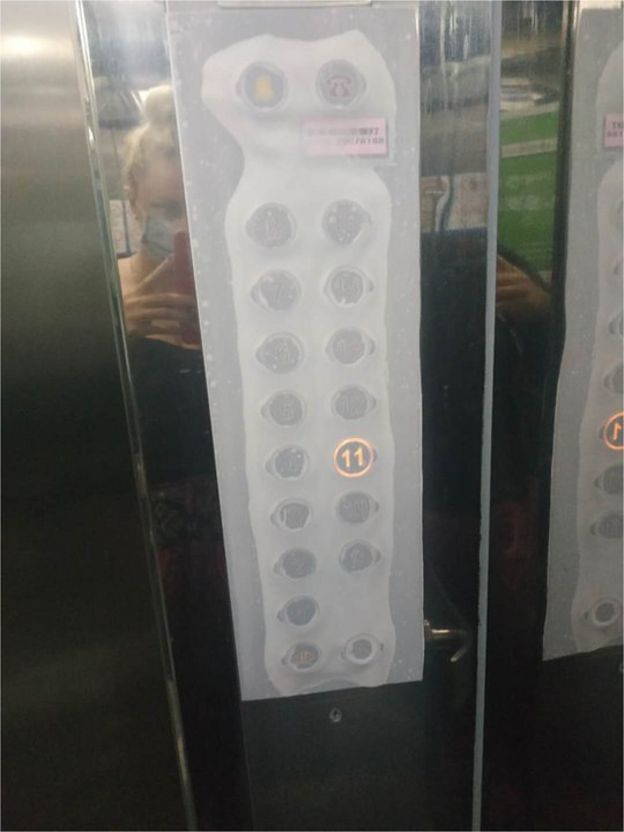




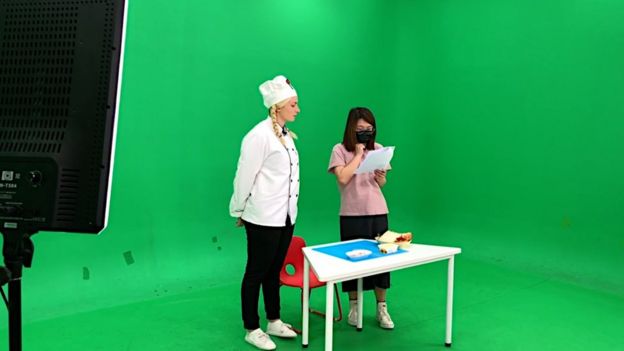

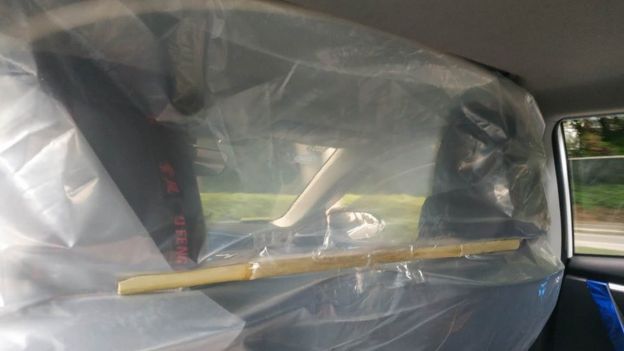

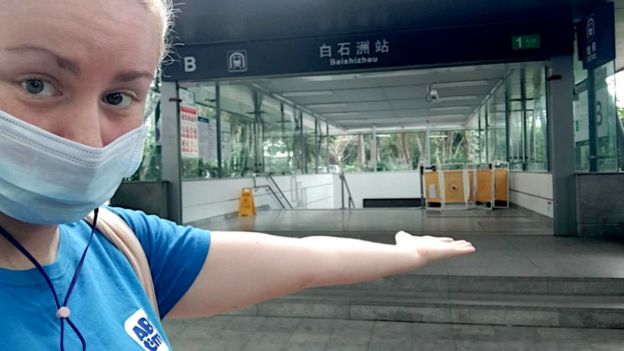



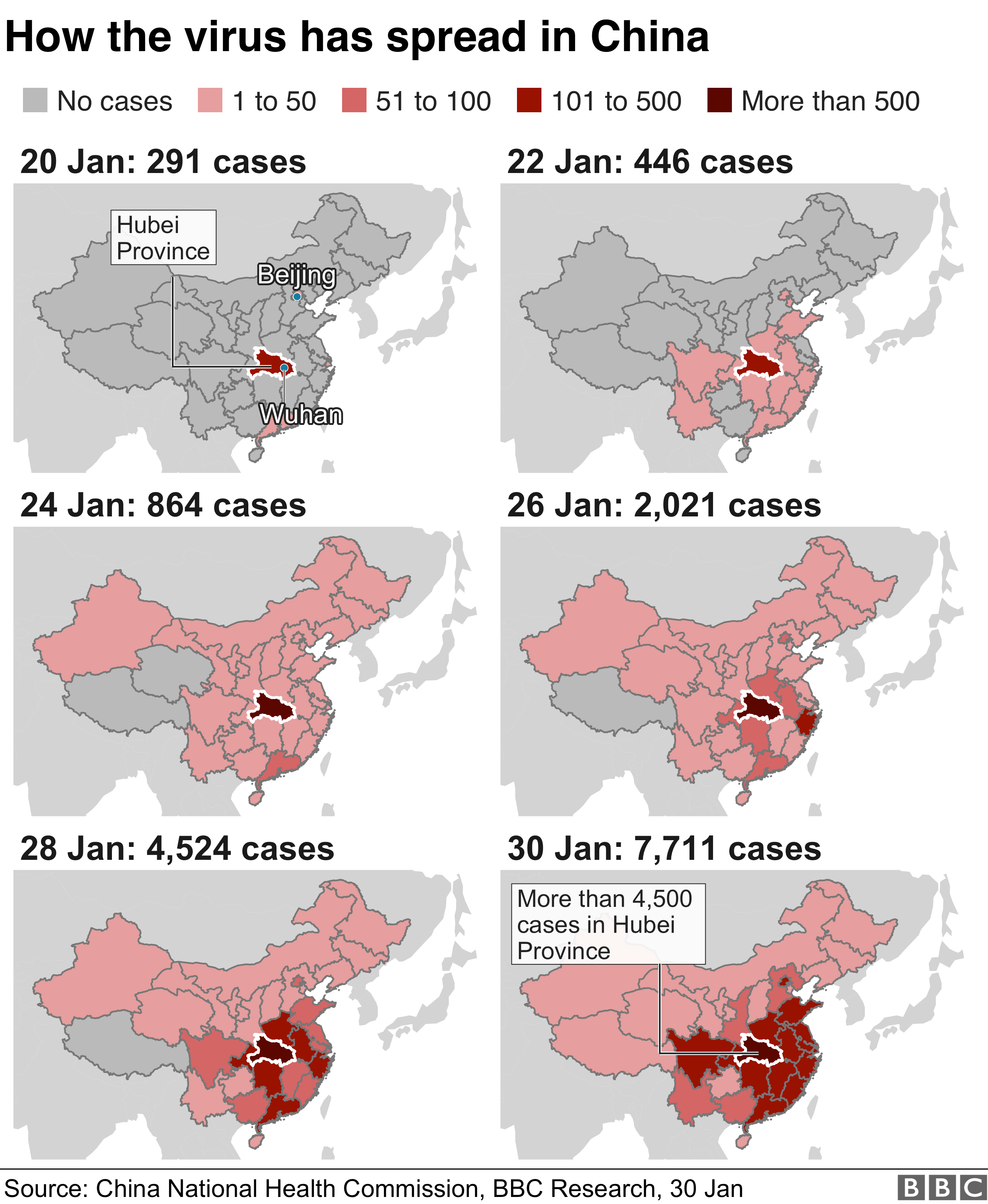


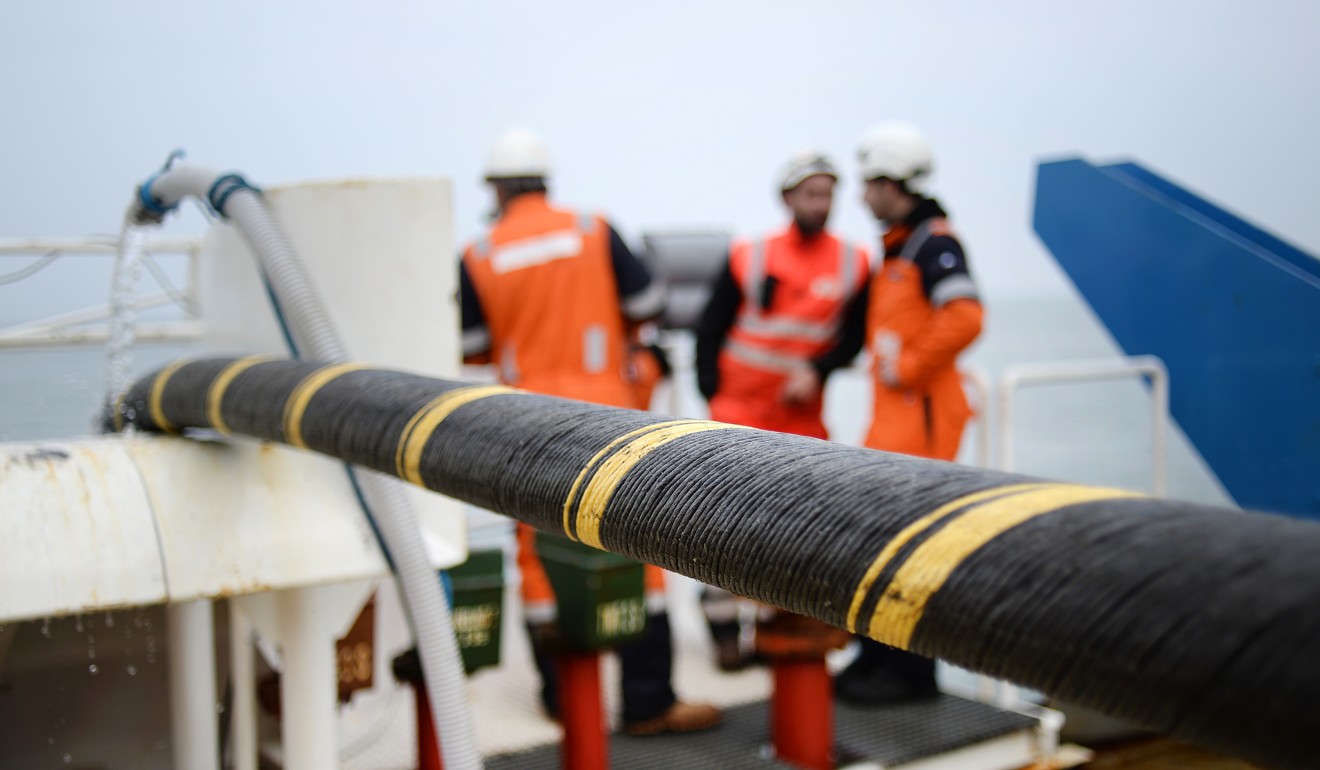


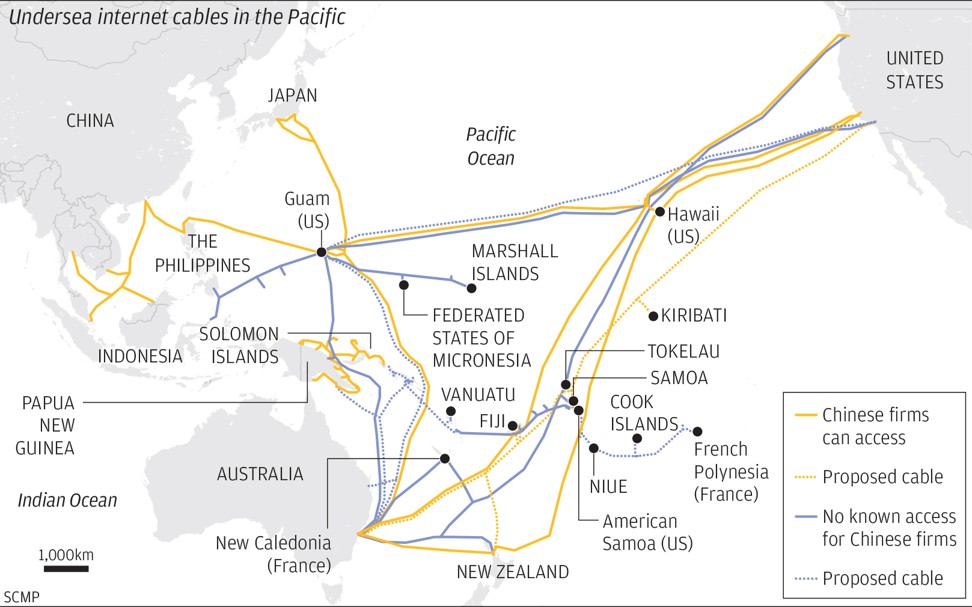

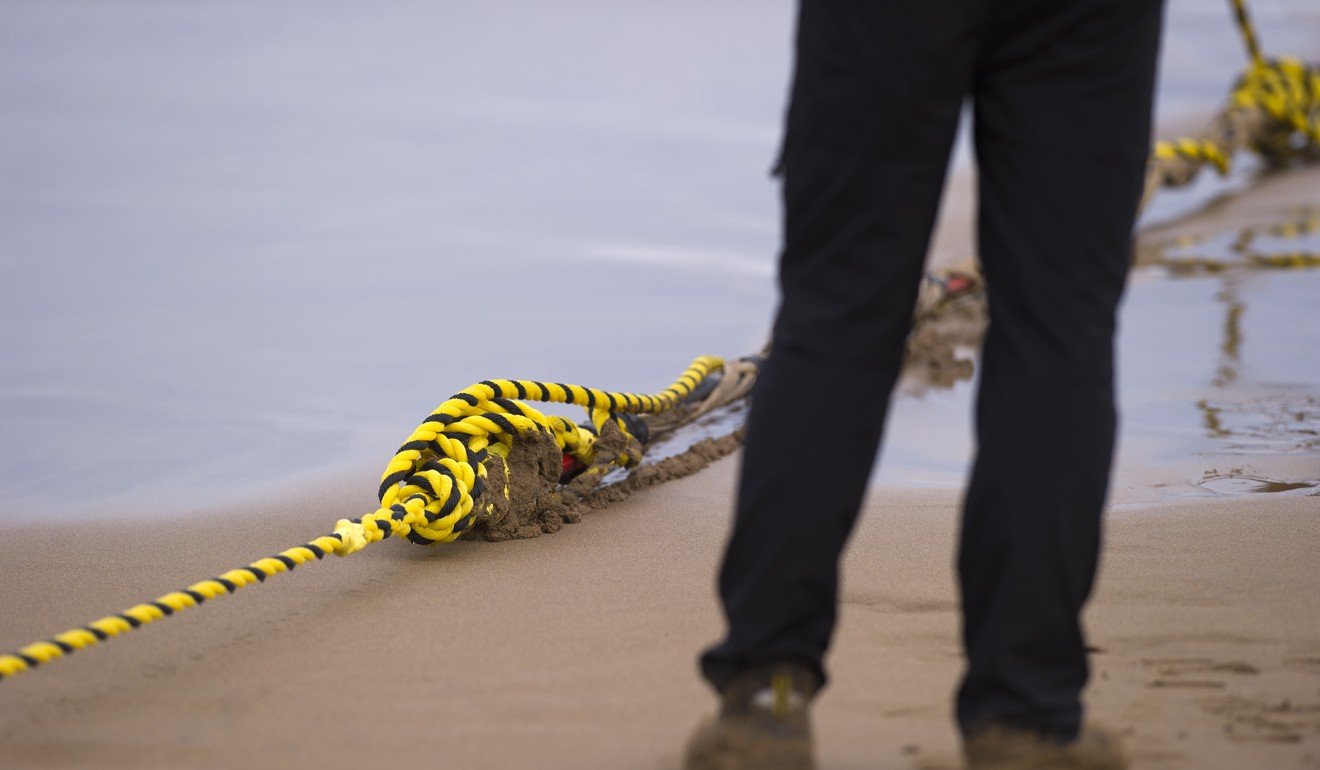

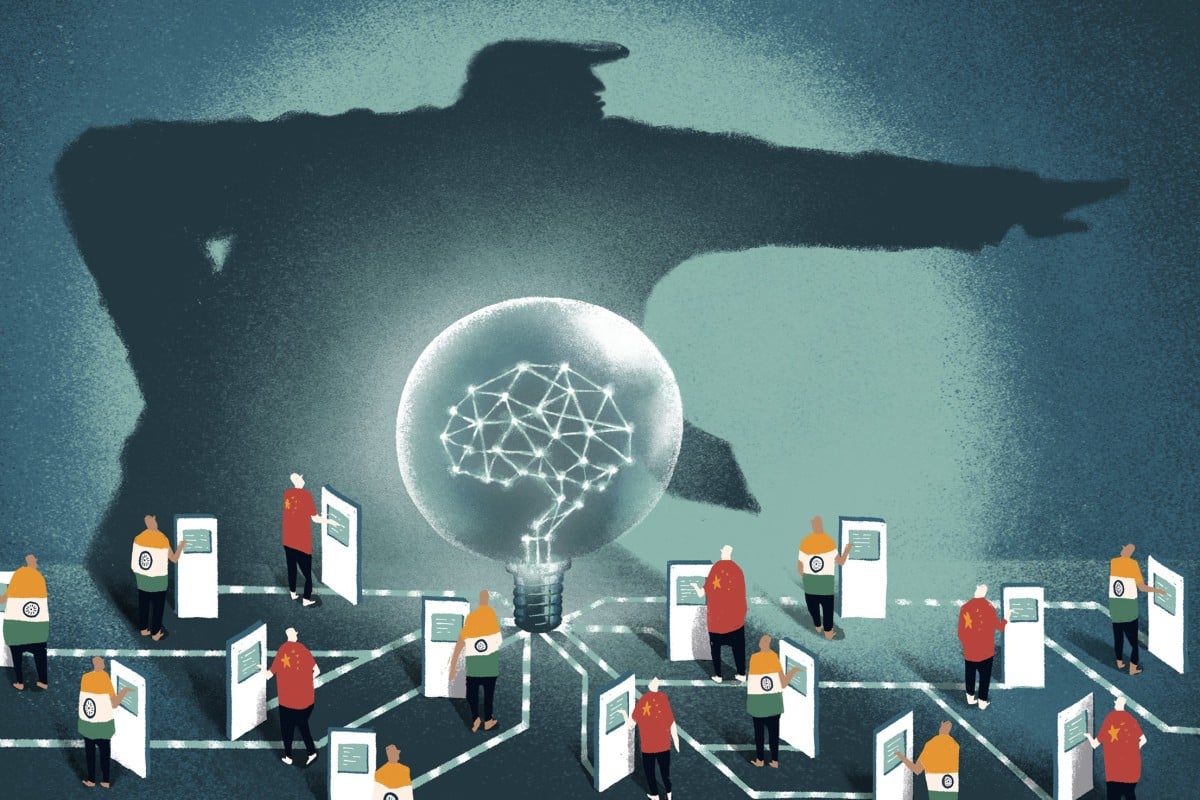
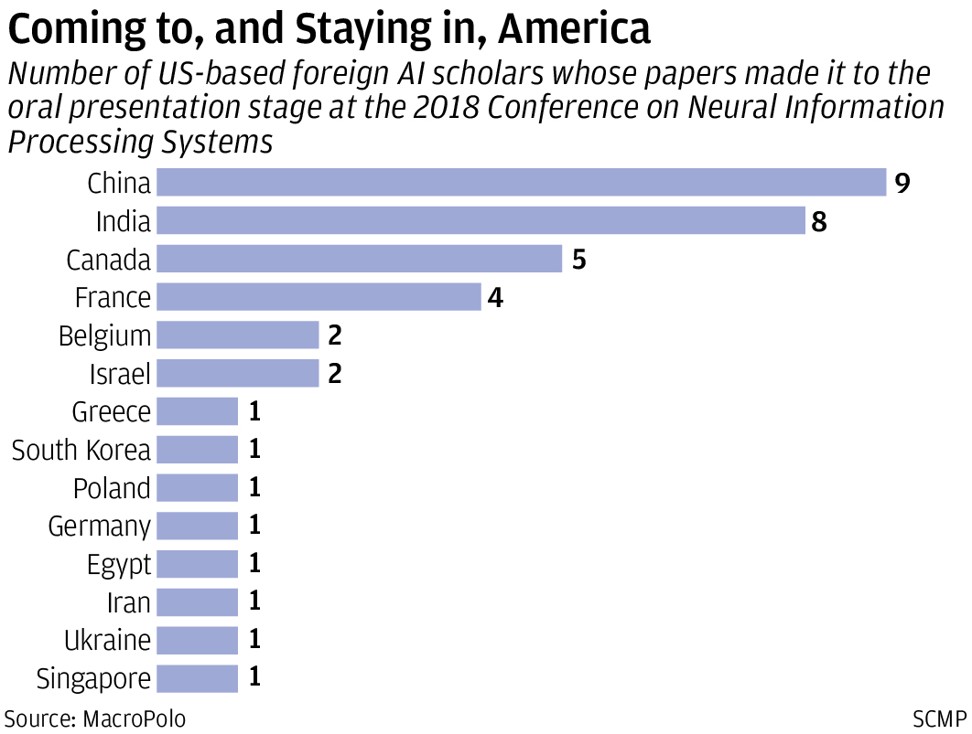
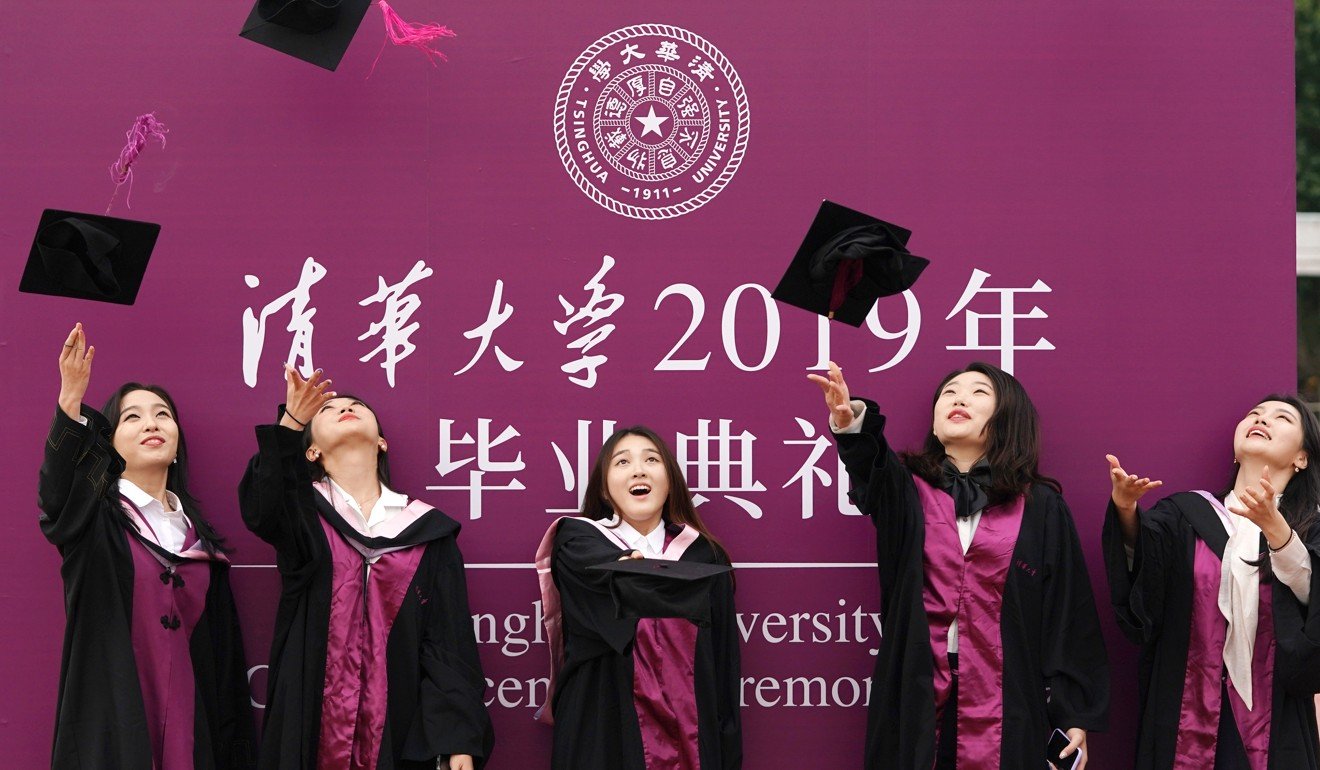
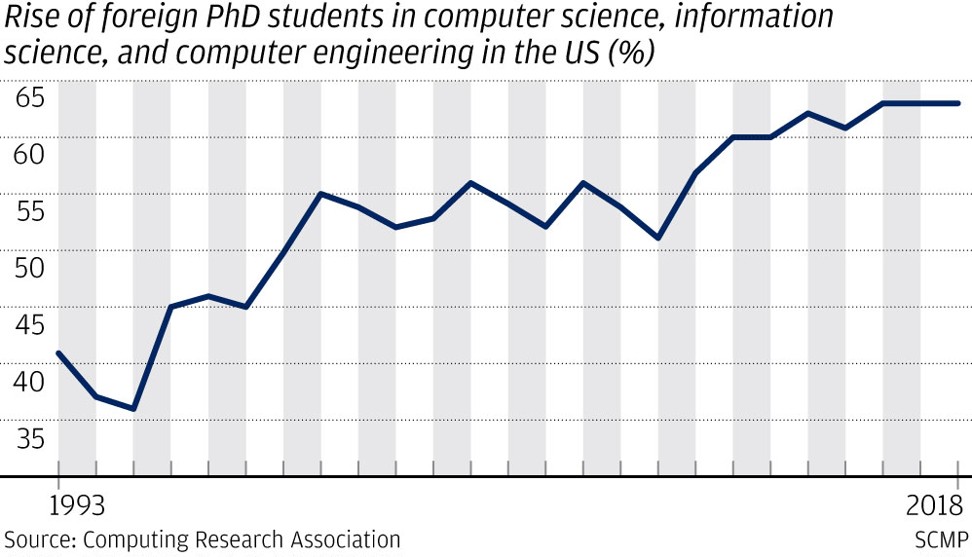
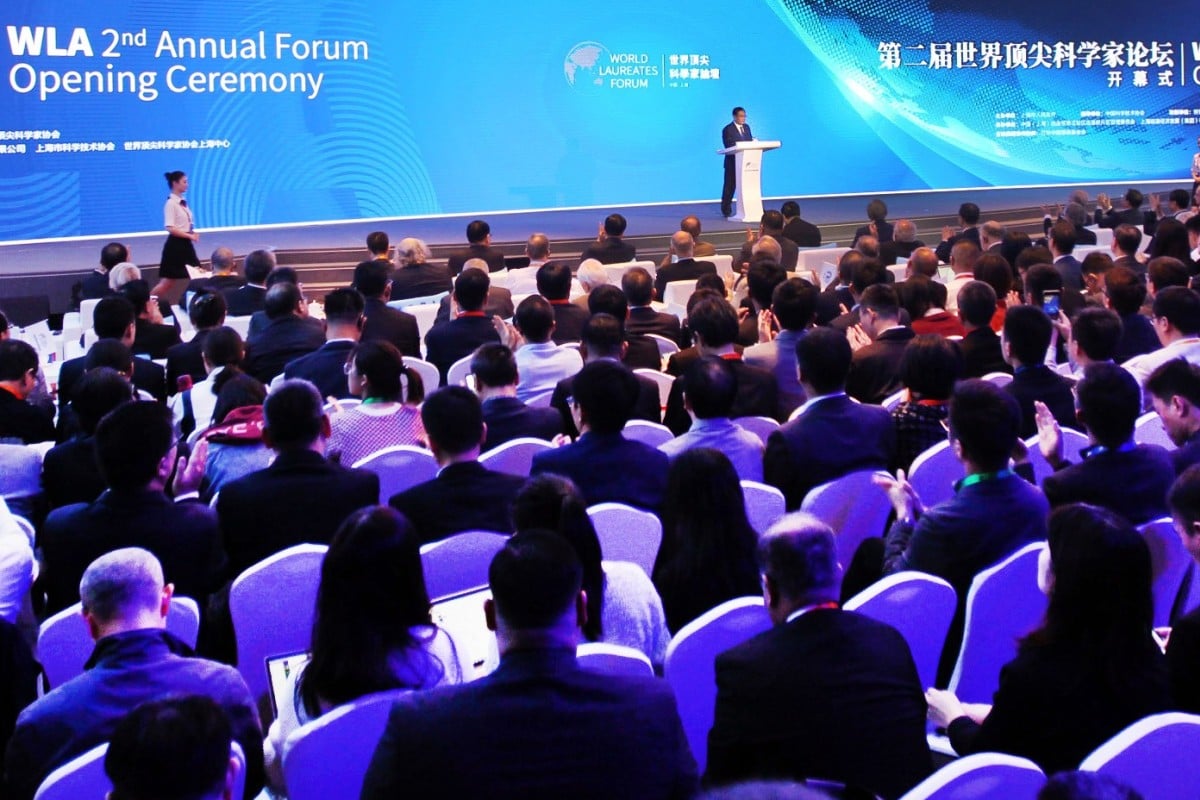
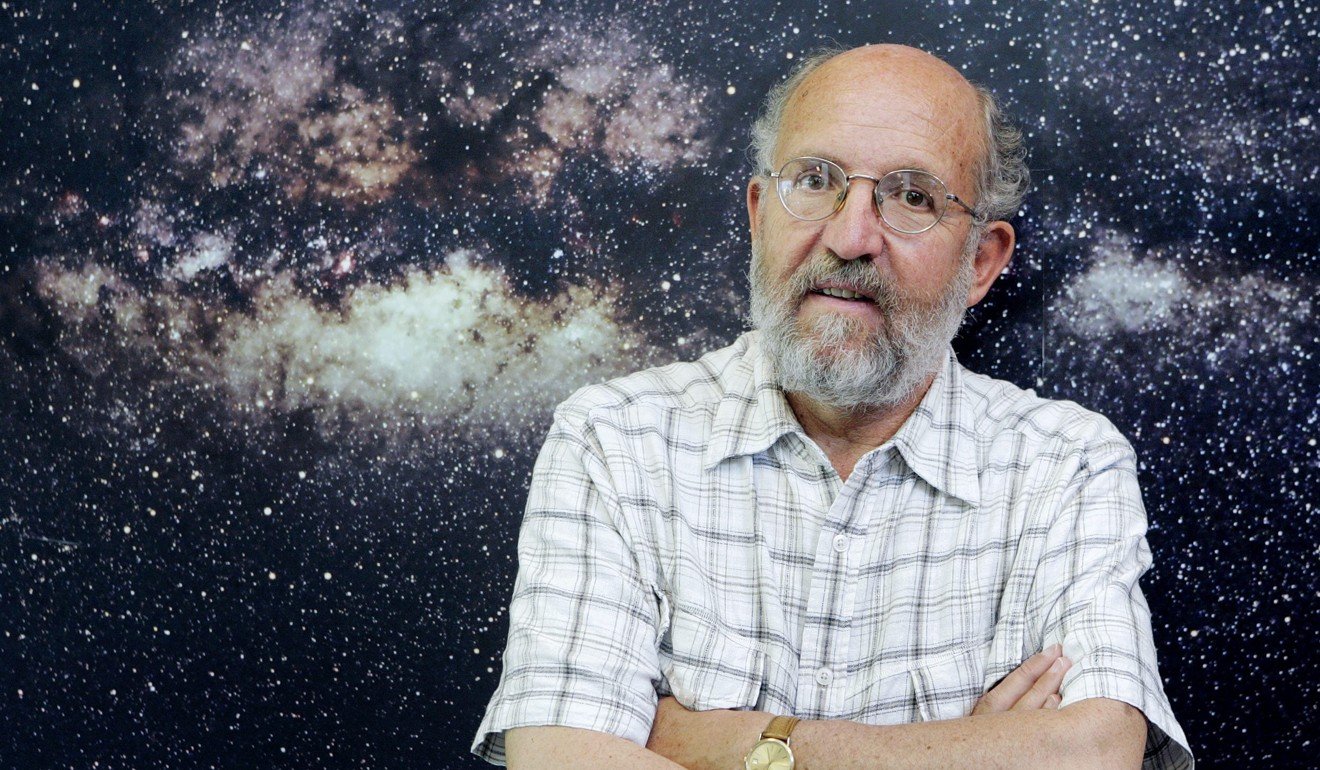
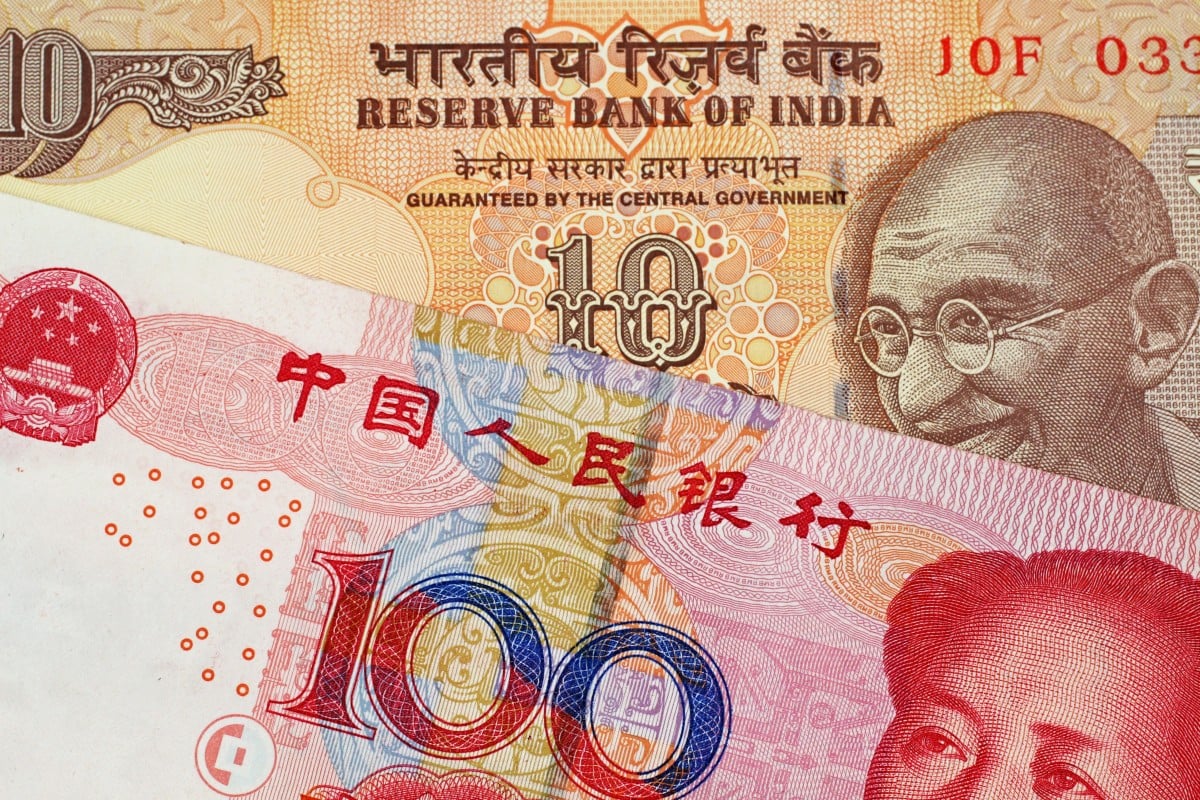

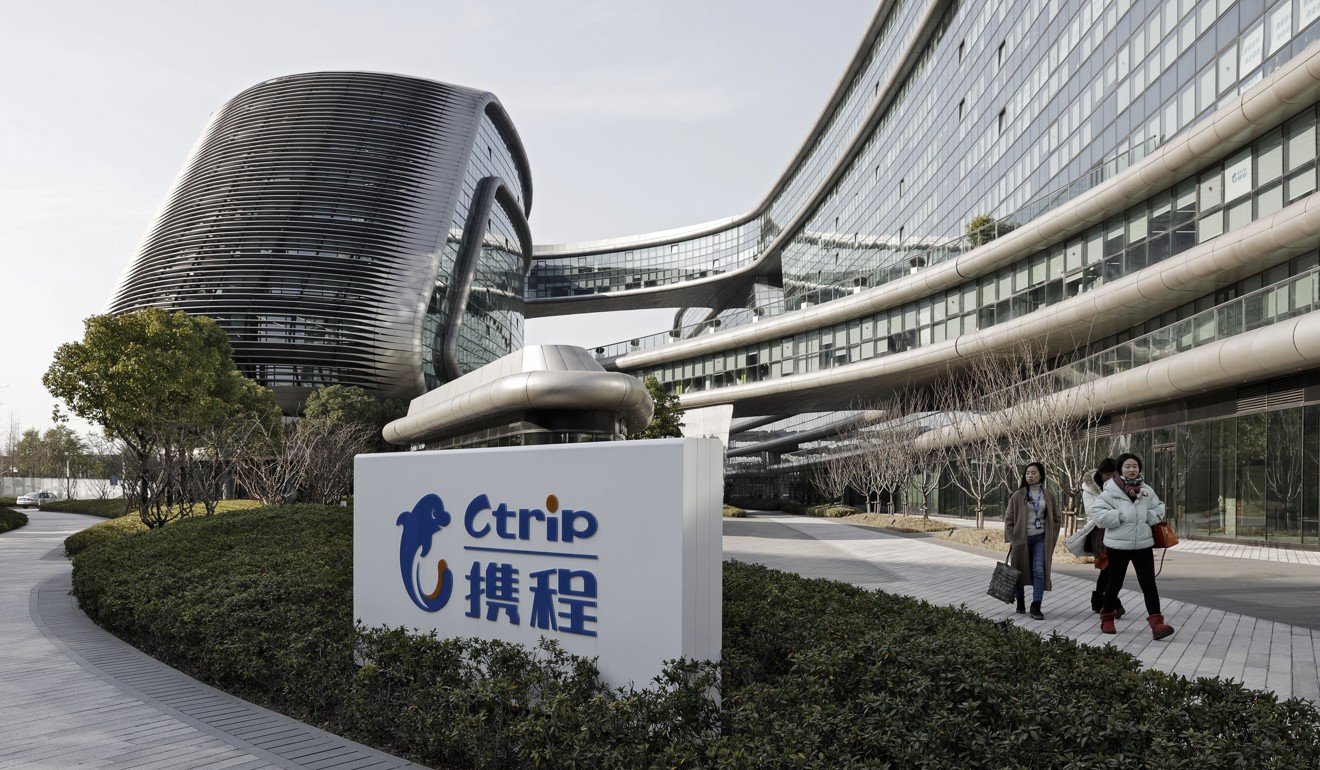
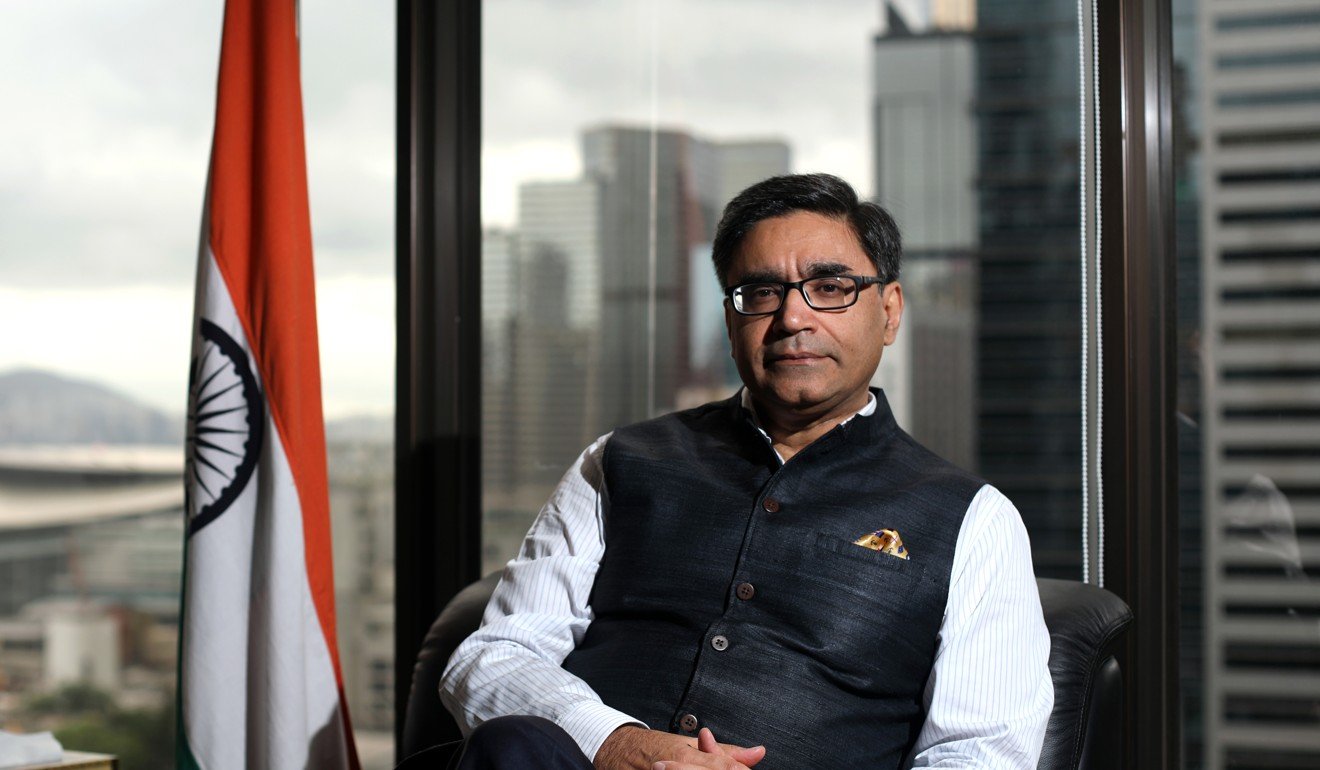
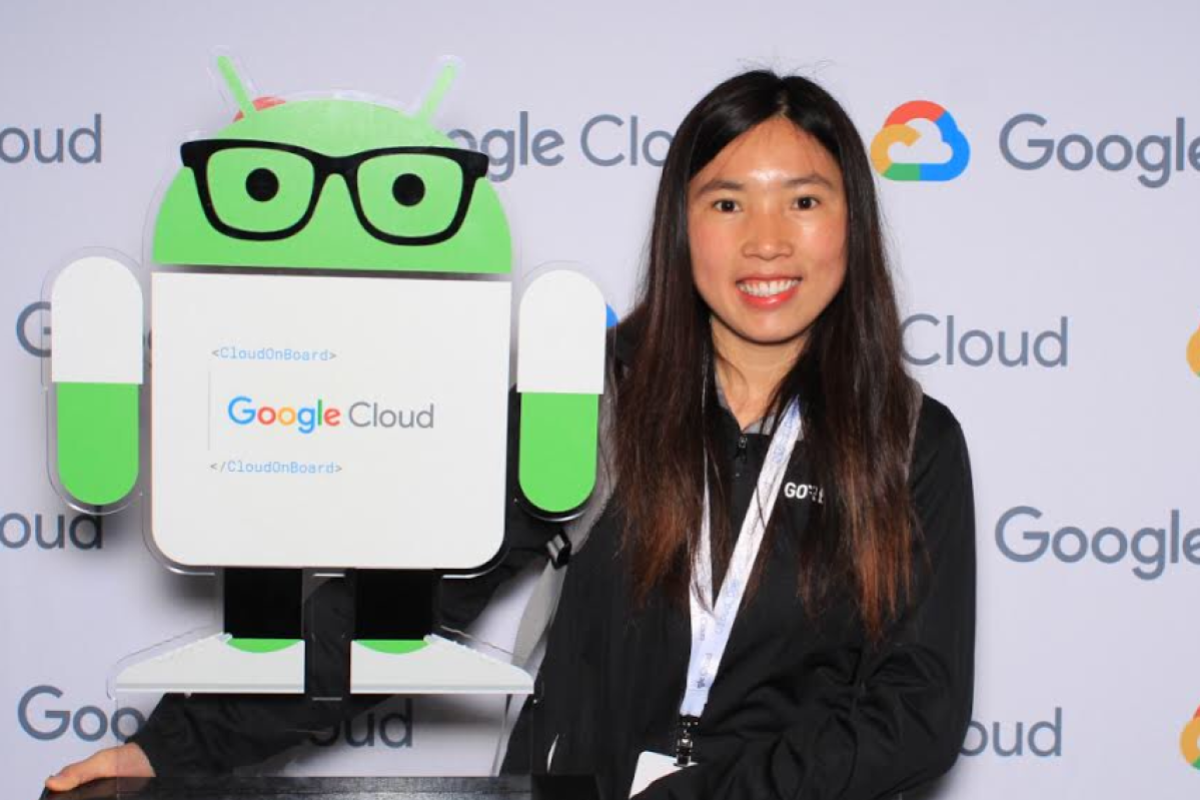
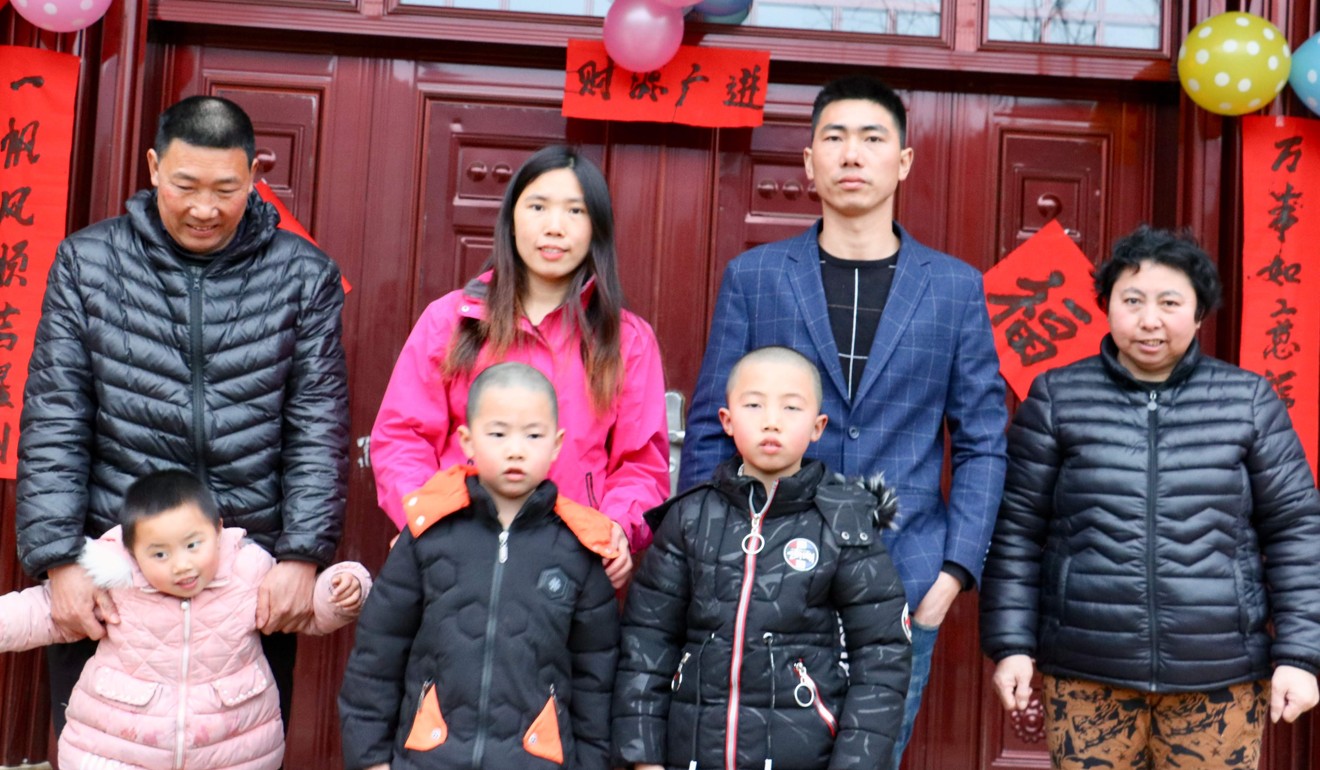
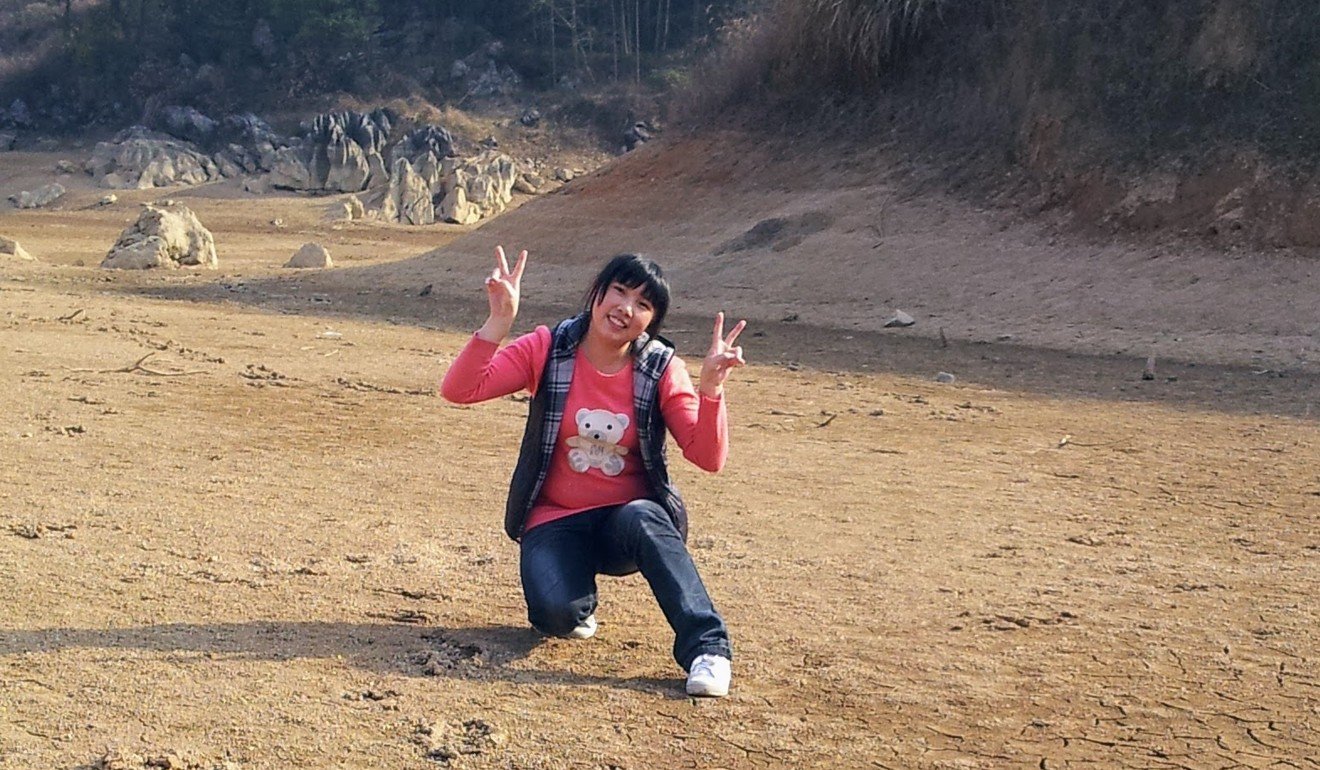
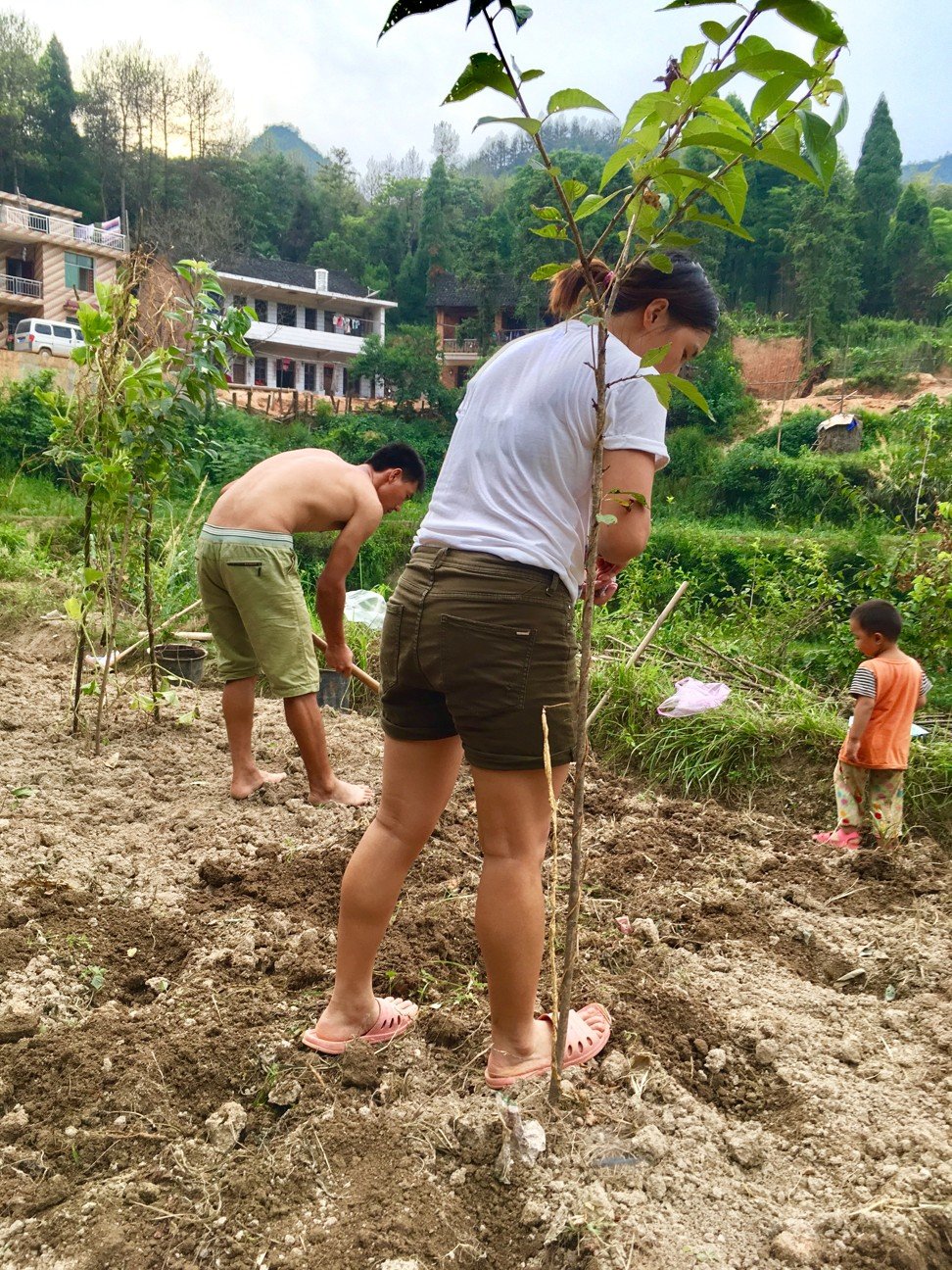

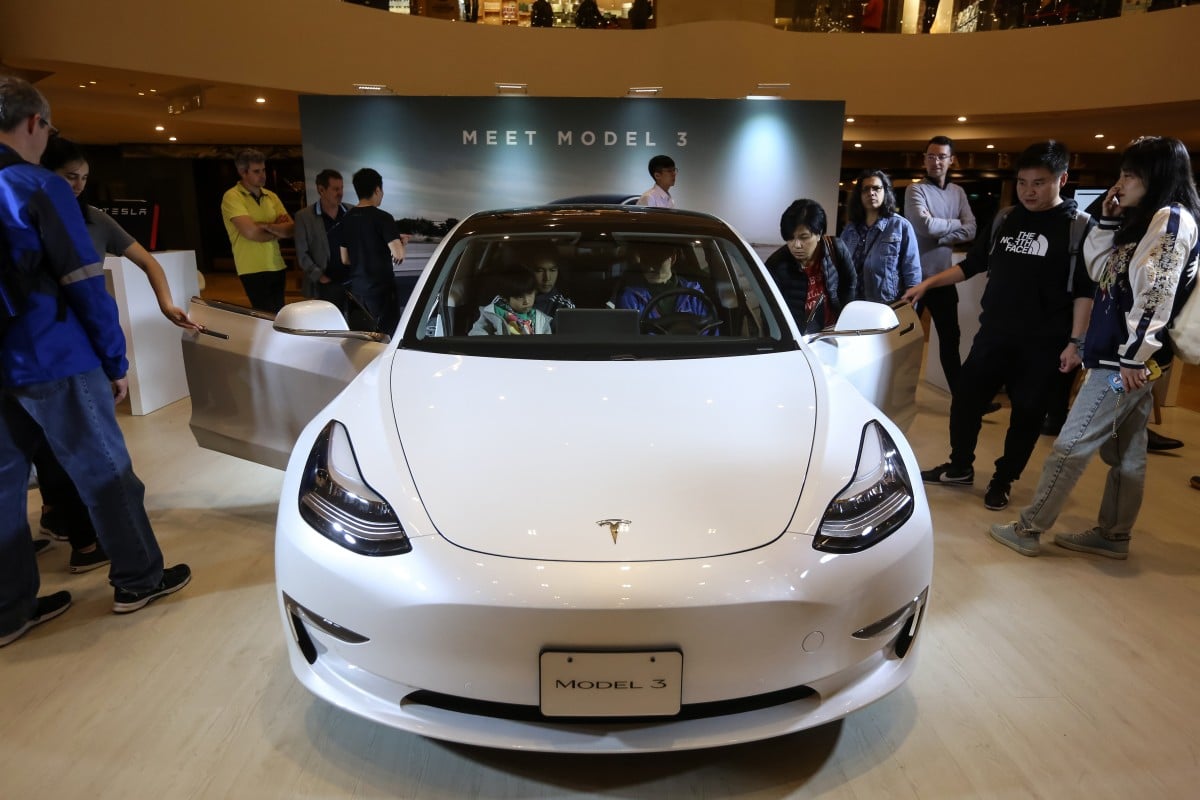
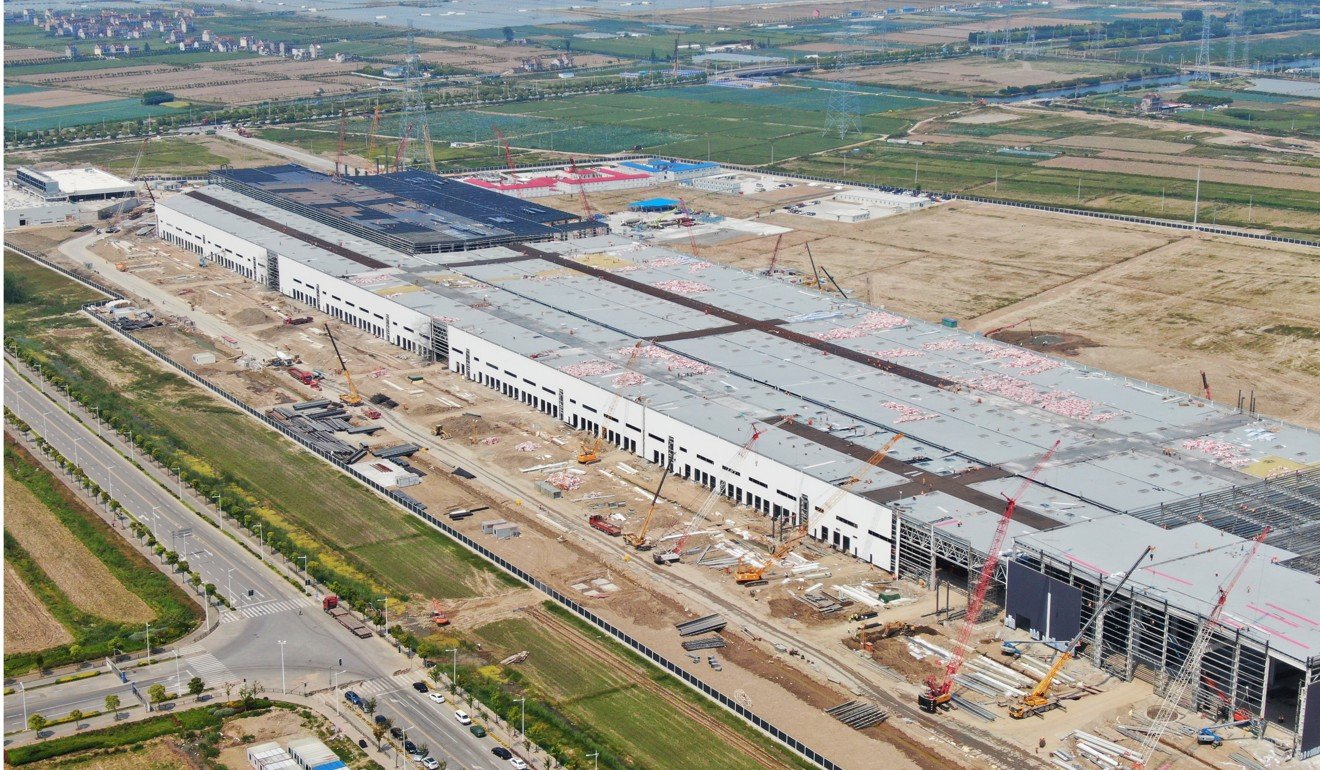

 CHINDIA ALERT: You'll be living in their world, very soon