Chindia Alert: You’ll be Living in their World Very Soon
aims to alert you to the threats and opportunities that China and India present. China and India require serious attention; case of ‘hidden dragon and crouching tiger’.
Without this attention, governments, businesses and, indeed, individuals may find themselves at a great disadvantage sooner rather than later.
The POSTs (front webpages) are mainly 'cuttings' from reliable sources, updated continuously.
The PAGEs (see Tabs, above) attempt to make the information more meaningful by putting some structure to the information we have researched and assembled since 2006.
In the Chinese city of Wuhan, where the virus emerged, the authorities earlier announced that some non-residents would be allowed to leave if they showed no symptoms of the virus.
However, local officials now say that order was made without authorisation and has been revoked.
The city has been in lockdown since January 23, with authorities cutting off transport links in and out of the city.
More than 2,500 people have died from the virus in mainland China, with some 77,150 cases confirmed cases reported.
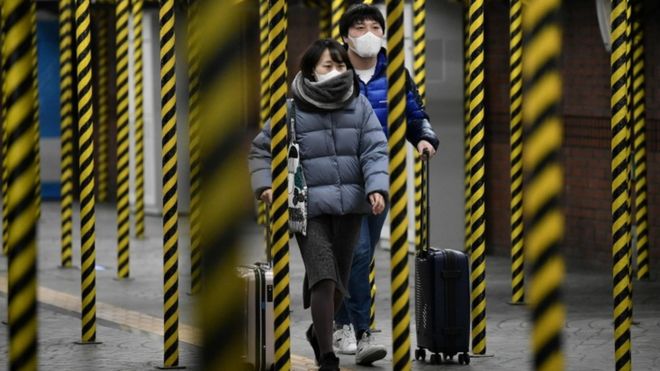
Image copyright AFPImage caption A worker sprays disinfectant to help prevent the spread of the novel coronavirus at a market in Seoul
What is the situation in North Korea?
North Korea has not confirmed any cases but the country shares a long and often porous border with China. There are concerns that North Korea, which is subject to international sanctions, lacks the health infrastructure to test and treat those infected and that any outbreak could quickly spread unchecked.
At the moment, all foreigners coming into the country must be quarantined for 30 days.
There are relatively few foreigners in North Korea, and only around 200 Westerners, according to one expert.
North Korean authorities have also cancelled the annual Pyongyang marathon, which typically sees people from all over the world participating.
Around 3,000 people in North Pyongan province – a north-western region bordering China – are also now under monitoring for reportedly showing suspected symptoms, said state media.
What about South Korea?
Media caption People in Daegu have voiced concern over the spread of the virus
South Korea has the largest number of confirmed cases outside China, after a huge spike in the past week.
Before last Wednesday, the country had recorded just 31 cases. That number has now jumped to 763.
Eight new cases of the virus have been reported in the army, and one in the navy, air force and marine corps – bringing the number to 11.
But the biggest virus clusters have been linked to a hospital and a religious group near the south-eastern city of Daegu.
A handful of South Korea airlines, including Korean Air Lines – the country’s biggest airline – has suspended flights going to Daegu, which has a population of around 2.5m.
Korean Air says the suspension will last until March 27
What’s happening in Italy?
Italian officials have introduced sweeping measures to control what is now the worst outbreak of the coronavirus in Europe – at least three people have died and more than 150 cases confirmed.
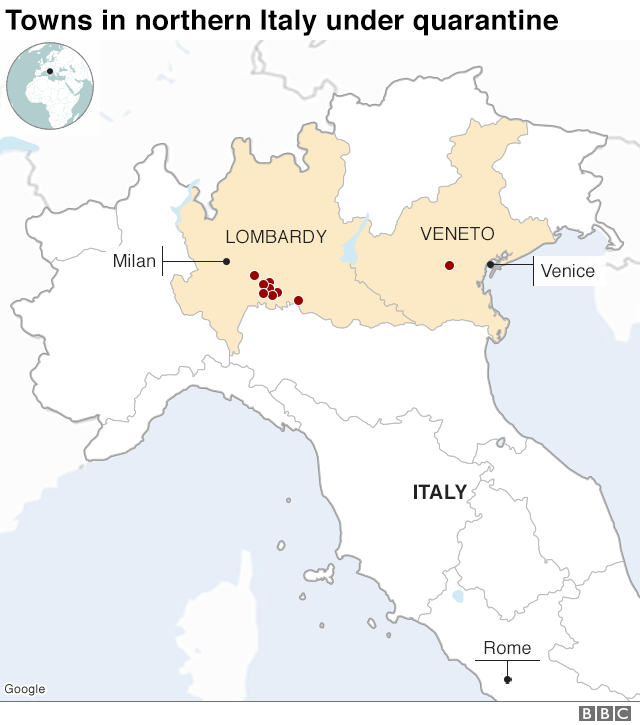
In the regions of Lombardy and Veneto, a lock-down is in place in several small towns. For the next two weeks, 50,000 residents will not be able to leave without special permission.
Even outside the zone, many businesses and schools have suspended activities, and sporting events have been cancelled – including several top-flight football matches.
Officials have yet to find the first carrier of the virus in the country.
World edges closer to coronavirus pandemic
Analysis by Fergus Walsh, medical correspondent
The combined situation in South Korea, Iran and Italy points to the early stages of pandemic. This means a global outbreak, with the coronavirus spreading in the community in multiple parts of the world.
In each of these countries we are seeing spread of the virus with no connection to China. The lockdown efforts in Italy mirror those that have happened in China.
The situation in Iran is especially worrying, because the health authorities have reportedly said the virus has spread to multiple cities, and it appears the first case in Lebanon is linked to a traveller from Iran.
If we have a pandemic, it will still be important to limit the speed of spread of the virus.
If countries could hold it somewhat at bay until the end of winter, there is a hope that warmer temperatures will reduce the time the virus can survive in the air, as we see with seasonal flu. But this may not be certain.
What’s the latest from Iran?
Iran said on Sunday it had 43 confirmed cases of the virus, most of them in the holy city of Qom. Eight of those infected have died, the highest number of deaths outside China.
Iraq, Pakistan, Armenia and Turkey have closed their borders with Iran, and Afghanistan has suspended air and road travel to and from Iran.
What about China, where the outbreak started?
China’s President Xi Jinping has described the outbreak as the “largest public health emergency” in the country’s recent history.
Speaking on Sunday, he acknowledged “shortcomings” in China’s response and said lessons must be learned.
China reported 409 new infections on Monday, the bulk of which were from Wuhan.
But outside China, cases with no clear link to that country or other confirmed cases continue to rise, prompting concern from the World Health Organization (WHO).
BEIJING/SEOUL (Reuters) – Italy, South Korea and Iran reported sharp rises in coronavirus infections on Monday, triggering concern from the World Health Organization (WHO), but China relaxed some curbs on movement, including in Beijing, as the rate of new infections there eased.
The virus has put Chinese cities into lockdown, disrupted air traffic to the workshop of the world and blocked global supply chains for everything from cars and car parts to smartphones.
The surge of cases outside mainland China triggered steep falls in global share markets and Wall Street stock futures as investors fled to safe havens. Gold soared to a seven-year high, oil tumbled nearly 4% and the Korean won KRW= fell to its lowest level since August.[MKTS/GLOB]
But U.S. Treasury Secretary Steven Mnuchin cautioned against jumping to conclusions about the impact on the global economy or supply chains, saying it was simply too soon to know.
RELATED COVERAGE
Ireland cautions against travel to coronavirus-hit areas of Italy
France blocks passengers on board bus from Italy after one falls ill
The World Health Organization (WHO) said it no longer had a process for declaring a pandemic, but that the coronavirus outbreak remained an international emergency.
“We are specially concerned about the rapid increase in cases in … Iran, Italy and the Republic of Korea,” WHO head Tedros Adhanom Ghebreyesus told a news conference in Sweden via video link from Geneva.
South Korea reported 231 new cases, taking its total to 833. Many are in its fourth-largest city, Daegu, which became more isolated with Asiana Airlines (020560.KS) and Korean Air (003490.KS) suspending flights there until next month.
Iran, which announced its first two cases last Wednesday, said it had confirmed 43 cases and eight deaths. Most of the infections were in the Shi’ite Muslim holy city of Qom.
Elsewhere in the Middle East, Bahrain and Iraq reported their first cases and Kuwait reported three cases involving people who had been in Iran.
Saudi Arabia, Kuwait, Iraq, Turkey, Pakistan and Afghanistan imposed restrictions on travel and immigration from Iran. Afghanistan also reported its first case, officials said.
The WHO has been saying for weeks that it dreads the disease reaching countries with weak health systems.
Europe’s biggest outbreak is in Italy, with some 150 infections – compared with just three before Friday – and a fifth death.
‘SEVERE AND COMPLEX’
Scientists around the world are scrambling to analyze the virus, but a vaccine is probably more than a year away.
“Worryingly, it seems that the virus can pass from person to person without symptoms, making it extremely difficult to track, regardless of what health authorities do,” said Simon Clarke, an expert in cellular microbiology at the University of Reading in Britain.
China postponed the annual meeting of its parliament in Beijing.
But there was a measure of relief for the world’s second-largest economy as more than 20 province-level jurisdictions, including Beijing and Shanghai, reported zero new infections, the best showing since the outbreak began.
President Xi Jinping urged businesses to get back to work, though he said the epidemic was still “severe and complex, and prevention and control work is in the most difficult and critical stage”.
Excluding the central Hubei province, center of the outbreak, mainland China reported 11 new cases, the lowest since the national health authority started publishing nationwide daily figures on Jan. 20.
The coronavirus has infected nearly 77,000 people and killed more than 2,500 in China, most in Hubei.
Overall, China reported 409 new cases on the mainland, down from 648 a day earlier, taking the total number of infections to 77,150 cases as of Feb. 23. The death toll rose by 150 to 2,592.
Outside mainland China, the outbreak has spread to about 29 countries and territories, with a death toll of about two dozen, according to a Reuters tally.
Xi said on Sunday the outbreak would have a relatively big, but short-term, impact on the economy and the government would step up policy adjustments to help cushion the blow.
Mnuchin, speaking to Reuters in the Saudi city of Riyadh, said he did not expect the coronavirus to have a material impact on the Phase 1 U.S.-China trade deal.
“Obviously that could change as the situation develops,” he added.
In northern Italy, authorities sealed off the worst-affected towns and banned public gatherings across a wide area, halting the carnival in Venice, where there were two cases.
Austria briefly suspended train services over the Alps from Italy after two travelers coming from Italy showed symptoms of fever.
Both tested negative for the new coronavirus but Austrian Interior Minister Karl Nehammer said a task force would meet on Monday to discuss whether to introduce border controls.
Japan had 773 cases as of late Sunday, mostly on a cruise ship quarantined near Tokyo. A third passenger, a Japanese man in his 80s, died on Sunday.
In South Korea, authorities reported a seventh death and dozens more cases on Monday. Of the new cases, 115 were linked to a church in the city of Daegu.
Drone footage showed what appeared to be hundreds of people queuing in a neat line outside a Daegu supermarket under the winter sunshine to buy face masks. ( tmsnrt.rs/37WP6lA )
SEOUL/SHANGHAI (Reuters) – South Korea raised its disease alert to the highest level on Sunday after a surge in coronavirus infections and two more deaths, while China state media warned the outbreak there had yet to reach a turning point despite some signs of easing.
South Korea’s president said he was putting the country on “red alert” due to the rapid rise in new cases, which are largely being traced back to church services. Health officials reported 169 new infections, bringing the total to 602, having doubled from Friday to Saturday.
The escalation in the alert level allows the government to send extra resources to Daegu city and Cheongdo county, which were designated “special care zones” on Friday.
South Korea’s Yonhap News Agency said it also enables the government to forcibly prevent public activities and order the temporary closure of schools, though the government gave no immediate details on what steps could be taken.
In China, the health commission confirmed 648 new infections – higher than a day earlier – but only 18 were outside of Hubei province, the lowest number outside of the epicenter since authorities started publishing data a month ago and locked down large parts of the country.
RELATED COVERAGE
Italy coronavirus cases rise to more than 100: regional chief
South Korea raises disease alert to highest level as virus cases soar
But the number of cases continued to climb elsewhere.
Japanese Prime Minister Shinzo Abe instructed government agencies on Sunday to urgently prepare medical provisions and draft a comprehensive plan to curb the spread of the virus, after it reported 27 more cases a day earlier.
The U.S. State Department raised its travel advisory level one notch for South Korea and Japan to Level 2 on a scale of 1 to 4.
Concern about the reach and rapid spread of coronavirus also grew in Europe and the Middle East.
Cases in Italy, Europe’s worst hit country, more than quadrupled to 79 on Saturday, with two deaths.
Iran reported a total of 43 infections, with eight deaths – all since Tuesday – forcing some of its neighbors to announce travel and immigration curbs.
The World Health Organization on Saturday stressed that the number of cases outside of China was still relatively few, but it was worried by the detection of infections without a clear link to China.
The disease has spread to some 26 countries and territories outside China, killing more than a dozen people, according to a Reuters tally. It has been fatal in 2% of reported cases, with the elderly and ill the most vulnerable, according to the WHO.
The potential economic impact of coronavirus was prominent at a meeting of G20 finance ministers in Riyadh, at which the International Monetary Fund chief said China’s 2020 growth would likely be lower at 5.6%, down 0.4 percentage points from its January outlook, with 0.1 percentage points shaved from global growth.
The last time South Korea raised the alert to the highest was 11 years ago during the Influenza A or H1N1 outbreak.
Many of South Korea’s new cases were linked to the Shincheonji Church of Jesus congregation in Daegu after a 61-year-old woman known as “Patient 31” tested positive for the virus last week. The woman had no recent record of overseas travel.
Catholic churches in Daegu and Gwangju have suspended mass and other gatherings, while churches elsewhere saw declines in attendance on Sunday, especially among the elderly.
“If the situation gets worse, I think we’ll need to take more measures. Currently, we’re limiting personal gatherings within the church except for Mass,” said Song Gi-young, 53, wearing a face mask at church.
Heo Young-moo, 88, expressed frustration.
“Devotees shouldn’t go to any risky places … Hasn’t it become so widespread because those people didn’t get checked?”,” he said.
Outside of the church was a sign that said: “All Shincheonji followers are strictly prohibited from entering”.
The foreign ministry said South Koreans aboard a plane to Israel had been denied entry there on Saturday due to concerns about the virus spread.
China said the number of new deaths on Saturday from COVID-19, as the disease caused by the virus is known, was 97, all but one of which were in Hubei.
Eighty-two of those were in the provincial capital Wuhan, where Xinhua news agency said nucleic tests were being carried out on the backlog of cases to try to contain the spread.
In total, China has reported 76,936 cases, and 2,442 deaths. The WHO says the virus is severe or critical in only a fifth of infected patients, and mild in the rest.
Graphic: Reuters graphics on the new coronavirus here
NOT OVER YET
Beijing, Zhejiang, Sichuan had no new infections on Feb. 22 for the first time since the outbreak was detected. There were signs of street life in Shanghai, with some cafes serving take-out food and families wearing masks walking their dogs.
State run television on Sunday urged people to avoid complacency, drawing attention to people gathering in public areas and tourist spots without wearing masks.
Analysts have been closely watching out for any signs of a secondary wave of infections as transport restrictions are eased and many migrant workers return to factories and offices. Business activity in the world’s second-biggest economy is only gradually returning to normal after widespread disruptions.
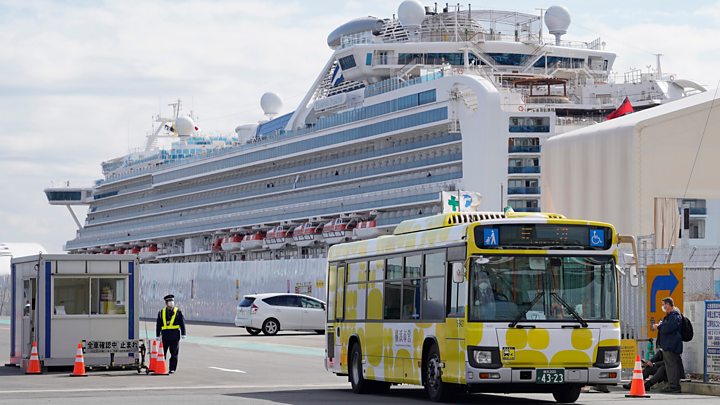
Japan’s health minister apologized on Saturday after a woman who was allowed to leave the coronavirus-struck Diamond Princess cruise ship tested positive despite having underwent quarantine.
At least 623 cases have been reported on the vessel, the biggest outbreak outside China, involving more than a dozen nationalities.
In Italy, schools and universities were closed and some soccer matches postponed in Lombardy and Veneto, the country’s industrial heartland.
Saudi Arabia, Kuwait, Iraq have travel and immigration curbs on Iran, while Oman on Sunday urged its citizens to steer clear of countries with high infection rates and said arrivals from those nations would be quarantined.
Image copyright GETTY IMAGESImage caption Cases of coronavirus have risen sharply in South Korea, where the outbreak is worsening
The head of the World Health Organization (WHO) has expressed concern at the number of coronavirus cases with no clear link to China or other confirmed cases.
Dr Tedros Adhanom Ghebreyesus said the window of opportunity to contain the virus was “narrowing”.
Chinese health authorities reported a decrease in deaths and new cases of the coronavirus on Saturday.
But cases are on the rise in South Korea, Italy, Iran and other countries.
Outside China, more than 1,200 cases of the virus have been confirmed in 26 countries and there have been eight deaths, the WHO says.
They include two deaths in South Korea, which has the biggest cluster of confirmed cases apart from China and a cruise ship quarantined in Japan.
On Saturday, South Korea reported 142 new confirmed cases of the coronavirus, bringing the national tally to 346.
On Friday, doctors in Italy said a 78-year-old man became the first person in the country to die from the new coronavirus, Ansa news agency reported.
Earlier Italy had announced 16 more cases and its health minister said schools and offices would be closed and sports events cancelled in the affected regions.
China has reported 76,288 cases including 2,345 deaths. The new virus, which originated last year in Hubei province in China, causes a respiratory disease called Covid-19.
What did the WHO chief say?
Dr Tedros said the number of coronavirus cases outside China was “relatively small” but the pattern of infection was worrying.
“We are concerned about the number of cases with no clear epidemiological link, such as travel history to or contact with a confirmed case,” he said.
The new deaths and infections in Iran were “very concerning”, he said.
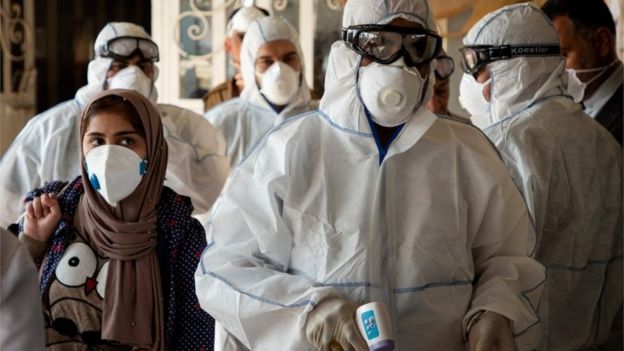
Image copyright AFPImage caption Iraq has been checking people at its border with Iran
But he insisted that the measures China and other countries had put in place meant there was still a “fighting chance” of stopping further spread and called on countries to put more resources into preparing for possible outbreaks.
What is the latest in South Korea?
Prime Minister Chung Sye-kyun declared a public health emergency as the total number of cases surpassed 300 on Saturday.
The southern cities of Daegu and Cheongdo have been declared “special care zones”. The streets of Daegu are now largely abandoned.
The nation’s capital, Seoul, banned demonstrations in central areas.
Two cases were also reported in Busan, South Korea’s second-largest city, and one on the Island of Jeju on Saturday – the first in both places.
Media caption People in Daegu have voiced concern over the spread of the virus
All military bases are in lockdown after three soldiers tested positive.
The authorities suspect the current outbreak in South Korea originated in Cheongdo, pointing out that a large number of sect followers attended the funeral of the founder’s brother from 31 January to 2 February.
The sect – known as Shincheonji – which has been accused of being a cult, said it had now shut down its Daegu branch and that services in other regions would be held online or individually at home.
As of Friday, more than 400 members of the church were showing symptoms of the disease, though tests were still ongoing, the city mayor said.
Can we answer your question on the coronavirus?
Here’s what others have been asking
Once you’ve had coronavirus, will you be immune?
Could the coronavirus become a pandemic?
Is the coronavirus worse than flu or Sars?
Hand sanitizers and warning signs
By Hyung Eun Kim, BBC Korean Service, Seoul
Many people in South Korea are wearing masks on a daily basis.
Hand sanitizers have been placed at public transport stops and building entrances.
Warning government signs are everywhere. They say: “Three ways to prevent further infection: wear a mask at all times; wash your hands properly with soap for more than 30 seconds; and cover yourself when coughing.”
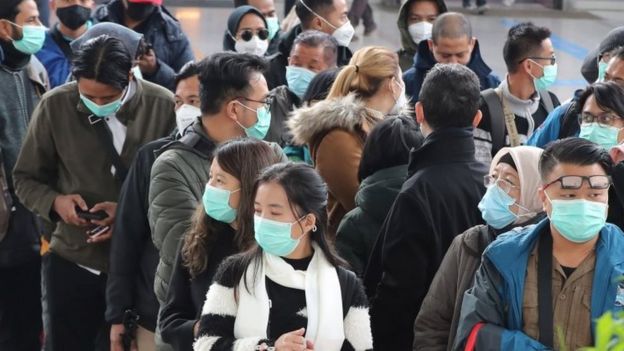
Image copyright EPAImage caption New norm: Mask-wearing crowd in Seoul
Koreans have also developed several apps and websites that tell you how much risk you face where you are. They show where the infected people are within a 10km radius.
“I can’t miss work, what I can do is minimise contact with others and stay at home during the weekend,” Seung-hye Lim, a Seoul resident, told the BBC.
“I do wonder if we reacted too laxly initially or if it really is because of the specific service practices of the Shincheonji sect.”
So-young Sung, a mother of two in Seoul, told the BBC: “It feels like my daily life is collapsing.”
She said she was struggling to find pharmacies that had masks.
She added that checking coronavirus-related alarms from her children’s schools and kindergartens was now a daily routine for her.
What about the Iran cases?
In Iran the outbreak is centred on the holy city of Qom, south of the capital Tehran, which is a popular destination for Shia Muslims in the region.
Iran reported two more deaths in Qom on Friday, adding to the two deaths it reported on Thursday. A total of 18 cases have been confirmed in the country.
Lebanon has reported its first confirmed case – a 45-year-old woman who was detected as she arrived in Beirut from Qom. The UAE, Israel and Egypt have also reported cases.
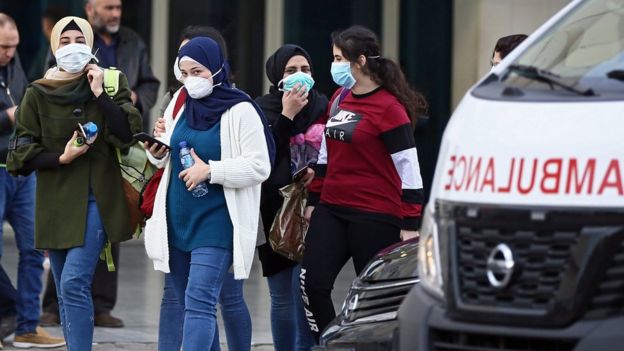
Image copyright EPAImage caption Lebanon has confirmed its first case – a woman returning from the Iranian city of Qom
Meanwhile Canadian officials said one of the nine cases there was a woman who had recently returned from Iran.
WHO officials said both Iran and Lebanon had the basic capacity to detect the virus and the WHO was contacting them to offer further assistance.
But Dr Tedros said the organisation was concerned about the virus’s possible spread in countries with weaker health systems.
What about China and elsewhere?
The virus has now hit the country’s prison system, with more than 500 inmates confirmed infected.
They include 230 patients in a women’s prison in Wuhan. More cases have been found in a prison in the eastern province of Shandong and the south-eastern province of Zhejiang.
Some 36 people at a hospital in Beijing have also tested positive.
Senior officials have been sacked for mishandling management of the outbreak.
Passengers of the Diamond Princess cruise ship who have tested negative continue to disembark the ship in Yokohama after more than 14 days quarantined on board.
However, 18 American evacuees from the ship tested positive after arriving in the US, officials said. More than 300 other US nationals have arrived back in the US after disembarking.
Media caption Coronavirus: Quarantined passengers released from Japan ship
More than 150 Australian passengers have been evacuated from the ship and have already arrived in Darwin, where they will begin two more weeks of quarantine.
Australian officials said on Friday that six people had reported feeling unwell on arrival in Darwin and were immediately tested. Two of those people tested positive despite having received negative tests before leaving Japan.
The first batch of people from Hong Kong have also flown back to the city, where they will similarly be quarantined.
BEIJING (Reuters) – China reported a sharp decrease in new deaths and cases of the coronavirus on Saturday but a doubling of infections in South Korea and 10 new cases in Iran added to unease about its rapid spread and global reach.
Mainland China had 397 new confirmed cases of coronavirus infections on Friday, down from 889 a day earlier, but only 31 cases were outside of the virus epicentre of Hubei province, the lowest number since the National Health Commission started compiling nationwide data a month ago.
But infection numbers continued to rise elsewhere, with outbreaks worsening in South Korea, Italy and Lebanon and Iran, prompting a warning from the World Health Organization that the window of opportunity to contain the international spread was closing..
South Korea saw another spike in infections, with 229 new confirmed cases, taking its tally to 433. Officials warned that could rise substantially as more than 1,000 people who attended a church at the centre of the outbreak had shown flu-like symptoms.
Iran, which had no reported cases earlier this week, saw 10 new cases, one of which had died, taking the number to 28 infections and five deaths.
RELATED COVERAGE
South Korea coronavirus cases more than double in a day
Second coronavirus patient dies in Italy – ANSA news agency
Concerns about the virus weighed on U.S. stocks on Friday, driven by an earlier spike in cases in China and data showing stalling U.S. business activity in February. [MKTS/GLOB]
It has spread to some 26 countries and territories outside mainland China, killing 13 people, according to a Reuters tally.
WHO director-general Tedros Adhanom Ghebreyesus on Twitter expressed concern on Saturday about cases with no clear link to China and called on all countries to invest urgently in preparedness. He made an appeal for $675 million to support the most vulnerable countries.
On Friday, he said now was the time to act decisively.
“We still have a chance to contain it,” he said. “If we don’t, if we squander the opportunity, then there will be a serious problem on our hands.”
An outbreak in northern Italy worsened with its first two deaths, among 17 confirmed cases including its first known instance of local transmission.
Japan confirmed 14 new coronavirus cases on Saturday, among those a teacher who had shown symptoms while working at her school.
Japan is facing growing questions about whether it is doing enough to contain its spread, and concern about whether it could scupper this year’s Tokyo Olympics. Organisers on Saturday postponed the start of training for volunteers as a precaution.
The Bank of Japan’s governor on Saturday shrugged off talk that the widening epidemic is triggering an outflow of funds from Asia.
The total number of confirmed cases in mainland China rose to 76,288, with the death toll at 2,345 as of the end of Friday. Hubei reported 106 new deaths, of which 90 were in Wuhan.
But new, albeit isolated findings about the coronavirus could complicate efforts to thwart it, including the Hubei government’s announcement on Saturday that an elderly man took 27 days to show symptoms after infection, almost twice the presumed 14-day incubation period.
That follows Chinese scientists reporting that a woman from Wuhan had travelled 400 miles (675 km) and infected five relatives without showing signs of infection, offering new evidence of asymptomatical spreading.
State television on Saturday showed the arrival in Wuhan of the “blue whale”, the first of seven river cruise ships it is bringing in to house medical workers, tens of thousands of which have been sent to Hubei to contain the virus.
Senior Chinese central bank officials sought to ease global investors’ worries about the potential damage to the world’s second-largest economy from the outbreak, saying interest rates would be guided lower and that the country’s financial system and currency were resilient.
Chen Yulu, a deputy governor of the People’s Bank of China, said policymakers had plenty of tools to support the economy, and were fully confident of winning the war against the epidemic.
“We believe that after this epidemic is over, pent-up demand for consumption and investment will be fully released, and China’s economy will rebound swiftly,” Chen told state television.
China has recently cut several key lending rates, including the benchmark lending rate on Thursday, and has urged banks to extend cheap loans to the worst-hit companies which are struggling to resume production and are running out of cash.
The transport ministry said businesses would resume operations on a larger scale later this month and said more roads, waterways and ports were returning to normal.
Online media and Weibo users posted footage and images on Saturday of some malls reopening, including in the cities of Wuxi, Hangzhou and in Gansu province, with shoppers queuing in near-empty streets outside for mandatory temperature checks as trickles of customers in masks perused luxury goods shops and makeup counters.
Some analysts believe China’s economy could contract in the first quarter from the previous three months due to the combined supply and demand shocks caused by the epidemic and strict government containment measures. On an annual basis, some warn growth could fall by as much as half from 6% in the fourth quarter.
However, transport restrictions remain in many areas and while more firms are reopening, the limited data available suggests manufacturing is still at weak levels, with disruptions starting to spillover into global supply chains.
Samsung Electronics (005930.KS) said on Saturday that one coronavirus case had been confirmed at its mobile device factory complex in Gumi, causing a shutdown of its entire facility.
Finance leaders from the Group of 20 major economies were set to discuss risks to the world economy in Saudi Arabia this weekend.
The WHO’s Tedros on Twitter said 13 priority countries in Africa had been identified for help because of their direct links to China or high travel volume. That would include 30,000 personal protective kits on the way to six countries and 60,000 more for 19 states in the weeks ahead.
MUNICH (Reuters) – U.S. Secretary of State Mike Pompeo defended on Saturday his nation’s global role despite misgivings in Europe, vowing that Western values would prevail over China’s desire for “empire”.
Pompeo was seeking to reassure Europeans troubled by U.S. President Donald Trump’s “America first” rhetoric, ambivalence over the transatlantic NATO military alliance and tariffs on European goods.
“I’m happy to report that the death of the transatlantic alliance is grossly exaggerated. The West is winning, and we’re winning together,” he said in a speech at the Munich Security Conference, listing U.S. steps to protect liberal democracies.
RELATED COVERAGE
U.S., allied firms testing alternatives to Chinese 5G technology – Esper
Pompeo was, in part, responding to German President Frank-Walter Steinmeier, who on Friday accused the United States, Russia and China of stoking global mistrust.
Trump’s decision to pull out of the 2015 Iran nuclear deal, as well as the Paris climate accord, have undermined European priorities, while moves such as recognition of Jerusalem as Israel’s capital have weakened European diplomacy, envoys say.
Pompeo defended the U.S. strategy, saying Europe, Japan and other American allies were united on China, Iran and Russia, despite “tactical differences.”
He reiterated Washington’s opposition to the Nord Stream 2 gas pipeline under construction between Russia and Germany under the Baltic Sea, a project backed by the government of German Chancellor Angela Merkel.
Citing Russia’s 2014 annexation of Crimea, cyber threats in Iran and economic coercion by China, Pompeo said those countries were still “desiring empires” and destabilising the rules-based international system.
U.S. Secretary of Defense Mark Esper, speaking immediately after Pompeo, focused his remarks solely on China, accusing Beijing of a “nefarious strategy” through telecommunications firm Huawei [HWT.UL].
“It is essential that we as an international community wake up to the challenges presented by Chinese manipulation of the long-standing international rules-based order,” Esper said.
He said it was not too late for Britain, which last month said it would allow Huawei a limited role in building its 5G networks, to take “two steps back,” but added he still needed to asses London’s decision.
“We could have a win-win strategy if we just abide by the international rules that have been set in place for decades … that respect human rights, that respect sovereignty,” he said.
WHO scientists co-write letter saying December 26 data indicating Sars-like coronavirus was not passed to global health community for 17 days
Hundreds of Chinese sign petition asking legislature to protect freedom of speech, amid discontent over outbreak’s handling and anger over Dr Li Wenliang’ death
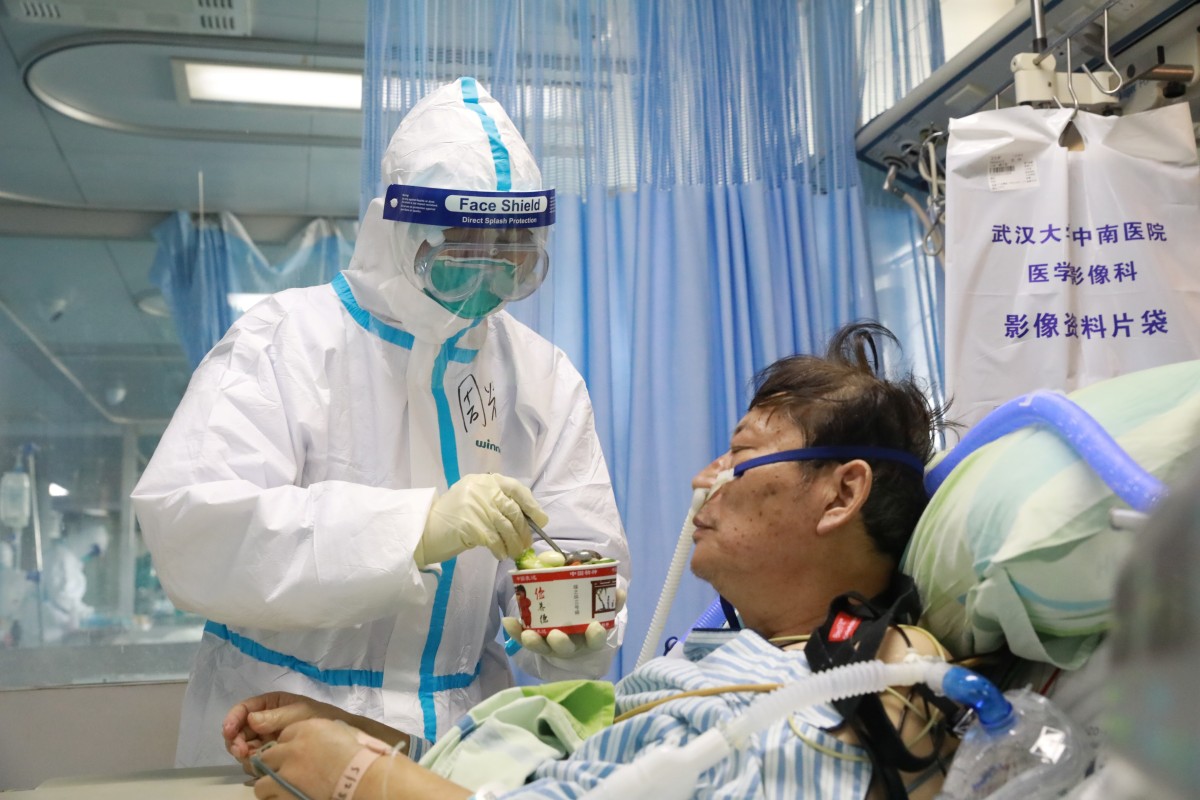
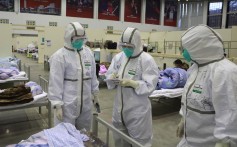
A nurse in a protective suit feeds a coronavirus patient in an isolated ward in Wuhan. Photo: Reuters
China’s health authority reported 97 new deaths caused by the coronavirus and 2,015 newly confirmed cases of infection, taking its totals to 1,113 and 44,653 respectively.
As of Tuesday, 744 recovered patients had been discharged and the total number of recovery cases stood at 4,740.
Outside Hubei province, the epicentre of the coronavirus, the rise in new infections reported by China slowed for an eighth consecutive day.
Apology for slow treatment
A district leader in Hubei’s capital of Wuhan apologised on Tuesday to critically ill patients who had not been treated in a timely manner, state media reported.
Staff in the Wuchang district who were in charge of a chaotic bus transfer of people to hospital on Sunday were ordered to apologise to patients and their families one by one by telephone.
Wuchang officials told state media that mistakes had been made and the district’s most urgent priority was to admit all patients to hospitals or other medical facilities as soon as possible.
As coronavirus cases get priority in Wuhan, other patients are losing hope
13 Feb 2020
The district leader, who visited hospitals to apologise in person, was mocked online for wasting protective suits when the city faces a shortage of medical supplies.
“Health care workers don’t have enough protective gear, why are you wearing it to apologise?” one person wrote on China’s Twitter-like Weibo. “These people are suspected cases, not confirmed ones. It’s a pity to waste the protective gear – it protects the lives of health care workers!”
“I really don’t think it’s necessary to apologise one by one, just apologise in the newspaper! Don’t waste time and protective clothing on formalities,” another person wrote.
Reporting system ‘needs update’
A group of scientists have called for changes in the way new viruses are reported, after a delay of more than two weeks between the first indication of a coronavirus strain in Hubei and the release of critical information to the global health community.
The group said in a letter to The Lancet that data indicating a Sars-related coronavirus was obtained by researchers on December 26.
Life inside China’s rapidly built hospitals in Wuhan, the epicentre of the coronavirus outbreak
“The Chinese authorities ruled out Sars and Mers, as well as a few other non-coronaviruses, on January 5, and confirmed a novel coronavirus as a potential cause on January 9. However, the genome sequence – crucial for rapid development of diagnostics needed in an outbreak response – was not released until January 12, 17 days after the preliminary sequence data were obtained,” they wrote.
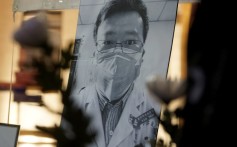
The letter mentioned the “crucial role” of doctors in detecting the outbreak in China, including “eight doctors who were wrongly accused of spreading ‘fake news’” – a reference to a group that included Li Wenliang, the doctor hailed as a whistle-blower who later succumbed to the disease.
WHO head warns ‘time is of the essence’ in limiting coronavirus spread
13 Feb 2020
“There are lessons the global health community can and should learn and act on so that we can better respond to the next EZV (emerging zoonotic virus) event, which is almost certain to happen again. These lessons are definitely not unique to China,” they wrote.
Two of the letter’s authors sit on the committee that provides the World Health Organisation (WHO) advice about when to declare a public health emergency of international concern – a status given to the coronavirus on January 30.
Hubei reports 94 new deaths
Health authorities in Hubei reported 94 new deaths attributable to the contagion on Tuesday and 1,638 newly confirmed cases, taking the province’s totals to 1,068 and 33,366 respectively. They had reported 103 fatalities and 2,097 newly confirmed cases a day earlier.
Coronavirus illness is named Covid-19 as hopes rise that cases may peak soon
13 Feb 2020
Some 1,104 of the new cases announced were confirmed in Wuhan, where the virus is believed to have originated at a seafood and meat market.
The figures from Hubei on Tuesday showed the province’s lowest number of new cases in a day since the beginning of February, and the first time it had reported fewer than 2,000 new cases in a day since February 2.
China disinfects entire cities to fight coronavirus outbreak, some twice a day
Disease can spread faster than Sars: WHO
Michael Ryan, the WHO’s head of emergency programmes, said on Tuesday in Geneva that the disease caused by the coronavirus – now officially named Covid-19 by the WHO – had the potential to spread faster than either the Ebola or Sars viruses. Earlier this week, Covid-19 exceeded the Sars outbreak of 2002-03 in terms of deaths attributed to it.
Transmission methods have been shown to include human-to-human contact, and the incubation period is believed to be up to 14 days.
In recent days, epidemiologists have said that the contagion may also spread through “aerosol transmission” – when tiny particles or droplets of the virus suspended in the air are inhaled.
At least 500 Wuhan medical staff infected with coronavirus
13 Feb 2020
Others indicated that transmissions were possible from patients who showed mild or no symptoms.
WHO officials said on Tuesday that the agency had also activated a UN crisis management team to better assess and mitigate the outbreak’s economic implications.
Petition calls for freedom of speech
Hundreds of Chinese, led by academics, have signed an online petition calling on the national legislature to protect citizens’ right to freedom of speech, amid growing public discontent over the handling of the coronavirus outbreak.
It also follows a massive outpouring of grief and anger over the death of Wuhan-based Dr Li Wenliang.
Coronavirus: hundreds in China sign petition calling for free speech
13 Feb 2020
The petition is gaining momentum online, but some of the signatories and other rights activists have already come under pressure. Addressed to the National People’s Congress (NPC), it lists five demands for Beijing.
The demands are: to protect people’s right to freedom of expression; to discuss the issue at NPC meetings; to make February 6, the day Li died, a national day for free speech; to ensure no one is punished, threatened, interrogated, censored or locked up for their speech, civil assembly, letters or communication; and to give equitable treatment, such as medical care, to people from Wuhan and Hubei province. Many have reported experiencing discrimination elsewhere in the country.
“I am so proud of him,” China’s top medical expert Zhong Nanshan mourns whistle-blower doctor’s dea
US repeats concern over China’s purchases
The outbreak could have an impact on China’s commitment to buy more US agricultural products this year under the US-China phase one trade deal, White House national security adviser Robert O’Brien said on Tuesday.
“We expect the phase one deal will allow China to import more food and open those markets to American farmers, but certainly, as we watch this coronavirus outbreak unfold in China, it could have an impact on how big – at least in this current year – the purchases are,” O’Brien told an event at the Atlantic Council, a Washington think tank.
‘No US doctors in China’
O’Brien said there were no American doctors on the ground in China so far, despite US offers to help fight the outbreak.
“We’ve offered the Chinese the opportunity to have American doctors … and other experts come to China to help them. That offer has not been accepted at this point but that is an outstanding offer,” he said.
Coronavirus outbreak exposes fallacy of the phase-one trade deal
11 Feb 2020
But US officials said on Monday that China had agreed to allow American health experts into the country.
“China has accepted the United States’ offer to incorporate a group of experts into a WHO mission to China to learn more about and combat the virus,” White House spokesman Judd Deere said.
In a tweet on Monday, WHO director general Tedros Adhanom Ghebreyesus said an advance team of WHO experts had arrived in China to “lay the groundwork for the larger international team”.
Tibet’s only patient cured
The only Covid-19 patient in Tibet was cured and discharged from hospital on Wednesday afternoon, People’s Daily reported, citing the patient’s doctor at the Third People’s Hospital of Tibet.
The patient, a 34-year-old man from Suizhou, Hubei province, spent three days on a train before reaching Lhasa on January 24. He sought medical treatment a day later and was isolated for treatment, before being confirmed as being infected on January 29.
US to test antiviral drugs in hopes of combating coronavirus
13 Feb 2020
The man tested negative for the virus on Sunday and Tuesday, and CAT scans and clinical symptoms showed he had been cured. He left Tibet by train on Wednesday afternoon, according to thePeople’s Daily report.
Iran denies report of Covid-19 death
Iran’s health ministry has denied a report that an Iranian woman has died of a suspected coronavirus infection.
The state daily newspaper Iran reported on Wednesday that a 63-year-old woman had died in a Tehran hospital on Monday and that an investigation had been ordered into the cause of her death. No sources were cited in the report.
A spokesman for Iran’s health ministry denied the report. “There have been no cases of coronavirus in Iran,” he said.
Iranian health authorities have repeatedly said there were no confirmed cases of coronavirus in the country.
Exams under threat
Chinese authorities are considering whether to postpone the country’s college entrance exams, due to take place in June.
“Those responsible for arranging college entrance exams need to put the lives and health of candidates and testing staff first,” Wang Hui, a Ministry of Education official, said at a press briefing on Wednesday. “We will closely monitor the development of the outbreak, evaluate the possible impact on the exams and carefully formulate a plan.”
The leaders agreed to set up a mechanism to boost economic ties and tackle India’s trade deficit with China after their second informal summit
As 2020 is the 70th anniversary of diplomatic ties between both countries, India and China will hold 70 events next year to promote relations
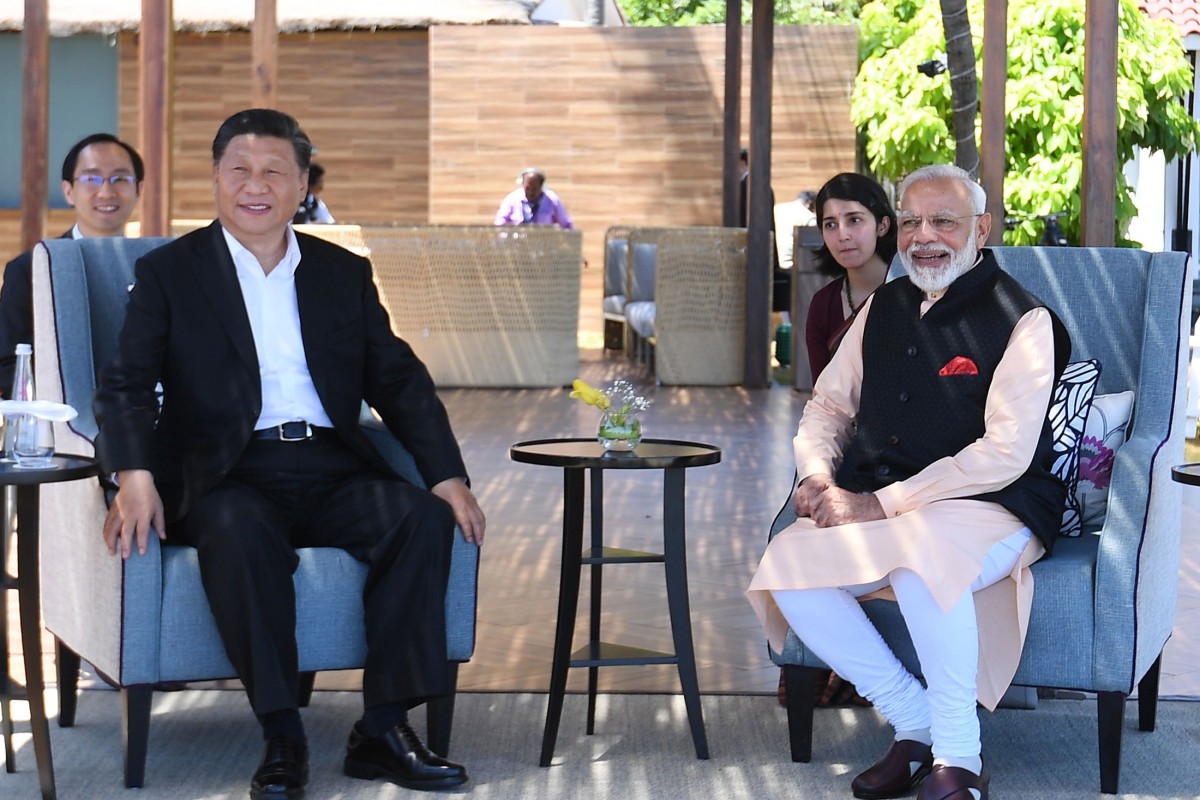
Indian Prime Minister Narendra Modi and Chinese President Xi Jinping during their meeting in Mamallapuram, Chennai. Photo: EPA
Chinese President Xi Jinping and Indian Prime Minster Narendra Modi concluded their second informal summit on Saturday by pledging to overcome trade differences and appreciate “each other’s autonomous foreign policies”, signalling an effort to focus on mutual interests rather than on long-standing contentious issues.
Modi remarked that both sides had agreed to be “sensitive” to each other’s concerns and not let differences escalate into disputes, while Xi called for communication to “alleviate suspicions” and for India and China to enhance strategic mutual trust, according to state news broadcaster CCTV.
Their desire to look beyond irritants in diplomatic ties, including a decades-long border row and China’s close military ties with India’s arch rival, Pakistan, comes as Beijing is embroiled in a tariff war with Washington that has rocked the global economy.
In a sign of China’s willingness to address India’s trade deficit with it, the leaders agreed to launch a “High Level Economic and Trade Dialogue”.
As Xi meets Modi, Chinese in Chennai hope to witness the ‘Wuhan spirit’
Chinese Vice-Premier Hu Chunhua and Indian Finance Minister Nirmala Sitharaman will meet regularly to discuss ways to boost two-way trade and investments, Indian foreign secretary Vijay Gokhale said in a media briefing.
India has a US$53 billion trade deficit with China, which makes up almost a third of its total trade deficit. It is also facing pressure to decide if it will commit to the China-led
(RCEP), which aims to create the world’s largest trading bloc involving 16 countries before the end of the year.
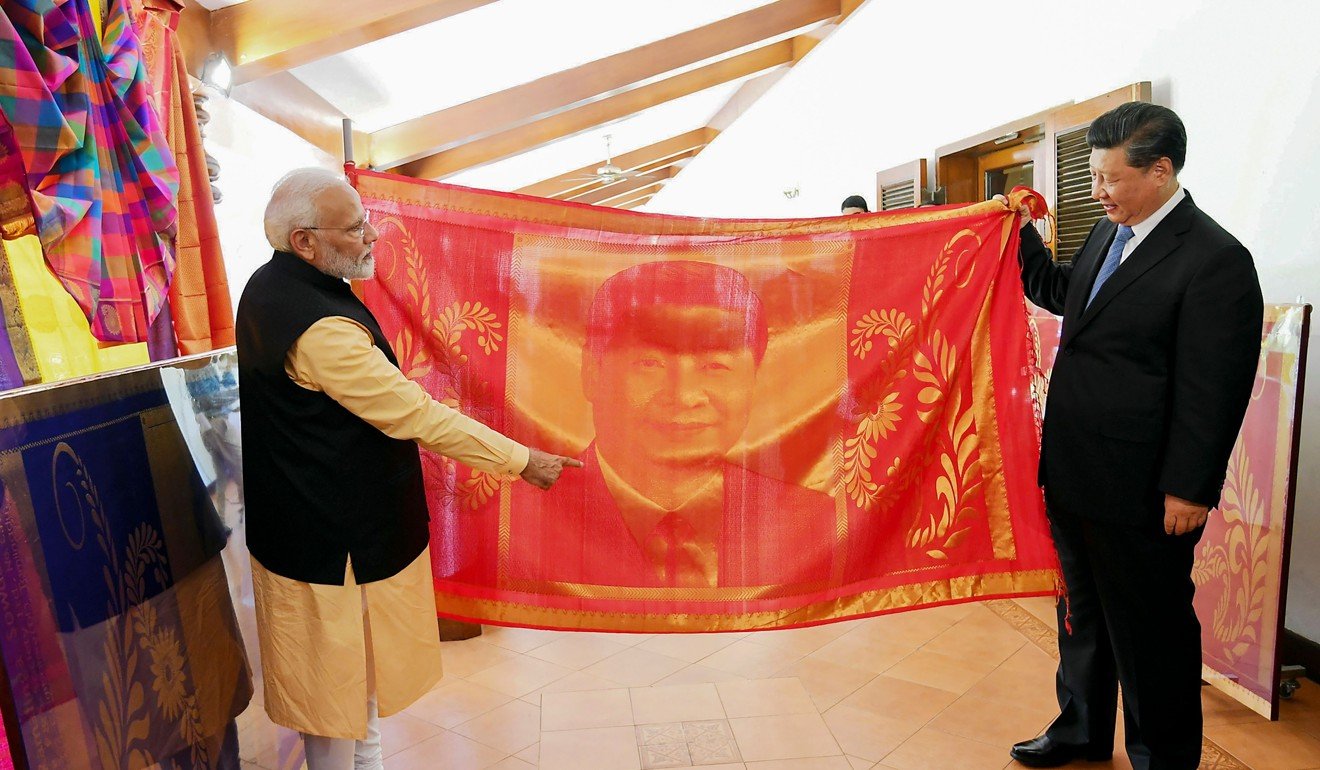
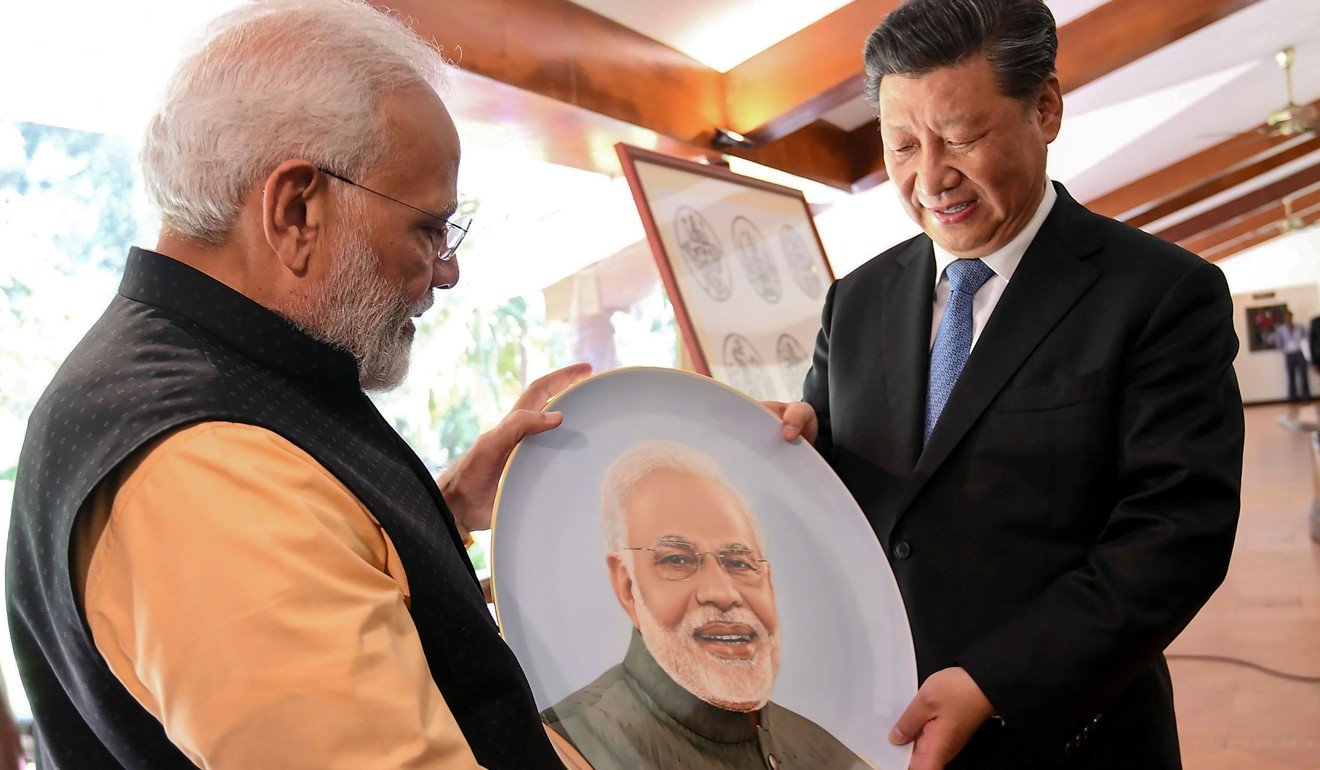
Narendra Modi exchanges gifts with Xi Jinping. Photo: AFP
Negotiations are ongoing with talks taking place in Bangkok this week, but India’s domestic producers have opposed the agreement over fears of a flood of Chinese imports. On Friday, the Indian government rejected clauses in the agreement related to e-commerce, according to reports.
Gokhale told the media briefing that both leaders, who met in the coastal town of Mamallapuram about 50km away from Chennai, briefly discussed the RCEP.
“PM Modi said India was looking forward to the RCEP but it is important that RCEP is balanced, that a balance is maintained in trade in goods, trade in services and investments,” he said, adding that Xi agreed to further discussions of India’s concerns on the issue.
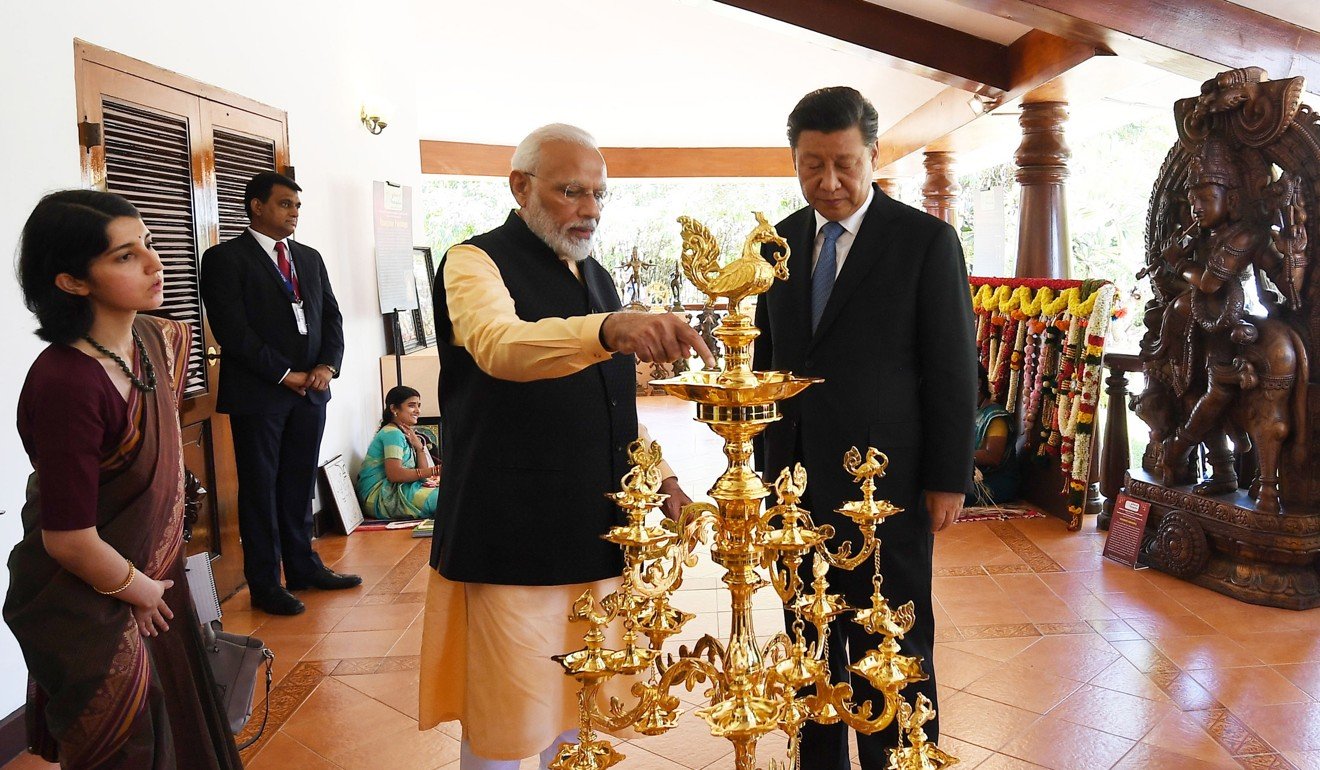
Narendra Modi with Xi Jinping in Mamallapuram. Photo: EPA
CCTV said Xi had six suggestions for how China and India could further improve ties, including assessing each other correctly and stepping up cooperation between their militaries. Besides economic and trade dialogue, China welcomed Indian pharmaceutical and IT companies to invest there, he said.
“We should look at disputes with a correct mind, and not let disputes affect cooperation.
“Both sides should properly and fairly get a solution for border disputes that are acceptable to each other … [and] cautiously handle each other’s core interests, and take proper measures to control issues that cannot be resolved immediately,” the president reportedly said.
Gokhale told reporters that both countries had agreed to pursue, through special representatives, an ongoing dialogue on their disputed border. China and India have held more than 20 rounds of talks to resolve their boundary dispute, over which they went to war in 1962. Different mechanisms have been set up to maintain peace along the 4,000-kilometre (2,485-mile) so-called Line of Actual Control.
Xi and Modi bank on chemistry as they talk trade and terrorism
Gokhale confirmed that the leaders – who met for a total of seven hours over Friday and Saturday, with the bulk of their time spent in one-on-one talks – did not discuss
has lobbied its allies – including its all-weather friend China – to support its opposition to the move. New Delhi had reacted sharply to Beijing’s move to take the matter to the United Nations, insisting that it was a purely bilateral issue. Two days before the summit, Xi had hosted Pakistan Prime Minister Imran Khan and had assured him of China’s support on all core issues, a statement that had irked India.
Gokhale said both leaders “emphasised the importance of having independent and autonomous foreign policies”.
“President Xi said that the two countries needed to have more extensive dialogue in order to understand each other’s perspectives on major global and regional issues,” he added.
Narendra Modi exchanges gifts with Xi Jinping. Photo: AFP
The leaders also discussed terrorism, with a statement issued later by New Delhi saying both sides would make efforts to ensure the international community strengthened its framework “against training, financing and supporting terrorist groups throughout the world and on a non-discriminatory basis”.
The China-led multilateral Financial Action Task Force, which has been investigating Pakistan’s efforts to stamp out the financing of terrorism, is expected to decide soon if it would add Islamabad to its blacklist along with Iran and North Korea, a move that could invite stringent economic sanctions and drive away international financial institutions, both of which could affect Pakistan’s already-indebted economy adversely.
Gokhale added that as 2020 is the 70th anniversary of diplomatic ties between both countries, India and China will hold 70 events next year to promote people-to-people ties, with Modi accepting an invitation by Xi for the next informal summit to be held in China.
Both leaders had struck positive notes on the summit – with Xi describing their discussions as “candid” and between friends and Modi hailing the “Chennai Connect” meeting as marking a new era of cooperation between both countries.
War games, Kashmir and a US$57b question: the issues as Xi meets Modi
But analysts said they would be looking to see how the newly-announced high-level mechanism on trade panned out.
Narayani Basu, a New Delhi-based author, foreign policy analyst and China watcher felt the summit had achieved its purpose of bagging small wins for both sides.
“Discussing contentious issues would have defeated the purpose of the summit. The idea behind such a summit must be that despite the overarching posturing on different divergent issues, the two countries can achieve the easily-achievable wins. That is what the summit seems to have tried doing.”
But in terms of actual outcomes, she said she remained sceptical.
“I don’t think there has been much progress in the ties between the two countries since the last summit in Wuhan. Hence, this time, there is a lot more caution and scepticism towards such a summit,” she said, referring to the first summit last year in the Chinese city of Wuhan.
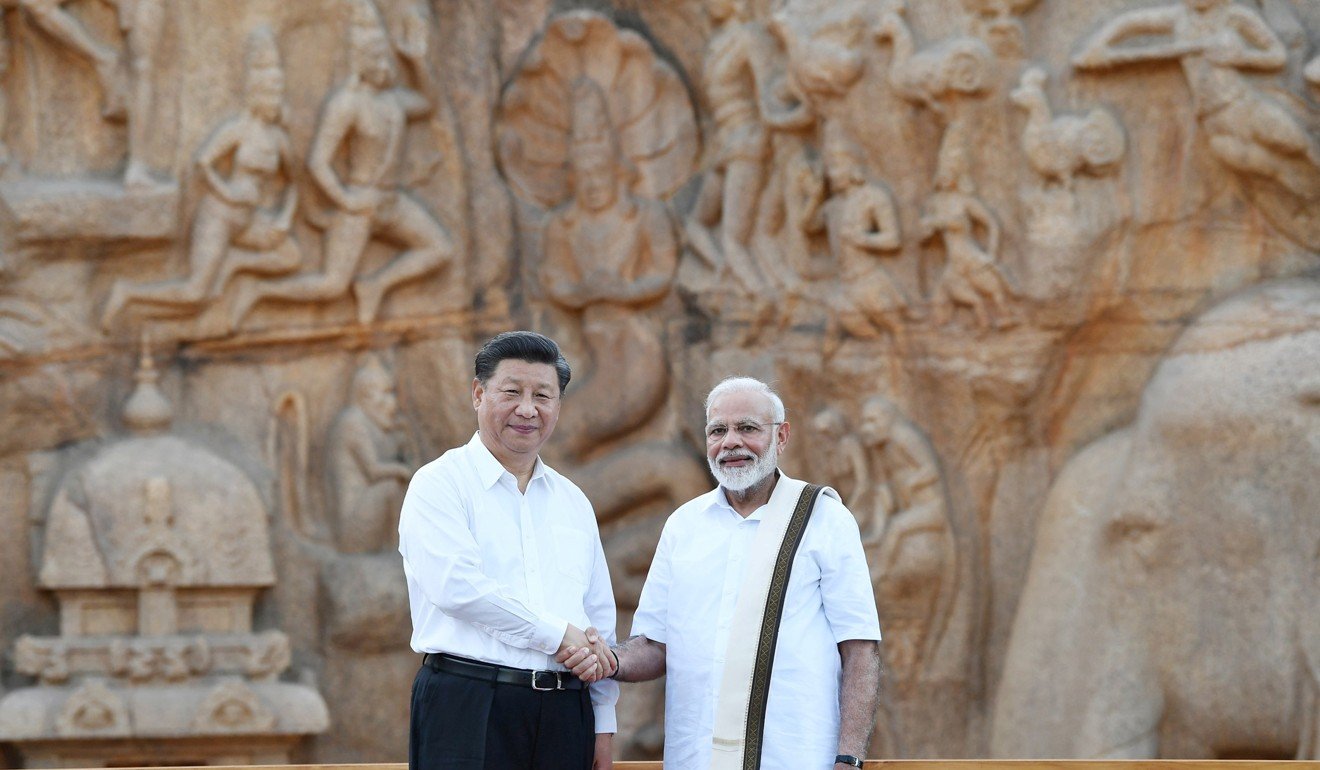
During Xi’s visit to southern India, which lasted 24 hours in all, Modi took him on a personal tour of temple monuments dating back to the seventh and eighth century in Mamallapuram when regional leaders had trade ties with Chinese provinces. He was also shown local artisan handicrafts and art forms, and gifted a handwoven silk portrait, a lamp and a painting.
Xi gave Modi a porcelain plate with the image of the prime minister’s face printed on it.
Xi Jinping with Narendra Modi in Mamallapuram. Photo: Reuters
On Friday, New Delhi announced that visa rules for Chinese nationals visiting India would be relaxed, with multiple-entry visas with a validity period of five years available from this month onwards. At present, most visas are single-entry and usually for between 30 and 60 days. Visa fees would also be reduced, the government said, with the multiple-entry visa costing US$80.
This was aimed at further enhancing “people-to-people exchanges between the two countries and [encouraging] more Chinese tourists to choose India as a destination for tourism purposes,” it said in a statement.
Xi left Chennai on Saturday afternoon and arrived in Nepal, which lies in between India and China. He will be the first Chinese president to visit Nepal in 22 years and is expected to sign a slew of deals with Nepal’s Prime Minister K.P. Sharma Oli, including the planned extension of the rail link from remote, mountainous Tibet to Nepal’s capital, Kathmandu.
The link will be part of Beijing’s ambitious infrastructure project to boost trade, the
More than 120 countries have signed on to the BRI, including Pakistan, where a series of projects worth US$46 billion are being constructed under the China-Pakistan Economic Corridor (CPEC). India has snubbed the BRI and questioned the transparency of funding agreements.
The trip comes amid growing resistance from European leaders over what they see as China’s failure to change long-term practices unfair to foreign investors
French President’s trip to Beijing follows Chinese leader’s visit to France in March
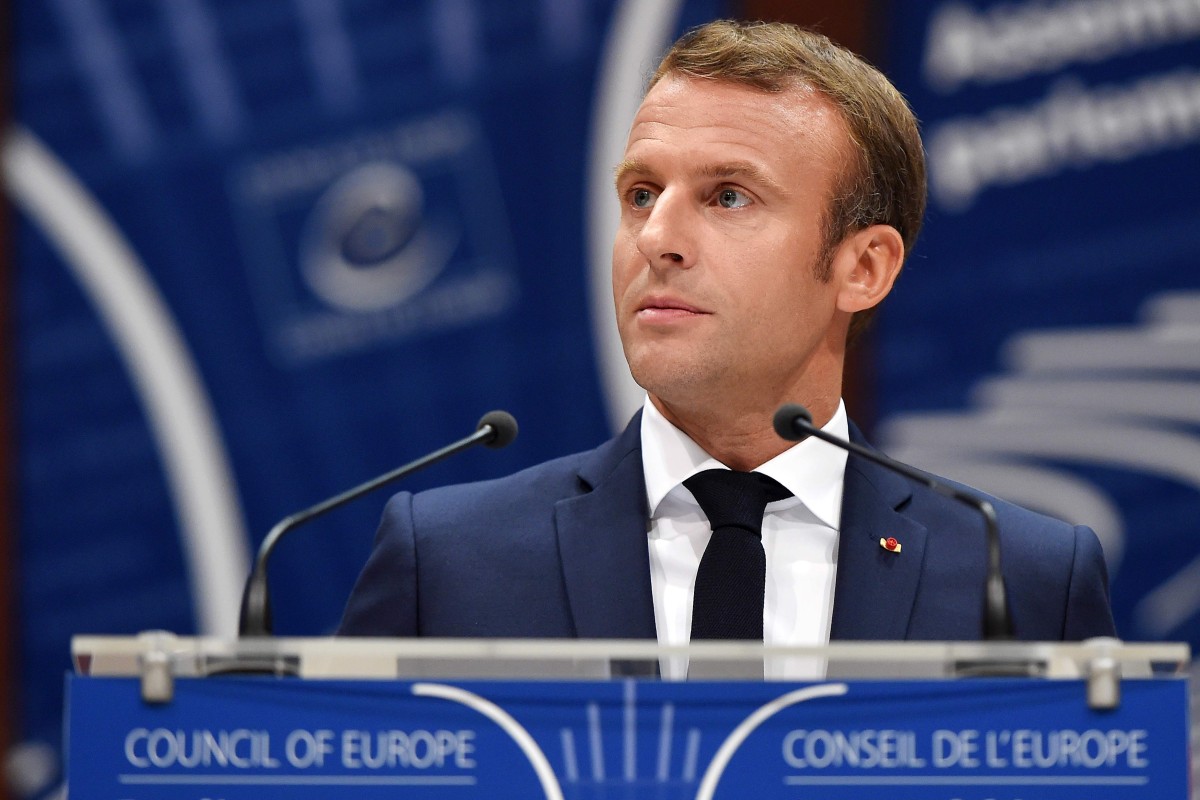
President Emmanuel Macron of France speaks to the Council of Europe parliamentary assembly on Tuesday. Photo: AFP
French President Emmanuel Macron will visit China next month as Europe’s most diplomatically active leader focuses on climate change cooperation and trade promotion with Asia’s leading power, a source briefed on the Elysee Palace’s discussions said.
This will be the second Chinese tour for Macron since he took office in 2017, and it will come amid escalating resistance from European politicians and business communities over what they see as China’s failure to change long-standing practices unfair to foreign investors.
His visit also comes at a time when France – as well as the European Union as a whole – is bracing for Washington’s potential levies of tariffs on European products, and the lack of progress on climate change policies with US President Donald Trump’s administration.
“President Macron will meet President Xi [Jinping], while France strives for better cooperation with China on climate and trade,” the source said. “His itinerary is still in the pipeline, but he is expected to visit Beijing and Shanghai.”
Macron, 41, who is widely seen as emerging as Europe’s most aggressive leader filling the political vacuum left by German Chancellor Angela Merkel’s political twilight, has cast himself as an honest broker between Russia and Ukraine, and between the US and Iran.
He has also been critical of China’s influence in Europe, joining forces with Merkel to push for a tougher EU stance on the world’s second biggest economy.
In March, when Xi claimed a major diplomatic victory by clinching a memorandum of understanding with Italy on the Belt and Road Initiative, Macron declared: “The time of European naivety is ended. For many years we had an uncoordinated approach and China took advantage of our divisions.”
Macron also backed investment screening mechanisms for Chinese business moves in Europe, while endorsing plans to change the EU’s notoriously strict antitrust rules in order to facilitate mergers between large European groups and companies to counter Chinese companies’ global ambitions.
Macron urges Iran and US to show ‘courage of building peace’
The EU is also wary of China’s effort to “divide and rule” the European Union. Greece and Hungary – both recipients of large amounts of Chinese investments – have repeatedly wanted to water down EU’s stance on issues deemed sensitive to Beijing, including the South China Sea and China’s human rights violations.
“It would be good [for Macron] to stress that 17+1 is irritating,” said Joerg Wuttke, president of EU Chamber of Commerce in China, in reference to China’s engagement with a group of EU and non-EU member states in eastern and southeastern Europe.
“After all, the EU has a ‘one China’ policy, [so] EU could expect this position from China too.”
Macron’s domestic call for EU unity has translated into diplomatic appeals, with China being one of the targets.
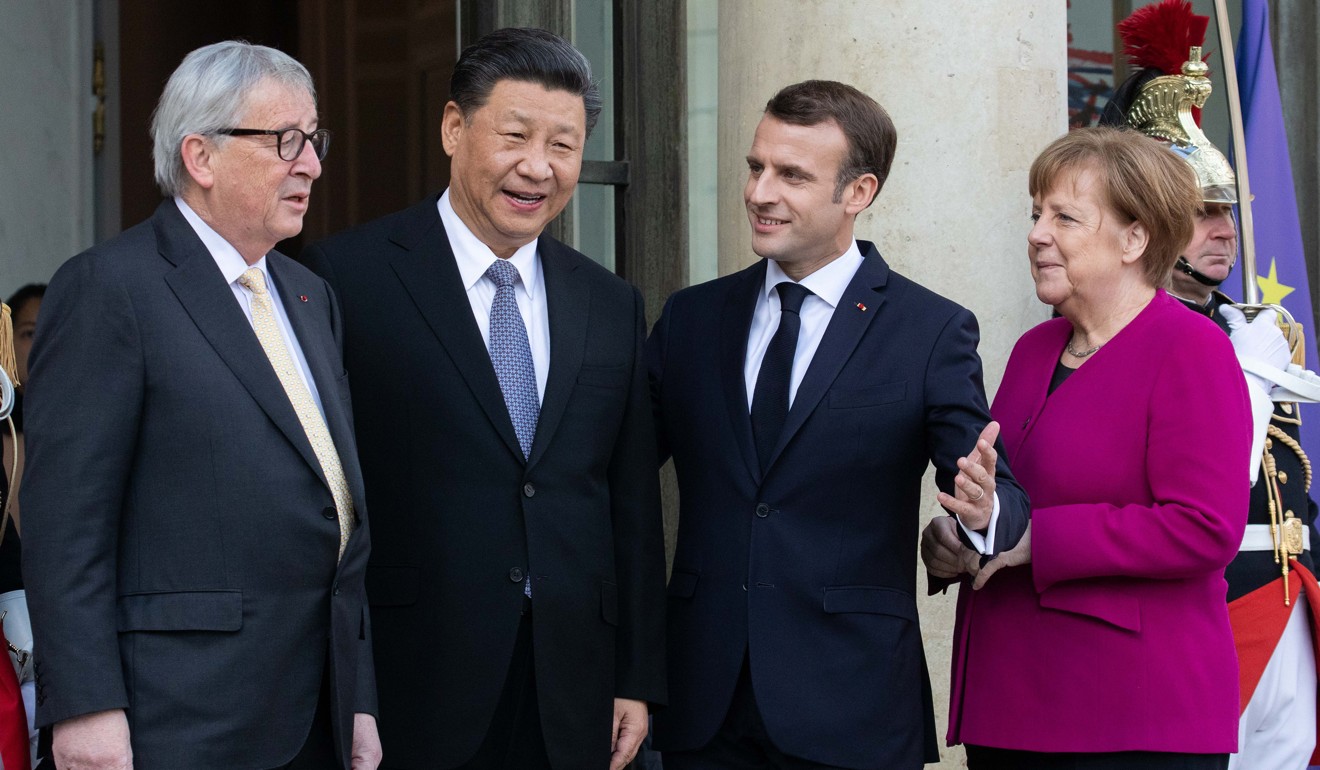
(From left) Jean-Claude Juncker, president of the European Commission; Xi Jinping, China’s leader; Emmanuel Macron, France’s president; and Angela Merkel, Germany’s chancellor, ahead of a meeting in Paris on March 26. Photo: Christophe Morin/Bloomberg
When Xi visited France in March, Macron hosted him at the Elysee Palace in the presence of Merkel and European Commission President Jean-Claude Juncker, showcasing European solidarity when it comes to EU-China policies.
In terms of French-Chinese bilateral ties, trade imbalances have persisted after Macron called for a “rebalancing” during his last visit.
France has a 1.4 per cent market share in China, compared with China’s 9 per cent market share in France. China represents France’s largest bilateral trade deficit, totalling €US$29.2 billion (US$31.9 billion) last year, ahead of Germany.
The EU has been calling for reciprocal investment treatment with China, a call that European business leaders in China expect Macron to make.
France bids farewell to late president Jacques Chirac
“We [Europe] need … a solid investment agreement to allow EU business to conduct their affairs in a similar manner as Chinese companies can operate in Europe. The agreement should be finalised in 2020, but not at all cost,” said Wuttke.
“The last thing EU business needs in China is a weak agreement that institutionalises imbalances,” he added.
Part of that involves building “more efficient defensive tools to prevent abusive technology transfers and to address the deep asymmetry in EU-China relations when it comes to access to public procurement markets,” said Mathieu Duchâtel, director of Asia programme at the Paris-based think tank Institut Montaigne.
Duchâtel added that it was also important to convey the message to Beijing that there are areas for cooperation even amid a more defensive China policy from France.
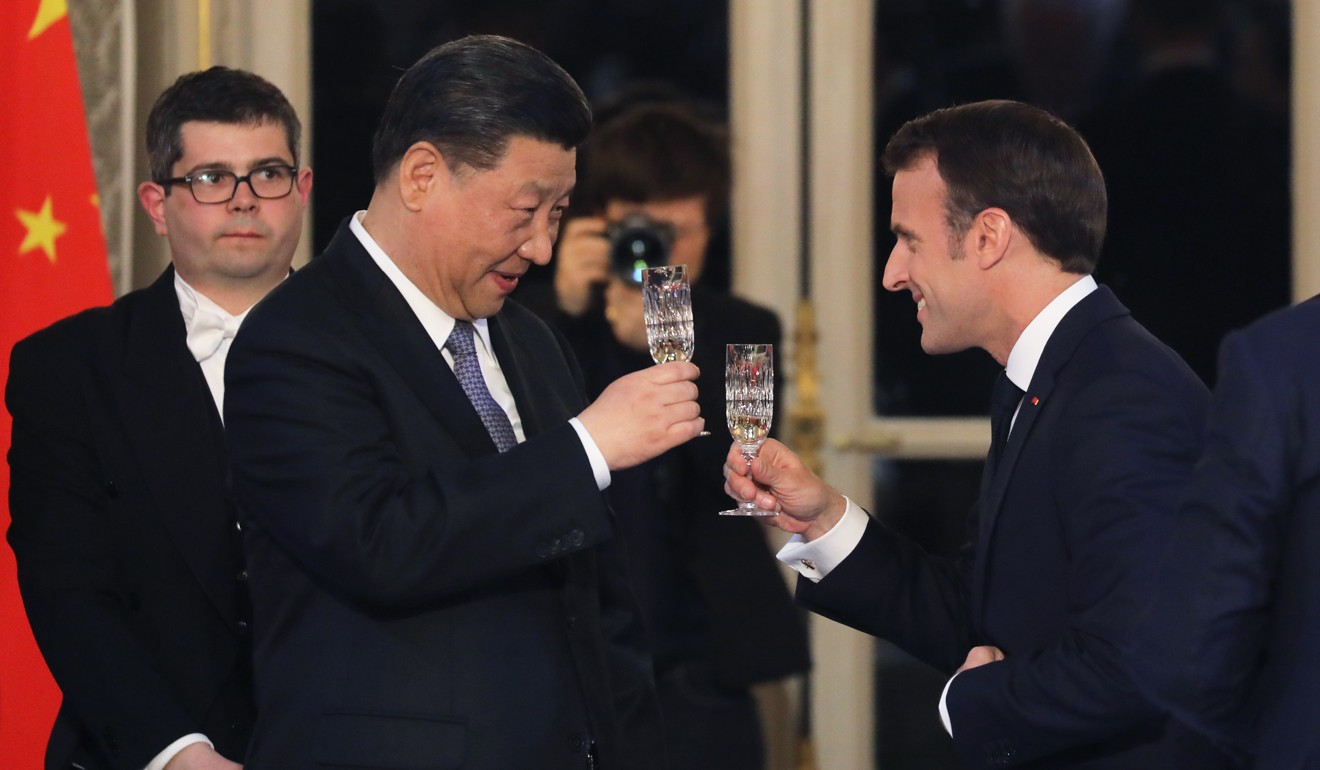
Chinese President Xi Jinping and French leader Emmanuel Macron toast raise a toast during a state dinner in Paris on March 25. Photo: EPA-EFE
One such area is the climate and environment, where China is “an important partner” for France to reach its goal of global carbon neutrality by 2050, he said.
“The energy/environment agenda is a political priority in Paris and one of very few issues on which cooperation with China remains promising and will continue to create business opportunities,” he said.
China is the world’s biggest carbon polluter, producing around 30 per cent of the planet’s man-made carbon dioxide. It remains committed to the 2015 Paris accord on climate change, even after Trump pulled the US out of the deal.
Under the agreement, the long-term temperature goal is to keep the increase in global average temperature to well below 2°C above pre-industrial levels, and to pursue efforts to limit the increase to 1.5°C.
Chinese State Councilor and Foreign Minister Wang Yi (R) meets with Pakistani Prime Minister Imran Khan on the sidelines of the United Nations General Assembly high-level week, at the UN headquarters in New York, on Sept. 23, 2019. (Xinhua/Han Fang)
UNITED NATIONS, Sept. 23 (Xinhua) — Chinese State Councilor and Foreign Minister Wang Yi on Monday said China and Pakistan hold all-weather strategic cooperative partnership and the friendship between the two countries is unbreakable.
Meeting with Pakistani Prime Minister Imran Khan on the sidelines of the UN General Assembly high-level week, Wang said the two countries have always enjoyed mutual trust, mutual understanding and mutual support.
He said China will continue to support Pakistan’s efforts to uphold its territorial sovereignty and national dignity. China-Pakistan cooperation has contributed significantly to Pakistan’s national development and improvement of its people’s livelihood.
Wang added that the two sides should work together to build the China-Pakistan Economic Corridor (CPEC) into a model for high-quality development projects under the Belt and Road Initiative.
Khan, for his part, said Pakistan will firmly push forward the transformation and upgrading of the CPEC and continue to make every effort to ensure the safety of Chinese projects, enterprises and personnel in Pakistan.
He said that Pakistan and China are close friends, and Pakistan thanks the Chinese government and people for standing firmly with the Pakistani people in the most difficult time.
He added that China’s support and assistance are of great significance to Pakistan’s national security and development.
Pakistan will spare no effort in maintaining bilateral friendship and will not allow any external forces to interfere in or sabotage the development of bilateral relations.
Khan introduced Pakistan’s views on the current situation in Kashmir. Wang reiterated China’s principled position on the issue.
The two sides also exchanged views on Afghanistan, Iran and other issues.


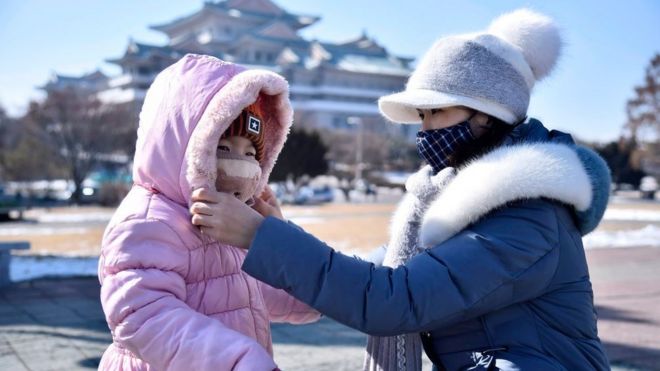 Image copyright GETTY IMAGES
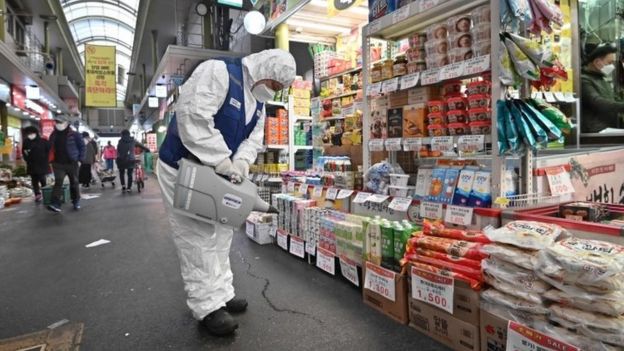 Image copyright AFP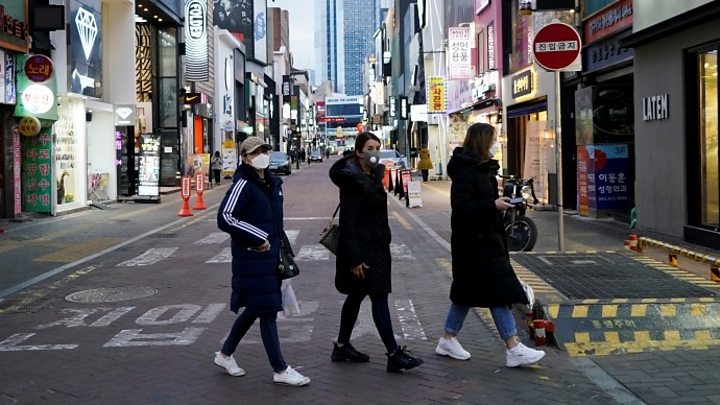








 CHINDIA ALERT: You'll be living in their world, very soon