Chindia Alert: You’ll be Living in their World Very Soon
aims to alert you to the threats and opportunities that China and India present. China and India require serious attention; case of ‘hidden dragon and crouching tiger’.
Without this attention, governments, businesses and, indeed, individuals may find themselves at a great disadvantage sooner rather than later.
The POSTs (front webpages) are mainly 'cuttings' from reliable sources, updated continuously.
The PAGEs (see Tabs, above) attempt to make the information more meaningful by putting some structure to the information we have researched and assembled since 2006.
Image copyright GETTY IMAGESImage caption An empty stretch of the road and Delhi Police barricades to screen commuters during lockdown, at Delhi Gate on April 16, 2020 in New Delhi, India.
India has eased some restrictions imposed as part of a nationwide lockdown to curb the spread of the coronavirus.
Most of the new measures are targeted at easing pressure on farming, which employs more than half the nation’s workforce.
Allowing farms to operate again has been seen as essential to avoid food shortages.
But some other measures announced last week, will not be implemented.
This includes the delivery of non-essential items such as mobile phones, computers, and refrigerators by e-commerce firms – the government reversed its decision on that on Sunday.
And none of the restrictions will be lifted in areas that are still considered “hotspots” for the virus – this includes all major Indian cities.
Domestic and international flights and inter-state travel will also remain suspended.
So what restrictions are being eased?
Most of the new measures target agricultural businesses – farming, fisheries and plantations. This will allow crops to be harvested and daily-wagers and others working in these sectors to continue earning.
To restore the supply chain in these industries, cargo trucks will also be allowed to operate across state borders to transport produce from villages to the cities.
Essential public works programmes – such as building roads and water lines in rural areas – will also reopen, but under strict instructions to follow social distancing norms. These are a huge source of employment for hundreds of thousands of daily-wage earners, and farmers looking to supplement their income.
Banks, ATMs, hospitals, clinics, pharmacies and government offices will remain open. And the self-employed – such as plumbers, electricians and carpenters – will also be allowed to work.
Some public and even private workplaces have been permitted to open in areas that are not considered hotspots.
But all businesses and services that reopen are expected to follow social distancing norms.
Who decides what to reopen?
State governments will decide where restrictions can be eased. And several state chief ministers, including Delhi’s Arvind Kejriwal, have said that none of the restrictions will be lifted in their regions.
Mr Kejriwal said the situation in the national capital was still serious and the decision would be reviewed after one week.
India’s most populous state, Uttar Pradesh, will also see all restrictions in place, as will the southern states of Andhra Pradesh, Telangana and Karnataka.
The southern state of Kerala, which has been widely acknowledged for its success in dealing with the virus, has announced a significant easing of the lockdown in areas that it has demarcated as “green” zones.
This includes allowing private vehicular movement and dine-in services at restaurants, with social distancing norms in place. However, it’s implementing what is known as an “odd-even” scheme – private cars with even and odd number plates will be allowed only on alternate days, to limit the number of people on the road.
Authorities in Yunnan limit land and river ports to cargo traffic, locking down border communities
Province on alert for imported cases of Covid-19
Yunnan is on alert for imported cases of the coronavirus. Photo: Xinhua
The southwestern province of Yunnan has banned Chinese citizens from leaving the country via its more than 30 land and river ports to stop the spread of the coronavirus epidemic through returning nationals.
Yunnan, which borders Vietnam, Laos and Myanmar, had restricted its 19 land ports and 14 river ports to cargo, the provincial government said on Tuesday.
The authorities said that from Tuesday night, all departures by Chinese citizens via the checkpoints would be suspended, with exemptions granted for approved foreign aid, technical support or emergency medical workers.
on Saturday. But non-Chinese residents of border areas who have permits to cross into Yunnan could still enter the province, according to a previous report by China News Service.
Those permit holders can still cross into Yunnan but will be discouraged from doing so. Under the new restrictions, they will need to test negative for two nucleic acid tests and one antibody test before being put in seven days of centralised isolation and another seven days of home isolation, all at their own expense.
Coronavirus: Decoding Covid-19
Residents in border cities and counties will be restricted to the village and community level to prevent entry and exit of outsiders. They would also be encouraged to report illegal immigrants, the government said.
Yunnan, which recorded 174 local coronavirus cases including two deaths, said all patients in its initial wave were discharged by March 14. The province is now on alert for imported cases, with eight patients who travelled to the province from overseas being treated as of Tuesday.
Xiao Xian, a professor of international relations from Yunnan University, said some permit holders could be deterred from crossing into Yunnan by the cost of tests and quarantine.
Xiao also said that banning Chinese citizens from crossing the border would affect border trade and tourism, but it was necessary to stop transmission of the coronavirus.
“The need to prevent the spread of an infectious disease outweighs trade and tourism. It is understandable since it is the country’s top priority now,” Xiao said.
BEIJING, March 27 (Xinhua) — China’s central bank has pledged to improve its macro-economic control to limit the fallout of the novel coronavirus disease (COVID-19) outbreak and better shore up its economy.
The impacts of the epidemic on China’s economy were generally controllable, the People’s Bank of China (PBOC) said in a statement published Friday after a regular meeting of its monetary policy committee, adding that the country’s economy has maintained strong resilience and its economic fundamentals for long-term sound growth has remained unchanged.
In addition to strengthening international macro-economic policy coordination, China will also take innovative approach to improve its macro-economic regulation and pursue a prudent monetary policy with more moderate flexibility, the meeting decided.
“Though the outbreak was basically curbed in the country and production resumption picked up pace, our containment efforts and economic growth face new challenges arising from intensifying downward economic pressure and the virus-hit global economy,” the central bank said.
The PBOC also vowed to utilize multiple policy tools to maintain market liquidity at a reasonably ample level and keep prices stable, while guiding financial institutions to enhance credit support for production resumption, agricultural production, poverty relief and other key areas.
Financial supply-side structural reform will be advanced to establish a modern financial system featuring high adaptability, competitiveness and inclusiveness, the central bank said.
It will further smooth the transmission mechanism of monetary policies and cut the real interest rate of loans to beef up support for real economy, especially for micro and small enterprises and private firms.
The meeting also called more efforts to strengthen coordination among monetary, fiscal, employment and other policies and deepen market-oriented interest rate reform in a bid to buffer the economic blow from the ongoing epidemic outbreak.
BANGKOK (Reuters) – Thailand will temporarily suspend issuing visas on arrival to visitors from 19 countries and territories, including China, to contain the spread of the coronavirus, its interior minister said on Wednesday.
The suspensions were the latest measures imposed in the tourism-reliant Southeast Asian country, which has reported 59 cases of the virus and one death so far. Globally, over 113,000 people have been infected in over 100 countries.
“People from any country who want to come will need to apply for a visa with our embassies,” Minister of Interior Anupong Paochinda told reporters.
“Thai embassies everywhere will ensure that no sick people will travel to Thailand.”
Visa on Arrival (VoA) will be suspended for nationals of all 19 countries and territories previously eligible, including Bulgaria, Bhutan, China, Cyprus, Ethiopia, Fiji, Georgia, India, Kazakhstan, Malta, Mexico, Nauru, Papua New Guinea, Romania, Russia, Saudi Arabia, Taiwan, Uzbekistan, and Vanuatu, according to a list provided to reporters by the Ministry of Foreign Affairs.
However, Russian passport holders will not be affected by the suspension of the visa on arrival from Russia, as they can still travel to Thailand and stay for 30 days under a visa waiver agreement, an official at the ministry told Reuters.
Visa exemptions will be cancelled for South Korea, Italy and Hong Kong, Anupong said.
“These measures will solve the problem of foreigners arriving from risky zones,” he said.
Anupong said he would start the process immediately but it was not immediately clear when they will be effective.
Chatree Atchananant, director-general of the foreign ministry’s Consular Affairs Department, said visa applicants will need to present medical certificates and insurance as part of the screening at Thai embassies.
Last week, Thailand designated South Korea, China, Macao, Hong Kong, Italy and Iran as “dangerous communicable disease areas.”
Thai authorities urged people arriving from the six places to self-quarantine for 14 days.
BEIJING/SINGAPORE (Reuters) – China reported on Wednesday its smallest number of coronavirus cases since January, lending weight to a prediction by its top medical adviser for the outbreak to end by April, but a global infectious diseases expert warned of the spread elsewhere.
Financial markets took heart from the outlook of the Chinese official, epidemiologist Zhong Nanshan, who said on Tuesday the number of new cases was falling in some provinces, and forecast the epidemic would peak this month, even as the death toll in China rose to more than 1,100 people.
World stocks, which had seen rounds of sell-offs over the virus, surged to record highs on hopes of a peak in cases. The Dow industrials, S&P 500 and Nasdaq all hit new highs, and Asian shares nudged higher on Wednesday.
But the World Health Organization (WHO) has warned that the epidemic poses a global threat akin to terrorism and one expert coordinating its response said while the outbreak may be peaking at its epicentre in China, it was likely to spread elsewhere in the world, where it had just begun.
RELATED COVERAGE
Chess, squabbles aboard cruise ship cast away by coronavirus fears
Singapore’s DBS evacuates 300 staff after employee contracts coronavirus
See more stories
“It has spread to other places where it’s the beginning of the outbreak,” the official, Dale Fisher, head of the Global Outbreak Alert and Response Network coordinated by the WHO, said in an interview in Singapore.
“In Singapore, we are at the beginning of the outbreak.”
Singapore has reported 47 cases and worry about the spread is growing. Its biggest bank, DBS (DBSM.SI), evacuated 300 staff from its head office on Wednesday after a confirmed coronavirus case in the building.
Hundreds of cases have been reported in dozens of other countries and territories around the world, but only two people have died outside mainland China – one in Hong Kong and another in the Philippines.
WHO chief Tedros Adhanom Ghebreyesus said on Tuesday the world had to “wake up and consider this enemy virus as public enemy number one” and the first vaccine was 18 months away.
In China, total infections have hit 44,653, health officials said, including 2,015 new confirmed cases on Tuesday. That was the lowest daily rise in new cases since Jan. 30.
The number of deaths on the mainland rose by 97 to 1,113 by the end of Tuesday.
But doubts have been aired on social media about how reliable the figures are, after the government last week amended guidelines on the classification of cases.
‘STAY HOPEFUL’
The biggest cluster of cases outside China is aboard the Diamond Princess cruise ship quarantined off Japan’s port of Yokohama, with about 3,700 people on board. Japanese officials on Wednesday said 39 more people had tested positive for the virus, taking the total to 175.
One of the new cases was a quarantine officer.
Thailand said it was barring passengers from another cruise ship, MS Westerdam, from disembarking, the latest country to turn it away amid fears of the coronavirus, despite no confirmed infections on board.
“We try to stay hopeful,” American passenger Angela Jones told Reuters in a video recording. “But each day, that becomes a little bit more difficult, when country after country rejects us.”
Echoing the comparison with the fight against terrorism, China’s state news agency Xinhua said late on Tuesday the epidemic was a “battle that has no gunpowder smoke but must be won”.
The epidemic was a big test of China’s governance and capabilities and some officials were still “dropping the ball” in places where it was most severe, it said, adding: “This is a wake-up call.”
The government of Hubei, the central province at the outbreak’s epicentre, dismissed the provincial health commission’s Communist Party boss, state media said on Tuesday, amid mounting public anger over the crisis.
China’s censors had allowed criticism of local officials but have begun cracking down on reporting of the outbreak, issuing reprimands to tech firms that gave free rein to online speech, Chinese journalists said.
The pathogen has been named COVID-19 – CO for corona, VI for virus, D for disease and 19 for the year it emerged. It is suspected to have come from a market that illegally traded wildlife in Hubei’s capital of Wuhan in December.
The city of 11 million people remains under virtual lockdown as part of China’s unprecedented measures to seal infected regions and limit transmission routes.
Travel restrictions that have paralysed the world’s second-biggest economy have left Wuhan and other Chinese cities resembling ghost towns.
Even if the epidemic ends soon, it has taken a toll of China’s economy, with companies laying off workers and needing loans running into billions of dollars to stay afloat. Supply chains for makers of items from cars to smartphones have broken down.
ANZ Bank said China’s first-quarter growth would probably slow to 3.2% to 4.0%, down from a projection of 5.0%.
The likely slowdown in China could shave 0.1 to 0.2 percentage points off both euro zone and British growth this year, credit rating agency S&P Global estimated.
Managers of the Leshan Giant Buddha and Jiuzhaigou National Park restrict ticket sales as millions head off for the holiday break
Park authorities in charge of the Leshan Giant Buddha in Sichuan have restricted visitor numbers in golden week. Photo: Xinhua
Several major tourist attractions in China have capped visitor numbers during this year’s National Day “golden week” holiday as millions take the chance to travel.
October 1 marked the start of a week-long break on the mainland, with an estimated 800 million people expected to go on trips in China or overseas, about 10 per cent more than last year, according to the China Tourism Academy.
The academy estimated that 726 million people would take domestic trips in this peak holiday period – a 9.4 per cent increase from last year, but that is the lowest level of growth since 2007 as pressure from China’s slowing economy and the trade war with the United States take their toll.
Managers at the scenic area surrounding the Leshan Giant Buddha – a 71-metre (233 feet) tall ancient statue carved into a cliff in southwestern Sichuan province – said last week that daily tickets would be capped at 22,400 during the holiday, which runs until Monday.
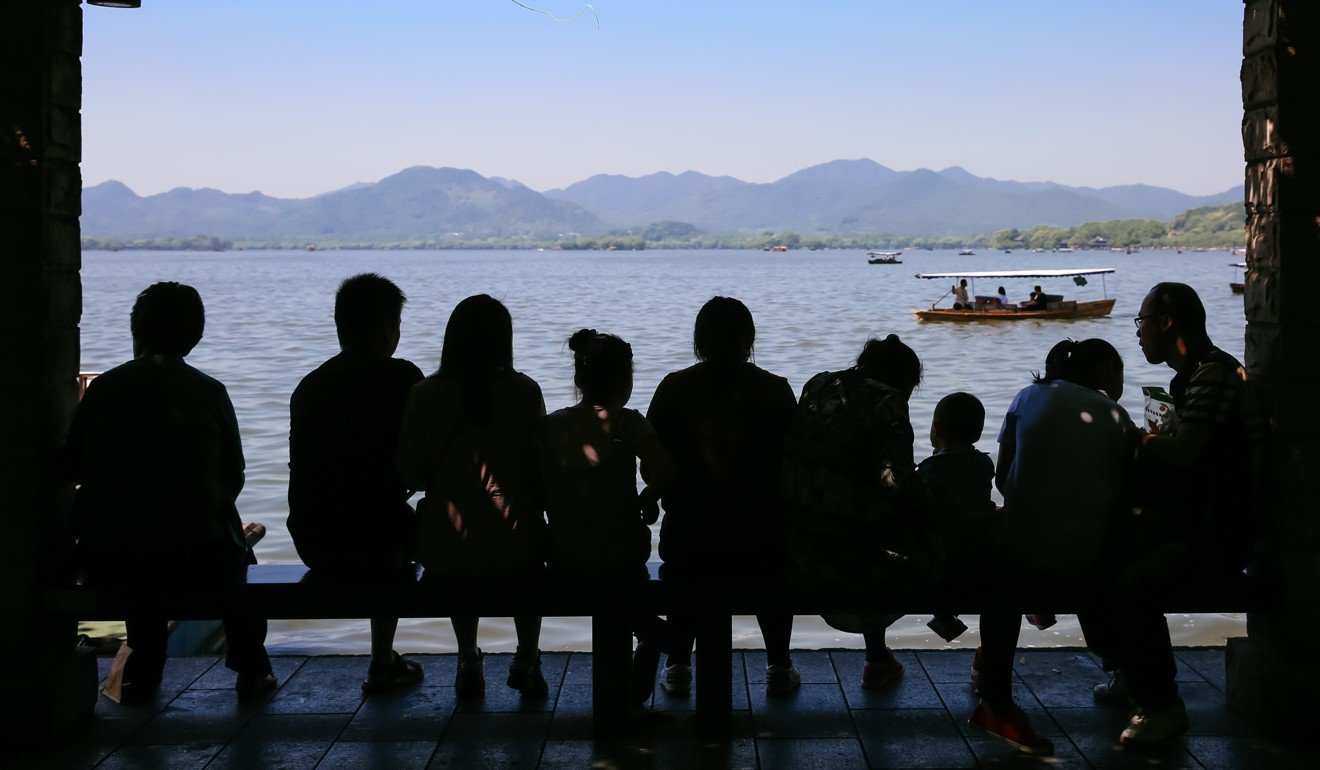
West Lake in Hangzhou, Zhejiang province, drew 300,400 visitors as golden week started. Photo: Xinhua
The park said it would update visitors on daily ticket sales through social media.
“Today’s tickets for the Giant Buddha have reached the limit and sales have stopped,” the park management committee said on its Weibo account on Tuesday. “To all tourists, please rearrange your itinerary. You can visit the areas surrounding the Giant Buddha scenic spot,” it said, adding that tickets could be booked online for any day for the rest of golden week.
“I expected it to be chock-full of people, but actually today it’s still relatively calm. I had lots of fun,” a visitor to the Giant Buddha told Pear Video on Tuesday.
Hong Kong protests leave ‘golden week’ tourist boom in tatters
Jiuzhaigou National Park in Sichuan said last week that it would be limiting visitors to 5,000 per day during golden week and said on Monday that tickets had sold out.
The network of valleys known for its natural scenery was devastated by an earthquake in August 2017, and reopened with limited access in March 2018.
However, there were no restrictions at other attractions. In eastern Zhejiang province, 340,400 visitors went through the gates at Hangzhou’s West Lake on Tuesday, the Global Times’ Chinese edition reported.
“There’s too many people. I have never seen so many of them in my life,” one tourist was quoted as saying.
A guide also said that instances of “uncivilised behaviour”, such as trampling on the gardens, were down compared to last year.
“During the major holidays, many tourist attractions are so crowded that tourists can barely move an inch,” Hangzhou Daily said in an editorial on Monday.
“Not only is the tourist experience bad, but there are also safety hazards such as being trampled on, and this puts a lot of pressure on nearby public transport and food establishments.”
Travel booking platform Ctrip said that tourists heading overseas were increasingly seeking out new destinations, with bookings to places such as the Czech Republic, Austria, Croatia, Malta and Cambodia up by 45 per cent this year.
However, bookings for Hong Kong had fallen substantially after nearly four months of anti-government protests, Ctrip said.


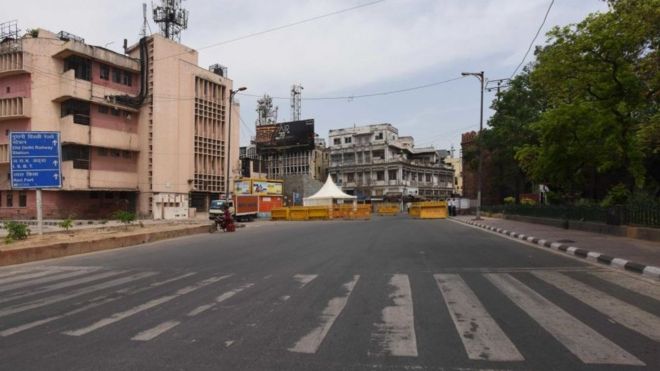 Image copyright GETTY IMAGES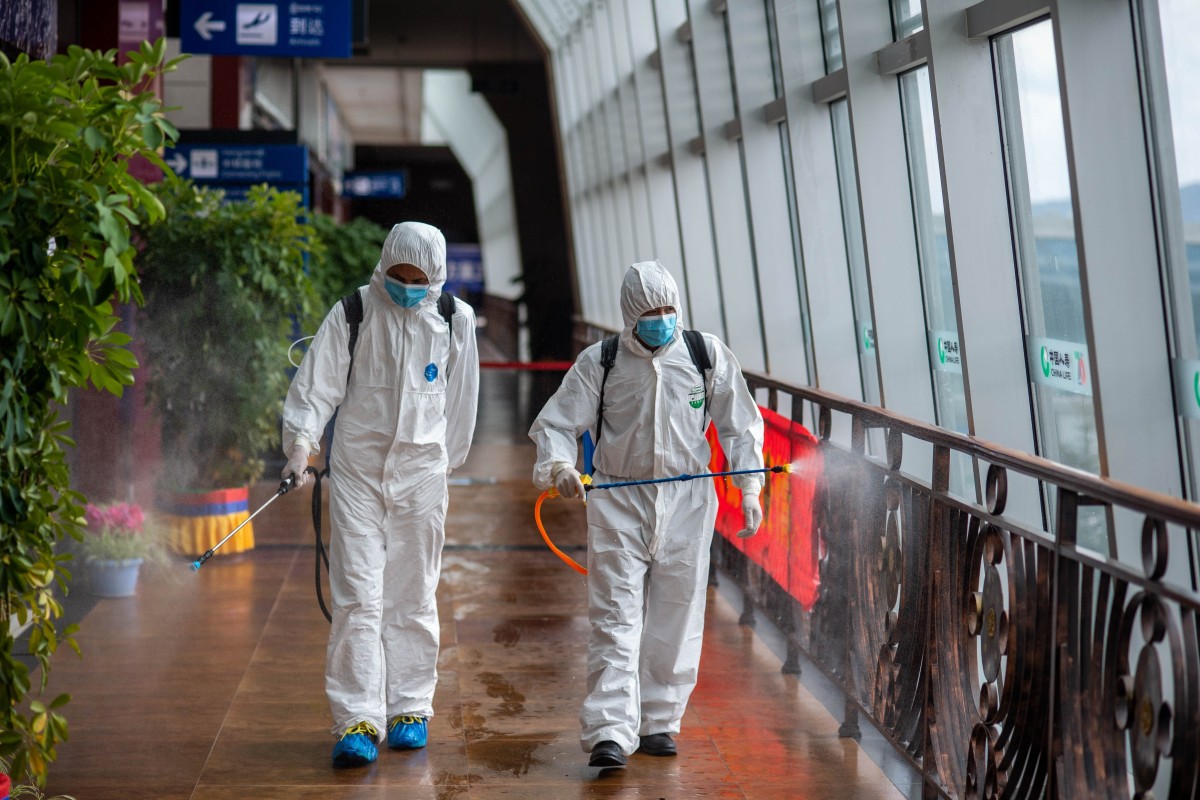


 CHINDIA ALERT: You'll be living in their world, very soon