Chindia Alert: You’ll be Living in their World Very Soon
aims to alert you to the threats and opportunities that China and India present. China and India require serious attention; case of ‘hidden dragon and crouching tiger’.
Without this attention, governments, businesses and, indeed, individuals may find themselves at a great disadvantage sooner rather than later.
The POSTs (front webpages) are mainly 'cuttings' from reliable sources, updated continuously.
The PAGEs (see Tabs, above) attempt to make the information more meaningful by putting some structure to the information we have researched and assembled since 2006.
Xie Haifeng’s story is one of luck and resilience and he has made it his mission to help others through adversity
Professional dancer owes part of his success to the city of Hong Kong and one of its doctors who helped survivors through recovery
Xie Haifeng was 15 when he lost his leg in one of modern China’s most devastating disasters. Photo: Handout
When the rumbling began, Xie Haifeng thought someone was shaking his bed. Perhaps one of the other 800 children in the school dormitory was being naughty. Or maybe it was a small quake. Then came the unmistakable sound of screams.
Xie, then a 15-year-old pupil at Muyi Town Middle School in the southwestern Chinese province of Sichuan, started running. He fell as the dorm building collapsed around him. When he tried to stand up, he realised something was missing. His left leg was gone.
What Xie thought was a small quake turned out to be one of the most devastating disasters in modern Chinese history.
The Sichuan earthquake of May 2008 left at least 87,000 people dead and shook the country to its core. It was less than three month before Beijing would host its first Olympic Games, an opportunity to show the world its strength and ambition.
Instead, 7,444 schools had crumbled like tofu in an area known to be seismically active. Their rubble was a stark demonstration of the weak foundation of China’s progress and its tragic consequences. At Xie’s school, the shoddily built walls and ceilings crushed 600 children. Only 300 survived.
It still frightens me to recall the earthquake.Xie Haifeng, dancer
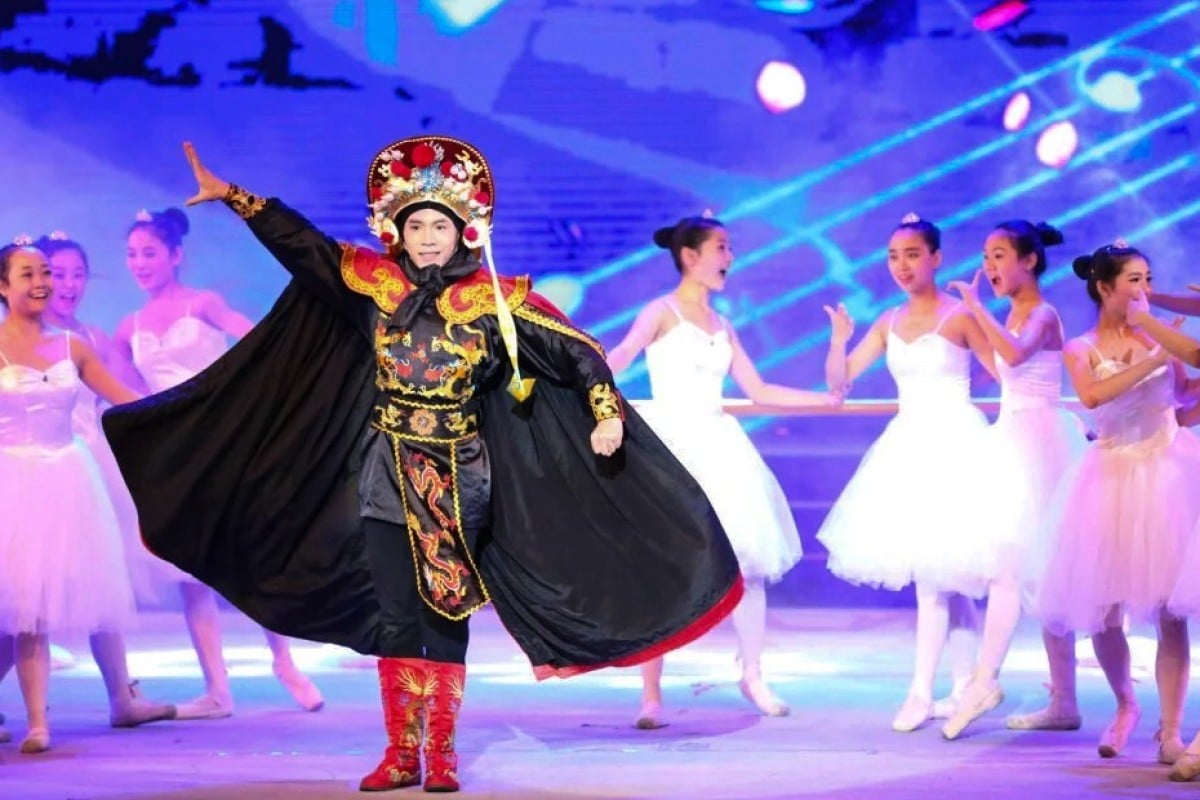
Xie considers himself lucky. “If I had run just one second more slowly, I would have been dead. If I had run one second faster, I would have been completely fine. But anyway, I am lucky to be alive,” he said. A dozen years later, his story is also one of resilience. Defying all the odds, Xie is now a professional dancer for a troupe in Sichuan and has made it his mission to help others through adversity.
The journey from his hospital bed to the stage was long and difficult and even though many years have passed, “it still frightens me to recall the earthquake”. But, he said: “I have forgiven fate and accepted the reality that I have only one leg.”
Xie’s trauma was a particularly difficult blow to his family. His older sister was already handicapped, after injuring her arm in an accident. When his mother, a migrant worker in the northwestern province of Gansu, arrived at the hospital a few days after the earthquake, she had no idea of the extent of Xie’s condition.
“When I woke up in the evening, I saw my mother weeping beside my bed. I told myself I should be strong,” Xie said, adding that his mother initially thought he had suffered only bruises. He was sent for treatment to a hospital in the prosperous southern city of Shenzhen, along with other survivors who had been left with disabilities by the earthquake.
Defying all the odds, Xie Haifeng is now a professional dancer. Photo: Handout
It was there that Xie was inspired to make the most of his life. A team of athletes visited the hospital and he was shocked to see one of them, a volleyball player, walking on a prosthetic leg.
Xie began to wear a prosthesis and after rehabilitation training returned to his hometown in 2009 where he was admitted to Qingchuan High School. At first, he was self-conscious and felt inferior to his peers. He did not dare to wear shorts in summer and said he seldom talked to the other students.
The following year he was introduced to members of the Chengdu Disabled People’s Art Troupe, where he found a new and welcoming home. Xie quit school and joined the troupe, despite his parents’ opposition. They were convinced study was the only way for rural students like their son to get out of poverty.
Xie learned Sichuan opera and was soon performing its art of bian lian, or
– a skill that requires rapid mask changes in a dazzling sleight of hand – on stage until the troupe was disbanded in 2011, leaving him unemployed for six months.
China marks 10-year anniversary of Sichuan earthquake
But the misfortune led to an improbable opportunity when he was hired by the Sichuan Provincial Disabled People’s Art Troupe and trained to dance. At 19, and with no experience, Xie found the training far more difficult than those who had started at the more usual age of five or six.
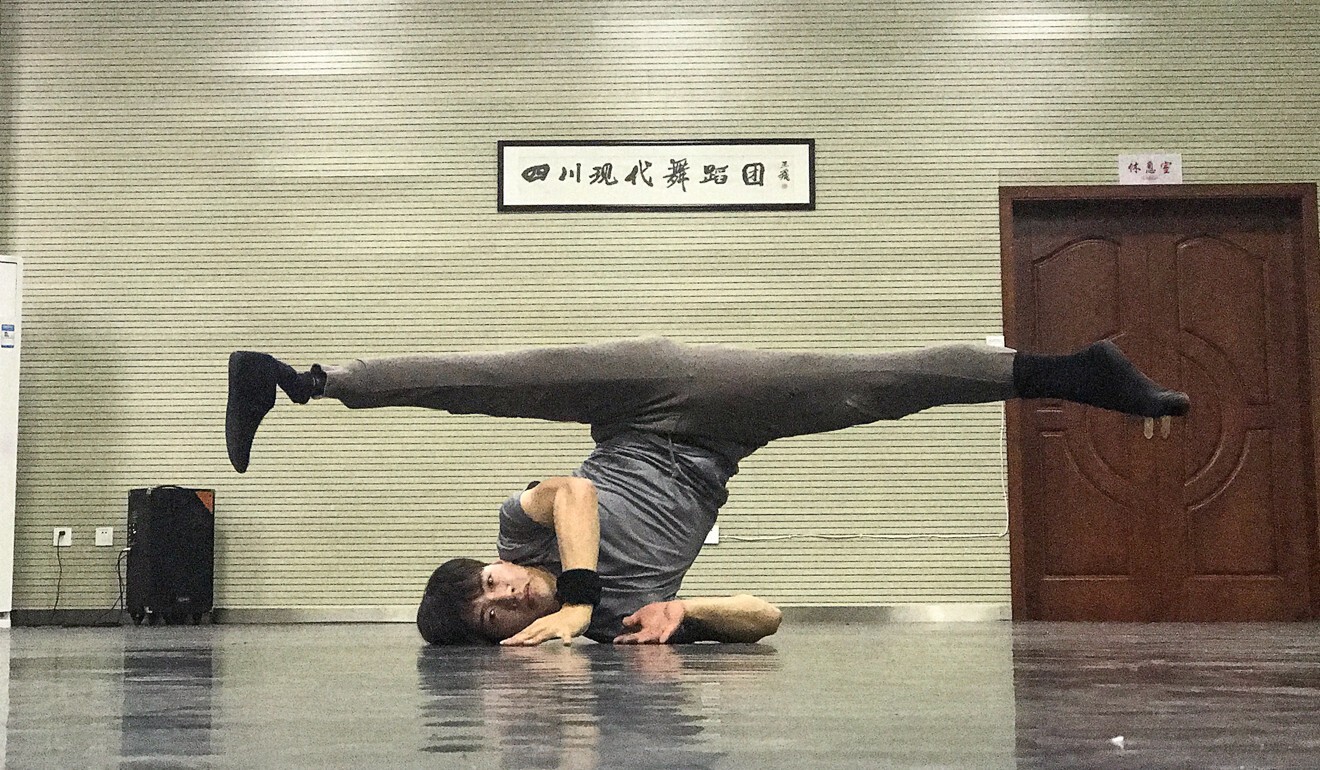
His body was too stiff, he said, and in the first months he spent 10 hours each day just stretching and building flexibility. It was just the beginning of a long and often arduous process.
“That agony is too much to be described,” Xie said about the pain of dancing on a prosthetic leg. “During the first six months’ training, I broke three artificial legs.”
More than once, he wondered whether he had chosen the right path. But, ultimately, his gruelling effort paid off and Xie has performed in Singapore, Hong Kong and Macau. In 2013, he won a gold medal at a national dancing competition for people with disabilities.
“My dances won me applause and recognition from the audience. I feel relieved and I think my heart belongs to the stage,” he said.
Xie broke three artificial legs during his first six months of dance training. Photo: Handout
Xie said he owed part of his success to Hong Kong which in 2008 donated HK$20 billion (US$2.5 billion) in aid to Sichuan and sent doctors to treat the injured. Among the volunteers was Poon Tak-lun, a Hong Kong orthopaedist who flew to Sichuan every two weeks from 2008 to 2013 to treat patients.
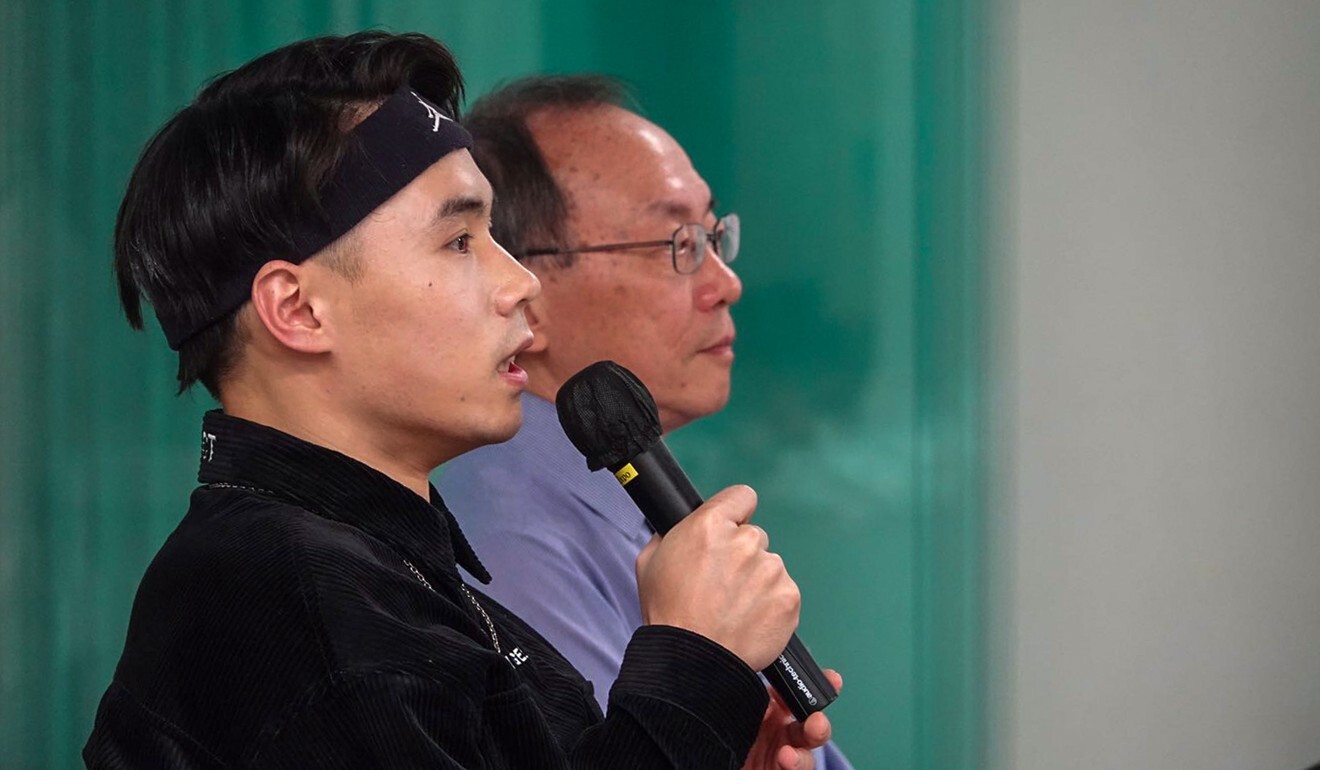
At a gala show in 2013 to express gratitude from the people of Sichuan to Hong Kong, Xie met Poon and the two became good friends, thanks to their common interest in the arts.
“Dr Poon promised to pay for all the costs of installing and repairing my artificial leg in the future. He told me to focus on dancing without worrying about the leg’s costs,” Xie said.
Xie Haifeng (pictured left with friend Poon Tak-lun) gives a speech to students in Hong Kong. Photo: Handout
Grateful for the help he received from Poon and Hong Kong, Xie has sought to return the favour by doing what he does best.
“I have no other skills except dancing and performing. So I thought of sharing my experience to encourage young students in Hong Kong,” he said.
Xie travels to Hong Kong about twice a year to perform and visit schools. In 2019, he visited the city four times, performing dances and Sichuan opera, and giving speeches at more than 10 primary and secondary schools.
“I encourage them to study hard. I said there are many people in this world who have more difficulties than them but still insist on pursuing their dreams, so they should not give up their dreams,” Xie said.
When he is not dancing and giving inspirational speeches, Xie said he lived a life like everyone else – climbing mountains, swimming and proudly walking on the leg he gained after almost losing everything in Sichuan’s deadly earthquake.
Chinese President Xi Jinping, also general secretary of the Communist Party of China Central Committee and chairman of the Central Military Commission, learns about poverty alleviation efforts at an organic daylily farm in Yunzhou District of Datong City, north China’s Shanxi Province, May 11, 2020. (Xinhua/Li Xueren)
— Xi stressed addressing the difficulties faced by enterprises in resuming production and operation.
— Xi underscored lifting the remaining poor population out of poverty.
— Xi required implementing pro-employment policies.
TAIYUAN, May 12 (Xinhua) — Chinese President Xi Jinping has stressed efforts to complete building a moderately prosperous society in all respects, and ride on the momentum to write a new chapter in socialism with Chinese characteristics for a new era.
Xi, also general secretary of the Communist Party of China (CPC) Central Committee and chairman of the Central Military Commission, made the remarks during an inspection tour in north China’s Shanxi Province.
Xi called for efforts to overcome the adverse impacts of the COVID-19 epidemic and make greater strides in high-quality transformation and development to ensure that the target of poverty eradication is reached and the building of a moderately prosperous society in all respects is completed.
During the tour from Monday to Tuesday, Xi inspected work on coordinating the regular epidemic response with economic and social development, and on consolidating the poverty eradication results.
While visiting an organic daylily farm in Yunzhou, Datong City, on Monday, Xi said what he cares about the most after poverty eradication is how to consolidate the achievements, prevent people from falling back into poverty, and make sure rural people’s incomes rise steadily.
He said an important benchmark to evaluate an official’s job performance is to see the amount of good and concrete services he or she has delivered to the people.
When visiting a community of relocated villagers, Xi said relocation is not only about better living conditions but also about chances to get rich. He called for follow-up support to residents with tailor-made rural business projects to ensure sustainable development.
Highlighting that whether the people can benefit shall be a top concern, Xi demanded more supporting policies be put in place in terms of industrial development, financing, agricultural insurance, among others.
Xi applauded the strenuous efforts made by primary-level officials on helping people fight poverty.
At the home of villager Bai Gaoshan, Xi chatted with Bai’s family as they sat on a “kang” — a bed-stove made out of clay or bricks in north China.
Chinese President Xi Jinping, also general secretary of the Communist Party of China Central Committee and chairman of the Central Military Commission, learns about poverty alleviation efforts in a village of Xiping Township in Datong City, north China’s Shanxi Province, May 11, 2020. (Xinhua/Xie Huanchi)
Xi said the CPC wholeheartedly seeks happiness for the Chinese people, having stopped collecting agricultural taxes and fees, helping the impoverished rural residents with housing and medical service, training them with skills, and finding ways for them to live a prosperous life.
“I believe our villagers will enjoy better days ahead,” Xi said.
On top of that, he called for consolidating achievements in poverty alleviation, and then focusing on rural vitalization to ensure a better life for rural residents.
He then went on to visit the 1,500-year Yungang Grottoes, a “treasure house” of artifacts featuring elements blending Chinese and foreign cultures, as well as cultures of China’s ethnic minorities and the Central Plains.
Xi stressed that historical and cultural heritages are irreplaceable precious resources, and protecting them should always be put in the first place in tourism development.
Noting that tourism should not be over-commercialized, Xi said tourism should become a way for the Chinese to understand and appreciate the culture of the nation and enhance their cultural confidence.
The historical implications of communication and integration behind the Yungang Grottoes should be further explored to enhance the sense of community for the Chinese nation, said Xi.
During a research tour in a stainless steel manufacturer in the provincial capital Taiyuan on Tuesday morning, Xi said products and technology are the lifeline of businesses, calling for more efforts in technological innovation to make a greater contribution to the development of advanced manufacturing.
He also called on businesses to strictly implement epidemic prevention and control measures to ensure the safety and health of their workers, while promoting the resumption of work and production to make up for the time lost.
Chinese President Xi Jinping, also general secretary of the Communist Party of China Central Committee and chairman of the Central Military Commission, waves to workers during a research tour in a stainless steel manufacturer in Taiyuan, capital city of north China’s Shanxi Province, May 12, 2020. (Xinhua/Li Xueren)
Later on, Xi went to check the ecological protection work of the Fenhe River in the city, and urged the incorporation of environment protection, energy revolution, green development, and economic transformation.
After hearing the work reports of the CPC Shanxi Provincial Committee and the provincial government on Tuesday afternoon, Xi stressed that no relaxation is allowed in epidemic prevention and control, noting that efforts should be made to guard against both imported infections and domestic rebounds, improve regular prevention and control mechanism, and prevent new outbreaks.
Xi called for efforts on more promptly and effectively addressing the difficulties faced by enterprises in resuming production and operation, on solid implementation of all the policies and measures for expanding domestic demand, and on strengthening the competitiveness and quality of the real economy, especially the manufacturing industry.
Chinese President Xi Jinping, also general secretary of the Communist Party of China Central Committee and chairman of the Central Military Commission, speaks with workers during a research tour in a stainless steel manufacturer in Taiyuan, capital city of north China’s Shanxi Province, May 12, 2020. (Xinhua/Xie Huanchi)
Continuous efforts should be made to promote the adjustment and optimization of China’s industrial structure, and scientific and technological innovations should be greatly enhanced to continue achieving breakthroughs in new infrastructures, technologies, materials, equipment as well as new products and business models, Xi said.
He stressed overcoming the difficulties and obstacles facing reforms in key areas, including state-owned enterprises and assets, the fiscal, tax, and financial system, business environment, the private sector, domestic demand expansion, and urban-rural integration.
Xi also highlighted efforts to improve the country’s system and mechanism for opening-up.
China will uphold the concept that lucid waters and lush mountains are invaluable assets, and steadily implement the national strategy for ecological protection and high-quality development of the Yellow River basin, he said.
More should be done to accelerate institutional innovation and strengthen the implementation of institutions to help form a green way of production and living, he said.
Efforts should be made to solidify the foundation for the development of agriculture and rural areas, beef up policy support for grain production and lift the remaining poor population out of poverty, Xi said.
Authorities should adhere to the people-centered development philosophy and ensure the bottom line of people’s livelihood, Xi said. He added that efforts should be made to implement pro-employment policies and facilitate the employment of key groups such as college graduates, veterans, rural migrant workers and urban people facing difficulties.
Efforts should be expedited to improve the weak areas in the public health system exposed by the epidemic and shift the focus of social governance to the primary levels, Xi said.
The rich and colorful local history and culture as well as revolutionary cultural resources should be fully drawn on and used to promote cultural advancement, Xi said.
He stressed consistent efforts to promote core socialist values to guide Party cadres as well as the public to enhance morality, cultivate good ethics and strengthen cultural confidence.
Xi also called for efforts to improve the Party’s political ecosystem, strictly observe the Party’s political discipline and rules and fight against corruption and undesirable conduct.
People’s Liberation Army has officially recorded no infections but disease fears have delayed recruitment, training and operations
Analysts say Sars experience guided military’s prompt response, but combat effectiveness has been affected
Chinese military medical personnel arriving in Wuhan in February to assist with the coronavirus outbreak response to the February. Photo: Reuters
China’s military may have been spared any coronavirus infections, but the global health crisis has slowed the progress of Chinese President Xi Jinping’s plan to transform the People’s Liberation Army into a modern fighting force capable of long-range power-projecting operations, experts say.
According to China’s defence ministry, the world’s largest armed force – with about 2.3 million personnel – has had zero confirmed cases of Covid-19. In contrast, the US and Russian militaries, ranked second- and third-largest in the world, have reported more than 4,000 and 1,000 respectively.
But the PLA has been affected in other ways by the disease, which was first reported in Wuhan in December before going on to infect 3.9 million people around the world to date.
Safety concerns delayed its annual spring recruitment programme – it has been rescheduled for August – while the PLA Navy was forced to change its training arrangements, switching to classroom study of military theory and tactics, according to Xinhua.
“The PLA is still a conscription army and, given its large turnover of soldiers every year and the late recruitment and training plan this year, the coronavirus pandemic has already affected combat effectiveness,” said Adam Ni, director of the China Policy Centre, an independent, non-profit research organisation based in Canberra, Australia.
China’s military budget will still rise despite coronavirus, experts predict
3 May 2020
The navy’s operations, in particular, would have been affected, according to Charlie Lyons Jones, a researcher from the Australian Strategic Policy Institute’s defence and strategy programme.
“The Chinese navy, short of highly effective disease control measures, is unlikely to avoid similar outbreaks of the novel coronavirus on board its warships,” he said.
“Therefore, even if the PLA Navy currently has zero personnel infected by the novel coronavirus, its position as a navy that can operate effectively in a period of higher-than-normal tension remains precarious at best,” Jones said. He also questioned Beijing’s claims that the military was virus-free.
“The PLA played an important role in China’s response to the coronavirus outbreak in Wuhan … The idea that none of these personnel working on the front lines in Wuhan became infected by the novel coronavirus would be inconsistent with the experiences of countries from around the world,” he said.
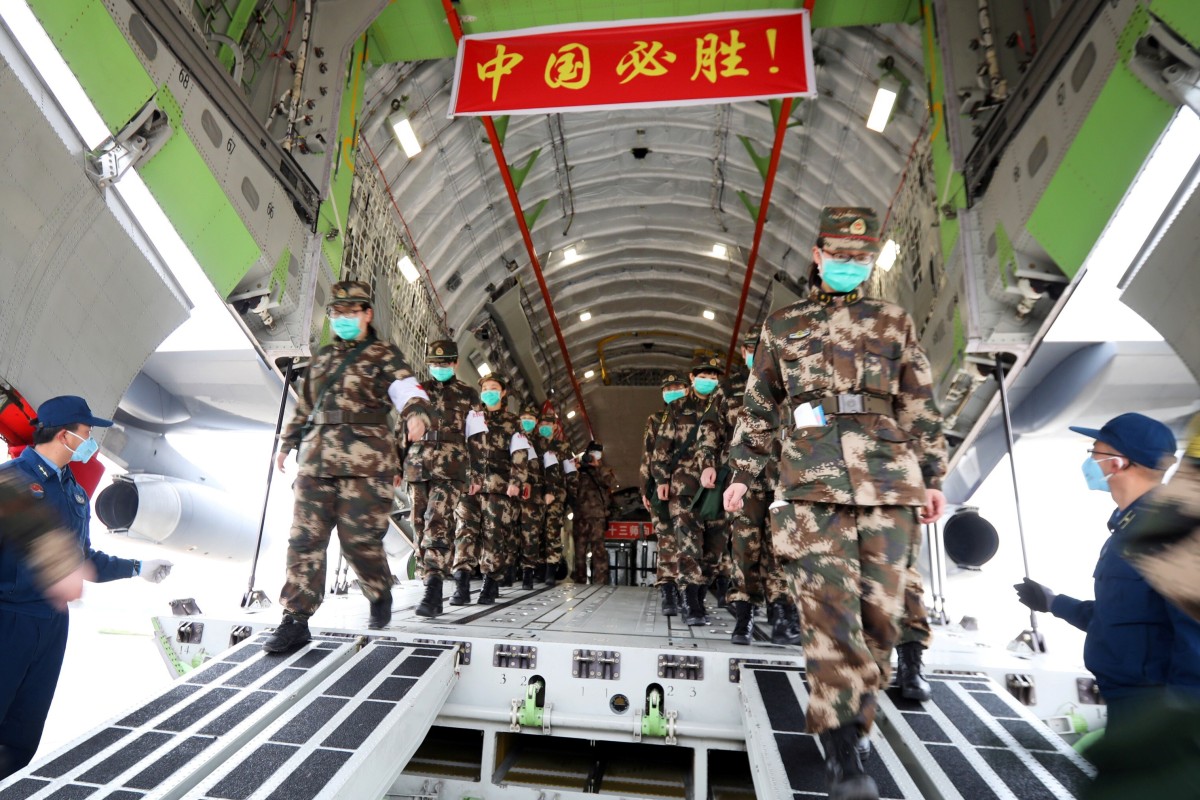
More than 4,000 military medical workers were sent to Wuhan as part of China’s effort to contain the outbreak at ground zero – which included the rapid-built emergency field facility, the Huoshenshan hospital – and their efforts were highlighted in a documentary screened recently by state broadcaster CCTV.
China opens coronavirus hospital built in 10 days
At the time, rumours were rampant that the Chinese military had been affected by the coronavirus, fuelled by a report on February 17 by the official PLA Daily that some soldiers had been placed in quarantine and Yu Qiusong, captain of the Changzhou type 054A frigate, was isolating in a guest house. The news report did not mention why the personnel were in quarantine.
But analysts said that whether the official numbers were accurate, the PLA’s closed management, fast response and past experience with severe acute respiratory syndrome (Sars) gave China’s military an advantage in keeping the coronavirus at bay.
Zhou Chenming, a Beijing-based military observer, said a key reason for the less serious hit to the PLA compared to other forces was its speed in recognising the severity of the situation.
“What’s more, the PLA has its own logistic support system that can help minimise its contact with the outside world, thus reducing the possibility of contracting the virus,” he said.
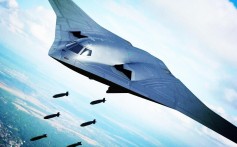
China’s long-range stealth bomber could make its debut this year
4 May 2020
According to Xinhua, the PLA’s Centre for Disease Control and Prevention drew up an emergency response plan and mobilisation arrangements on January 20, the same day Xi issued an instruction to the public that the virus must be “resolutely contained”.
Timothy Heath, a senior international defence research analyst with the Rand Corporation, a US think tank, said China’s military had benefited from its less international role, compared to US forces.
“The US is a globally distributed force while the Chinese military largely operates on the mainland. The US thus faces challenges in containing the disease that the Chinese military does not have to face … and the US military has a large range of missions and tasks it carries out to counter threats to its allies and partners, as well as to US security. This complicates efforts by the US military to carry out disease control measures,” he said.
Warship joined by at least five escort vessels and analysts say the drills were ‘very significant’ to show the strike group wasn’t hit by coronavirus
Latest exercises also seen as putting pressure on Taiwan’s pro-independence forces, with strike group sailing through the strait
The Liaoning is seen as having a big role in the Chinese military’s plan to unify Taiwan by force. Photo: AFP
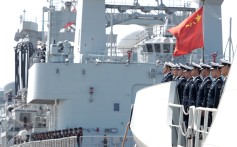
China’s first aircraft carrier, the Liaoning, returned to its home port of Qingdao on Thursday after nearly a month of training on the high seas, the People’s Liberation Army said.
According to military analysts, the warship was joined by at least five escort vessels, and the drills showed its crew had not been affected by the coronavirus pandemic and that it remained combat-ready.
The annual cross-region drills included intensive and complicated air and sea operations, the official PLA Daily said in a post on social media on Friday.
“The drills have further improved the real combat training level of the Liaoning carrier strike group, putting its systematic combat capability to the test,” the statement on WeChat said, without giving other details.
It was the longest training session by China’s navy since the PLA resumed all large-scale drills in March, after they were suspended because of disruptions to transport and military resources across the country as the deadly new virus rapidly spread.
Beijing-based naval expert Li Jie said it was important for the carrier to get back to training activities.
“The recent training by the Liaoning carrier strike group is very significant because it’s evidence that none of the 2,000 sailors and commanders on the ship have been hit by Covid-19, and neither have any of the other soldiers and personnel on the other warships and support units,” Li said.
The coronavirus situation has eased in China, where the first cases were reported late last year, but it continues to spread across the globe and has infected more than 3.2 million people worldwide and killed over 233,000.
Sailors on warships like USS Theodore Roosevelt vulnerable as coronavirus spreads
29 Mar 2020
The virus has also hit crew members on at least 40 US Navy warships, and Li said that left China with the only operational aircraft carrier in the region.
“Since the four American aircraft carriers in the Indo-Pacific region have all been struck by the pandemic, China is the only country that can operate an aircraft carrier in the area,” he said.
US warship captain seeks to isolate crew members as coronavirus spreads
Taiwan’s defence ministry reported earlier that the Liaoning flotilla had sailed through the Taiwan Strait twice last month as it headed towards the western Pacific, prompting the self-ruled island to scramble aircraft and send warships to monitor its movements.
Japan’s Ministry of Defence said the Liaoning was escorted by two destroyers, two frigates and a supply ship, and they had passed through the Bashi Channel, a waterway to the south of Taiwan, and headed towards waters east of Taiwan.
As tensions continue to simmer between Taipei and Beijing, the PLA has stepped up activities around the island, which the mainland sees as part of its territory awaiting reunification.
Hong Kong-based military commentator Song Zhongping said the latest naval drills were also aimed at heaping more pressure on Taiwan’s pro-independence forces as well as foreign countries seeking to intervene in cross-strait issues.
Coronavirus: US ‘supports Taiwan joining WHO events’ in ministerial phone call
28 Apr 2020
“Taiwan’s pro-independence forces have become more active and are attempting to take advantage amid the pandemic,” said Song, a military commentator with Phoenix Television.
“The Liaoning would play a major role in the PLA’s plan to unify Taiwan by force, so it’s necessary for the aircraft carrier strike group to get back to operations, step up training and send a warning to Taipei,” he added.
Lu Li-Shih, a former instructor at the naval academy in Taiwan, noted that the PLA Navy had regularly held drills in the waters east of Taiwan in recent years to avoid surveillance by US satellites.
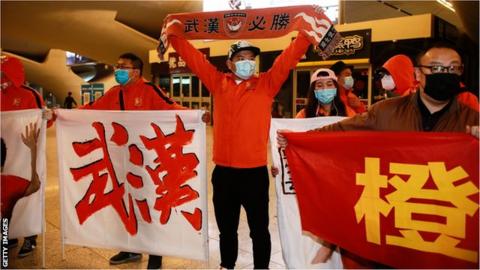
Fans greeted the team as they arrived in Wuhan via train
Chinese Super League team Wuhan Zall made an emotional homecoming after being unable to return for three months because of the coronavirus pandemic.
Players had initially stayed at their winter training camp in Spain when the virus peaked in Wuhan in January.
After a prolonged transit in Germany, they landed in Shenzhen on 16 March and underwent three weeks’ quarantine.
They were greeted by fans when they arrived in Wuhan by train on Saturday evening.
“After more than three months of wandering, the homesick Wuhan Zall team members finally set foot in their hometown,” the team said on the Twitter-like Weibo.
Fans, dressed in the team’s orange colours, sang and gave the players flowers as they arrived home for the first time in 104 days.
Players will now spend time with their families before training resumes.
The team had first left Wuhan in early January to start preparing for the Super League season.
By the time they arrived in Malaga, residents in Wuhan were living under strict lockdown measures, and there were no planes or trains in or out of the capital.
Coach Jose Gonzalez told Spanish media at the time that the players “are not walking viruses, they are athletes” and asked for them not to be demonised.
The Chinese Super League was set to begin on 22 February but it has been postponed.
Image copyright WEIBO/SCREENSHOTImage caption The female passenger is seen here with her fingers in a V pose, also known as the peace sign
A Chinese pilot has been banned from flying after a photo went viral showing a female passenger in the cockpit.
The photo was taken in January on an Air Guilin flight from Guilin city to Yangzhou city, state media said, but was widely shared this week – causing the airline to take action.
It shows a woman posing in the cockpit with refreshments laid out next to her.
Air Guilin said in a statement the pilot had violated air safety regulations.
‘Thanks to the captain’
The incident took place on 4 January on flight GT1011 from Guilin city to Yangzhou city, according to state media outlet The Global Times.
But it was brought to the airline’s attention on Sunday after screenshots of the alleged passenger’s post started being shared widely on micro-blogging site Weibo.
The post showed the woman making a V sign with her fingers – a popular pose in China – with the photo captioned: “Thanks to the captain. So happy.”
The pilot, who was not named, has been banned from flying for life, though it is unclear if he was fired from all roles by the airline.
Air Guilin said in a statement that he had “violated [regulations] by allowing irrelevant personnel into the cockpit”.
According to the Civil Aviation Administration of China, passengers are not allowed to enter the cockpit without special approval or under “necessary” circumstances.
Other staff members involved in the incident have also been “suspended indefinitely” while further investigations are held.
“Passengers’ safety is always Air Guilin’s priority. We take a zero-tolerance approach against any inappropriate and unprofessional behaviour that might risk the aviation safety,” the Chinese carrier said.
Last year, Chinese carrier Donghai Airlines suspended a pilot for six months and revoked his qualifications as a flight instructor after he allowed his wife to go inside the cockpit.
The deaths of three airmen in a helicopter crash and a second accident days later point to problems with training and equipment
The crashes happened within a span of 10 days, amid an increased number of intensive drills
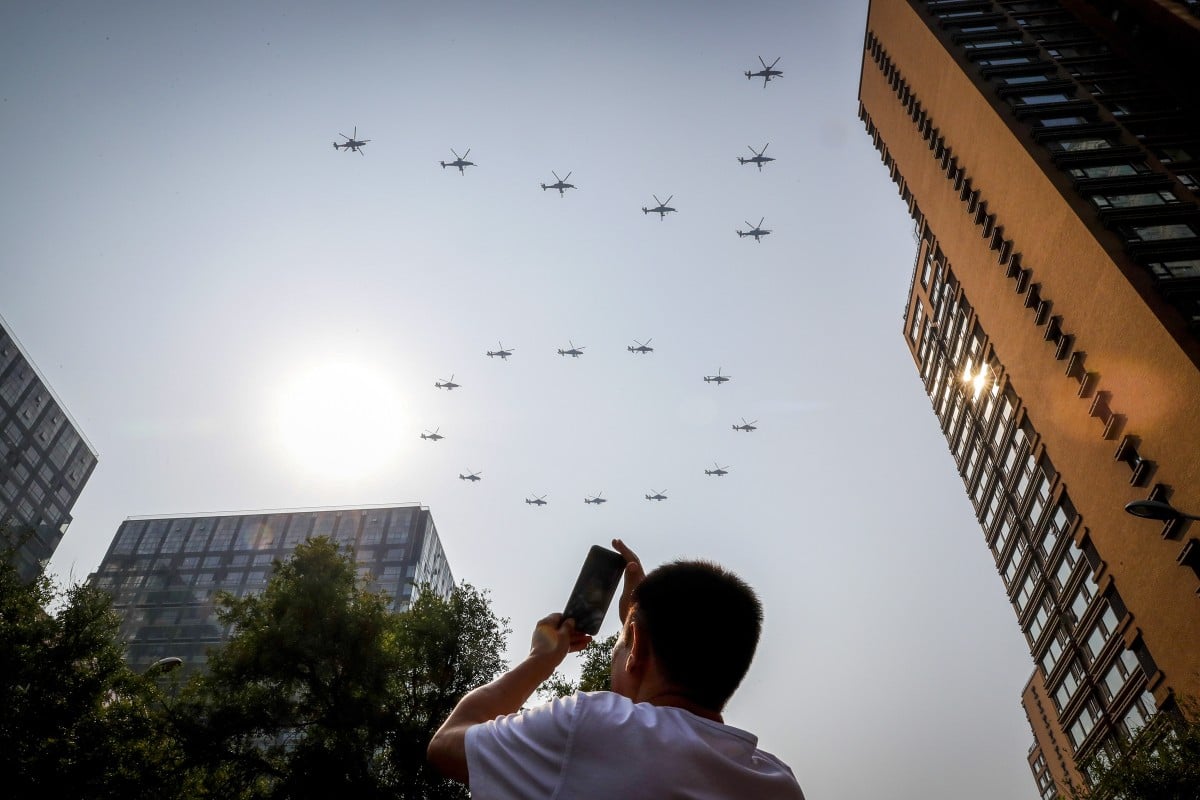
Chinese military helicopters form the number 70 as part of the National Day parade in Beijing. Photo: AP
Engine flaws and a lack of training have been identified as the likely causes of two accidents that hit the Chinese air force in the space of little over a week – one of which claimed the lives of three airmen.
Deaths from the crashes, which happened within a span of 10 days, included a helicopter pilot who took part in the National Day grand parade at the start of the month.
A number of military sources said that as the air force stepped up its exercises – part of President Xi Jinping’s call to strengthen the “combat readiness” of the military – more accidents would happen as increased drills exposed technical problems and inadequate training.
“[If these problems are not resolved], it is foreseeable that more accidents will happen because the top brass is pushing for more drills and exercises across the military,” said one source close to the air force.
The fatal accident happened about three weeks ago in central Henan province, when a transport helicopter crashed, killing all three people on board.
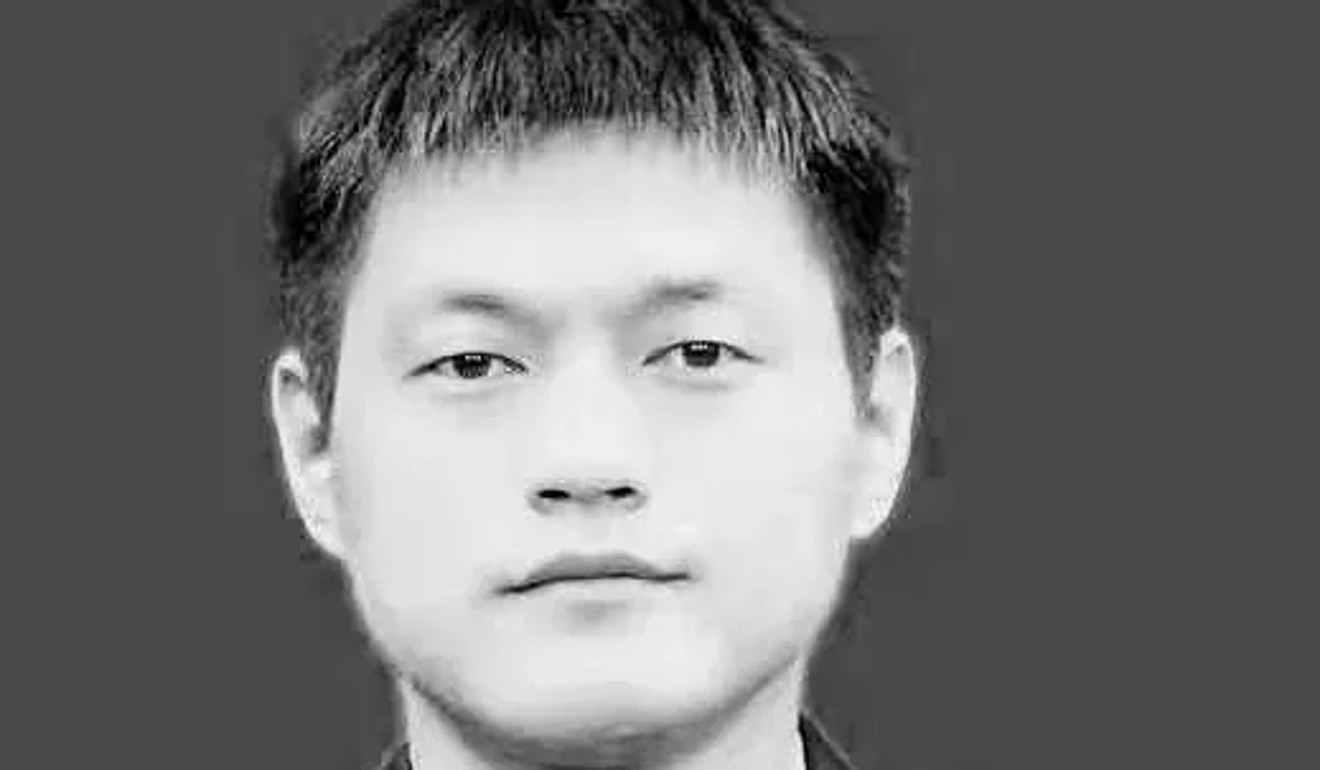
Gong Dachuan, 33, was one of the airmen killed in the crash. Photo: Handout
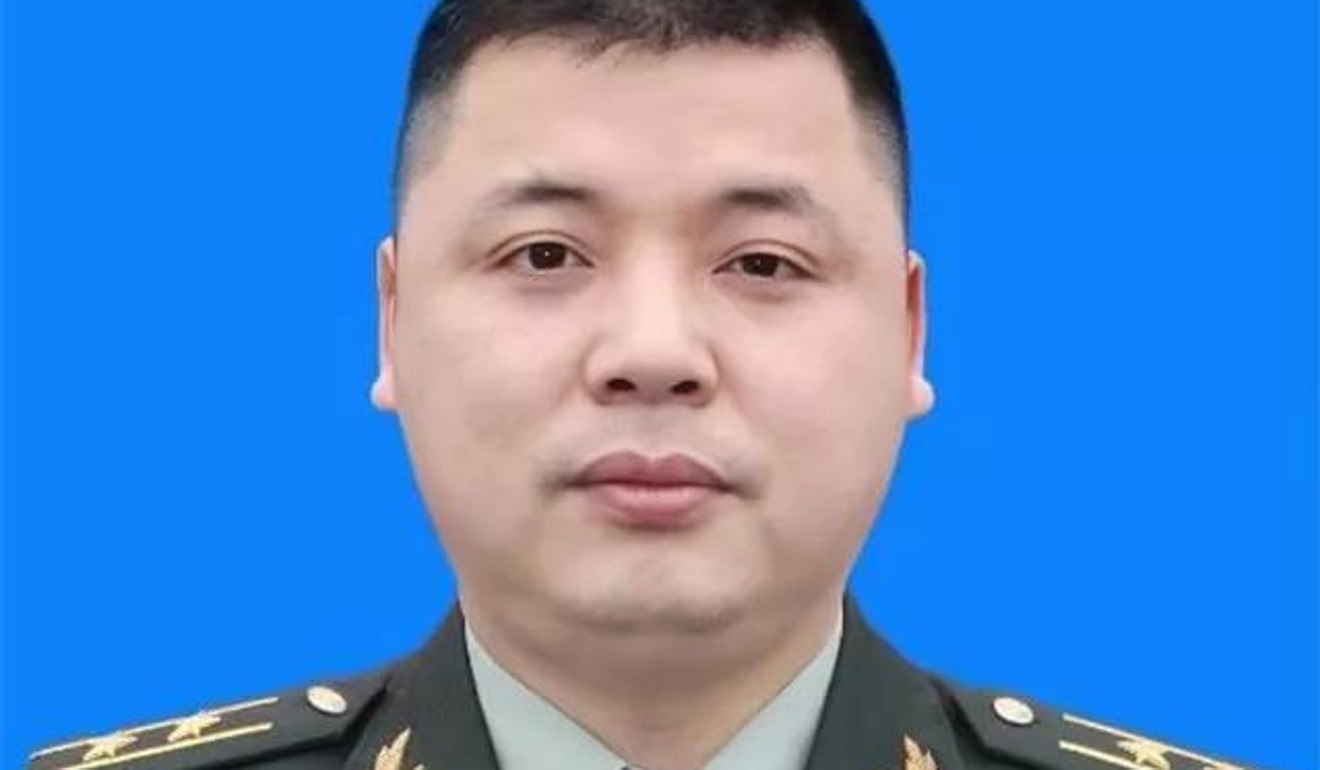
Local television reports named pilot Gong Dachuan, 33, and 37-year-old engineer Wen Weibin, as two of this killed in the crash. The third victim was later named as Luo Wei, from Luzhou in Sichuan, by an online mourning website.
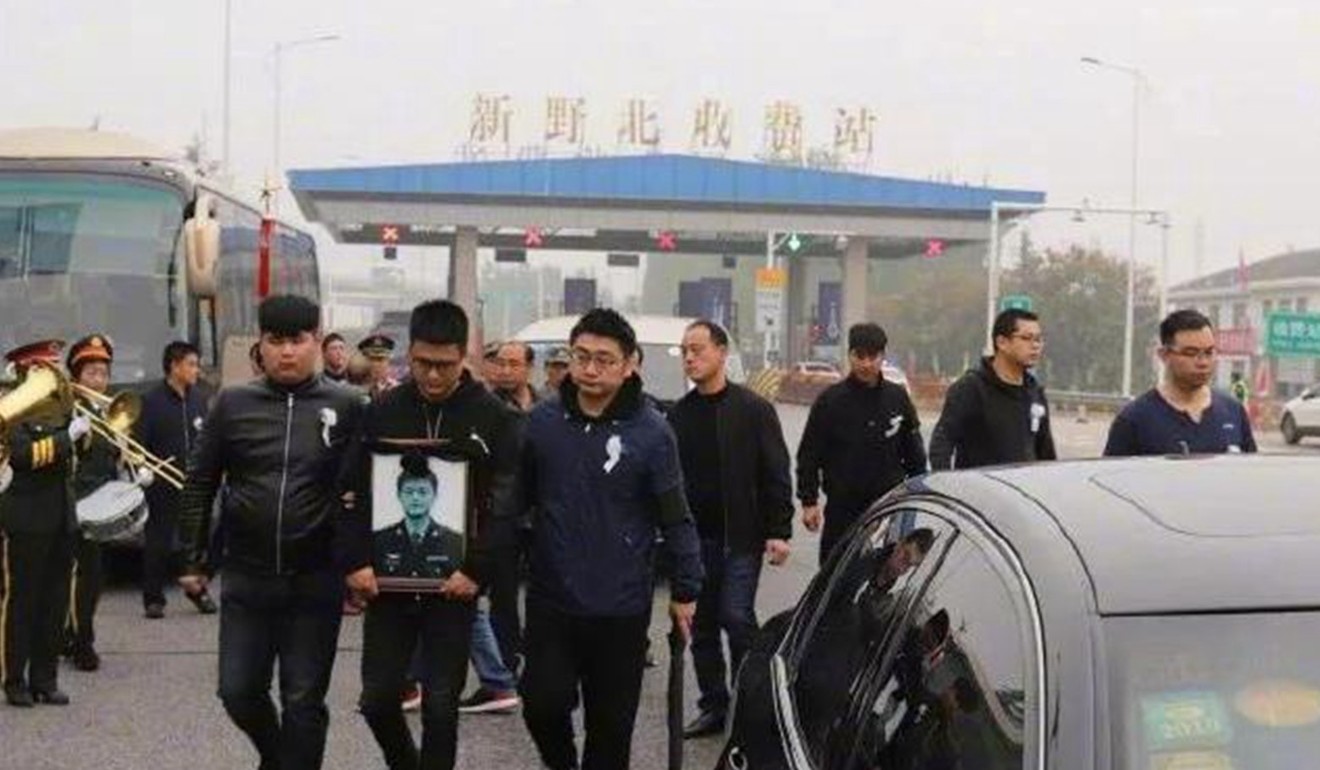
A memorial for Gong was held by the local government in Xinye County last Tuesday.
“The three people were conducting some tests on the helicopter,” said a local source who declined to disclose where the crash happened and the nature of the test.
Xinye county government in Henan province held a memorial to honour the dead pilot. Photo: Handout
Media reports said that Gong had flown in this year’s National Day parade in Beijing, while Wen had been decorated for his participation in the 2015 parade in Beijing to mark the 70th anniversary of victory over Japan in World War II.
The three dead airmen have been designated as martyrs, the reports added.
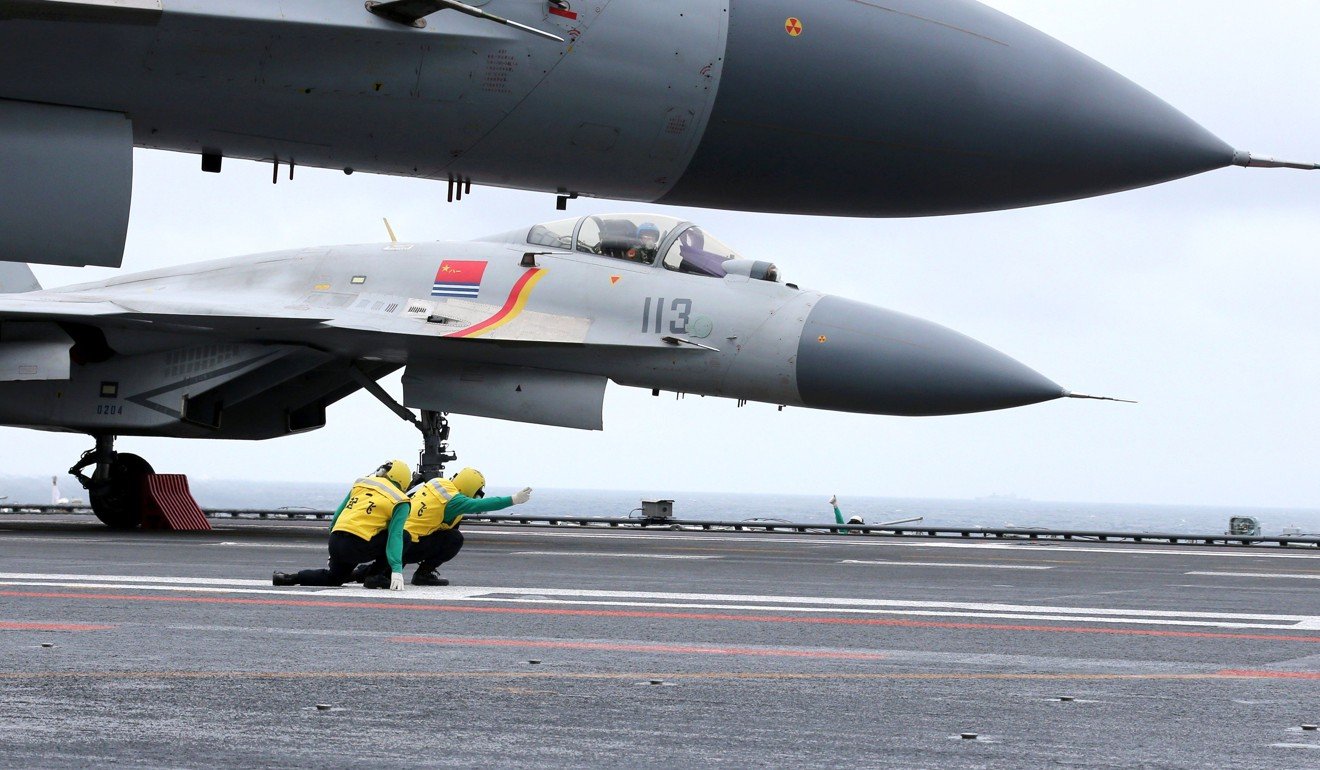
The second accident happened eight days later on the Tibetan Plateau where a J-10 fighter jet on a low-altitude flying drill crashed into the mountain.
“Fortunately, the pilot ejected safely in time, but the J-10 crashed into the mountain,” said an informed source, who requested anonymity since no official announcement about the accident has been made.
“Preliminary investigations indicated that the accident had something to with the Russian-made AL-31 engine on board the J-10,” the source said.
Military analysts said the air force needs to improve the durability of its aircraft and training for pilots.
Hong Kong-based military expert Song Zhongping suggested that problems with engines and flight control systems were also key reasons behind some of the fatal crashes.
Wen Weibin, 37, also died in the crash. Photo: Handout
Two J-15 fighter jets crashed in April 2016, resulting in one death and one serious injury. Investigations into the two crashes pointed to problems with the flight control system.
A source from the Chinese air force said that, unlike their American counterparts, PLA pilots generally lack training in avionics engineering and had little flying experience before enlistment.
“PLA pilots may be strong and courageous, and they are motivated to make sacrifices,” the air force source said. “But they don’t have as much experience as American pilots – many of [whom] have a lot of experience in flying civilian aircraft before they join the air force.”
SHENZHEN, March 2 (Xinhua) — Zhao Xiaoyong was once called “China’s Van Gogh,” as the farmer turned oil painter made over 100,000 replicas of Van Gogh’s work over the past 20 years.
However, he never saw a single authentic piece of the Dutch post-impressionist painter until 2014 when he finally saved enough for a trip to the Netherlands.
The trip inspired him to think over his business and create his own works. “The masterpieces that I saw at the European museums made me realize that I have to develop my own style.”
Zhao is from Dafen, a village known for oil paintings in southern China’s Shenzhen City. Home to 1,200 studios and 8,000 painters, the village produces millions of replicas of Van Gogh, Monet and Picasso that are sold at home and abroad. According to statistics, 80 percent of oil paintings exported from China come from Dafen.
While the market demand for replicas is shrinking, Zhao and other painters in the village are creating their own art styles and attracting tourists.
Neighboring Hong Kong, Shenzhen is one of China’s first special economic zones for the country’s reform and opening drive. The painting industry started in Dafen Village in 1989 when Hong Kong purchasers sought to establish an oil painting base nearby.
Zhao, who quit his job at a craft factory, started learning how to paint from scratch in 1996. He imitated Van Gogh’s works via a painting album, including “sunflowers” and “almond blossoms.”
He sold his first works in 1999 when an American buyer ordered 20 paintings. More orders later came from abroad, prompting Zhao to recruit apprentices.
“My wife and my younger brothers are all my students,” he said with a smile. “I was even called ‘China’s Van Gogh’ in a documentary.”
Zhao and his team worked from 1 p.m. to 3 a.m. painting eight pieces per person every day at most. Prices for the replicas ranged from 200 yuan (30 U.S. dollars) to 3,000 yuan per piece, depending on the size.
In 2008, when the economic recession hit most parts of the world, a drastic reduction of foreign orders forced Zhao to explore the domestic market. Profits kept shrinking after 2012 due to consumers’ diversifying tastes and rising costs.
Since then, many painters in the village have given up making replicas and turned to innovation and creation.
Chen Qiuzhi, who used to paint copies of masterpieces like Zhao, has worked hard to develop his own style, combining Chinese calligraphy with painting. To support him, his wife sold two apartments and had an art center built.
The center, located at the far end of Dafen village, covers an exhibition area of over 3,000 square meters and has become a landmark of Dafen. Some 100 calligraphy works are exhibited at the center with other craftwork.
Ten years of hard work has won him fame, with his works popular in the auction market. Now, one piece of his calligraphy is worth tens of thousands of yuan, almost 100 times the value of replicas he painted in the past. The art center also draws visitors.
“Only by creation can one’s works be remembered,” said Chen.
Today, Dafen has gathered nearly 300 art creators. In 2017, the annual output value of Dafen reached 4.15 billion yuan, among which the original works have accounted for 20 to 30 percent.
From imitation to creation, Dafen Village has been making the transition from a low-end oil painting workshop cluster to an art center, said Liu Yajing, director of the village’s oil painting office.
She said an oil painting museum, a performance theater, a training center and a hotel are being built to develop the village into a tourist resort featuring oil painting production, trade, training and exhibition.
Compared with his Van Gogh replicas, painter Zhao finds his own works hard to sell. But he believes that he will finally be recognized someday in the future.
“Imitation leads me nowhere. I will continue to concentrate on creation for the market and also for my dream as a real artist,” Zhao said.
As China expands its military might a retired naval officer points out that size is not everything in modern warfare
‘It is the people who use these weapons that count’
The cloud was low and the sky was murky and overcast. “The cloud was barely 200 to 300 metres above ground and the jets immediately disappeared into the cloud after take-off,” Wang said.
“In China, [our military planes] would not have taken off [for training] if the cloud was lower than 400 metres above ground,” he explained.
“Such conditions are dangerous [for military aircraft to take off] but they were able to carry on training despite the weather.”
As China expands its military might with new aircraft carriers, advanced fighter jets and other world-class weaponry, questions have been raised about whether the People’s Liberation Army can compete with other advanced forces.
Wang, now a naval armament expert, pointed out that size was only one determining factor in modern warfare, and hardware could only answer part of the question as China raced to catch up with leading powers like the US and its top allies, including Japan“It is the people who use these weapons that count, and that essentially boils down to our level of training.
“Some people hold the view that our military planes are more advanced than others. But if we look at the level of training of our forces … We are not at the same level [as others] yet.”
Antony Wong Dong, a military expert based in Macau who has spent years studying the PLA, agreed with Wang’s assessment.
Although the PLA – which has not fought a major war since the Korean war – has made great strides in improving training for its rank and file in past decades, Wong said there was much room for improvement to raise its “preparedness”.
That was in fact the message from President Xi Jinping in December in a speech reminding the top brass that strengthening training and preparation for war would be the top priorities for the PLA in 2019.
Naha, in Japan’s Okinawa prefecture, is home to the 9th Air Wing, which was set up three years ago with 40 F-15 fighter jets. It was a time of growing assertiveness by China in the East China Sea, including over the contested Diaoyu Islands, which are administered by Tokyo but also claimed by Beijing and Taipei.
According to the Joint Staff of the Japanese defence ministry, in the 2017 fiscal year, which started on April 1, there were 500 scrambles by Japan’s Air Self-Defence Force to intercept Chinese military aircraft flying over the region, compared with 851 scrambles in 2016.
But in the first three quarters of the 2018 fiscal year, the number of scrambles reached 476, as Xi pushed the PLA to conduct more training, including exercises further from home.
And, as China starts testing its first home-made aircraft carrier, Tokyo announced in December that it would convert its helicopter carrier, the destroyer Izumo, into an aircraft carrier capable of launching American F-35B fighter jets.
Against such a background, Wang said China needed to reflect deeply on its overall military strength in addition to investing in cutting-edge weaponry.
This was the reason for his heavy heart at Naha Airport, as he watched the extent of Japanese military training.
“On that day it was not just the F-15s taking off [at Naha], but also Ospreys and Sikorsky Seahawks, and the training went on non-stop the whole day,” Wang said.
“It immediately came to my mind that we should not look down upon the Japanese forces. We must bear in mind that the level of training reflects your level of combat preparedness.
“Our fleet of warships and military planes far outnumber the Japanese forces, even by the number of more advanced generations of fighter jets … but in real combat, the size of the battlefield is limited, whether it is at sea or in the sky.
“You cannot deploy everything you have. And when both sides deploy the same resources into the battlefield, we must not be blindly [optimistic] about our chance of winning.”
The rapid development of new hardware could also pose challenges for training Chinese troops, especially in helping them master the skills necessary to use and understand the new weapons.
“We are still exploring. It is not that we are slack. [These new weapons] are just too advanced,” Wang said.
“Like [the stealth fighter jet] J-20… or [carrier-based fighter jet] J-15, we initially didn’t know how to make the best use of them in different circumstances.
“We only recently mastered how to take off and land [J-15s] at night. It is not certain if we are ready to undertake evening flight missions of these aircraft when they are loaded with heavy missiles,” he said.
Military expert Wong said the PLA had yet to resolve many issues, including pairing up its J-15 fighter jets and its aircraft carriers.
“To what extent can PLA troops and these weapons work seamlessly in executing tactics?” Wong said.
“From what we saw on the news, [I would say that] there are still gaps in the quality and quantity of weapons that [our carrier-based aircraft] can actually carry.”
BEIJING, Jan. 6 (Xinhua) — More than 90 percent of China’s office workers consider on-the-job training and continuing education to be essential in improving their capabilities and skills, with nearly 73 percent saying they have further education and training plans, a survey has shown.
A total of 1,996 office workers were interviewed in the survey co-conducted by the China Youth Daily’s survey center. A total of 54.4 percent of the interviewees say for new, young hires the most desirable quality is “studiousness,” while 52.8 percent believe a sense of responsibility is a must.
Fifty-eight percent of the interviewees value excellent team management ability as the top factor for office workers to get a promotion or pay rise, followed by interpersonal communication skills (56.8 percent), project management ability (53.4 percent), professional skills (51.0 percent) and creativity (38.7 percent), according to the survey.
In the survey, 35.9 percent of the interviewees were from the so-called “first-tier” cities, a term usually referring to major cities of Beijing, Shanghai, Guangzhou and Shenzhen, and 49.8 percent from smaller “second-tier” cities.









 CHINDIA ALERT: You'll be living in their world, very soon

China’s Liaoning aircraft carrier returns home from a month of training
China’s first aircraft carrier, the Liaoning, returned to its home port of Qingdao on Thursday after nearly a month of training on the high seas, the People’s Liberation Army said.
According to military analysts, the warship was joined by at least five escort vessels, and the drills showed its crew had not been affected by the coronavirus pandemic and that it remained combat-ready.
The annual cross-region drills included intensive and complicated air and sea operations, the official PLA Daily said in a post on social media on Friday.
“The drills have further improved the real combat training level of the Liaoning carrier strike group, putting its systematic combat capability to the test,” the statement on WeChat said, without giving other details.
Beijing-based naval expert Li Jie said it was important for the carrier to get back to training activities.
“The recent training by the Liaoning carrier strike group is very significant because it’s evidence that none of the 2,000 sailors and commanders on the ship have been hit by Covid-19, and neither have any of the other soldiers and personnel on the other warships and support units,” Li said.
The coronavirus situation has eased in China, where the first cases were reported late last year, but it continues to spread across the globe and has infected more than 3.2 million people worldwide and killed over 233,000.
Sailors on warships like USS Theodore Roosevelt vulnerable as coronavirus spreads
The virus has also hit crew members on at least 40 US Navy warships, and Li said that left China with the only operational aircraft carrier in the region.
“Since the four American aircraft carriers in the Indo-Pacific region have all been struck by the pandemic, China is the only country that can operate an aircraft carrier in the area,” he said.
Japan’s Ministry of Defence said the Liaoning was escorted by two destroyers, two frigates and a supply ship, and they had passed through the Bashi Channel, a waterway to the south of Taiwan, and headed towards waters east of Taiwan.
As tensions continue to simmer between Taipei and Beijing, the PLA has stepped up activities around the island, which the mainland sees as part of its territory awaiting reunification.
Hong Kong-based military commentator Song Zhongping said the latest naval drills were also aimed at heaping more pressure on Taiwan’s pro-independence forces as well as foreign countries seeking to intervene in cross-strait issues.
Coronavirus: US ‘supports Taiwan joining WHO events’ in ministerial phone call
“Taiwan’s pro-independence forces have become more active and are attempting to take advantage amid the pandemic,” said Song, a military commentator with Phoenix Television.
“The Liaoning would play a major role in the PLA’s plan to unify Taiwan by force, so it’s necessary for the aircraft carrier strike group to get back to operations, step up training and send a warning to Taipei,” he added.
Lu Li-Shih, a former instructor at the naval academy in Taiwan, noted that the PLA Navy had regularly held drills in the waters east of Taiwan in recent years to avoid surveillance by US satellites.
Source: SCMP
Posted in air and sea operations, Aircraft, Aircraft carrier, annual, Beijing, by force, China’s, combat-ready, complicated, coronavirus, Coronavirus pandemic, cross-region drills, destroyers, escort vessels, Friday, frigates, from, high seas, home port, intensive, Japan’s Ministry of Defence, Liaoning, military commentator, military’s plan, month, naval academy, People’s Liberation Army, pla navy, pro-independence forces, Qingdao, returns home, sailing through, sailors, scramble, self-ruled island, social media, strait, strike group, supply ship, Surveillance, Taipei, Taiwan, Taiwan Strait, Taiwan’s, Taiwan’s defence ministry, to unify, training, Uncategorized, US Navy, US satellites, USS Theodore Roosevelt, vulnerable, warship, warships, WeChat, western Pacific, WHO | Leave a Comment »