Archive for ‘WeChat’

24/05/2019

A pollution crackdown compounds slowdown woes in China’s heartland

ANYANG/SANGPO, China (Reuters) – For years, China’s industrial heartland has been cloaked in smog, its waterways choked with pollution pumped from enormous clusters of factories churning out the mountains of cement and steel needed to build the Chinese economy.

Aiming to tackle what has become a huge public health problem, the authorities have cracked down on polluting industries, targeting provinces like Henan, which has a population of 100 million people and hundreds of factory towns.
According to interviews with factory and business owners, and consumers and workers across Henan, that crackdown – conducted with often heavy-handed local enforcement – is crippling the economies of towns and cities that depend on polluting industries.
Manufacturers across Henan have been particularly hard hit by the new environmental regulations, compounding the pressures the province faces from China’s slowing economy and a grinding trade war with the United States.
It also highlights the trade-off China faces between providing a healthier environment for its citizens and maintaining economic growth in a province whose climb from poverty has lagged that of coastal regions.
China does not provide statistics on the costs of the environmental crackdown, but it has said that short-term pain will lead to long-term growth through an economic “upgrade”.
The information office of the State Council, China’s cabinet, did not respond to a faxed request for comment on the economic effects of the new restrictions.
It’s difficult to get a full picture of Henan’s economy from unreliable official figures, as it is for the whole country. Henan’s official growth rate was 7.6% in 2018, higher than the national rate and down 0.2 of a percentage point from 2017.

But the interviews conducted by Reuters across Henan suggest consumers are spending less, cities are struggling to retool their economies and the pollution crackdown is hurting businesses and employment.

STEEL TOWN PAIN

The steel-producing centre of Anyang, which has long had some of the worst air in China, is one place that has been hit hard by the anti-pollution campaign.

The city of more than 5 million people, dominated by the infrastructure and insignia of the state-owned Anyang Iron and Steel Group, has forced local industry to upgrade equipment and curb pollution, and shut down companies that were unwilling or unable to comply.

Li Huifeng, president of Baoshun High-Tech Corporation, a coking coal company founded by his parents in 1983, said the cost of compliance had been painful.

Baoshun’s huge plant, built in the hills in the west of Anyang, was forced to implement production cuts last winter even though it had installed low-emissions equipment that exceeded required standards.

“Last year, business was really good but this year it is full of uncertainties,” said Li. He added that new efficiency guidelines were likely to result in the closure of many producers of coking coal, which is used in steel production.

Li Xianzhong, the owner of the Xinyuan Steel Mill in Anyang’s western outskirts, said he was facing curbs on production as well as spiralling costs because of the new environmental regulations.

According to industry estimates, environmental costs per tonne of steel produced have risen to around 150 yuan per tonne, up from less than 50 yuan per tonne when the war on pollution was launched in 2014.

“All this equipment needs a lot of capital, and after you’ve invested, the operation costs are also higher,” said Li. “If you don’t meet the standards, you aren’t allowed to operate.”

Near the sprawling Anyang steel plant in the city centre, residents and workers complained that the new environmental inspection rules had made it harder to make a living.

Many small workshops, which often use small metalworking furnaces, have also been targeted.

“Before we would just give them a pack of cigarettes or treat them to a meal and you’d then be fine for a year, but now it’s no use,” said a bicycle repairman, identifying himself by his surname Zhang, whose workshop near the plant was shut by inspectors.

Over the past years, Anyang has tried encouraging new and cleaner forms of economic growth. It has shut hundreds of small polluters in sectors like ceramics and cement, and tried to attract industries like solar panels and electric vehicles by offering incentives and building sprawling new industrial parks.

However, it has struggled to compete with numerous Chinese cities making similar bets, especially as China’s economy slows.

And the results of the anti-pollution efforts have been mixed.

Steel still accounts for more than half of Anyang’s economy – unchanged from a decade ago – and the environment is still bad. The taste of brimstone hangs in the air, and the fairy lights festooned on hundreds of cranes on the city’s skyline could only be dimly seen during a recent visit.
Part of the problem, according to Liu Bingjiang, who heads the Ministry of Ecology and Environment’s air pollution office, is that smog is also blowing in from neighbouring industrial regions, undermining local cleanup efforts.
“All these measures, all these plans are in place, but it still can’t solve the smog,” said Li, the steel mill owner.

SHUTTING DOWN THE BOOTMAKERS

The anti-pollution campaign is also hitting much smaller industrial centres.

Sangpo, a dusty two-street village in northeast Henan, used to live off scores of sheepskin processing factories cranking out winter boots modelled on UGG, the American brand with Australian roots.

While the industry was the main employer in the village, that came with a heavy environmental cost: treating the raw sheepskin consumed copious amounts of water and contaminated the local water supply.

Last July, the government moved to close most of the factories, sending dozens of police cars into Sangpo with sirens wailing to enforce the shutdown.

Government inspectors were installed to keep watch at each factory to ensure compliance with the order. Three factory owners were arrested for violating environmental regulations.

During a visit to Sangpo by Reuters, most factories were idle during what should have been peak production season. Hundreds of workers had left town in search of work elsewhere, leaving behind shuttered shopfronts and deserted roads.

“The village is at a tipping point,” said a former factory owner who only wanted to be identified by his surname, Ding. Most businesses were mostly “more dead than alive,” he added.

Before the factories were shut, the village of 6,500 people, mainly from the Hui Muslim minority, had been punching well above its weight.

It achieved national recognition as a thriving model of e-commerce, winning glowing write-ups in national newspapers after it was named in 2015 by the tech giant Alibaba as central China’s very first “Taobao village” – a designation for top rural sellers on the company’s internet retailing platform.

But that all changed last year as China’s pollution crackdown intensified. The top county-level official, factory owners said, held a town hall meeting and threatened to shut everyone down permanently. A deal was made for 19 of the 135 factories to remain.

Those wanting to stay open agreed to upgrade their businesses and invest in equipment to ensure they met water treatment standards. Factories that opted out were shut, their boilers and processing equipment destroyed.

The government of Mengzhou, which oversees Sangpo, declined to comment when reached by phone. But Mengzhou’s mayor said last year that the crackdown was necessary and in accordance with the popular will, according to a statement on the Mengzhou government website.

Sangpo village’s party chief declined to comment when reached via the Chinese messaging app WeChat. Calls to his cellphone went unanswered.

The county government’s plan is to corral remaining factories into a new industrial zone by the end of the year. But remaining business owners are worried about the slow pace of construction and fear they will be forced to shut.

Ding, the former factory owner, said business owners didn’t expect the crackdown – which has also discouraged lending from banks – to be so harsh.

“Everyone in the village was moaning and sighing but no one thought it would be this extreme,” Ding said.  “We are at our wits’ end.”

Source: Reuters

19/05/2019

Shanghai Bund’s historic buildings saved from demolition … for now

  • Experts win reprieve for two out of three heritage houses but fear their success is only temporary
  • Authorities plan public cultural facilities for the site
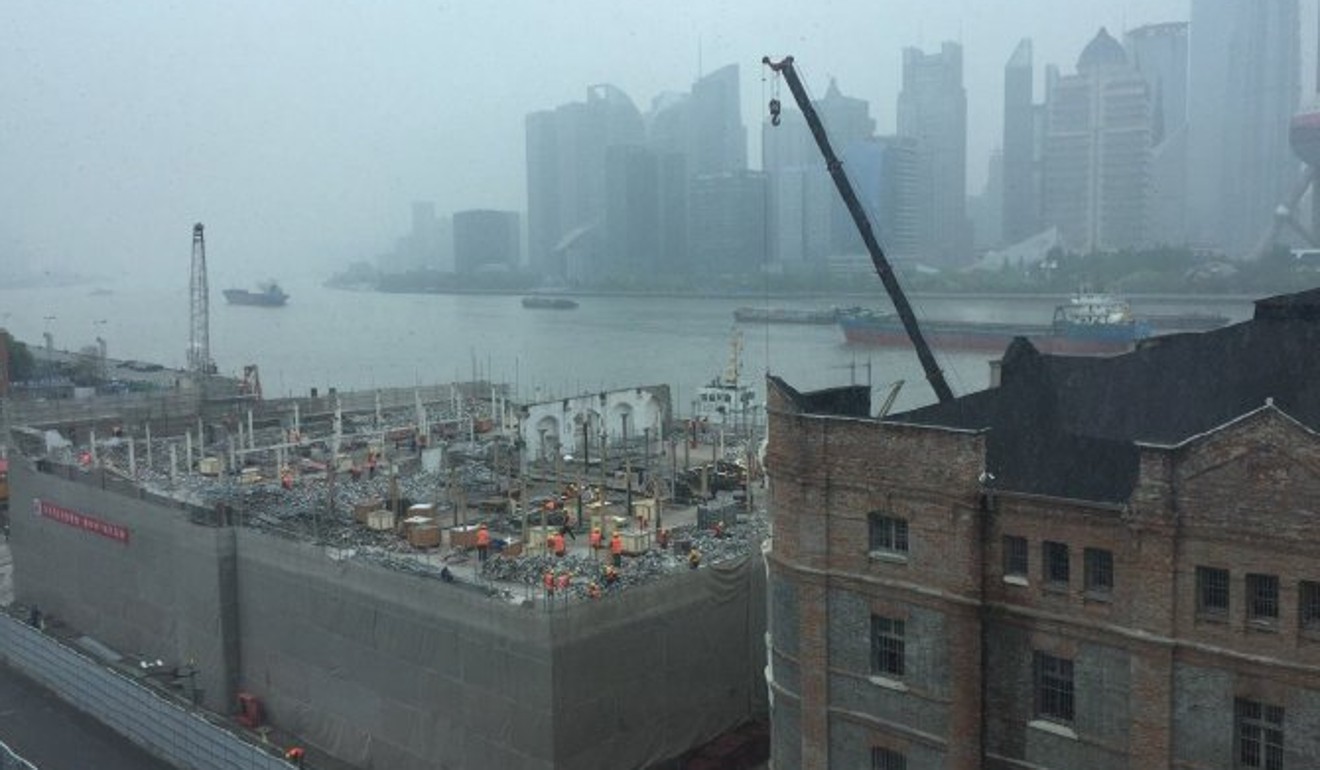
The historic buildings on Shanghai’s Bund in the 1930s. One of the three structures has already been demolished but authorities have temporarily suspended plans to knock down the other two. Photo: Handout
Two historic buildings on Shanghai’s famous Bund have temporarily escaped demolition after a group of experts appealed to the government to conserve the heritage sites, but the intervention was too late to save a third.
About 15 architecture, history and culture experts based in Shanghai banded together to write an article on social media app WeChat last month, calling on the city’s government to “protect the city’s memories” by preserving three houses on Huangpu Road.
A few days after the article was published one of the buildings was demolished as part of a plan to build public cultural facilities on the site. But authorities suspended work on the other two and are considering removing only the interior structure while preserving the external walls, according to the group.
The houses, which date back to 1902, witnessed the city’s boom in the first half of the 20th century when it became one of the world’s most important, and famous, ports, the experts said.
The demolition project on The Bund, Shanghai has been suspended, but not before one of the three historic buildings was demolished. Photo: Urban China magazine

All three of the properties originally belonged to Japanese shipping company Nippon Yusen Kaisha Group and were later used as storage facilities for Japan’s military forces during the second world war, according to Yu Hai, a sociologist from Shanghai’s Fudan University.

“These buildings, along with the nearby Yangzijiang port on the Huangpu River, represented Shanghai’s wharf culture and port culture,” Yu said. “They are historically significant as they witnessed Shanghai grow prosperous through shipping and trade industries about a century ago.”

Although the two remaining buildings are safe for now, the experts argue their interiors are also worth preserving.

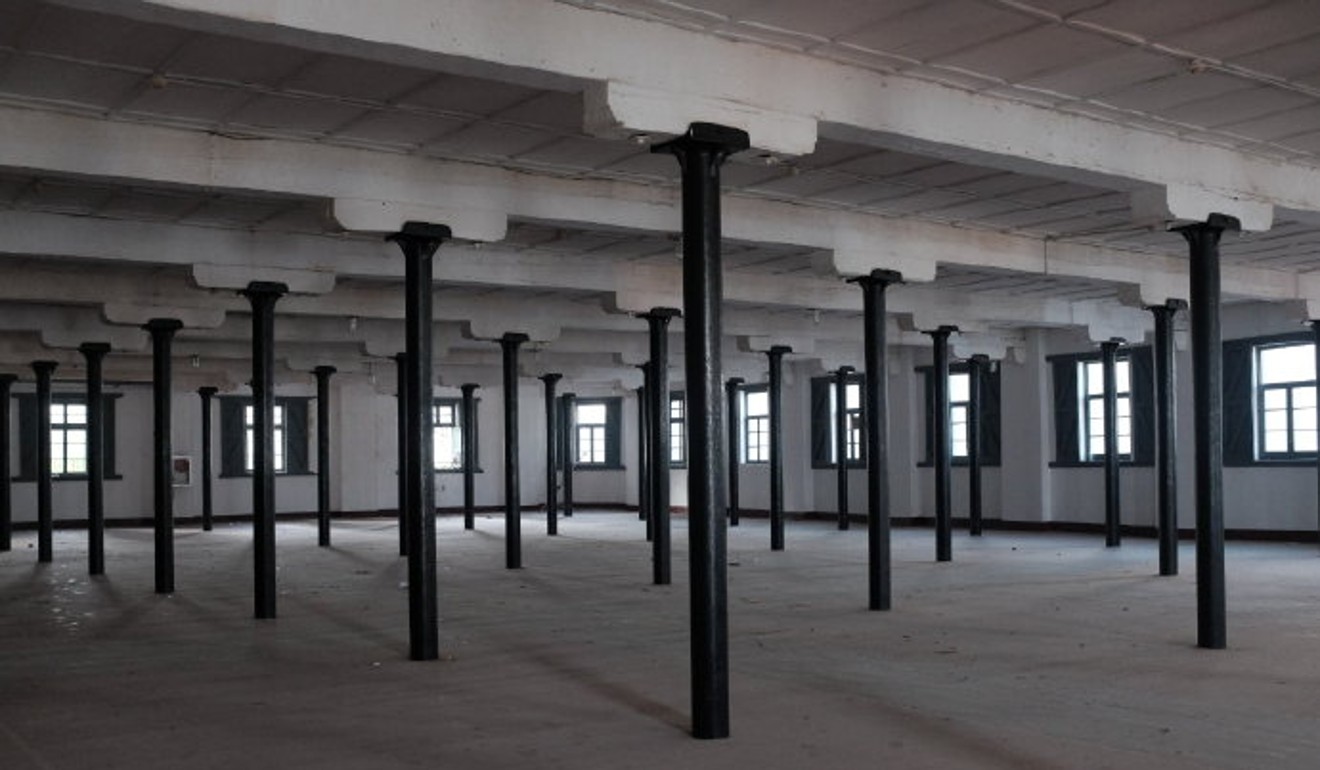
Liu Gang, an architecture professor at Shanghai’s Tongji University, said the properties featured big wooden beams supported by black iron pillars, which were prominent architectural features of industrial buildings dating back to the 19th century.

“We guess it was hard to move these giant beams with vehicles at the beginning of the 20th century. Quite possibly they were transported on the river. We guess that the wood was chopped down and processed in places across the Pacific [from North America] and shipped to Shanghai.”

In the WeChat article, Liu called for the protection of the interior structure of the buildings. “Without solid research, we cannot simply take them down to be replaced by new ones.”

Yu agreed, saying: “The building with a new inside structure would be a fake and this plan will destroy historical heritage.”

Experts say the interiors of the historic buildings are also worth preserving. Photo: Urban China magazine

Huangpu Road, where these houses sit, is rich with history. It features the Garden Bridge of Shanghai – the city’s first steel bridge, built in 1907 – and was once home to the consulates of the United States, Russia, Japan, Germany, Denmark and the Austro-Hungarian empire.

Other notable landmarks on the road include the Astor House Hotel, built in 1846, where Charlie Chaplin, Albert Einstein and George Bernard Shaw stayed in the 1920s and 1930s. The hotel is still there.

“History happened here,” Yu said. “But it’s a pity that most of the old buildings in this area no longer exist.”

Despite their success in winning a stay of execution for the two buildings, the experts are cautious in their expectations.

“The demolition work was suspended, but that does not mean they have accepted our proposals. We are not optimistic,” Yu said.

About two weeks ago as part of their effort to save the buildings, Yu and three other scholars approached officials from Shanghai’s Planning and Natural Resources Bureau, the government body behind the demolition project.

“Officials emphasised the difficulties of keeping the completeness of the old buildings and we just pointed out the damage to their historical values,” Yu said.

The Shanghai bureau did not immediately reply to a request for comment.

Shanghai nightclub king opens new art space – in disused oil tanks
Appeals by the public to conserve historical buildings have generally not been successful. Shenyuli, a typical Shanghai residential community built in the 1930s, was included in the city’s protected list of historical buildings in 2004.
The listing was not enough to prevent its demolition eight years later to make way for a public green land space.
Three years ago, the Shanghai government announced it was suspending the planned demolition of a former sex slavery station used by Japanese soldiers during the second world war, following media reports and a public outcry.
However, the building was later demolished, according to Su Zhiliang, history professor from Shanghai Normal University and a researcher on sex slavery, who predicts a similar outcome for this latest conservation effort.
“I think the government is just using the same tactic to postpone their plan. After the public’s attention is over, they will continue demolishing,” Su said.
Source: SCMP
29/04/2019

Racers tear through Chinese city streets in rented Porsche sports cars

  • Dangerous midnight speed drive fuelled by drinking and karaoke session
  • High-performance cars seen switching lanes, driving on the wrong side of the road and running a red light
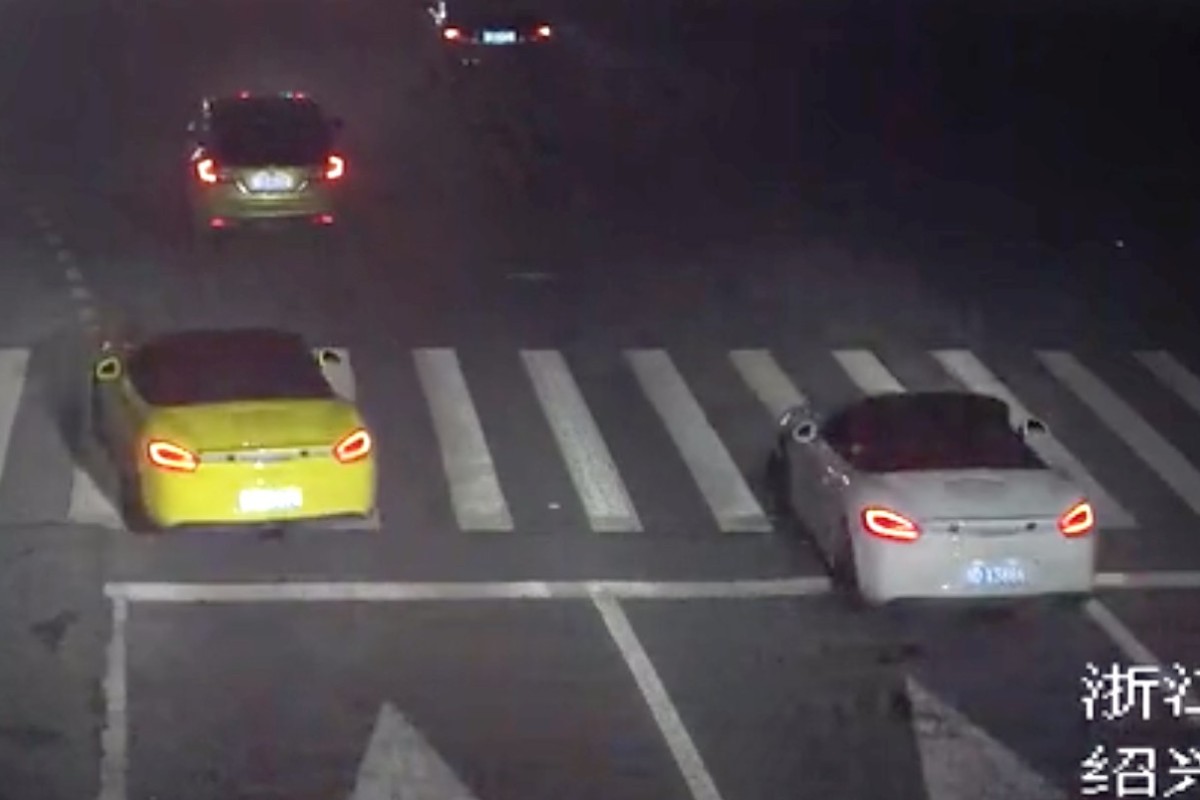
Two men have been detained in eastern China for racing their rented Porsche sports cars on city streets. Photo: Handout
An alcohol-fuelled midnight street race between two high-powered sports cars in an eastern Chinese city has landed two men in detention.
At one point, according to police in Zhuji, Zhejiang province, the rented Porsche cars hit 170km/h (105mph) as they tore through the city, randomly switching lanes, running a red light and even driving on the wrong side of the road.
A police investigation found the culprits had been drinking alcohol at a karaoke singing session before deciding to test their driving skills.
One of them, a 21-year-old university student surnamed Ying, had rented the yellow Porsche for a month for 20,000 yuan (US$3,000). The other man, a 24-year-old surnamed Jiang, had rented the white Porsche for a day at 800 yuan because he wanted to race his friend.
Chinese are buying more used cars online — without kicking a tyre
Ying was arrested two days after the illegal race and confessed, the police statement said.

Local police started receiving calls from residents at around midnight on April 22, complaining at the loud racing going on through the streets.

In a statement on the WeChat social messaging app, police said footage from more than 10 security cameras showed a yellow Porsche and a white one chasing each other in a dangerous manner down a main road past a hospital and numerous residential compounds.

Speeding has been a criminal offence in China since 2011. According to Chinese law, “whoever races a motor vehicle on a road with execrable circumstances or drives a motor vehicle on a road while intoxicated shall be sentenced to criminal detention and a fine.”

Source: SCMP

25/04/2019

11 killed, two seriously hurt in lift crash at north China building site

  • Accident happened about 7.20am at residential development in Hengshui, Hebei province, authorities say
  • Injured pair said to be in stable condition in hospital
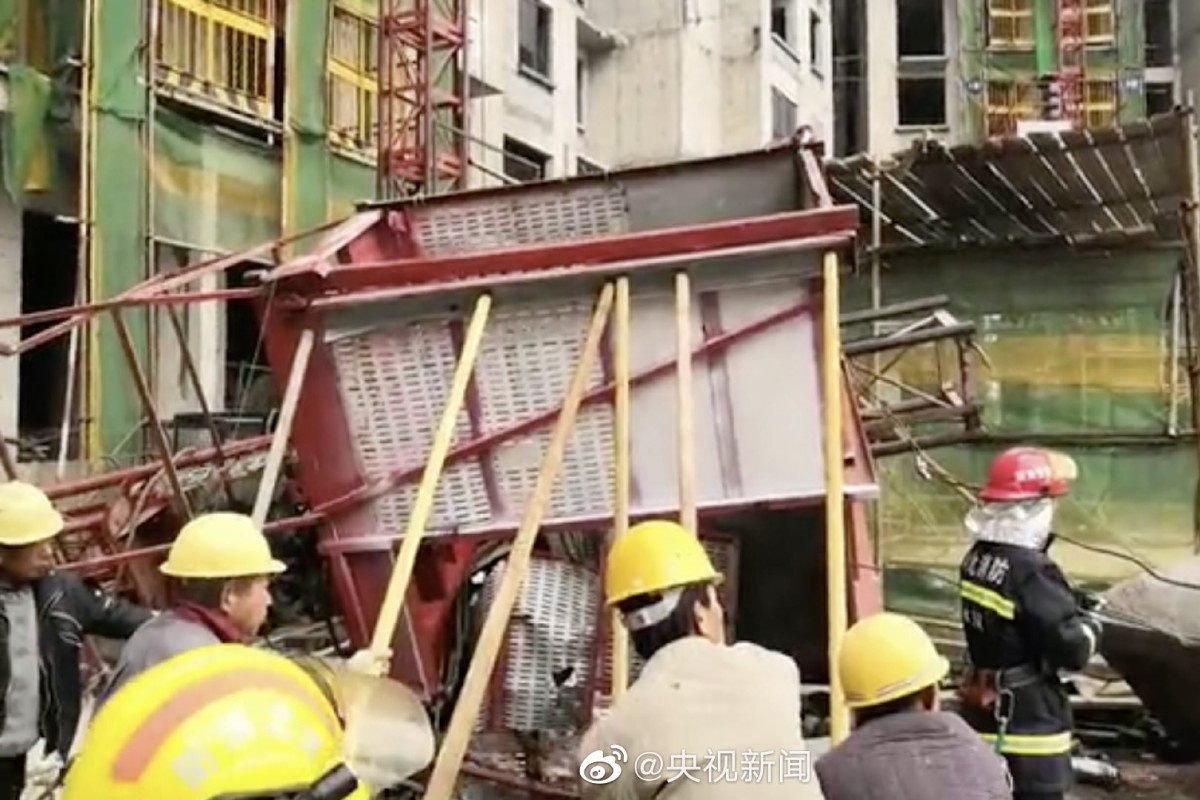
Eleven people were killed when a lift fell at a construction site in Hengshui, Hebei province. Photo: Weibo
Eleven people were killed and two others seriously injured when a lift fell at a construction site in northern China on Thursday morning, municipal authorities said.
The accident happened at about 7.20am on the site of the Jade Huating compound, a residential property development under construction in the Taocheng district of Hengshui, Hebei province, according to a statement issued by the city government.
The two people hurt were being treated at a local hospital and in a stable condition, it said.

Police, work safety officials and construction authorities have begun an investigation to determine the cause of the accident, the statement said.

The accident happened at about 7.20am on the site of the Jade Huating compound. Photo: Weibo

A witness was quoted by The Beijing News as saying the crash happened in a matter of seconds.

“I heard a big bang and saw the lift had fallen,” the witness said. “Then six or seven ambulances arrived on the scene.”

Kindergarten flattened by falling debris from building site

The housing project is being developed by Hengshui Youhe Real Estate Development.

The firm said on WeChat earlier this month that the project was making good progress thanks to “reasonable construction with maximum efficiency”, despite work having to be suspended several times for environmental reasons. The post was later deleted.

Source: SCMP

18/04/2019

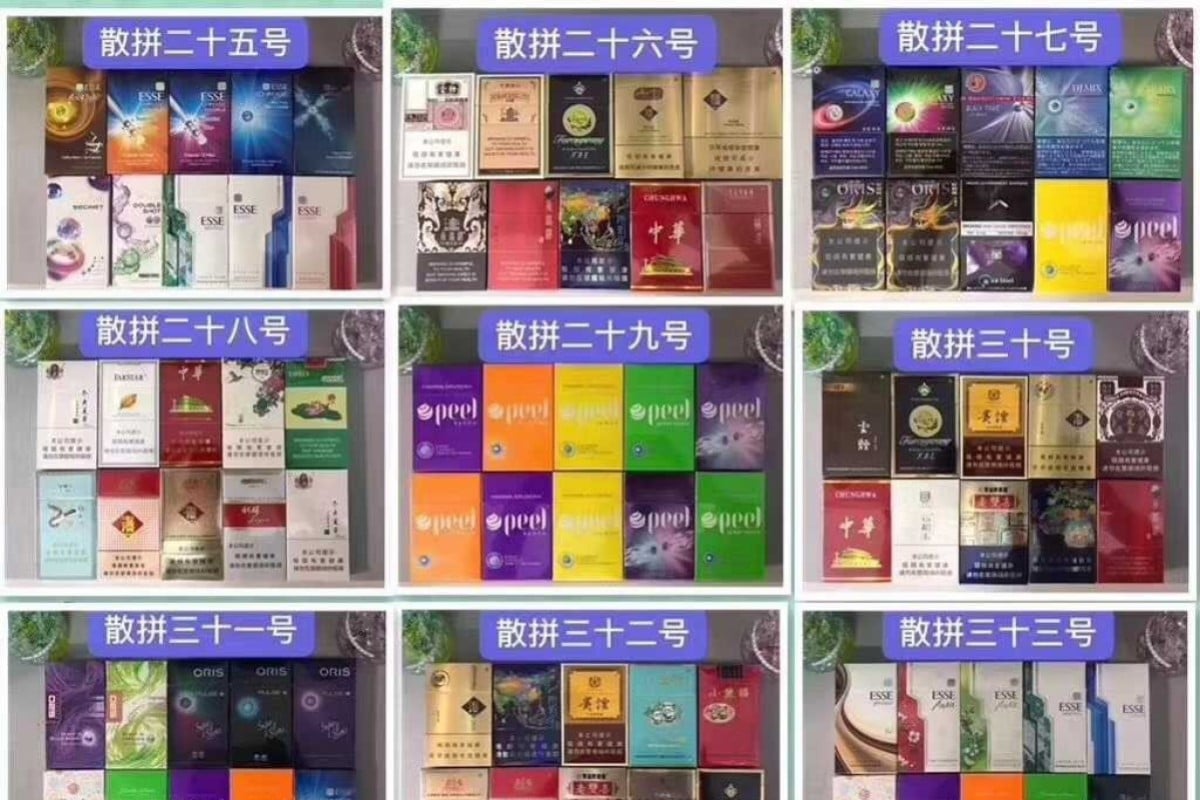
Tobacco vendors illegally advertise and sell cigarettes on China’s social media and e-commerce platforms

  • Health watchdog warns that tobacco products are widely available on both social media and online retailers
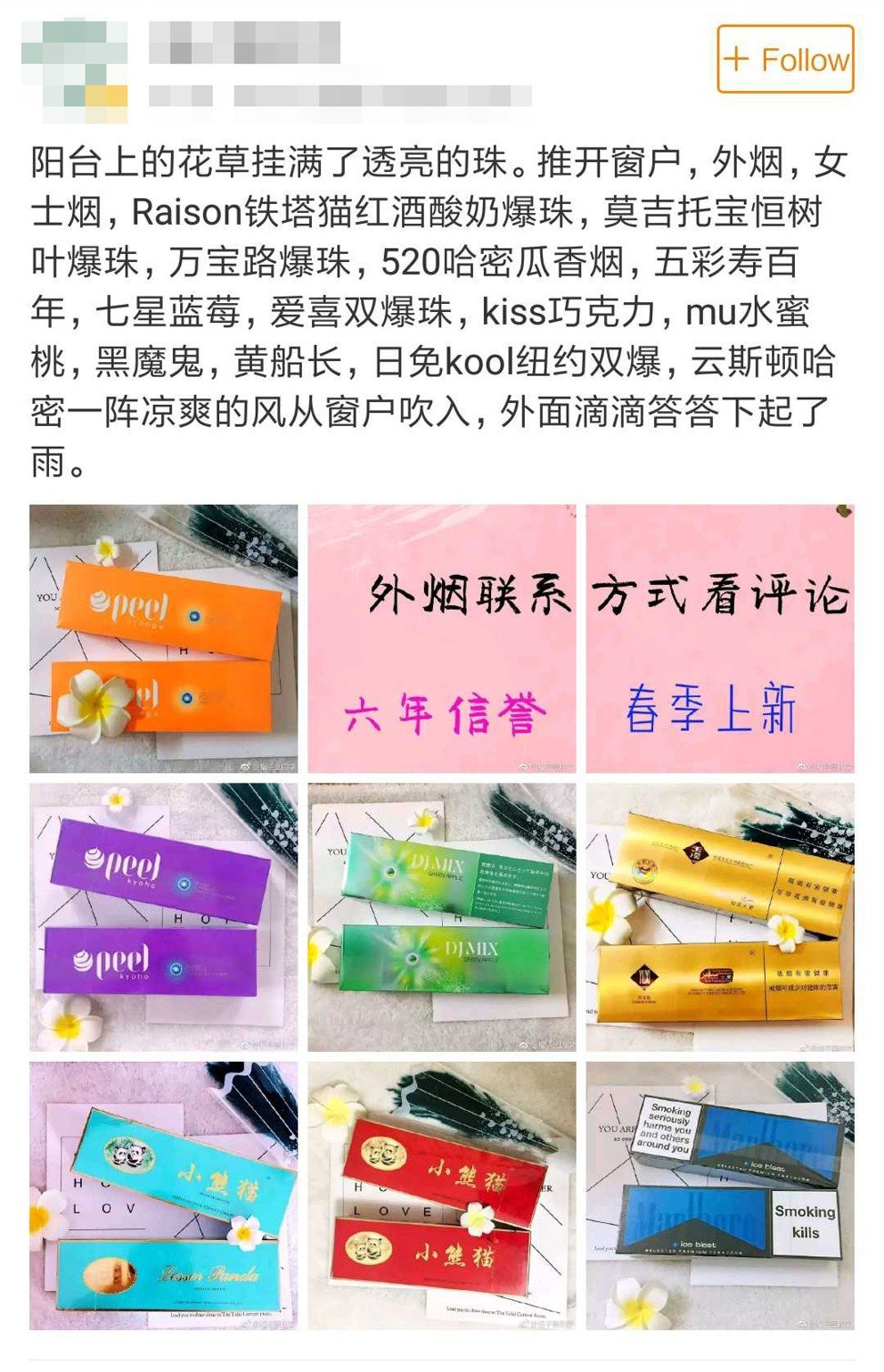
A tobacco seller’s advert posted on WeChat. Photo: Handout
Illegal tobacco trading is rife online in China both via social media and e-commerce platforms, a health watchdog has warned.
The Beijing Centre for Disease Prevention and Control released a report on Monday that said almost 52,000 advertisements and listings for tobacco products had been found on 14 social media and e-commerce platforms in the first half of last year.
“Compared with traditional advertising, tobacco promotion on the internet uses methods such as sponsored content, which is more discreet,” the report said.
China’s internet advertising regulations prohibit the online promotion of tobacco products.
Selling cigarettes online is illegal as the State Tobacco Monopoly Administration bans the sale of tobacco across provinces and strictly controls the production, sale and import of the product.
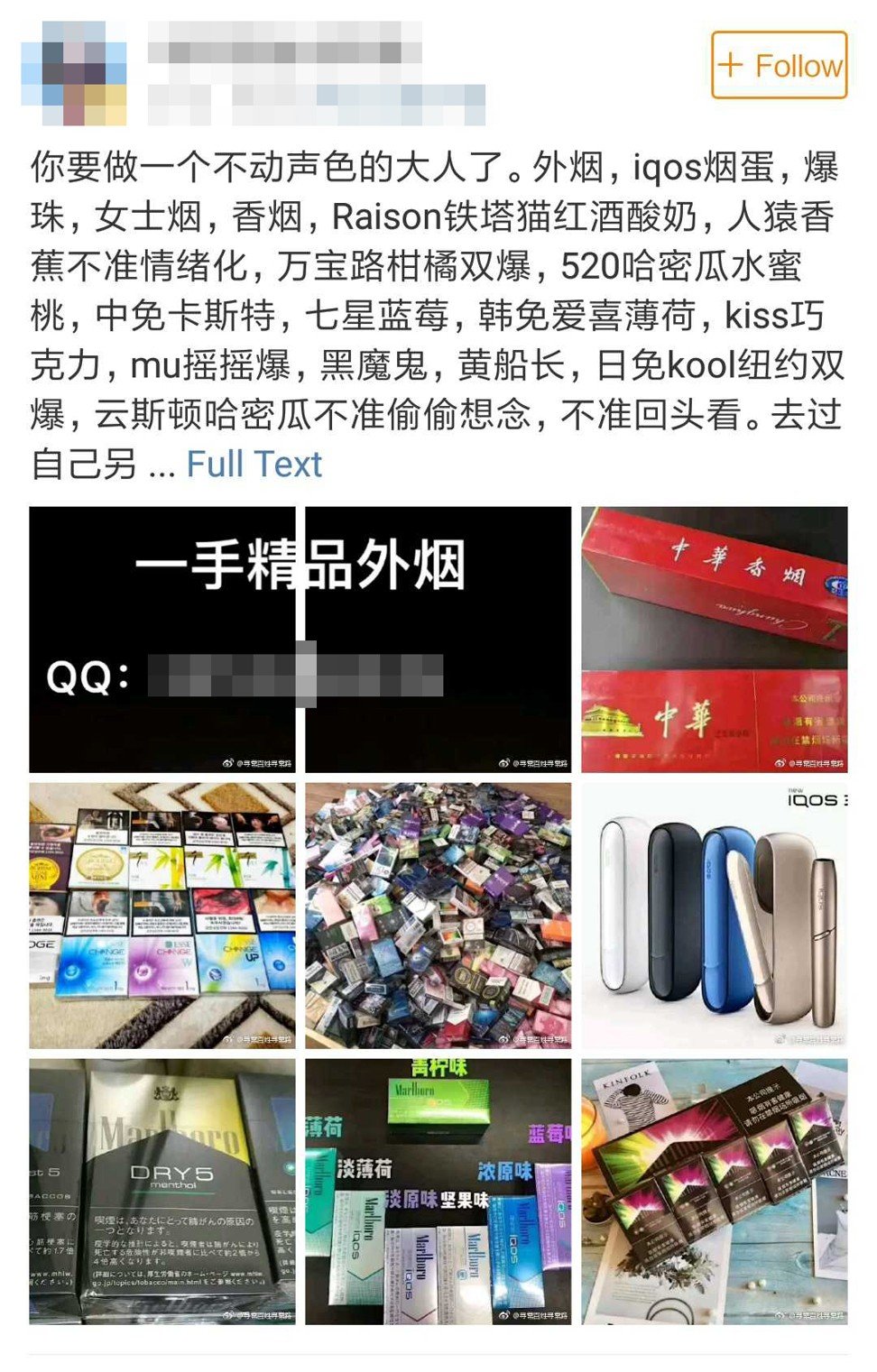
Screenshot from Weibo of an advertisement for imported cigarettes. Photo: Handout

The social network Weibo, China’s equivalent of Twitter, was highlighted as the platform where most of the banned promotion and selling were found, with nearly 43,000 adverts and listings, or 82 per cent of the total.

The South China Morning Post found that tobacco advertising and direct selling proliferates on Weibo, where searching for terms such as “cigarettes” and “women’s cigarettes” yielded almost 1,300 results, many of them offering WeChat and QQ contact information.

Five vendors found through Weibo offered various imported cigarettes such as Marlboro and South Korean brand Esse.

One seller claimed his wares were smuggled into China from places like the US. Another offered refunds for products that were confiscated, but only if they were bought for delivery within the same province.

A 10-packet carton of Kent cigarettes, an American brand, was selling for around 30 per cent less than the retail price in Beijing.

An extraordinary man’: China’s tobacco and orange king, entrepreneur Chu Shijian, dies aged 91
“A few days ago, cigarette sellers on Little Red Book began trending. People in different places have stopped. I’m still going, one step at a time,” a vendor calling herself “24 hours online cigarette hawker” wrote on her WeChat timeline on Wednesday.
She was referring to media coverage of Little Red Book the e-commerce platform popular with influencers selling lifestyle products.
Little Red Book, whose investors include Alibaba, the owner of the South China Morning Post, has pledged to remove as many as 95,000 adverts and listings for tobacco products found on the app on Tuesday in response to a report by newspaper Beijing Youth Daily.
Searches for “cigarettes” or “women’s cigarettes” no longer yielded results on Thursday.
“We are working hard to remove related content. We ask users to promptly report cases and work together to maintain order on the platform,” Weibo’s PR director Mao Taotao said.
Imported cigarettes on sale on Weibo. Photo: Handout

While advertising and online selling of tobacco are prohibited, e-cigarettes fall in a grey area. China’s tobacco agency has banned the sale of IQOS, a type of battery heated cigarette that delivers nicotine. However, regulations for non-nicotine vaporisers are less clear. These continue to be widely available online.

“In China, even toilet paper has standards. There are none for e-cigarettes,” Li Enze, the industrial law committee secretary for the Chinese Association on Tobacco Control, said.

“I think there needs to be a total ban on the sale of e-cigarettes until standards and regulations are set.”

E-cigarettes and vaporisers come in a variety of flavours and shapes to target women and young people, which poses a serious problem according to Li.

Under-18s can easily purchase vaporisers online and can be induced to smoking the real thing, he said.

Two sets of standards for e-cigarettes have been considered by the Standardisation Administration of China since 2017.

However, both were proposed by organisations associated with the state tobacco monopoly, which Li deemed a conflict of interest.

Source: SCMP

17/04/2019

Chinese zoo asks tourists not to feed cash to its animals after visitor throws US$1,500 to giraffes

  • Wildlife park in southwest of country issues warning after tourist throws 10,000 yuan worth of banknotes into enclosure
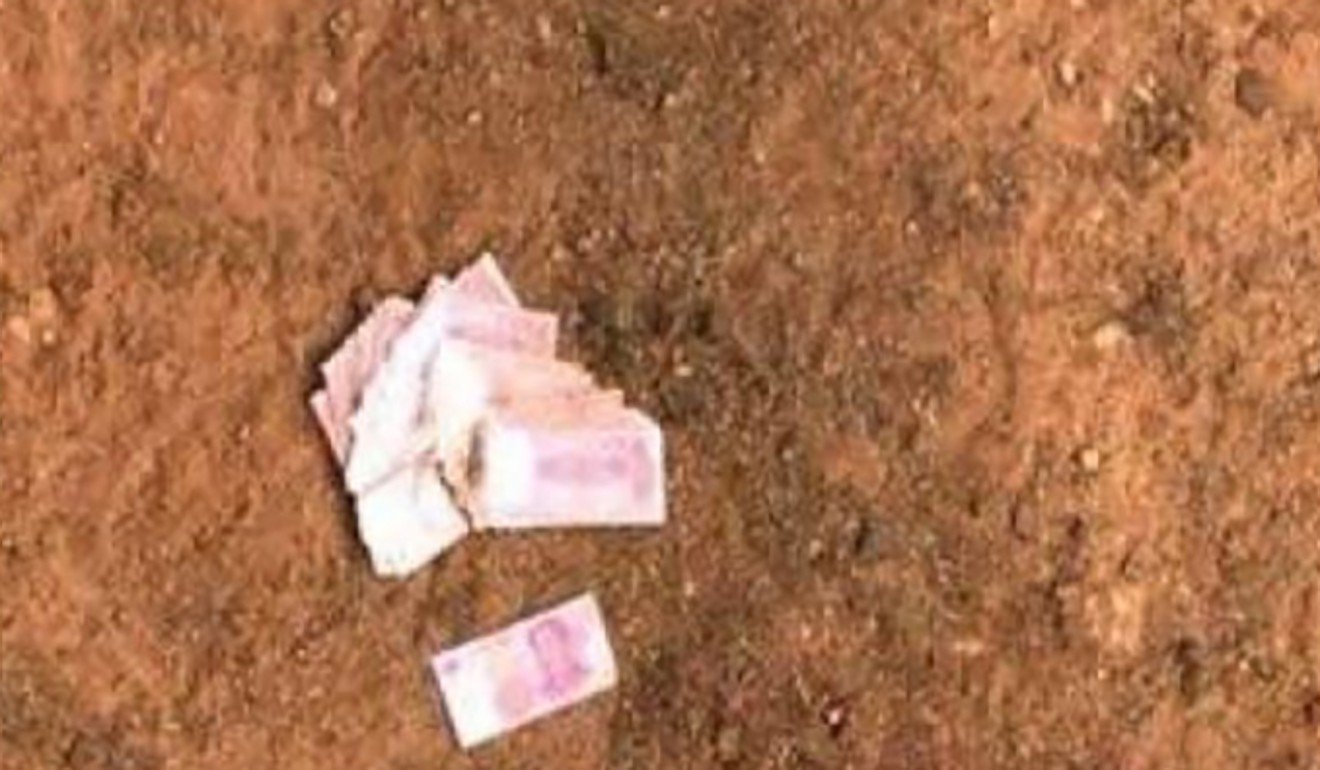
The money was thrown into the giraffe enclosure on Tuesday. Photo: Toutiao
A wildlife park in southwestern China is looking for a visitor who tried to feed its giraffes almost US$1,500 worth of cash.
Staff at the Yunnan Wildlife Park discovered on Tuesday that someone had thrown 10,000 yuan in banknotes into the giraffe enclosure and then disappeared, the park said later that day.
“Some tourists love to feed animals food when visiting zoos, but have you seen people who feed them renminbi?” the park said in a notice issued on WeChat, China’s most popular social media platform.

The banknotes landed in the giraffe enclosure just before noon and staff had to distract the animals with food while they picked up the money, it said.

Nearly 10,000 yuan, mostly in 100 yuan notes, was retrieved. Staff then questioned visitors in the area but they all denied any knowledge of the incident, it said.

Staff at the Yunnan Wildlife Park collected almost 10,000 yuan in cash. Photo: toutiao

Surveillance camera footage showed that the money was thrown from a blind spot, it added.

“So far no one has come to claim ownership of the money. The police are also helping us look for the owner,” a worker from the tourists’ service centre told the South China Morning Post on Wednesday.

Staff had to remind visitors that strange objects could harm the animals. Photo: toutiao

“As we search for the owner, may we also kindly advise tourists not to drop litter or feed animals ‘strange things’?” the notice said.

“Taking different food provided by tourists can give the animals nutritional disorders, and as a result influence their growth and reproduction. And if they eat objects that are indigestible, such as plastic bags, they can die or suffer life-threatening injuries.”

The wildlife park said it was hoping to return the cash to its owner if he or she can be traced.

Source: SCMP

17/03/2019

Chinese university puts students to WeChat test to pass social media course

  • Class members must add more than 1,000 new contacts to make the grade
Students studying social media operations at one Chinese university must add more than 1,000 new contacts to pass the class. Photo: Shutterstock
A marketing course has become a popularity contest with a university in central China requiring students to add more than 1,000 contacts to their WeChat account to earn a pass, according to Chinese media reports.
Students enrolled in Henan University of Finance and Economics’ course on social media operations must add 1,001 new contacts to pass and 1,667 to get a distinction, Shanghai-based news site Thepaper.cn reported on Sunday.
The course, run by the university’s school of communications, teaches students about marketing and promotion on social media, particularly WeChat, China’s biggest social media network with more than 1 billion users.

The app, operated by Chinese internet giant Tencent, is a conduit for games, shopping, news, payments and personal posts.

Market for bogus WeChat accounts still alive and well despite crackdown on illegal practice

Many students complained about the requirement online, saying the number was too high and there was no way they could meet so many new people and add them to their WeChat accounts.

Responding to the complaints, the university said the requirement had an academic purpose and staff discussed the issue last week with students who had signed up for the course.

Source: SCMP

13/03/2019

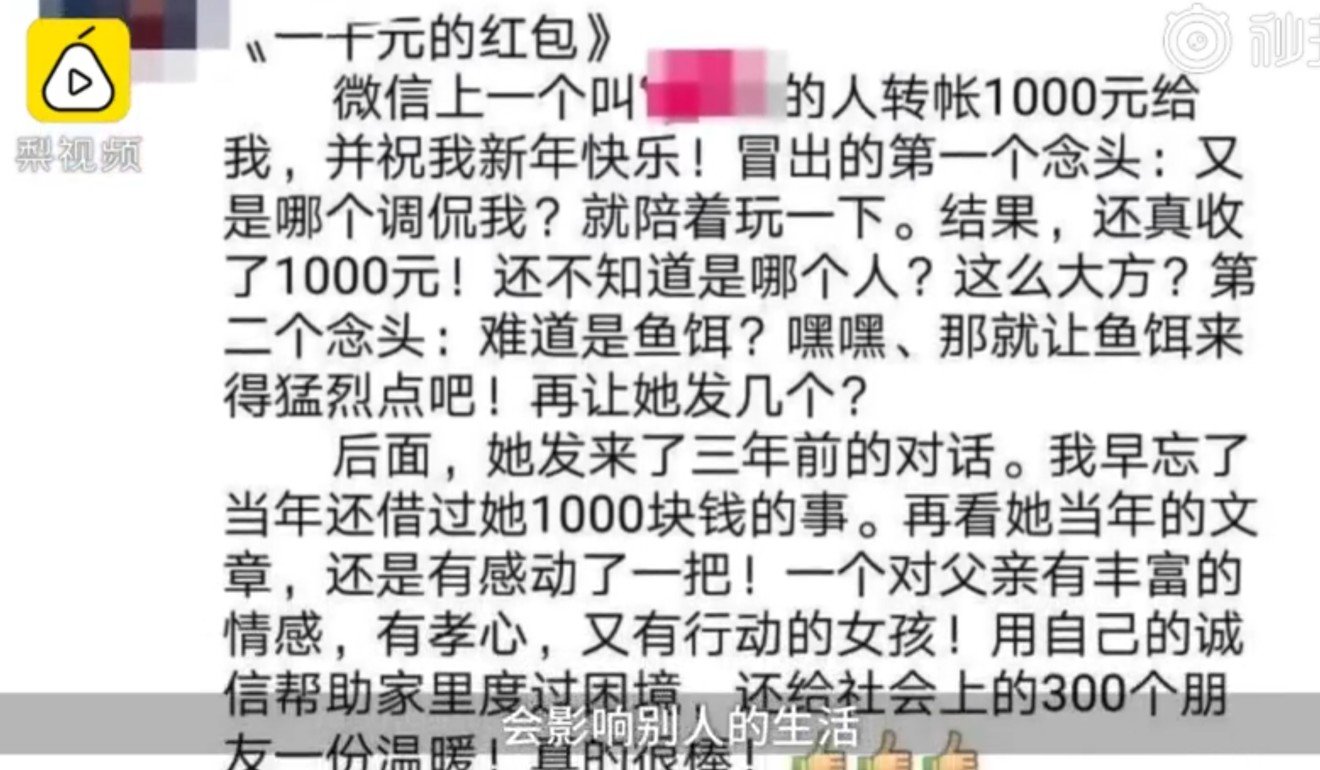
Chinese woman pays $44,710 back to crowdfunders who helped her father and ‘gives 300 people a warm hug’

  • When truck driver dad needed money to compensate pedestrian after accident, Hai Lin raised it online in one night and she paid it back two years before her deadline
In 2015, Hai Lin posted an appeal for 300 donations of 1,000 yuan on WeChat with a promise to pay lenders back within five years. Photo: Xinhua
A woman from southeastern China has returned 300,000 yuan (US$44,710) to 300 people – many of them strangers – who donated money to a crowdfunding appeal she started four years ago.
In 2015, Hai Lin posted an appeal for 300 donations of 1,000 yuan on WeChat, with a promise to pay lenders back within five years. She kept her promise – and paid back all her loans two years early.
The internet was abuzz with the story of Hai’s crowdfunder, which was reported by Pearvideo.com on Tuesday. Many people said it warmed their hearts and restored their confidence in society.

Shortly before that, Hai’s mother was admitted to hospital with bleeding on the brain.

“The man [hit by her father] was in critical condition,” Hai, then 27 and from Hangzhou, Zhejiang province, was quoted in the Pearvideo.com as saying. “We had to hide the accident from my mother so that her rehabilitation won’t be affected.”

‘Social media queen’ closes WeChat account after fake story outrage

Hai said the accident was a big blow and, for the first time in her life, she felt frightened.

“My father told me that if we couldn’t afford the compensation, he would run away to escape the debt,” said Hai. “I said I would try my best to keep that from happening.”

In her post on WeChat, she wrote that she was looking for 300 people to lend her 1,000 yuan each. She planned to pay back those debts in five years by returning money to five lenders each month.

“It’s because I couldn’t find someone who could lend me 300,000 yuan at a one time,” said Hai. “Some friends said they could have loaned me 100,000 yuan, but I refused their kindness because that was too big an amount.”

Resourceful Hai Lin asked 300 people online for 1,000 yuan each to help her father out and was true to her word in repaying the money. Photo: Weibo

To her surprise, 300 WeChat contacts, many of whom were not acquaintances, came up with the funds in one night.

In July 2015, Hai began to pay back the money she had borrowed. By July of last year, two years ahead of schedule and thanks to pay rises and year-end bonuses, the debt was cleared.

Some creditors had deleted Hai’s WeChat details, so she had to track them down.

“Girl, thank you for restoring trust which I thought I’d lost and for warm feelings that will stay with me,” one of her creditors wrote on WeChat.

Another said that when he received Hai’s money transfer he thought someone was joking. After recalling Hai’s appeal, he said he was touched by her gesture.

“You gave us 300 people a warm hug,” he said on WeChat.

Travel nightmares and how strangers crowdfund for injured tourists

The report on pearvideo.com has scored more than 40,000 “likes” on Sina Weibo, China’s

Twitter-like, while users added 10,000 combined reposts and comments.

“In her [Hai’s] mind there was a debt while other people would treat it as donation,” an internet user wrote. “I think many people wouldn’t expect her to return the money.”

“It shows this woman is a nice person in her everyday life and deserves credits. I would lend money to people like her,” another wrote.

One cautious Weibo user said: “I’ve never loaned money to people whom I never met face-to-face and only chatted with online.”

“Is it a big thing that you borrow money and pay it back?” asked another user. “You borrow 1,000 yuan from a person and return it years later. Is it something to feel proud of?”

Source: SCMP

01/03/2019

China’s envoy says Turkish Uighur criticism could hit economic tie

ANKARA (Reuters) – Turkey risks jeopardising economic ties with China if it keeps criticising Beijing’s treatment of Uighur Muslims, China’s envoy to Ankara warned, just as Chinese firms are looking to invest in Turkish energy and infrastructure mega-projects.

Last month Turkey broke a long silence over the fate of China’s Uighurs, saying more than one million people faced arbitrary arrest, torture and political brainwashing in Chinese internment camps in the country’s northwestern Xinjiang region.

Turkey’s Foreign Minister Mevlut Cavusoglu repeated Ankara’s concern at a United Nations meeting this week, calling on China to respect human rights and freedom of religion.

China has denied accusations of mistreatment and deems criticism at the United Nations to be interference in its sovereignty. Beijing says the camps are re-education and training facilities that have stopped attacks previously blamed on Islamist militants and separatists.

For now, Deng said that many Chinese companies were looking for investment opportunities in Turkey including the third nuclear power plant Ankara wants to build.

Several Chinese firms including tech giant Alibaba, are actively looking at opportunities in Turkey after the lira’s sell-off has made local assets cheaper.

In addition to Alibaba, which last year purchased Turkish online retailer Trendyol, other companies holding talks included China Life Insurance and conglomerate China Merchants Group, Deng said.

GAPING DEFICIT

Deng said Chinese banks wanted to invest in Turkey, following the lead of Industrial and Commercial Bank of China (ICBC) which bought Tekstilbank in 2015.

Chinese investment in Turkey would help narrow Ankara’s gaping current account deficit, which stood at $27.6 billion last year. Turkey’s trade deficit with China alone stood at $17.8 billion last year, according to Trade Ministry data.

In January, Turkey’s Finance Minister Berat Albayrak said it was “impossible” for Turkey to maintain such a trade deficit with China and other Asian countries, saying the government was considering taking measures.

Deng said he did not expect Turkey to take protectionist steps. “Both countries are strictly against such policies, and both economies need an open world economy,” he said.

He also called on Turkey to adopt Chinese payment platforms such as WeChat and AliPay. “People don’t want to pay in cash and the population here is very young so they wouldn’t have trouble adapting to new technologies,” Deng said.

Good diplomatic and political ties, however, would remain crucial for developing economic ties and attracting more Chinese investment, he said, adding that he had raised the issue with Cavusoglu on Tuesday, a day after the foreign minister’s intervention at the United Nations.

“The most important issue between countries are mutual respect,” he said. “Would you stay friends if your friend criticized you publicly every day?

Source: Reuters

21/02/2019

Chinese schools under fire after demanding parents pay for tablets

  • Students at one middle school were told they could join an ‘experimental class’ if they paid US$590 for a designated device
  • That class was later scrapped because of a lack of interest, while the principal of the other school clarified that its plan was not compulsory

Chinese schools under fire after demanding parents pay for tablets

21 Feb 2019

Parents took to social media asking why they had to buy a new tablet when they already had one, and questioning why a specific model was needed. Photo: Alamy
Two schools in northern China have come under fire from parents after they were asked to spend thousands of yuan on tablets for their children’s studies, with one forced to cancel its plan for an “experimental class” due to a lack of interest.

At that school, paying for the device would have given a student a place in a top class where they had access to the best resources.

Earlier this week, Yuying School in Yongnian county, Hebei province demanded 3,000 yuan (US$450) from parents of Year Seven students so that tablets could be bought to assist their studies, Red Star News reported on Wednesday.

They were told via a message on social network WeChat from one of the teachers. It said students should bring the money on Thursday – the first day of the new term – because the private school wanted to “teach using tablets to improve classroom efficiency”. Screenshots of the message have been circulating on social media.

Chinese high school students create daring sex education game, earning positive reviews on Steam

But some parents were against the idea, asking on the WeChat group why they had to buy a new tablet when they already had one, and questioning why a specific model was needed.

“We have several tablets at home – can’t my child use one of them at school?” one parent asked.

Another wrote: “I’m just wondering if this tablet is really worth 3,000 yuan.”

The reaction prompted school principal Li Jinxi to clarify on Wednesday that the tablet purchase was not mandatory, and staff had “misunderstood the policy”, according to the report.

“There could be some minor impact for those students who don’t buy the tablet but it won’t be a big deal because we will also continue to use traditional teaching methods,” he was quoted as saying.

Meanwhile, at Gongyi No 1 Senior High school in Henan province, students were told they could join an “experimental class” if they paid 3,980 yuan for a designated tablet, according to a report on news app Kuaibao on Tuesday.

The school had contacted some of its top students to take part in its “smart class cloud teaching experiment”, the report said.

But the Gongyi education bureau later posted a statement on Weibo, saying only about 70 of the school’s 520 students had signed up for the plan so the school had decided to scrap the idea and would refund the money to parents.

Huawei video in Chinese school exam sparks product placement row

The school was not the first in China to give students a chance to enter a top class if they bought tablets. In 2015, a school in Longkou, Shandong province told students that those who did not pay for a tablet would end up in “ordinary classes”. After the move caused uproar, the school ended up offering a free three-month trial of the devices, with students then able to choose whether to buy one or not – a decision that would not affect which class they got put in.

Source: SCMP

Law of Unintended Consequences

continuously updated blog about China & India

ChiaHou's Book Reviews

continuously updated blog about China & India

What's wrong with the world; and its economy

continuously updated blog about China & India