Chindia Alert: You’ll be Living in their World Very Soon
aims to alert you to the threats and opportunities that China and India present. China and India require serious attention; case of ‘hidden dragon and crouching tiger’.
Without this attention, governments, businesses and, indeed, individuals may find themselves at a great disadvantage sooner rather than later.
The POSTs (front webpages) are mainly 'cuttings' from reliable sources, updated continuously.
The PAGEs (see Tabs, above) attempt to make the information more meaningful by putting some structure to the information we have researched and assembled since 2006.
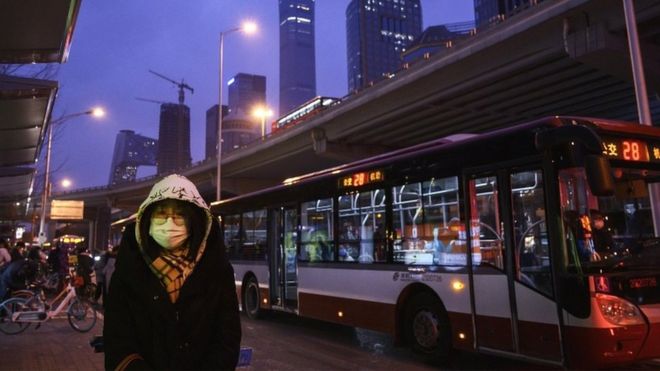
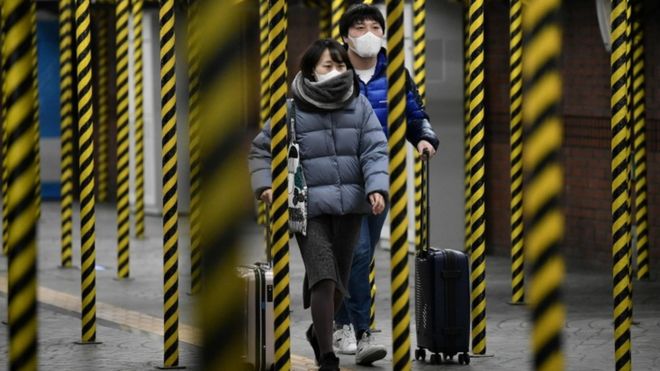
Image copyright GETTY IMAGESImage caption Authorities are also asking overseas Chinese to reconsider travel plans
Travellers from countries with severe coronavirus outbreaks who arrive in some parts of China will have to undergo a 14-day quarantine, state media say.
Travellers from the virus hotspots of South Korea, Japan, Iran and Italy arriving in the capital will have to be isolated, a Beijing official has said.
Shanghai and Guangdong announced similar restrictions earlier.
Authorities are worried the virus might be imported back into the country.
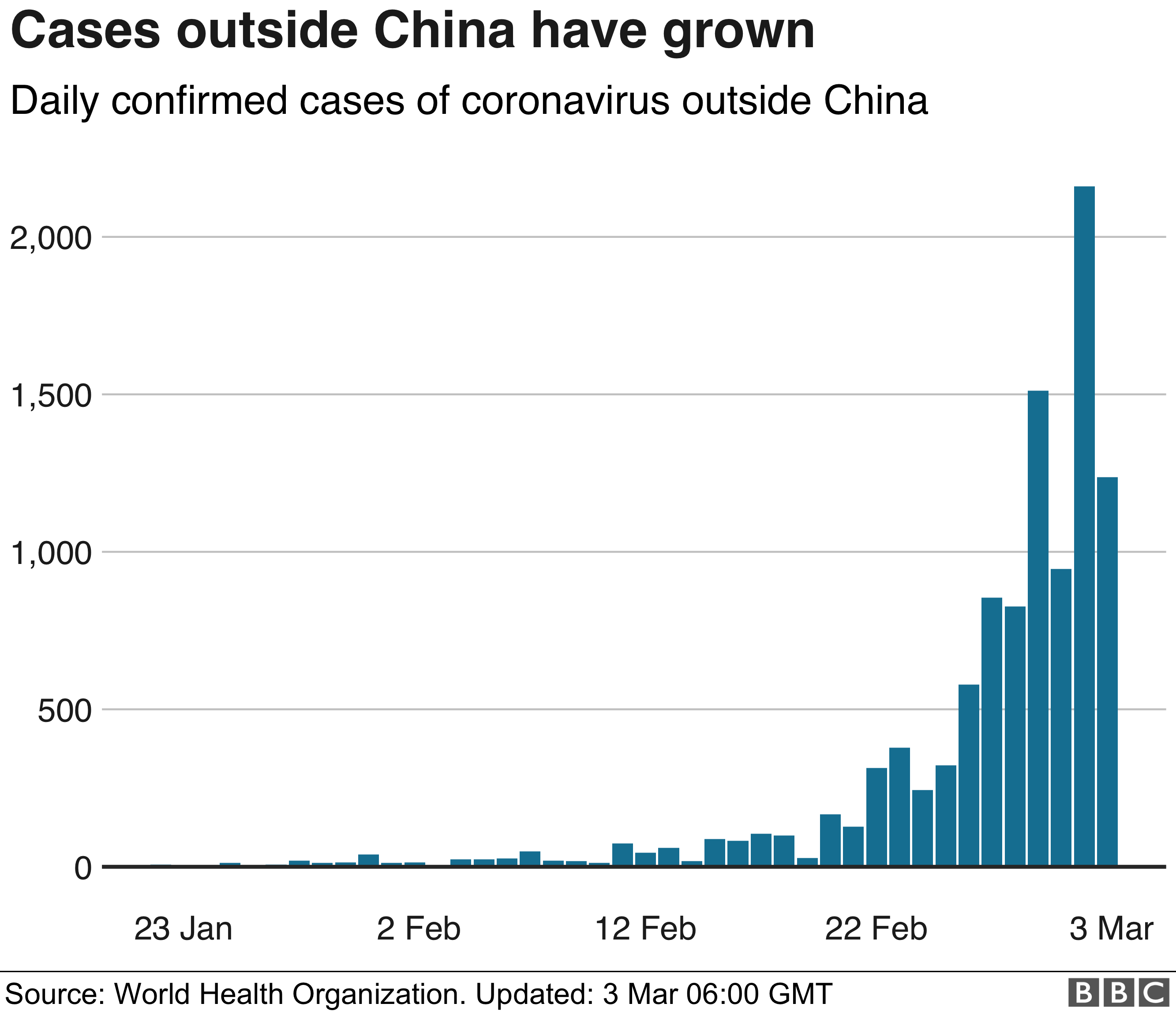
Although most virus deaths have been in China, Monday saw nine times more new infections outside China than in.
Shanghai said it would require new arrivals from countries with “relatively serious virus conditions” to be isolated, without naming the countries.
Authorities are also asking overseas Chinese to reconsider travel plans.
“For the sake of your family’s health and safety, please strengthen your precautions, carefully decide on your travel plans and minimise mobility,” officials in one southern Chinese province said.
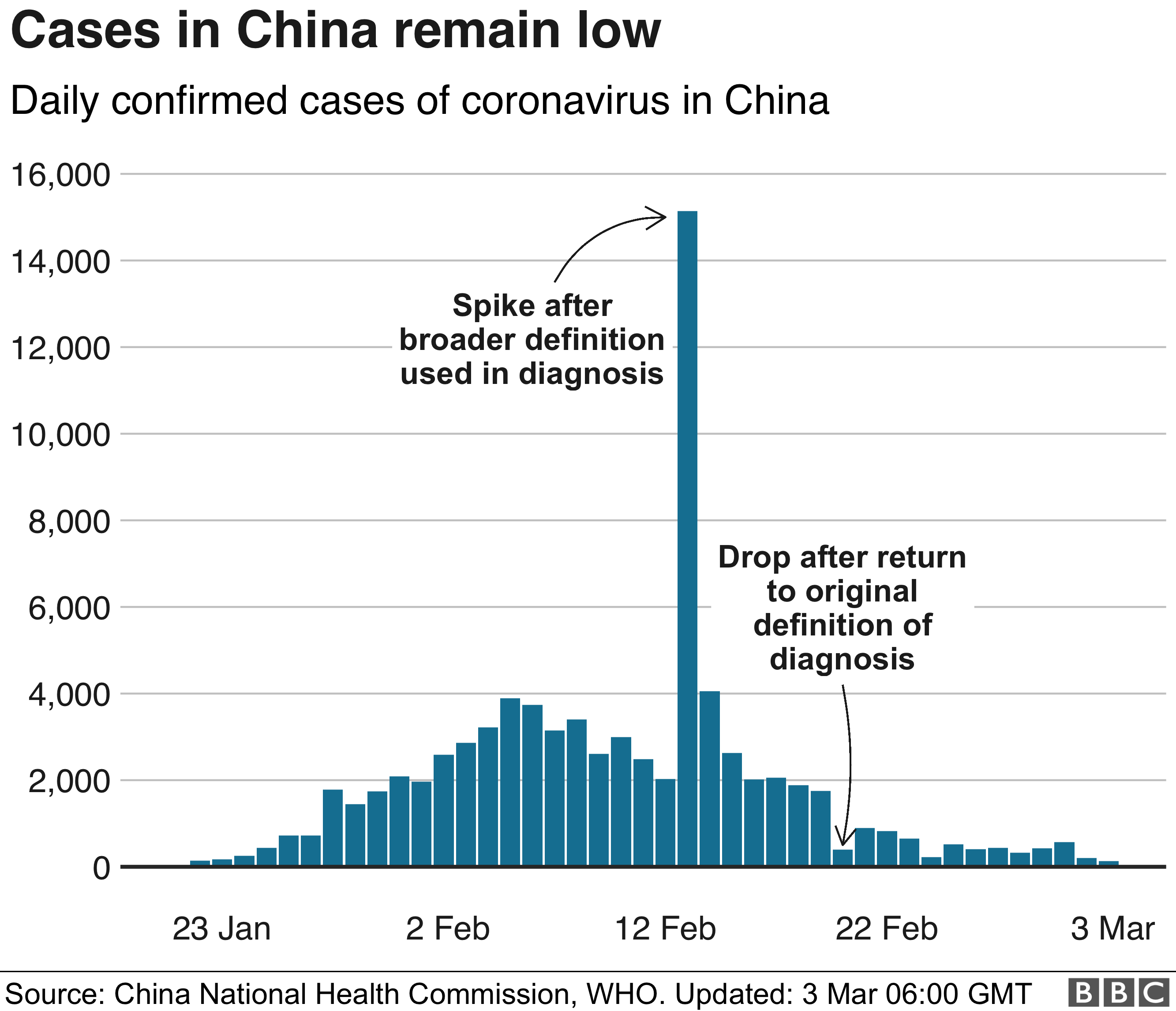
China reported 125 new virus cases on Tuesday – the lowest number of new daily infections in six weeks. There were also 31 more deaths – all in Hubei province, where the virus emerged.
In other developments:
Finance ministers from the G7 countries have said they are “ready to take action”, including fiscal measures to aid the response to the virus and support the global economy
The Pope, who had cancelled a Lent retreat for the first time in his papacy because he was suffering from a cold, has tested negative for the virus, Italian media report
South Korean President Moon Jae-in has put the country into a “state of war” and ordered all government departments to shift to a 24-hour emergency system
Jailed British-Iranian woman Nazanin Zaghari-Ratcliffe is in good health, Iran’s judiciary has said. She was assessed after her husband said she was showing symptoms of Covid-19
Media caption Julie, who lives in Singapore, was diagnosed with coronavirus and then put into isolation
How are different countries affected?
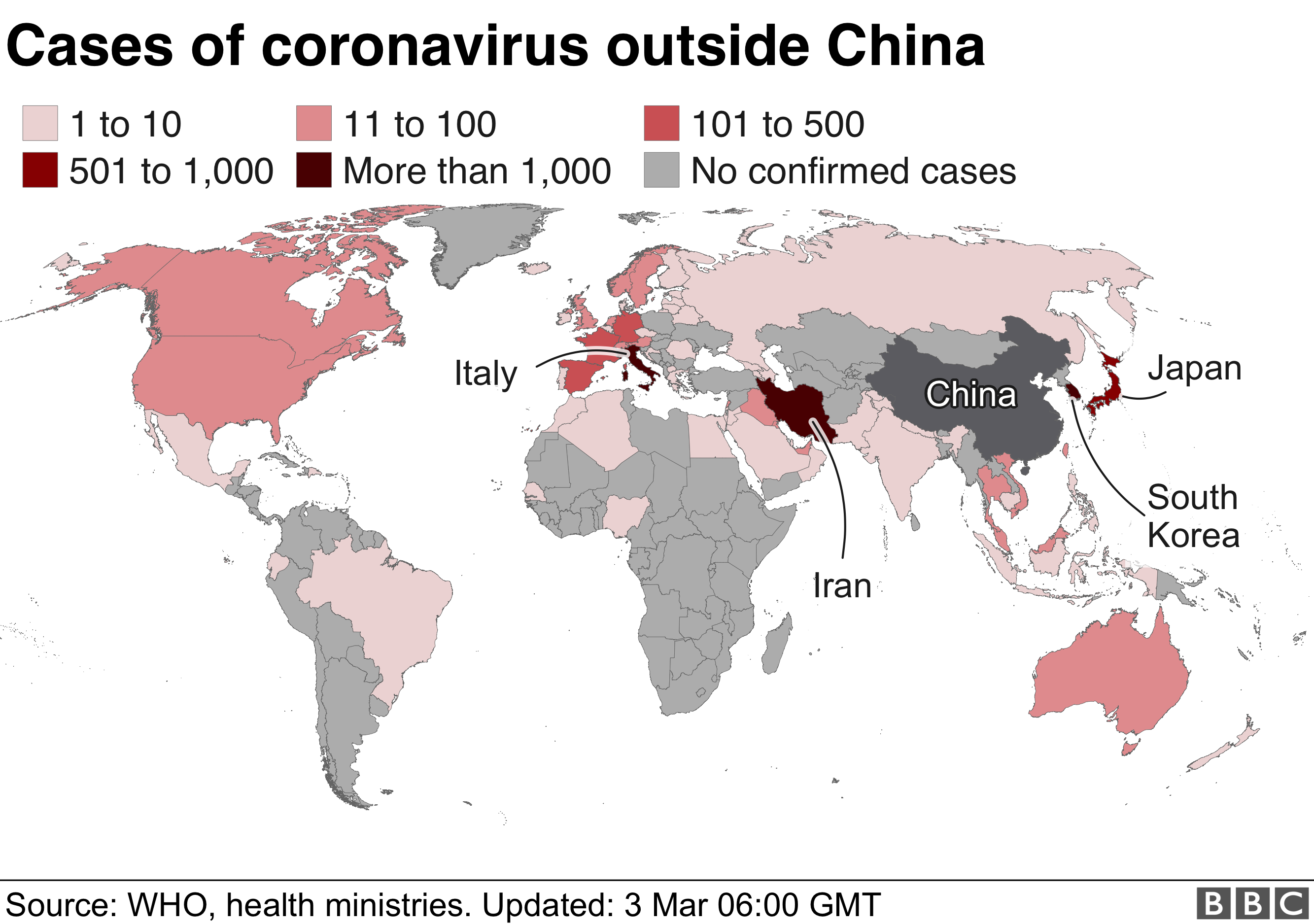
There are now almost 90,000 cases worldwide in about 70 countries, although the vast majority – just under 90% – remain in China, and most of those are in Hubei province where the virus originated late last year.
Of the nearly 8,800 cases outside China, 81% are in four countries – Iran, South Korea, Italy and Japan.
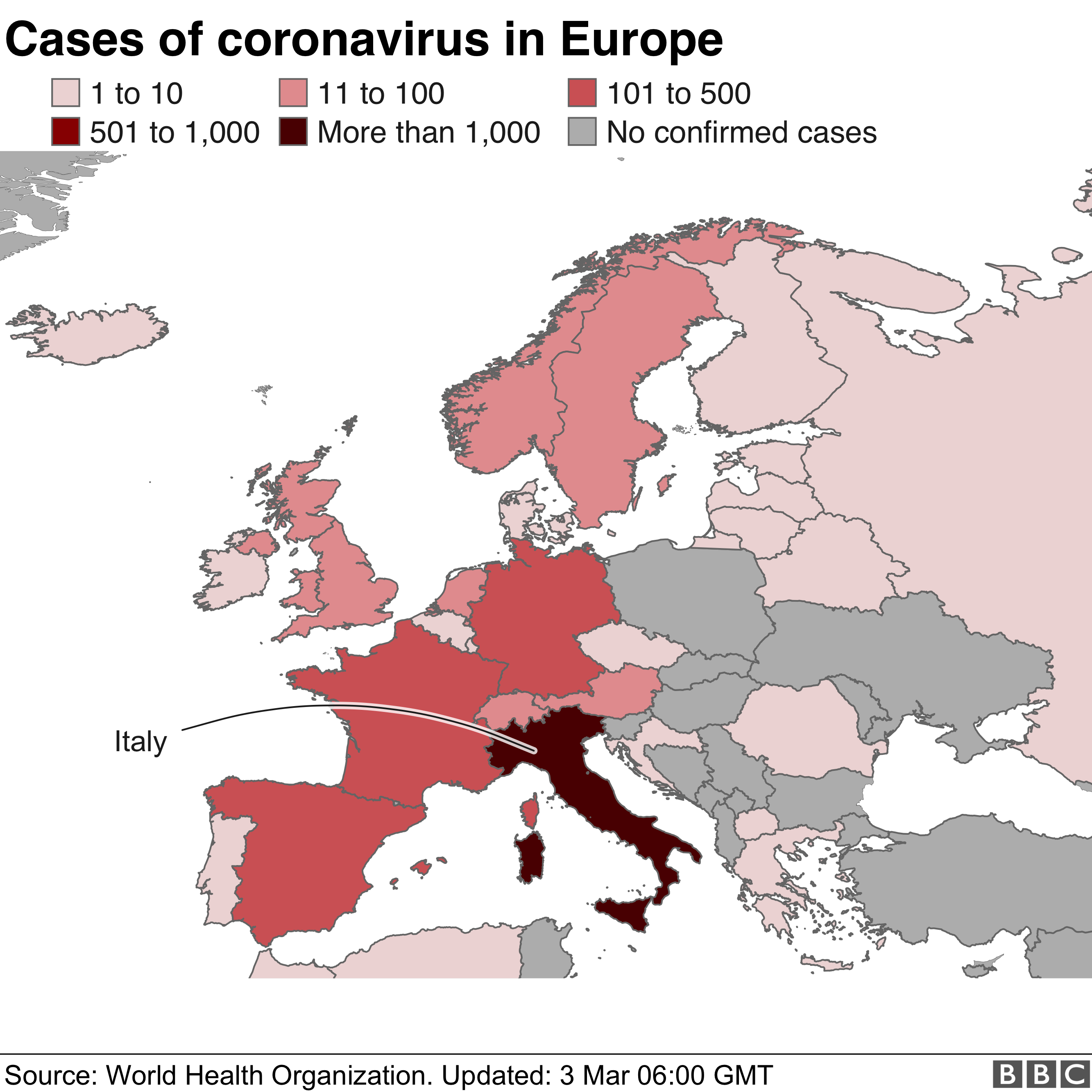
One of the countries worst affected outside China – Italy – said on Monday that the death toll there had risen by 18 to 52. There are 1,835 confirmed cases, most of them in the Lombardy and Veneto areas of the north. Nearly 150 people are said to have recovered.
However, the country is seeing a slowdown in new cases. On Monday, the authorities said there were 258 new cases of the virus – a 16% increase on the previous day – after new cases spiked by 50% on Sunday.
On Tuesday, Iran said the latest death toll from the virus was 77 – although the real figure is believed to be much higher. More than 2,300 people are said to be infected, including senior political figures. The head of Iran’s emergency medical services, Pirhossein Kolivand, was one of them, the Ilna news agency reported on Tuesday.
Some 23 MPs are also reported to have tested positive for the virus, and an official close to the Supreme Leader, Ayatollah Ali Khamenei, was reported on Monday to have died of the disease.
Health officials in the US state of Washington said on Monday that four more people had died, bringing the total there to six. They are the only deaths in the US so far. Local officials say they are buying a hotel to convert it into an isolation hospital.
On Tuesday, Ukraine confirmed its first case of coronavirus, while Portugal, Iceland, Jordan, Tunisia, Armenia, Latvia, Senegal, Morocco and Andorra confirmed their first cases on Monday.
How deadly is Covid-19?
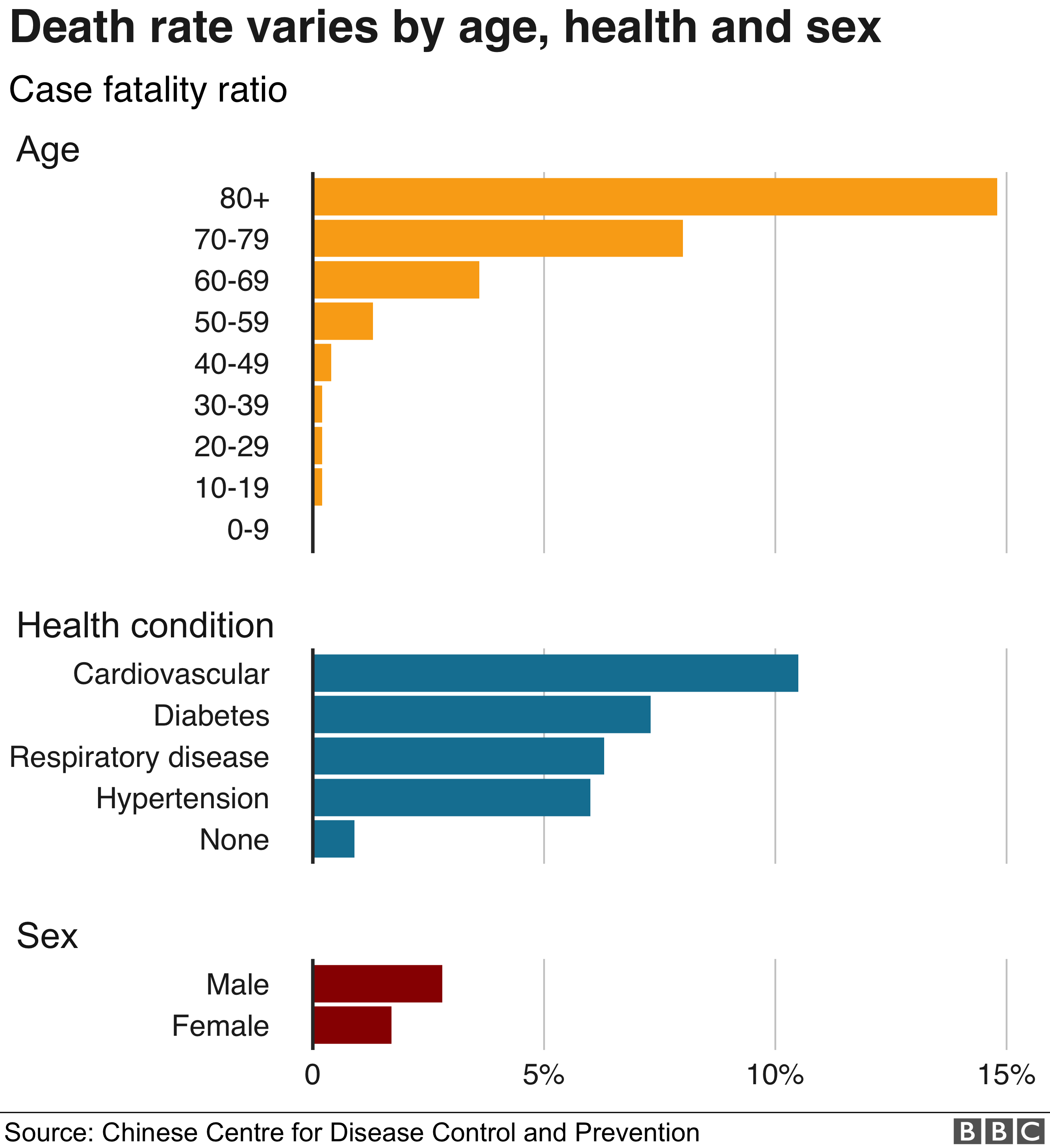
The WHO says the virus appears to particularly affect those over 60, and people already ill.
In the first large analysis of more than 44,000 cases from China, the death rate was 10 times higher in the very elderly compared to the middle-aged.
Most patients have only mild symptoms and the death rate appears to be between 2% and 5%, the WHO said.
By comparison, seasonal flu has an average mortality rate of about 0.1%, but is highly infectious – with up to 400,000 people dying from it each year.
Other strains of coronavirus, such as Severe Acute Respiratory Syndrome (Sars) and Middle East Respiratory Syndrome (Mers), have much higher death rates than Covid-19.
BEIJING, Feb. 29 (Xinhua) — Chinese President Xi Jinping and his Chilean counterpart, Sebastian Pinera, held a telephone conversation on Friday night to discuss the ongoing COVID-19 epidemic and how to further deepen bilateral ties.
Xi said the COVID-19 outbreak is a major public health emergency that features the fastest speed of transmission, the most extensive range of infection and the highest level of containment difficulty in the country since the founding of the People’s Republic of China.
“Since the outbreak of the epidemic, I have been personally commanding the work and making arrangements. The whole country has become a nation of one mind sharing the same boat, and has taken the most comprehensive, rigorous and thorough prevention and control measures,” said Xi, adding that the positive trend in preventing and controlling the epidemic is gaining momentum thanks to the hard work.
“We have full confidence, capacity and certainty to win the battle against the epidemic,” he added.
In this anti-epidemic fight, he stressed, China has always adhered to the vision of a community with a shared future for mankind and an attitude of openness, transparency and responsibility, sharing information with the WHO and the international community in a timely fashion as well as actively responding to the concerns of various sides and strengthening international cooperation, so as to prevent the epidemic from spreading around the world.
The WHO and the international community have spoken highly of China’s prevention and control work, he said, adding that the governments and people of many countries, including Chile, have offered China strong support in various ways, for which China is sincerely grateful.
Xi pointed out that the Chinese nation has experienced many ordeals in its history, but has never been overwhelmed, and that the impact of the epidemic on China’s economy is temporary and generally manageable, and the fundamentals of China’s long-term sound economic growth remain unchanged.
While making unrelenting, solid and meticulous efforts in epidemic prevention and control, China will roll out a series of policies and measures to gradually restore orderly production and life and ensure realization of this year’s economic and social development goals, he added.
With China and Chile being comprehensive strategic partners, their relationship has long been taking the lead in China-Latin America relations, Xi said, recalling that Pinera’s China visit last year bore rich fruit.
Noting that this year marks the 50th anniversary of bilateral diplomatic relations, Xi urged the two sides to take it as an opportunity to maintain close high-level exchanges and ensure the success of celebration events.
He also called on the two sides to expand cooperation in such fields as trade, investment, technological innovation and infrastructure construction by promoting high-quality Belt and Road cooperation.
At the same time, the two sides should work together to firmly safeguard multilateralism, promote trade and investment liberalization and facilitation, and tackle such global challenges as climate change, he added.
In so doing, Xi said, the two countries can carry forward their friendship, ensure a sound development of bilateral cooperation and bring more benefits to both peoples.
Pinera, on behalf of the Chilean government and people, extended sincere sympathies to the Chinese people over the COVID-19 outbreak and offered firm support to the Chinese people for their united efforts in fighting the epidemic.
He said that under the strong command of the Communist Party of China and the Chinese government, the Chinese side has taken very effective measures to deal with the epidemic, whose spread has been gradually put under control.
Noting that China is a great country that has gone through numerous hardships and difficulties, Pinera said he believes that under the strong leadership of Xi, China will surely achieve a complete victory over the epidemic at an early date.
The Chilean side stands ready to strengthen cooperation with the Chinese side to jointly tackle the challenge of infectious diseases and safeguard global public health security, he added.
Chile, he said, has always regarded its relations with China as a foreign policy priority, and is willing to take the 50th anniversary of bilateral diplomatic ties as an opportunity to join hands with China to further bolster collaboration in various fields, promote Belt and Road cooperation, safeguard multilateralism, and strengthen coordination in international affairs, so as to lift Chile-China relations to a new level.
NEW DELHI (Reuters) – U.S. President Donald Trump said on Tuesday that India will buy $3 billion worth of military equipment, including attack helicopters, as the two countries deepen defence and commercial ties in an attempt to balance the weight of China in the region.
India and the United States were also making progress on a big trade deal, Trump said. Negotiators from the two sides have wrangled for months to narrow differences on farm goods, medical devices, digital trade and new tariffs.
Trump was accorded a massive reception in Indian Prime Minister Narendra Modi’s home state on Monday, with more than 100,000 people filling into a cricket stadium for a “Namaste Trump” rally.
On Tuesday, Trump sat down for one-on-one talks with Modi followed by delegation-level meetings to try and move forward on issues that have divided them, mainly the festering trade dispute.
RELATED COVERAGE
U.S. first lady Melania Trump visits ‘happiness’ class at Delhi school
After those meetings, Trump said his visit had been productive with the conclusion of deals to buy helicopters for the Indian military. India is buying 24 SeaHawk helicopters from Lockheed Martin equipped with Hellfire missiles worth $2.6 billion and also plans a follow-on order for six Apache helicopters.
India is modernising its military to narrow the gap with China and has increasingly turned to the United States over traditional supplier, Russia.
Trump said the two countries were also making progress on a trade deal, which had been an area of growing friction between them.
“Our teams have made tremendous progress on a comprehensive trade agreement and I’m optimistic we can reach a deal that will be of great importance to both countries,” said Trump in remarks made alongside Modi.
The two countries had initially planned to produce a “mini deal”, but that proved elusive.
Instead both sides are now aiming for a bigger package, including possibly a free trade agreement.
Trump said he also discussed with Modi, whom he called his “dear friend”, the importance of a secure 5G telecoms network in India, ahead of a planned airwaves auction by the country.
The United States has banned Huawei, arguing the use of its kit creates the potential for espionage by China – a claim denied by Huawei and Beijing – but India, where telecoms companies have long used network gear from the Chinese firm, is yet to make a call.
Trump described Monday’s rally in Ahmedabad and again praised Modi and spoke of the size of the crowd, claiming there were “thousands of people outside trying to get in..
“I would even imagine they were there more for you than for me, I would hope so,” he told Modi. “The people love you…every time I mentioned your name, they would cheer.”
In New Delhi, Trump was given a formal state welcome on Tuesday at the red sandstone presidential palace with a 21-cannon gun salute and a red coated honour guard on horseback on a smoggy day.
HUG GETS TIGHTER
India is one of the few big countries in the world where Trump’s personal approval rating is above 50% and Trump’s trip has got wall-to-wall coverage with commentators saying he had hit all the right notes on his first official visit to the world’s biggest democracy.
They were also effusive in their praise for Modi for pulling off a spectacular reception for Trump.
“Modi-Trump hug gets tighter,” ran a headline in the Times of India.
But in a sign of the underlying political tensions in India, violent protests broke out in Delhi on Monday over a new citizenship law that critics say discriminates against Muslims and is a further attempt to undermine the secular foundations of India’s democracy. They say the law is part of a pattern of divisiveness being followed by Modi’s Hindu nationalist Bharatiya Janata Party.
At least 7 people were killed and about 150 injured in the clashes that took place in another part of the capital, away from the centre of the city where Modi is hosting Trump.
In his speech on Monday, Trump extolled India’s rise as a stable and prosperous democracy as one of the achievements of the century. “You have done it as a tolerant country. And you have done it as a great, free country,” he said.
Delhi has also been struggling with high air pollution and on Tuesday the air quality was moderately poor at 193 on a government index that measures pollution up to a scale of 500. The WHO considers anything above 60 as unhealthy.
Image copyright GETTY IMAGESImage caption Cases of coronavirus have risen sharply in South Korea, where the outbreak is worsening
The head of the World Health Organization (WHO) has expressed concern at the number of coronavirus cases with no clear link to China or other confirmed cases.
Dr Tedros Adhanom Ghebreyesus said the window of opportunity to contain the virus was “narrowing”.
Chinese health authorities reported a decrease in deaths and new cases of the coronavirus on Saturday.
But cases are on the rise in South Korea, Italy, Iran and other countries.
Outside China, more than 1,200 cases of the virus have been confirmed in 26 countries and there have been eight deaths, the WHO says.
They include two deaths in South Korea, which has the biggest cluster of confirmed cases apart from China and a cruise ship quarantined in Japan.
On Saturday, South Korea reported 142 new confirmed cases of the coronavirus, bringing the national tally to 346.
On Friday, doctors in Italy said a 78-year-old man became the first person in the country to die from the new coronavirus, Ansa news agency reported.
Earlier Italy had announced 16 more cases and its health minister said schools and offices would be closed and sports events cancelled in the affected regions.
China has reported 76,288 cases including 2,345 deaths. The new virus, which originated last year in Hubei province in China, causes a respiratory disease called Covid-19.
What did the WHO chief say?
Dr Tedros said the number of coronavirus cases outside China was “relatively small” but the pattern of infection was worrying.
“We are concerned about the number of cases with no clear epidemiological link, such as travel history to or contact with a confirmed case,” he said.
The new deaths and infections in Iran were “very concerning”, he said.
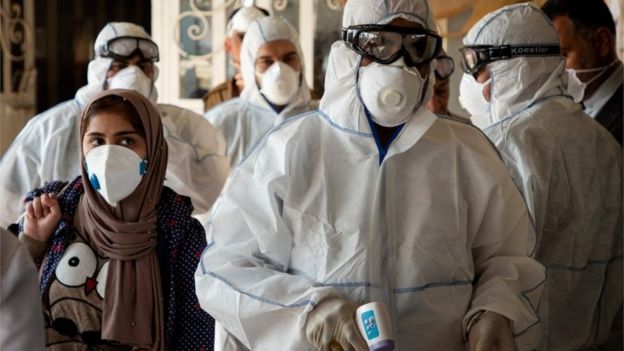
Image copyright AFPImage caption Iraq has been checking people at its border with Iran
But he insisted that the measures China and other countries had put in place meant there was still a “fighting chance” of stopping further spread and called on countries to put more resources into preparing for possible outbreaks.
What is the latest in South Korea?
Prime Minister Chung Sye-kyun declared a public health emergency as the total number of cases surpassed 300 on Saturday.
The southern cities of Daegu and Cheongdo have been declared “special care zones”. The streets of Daegu are now largely abandoned.
The nation’s capital, Seoul, banned demonstrations in central areas.
Two cases were also reported in Busan, South Korea’s second-largest city, and one on the Island of Jeju on Saturday – the first in both places.
Media caption People in Daegu have voiced concern over the spread of the virus
All military bases are in lockdown after three soldiers tested positive.
The authorities suspect the current outbreak in South Korea originated in Cheongdo, pointing out that a large number of sect followers attended the funeral of the founder’s brother from 31 January to 2 February.
The sect – known as Shincheonji – which has been accused of being a cult, said it had now shut down its Daegu branch and that services in other regions would be held online or individually at home.
As of Friday, more than 400 members of the church were showing symptoms of the disease, though tests were still ongoing, the city mayor said.
Can we answer your question on the coronavirus?
Here’s what others have been asking
Once you’ve had coronavirus, will you be immune?
Could the coronavirus become a pandemic?
Is the coronavirus worse than flu or Sars?
Hand sanitizers and warning signs
By Hyung Eun Kim, BBC Korean Service, Seoul
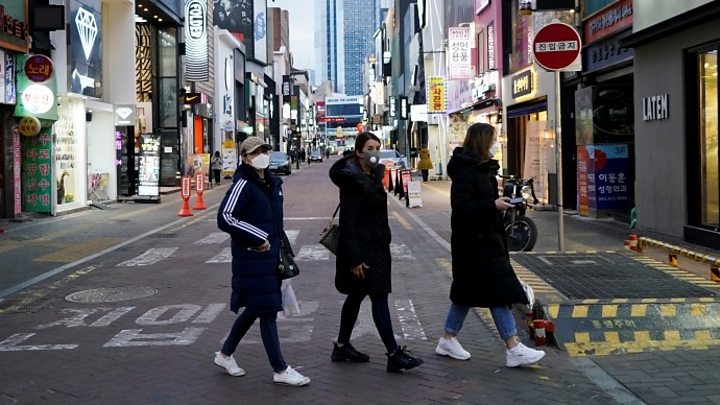
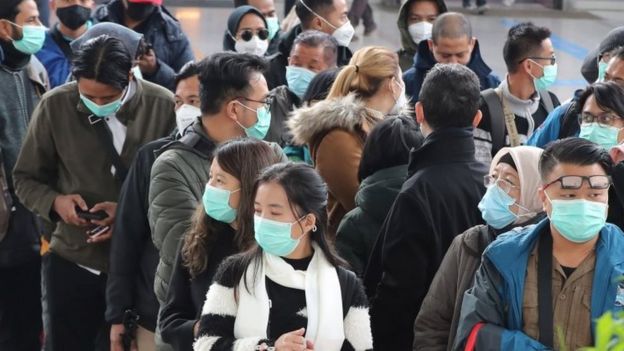
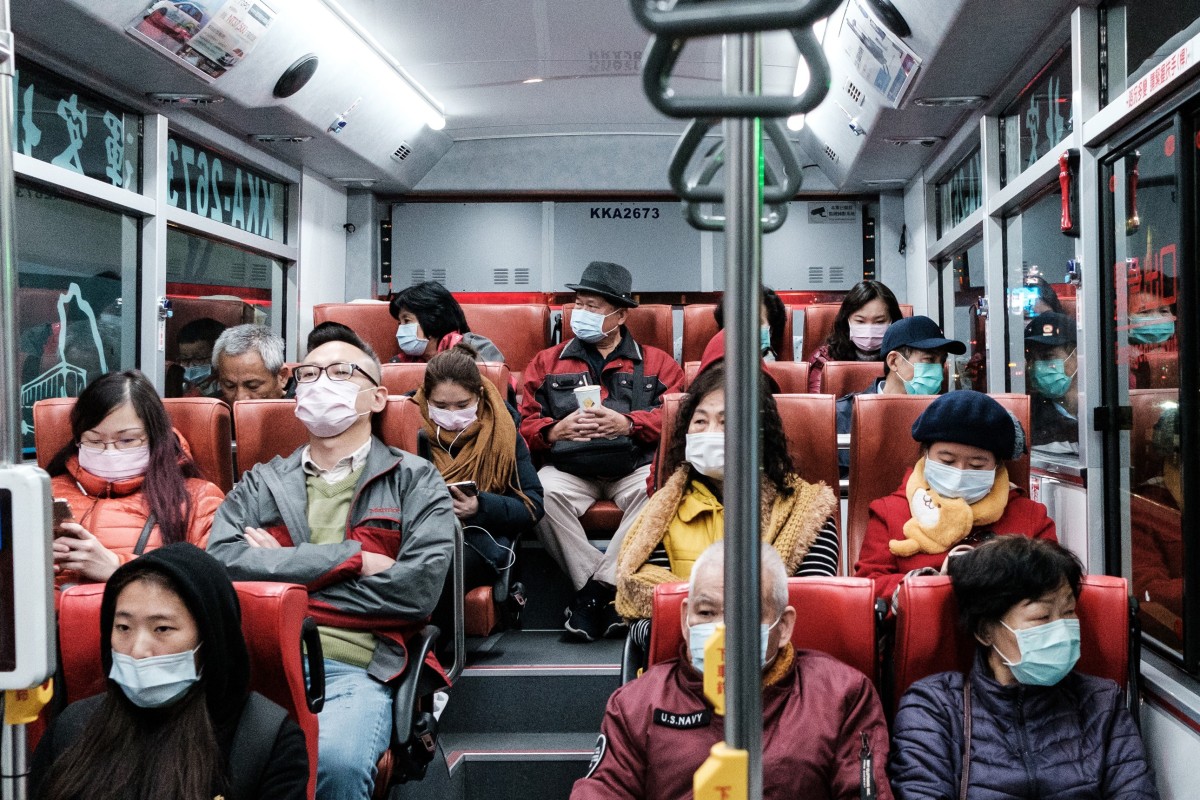
Many people in South Korea are wearing masks on a daily basis.
Hand sanitizers have been placed at public transport stops and building entrances.
Warning government signs are everywhere. They say: “Three ways to prevent further infection: wear a mask at all times; wash your hands properly with soap for more than 30 seconds; and cover yourself when coughing.”
Image copyright EPAImage caption New norm: Mask-wearing crowd in Seoul
Koreans have also developed several apps and websites that tell you how much risk you face where you are. They show where the infected people are within a 10km radius.
“I can’t miss work, what I can do is minimise contact with others and stay at home during the weekend,” Seung-hye Lim, a Seoul resident, told the BBC.
“I do wonder if we reacted too laxly initially or if it really is because of the specific service practices of the Shincheonji sect.”
So-young Sung, a mother of two in Seoul, told the BBC: “It feels like my daily life is collapsing.”
She said she was struggling to find pharmacies that had masks.
She added that checking coronavirus-related alarms from her children’s schools and kindergartens was now a daily routine for her.
What about the Iran cases?
In Iran the outbreak is centred on the holy city of Qom, south of the capital Tehran, which is a popular destination for Shia Muslims in the region.
Iran reported two more deaths in Qom on Friday, adding to the two deaths it reported on Thursday. A total of 18 cases have been confirmed in the country.
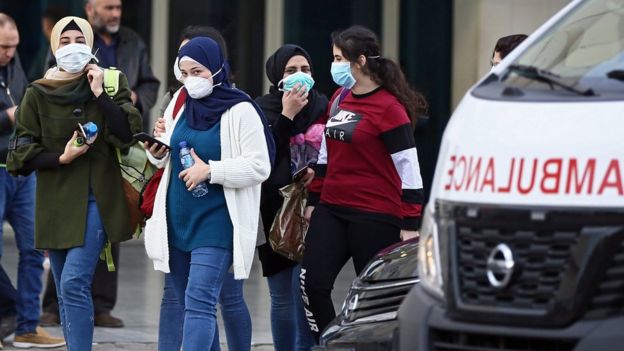
Lebanon has reported its first confirmed case – a 45-year-old woman who was detected as she arrived in Beirut from Qom. The UAE, Israel and Egypt have also reported cases.
Image copyright EPAImage caption Lebanon has confirmed its first case – a woman returning from the Iranian city of Qom
Meanwhile Canadian officials said one of the nine cases there was a woman who had recently returned from Iran.
WHO officials said both Iran and Lebanon had the basic capacity to detect the virus and the WHO was contacting them to offer further assistance.
But Dr Tedros said the organisation was concerned about the virus’s possible spread in countries with weaker health systems.
What about China and elsewhere?
The virus has now hit the country’s prison system, with more than 500 inmates confirmed infected.
They include 230 patients in a women’s prison in Wuhan. More cases have been found in a prison in the eastern province of Shandong and the south-eastern province of Zhejiang.
Some 36 people at a hospital in Beijing have also tested positive.
Senior officials have been sacked for mishandling management of the outbreak.
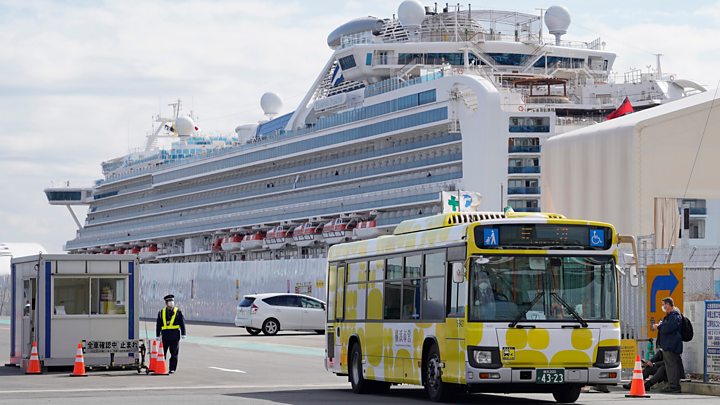
Passengers of the Diamond Princess cruise ship who have tested negative continue to disembark the ship in Yokohama after more than 14 days quarantined on board.
However, 18 American evacuees from the ship tested positive after arriving in the US, officials said. More than 300 other US nationals have arrived back in the US after disembarking.
Media caption Coronavirus: Quarantined passengers released from Japan ship
More than 150 Australian passengers have been evacuated from the ship and have already arrived in Darwin, where they will begin two more weeks of quarantine.
Australian officials said on Friday that six people had reported feeling unwell on arrival in Darwin and were immediately tested. Two of those people tested positive despite having received negative tests before leaving Japan.
The first batch of people from Hong Kong have also flown back to the city, where they will similarly be quarantined.
Forty countries will be able to diagnose the disease, and the Africa CDC is training health workers
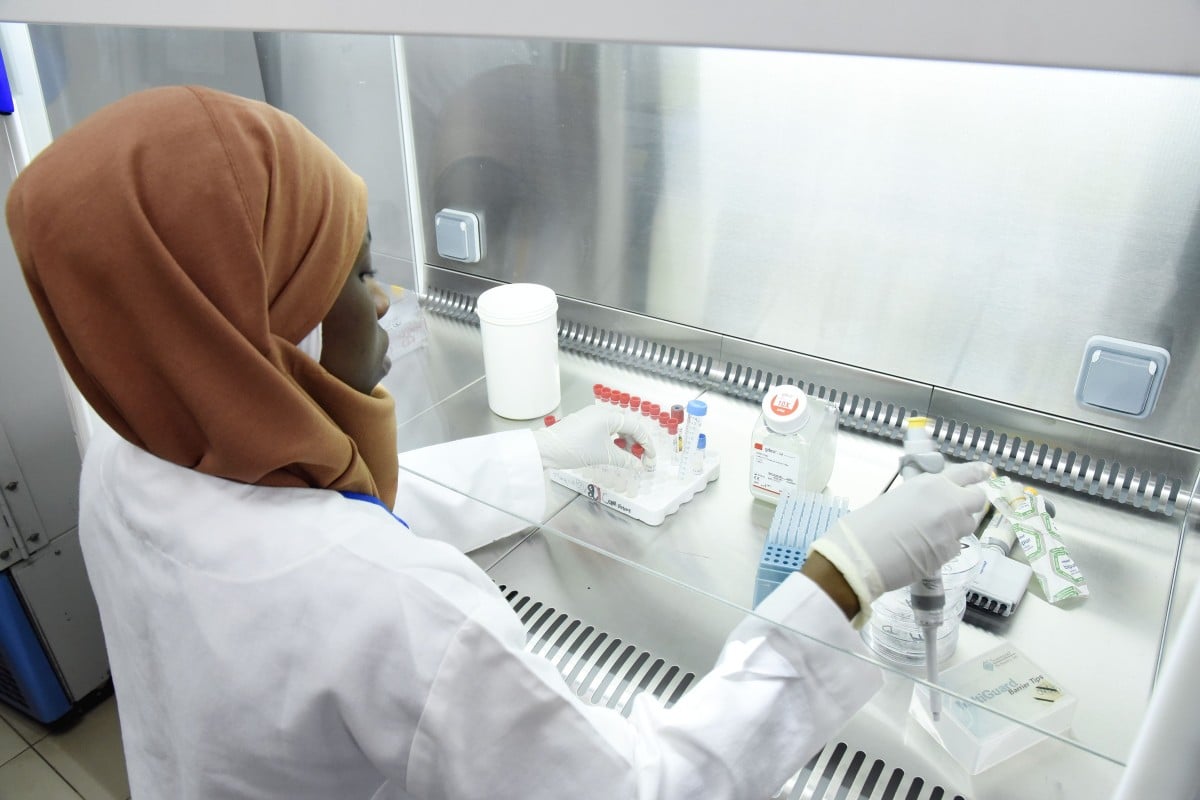
Until two weeks ago, there were only two laboratories on the continent that could test for the virus, in Senegal and South Africa
A scientist researches the coronavirus at the Pasteur Institute in Dakar, Senegal, which until two weeks ago was one of just two labs in Africa that could test for the disease. Photo: AFP
Forty countries in Africa will be able to test for the deadly new coronavirus
by the end of the week, the WHO said, after Egypt confirmed the first case on the continent last week.
The World Health Organisation said many of those nations had been sending samples elsewhere for testing and waiting several days for results.
“Now they can do it themselves, within 24 to 48 hours,” WHO director general Tedros Adhanom Ghebreyesus said in a media briefing on Tuesday.
Until about two weeks ago, there were only two laboratories in the continent of 54 countries – in Senegal and South Africa – with the reagents needed to test for the virus. That meant dozens of nations that had quarantined suspected patients were sending samples to South Africa or Senegal to be tested.
The WHO earlier this week sent reagent kits for coronavirus diagnosis to more than 20 countries in Africa to step up diagnosis of the virus, which causes a disease now known as Covid-19. The global health body said more countries in Africa were expected to receive testing kits this week.
In addition, the WHO last week sent testing kits to Cameroon, Ivory Coast, the Democratic Republic of Congo, Egypt, Ethiopia, Gabon, Ghana, Kenya, Morocco, Nigeria, Tunisia, Uganda and Zambia.
Coronavirus: WHO urges caution over study showing ‘decline’ in new Covid-19 cases in China
Tedros said some countries in Africa, including the Democratic Republic of Congo, were using systems developed to test for the deadly Ebola virus to now test for the coronavirus.
“This is a great example of how investing in health systems can pay dividends for health security,” Tedros said.
Several countries, including Ethiopia and South Sudan, were prioritising surveillance and monitoring at ports of entry, he said. “We’re also working with partners in some of the most fragile contexts, from Syria to the Central African Republic, to prepare countries for the arrival of the virus,” he said.
The WHO and Egyptian health officials on Friday confirmed that a 33-year-old foreigner had tested positive for the coronavirus. Egypt’s health ministry said the patient had tested positive for the virus without any symptoms, raising concern that there could be undetected cases on the continent, as countries scramble to equip labs to test for the disease.
The asymptomatic patient in Egypt was identified through contact screening of an index case who travelled to Cairo on a business trip from January 21 to February 4 and tested positive for the virus on February 11 in China, the WHO regional office said.
The new virus strain has killed more than 2,000 people and infected over 74,000 since the outbreak began in central China in December. It has spread to more than 20 countries.
Screening measures have been stepped up across Africa, including quarantining all passengers arriving from Chinese cities, amid fears that poorer countries with weaker health systems may struggle to cope if the virus spreads on the continent. More than a dozen countries still do not have the capacity to test for the pneumonia-like illness.
There are concerns that Africa’s close links with China put it at high risk for the spread of the new virus. Africa has become home to millions of Chinese since Beijing started looking to the continent for raw materials for its industries and markets for its products. China has been Africa’s largest trading partner since 2009, after it overtook the United States, with two-way trade standing at US$108 billion last year, according to China’s commerce ministry.
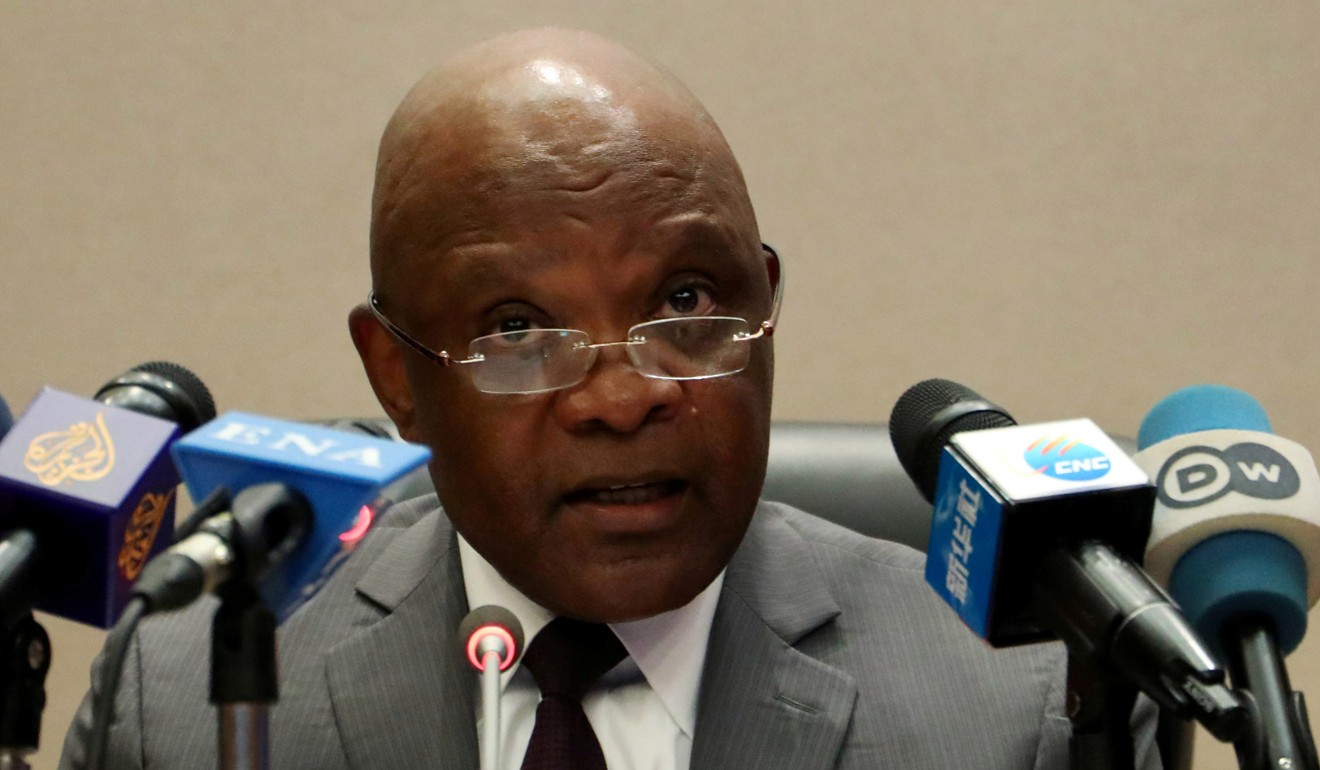
Africa CDC director John Nkengasong said it had been “investing in preparedness and response to the disease”. Photo: Reuters
John Nkengasong, director of the Africa Centres for Disease Control and Prevention (Africa CDC), said it was working closely with the WHO and other partners to ensure that Egypt had the diagnostic tools it needed, and that the right actions were taken to contain the spread of the virus.
“We anticipated that the Covid-19 outbreak would inevitably impact Africa. That is why the Africa CDC has been working actively with African Union member states and partners in the past four weeks and investing in preparedness and response to the disease,” he said.
“[Last week in Dakar, Senegal] we conducted training and supplied test kits to 16 African laboratories, including from Egypt. Egypt also received additional test kits from the WHO,” Nkengasong said.
The Africa CDC would train 40 health workers from nine countries, including Egypt, in Nairobi this week, he said, on “enhancing detection and investigation of Covid-19 at points of entry”.
The Chinese medical workers on the front line of the coronavirus fight in Wuhan
On Monday, Ethiopia, home to one of the continent’s busiest airports, said it had received equipment and reagents for virus detection and control. “We are working hard day and night with the government to improve the critical measures needed to ensure that the country is ready to effectively respond to an outbreak of Covid-19,” said Boureima Hama Sambo, the WHO representative in Ethiopia.
despite pressure for it to suspend services to the country. Many countries on the continent have restricted travel to and from mainland China, while six out of eight African airlines with Chinese routes have halted flights until the virus is contained, including EgyptAir.
Egypt has suspended all flights to and from the mainland until the end of the month and has evacuated more than 300 Egyptians from Wuhan, the epicentre of the epidemic.
Authorities say a foreigner tested positive without any symptoms and has been isolated in hospital in stable condition
WHO is racing to equip laboratories so they can test for the virus and avert an outbreak on the continent, which has close ties with China
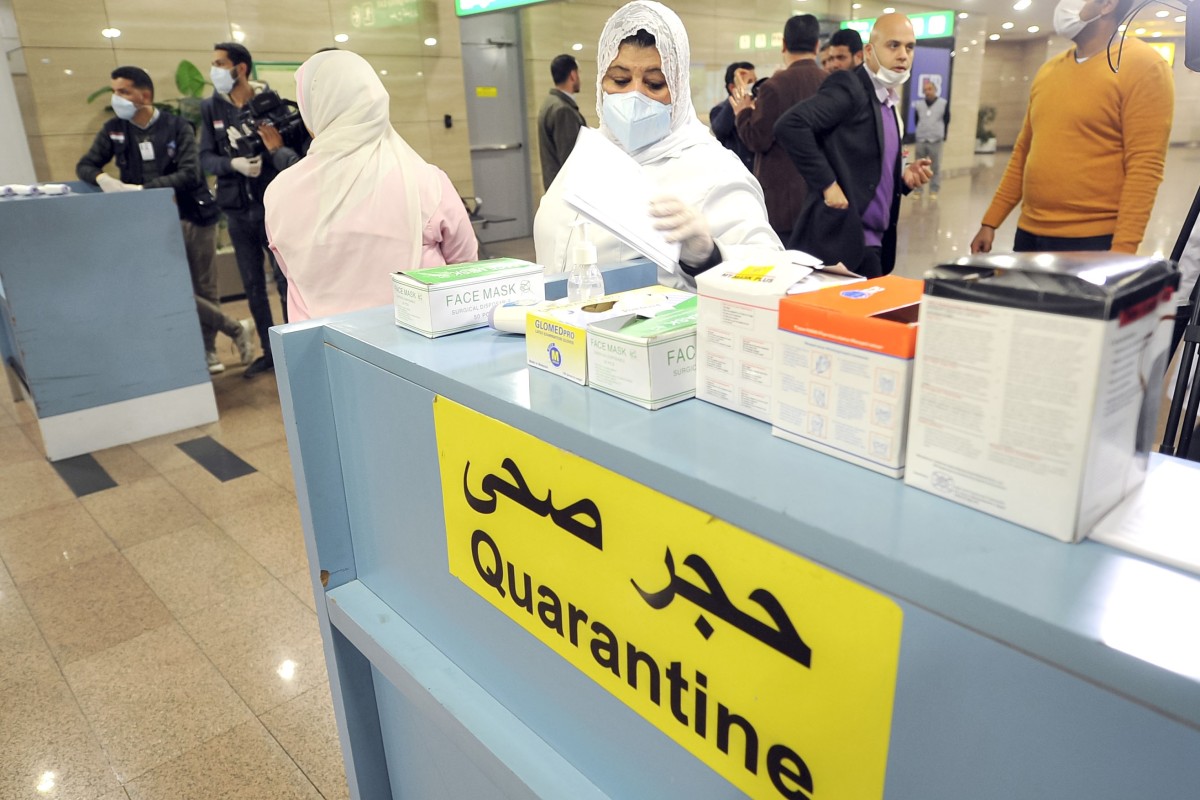
Egyptian quarantine officers prepare to screen travellers arriving at Cairo’s airport. The country has reported its first coronavirus case. Photo: AFP
Africa has reported its first case of the new coronavirus that has so far claimed more than 1,600 lives, with Egypt’s health ministry confirming that a foreigner had tested positive there.
Health experts and African leaders have expressed concern that poorer countries may struggle to cope if the virus spread to the continent. Fears for nations with weaker health systems prompted the World Health Organisation to declare the outbreak of the virus – which originated in China – a global public health emergency in January.
Its director general Tedros Adhanom Ghebreyesus last week said the WHO was racing to equip laboratories in vulnerable African countries with the “capacity to rapidly diagnose cases” to avert an outbreak.
The WHO and Egypt’s health ministry on Friday confirmed the country’s first case was a foreign national who had been isolated in hospital and was in stable condition. Health ministry spokesman Khaled Megahed said the patient had tested positive for the virus without any symptoms, and the WHO had been informed and measures taken to limit its spread.
The WHO said its Egypt office was working closely with health officials in the North African nation, taking “outbreak investigation and response actions”.
The country’s Eastern Mediterranean neighbour, the United Arab Emirates, had reported eight cases, the WHO said.
The Chinese medical workers on the front line of the coronavirus fight in Wuhan
The virus, which causes a disease known as Covid-19, has infected more than 68,000 people since the outbreak began in the Chinese city of Wuhan in December, and it has spread to more than 20 countries.
The first case in Africa comes as countries on the continent have stepped up screening at border checkpoints to prevent the spread of the pneumonia-like illness. Many countries have imposed restrictions on travel to and from mainland China, while six out of eight African airlines with Chinese routes have halted flights until the virus is contained, including EgyptAir.
Egypt has suspended all flights to and from China until the end of the month and has evacuated more than 300 Egyptians from Wuhan.
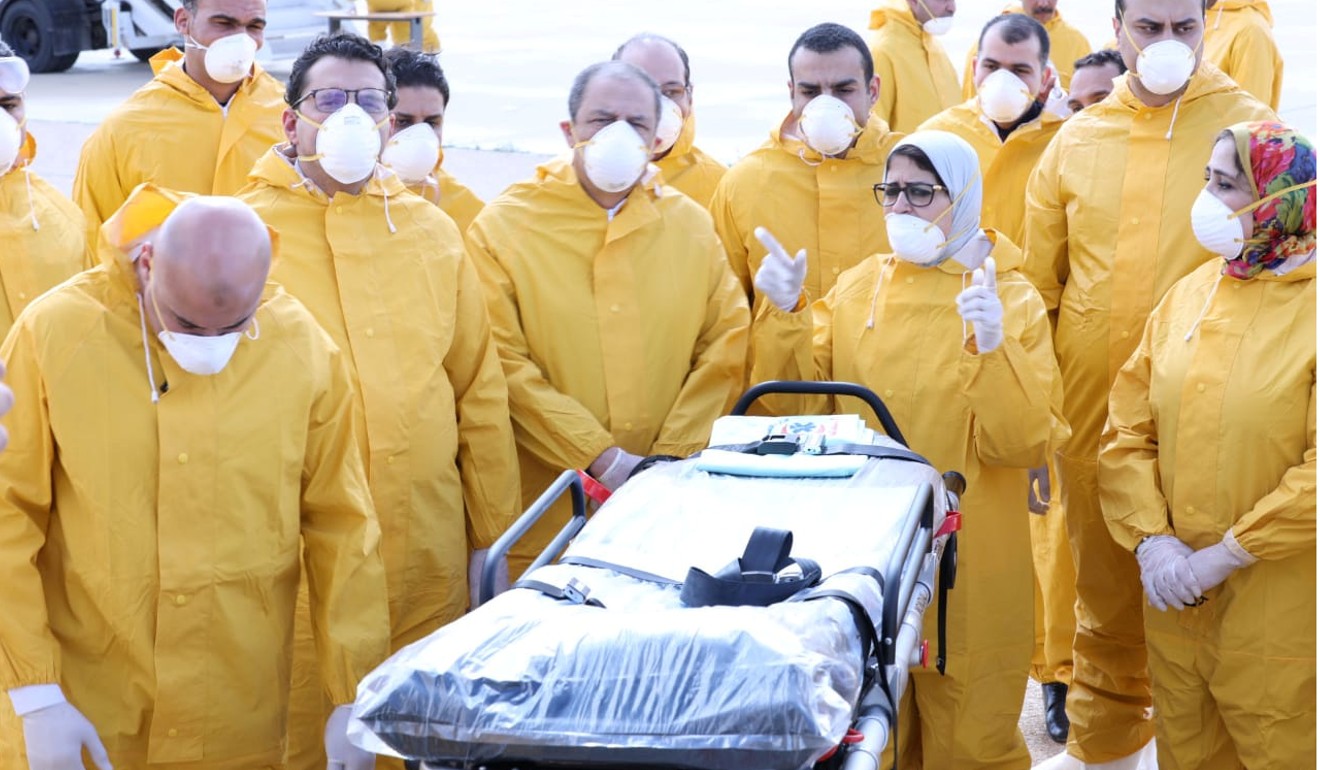
Egyptian Health Minister Hala Zayed waits with a medical team at Alexandria’s airport to meet passengers evacuated from Wuhan on February 3. Photo: Reuters
John Nkengasong, director of the Africa Centres for Disease Control and Prevention (Africa CDC), said the Addis Ababa-based organisation was “on standby to work closely with the government of Egypt to rapidly contain the spread of the virus”.
How to lower the risk of catching a virus while on a flight
15 Feb 2020
African nations are also equipping laboratories so that they can test for the virus, with the help of the WHO and others.
Until about two weeks ago, there were only two laboratories in the continent of 54 countries – in Senegal and South Africa – with the reagents needed to test for the coronavirus.
That meant dozens of countries that had quarantined suspected patients were sending samples to South Africa or Senegal to be tested. Since then, four more labs have been equipped – in Ghana, Nigeria, Madagascar and Sierra Leone – to test for the virus, according to the WHO.
The global health body has also sent testing kits to Cameroon, Ivory Coast, the Democratic Republic of Congo, Egypt, Ethiopia, Gabon, Ghana, Kenya, Morocco, Nigeria, Tunisia, Uganda and Zambia.
Tedros on Monday said the WHO’s immediate “objective remains containment. We call on all countries to use the window of opportunity we have to prevent a bigger fire”.
The Africa CDC has trained health workers from 12 countries in early detection and prevention in Senegal, using testing kits sent by the WHO. Further training would take place in South Africa next week, Tedros said.
“Without vital diagnostic capacity, countries are in the dark as to how far and wide the virus has spread – and who has coronavirus or another disease with similar symptoms,” Tedros said.
Coronavirus: desperate times drive some Chinese to take desperate measures
15 Feb 2020
Many countries in Africa are still reeling from the 2014-16 outbreak of Ebola, which killed 11,325 people and infected 28,600. The deadly virus is yet to be contained, with new cases reported in the Democratic Republic of Congo last week.
China disinfects entire cities to fight coronavirus outbreak, some twice a day
There are concerns that Africa’s close links with China put it at high risk for the spread of the new coronavirus. Africa has become home to millions of Chinese since Beijing started looking to the continent for raw materials for its industries and markets for its products, and China has been Africa’s largest trading partner since 2009, after it overtook the United States.
Ethiopian Airlines refuses to bow to pressure to halt flights to China
14 Feb 2020
China is also a major trading partner of Egypt, with two-way trade standing at US$13.8 billion in 2018, according to the China Africa Research Initiative at the Johns Hopkins University School of Advanced International Studies. Beijing is pouring billions of dollars into infrastructure projects in the country, including building a business district in its new administrative capital, 50km east of Cairo. Chinese firms are also investing billions of dollars in the Egyptian Suez Canal Economic Zone, a project under Beijing’s sprawling trade and infrastructure scheme the Belt and Road Initiative.
Excluded from the World Health Organisation on mainland China’s objections, Taipei said it dealt directly with organisation on outbreak
Beijing and the WHO say they ensured Taiwan was kept up to date with virus developments
Taiwan says it dealt directly with the WHO over the virus outbreak and did not need mainland China’s permission to do so. Photo: Getty Images
Taiwan’s presence at a World Health Organisation (WHO) meeting this week on the coronavirus outbreak that started in mainland China was the result of direct talks between the island and the body, and did not require Beijing’s permission, Taipei
said on Wednesday.
Its exclusion from WHO membership because of Chinese objections has been an increasingly sore point for Taiwan during the outbreak. It complained that it was unable to get timely information from the WHO and accused Beijing of passing incorrect information about Taiwan’s total virus case numbers, which stand at 18.
But in a small diplomatic breakthrough for the island – which mainland China regards as a wayward province – its health experts were this week allowed to attend an online technical meeting on the virus.
The Chinese foreign ministry said that was because Beijing gave approval for Taiwan’s participation. Taiwan foreign ministry spokeswoman Joanne Ou said China was trying to take credit for something it did not deserve.
Coronavirus: Taiwan restricts travellers from Hong Kong and Macau amid outbreak crisis
“The participation of our experts at this WHO forum was an arrangement made by our government and the WHO directly. It did not need China’s approval,” Ou said.
Taiwan’s experts took part in a personal capacity to avoid political disputes, and did not give their nationality when joining the online forum, she said.
Coronavirus: Everything you need to know in a visual explainer
Taiwan’s WHO exclusion became another point of contention between China and the United States last week, after the US ambassador to the UN in Geneva told the WHO’s executive board that the agency should deal directly with Taipei.
Mainland China, which said Beijing adequately represents Taiwan at the WHO, accused the US of a political “hype-up” about the issue.
Beijing and the WHO said they had ensured Taiwan was kept up to date with virus developments and that communication with the island was smooth.
Beijing insists that Taiwan cannot be part of the World Health Organisation as the island is part of “one China”. Photo: AFP
Taipei said that it alone had the right to represent the island’s 23 million people, that it has never been a part of the People’s Republic of China, and that it has no need to be represented by it.
The new coronavirus has been declared a global emergency by the World Health Organization, as the outbreak continues to spread outside China.
“The main reason for this declaration is not what is happening in China but what is happening in other countries,” said WHO chief Tedros Adhanom Ghebreyesus.
The concern is that it could spread to countries with weaker health systems.
Meanwhile, the US has told its citizens not to travel to China.
The state department issued a level four warning – having previously urged Americans to “reconsider” travel to China – and said any citizens in China “should consider departing using commercial means”.
China has said it will send charter plans to bring back Hubei province residents who are overseas “as soon as possible”.
A foreign ministry spokesman said this was because of the “practical difficulties” Chinese citizens have faced abroad. Hubei is where the virus emerged.
At least 213 people in the China have died from the virus, mostly in Hubei, with almost 10,000 cases nationally.
The WHO said there had been 98 cases in 18 other countries, but no deaths.
Most international cases are in people who had been to Wuhan in Hubei.
However in eight cases – in Germany, Japan, Vietnam and the United States – patients were infected by people who had travelled to China.
Getty Coronavirus outbreak outside China
18 The number of countries with cases
14 Cases in Thailand and Japan
13 Singapore
11 South Korea
8 Australia and Malaysia
5 France and USA
Source: WHO and local authorities
Speaking at a news conference in Geneva, Dr Tedros described the virus as an “unprecedented outbreak” that has been met with an “unprecedented response”.
He praised the “extraordinary measures” Chinese authorities had taken, and said there was no reason to limit trade or travel to China.
The US Commerce Secretary, Wilbur Ross, has said the outbreak could “accelerate the return of jobs to North America”.
Preparing other countries
What happens if this virus finds its way into a country that cannot cope?
Many low- and middle-income countries simply lack the tools to spot or contain it. The fear is it could spread uncontrollably and that it may go unnoticed for some time.
Remember this is a disease which emerged only last month – and yet there are already almost 10,000 confirmed cases in China.
The 2014 Ebola outbreak in West Africa – the largest in human history – showed how easily poorer countries can be overwhelmed by such outbreaks.
And if novel coronavirus gets a significant foothold in such places, then it would be incredibly difficult to contain.
We are not at that stage yet – 99% of cases are in China and the WHO is convinced the country can control the outbreak there.
But declaring a global emergency allows the WHO to support lower- and middle-income countries to strengthen their disease surveillance – and prepare them for cases.
How unusual is this declaration?
The WHO declares a Public Health Emergency of International Concern when there is “an extraordinary event which is determined… to constitute a public health risk to other states through the international spread of disease”.
It has previously declared five global public health emergencies:
Swine flu, 2009 – The H1N1 virus spread across the world in 2009, with death toll estimates ranging from 123,000 to 575,400
Polio, 2014 – Although closer than ever to eradication in 2012, polio numbers rose in 2013
Zika, 2016 – The WHO declared Zika a public health emergency in 2016 after the disease spread rapidly through the Americas
Ebola, 2014 and 2019 – The first emergency over the virus lasted from August 2014 to March 2016 as almost 30,000 people were infected and more than 11,000 died in West Africa. A second emergency was declared last year as an outbreak spread in DR Congo
Media caption Inside the US laboratory developing a coronavirus vaccine
How is China handling the outbreak?
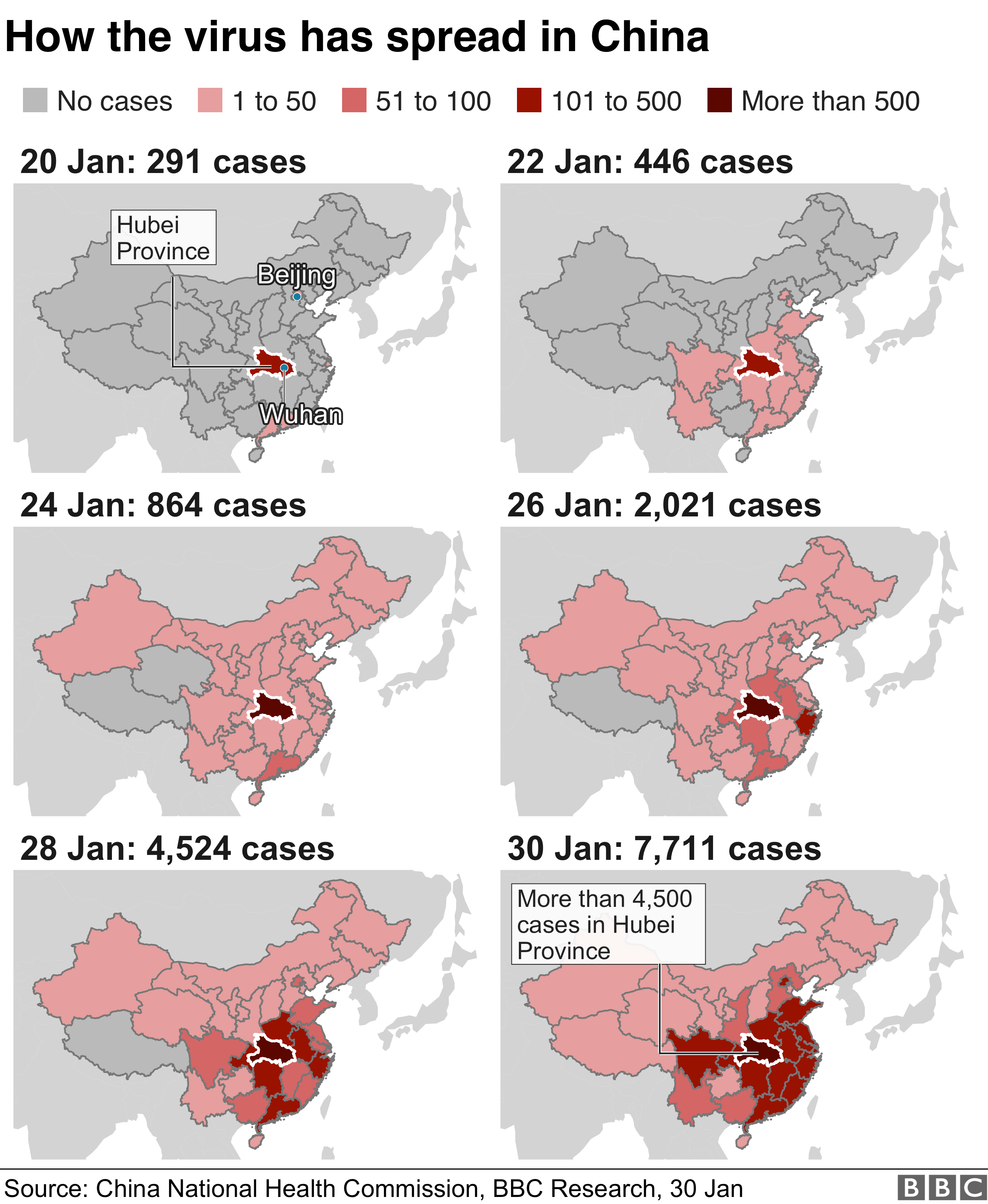
A confirmed case in Tibet means the virus has reached every region in mainland China. According to the country’s National Health Commission, 9,692 cases have tested positive.
The central province of Hubei, where nearly all deaths have occurred, is in a state of lockdown. The province of 60 million people is home to Wuhan, the heart of the outbreak.
The city has effectively been sealed off and China has put numerous transport restrictions in place to curb the spread of the virus.
People who have been in Hubei are also being told to work from home until it is considered safe for them to return.
The virus is affecting China’s economy, the world’s second-largest, with a growing number of countries advising their citizens to avoid all non-essential travel to the country.
How is the world responding?
Voluntary evacuations of hundreds of foreign nationals from Wuhan are under way.
The UK, Australia, South Korea, Singapore and New Zealand are expected to quarantine all evacuees for two weeks to monitor them for symptoms and avoid contagion.
Australia plans to quarantine its evacuees on Christmas Island, 2,000km (1,200 miles) from the mainland in a detention centre that has been used to house asylum seekers.
In other recent developments:
Italy suspended flights to China after two Chinese tourists in Rome were diagnosed with the virus; earlier 6,000 people on board a cruise ship were temporarily barred from disembarking
In the US, Chicago health officials have reported the first US case of human-to-human transmission. Around 200 US citizens have been flown out of Wuhan and are being isolated at a Californian military base for at least 72 hours
Russia has decided to close its 4,300km (2,670-mile) far-eastern border with China
Two flights to Japan have already landed in Tokyo. Japan has now raised its infectious disease advisory level for China
Some 250 French nationals have been evacuated from Wuhan
India has confirmed its first case of the virus – a student in the southern state of Kerala who was studying in Wuhan
Israel has barred all flight connections with China
Papua New Guinea has banned all visitors from “Asian ports”
GENEVA (Reuters) – A World Health Organisation panel of experts on the new coronavirus met on Thursday to evaluate whether the outbreak, which has spread from China to several countries, constitutes an international emergency.
The 16 independent experts in disease control, virology, epidemiology and vaccine development were holding a second closed-door meeting at the U.N. agency’s headquarters in Geneva after not reaching a decision on Wednesday.
Didier Houssin, an adviser to France’s national health security agency, is serving as chair. Chinese health authorities made a presentation by teleconference and have allowed a WHO team into the country who are due to report back to the panel.
A news conference was expected later in the day.
Here are some facts about WHO Emergency Committees:
– Director general Tedros Adhanom Ghebreyesus announced on Monday that the WHO had called an Emergency Committee to assess the outbreak of the novel coronavirus (2019-nCoV) that began in the Chinese city of Wuhan at the end of last year.
– Declaration of a Public Health Emergency of International Concern – known as a “PHEIC” in WHO jargon – is rare.
– The WHO panel’s recommendations, after assessing any evidence of human-to-human transmission and other factors, would be put to Tedros, who would decide whether to declare an emergency.
– Only five emergencies have been declared in the past decade: the H1 virus that caused an influenza pandemic (2009), West Africa’s Ebola outbreak, polio (2014), Zika virus (2016), and the ongoing Ebola outbreak in the Democratic Republic of Congo (2019).
– The WHO’s criteria, laid out in the 2005 International Health Regulations, define a PHEIC as “an extraordinary event which is determined to constitute a public health risk to other states through the international spread of disease and to potentially require a coordinated international response”.
– Such situations are “serious, sudden, unusual or unexpected”, carry cross-border implications and may require immediate international action, its rules say.
– A declaration would lead to boosting public health measures, funding and resources to prevent and reduce international spread.
– It could include recommendations on trade and travel, including airport screening of passengers, although the WHO generally aims to avoid disruptive trade restrictions.










 CHINDIA ALERT: You'll be living in their world, very soon