Chindia Alert: You’ll be Living in their World Very Soon
aims to alert you to the threats and opportunities that China and India present. China and India require serious attention; case of ‘hidden dragon and crouching tiger’.
Without this attention, governments, businesses and, indeed, individuals may find themselves at a great disadvantage sooner rather than later.
The POSTs (front webpages) are mainly 'cuttings' from reliable sources, updated continuously.
The PAGEs (see Tabs, above) attempt to make the information more meaningful by putting some structure to the information we have researched and assembled since 2006.
The richest man in China opened his own Twitter account last month, in the middle of the Covid-19 outbreak. So far, every one of his posts has been devoted to his unrivalled campaign to deliver medical supplies to almost every country around the world.
“One world, one fight!” Jack Ma enthused in one of his first messages. “Together, we can do this!” he cheered in another.
The billionaire entrepreneur is the driving force behind a widespread operation to ship medical supplies to more than 150 countries so far, sending face masks and ventilators to many places that have been elbowed out of the global brawl over life-saving equipment.
But Ma’s critics and even some of his supporters aren’t sure what he’s getting himself into. Has this bold venture into global philanthropy unveiled him as the friendly face of China’s Communist Party? Or is he an independent player who is being used by the Party for propaganda purposes? He appears to be following China’s diplomatic rules, particularly when choosing which countries should benefit from his donations, but his growing clout might put him in the crosshairs of the jealous leaders at the top of China’s political pyramid.
Other tech billionaires have pledged more money to fight the effects of the virus – Twitter’s Jack Dorsey is giving $1bn (£0.8bn) to the cause. Candid, a US-based philanthropy watchdog that tracks private charitable donations, puts Alibaba 12th on a list of private Covid-19 donors. But that list doesn’t include shipments of vital supplies, which some countries might consider to be more important than money at this stage in the global outbreak.
The world’s top coronavirus financial donors
How Alibaba compares to the top five. No one else other than the effervescent Ma is capable of dispatching supplies directly to those who need them. Starting in March, the Jack Ma foundation and the related Alibaba foundation began airlifting supplies to Africa, Asia, Europe, Latin America and even to politically sensitive areas including Iran, Israel, Russia and the US.
Ma has also donated millions to coronavirus vaccine research and a handbook of medical expertise from doctors in his native Zhejiang province has been translated from Chinese into 16 languages. But it’s the medical shipments that have been making headlines, setting Ma apart.
“He has the ability and the money and the lifting power to get a Chinese supply plane out of Hangzhou to land in Addis Ababa, or wherever it needs to go,” explains Ma’s biographer, Duncan Clark. “This is logistics; this is what his company, his people and his province are all about.”
A friendly face
Jack Ma is famous for being the charismatic English teacher who went on to create China’s biggest technology company. Alibaba is now known as the “Amazon of the East”. Ma started the company inside his tiny apartment in the Chinese coastal city of Hangzhou, in the centre of China’s factory belt, back in 1999. Alibaba has since grown to become one of the dominant players in the world’s second largest economy, with key stakes in China’s online, banking and entertainment worlds. Ma himself is worth more than $40bn.
Officially, he stepped down as Alibaba’s chairman in 2018. He said he was going to focus on philanthropy. But Ma retained a permanent seat on Alibaba’s board. Coupled with his wealth and fame, he remains one of the most powerful men in China.
Media caption The BBC’s Secunder Kermani and Anne Soy compare how prepared Asian and African countries are
It appears that Ma’s donations are following Party guidelines: there is no evidence that any of the Jack Ma and Alibaba Foundation donations have gone to countries that have formal ties with Taiwan, China’s neighbour and diplomatic rival. Ma announced on Twitter that he was donating to 22 countries in Latin America. States that side with Taiwan but who have also called for medical supplies – from Honduras to Haiti – are among the few dozen countries that do not appear to be on the list of 150 countries. The foundations repeatedly refused to provide a detailed list of countries that have received donations, explaining that “at this moment in time, we are not sharing this level of detail”.
However, the donations that have been delivered have certainly generated a lot of goodwill. With the exception of problematic deliveries to Cuba and Eritrea, all of the foundations’ shipments dispatched from China appear to have been gratefully received. That success is giving Ma even more positive attention than usual. China’s state media has been mentioning Ma almost as often as the country’s autocratic leader, Xi Jinping.
AFP
So far…
Over 150 countries have received donations from Jack Ma, including about:
120.4mface masks
4,105,000testing kits
3,704ventilators
Source: Alizila
It’s an uncomfortable comparison. As Ma soaks up praise, Xi faces persistent questions about how he handled the early stages of the virus and where, exactly, the outbreak began.
The Chinese government has dispatched medical teams and donations of supplies to a large number of hard-hit countries, particularly in Europe and South-East Asia.
However, those efforts have sometimes fallen flat. China’s been accused of sending faulty supplies to several countries. In some cases, the tests it sent were being misused but in others, low-quality supplies went unused and the donations backfired.
In contrast, Jack Ma’s shipments have only boosted his reputation.
“It’s fair to say that Ma’s donation was universally celebrated across Africa,” says Eric Olander, managing editor of the China Africa Project website and podcast. Ma pledged to visit all countries in Africa and has been a frequent visitor since his retirement.
“What happens to the materials once they land in a country is up to the host government, so any complaints about how Nigeria’s materials were distributed are indeed a domestic Nigerian issue,” Olander adds. “But with respect to the donation itself, the Rwandan leader, Paul Kagame, called it a “shot in the arm” and pretty much everyone saw it for what it was which was: delivering badly-needed materials to a region of the world that nobody else is either willing or capable of helping at that scale.”
Walking the tightrope
But is Ma risking a backlash from Beijing? Xi Jinping isn’t known as someone who likes to share the spotlight and his government has certainly targeted famous faces before. In recent years, the country’s top actress, a celebrated news anchor and several other billionaire entrepreneurs have all “disappeared” for long periods. Some, including the news anchor, end up serving prison sentences. Others re-emerge from detention, chastened and pledging their allegiance to the Party.
“There’s a rumour that [Jack Ma] stepped down in 2018 from being the chairman of the Alibaba Group because he was seen as a homegrown entrepreneur whose popularity would eclipse that of the Communist Party,” explains Ashley Feng, research associate at the Centre for New American Security in Washington DC. Indeed, Ma surprised many when he suddenly announced his retirement in 2018. He has denied persistent rumours that Beijing forced him out of his position.
Image copyright GETTY IMAGESImage caption Ma discussed trade with then-President-elect Donald Trump in January 2017
Duncan Clark, Ma’s biographer, is also aware of reports that Ma was nudged away from Alibaba following a key incident in January 2017. The Chinese billionaire met with then-President-elect Donald Trump in Trump Tower, ostensibly to discuss Sino-US trade. The Chinese president didn’t meet with Trump until months later.
“There was a lot of speculation of time that Jack Ma had moved too fast,” Clark says. “So, I think there’s lessons learned from both sides on the need to try to coordinate.”
“Jack Ma represents a sort of entrepreneurial soft power,” Clark adds. “That also creates challenges though, because the government is quite jealous or nervous of non-Party actors taking that kind of role.”
Technically, Ma isn’t a Communist outsider: China’s wealthiest capitalist has actually been a member of the Communist Party since the 1980s, when he was a university student.
But Ma’s always had a tricky relationship with the Party, famously saying that Alibaba’s attitude towards the Party was to “be in love with it but not to marry it”.
Even if Ma and the foundations connected to him are making decisions without Beijing’s advance blessing, the Chinese government has certainly done what it can to capitalise on Ma’s generosity. Chinese ambassadors are frequently on hand at airport ceremonies to receive the medical supplies shipped over by Ma, from Sierra Leone to Cambodia.
China has also used Ma’s largesse in its critiques of the United States. “The State Department said Taiwan is a true friend as it donated 2 million masks,” the Chinese Foreign Ministry tweeted in early April. “Wonder if @StateDept has any comment on Jack Ma’s donation of 1 million masks and 500k testing kits as well as Chinese companies’ and provinces’ assistance?”
Perhaps Ma can rise above what’s happened to so many others who ran afoul of the Party. China might just need a popular global Chinese figure so much that Ma has done what no one else can: make himself indispensable.
“Here’s the one key takeaway from all that happened with Jack Ma and Africa: he said he would do something and it got done,” explains Eric Olander. “That is an incredibly powerful optic in a place where foreigners often come, make big promises and often fail to deliver. So, the huge Covid-19 donation that he did fit within that pattern. He said he would do it and mere weeks later, those masks were in the hands of healthcare workers.”
Image copyright GETTY IMAGESImage caption Ma at an Electronic World Trade Platform event with Ethiopian Prime Minister Abiy Ahmed last year
Duncan Clark argues that Ma already had a seat at China’s high table because of Alibaba’s economic heft. However, his first-name familiarity with world leaders makes him even more valuable to Beijing as China tries to repair its battered image.
“He has demonstrated the ability, with multiple IPOs under his belt, and multiple friendships overseas, to win friends and influence people. He’s the Dale Carnegie of China and that certainly, we’ve seen that that’s irritated some in the Chinese government but now it’s almost an all hands on deck situation,” Clark says.
There’s no doubt that China’s wider reputation is benefiting from the charitable work of Ma and other wealthy Chinese entrepreneurs. Andrew Grabois from Candid, the philanthropic watchdog that’s been measuring global donations in relation to Covid-19, says that the private donations coming from China are impossible to ignore.
“They’re taking a leadership role, the kind of thing that used to be done by the United States,” he says. “The most obvious past example is the response to Ebola, the Ebola outbreak in 2014. The US sent in doctors and everything to West Africa to help contain that virus before it left West Africa.”
Chinese donors are taking on that role with this virus.
“They are projecting soft power beyond their borders, going into areas, providing aid, monetary aid and expertise,” Grabois adds.
So, it’s not the right time for Beijing to stand in Jack Ma’s way.
“You know, this is a major crisis for the world right now,” Duncan Clark concludes. “But obviously, it’s also a crisis for China’s relationship with the rest of the world. So they need anybody who can help dampen down some of these those pressures.”
Chan is accused of supporting Beijing’s so-called nine-dash line, which is its historical justification for its territorial claims in the resource-rich sea
Vietnam, Malaysia, the Philippines, Taiwan and Brunei all have competing claims in the waterway that overlap with China’s
Film star Jackie Chan. Photo: Reuters
Martial arts film star Jackie Chan’s planned visit to Vietnam for a charity has been cancelled following an online backlash related to Beijing’s expansive claims in the disputed South China Sea.
The Hong Kong-born actor was set to visit Hanoi on November 10 to support Operation Smile, a charity that gives free surgery to children with facial disfigurements.
Jackie Chan says he wants to make films in Saudi Arabia
But the plans were scrapped after thousands of angry Facebook users flooded the charity’s official page when his visit was announced last week.
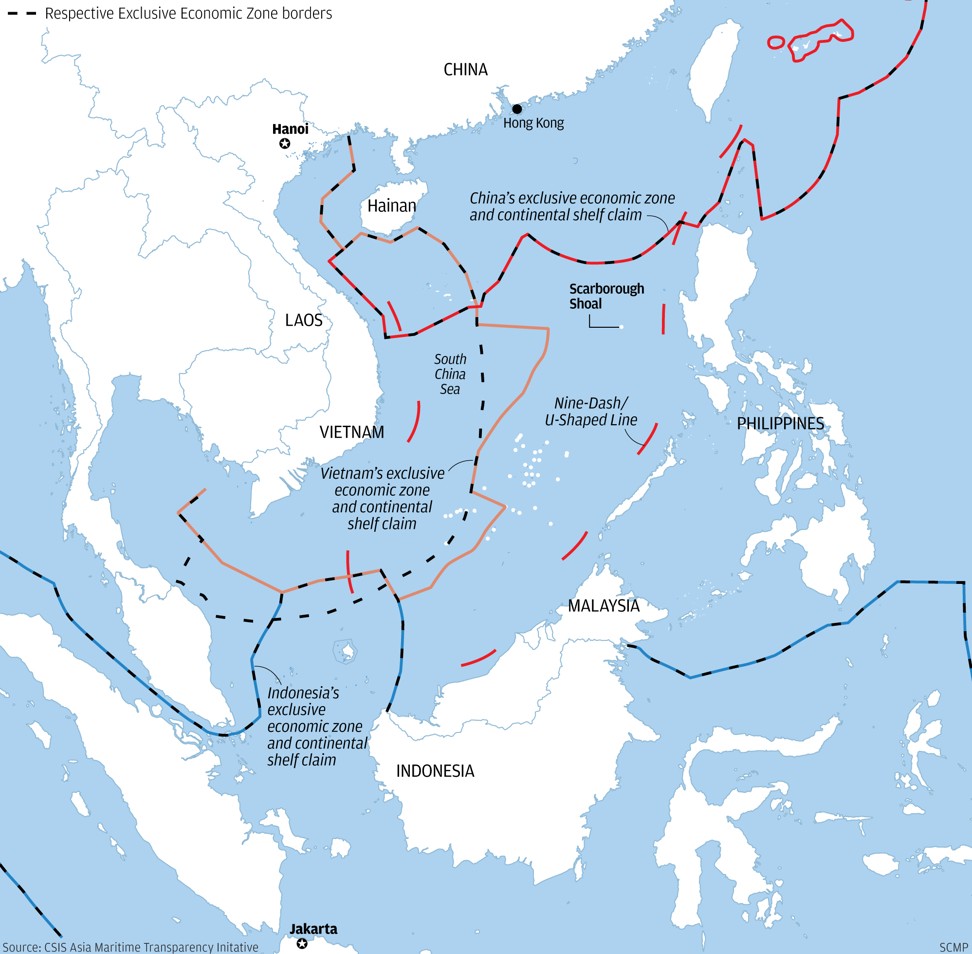
Some of their comments claimed Chan had spoken in support of China’s so-called nine-dash line – its historical justification for its territorial claims in the resource-rich sea.
A map showing claimant countries’ exclusive economic zones in the South China Sea.
However, Chan has not explicitly expressed public support for the controversial maritime assertion.
Vietnam, Malaysia, the Philippines, Taiwan and Brunei all have competing claims in the waterway that overlap with China’s – long a source of tension in the region.
Issuing a mea culpa on Friday for failing “to predict the reaction” of the Vietnamese public, the charity asserted that their work is “non-political”.
“We are very sorry … Operation Smile will not organise any activities with [Chan’s] involvement” in Vietnam, they said.
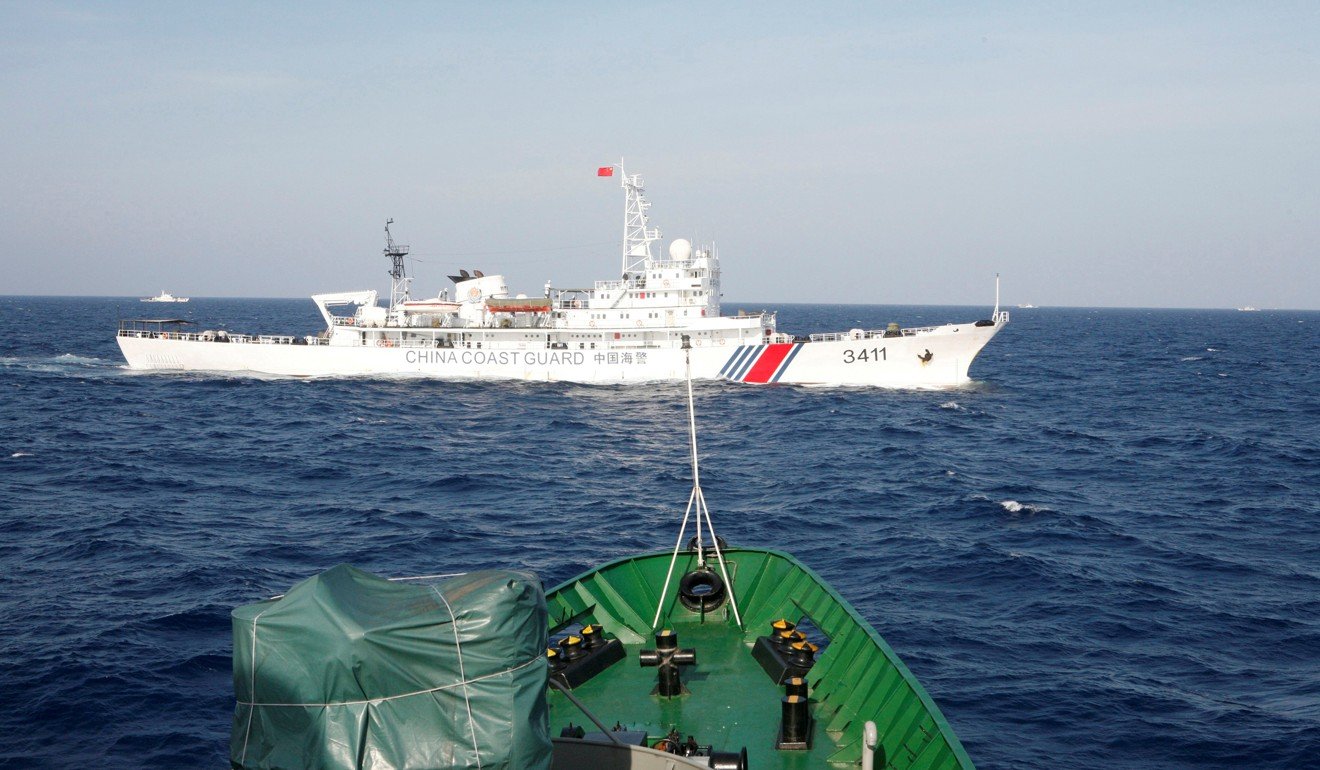
A Chinese coastguard ship sails by a Vietnamese vessel off the coast of Vietnam in 2014. Photo: Reuters
Vietnam is one of Beijing’s most vocal critics over the flashpoint South China Sea issue.
The foreign ministry on Thursday repeated its usual proclamation on the sea, citing the country’s “full legal basis and true evidence to affirm Vietnam’s sovereignty”, deputy spokesperson Ngo Toan Thang said.
Chan has in the past been accused of siding with China over Hong Kong’s democracy protests after calling the unrest in his hometown “sad and depressing”.
The comment sparked ire in Hong Kong but was warmly received by many in China where he has a massive fan base.
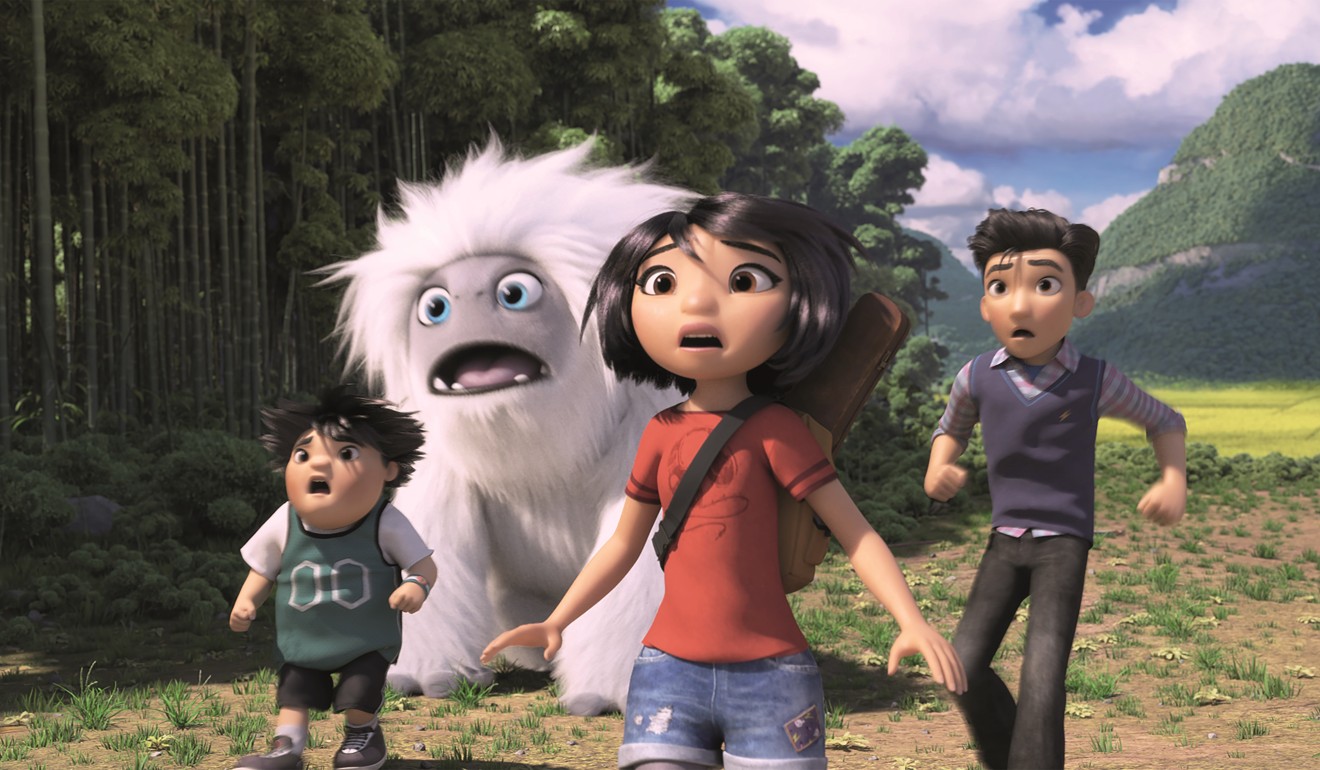
Abominable has been criticised for a scene showing the nine-dash line. Photo: DreamWorks
Beijing claims most the South China Sea through the vague delineation, which is based on maps from the 1940s as the then-Republic of China snapped up islands from Japanese control.
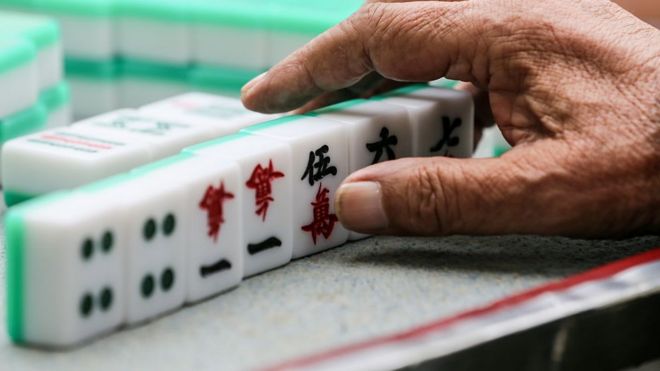
Image copyright GETTY IMAGESImage caption Mahjong has been referred to as the “quintessence of Chinese culture”
An apparent police ban on all mahjong parlours in a Chinese city led to panic among aficionados of China’s national pastime.
Police in Yushan in southeast China first announced the ban at the weekend, saying it was to curb illegal gambling and “purify social conduct”.
This led to shock and outrage with many calling the strategic, tile-based game the “quintessence of Chinese culture”.
Police then clarified that only unlicensed parlours would be shut.
It comes after several other cities also announced parlours encouraging gambling would be shut.
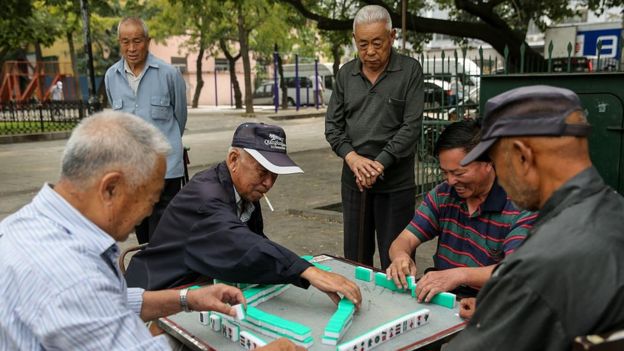
Mahjong is one of the most popular games in China, especially with older people.
While it does not have to be played with money, it is common for players to gamble with small amounts. A typical mahjong game could see players bet anywhere from $1 to $15.
‘People can gamble with anything’
On 20 October, police in Yushan, a small county in China’s southeast Jiangxi province, issued a statement announcing that all mahjong parlours in the county would be “closed” by 22 October.
Authorities said the ban would be enacted in an effort to “push forward the campaign against crimes and gangs… [to] solve the gambling and noise problem [and] purify social conduct”.
Gambling is illegal in China but under Jiangxi province law, those who engage in “win-loss entertainments such as mahjong and poker involving a small amount of money… shall not be punished”.
However, the law adds that people who “[gamble] money of more than 200 yuan ($28; £21)” could be subject to punishment.
Image copyright GETTY IMAGESImage caption It’s a familiar sight to see retirees gather in parks to play mahjong
It wasn’t long before the backlash kicked in.
Some people pointed out that while China does face a widespread problem of illegal gambling dens, many mahjong parlours are in fact, legally operated with licenses.
Another commenter on social media site Weibo said: “Not all people play mahjong for gambling,” according to state media ECNS.
“My grandparents play mahjong as part of their daily entertainment”.
Others said it was a “lazy” solution by the government in an attempt to curtail illegal gambling.
“Mahjong [itself] is not a problem. People can gamble with anything,” said one comment on Weibo.
But one social media user saw the positive side of the ban, saying: “Finally! I have been woken up numerous times [by] mahjong players.”
Mahjong is known to be quite a noisy game, as the heavy tiles often make clacking sounds as they are shuffled around.
But their joy was short lived. Just one day after they made the announcement, Yushan authorities revised their statement, saying licensed mahjong parlours would not be affected.
They also clarified that the ban was meant to target places that encouraged “illegal gambling”.
Despite this, some licensed parlour owners told local news outlets that they were also not operating amid the clampdown, but it was unclear whether that was voluntary or enforced by officials.
Several other cities in Jiangxi have also banned mahjong in recent days, but had made it clear in their announcements that registered mahjong parlours would not be affected.
What is mahjong?
Mahjong is a game played with a set of 144 tiles based on Chinese characters and symbols
It developed in the late 19th century, during China’s Qing dynasty, but became popular in the 20th century
It is conceptually similar to the western card game Rummy
The game has also gone on to gain popularity in the West – and has recently made several appearances in mainstream pop culture.
It was featured as part of a pivotal moment in the Hollywood blockbuster Crazy Rich Asians, where two main characters met for a showdown of a game at a mahjong parlour.
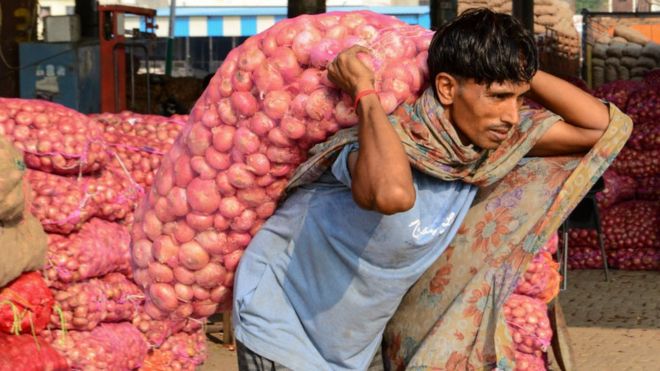
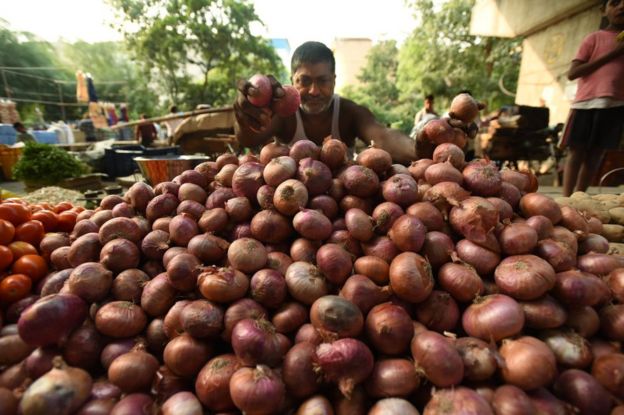
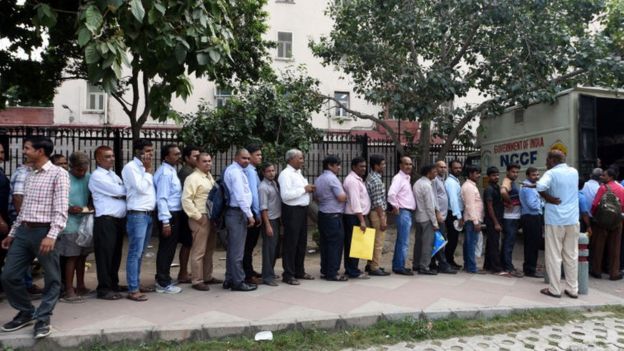
Image copyright GETTY IMAGESImage caption The onion is India’s most “political” vegetable
Onion prices have yet again dominated the headlines in India over the past week. BBC Marathi’s Janhavee Moole explains what makes this sweet and pungent vegetable so political.
The onion – ubiquitous in Indian cooking – is widely seen as the poor man’s vegetable.
But it also has the power to tempt thieves, destroy livelihoods and – with its fluctuating price a measure of inflation – end the careers of some of India’s most powerful politicians.
With that in mind, it’s perhaps unsurprising those politicians might be feeling a little concerned this week.
So, what exactly is happening with India’s onions?
In short: its price has skyrocketed.
Onion prices had been on the rise in India since August, when 25 rupees ($0.35; £0.29) would have got you a kilo. At the start of October, that price was 80 rupees ($1.13; £0.91).
Fearing a backlash, the Bharatiya Janata Party (BJP)-led government banned onion exports, hoping it would bring down the domestic price. And it did.
Image copyright GETTY IMAGESImage caption Onion prices peaked by the end of September
A kilo was selling for less than 30 rupees on Thursday at Lasalgaon, Asia’s largest onion wholesale market, located in the western state of Maharashtra.
However, not everyone is happy.
While high prices had angered consumers in a sluggish Indian economy, the fall in prices sparked protests by exporters and farmers in Maharashtra, where state elections are due in weeks.
And it is not just at home where hackles have been raised: the export ban has also strained trade relations between India and its neighbour, Bangladesh, which is among the top importers of the vegetable.
But why does the onion matter so much?
The onion is a staple vegetable for the poor, indispensable to many Indian cuisines and recipes, from spicy curries to tangy relishes.
“In Maharashtra, if there are no vegetables or you can’t afford to buy vegetables, people eat ‘kanda bhakari’ [onion with bread],” explains food historian Dr Mohseena Mukadam.
True, onions are not widely used in certain parts of the country, such as the south and the east – and some religious communities don’t eat them at all.
But they are especially popular in the more populous northern states which – notably – send a higher number of MPs to India’s parliament.
“Consumers in northern India wield more power over the federal government. So although consumers in other parts of India don’t complain as much about higher prices, if those in northern India do, the government feels the pressure,” says Milind Murugkar, a policy researcher.
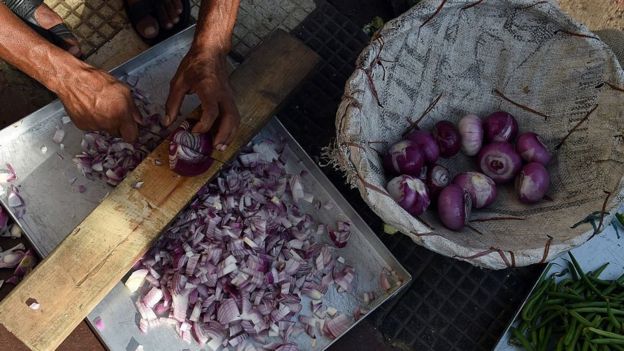
Image copyright GETTY IMAGESImage caption Onions are so ubiquitous that the government has been selling them at subsided rates
A drop in prices also affects the income of onion farmers, mainly in Maharashtra, Karnataka in the south and Gujarat in the west.
“Farmers see the onion as a cash crop that grows in the short term, and grows well in dry areas with less water,” says Dipti Raut, a journalist, who has been on the “onion beat” for years.
“It’s like an ATM machine that guarantees income to farmers and sometimes, their household budget depends on the onion produce,” she said.
Onions have even attracted robbers: when prices skyrocketed in 2013, thieves tried to steal a truck loaded with onions, but were caught by the police.
Why do politicians care about the onion?
Put simply, because the price moving too far one way or another is likely to anger a large block of voters, be they everyday households, or the country’s farmers.
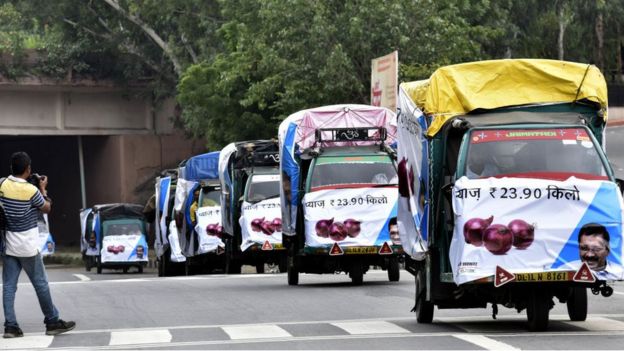
Image copyright GETTY IMAGESImage caption The Delhi government transported 70 vans full of subsidised onions
Onions are so crucial they have even featured in election campaigns. The Delhi state government bought and sold them at subsidised rates in September when prices were at their peak: chief minister Arvind Kejriwal, it should be noted, is up for re-election next year.
Meanwhile, Indira Gandhi swept to power in 1980 on slogans that used soaring onion prices as a metaphor for the economic failures of the previous government.
But why did onion prices rise this year?
A drop in supply, due to heavy rains and flooding destroying the crop in large parts of India, and damaging some 35% of the onions stocks in storage, according to Nanasaheb Patil, director of the National Agricultural Co-operative Marketing Federation.
He said the flooding had also delayed the next round of produce, which was due in September.
Image copyright GETTY IMAGES
“This has become a fairly regular phenomenon in recent decades,” Mr Murugkar said. “Onion prices swing heavily with a small drop or increase in production.”
In fact, the shortage – and subsequent rise in prices – happens almost every year around this time, according to Ms Raut.
“It’s a vicious cycle and the trader lobby and middlemen benefit from even the slightest price fluctuations,” she added.
What’s the solution?
Ms Raut says more grass-root planning and better storage facilities and food processing services will ease the problem – and making a variety of cash crops and vegetables available across the country would also ease the pressure on onions.
“The government is quick to act when onion prices rise. Why don’t they act as swiftly when prices fall?” asked Vikas Darekar, an onion farmer in Maharashtra. He said the government should buy onions from farmers at a “fair price”.
Mr Murugkar, however, feels that the government should never interfere in “onion matters”.
“If you are interested in raising purchasing power of the people, they should not curtail exports. Do we have such a ban on software exports? It’s really absurd. A government which has won such a huge majority should be able to withstand the pressures from a few consumers.”
AirAsia X sells a quiet zone where children under 10 are not allowed, and Singapore-based Scoot has an ‘exclusive and silent’ section on its Boeing 787 Dreamliners barring kids under 12
Japan Airlines’ move, however, appears to be new and the first example of an airline showing where a child will be sitting on a map
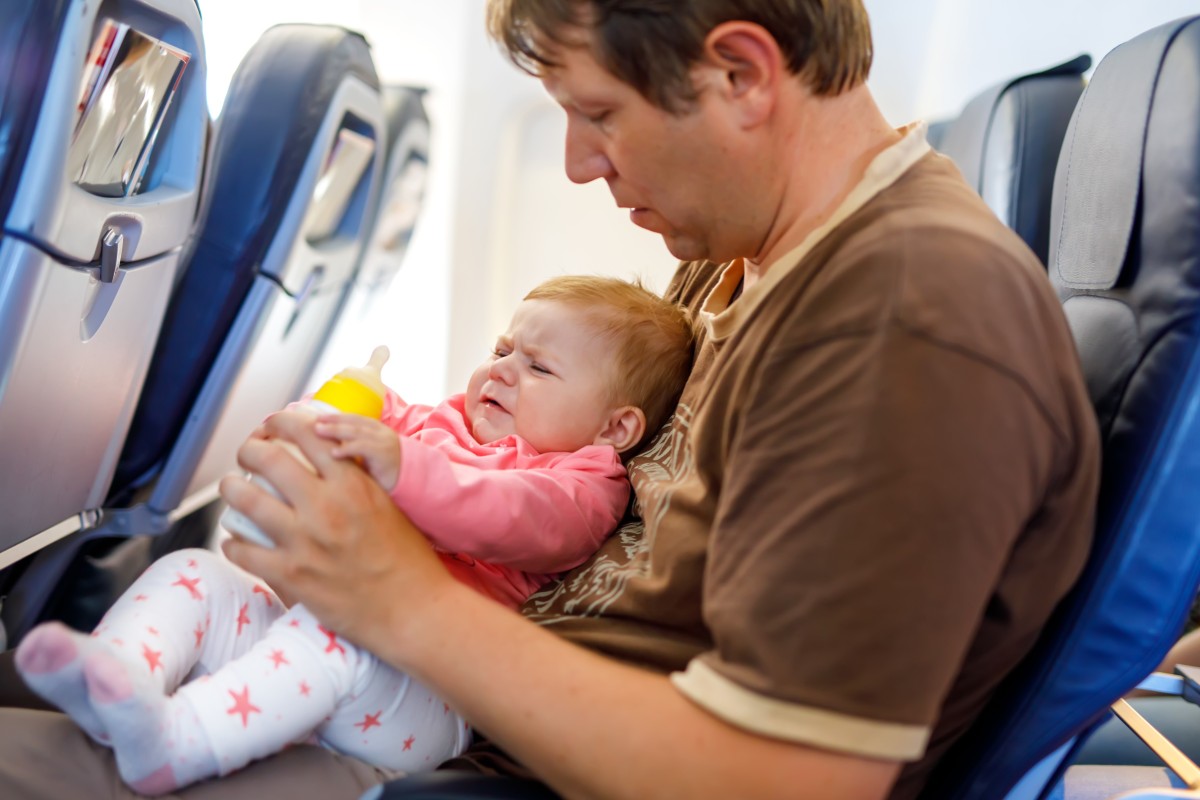
A father holds his daughter during a flight. Photo: Handout
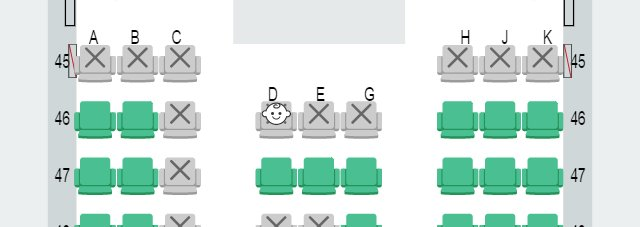
Some travellers would prefer to avoid sitting near a baby when they fly. Now, Japan Airlines has introduced a baby map to help.
The airline notes on its website that when passengers who travel with young children – those between the age of eight days and two years – choose on the site where they want to sit, a “child icon” will be displayed on those spots on the seat selection screen.
“This lets other passengers know a child may be sitting there,” the website says on its “baby travel support service” section.
The feature came to light when traveller Rahat Ahmed took an image of the baby map and thanked the airline on Twitter. “This really ought to be mandatory across the board,” he wrote.
Rahat Ahmed@dequinix
Thank you, @JAL_Official_jp for warnings me about where babies plan to scream and yell during a 13 hour trip. This really ought to be mandatory across the board.
Please take note, @qatarairways: I had 3 screaming babies next to me on my JFK-DOH flight two weeks ago.
It’s unclear when the carrier introduced the feature. Japan Airlines has not responded to questions about the origin of the child icon or which flights it is used on. It is listed under domestic flights on the website, along with information about child seats, strollers, changing tables and blanket rentals.
The airline also warns that the icon will not be shown if seats are booked as part of a tour, using award tickets or by some method other than the airline’s website.
It remains to be seen whether any other airlines offer the same type of guidance: “It’s a new one for us, that’s for sure,” says Natalie Arney, spokeswoman for the online travel agency Alternative Airlines. “To have that when you’re booking just, like, blows you away, really.”
Her site offers a list of airlines that boast child-free zones, all of which are in Asia. They include the budget carriers AirAsia X, which sells a quiet zone where children under 10 are not allowed to sit, and Scoot, which advertises a “ScootinSilence” zone on its Boeing 787 Dreamliners. The Singapore-based carrier promises an “exclusive and silent cabin (no kids under 12 allowed here)” in the section.
This lets other passengers know a child may be sitting there … This really ought to be mandatory Rahat Ahmed
“It’s just being able to have somewhere quiet where you can sleep or where you can get on with your work and stay away from children,” Arney says.
Tracy Stewart, content editor of TripAdvisor’s family travel site Family Vacation Critic, said in an email that Japan Airlines’ move was new and the first example he’d seen of an airline showing where a child would be sitting on a map. He said quiet zones were not likely to become a global trend.
“You’ll likely never see something similar in the US for fear of backlash,” he said.
Chinese government advisers say Beijing has not reached direct intervention point but that could change if the violence continues
Military action would trigger international backlash, observers say, as US expresses concern over reported paramilitary movements and ‘erosion of Hong Kong’s autonomy’
Footage of trucks from the paramilitary People’s Armed Police in Shenzhen has circulated online. Photo: Handout
The unrest in Hong Kong does not yet warrant direct intervention by Beijing despite hardening public sentiment and calls for tougher action in mainland China, according to Chinese government advisers.
Shi Yinhong, an international relations expert at Renmin University and an adviser to the State Council – China’s cabinet – said China would risk damaging its ties with the United States and other major foreign powers, upsetting its own development and losing Hong Kong’s special status if it took the matter directly into its hands.
“I don’t think we need to use troops. Hong Kong police will gradually escalate their action and they haven’t exhausted their means,” Shi said, expressing a view shared by other mainland government advisers and academics.
But he warned that if the violence and chaos continued, it “won’t be too far away from reaching that point”.
A US State Department spokeswoman said the United States was “deeply concerned” about reports of paramilitary movements along the Hong Kong border and reiterated a US call for all sides to refrain from violence.
She said it was important for the Hong Kong government to respect “freedoms of speech and peaceful assembly” and for Beijing to adhere to its commitments to allow a high degree of autonomy for Hong Kong.
She said the protests reflected “broad and legitimate concerns about the erosion of Hong Kong’s autonomy”.
“The continued erosion of Hong Kong’s autonomy puts at risk its long-established special status in international affairs,” she said.
brought the city’s air traffic to a halt and triggered a huge backlash on the mainland
, where the public feel they have been wrongly targeted by the increasingly violent protesters. Many demanded the central government take action to end the chaos.
The tension deepened after US President Donald Trump, citing intelligence sources,
to the border with Hong Kong. Trump described the situation in the city as “tricky” and called on all sides to remain “calm and safe”.
Footage of trucks from the paramilitary People’s Armed Police rolling into Shenzhen began circulating online on Saturday.
Beijing ‘unlikely to intervene’ in Hong Kong as pressure mounts on police
But Shi and others said direct intervention would be too costly to China and would only be used when all other methods had been exhausted.
“As the trade war with the US goes on, Hong Kong’s importance to our financial system is getting bigger,” Shi said. “If Beijing intervenes with too much assertiveness, the US might revoke the preferential status of Hong Kong.”
He was referring to the US’ 1992 Hong Kong Policy Act which gives the city a special status. In June, American lawmakers introduced a bipartisan bill requiring the US government to examine Hong Kong’s autonomy annually to decide whether to extend the arrangement.
Losing that status could cripple the operations of many businesses based in Hong Kong, said Shen Dingli, a Shanghai-based international affairs expert.
A satellite image appears to show a close-up of Chinese military vehicles at Shenzhen Bay Sports Centre in Shenzhen. Photo: Maxar Technologies
Wang Yong, another specialist on international political economy with Peking University, agreed.
“There would be a lot of opposition from interest groups in the US. Hong Kong is the bridgehead for many multinational corporations and investors from Wall Street to get into the Chinese market,” said Wang, who also teaches at an academy affiliated with China’s Ministry of Foreign Affairs.
“Hong Kong and the Chinese government will need to handle this with extra care, so as not to give any ammunition to hawks in the United States.
“If Hong Kong is not handled properly, it could add tensions to the bilateral ties and ruin any prospect of a trade deal.”
China rejects requests for US warships to visit Hong Kong amid protests Pang Zhongying, an international relations specialist at Ocean University of China in Qingdao, said direct intervention could also damage China’s ties with other countries.
“The whole world is watching. Beijing has exercised restraint for two months and still hasn’t taken any clear action because this is not an easy choice,” said Pang, who is also a member of the Beijing-based Pangoal Institution, a think tank that advises several ministerial offices.
While some observers said Beijing was under political pressure to end the protests in Hong Kong before October 1 – the 70th anniversary of the founding of the People’s Republic, Shi said the central government would not lose patience so easily.
“National Day [on October 1] is an important time, but the Chinese government is not naive to believe there has to be peace under all heaven then,” he said.
“It’s only a bit more than a month from now, we can almost say for sure the trade war will still be on by then and a major turning point in Hong Kong is not likely to happen. But the celebration must go on.”
IEEE’s ban has ignited a backlash from its Chinese members, resulting in calls to boycott the organisation
Staff at Huawei Technologies have been banned by the Institute of Electrical and Electronics Engineers from taking part in the peer review of research papers, including serving as editors for journals, after the Chinese telecommunications equipment maker was added to a US trade blacklist. Photo: AP
The US government’s efforts to reduce the influence of Huawei Technologies, the world’s largest telecommunications equipment supplier, has extended beyond business to cover scientific research.
That development emerged as the New York-based Institute of Electrical and Electronics Engineers (IEEE) moved to ban Huawei employees from the peer review of research papers, including serving as editors for its journals, after the Chinese hi-tech champion was added to a US trade blacklist.
The decision by IEEE, the world’s biggest technical professional organisation, was leaked online across Chinese social media on Wednesday, igniting a backlash from some of the country’s leading scientists who described the move as “anti-science” and “violating academic freedom”.
Zhang Haixia, a professor with the Institute of Microelectronics at Peking University, announced on her WeChat account on Wednesday that she was quitting IEEE because the decision to comply with the trade blacklist went “far beyond the basic line of science and technology” and challenged her professional integrity.
US is waging a tech war against this district in Shenzhen
“As a professor, I do not accept this,” Zhang wrote online in a public letter addressed to IEEE president-elect Toshio Fukuda.
Her resignation letter was viewed more than 40,000 times since it was posted online. The most popular comments on its thread included calls for Chinese scientists to boycott IEEE.
In a statement on May 30, the IEEE said it must comply with its legal obligations under the laws of the US and other jurisdictions and that compliance with regulations “protects the IEEE, our volunteers, and our members”.
It said Huawei employees are only barred from the peer reviewing process and that they can continue to participate in individual membership, corporate membership, enjoy voting rights and take part in a variety of other activities, including the submission of technical papers for publication.
Huawei said it had no comment about the peer review ban.
The issue between Huawei and IEEE has come amid a raging tech war between the world’s two biggest economies, which recently escalated when the US government placed Huawei and its affiliates under the US Entity List on May 16. That bars the Chinese group from buying hardware, software and services from American hi-tech suppliers without US approval.
A succession of major American technology companies, from Google and Microsoft to Intel and Qualcomm, have suspended their dealings with Huawei to comply with the US trade ban.
Growing disquiet in China as US steps up war on tech champions
US President Donald Trump has also signed an executive order barring US companies from using telecoms equipment made by companies that pose a threat to national security.
The trade blacklist, which is maintained by the Bureau of Industry and Security under the US Department of Commerce, identifies organisations and individuals believed to be involved, or pose a significant risk of becoming involved, in activities contrary to America’s national security or foreign policy interests.
A non-profit organisation founded in January 1963, IEEE had more than 422,000 members in more than 160 countries as of December 31 last year. More than 50 per cent of its members, who are rooted in electrical and computer sciences, engineering and related disciplines, are from outside the US.
Technology is true target of US attack on China, says diplomat
It also publishes around 200 transactions, journals and magazines, and sponsors more than 1,900 conferences in 103 countries.
There is no official data on how many IEEE members are based in mainland China. Public information online, however, showed that at least 80 Huawei employees are members of the organisation.
China’s biggest chip maker to delist from NYSE as US targets tech
In a statement released on May 16, IEEE said that as a corporation organised in New York, it must comply with its legal obligation under US laws. It said the US government’s export restriction covers not only physical goods and software but also technical information.
In the leaked IEEE email, the organisation warned its members of “severe legal implications” if they continue to use Huawei staff as reviewers or editors for the peer review process of its journals.
“IEEE is registered in the US, but we should suggest experts at all levels of IEEE to move its headquarters to places such as Switzerland,” said Zhou Zhihua, a leading computer science professor at Nanjing University and an IEEE fellow, in a post on microblogging site Sina Weibo. “More importantly, let’s show more support to China-produced English-language journals.”
MUMBAI (Reuters) – Amazon.com faced a social media backlash in India on Thursday after toilet seat covers and other items emblazoned with images of Hindu gods were spotted on its website.
Thousands of Twitter users backed a call for a boycott of the U.S. retailer, making #BoycottAmazon India’s top trending topic on Twitter. Some tagged Indian Foreign Minister Sushma Swaraj, urging her to take action against the company.
Amazon, the world’s biggest online retailer, said it was removing the products from its online store.
“All sellers must follow our selling guidelines and those who do not will be subject to action including potential removal of their account,” the company said in a statement.
The episode is reminiscent of an incident in 2017 when the Indian government took Amazon to task after its Canadian website was spotted selling doormats resembling India’s flag.
Swaraj at the time threatened to rescind visas of Amazon employees if the doormats were not removed from its site.
Reuters found several listings of toilet seat covers, yoga mats, sneakers, rugs and other items depicting Hindu gods, or sacred Hindu symbols, on Amazon’s U.S. website.
Some of the items were no longer available for purchase.
“Until you hit these Hinduphobics Business hard they will keep on insulting your gods, your beliefs & your entire civilization,” tweeted Sumit Kandel, whose profile describes him as a film trade analyst.
Image copyrightREUTERSImage caption This year marks the 30th anniversary of the pro-democracy protests
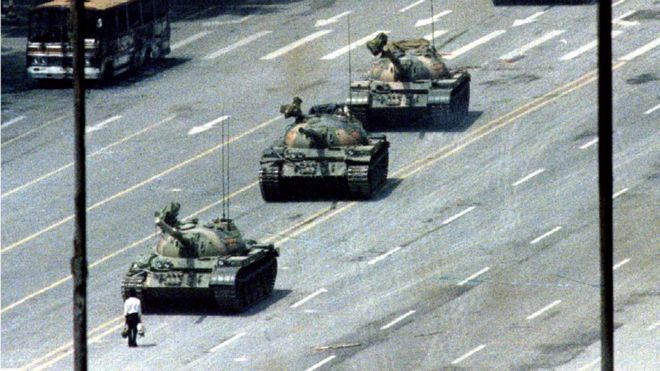
A promotional video for camera company Leica has sparked backlash in China for featuring a famous Tiananmen Square image.
The video depicts photographers working in conflicts around the world, including a photographer covering the 1989 protests.
People on Chinese social media site Weibo have called for a boycott of the camera brand.
Leica has distanced itself from the video.
“Tank Man” was a lone protester who brought a column of tanks to a standstill during a crackdown on pro-democracy protesters in Beijing in 1989.
He refused to move out of the way and climbed onto the leading tank to speak to the driver. He was later pulled away from the scene by two men. What happened to him remains unknown.
Users on Chinese social media site Weibo have been forbidden from commenting on recent official posts by Leica. However some people are managing to post carefully worded comments on earlier official Leica posts, BBC Monitoring has found.
A search of the hashtag Leica shows that 42,000 users have left posts on Weibo but only 10 are available to view.
Some comments urge users to “boycott the camera” and joke about the company being linked to “patriotic Huawei”.
Chinese technology giant Huawei has been restricted by the US and other countries over security concerns in telecommunications networks. Consumers in China have rallied around the company, which uses Leica technology in its latest mobile phones.
A spokeswoman for Leica told the South China Morning Post that the film was not an officially sanctioned marketing film commissioned by the company. However it features Leica cameras and the company’s logo at the end of the footage.
They added that the company “must therefore distance itself from the content shown in the video and regrets any misunderstandings of false conclusions that may have been drawn”.
The BBC has contacted Leica for additional comment.
How China keeps Tiananmen off the internet
By Kerry Allen, BBC Monitoring China analyst
China has banned all activists’ commemorations of the 1989 Tiananmen incident for years and has strictly regulated online discussion of it.
If users search for “Tiananmen” on domestic search engines like Baidu or social media platforms like Sina Weibo, they only see sunny pictures of the Forbidden City in Beijing. If any pictures of tanks running along Chang’an Avenue are visible in image searches, they are only from Victory Day parades.
Hundreds of references to 4 June 1989 are banned all-year round by thousands of cyber police, and Weibo steps up censorship of even seemingly innocuous references to the incident on its anniversary.
Simple candle emojis, and number sequences that reference the date, such as “46” and “64” (4 June) and “1989” (the year of the protests), are instantly deleted. Small businesses also struggle to market items on 4 June every year, if their sale price is 46 or 64 yuan. Such advertising posts are swiftly removed by nervous censors.
But creative users always find ways of circumventing the censors. For example in 2014, when Taylor Swift released her 1989 album, the album cover featuring the words “T.S.” and “1989” was seen as an effective metaphor by users to talk about the incident – as T.S. could be taken to mean “Tiananmen Square”.
More than one million Chinese students and workers occupied Tiananmen Square in 1989, beginning the largest political protest in communist China’s history. Six weeks of protests ended with the bloody crackdown on protesters of 3-4 June.
Estimates of the death toll range from several hundred to more than 1,000.
China’s statement at the end of June 1989 said that 200 civilians and several dozen security personnel had died in Beijing following the suppression of “counter-revolutionary riots” on 4 June 1989.


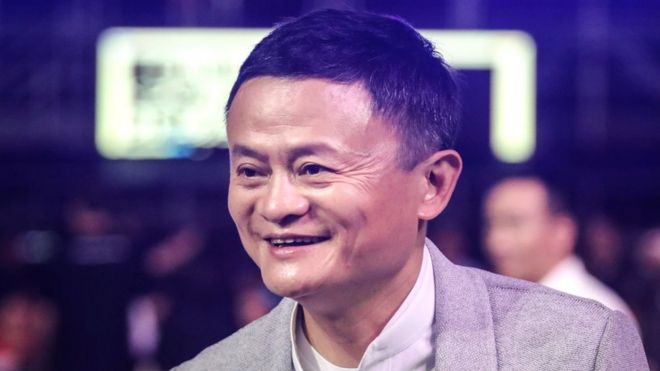 Image copyright GETTY IMAGES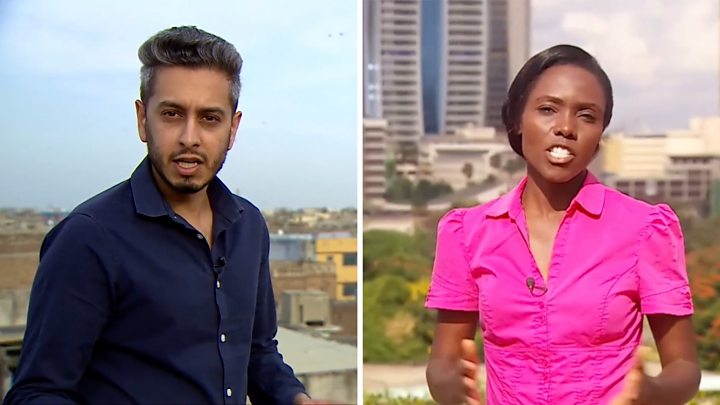
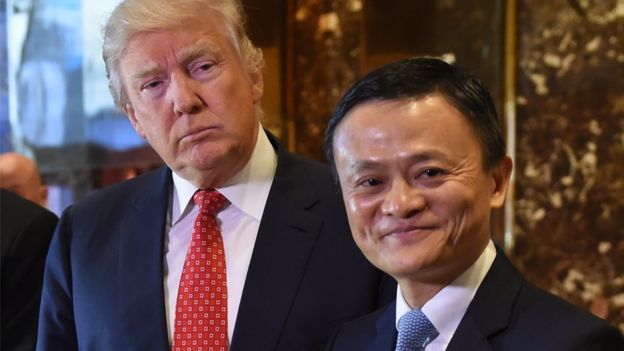 Image copyright GETTY IMAGES

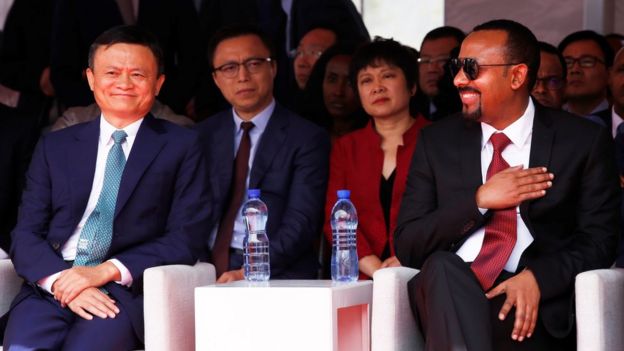 Image copyright GETTY IMAGES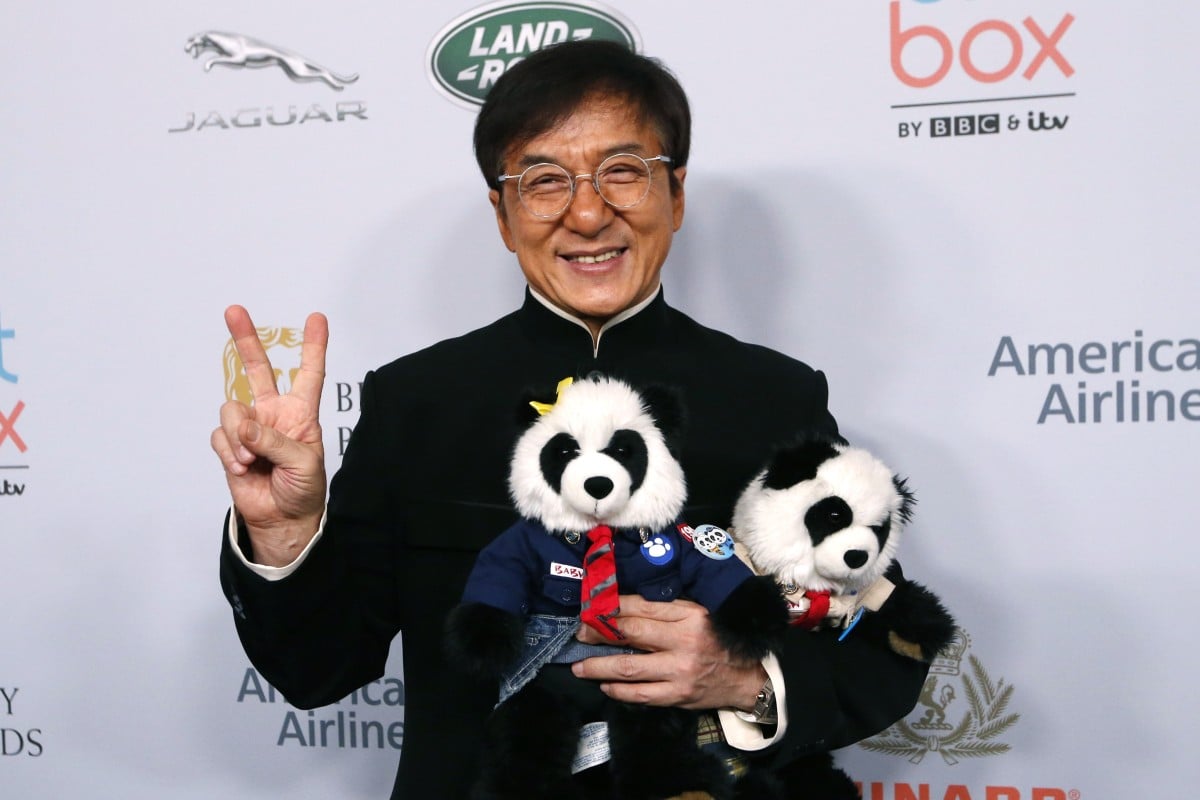





 CHINDIA ALERT: You'll be living in their world, very soon