Archive for ‘Beijing’

13/10/2019

Xi, Modi agree to trim trade deficit, boost mutual trust amid US-China tensions

  • The leaders agreed to set up a mechanism to boost economic ties and tackle India’s trade deficit with China after their second informal summit
  • As 2020 is the 70th anniversary of diplomatic ties between both countries, India and China will hold 70 events next year to promote relations
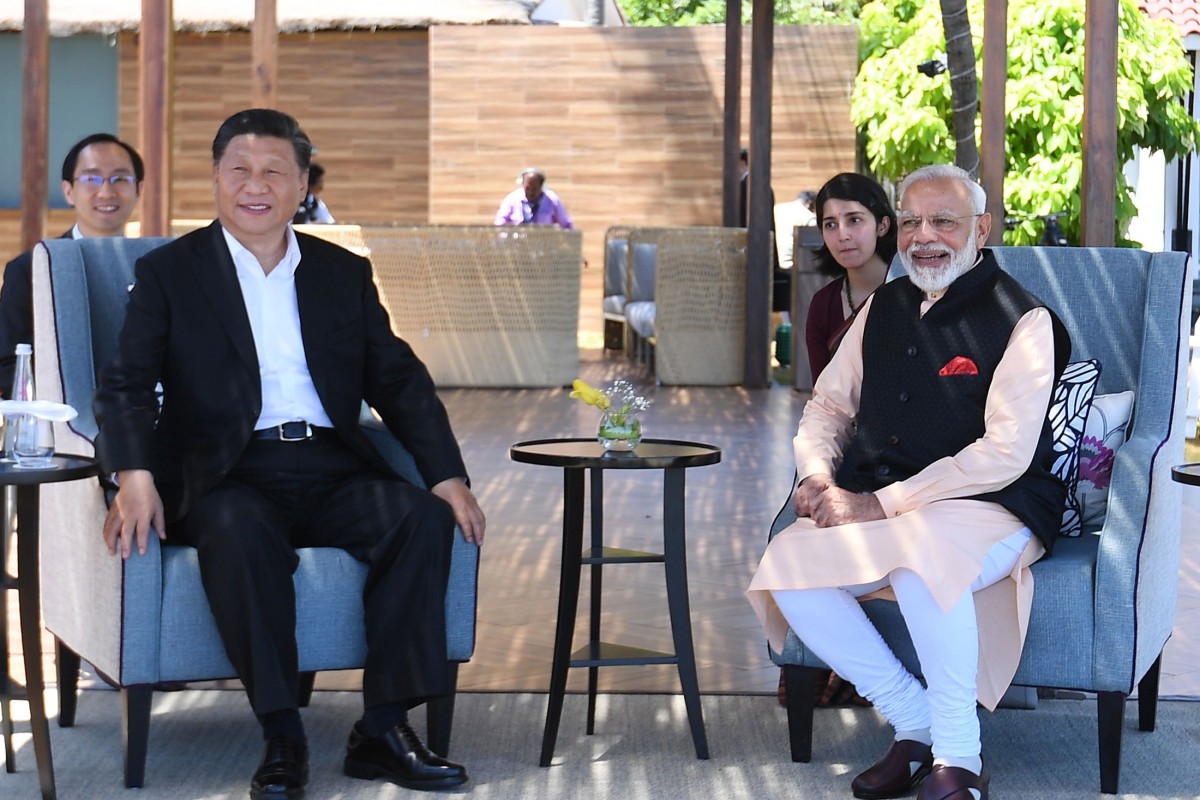
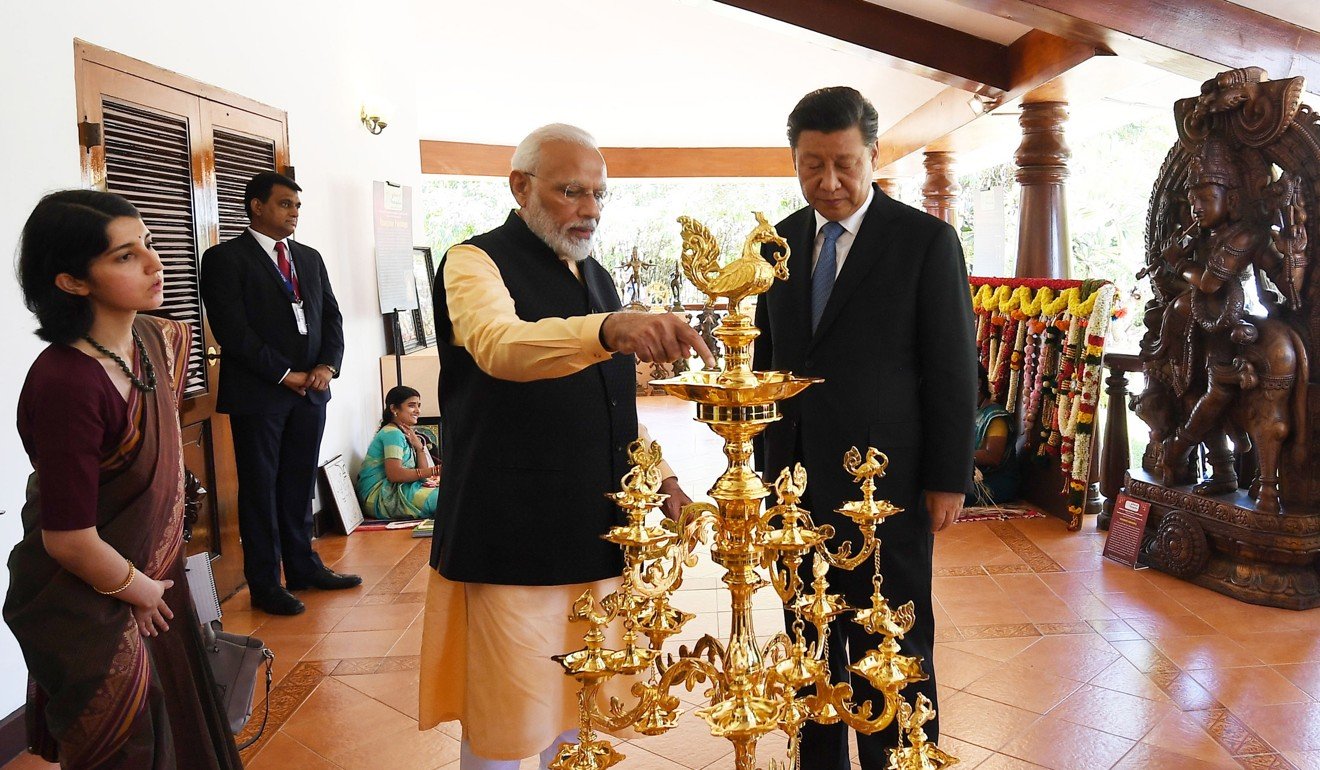
Indian Prime Minister Narendra Modi and Chinese President Xi Jinping during their meeting in Mamallapuram, Chennai. Photo: EPA
Chinese President Xi Jinping and Indian Prime Minster Narendra Modi concluded their second informal summit on Saturday by pledging to overcome trade differences and appreciate “each other’s autonomous foreign policies”, signalling an effort to focus on mutual interests rather than on long-standing contentious issues.
Modi remarked that both sides had agreed to be “sensitive” to each other’s concerns and not let differences escalate into disputes, while Xi called for communication to “alleviate suspicions” and for India and China to enhance strategic mutual trust, according to state news broadcaster CCTV.
Their desire to look beyond irritants in diplomatic ties, including a decades-long border row and China’s close military ties with India’s arch rival, Pakistan, comes as Beijing is embroiled in a tariff war with Washington that has rocked the global economy.
In a sign of China’s willingness to address India’s trade deficit with it, the leaders agreed to launch a “High Level Economic and Trade Dialogue”.
As Xi meets Modi, Chinese in Chennai hope to witness the ‘Wuhan spirit’
Chinese Vice-Premier Hu Chunhua and Indian Finance Minister Nirmala Sitharaman will meet regularly to discuss ways to boost two-way trade and investments, Indian foreign secretary Vijay Gokhale said in a media briefing.
India has a US$53 billion trade deficit with China, which makes up almost a third of its total trade deficit. It is also facing pressure to decide if it will commit to the China-led

Regional Comprehensive Economic Partnership

(RCEP), which aims to create the world’s largest trading bloc involving 16 countries before the end of the year.
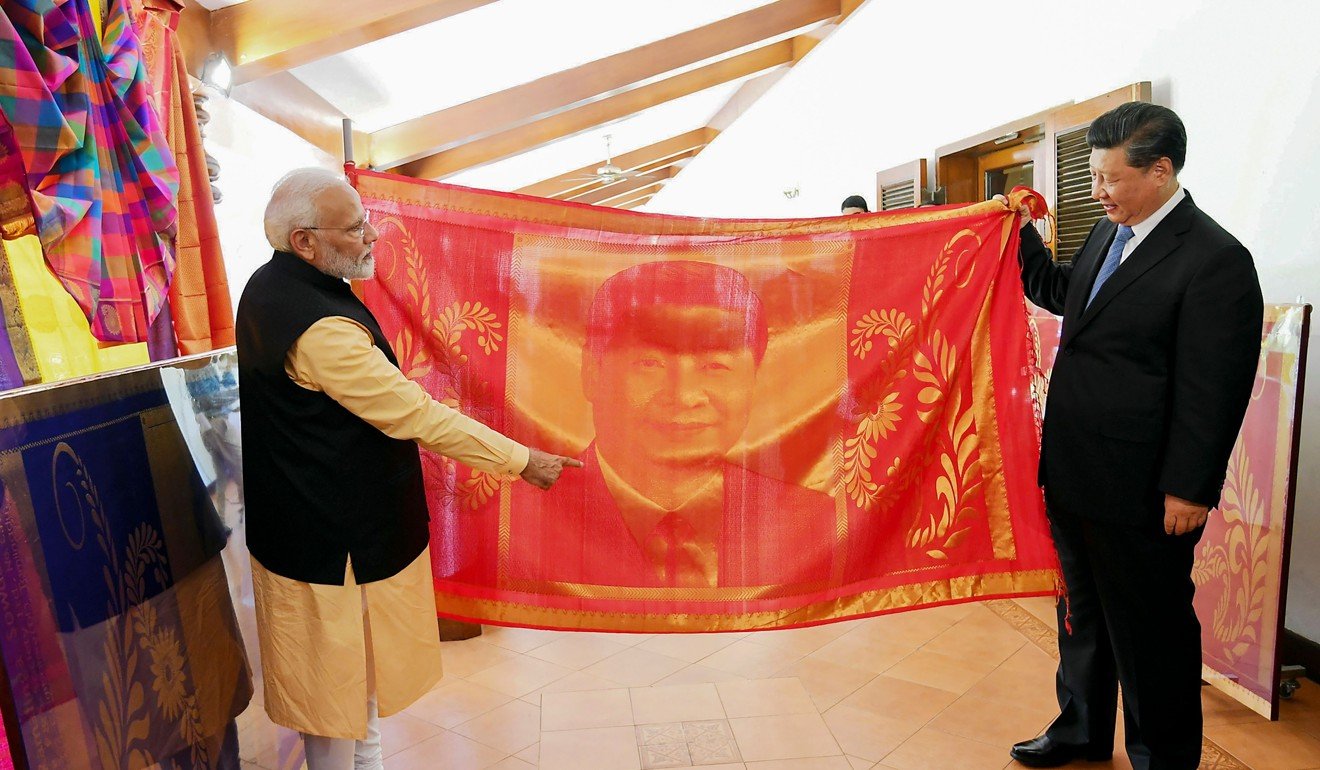
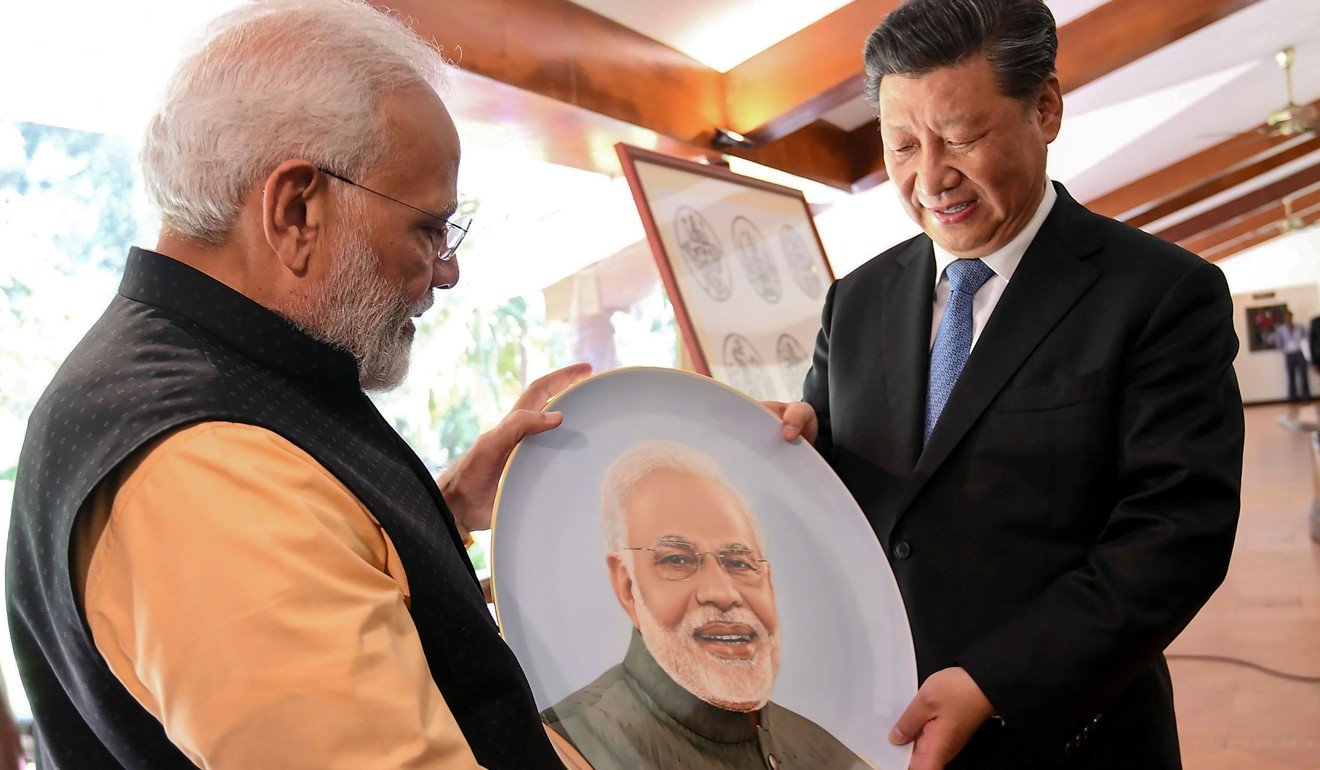
Narendra Modi exchanges gifts with Xi Jinping. Photo: AFP

Negotiations are ongoing with talks taking place in Bangkok this week, but India’s domestic producers have opposed the agreement over fears of a flood of Chinese imports. On Friday, the Indian government rejected clauses in the agreement related to e-commerce, according to reports.

Gokhale told the media briefing that both leaders, who met in the coastal town of Mamallapuram about 50km away from Chennai, briefly discussed the RCEP.

“PM Modi said India was looking forward to the RCEP but it is important that RCEP is balanced, that a balance is maintained in trade in goods, trade in services and investments,” he said, adding that Xi agreed to further discussions of India’s concerns on the issue.
Narendra Modi with Xi Jinping in Mamallapuram. Photo: EPA

CCTV said Xi had six suggestions for how China and India could further improve ties, including assessing each other correctly and stepping up cooperation between their militaries. Besides economic and trade dialogue, China welcomed Indian pharmaceutical and IT companies to invest there, he said.

“We should look at disputes with a correct mind, and not let disputes affect cooperation.

“Both sides should properly and fairly get a solution for border disputes that are acceptable to each other … [and] cautiously handle each other’s core interests, and take proper measures to control issues that cannot be resolved immediately,” the president reportedly said.

Gokhale told reporters that both countries had agreed to pursue, through special representatives, an ongoing dialogue on their disputed border. China and India have held more than 20 rounds of talks to resolve their boundary dispute, over which they went to war in 1962. Different mechanisms have been set up to maintain peace along the 4,000-kilometre (2,485-mile) so-called Line of Actual Control.

Xi and Modi bank on chemistry as they talk trade and terrorism

Gokhale confirmed that the leaders – who met for a total of seven hours over Friday and Saturday, with the bulk of their time spent in one-on-one talks – did not discuss 

Kashmir

, a region that is currently divided between India and Pakistan but which both nuclear-armed rivals claim in full.

Since India revoked the autonomy of the area it controls in August and imposed a lockdown,

Pakistan

has lobbied its allies – including its all-weather friend China – to support its opposition to the move. New Delhi had reacted sharply to Beijing’s move to take the matter to the United Nations, insisting that it was a purely bilateral issue. Two days before the summit, Xi had hosted Pakistan Prime Minister Imran Khan and had assured him of China’s support on all core issues, a statement that had irked India.
Gokhale said both leaders “emphasised the importance of having independent and autonomous foreign policies”.
“President Xi said that the two countries needed to have more extensive dialogue in order to understand each other’s perspectives on major global and regional issues,” he added.
Narendra Modi exchanges gifts with Xi Jinping. Photo: AFP

The leaders also discussed terrorism, with a statement issued later by New Delhi saying both sides would make efforts to ensure the international community strengthened its framework “against training, financing and supporting terrorist groups throughout the world and on a non-discriminatory basis”.

The China-led multilateral Financial Action Task Force, which has been investigating Pakistan’s efforts to stamp out the financing of terrorism, is expected to decide soon if it would add Islamabad to its blacklist along with Iran and North Korea, a move that could invite stringent economic sanctions and drive away international financial institutions, both of which could affect Pakistan’s already-indebted economy adversely.

Gokhale added that as 2020 is the 70th anniversary of diplomatic ties between both countries, India and China will hold 70 events next year to promote people-to-people ties, with Modi accepting an invitation by Xi for the next informal summit to be held in China.

Both leaders had struck positive notes on the summit – with Xi describing their discussions as “candid” and between friends and Modi hailing the “Chennai Connect” meeting as marking a new era of cooperation between both countries.

War games, Kashmir and a US$57b question: the issues as Xi meets Modi

But analysts said they would be looking to see how the newly-announced high-level mechanism on trade panned out.

Narayani Basu, a New Delhi-based author, foreign policy analyst and China watcher felt the summit had achieved its purpose of bagging small wins for both sides.

“Discussing contentious issues would have defeated the purpose of the summit. The idea behind such a summit must be that despite the overarching posturing on different divergent issues, the two countries can achieve the easily-achievable wins. That is what the summit seems to have tried doing.”

But in terms of actual outcomes, she said she remained sceptical.

“I don’t think there has been much progress in the ties between the two countries since the last summit in Wuhan. Hence, this time, there is a lot more caution and scepticism towards such a summit,” she said, referring to the first summit last year in the Chinese city of Wuhan.

During Xi’s visit to southern India, which lasted 24 hours in all, Modi took him on a personal tour of temple monuments dating back to the seventh and eighth century in Mamallapuram when regional leaders had trade ties with Chinese provinces. He was also shown local artisan handicrafts and art forms, and gifted a handwoven silk portrait, a lamp and a painting.

Xi gave Modi a porcelain plate with the image of the prime minister’s face printed on it.
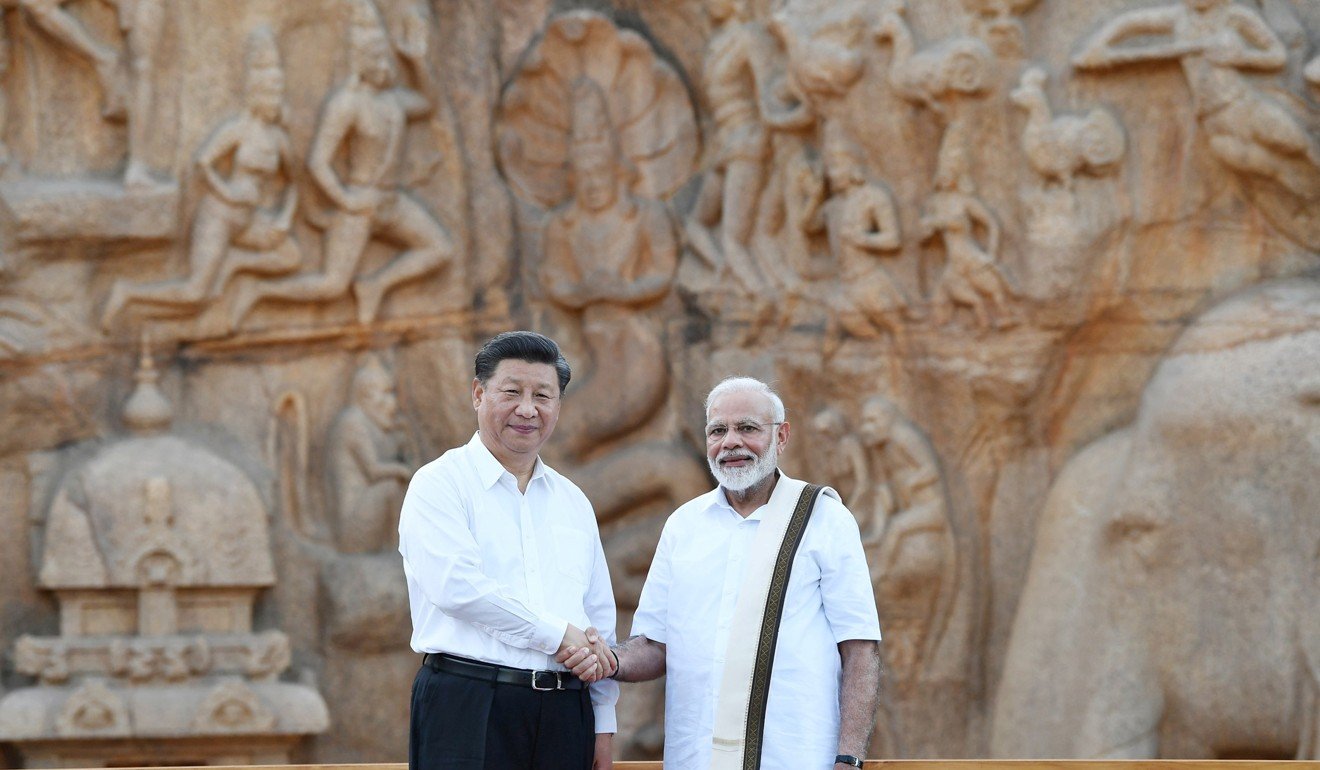
Xi Jinping with Narendra Modi in Mamallapuram. Photo: Reuters

On Friday, New Delhi announced that visa rules for Chinese nationals visiting India would be relaxed, with multiple-entry visas with a validity period of five years available from this month onwards. At present, most visas are single-entry and usually for between 30 and 60 days. Visa fees would also be reduced, the government said, with the multiple-entry visa costing US$80.

This was aimed at further enhancing “people-to-people exchanges between the two countries and [encouraging] more Chinese tourists to choose India as a destination for tourism purposes,” it said in a statement.

Xi left Chennai on Saturday afternoon and arrived in Nepal, which lies in between India and China. He will be the first Chinese president to visit Nepal in 22 years and is expected to sign a slew of deals with Nepal’s Prime Minister K.P. Sharma Oli, including the planned extension of the rail link from remote, mountainous Tibet to Nepal’s capital, Kathmandu.

The link will be part of Beijing’s ambitious infrastructure project to boost trade, the 

Belt and Road Initiative

(BRI), that Nepal joined two years ago.

More than 120 countries have signed on to the BRI, including Pakistan, where a series of projects worth US$46 billion are being constructed under the China-Pakistan Economic Corridor (CPEC). India has snubbed the BRI and questioned the transparency of funding agreements.
Source: SCMP
13/10/2019

Japan, Thailand and Singapore benefit as Chinese tourists skip Hong Kong over golden week

  • The likes of Saudi Arabia also saw an upswing in travellers from the mainland after the release of its new visa programme
  • But fewer Chinese tourists went abroad this year, with a 15 per cent drop from 2018 attributed to more opting to visit local historical sites
Chinese tourists take photos in front of the Imperial Palace in Tokyo, Japan. Photo: Reuters
Fewer Chinese travellers went overseas during “golden week” this year – but for those who did, Japan, Thailand and Singapore were the top-ranked destinations as tourists from the mainland gave Hong Kong a miss, according to China’s largest travel company Ctrip.
Chinese government data showed only 6.07 million people travelled during the national holiday between October 1-6, a 15.1 per cent drop from the corresponding period last year. Analysts attributed this to Chinese tourists opting for a “staycation”, as 782 million people – a 7 per cent increase from last year – chose to celebrate the 70th anniversary of the People’s Republic of China by visiting local historical sites.
How a new wave of Indian travellers are transforming tourism in Southeast Asia
For those who did venture abroad, JapanThailand and Singapore ranked as the top three most-booked countries in Asia during the week, according to Chinese travel firm Ctrip, as tourists from the mainland skipped protest-hit Hong Kong for other destinations.
The city, now in its 19th week of anti-government protests, over the week saw a 50 per cent overall drop in tourism from last year, as well as a 47.8 per cent reduction in border crossings at the Luohu border checkpoint, according to government figures.

Japan remained the most popular destination for Chinese tourists. In the first half of 2019, the nation saw 4.5 million visitors from China, up 11.7 per cent from the same period in 2018. In order of popularity, the top-visited cities were Osaka, Tokyo, Kyoto, Sapporo and Nagoya, according to Japanese media.

Over the same week, Japan increased its sales tax from 8 to 10 per cent, but Chinese shoppers – who accounted for 37 per cent, or US$15.4 billion, of the spending by international visitors to the nation last year – were undeterred.

Japan saw the highest volume of overseas transactions over the week, according Alipay Mobile, the world’s largest mobile payment platform. The firm declined to share the exact amount Chinese tourists had spent in Japan, but reported average spending per international traveller during golden week had increased by 15 per cent to 2,500 yuan (US$350).

From Nissan sales to Tsushima tourism, trade spat with Korea hits Japan in the pocket

Alipay is operated by Ant Financial, an affiliate of Alibaba Group Holding, which owns the Post.

Japanese department stores such as Sogo and Seibu celebrated the Chinese national holiday by holding golden week events and sales at 15 different branches across the nation, with food and arts promotions targeting Chinese shoppers.

Chinese travellers to Japan want cultural experiences involving local customs such as temple tours, heritage sites and cultural events, according to Emily Guo, a researcher at Hong Kong-based marketing research firm Cherry Blossoms.

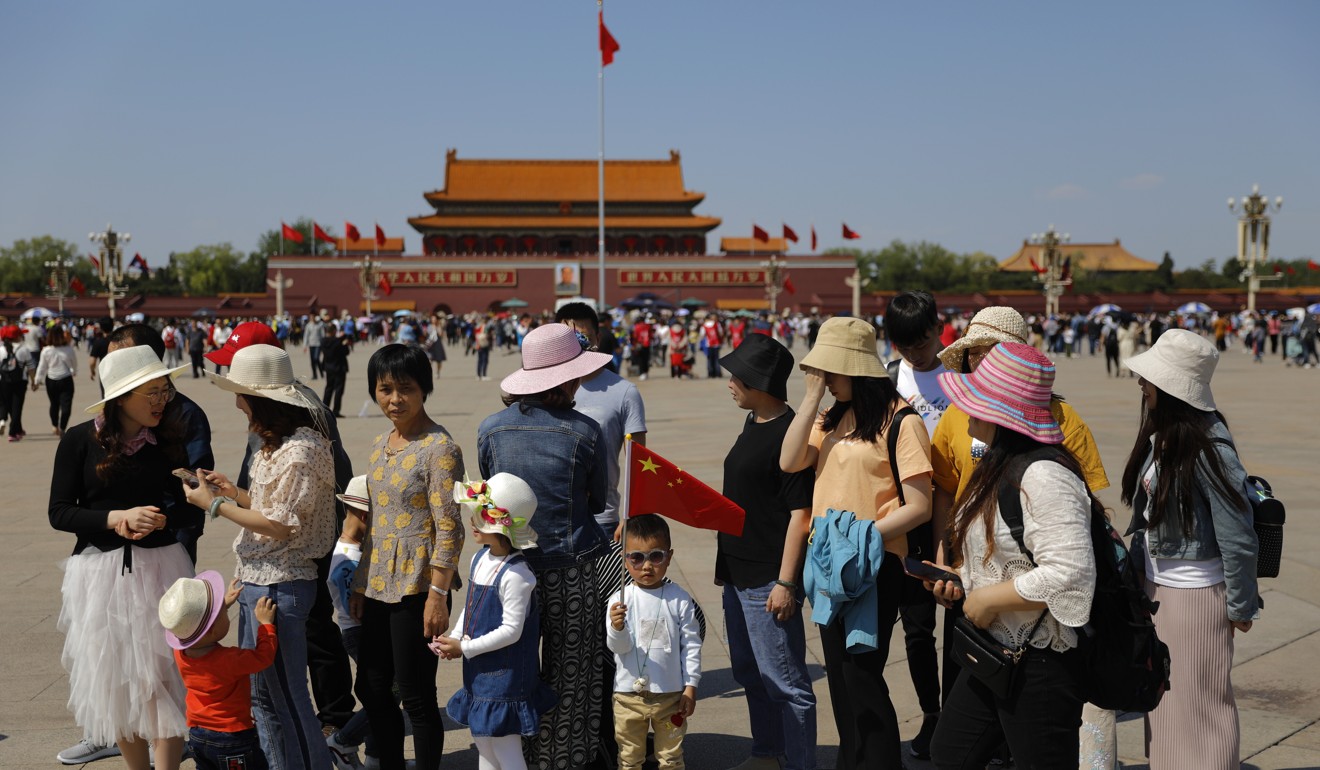
Chinese tourists visit Tiananmen Square in Beijing. Analysts say 782 million people opted for “staycations” at local historical sites over golden week this year. Photo: EPA

Experts say Thailand – the second-most booked country during golden week, according to Ctrip – saw many repeat travellers return to the country. The nation saw 1.03 million arrivals from China in August, up 19 per cent from 2018.

Guo said these travellers were more budget-conscious than those who travelled to Japan, and enjoyed the good value and picturesque scenery for sharing on social media.

“They have already travelled to Southeast Asia before, and are therefore looking for personalised and local experiences like interacting with Thai residents, jungle treks and food tours,” she said, adding that many are willing to spend extra on immersive experiences such as a hotel in the countryside, or on a room with a forest view.

Thailand’s tourism industry gets jitters after currency surges, visitor numbers from China fall

According to Alipay Mobile, the sale of “durian experience” packages for Chinese tourists looking to taste the spiky, pungent fruit at local farms increased by 60 per cent in Thailand and Malaysia from last year.

Shopping remained on the agenda, too. Thailand ranked second for the highest volume of overseas transactions during the week, according to data from Alipay Mobile. Most Chinese shoppers frequented duty-free shops, convenience stores and local malls, according to local press.

Singapore remained a destination of choice for tourists from the mainland. The city was among the most popular “traditional destinations” for them, according to China’s culture and tourism ministry, with others including Malaysia, Thailand, Japan, Australia, France, Italy, and Russia.

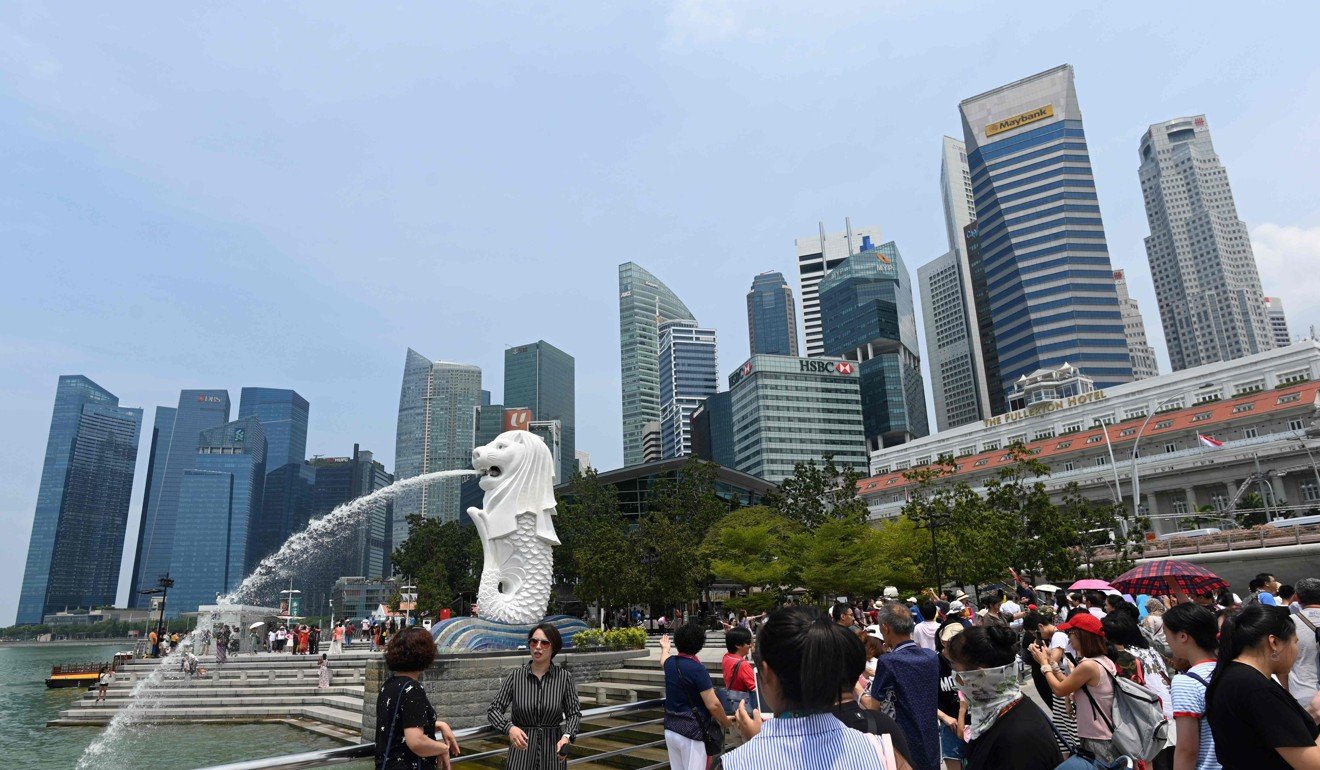
Chinese tourists visiting Singapore over golden week also seized the opportunity to check out property in the Lion City. Photo: AFP

July saw the Lion City break its record for the number of Chinese arrivals, at close to 390,000, an unprecedented 46 per cent jump from the previous month.

Analysts have attributed this to a diversion of tourists from Hong Kong, but property agents such as Clarence Foo, associate deputy group director at OrangeTee & Tie, said some of these Chinese tourists were using the golden week as a chance to eye Singaporean real estate.

“Compared to a normal week, there were probably 15 to 20 per cent more Chinese visitors who viewed property,” said Foo, who counts Singaporean and international buyers among his clients.” They are certainly more keen on Singapore [property] now as there isn’t another comparable investment destination in Asia.”

Meanwhile, the Middle East is emerging as a popular shopping destination for Chinese tourists. According to Ctrip, Dubai saw 501,000 travellers from the mainland in the first half of 2019, an 11 per cent increase from last year.

Saudi Arabia has also experienced a surge in Chinese tourists, with 7,931 heading to the country since it launched its new instant tourist visa programme on September 27. With the new visa, which can be obtained online or upon arrival, tourists can stay in the country for up to 90 days, and unwed foreign men and women can for the first time share hotel rooms.

“Saudi Arabia has the potential to become very popular with Chinese tourists,” said Guo from Cherry Blossoms, adding that travellers from the mainland are increasingly looking for exciting new adventures. “It’s a status symbol for them to visit a country others haven’t visited before.”

Source: SCMP

10/10/2019

Taiwan leader rejects China’s ‘one country, two systems’ offer

President Tsai Ing-wen also vowed in a National Day speech to defend Taiwan’s sovereignty, saying her government would safeguard freedom and democracy as Beijing ramps up pressure on the self-ruled island it considers a wayward province.

Tsai, who is seeking re-election in January amid criticism of her policy towards China, referred to the arrangement for the return of the former British colony of Hong Kong to Chinese rule in 1997 as a failure.

Hong Kong has been hit by months of anti-government protests triggered by widespread resentment of what many city residents see as relentless efforts by Beijing to exert control of their city despite the promises of autonomy.

China has proposed that Taiwan be brought under Chinese rule under a similar arrangement, but Tsai said Beijing’s policies towards the island were a danger to regional stability.

“China is still threatening to impose its ‘one country, two systems’ model for Taiwan. Their diplomatic offensives and military coercion pose a serious challenge to regional stability and peace,” Tsai said.

“The overwhelming consensus among Taiwan’s 23 million people is our rejection of ‘one country, two systems,’ regardless of party affiliation or political position.”
Taiwan’s National Day, marking the anniversary of the start of a 1911 uprising that led to the end of dynastic rule in China and the founding of a republic, was celebrated in Taipei with singing, dancing and parades.
Cold War hostility between the island and the mainland had eased over the past decade or so as both sides focused more on expanding business ties, but relations have cooled considerably since Tsai took office in 2016.
China suspects Tsai and her independence-leaning Democratic Progressive Party of pushing for the island’s formal independence, and this year threatened it with war if there was any such move.
Tsai denies seeking independence and reiterated that she would not unilaterally change the status quo with China.

FLASHPOINT

Despite her assurances, Beijing has stepped up pressure on the island to seek “reunification” and backed up its warnings by flying regular bomber patrols around it.

Beijing also says Taiwan does not have the right to state-to-state relations and is keen to isolate it diplomatically.

Seven countries have severed diplomatic ties with the Taiwan and switched allegiance to Beijing since Tsai coming to power. It now has formal diplomatic ties with just 15 nations.

But Tsai said Taiwan was undaunted.

“The determination of the Taiwanese people to embrace the world has never wavered,” she said, adding that Taiwan must work with “like-minded countries” to ensure peace and stability across the Taiwan Strait.

Tsai said under her watch Taiwan has boosted its combat capabilities with the purchase of advanced weapons and development of home-made aircraft.

Taiwan unveiled its largest defence spending increase in more than a decade in August, aiming to purchase more advanced weapons from overseas.

The island has long been a flashpoint in the U.S.-China relationship.

In July, the United States approved the sale of an $2.2 billion worth of weapons to Taiwan, angering Beijing.

The United States has no formal ties with Taiwan but is bound by law to help provide it with the means to defend itself.

Source: Reuters

09/10/2019

Technology, not China, can be blamed for regional job losses in developed countries, IMF finds

  • Competition from China is not the primary reason for regional job losses in rich countries, new IMF research finds
  • Study finds technological advancement is bigger driver of unemployment, undermining populist argument China is stealing manufacturing jobs
The IMF said automation displaced more jobs in rich countries than China’s growing productivity. Photo: SCMP

Automation rather than market competition from China can be blamed for regional job losses suffered in developed countries, including American rust belt states, according to new research by the International Monetary Fund released on Wednesday.

“Increases in import competition in external markets associated with the rise of China’s productivity do not have marked effects on regional unemployment,” the Washington-based fund said in an academic paper. “Only technology shocks tend to have lasting effects, with even larger unemployment rises for vulnerable lagging regions.”

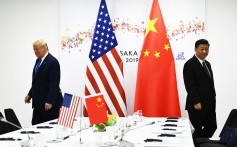
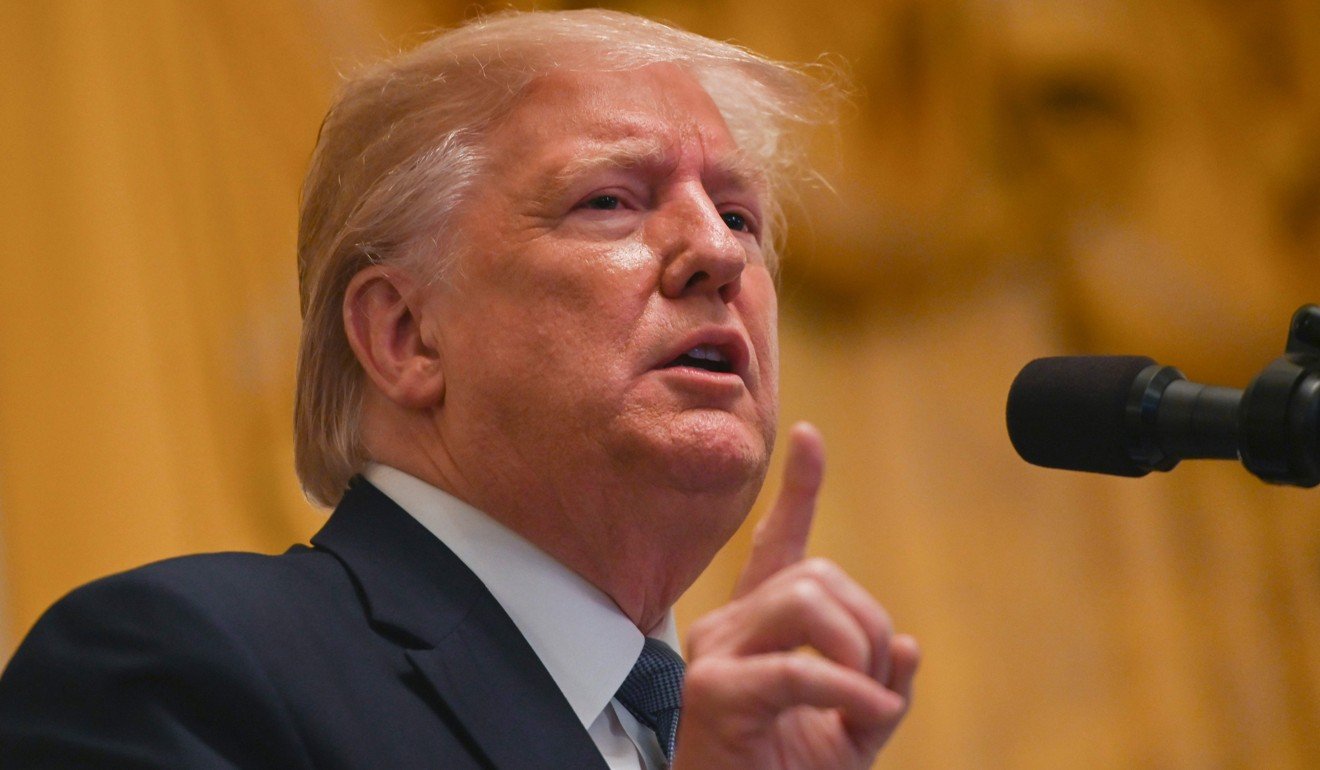
The paper, which looked at regional disparities within advanced countries, undermines a key argument pushed by US President Donald Trump in the ongoing trade war

 between Washington and Beijing – that China has been stealing American technology and jobs.
Although the research did not mention Trump, the IMF said the argument that market competition displaced jobs was flawed as imports from China could only cause job losses in the near term and such impact “quickly abates”.

The US goods trade deficit with China hit a record of US$419.2 billion in 2018, which the Trump administration has blamed for a decline in US manufacturing jobs.

In the paper, the IMF classified a region as “lagging” if two conditions were met – initial real gross domestic product (GDP) per capita was below the country’s median in 2000, and the region’s average growth between 2000 to 2017 was below average.

Labour productivity tended to be lower and employment in the agriculture sector higher in lagging regions, the IMF said. Within the United States, per capita GDP in the state of New York is 100 per cent higher than in Mississippi, parts of which are considered within the rust belt.

While increases in import competition tended to reduce labour force participation after one year, this impact faded quickly and did not have significant effects on regional unemployment on average, IMF analyst Weicheng Lian said.

The impact of technology was more far-reaching, however, with researchers pinpointing it as the main driver of rising unemployment in lagging regions.

Automation pressures

translate into a decline in the cost of machinery and equipment, leading to more persistent rises in unemployment and declines in labour force participation in lagging regions, compared with less vulnerable regions, the study said.

Lian said that poorer regions tend to specialise in agriculture and manufacturing industries rather than high productivity service sectors such as information technology, communications and finance.
“We find that a negative technology shock … raises unemployment in all regions that are more vulnerable to automation, but lagging regions are particularly hurt,” she said.
China-US trade war may cost US$700 billion by 2020 in synchronised global slowdown, new IMF chief says

US-China trade war could cost world economy US$700 billion by 2020: IMF

Read more

China tones down expectations ahead of US trade war talks as Vice-Premier Liu He leads team to Washington

China tones down expectations ahead of US trade war talks

Read more

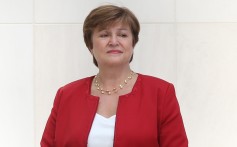
Kristalina Georgieva is the new IMF chief, taking over from Christine Lagarde

Kristalina Georgieva is the new IMF chief

Read more

China, US urged to ease trade war tensions that are ‘weighing on’ global commerce, says IMF chief economist

China, US urged to ease tensions that are ‘weighing on global trade’

Read more

US-China trade war caused ‘self-inflicted’ damage to the global economy, says IMF after third 2019 forecast cut

US-China trade war caused ‘self-inflicted’ damage to the global economy

09/10/2019

India’s Modi to host China’s Xi at summit with ties strained by Kashmir

NEW DELHI (Reuters) – India’s Prime Minister Narendra Modi will welcome Chinese President Xi Jinping at an informal summit this week, the Indian foreign ministry said on Wednesday, their talks coming at a time of strained ties over the disputed region of Kashmir.

The meeting in the southern Indian city of Chennai on Oct. 11-12 is aimed at enhancing the rapport the leaders built when they met in the Chinese city of Wuhan last year to help stabilise ties after a standoff in another contested section of their long border, far removed from Kashmir.

But India’s decision in August to withdraw special status for Kashmir drew sharp condemnation from Pakistan and its old ally, China, which took the matter to the U.N. Security Council.

During a meeting with Pakistan Prime Minister Imran Khan in Beijing on Wednesday, Xi said that he was watching the situation in Kashmir closely, the official Xinhua News Agency reported.

Xi said that the right and wrong of the situation was clear and India and Pakistan should resolve the dispute via peaceful dialogue, according to Xinhua.

India says its revocation of the special status of Muslim-majority Kashmir, which was accompanied by a crackdown on dissent by the security forces, is an internal matter aimed at developing the Himalayan territory, which is also claimed by Pakistan, more quickly.

India will make clear that any change to its Jammu and Kashmir state is an internal affair if the Chinese side were to raise the matter in the forthcoming talks, a government source said.

China’s close security ties with Pakistan have long been a matter of concern in New Delhi and in recent years India has drawn closer to the United States to help balance China’s rising weight across the region.

“The forthcoming Chennai Informal Summit will provide an opportunity for the two leaders to continue their discussions on overarching issues of bilateral, regional and global importance and to exchange views on deepening India-China Closer Development Partnership,” the Indian ministry said in a statement.

“OMINOUS SIGNALS

China, which has been criticised by the United States for its treatment of members of Muslim ethnic minorities, said it believed India and Pakistan must refrain from taking unilateral action in Kashmir and has expressed concern over human rights violations there. India has dismissed those concerns.

Srikanth Kondapalli, professor of Chinese studies at New Delhi’s Jawaharlal Nehru University, said it was important for the nuclear-armed neighbours to stabilise relations as both dealt with domestic and regional issues.

“The second informal meeting as such is significant given these ominous signals at bilateral, regional and global levels,” he said.

Xi will also make a state visit to Nepal at the end of his India visit, the first by a Chinese president in 22 years, the Nepali foreign ministry said.

China has deepened ties with India’s neighbours, building ports and power stations in an arc stretching from Bangladesh to Sri Lanka and Pakistan as part of its grand Belt and Road energy and infrastructure plan.

Ahead of Xi’s trip to India, China invited Pakistan’s Prime Khan for talks and said it supports Pakistan in safeguarding its independent sovereignty and territorial integrity.

The Himalayan region of Kashmir is divided between India, Pakistan and China. India rules the populous Kashmir Valley and the Hindu-dominated region around Jammu city, while Pakistan controls a wedge of territory in the west, and China holds a thinly populated high-altitude area in the north.
During Xi’s visit, Modi is expected to raise economic issues, including India’s $53 billion trade deficit with China in 2018/19, and the smaller presence of Indian companies in China compared with that of other major economies.
Source: Reuters
07/10/2019

Chinese celebrate National Day with birthday noodles, films

BEIJING, Oct. 6 (Xinhua) — While fireworks and festivities drew the largest crowds during this year’s National Day holiday, many Chinese chose to celebrate the occasion with a bowl of patriotic noodles and homegrown films.

This year marks the 70th anniversary of the People’s Republic of China which was founded on Oct. 1, 1949. The weeklong National Day holiday, introduced in 1999 by the State Council, or China’s cabinet, saw “National Day noodles” become a popular choice among some Chinese this year.

Birthday noodles are to Chinese people what birthday cakes are to Westerners. In accordance with the Chinese custom, people enjoy a bowl of noodles on their birthday as a symbol of longevity. Many restaurants will prepare a bowl of birthday noodles for free if there is a diner celebrating their birthday.

Beijing Huatian Catering Group, a leading catering company in Beijing that has more than 20 time-honored brands, sold more than 25,000 bowls of National Day noodles and gave away more than 120 bowls of birthday noodles, according to a Saturday report by Beijing Daily.

Beijing Honghua Dahaiwan Catering Group said that it has sold 3,800 bowls of noodles during the first three days of the National Day holiday, up 25 percent compared to the same period of last year.

Moviegoers meanwhile got their fill of National Day celebrations in an entirely different manner.

“My People, My Country,” “The Climbers” and “The Captain” were all set for theatrical release on the Chinese mainland on Sept. 30, a day ahead of the weeklong National Day holiday, according to the China Film Distribution and Exhibition Association.

Featuring seven short stories from seven directors, “My People, My Country” draws on important historical moments since the founding of the PRC, aiming to awaken the shared memories of Chinese around the world.

“The Climbers” dramatizes the real-life expedition of Chinese mountaineers to ascend Mount Qomolangma in 1960 and 1975.

“The Captain” is a cinematic portrayal of a real-life event that occurred on May 14, 2018, when a captain of Sichuan Airlines managed a successful emergency landing after the windshield of his plane broke in the air, safely bringing home the 119 passengers and nine crew members on board.

According to the real-time statistics of MaoYan Movie, the leading online movie ticketing platform in China, the three movies ranked as the top three films at the box office over the holiday. “My People, My Country” has raked in more than 2 billion yuan (around 279.8 million U.S. dollars) as of Sunday, “The Captain,” 1.7 billion yuan, and “The Climbers,” 743 million yuan.

Source: Xinhua

07/10/2019

Xinhua Headlines: China achieves best world championships results in 20 years over National Day holiday

The Chinese legion at the World Athletics Championships celebrated the 70th anniversary of the founding of the People’s Republic of China in style — staging their best performance at the world championships in 20 years in Doha.

By Sportswriters Ma Xiangfei, Wu Junkuan and Liu Ning

DOHA, Oct. 6 (Xinhua) — For the first time in history, the World Athletics Championships spanned almost the entirety of China’s National Day holiday.

More coincidentally, the year 2019 is the 70th anniversary of the founding of the People’s Republic of China, which gave added meaning to the Chinese delegation’s quest in Doha.

And the Chinese legion celebrated the holiday in style — staging the country’s best performance at the 10-day world championships in 20 years with three gold, three silver and three bronze medals.

“The race had a special meaning for me because it was held just before China’s National Day,” said former world record holder Liang Rui, who led a one-two finish for China in the women’s 50-kilometer race walk.

“This victory is a birthday gift from me for my homeland,” she said after finishing the race at dawn on September 29.

Liang Rui of China celebrates after the women’s 50km race walk at the 2019 IAAF World Championships in Doha, Qatar, Sept. 29, 2019. (Xinhua/Jia Yuchen)

At the same time, many Chinese back home were busy preparing for a huge nationwide celebration on October 1 in a festival atmosphere similar to that of the traditional Chinese Lunar New Year.

One day later, when China was counting down to a grand military parade and mass pageantry at Beijing’s iconic Tian’anmen square, Olympic gold medalist Liu Hong and her teammates Qieyang Shijie and Yang Liujing swept the 20km race walk podium in Doha.

“Even before we came here, the team was confident of retaining the 20km title before the National Day, and the only question was who would win it. Every one of us wanted to win the gold medal, to pay tribute to our country,” said 32-year old Liu, who returned to action in early 2019 after more than two years of maternity leave.

“This is the third time I have won at the World Championships. I am very pleased that I won this time because tomorrow will be the 70th anniversary of the founding of the People’s Republic of China. Winning all three medals, this achievement is our gift to our motherland,” she said.

China’s Liu Hong (2nd L), Qieyang Shenjie (2nd R) and Yang Liujing (1st R) compete during the women’s 20km race walk final at the 2019 IAAF World Championships in Doha, Qatar, Sept. 29, 2019. (Xinhua/Wang Jingqiang)

Hours before first light was shed on a sleepless Beijing on October 1, Xie Zhenye had written a piece of athletics history when he became the first Chinese man ever to qualify for the 200m final at the world championships.

“Yes, I created some history. I did my best today and I am proud of myself, especially on this day,” said the 26-year-old, who qualified as the third fastest runner in the 200m semifinals.

Xie eventually finished seventh in the final on Tuesday night, when 6,000km away China was deep in sleep after the National Day culminated in spectacular firework displays in the heart of the capital city.

The Asian record holder said he took valuable experience from Doha, and already has his sights set on next year’s Tokyo Olympic Games.

“I believe I have gone through the most difficult process, running in the strongest heat group and in the inside lane in the final. I took this as a test and a learning opportunity for next year’s Olympics,” he said.

“Everyone in the team was trying to keep it steady this year because our bigger goal is Tokyo.”

China’s Xie Zhenye (R) competes during the men’s 200m final at the 2019 IAAF World Athletics Championships in Doha, Qatar, on Oct. 1, 2019. (Xinhua/Xu Suhui)

As the National Day celebrations drew to a close, many Chinese people began to enjoy their holiday by traveling around the country. In the first four days of the seven-day holiday, the country received a total of 542 million domestic tourists and recorded 452.63 billion yuan (63.6 billion U.S. dollars) in domestic tourism revenue.

Many people also elected to stay at home and relax, allowing them to watch the world championships and hear more good news from Doha.

Defending champion Gong Lijiao, competing in her seventh world championships, retained her shot put title on October 3. The 30-year-old held off a strong challenge from Jamaica’s Danniel Thomas-Dodd and produced four throws over 19m, grabbing the gold with a throw of 19.55m in the fourth round.

Despite her win, Gong was unsatisfied with her performance and promised to do better in Tokyo.

“I’m so happy to win but the result was well below my expectations,” said Gong, whose personal best is 20.43m.

“I worked out too much in the warm-up before the final and was dripping with sweat. So when the competition started, I felt like I was losing all my momentum, and the air conditioning in the stadium worked against me too,” she explained.

“This is a lesson for me and I will pay more attention to these details in Tokyo. My dream is obviously to win the title then,” said Gong, who already has a silver and a bronze from the Olympic Games.

China’s Gong Lijiao celebrates after winning the title of the women’s shot put final at the 2019 IAAF World Athletics Championships in Doha, Qatar, Oct. 3, 2019. (Xinhua/Wang Lili)

Liu Shiying and Lyu Huihui also brought home a silver and a bronze medal respectively in women’s javelin, although the color of the medal was not the right one for Lyu, a clear favorite before the world championships with a four-month winning streak across 12 competitions.

“I have already competed at two world championships before, winning a silver and a bronze, and I really wanted a gold this time,” she said.

Little did she know that the Chinese team’s achievements in Doha had already made their compatriots proud.

When the women’s 20km walk race medal ceremony was held on China’s National Day on October 1, 2014 Winter Olympic gold medalist Zhang Hong watched three Chinese flags fluttering on the big screen at the Khalifa International Stadium.

The scene could well have reminded her of her days as an athlete, when she raced to the 1,000m speed skating title in Sochi in 2014, becoming the first Chinese Olympic champion in this event.

“I was so proud when I heard the national anthem on October 1. Those athletes who saw the national flags raised in the competition are the best,” said the current International Olympic Committee (IOC) member.

Gold medalist Liu Hong (C) of China, silver medalist Qieyang Shenjie (L) of China and bronze medalist Yang Liujing of China pose for photos at the awarding ceremony of women’s 20km race walk during the 2019 IAAF World Athletics Championships in Doha, Qatar, Sept. 30, 2019. (Xinhua/Wang Jingqiang)

Zhang retired after the 2018 Winter Olympics and was elected to the Athlete’s Commission of the IOC. During her visit to Doha as a representative of the IOC, Zhang was informed that she was appointed to the Future Host Commission, which will explore, monitor and encourage interest in future Olympic Games, Olympic Winter Games and Youth Olympic Games.

After joining the IOC, Zhang said she could see her country from another perspective.

“After I became an IOC member, I came to know more about athletes from other countries and regions. I didn’t know how well we Chinese athletes are taken care of until I spoke to others,” she said.

Zhang’s career path could set an example for other Chinese athletes, as China’s top sprinter Su Bingtian was nominated as one of the 15 candidates for the six available seats in the IAAF Athletes’ Commission.

“I met him in Doha the other day and gave him my encouragement. I hope he can be elected,” Zhang said.

Source: Xinhua

06/10/2019

China, North Korea vow to strengthen ties hours after US nuclear talks collapse

  • Leaders exchange congratulatory messages on 70th anniversary of diplomatic relations amid speculation that Kim Jong-un will visit China soon
  • It comes after Pyongyang’s denuclearisation negotiations with Washington broke off in Stockholm without any breakthroughs
North Korean leader Kim Jong-un (left) may soon visit China again. He last met Xi Jinping during the Chinese leader’s trip to Pyongyang in June. Photo: AFP
China and North Korea on Sunday vowed to continue strengthening their ties that have “stood the test of time”, hours after another squabble broke out between Pyongyang and Washington over the breakdown of their first nuclear talks in eight months.
Chinese President Xi Jinping exchanged congratulatory messages with North Korean leader Kim Jong-un on the 70th anniversary of diplomatic ties, according to state media in both countries, amid speculation that Kim will soon pay another visit to China.
Observers said the communist neighbours’ warm exchanges and Kim’s possible visit showed Beijing and Pyongyang shared mutual interests and needed each other in their respective geopolitical plans to counter Washington – especially as they both come under pressure from US President Donald Trump.
The two countries are said to be preparing for Kim to visit China as early as Sunday, which would be his fifth China trip since March last year and the first since Xi’s state visit to Pyongyang in June.
But given Pyongyang’s denuclearisation negotiations with Washington on Saturday – which broke off in Stockholm without any breakthroughs – China and North Korea may need to reconsider or delay Kim’s visit to avoid criticism of Beijing’s role in the nuclear talks, one expert suggested.
“The triangular ties between China, the United States and North Korea are of immense importance in finding a solution to the nuclear issue on the Korean peninsula and Beijing’s role in the talks has always been sensitive, especially in the eyes of the US and its allies,” said Wang Sheng, a North Korea specialist at Jilin University.

“While China will almost certainly reiterate its stance to support continued dialogue and talks between Pyongyang and Washington, it may not be a good time for Kim’s high-profile visit just a day after their talks broke down, which would inevitably make it more difficult for China to play a mediating role,” he said.

On Sunday, Xi said the traditional friendship between the two countries had “stood the test of time and changes in the international landscape, growing stronger with the passage of time” and “made important and positive contributions to regional peace and stability”, according to Chinese state news agency Xinhua.

Citing his five recent meetings with Kim, Xi said bilateral ties had entered a new era and China would promote “long-term, healthy and stable” relations with North Korea.

Kim also hailed the special relationship between the two countries, which he said had been forged “at the cost of blood” and “weathered all tempests while sharing weal and woe with each other”, the Korean Central News Agency reported.

North Korean mouthpiece Rodong Sinmun meanwhile said in a commentary that bilateral ties with Beijing were “fully in accordance” with the interests of the two sides and would develop “regardless of the international situation”, according to South Korea’s Yonhap news agency.

The lavish praise for Sino-North Korean relations comes as a group of working-level officials from North Korea are working with the Chinese side for a possible visit by Kim in the next few days, according to South Korea’s Dong-A Ilbo.

China and North Korea have set aside their differences as both countries come under pressure from US President Donald Trump. Photo: AFP
North Korea was among the first countries to recognise the People’s Republic of China
70 years ago and Xi has exchanged three messages with Kim in the past month, repeatedly pledging to move closer despite lingering grievances over Pyongyang’s nuclear brinkmanship.
In the face of Trump’s increasingly antagonistic approach, the former communist allies – whose relationship deteriorated over Beijing’s support for the UN sanctions against the North, led by Washington – have set aside their differences to patch up ties in recent months.
Meanwhile, Pyongyang’s first nuclear talks with Washington in eight months ended on Saturday with the two sides offering conflicting assessments of their first formal discussion since the failed Trump-Kim summit in Vietnam in February.
North Korea’s top negotiator Kim Myong-gil expressed his “great displeasure” with the discussions, blaming Washington and urging the Trump administration to correct its course and keep the talks alive or “forever close the door to dialogue”, according to Yonhap.
North Korean negotiator Kim Myong-gil expressed his “great displeasure” with the discussions on Saturday. Photo: AP

But the US State Department issued a rebuke hours later, claiming the negotiators had a “good discussion”. State Department spokeswoman Morgan Ortagus said in a statement that the US had put forward “creative ideas” and “a number of new initiatives that would allow us to make progress in each of the four pillars of the Singapore joint statement”.

The two countries were not expected to “overcome a legacy of 70 years of war and hostility on the Korean peninsula through the course of a single Saturday”, she said, adding that Washington would return for more discussions with Pyongyang in two weeks at Sweden’s invitation.

As Trump administration enters survival mode, foreign policy moves are anyone’s guess

Wang from Jilin University said the breakdown of another round of talks had again laid bare the huge gap between the two sides over a long list of issues, from the definition of denuclearisation to their vastly different, often conflicting, demands and interests.

“It’s very likely that Washington has again rejected some of Pyongyang’s key demands in the recent talks, such as providing a security guarantee for Kim’s regime and a range of economic sanctions relief,” he said.

And with North Korea a polarising issue in the looming US presidential poll for Trump as he seeks to score diplomatic points for his re-election bid, it might become even more challenging for the two sides to narrow their differences.

“The breakdown of the talks should not be seen as a failure,” Wang said. “It simply underscores the difficulty of reaching any consensus in the nuclear talks, which still have a long way to go.”

Source: SCMP

05/10/2019

Economic Watch: Foreign investors show strong appetite for Chinese market

BEIJING, Oct. 4 (Xinhua) — Despite the slowing momentum of global trade growth, China remains attractive to the world’s multinationals with its huge consumer market, optimized business environment and innovation capability.

EXPANDING PRESENCE

Swiss tech giant ABB began construction of its new 67,000-square meter robotics manufacturing and research facility in Shanghai in September with an investment of 150 million U.S. dollars.

It is designed to be the most advanced, automated and flexible factory in the global robotics industry, utilizing the latest manufacturing processes –– a cutting-edge center where robots make robots.

Since 1992, ABB has invested more than 2.4 billion U.S. dollars in China, with nearly 20,000 employees in total. China has become the company’s second-largest market.

“In the future, we will continue to expand investment in the country, further optimize the business layout and enhance innovation capability,” said Gu Chunyuan, president of ABB Asia, Middle East and Africa Region.

German company Henkel, a leading player in industrial and consumer businesses, also has a long-term commitment to and strong confidence in China. Early this year, Henkel announced it is stepping up investment by around 300 million euros annually to build on its strengths and capture opportunities.

“China will be one of the focal markets. We will strengthen our position by accelerating the launch of new brands and innovations, increasing our marketing investments and driving digitalization even further,” said Jeremy Hunter, president of Henkel Greater China.

Having established its first office in Beijing in 1988, the company now has around 5,000 employees at 25 sites across China. The production output of its manufacturing plant in Yantai of Shandong Province has increased more than 50 times over the years.

EMBRACING OPPORTUNITIES

“China’s huge market, steady growth momentum, complete industrial infrastructure as well as rich talent resources are all very attractive, ” said Gu Chunyuan.

As ABB’s second-biggest market, China’s increasingly optimized business climate, more energetic and effective market system and deepened opening-up policies have lured the company to beef up its confidence in the China market, he said.

As the center of the world’s manufacturing industry, China has witnessed unprecedented upgrading and transformation of industries toward digitalization and intelligence, which will unleash huge market potential, said Gu, adding that China’s development has brought many opportunities to the company, and convinced ABB to expand investment.

Hunter attributed Henkel’s success in China to the country’s continuous efforts of pursuing innovation-driven economic development, which has fostered a favorable environment for the company.

“Moreover, China has become a global force in digital technologies. Accelerated digitalization has also been a key driver for Henkel,” said Hunter, noting that the rapid transformation of China’s manufacturing and consumption upgrading are also driving demand for the company.

EXPECTING GROWTH

Foreign investors agree that the Chinese economy offers them indispensable certainty and confidence with its positive outlook.

Commenting on China’s efforts on pushing for all-around opening-up and building a stable, transparent and predictable investment environment, Gu said these measures will bring huge development opportunities for foreign-funded companies.

“We believe that China’s further opening-up will promote the globalization as well as the liberalization and facilitation of trade,” Gu said.

Hunter noted China will maintain its unparalleled momentum in industrial and consumption upgrading and its integration into global flows of trade, talent and innovation.

“I believe that the Chinese market will go beyond just participating in these areas to actively shaping their future development,” he said.

Source: Xinhua

04/10/2019

South Korea’s Samsung closes its last smartphone factory in China

  • ‘Difficult decision to cease operations’ at plant in Huizhou taken to ‘enhance efficiency’, company says
  • Firm’s market share in China has dwindled to near insignificance as competitors like Huawei and Xiaomi have taken upper hand
Samsung said operations at its last factory in China ended last month. Photo: Reuters
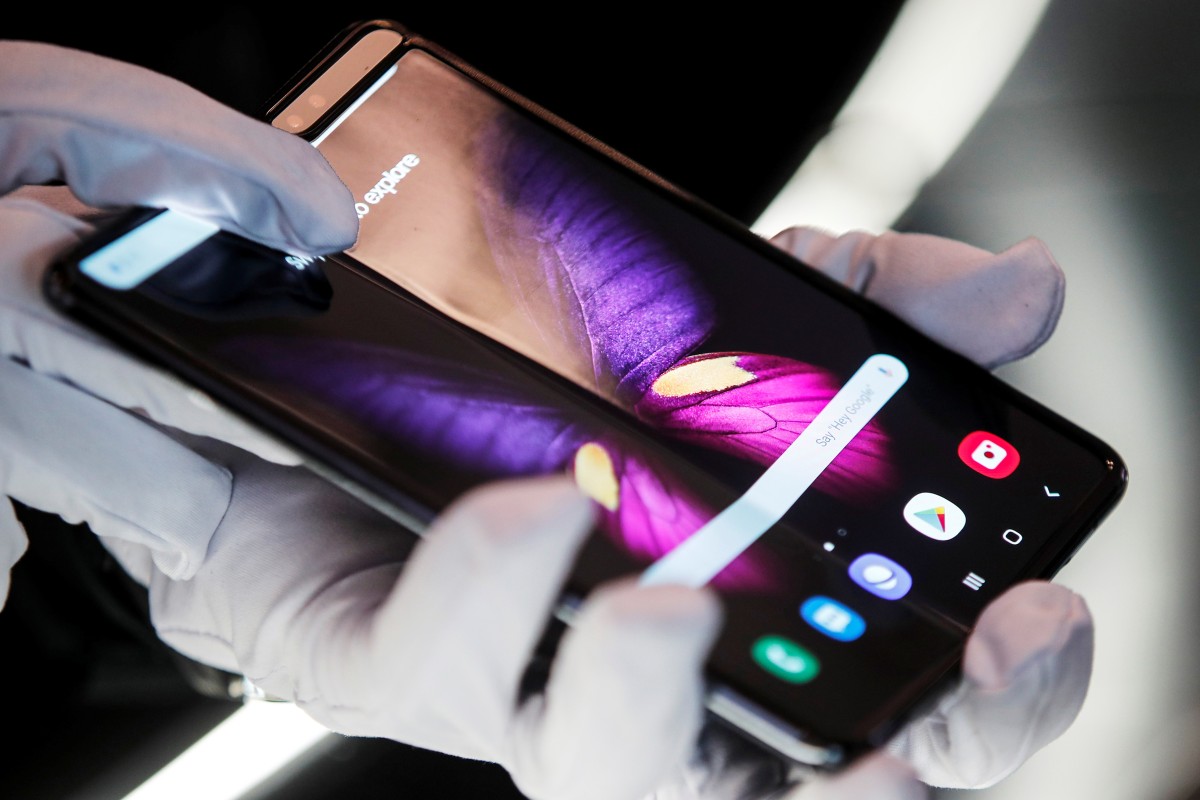
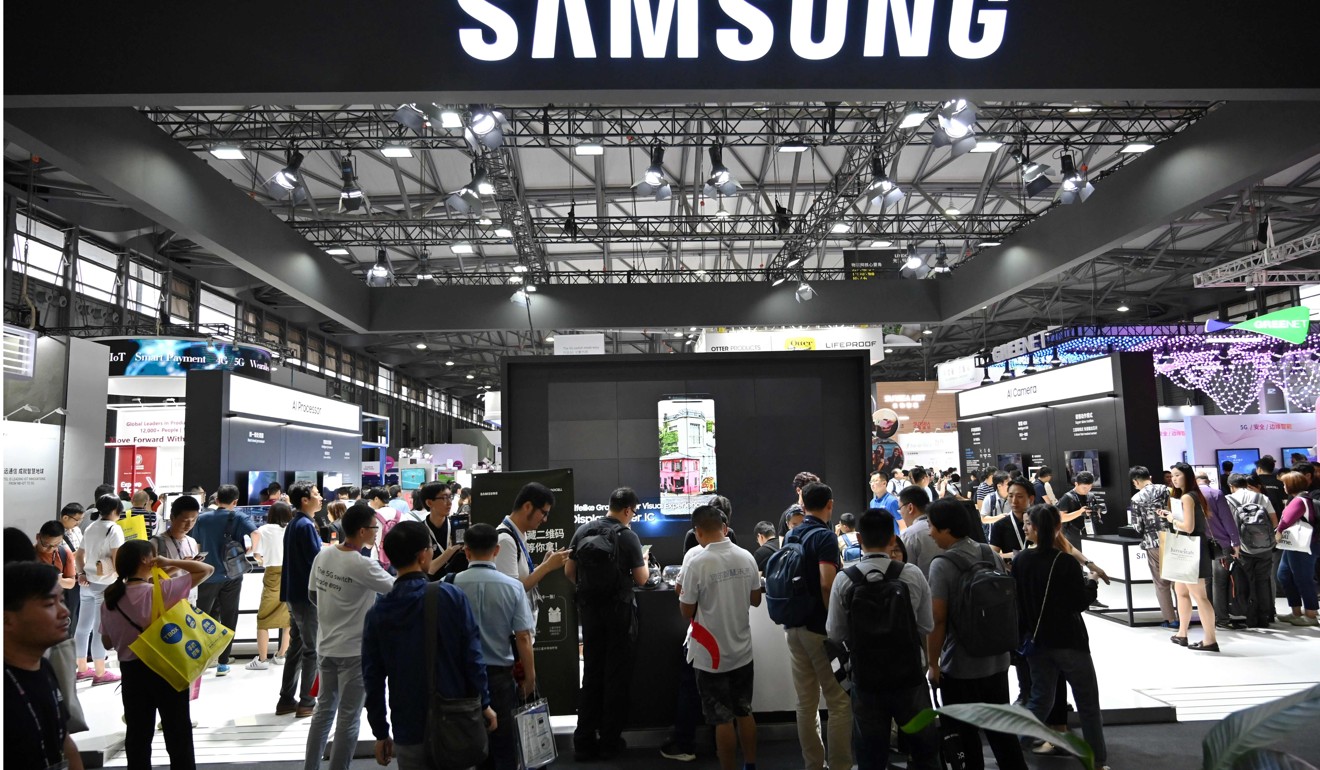
Samsung Electronics

said on Friday it has ended the production of smartphones in its last factory in China.

Operations at the plant in the south China city of Huizhou, Guangdong province, ended last month, it said in an email.
The company made “the difficult decision to cease operations of Samsung Electronics Huizhou” in order “to enhance efficiency” in its manufacturing, it said.
Samsung’s market share in China has dwindled to near insignificance as competitors like Huawei and Xiaomi have taken the upper hand. It once had 15 per cent of China’s smartphone market.
Samsung once had a 15 per cent share of China’s smartphone market. Photo: AFP
The South Korean giant has moved a large share of its smartphone production to Vietnam and closed a factory in northeastern China’s Tianjin last year.

“The production equipment will be reallocated to other global manufacturing sites depending on our global production strategy based on market needs,” the statement said.

Samsung is the world’s biggest manufacturer of semiconductors and smartphones and a major producer of display screens. But the flagship of South Korea’s largest conglomerate is currently weathering a spell of slack demand for computer chips.

Like other South Korean electronics makers, it also is facing the impact of tightened Japanese controls on exports of hi-tech materials used in semiconductors and displays.

On Wednesday, Sony said it was closing its Beijing smartphone plant and would only make smartphones in Thailand.

But Apple still makes major products in China.

“In China, people buy low-priced smartphones from domestic brands and high-end phones from Apple or Huawei,” Park Sung-soon, an analyst at Cape Investment & Securities, said.

“Samsung has little hope there to revive its share.”

Samsung’s factory in Huizhou was built in 1992, according to the company. South Korean media said it employed 6,000 workers and produced 63 million units in 2017.

Samsung manufactured 394 million handsets around the world in 2107, according to its annual report.

Source: Reuters

Law of Unintended Consequences

continuously updated blog about China & India

ChiaHou's Book Reviews

continuously updated blog about China & India

What's wrong with the world; and its economy

continuously updated blog about China & India