Archive for ‘Chinese Academy of Social Sciences’

07/05/2020

Xinhua Headlines: Archaeological findings provide key proof of Chinese civilization origin

— Chinese archaeologists announced significant achievements at the Shuanghuaishu site in central China’s Henan Province, providing key proof of the origin of the over 5,000-year-long Chinese civilization.

— With an area of 1.17 million square meters, the Shuanghuaishu site, dating back to around 5,300 years, is located on the south bank of the Yellow River in the township of Heluo, Gongyi City, and was proposed to be named “Heluo kingdom.”

— A large number of relics of the Yangshao Culture dating back 5,000 to 7,000 years have been discovered at the site.

by Xinhua writers Xu Ruiqing, Wang Ding, Gui Juan, Shuang Rui

ZHENGZHOU, May 7 (Xinhua) — Chinese archaeologists announced Thursday significant achievements at the Shuanghuaishu site in central China’s Henan Province, providing key proof of the origin of the over 5,000-year-long Chinese civilization.

With an area of 1.17 million square meters, the Shuanghuaishu site is located on the south bank of the Yellow River in the township of Heluo, Gongyi City.

The ancient city relic dating back to around 5,300 years ago was proposed by Chinese archaeologists to be named “Heluo kingdom” after its location in the center of the Heluo area, where the Yellow River (known as He in ancient China) and the Luohe River meet.

“The Shuanghuaishu site is the highest-standard cluster with the nature of a capital city discovered so far in the Yellow River basin in the middle and late stage of Yangshao Culture, the early stage of the formation of Chinese civilization,” said Li Boqian, a professor at Peking University, at a press conference on major archaeological discoveries at Shuanghuaishu site held Thursday in Zhengzhou, the provincial capital.
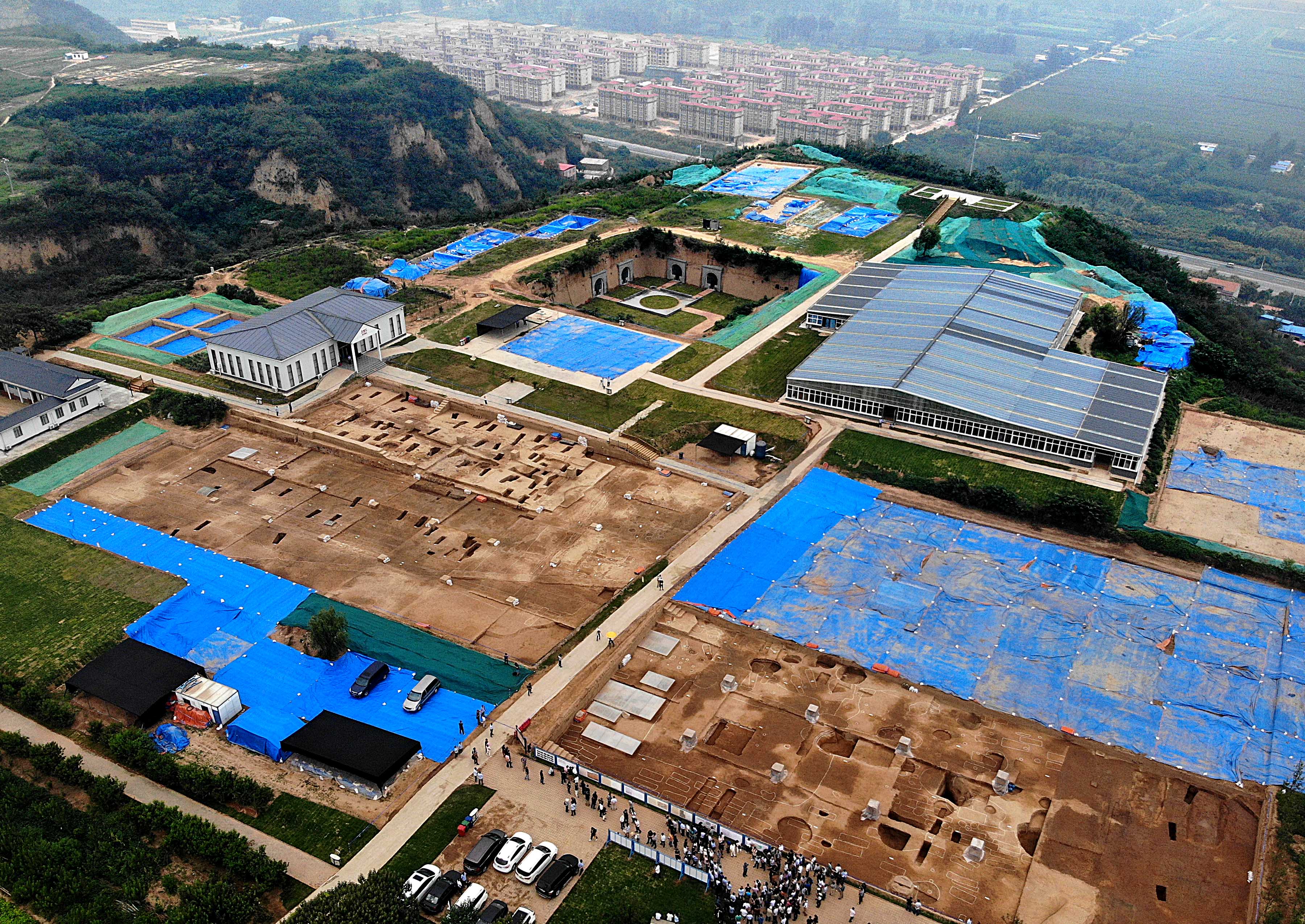
Aerial photo taken on Aug. 27, 2019 shows the Shuanghuaishu site in central China’s Henan Province. (Xinhua/Li An)

A large number of relics of the Yangshao Culture dating back 5,000 to 7,000 years have been discovered at the site, said Gu Wanfa, director of the Zhengzhou Municipal Research Institute of Cultural Relics and Archaeology, at the press conference.

“The important archaeological findings provide key proof of the origin of Chinese civilization, and also prove the representativeness and influence of the Heluo area in the golden stage of the origin of Chinese civilization around 5,300 years ago,” said Wang Wei, a member of the Chinese Academy of Social Sciences.

Since 2013, the Zhengzhou Municipal Research Institute of Cultural Relics and Archaeology and the Institute of Archaeology of the Chinese Academy of Social Sciences have conducted continuous archaeological excavations on the site.

According to archaeologists, the Shuanghuaishu site was about 1,500 meters long from east to west and 780 meters wide from north to south. It was surrounded by three ring trenches with each found to have external access, forming a strict defense system.

Aerial photo taken on Aug. 27, 2019 shows the Shuanghuaishu site in central China’s Henan Province. (Xinhua/Li An)

The central residential area with four rows of houses was found in the northern part of the inner ring moat. Meanwhile, three public cemeteries with more than 1,700 tombs, three sacrificial remains, an astronomical relic, a pottery workshop area, a water storage area, a road system, and other facilities were also discovered at the city ruins.

“The Shuanghuaishu site was a well-selected and scientifically planned settlement site,” said Wang.

“Based on the geographical location and scale, it’s also the only large-scale city settlement discovered so far in the Yellow River basin from the middle and late stage of Yangshao Culture,” Wang added.

Archaeologists believe that the Heluo kingdom was the source of many typical characteristics of Chinese civilization.

Silk originated in China and later became one of the country’s major trade items. “The mulberry-growing and silkworm-raising culture was an important component of Chinese civilization,” said Li.

Among the unearthed relics at Shuanghuaishu, a boar tusk carving of a silkworm, 6.4 cm long, nearly 1 cm wide and 0.1 cm thick, was believed to be China’s earliest carving depicting silkworms.

Undated photo shows a boar tusk carving of a silkworm unearthed at the Shuanghuaishu site in central China’s Henan Province. (Xinhua)

Experts say that the carving depicts a spinning silkworm which is quite similar to modern silkworms in appearance. “The spinning shape of the carving suggests that ancient Chinese people were familiar with the habits of silkworms,” said Gu.

Along with silk fabrics unearthed at the surrounding Wanggou site and Qingtai site, archaeologists said they are solid evidence to prove that the ancient Chinese in the Yellow River basin began raising silkworms and silk production around 5,300 years ago.

“Except Shuanghuaishu and its surrounding settlement sites, there were no definite discoveries from around 5,300 years ago related to the silk textile industry in other parts of the country,” said Li. “In that sense, they are the earliest representatives in the development history of Chinese mulberry cultivation and silkworm-rearing culture.”

Meanwhile, at the astronomical relic at Shuanghuaishu, nine pottery pots were arranged in the pattern of the nine stars of the Big Dipper, which shows that the ancestors of Heluo had relatively mature astronomical knowledge.

Photo taken on April 28, 2020 shows one of nine pottery pots arranged in the pattern of the nine stars of the Big Dipper, at an astronomical relic at the Shuanghuaishu site in central China’s Henan Province. (Xinhua/Li An)

“The relic also indicates the worship of the celestial body may have formed a grand sacrificial ceremony for observing the solar terms and praying for a good harvest,” said Gu.

Experts also believe the astronomical relic and the surrounding sacrificial remains constitute a whole, which is consistent with the records of winter solstice sacrifices in ancient Chinese documents. “It is of great significance to the study of early Chinese astronomy and the origin of Chinese civilization,” added Gu.

Source: Xinhua

12/03/2020

Coronavirus: China should not rely on massive stimulus to overcome ‘unprecedented’ economic slowdown

  • In response to the 2008 global financial crisis, China pumped a 4 trillion yuan (US$575 billion) into its economy but it led to a mountain of local government debt
  • Various early indicators suggest China’s economy will slow in the first quarter of 2020, with some suggestions it will suffer a first contraction since 1976
President Xi Jinping said China must accelerate construction of “new infrastructures such as 5G networks and data centres” on top of speeding up “key projects and major infrastructure construction” in response to the economic impact caused by the coronavirus outbreak. Photo: Xinhua

China should not try to bolster its coronavirus-hit economy by again resorting to a massive debt-fuelled fiscal and monetary stimulus programme, according to a group of government advisers.

Various early indicators suggest China’s economy will slow in the first quarter of 2020, with some even suggesting it will suffer a first contraction since the end of the Cultural Revolution in 1976.

This raises the question if China will miss its key 2020 growth target, with voices on both sides of the debate discussing what stimulus policies are needed to offset the deep impact of the coronavirus.

China is already leaning towards some additional stimulus, with Premier Li Keqiang ordering the central bank pump additional money into the banking system, while President Xi Jinping has announced the need for more spending on “new infrastructure”.

Are there other ways out for China except stimulus policies?Liu Shijin

“Are there other ways out for China except stimulus policies?” rhetorically asked Liu Shijin, who previously worked closely with Vice-Premier Liu He, the top economic aide to Xi, at the Development Research Centre, the think tank attached to the State Council.

“If it really works, why can’t Japan and the United States reach a 5 per cent growth rate?”
It is believed China will need to achieve an average 5.6 per cent growth in 2020 to achieve its goal of doubling the size of its economy from 2010, which is a key goal for

Xi to achieve his target

of creating a “comprehensively well-off” society.

China’s economy grew by 6.1 per cent in 2019, and while it was the slowest in 29 years, the US economy only grew 2.3 per cent, with Japan’s estimated to grow by 0.9 per cent.
What is gross domestic product (GDP)?
Liu Shijin, who is now a deputy head of the China Development Research Foundation and a policy adviser to the People’s Bank of China, argued that a growth rate averaging 5 per cent over the next decade is sufficient for China to meet its development goals.

Growth in 2020, though, may well be below 5 per cent given that the impact of the coronavirus is “unprecedented” and larger than both severe acute respiratory syndrome (Sars) in 2003 and the 2008 global financial crisis.

Xi said earlier this month that China must accelerate construction of “new infrastructures such as 5G networks and data centres” on top of speeding up “key projects and major infrastructure construction already included in state plans” like additional high-speed railway lines in response to the economic impact caused by the coronavirus outbreak.
But as this will mainly rely on corporate and private investment, Liu Shijin feels it will be too small to engineer a major rebound in the growth rate.
When encountering challenges, we should first push forward new reform measures to unleash growth potential. Now is the right timeLiu Shijin
“It’s a different thing compared to real [government-led] economic stabilisation,” Liu Shijin told a web seminar hosted by Peking University’s National School of Development on Wednesday.

“When encountering challenges, we should first push forward new reform measures to unleash growth potential. Now is the right time.”

Instead, to support longer-term growth, China should put its efforts into the development of its “city clusters”, which could lead to higher spending on housing construction, urban infrastructure and manufacturing, added Liu Shijin, which would increase the growth rate by up to an additional percentage point over the next decade.

China has so far refrained from the massive stimulus programme it adopted in 2008 in response to the global financial crisis, which included a 4 trillion yuan (US$575 billion) plan that pumped cheap money into government-backed projects but also created a mountain of local government debt.

Trump bans travel from Europe to the US as coronavirus pandemic hits actor Tom Hanks and the NBA
Zhang Bin, a senior researcher at the Chinese Academy of Social Sciences, said infrastructure construction will remain an important part of any plan to support growth.

“If the funding [for the 4 trillion yuan stimulus] had come solely from treasury bonds or local government bonds [rather than risky lending], there wouldn’t be so much shadow banking, unmanageable credit expansion, high leverage, implicit liabilities or financial risks,” he said.

“If the balance sheets of corporations, households and local governments can’t be repaired, it might lead to insufficient demand and a decline into a vicious [downward] cycle.”

Zhang, like Liu Shijin, is a key member of the China Finance 40 Forum, a group of state economists who advocate more structural reforms to support the Chinese economy. In particular, Zhang has set sights on reforms that would boost consumption, which accounted for 58 per cent of Chinese growth last year.

“The biggest weak link of the Chinese economy is that 200 to 300 million migrant workers can’t [legally] settle in big cities,” he said. “Only if they are able to settle in the city that China can be called a real well-off society. It will also boost the economy, lift demand for manufactured goods and unleashed consumption potential.”
Currently, most large Chinese cities only provide social services including health care and schooling to residents who have a legal permit, or hukou. Most migrant workers who come to the big cities for jobs are blocked from obtaining a hukou, meaning they have to travel back to their rural hometowns to have access to basic social services, so often do not settle in their adopted city.
In response to this idea, Xu Yuan, a professor at Peking University, called for the government to build 10 million affordable housing units annually to accommodate new urban citizens, which would address short-term economic pain and serve the nation’s long-term development.
China will release its annual growth target as well as other key goals, including the fiscal deficit ratio and local bond quota, at the National People’s Congress, although the annual parliamentary convention, previously scheduled for March 5, has been postponed, with a new date yet to be announced.
Source: SCMP
11/03/2020

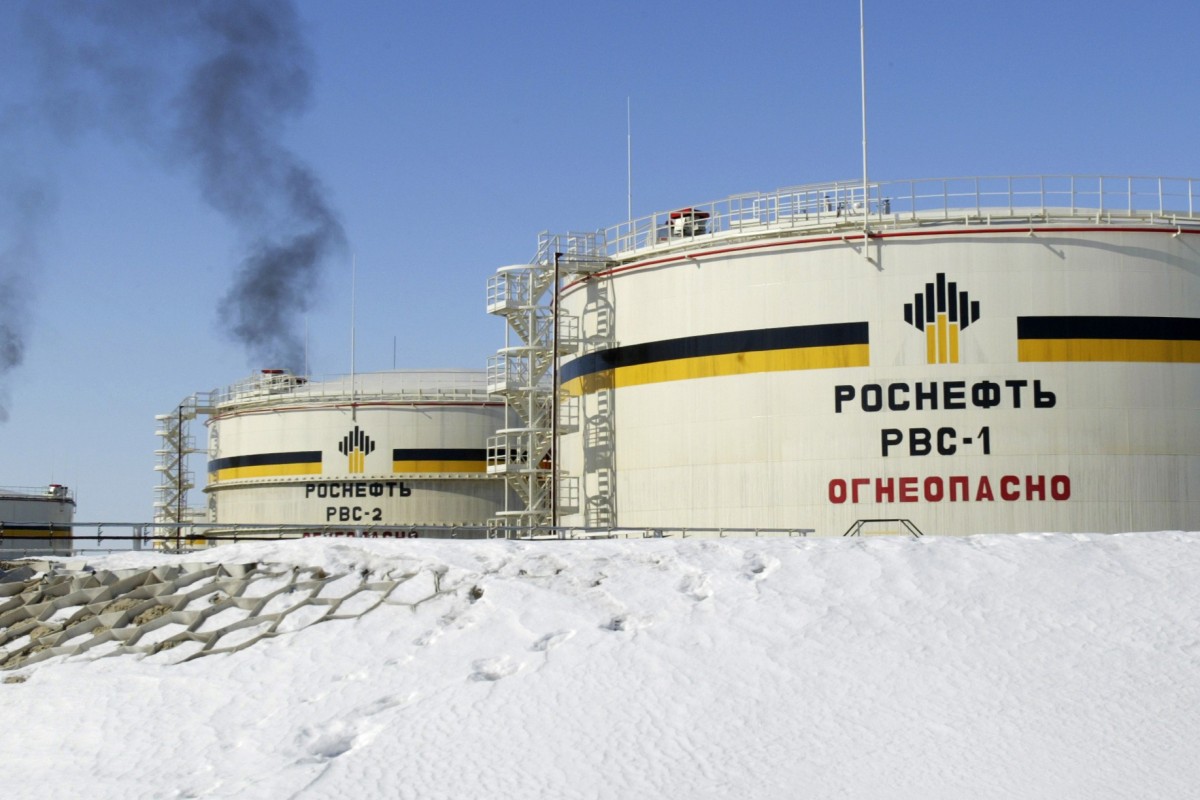
Oil price war between Saudi Arabia, Russia set to offer China’s coronavirus-hit economy welcome relief

  • China imported 72 per cent of its oil in 2019, with Saudi Arabia and Russia, who are now locked in a price war, its largest suppliers
  • Oil prices again fell on Wednesday, with Brent crude down to US$36 a barrel as Saudi Arabia moved to boost output capacity in an escalation of its price war with Russia
China imported 506 million tonnes (3.7 billion barrels) of oil in 2019, an increase of 9.5 per cent from 2018, marking the 17th consecutive year of increased imports. Photo: AP

China’s coronavirus-hit industrial enterprises could receive a welcome boost from plunging oil prices, with the world’s largest importer and consumer set for significant cost savings, analysts said.

A total of 72 per cent of the oil consumed in China was imported in 2019, an average of 10 million barrels per day, meaning any sharp drop in costs as a result of the price war between Saudi Arabia and Russia will help firms reduce costs as they struggle to resume production.

“China benefits a lot from the price war as it is the world’s biggest crude importer,” said Bai Jun, an economic committee member at the China Petroleum Society, an association of Chinese energy researchers.

China imported 506 million tonnes (3.7 billion barrels) of oil in 2019, an increase of 9.5 per cent from 2018, marking the 17th consecutive year of increased imports.

Lower oil prices should raise output by 0.3 per cent above what it would have been with higher oil prices. This will provide some relief, but is a small offset to the many other drags facing the economy Julian Evans-Pritchard

Saudi Arabia and Russia topped a list, also including Angola, Iraq and Oman, that accounted for about 55 per cent of China’s total crude imports in 2018, according to China’s customs data.

Profits for China’s industrial firms could increase by 2 per cent this year as a result of lower oil prices, according to Julian Evans-Pritchard, senior China economist at Capital Economics.

“Lower oil prices should raise output by 0.3 per cent above what it would have been with higher oil prices. This will provide some relief, but is a small offset to the many other drags facing the economy, including the slump in global demand that has contributed to the fall in oil prices,” he said.

“For example, a 2 percentage point decline in export growth would fully wipe out the gains we foresee from lower oil prices. We expect a slowdown in

exports this year

of at least three times that magnitude.”

Global stock markets plummet amid coronavirus panic and falling oil prices

On the other hand, a crash in international oil prices could potentially lead to an increasingly monopolised supply structure as small suppliers could be priced out in the market. This would fly in the face of Beijing’s long-term strategy of securing multiple sources of supply, Wang Yongzhong, who leads the global energy research at the Chinese Academy of Social Sciences, a government think tank, said.

Beijing “is concerned more about the energy security, or how to find multiple sources of stable supply [than a gain from lowers prices],” according to Wang.

The price of Brent crude, the international benchmark, fell back to US$36 a barrel on Wednesday, reversing gains made earlier in the day, after plunging more than 30 per cent on Friday after Saudi Arabia moved to boost output capacity in the opening of a price war with Russia. In 2019, according to customs data, China’s average import price per barrel was around US$65.

China is also a big oil producer with 190 million tonnes (1.4 billion barrels) of output last year and the average cost is higher than US$40 per barrel – a fall in oil prices can push them into lossesBai Jun

But the drop is oil prices is not an unmitigated positive for the Chinese economy, as it will adversely impact domestic oil producers and overseas oilfield investments.

“China is also a big oil producer with 190 million tonnes (1.4 billion barrels) of output last year and the average cost is higher than US$40 per barrel – a fall in oil prices can push them into losses,” added Bai from the China Petroleum Society.

Dong Xiucheng, a professor at the University of International Business and Economics in Beijing, agreed that a lower oil price could help Chinese consumers and facilitate

growth,

but that it would also create a “cold winter” for China’s oil producers, especially state-owned enterprises who still have to maintain production levels.

“The coming days for them will be very hard,” Dong said. “State-owned players need to consider production targets and social stability. Workers can’t lose their jobs.”

As oil prices are falling, these projects could translate into big burden for Chinese investors as there’s now a big question mark over whether these projects can make any money Zhu Kunfeng

China National Offshore Oil (CNOOC), one of China’s three state-owned oil companies, has seen its share price in Hong Kong plummet over 20 per cent this week, closing down almost 6 per cent on Wednesday alone.

Zhu Kunfeng, a Beijing-based expert with consultancy firm IHS Markit, said the plunge in international crude prices could dampen China’s domestic output and force it to rely more on overseas supplies.

The collapse in oil prices could also question the financial viability of many Chinese-invested oil projects overseas.

“Chinese companies had been aggressive in buying overseas oil assets in the early 2010s … in the name of improving China’s energy security”, Zhu said.

“As oil prices are falling, these projects could translate into big burden for Chinese investors as there’s now a big question mark over whether these projects can make any money.”

Source: SCMP

31/10/2019

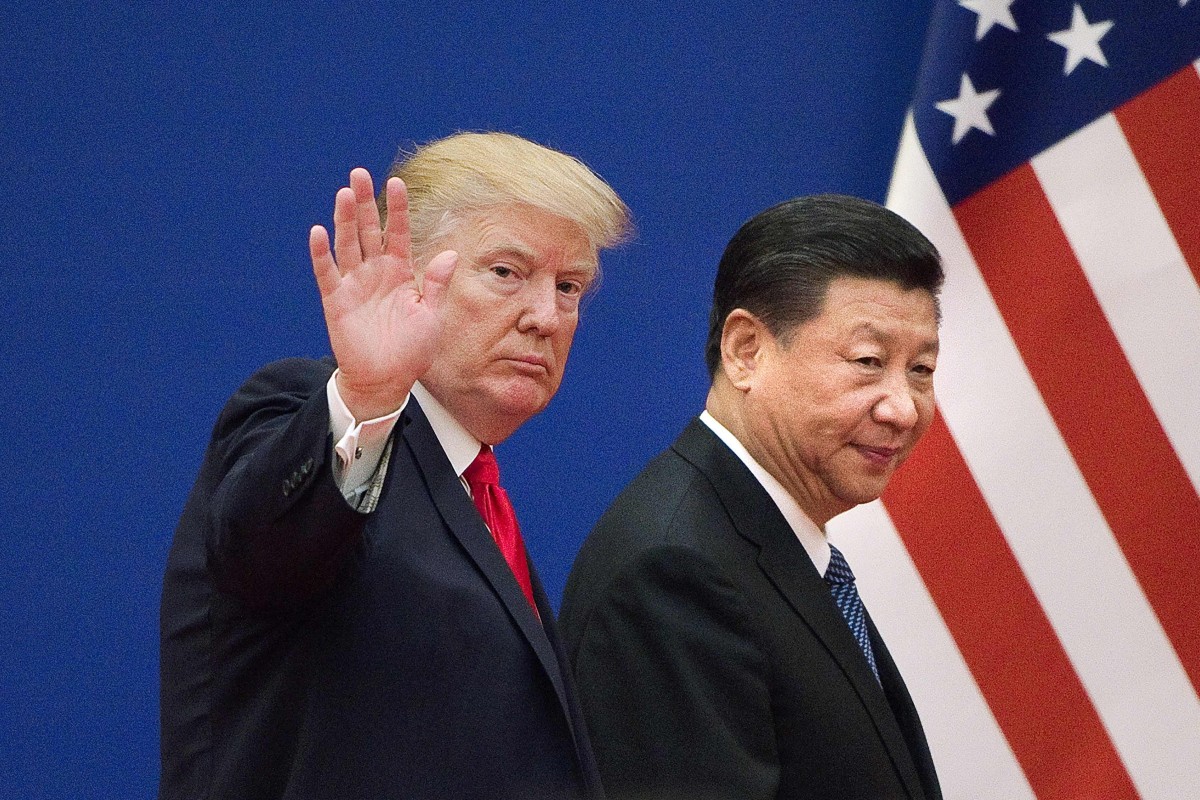
Xi Jinping, Donald Trump ‘in contact’ over trade deal, Beijing says

  • Negotiations going ‘as planned’, foreign ministry says after cancellation of Apec summit at which presidents were set to meet to sign ‘phase-one’ agreement
  • With an election looming and possible impeachment inquiry, Trump in more of a hurry to reach a deal than Xi, observers say
Talks between China and the US are going well, according to the Chinese foreign ministry. Photo: AFP
Presidents Xi Jinping and Donald Trump have “maintained contact”, China’s foreign ministry said on Thursday after authorities in Chile announced the cancellation of the upcoming Apec summit at which the US and Chinese leaders were set to meet and possibly sign a trade deal.
Talks between the two nations were going well, ministry spokesman Geng Shuang told a daily press briefing.
“The negotiations are smooth and things are working out as planned,” he said.
“Regarding the meeting between the two state leaders, they have maintained contact through various means.”
Geng’s comments came after China’s commerce ministry said that top trade negotiators from the two countries would hold a telephone conversation on Friday.
Xi and Trump were due to meet on the sidelines of the Asia-Pacific Economic Cooperation summit in Santiago on November 16-17, but the event was cancelled due to the ongoing protests in the country. The leaders were also expected to sign an interim trade deal based on the ground made at the latest negotiations in Washington on October 11.

According to diplomatic observers, while Beijing wants a truce in the trade dispute it is in less of a hurry than Trump, who is facing the threat of impeachment and trying to prepare for an election campaign.

Shen Dingli, an expert in international relations based in Shanghai, said that China faced less domestic opposition to its handling of the trade talks than Washington.

“Trump is facing a lot of problems on both the diplomatic and domestic fronts,” he said. “[But] I think both sides still need an agreement. It is always better to have an agreement than not.”

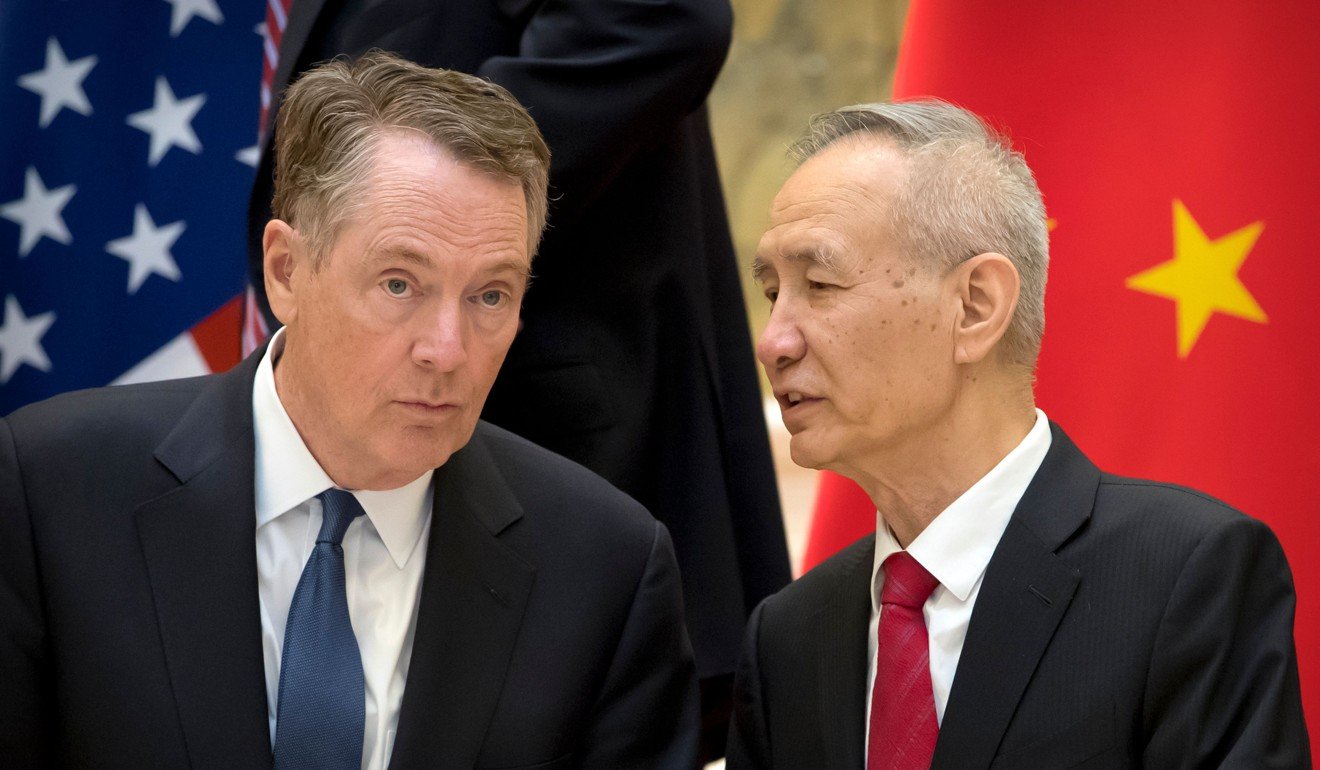
US Trade Representative Robert Lighthizer (left) and Chinese Vice-Premier Liu He met in Washington early this month. Photo: AFP

Yuan Zheng, an expert on China-US relations at the Chinese Academy of Social Sciences, said that while the Apec summit had offered a convenient way for the presidents to meet, the substance of the deal was more important than where it might be signed.

“It’s true that the deal can be signed by representatives instead of the presidents but this depends very much on how keen Trump is for the presidential meeting to happen,” he said.

“He is facing an election and huge domestic pressure, so he … needs to show his strong leadership more than Xi. But of course, if the deal is set and if the details of the meeting are practical, the Chinese side would like a presidential meeting too.”

Shen Dingli, an expert in international relations, says China faces less domestic opposition to its handling of the trade talks than Washington. Photo: AP
Speaking after the talks in Washington between Chinese Vice-Premier Liu He, US Trade Representative Robert Lighthizer and US Treasury Secretary Steven Mnuchin, Trump said the two sides had reached a “substantial phase one deal” and that after it had been put down on paper it would be signed at the Apec meeting.
Tai Hui, chief market strategist for Asia at JPMorgan Asset Management, said the cancellation of the Chile summit should not stop the US and China agreeing a truce.

“If the two sides are genuinely willing to reach an interim deal before mid-December, when the next increase in tariffs on Chinese goods is due to take place, they will find a venue to get it done,” he said.

Source: SCMP

28/08/2019

China again blocks US Navy port visit as Qingdao request is denied

  • It follows Beijing’s decision earlier this month to turn down an application for two US Navy ships to visit Hong Kong
  • The countries have traded barbs about the handling of anti-government protests in the city
The US has had port visits denied by Chinese authorities twice this month. Photo: Alamy

A US Navy warship was denied a port visit to the eastern Chinese city of Qingdao on Sunday, the US Indo-Pacific Command said on Wednesday.

The request denial comes at a time of heightened tensions between China and the United States, with the countries engaged in a prolonged trade dispute and a war of words over anti-government protests in Hong Kong.

“The PRC [People’s Republic of China] denied the US Navy’s request to visit the Qingdao Port,” Commander Reann Mommsen, public affairs officer for the US Seventh Fleet, said in a statement on Wednesday.

Mommsen declined to name the warship denied entry or when the request was refused, referring questions about the reasons to Beijing.

The blocked visit was first reported by Reuters, which cited an anonymous US defence official as saying that China had denied the request for the destroyer before the intended visit on Sunday.

It is the second time in a month that China has prevented US Navy vessels making a port call.

On August 13, the United States Pacific Fleet said China had denied requests for two US Navy ships to visit Hong Kong.

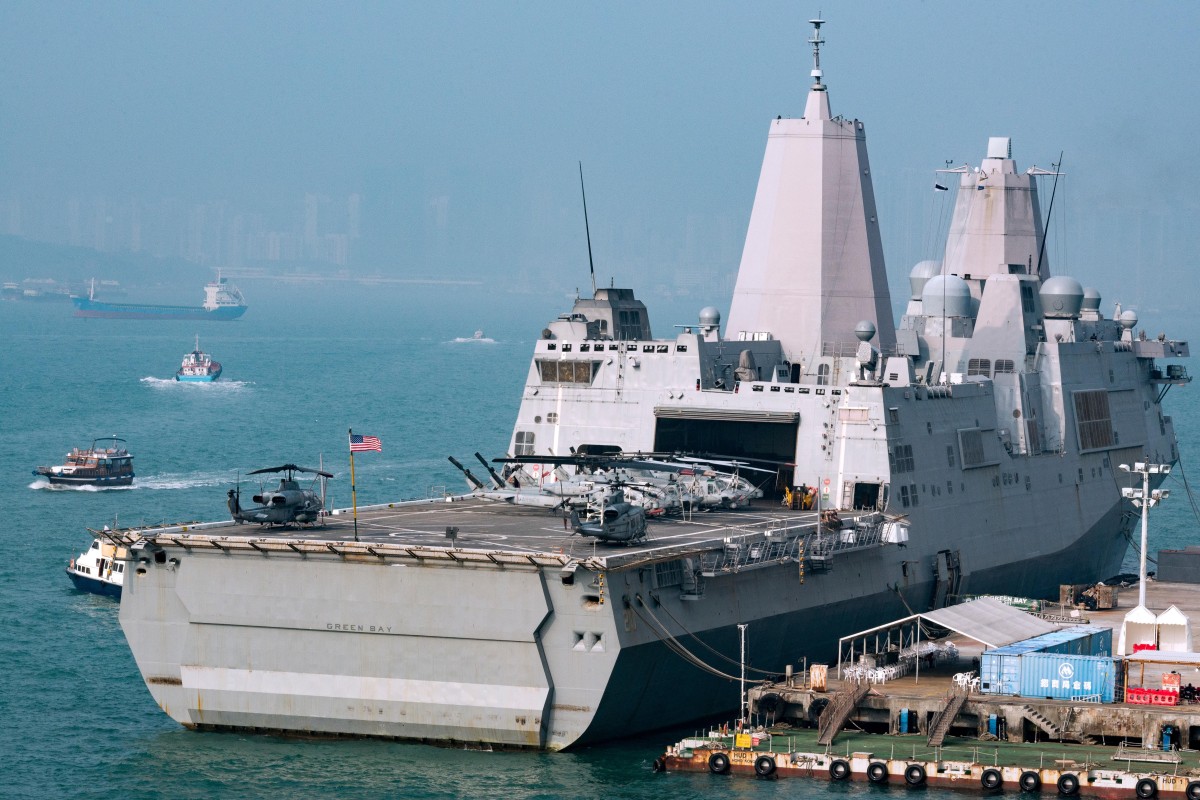
The USS Green Bay, an amphibious dock landing ship, had been due to make a port call in Hong Kong on August 17, and the guided missile cruiser USS Lake Erie was scheduled to visit next month, according to Nate Christensen, deputy spokesman for the Pacific Fleet.

A source close to the Chinese navy confirmed the Qingdao rejection, saying it was “normal practice” based on the current China-US relationship.

“Hasn’t the [US’] application to visit Hong Kong just been rejected?” the source asked.

Hong Kong has seen 12 weeks of anti-government protests, triggered by a now-shelved

extradition bill  

that would have allowed criminal suspects to be transferred to mainland China.

Beijing has increasingly   suggested
the protests are being funded by the West, a claim the US has   called “ludicrous”
.

Zhou Chenming, a Beijing-based military expert, said the refusal was a natural result of the worsening bilateral ties between China and the US.

“Many bilateral exchanges are bound to deteriorate when countries’ ties worsen, such as during the China-US trade war. And now coupled with the Hong Kong unrest, many exchanges [between China and the US] have been downgraded,” Zhou said.

Liu Weidong, from the Chinese Academy of Social Sciences, echoed Zhou’s view and said a visit from the US warship would be meaningless at present.

“Now the US is very provocative … so China doesn’t want to welcome its warship,” Liu said.

Doubt has been cast on whether trade talks between the two countries are set to resume, with Beijing’s foreign ministry contradicting US President Donald Trump’s claim that China had sought a return to the negotiating table.

The countries had been due to speak on Tuesday, according to a previous statement from China’s Ministry of Commerce after their last telephone call on August 13. But there has been no announcement so far from either side on whether such a conversation took place.

Last week, China said it would levy retaliatory tariffs of 5 to 10 per cent on US$75 billion worth of US goods. The Trump administration responded by announcing a tariff increase from 25 to 30 per cent on US$250 billion of Chinese goods, and from 10 to 15 per cent on US$300 billion worth of Chinese products.

The US also designated Beijing as a currency manipulator, raising fears of an economic cold war between the two countries.

Source: SCMP

27/08/2019

Seminar on Xi’s expositions on historical sciences held in Beijing

CHINA-BEIJING-HUANG KUNMING-SEMINAR (CN)

Huang Kunming, a member of the Political Bureau of the Communist Party of China (CPC) Central Committee and head of the Publicity Department of the CPC Central Committee, addresses a seminar on expositions on historical sciences made by Xi Jinping, general secretary of the CPC Central Committee, in Beijing, capital of China, Aug. 26, 2019. (Xinhua/Yao Dawei)

BEIJING, Aug. 26 (Xinhua) — A seminar on expositions on historical sciences made by Xi Jinping, general secretary of the Communist Party of China (CPC) Central Committee, was held Monday in Beijing.

Xi’s expositions on historical sciences, which embody a deep understanding of history and historical sciences by contemporary Chinese Communists, are an important guideline to be followed by China’s historical research in the new era, said Huang Kunming, a member of the Political Bureau of the CPC Central Committee and head of the Publicity Department of the CPC Central Committee, when addressing the seminar.

He said Marxism should be firmly upheld to offer guidance and called for efforts to facilitate the building of discipline, and academic and discourse systems of history research with Chinese characteristics.

Huang stressed the importance of combining research and education, taking a clear-cut stand to oppose historical nihilism, and guiding people to establish a correct view of the history, nation, country, and culture.

The seminar, hosted by the Chinese history research institute under the Chinese Academy of Social Sciences, was attended by over 150 historians from across the country.

Source: Xinhua

17/06/2019

China quiet on Xi Jinping’s G20 meeting and trade talk demands in face of fiery Donald Trump rhetoric

  • It is expected the two leaders will meet in Japan at the end of June
  • Analysts see an increasing caution from China amid low expectations of any deal
Chinese President Xi Jinping and US President Donald Trump last met in Argentina in December on the sidelines of the G20 summit. Photo: AP
China’s relative silence in response to comments by US President Donald Trump in relation to the trade war is due to Beijing redoubling its efforts to take a cautious approach ahead of future talks amid “low expectations” of a quick deal after negotiations collapsed last month, analysts said.
Trump has openly threatened to levy tariffs on additional Chinese products if a meeting with counterpart Xi Jinping does not take place at the G20 summit in Japan at the end of the month, while also urging Beijing to return to talks based on terms negotiated earlier in the year.
“It’s me right now that’s holding up the deal,” Trump said on Tuesday. “And we’re going to either do a great deal with China or we’re not going to do a deal at all.”
China, though, has remained tight-lipped on both a meeting and also the prospects of future talks, with the foreign ministry yet to confirm whether there will be a summit between 
Trump and Xi

in Osaka. The South China Morning Post reported this week that the two leaders could share a more formal dinner, similar to the scene witnessed on the sidelines of the G20 summit in Argentina in December.

That meeting produced a ceasefire and more than five months of negotiations until early May when the talks broke down and the US more than doubled tariffs on US$200 billion in Chinese imports to 25 per cent.
Shi Yinhong, an international relations expert from Renmin University of China, said China had very low expectations ahead of the G20 summit in Japan due to the current level of strained bilateral relations.

Trump’s open threats had put Xi “in a very disadvantageous position”, as any agreement “would be seen as being weak or surrendering to US pressure”, he said.

Instead, the two sides were likely to reach “piecemeal deals” on smaller issues such as people-to-people exchanges and relaxation of visa restrictions, according to Shi, which in turn might help to build a friendlier atmosphere to pave the way for more substantive talks in the future.

It’s me right now that’s holding up the deal. And we’re going to either do a great deal with China or we’re not going to do a deal at all: Donald Trump

China’s state-controlled media outlets have maintained their criticism of the US for starting the trade war, although editorials carried by Xinhua and the People’s Daily have not given concrete information about Beijing’s demands, instead, in its latest editorial, Xinhua urged “US politicians to treat China’s rise with reasonable sense”.
Geng Shuang, a foreign ministry spokesman, said last week that China was aware of hopes emerging from the US side of a meeting between Trump and Xi in Osaka, but that China had no information to disclose on that subject, reiterating government statements from previous days.
Amid a war of words between Beijing and Washington over which side is to blame for the stalled trade talks, both sides have showcased their willingness to talk as long as the conditions are appropriate. Commerce vice-minister Wang Shouwen said at the start of June that China “is always sincere” about negotiating with the US, but the talks must be conducted with mutual respect.
“Otherwise, the negotiation would be meaningless. Even if there’s negotiation, there won’t be an enforceable and sustainable agreement,” Wang said.
Xi said at an economic forum in Russia last week that he did not want to see a decoupling of the US and China and believed that “my friend” Trump did not want that either.
“Trump’s stance that he is unlikely to make any concessions is very clear. So, China should be very cautious when arranging a bilateral meeting with him,” said Liu Weidong, a China-US affairs expert from the Chinese Academy of Social Sciences, a state think tank
Scott Kennedy, a senior adviser at the Centre for Strategic and International Studies in Washington, said Trump and Xi may reach “some sort of truce” as they did in Buenos Aires so that “both sides agree to put on hold their various actions against the other and not further escalate”, but added that the chance was small.
Source: SCMP
29/05/2019

China showing signs similar to Japanese housing bubble that led to its ‘lost decades’, expert warns

  • China’s housing market showing signs of bubble similar to that seen in Japan in 1980s, says Asian Development Bank Institute dean and CEO Naoyuki Yoshino
  • China’s loose policy following 2008 global financial crisis laid foundations for current housing bubble, with US-China trade war adding to concerns
The average price of a home in Beijing has soared from around 380 yuan (US$55) per square feet in the early 2000s to the current level of well above 5,610 yuan (US$813) per square foot, according to property data provider creprice.cn. Photo: Bloomberg
China must exercise extreme caution in handling its housing sector because it is showing signs similar to those witnessed during Japan’s bubble period of the 1980s that contributed to the collapse of Japanese asset prices and its subsequent “lost decades” of weak economic growth and deflation, a Japanese financial system expert warned.
The parallels between China’s current landscape and Japan’s three decades ago are readily apparent, stemming from a loose monetary policy that laid the foundation for the expansion of a housing bubble, said Naoyuki Yoshino, dean and CEO of the Asian Development Bank Institute.
China flooded its economy with credit in response to the 2008 global financial crisis, fuelling rapid growth in mortgages, real estate borrowings and investments over the past decade.
In the same vein, the Japanese government’s relaxed monetary policy in the 1980s triggered an economic bubble that eventually burst and sank the economy into a recession that 
lasted almost 25 years,

with the Bank of Japan continuing to still keep interest rates at or below zero per cent to this day in an attempt to spur inflation.

The Japanese government’s relaxed monetary policy in the 1980s triggered an economic bubble that eventually burst and sank the economy into a recession that lasted almost 25 years. Photo: Bloomberg

Japan’s experience could serve as a lesson on how to avoid a housing market collapse that would be especially detrimental to China’s financial sector and real economy, according to Yoshino.

“I’m very much concerned that if land prices keep on rising and if the population starts to shrink along with aggregate demand, then China will experience a similar situation to that of Japan,” Yoshino said.

There are already several strong signs of a housing bubble in China, according to Yoshino, firstly the astronomical surge in property prices in recent years.

I’m very much concerned that if land prices keep on rising and if the population starts to shrink along with aggregate demand, then China will experience a similar situation to that of Japan Naoyuki Yoshino
Home ownership is one of the few ways for Chinese families to generate wealth because of limited investment opportunities. The average price of a home in Beijing has soared from around 4,000 yuan (US$578) per square metre, or 380 yuan (US$55) per square feet, in the early 2000s to the current level of well above 60,000 yuan (US$8,677) per square metre, or 5,610 yuan (US$813) per square foot, according to property data provider creprice.cn.

The increase has also lifted the housing price to income ratio sharply from 5.6 in 1996 to 7.6 in 2013, well above the Japanese rate of 3.0 at its peak in 1988. The price to income ratio is the basic affordability measure for housing.

According to the Global Times, a reasonable home price should be three to six times the median household income. That means a family with an average income can buy a house with three to six years’ annual income. The house price to income ratio in China is above 50 in the first-tier cities and 30 to 40 in the third- and fourth-tier cities, the newspaper said in October. There are four levels of cities in China, defined by a number of factors including gross domestic product (GDP) and population, with Beijing, Shanghai and Shenzhen considered tier-one cities.

Another worrying sign, according to Yoshino, is that China’s financial sector has lent more heavily to the real estate sector than did Japanese banks during their bubble period.

Thirdly, the ratio of Chinese housing loans to the nation’s GDP has consistently been higher than Japan’s by about three times more.

Ever since US President Donald Trump started imposing tariffs on Chinese imports in July, worries have been mounting that China’s property bubble and its record debt level would make the economy vulnerable to the impact of rising trade tensions, leading to a sharper-than-expected economic slowdown.

Despite a government crackdown on debt and risky lending over the last several years, housing prices and bank lending to the sector have continued to rise, pushing homes beyond what the vast majority of people can afford, as well as putting many property developers deeply into debt.

The Chinese Academy of Social Sciences, a top government think tank, said in a report last week that the growth in housing prices in China’s bigger cities, caused by a relatively short supply of new homes, is likely to push up costs across the country.

“The government should closely monitor these cities to avoid overheating,” said Wang Yeqiang, a researcher at the Chinese Academy of Social Sciences who co-authored the report.

Property developers have begun a debt-fuelled land-buying spree just as urban housing demand is entering a long-running structural decline, said Julian Evans-Pritchard, senior China economist at Capital Economics. The potential supply of property that could be built on developers’ land reserves jumped last year to a record high, meaning the risk of a glut of new housing is real, Evans-Pritchard added, if developers were to convert all their land reserves into housing tracts.

“Since real estate drives around a fifth of GDP, a sharp downturn in this sector would be contagious, resulting in a jump in defaults across a wide swathe of the economy that could quickly erode bank capital buffers,” he warned.

China’s corporate debt stood at 155 per cent of GDP in the second quarter of 2018, much higher than other major economies, according to data from the Organisation for Economic Cooperation and Development. In comparison, Japan’s corporate debt level is 100 per cent of GDP and is 74 per cent in the US. China’s corporate debt includes issuances by its 

local government

vehicles which by extension is mostly credit with an implicit guarantee from the central government.

Since real estate drives around a fifth of GDP, a sharp downturn in this sector would be contagious, resulting in a jump in defaults across a wide swathe of the economy that could quickly erode bank capital buffersJulian Evans-Pritchard

China’s imbalance between housing supply and demand may worsen because it faces a similar economic transition that is already well underway in Japan – a

rapidly ageing population

and

shrinking workforce

that led to Japan’s long-term deflation problem, said Yoshino, who is also the chief adviser to the Japan Financial Services Agency’s Financial Research Centre.

Even if rising housing demand due to urbanisation were to push China’s housing prices higher over the near term, the country faces risks from an oversupply of housing in the longer term due to its increasingly unbalanced demographic structure, he said.
The government has proposed that China’s retirement ages of 45 to 50 years for females and 55 to 60 years for males introduced in the 1980s be gradually increased to 65 years for both by 2045 due to a rapidly ageing population.
The rising population of retirees will consume fewer goods and services compared to younger families with children, and in turn, could dampen business investment given lower expected rates of return.
At the same time, more retirees means a bigger burden on the younger generation of taxpayers, which would reduce their wealth and change patterns of consumption. This is especially worrying on the back of China’s high debt level and pension funding gap, similar to the situation in Japan, Yoshino said.
In Japan, benefits from government pension schemes account for an increasing share of the country’s accumulated debt as spending on social protection programmes now represents more than a third of the government’s total budget.
China’s national pension fund is forecast to peak at 6.99 trillion yuan (US$1 trillion) in 2027 before it gradually runs out by 2035, according to the Chinese Academy of Social Sciences. Photo: AFP
The strain is also evident in China with the

national pension fund

forecast to peak at 6.99 trillion yuan (US$1 trillion) in 2027 before it gradually runs out by 2035, according to the Chinese Academy of Social Sciences, forcing the government to start to transfer assets from state-owned companies to fill the funding gap.

Against the broader economic slowdown, compounded by the trade war with the US, policymakers are also expected to carve out a highly expansionary fiscal budget for this year, with the broad deficit surging to 6.6 per cent of China’s GDP, up from 4.7 per cent last year, according to Larry Hu, head of China economics at Macquarie Capital.

Alicia Garcia Herrero, Asia-Pacific chief economist at Natixis, noted that the US criticisms of China’s unfair trade practises and currency manipulation were reminiscent of the US-Japan disputes in the 1980s and 1990s.

Because Japan was politically and economically dependent on the US at that time, it inevitably implemented economic policies to reduce its current account surplus. Subsequently, Japan suffered from the bursting of its asset price bubble, which led to deflation and the lost decades.

However, Herrero said that the modern China is less dependent on the US and so is in a better position to resist pressure to adjust its economic policies to create demand for American products.

Wang Yang, one of the seven members of China’s elite Politburo Standing Committee, said the US-China trade war could slash one percentage point off Beijing’s economic growth this year. Last year, growth expanded at its slowest pace since 1990, while corporate bond defaults hit a record high and banks’ non-performing loan ratio hit a 10-year high.

Source: SCMP

06/05/2019

China fires up drills near Taiwan Strait in test of combat strength

  • Military exercises this week meant to foster image that Beijing can win a war over the island, analyst says
The PLA is staging live-fire drills at the northern end of the Taiwan Strait this week. Photo: AP
Beijing is conducting live-fire military drills at the northern end of the Taiwan Strait as it signals its resolve to thwart “pro-independence forces” in Taiwan.
Authorities in the small city of Yuhuan, Zhejiang province, notified the public on Sunday that a “no-sail zone” and “no-fishing zone” would be in effect in the area until Friday night.
It said the drills were part of the People’s Liberation Army’s “annual regular exercise plans” and would involve “actual use of weapons”.
“According to the annual [PLA’s] regular training plan … live-fire exercises involving the use of real weapons will be organised … in the designated areas from 6am on May 5 to 6pm on May 10,” the authorities said.
Collin Koh, a military analyst from the S. Rajaratnam School of International Studies at Singapore’s Nanyang Technological University, said the stress on the live-fire manoeuvres suggested the six-day exercise would simulate real combat conditions.
The drills come hard on the heels of an annual report by the Pentagon warning that China was preparing options to unify Taiwan by force, and there was a need to deter, delay or deny any third-party intervention on Taiwan’s behalf.
Under the Taiwan Relations Act, the United States is bound by law to help defend the self-ruled island. Washington is Taipei’s main source of arms, selling the island more than US$15 billion in weaponry since 2010, according to the Pentagon.
Beijing ‘loses all hope for Taiwan’s Tsai Ing-wen’ as she rallies Washington

Taiwan is one of a growing number of flashpoints in the China-US relationship – along with a trade war, Beijing’s growing influence in emerging economies, and its stronger military posture in the South China Sea. On Monday, two guided-missile destroyers, USS Preble and USS Chung-Hoon passed within 12 nautical miles of Gaven and Johnson reefs in the Spratly Islands, drawing immediate criticism from Beijing.

In addition, Taiwan will hold its annual Han Kuang live-fire drills from May 27 to 31 and held a computer-aided one just last month.

A Taiwan affairs analyst from the Chinese Academy of Social Sciences said the drills off Zhejiang were meant to show Beijing’s determination to defend its position on Taiwan.

“Beijing is trying to build up an image that China can win a war over Taiwan and Beijing’s key goal is to contain pro-independence forces, which are the biggest threat now to the peaceful unification process,” the analyst said.

Koh agreed, saying the drill sent a signal to external and domestic parties after the recent high-profile transits of US warships through the Taiwan Strait.

“The messaging to domestic audience is necessary because Beijing can’t be seen as weak following those reported transits by foreign warships – especially the Americans who are seen as supporting Taipei,” Koh said.

“And regarding external audience, the messaging is quite obviously to demonstrate that Beijing is ready to respond more resolutely to future such transits, following the tough verbal responses from Beijing, including its statement that it considers the strait under its jurisdiction and comprise its internal waters.”

Beijing ‘tones down’ response after US warships sail through Taiwan Strait

Relations between Beijing and Taipei have plunged since Tsai Ing-wen from the independence-leaning Democratic Progressive Party won the presidential election in 2016 and repeatedly refused to accept the “1992 consensus”, which Beijing says is the foundation for cross-strait dialogue.

In response, Beijing ramped up pressure against the island, including conducting more military exercises and establishing diplomatic ties with Taipei’s allies.

Source: SCMP

08/04/2019

China to avoid debt burden for BRI participating countries: envoy

AMMAN, April 7 (Xinhua) — Li Chengwen, ambassador for China-Arab States Cooperation Forum Affairs of China’s Foreign Ministry, refuted on Sunday the criticism that China’s Belt and Road Initiative (BRI) will create so-called “debt trap” for some participating countries.

“China is trying to find mechanisms to avoid the ‘debt trap,'” Li said during a session on the second day of the World Economic Forum on the Middle East and North Africa 2019 held in the Dead Sea area of Jordan.

The Chinese envoy was responding to the criticism directed at the BRI by some people in the United States and Europe ahead of the second Belt and Road Forum for International Cooperation, due to be hosted by China later this month in Beijing.

The initiative, proposed by China in 2013, aims at building a trade and infrastructure network connecting Asia with Europe and Africa along the ancient trade routes of the Silk Road to seek common development and prosperity.

As of July 2018, more than 100 countries and international organizations had signed Belt and Road cooperation documents with China, extending the initiative’s scope from the Eurasian continent to Africa, Latin America and the Caribbean, and the South Pacific region.

Li pointed out that no participating country has complained of falling into the so-called “trap” of Chinese loans.

“The Belt and Road Initiative aims to increase the economic prosperity of a country. It does not aim at expanding the political and geographical authority of China in the world,” he said.

Many participants at the forum in Jordan agreed with Li’s comments.

“If you keep your interest first, you will not find China an unfair partner,” said Shandana Gulzar Khan, Pakistan’s parliamentary secretary for commerce. “But it depends on how well you do your homework.”

In Pakistan, a major BRI participating country, the China-Pakistan Economic Corridor has created tens of thousands of jobs and revived the economy of an entire region, Khan noted.

Speaking at the session, He Wenping, a research fellow of the Institute of West-Asian and African Studies, Chinese Academy of Social Sciences, echoed Li’s remarks.

“The biggest worry on the ‘debt-trap diplomacy’ should come from China’s side, not from outside. It is tax payers’ money,” the Chinese professor said.

“China is not waving the ‘China First’ flag,” she said.

The upcoming Belt and Road forum to be held in Beijing later this month could be an opportunity to kickstart a “second phase” of the initiative, she added.

Source: Xinhua

Law of Unintended Consequences

continuously updated blog about China & India

ChiaHou's Book Reviews

continuously updated blog about China & India

What's wrong with the world; and its economy

continuously updated blog about China & India