Chindia Alert: You’ll be Living in their World Very Soon
aims to alert you to the threats and opportunities that China and India present. China and India require serious attention; case of ‘hidden dragon and crouching tiger’.
Without this attention, governments, businesses and, indeed, individuals may find themselves at a great disadvantage sooner rather than later.
The POSTs (front webpages) are mainly 'cuttings' from reliable sources, updated continuously.
The PAGEs (see Tabs, above) attempt to make the information more meaningful by putting some structure to the information we have researched and assembled since 2006.
SHENYANG, April 5 (Xinhua) — Huo Chunlei, who runs a hotpot restaurant in Shenyang, capital of northeast China’s Liaoning Province, said he did not lay off any of his staff, although the restaurant is having difficulties for reopening after two months of closure in China’s nationwide measures of coronavirus control.
A few weeks after Chinese provincial-regions with low risk of the novel coronavirus gradually resumed work and production, shops and eateries have reopened, and roads become bustling again, as hundreds of millions of people confined at home for weeks in compliance with epidemic prevention rules get back to a normal life.
Huo’s restaurant has been in operation for a week. Only half of the tables are filled at dinnertime. The revenue is barely enough to cover the expenses of the house rent and employee wages, he said.
However, he said his business is able to survive because of the government’s bailout policies. For example, the approval of deferred payment of social insurance premiums for his employees alone can save him 80,000 yuan (about 11,250 U.S. dollars) a month.
“The staff are willing to stay, as we are all confident in tiding over the difficulties together,” he said.
The local governments at all levels have rolled out a slew of measures to shore up the catering business, including cutting taxes, reducing house rent as well as water and electricity fees.
The governments in Liaoning, Shandong, Jiangsu and Zhejiang provinces have issued coupons with a value ranging from 10 million yuan to 100 million yuan to encourage people to spend on dining out.
Before the production resumption, there were some consumer councils’ surveys showing that consumers had suppressed consumption desire for dining out and shopping as well as going to movie theaters, gymnasiums and tourist spots after the epidemic crisis ends.
“The so-called retaliatory consumption has not yet appeared in the catering industry, as people are still wary about the infection risk, but there will be a gradual recovery growth,” said Chen Heng, executive director of Hainan Hotel and Catering Industry Association in the southernmost Chinese province of Hainan.
“Before reopening, we increased the distances between tables, but with reduced tables, there are still many empty tables at dinner time. My restaurant used to have all seats full and even queues,” said Huo.
Like Huo, Lin Lunheng, founder of the Fuzhou Super Dinner Co. Ltd. in southeast China’s Fujian Province, is also worried about business.
“Although the chain stores have reopened, revenues have decreased by 70 percent compared with that before the epidemic. This is a big blow to restaurants,” said Lin.
The Italian style chain restaurant has offered e-coupons to draw customers.
As the spring weather is getting more and more pleasant, consumers’ desire for dining out and travel is growing. According to a survey report jointly released by the China Travel Academy and Trip.com Group on March 19, Chinese are longing for tours across the country, with Yunnan, Hainan and Shanghai among the top destinations.
BEIJING/WUHAN, China (Reuters) – China on Saturday mourned the thousands of “martyrs” who have died in the new coronavirus outbreak, flying the national flag at half mast throughout the country and suspending all forms of entertainment.
The Chinese national flag flies at half-mast at Tiananmen Square in Beijing, as China holds a national mourning for those who died of the coronavirus disease (COVID-19), on the Qingming tomb sweeping festival, April 4, 2020. REUTERS/Carlos Garcia Rawlins
The day of mourning coincided with the start of the annual Qingming tomb-sweeping festival, when millions of Chinese families pay respects to their ancestors.
At 10 a.m. (0200 GMT) Beijing time, the country observed three minutes of silence to mourn those who died, including frontline medical workers and doctors. Cars, trains and ships sounded their horns and air raid sirens wailed.
In Zhongnanhai, the seat of political power in Beijing, President Xi Jinping and other Chinese leaders paid silent tribute in front of the national flag, with white flowers pinned to their chest as a mark of mourning, state media reported.
More than 3,300 people in mainland China have died in the epidemic, which first surfaced in the central province of Hubei late last year, according to statistics published by the National Health Commission.
In Wuhan, the capital of Hubei province and the epicentre of the outbreak, all traffic lights in urban areas turned red at 10 a.m. and all road traffic ceased for three minutes.
Some 2,567 people have died in Wuhan, a megacity of 11 million people located in the middle reaches of the Yangtze river. The Wuhan deaths account for more than 75% of the country’s fatalities.
Among those who died was Li Wenliang, a young doctor who tried to raise the alarm about the disease. Li was honoured by the Hubei government earlier this week, after initially being reprimanded by police in Wuhan for “spreading rumours”.
Gui Yihong, 27, who was among thousands of Wuhan locals who volunteered to deliver food supplies to hospitals during the city’s months-long lockdown, recalled the fear, frustration and pain at Wuhan Central Hospital, where Li worked.
“If you weren’t at the frontlines you wouldn’t be able to experience this,” said Gui, as he laid some flowers next to Wuhan’s 1954 flood memorial by the Yangtze.
“I had to (come) and bear witness. For the last 80 days we had fought between life and death, and finally gained victory. It was not easy at all to come by.”
While the worst was behind Wuhan, the virus has spread to all corners of the globe since January, sickening more than a million people, killing more than 55,000 and paralysing the world economy.
Wuhan banned all tomb-sweeping activities in its cemeteries until at least April 30, curtailing one of the most important dates in the traditional Chinese lunar new year calendar which usually sees millions of families travel to tend to their ancestral graves, offer flowers and burn incense.
They have also told residents, most stuck at home due to lockdown restrictions, to use online streaming services to watch cemetery staff carry out those tasks live.
ASYMPTOMATIC CASES
Online, celebrities including “X-Men: Days of Future Past” star Fan Bingbing swapped their glamorous social media profile pictures for sombre photos in grey or black, garnering millions of “likes” from fans.
Chinese gaming and social media giant Tencent (0700.HK) suspended all online games on Saturday.
As of Friday, the total number of confirmed cases across the country stood at 81,639, including 19 new infections, the National Health Commission said.
Eighteen of the new cases involved travellers arriving from abroad. The remaining one new infection was a local case in Wuhan, a patient who was previously asymptomatic.
Asymptomatic people exhibit few signs of infection such as fevers or coughs, and are not included in the tally of confirmed cases by Chinese authorities until they do.
However, they are still infectious, and the government has warned of possible local transmissions if such asymptomatic cases are not properly monitored.
China reported 64 new asymptomatic cases as of Friday, including 26 travellers arriving in the country from overseas. That takes the total number of asymptomatic people currently under medical observation to 1,030, including 729 in Hubei.
US$2 trillion rescue package passes US Senate, heads to House
Malaysia’s king and queen in ‘self-quarantine’ after staff test positive
Police commandos in Sri Lanka hand out food to homeless people during a nationwide curfew against the spread of coronavirus. Photo: AFP
More than three billion people are living under lockdown measures as soaring death tolls in Europe and the US underlined a United Nations warning that the coronavirus, which has now infected nearly half a million people globally, threatens all of humanity.
The global death toll from the virus now stands at more than 21,000, with Spain joining Italy in seeing its number of fatalities overtake China, where the virus first emerged just three months ago.
“Covid-19 is threatening the whole of humanity – and the whole of humanity must fight back,” UN Secretary General Antonio Guterres said, launching an appeal for US$2 billion to help the world’s poor.
“Global action and solidarity are crucial. Individual country responses are not going to be enough.”
The G20 major economies will hold an emergency videoconference on Thursday to discuss a global response to the crisis, as will the 27 leaders of the European Union, the outbreak’s new epicentre.
The economic damage of the virus – and the lockdowns – could also be devastating, with fears of a worldwide recession worse than the financial meltdown more than a decade ago.
Here are the developments:
US$2 trillion rescue package passes US Senate
The US Senate passed the nation’s largest-ever rescue package late Wednesday, a US$2 trillion lifeline to suffering Americans, depleted hospitals and an economy all ravaged by a rapidly spreading coronavirus crisis.
The monster deal thrashed out between Republicans, Democrats and the White House includes cash payments to American taxpayers and several hundred billion dollars in grants and loans to small businesses and core industries. It also buttresses hospitals desperately in need of medical equipment and expands unemployment benefits.
The measure cleared the Senate by an overwhelming majority and was headed next to the House of Representatives, which must also pass it before it goes to President Donald Trump for his signature.
US President Donald Trump has voiced hope the US will be “raring to go” by mid-April, but his optimism appeared to stand almost alone among world leaders.
Unemployment benefit filings by Americans workers to surge to 3.3 million last week – the highest number ever recorded, the Labour Department reported on Thursday.
The normally routine report is at the front lines of the economic crisis caused by the outbreak, which has forced widespread closures of restaurants, shops and hotels, and brought airline travel to a virtual halt, prompting the stunning increase in people filing for benefits nationwide in the week ending March 21.
Nearly every state cited Covid-19 for the jump in initial jobless claims, with heavy impacts in food services, accommodation, entertainment and recreation, health care and transport, the report said.
Malaysia’s king and queen in quarantine after staff test positive
The official residence of Malaysia’s monarchy on Thursday confirmed seven of its staff have tested positive for Covid-19 and are currently receiving treatment at the Kuala Lumpur Hospital.
Malaysia’s king, Sultan Abdullah Sultan Ahmad Shah and queen, Tunku Azizah, have also been tested, but their results showed a clean bill of health, a spokesman for the Istana Negara said in a statement.
“Nevertheless, Their Majesties are now observing a 14-day self-quarantine, starting yesterday, ” he said.
Meanwhile, Prime Minister Muhyiddin Yassin, along with all federal ministers and their deputies, announced they will take a two-month pay cut, with the savings to be donated to Putrajaya’s Covid-19 fund.
The Prime Minister’s Office said the decision was made during a cabinet meeting and showed the government’s sincerity in helping those affected by the pandemic.
“The Covid-19 fund was launched on March 11 as part of the government’s efforts to help those who were affected by the disease outbreak,” the office said, adding that 8.5 million ringgit (US$1.97 million) has been collected, including government grants.
Malaysia on Wednesday announced a two-week extension of a national lockdown as part of stepped-up measures to contain the coronavirus outbreak.
The “movement control order,” which requires people to stay home and was originally set to expire on March 31, will now continue until April 14.
Moscow monitors people in coronavirus quarantine with 100,000 ‘under the skin’ surveillance cameras
Russia to ground international flights
Russia will halt all international flights from midnight on Friday under a government decree listing new measures against the coronavirus outbreak.
The decree published on Thursday orders aviation authorities to halt all regular and charter flights, with the exception of special flights evacuating Russian citizens from abroad.
The announcement came after Russia on Wednesday recorded its biggest daily spike in confirmed coronavirus infections so far, with 163 new cases for a total of 658 across the country.
Denis Protsenko, head doctor of Moscow’s new hospital treating coronavirus patients, told President Vladimir Putin that Russia needed to be ready for an “Italian scenario”, referring to what is now the hardest-hit country in the world in terms of deaths.
Singapore boosts stimulus package to 11 per cent of GDP
Singapore reported 52 new coronavirus cases on Thursday, taking its tally to 683 infections.
The health ministry said that out of the 52, 28 were imported while 24 were locally transmitted.
Drawing on national reserves for the first time since the global financial crisis to support an economy heading for recession, the additional spending will push up the government’s virus-related relief to almost S$55 billion, or 11 per cent of gross domestic product, Finance Minister Heng Swee Keat said in a speech in parliament Thursday. It also will widen the budget deficit for the financial year starting April 1 to 7.9 per cent of GDP, from a previous target of 2.1 per cent.
“This extraordinary situation calls for extraordinary measures,” Heng said. “We have saved up for a rainy day. The Covid-19 pandemic is already a mighty storm, and is still growing.”
Coronavirus: Italy’s slowing infection rate boosts case for lockdowns
26 Mar 2020
‘If you catch it, don’t spread it to others’, 1949 flu advice still applies to coronavirus pandemic
Imported cases rise in China
Mainland China reported a second consecutive day of no new local coronavirus infections as the epicentre of the epidemic Hubei province opened its borders, but imported cases rose as Beijing ramped up controls to prevent a resurgence of infections.
A total of 67 new cases were reported as of end-Wednesday, up from 47 a day earlier, all of which were imported, China’s National Health Commission said in a statement on Thursday.
The total number of cases now stands at 81,285.
The commission reported a total of 3,287 deaths at the end of Wednesday, up six from the previous day.
All of the new patients were travellers who came to China from overseas, with the mainland reporting no locally transmitted infections on Wednesday.
Fearing a new wave of infections from imported cases, authorities have ramped up quarantine and screening measures in other major cities including Beijing, where any travellers arriving from overseas must submit to centralised quarantine.
Coronavirus could become seasonal
There is a strong chance the new coronavirus could return in seasonal cycles, a senior US scientist said Wednesday, underscoring the urgent need to find a vaccine and effective treatments.
Anthony Fauci, who leads research into infectious diseases at the National Institutes of Health, told a briefing the virus was beginning to take root in the southern hemisphere, where winter is on its way.
“What we’re starting to see now … in southern Africa and in the southern hemisphere countries, is that we’re having cases that are appearing as they go into their winter season,” he said.
“And if, in fact, they have a substantial outbreak, it will be inevitable that we need to be prepared that we’ll get a cycle around the second time.
“It totally emphasises the need to do what we’re doing in developing a vaccine, testing it quickly and trying to get it ready so that we’ll have a vaccine available for that next cycle.”
There are currently two vaccines that have entered human trials -one in the US and one in China – and they could be a year to a year-and-a-half away from deployment.
British Columbia is testing for Covid-19 faster per head than South Korea
27 Mar 2020
Spain extends emergency by two weeks
Spain’s parliament has voted in favour of the government’s request to extend the state of emergency by two weeks that has allowed it to apply a national lockdown in hopes of stemming its coronavirus outbreak.
The parliamentary endorsement will allow the government to extend the strict stay-at-home rules and business closings for a full month. The government declared a state of emergency on March 14. It will now last until April 11.
Spain’s government solicited the two-week extension after deaths and infections from the Covid-19 virus have skyrocketed in recent days. Spain 47,600 total cases. Its 3,434 deaths only trail Italy’s death toll as the hardest-hit countries in the world.
The parliament met with fewer than 50 of its 350 members in the chamber, with the rest voting from home to reduce the risk of contagion.
Greece locks down Muslim towns
Greek authorities have quarantined a cluster of Muslim-majority towns and villages in the country’s northeast after several cases and a death from the new coronavirus in the area.
The area in Xanthi prefecture was placed in lockdown as of Wednesday evening as nine people in the region overall have tested positive for the virus over the past six days, civil protection deputy minister Nikos Hardalias told reporters.
“All residents have been temporarily confined at home. No exceptions are allowed,” Hardalias said.
The centre of the outbreak appears to be the small Pomak town of Ehinos, a community of about 2,500.
“Ehinos residents will be provided with food and medicine,” Hardalias said.
Police were deployed on Thursday on a bridge leading into town to enforce the lockdown, television footage showed.
One 72-year-old Ehinos man has died from the virus, local mayor Ridvan Deli Huseyin told Antenna television.
“It’s better to take some measures now than to cry about this later,” said Huseyin, the mayor of the local administrative centre of Miki.
The Pomaks are a Muslim group of Slavic origin who live mainly in neighbouring Bulgaria.
They make up part of Greece’s roughly 110,000-strong Muslim minority in the country’s northeast bordering Turkey.
Many of them work as migrant industrial workers in other European countries.
Economy seats go for business-class fares as travellers flee
27 Mar 2020
Colombia goes into lockdown, Chile extends schools closures
Countries across Latin America tightened measures on Wednesday to halt the spread of the deadly novel coronavirus, with more lockdowns, border closings and school closures as well as increased aid to the region’s poorest.
As cases of Covid-19 cases continue to rise – more than 7,400 and 123 deaths up to now – Bolivia and Colombia became the latest countries to impose a total lockdown, while Chile extended its schools closures until the end of April.
Brazil’s President Jair Bolsonaro has warned of possible “chaos” and the “looting” of supermarkets if state shutdowns ordered by the governors of Sao Paulo and Rio de Janeiro aren’t ended.
Bolsonaro, who has repeatedly scoffed at the severity of the deadly pandemic, had previously criticised the closing of schools and businesses in Sao Paulo and Rio states, two of the country’s most populous states.
Germany ramps up testing, approves huge bailout
Germany has boosted its coronavirus test rate to 500,000 a week, Christian Drosten, who heads the Institute of Virology at Berlin’s Charite University Hospital, said on Thursday, adding that early detection has been key in keeping the country’s death rate relatively low.
Drosten also highlighted Germany’s dense network of laboratories spread across its territory as a factor contributing to early detection.
The news came after Chancellor Angela Merkel’s government secured emergency spending, unlocking a historic rescue package designed to cushion the blow of the coronavirus pandemic.
A majority of lawmakers in the Bundestag voted on Wednesday to allow additional borrowing to combat the crisis, according to the legislature’s president. The Bundesrat, or upper house of parliament, will vote on Friday.
The extraordinary authorisation is part of a packet of legislation aimed at protecting German jobs and businesses. The new borrowing of €€156 billion (US$169 billion) is equivalent to half of the country’s normal annual spending.
The country, which tightened lockdown measures this week, has about 32,700 cases and more than 150 deaths.
Trump and Widodo back chloroquine treatment, but fake news is deadly
25 Mar 2020
Ukraine declares ‘emergency situation’
Ukraine on Wednesday declared a month-long “emergency situation” to slow the coronavirus outbreak, as the number of confirmed cases jumped to 113.
Ukraine has already closed schools, universities and public spaces to stem the spread of the disease, but the measures were due to expire at the beginning of April.
The emergency situation announced on Wednesday effectively extends existing measures for 30 days until April 24, a government spokesperson said.
“We are extending quarantine and imposing an emergency situation in Ukraine,” Prime Minister Denys Shmygal said.
Unlike an official state of emergency, the initiative announced by the prime minister does not have to be rubber stamped by both the parliament and president. Ukraine has confirmed 113 cases of Covid-19 and four deaths, according to official statistics.
Prince Charles tests positive for coronavirus
Mexican governor says poor are ‘immune’
The governor of a state in central Mexico is arguing that the poor are “immune” to the new coronavirus, even as the federal government suspends all non-essential government activities beginning Thursday in a bid to prevent the spread of the virus.
Puebla Governor Miguel Barbosa’s comment on Wednesday was apparently partly a response to indications that the wealthy have made up a significant percentage of Mexicans infected to date, including some prominent business executives.
Officials say three-quarters of Mexico’s 475 confirmed cases are related to international travel, and the poor do not make many international trips. Some people apparently caught the virus on ski trips to Italy or the United States. The country has seen six deaths so far.
“The majority are wealthy people. If you are rich, you are at risk. If you are poor, no,” Barbosa said of the coronavirus. “We poor people, we are immune.”
Barbosa also appeared to be playing on an old stereotype held by some Mexicans that poor sanitation standards may have strengthened their immune systems by exposing them to bacteria or other bugs.
There is no scientific evidence to suggest the poor are in any way immune to the virus that is causing Covid-19 disease around the world.
No agreement on ‘Wuhan virus’ name as G7 spars over infection source
26 Mar 2020
Japan belatedly bans entry from Europe, Iran
Japanese Prime Minister Shinzo Abe has established a task force under the country’s revised emergency law to deal with the global rise in coronavirus infections and deaths.
In Tokyo on Thursday, Abe said it was necessary for people to act as one to overcome what can be described as a national crisis.
Japan will ban entry from 21 European countries as well as Iran, to take effect from Friday, he added.
The country has already begun asking visitors and its nationals arriving from some countries in Southeast Asia, the Middle East and Africa to self-quarantine for 14 days.
Arrivals from a total of seven Southeast Asian countries and four in the Middle East and Africa are also asked to refrain from using public transport.
Similar steps are in place for visitors from China, South Korea, most of Europe and the United States.
Malaysia to lock down two communities to curb spread
Malaysia on Thursday announced that 3,570 residents in two communities in the country’s south will be placed under complete lockdown due to their high coronavirus infection rates.
Defence Minister Ismail Sabri Yaakob said in a statement that the residents in Kluang district of Johor state are banned from leaving home for two weeks beginning Friday, to enable the health authorities to conduct door-to-door screening.
The tough measure was taken after 73 per cent of the 83 infection cases found in the district were traced to the two small communities of Kampung Dato Ibrahim Majid and Bandar Baru Dato Ibrahim Majid.
Ismail said the residents cannot leave home, not even to buy food, as the welfare department will supply them with two weeks’ worth of food. All businesses must close and all access into the two areas will be sealed. The police and army have been deployed to ensure compliance.
The Australian government scrapped a time limit on haircuts following a backlash.
The government had imposed a rule on hairdressers and barbers on Tuesday that haircuts should take less than 30 minutes, as part of social distancing restrictions to deal with the coronavirus outbreak.
The restriction put around 40,000 hairdressers at risk, the Australian Hairdressing Council said in response.
“This decision is outrageous,” the council’s chief executive Sandy Chong said in a statement.
“Whilst many barbers can do a male haircut within that time frame, it really isn’t feasible for a majority of hairdressing salons.”
Australian Prime Minister Scott Morrison issued a statement Thursday saying the policy would be reversed with immediate effect.
But salons and barbers must still strictly observe new rules that there may only be one person per four square metres within the premises, Morrison said.
India unveils US$22.6 billion stimulus package
India’s government announced a 1.7 trillion rupee (US$22.6 billion) stimulus package, as it stepped up its response to the coronavirus pandemic.
The measures will include cash transfers as well as steps on food security, Finance Minister Nirmala Sitharaman said in New Delhi on Thursday, adding that the package will benefit migrant workers.
Asia’s third-largest economy joins countries from the US to Germany that have pledged spending to contain the economic fallout of the pandemic. India is on a total lockdown for three weeks from Wednesday in the world’s biggest isolation effort, as Prime Minister Narendra Modi seeks to prevent the virus from spreading locally.
The government will also provide an insurance cover of 5 million rupees to medical workers, Sitharaman said.
not long ago – unless they have a child addicted to the wildly popular app, on which users make and share short, amusing videos.
It has grown explosively since its 2016 launch, with 800 million monthly active users now – 300 million of them outside China in places such as India (120 million) and the
(37 million). And many have no idea it is owned by a Chinese company, ByteDance.
The first Chinese app to mount a real global challenge to Facebook and Instagram, it is seen as one of the shiniest new weapons in the US-China technology war. And a boost, perhaps, to Chinese soft power.
TikTok, the missing link between Hong Kong and Indian protesters?
9 Feb 2020
It experienced a growth spurt in 2019 that analysts predicted would slow a little this year. That, however, was before the coronavirus, which seems to be giving the app a bump, especially beyond its core teenage fan base.
As pandemic fears rise and millions are stuck indoors, major Hollywood celebrities such as Jennifer Lopez, 50, have taken to posting their own all-singing, all-dancing videos, which then go viral on other media platforms.
Even the World Health Organisation has jumped on the bandwagon, joining the app in late February to share public health advice.
The TikTok logo on a smartphone. Photo: Getty Images
But to some, the growth of TikTok is far from benign.
Privacy advocates and several US congressmen want to rein in the app over concerns it may censor and monitor content for the Chinese government, and be used for misinformation and election interference. This despite the fact that TikTok keeps its servers outside China and swears it will not hand over user data.
Are these fears justified – or fuelled by political and anticompetitive motives?
Thinkers such as Yuval Noah Harari warn that the coronavirus pandemic could be a watershed in the history of mass surveillance.
But Eric Harwit, a professor of Asian studies at the University of Hawaii, does not buy such arguments against TikTok, especially given that 60 per cent of its US users are aged 16 to 24.
“ByteDance has done a pretty good job of having a firewall between TikTok and the Chinese version of it, Douyin.
TikTok, iPhone: all you need to escape Mumbai’s slums – for 15 seconds
1 Nov 2019
“Also, many users in the US are teens and they’re not a particularly useful source of national security information.
“So I’d say the concerns are motivated more by a general fear of any kind of Chinese telecommunication application rather than actual attempts to siphon off valuable US intelligence information.
“And Facebook and other American companies have similar products,” Harwit points out. “US government officials will always want to protect American commercial interests.”
Sarah Cook, a China analyst for Freedom House – the US government-funded think tank – disagrees.
“We have concerns about how Facebook and Twitter deal with information affecting electoral politics, and that’s magnified if you’re talking about a Chinese company that now has a user base that rivals theirs.”
Chinese officials, she argues, have shown a willingness to censor and manipulate information well beyond their country’s borders – for instance, regarding the scale of the initial outbreak in Wuhan, an obfuscation that may have exacerbated its impact abroad.
“For those who think Chinese government censorship is only Chinese people’s problem, this pandemic shows how much that’s not the case.
“And even if it’s not happening right now with TikTok, the concern is that Chinese companies are beholden to their government, whether they want to be or not.
“I’m not saying block TikTok entirely,” she says. “It’s a question of looking at it in a democratic system and deciding on reasonable oversight and safeguards to protect users and information flows when that time comes.”
When it comes to expanding China’s cultural influence, though, neither Cook nor Harwit believes the app is especially effective.
Most people are oblivious to its Chinese origins, which the user experience does not reflect in any way. So there is no goodwill-generating soft power of the sort wielded by, say,
If anything, TikTok often promotes the increasingly homogenous, Western-leaning culture seen on many globally popular social media apps.
So says Morten Bay, a lecturer in digital and social media at the University of Southern California’s Annenberg School for Communication and Journalism.
“A semi-Western culture, with small variations of local culture, is becoming the norm on social media. And Chinese soft power is difficult to assert because there’s no value difference.”
And even if Chinese tech companies keep taking bigger bites of the Western market, he is sceptical of China’s “ability to leverage that for soft power in a geopolitical sense”.
“Because there is a very big apparatus pushing against China in that regard. As soon as TikTok started gaining traction in the US, people came out against it, trying to make everyone aware of the privacy and geopolitical issues.
The #KaunsiBadiBaatHai campaign on TikTok aims to raise awareness about women’s safety issues in India. Image: TikTok
“So China faces a lot of resistance,” Bay concludes. “And I’m not sure a social media platform on its own can do much about that.”
Still, if you had to back a horse in this race, TikTok would be it, says Zhang Mengmeng.
When she and her colleagues from global industry analysis firm Counterpoint Research visited the company, they were impressed by its research and development capabilities.
“Because they’re a very young company, their pace for incubating new projects is a lot faster, especially compared to successful but older internet companies in China which have been around for 15 to 20 years.
Indian invasion of Chinese social media apps sparks fear and loathing in New Delhi
28 Apr 2019
“They have lots of little start-up projects within the company and their organisational structure is very flat – it doesn’t matter what your age is, if you have a good idea, you get promoted very quickly.”
TikTok’s rise is also emblematic of a broader role reversal in the US-China tech war, she believes.
“Before, the US was more advanced in terms of internet development and China seemed to just copy its new ideas. Now, this is reversing. There are so many people in China using the internet that start-ups there can test ideas very easily.
“So now it seems like a lot of US companies are trying to see what ideas are coming out of China.” ■
Education ministry says they will be held a month later than planned – on July 7 and 8 – when there is ‘a lower risk’ for students and staff
It will also give them more time to prepare after months of online learning due to school closures
Students were back in class at the Xian Middle School in Shaanxi province on Monday after a nationwide closure because of the coronavirus outbreak. Photo: Xinhua
China’s all-important annual college entrance exams have been postponed by a month because of the coronavirus crisis – the first time they have been disrupted since the Cultural Revolution.
Universities in mainland China base enrolments solely on the results of the gruelling examinations, known as the gaokao, and they are seen as tests that can make or break a student’s future.
This year, they will be held on July 7 and 8 for most of the country – a month later than planned, the Ministry of Education announced on Tuesday.
A date has not yet been set for the capital Beijing or for Hubei, the province worst-hit by the virus. The ministry said authorities in the two places would decide later when they would hold the gaokao, based on their public health situations.
Wang Hui, a ministry official who handles the university sector, said 10.71 million students were expected to sit the exams this summer.
He said the ministry decided to postpone this year’s gaokao to put students’ “health and fairness first”.
Coronavirus: Decoding Covid-19
Wang said although the spread of the coronavirus had slowed to almost a halt in the mainland, there was still a risk of isolated cases and localised outbreaks. China’s focus now is preventing imported cases among people who arrive in the country from overseas.
“[Disease control and] prevention experts suggest that if the gaokao is postponed for a month, there will be a lower risk from … the epidemic,” Wang said.
“We must adopt the most appropriate and the least risky plan in order to protect the safety and health of the students as well as the staff involved in the tests.”
The ministry official said the delay was also about fairness, by giving students more time to study at school and prepare for the exams.
“We hope to reduce the impact of the epidemic on students, especially those from rural and poverty-stricken regions, as much as possible,” Wang said.
“Third-year high school students have had to stay home [because of the coronavirus outbreak] so their preparation for the gaokao has been affected,” he said. “The internet [access] divide between urban and rural areas means some students in rural and poorer regions have been more affected by this epidemic.”
With schools remaining closed during coronavirus outbreak, China launches national remote learning platforms
18 Feb 2020
Beijing imposed a nationwide school closure after the Lunar New Year holiday in late January as the pneumonia-like illness rapidly spread. Schools were told to postpone the new term that was due to start in mid- or late February, meaning millions of students – from primary school to university – had to turn to online learning. Several provinces began reopening schools this month and more are set to follow in early to mid-April, but authorities in Beijing and Guangdong have yet to set a date for classes to resume.
The last time the gaokao was disrupted was during the Cultural Revolution, a decade of political and social turmoil that ended in 1976. It was cancelled during this time and since it resumed in 1979 until 2002 it has been held nearly every year from July 7 to 9. From 2003, the ministry moved the gaokao forward to June 7 and 8 to avoid hot weather and potential natural disasters. The severe acute respiratory syndrome outbreak (Sars) in 2002-03 did not delay the exams.
China’s university entry exam, gaokao: elliptical, obscure and confusing
8 Jun 2018
According to an online survey conducted by microblogging website Sina Weibo on Tuesday, some 537,000 users said they were “shocked” by the ministry’s decision and were “experiencing history”.
About 282,000 people said it was a good thing for students since it gave them more time to prepare for the exams. But it was bad news for another 153,000 users, who said they would have to endure an extra month of exhausting preparation.
Image copyright GETTY IMAGESImage caption Millions are workers are defying a curfew and returning home
When I spoke to him on the phone, he had just returned home to his village in the northern state of Rajasthan from neighbouring Gujarat, where he worked as a mason.
In the rising heat, Goutam Lal Meena had walked on macadam in his sandals. He said he had survived on water and biscuits.
In Gujarat, Mr Meena earned up to 400 rupees ($5.34; £4.29) a day and sent most of his earnings home. Work and wages dried up after India declared a 21-day lockdown with four hours notice on the midnight of 24 March to prevent the spread of coronavirus. (India has reported more than 1,000 Covid-19 cases and 27 deaths so far.) The shutting down of all transport meant that he was forced to travel on foot.
“I walked through the day and I walked through the night. What option did I have? I had little money and almost no food,” Mr Meena told me, his voice raspy and strained.
He was not alone. All over India, millions of migrant workers are fleeing its shuttered cities and trekking home to their villages.
These informal workers are the backbone of the big city economy, constructing houses, cooking food, serving in eateries, delivering takeaways, cutting hair in salons, making automobiles, plumbing toilets and delivering newspapers, among other things. Escaping poverty in their villages, most of the estimated 100 million of them live in squalid housing in congested urban ghettos and aspire for upward mobility.
Image copyright GETTY IMAGESImage caption Informal workers are the backbone of India’s big city economies
Last week’s lockdown turned them into refugees overnight. Their workplaces were shut, and most employees and contractors who paid them vanished.
Sprawled together, men, women and children began their journeys at all hours of the day last week. They carried their paltry belongings – usually food, water and clothes – in cheap rexine and cloth bags. The young men carried tatty backpacks. When the children were too tired to walk, their parents carried them on their shoulders.
They walked under the sun and they walked under the stars. Most said they had run out of money and were afraid they would starve. “India is walking home,” headlined The Indian Express newspaper.
The staggering exodus was reminiscent of the flight of refugees during the bloody partition in 1947. Millions of bedraggled refugees had then trekked to east and west Pakistan, in a migration that displaced 15 million people.
Image copyright GETTY IMAGESImage caption Migrant labourers feel they have more social security in their villages
This time, hundreds of thousands of migrant workers are desperately trying to return home in their own country. Battling hunger and fatigue, they are bound by a collective will to somehow get back to where they belong. Home in the village ensures food and the comfort of the family, they say.
Clearly, a lockdown to stave off a pandemic is turning into a humanitarian crisis.
Among the teeming refugees of the lockdown was a 90-year-old woman, whose family sold cheap toys at traffic lights in a suburb outside Delhi.
Kajodi was walking with her family to their native Rajasthan, some 100km (62 miles) away. They were eating biscuits and smoking beedis, – traditional hand-rolled cigarettes – to kill hunger. Leaning on a stick, she had been walking for three hours when journalist Salik Ahmed met her. The humiliating flight from the city had not robbed her off her pride. “She said she would have bought a ticket to go home if transport was available,” Mr Ahmed told me.
Others on the road included a five-year-old boy who was on a 700km (434 miles) journey by foot with his father, a construction worker, from Delhi to their home in Madhya Pradesh state in central India. “When the sun sets we will stop and sleep,” the father told journalist Barkha Dutt. Another woman walked with her husband and two-and-a-half year old daughter, her bag stuffed with food, clothes and water. “We had a place to stay but no money to buy food,” she said.
Then there was Rajneesh, a 26-year-old automobile worker who walking 250km (155 miles) to his village in neighbouring Uttar Pradesh. It would take him four days, he reckoned. “We will die walking before coronavirus hits us,” the man told Ms Dutt.
He was not exaggerating. Last week, a 39-year-old man on a 300km (186 miles) trek from Delhi to Madhya Pradesh complained of chest pain and exhaustion and died; and a 62-year-old man, returning from a hospital by foot in Gujarat, collapsed outside his house and died. Four other migrants, turned away at the borders on their way to Rajasthan from Gujarat, were mowed down by a truck on a dark highway.
As the crisis worsened, state governments scrambled to arrange transport, shelter and food.
Image copyright SALIK AHMED/OUTLOOKImage caption Ninety-year-old Kajodi Devi is walking from Delhi to her village
But trying to transport them to their villages quickly turned into another nightmare. Hundreds of thousands of workers were pressed against each other at a major bus terminal in Delhi as buses rolled in to pick them up.
Delhi chief minister Arvind Kejriwal implored the workers not to leave the capital. He asked them to “stay wherever you are, because in large gatherings, you are also at risk of being infected with the coronavirus.” He said his government would pay their rent, and announced the opening of 568 food distribution centres in the capital. Prime Minister Narendra Modi apologised for the lockdown “which has caused difficulties in your lives, especially the poor people”, adding these “tough measures were needed to win this battle.”
Whatever the reason, Mr Modi and state governments appeared to have bungled in not anticipating this exodus.
Mr Modi has been extremely responsive to the plight of Indian migrant workers stranded abroad: hundreds of them have been brought back home in special flights. But the plight of workers at home struck a jarring note.
“Wanting to go home in a crisis is natural. If Indian students, tourists, pilgrims stranded overseas want to return, so do labourers in big cities. They want to go home to their villages. We can’t be sending planes to bring home one lot, but leave the other to walk back home,” tweeted Shekhar Gupta, founder and editor of The Print.
Image copyright GETTY IMAGESImage caption There is a precedent for this kind of exodus during crisis
The city, says Chinmay Tumbe, author of India Moving: A History of Migration, offers economic security to the poor migrant, but their social security lies in their villages, where they have assured food and accommodation. “With work coming to a halt and jobs gone, they are now looking for social security and trying to return home,” he told me.
Also there’s plenty of precedent for the flight of migrant workers during a crisis – the 2005 floods in Mumbai witnessed many workers fleeing the city. Half of the city’s population, mostly migrants, had also fled the city – then Bombay – in the wake of the 1918 Spanish flu.
When plague broke out in western India in 1994 there was an “almost biblical exodus of hundreds of thousands of people from the industrial city of Surat [in Gujarat]”, recounts historian Frank Snowden in his book Epidemics and Society.
Half of Bombay’s population deserted the city, during a previous plague epidemic in 1896. The draconian anti-plague measures imposed by the British rulers, writes Dr Snowden, turned out to be a “blunt sledgehammer rather than a surgical instrument of precision”. They had helped Bombay to survive the epidemic, but “the fleeing residents carried the disease with them, thereby spreading it.”
More than a century later, that same fear haunts India today. Hundreds of thousands of the migrants will eventually reach home, either by foot, or in packed buses. There they will move into their joint family homes, often with ageing parents. Some 56 districts in nine Indian states account for half of inter-state migration of male workers, according to a government report. These could turn out to be potential hotspots as thousands of migrants return home.
Image copyright GETTY IMAGESImage caption The fleeing migrants could spread the disease all over the country
Partha Mukhopadhyay, a senior fellow at Delhi’s Centre for Policy Research, suggests that 35,000 village councils in these 56 potentially sensitive districts should be involved to test returning workers for the virus, and isolate infected people in local facilities.
In the end, India is facing daunting and predictable challenges in enforcing the lockdown and also making sure the poor and homeless are not fatally hurt. Much of it, Dr Snowden told me, will depend on whether the economic and living consequences of the lockdown strategy are carefully managed, and the consent of the people is won. “If not, there is a potential for very serious hardship, social tension and resistance.” India has already announced a $22bn relief package for those affected by the lockdown.
The next few days will determine whether the states are able to transport the workers home or keep them in the cities and provide them with food and money. “People are forgetting the big stakes amid the drama of the consequences of the lockdown: the risk of millions of people dying,” says Nitin Pai of Takshashila Institution, a prominent think tank.
“There too, likely the worst affected will be the poor.”
Throughout the world, overworked health care professionals are being infected with Covid-19, yet the Lion City has kept numbers low
Preparation, planning, patient ratios and protective equipment have all played a part. Still, even the best gear cannot guard against discrimination
Medical staff walk to the National Centre for Infectious Diseases building at Tan Tock Seng Hospital in Singapore. Photo: AFP
Uncooperative patients, long hours and a lack of protective equipment are hampering health care workers across the world as they take the fight to the coronavirus, leading many to fall sick themselves.
In Malaysia, a pregnant woman who did not disclose that her father was infected tested positive after giving birth, leading to the shutdown of the entire hospital for cleaning. In the Philippines, nine doctors have died, two of whom had dealt with a patient who lied about her travel history.
In Spain, where more than 5,400 health care workers have been infected, accounting for about 14 per cent of the country’s patients, there are no longer enough workers to care for patients.
In Italy, which has more than 69,000 patients, the virus killed a doctor who had no choice but to work without gloves.
In the United States, which has surpassed China to become the world’s most infected nation with more than 83,000 people testing positive for Covid-19, hospitals are being overrun with patients.
Health care staff in the country say patients are packed into emergency wards and intensive care units (ICUs), further raising the risk of infections. They also report shortages of ventilators, face masks, gowns and shields.
The US Centres for Disease Control and Prevention on March 7 released interim guidelines saying health care workers exposed to the coronavirus could be asked to return to work as long as they wore face masks and were not showing symptoms, if their employers had no other manpower available.
Malaysian health workers at Kuala Lumpur International Airport. Photo: AFP
A REASON FOR OPTIMISM
However, amid all the gloom, Singapore’s experienceis being held up as a reason for optimism. The city state has reported more than 630 cases of infection, all of which are being treated in hospital, yet only a handful of its health care professionals have been infected. What’s more, even these cases, according to Vernon Lee, director of communicable diseases at the Ministry of Health, are thought to have been infected outside the health care setting.
Experts suggest this has been more than just luck, pointing to a case in which 41 health workers were exposed to the coronavirus in a Singapore hospital yet evaded infection.
The workers had all come within two metres of a middle-aged man with Covid-19 who was being intubated, a procedure which involves a tube being inserted into the patient’s trachea. The procedure is seen as being particularly hazardous for health workers as it is “aerosol generating” – patients are likely to cough.
The workers had not known at the time that the man had the virus and all were quarantined after he tested positive. However, on their release two weeks later, none of them had the virus.
Coronavirus: as Malaysia braces for third wave, doctors make their own face masks
27 Mar 2020
The case has come to widespread attention partly because the workers were wearing a mix of standard surgical masks and the N95 mask, which doctors see as the gold standard as it filters out 95 per cent of airborne particles.
The conclusion, published in The Annals of Internal Medicine this month, was this: “That none of the health care workers in this situation acquired infection suggests that surgical masks, hand hygiene, and other standard procedures protected them from being infected.”
Surgeon and writer Atul Gawande mentioned the case in an article for The New Yorker on how health care workers could continue seeing patients without becoming patients. He said there were things to learn from Asia and that some of the lessons came out of the “standard public health playbook”. In other words, there is much to be said for social distancing, basic hand hygiene and cleaning regimens.
A health worker in protective gear walks into a quarantine room at a hospital in Banda Aceh, Indonesia. Photo: AFP
COMING TOGETHER
With critical supplies running short in many countries, experts say it is increasingly vital that countries share both knowledge and resources.
To this end, China has been donating personal protective equipment to places including the Philippines, Pakistan and Europe. China’s richest man Jack Ma is donating 1.8 million masks, 210,000 Covid-19 test kits and 36,000 pieces of protective clothing to 10 countries in Asia.
At the same time, doctors are encouraging the Western world to learn from Asia.
Infectious diseases expert Leong Hoe Nam said that being “bitten by Sars” (severe acute respiratory syndrome) in 2003 had prepared Asia for Covid-19, while Western countries were not similarly prepared and hence lacked sufficient protective equipment.
He pointed to how about 2,000 health care workers had fallen sick in China early in the outbreak because workers did not initially have protective gear. The trend reversed as equipment became available.
“Once the defences were up, there were very few health care workers who fell sick at work. Rather, they fell sick from contact with sick individuals outside the workplace,” he said.
Malaysia is a case in point. While it has reported 80 health care workers falling ill, most are thought to be community infections.
Coronavirus: Doctor explains the proper way to wash your hands and put on a face mask
In a webinar organised by Caixin Global on Thursday night, Peng Zhiyong, an intensive care specialist at Zhongnan Hospital of Wuhan University, shared how they managed a shortage of personal protective equipment early on in the outbreak by rationing workers to two sets of gear per shift.
Meanwhile, in the Philippines, doctors from Manila’s Chinese General Hospital held a video conference call with doctors in Zhejiang to learn from China’s experience of treating Covid-19 patients.
Crowdsourcing platforms have also been created to share advice. The Brigham and Women’s Hospital in Boston has released guidelines for treating critically ill patients and its website includes information from Chinese doctors.
Why Singapore’s coronavirus response worked – and what we can all learn
27 Mar 2020
The Jack Ma Foundation has also launched an online platform for doctors and nurses around the world to share knowledge on fighting the virus. “One world, one fight,” it said in a tweet.
Associate Professor Jeremy Lim from the global health programme at the Saw Swee Hock School of Public Health said it was crucial for countries to work together.
“Viruses don’t respect borders. Countries have to share information and help each other as we are only as strong as the weakest link. Any country can become a reservoir of disease and the world may then be forced to endure a ping-pong of outbreaks over and over again.”
And the advice of Lee, at Singapore’s Ministry of Health? “Practise good hygiene and wash hands regularly.”
Indonesian medical staff administer mass testing for Covid-19 in Bekasi, West Java. Photo: AFP
SINGAPORE, A CASE STUDY
Amid this sharing of advice, it is often Singapore that is held up as an example to replicate. Despite the country grappling with a rising load of Covid-19 patients, most of whom have recently returned to the city state from abroad, its health care system has continued to run smoothly. Doctors say this is because it has been preparing for a pandemic ever since Sars caught it by surprise. During the Sars outbreak, health care workers accounted for 41 per cent of Singapore’s 238 infections.
Consequently its hospitals swung into contingency planning mode early on in the coronavirus outbreak, telling staff to defer leave and travel plans after its first cases emerged.
Meanwhile, its hospitals swiftly split their workforces into teams to ensure there were enough workers if the outbreak worsened, and to ensure workers got enough rest.
Singapore has 13,766 doctors, or 2.4 doctors for every 1,000 people. That compares to 2.59 in the US, 1.78 in China and 4.2 in Germany. Places like Myanmar and Thailand have fewer than one doctor for every 1,000 people.
Coronavirus: Covid-19 could live on in Indonesia long after world recovers
22 Mar 2020
“The objective is that you can run essential services with the greatest amount of security. Make sure functional units have redundancy built in, and are separate from each other. It depends on what you feel is sufficient to carry on services if one team is affected, factoring in rest periods and some system of rotation,” said Chia Shi-Lu, an orthopaedic surgeon.
The key is to ensure a good doctor-to-patient ratio and ensure there are enough specialists for the critical work, such as doctors and nurses who can provide intensive care, and know how to operate mechanical ventilators or machines to pump and oxygenate a patient’s blood outside the body.
At the emergency department where paediatrics emergency specialist Jade Kua treats Covid-19 cases in addition to regular emergencies, doctors are split into four teams of 21. Each team takes alternate 12-hour shifts and does not interact with other teams.
“We are in modular teams so the teams move together. So you and I would both do morning, off, night, off, morning off. Together. And then the other teams would do the same and we don’t intermingle,” said Kua.
US now has world’s most coronavirus cases, surpassing China
Chia, who works at the Singapore General Hospital, said doctors had been split up according to their functions.
“We try not to meet at all with the other teams as much as possible. We’ll just say hi from across the corridor. Meals are the same. All our cafeterias and everything have got social distancing spaced in already,” said Chia, who is also a member of parliament and chairs a shadow committee on health.
Chia said the health care system could also tap on doctors in the private sector.
Not every country has a plan like this. Last year’s Global Health Security Index by the Economist Intelligence Unit found that 70 per cent of 195 countries scored poorly when it came to having a national plan for dealing with epidemics or pandemics. Almost three in 10 had failed to identify which areas were insufficiently staffed. In India, with a population of 1.3 billion, only about 20,000 doctors are trained in key areas such as critical care, emergency medicine and pulmonology.
Singapore, Hong Kong, Taiwan: the real coronavirus world leaders
19 Mar 2020
In contrast, Singapore published its first Influenza Pandemic Preparedness and Response Plan in June 2005 and has since honed it to a tee. Hospitals regularly war-game scenarios such as pandemics or terrorist attacks and the simulations are sometimes observed by the Ministry of Health, which grades the performance and recommends areas for improvement.
The plan also covers the need to stockpile equipment to avoid the sort of shortages many countries are now facing, another lesson inspired by Sars when masks, gloves and gowns were in short supply.
In a pandemic preparation paper published in 2008, Singapore public health specialist Jeffery Cutter wrote that Singapore’s stockpile was sufficient to cover at least 5 to 6 months’ use by all front-line health care workers.
During the Covid-19 outbreak, it has also told citizens to not wear masks so it can conserve supply for medical staff.
Having enough protective gear has reassured Singapore’s health care workers such as Kua, a mother of six who blogged about her experience fighting Covid-19. Kua said: “I’m safe and my family is safe.”
India’s poor hit hard by 21-day nationwide lockdown amid the coronavirus pandemic
SOMETHING YOU CAN’T GUARD AGAINST
Despite the many positives to emerge from the Lion City, its health care workers are struggling with another problem: discrimination.
While in France, Italy and Britain, residents cheer health care workers from their windows, in Singapore health care workers are seen by some people as disease carriers.
“I try not to wear my uniform home because you never know what kind of incidents you may encounter,” said one Singapore nurse. “The public is scared and wearing our uniforms actually causes quite a bit of inconvenience. One of my staff tried to book a private-hire car to the hospital for an emergency and she was rejected by five drivers.”
There is a similar stigma in India, where the All India Institute of Medical Sciences has appealed to the government for help after health workers were forced out of their homes by panicked landlords and housing societies.
“Many doctors are stranded on the roads with all their luggage, nowhere to go, across the country,” the institute said in a letter.
Lim, from the Saw Swee Hock School of Public Health, said the worst human impulses and “every man for himself” attitudes could emerge in crises and “that is exactly why governments have to step in”.
Discrimination could affect both the performance and motivation of health care workers, Lim warned.
Meanwhile, when health care workers are infected, it creates a “triple whammy” threat.
“It means one fewer professional in an already-strained system, another patient to care for and, potentially, a team of colleagues who need to be quarantined,” said Lim.
“We must do everything possible to keep our health care workforce safe and free from Covid-19.” ■
Image copyright GETTY IMAGESImage caption Small groups of young people can be seen playing sports as schools, colleges and even gyms are shut.
Life in India has changed dramatically as the world’s second-most populous country grapples with the coronavirus outbreak.
Otherwise crowded and chaotic cities have quietened down as people stay home, traffic slows and even weddings shrink in size and scale.
India has confirmed 151 active cases and three deaths – but public health experts fear that the low count is the result of limited testing and under-reporting. The country has only conducted about 12,000 tests so far, partly because of a shortage of testing kits.
So it’s still unclear if and to what extent community transmission exists in India – community transmission means a patient had no known contact with another confirmed case or travelled from a country badly affected by the pandemic.
However, India’s central government, several state governments and city administrations have already responded with drastic measures.
Image copyright GETTY IMAGES
The Indira Gandhi international airport in the national capital Delhi, is the country’s busiest airport but it appears deserted nowadays.
India has barred entry to everyone, including citizens, flying from certain countries, including the UK and most European nations. It has also cancelled most entry visas to people (excluding citizens) flying in from other countries.
This has led to numerous flight cancellations.
Airlines are also struggling as fewer people are flying even within India, wary that new regulations could see them stranded away from their homes. Two of India’s top airlines are reportedly considering grounding planes amid plummeting demand for flights.
Image copyright GETTY IMAGES
Popular Indian monuments – such as the 16th Century Red Fort in Delhi – have been shut to visitors to prevent large gatherings.
Taj Mahal, the country’s most iconic monument, closed its doors on Tuesday, along with more than 140 other monuments and museums.
With fewer people visiting and closures of public places likely to go up, tourism is expected to take a huge hit across India – the Taj alone draws as many as 70,000 people a day.
Image copyright GETTY IMAGES
Bangalore, an IT hub in southern India, is among the major cities that has shut down its malls – such as the one above – and schools, colleges, cinema halls and other public places have been closed since late last week. Other major cities such as Delhi, the financial hub Mumbai and Hyderabad in the south, have done the same.
City officials have also imposed restrictions on large gatherings such as weddings, cricket matches or any public ticketed events.
Image copyright GETTY IMAGES
Some of Delhi’s busiest spots, such as Connaught Place, are mostly empty.
There has also been a significant drop in the number of people using trains, which remain the most popular form of transport in India.
Image copyright GETTY IMAGES
The service from Mumbai to Pune city – which takes about three to four hours – has seen about a 30% fall in passenger traffic, according to some estimates.
The western state of Maharashtra, where both cities are located, has reported the highest number of cases in India so far. The central railways has already cancelled 23 long distance trains going to and from Mumbai – officials say the reason is both the virus and the lower number of passengers.
Overall, more than 150 trains have been cancelled across India. This number could increase in coming days.
Image copyright GETTY IMAGES
Many holy sites, including the Golden Temple – one of the holiest shrines in Sikhism – remain open, although the footfall is much lower. It’s quite unusual to see such few people in what is one of India’s busiest shrines.
Tirumala Tirupati, the richest Hindu temple, has cancelled many of its daily rituals and is restricting the number of pilgrims for the first time.
Some major Hindu temples, such as the Siddhivinayak temple in the heart of Mumbai, and the Vaishno Devi cave shrine, have closed.
Image copyright GETTY IMAGES
City officials in Delhi have begun sanitising auto rickshaws and taxis to contain the spread of the virus.
Public transport poses a major challenge to containing the outbreak. But it continues to be used regularly across India, even as governments encourage people to stay home as much as possible.
But not all offices have work from home options, and this is especially a challenge for the millions who work in India’s informal sector – these include domestic help, street vendors and daily wage workers.
Image copyright GETTY IMAGES
Surprisingly, sit-in protests against India’s controversial new citizenship law continue in some cities, including Delhi and Bangalore.
The most prominent of these, pictured above, is happening in Delhi’s Shaheen Bagh neighbourhood. Thousands of protesters, mostly Muslim women, have been demonstrating against the law, which critics say is anti-Muslim, since December.
But Delhi has shut down schools, colleges, gyms, night clubs, spas and swimming pools – and Chief Minister Arvind Kejriwal has said all social, political and religious gatherings with more than 50 people would be stopped.
Image copyright GETTY IMAGES
Temperature checks have become a common feature across cities – here, people are being screened before they enter the high court in the eastern city of Kolkata (formerly Calcutta).
This practice has been adopted at airports, corporate offices and several other places that remain open despite the restrictions.
Image copyright GETTY IMAGES
In the southern city of Hyderabad, students appeared for their school-leaving exams, but they came armed with masks.
Delhi, however, has postponed all school examinations.
Experts say India could impose more sweeping lockdowns as the toll climbs further.
Alibaba co-founder Jack Ma has sent the first shipment of surgical masks and coronavirus test kits to the US.
The Chinese billionaire tweeted two pictures of the pallets of goods being loaded on to a plane in Shanghai.
Earlier this month he said he would give 500,000 testing kits and one million masks to America.
Mr Ma is also sending consignments of medical supplies to Europe as he called for international cooperation efforts to combat the pandemic.
In his first tweet, Asia’s richest person posted photos of a China Eastern Airlines jet being loaded with boxes of coronavirus test kits and face masks as they were shipped to the US.
It comes after the Jack Ma Foundation and the Alibaba Foundation last week announced that they had prepared 500,000 testing kits and 1 million masks to be sent to America.
They also said that they had already donated supplies to other countries including Japan, South Korea, Italy, Iran and Spain, with two million protective masks pledged for distribution across Europe.
The first consignment of 500,000 masks and other medical supplies such as test kits, which was destined for Italy, arrived in Belgium on Friday.
He joins other high-profile technology executives in pledging support for coronavirus research and disease prevention.
Microsoft co-founder Bill Gates, who is the world’s second-richest person, has announced that the Bill and Melinda Gates Foundation would give $100m to help efforts to stop the spread of the virus.
On Friday Mr Gates announced that he was stepping down from Microsoft’s board to spend more time on philanthropic activities. He said he wanted to focus on global health and development, education and tackling climate change.
Chinese tech giants, including Tencent, ride-hailing company Didi Chuxing, and TikTok owner ByteDance, have all pledged money and resources to fight the coronavirus outbreak.
Matriarchal and matrilineal communities centred around women have existed for centuries in China, India and Indonesia
But a recent influx of tourism, technology and mainstream patriarchal ideas is rapidly changing their way of life
Khasi women leave their village of Nongtraw in India’s northeastern Meghalaya state to collect herbs from the fields. Photo: AFP
While women’s rights may have become a major topic of discussion around the world in recent years, there are female-centric communities that for centuries have distinguished themselves by carving out their own feminist traditions in places such as China, India
and Indonesia.
But many of these matriarchal and matrilineal societies are now struggling to survive, amid threats posed by the modern world such as mass tourism, technology and the infiltration of ideas from mainstream patriarchal society.
In China, for instance, there is a small Mosuo tribe known as the “kingdom of women”.
“Key to the Mosuo culture is their matrilineal family structure, with a basic building block of only members sharing the same female bloodline making up the family … Any male bloodline is not taken into account,” says Choo Waihong, a former Singaporean corporate lawyer who has researched the community for the past decade.
Lugu Lake in China’s Yunnan province is home to the Mosuo tribe. Photo: hemis.fr
At the top of the hierarchy is the grandmother, who is the head of the household. “Her daughters run the home and look after all the children of the female siblings … The sons and grandsons are expected in their supporting role to shoulder the manual tasks required to maintain the farmstead,” Choo says.
Researchers say that there are about 30,000 to 40,000 Mosuo people – most of whom live in the far eastern foothills of the Himalayas in Yunnan, southwest China. This unique community has come together in a series of villages dotted around a mountain and Lugu Lake, while growing numbers have moved out to work in larger towns and cities elsewhere in the country.
According to Choo, author of the book The Kingdom of Women: Life, Love and Death in China’s Hidden Mountains, the most distinctive facet of this community that sets it apart from mainstream society is the absence of formal marriage arrangements between men and women. Instead, they have “walking marriages”, where the man goes to the woman’s home, spends the night with her and then leaves the following morning.
The Kingdom of Women: China’s ‘lost tribe’ of matriarchs, the Mosuo
15 Mar 2017
The couple can choose to have a temporary or even a permanent arrangement as partners, but they are not bound by marriage ties. If they have children, the baby belongs to the woman’s household. “In fact, the man is not considered part of the matrilineal family and his ties to the baby do not determine the social place of the baby,” the researcher says.
Such a society, where women are not subjected to men and sexual freedom is an intrinsic part of their culture, is so radically different from mainstream patriarchal family structures that the Mosuo tribe has been examined and studied over time. More recently, its unique features have also become an eye-catching selling point for the local tourism industry.
TOURISM INDUSTRY
The Mosuo tribe used to live off the land by farming, herding and hunting. But many families now rely on tourism after the tribe’s culture and Lugu Lake became more popular and widely known.
“Tour buses on fancy freeways and planes arriving at a new airport bring more and more tourists daily to turn the whole area into a busy travel playground,” Choo says. “Every household around the lake is involved one way or another with the hotel, restaurant and tour guide industries.”
While the tourism industry has brought money and better food for most families as well more access to educational opportunities for their children, it is also posing a serious threat to their culture and traditional ways of life.
“The greatest challenge for the tribe is their rapid transition from living a rudimentary subsistence farming way of life right into a burgeoning modern middle-class existence within a short span of 20 or so years,” Choo says.
Mosuo people pictured at a wedding ceremony with an all-meat feast in 2013. Photo: Shutterstock
The Mosuo are now being bombarded not only by mainstream traditional Chinese values, but also by new economic values connected to money and the digital economy. “That is a lot to take in for people who had no writing to support their oral language … and only had primary schools for their children not so long ago,” she says.
Older Mosuo are now being pushed to learn Mandarin in order to keep up with the younger generations.
At the same time, the researcher says, “their long-held cultural beliefs and principles are evolving as the young generation gets exposed to the outside world and start to question the old ways of doing things.”
How life is changing for Thailand’s Karen tribe
17 Mar 2017
Walking marriages are not as common, with more youngsters getting married and forming nuclear families. “Large matrilineal families which were the norm are now breaking up into smaller nuclear families. All this dilutes the traditional matrilineal Mosuo family structure,” Choo says.
“The central place of the female in old Mosuo society is slowly being affected, as the male Mosuo are beginning to entertain some patriarchal outlook in the face of outside cultural influences.”
China may have radically reinvented itself in recent decades, but the changes to the Mosuo tribe have been nearly as dramatic. “The world of the Mosuo when I first ventured into their midst 12 years ago is a distant past as I look [today in 2020] at how they have changed,” Choo says.
PATRIARCHY IN DISGUISE
There are dozens of female-centric communities scattered around the world. The Garo and Khasi tribes, which are also traditionally matrilineal societies, can be found mostly in India.
In a Khasi family, the youngest daughter inherits the ancestral property, while in the Garo community, women also inherit property, but don’t necessarily have to be the youngest daughter of the family.
Caroline Marak, former head of the Garo Department at the North Eastern Hill University in India, says that the Garo are female-oriented, but not female-dominated. Women “have no part in the field of administration decision-making”, she wrote in an academic paper.
In recent years, the husbands of Garo women who are property owners have had a greater say over land deals, such as with government. “We are now trying to reclaim our rights from the males,” says Sume Sangma, secretary of the Garo Mothers Union NGO. “Women in the community are self-reliant and we are fighting for their real power.”
Khasi women wash leaves for cooking in the village of Nongtraw in India’s north-eastern Meghalaya state. Photo: AFP
Tiplut Nongbri, from the Centre for North East Studies and Policy Research at the Jamia Millia Islamia in New Delhi, also says women don’t have much authority in Garo and Khasi societies. “Patriarchy is in disguise in both the communities. The societies are matrilineal only as far as descent, residence and inheritance of property are concerned,” she says. “Women are not allowed to take part in politics.”
RG Lyngdoh, former home minister of Meghalaya – the hilly state in north-eastern India where both communities are based – says inward migration and the presence of Christian missionaries in the state have affected traditional lifestyles. “The old practices of equity between males and females have eroded,” Lyngdoh says.
“This has led to a perception of inadequacy among the males, [creating] discord within the family, which found expression in many negative ways, such as domestic violence and abandonment of wives, which never existed within the Khasi community.”
Gertrude Lamare, a member of the Khasi-Jaintia community now pursuing her PhD in anthropology at the London School of Economics and Political Science, argues that “with families becoming more nuclear, women do have a huge role in the decision-making process”.
A Khasi woman walks in the rain with children past a paddy field along the Assam-Meghalaya state border in India. Photo: AP
Researchers have estimated that there are 1 million Garo in India and
, and 1.7 million Khasi in the Khasi and Jaintia Hills.
Some of them have become increasingly wary of outsiders preying on their natural resources, which are dwindling, thanks to deforestation and climate change.
Another challenge these communities are facing has to do with the growing trend of mixed marriages. “In recent years, children of a Khasi or Garo mother and non-tribal father [have] not [been] welcomed. The males in the family want their women to marry within the tribal community,” researcher Nongbri says, noting that younger generations are going through an identity crisis.
STILL PROUD
The world’s largest known matrilineal society today is believed to be in Indonesia: the Minangkabau, also known as Minang. Their community of about 8 million is scattered around the world, but most are in Indonesia’s West Sumatra province. While traditionally animist, they were later influenced by Hinduism and Buddhism, and most have since embraced Islam.
But much like the others, their community is also changing.
Nursyirwan Effendi, dean of the Faculty of Social and Political Science at Andalas University, says that many of those who remain in villages and rural areas still hold tight to the tribe’s values.
“Women are central in the distribution of assets, such as rice fields, gardens and [houses], from their ancestors,” he says.
Dancers pose during the 2018 Minangkabau art and culture festival in Batusangkar, West Sumatra. Photo: AFP
Traditionally, Minangkabau women play an essential role in their children’s education and hold inheritance rights, while men are expected to take jobs elsewhere and occupy political and religious positions. When they do get married, the man moves to the woman’s house.
But Nursyirwan, who is of Minangkabau descent, notes that many have left for bigger cities, where they do not closely follow the community’s traditions.
An example of this is Afrianto Sikumbang, a 53-year-old businessman who was born to Minangkabau parents in West Sumatra province but now lives in the capital, Jakarta. Although he married a Minangkabau woman, he says they “don’t really apply” the tribe’s values in their daily life.
Sonya Anggraini, 35, who also works in the capital, has got used to city life, but remains proud of her ancestral roots and hopes that Minangkabau culture will persist for years to come.
“I am a member of my mother’s family, not of my father’s,” she says. ■


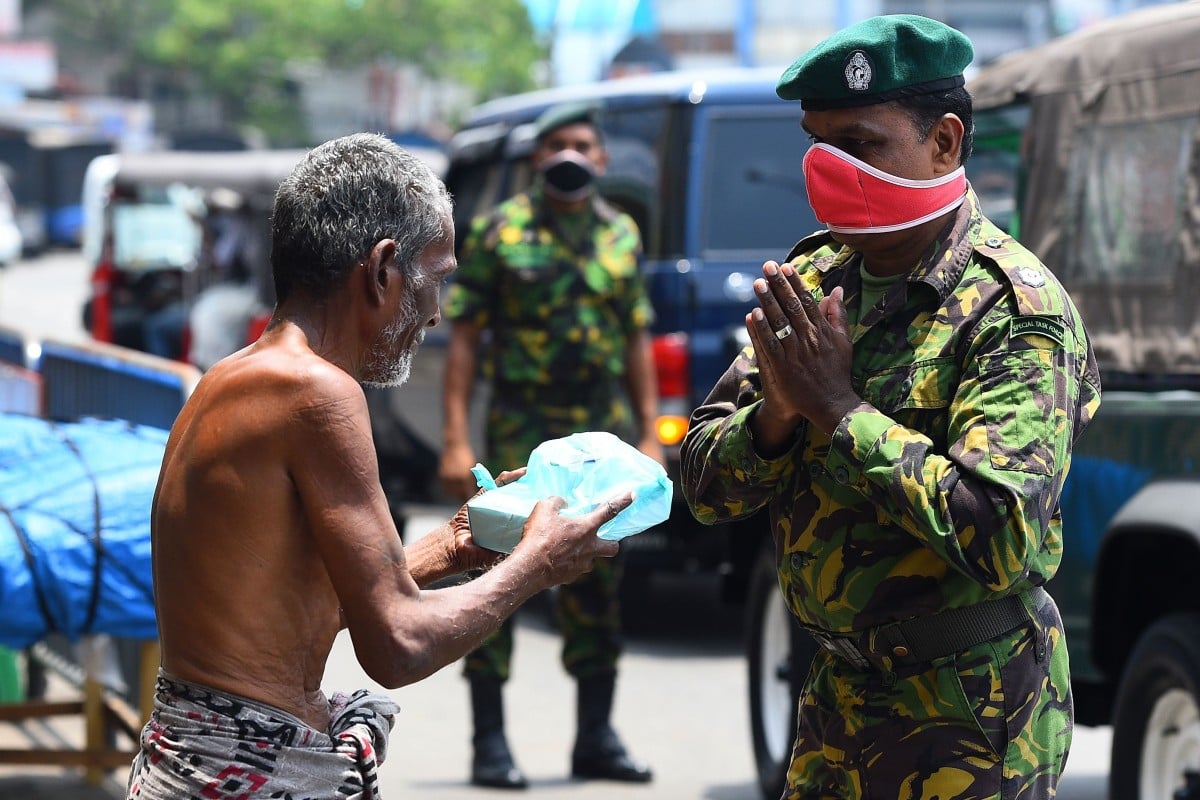




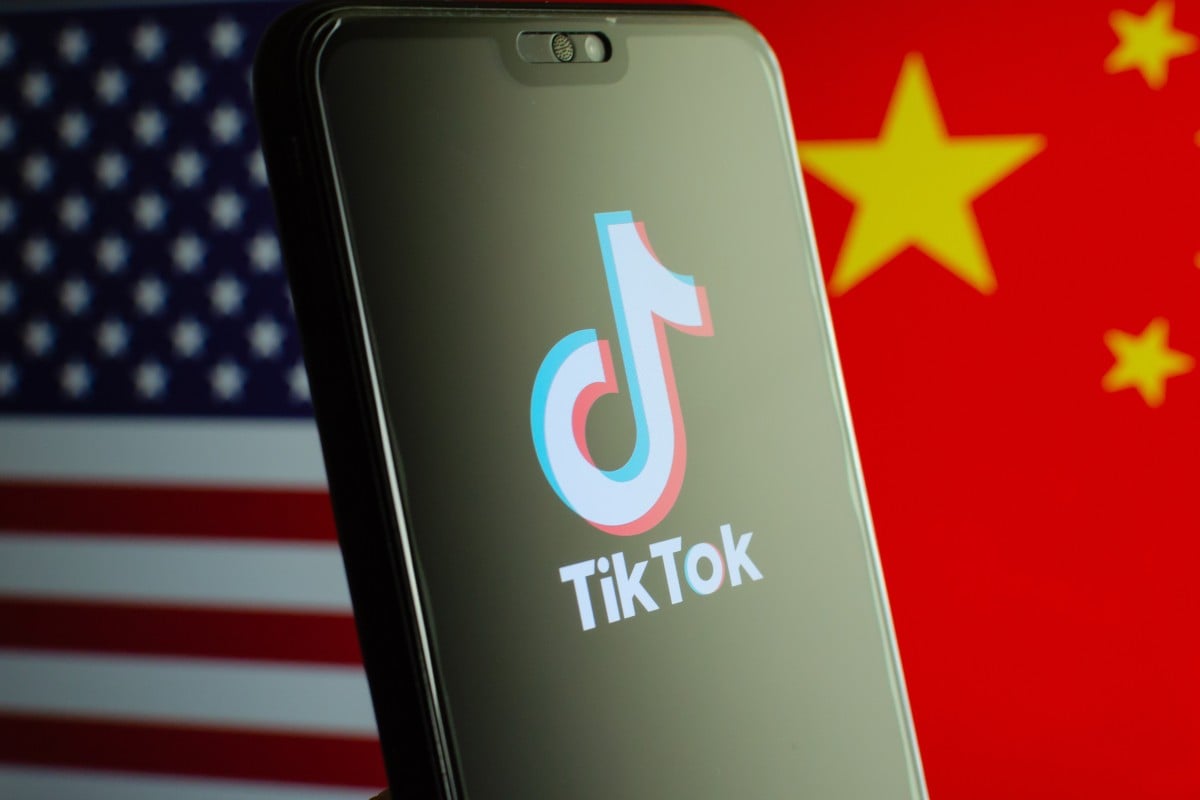


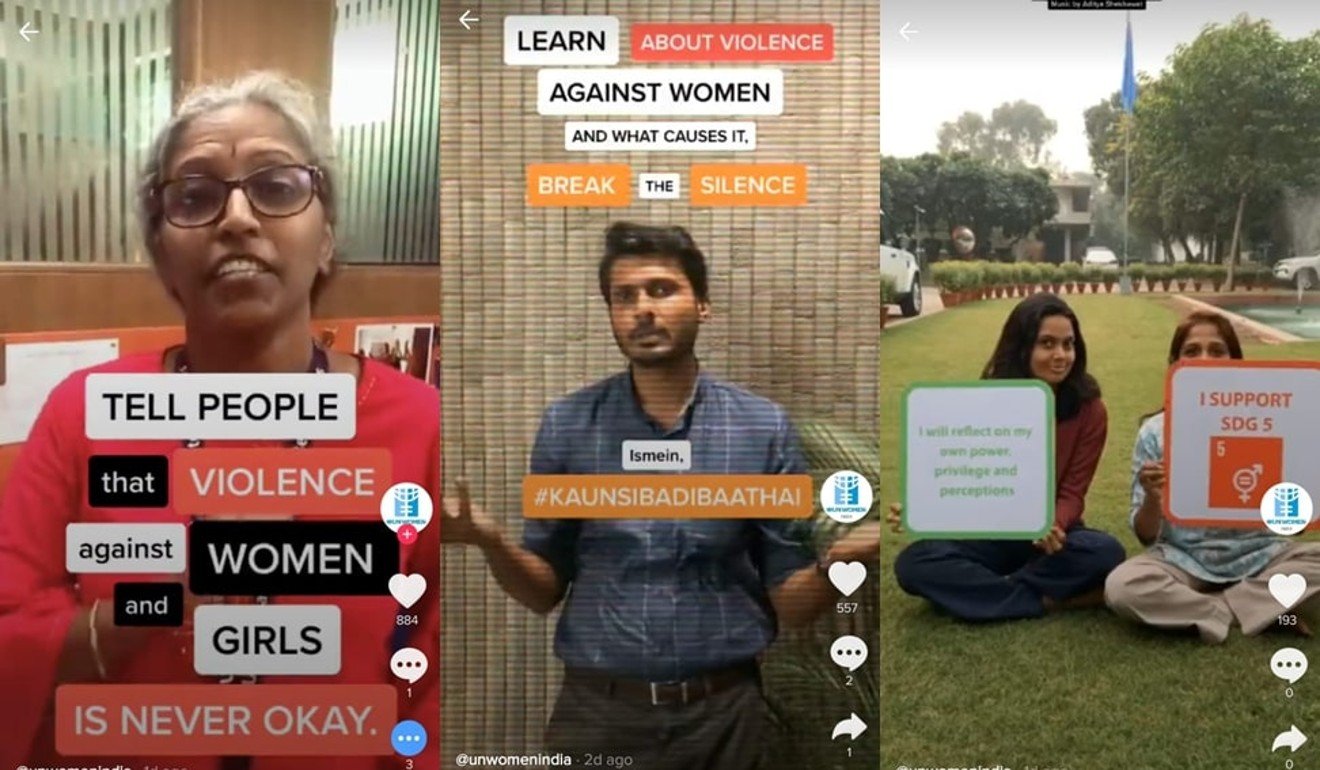

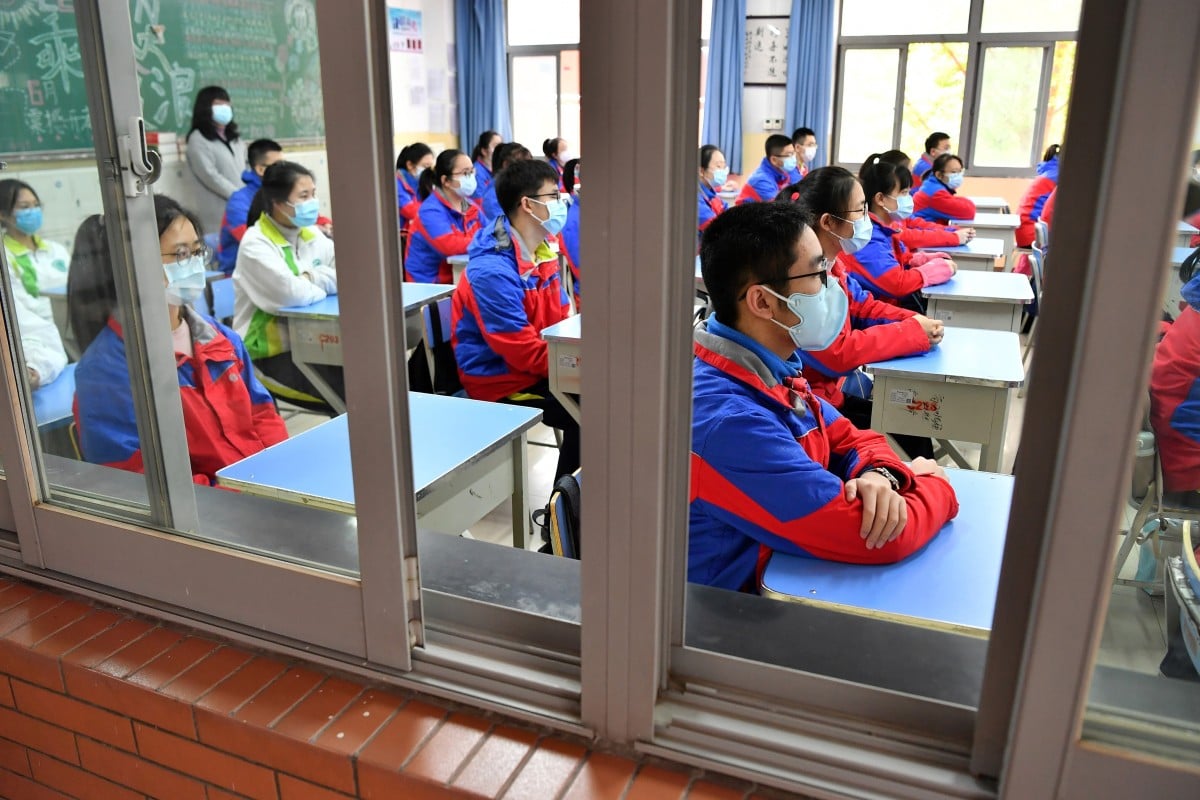


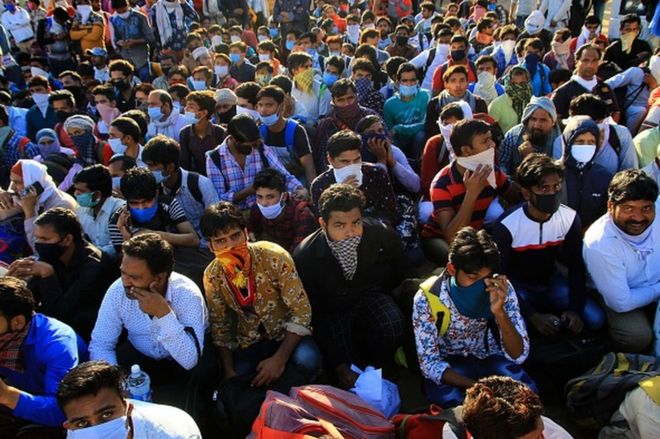
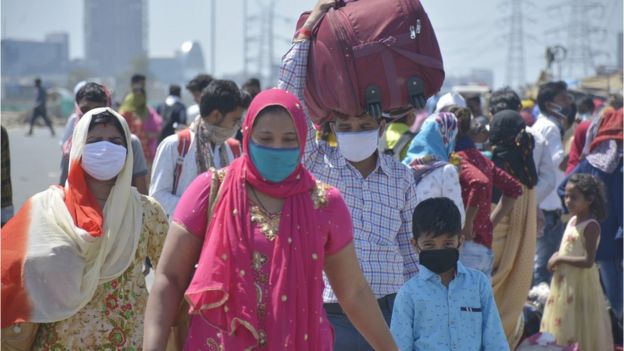
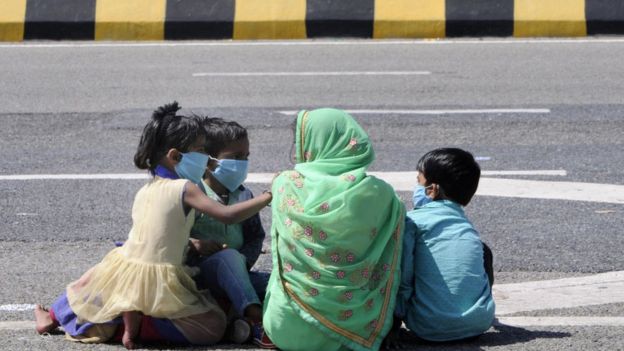
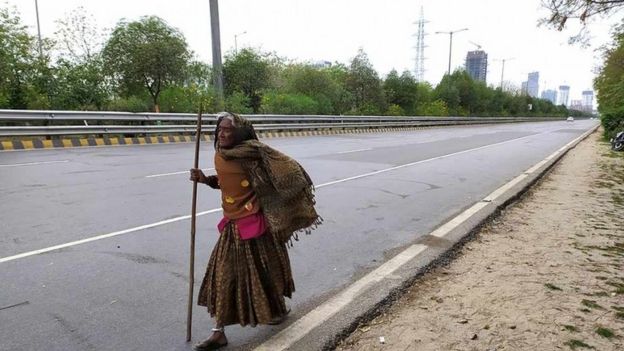
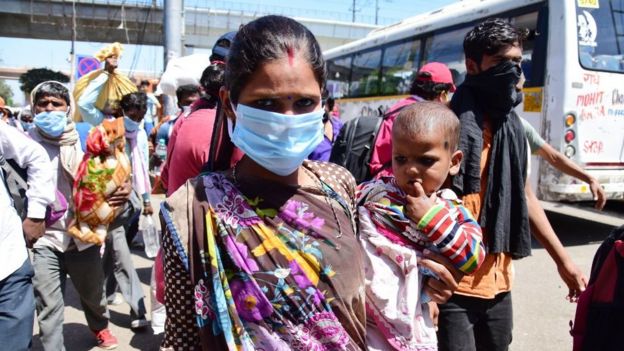
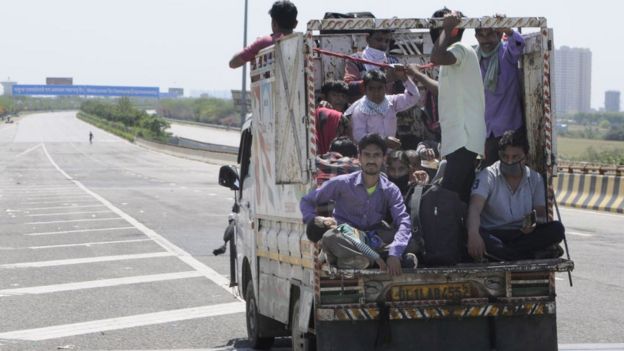
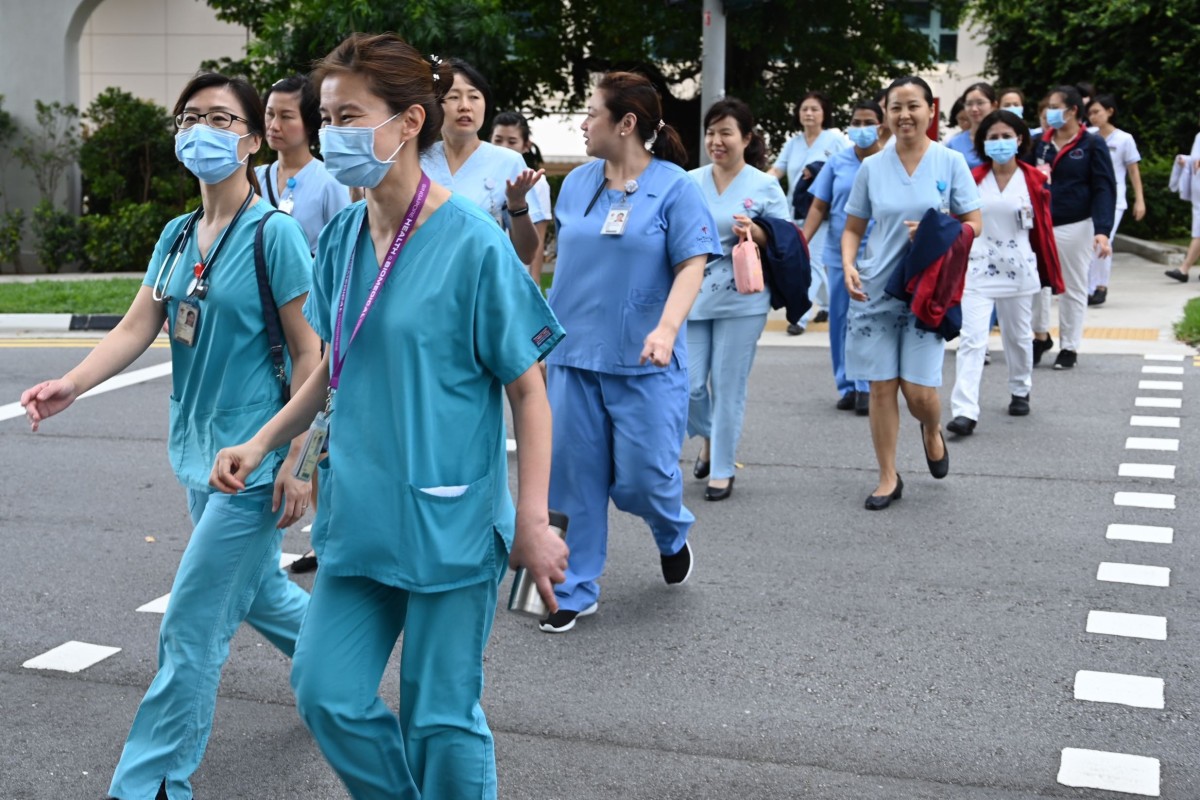
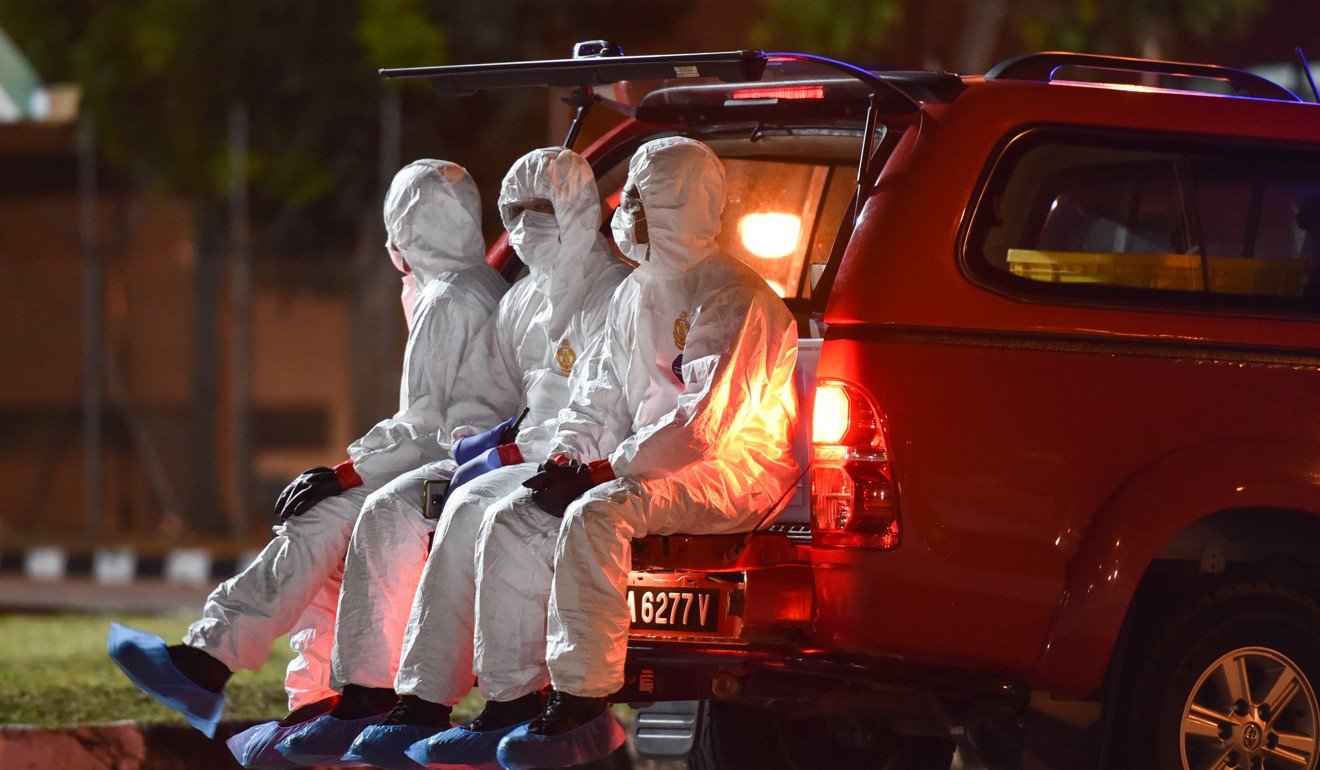

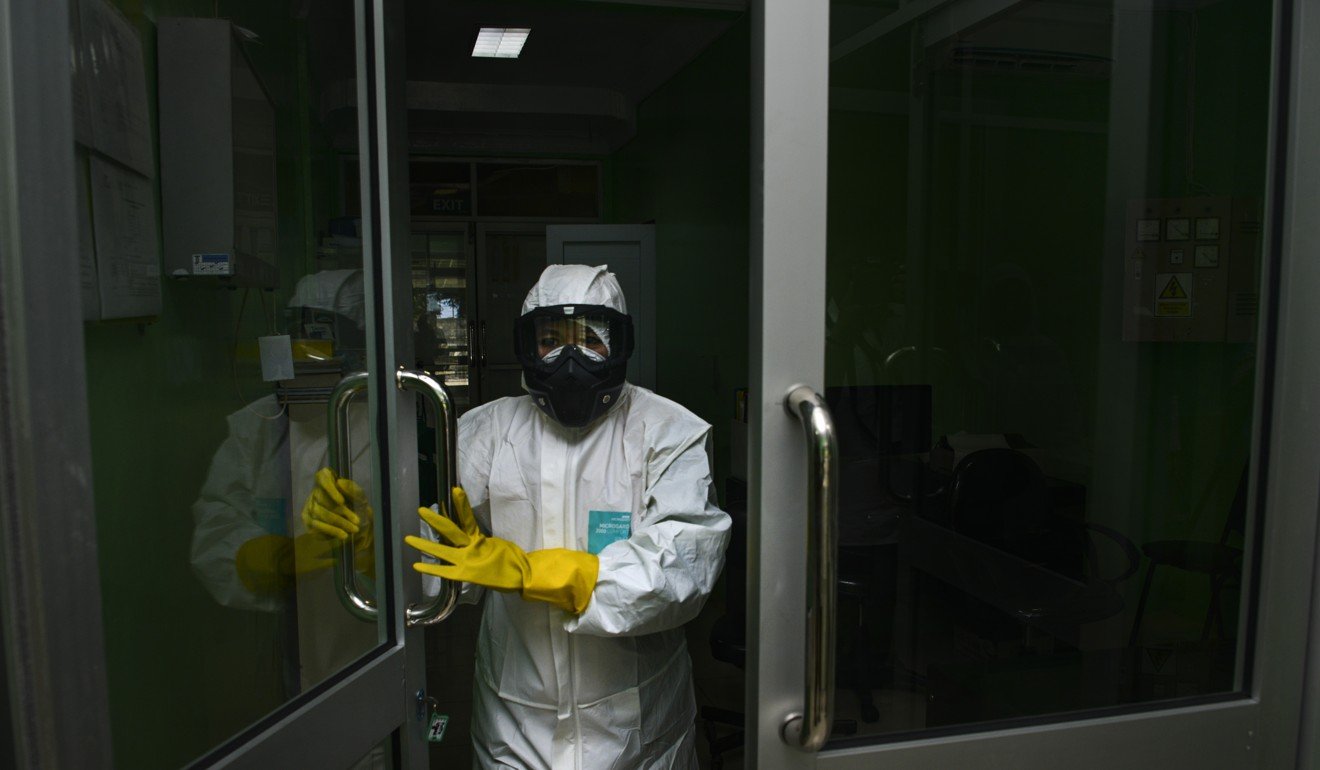
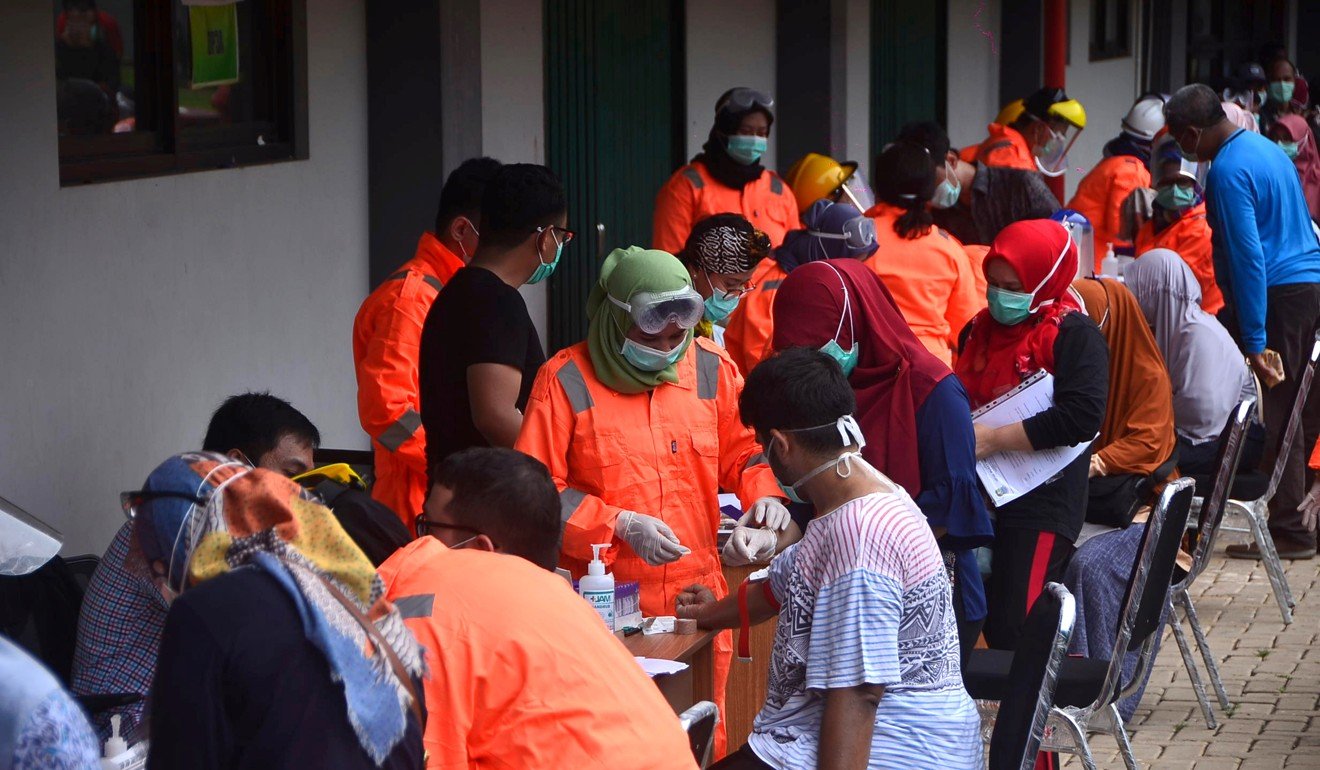

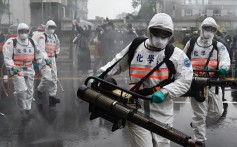
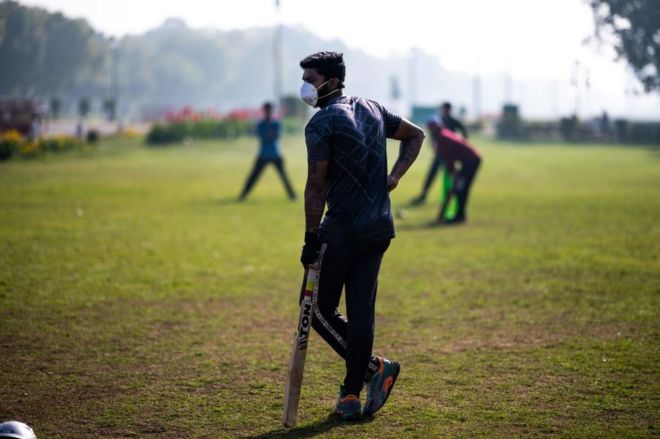
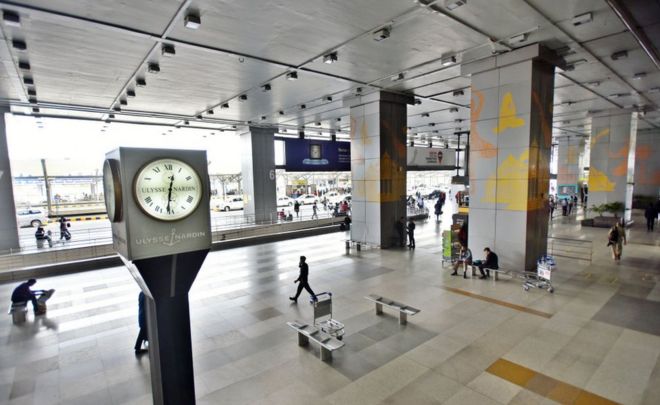
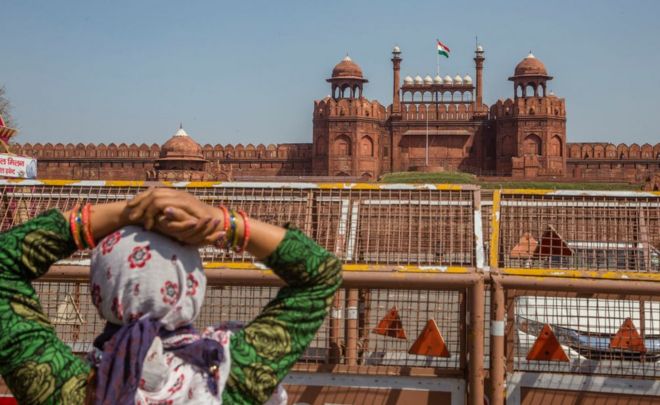
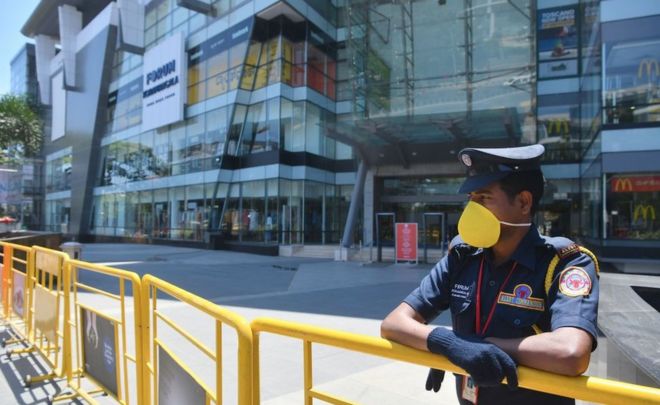
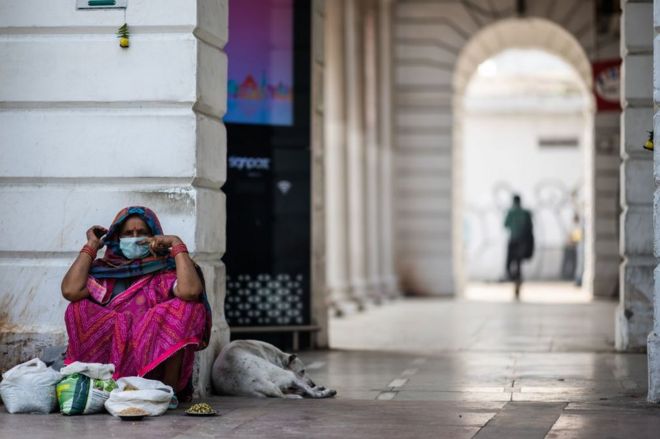
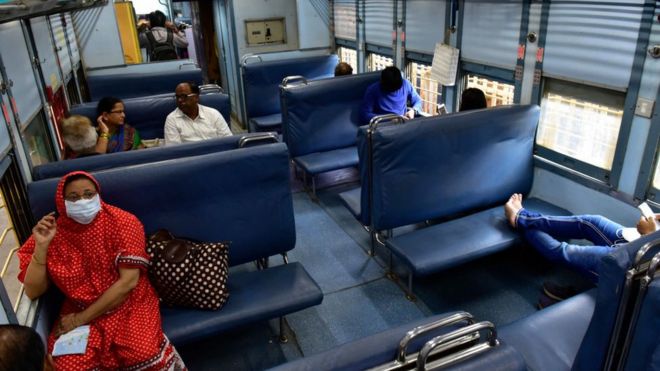
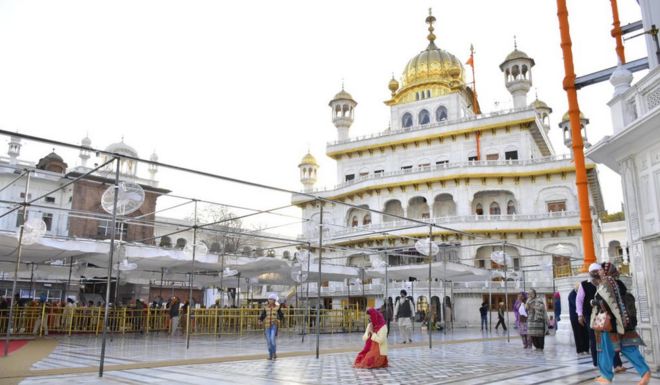
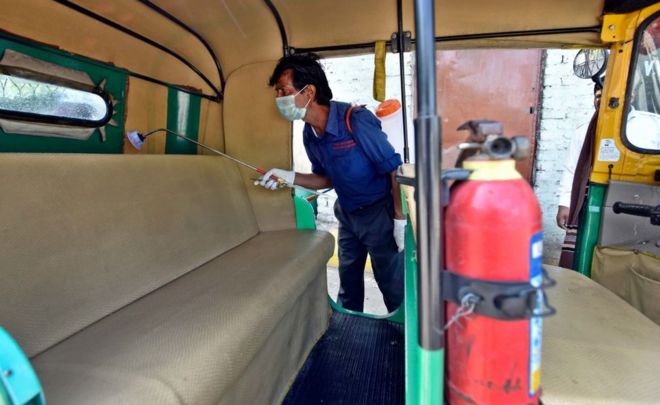
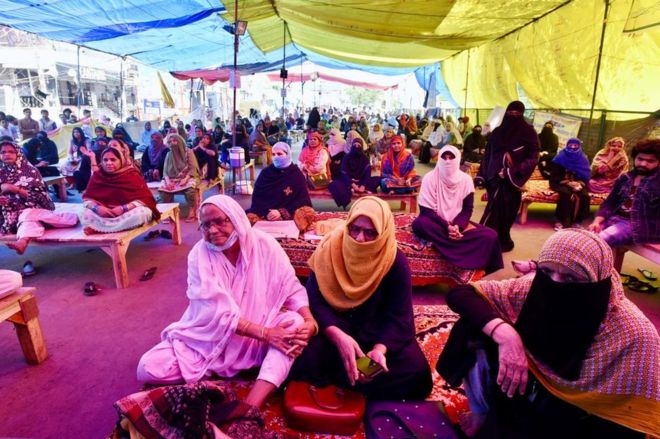
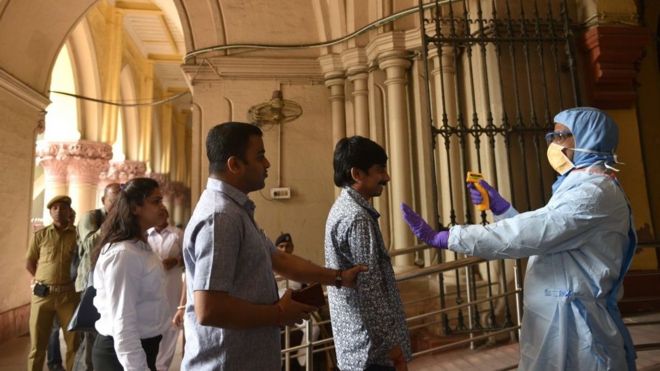
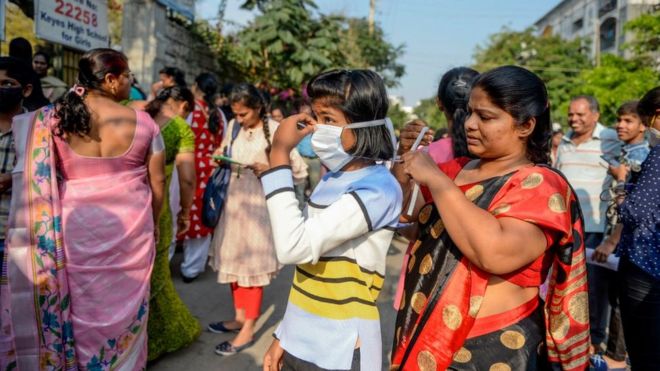

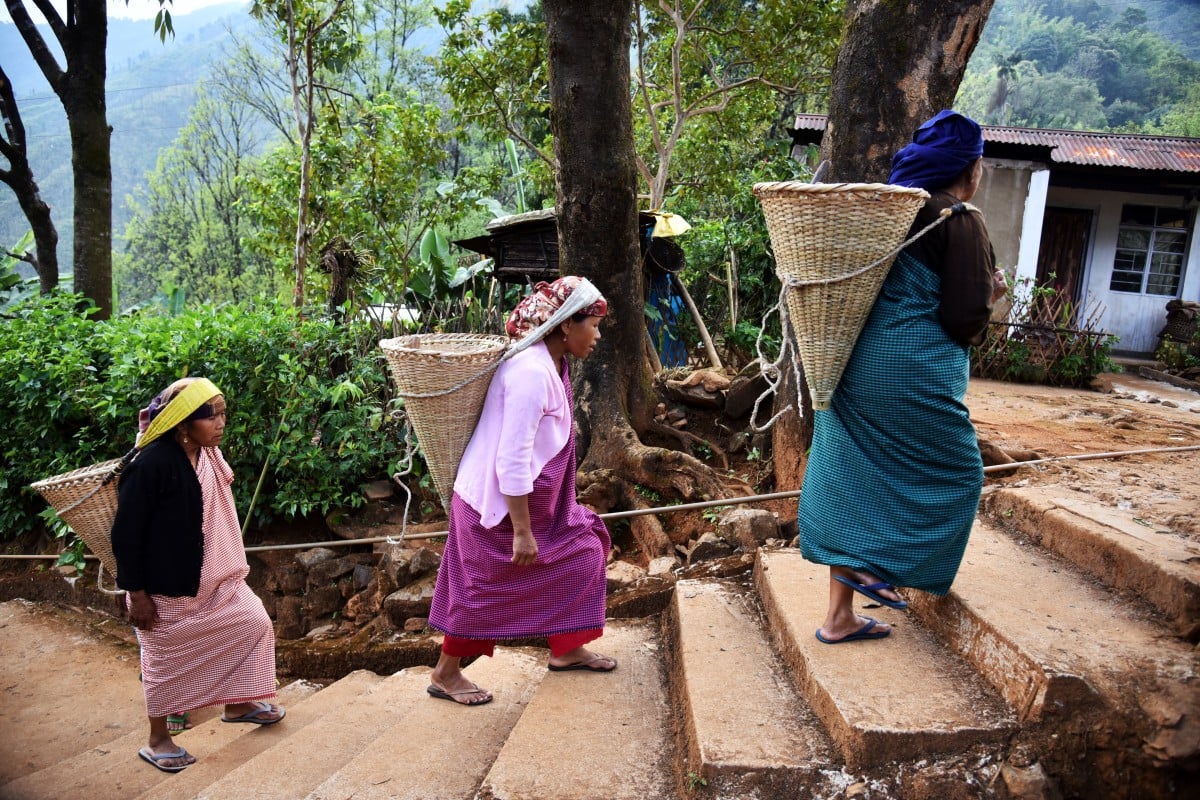
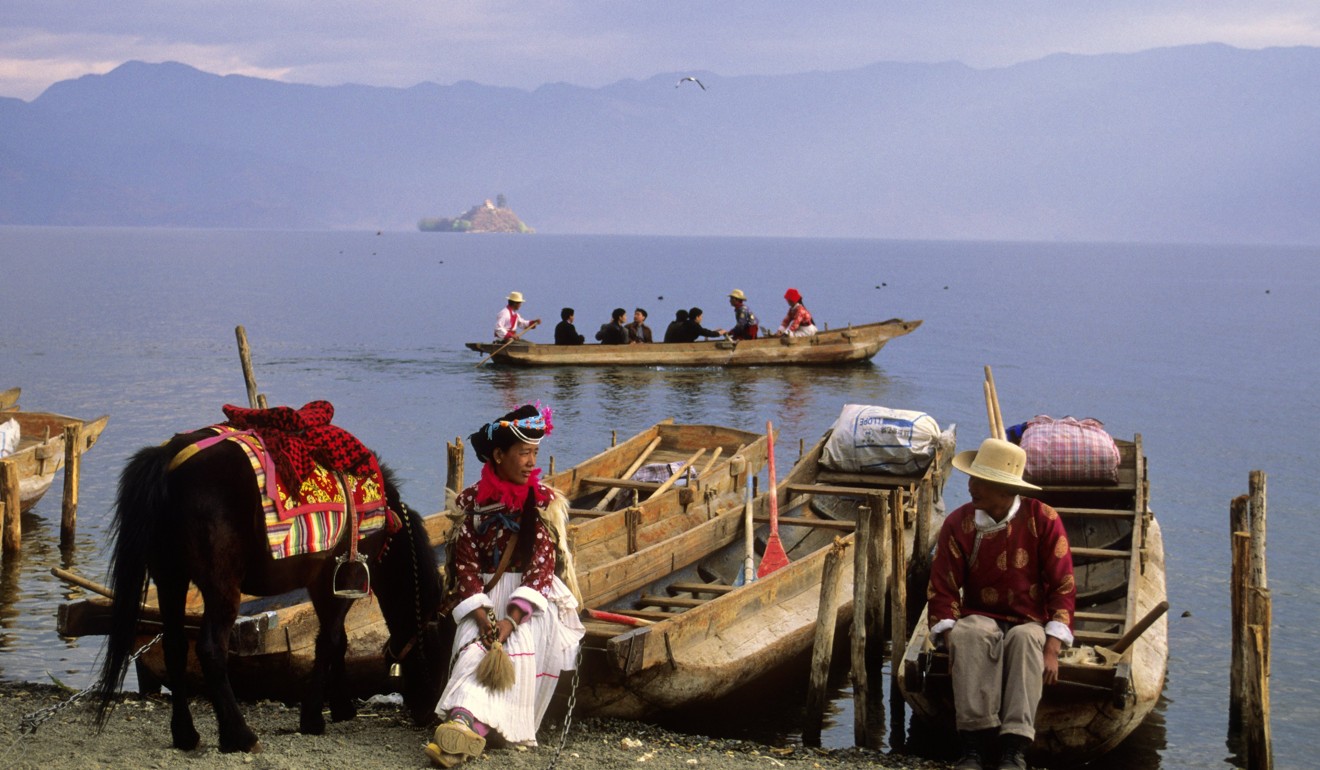
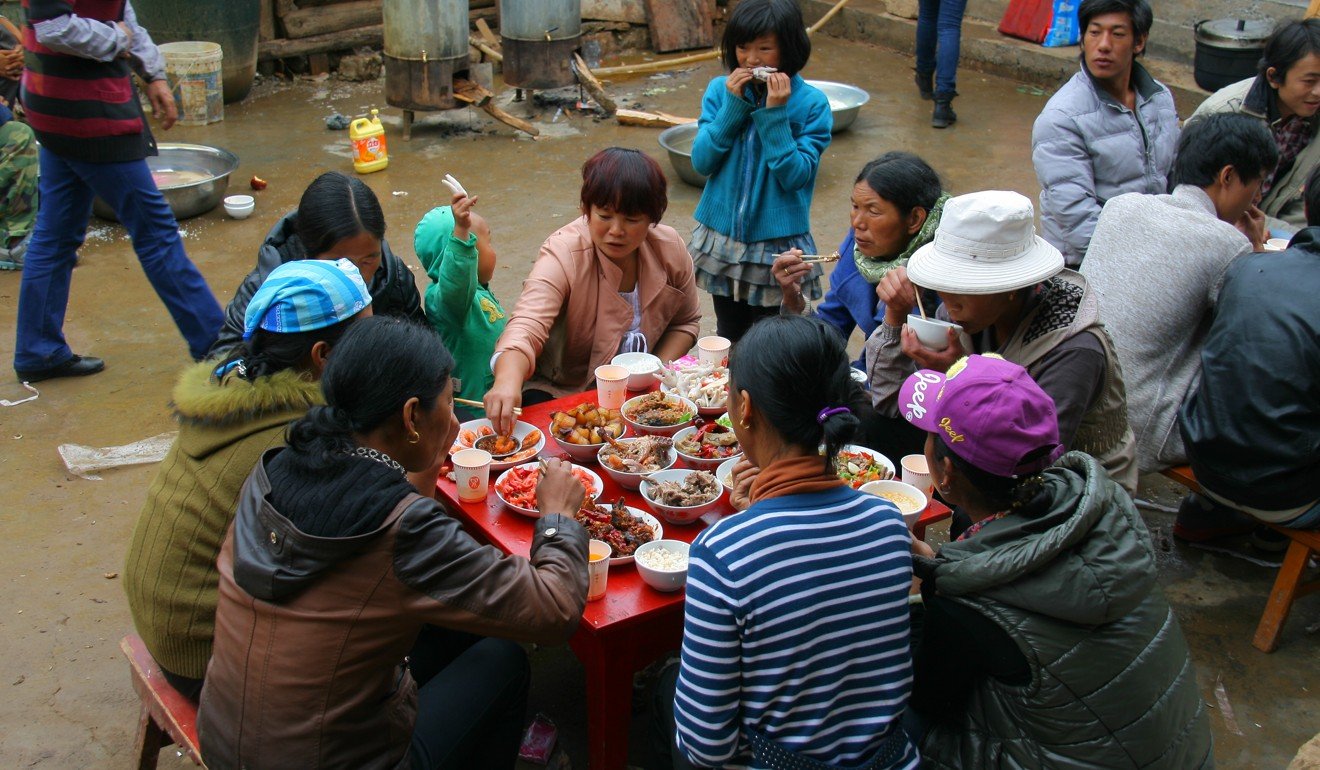

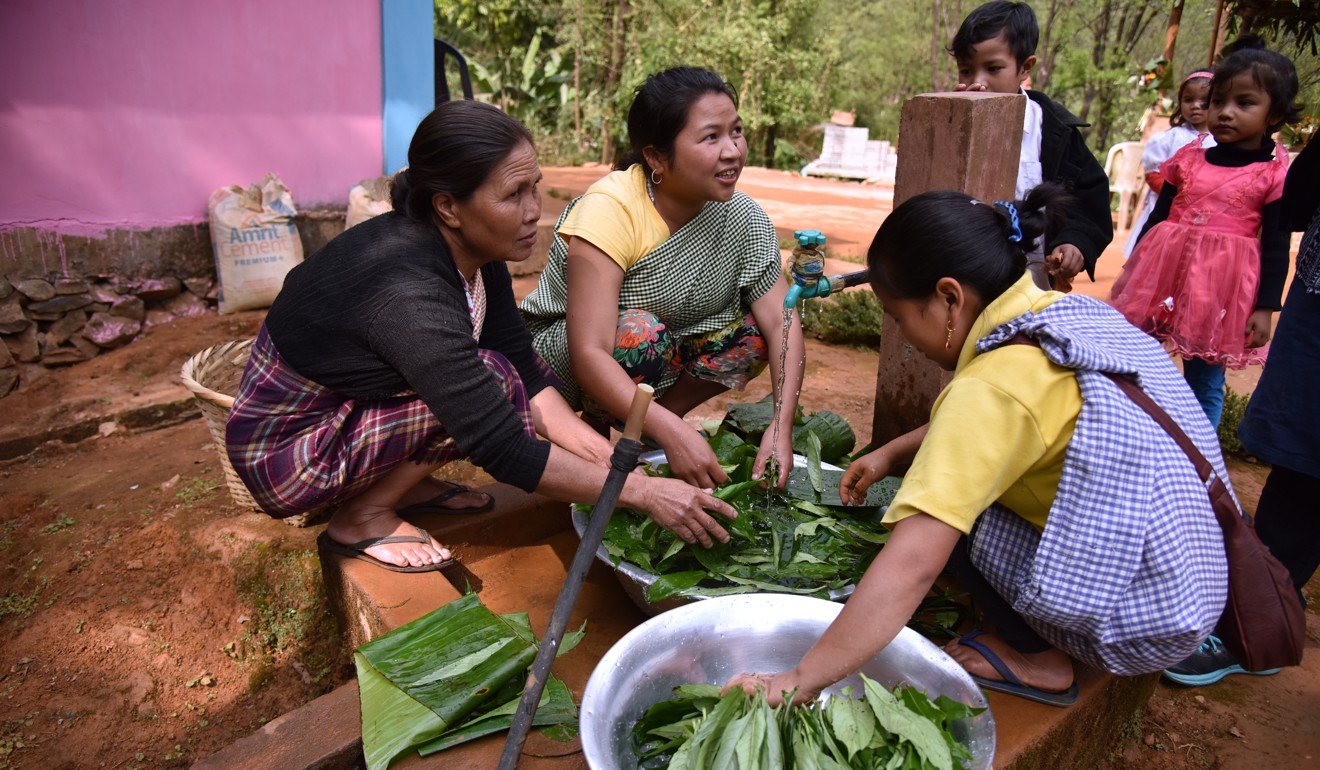
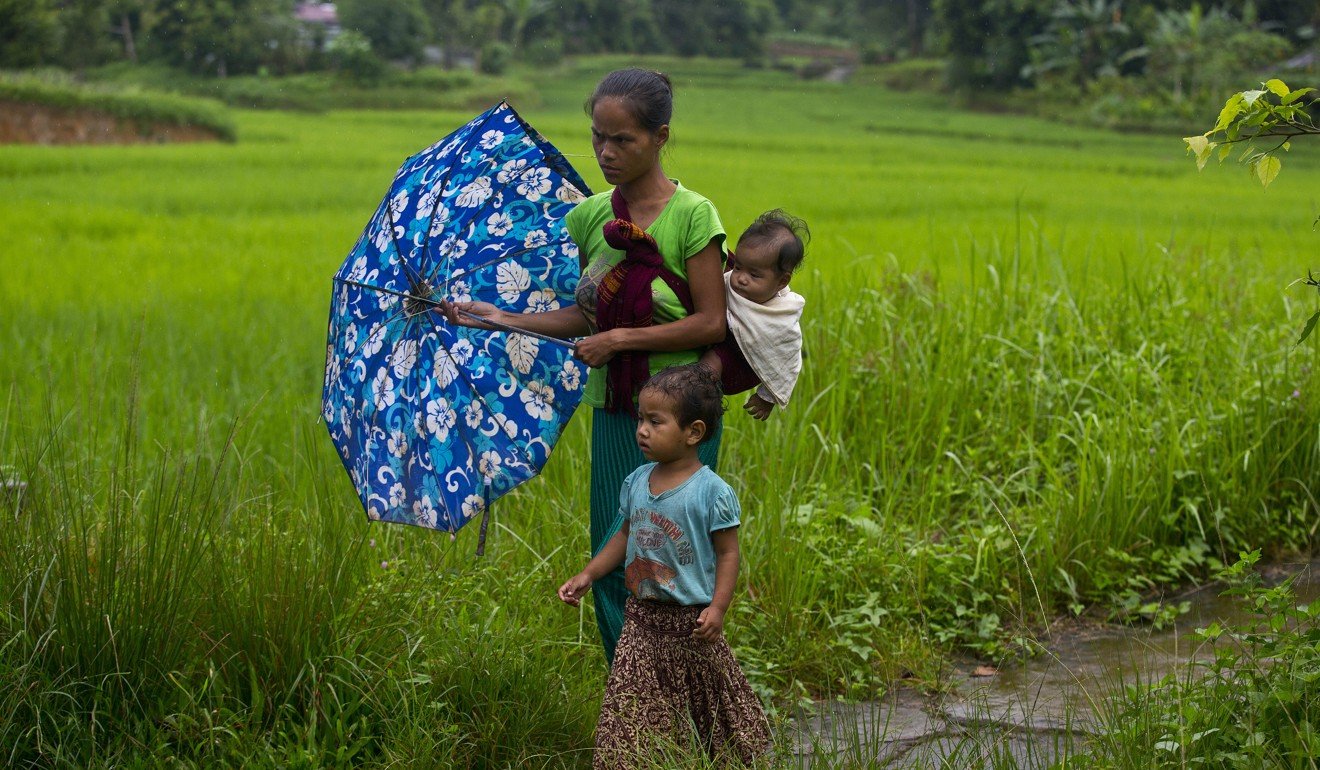
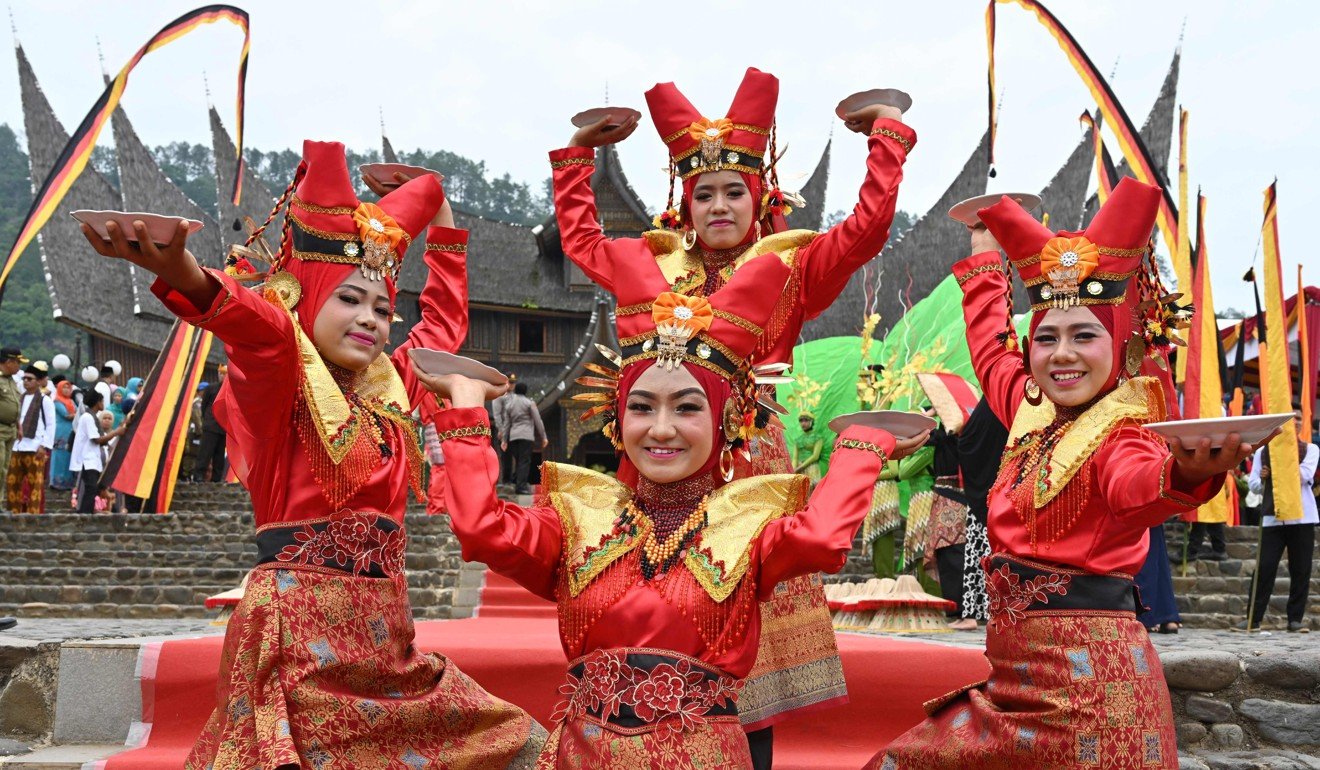

 CHINDIA ALERT: You'll be living in their world, very soon