Chindia Alert: You’ll be Living in their World Very Soon
aims to alert you to the threats and opportunities that China and India present. China and India require serious attention; case of ‘hidden dragon and crouching tiger’.
Without this attention, governments, businesses and, indeed, individuals may find themselves at a great disadvantage sooner rather than later.
The POSTs (front webpages) are mainly 'cuttings' from reliable sources, updated continuously.
The PAGEs (see Tabs, above) attempt to make the information more meaningful by putting some structure to the information we have researched and assembled since 2006.
BEIJING, May 31 (Xinhua) — The U.S. government has been slammed at home and abroad after announcing on Friday “terminating” its relationship with the World Health Organization (WHO).
U.S. health experts and lawmakers have expressed concern over the decision announced by President Donald Trump amid the COVID-19 outbreak.
Patrice Harris, president of the American Medical Association, described Trump’s move as a “senseless” action with “significant, harmful repercussions.”
“COVID-19 affects us all and does not respect borders; defeating it requires the entire world working together,” Harris was quoted by CNN as saying, urging Trump to reverse the course.
Lawrence Gostin, a professor of global health law and director of the O’Neill Institute for National and Global Health Law at Georgetown University, described the move as “foolish and arrogant” in his Twitter account.
“Trump’s action is an enormous disruption and distraction during an unprecedented health crisis,” said Gostin, also the director of the WHO collaborating center on national and global health law. “The President has made us less safe.”
Democratic Senator Joe Manchin of West Virginia said that “the United States cannot eliminate this virus on its own and to withdraw from the World Health Organization — the world’s leading public health body — is nothing short of reckless,” according to a CNN report.
Even within the Republican party, some Republicans also expressed their disagreement. Senate Health Committee Chairman Lamar Alexander reportedly said he disagreed with Trump’s decision, because, without U.S. funding, clinical trials to develop a COVID-19 vaccine might be hampered.
In addition, the European Union (EU) has urged the United States to reconsider its termination of ties with the WHO, warning that Trump’s move would erode global efforts to curb the spread of the virus.
“The WHO needs to continue being able to lead the international response to pandemics, current and future. For this, the participation and support of all is required and very much needed. In the face of this global threat, now is the time for enhanced cooperation and common solutions. Actions that weaken international results must be avoided,” Ursula von der Leyen, president of the European Commission, and Josep Borrell, the EU High Representative for Foreign Affairs and Security Policy, said in the statement on Saturday.
“In this context, we urge the U.S. to reconsider its announced decision,” the statement said.
German Health Minister Jens Spahn tweeted that Trump’s move was “a disappointing backlash for International Health.”
“The EU must take a leading role and engage more financially,” Spahn said, noting that this would be one of Germany’s priorities when it becomes the bloc’s rotating presidency on July 1.
British Prime Minister Boris Johnson’s spokesperson said earlier that Britain “has no plans to stop funding the WHO, which has an important role to play in leading the global health response.”
“Coronavirus is a global challenge and it is essential that countries work together to tackle this shared threat,” the spokesperson was quoted by The Guardian as saying.
Irish Minister for Health Simon Harris on Friday described Trump’s move as an “awful decision.”
“A global pandemic requires the world working together … We should unite in our fight against it (COVID-19) & not fight each other,” Harris tweeted.
Russian Foreign Ministry spokesperson Maria Zakharova told TASS news agency that Washington “dealt a blow” to the international framework for cooperation in healthcare at the moment when the world needed to join forces.
Embassy in France removes ‘false image’ on Twitter in latest online controversy amid accusations of spreading disinformation
After months of aggressive anti-US posts by Chinese diplomats Beijing is cracking down on ‘smear campaigns’ at home
Beijing’s ‘Wolf Warrior’ diplomacy has coincided with a rise of nationalist content on Chinese social media. Photo: Reuters
Beijing is battling allegations that it is running a disinformation campaign on social media, as robust posts by its diplomats in Western countries promoting nationalist sentiment have escalated into a spat between China and other countries, especially the United States.
In the latest in a series of online controversies, the Chinese embassy in France claimed its official Twitter account had been hacked after it featured a cartoon depicting the US as Death, knocking on a door marked Hong Kong after leaving a trail of blood outside doors marked Iraq, Libya, Syria, Ukraine and Venezuela. The inclusion in the image of a Star of David on the scythe also prompted accusations of anti-Semitism.
Top China diplomats call for ‘Wolf Warrior’ army in foreign relations
25 May 2020
“Someone posted a false image on our official Twitter account by posting a cartoon entitled ‘Who is Next?’. The embassy would like to condemn it and always abides by the principles of truthfulness, objectivity and rationality of information,” it said on Monday.
The rise of China’s aggressive “Wolf Warrior” diplomacy has been regarded by analysts as primarily aimed at building support for the government at home but the latest incident is seen as an attempt by Beijing to take back control of the nationalist narrative it has unleashed.
Florian Schneider, director of the Leiden Asia Centre in the Netherlands, said the removal of the embassy’s tweet reflected a constant concern in Beijing about the range of people – including ordinary citizens – who were involved in spreading nationalistic material online.
“The state insists that its nationalism is ‘rational’, meaning it is meant to inspire domestic unity through patriotism but without impacting national interests or endangering social stability,” he said.
“This makes nationalism a mixed blessing for the authorities … if nationalist stories demonise the US or Japan or some other potential enemy, then any Chinese leader dealing diplomatically with those perceived enemies ends up looking weak.
“Trying to guide nationalist sentiment in ways that further the leadership’s interests is a difficult balancing act and I suspect this is partly the reason why the authorities are currently trying to clamp down on unauthorised, nationalist conspiracy theories.”
Too soon: Chinese advisers tell ‘Wolf Warrior’ diplomats to tone it down
The report came after months of social media posts – including by Chinese diplomats – defending China against accusations it had mishandled the coronavirus pandemic and attacking the US and other perceived enemies.
In March, Chinese foreign ministry spokesman Zhao Lijian promoted a conspiracy theory on Twitter suggesting the virus had originated in the US and was brought to China by the US Army. His comments were later downplayed, with China’s ambassador to the US Cui Tiankai saying questions about the origin of the virus should be answered by scientists.
Schneider said this showed that the state-backed nationalistic propaganda online was at risk of backfiring diplomatically.
“The authorities have to constantly worry that they might lose control of the nationalist narrative they unleashed, especially considering how many people produce content on the internet, how fast ideas spread, and how strongly commercial rationales drive misinformation online,” he said.
Last month, a series of widely shared social media articles about people in different countries “yearning to be part of China” resulted in a diplomatic backlash against Beijing. Kazakhstan’s foreign ministry summoned the Chinese ambassador in April to lodge a formal protest against the article.
Following the incident, the Cyberspace Administration of China, the country’s internet regulator which manages the “firewall” and censors material online, announced a two-month long “internet cleansing” to clear privately owned accounts which engage in “smear campaigns”.
The article had at least 100,000 readers, with 753 people donating money to support the account. According to Xigua Data, a firm that monitors traffic on Chinese social media, the account garnered more than 1.7 million page views for 17 articles in April.
According to a statement from WeChat, the account was closed for fabricating facts, stoking xenophobia and misleading the public.
A journalism professor at the University of Hong Kong said this case differed from the Chinese embassy’s tweet, despite both featuring anti-US sentiment.
Masato Kajimoto, who leads research on news literacy and the misinformation ecosystem, said the closure of the WeChat account seemed to be more about Chinese authorities feeling the need to regulate producers of media content whose motivations were often financial rather than political.
“I would think the government doesn’t like some random misinformation going wild and popular, which affects the overall storylines they would like to push, disseminate and control,” he said.
One way for China to respond to the situation was to fact-check social media and to position itself as a protector facts and defender of the integrity of public information, he said.
“In the age of social media, both fake news and fact-checking are being weaponised by people who try to influence or manipulate the narrative in one way or another,” Kajimoto said.
“Not only China but also many other authoritarian states in Asia are now fact-checking social media. Governments in Singapore, Thailand, Indonesia and other countries all do that.
“Such initiatives benefit them because they can decide what is true and what is not.”
WASHINGTON/NEW DELHI (Reuters) – U.S. President Donald Trump said on Wednesday he had offered to mediate a standoff between India and China at the Himalayan border, where soldiers camped out in a high-altitude region have accused each other of trespassing over the disputed border.
“We have informed both India and China that the United States is ready, willing and able to mediate or arbitrate their now raging border dispute,” Trump said in a Twitter post.
The standoff was triggered by India’s construction of roads and air strips in the region as it competes with China’s spreading Belt and Road initiative, involving infrastructure development and investment in dozens of countries, Indian observers said on Tuesday.
Both were digging defences and Chinese trucks have been moving equipment into the area, the officials said, raising concerns about an extended standoff.
There was no immediate response from either India or China to Trump’s offer. Both countries have traditionally opposed any outside involvement in their matters and are unlikely to accept any U.S. mediation, experts said.
China’s ambassador to India, Sun Weidong, struck a conciliatory note, saying the two Asian countries should not let their differences overshadow the broader bilateral relationship.
“We should adhere to the basic judgment that China and India are each other’s opportunities and pose no threat to each other. We need to see each other’s development in a correct way and enhance strategic mutual trust,” he said, speaking in a webinar on China’s experience of fighting COVID-19.
“We should correctly view our differences and never let the differences shadow the overall situation of bilateral cooperation.”
The two countries are engaged in talks to defuse the border crisis, an Indian government source said. “These things take time, but efforts are on at various levels, military commanders as well as diplomats,” the source said.
The Chinese side has been insisting that India stop construction near the Line of Actual Control or the de facto border. India says all the work is being done on its side of the border and that China must pull back its troops.
Trump in January offered to “help” in another Himalayan trouble spot, the disputed region of Kashmir that is at the center of a decades-long quarrel between India and Pakistan.
But the U.S. offer triggered a political storm in India, which has long bristled at any suggestion of third-party involvement in tackling Kashmir which it considers an integral part of the country.
WASHINGTON (Reuters) – U.S. President Donald Trump signaled a further deterioration of his relationship with China over the coronavirus outbreak, saying he has no interest in speaking to President Xi Jinping right now and going so far as to suggest he could even cut ties with the world’s second largest economy.
In an interview with Fox Business Network broadcast on Thursday, Trump said he was very disappointed with China’s failure to contain the disease and that the pandemic had cast a pall over his January trade deal with Beijing, which he has previously hailed as a major achievement.
“They should have never let this happen,” Trump said. “So I make a great trade deal and now I say this doesn’t feel the same to me. The ink was barely dry and the plague came over. And it doesn’t feel the same to me.”
Trump’s pique extended to Xi, with whom the U.S. president has said repeatedly he has a good relationship.
“But I just – right now I don’t want to speak to him,” Trump said in the interview, which was taped on Wednesday.
Trump was asked about a Republican senator’s suggestion that U.S. visas be denied to Chinese students applying to study in fields related to national security, such as quantum computing and artificial intelligence.
RELATED COVERAGE
U.S. says it condemns China-linked ‘cyber actors’ trying to steal COVID research
“There are many things we could do. We could do things. We could cut off the whole relationship,” he replied.
“Now, if you did, what would happen? You’d save $500 billion,” Trump said, referring to estimated U.S. annual imports from China, which he often refers to as lost money.
Chinese foreign ministry spokesman Zhao Lijian told reporters in Beijing on Friday that maintaining a steady bilateral relationship served the interests of both peoples and would be beneficial for world peace and stability.
“Both China and the U.S. should now be cooperating more on fighting the virus together, to cure patients and resume economic production, but this requires the U.S. to want to work with us on this,” Zhao said.
Trump’s remarks drew ridicule from Hu Xijin, editor in chief of China’s influential Global Times tabloid, who referred to the president’s much-criticized comments last month about how COVID-19, the disease caused by the coronavirus, might be treated.
“This president once suggested COVID-19 patients inject disinfectants,” Hu said on Twitter. “Remember this and you won’t be surprised when he said he could cut off the whole relationship with China.”
CONCERNED, REVIEWING OPTIONS
U.S. Treasury Secretary Steven Mnuchin told Fox Business Network China needed to provide a lot more information about the coronavirus and Trump was reviewing his options.
“The president is concerned. He’s reviewing all his options. Obviously, we’re very concerned about the impact of this virus on the economy, on American jobs, the health of the American public and the president is going to do everything to protect the economy and protect American workers,” Mnuchin said.
“It’s a difficult and complex matter and the president has made very clear, he wants more information. They didn’t let us in, they didn’t let us understand what was going on.”
Trump and his Republican backers have accused Beijing of failing to alert the world to the severity and scope of the coronavirus outbreak and of withholding data about the earliest cases. The pandemic has sparked a sharp global recession and threatened Trump’s November re-election chances.
The United States has been hardest hit by the pandemic, according to official data.
China insists it has been transparent, and, amid increasingly bitter exchanges, both sides have questioned the future of the trade deal.
Opponents of Trump have said that while China has much to answer for over the outbreak, he appears to be seeking to deflect attention from criticism over his response to the crisis.
Scott Kennedy of Washington’s Center for Strategic and International Studies think tank called Trump’s remarks “dangerous bravado.”
“Avoiding communication is not an effective strategy for solving a crisis that requires global cooperation. And cutting off the economic relationship would badly damage the American economy,” he said.
Michael Pillsbury, a China analyst who has worked as an outside adviser to Trump, told Reuters he believed the president was concerned that China not only wanted to re-negotiate the Phase 1 deal, but also had not been meeting goals in purchasing from United States.
He said that according to figures cited by the China Daily, China’s purchases of U.S. products in the first four months of this year were 3% less than during the same period last year.
“It’s not good news for reducing the trade deficit or helping our economy recover from the coronavirus crisis,” he said.
China took some additional steps towards the Phase 1 goals on Thursday, buying U.S. soybean oil for the first time in nearly two years and issued customs notices allowing imports of U.S. barley and blueberries.
An executive from Chinese state agriculture trading house COFCO said China was set to speed up purchases of U.S. farm goods to implement the Phase 1 deal.
While U.S. intelligence agencies have said the coronavirus does not appear manmade or genetically modified, Trump said in his interview that China should have stopped it at its source.
“Whether it came from the lab or came from the bats, it all came from China, and they should have stopped it,” he said.
European nations are divided over how best to deal with Beijing, which looms larger in their policy and public debates
Think tanks came together and reported on China’s much-touted medical aid and ‘mask diplomacy’ during Covid-19 crisis
European nations are looking to be more cohesive in their approach towards relations with China. Photo: Bloomberg
As Beijing steps up its pressure campaign on Europe in the wake of the Covid-19 pandemic, their relations look set to become more diverse and contested amid growing distrust and wariness of China’s expanding influence, according to new research.
The study, based on analysis of China’s role in 19 European countries’ handling of the coronavirus crisis, showed that Europe remained largely divided over how to deal with Beijing, which has figured ever more prominently in policy and public debates in many parts of the continent.
A total of 28 experts from 21 think tanks across the continent, collectively known as the European Think-tank Network on China, were involved in the research.
It came on the heels of a diplomatic debacle in the past week that saw the European Union reportedly bowing to pressure by China. The EU reportedly toned down part of a report documenting Beijing’s disinformation efforts to deflect the blame and rewrite the global coronavirus narrative.
Although a spokesperson for the EU denied those allegations, the saga has “moreover revealed the pressures that China has placed on
officials during the crisis”, according to John Seaman, editor of the report and a research fellow at the French Institute of International Relations.
In a phone call on Wednesday, Chinese Premier Li Keqiang and European Commission President Ursula von der Leyen shrugged off concerns about their discord and vowed to boost the fight against the virus and boost economic recovery, according to Xinhua.
Germany ‘rejected China’s bid for positive spin’ on pandemic response
27 Apr 2020
According to Seaman, the Covid-19 crisis hit at a time when traditionally trade-driven China-EU relations had grown more complex and competitive after the European Commission said for the first time last year that Beijing was a systemic rival.
“Debates over the need to adopt more coherent strategies towards China have been emerging across Europe. In many ways, the current crisis has become a catalyst for a number of trends that have been shaping Europe-China relations in recent years, while in other ways it has turned the tables,” he said in the report.
“It has simultaneously brought Europe and China into closer cooperation, pushed them further apart, and seemingly underlined the fractures that exist within Europe on how to approach an increasingly influential China.”
A growing number of European countries, including Sweden and Britain, have joined the United States and Australia in calling for an international inquiry into China’s handling of the pandemic. Leaders from Germany and France have also pressed Beijing for greater transparency about the origin of the deadly virus.
The European think tanks’ report was also focused on China’s unusually aggressive coronavirus diplomacy, with Chinese embassies and ambassadors shifting the blame on to Western democracies and promoting Beijing’s messaging “with varying degrees of dogmatism, divisiveness and moderation” on Twitter and in traditional media.
“While China’s increasingly proactive public diplomacy is widespread, and there appears to be a relative degree of consistency in messaging, there is a diversity in method that ranges from low key (Latvia or Romania) to charm offensive (Poland, Portugal, Italy or Spain) to provocative or aggressive (Sweden, Germany or France),” the report said.
It examined China’s much-touted medical aid and “mask diplomacy” and found “a correlation between Chinese companies with commercial interests in the country and donations from these companies” in countries including Greece, Hungary, Italy, Portugal and Spain.
Boxes of medical supplies from China in Rome. Some European nations are growing wary about China’s diplomatic overreach and apparent willingness to alter the coronavirus narrative. Photo: Xinhua
Many countries have pushed back against China’s diplomatic overreach and its preferred narrative that has served to “[underline] the apparent successes of its autocratic governance model, ignoring its clear downfalls in managing the crisis initially, while sowing doubt on the effectiveness of liberal democracies”, according to Seaman.
While the European Union’s foreign policy chief Josep Borrell warned of Beijing’s geopolitical game to expand its influence through spinning and “politics of generosity”, countries such as Germany and Sweden have moved to tighten investment screening, 5G and industrial policies targeting Chinese firms.
Zhang Ming, China’s top envoy to the EU, last week dismissed the concerns about China’s alleged ploy to use the vulnerabilities of other countries to advance China’s geopolitical interests, such as with the country’s embattled tech giant Huawei and the ambitious Belt and Road Initiative.
“Disinformation is our common enemy and we need to make joint efforts to eradicate it,” Zhang said, claiming China had been a victim of unspecified disinformation campaigns.
The report also noted that China’s actions towards Europe in times of crisis looked set to amplify the fractures across the continent and prompt further debates about the need for a coherent EU strategy on China.
A poll of more than 12,000 people across the 28 EU member countries by German think tank Bertelsmann Stiftung in September last year showed 45 per cent of Europeans saw China as a competitor while only 9 per cent believed their countries shared the same political interests or values with China.
Another survey of 16 European countries released by the Pew Research Centre in December also showed the continent remained deeply divided over how to approach China.
While people in most of western Europe and some of Central and Eastern Europe, such as Slovak and Czech, saw China negatively, 51 per cent in Greece had a positive view of China and those in Russia, Ukraine, Poland, Bulgaria and Lithuania tended to see China more favourably.
The richest man in China opened his own Twitter account last month, in the middle of the Covid-19 outbreak. So far, every one of his posts has been devoted to his unrivalled campaign to deliver medical supplies to almost every country around the world.
“One world, one fight!” Jack Ma enthused in one of his first messages. “Together, we can do this!” he cheered in another.
The billionaire entrepreneur is the driving force behind a widespread operation to ship medical supplies to more than 150 countries so far, sending face masks and ventilators to many places that have been elbowed out of the global brawl over life-saving equipment.
But Ma’s critics and even some of his supporters aren’t sure what he’s getting himself into. Has this bold venture into global philanthropy unveiled him as the friendly face of China’s Communist Party? Or is he an independent player who is being used by the Party for propaganda purposes? He appears to be following China’s diplomatic rules, particularly when choosing which countries should benefit from his donations, but his growing clout might put him in the crosshairs of the jealous leaders at the top of China’s political pyramid.
Other tech billionaires have pledged more money to fight the effects of the virus – Twitter’s Jack Dorsey is giving $1bn (£0.8bn) to the cause. Candid, a US-based philanthropy watchdog that tracks private charitable donations, puts Alibaba 12th on a list of private Covid-19 donors. But that list doesn’t include shipments of vital supplies, which some countries might consider to be more important than money at this stage in the global outbreak.
The world’s top coronavirus financial donors
How Alibaba compares to the top five. No one else other than the effervescent Ma is capable of dispatching supplies directly to those who need them. Starting in March, the Jack Ma foundation and the related Alibaba foundation began airlifting supplies to Africa, Asia, Europe, Latin America and even to politically sensitive areas including Iran, Israel, Russia and the US.
Ma has also donated millions to coronavirus vaccine research and a handbook of medical expertise from doctors in his native Zhejiang province has been translated from Chinese into 16 languages. But it’s the medical shipments that have been making headlines, setting Ma apart.
“He has the ability and the money and the lifting power to get a Chinese supply plane out of Hangzhou to land in Addis Ababa, or wherever it needs to go,” explains Ma’s biographer, Duncan Clark. “This is logistics; this is what his company, his people and his province are all about.”
A friendly face
Jack Ma is famous for being the charismatic English teacher who went on to create China’s biggest technology company. Alibaba is now known as the “Amazon of the East”. Ma started the company inside his tiny apartment in the Chinese coastal city of Hangzhou, in the centre of China’s factory belt, back in 1999. Alibaba has since grown to become one of the dominant players in the world’s second largest economy, with key stakes in China’s online, banking and entertainment worlds. Ma himself is worth more than $40bn.
Officially, he stepped down as Alibaba’s chairman in 2018. He said he was going to focus on philanthropy. But Ma retained a permanent seat on Alibaba’s board. Coupled with his wealth and fame, he remains one of the most powerful men in China.
Media caption The BBC’s Secunder Kermani and Anne Soy compare how prepared Asian and African countries are
It appears that Ma’s donations are following Party guidelines: there is no evidence that any of the Jack Ma and Alibaba Foundation donations have gone to countries that have formal ties with Taiwan, China’s neighbour and diplomatic rival. Ma announced on Twitter that he was donating to 22 countries in Latin America. States that side with Taiwan but who have also called for medical supplies – from Honduras to Haiti – are among the few dozen countries that do not appear to be on the list of 150 countries. The foundations repeatedly refused to provide a detailed list of countries that have received donations, explaining that “at this moment in time, we are not sharing this level of detail”.
However, the donations that have been delivered have certainly generated a lot of goodwill. With the exception of problematic deliveries to Cuba and Eritrea, all of the foundations’ shipments dispatched from China appear to have been gratefully received. That success is giving Ma even more positive attention than usual. China’s state media has been mentioning Ma almost as often as the country’s autocratic leader, Xi Jinping.
AFP
So far…
Over 150 countries have received donations from Jack Ma, including about:
120.4mface masks
4,105,000testing kits
3,704ventilators
Source: Alizila
It’s an uncomfortable comparison. As Ma soaks up praise, Xi faces persistent questions about how he handled the early stages of the virus and where, exactly, the outbreak began.
The Chinese government has dispatched medical teams and donations of supplies to a large number of hard-hit countries, particularly in Europe and South-East Asia.
However, those efforts have sometimes fallen flat. China’s been accused of sending faulty supplies to several countries. In some cases, the tests it sent were being misused but in others, low-quality supplies went unused and the donations backfired.
In contrast, Jack Ma’s shipments have only boosted his reputation.
“It’s fair to say that Ma’s donation was universally celebrated across Africa,” says Eric Olander, managing editor of the China Africa Project website and podcast. Ma pledged to visit all countries in Africa and has been a frequent visitor since his retirement.
“What happens to the materials once they land in a country is up to the host government, so any complaints about how Nigeria’s materials were distributed are indeed a domestic Nigerian issue,” Olander adds. “But with respect to the donation itself, the Rwandan leader, Paul Kagame, called it a “shot in the arm” and pretty much everyone saw it for what it was which was: delivering badly-needed materials to a region of the world that nobody else is either willing or capable of helping at that scale.”
Walking the tightrope
But is Ma risking a backlash from Beijing? Xi Jinping isn’t known as someone who likes to share the spotlight and his government has certainly targeted famous faces before. In recent years, the country’s top actress, a celebrated news anchor and several other billionaire entrepreneurs have all “disappeared” for long periods. Some, including the news anchor, end up serving prison sentences. Others re-emerge from detention, chastened and pledging their allegiance to the Party.
“There’s a rumour that [Jack Ma] stepped down in 2018 from being the chairman of the Alibaba Group because he was seen as a homegrown entrepreneur whose popularity would eclipse that of the Communist Party,” explains Ashley Feng, research associate at the Centre for New American Security in Washington DC. Indeed, Ma surprised many when he suddenly announced his retirement in 2018. He has denied persistent rumours that Beijing forced him out of his position.
Image copyright GETTY IMAGESImage caption Ma discussed trade with then-President-elect Donald Trump in January 2017
Duncan Clark, Ma’s biographer, is also aware of reports that Ma was nudged away from Alibaba following a key incident in January 2017. The Chinese billionaire met with then-President-elect Donald Trump in Trump Tower, ostensibly to discuss Sino-US trade. The Chinese president didn’t meet with Trump until months later.
“There was a lot of speculation of time that Jack Ma had moved too fast,” Clark says. “So, I think there’s lessons learned from both sides on the need to try to coordinate.”
“Jack Ma represents a sort of entrepreneurial soft power,” Clark adds. “That also creates challenges though, because the government is quite jealous or nervous of non-Party actors taking that kind of role.”
Technically, Ma isn’t a Communist outsider: China’s wealthiest capitalist has actually been a member of the Communist Party since the 1980s, when he was a university student.
But Ma’s always had a tricky relationship with the Party, famously saying that Alibaba’s attitude towards the Party was to “be in love with it but not to marry it”.
Even if Ma and the foundations connected to him are making decisions without Beijing’s advance blessing, the Chinese government has certainly done what it can to capitalise on Ma’s generosity. Chinese ambassadors are frequently on hand at airport ceremonies to receive the medical supplies shipped over by Ma, from Sierra Leone to Cambodia.
China has also used Ma’s largesse in its critiques of the United States. “The State Department said Taiwan is a true friend as it donated 2 million masks,” the Chinese Foreign Ministry tweeted in early April. “Wonder if @StateDept has any comment on Jack Ma’s donation of 1 million masks and 500k testing kits as well as Chinese companies’ and provinces’ assistance?”
Perhaps Ma can rise above what’s happened to so many others who ran afoul of the Party. China might just need a popular global Chinese figure so much that Ma has done what no one else can: make himself indispensable.
“Here’s the one key takeaway from all that happened with Jack Ma and Africa: he said he would do something and it got done,” explains Eric Olander. “That is an incredibly powerful optic in a place where foreigners often come, make big promises and often fail to deliver. So, the huge Covid-19 donation that he did fit within that pattern. He said he would do it and mere weeks later, those masks were in the hands of healthcare workers.”
Image copyright GETTY IMAGESImage caption Ma at an Electronic World Trade Platform event with Ethiopian Prime Minister Abiy Ahmed last year
Duncan Clark argues that Ma already had a seat at China’s high table because of Alibaba’s economic heft. However, his first-name familiarity with world leaders makes him even more valuable to Beijing as China tries to repair its battered image.
“He has demonstrated the ability, with multiple IPOs under his belt, and multiple friendships overseas, to win friends and influence people. He’s the Dale Carnegie of China and that certainly, we’ve seen that that’s irritated some in the Chinese government but now it’s almost an all hands on deck situation,” Clark says.
There’s no doubt that China’s wider reputation is benefiting from the charitable work of Ma and other wealthy Chinese entrepreneurs. Andrew Grabois from Candid, the philanthropic watchdog that’s been measuring global donations in relation to Covid-19, says that the private donations coming from China are impossible to ignore.
“They’re taking a leadership role, the kind of thing that used to be done by the United States,” he says. “The most obvious past example is the response to Ebola, the Ebola outbreak in 2014. The US sent in doctors and everything to West Africa to help contain that virus before it left West Africa.”
Chinese donors are taking on that role with this virus.
“They are projecting soft power beyond their borders, going into areas, providing aid, monetary aid and expertise,” Grabois adds.
So, it’s not the right time for Beijing to stand in Jack Ma’s way.
“You know, this is a major crisis for the world right now,” Duncan Clark concludes. “But obviously, it’s also a crisis for China’s relationship with the rest of the world. So they need anybody who can help dampen down some of these those pressures.”
Documentary puts China’s literary hero into context: there is Dante, there’s Shakespeare, and there’s Du Fu
Theatrical legend Sir Ian McKellen brings glamour to beloved verses in British documentary
A ceramic figurine of Du Fu, a prominent Chinese poet of the Tang dynasty. Du is the subject of a new BBC documentary, thrilling devotees of his poetry. Photo: Simon Song
The resonant words of an ancient Chinese poet spoken by esteemed British actor Sir Ian McKellen have reignited in China discussion about its literary history and inspired hope that Beijing can tap into cultural riches to help mend its image in the wake of the coronavirus pandemic.
The BBC documentary Du Fu: China’s Greatest Poet has provoked passion among Chinese literature lovers about the poetic master who lived 1,300 years ago.
Sir Ian Mckellen read works of ancient Chinese poet Du Fu in Du Fu: China’s Greatest Poet. Photo: BBC Four / MayaVision International
The one-hour documentary by television historian Michael Wood was broadcast on television and aired online for British viewers this month but enthusiasm among Chinese audiences mean the trailer and programme have been widely circulated on video sharing websites inside mainland China, with some enthusiasts dubbing Chinese subtitles.
The documentary has drawn such attention in Du’s homeland that even the Communist Party’s top anti-graft agency has discussed it in its current affairs commentary column. Notably, Wood’s depiction of Du’s life from AD712 to 770 barely mentioned corruption in the Tang dynasty (618-907) government.
“I couldn’t believe it!!” Wood said in an email. “I’m very pleased of course … most of all as a foreigner making a film about such a loved figure in another culture, you hope that the Chinese viewers will think it was worth doing.”
Often referred to as ancient China’s “Sage of Poetry” and the “Poet Historian”, Du Fu witnessed the Tang dynasty’s unparalleled height of prosperity and its fall into rebellion, famine and poverty.
Writer, historian and presenter Michael Wood followed the footsteps of the ancient Chinese poet Du Fu in Yangtze River gorges. Photo: BBC Four / MayaVision International
Wood traced Du’s footsteps to various parts of the country. He interviewed Chinese experts and Western sinologists, offering historical and personal contexts to introduce some of Du’s more than 1,400 poems and verses chronicling the ups and downs of his life and China.
The programme used many Western reference points to put Du and his works into context. The time Du lived in was described as around the as the Old English poem Beowulf was composed and the former Chinese capital, Changan, where Xian is now, was described as being in the league of world cities of the time, along with Constantinople and Baghdad.
Harvard University sinologist Stephen Owen described the poet’s standing as such: “There is Dante, there’s Shakespeare, and there’s Du Fu.”
The performance of Du’s works by Sir Ian, who enjoyed prominence in China with his role as Gandalf in the Lord of the Rings movie series, attracted popular discussion from both media critics and general audiences in China, and sparked fresh discussion about the poet.
“To a Chinese audience, the biggest surprise could be ‘Gandalf’ reading out the poems! … He recited [Du’s poems] with his deep, stage performance tones in a British accent. No wonder internet users praised it as ‘reciting Du Fu in the form of performing a Shakespeare play,” wrote Su Zhicheng, an editor with National Business Daily.
A stone sculpture at Du Fu Thatched Cottage in Chengdu city, China. Photo: Handout
On China’s popular Weibo microblog, a viewer called Indifferent Onlooker commented on Sir Ian’s recital of Du’s poem My Brave Adventures: “Despite the language barrier, he conveyed the feeling [of the poet]. It’s charming.”
Some viewers, however, disagreed. At popular video-sharing website Bilibili.com, where uploads of the documentary could be found, a viewer commented: “I could not appreciate the English translation, just as I could not grasp Shakespeare through his Chinese translated works in school textbooks.”
Watching the documentary amid the coronavirus pandemic, some internet users drew comparisons of Du to Fang Fang, a modern-day award-winning poet and novelist who chronicled her life in Wuhan during the Covid-19 lockdown.
Shanghai pictured in April. Devastation wrought by the coronavirus pandemic has brought about a new suspicion of China. Photo: Bloomberg
The pandemic has infected more than 2.5 million people and killed more than 170,000. It has put the global economy in jeopardy, fuelling calls for accountability. British Foreign Secretary Dominic Raab last week called for a “deep dive” review and the asking of “hard questions” about how the coronavirus emerged and how it was not stopped earlier.
Steve Tsang, director of the SOAS China Institute at University of London, said the British establishment and wider public had changed its perception of Beijing as questions arose about outbreak misinformation and the political leverage of personal protective gear supply.
“The aggressive propaganda of the Chinese government is getting people in the UK to look more closely at China and see that it is a Leninist party-state, rather than the modernising and rapidly changing society that they want to see in China,” Tsang said.
On Sunday, a writer on the website of the National Supervisory Commission, China’s top anti-corruption agency, claimed – without citing sources – that the Du Fu documentary had moved “anxious” British audience who were still staying home under social distancing measures.
“If anyone wants to put the fear of the coronavirus behind them by understanding the rich Chinese civilisation, please watch this documentary on Du Fu,” it wrote, adding that promoting Du’s poems overseas could help “healing and uniting our shattered world”.
English-language state media such as CGTN and the Global Times reported on the documentary last week and some Beijing-based foreign relations publications have posted comments about the film on Twitter.
Wood said he had received feedback from both Chinese and British viewers that talked about “the need, especially now, of mutual understanding between cultures”.
“It is a global pandemic … we need to understand each other better, to talk to each other, show empathy: and that will help foster cooperation. So even in a small way, any effort to explain ourselves to each other must be a help,” Wood said.
He said the idea for producing a documentary about Du Fu started in 2017, after his team had finished the Story of China series for BBC and PBS.
Du Fu: China’s Greatest Poet first aired in Britain on April 7 on BBC Four, the cultural and documentary channel of the public broadcaster. It is a co-production between the BBC and China Central Television.
Wood said a slightly shorter 50-minute version would be aired later this month on CCTV9, Chinese state television’s documentary channel.
The film was shot in China in September, he said.
“I came back from China [at the] end of September, so we weren’t affected by the Covid-19 outbreak, though of course it has affected us in the editing period. We have had to recut the CCTV version in lockdown here in London and recorded two small word changes on my iPhone!” Wood said.
The US saw 1,169 deaths in 24 hours and its infections are 20 per cent of the global total
China to hold day of mourning for victims; Singapore announces fifth death and school closures; Boris Johnson says he’s still ill; Angela Merkel ends quarantine
A group of nurses gather in the Bronx, New York, for a strike about the lack of personal protective equipment, on April 2, 2020. Photo: EPA-EFE
The number of confirmed coronavirus cases around the world soared past one million on Thursday and deaths topped 50,000 as Europe reeled from the pandemic and the
reported the highest daily death toll so far of any country.
Despite more than half the planet imposing some form of lockdown, the virus claimed thousands more lives, with the US, Spain and Britain seeing the highest number of daily fatalities yet.
Covid-19 is currently spreading the most rapidly in the US, where there have been 243,453 infections and 5,926 deaths, according to a tally by Johns Hopkins University.
The US saw 1,169 deaths in 24 hours, the highest one-day toll recorded in any country since the global pandemic began. The grim record was previously held by Italy, where 969 people died on March 27.
Here are other developments:
Singapore shuts schools, workplaces in ‘circuit-breaking’ move
Singapore’s coronavirus case number hits 1,000 after city state reports biggest single-day spike
Singapore Prime Minister Lee Hsien Loong on Friday afternoon announced most workplaces would be shut from April 7, and schools would be closed from April 8, in its
The city state has 1,114 infections and five people have died. More than 200 have recovered.
Essential services such as food establishments, markets and supermarkets, clinics, hospitals, utilities, transport and banking services will remain open.
Coronavirus: what’s behind Singapore’s U-turn on wearing masks?
4 Apr 2020
Lee on Friday said instead of tightening measures incrementally over the next few weeks, Singapore should “make a decisive move now, to pre-empt escalating infections”.
“Looking at the trend, I am worried that unless we take further steps, things will gradually get worse, or another big cluster may push things over the edge,” Lee said, describing the new measures as a “circuit breaker”.
Medical experts say the stringent measures require the cooperation of citizens to stay at home, given that local infection clusters have ballooned from six at the end of February to more than 20 currently.
People stand behind markers as they practice physical distancing while queuing up to buy food at a Singapore supermarket on April 3, 2020. Photo: Reuters
The Lion City has launched a website to help individuals with symptoms that might be related to Covid-19 decide whether they should see a doctor or not.
On the Covid-19 Symptom Checker website, individuals will be prompted to answer a short list of questions including their age, if they have any chronic diseases, if they have travelled outside Singapore in the past 14 days, or have been in touch with a suspected or confirmed Covid-19 case.
They will also be asked to choose which symptoms they are experiencing from a predetermined list including symptoms such as cough, difficulty breathing and the loss of taste/smell. The site will then recommend what the person should do next. This includes whether they should see a doctor or continue to monitor their symptoms.
China to hold day of mourning for Covid-19 victims
At 10am on April 4, 2020, the public will be asked to observe three minutes of silence. Photo: EPA-EFE
Flags will be flown at half-mast across the country and at embassies overseas, while all public entertainment will be halted for the day, said the State Council, China’s cabinet, on Friday.
At 10am, the public will be asked to observe three minutes of silence, during which sirens will blast out across the country and the owners of cars and boats should sound their vehicles’ horns, the council said.
Saturday also coincides with Ching Ming, or the Tomb-sweeping Festival, when Chinese traditionally gather to remember their ancestors.
China to stage day of mourning for the thousands lost to Covid-19
4 Apr 2020
Mainland China on Friday reported 31 new confirmed coronavirus cases, including two locally transmitted infections, the country’s National Health Commission said.
It also reported four new deaths as of Thursday, all in Wuhan, the city where the outbreak began, the commission said in a statement. The total number of infections now stands at 81,620 and 3,322 deaths have been reported from mainland China to date.
The commission said 60 new asymptomatic coronavirus patients were also reported on Thursday.
UK’s Boris Johnson still ill with virus fever
Boris Johnson #StayHomeSaveLives
✔@BorisJohnson
Another quick update from me on our campaign against #coronavirus.
You are saving lives by staying at home, so I urge you to stick with it this weekend, even if we do have some fine weather.#StayHomeSaveLives
British Prime Minister Boris Johnson remains in isolation with a high temperature, more than a week after testing positive for coronavirus.
Johnson made the announcement in a video posted on Twitter on Friday, saying that even after seven days, “alas I still have one of the symptoms, a minor symptom: I still have a temperature”.
“In accordance with government advice I must continue my self-isolation,” he said.
As virus rages, British love for NHS could make or break Boris Johnson
3 Apr 2020
With coronavirus deaths still rising, the PM is anxious to drum home his message that Britons must obey government orders to stay in their homes as much as possible.
On March 23 he ordered a national lockdown, with the closure of schools, stores, restaurants and leisure facilities. Under emergency laws, police have the power to fine individuals who flout the rules and break up gatherings of more than two people in public.
Germany to crack down on people flouting physical distancing rules
Police officers ask people to disperse as they gather at a park in Berlin, Germany, on March 28, 2020. Photo: Reuters
People in Germany risk being fined up to €500 (US$540) for standing too close to each other from Friday, as officials crack down on people flouting rules brought in to control the coronavirus outbreak.
Chancellor Angela Merkel’s government has ordered people not leave their homes unless they have an exceptional reason such as grocery shopping, exercise or medical appointments.
Gatherings of more than two people are banned and a distance of at least 1.5 metres must be kept from others at all times.
Local governments have the power to set fines for transgressors, with city officials in Berlin saying their fines would be as high as 500 euros. Similar announcements have come from across Germany’s 16 states.
Bow ties to face masks: German firms shift gears in virus crisis
2 Apr 2020
According to figures by the Robert Koch Institute (RKI) on Friday, Germany has recorded more than 79,000 cases of the novel coronavirus, and 1,017 deaths, although RKI president Lothar Wieler warned on Friday that the actual number of casualties could be much higher.
“We won’t manage to test every single person … I assume we will have more deaths than are officially recorded,” he said.
Wieler said the mortality rate would “continue to rise” in Germany. German minister’s suicide linked to coronavirus crisis
30 Mar 2020
Meanwhile, Merkel on Friday left her Berlin home for the first time in almost two weeks, after she was forced into quarantine following contact with an infected doctor.
Merkel was tested several times, with all tests coming back negative.
The 65-year-old leader has returned to her office, where she will continue to observe social distancing rules and lead the country via video and audio conferencing, her spokesman said.
Spain records over 900 virus deaths
Members of the Red Cross prepare food for families in need at a food bank in Ronda, Spain, on April 3, 2020. Photo: Reuters
on Friday recorded over 900 new coronavirus deaths over the past day, bringing the number of casualties to 10,935, in the first decline in new Covid-19 deaths in four days.
The country has the world’s second-highest death toll after Italy, but health ministry figures confirm a consistent downward trend in the rate of new cases and fatalities.
The 932 deaths on Friday was a smaller gain than Thursday’s 950, according to Health Ministry data. The number of confirmed cases also increased by less than the previous day, with 7,472 new infections taking the total to 117,710.
Why Europe’s hospitals – among world’s best – are struggling with virus
1 Apr 2020
Prime Minister Pedro Sanchez’s government has been struggling to bring the virus under control. Hospitals are overwhelmed, nursing homes have been especially hard hit in a nation with one of the world’s oldest populations, and the army has been mobilised.
Sanchez may extend the current four-week lockdown for another two weeks beyond April 11, Spanish media reported on Friday. The stay-at-home order limits people’s movement to shopping for food and essentials, while some workers are also allowed to circulate.
Passengers disembark from virus-hit cruise ship in Florida
The Zaandam cruise ship docked in Florida on Friday. Photo: TNS via ZUMA Wire/dpa
Passengers from an ill-fated cruise were carefully freed from their cabins and allowed to disembark on Friday, following the removal of 14 critically-ill people who were wheeled off to Florida hospitals bracing for an onslaught of coronavirus patients.
The exodus from the Zaandam and its sister ship the Rotterdam, both operated by Holland America Line, was expected to continue throughout the day.
Floridians were getting off first, followed by other passengers. Buses were taking people healthy enough to travel directly to the airport, where they will board chartered flights home without going through the terminal.
Coronavirus nightmare for passengers stuck on MS Zaandam ‘death ship’
30 Mar 2020
“This is a humanitarian situation, and the County Commission’s top priority is protecting our 1.9 million residents while providing a contained disembarkation option for people on board who need to get safely home,” Broward County Mayor Dale Holness said in a statement late on Thursday.
Four people have died on the Zaandam, for reasons not yet disclosed. All told, 107 passengers and 143 crew reported flu-like symptoms during the voyage, but many have since recovered.
It was unclear when the bodies of four passengers who died on the Zaandam would be removed from the ship, which set sail on March 7, the day before the US State Department warned people against cruising during the pandemic.
South Korea’s infections top 10,000
South Korean hospital’s ‘phone booth’ coronavirus tests
on Friday said the number of confirmed coronavirus cases in the country has surpassed 10,000, with 174 deaths linked to Covid-19, the disease caused by the new virus.
The Health and Welfare Ministry reported 86 new coronavirus infections over 24 hours to the end of Thursday, taking the total to 10,062 cases. It also logged five more deaths.
The numbers confirmed an encouraging stabilisation of numbers, which have hovered around the 100 mark for the past three weeks, a clear downward trend which began in March after numbers peaked at the end of February with over 900 cases recorded in a day.
South Korea’s virus response is the opposite of China’s – and it works
15 Mar 2020
For a fourth straight day, more new cases were recorded from Seoul and the surrounding Gyeonggi province, than in what has so far been the outbreak epicentre in the country – North Gyeongsang province and city of Daegu – with the capital area registering 34 new cases, and the latter recording 23.
Imported cases in patients recently returned from abroad also continued to increase, with 22 new infections bringing the total to 264.
Japan to give US$2,800 payouts to households
A man seen in a protective mask at Shinjuku in Tokyo, Japan, on April 2, 2020. Photo: EPA-EFE
Japanese ruling party executive Fumio Kishida said on Friday he has agreed with Prime Minister Shinzo Abe to offer 300,000 yen (US$2,800) in cash payments per household that suffers a certain degree of income declines from the coronavirus pandemic.
About 10 million of Japan’s 58 million households are expected to be eligible for the cash programme, a key pillar of an emergency economic package that the government plans to compile possibly on Tuesday.
The relief measure will be funded by a supplementary budget for this fiscal year that the government wants to pass in parliament before Japan’s Golden Week holiday starts in early May.
Coronavirus: Tokyo’s nightlife districts linked to rise in cases
2 Apr 2020
The government will not set a household income limit for the cash handout, which will be tax free, officials said.
“If we set an income limit, we would have to check individual incomes, which would take a lot of time,” Yasutoshi Nishimura, minister in charge of economic and fiscal policy, told a press conference. “Instead of that, we’ll come up with an unprecedented way (to judge who should receive cash).”
Nishimura said recipients will be limited to those who are facing livelihood difficulties, and that civil servants, politicians and major corporate executives who have not been significantly affected by the economic impact of the virus outbreak, for example, will be excluded from the scheme.
Japan weighs cost of Tokyo lockdown and Wagyu beef coupons for households
31 Mar 2020
Abe said the government will provide cash “as soon as possible” not only to households but also to small-and mid-sized business operators that have seen their revenues drop.
Abe has said the package to tackle the coronavirus will be larger than the 56.8 trillion yen emergency package compiled in April 2009 following the previous year’s global financial crisis.
Indonesian Muslims banned from travelling home for Eid al-Fitr
A police officer in a coronavirus helmet sprays disinfectant at a motorcycle in East Java, Indonesia, on April 3, 2020. Photo: AP
Islamic scholars in Indonesia on Friday issued an edict to forbid people from travelling home for Eid al-Fitr, the festival marking the end of the Muslim fasting month of Ramadan, as the country recorded nearly 2,000 infections during the
decided to allow millions of Muslims to travel to celebrate Eid in their hometowns next month, despite fears that they could spread the Covid-19 disease.
“The virus spreads very easily. Doing something like that at a time of a pandemic is haram [forbidden],” the council’s sectary general Anwar Abbas said.
Eid al-Fitr is expected to start on May 23, depending on the sighting of the new moon.
Indonesia frees 18,000 prisoners as virus death toll surges to 170
2 Apr 2020
Indonesia confirmed 196 new infections on Friday, bringing the total number of cases to 1,986.
The death toll rose to 181 after 11 new deaths, making Indonesia the the country with the highest number of fatalities in Asia outside China.
The State Intelligence Agency warned that the outbreak in Indonesia could peak in June with more than 105,000 cases.
Thailand’s night curfew to begin; people banned from making virus pranks
An officer checks the temperature of a passenger in a bus at a health checkpoint in Bangkok, Thailand, on April 3, 2020. Photo: AP
Thailand will on Friday night begin a daily nationwide curfew to try to curb the spread of the coronavirus.
The 10pm-4am curfew, which will run indefinitely, is the latest measure by the government to curb gatherings and have people stay at home as much as possible.
Exceptions include those people transporting medical supplies and health workers travelling to and from work, Prime Minister Prayuth Chan-ocha said.
“We prioritise health over freedom,” Prayuth said. “We might not feel as comfortable as before, but we all need to adapt for survival and have social responsibility, so that we can make it through this crisis.”
In a televised address, Prayuth also asked all Thai citizens abroad to “delay” returning to
until after April 15 in a bid to stop imported cases.
Thai king remains in Germany during pandemic, prompting criticism online
23 Mar 2020
Thais have also been banned from making public gatherings, in an order signed on Friday by defence forces chief General Pornpipat Benyasri.
The order prohibits people from public gatherings, carrying out activities, or gathering for unlawful purposes in a manner that risks spreading the coronavirus.
It also bans any act that aggravates people’s suffering and pranks to spread the virus. Family gatherings at residences and civic activities carried out according to safe social distancing guidelines are allowed.
Violation of the order carries a maximum penalty of two years’ imprisonment and a fine of 40,000 baht (US$1,215).
Pakistan’s mosques remain open amid shutdowns
Coronavirus: In Pakistan food aid is distributed to the poor in Karachi
Mosques in Pakistan were allowed to remain open on Friday, when adherents gather for weekly prayers, even as much of the country had shut down.
Pakistan, with 2,450 confirmed coronavirus cases and 35 deaths, has been sharply criticised for moving too slowly to curb large gatherings.
Prime Minister Imran Khan was relying on restricting the size of congregations attending mosques and advice to stay at home from religious groups like the country’s Islamic Ideology Council.
Coronavirus: Pakistan quarantines pilgrims returning from Iran
4 Mar 2020
However, some provinces had issued their own lockdown orders to prevent Muslims from gathering for Friday prayers.
In southern Sindh province, a complete lockdown was being enforced from noon until 3pm, the time when the faithful gather for prayers. Anyone found on the streets would be arrested, according to the provincial local government minister in a statement.
In eastern Punjab province, where 60 per cent of Pakistan’s 220 million people live, checkpoints had been set up in major cities stopping people from congregating.
Tunisia ‘robocop’ enforces virus lockdown
The PGuard robot patrols the streets of Tunis, in Tunisia, on April 1, 2020. Photo: EPA-EFE
Tunisia’s interior ministry has deployed a police robot to patrol the streets of the capital and enforce a lockdown as the country battles the spread of coronavirus.
Known as PGuard, the “robocop” is remotely operated and equipped with infrared and thermal imaging cameras, in addition to a sound and light alarm system.
In images and a soundtrack posted on the interior ministry’s website last month, PGuard calls out to suspected violators of the lockdown: “What are you doing? Show me your ID. You don’t know there’s a lockdown?”
The PGuard robot checks the exit permit of a citizen in Tunis on April 1, 2020. Photo: EPA-EFE
Tunisia has been under night-time curfew since March 17 and authorities imposed stricter lockdown orders from March 22.
Fourteen people have died from coronavirus in Tunisia, where 455 confirmed cases have tested positive for the disease.
The robot’s Tunisian creator Anis Sahbani said the machine was first produced in 2015 essentially to carry out security patrols and it also operates autonomously through artificial intelligence.
The robot, built by Sahbani’s Enova Robotics firm, costs between 100,000 and 130,000 euros (US$100,000 and $140,000), and has been selling mostly overseas to companies for security uses.
France death tally passes 5,000
A cashier runs a store counter covered up with a plastic barrier in Paris, France, on April 3, 2020. Photo: Xinhua
reported a jump in coronavirus deaths on Thursday as the country included fatalities in some nursing homes for the first time. Still, a decline in intensive-care admissions suggest the country’s lockdown is starting to slow the pace of the outbreak.
The health ministry reported 471 new hospital deaths from the coronavirus on Thursday. In addition, it reported 884 deaths in a partial count from nursing homes, bringing the total number to 5,387. Nursing homes were not previously included in the statistics.
in number of deaths, behind Italy and Spain. The number of confirmed cases is now at 59,105.
Italy reported another 760 fatalities on Thursday. Its death toll, already the world’s highest, now stands at 13,915. Total infections, including recoveries and deaths, have reached 115,242.
Spain reported 950 more deaths from the coronavirus, the most in a single day, taking the total to 10,003.
India plans staggered exit from lockdown
Indian policemen in Hyderabad, India, wear virus-themed helmets for a campaign to raise awareness at preventing the spread of the coronavirus on April 2, 2020. Photo: AP
infections, but the world’s biggest shutdown has left millions without jobs and forced migrant workers to flee to their villages for food and shelter.
After violence, Indian police try humour to enforce virus lockdown
2 Apr 2020
He told state chief ministers that the shutdown had helped limit infections but that the situation remained far from satisfactory around the world and there could be a second wave.
“Prime minister said that it is important to formulate a common exit strategy to ensure staggered re-emergence of the population once lockdown ends,” the government quoted him as saying in a video conference.
India has had 2,069 confirmed infections, of whom 53 have died, low figures by comparison with the US, China, Italy and Spain. But the big worry is the
because of a gathering held by a Muslim missionary group last month that has spawned dozens of cases across the country, officials said.
Five-minute virus tests ‘may give inaccurate results’
A Chinese drug and diagnostic firm has cautioned that the slew of new test kits that promise to detect the coronavirus in just a few minutes may not be as accurate as conventional kits, a potential setback for countries seeking to rapidly test their citizens.
“Such rapid testing is not as accurate as the traditional nucleic acid test that takes about two hours to turn out results,” Wu Yifang, Shanghai Fosun Pharmaceutical Group’s chief executive officer, said. The drugmaker also has a swift testing technology but it’s working on making the results more accurate, according to Wu.
Coronavirus nightmare of China’s ‘recovered’ patients
2 Apr 2020
Abbott Laboratories unveiled a coronavirus test on March 28 that can confirm if someone is infected in as little as five minutes. Shenzhen Bioeasy Biotechnology has been supplying its version of rapid testing kits to the European Union even before getting regulatory approval in China for domestic use.
The faster and easy-to-deploy diagnostic kits seemingly save time and resources for nations under pressure to widen their testing efforts. But there have been reports of faulty kits, like those bought by Spain and the Czech Republic.
Shenzhen Bioeasy, which sold thousands of test kits to Spain, said in a statement on March 27 that false results could be due to improper use of its kits or faulty specimen collection.
Trump tests negative again
US President Donald Trump was was first tested last month after coming into contact with a Brazilian official who later tested positive. Photo: UPI/Bloomberg
US President Donald Trump on Thursday was tested again to determine whether he had been infected by the coronavirus, and the test came back negative, the White House said.
A letter from Trump’s doctor, Sean Conley, said Trump had undergone what was a second test for coronavirus. He was tested last month after coming into contact with a Brazilian official who later tested positive.
Trump to urge Americans to wear masks when outside
3 Apr 2020
Conley said in a letter released by the White House that Trump was tested with a new, rapid point-of-contact test and the result came back in 15 minutes.
“He is healthy and without symptoms,” Conley said.
Trump said Americans should wear protective face masks if they wish. “If people want to wear them, they can” he said. Scarves work just as well, he said.
NRA sues NY governor over closure of gun stores
A pedestrian pushes a stroller as people wait in line outside a gun store to buy supplies on March 15, 2020. Photo: Reuters
The National Rifle Association (NRA) sued New York Governor Andrew Cuomo for closing gun shops during the coronavirus pandemic, saying the restriction is unconstitutional and leaves citizens defenceless while prisoners are being released early as a result of the crisis.
Cuomo’s March 20 executive order that included firearms retailers as non-essential businesses, which must close is a “pointless and arbitrary attack on the constitutional rights of New York citizens and residents,” the NRA said in a complaint filed late Thursday in Syracuse, New York.
New York ordered most businesses to close to prevent the spread of the virus, but deemed grocery stores, liquor stores, pharmacies and restaurants that do take-out as essential and allowed them to remain open.
The New York lawsuit follows similar action the NRA took in Northern California, where it sued several cities including San Jose for ordering gun stores to close.
Corona beer producer halts brewing
The Mexican brewer of Corona beer said on Thursday it was suspending production because of the health emergency in the country over the Covid-19 pandemic.
Grupo Modelo said the measure was in line with the Mexican government’s order to suspend all non-essential activities until April 30 to slow the spread of coronavirus.
“We are in the process of lowering production at our plants to the bare minimum,” the company said in a statement, adding it would complete the suspension in the following days.
Mexico’s government has said that only key sectors such as agribusiness will be able to continue to function.
US stops issuing passports, except in emergencies
The US State Department will not be processing new passports and renewals except for emergency cases because of the coronavirus pandemic, the agency’s website said.
“Due to public health measures to limit the spread of Covid-19, effective March 20, 2020, we are only able to offer service for customers with a qualified life-or-death emergency and who need a passport for immediate international travel within 72 hours,” said a March 27 online statement.
How elite US university students brought coronavirus home from campus
3 Apr 2020
Passport applications received on or before March 19 will be processed.
Travellers who paid extra for expedited service can expect to receive their passport in the next two to three weeks.
If you applied in-person at a passport agency or centre before March 19, the agency will contact you about getting your passport.
not long ago – unless they have a child addicted to the wildly popular app, on which users make and share short, amusing videos.
It has grown explosively since its 2016 launch, with 800 million monthly active users now – 300 million of them outside China in places such as India (120 million) and the
(37 million). And many have no idea it is owned by a Chinese company, ByteDance.
The first Chinese app to mount a real global challenge to Facebook and Instagram, it is seen as one of the shiniest new weapons in the US-China technology war. And a boost, perhaps, to Chinese soft power.
TikTok, the missing link between Hong Kong and Indian protesters?
9 Feb 2020
It experienced a growth spurt in 2019 that analysts predicted would slow a little this year. That, however, was before the coronavirus, which seems to be giving the app a bump, especially beyond its core teenage fan base.
As pandemic fears rise and millions are stuck indoors, major Hollywood celebrities such as Jennifer Lopez, 50, have taken to posting their own all-singing, all-dancing videos, which then go viral on other media platforms.
Even the World Health Organisation has jumped on the bandwagon, joining the app in late February to share public health advice.
The TikTok logo on a smartphone. Photo: Getty Images
But to some, the growth of TikTok is far from benign.
Privacy advocates and several US congressmen want to rein in the app over concerns it may censor and monitor content for the Chinese government, and be used for misinformation and election interference. This despite the fact that TikTok keeps its servers outside China and swears it will not hand over user data.
Are these fears justified – or fuelled by political and anticompetitive motives?
Thinkers such as Yuval Noah Harari warn that the coronavirus pandemic could be a watershed in the history of mass surveillance.
But Eric Harwit, a professor of Asian studies at the University of Hawaii, does not buy such arguments against TikTok, especially given that 60 per cent of its US users are aged 16 to 24.
“ByteDance has done a pretty good job of having a firewall between TikTok and the Chinese version of it, Douyin.
TikTok, iPhone: all you need to escape Mumbai’s slums – for 15 seconds
1 Nov 2019
“Also, many users in the US are teens and they’re not a particularly useful source of national security information.
“So I’d say the concerns are motivated more by a general fear of any kind of Chinese telecommunication application rather than actual attempts to siphon off valuable US intelligence information.
“And Facebook and other American companies have similar products,” Harwit points out. “US government officials will always want to protect American commercial interests.”
Sarah Cook, a China analyst for Freedom House – the US government-funded think tank – disagrees.
“We have concerns about how Facebook and Twitter deal with information affecting electoral politics, and that’s magnified if you’re talking about a Chinese company that now has a user base that rivals theirs.”
Chinese officials, she argues, have shown a willingness to censor and manipulate information well beyond their country’s borders – for instance, regarding the scale of the initial outbreak in Wuhan, an obfuscation that may have exacerbated its impact abroad.
“For those who think Chinese government censorship is only Chinese people’s problem, this pandemic shows how much that’s not the case.
“And even if it’s not happening right now with TikTok, the concern is that Chinese companies are beholden to their government, whether they want to be or not.
“I’m not saying block TikTok entirely,” she says. “It’s a question of looking at it in a democratic system and deciding on reasonable oversight and safeguards to protect users and information flows when that time comes.”
When it comes to expanding China’s cultural influence, though, neither Cook nor Harwit believes the app is especially effective.
Most people are oblivious to its Chinese origins, which the user experience does not reflect in any way. So there is no goodwill-generating soft power of the sort wielded by, say,
If anything, TikTok often promotes the increasingly homogenous, Western-leaning culture seen on many globally popular social media apps.
So says Morten Bay, a lecturer in digital and social media at the University of Southern California’s Annenberg School for Communication and Journalism.
“A semi-Western culture, with small variations of local culture, is becoming the norm on social media. And Chinese soft power is difficult to assert because there’s no value difference.”
And even if Chinese tech companies keep taking bigger bites of the Western market, he is sceptical of China’s “ability to leverage that for soft power in a geopolitical sense”.
“Because there is a very big apparatus pushing against China in that regard. As soon as TikTok started gaining traction in the US, people came out against it, trying to make everyone aware of the privacy and geopolitical issues.
The #KaunsiBadiBaatHai campaign on TikTok aims to raise awareness about women’s safety issues in India. Image: TikTok
“So China faces a lot of resistance,” Bay concludes. “And I’m not sure a social media platform on its own can do much about that.”
Still, if you had to back a horse in this race, TikTok would be it, says Zhang Mengmeng.
When she and her colleagues from global industry analysis firm Counterpoint Research visited the company, they were impressed by its research and development capabilities.
“Because they’re a very young company, their pace for incubating new projects is a lot faster, especially compared to successful but older internet companies in China which have been around for 15 to 20 years.
Indian invasion of Chinese social media apps sparks fear and loathing in New Delhi
28 Apr 2019
“They have lots of little start-up projects within the company and their organisational structure is very flat – it doesn’t matter what your age is, if you have a good idea, you get promoted very quickly.”
TikTok’s rise is also emblematic of a broader role reversal in the US-China tech war, she believes.
“Before, the US was more advanced in terms of internet development and China seemed to just copy its new ideas. Now, this is reversing. There are so many people in China using the internet that start-ups there can test ideas very easily.
“So now it seems like a lot of US companies are trying to see what ideas are coming out of China.” ■
Dutch inquiry follows recall of 600,000 face masks
Ambassador rejects concerns China has a political agenda alongside medical support
In early March, China’s daily output of face masks reached 116 million units. Photo: Xinhua
China’s embassy in the Netherlands said on Monday that it was closely following a Dutch investigation into reportedly defective masks imported from China and called for the issue not to be politicised.
Xu Hong, China’s ambassador to the Netherlands, made the comment after Dutch officials recalled more than 600,000 face masks which were found to be unsuitable for intensive care medical staff.
“The embassy paid high attention to the March 28 news about the ‘defective’ masks that Dutch government purchased from China, and contacted the Dutch Ministry of Foreign Affairs and the Ministry of Health in the first time to verify the information,” Xu said, according to a statement published on the embassy’s website.
Xu said he had spoken by telephone with the Dutch Minister for Medical Care and Sport Martin van Rijn, on Sunday about the issues and said “if necessary” China would help the Dutch investigation into the quality of the masks.
Netherlands recalls 600,000 face masks from China due to low quality
29 Mar 2020
According to the Dutch Ministry of Health, Welfare and Sport, the masks did not fit well and the filters did not function properly. It was not immediately clear whether the batch in question was given to the Netherlands as a donation or had arrived through a commercial transaction.
“The Netherlands is still looking into the situation, and if there is any further information, it will inform the Chinese side in the first time,” Xu said.
China has ramped up medical assistance abroad where the novel coronavirus pandemic has shown no signs of easing, but China’s efforts have run into rising concerns about the poor quality protective gear and test equipment it offered.
In early March, China’s daily output of face masks reached 116 million units. Picture: Xinhua
Xu also rejected concerns that China had a political agenda accompanying its medical support. He called for its assistance in not to be politicised.
“The reason why China supports the Netherlands and other countries to fight the pandemic is very simple: we are trying to save lives,” Xu said.
“There is no ‘geopolitical consideration’ as a few claimed. It is normal if some problems arise during the cooperation. These problems can be solved in an objective manner, but should not be politicised.”
It is not the first time European countries have had problems with coronavirus-related medical equipment manufactured in China.
Why China’s ‘mask diplomacy’ is raising concern in the West
The company said it would replace the test kits sent to Spain.
On Thursday, the Chinese embassy in Spain said on Twitter that the Bioeasy test kits had not been approved by China’s National Medical Products Administration and were not included in the medical supplies sent by the Chinese government to Spain.
Separately, the Philippines’ health department on Sunday apologised for comments it had made a day earlier that two batches of coronavirus test kits provided by China were substandard, and acknowledged that the quality of the test kits did meet global standards.


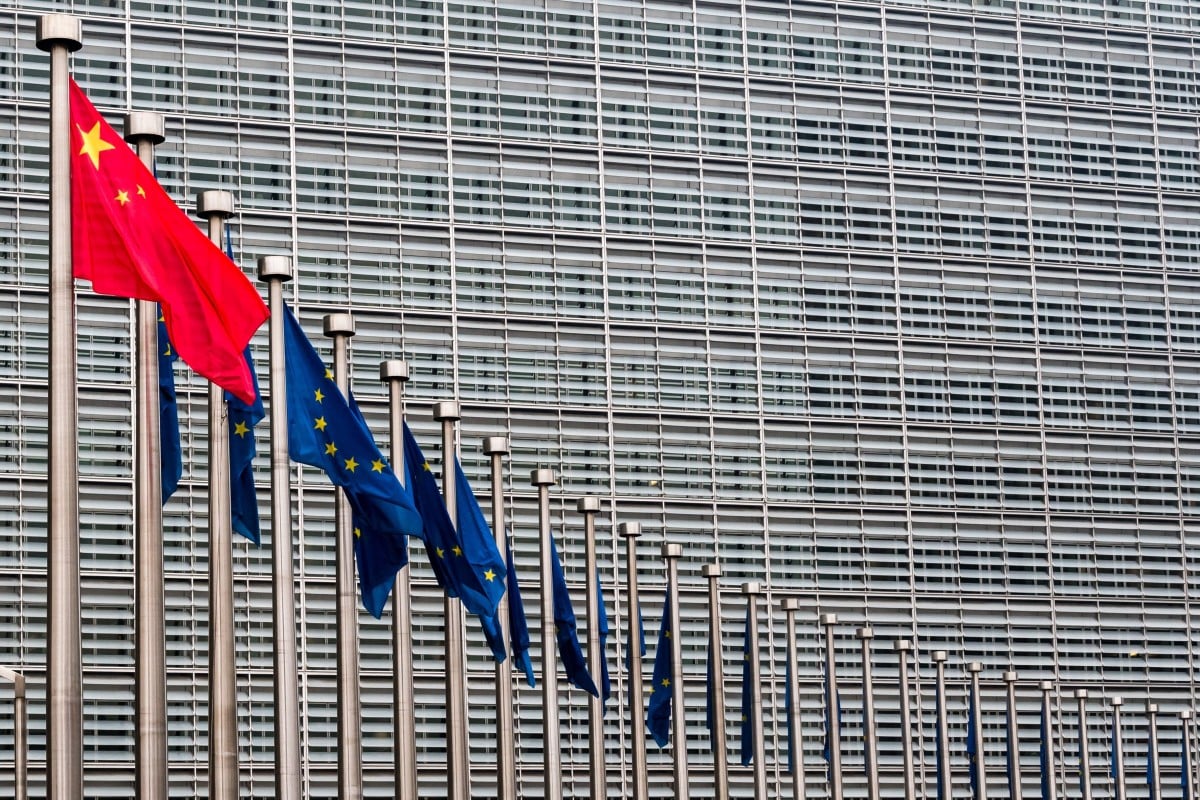

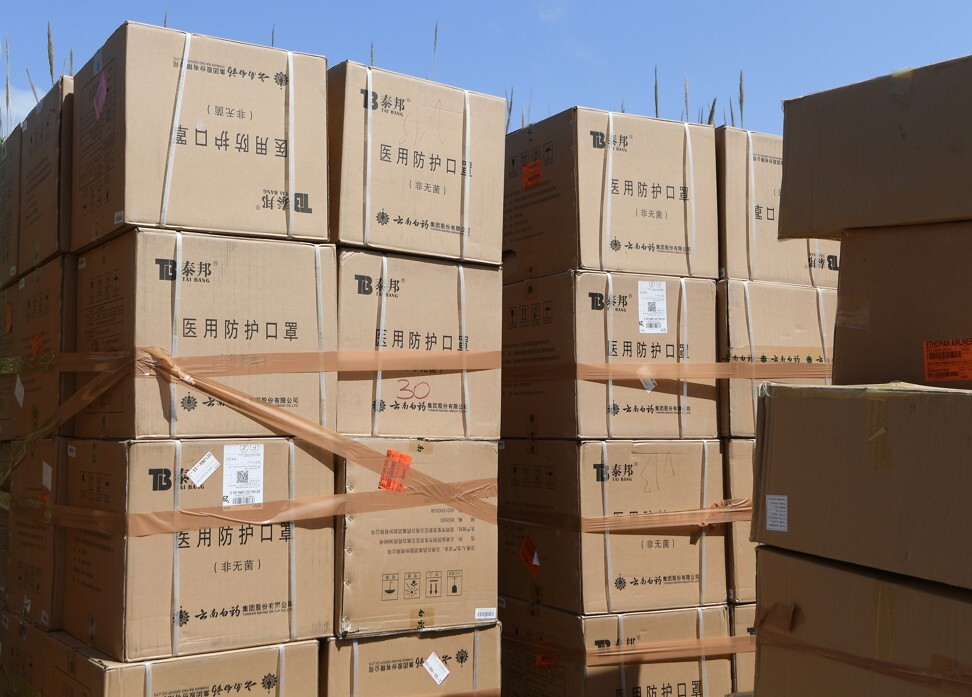
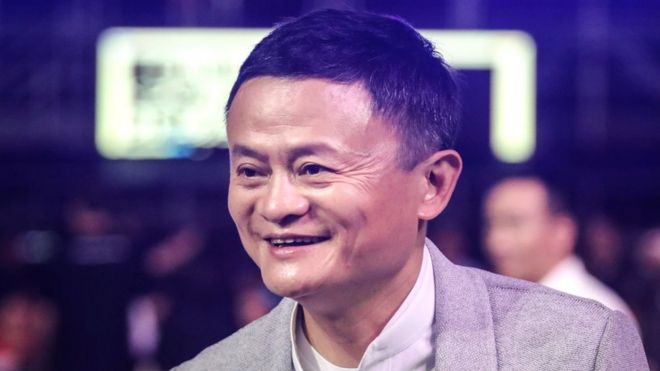
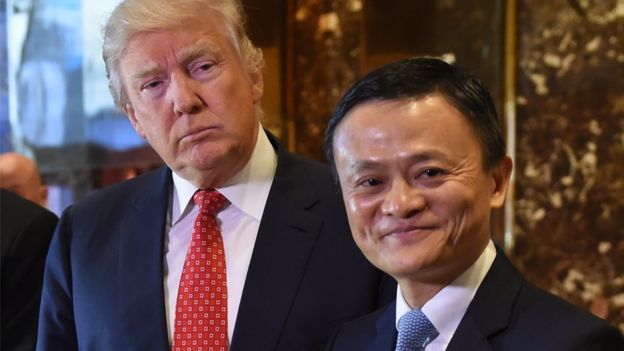


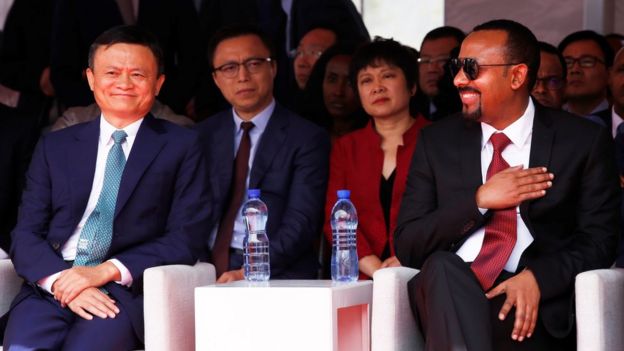
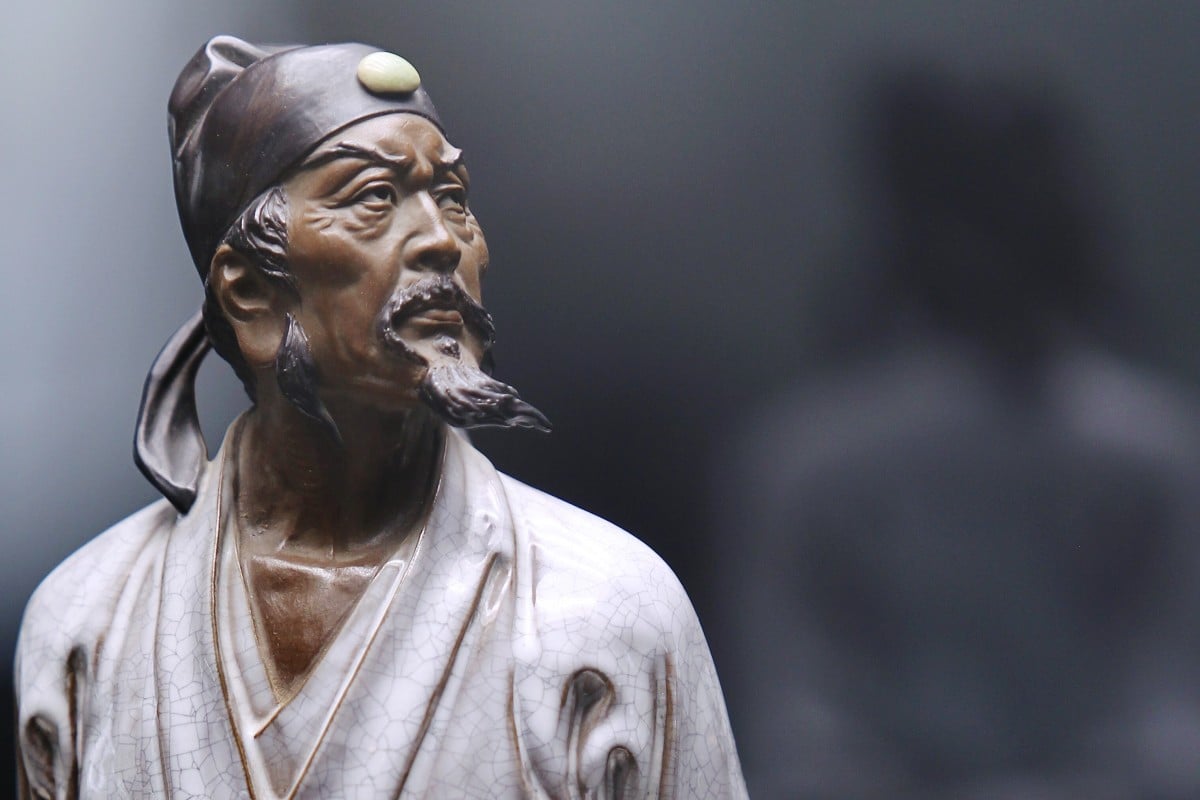
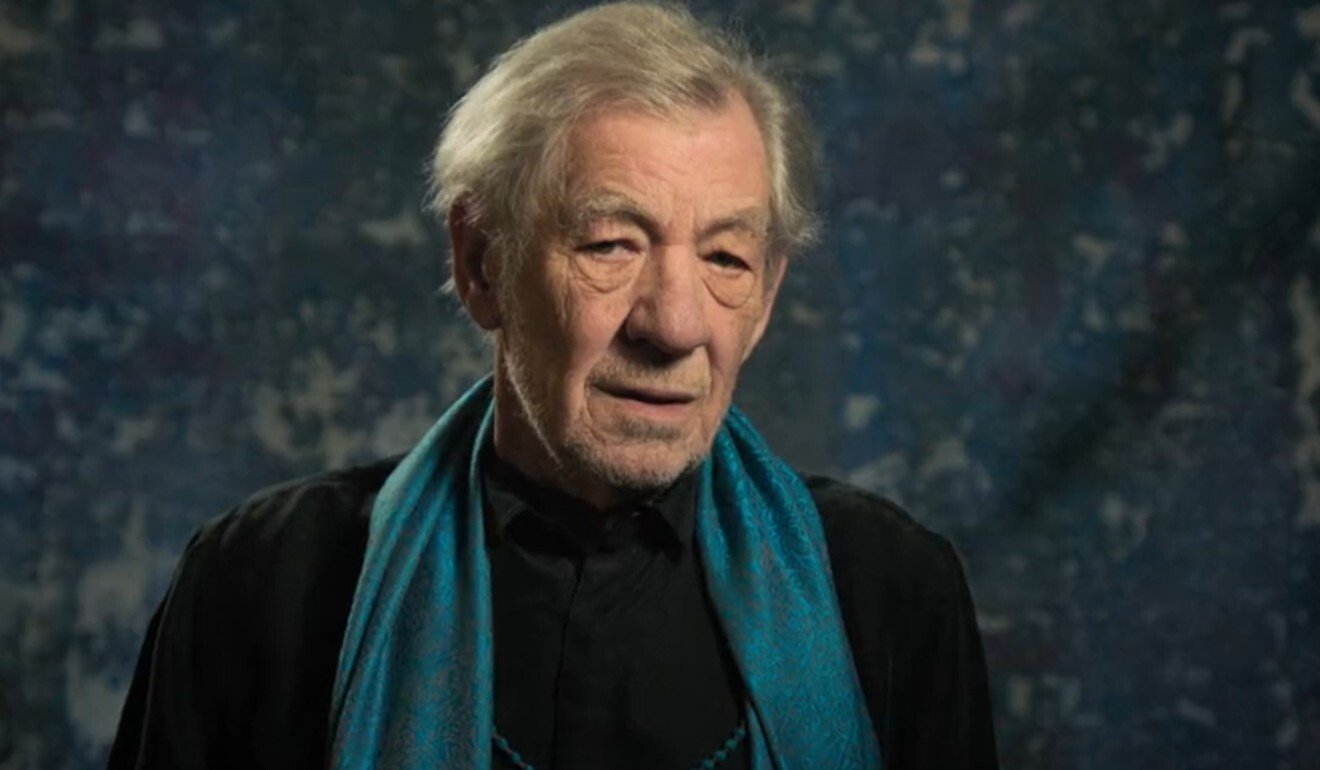
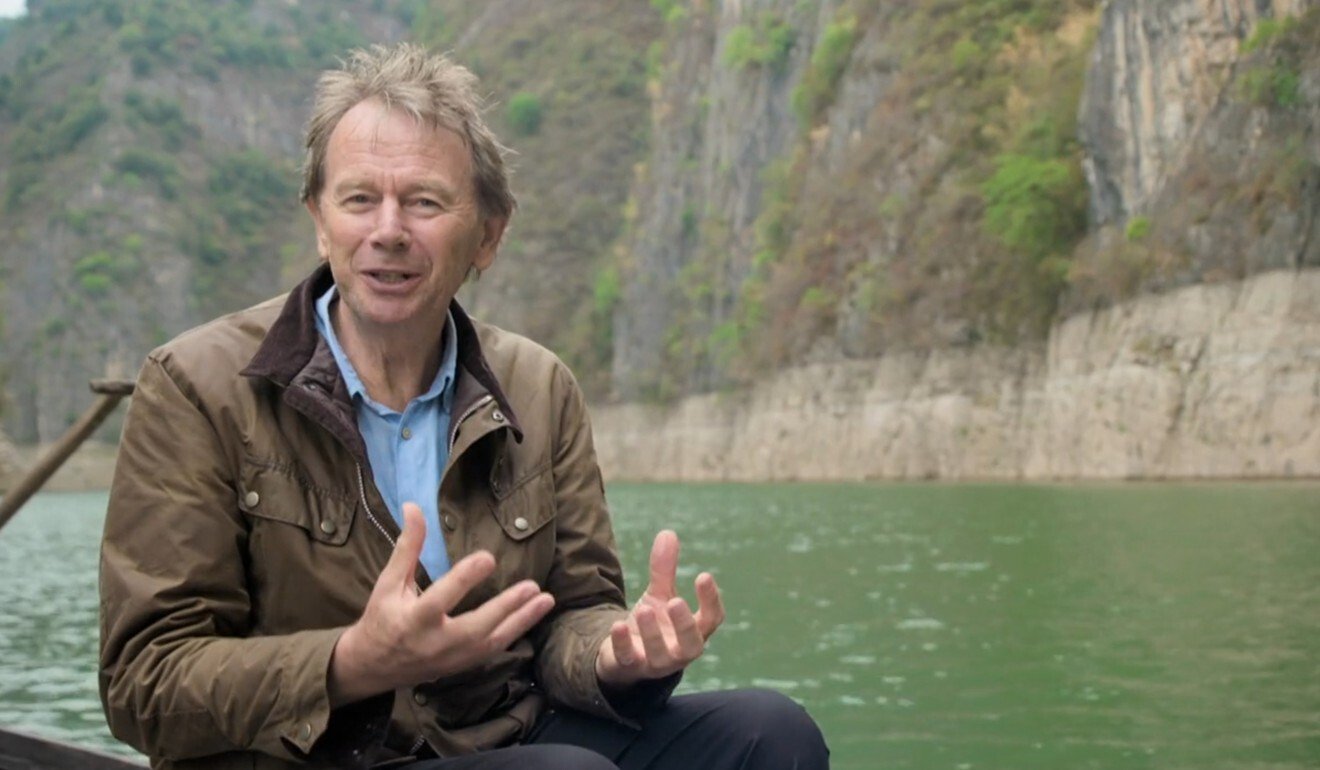


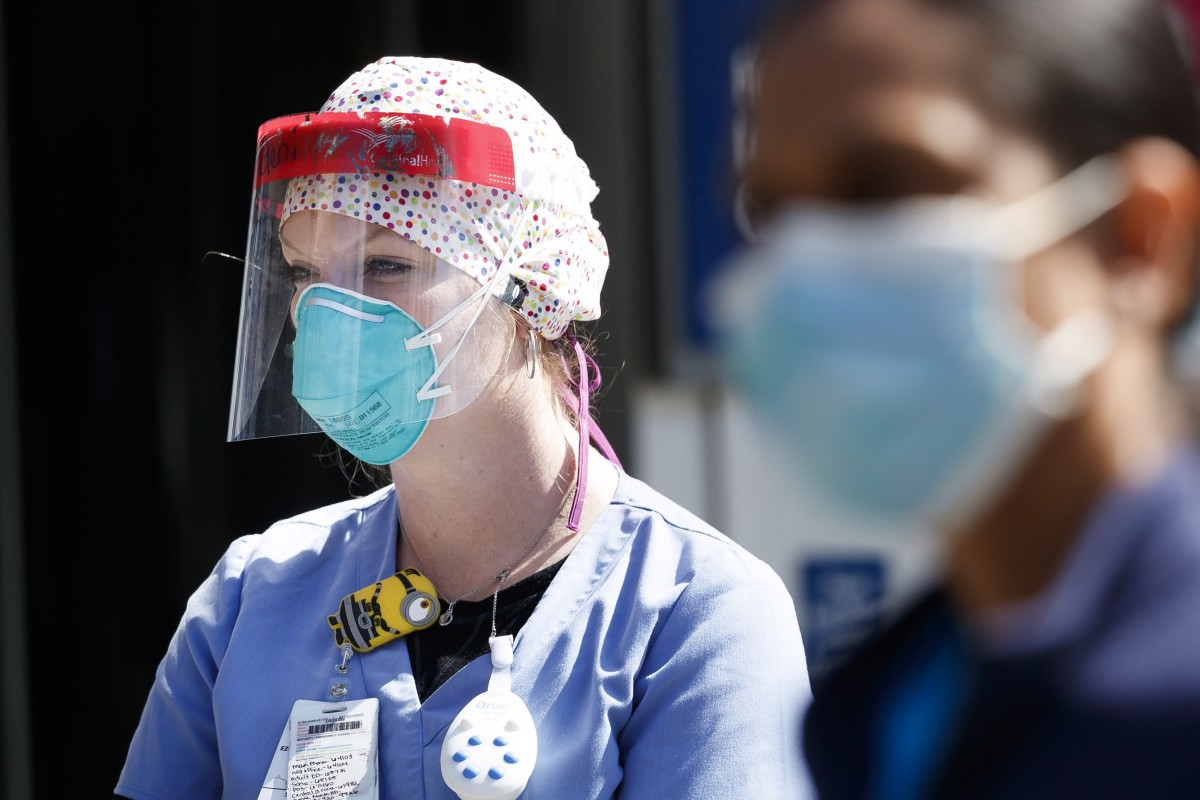
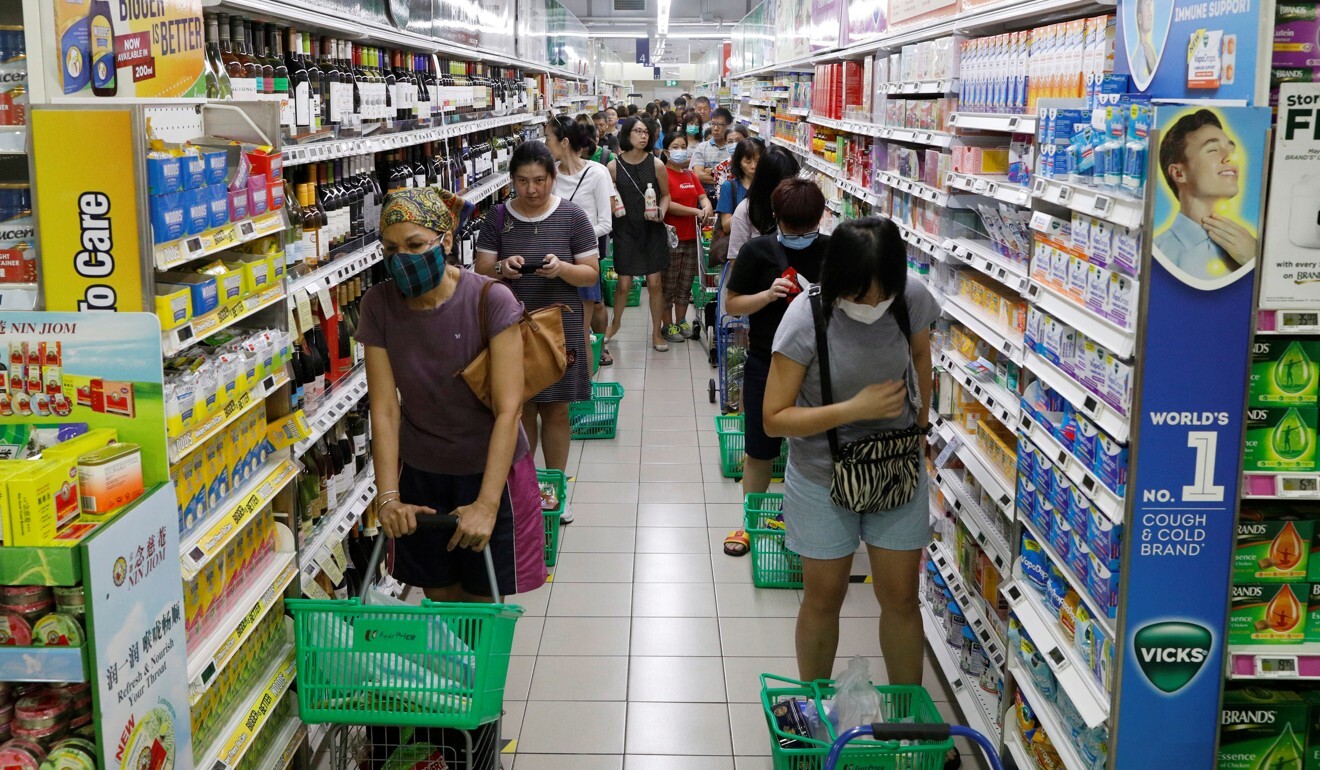
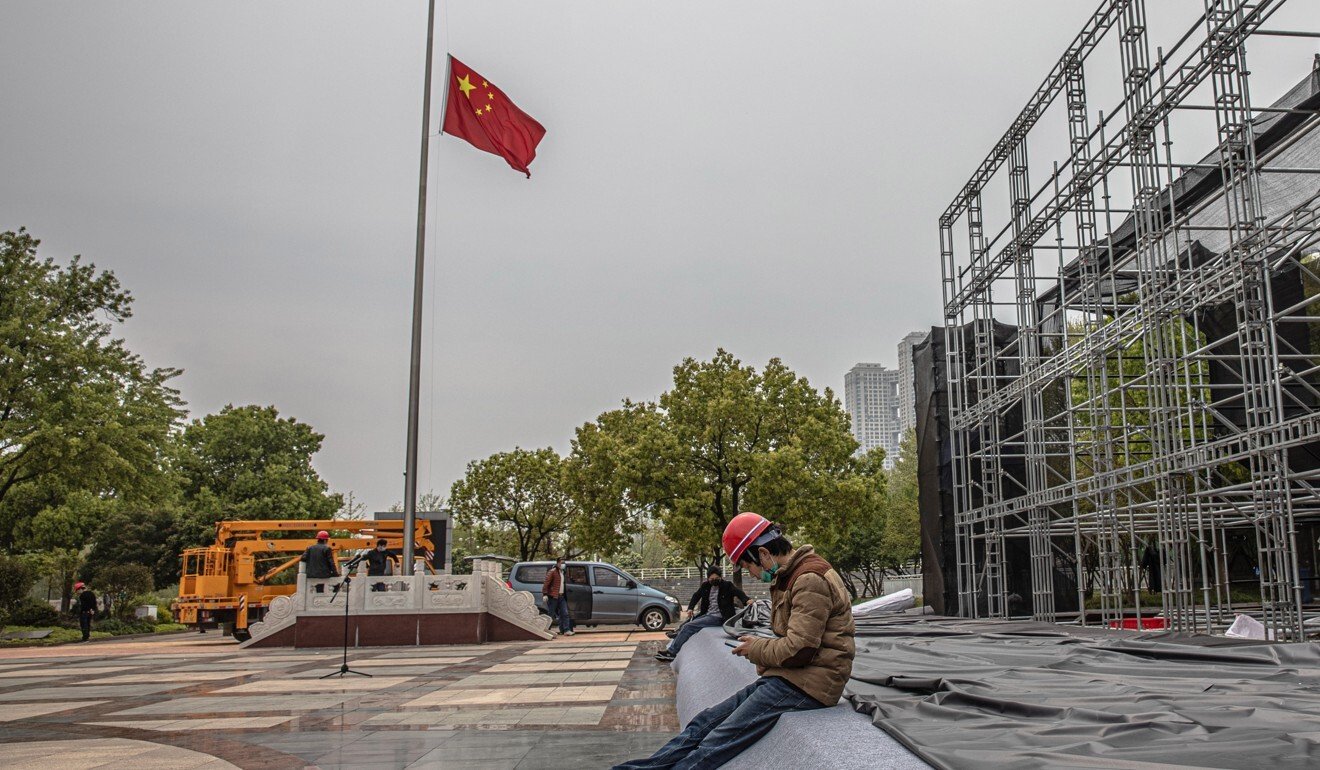


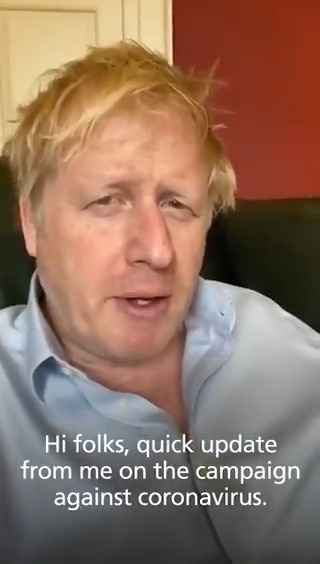

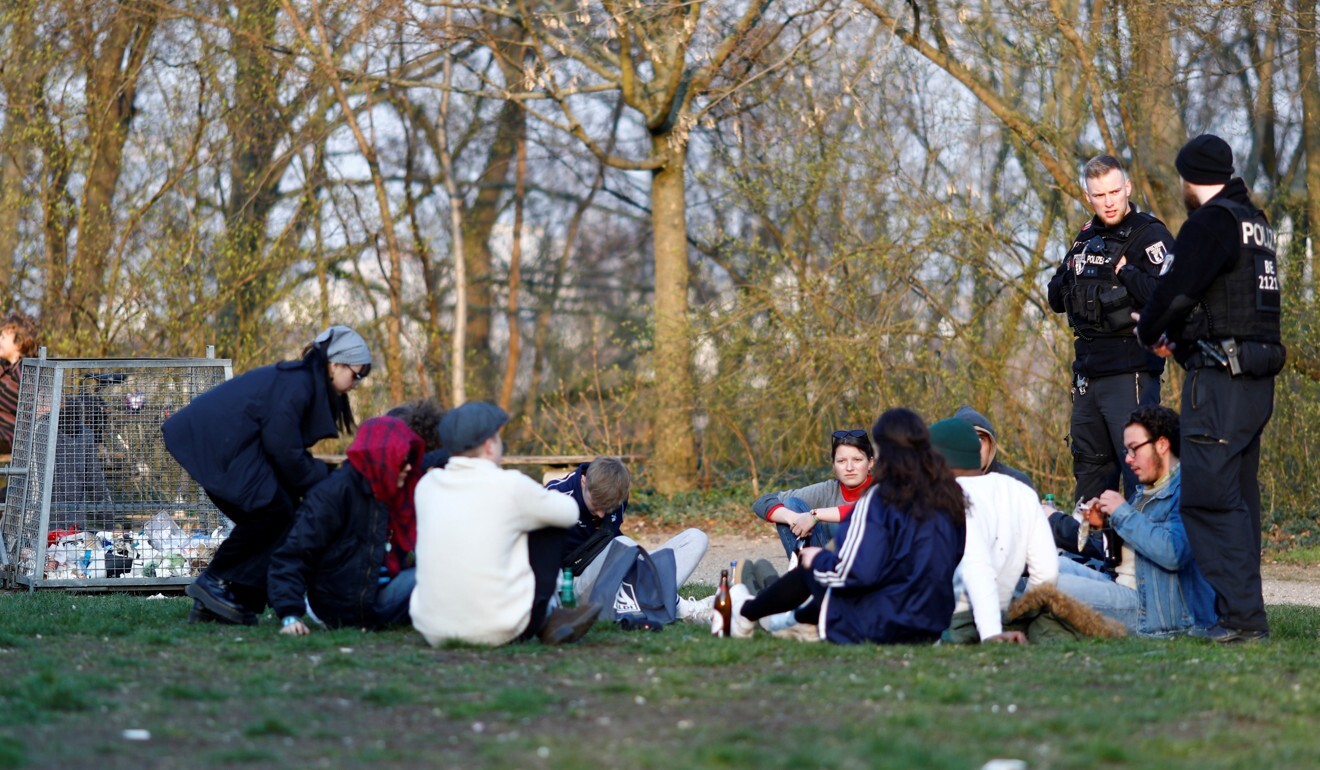
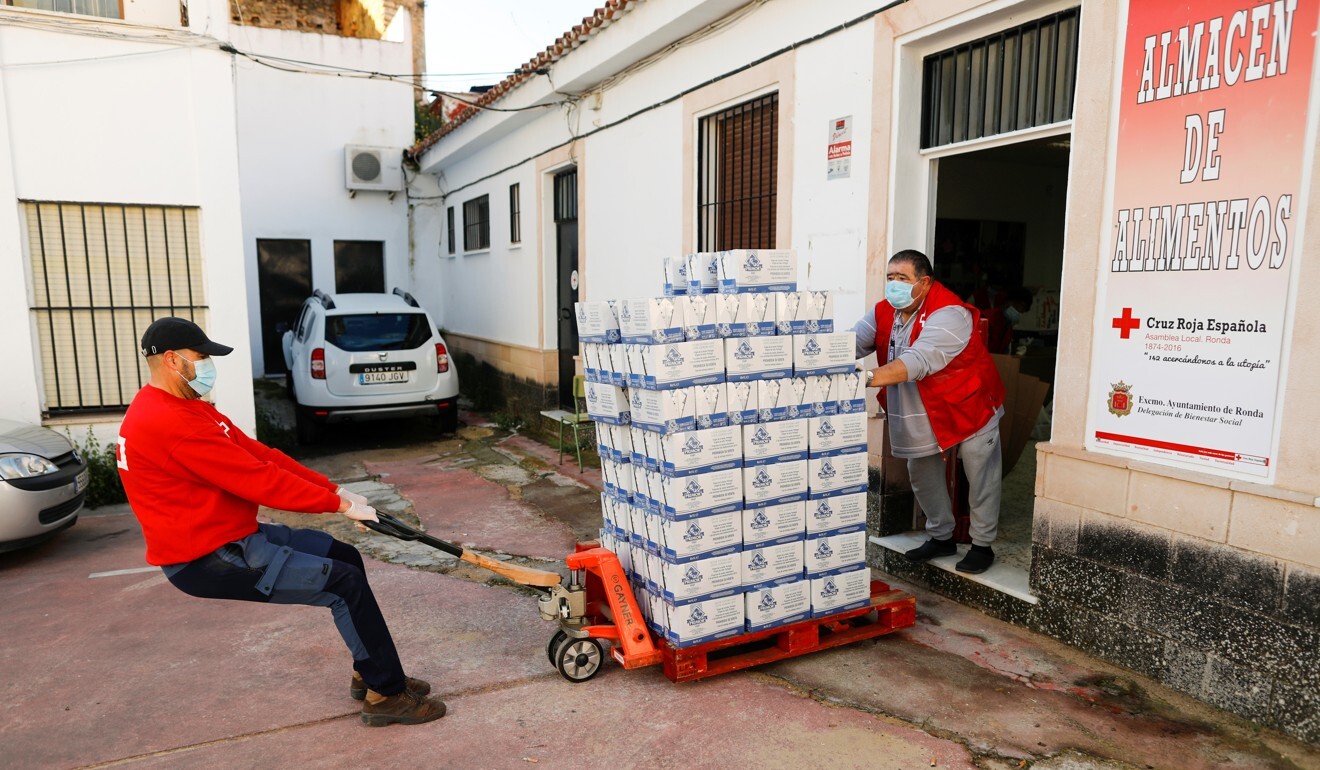
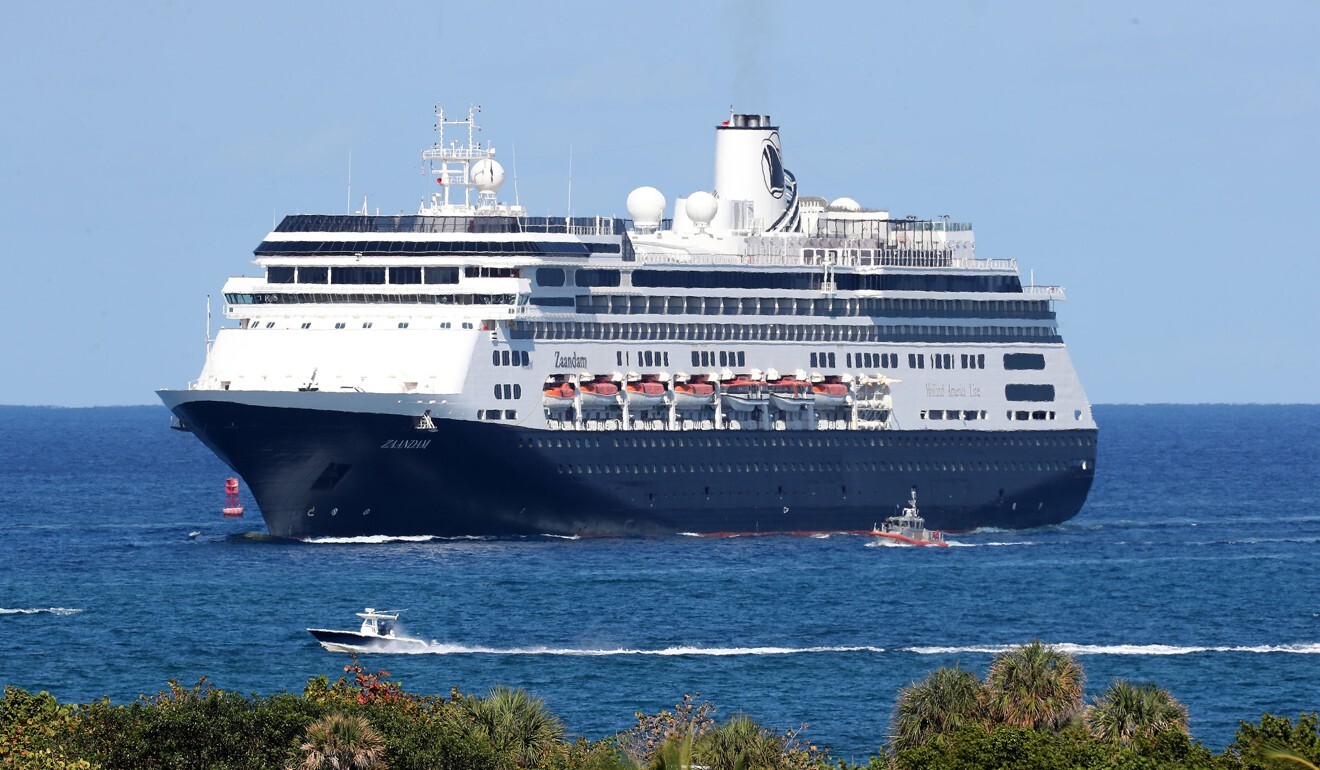

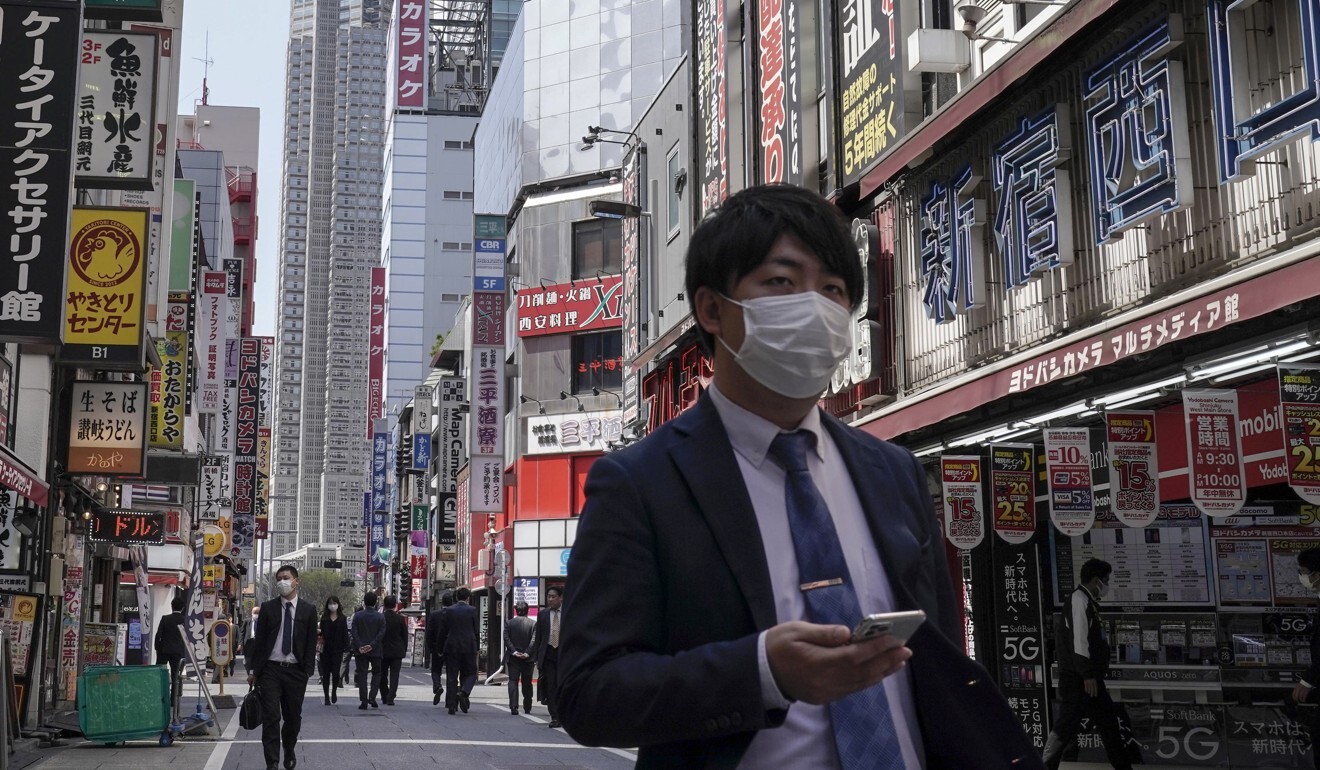

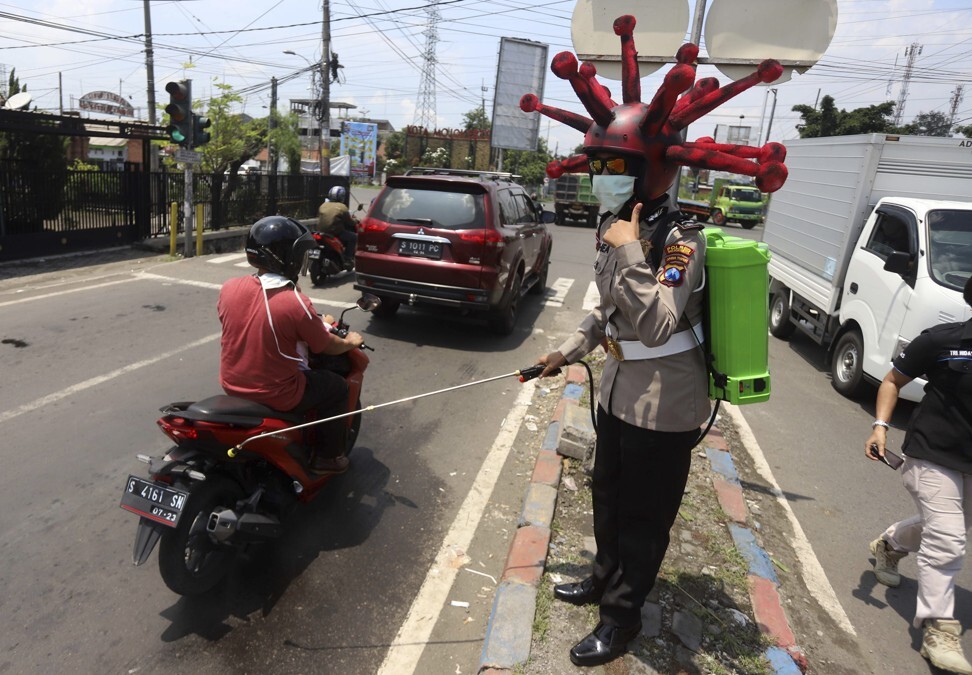

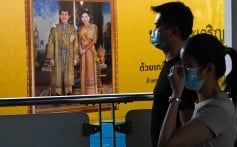
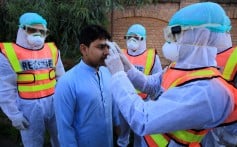
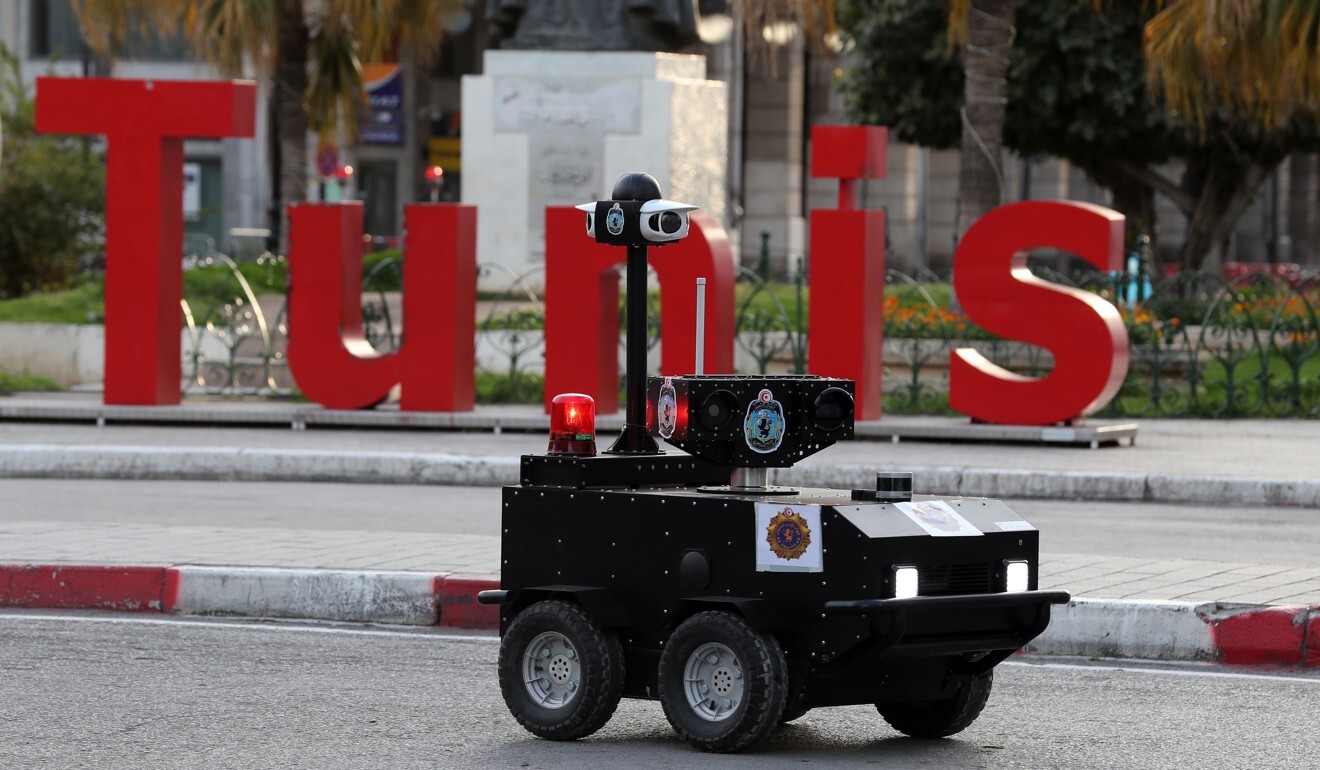
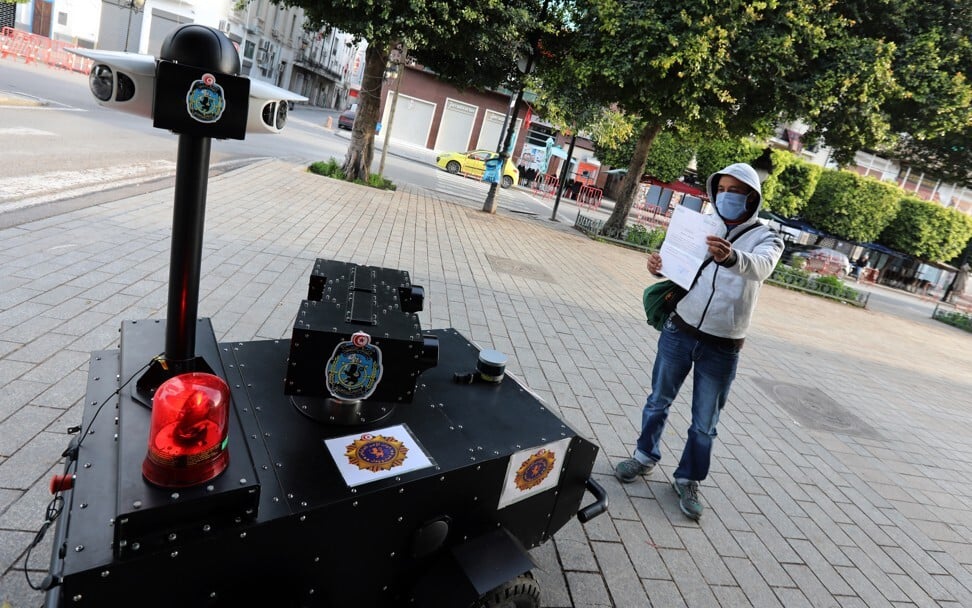
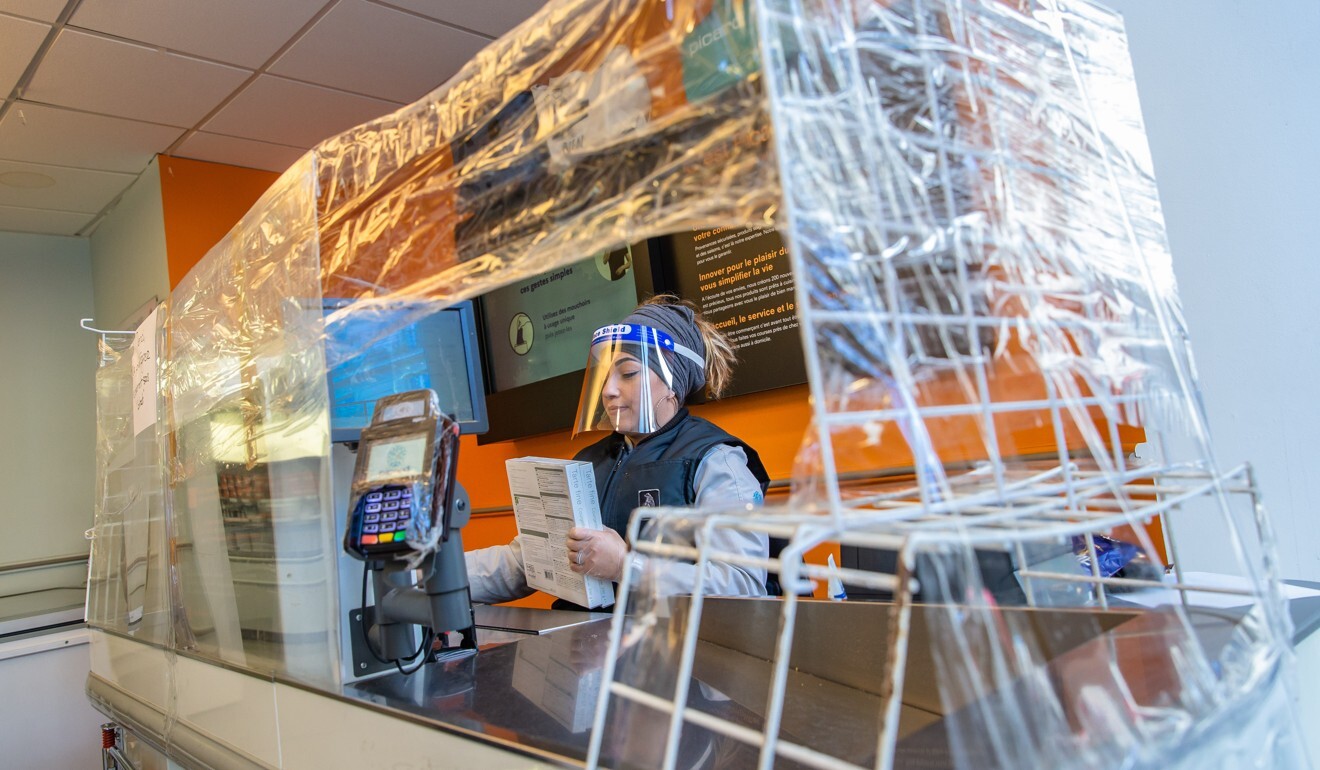
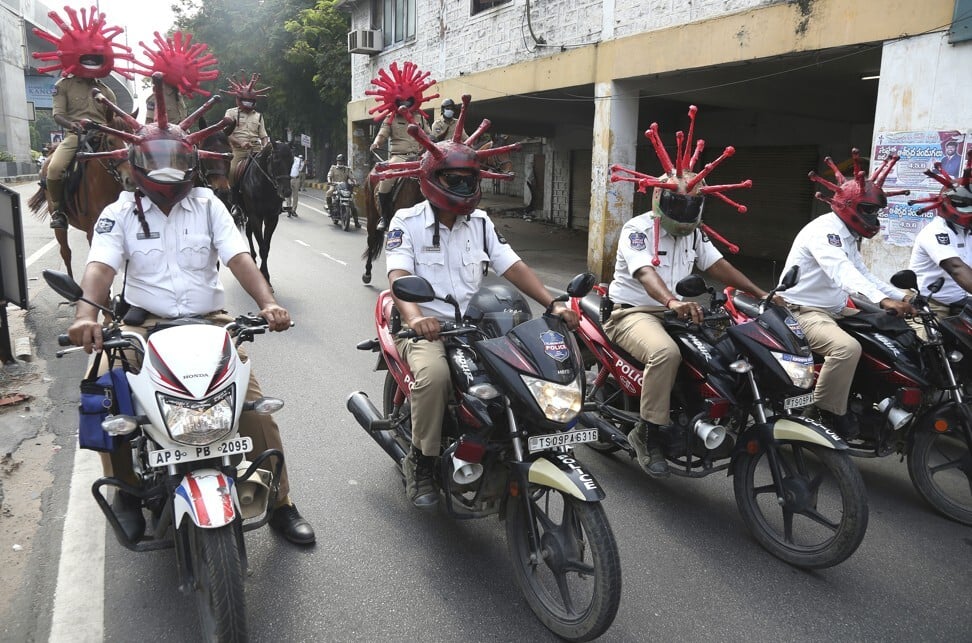


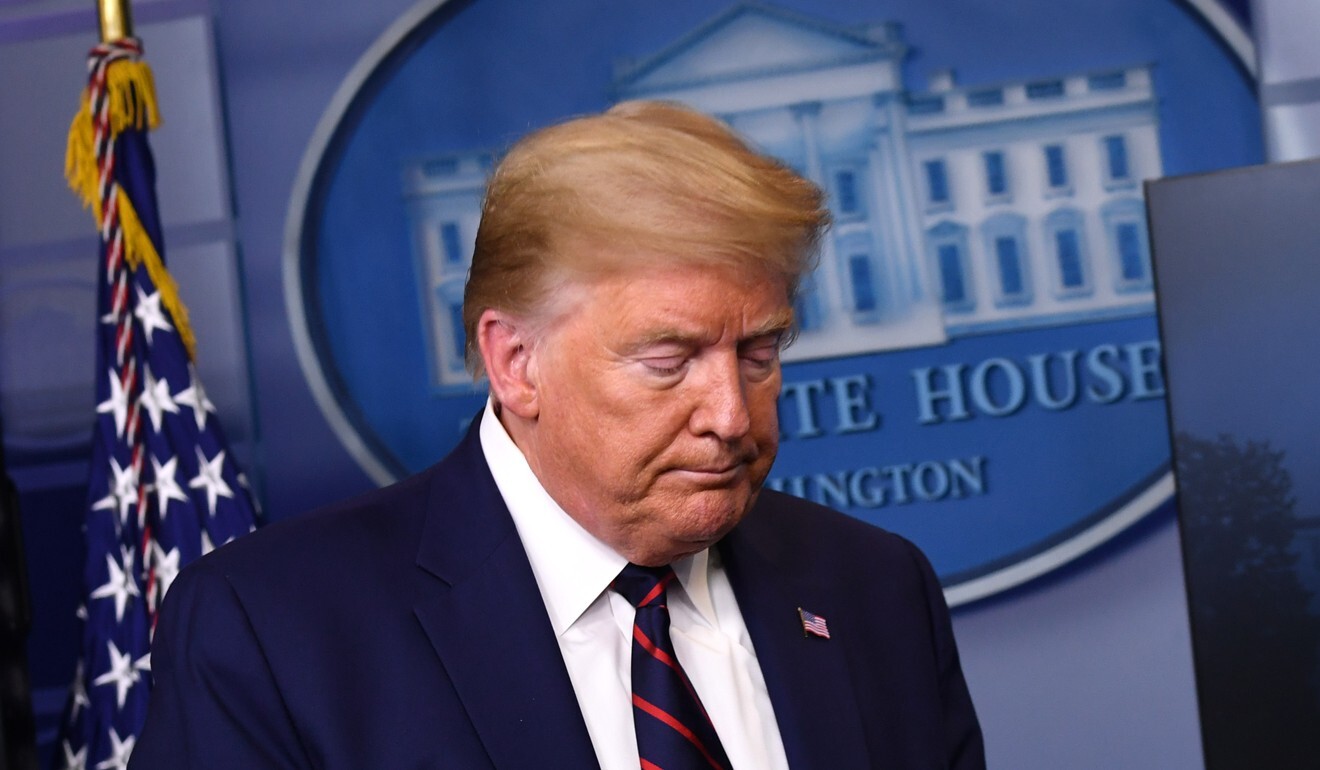
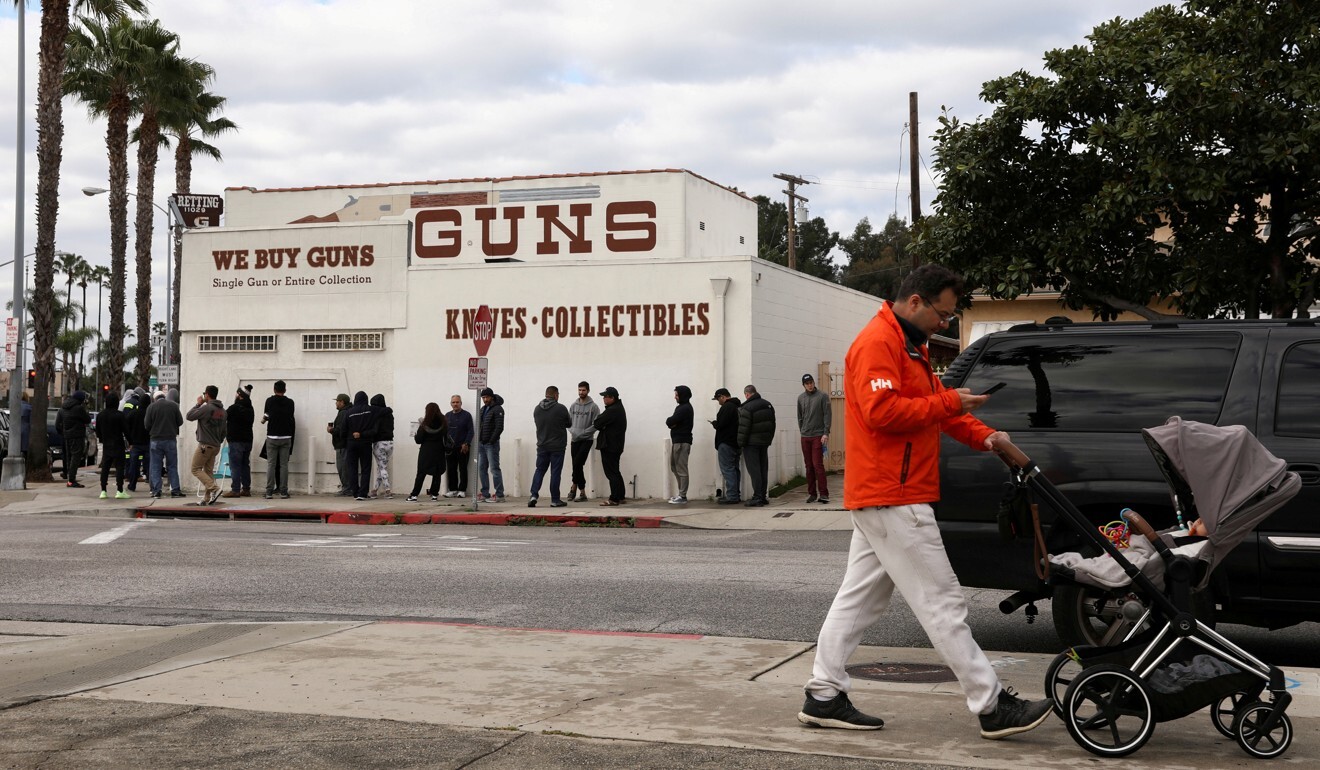


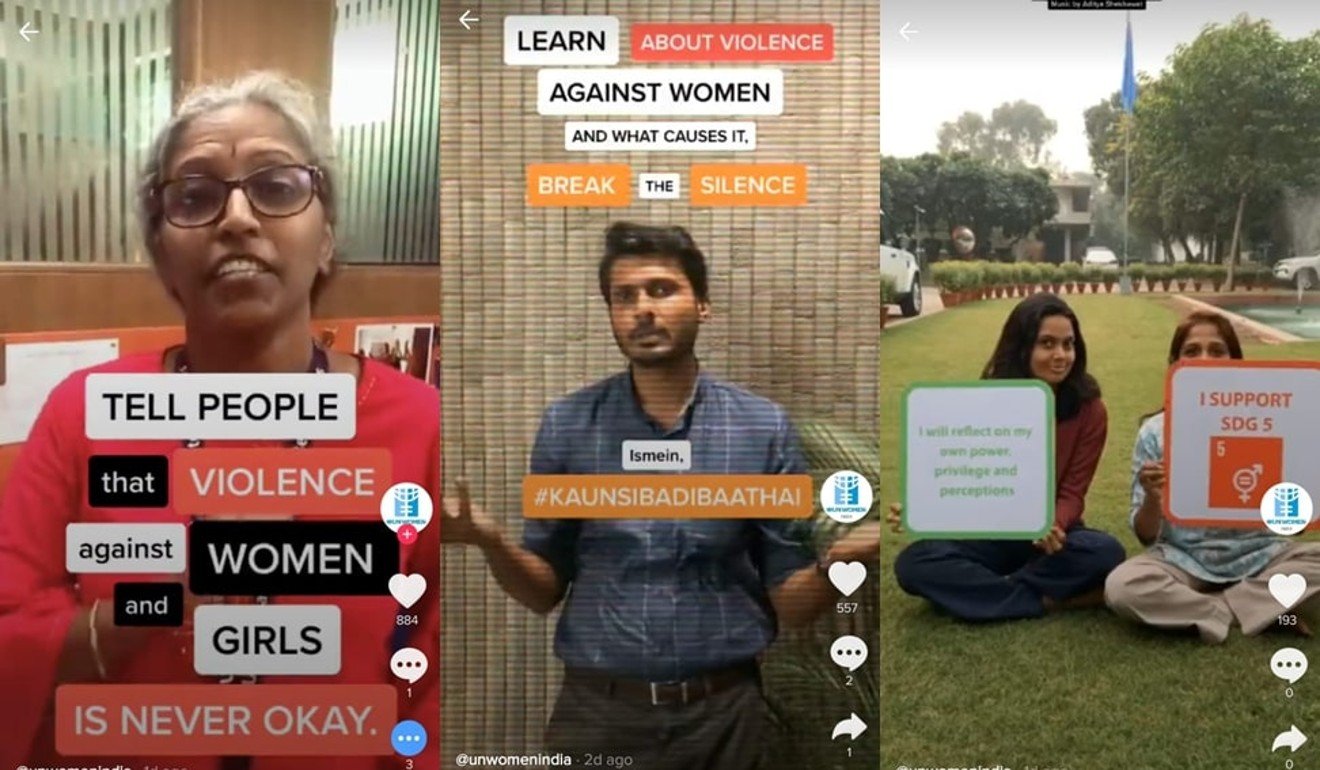


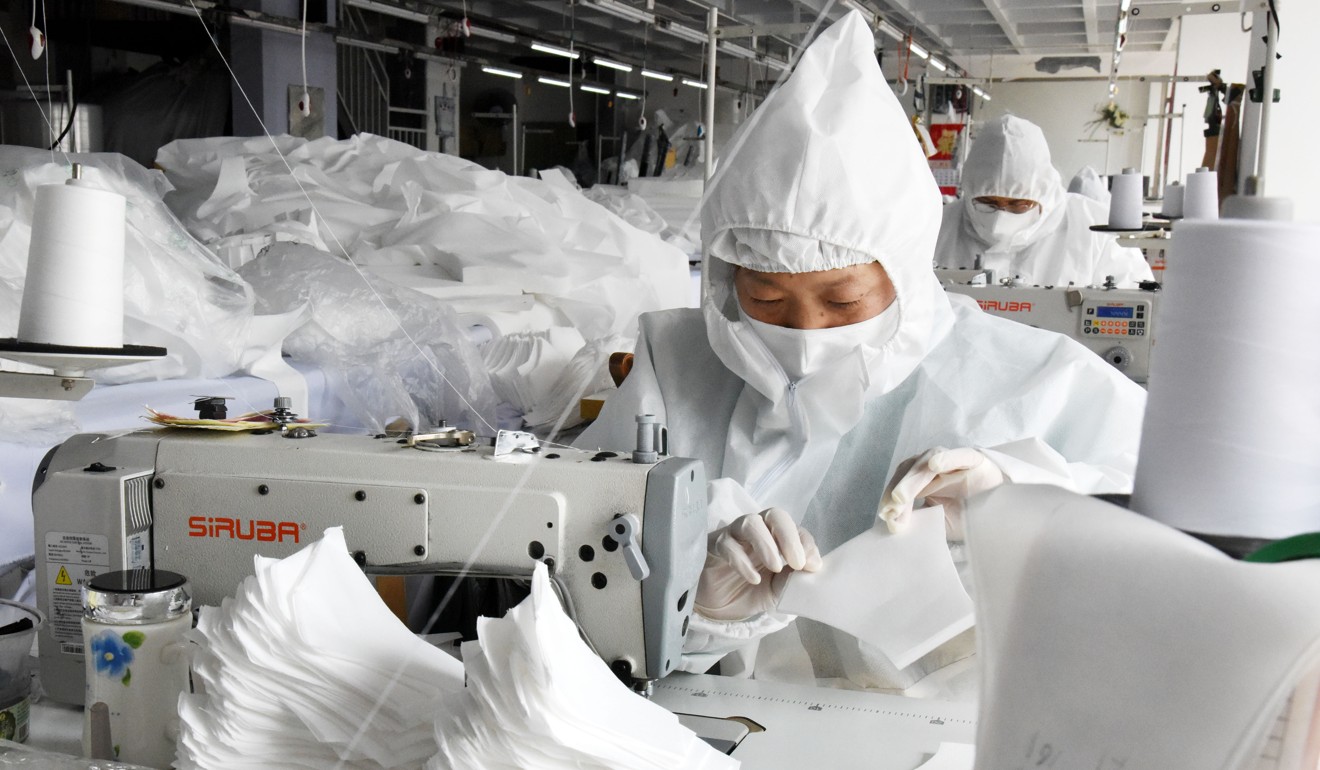

 CHINDIA ALERT: You'll be living in their world, very soon